RICHI NEWS
richi news
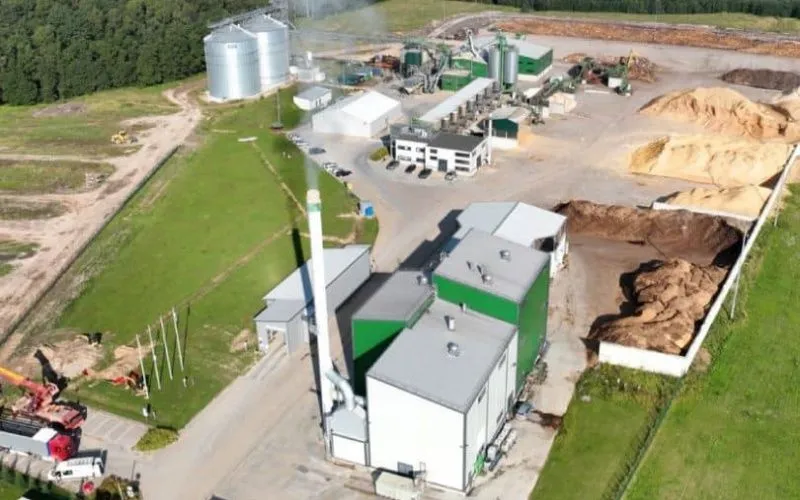
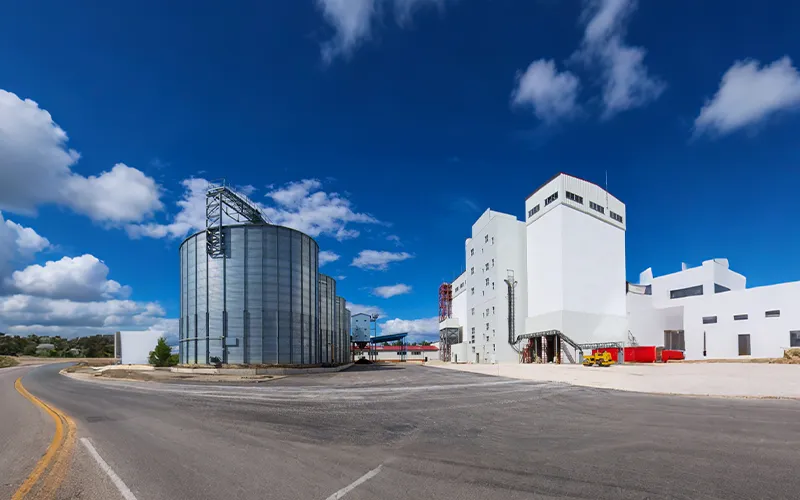
Biomass pellet production line in Brazil
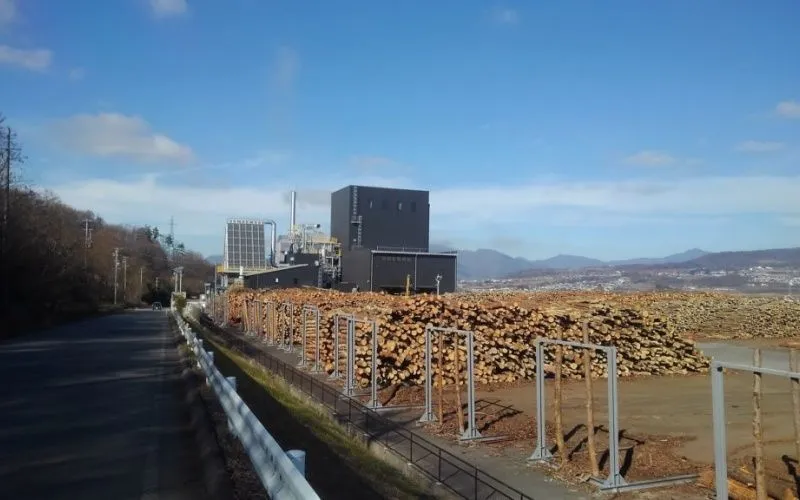
Sawdust pellet production line in Japan
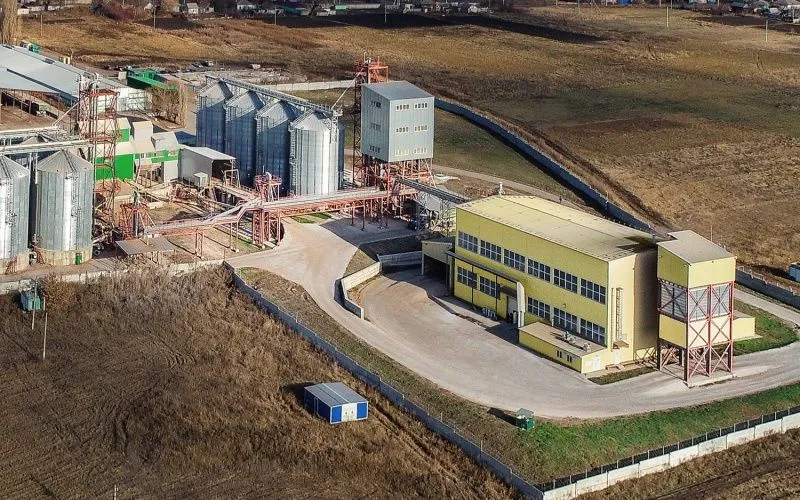
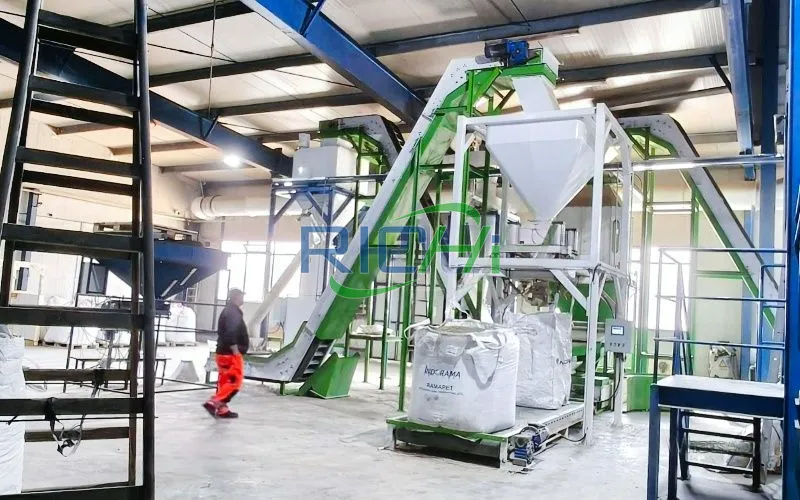
Animal feed production line in Indonesia
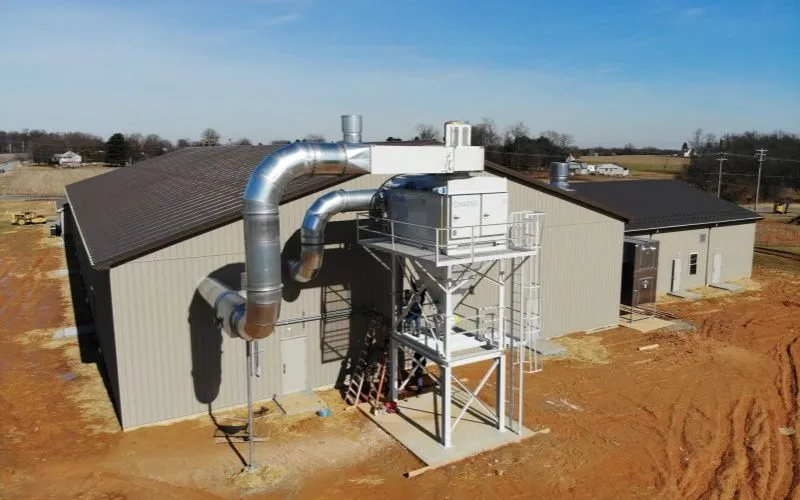
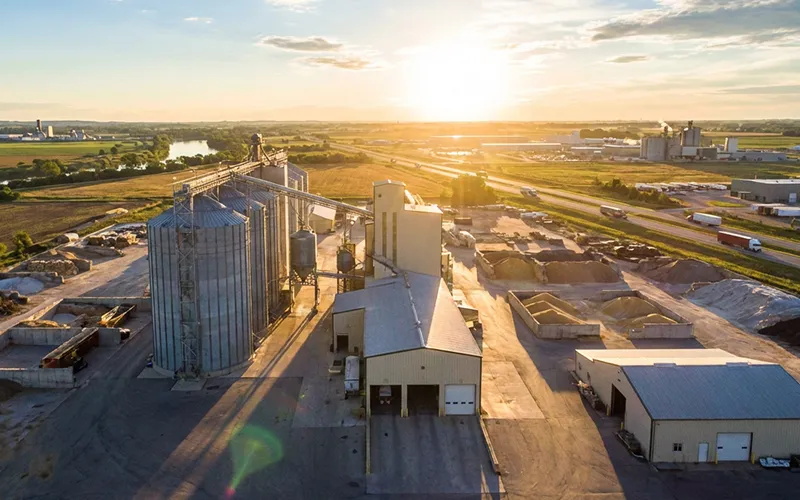
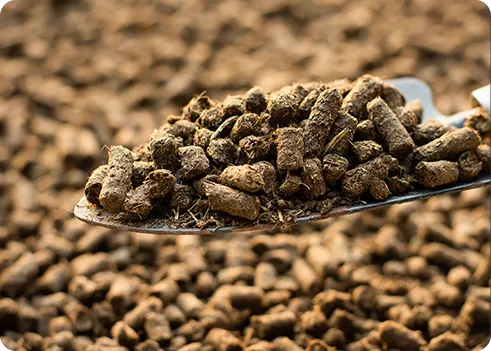
Chicken manure production line in the United States
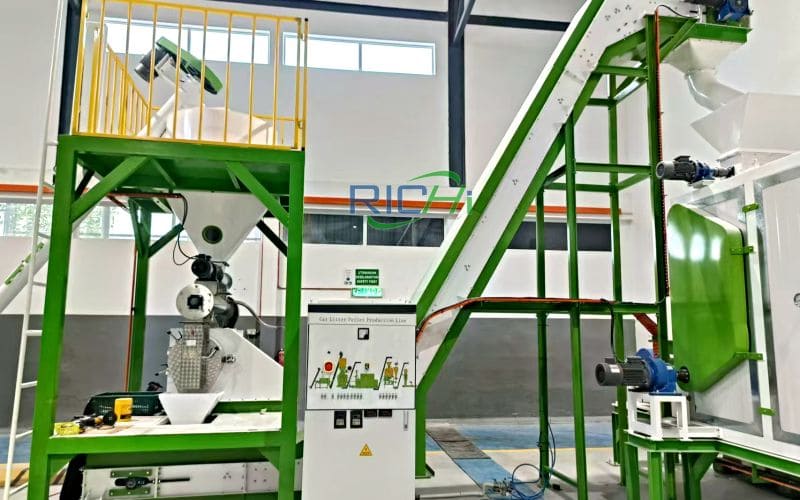
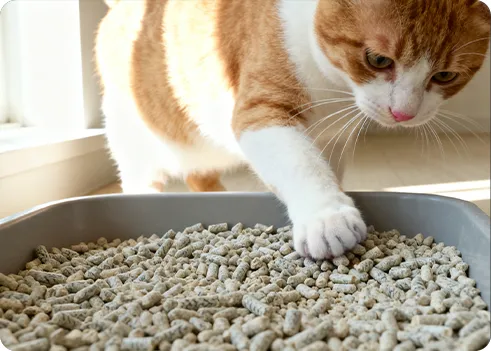
Cat litter production line in Russia
Poultry feed production line in Thailand
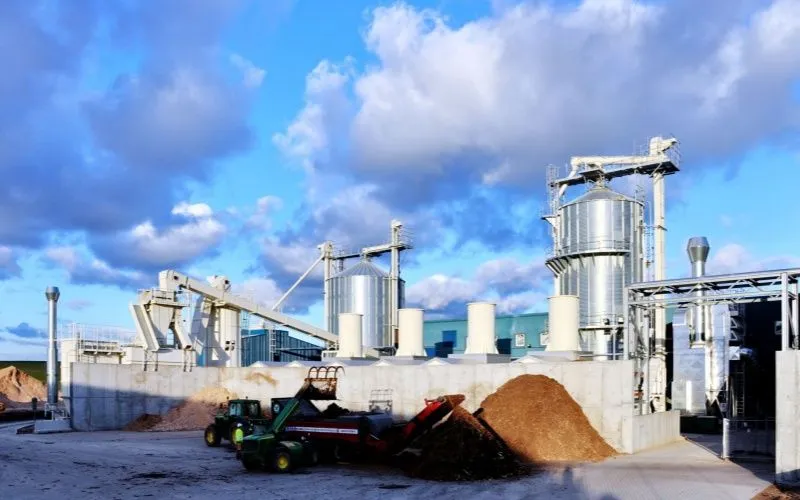
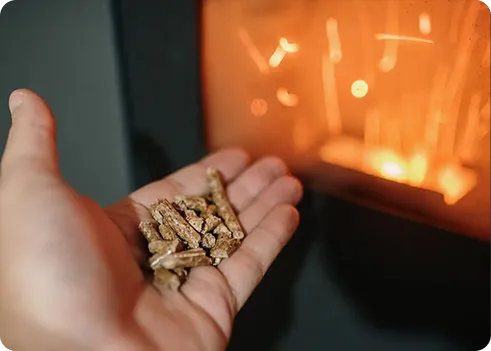
Wood pellet production line in Germany
Fuel pellet production line in Argentina
Cattle feed production line in South Africa

High-efficiency functional nutrition biological organic fertilizer project settled in New Zealand

Recently, RICHI reached a cooperation with a well-known biochemical company in New Zealand and signed an investment agreement. The 8t/h high-efficiency functional nutrition biological organic fertilizer project with a total investment of US$420,000 was officially settled in New Zealand. The formal signing of the project filled the gap in New Zealand’s biological organic fertilizer production […]

Recently, RICHI reached a cooperation with a well-known biochemical company in New Zealand and signed an investment agreement. The 8t/h high-efficiency functional nutrition biological organic fertilizer project with a total investment of US$420,000 was officially settled in New Zealand. The formal signing of the project filled the gap in New Zealand’s biological organic fertilizer production projects and effectively promoted the docking of the customer company’s brand advantages with local resource advantages and industrial advantages.

The customer company is a high-tech enterprise specializing in the research and development and production of biological and environmentally friendly pesticides. The company makes full use of modern bioengineering and other technologies to develop and produce biological pesticides with independent intellectual property rights and water-based environmentally friendly new formulations of pesticide formulations.

After investing in the construction of the organic fertilizer production line, it will rely on New Zealand’s ecological resource advantages to produce high-efficiency functional nutrition biological organic fertilizers and help the development of modern green agriculture.

The project covers a total area of ​​2,300 square meters and is expected to be completed and put into production in March 2025. After the project reaches full production, the company will achieve annual sales of tens of millions of US dollars.

03 / 2024
04

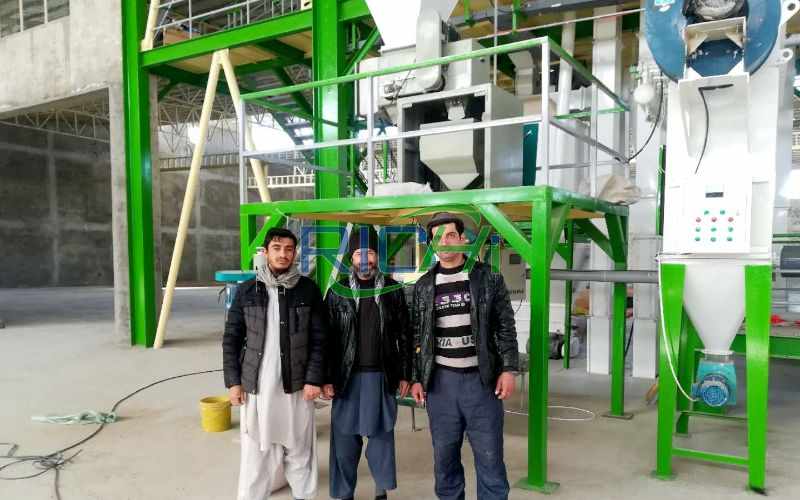
Afghanistan bio-organic fertilizer granule production line project will be put into trial production

Recently, RICHI’s service engineer saw in the production workshop of Afghanistan’s 5t/h bio-organic fertilizer project that the first batch of high-temperature fermentation tanks have been basically installed, and the organic fertilizer production line project will enter the trial production stage in the near future. The 40,000-ton annual bio fertilizer plant project cost is 360,000 US […]

Recently, RICHI’s service engineer saw in the production workshop of Afghanistan’s 5t/h bio-organic fertilizer project that the first batch of high-temperature fermentation tanks have been basically installed, and the organic fertilizer production line project will enter the trial production stage in the near future.

The 40,000-ton annual bio fertilizer plant project cost is 360,000 US dollars. It mainly processes straw and other agricultural wastes within the local area. After the completion of the entire project, it can process 60,000 tons of straw and other agricultural wastes and produce 40,000 tons of organic fertilizers annually. At present, the entire project is being implemented according to the established procedures. The first batch of main equipment (organic fertilizer granulator machine, fermentation equipment, mixing equipment, packaging equipment, etc.) are basically in place, and some auxiliary equipment will be in place soon.

The upcoming production is a good thing for customers, but how to ensure safe production in the hot summer weather has become the top priority for enterprises. In response to this situation, the customer company has made preliminary preparations, especially the preliminary safety training and daily safety management, so as to ensure that both the preliminary and daily work are done well, and on the premise of ensuring safety, the construction progress of the organic fertilizer production project is fully accelerated to ensure that the entire project is completed on schedule.

During the production period, our engineers reminded customers that they must ensure the safety of personnel and property, which is the key issue. On this basis, the normal and orderly production can be guaranteed. At present, the pre-order for the customer company’s products has been arranged, and the organic manure making machines will be debugged as soon as possible to enter the production stage to meet the needs of local farmers.

29 / 2024
03

RICHI signs a 20-ton feed production line project in Qatar

With the continuous development of the global economy, the feed industry has become a booming sunrise industry, which plays an increasingly important role in promoting the growth of national economies and the development of aquaculture in various countries. In order to meet market demand, the client of this project invested 1.2 million US dollars to […]

With the continuous development of the global economy, the feed industry has become a booming sunrise industry, which plays an increasingly important role in promoting the growth of national economies and the development of aquaculture in various countries.

In order to meet market demand, the client of this project invested 1.2 million US dollars to build a new 160,000-ton environmentally friendly compound feed mill project in Qatar, mainly producing ordinary aquatic feed, puffed aquatic feed, environmentally friendly cattle feed and fermented feed.

The animal feed production line project will work 300 days a year, 24 hours a day, with a labor quota of 45 people. The animal feed factory project is expected to be completed and put into production in April 2025. After it is put into production, it will produce 40,000 tons of puffed aquatic feed, 20,000 tons of ordinary aquatic feed, 50,000 tons of environmentally friendly cattle feed, and 50,000 tons of fermented feed annually.

The main construction projects of the project are:

  • Main workshop: a 4-story concrete frame structure, 33.5m high, 1765.84 square meters of construction area;
  • 2# workshop: a 1-story, steel frame structure, 8m high, 475 square meters of construction area;
  • Comprehensive building: 1 building, 2 floors, brick-concrete structure, 500 square meters of construction area;
  • 1# workshop: a 1-story, steel frame structure, 8m high, 475 square meters of construction area;
  • 4 corn and wheat silos, 4 corn silos with a capacity of 1000 cubic meters per silo;
  • 3 soybean oil storage tanks, each with a capacity of 41m cubic meters;
  • One canteen, one machine repair workshop, supporting environmental protection measures.
24 / 2024
03

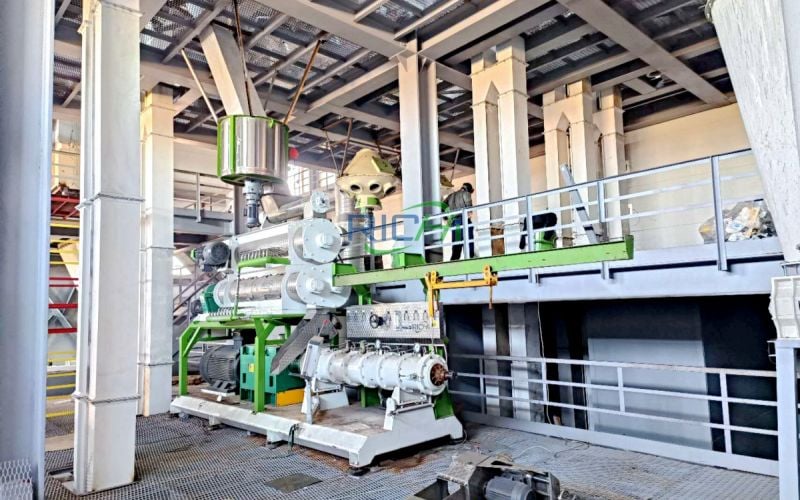
Uzbekistan aquatic extruded feed production line was successfully put into operation

Recently, a 5-ton-per-hour aquatic floating fish feed production line with a total investment of nearly US$800,000 was officially put into operation by a feed factory in Uzbekistan. This project is an expansion project based on the first phase of the customer’s original extruded feed production line. By adding a set of twin screw extruders, 2 […]

Recently, a 5-ton-per-hour aquatic floating fish feed production line with a total investment of nearly US$800,000 was officially put into operation by a feed factory in Uzbekistan.

This project is an expansion project based on the first phase of the customer’s original extruded feed production line. By adding a set of twin screw extruders, 2 crushing bins for secondary crushing, 2 micro pulverizers, 2 sets of pneumatic conveying systems, and screw conveyor, pulse dust collectors, screw conveyors, screening systems, secondary batching mixing systems, drying, cooling, packaging systems and other equipment have increased the customer’s aquatic puffed feed production from the original 1 ton per hour to 5 tons per hour. This further alleviates the customer company’s problem of insufficient supply in the aquatic expanded feed market.

This customer has now launched a series of extruded compound feeds for grass carp, herring, yellow catfish, loach, and barracuda, and will also launch feed products for grouper, bream, and pets. Particle size ranges from 1.0 to 7.0, which can meet the needs of farmers at different levels.

Developing extruded feed and promoting the healthy and sustainable development of the aquaculture industry are important measures for customer companies to adjust their industrial structure and achieve industrial transformation and upgrading. Feed is an important factor affecting the growth of aquatic animals. One year of practice has proven that after using extruded feed produced by customers, aquatic animals grow quickly, have low feed coefficients, low incidence rates, and are resistant to transportation.

At the same time, it reduces the production cost of the breeding industry, reduces the own pollution and disease occurrence of the breeding industry, and effectively guarantees the quality and safety of aquatic products. It is both economical and environmentally friendly. It is a new development of the feed industry with the theme of green and environmental protection today and in the future. direction is an inevitable trend to promote the sustainable development of aquaculture industry.

19 / 2024
03

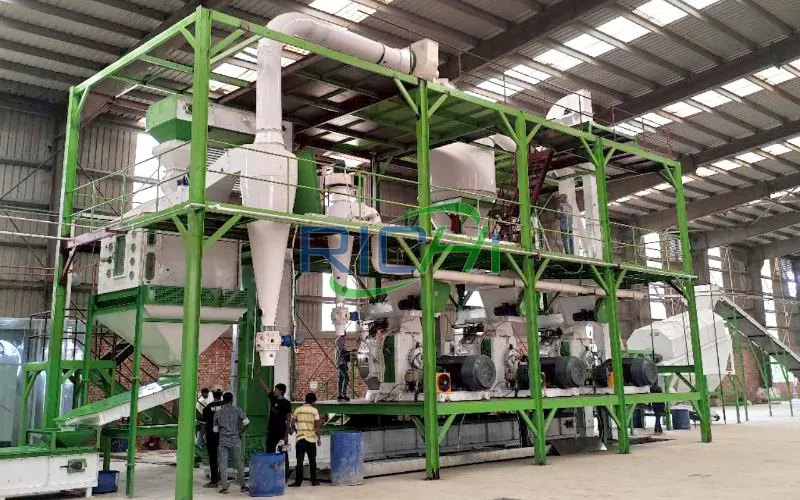
Romania biomass pellet production line project processes 25 tons of branches per day

Recently, at the site of a biomass pellet production line project in Romania, RICHI’s after-sales engineers saw machines roaring in the wood pellet factory and workers busy carrying out processes such as branch crushing, crushing, drying, granulation, and packaging. This biomass wood pellet production line project provides a place for discarded branches and trunks. It […]

Recently, at the site of a biomass pellet production line project in Romania, RICHI’s after-sales engineers saw machines roaring in the wood pellet factory and workers busy carrying out processes such as branch crushing, crushing, drying, granulation, and packaging. This biomass wood pellet production line project provides a place for discarded branches and trunks. It processes more than 5,000 tons of branches annually and can produce more than 1,500 tons of biomass pellets and more than 2,500 tons of biomass slices.

It achieves annual profits of millions of dollars and is used for power generation and biogasification in power plants. And used in hotels, guesthouses, schools, hospitals, factory boilers for water heating, air conditioning heating, steam, etc. The products are currently sold to hotels, factories, etc. in surrounding countries.

Biomass pellets are a new type of clean fuel that uses agricultural waste (such as branches, straw, etc.) as raw materials and undergoes processes such as crushing, pulverization, and high-pressure molding to produce pellets that can be burned directly. It solves the problem of random burning of farmland straw and random discarding of branches in rural farmland, improves the living environment, and is of great significance to the development of green production and increased farmers’ income.

14 / 2024
03

Straw turns into energy, Canada straw pellet production line goes into operation

Turning straw, branches, and fallen leaves into directly usable energy is probably something that many agricultural and forestry people have been looking forward to for a long time. Now, a biomass fuel pellet plant project launched in a Canadian town has turned this wish into a reality. The customer of this project runs a small […]

Turning straw, branches, and fallen leaves into directly usable energy is probably something that many agricultural and forestry people have been looking forward to for a long time. Now, a biomass fuel pellet plant project launched in a Canadian town has turned this wish into a reality.

The customer of this project runs a small biomass fuel company. In the production workshop, the machinery is “rumbling”, and smooth cylinders as long as chalk thick are pouring down the exit of the production equipment and falling into the packaging. bag.

This is the finished product of biomass pellet fuel. People put this fuel into special stoves, and the heating effect is similar to that of coal. The key is that it is also environmentally friendly. This is the fuel for clean heating in rural areas using “coal to biomass”. This clean heating method is also being promoted in many areas where coal-to-electricity and coal-to-gas projects are difficult to cover.

This kind of pellet fuel has a calorific value of 3900 to 4800 kcal per kilogram, and the calorific value after carbonization is 7000 to 8000 kcal per kilogram. Biomass pellet fuel has high purity, almost no other impurities that do not produce heat, and high carbon content, which can greatly reduce fuel costs.

Now, the client company is recycling dead wood into biomass fuel, and is also trying to cooperate with some counties, forestry units, and villages to recycle straw and process it into fuel. If the cooperation goes smoothly, local straw can be recycled and the pressure on local forest and grassland fire prevention will be greatly reduced.

This project covers a total area of ​​about 1,200 square meters, with a total biomass pellet project cost of US$490,000. It will start operation on June 15, 2024. The project mainly produces feed pellets and biomass pellet fuel, with a designed annual output of about 50,000-60,000 tons. The process of this biomass straw pellet plant project is not complicated. Generally speaking, it just crushes and compresses agricultural and forestry waste, waste wooden furniture, wood scraps and other raw materials.

The customer liked this project because it not only caused no pollution, but also effectively utilized agricultural and forestry waste. This project has diverse raw materials and great room for development. With the continuous expansion of forest area and total forest and grass resources, the combustible materials under the forest have also increased significantly. What many people consider a fire hazard is an available raw material for this project.

At present, the annual output of biomass pellet fuel in this biomass pellet production line project is less than 20,000 tons. It is expected to reach an annual output of 60,000 tons after gradually increasing production capacity this year and next year. Now, the client company has received a lot of market orders and has no worries about product sales. This year, not only large local industrial enterprises have signed orders with customer companies, but some local processing companies have also had in-depth cooperation with customer companies.

In short, as a renewable energy biomass pellet fuel, this industry can not only supplement the shortage of conventional energy, but also have the ecological benefit of “turning waste into treasure”. Compared with other biomass energy technologies, this technology is easier to achieve large-scale application, and the future is promising.

09 / 2024
03

Brazil high-end aquatic compound feed production line project is about to be put into operation

At present, in the production workshop of a well-known local feed company in Brazil, you can see that RICHI’s extrusion host equipment has been put in place one after another, and workers are busy installing it. This is a new 4t/h high-end aquatic compound feed production line installed by the customer company, with a total […]

At present, in the production workshop of a well-known local feed company in Brazil, you can see that RICHI’s extrusion host equipment has been put in place one after another, and workers are busy installing it.

This is a new 4t/h high-end aquatic compound feed production line installed by the customer company, with a total investment of US$550,000. The main products include tilapia feed, shrimp feed, etc. Since the project started in November last year, the equipment has been customized and installed, and it is planned to be officially put into production at the end of July.

In response to the aqua feed plant project’s power increase problem, RICHI actively helped the customer coordinate with the local power department to increase the original installed power capacity from 2,600kva to 4,200kva. This solved the project’s power increase problem in a timely and effective manner and ensured the smooth progress of the project.

This high-end aquatic compound feed mill project will have an additional output value of approximately millions of dollars after reaching full production. This project will help extend the feed industry chain, promote the healthy development of surrounding planting industry, agricultural and sideline product processing industry, animal husbandry, and fishery, and drive farmers to increase their income. , playing a positive role in developing rural economy.

04 / 2024
03

Ghana 8-10T/H ton pellet feed production line project put into operation

After nearly a year of construction, Ghana 8-10t/h fully automatic animal feed production line for pellet feed was officially put into operation. It can be seen at the customer site that after workers unpack corn, soybeans and other raw materials from the feeding port, after crushing, batching, steam sterilization and other processes, the finished pellet […]

After nearly a year of construction, Ghana 8-10t/h fully automatic animal feed production line for pellet feed was officially put into operation. It can be seen at the customer site that after workers unpack corn, soybeans and other raw materials from the feeding port, after crushing, batching, steam sterilization and other processes, the finished pellet feed comes out of the warehouse to be packed and enters the packaging scale for packaging. There are only about 10 workers in the entire production process, and the computers in the central control room do the “heavy work”.

This is the fifth feed production plant we have built in Ghana. The production site covers an area of ​​nearly 1,000 square meters. The total investment in plant construction and animal feed mill equipment is US$350,000. The annual production capacity at full load is 80,000 tons, and the output value can reach tens of millions. Dollar. It can produce 8 bags of 50 kilograms of pellet feed every minute. Four workers are responsible for packaging and transportation, and 30 tons of material can be produced per hour.

The animal feed factory project mainly produces full-price compound feed for suckling pigs, piglets, fattening pigs and other stages. The sales market focuses on various districts and counties in Ghana and radiates to surrounding urban areas. It is currently producing cattle feed, and the next step will be to produce poultry feed. If the operation goes well, in three years’ time, based on this feed production line, the process will be optimized, premix equipment will be added, and 20,000 tons of premixed feed will be produced annually.

28 / 2024
02

Australia mixing feed additive processing and development project with an annual output of 20,000 tons was officially put into operation

This project is a key local project for the customer and is also a feed processing project signed in August 2023. The project will be constructed in two phases with a total investment of approximately US$620,000 and an annual designed production capacity of 20,000 tons. This feed mill project fully combines local resource advantages, location […]

This project is a key local project for the customer and is also a feed processing project signed in August 2023. The project will be constructed in two phases with a total investment of approximately US$620,000 and an annual designed production capacity of 20,000 tons. This feed mill project fully combines local resource advantages, location advantages, foreign trade advantages, and policy advantages. The company’s production costs are significantly lower than those in developed countries such as the United States.

The market demand is large, the sales channels are mature, and the prospects are broad. The project’s production technology is advanced, and the products are purely natural, original, and multi-element. They are rich in essential mineral elements such as K, Mg, and S for livestock and poultry. They can quickly relieve heat stress, increase feed intake and daily weight gain, and improve meat quality. Effectively improve animal production performance.

After the animal feed factory project is put into operation, in the initial stage of operation, based on the annual production and processing of 20,000 tons of mixed feed additives and premixes, the average selling price per ton will be 1,000-1,500 US dollars. Annual sales revenue will be nearly 100 million, with significant economic, social and ecological benefits. With.

23 / 2024
02

India 5T/H bamboo pellet production line project passed the environmental impact assessment

Recently, the Indian bamboo biomass pellet production line project passed the environmental impact assessment approval stage and is about to start construction. This project is invested by a small Indian bamboo and wood products company with an investment of US$150,000. The project covers an area of ​​880 square meters. The project will produce 12,000 tons […]

Recently, the Indian bamboo biomass pellet production line project passed the environmental impact assessment approval stage and is about to start construction.

This project is invested by a small Indian bamboo and wood products company with an investment of US$150,000. The project covers an area of ​​880 square meters. The project will produce 12,000 tons of biomass pellets annually, of which 100 tons will be used as raw materials for the biomass burner of the client company’s bamboo product project, and the rest will be sold out.

This project is a new project. The main construction content of this biomass pellet plant project is the main project and auxiliary projects, mainly including processing areas, raw materials, finished product warehouses, office areas, etc. The main construction contents of this project include the main project (production workshop), auxiliary projects (raw materials, finished product warehouse, storage area, office area, etc.), public projects (power supply, water supply, drainage system, heating), and environmental protection projects (including waste gas, wastewater, noise, and solid waste disposal).

The main production equipment of this project includes bamboo pellet machine, box-type transformers, drum chippers, crushers, kilns, burners, bag dust collectors, etc. The raw and auxiliary materials used in this project include bamboo and wood scraps, biomass pellets, water, electricity, etc.

The production process of this biomass pellet production line project during the operation period includes: raw material collection and transportation → crushing → drying → screening → pellet forming → cooling and packaging. The waste gas generated during the operation of this project mainly includes process dust, drying dust, burner waste gas, and oil fume waste gas generated by chipping, crushing, screening, and granulation processes, etc.

The pollutants in the waste gas are mainly volatile organic compounds; this project does not generate production wastewater during the production process, and the main wastewater is domestic sewage, which is discharged into the sewage network after being treated in a septic tank, and then discharged into the sewage treatment plant through the sewage network, and then discharged into the local river after being treated to meet the standards.

Mechanical equipment noise is generated during the operation of the project; the noise sources during the operation period are mainly the noise generated by the operation of equipment such as chippers, crushers, burners, pellet forming machines, screening machines, and waste gas treatment facilities, as well as the transportation noise of forklifts and loaders, and the noise source strength is about 85~100dB(A).

The production equipment are all arranged inside the factory building. The noise source intensity can be reduced by about 15~20dB by taking measures such as base vibration reduction, sound insulation, reasonable layout, and using factory building sound insulation. The traffic noise generated by forklifts and loader transport vehicles is mainly intermittent noise, and measures such as strengthening management and controlling vehicle speed are planned to be taken.

After the project construction is completed, after taking measures such as base vibration reduction, sound insulation, and factory building sound insulation, the daytime noise values ​​at the east, south, and west factory boundaries of the project meet the requirements of the “Environmental Noise Emission Standards for Industrial Enterprises”.

18 / 2024
02
Biomass pellet project in Romania
videobtn
Argentina Alfalfa Pellet Project
videobtn
Russia Trout Extruded Feed Project
videobtn
videobtn
Malaysia Cat Litter Project
videobtn
20tph Wood pellet plant construction in Bangladesh
videobtn
Rice Straw Pellet Production Line in Brazil
videobtn
fish feed mill project
videobtn
animal feed factory project
videobtn
Australia Rat Poison Project
videobtn

Investment Guide

Pioneering Pelletizing Solutions Since 1995

richi factory
richi factory

Pelletizing Excellence Across Industries

animal feed solution
biomass pellet solution
fertilizer pellet solution
cat litter solution
fuel pellet solution
Email
WhatsApp
Get Quote!

LEAVE YOUR NEEDS

Keeping in touch with us is an effective way to solve all your problems. If you have any needs or questions, please leave your contact information, then RICHI technical consultants will send design, quotation, videos to your mailbox. You can also contact us directly via WhatsApp: +86 138 3838 9622

    Application:

    * We will store the information you have provided us. We will only use this information for the purpose of helping to answer your inquiries. We will not disclose your information to third parties.

    Scroll to Top