

 0086-138 3838 9622
Cow Dung Pellet Making Machine
Cow dung pellet making machine is developed for farms, fertilizer producers, and waste recycling companies that need to transform collected cow dung into stable, easy-to-handle organic fertilizer pellets. Whether the raw material comes from fresh manure, composted cow dung, dried manure, or cow dung mixed with bedding materials and other organic residues, the equipment can be configured according to different moisture levels, fiber contents, and material conditions.
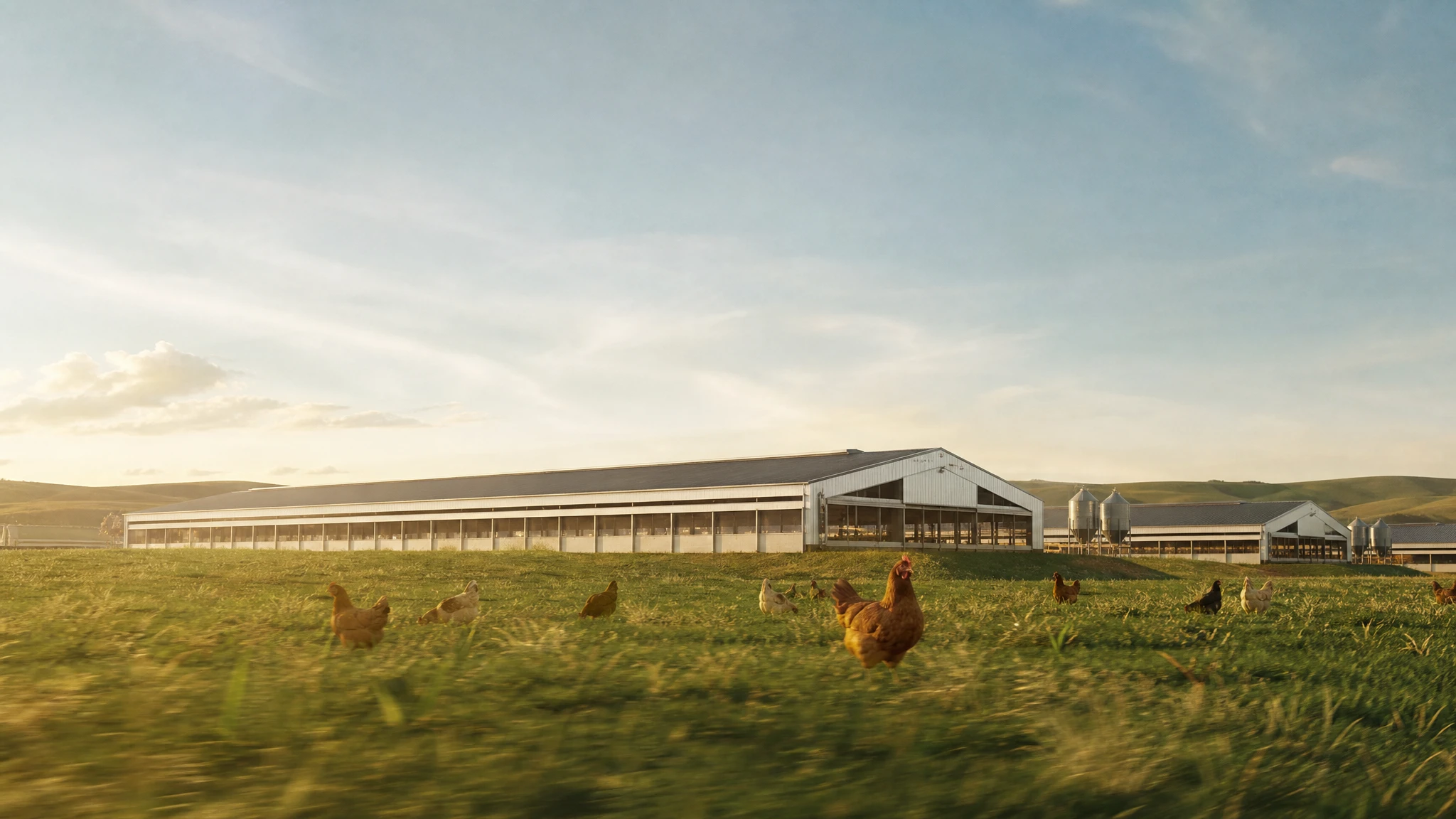
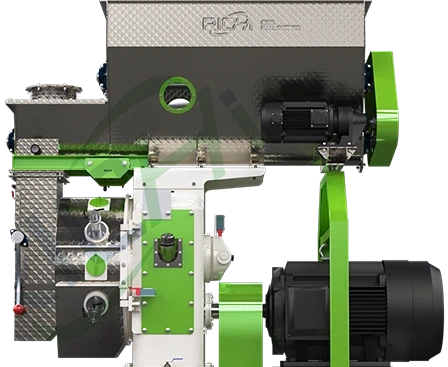
Turning Cow Dung Into Valuable Organic Fertilizer Pellets
For large dairy farms, cattle farms, and centralized manure treatment projects, cow dung is not only a waste disposal challenge but also a valuable organic resource. After proper fermentation, drying, crushing, and conditioning, cow dung can be processed into fertilizer pellets with better storage stability, transportation convenience, and commercial value compared with loose manure or compost. The pellets can be used for soil improvement, organic farming, and fertilizer sales.
Our cow dung pellet making machine has been applied in fertilizer production projects in many countries, supporting customers with different raw material conditions and production requirements. Beyond individual pelleting equipment, we also provide complete cow dung fertilizer processing solutions, including crushing, mixing, drying, composting, pelleting, cooling, coating, screening, and packing systems.
The same cattle manure fertilizer system can be designed to manufacture different fertilizer products, such as cow dung pellets, cow dung powder fertilizer, or other organic fertilizer formulations by adjusting the process configuration. For customers who only need specific functions, we can also supply standalone machines or modular systems for cow dung drying, crushing, or mixing.
Who Needs Cow Dung Pellet Making Machine?
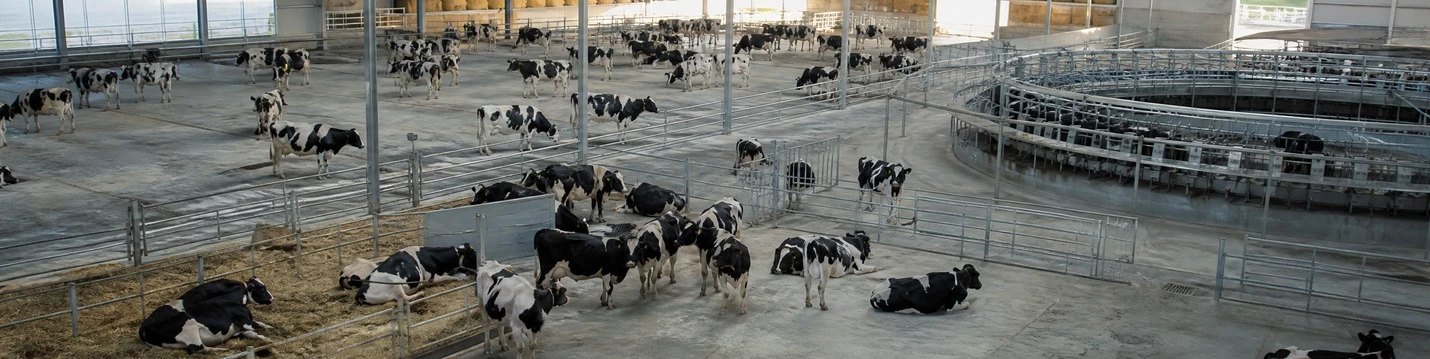
Dairy Farms
Large dairy farms generate a continuous supply of cow dung from daily cattle operations. Farms with hundreds or thousands of cows usually need better manure management methods to reduce storage pressure, odor, and environmental risks. By combining cow dung with suitable bedding materials or organic conditioners, a cow dung pellet making machine helps convert dairy manure into valuable fertilizer pellets for farm use or commercial sales.
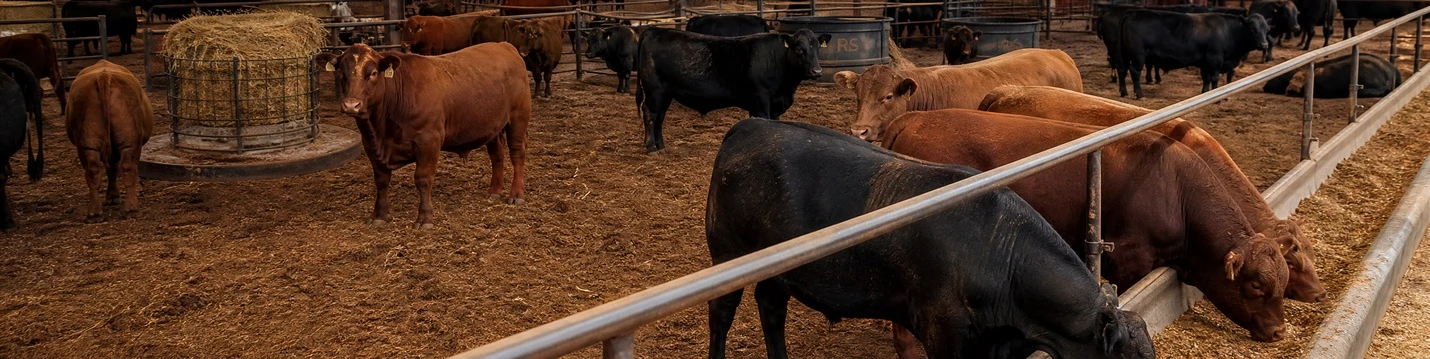
Beef Cattle Farms
Beef cattle farms, especially feedlots and large ranches, produce significant amounts of cattle manure mixed with straw bedding, feed residues, and other organic materials. These materials often require centralized treatment before disposal or reuse. Cow dung pelleting provides a practical way to stabilize the manure, improve transportation efficiency, and produce organic fertilizer products from cattle waste.
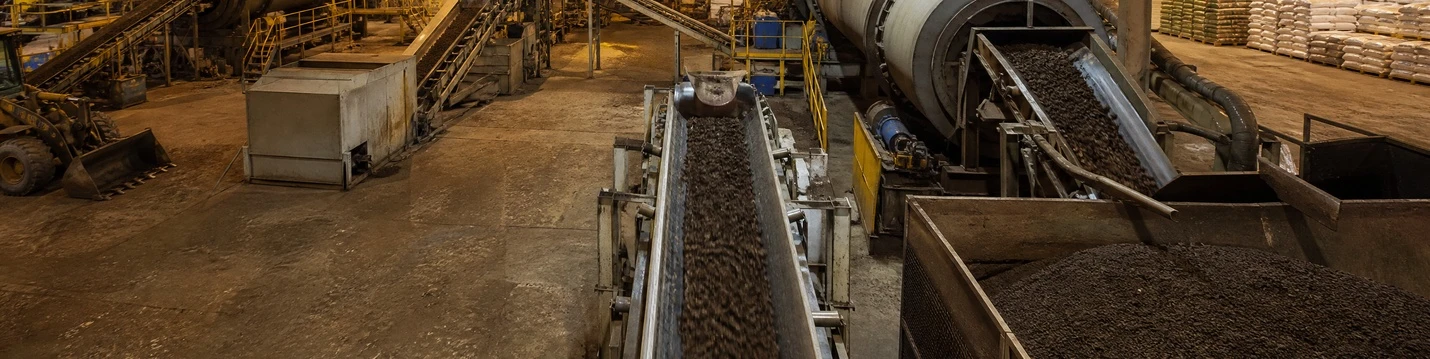
Organic Fertilizer processing plant
Organic fertilizer producers are among the most common buyers of cow dung pellet making machines. They usually collect cow manure from multiple livestock farms and combine it with other organic materials such as chicken manure, sheep manure, crop straw, compost, or agricultural residues. A professional pelleting system allows them to transform variable manure resources into consistent fertilizer pellets with better market value.
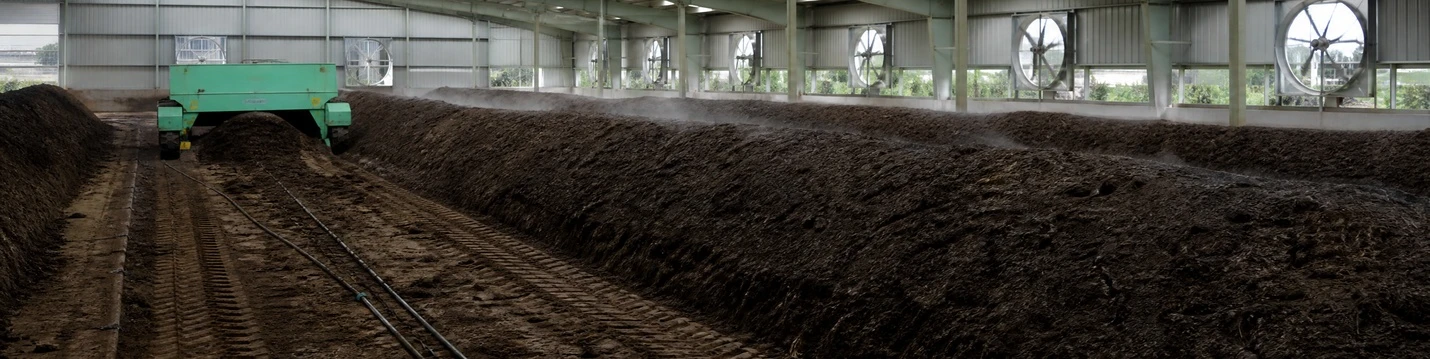
Livestock Waste Treatment Companies
Specialized livestock waste treatment companies handle manure collection and recycling from multiple farms in a region. Their raw materials may include cow dung, mixed animal manure, bedding waste, and fermented organic materials. A cow dung pellet making machine enables these companies to reduce waste volume, improve handling efficiency, and develop sustainable fertilizer products from livestock waste.
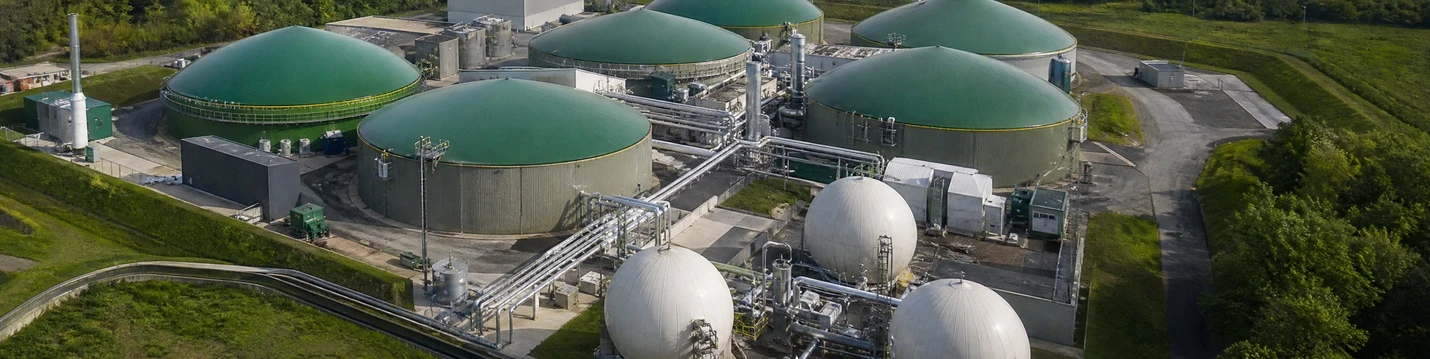
Biogas Plants
Many large dairy farms and livestock waste projects use anaerobic digestion systems to produce biogas. After digestion, the remaining digestate still contains organic matter and nutrients that can be further processed into fertilizer. A cow dung pellet making machine can be integrated after composting, drying, and conditioning processes to convert digestate-based materials into stable organic fertilizer pellets.
In addition to the above industries, cow dung pellet making machines are also suitable for agricultural cooperatives, manure recycling centers, composting companies, integrated farming projects, and companies processing multiple organic waste materials. Whether you operate a cattle farm, fertilizer factory, or organic waste recycling project, we can provide a customized cow dung pelleting solution based on your raw materials, production capacity, and final fertilizer requirements.
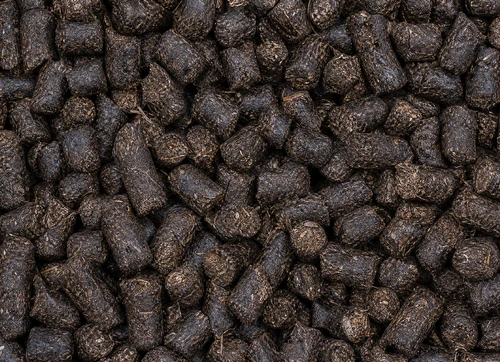
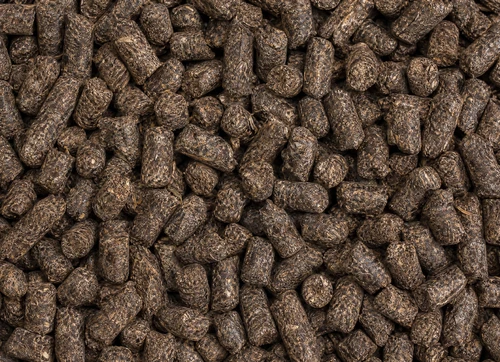
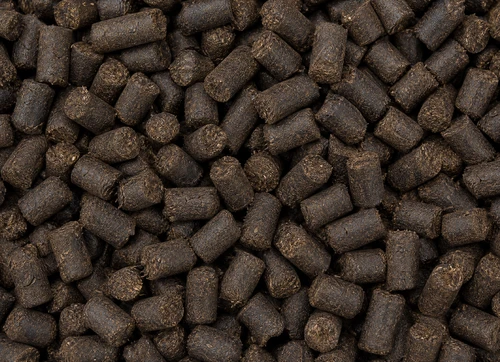
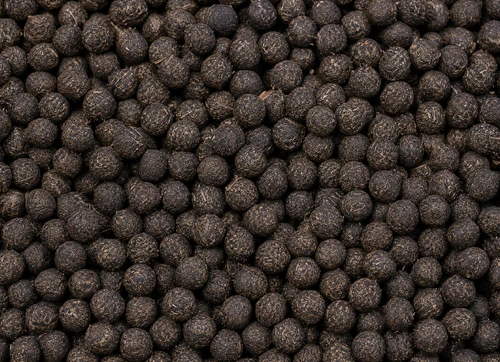
Materials Suitable for cattle Manure Pelletizing
The cow dung pellet making machine is designed to process various fermented and prepared organic fertilizer materials, with cow dung as the primary application material. For dairy farms and cattle farms, materials such as straw bedding, sawdust, wood shavings, and feed residues are often collected together with manure, making them practical components in fertilizer production. Beyond pure cow dung, the cow manure fertilizer pellet machine can also process mixed organic fertilizer materials, including animal manure, agricultural residues, food processing by-products, mushroom substrate, and other composted organic wastes. By adjusting the formula and pretreatment process, different raw materials can be converted into stable fertilizer pellets according to customers’ production requirements.
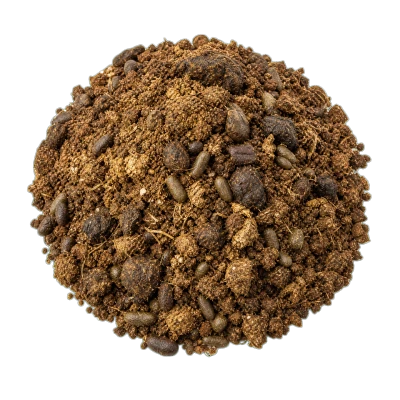
Animal Manure
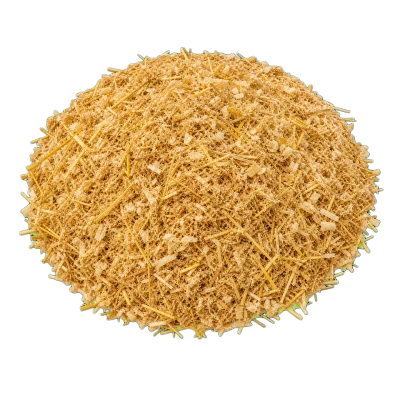
Cattle Bedding
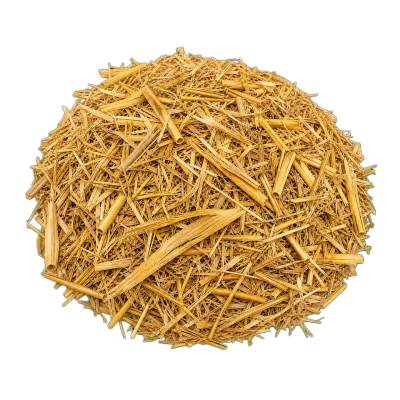
Crop Straw
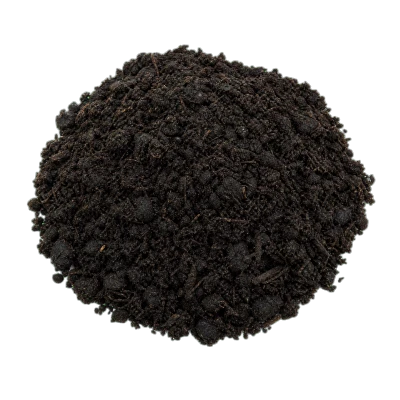
Biogas Digestate
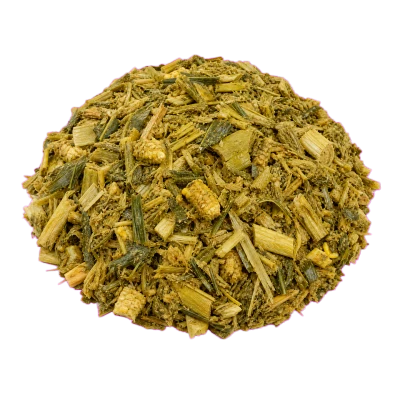
Silage Residue
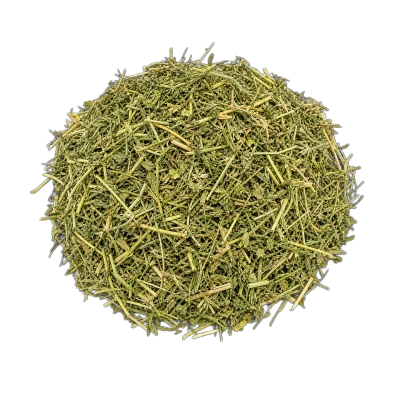
Hay Waste
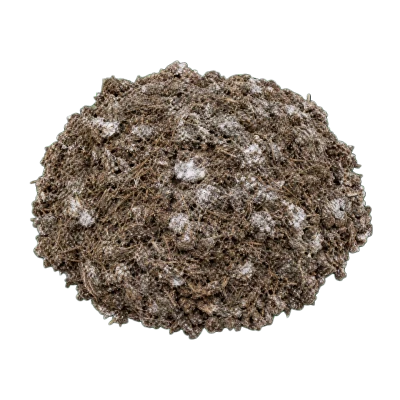
Mushroom Substrate
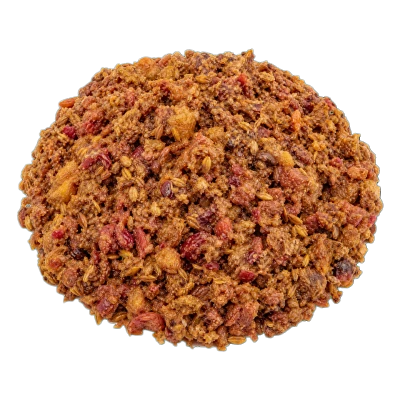
Food By-products
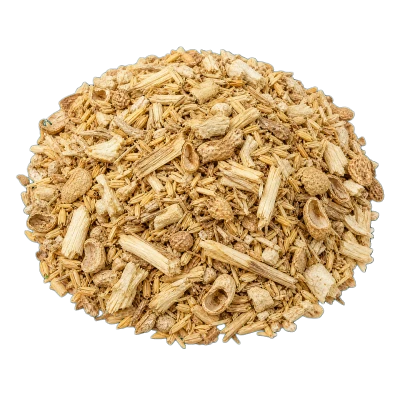
Agro-Industrial Residues
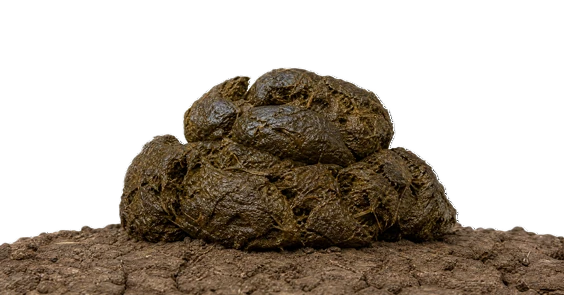
Cow Dung
Cow dung conditions can vary significantly depending on the cattle feeding system, manure collection method, bedding materials, and storage time. The equipment can be configured for different material conditions, including fresh cow manure after proper drying and fermentation, composted cow dung, cow dung mixed with bedding waste, and cow dung blended with carbon-rich organic materials, fermented digestate from biogas systems.
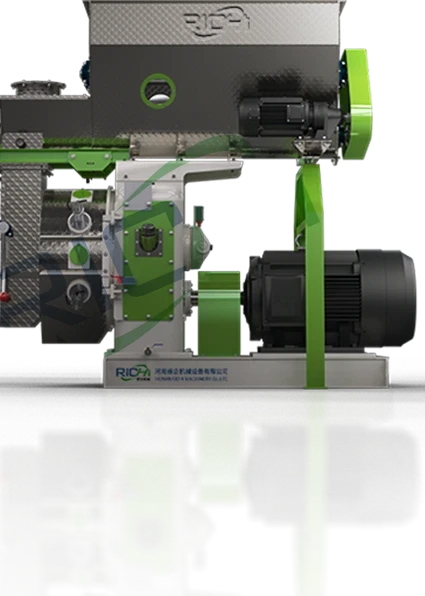
Structural Design
The cow dung pellet making machine is a ring die granulator specially configured for processing fermented cow dung and other organic fertilizer materials. Since cow dung often has characteristics such as high fiber content, variable moisture, and different levels of bedding or organic additives, the machine structure is designed to provide stable feeding, continuous compression, and reliable pellet formation under demanding fertilizer production conditions.
From the ring die compression system to the feeding, transmission, and safety structures, each component plays an important role in maintaining pellet quality, reducing downtime, and adapting to long-term operation in dairy farms, cattle manure recycling plants, and organic fertilizer production facilities.
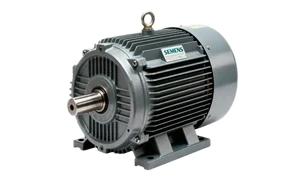
The Siemens motor provides stable power output for the main drive system of the cow dung pellet making machine. Its reliable performance supports continuous operation in fertilizer plants requiring consistent production capacity and efficient energy use.
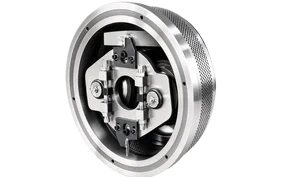
The ring die is manufactured with optimized material selection and heat treatment to withstand continuous compression from organic fertilizer materials. Its wear resistance and crack resistance help maintain stable pellet diameter and longer service life during cow dung pellet production.
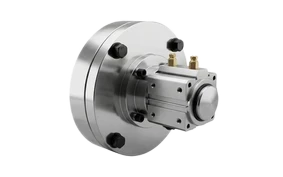
The overload protection system helps protect key transmission components when abnormal conditions occur, such as excessive material entering the chamber or foreign objects mixed with raw materials. It improves equipment safety and service life.
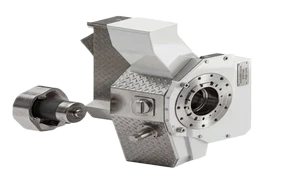
The forced feeding system improves material supply into the pelletizing chamber, especially for cow dung mixtures containing bedding materials, straw fibers, or composted organic residues. It helps maintain uniform feeding and stable pellet formation.
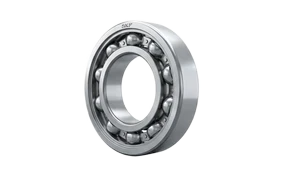
High-quality SKF bearings are applied in key transmission positions to improve load resistance, reduce friction, and maintain smooth operation. This is especially important when processing dense organic materials with variable fiber content.
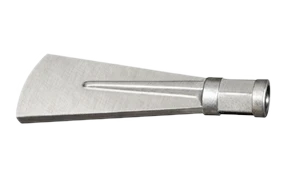
The adjustable cutter system controls pellet length after extrusion, allowing customers to produce fertilizer pellets according to packaging, transportation, and application requirements. It supports more consistent finished product appearance.
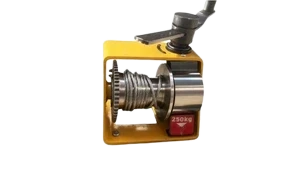
The ring die lifting device simplifies maintenance and replacement operations by allowing safer and more efficient handling of heavy ring dies. It reduces downtime during routine inspection and component replacement.
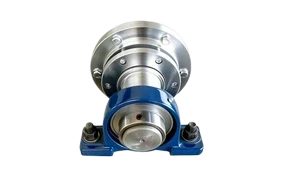
The main drive system uses high-precision gear transmission combined with reliable coupling design to provide efficient power transfer. The structure reduces vibration and supports stable operation during long-term fertilizer pellet production.
Designed for Real Cow Manure Recycling Requirements
A reliable cow dung pellet making machine needs to handle more than simple pellet formation. Different customers face different manure conditions, including fresh cow dung, composted manure, bedding mixtures, digestate, and other organic materials. RICHI develops customized pelletizing solutions based on raw material characteristics, production capacity, and final fertilizer requirements, helping customers build practical and profitable manure recycling systems.

Adaptable Pelletizing Solutions
RICHI’s cow dung pellet making machine can be configured for different cow dung conditions, including high-fiber manure mixtures, composted materials, and blended organic fertilizers. By adjusting equipment configuration and process design, customers can achieve stable pellet production from various locally available raw materials.

Customized for Different Production Scales
From standalone pellet mills to complete fertilizer production systems, RICHI provides solutions according to customer capacity requirements. Dairy farms, manure treatment companies, and fertilizer manufacturers can select suitable equipment configurations based on their material supply and investment plans.

Built for Multi-Material Processing
Many fertilizer producers do not process only cow dung. RICHI pellet mills can be integrated with systems handling animal manure, crop residues, mushroom substrate, and other organic materials, allowing customers to adjust formulas according to seasonal material availability.

Complete Engineering Support
RICHI provides more than a pellet mill. With experience in fertilizer projects worldwide, we offer equipment selection, process design, manufacturing, and technical support for customers building cow dung fertilizer production facilities with reliable long-term operation.

Higher Value from Waste Materials
Cow dung is often difficult to store and transport in its original form. Processing it into pellets reduces handling problems and creates a commercial organic fertilizer product. The cow dung making machine helps customers turn manure disposal costs into potential fertilizer revenue.

How Cow Dung Pellet Making Machine Works
The cow dung organic fertilizer pelletizer machine uses mechanical compression to transform prepared cow dung materials into dense and uniform fertilizer pellets. After fermentation, drying, crushing, and mixing, the material enters the pelletizing chamber, where rollers press it through the ring die holes to form continuous pellets. The cutter then adjusts pellet length according to the customer’s requirements. During operation, the feeding system ensures a stable material supply, while the ring die and roller assembly provide continuous pressure for pellet formation.
Models & Specifications
| Model | Capacity (t/h) | Main Motor Power (kW) | Anti-Bridging Feeder Power (kW) | Forced Feeder Power (kW) | Ring Die Inner Diameter (mm) | Finished Pellet Diameter (mm) |
|---|---|---|---|---|---|---|
| FZLH250 | 1–1.5 | 22 | 2.2 | 0.75 | 250 | 4–12 |
| FZLH320 | 2–3 | 22 | 2.2 | 0.75 | 320 | 4–12 |
| FZLH350 | 3–5 | 37 | 2.2 | 0.75 | 350 | 4–12 |
| FZLH420 | 6–8 | 90 | 3 | 1.5 | 420 | 4–12 |
| FZLH520 | 9–12 | 132 | 3 | 1.5 | 520 | 4–12 |
| FZLH678 | 18–22 | 200 | 3 | 1.5 | 673 | 4–12 |
| FZLH768 | 22–26 | 250 | 4 | 1.5 | 762 | 4–12 |
RICHI provides multiple models of cow dung pellet making machine to match different manure supply volumes and fertilizer production requirements. From medium-scale livestock farms and manure recycling projects to large industrial fertilizer plants, customers can select suitable equipment according to output targets, raw material conditions, and final pellet specifications. Customized configurations are also available when cow dung is mixed with bedding materials, digestate, agricultural residues, or other organic fertilizer materials.
Key Requirements for Producing Stable Cow Manure Fertilizer Pellets
The performance of a cow dung pellet making machine depends greatly on the condition of the prepared raw materials before entering the pelletizing chamber. Cow dung from different farms can vary in moisture, fiber content, bedding materials, and fermentation degree, so proper pretreatment and process adjustment are essential. The following specifications provide practical reference ranges for customers preparing cow dung, cattle manure mixtures, and other organic fertilizer materials for pellet production.
Feed Particle Size
2–5 mm
Feed Moisture Content
12–25%
Pelletizing Temperature
60–85℃
Compression Ratio
1:4–1:8
Pellet Length
5–30 mm
Pellet Formation Rate
85–95%
Finished Pellet Moisture
≤12–15%
Cooling Temperature
≤40℃
Screening Efficiency
90–98%
Fines Content
≤5–10%
Broken Pellet Rate
≤3–5%
Operating Mode
Continuous Operation
Successful cow dung pellet production depends on more than the pellet mill itself. Raw material preparation, moisture control, formula adjustment, and post-pellet handling all influence final fertilizer quality. RICHI provides customized cow dung fertilizer machine configurations according to different manure conditions, production capacities, and fertilizer product requirements.
Cow Dung Pellet Making Machine Projects Worldwide
With extensive experience in organic fertilizer processing projects, RICHI has supplied customized cow dung pellet making machine solutions for farms, fertilizer manufacturers, and waste recycling companies in many countries. Since cow dung characteristics vary significantly by region, livestock type, bedding materials, and storage conditions, we design each project based on the customer’s original manure condition, moisture content, and available auxiliary materials. Our solutions cover complete processes including fermentation, crushing, mixing, drying, pelleting, cooling, screening, and packaging.
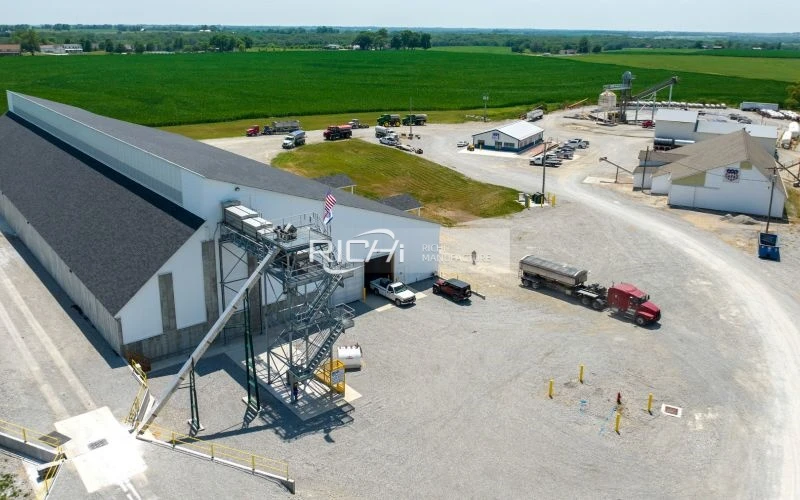

10 T/H
Cow Manure Pellet Project in USA
The customer collected fresh cow manure from a large dairy farming area, where the material was mixed with grass residues and bedding materials during collection. The initial moisture content of the cow dung mixture was approximately 70–80%, requiring controlled fermentation and moisture adjustment before pellet production.
Equipment Used :FZLH520
Pellet Size :4-6 mm
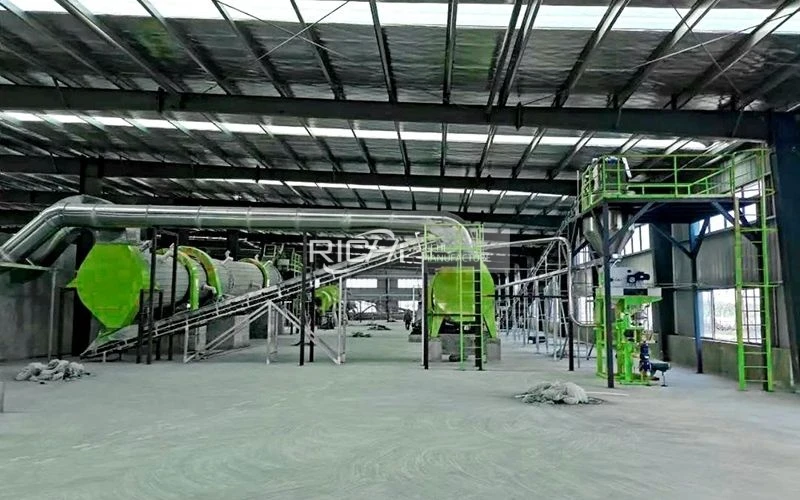

8 T/H
Cow Manure Processing Project in Brazil
The project was developed for a cattle operation in Brazil where fresh manure had an initial moisture content of approximately 75%. The customer also planned to utilize local agricultural residues together with cattle manure.
Equipment Used :FZLH420
Pellet Size : 4 mm

4 T/H
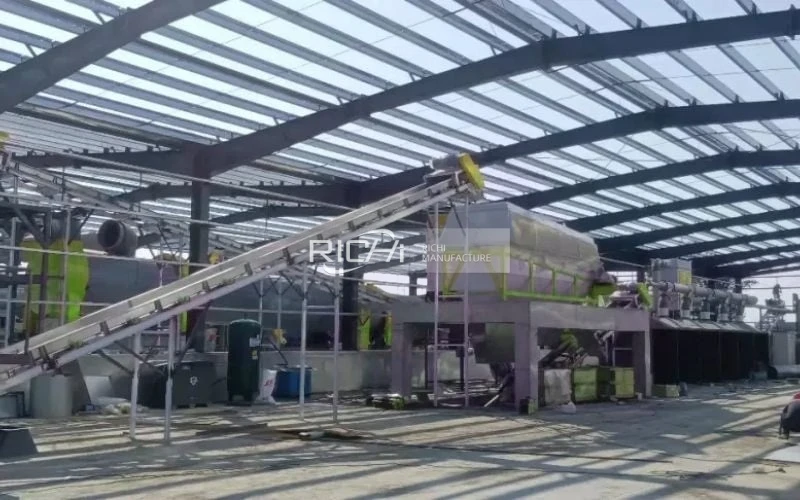
Cow Dung Organic Fertilizer Project in France
The customer aimed to recycle manure generated from dairy cattle operations and produce organic fertilizer for local agricultural use. The collected cow dung had an initial moisture content of around 65–75% and contained straw bedding from cattle housing areas.
Equipment Used :FZLH350
Pellet Size : 3-5 mm

5 T/H
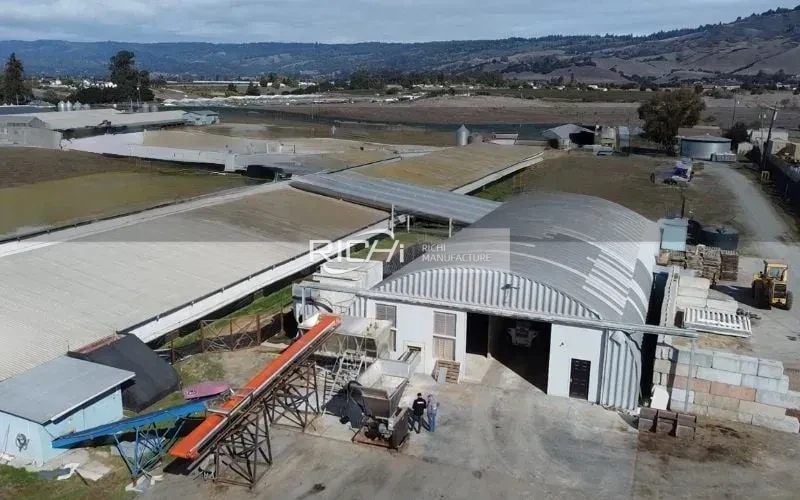
Cow Manure Processing Project in the Netherlands
The customer wanted to utilize manure resources from intensive dairy farming instead of sending them for traditional waste treatment. The initial moisture content of the collected cow dung was approximately 75–85%, with bedding residues and organic fibers included.
Equipment Used :FZLH350
Pellet Size : 4-6 mm

8 T/H
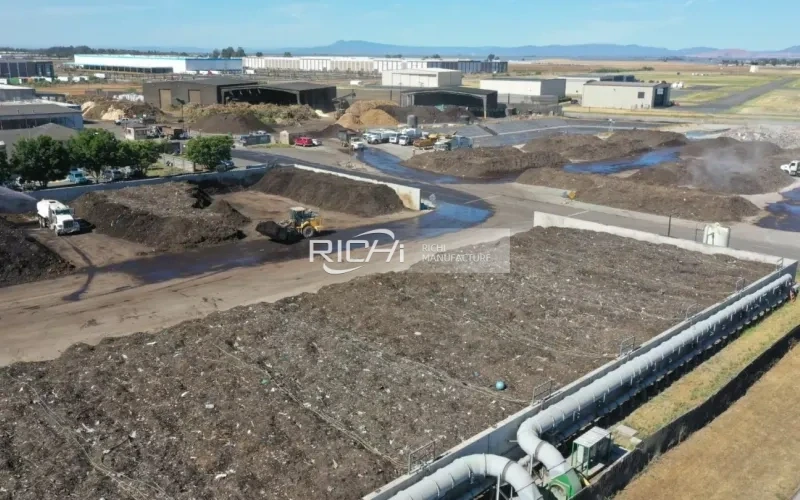
Cow Dung Compost Pellet Project in Russia
The customer processed manure from cattle farms located in an agricultural region with long livestock production cycles. The initial moisture content of the cow dung was around 60–75%, and the material contained straw bedding commonly used in cattle barns.
Equipment Used :FZLH420
Pellet Size : 4 mm

10 T/H
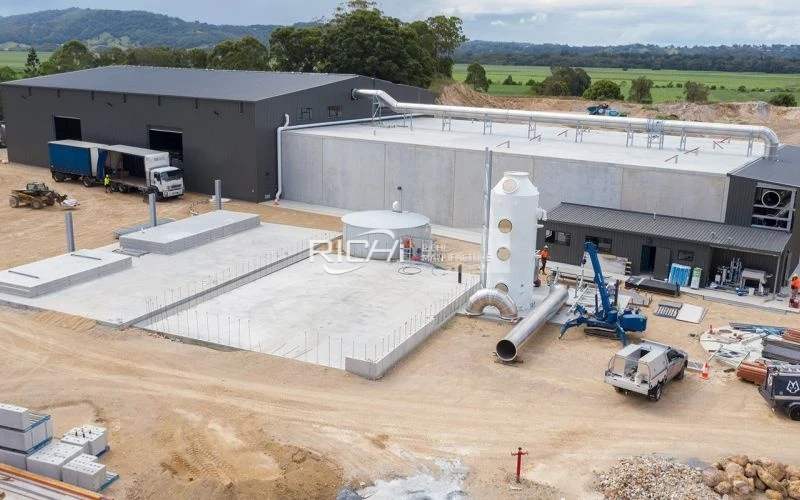
Cow Manure Recycling Project in Mexico
The customer planned to build a fertilizer production facility using manure collected from a large cattle raising operation. The initial moisture content of the cow dung mixture was approximately 50–65%, with dry agricultural residues available for blending.
Equipment Used :FZLH520
Pellet Size : 3-4 mm

5T/H
Cow Dung Fertilizer Production Project in Chile
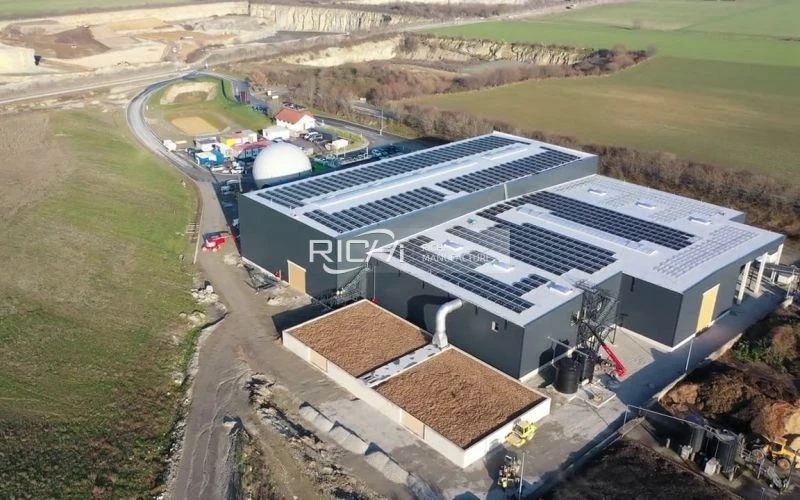
The customer collected manure from cattle ranches where dry grass residues were naturally mixed with animal waste during collection. The initial moisture content of the cow dung material was approximately 45–60%, which reduced the need for intensive drying.
Equipment Used :FZLH350
Pellet Size : 6 mm

3 T/H
Cow Manure Organic Fertilizer Project in Italy
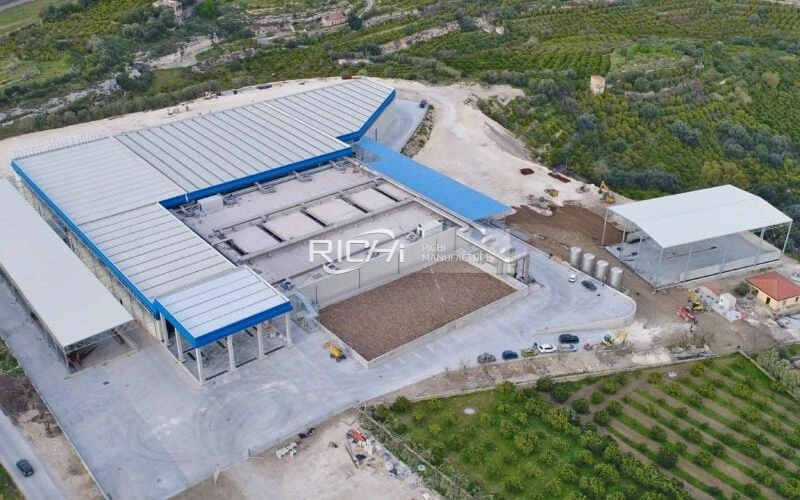
The customer collected cow manure from dairy farms and planned to produce fertilizer products for surrounding agricultural fields. The initial moisture content of the cow dung was around 70–80%, and the material included bedding fibers requiring size reduction before processing.
Equipment Used :FZLH350
Pellet Size : 2-4 mm

9-10 T/H
Cow Dung Fertilizer Project in Turkey
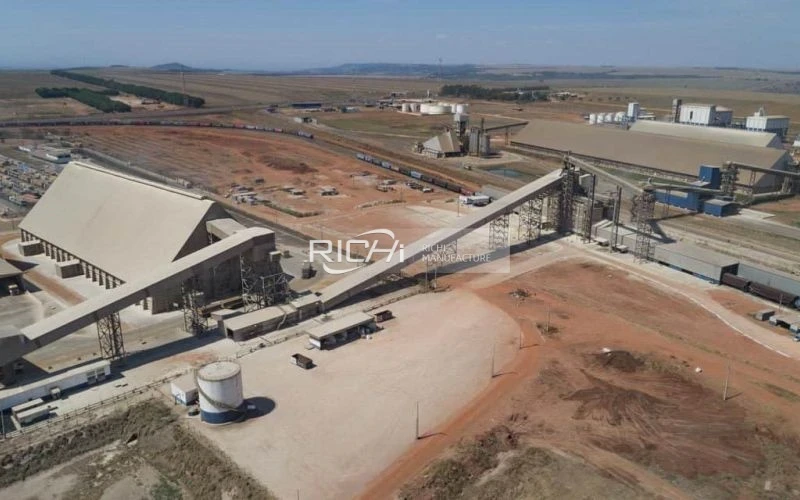
The customer needed to process manure generated from dairy cattle facilities into marketable fertilizer products. The initial moisture content of the cow dung mixture was approximately 60–75%, containing straw and other bedding materials from animal housing.
Equipment Used :FZLH520
Pellet Size : 4-6 mm

5 T/H
Cow Manure Compost Project in Spain
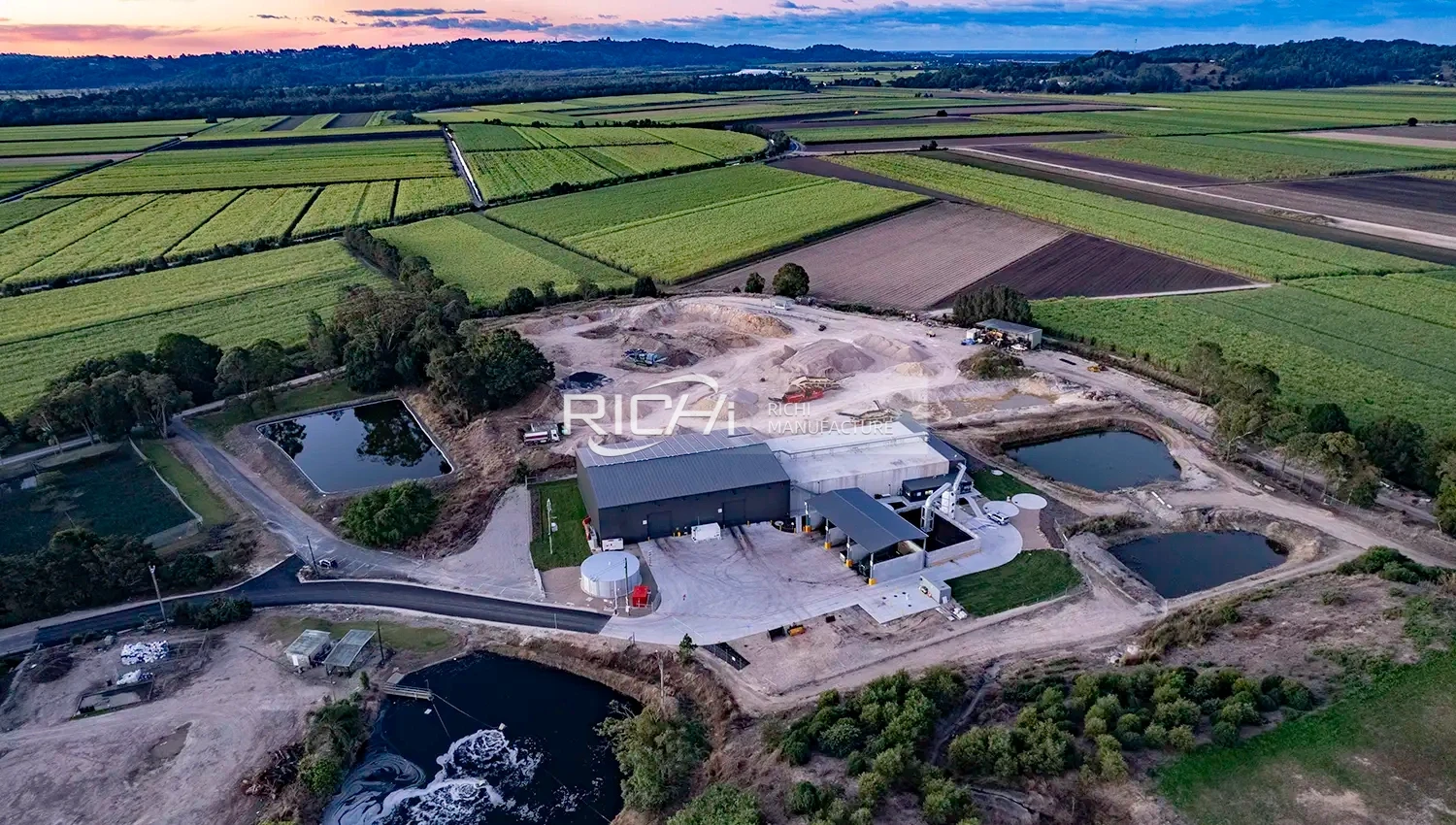
The customer collected cattle manure from a livestock farm located in an agricultural area with abundant crop residues. The initial moisture content of the cow dung was approximately 55–70%, with straw and plant residues available as additional organic materials.
Equipment Used :FZLH350
Pellet Size : 6 mm

12T/H
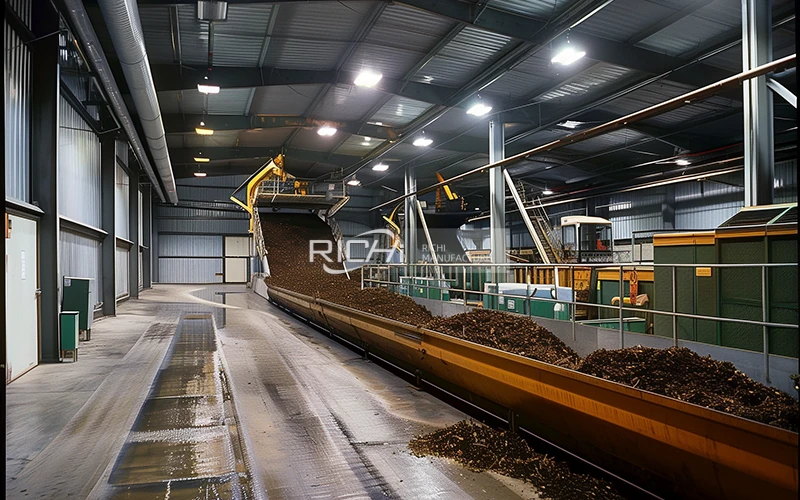
Cow Dung Organic Fertilizer Project in India
The customer operated a dairy farm with a continuous supply of cow manure and wanted to develop a commercial organic fertilizer business. The initial moisture content of the collected cow dung was around 70–85%, with straw bedding and agricultural residues mixed into the raw materials.
Equipment Used :FZLH678
Pellet Size : 3-6 mm

6 T/H
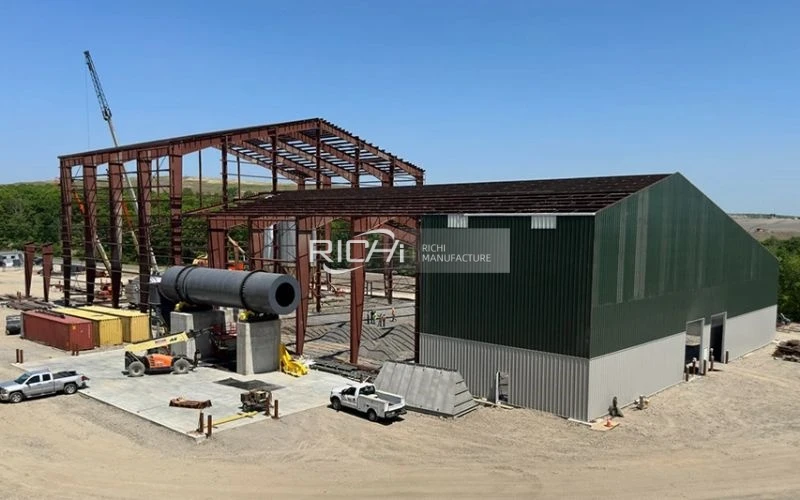
Cow Manure Processing Project in South Africa
The customer planned to recycle manure from cattle production facilities and combine it with locally available agricultural waste. The initial moisture content of the cow dung mixture was approximately 45–65%, depending on collection conditions and storage time.
Equipment Used :FZLH420
Pellet Size : 2-6 mm

4 T/H
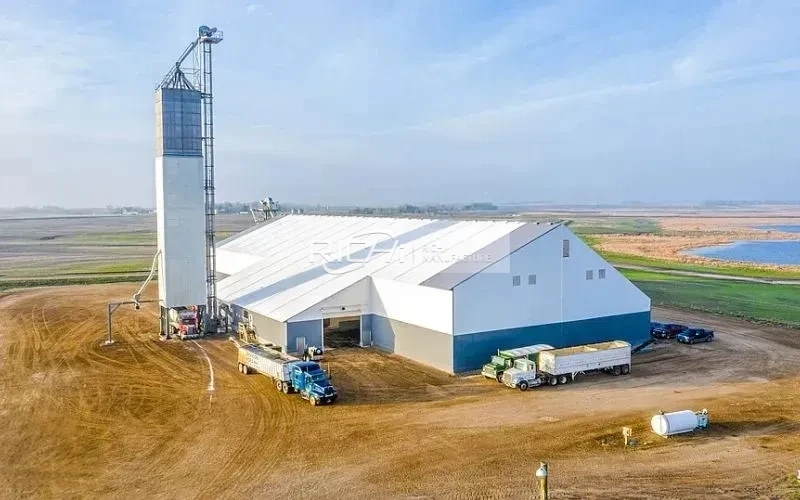
Cow Dung Fertilizer Production Project in the UK
The customer collected manure from multiple dairy farms and required a stable method for organic waste utilization. The initial moisture content of the cow dung was around 70–80%, with straw and bedding residues affecting material flow characteristics.
Equipment Used :FZLH350
Pellet Size : 4-6 mm

5 T/H
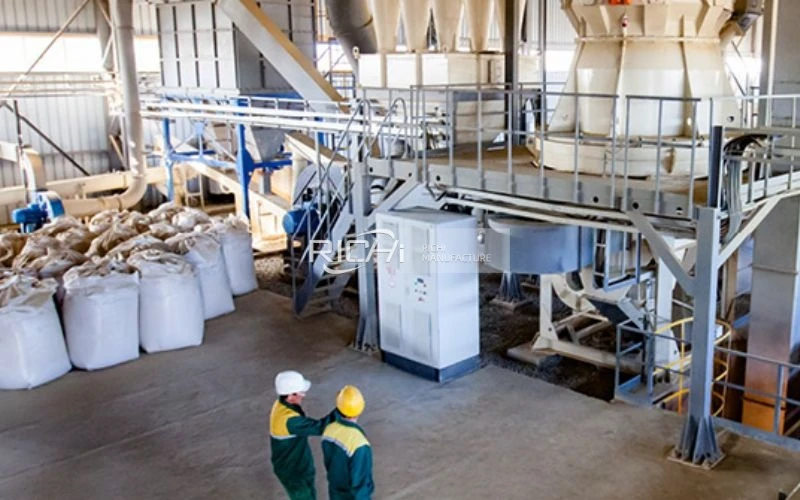
Cow Manure Recycling Project in Vietnam
The customer planned to process manure from dairy farms together with local agricultural residues into organic fertilizer products. The initial moisture content of the cow dung mixture was approximately 65–80%, requiring proper fermentation and moisture control before pelletizing.
Equipment Used :FZLH350
Pellet Size : 2-4 mm

10T/H
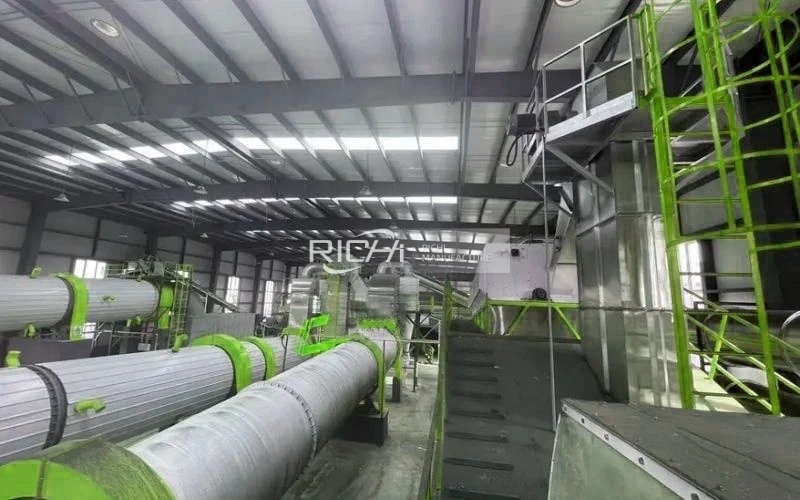
Cow Dung Organic Fertilizer Project in Kazakhstan
The customer collected manure from cattle breeding operations and planned to produce organic fertilizer for large agricultural areas. The initial moisture content of the cow dung was approximately 50–70%, with dry straw and crop residues available for material adjustment.
Equipment Used :FZLH520
Pellet Size : 3-4 mm

8 T/H
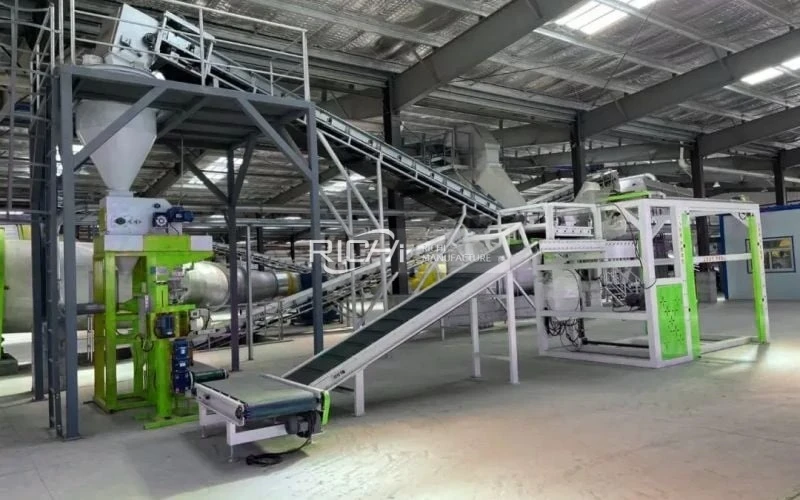
Cow Manure Fertilizer Project in Thailand
The customer collected cow manure from dairy farms and combined it with agricultural residues available in the surrounding farming area. The initial moisture content of the cow dung mixture was around 55–75%, depending on the proportion of fresh manure and dry materials.
Equipment Used :FZLH420
Pellet Size : 6 mm

6 T/H
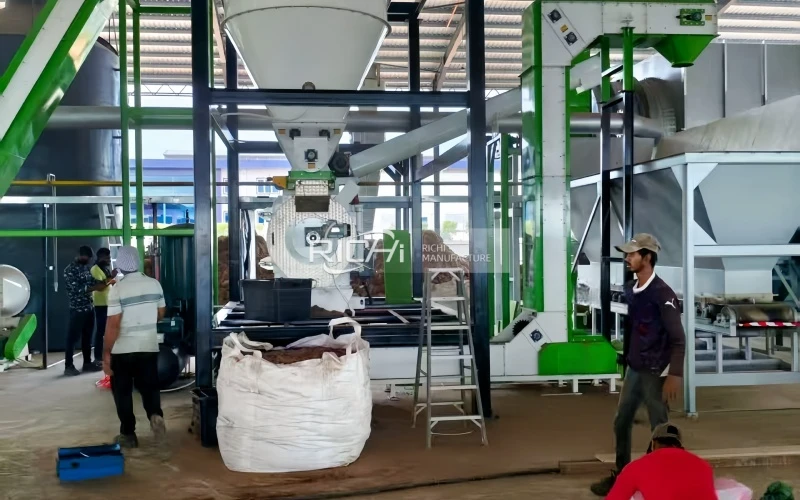
Cow Dung Organic Fertilizer Project in Indonesia
The customer collected cow dung from dairy cattle farms and combined it with rice straw and other agricultural residues commonly available in local farming areas. The initial moisture content of the cow dung mixture was approximately 65–80%, requiring fermentation and moisture adjustment before pellet production.
Equipment Used :FZLH420
Pellet Size : 4 mm

15 T/H
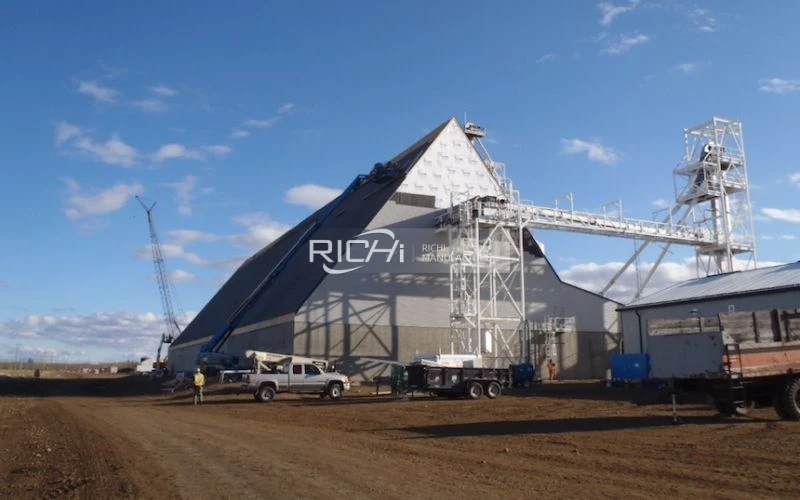
Cow Manure Fertilizer Production Project in Argentina
The customer operated a large cattle farming business with a stable supply of manure from intensive livestock operations. The initial moisture content of the collected cow dung was around 55–70%, and the material was mixed with agricultural residues such as crop straw available from nearby farming areas.
Equipment Used :FZLH678
Pellet Size : 2-8 mm

7T/H
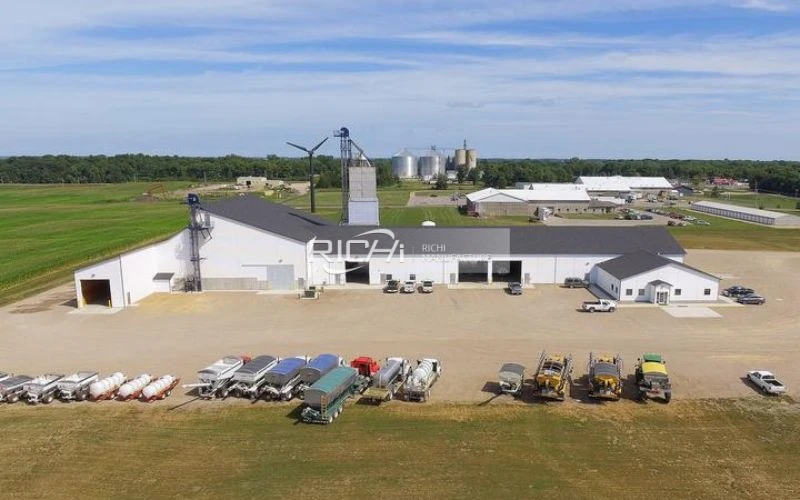
Cow Dung Compost Pellet Project in New Zealand
The customer collected manure from large-scale dairy farms where cow dung was mixed with pasture residues and bedding materials during collection. The initial moisture content of the cow dung mixture was approximately 70–85%, requiring controlled composting and moisture reduction before pelletizing.
Equipment Used :FZLH420
Pellet Size : 4-6 mm

10 T/H
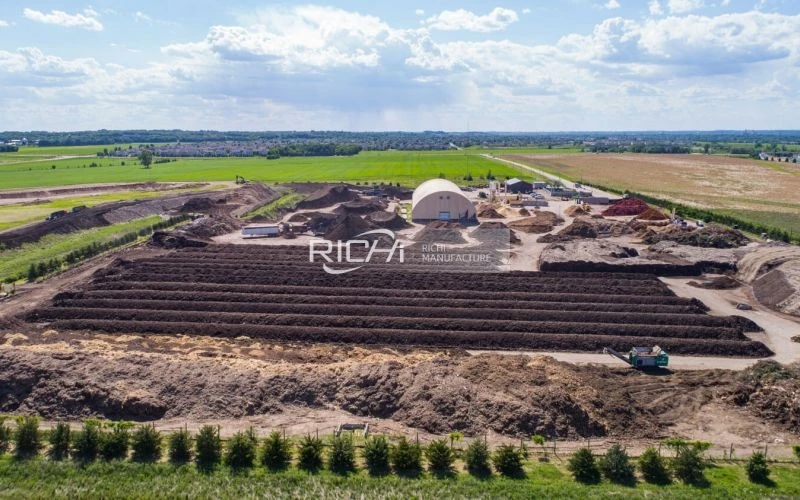
Cow Manure Organic Fertilizer Project in Uruguay
The customer managed a large cattle ranch with abundant manure resources generated from livestock production areas. The initial moisture content of the cow dung was approximately 45–65%, as part of the material had naturally dried during collection and storage, while grass residues and bedding materials were also included.
Equipment Used :FZLH520
Pellet Size : 6 mm
After working with customers from different regions and industries, we have received valuable feedback about our equipment quality, customized processing solutions, installation support, and service experience. These testimonials reflect the real experience of dairy farms, cattle ranches, and fertilizer producers using our cow dung pellet making machine solutions for different manure conditions and production requirements.

Kenya Dairy Farm
8T/H Cow Manure Pellet Fertilizer Project
“We were looking for a reliable way to process dairy manure mixed with maize stalk bedding into organic fertilizer products. The cow dung pellet making machine has performed well after installation, and the technical team provided clear guidance during commissioning and operator training.”
Colombia Cattle Ranch
10T/H Cow Dung Recycling Project
“The biggest challenge for us was handling cattle manure mixed with sugarcane bagasse, but the customized process solved our material preparation problems. We are satisfied with the stable pellet quality and the professional communication throughout equipment delivery and installation.”
South Africa Beef Farm
6T/H Cattle Manure Processing Project
“Our cattle manure conditions change between seasons, so we needed equipment that could adapt to different raw material moisture levels. The crushing, mixing, and pelletizing systems work smoothly together, helping us turn farm waste into valuable fertilizer products.”
Pakistan Dairy Cooperative
5T/H Cow Dung Organic Fertilizer Project
“We chose RICHI solution because our manure contains a large amount of wheat straw bedding that requires proper preparation before pelletizing. The factory layout, transportation arrangement, and remote installation support made the whole project easier for our team to complete.”
Egypt Livestock Farm
12T/H Cow Manure Pellet Production Project
“Operating in a hot climate requires stable equipment performance and a suitable drying process. The cattle manure organic fertilizer granulator making machine line has helped us maintain continuous production, and we appreciate the technical support provided during production adjustment.”
Ethiopia Cattle Farm
4T/H Cow Dung Fertilizer pelletizing Project
“We needed a practical fertilizer processing system that could handle cattle manure mixed with local agricultural residues. The equipment operation is easy to understand, and the training materials helped our workers quickly learn the daily production process.”
Japan Dairy Company
3T/H Cow Manure Pellet Processing Project
“We paid close attention to pellet consistency and equipment reliability before making our decision. The compact production design, stable operation, and detailed technical communication gave us confidence in using this cow dung pellet making machine for long-term production.”
Saudi Arabia Dairy Farm
9T/H Cow Dung Fertilizer Production Project
“Our dairy manure contains different bedding materials and requires careful processing under local climate conditions. The complete solution matched our production needs, and the support from equipment selection to commissioning made the project run smoothly.”
Cow Dung Pellet Mill Price
The price of a cow dung pellet making machine usually ranges from USD 10,000 to USD 100,000, depending on the selected model, production capacity, equipment configuration, and processing requirements.
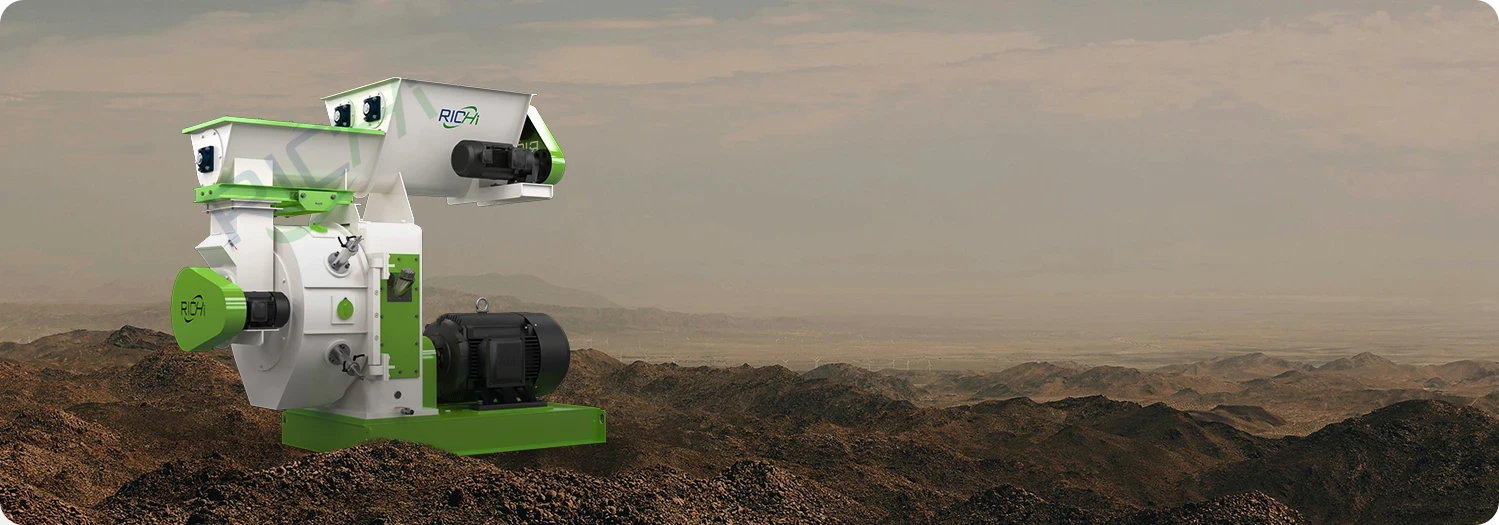
For customers handling different cow manure sources, such as dairy farm manure, bedding mixtures, digestate, or mixed organic fertilizer materials, the final investment depends on the required output and the complete processing configuration. You can check the suitable model or capacity range below to find a suitable pelletizing solution.
Price Range for
cow dung pellet machine cost:
FZLH250 (22KW)
$10,000–$13,000
FZLH320 (22KW)
$15,000–$18,000
FZLH350 (37KW)
$18,000–$25,000
FZLH420 (90KW)
$26,000–$32,000
FZLH520 (132KW)
$43,000–$50,000
FZLH678 (200KW)
$64,000–$70,000
FZLH768 (315KW)
$75,000–$85,000
Select Your Cow Dung Pellet Processing Capacity
Find the production capacity that matches your project, and we’ll recommend the right machine configuration and quotation.
Cow Manure Processing Flow & Design
A complete cow manure fertilizer production process is not limited to pelletizing. According to the raw material condition and final fertilizer requirements, the process may include fermentation, crushing, impurity removal, drying, mixing, pelleting, cooling, screening, and packaging. RICHI provides customized cow dung processing solutions based on different manure sources, including fresh cow dung, composted manure, bedding mixtures, digestate, and cow manure blended with agricultural residues.
The complete process design depends on the customer’s actual production conditions. Factors such as cow dung moisture content, fiber structure, impurity level, available plant space, required output, and investment budget determine the equipment combination. Some customers only need a cow dung pellet making machine, while others require complete pellet fertilizer lines, powder fertilizer systems, or modular units for drying, crushing, mixing, and storage.
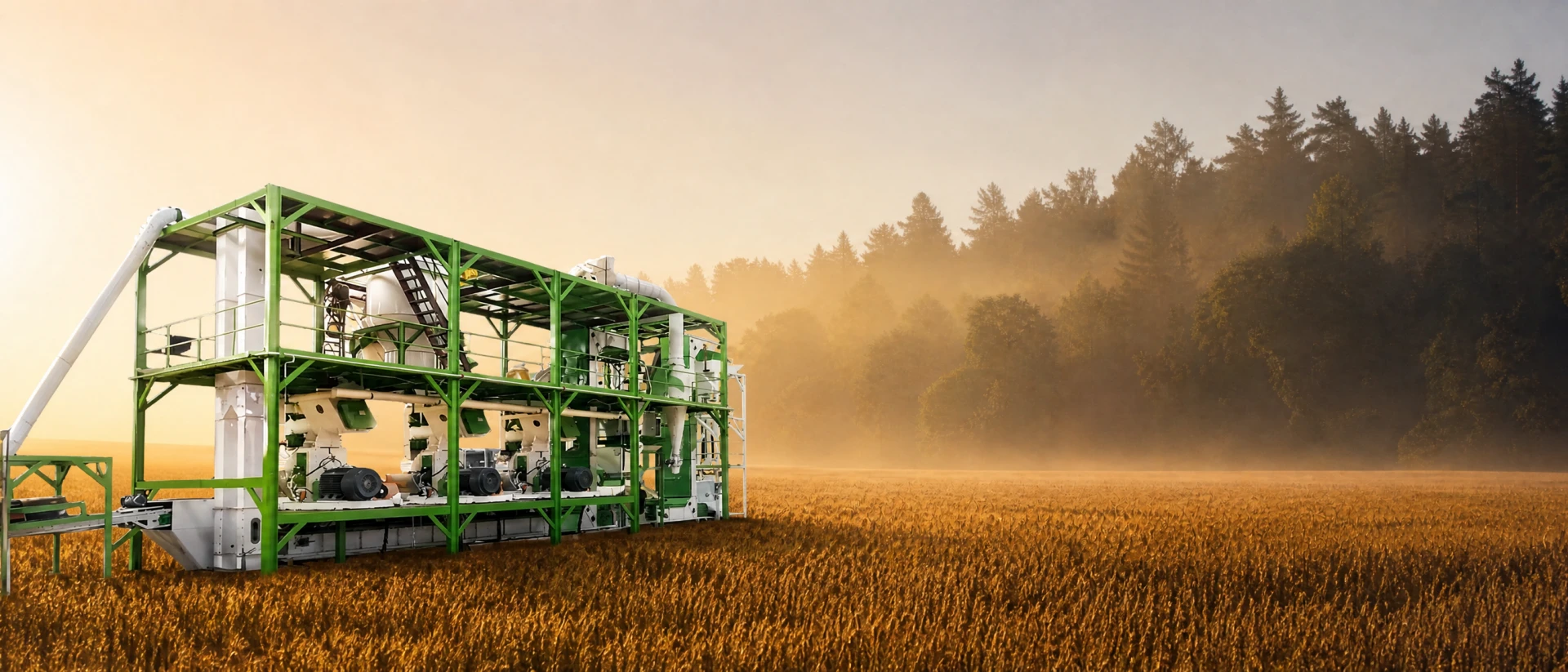
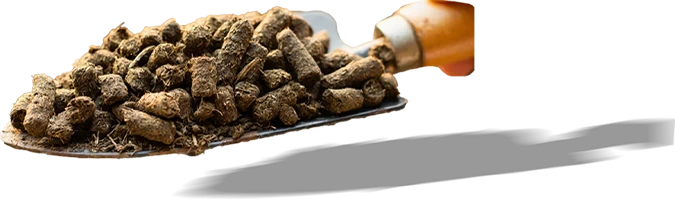
Cow Dung Pellet Processing Equipment
The cow dung pellet making machine is the core granulation equipment, while auxiliary systems determine the stability and efficiency of the whole production process. The equipment configuration is customized according to each customer’s raw materials, production capacity, factory layout, and investment plan. For example, cow dung mixed with straw or bedding may require stronger crushing equipment, while high-moisture manure may need drying or dewatering systems before pelletizing. Even within the same process stage, we can provide different equipment options based on process requirements, operating costs, and automation levels.
Manure Compost Turner
The turning machine improves fermentation efficiency by mixing cow manure, bedding materials, and carbon sources evenly during composting. It helps regulate oxygen supply, moisture distribution, and fermentation uniformity before the material enters the fertilizer production process.
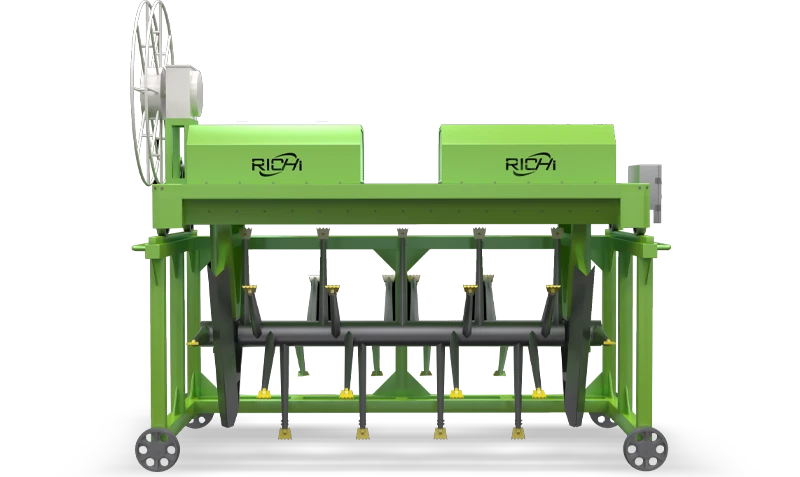
Turning Width
2–8 m
Turning Height
0.5–2.5 m
Cow Dung Crusher
The vertical chain crusher is mainly used for crushing fermented cow dung, compost materials, and mixed organic residues into a suitable size before mixing and pelletizing. It is especially suitable for fibrous materials such as straw, bedding, and manure mixtures.
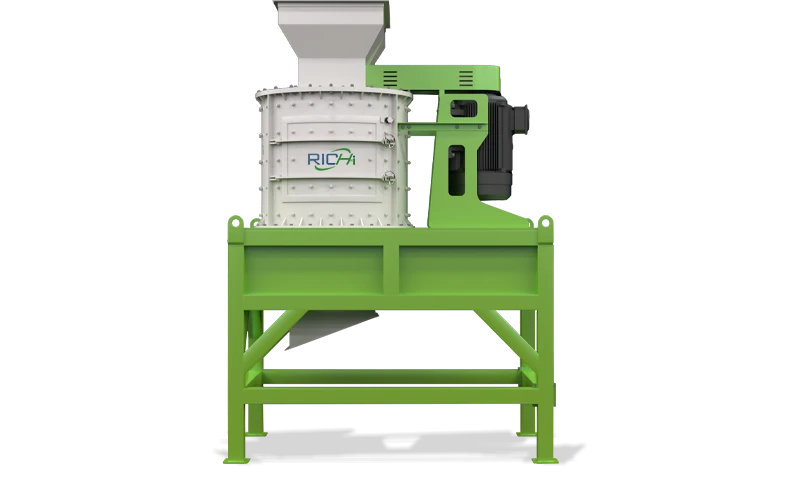
Capacity
3–30 T/H
Main Power
22–160 kW
Cow Dung Mixer
The mixer combines cow dung with straw, sawdust, digestate, or other fertilizer materials to achieve a consistent formula before pelletizing. Uniform mixing improves pellet quality and helps the cow dung pellet making machine produce stable fertilizer pellets.
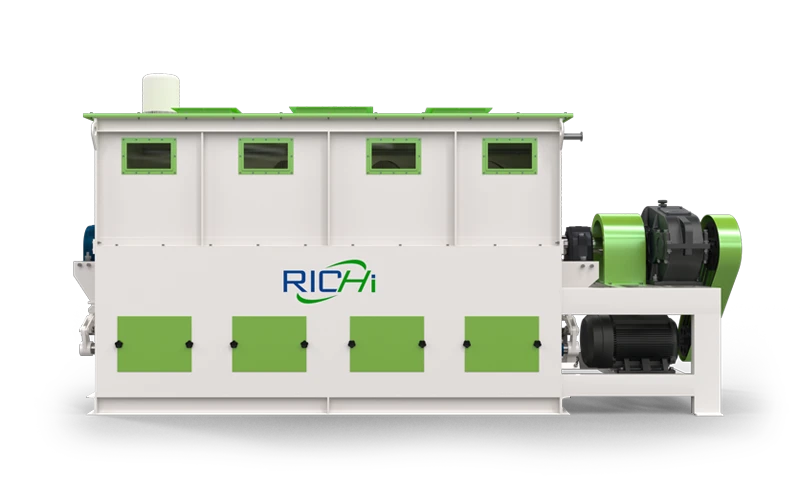
Capacity
250–2,000 kg
Main Power
4-160KW
Cow Dung Dryer
The dryer reduces excessive moisture from fermented cow manure and mixed organic materials before granulation. It is mainly required for high-moisture materials where natural drying cannot achieve suitable pelletizing conditions.
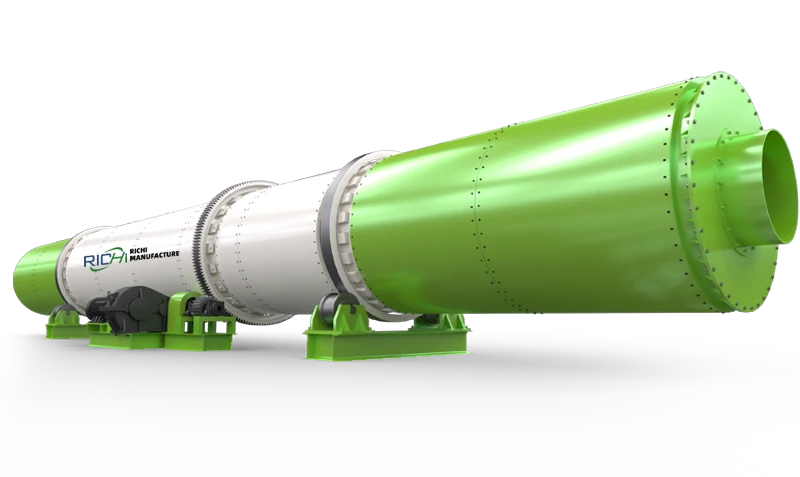
Capacity
1–30 T/H
Drying Temperature
60–250℃
Cow Dung Screener
The screening machine separates qualified cow manure fertilizer pellets from oversized particles and fines after cooling. It improves product consistency and allows unqualified materials to return to the production process.
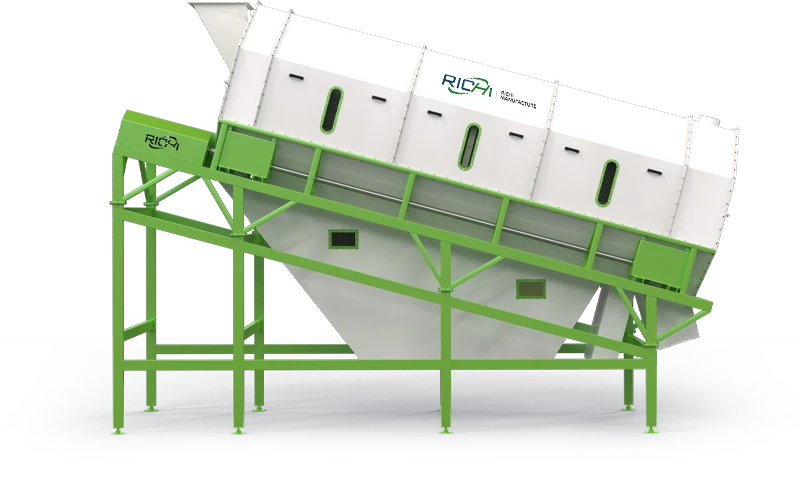
Capacity
3-50T/H
Screen Layers
1–3 Layers
Cow Dung Bagging Scale
The system automatically measures and packages finished cow dung fertilizer pellets according to sales requirements. It is suitable for customers producing commercial fertilizer products for transportation and distribution.
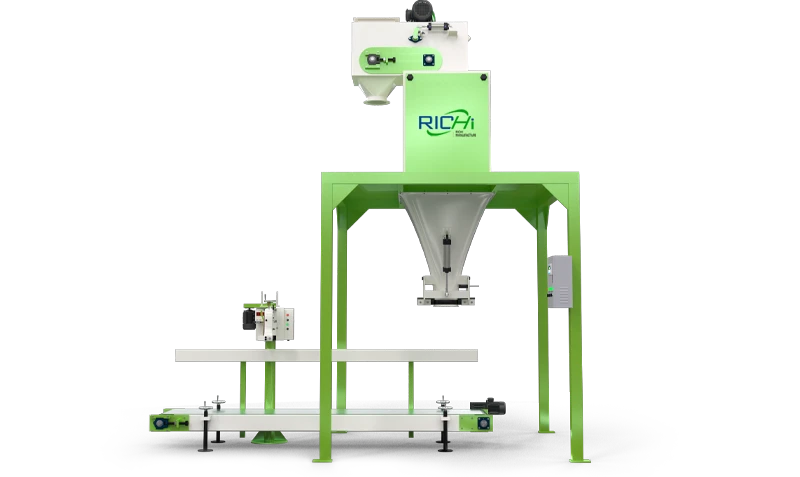
Packing Range
10–1000 kg/bag
Packing Speed
6–20 Bags/min
Feeding & Weighing System
The system provides accurate material supply before mixing or pelletizing. It is different from the trace element batching system and is mainly used for controlling the feeding amount of bulk organic fertilizer materials.
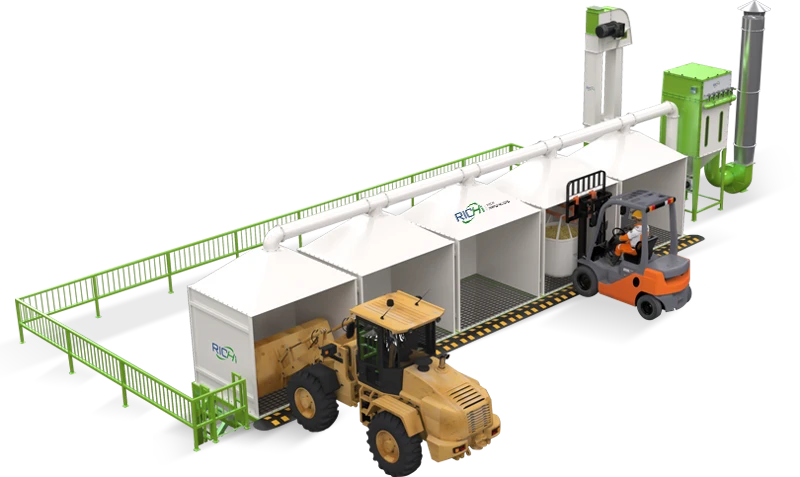
Weighing Capacity
1–50 T/H
Weighing Accuracy
±0.5–1%
Trace Element Dosing System
This system accurately adds micronutrients and fertilizer additives into cow dung fertilizer formulas. It is suitable for customers producing nutrient-enhanced organic fertilizer pellets with controlled ingredient ratios.
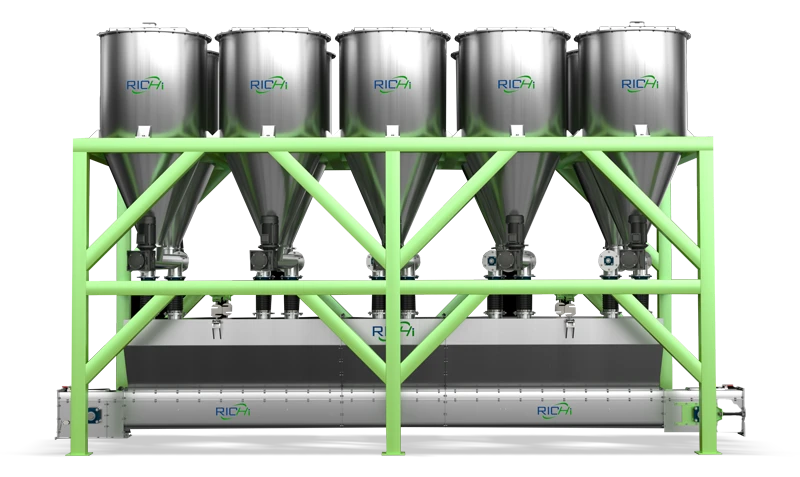
Dosing Accuracy
±0.1–0.5%
Hopper Volume
50–1000 kg
Cow Dung Conveyor
Conveyors connect different processing sections, including crushing, mixing, drying, pelletizing, cooling, screening, and packing. The conveying design is customized according to plant layout and material characteristics.
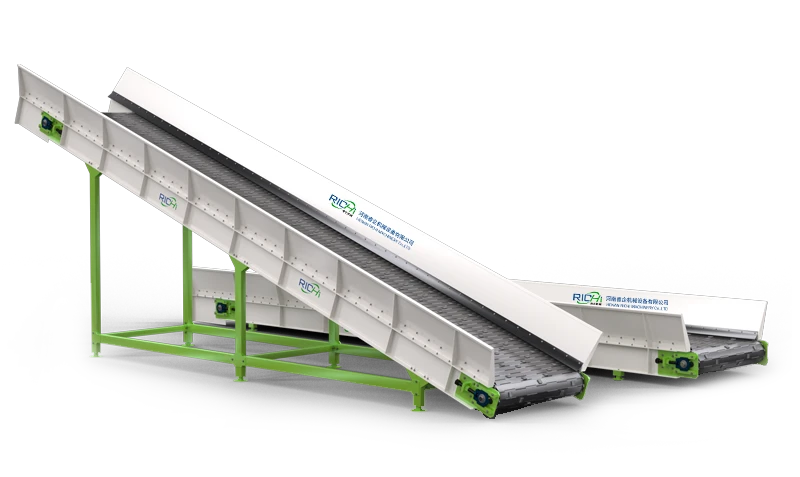
Capacity
2-40T/H
Conveying Length
3–40 m
Besides the main equipment listed above, practical cow dung fertilizer projects may also include dewatering machine, fertilizer sprayer, balers, drum screens, additional conveying systems, storage silos, automatic control systems, and other customized units. Every cow manure project has different requirements. A dairy farm processing manure mixed with bedding may require additional crushing and screening equipment, while a biogas plant processing digestate may focus more on drying and moisture control.
The equipment combination for a cow dung pellet making machine project is selected according to raw material condition, production scale, final fertilizer type, and customer investment plan. RICHI can provide complete equipment lists, customized process designs, and turnkey solutions, including standalone machines, modular systems, and fully automated cow dung fertilizer production lines.
Customized Cow Dung Fertilizer Production Solution
10T/H Cow Dung Fertilizer Production Line Solution 【Example Design】
This 10T/H project was designed for an USA organic fertilizer producer who needed to process multiple organic raw materials, including livestock manure and straw-based materials, into two final products: powdered fertilizer (1–20 mm customized) and fertilizer pellets (2–12 mm customized). The customer required a flexible system that could handle different material conditions, improve fertilizer quality through fermentation, and produce commercial fertilizer products for different markets.
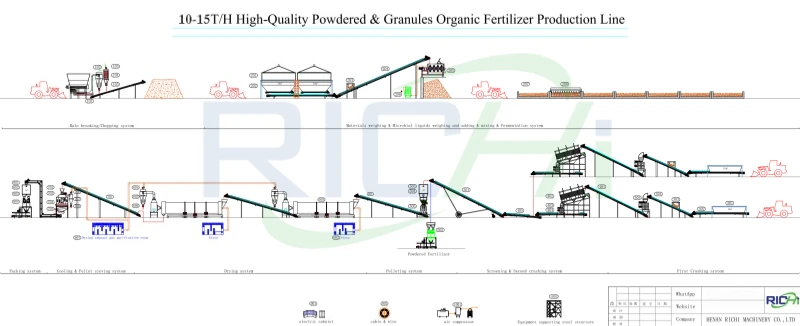
preparation
fermentationg
crushing
screening
pelletizing
drying
cooling
packaging
The customized process combines raw material preparation, fermentation, crushing, mixing, powder fertilizer production, and pellet fertilizer production. The system includes straw crushing, material feeding, metal removal, liquid addition, fermentation, secondary crushing, screening, pelleting, drying, cooling, storage, and automatic packing. The cow dung pellet making machine is integrated into the granulation section to produce stable organic fertilizer pellets after proper material conditioning.
This example represents only one possible configuration. In actual cow dung fertilizer projects, the equipment combination changes according to manure condition, bedding content, fermentation method, moisture level, required fertilizer type, and factory conditions.
For example, dairy farms processing cow dung mixed with straw bedding may require stronger crushing and screening systems, while biogas plants processing digestate may require additional drying solutions. Customers producing only fertilizer powder may not need the pelletizing section, while commercial fertilizer manufacturers may require a complete pellet production line with cooling, screening, and automatic packing.
RICHI provides customized engineering services from process design and equipment manufacturing to installation, commissioning, training, and after-sales support. Whether you need a complete cow dung fertilizer production line or an individual cow dung pellet making machine, we can configure a suitable solution according to your actual production requirements.
Future Opportunities of Cow Dung Pellet Processing
The demand for cow dung pellet processing is increasing as livestock farms, fertilizer producers, and waste recycling companies look for practical ways to convert manure into valuable organic fertilizer products. Instead of treating cow dung as a disposal problem, customers can transform it into stable fertilizer pellets that are easier to store, transport, and sell.
The market potential varies by region. In countries with large dairy and cattle industries, such as the United States, Brazil, Australia, India, and Argentina, abundant cow manure resources create opportunities for manure recycling businesses. In Europe, stricter environmental requirements and sustainable agriculture policies encourage farms and fertilizer companies to adopt advanced manure treatment solutions. In Asia and developing agricultural markets, cow dung pellets are increasingly valued as organic soil conditioners and commercial fertilizer products.
Convert Waste Into Valuable Fertilizer
Cow dung pellets provide livestock farms with a practical solution for reducing manure storage and odor problems. A suitable cow dung pellet making machine transforms fermented manure into commercial fertilizer products with higher market value.
Serve Growing Organic Farming Demand
Organic agriculture is expanding worldwide, increasing demand for natural fertilizer products made from livestock waste. Cow dung pellets can be supplied to farms, fertilizer distributors, and soil improvement markets in different regions.
Expand Profit Through Multiple Materials
A cow dung fertilizer plant can process more than pure manure by adding straw, bedding, digestate, or agricultural residues. This allows customers to utilize local waste resources and produce different fertilizer products with one production system.
Build Scalable Fertilizer Businesses
From small commercial projects to large industrial plants, cow dung processing can be expanded according to raw material supply and market demand. RICHI provides customized equipment configurations, allowing customers to upgrade from a single pelletizer to complete lines.
Frequently Asked Questions
What type of cow dung is suitable for pellet production?
Cow dung from dairy farms, beef cattle farms, and livestock waste collection centers can be processed after proper preparation. Fresh manure, composted manure, bedding mixtures, and digestate can all be used, but moisture, fiber content, and impurities need to be evaluated before selecting equipment.
Can a dairy farm directly pelletize fresh cow manure?
Fresh cow manure usually contains high moisture and is not suitable for direct pelletizing. Large dairy farms normally use fermentation, dewatering, drying, or mixing with bedding materials such as straw and sawdust before using a cow dung pellet making machine.
How large should a cattle farm be to justify buying a cow dung pellet machine?
A commercial project normally requires a stable manure supply. For a 1 T/H production system, customers generally need a continuous supply of prepared material, which is more common for medium or large farms, manure collection companies, or farms processing manure from multiple sources rather than small family farms.
Can cow manure mixed with bedding materials be used?
Yes. Cow manure mixed with straw, sawdust, wood shavings, or rice husk is one of the most common raw materials for fertilizer production. These materials can improve structure and carbon balance, and the crushing and mixing system can be configured according to the actual mixture.
What moisture level should cow dung have before entering the pellet mill?
Prepared materials usually need moisture adjustment before pelletizing. In many projects, the suitable range is approximately 12–25%, but the exact requirement depends on fermentation condition, formula, fiber content, and pellet size.
Do I need a cow dung dryer for my fertilizer pellet project?
Not every project requires a dryer. A cow dung drying machine is mainly needed when manure or digestate moisture remains too high after preparation. Customers with naturally drier composted materials or sufficient dry additives may use a different process configuration.
Which model should I choose for a 3–5 T/H cow manure fertilizer project?
A 3–5 T/H project is commonly matched with medium-capacity pellet mills such as the FZLH350 series. The final selection depends on manure condition, additional materials, required pellet size, and whether the customer needs only pellet production or a complete fertilizer system.
Can your equipment process cow manure into both pellets and powder fertilizer?
Yes. A complete cow dung production line can be designed for both pellet fertilizer and powdered fertilizer. Some customers choose a separate cow dung powder making machine system when they want to sell different fertilizer products.
We operate a biogas plant. Can digestate from cow manure be pelletized?
Yes. Dairy farm biogas digestate is commonly used as fertilizer raw material after proper moisture adjustment. The process may require drying, mixing, and conditioning before entering the cow dung organic fertilizer pelletizer machine.
Can the same cow dung plant process other animal manure?
Yes. Many fertilizer companies do not rely on only one manure source. A complete cow dung pellet line can be designed to process mixtures of cow manure, chicken manure, pig manure, sheep manure, and other organic materials.
What equipment is required for a complete cow dung pellet production line?
A complete system may include fermentation equipment, crushers, mixers, dryers, pellet mills, coolers, screening machines, packing systems, and conveyors. The actual equipment list depends on raw materials, production capacity, factory conditions, and final fertilizer products.
Can cow manure pellets be produced without fermentation?
Fermentation is strongly recommended for most cow manure projects because it stabilizes organic materials, reduces odor, and improves fertilizer quality. The exact process depends on whether the customer uses fresh manure, composted manure, or processed digestate.
How much space is needed for installing a cow dung fertilizer production line?
The required area depends on capacity and process design. Small pellet systems need less space, while complete cow dung organic fertilizer production lines with fermentation yards, drying, storage, and packing areas require larger facilities.
Can you customize a cow dung pellet machine for different countries and materials?
Yes. Raw materials vary greatly between regions. For example, European dairy farms often process manure with bedding, while Asian agricultural projects may combine cow dung with rice husk or straw. We customize equipment according to local material conditions.
What pellet sizes can be produced from cow manure?
The pellet size can usually be adjusted according to market requirements. Common organic fertilizer pellet sizes include 4 mm, 6 mm, 8 mm, and larger customized sizes depending on the die specification and customer application.
Can your cow manure fertilizer pellet machine handle high-fiber materials?
Yes. Cow manure often contains straw, bedding, and undigested plant fibers. Proper crushing and mixing systems help prepare these materials before entering the pellet mill for stable granulation.
What is the difference between a cow dung briquetting machine and a pellet machine?
They are designed for different products. A cow dung briquetting machine or cow dung log making machine is usually used for larger block-shaped products, while a cow manure pellet machine produces smaller fertilizer pellets with more consistent size and easier application.
Do you provide installation and operation support after purchasing?
Yes. We provide technical support from equipment manufacturing to installation guidance, commissioning, operator training, and spare parts supply. Customers receive support throughout the complete project lifecycle.
Can I start a cow dung fertilizer business with materials from nearby farms?
Yes, many fertilizer producers build projects by collecting manure from surrounding livestock farms. Before investment, we recommend evaluating available manure quantity, transportation distance, fertilizer demand, and whether additional materials are needed for a stable cow dung pellet production line.
What Capacity Can a Cow Dung Pellet Making Machine Handle?
A cow dung pellet making machine can be configured for different scales of organic fertilizer production, from small commercial projects to large industrial fertilizer plants. The suitable capacity depends on the customer’s manure supply, processing requirements, and final fertilizer output.
RICHI provides ring die pellet mills with a wide capacity range:
| Production Scale | Typical Application |
| 1–5 T/H | Medium livestock farms, manure recycling projects, small fertilizer producers |
| 6–12 T/H | Large farms and commercial organic fertilizer plants |
| 18–26 T/H | Industrial-scale fertilizer production facilities |
The cow dung pellets produced by our equipment are mainly used as organic fertilizer products. For customers who need cow manure fuel pellet solutions, we can also provide separate technical recommendations based on material characteristics and application requirements.
RICHI does not only supply a single pellet mill. Based on the customer’s raw materials, such as fresh cow manure, composted manure, bedding mixtures, or other agricultural wastes, we can design suitable cow dung pellet production lines including crushing, mixing, drying, pelleting, cooling, screening, and packing systems.
Our equipment is widely applied in:
- Dairy farms and cattle farms
- Organic fertilizer manufacturers
- Livestock waste treatment companies
- Agricultural waste recycling projects
- Compost fertilizer production plants
With professional engineering experience and multiple global fertilizer projects, RICHI helps customers select the right cow dung pellet making machine according to their actual production conditions, investment budget, and future expansion requirements.
Capacity Range: 1–26 T/H
Equipment Price Range: USD 10,000–100,000
Main Application: Cow dung organic fertilizer pellet production
Why Turn Cow Dung Into Organic Fertilizer Pellets?s The Main Shaft Structure Improve Pelletizing Stability?
Processing cow dung into organic fertilizer pellets helps livestock farms and fertilizer producers convert waste materials into valuable agricultural products. Through composting, drying, and pelletizing, cow manure becomes easier to store, transport, and apply compared with loose manure.
The organic fertilizer produced by a cow dung pellet making machine provides several practical benefits:
- Improved Soil Structure
Cow dung fertilizer contains abundant organic matter, which helps improve soil structure, water retention, and nutrient-holding capacity. - Balanced Plant Nutrition
Properly processed cow manure contains organic nutrients and essential elements such as nitrogen, phosphorus, and potassium, together with various micronutrients required for crop growth. - Cleaner and Easier Application
Pelletized fertilizer reduces the problems of odor, transportation difficulty, and uneven spreading commonly associated with raw manure. - Suitable for Different Agricultural Applications
Cow dung organic fertilizer pellets are widely used in fruit orchards, vegetables, tea plantations, pastures, and field crops.
RICHI designs cow dung pellet making machine systems according to different manure conditions, including fermented cow dung, bedding mixtures, and combined organic materials. By using suitable crushing, mixing, drying, and pelleting processes, customers can produce stable fertilizer pellets while improving the utilization value of livestock waste.
What Makes Your Cow Dung Pellet Making Machine Reliable for Continuous Operation?
A cow dung pellet making machine needs stable performance because cow manure often contains high moisture, fiber, and variable material characteristics. RICHI designs ring die pellet mills with optimized transmission, feeding, and cooling systems to maintain reliable operation under different organic fertilizer production conditions.
Key technical features include:
- Stable Pelletizing Performance
The pellet mill uses an air cooling design to help control heat inside the pelletizing chamber, allowing continuous production when operating conditions are properly controlled. - Reliable Drive System
The machine adopts a high-precision gear transmission system. The hardened and machined gears maintain accurate shaft alignment, providing efficient power transfer and longer service life compared with traditional belt-driven systems. - Smooth Material Feeding
A frequency-controlled feeder and improved U-type screw feeding system provide adjustable feeding speed, helping reduce material blockage when processing fibrous cow manure mixtures. - Durable Components
Key parts use high-quality materials and manufacturing processes. Siemens motors, SKF bearings, and reliable oil seals improve equipment stability, reduce noise, and support long-term operation. - Easy Maintenance During Production
The lubrication system allows operators to add grease to important transmission parts without frequent shutdowns, improving maintenance efficiency.
With experience in different organic fertilizer projects, RICHI can customize the cow dung pellet making machine configuration according to raw materials such as fermented cow manure, manure-bedding mixtures, and other agricultural waste combinations.
Why Choose a Ring Die Cow Dung Pellet Making Machine?
A cow dung pellet making machine with ring die design is widely used for medium and large-scale organic fertilizer production because it provides stable output, strong forming ability, and consistent pellet quality.
Compared with small flat die pelletizers, ring die pellet mills offer several advantages for commercial cow manure processing:
- Higher Production Efficiency
The ring die structure is designed for continuous operation and larger output, making it suitable for fertilizer plants, livestock waste treatment companies, and large farms with stable manure supply. - Wide Raw Material Adaptability
After proper preparation, the machine can process different organic fertilizer materials, including fermented cow manure, manure-bedding mixtures, animal manure, and agricultural waste combinations. - Better Pellet Quality
The high-pressure pelletizing process helps produce dense fertilizer pellets with uniform size and improved surface appearance, making them easier to transport, store, and apply. - Suitable for Customized Projects
RICHI configures the cow dung pellet making machine according to raw material characteristics, required capacity, pellet specifications, and complete production line requirements.
For customers who need higher production efficiency, stable operation, and commercial fertilizer pellet quality, a ring die cow dung fertilizer machine is a suitable choice for building a long-term organic fertilizer business.
How Does a Cow Dung Pellet Making Machine Produce Fertilizer Pellets?t Happens After Chicken Manure Pellets Are Formed?
A cow dung pellet making machine uses mechanical compression to transform prepared organic fertilizer materials into uniform pellets. The machine mainly consists of the feeding system, transmission system, pelletizing chamber, ring die, and pressure rollers.
The working process includes:
- Material Feeding
Prepared cow manure materials enter the pelletizing chamber through the feeding system. The feeding speed can be adjusted according to the raw material condition and production requirements. - Compression and Forming
Inside the pelletizing chamber, the rotating ring die and pressure rollers continuously compress the material. Under pressure and friction heat, the material passes through the die holes and forms continuous fertilizer pellets. - Pellet Cutting and Collection
The formed pellets are cut into the required length and then transferred to cooling, screening, and packing systems.
For stable cow manure pellet production, RICHI uses durable components including:
- 42CrMo alloy steel ring die and transmission parts
- SKF bearings for key transmission positions
- Stainless steel feeding components
- Safety protection system against overload
- Optional automatic lubrication system
The final configuration of the cow dung pellet making machine can be customized according to raw materials, pellet size requirements, production capacity, and complete fertilizer production line design.
How Much Does a Cow Dung Pellet Making Machine Cost?e Process Different Organic Materials?
The price of a cow dung pellet making machine is usually around USD 10,000–100,000. The final quotation depends on the machine model, production capacity, configuration requirements, and whether the customer needs a single pellet mill or a complete fertilizer production system.
Several factors affect the investment cost:
- Production Capacity
A small commercial pellet mill and an industrial-scale fertilizer plant require different equipment sizes, motors, and supporting systems. - Raw Material Conditions
Fresh cow manure, fermented manure, bedding mixtures, and manure combined with agricultural waste require different preparation equipment, such as crushers, mixers, or dryers. - Equipment Configuration
Options such as automatic feeding, drying systems, screening systems, packing systems, and complete cow dung pellet production lines will influence the total project investment. - Project Requirements
Factory layout, automation level, final fertilizer type, and local installation requirements also affect the overall cost.
RICHI provides customized quotations according to each customer’s actual situation. Whether you need a single cow dung pellet making machine or a complete cow dung organic fertilizer production line, our engineers can recommend a suitable solution based on your capacity target, raw materials, and investment plan.
Contact RICHI Machinery for a customized equipment quotation.
Do You Have Cow Dung Pellet Making Machine Projects in Different Countries?
Yes, RICHI has supplied cow dung pellet making machine solutions for customers in different regions, including farms, organic fertilizer producers, and waste recycling companies. These projects cover different raw material combinations, production scales, and investment requirements.
Typical project examples include:
| Country | Customer Application | Raw Materials | Annual Production | Project Investment |
|---|---|---|---|---|
| Brazil | Cattle manure fertilizer processing plant | Cattle manure + industrial organic waste | 2,500 T/Y | About USD 80,000 |
| Mexico | Livestock waste recycling project | Cattle manure + sheep manure | 10,000 T/Y | About USD 110,000 |
| United States | Large-scale organic fertilizer production plant | Cattle manure + poultry litter | 50,000 T/Y | About USD 430,000 |
| Argentina | Agricultural waste fertilizer project | Cattle manure + food processing waste | 35,000 T/Y | About USD 410,000 |
| Thailand | Multi-manure fertilizer production project | Cattle manure + chicken manure | 55,000 T/Y | About USD 570,000 |
| Indonesia | Livestock waste compost pellet project | Animal manure + straw | 10,000 T/Y | About USD 190,000 |
| Canada | Farm waste fertilizer processing project | Cattle manure + poultry manure | 6,000 T/Y | About USD 160,000 |
| Australia | Integrated agricultural waste fertilizer plant | Cow manure + bagasse | 30,000 T/Y | About USD 385,000 |
These projects show that a cow dung pellet making machine is not limited to one type of farm or raw material. Depending on the local conditions, we design different solutions according to manure moisture, available auxiliary materials, required fertilizer products, and production targets.
In many projects, customers require more than a single pellet machine. RICHI provides complete solutions including composting, crushing, mixing, drying, pelleting, cooling, screening, and packaging systems, helping customers process cow dung and other organic wastes into commercial fertilizer products.
What Is the Process of Making Cow Manure Pellets?
A complete cow dung pellet production process usually includes several stages to prepare, condition, pelletize, and package the material. The exact process depends on the moisture content, fiber content, available raw materials, and final fertilizer requirements. RICHI designs customized solutions for different farms and fertilizer producers, from standalone cow dung pellet making machine systems to complete production lines.
A typical process includes:
- Fermentation and Material Preparation
Fresh cow dung is collected and mixed with suitable carbon materials such as straw, hay, sawdust, or bedding materials when required. After aerobic fermentation and composting, the material becomes more stable, reduces odor, and is suitable for further processing. The fermentation method and duration are adjusted according to the raw material condition and production scale. - Crushing and Refining
The fermented cow manure is crushed to remove large fibers and improve material uniformity. For high-moisture and fibrous materials, a suitable organic fertilizer crusher is selected to achieve the required particle size before mixing and pelletizing. - Mixing and Formula Adjustment
Additional materials such as agricultural waste, trace elements, humic acid, or other fertilizer ingredients can be added and evenly mixed. This step allows customers to adjust nutrient content, moisture balance, and pellet formation performance according to their fertilizer formula. - Pelletizing Process
The prepared material enters the cow dung pellet making machine, where the ring die and rollers apply continuous pressure to form uniform organic fertilizer pellets. This is the key step that converts loose composted cow dung into easy-to-store and transport fertilizer products. - Drying and Moisture Control
Freshly produced pellets usually contain higher moisture and need further drying depending on the raw material and storage requirements. A cow dung drying system can reduce moisture to a suitable level while maintaining pellet quality. - Cooling and Product Stabilization
After drying, the warm pellets pass through a cooling system to reduce temperature and improve storage stability. Proper cooling helps prevent pellet deformation and moisture condensation during storage. - Screening and Size Classification
The cooled pellets are screened to separate qualified fertilizer pellets from oversized and undersized materials. The returned material can be recycled back into the production process to improve material utilization. - Packaging and Storage
Finished cow manure pellets are weighed and packed according to customer requirements, commonly in 10–50 kg bags or bulk packaging systems. Conveying and storage equipment can also be integrated for larger fertilizer plants.
RICHI can provide complete cow dung pellet production line solutions based on different customer situations, including cattle farms, livestock waste treatment companies, and organic fertilizer manufacturers.
Whether the customer needs only a cow dung pellet making machine or a complete system including crushing, composting, drying, pelletizing, and packaging, the process can be customized according to raw materials, plant conditions, and investment plans.
How Do I Choose the Right Cow Dung Pellet Making Machine?
Choosing the right cow dung pellet making machine depends on your raw materials, production requirements, and long-term processing goals. Since cow dung conditions vary greatly between dairy farms, cattle farms, and organic fertilizer plants, selecting equipment only based on price or output is usually not enough.
Before purchasing, customers should consider the following factors:
- Confirm Your Raw Material Conditions and Production Goals
First, analyze the type of cow dung available, including moisture content, fiber content, and whether it is mixed with bedding materials, straw, sawdust, or other organic wastes. The required fertilizer type, pellet size, and production capacity will directly affect the suitable machine configuration. - Select Equipment Based on Required Capacity
Different customers need different processing scales. Small fertilizer producers may require a compact system, while large cattle farms and commercial fertilizer plants usually need continuous industrial production equipment. A suitable model should match your actual raw material supply and expected output. - Evaluate Equipment Structure and Manufacturing Quality
A cow dung pellet making machine works under continuous pressure during pelletizing, so key components such as the ring die, rollers, drive system, bearings, and feeding structure directly affect performance and service life. Customers should check the manufacturer’s production capability, component quality, and engineering experience before making a decision. - Consider Complete Process Compatibility
Cow dung pellet production is not only about the pellet machine itself. Depending on the material condition, customers may also need composting equipment, crushers, mixers, drying systems, cooling systems, screening machines, and packaging equipment. A professional manufacturer should be able to design a complete solution according to the actual process requirements. - Pay Attention to Technical Support and After-Sales Service
Organic fertilizer projects often operate for many years, so reliable technical support is important. Customers should consider installation guidance, operation training, spare parts supply, and future maintenance services when choosing a supplier.
RICHI provides customized cow dung processing solutions for different applications, including livestock farms, fertilizer manufacturers, and waste recycling projects. Based on your raw materials, plant conditions, and production targets, we can recommend the suitable cow dung pellet making machine model and design a practical production solution.
Every cow manure project has different conditions, from dairy farm bedding mixtures to commercial manure recycling plants. Share your raw materials, expected output, and fertilizer requirements with our engineers, and we will recommend a suitable cow dung pellet making machine configuration.
