

 0086-138 3838 9622
See how global operations achieve 95%+ uptime with our heavy-duty systems.r a Sustainable Future

BIOMASS PELLET PLNT
From raw material preparation to precision pelleting, our complete biomass pellet plants deliver 15-20% higher efficiency than industry standards. Precision-engineered pellet mills paired with optimized feeding, drying and control systems – achieving 2-3 year ROI for 500+ global operations.
Application
Our biomass pellet plants are engineered for diverse industries requiring high-quality pelletized biomass. The processed pellets serve as sustainable fuel for power plants and heating systems, premium animal feed additives, and specialized bedding materials. Each production line is customized to meet exact pellet specifications – whether for industrial combustion, agricultural use, or commercial retail distribution.

Wood Pellets

Grass Pellets

Straw Pellets

Husk Pellets
Professional Biomass Pellet Plant Equipment
A complete biomass pellet plant requires precisely matched equipment designed to handle your specific materials and throughput requirements. Our systems integrate heavy-duty crushers for raw material preparation, high-efficiency dryers for moisture control, industrial pellet mills with durable ring dies, and automated packaging solutions – all optimized to work together seamlessly.

Maintains optimal compression for consistent pellet density across all biomass materials.

Ensuring smooth flow even for fibrous or high-moisture feedstocks.

Engineered for Reliable Production
We engineer each component to deliver maximum uptime and consistent pellet quality while minimizing energy consumption.


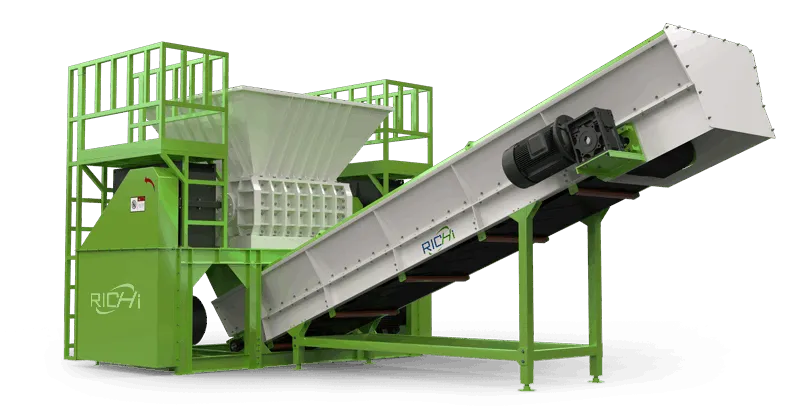
biomass shredder machine

Disc bale breaker

biomass dryer machine
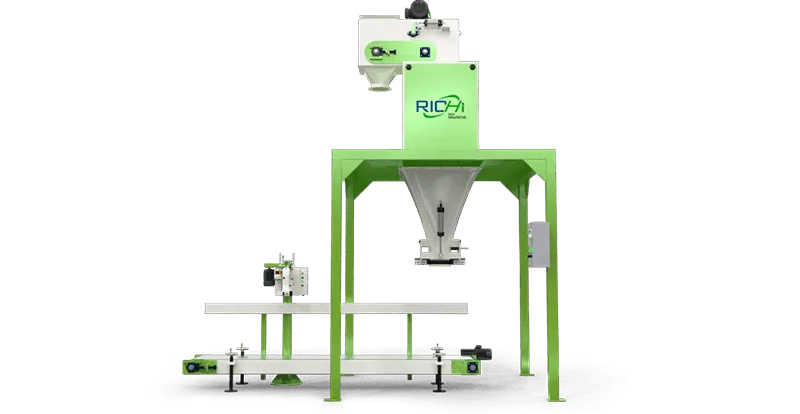
ton bag weigher
Biomass-Specific Pellet Mill Solutions
Not all biomass pellets equally. Our specialized pellet mills are engineered to handle the unique challenges of different feedstocks – from abrasive rice husks to low-binder straw. Below you’ll find material-specific configurations we’ve proven in hundreds of installations worldwide, each with customized die designs, compression ratios and conditioning systems to maximize yield and minimize wear.


Biomass Pellet Machine Specifications by Capacity – Matching Your Production Needs

MZLH320
Capacity: 0.2-0.6 T/H
Our small biomass pellet machine stands for sustainability and efficiency. It is one of the most important machines in the biomass pellet plants. They are simple and solid machines, with high reliability and very low maintenance costs.
MZLH350
Capacity: 0.3-1.2 T/H
Biomass pellet press is mainly used in large scale commercial production with the features of long working life, high output and low consumption. The work of pressing the mash into a pellet is done through the die in the main mill.
MZLH420
Capacity: 1.0-2.0 T/H
RICHI offers a comprehensive range of biomass granulator machine in a variety of sizes and application, mainly used for making biofuel pellets and animal feed pellets from agricultural and forestry waste.
MZLH520
Capacity: 1.5-3.0 T/H
Biofuel pellet machine is a patented product developed by Richi Machinery on the basis of absorption ring die granulation technology and concept.
MZLH678
Capacity: 2.5-5.0 T/H
Biomass pelletizer breaks through the bottleneck of pellet production capacity and has achieved remarkable results in biomass pellet processing.
MZLH768
Capacity: 3.0-8.0 T/H
Biomass pellet machine stands for sturdy and durable technology that will cope with your continuous operation needs of biomass pellet plant.
Technical Specifications
Selecting the right biomass pellet mill starts with understanding real-world performance data. Below are the verified operating specifications for our complete range of biomass pellet machines – from compact 200kg/h units to industrial 10-ton/h systems. Each model’s parameters reflect actual production conditions across hundreds of installations worldwide, accounting for material variations and continuous operation demands.
| Model | MZLH320 | MZLH350 | MZLH420 | MZLH520 | MZLH678 | MZLH768 |
| Capacity (t/h) | 0.2~0.6 | 0.3~1.2 | 1.0~2.0 | 1.5~3.0 | 2.5~5.0 | 3.0~8.0 |
| Main motor power (kw) | 22 | 37 | 90 | 132 | 185 | 250 |
| Main motor series | 8P | |||||
| Ring die diameter (mm) | 320 | 350 | 420 | 520 | 673 | 762 |
| Finished pellet diameter (mm) | 4-12 | |||||
While biomass pellet mills get the attention, it’s the supporting equipment that ensures uninterrupted operation. We engineer every auxiliary system in your biomass pellet plant to match your core processing capacity – from precision raw material intake stations to automated bagging lines.

AUXILIARY
EQUIPMENT SHOW
Discover how the right equipment can increase your plant’s efficiency by 15-30% while reducing labor costs.
Processes logs and branches into 20-50mm chips ideal for pelletizing. Heavy-duty knives with tungsten carbide tips deliver 500+ hours between sharpening.

Biomass Hammer Mill
Pulverizes materials to 1-3mm for pelletizing. Reversible hammers extend service life by 30%.

Biomass Mixer Machine
This machine ensures uniform blending of biomass materials with CV under 5%. Specially designed flights prevent fiber damage during mixing.
Drum Screen
Precisely grades raw materials before processing. Adjustable screen sizes accommodate different materials.
This machine can reduces pellet temperature to ambient +5°C while removing fines. Counterflow design maintains pellet integrity during cooling.

Separates pellets into uniform size fractions. Multiple deck options for precise classification.

Corrosion-resistant storage for biomass materials with 50-1000 ton capacity. Integrated discharge system prevents material bridging.

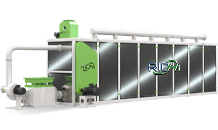
mesh Belt Dryer
Reduces moisture content by 15-20% efficiently. Variable speed control optimizes drying time.
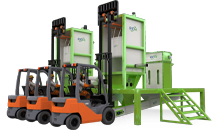
Big Bag Unpacker
This equipemt handles 500-2000kg bulk bags safely and efficiently. Dust-free operation meets strict environmental standards.
Maintains clean air with 99.9% filtration efficiency. Automatic cleaning ensures continuous operation.

Belt Conveyor
Heavy-duty construction for continuous biomass-based raw material transport. Cleated belts prevent rollback on inclines up to 30°.

Weighs and bags pellets with ±0.2% accuracy. Handles 10-15 bags per minute continuously.

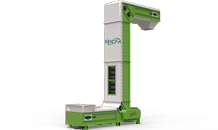
This bucket elevator vertically lifts materials up to 30 meters high. Self-cleaning buckets minimize material carryover.
Grass Crusher
Specialized for processing various grasses and green biomass into 10-30mm fibers ideal for pelletizing.

Biomass Crusher
Reduces various biomass materials to 3-5mm particles. Dual rotors provide higher throughput with lower energy consumption.

Recycles wood pallets into usable biomass material. Heavy-duty construction handles nails and hardware.

Hot Air Furnace
This equipment is used to generate clean hot air up to 400°C for drying. Modular design allows capacity adjustment as needed.

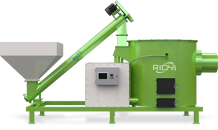
Biomass Burner
Multi-fuel design for wood chips/pellets. Automatic ash removal maintains consistent heat output.
Explore how our biomass pellet plants deliver real-world results across industries and geographies. Each project showcases our ability to customize solutions for unique feedstock challenges, production requirements, and operational conditions. From agricultural waste to wood processing residues, these cases demonstrate our engineering expertise in creating efficient, high-output pellet production systems that perform day after day.
Proven Solutions for Diverse Applications


biomass pellet plant in Asia
Our biomass pellet plants across Asia efficiently process diverse feedstocks from rice husk to wood chips with customized solutions.
We deliver high-performance pellet plants optimized for Australia and New Zealand’s unique biomass conditions.

biomass pellet plant in Oceania

biomass pellet plant in Africa
We provide durable pellet production solutions adapted to Africa’s variable biomass sources and operating conditions.
Our robust pelletizing systems handle South America’s challenging agro-residues like sugarcane bagasse with proven reliability.

biomass pellet plant in South America


biomass pellet plant in Europe
Precision-engineered European pellet plants meet strict ENplus standards through automated, energy-efficient designs.

biomass pellet plant in North America
From USA, Canada to Mexico, our industrial-scale pellet plants maximize output for both softwood and hardwood applications.

Precision-Engineered for Your Output Needs
Your production volume demands the right system architecture. We design biomass pellet plants with throughput-specific configurations – whether you require 0.3TPH for regional supply or 50+TPH for industrial export operations. Each capacity tier incorporates optimized material handling, conditioning and pelleting technology to ensure maximum uptime and lowest cost-per-ton. Tell us your annual production targets and we’ll specify the most efficient line configuration.
Engineered for Your Raw Material Challenges
Agricultural residues behave differently than wood waste. Our specialized systems account for your material’s unique characteristics – fiber length, silica content, binding properties – with customized preprocessing, drying and pelleting solutions. From fluffy rice husks to dense nut shells, we’ve successfully processed 50+ biomass types across six continents. Share your material specifications and we’ll recommend the right wear components, moisture controls and compression ratios.


grass pellet Plant


bamboo pellet Plant


bagasse pellet Plant


timothy pellet plant

soybean straw pellet plant

RDF pellet Plant

Sunflowers husk pellet Plant


Olive Pomace pellet Plant


walnut shell pellet Plant

rubber pellet Plant

sugar beet pellet Plant

cactus pellet Plant
60000 +
Backed by a 60,000 m² advanced production complex
140 +
Global footprint extends across 140+ international markets
2000 +
Over 2,000 successful pellet production system installations
2013
RICHI MANUFACTURE
Established in 1995, RICHI MACHINERY has grown from a medium-sized enterprise to become China’s largest pellet production line manufacturer. With two major manufacturing bases spanning hundreds of thousands of square meters, we specialize in custom pellet machines and complete plant solutions, handling every production stage in-house—from R&D to delivery.
Our vertically integrated facilities (including dedicated sections for production, testing, and logistics) ensure premium quality, environmental responsibility, and operational reliability for feed, biomass, and fertilizer industries worldwide. For nearly three decades, we’ve partnered with clients to enhance productivity, minimize risks, and achieve sustainable outcomes through innovative engineering.
Zhengzhou Headquarters
R&D, global operations and strategic management converge

Jiaozuo New Production Base (2025)
Featuring automated production lines and Industry 4.0 technologies

Kaifeng Original Complex (Since 1995)
Our manufacturing legacy began and quality traditions endure
Certifications & Patents
As a world-leading biomass pellet plant equipment manufacturer, RICHI Machinery demonstrates its engineering prowess through internationally recognized certifications and proprietary innovations.
Our ISO quality management system, CE compliance, BV-certified production processes, GOST-R for Russian compliance, ATEX explosion-proof certification for EU safety standards, FDA registration for U.S. market access, and EHEDG hygienic design certification validate our commitment to global standards, while 50+ patented technologies in pellet mills, extruders and automation systems deliver unmatched performance.

When you choose RICHI, you’re selecting globally validated, future-proof solutions backed by the industry’s most comprehensive certification portfolio.

01
Consultation
Our experts provide professional advice to understand your specific biomass pellet production requirements.

02
Design
We develop customized solutions with optimized layouts and equipment configurations for your project.

03
Manufacturing
All biomass pellet plant equipment is precision-built using quality materials in our ISO-certified factories.
04
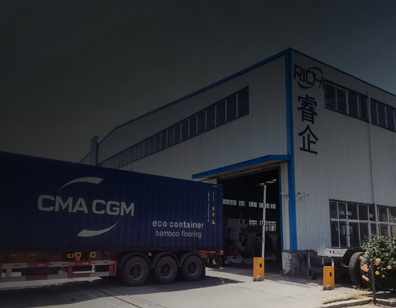
Shipping
We handle secure packaging and global logistics with reliable delivery timelines.

05
Installation
Our engineers supervise on-site assembly and commissioning for smooth operation.

06
Training
Comprehensive operator instruction ensures proper use and maintenance of equipment.

07
After-sales
Dedicated support team provides troubleshooting and technical assistance.
08
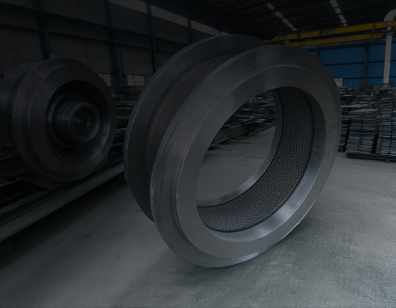
Spare Parts
Genuine components are available worldwide with fast delivery service.
Biomass Pellet Plant FAQ – Professional Solutions for Optimal Production
From feedstock preparation to final pellet quality control, operating a biomass pellet plant involves numerous technical considerations. We’ve compiled expert answers to the most critical questions based on our global project experience, helping you optimize production efficiency, reduce downtime, and maximize ROI. Whether you’re troubleshooting common issues or planning to upgrade your system, find practical solutions here from a trusted industry leader.
how to build biomass pellet plant?
+
The demand for biomass pellet production is increasing every year and setting up biomass pellet production line is popular project around the world since biomass pellets are considered an eco-friendly fuel that does not harm the environment like the traditional fuels do. And, the raw material to make pellets such as sawdust, rice husks, etc. are very easy to have or can be brought at very cheap price.
The construction of a biomass pellet plant can be complex and one with lots of challenges. Acquiring the right machinery, manpower and even materials aren’t enough to guarantee the success of the plant. If you are looking forward to learning some of the very essentials to starting an effective and successful biomass pellet plant, check here.
- Find stable biomass material supply
- Locate your factory near the raw materials and with convenient traffic
- Choosing a professional consultant, design your factory layout, and put safety measures right
- Purchase wood pellet production equipment according to your demand, and recruit staffs
- Develop customers and agents at home and abroadt
01
What is the total investment for a small/medium/large biomass pellet plant?
+
Investing in a biomass pellet plant involves variable costs depending on capacity, automation level, and customization. At Richi Machinery, we design tailored solutions for wood, agricultural waste, or mixed biomass pelleting—here’s a breakdown:
- 1. Cost Ranges for Biomass Pellet Plants
Small-scale (300kg–1 ton/hour): $20,000–$200,000
Ideal for farms/sawmills. Includes core biomass pellet plant equipment: crusher, hammer mill, pellet machine (e.g., Richi MZLH series), cooler, and basic packaging.
Medium-scale (2–5 tons/hour): $40,000–$500,000
Adds advanced drying, sieving, and automation (PLC control). Suitable for commercial biomass pelletizing plants.
Large-scale (10+ tons/hour): $120,000–$2M+
Fully automated biomass pelleting plant with industrial dryers, conveyors, and dust-removal systems.
Note: Pricing fluctuates with raw material prep needs (e.g., high-moisture straw requires extra drying).
2. Why Richi Machinery’s Biomass Pellet Plant Design Stands Out
✅ 25+ Years of Engineering Expertise
- Our biomass pellet plant machines feature wear-resistant alloy molds (50% longer lifespan vs. industry standards).
✅ Customization for Any Biomass
- From soft wood to abrasive rice husk, our pelletizing plants adapt to your feedstock via adjustable compression ratios.
✅ Turnkey Projects, Global Support
- We handle biomass pellet plant design, installation, and operator training—see our 500+ success stories in Vietnam, Brazil, etc.
3. Hidden Costs? We Help You Optimize!
Many clients underestimate:
- Raw material preprocessing (e.g., chippers for logs).
- Spare parts inventory (We offer 24/7 global logistics for dies/rollers).
Pro Tip: Request a free ROI analysis from Richi Machinery—we’ll calculate your breakeven point based on local energy prices!
Ready to Discuss Your Project?
→ [Contact Our Engineers] for a custom biomass pellet plant quote today.
02
how to produce biomass pellets?
+
Producing high-quality biomass pellets requires the right raw materials, equipment, and expertise. At Richi Machinery, we’ve engineered biomass pellet plants for hundreds of clients worldwide—here’s how the process works and why our solutions outperform competitors.
Step 1: Raw Material Selection & Preparation
Not all biomass is created equal. The best feedstocks include:
✔ Wood waste (sawdust, chips, bark)
✔ Agricultural residues (straw, rice husk, corn stalks)
✔ Energy crops (miscanthus, switchgrass)
Richi Tip: Moisture content must be 10–15% for optimal pelleting. Our biomass pellet plant equipment includes industrial dryers to pre-treat high-moisture materials.
Step 2: Crushing & Size Reduction
Large chunks? No problem. Our hammer mills and crushers (part of the biomass pelletizing plant) reduce raw material to 3–5mm particles for uniform compression.
Why Richi?
→ Adjustable screen sizes handle everything from soft straw to hardwood.
→ Low-dust designs keep your workspace safe.
Step 3: Pelletizing – The Heart of the Process
This is where Richi Machinery’s pellet machines shine:
- Die & Roller Technology: Our MZLH series uses high-alloy steel molds (50% longer lifespan than standard models).
- Variable Compression Ratios: Perfect for mixed feedstocks (e.g., wood + straw blends).
- Output: 500kg–10+ tons/hour, depending on your biomass pelleting plant scale.
Proven Performance: Clients report 95%+ pellet formation rate with minimal fines.
Step 4: Cooling & Screening
Hot pellets straight from the machine are fragile. Our counterflow coolers bring them to ambient temperature while:
✔ Removing excess moisture
✔ Improving hardness for transport
Bonus: Integrated vibrating screens filter out undersized particles for recycling.
Step 5: Packaging & Storage
Choose between:
- 15–50kg bags (manual/semi-auto filling)
- Bulk silos (for large-scale operations)
Richi’s Custom Touch: We design end-to-end biomass pellet plant solutions, including automated weighing and sealing systems.
Why Partner with Richi Machinery?
- 25+ Years in Pellet Production – We know what works (and what doesn’t).
- Turnkey Plants – From biomass pellet plant design to commissioning.
- Global Support – Spare parts, technician dispatch, and remote troubleshooting.
“Our Richi pellet line runs 20 hrs/day with <2% downtime—worth every penny.”
– Actual Client, Thailand
Ready to Start Your Pellet Project?
→ Get a free process flow diagram tailored to your raw materials.
→ [Contact Richi Machinery] for a quote within 24 hours.
03
What core equipment and auxiliary equipment does a complete biomass pellet plant include?
+
At Richi Machinery, we’ve been designing and manufacturing high-performance biomass pellet plants for over two decades. Our turnkey solutions have helped hundreds of clients worldwide transform raw biomass into premium pellets efficiently. Here’s our expert breakdown of what makes a complete biomass pelletizing plant:
Core Equipment (The Must-Haves):
- Raw Material Prep System
- Heavy-duty crushers & hammer mills (for size reduction to 3-5mm)
- Drying systems (rotary/airflow dryers to achieve 10-15% moisture)
Richi Advantage: Our drying tech saves 30% energy vs conventional systems
- Pelletizing Heart
- Biomass pellet machines (MZLH series with alloy steel dies)
- Conditioning system (for optimal binder/steam addition)
Why ours? 50% longer die life with our proprietary heat treatment
- Post-Pellet Processing
- Counterflow coolers (gentle temperature reduction)
- Vibrating screens (for fines removal)
Engineered for 99% pellet integrity preservation
Auxiliary Systems (The Game-Changers):
4. Automation & Control
- PLC-based monitoring systems
- Real-time moisture/temp sensors
Richi’s smart control reduces labor costs by 40%
- Dust & Safety
- Cyclone separators
- Spark detection systems
Essential for large-scale biomass pelleting plants
- Material Handling
- Belt/Pneumatic conveyors
- Storage silos (50-100 ton capacity)
Custom-designed for your space constraints
Why Richi Stands Out in Biomass Pellet Plant Design:
✓ 25+ years refining equipment combinations
✓ Custom configurations for any feedstock – from rice husk to hardwood
✓ Proven layouts that maximize output (see our 5TPH case study in Malaysia)
✓ End-to-end support – from installation to spare parts supply
Real Client Example:
A Vietnamese client processing mixed agro-waste needed:
✔ Specialized crushers for palm fiber
✔ Dual drying stages
✔ Flexible pellet machine settings
Our custom biomass pellet plant solution increased their output by 35% while reducing energy use.
Thinking About Your Plant?
→ Download our free equipment checklist tailored to your raw materials
→ Get a 3D layout proposal from our engineers
[Contact Richi Machinery] today for a no-obligation consultation
04
What are the differences in configuration between biomass pellet plants with different production capacities (e.g., 1 ton/hour vs. 5 tons/hour)?
+
When investing in a biomass pellet plant, capacity requirements dramatically impact your equipment selection and layout. At Richi Machinery, we’ve engineered everything from compact 1TPH setups to industrial 5TPH+ biomass pelletizing plants—here’s how we tailor solutions for different scales:
1. Core Equipment Comparison
▶ 1TPH Biomass Pellet Plant (Entry-Level):
✔ Pellet Machine: Single MZLH320 unit (22-30kW motor)
✔ Drying: 1.5m diameter rotary dryer (or skip if using pre-dried material)
✔ Crushing: Combined hammer mill & crusher (saves space)
✔ Cooling: Compact counterflow cooler (1-2HP fan)
✔ Automation: Basic control panel + manual adjustments
Best for: Sawmills/farms with consistent raw material (e.g., dry wood shavings)
▶ 5TPH Biomass Pellet Plant (Commercial Scale):
✔ Pellet Machines: Dual MZLH560 units (110kW motors) or one MZLH772
✔ Drying: 2.4m rotary dryer with heat recovery system
✔ Crushing: Dedicated crusher + hammer mill with vibration damping
✔ Cooling: Multi-layer cooler with cyclone separator
✔ Automation: Full PLC control + moisture feedback loops
Best for: Dedicated pellet producers processing mixed feedstocks (e.g., straw + wood)
2. Hidden Differences That Matter
Space Requirements:
- 1TPH: Fits in 200-300m² (can be containerized)
- 5TPH: Needs 800-1,200m² for material flow optimization
Power Consumption:
- 1TPH: ~75kWh/ton (Richi’s gearbox design reduces this by 15% vs competitors)
- 5TPH: ~55kWh/ton (economies of scale + our energy recovery tech)
Labor Needs:
- 1TPH: 2-3 workers/shift
- 5TPH: 4-5 workers (but output per labor hour doubles)
3. Why Richi’s Designs Outperform
- Modular Approach: Start with 1TPH? We pre-design for future 5TPH expansion.
- Feedstock Flexibility: Our 5TPH biomass pelleting plants handle the toughest materials (e.g., palm EFB) without clogging.
- Proven Layouts: See our 5TPH plant in Indonesia running at 93% uptime.
Client Example:
A Thai client upgraded from 1TPH to 3TPH in 18 months—we reused 60% of their original Richi equipment to cut costs.
4. Your Next Steps
→ Free Capacity Calculator: Input your raw material to get a tailored equipment list
→ 5TPH vs 1TPH ROI Comparison: Request our case study
[Contact Richi Machinery] for a layout designed by engineers with 100+ installations
05
How to design a biomass pellet plant?
+
Designing a high-performance biomass pellet plant requires more than just connecting machines – it demands deep process knowledge and real-world experience. At Richi Machinery, we’ve optimized over 300 biomass pellet plant designs worldwide. Here’s our step-by-step approach to creating plants that outperform competitors:
Phase 1: Foundation Planning
1. Feedstock Analysis (The Make-or-Break Factor)
- We test your raw materials for:
✔ Moisture content (requires drying if >20%)
✔ Fiber structure (hardwood vs. straw needs different pre-treatment)
✔ Abrasiveness (determines equipment wear parts selection)
Richi Advantage: Our mobile lab can analyze your materials onsite
2. Capacity Mapping
- 1-2TPH: Compact biomass pellet plant equipment layouts
- 5+TPH: Multi-line configurations with buffer zones
3. Site Specifics
- Power: 380V vs. 415V requirements
- Space: Our engineers can work with as little as 20×30m
Phase 2: Core System Engineering
The Richi Machinery “Golden Ratio” for Equipment Selection:
| Component | Small Plant (1TPH) | Large Plant (5TPH) |
|---|---|---|
| Crusher | Combined hammer mill | Dedicated shredder + hammer mill |
| Dryer | Rotary Ø1.5m | Belt dryer + heat recovery |
| Pellet Machine | MZLH320 | Dual MZLH560 |
| Control System | Basic PLC | Smart IoT monitoring |
Key Design Considerations:
✔ Material Flow: We prevent 90% of jams with our patented “No-Stall” conveyor angles
✔ Dust Control: Cyclone placement matters – see our Vietnam installation case
✔ Future-Proofing: All our biomass pelletizing plants allow for 30% capacity upgrades
Phase 3: Advanced Optimization
Where Cheap Designs Fail – Our Solutions:
➤ Die Selection: 6-8mm for wood vs. 8-10mm for agro-waste (we provide both)
➤ Moisture Control: Real-time sensors adjust drying automatically
➤ Energy Recovery: Our 5TPH plants reuse 25% of thermal energy
Client Example:
A Malaysian palm waste project increased output by 40% after we:
- Redesigned their preconditioning stage
- Added our anti-bridging feed system
- Implemented predictive maintenance alerts
Why Choose Richi for Your Biomass Pellet Plant Design?
✓ 25 Years solving real production headaches
✓ Turnkey Projects: From soil testing to operator training
✓ Adaptable Tech: Switch between feedstocks without downtime
“Other suppliers gave us CAD drawings. Richi gave us a working plant.”
- Client in Philippines (3TPH mixed feedstock plant)
Get Started
→ Request our Free Plant Design Checklist
→ Book a Virtual Layout Consultation with our lead engineer
[Contact Richi Machinery] today – responses in 4 working hours
06
Which raw materials are suitable for biomass pellet plants?
+
Not all biomass materials pellet equally – but with the right biomass pellet plant equipment, nearly any organic material can become premium fuel. At Richi Machinery, we’ve successfully processed 50+ feedstock types across six continents. Here’s what works, what’s tricky, and how our machines adapt where others fail.
1. Top-Tier Feedstocks (Plug-and-Play Pelleting)
These materials run smoothly in standard biomass pellet plants:
✔ Wood Residues
- Sawdust (ideal 10-12% moisture)
- Wood chips (pre-crushed to 3-5mm)
- Bark (up to 30% blend possible)
Richi Advantage: Our MZLH pellet machines maintain <1% fines even with resinous woods
✔ Agricultural Waste
- Rice husk (abrasive? Our dies last 2x longer)
- Wheat straw (low bulk density? Special pre-compaction systems)
- Corn stalks (our shredders handle whole stalks)
2. Challenging Materials (Where Our Engineering Shines)
These require customized biomass pelletizing plant solutions:
⚠ High-Moisture Feedstocks (>25%)
- Fresh palm EFB
- Sugarcane bagasse
Our Solution: Multi-stage drying with heat recovery
⚠ Low-Binder Materials
- Coconut shells
- Bamboo
Our Solution: Patented steam conditioning chambers
⚠ Contaminated Inputs
- Municipal green waste
- Recycled wood
Our Solution: Integrated sorting & cleaning stations
3. Material Combinations That Boost Profit
Many clients maximize output by blending:
• 70% pine sawdust + 30% peanut shells
• 50% rice husk + 50% wood chips
• 60% wheat straw + 40% miscanthus
*Richi Pro Tip: Our adjustable L/D ratio dies (6-12mm) handle blends without downtime*
4. Feedstock-Specific Equipment Configurations
See how we modify standard biomass pelleting plants:
| Material | Special Equipment Needed | Richi Upgrade Option |
|---|---|---|
| Olive pomace | Extra-hardened dies | Tungsten carbide coating |
| Coffee husks | Dedicated dust explosion proofing | ATEX-certified systems |
| Vine prunings | Heavy-duty shredders | 75kW slow-torque crusher |
Real Case: A Brazilian client processes 8 material types daily – we designed quick-change modules that switch feedstocks in <15 minutes.
Why Richi Machinery Outperforms on Raw Material Flexibility
- 25 Years solving “impossible” pelleting challenges
- Test Before You Buy – Send samples to our material lab
- One-Stop Customization – From crushers to packaging tailored to your feedstock
“Other suppliers rejected our palm waste. Richi made it pelletize at 3TPH.”
- Client in Indonesia (2.5TPH EFB plant)
07
What are the raw material and energy costs for a biomass pellet plant to produce 1 ton of pellets?
+
Calculating your exact biomass pellet plant operating costs requires understanding two key factors: raw material availability and equipment efficiency. At Richi Machinery, we’ve helped 500+ clients optimize these variables – here’s our transparent cost analysis with real-world examples.
1. Raw Material Costs Per Ton of Pellets
(Highly region-dependent – we’ll show you how to slash these costs)
| Feedstock Type | Typical Cost Range | Richi Efficiency Boost |
|---|---|---|
| Sawdust (dry) | $40-$80/ton | Our drying systems cut moisture loss by 18% |
| Agricultural waste | $15-$50/ton | Specialized crushers increase bulk density 30% |
| Mixed biomass | $25-$60/ton | Blending tech reduces binder needs |
Key Insight:
With our biomass pellet plant design, clients in Vietnam reduced raw material waste from 12% to 4% through:
✔ Precision moisture control
✔ Particle size optimization
✔ Recycle systems for fines
2. Energy Consumption: The Hidden Cost Killer
*(Based on 500+ installations)*
| Plant Size | Standard kWh/Ton | Richi Machines | Annual Savings* |
|---|---|---|---|
| 1TPH | 110-130 kWh | 85-95 kWh | $16,000 |
| 5TPH | 90-110 kWh | 70-80 kWh | $58,000 |
*At $0.12/kWh, running 20h/day
How We Achieve This:
- Gearbox-driven pellet machines (vs. belt-driven competitors)
- Heat recovery dryers that reuse 25% thermal energy
- Smart PLC systems that optimize motor loads
3. Total Cost Breakdown (1 Ton Production)
Typical Competitor Plant:
✔ Raw material: $55
✔ Energy: $13.20 (110kWh @ $0.12)
✔ Labor/maintenance: $9.50
→ Total: $77.70
Richi Machinery Optimized Plant:
✔ Raw material: $48 (better yield)
✔ Energy: $9.60 (80kWh)
✔ Labor/maintenance: $7.20 (reduced downtime)
→ Total: $64.80
*(Save $12.90/ton → $129/day at 10TPD)*
4. Client Cost-Saving Examples
Case 1: Indonesian palm fiber plant
- Problem: 140kWh/ton energy use
- Our fix: Installed pre-dryer + high-compression dies
- Result: Dropped to 92kWh/ton ($5.76/ton saved)
Case 2: US hardwood pellet producer
- Problem: 15% raw material waste
- Our solution: Added fines recycling conveyor
- Result: 6% waste (saves $7.30/ton)
5. Get Your Custom Cost Analysis
→ Use our Free Pellet Cost Calculator (includes local feedstock prices)
→ Request Energy Audit of your current operation
[Contact Richi Machinery] – Response with preliminary numbers in 6 hours
08
Is on-site guidance provided for the installation and commissioning of the biomass pellet plant? How long does it take?
+
When investing in a biomass pellet plant, proper installation isn’t just helpful – it’s critical for achieving promised output and equipment longevity. Here’s how Richi Machinery ensures your biomass pelletizing plant gets operational without headaches:
1. On-Site Installation Support (We Don’t Just Ship Machines)
✔ Dedicated Project Manager assigned to your plant
✔ 2-3 Expert Engineers dispatched for installation (mechanical/electrical/automation specialists)
✔ Foundation Verification before equipment unloading
✔ Laser Alignment of all critical components
“Other suppliers sent PDF manuals. Richi sent a full team that stayed until we hit target production.”
- Canadian Client (3TPH wood pellet line)
2. Typical Commissioning Timeline
*(Based on 100+ installations in 2023)*
| Plant Size | Installation Days | Commissioning Days | Total |
|---|---|---|---|
| 1-2TPH | 10-12 | 3-5 | 15 |
| 3-5TPH | 15-18 | 5-7 | 22 |
| 10TPH+ | 25-30 | 7-10 | 35 |
Faster Than Industry Average: Our pre-tested biomass pellet plant equipment modules reduce on-site work by 30%.
3. What Happens During Commissioning?
Day 1-2:
→ Dry runs without material
→ Safety system checks
→ PLC program finalization
Day 3-5:
→ Gradual material feeding (25% → 50% → 75% → 100% capacity)
→ Moisture/temperature fine-tuning
→ Pellet quality verification
Final Day:
→ 8-hour continuous production test
→ Operator training session
→ Sign-off checklist completion
4. Unique Richi Value-Adds
- Bilingual Engineers (English/Russian/Spanish/Arabic speaking teams)
- Spare Parts Starter Kit included with every installation
- Remote Support Portal for real-time troubleshooting
Recent Case:
A Philippines client needed their biomass pelleting plant operational before rainy season. We:
- Pre-assembled 40% of equipment in our factory
- Sent advance team to prepare site
- Completed 5TPH install in 19 days (vs. standard 25)
5. Post-Installation Support
✔ 30-Day Warranty Period with priority response
✔ 3 Follow-Up Visits in first year
✔ Lifetime Access to our maintenance video library
09
How much space is needed for a biomass pellet plant? What are the plant building height and foundation requirements?
+
Planning your facility layout correctly from day one prevents costly modifications later. With 300+ biomass pellet plant installations worldwide, Richi Machinery has mastered space optimization across all production scales. Here’s what you need to know:
1. Minimum Area Requirements by Capacity
(Based on most efficient U-shaped layouts we design)
| Plant Capacity | Production Area | Raw Material Storage | Finished Product Storage | Total Space |
|---|---|---|---|---|
| 1TPH | 200m² | 300m² | 150m² | 650m² |
| 3TPH | 450m² | 600m² | 300m² | 1,350m² |
| 5TPH | 700m² | 900m² | 500m² | 2,100m² |
Key Insight: Our biomass pellet plant designs typically require 30% less floor space than competitors through:
✔ Vertical dryer/cooler arrangements
✔ Overhead conveyor systems
✔ Smart equipment nesting
2. Critical Height Clearances
(Avoid these common planning mistakes)
- Pellet Machine Section: Minimum 5.5m clearance (for die replacement)
- Dryer Area: 6m+ for heat exchanger maintenance
- Storage Silos: 7m+ for pneumatic filling systems
“We had to tear down and rebuild part of our roof after another supplier didn’t specify height needs. Richi’s 3D modeling prevented this for our expansion.”
- Malaysian Palm Pellet Producer
3. Foundation Specifications That Matter
Concrete Requirements:
- Pellet Machine Base: 400mm thickness, M30 grade concrete
- Hammer Mill Foundation: Vibration-isolated pads required
- Storage Areas: 150mm standard thickness
Load-Bearing Needs:
- Equipment Zones: 5 ton/m² capacity
- Raw Material Storage: 3 ton/m² (increases for stacked bales)
Richi Pro Tip: Our engineers provide:
→ Soil bearing capacity testing protocols
→ CAD foundation drawings with anchor bolt positions
→ Vibration analysis reports for sensitive areas
4. Special Layout Considerations
For Difficult Sites:
- Low Ceilings? We’ve designed horizontal cooler systems for 4m buildings
- Limited Width? Our “Linear Series” biomass pelletizing plants fit in 8m wide spaces
- Outdoor Installation? Weatherproof equipment housing available
Client Example:
A Chilean client needed their biomass pelleting plant in an existing 6m-high warehouse. We:
- Customized a flat-top dryer
- Used 45° angled elevators
- Achieved full 2TPH capacity
10
In a biomass pellet plant, what is the cooling and packaging process after pellet formation?
+
After investing in high-quality biomass pellet plant equipment, proper cooling and packaging often become the overlooked difference between premium pellets and substandard product. At Richi Machinery, we’ve engineered these critical final stages to maximize your pellet quality and profitability.
1. Intelligent Cooling: Where Most Plants Fail (And How We Succeed)
Standard Industry Problem:
Rapid cooling causes pellet surface cracks (5-8% quality loss)
Richi Solution:
✔ Counterflow Cooler Technology
- Gradual 90°C→5°C above ambient temp
- 15-20 minute retention time
- <1% breakage rate (vs. 3-5% industry average)
✔ Moisture Stabilization System
- Maintains 8-10% final moisture
- Prevents re-absorption in humid climates
“Our pellet durability increased from 92% to 97.5% after installing Richi’s cooler”
- German Wood Pellet Producer
2. Packaging Options Tailored to Your Market
A. Automated Bagging Systems
- 25kg Bags: Ideal for retail
- Speed: 8-12 bags/minute
- Integrated checkweigher (±0.2kg accuracy)
- 1-ton Big Bags: Industrial users
- Dust-free spout systems
B. Bulk Loading Stations
- Truck loading capacity: 30 tons/hour
- Optional moisture-proof covers
Richi Custom Feature:
Hybrid systems that switch between bagging/bulk in <15 minutes
3. Integrated Quality Control Points
| Stage | Checkpoint | Richi Enhancement |
|---|---|---|
| Post-Cooling | Fines removal | Dual-layer vibrating screens |
| Pre-Packaging | Metal detection | CE-certified scanners |
| Final Product | Sample testing | On-site lab stations available |
4. Why Richi’s Post-Production Systems Outperform
✅ 25% Energy Savings
Our coolers use ambient air circulation instead of power-hungry refrigeration
✅ Zero Contamination Guarantee
All contact surfaces made of food-grade stainless steel
✅ Future-Proof Design
Modular systems easily upgrade from 1TPH→5TPH
Recent Case:
A Brazilian client reduced packaging labor costs by 60% after we:
- Automated their 25kg bagging line
- Added robotic palletizing
- Implemented barcode tracking
11
Does your biomass pellet plant equipment support mixed pelleting of multiple raw materials (e.g. sawdust + straw)?
+
The ability to process mixed feedstocks separates hobbyist equipment from industrial-grade biomass pellet plants. At Richi Machinery, we’ve pioneered multi-feedstock biomass pelletizing plant solutions that maintain consistent quality across varying material blends – here’s how we make it work when others can’t.
1. Technical Breakthroughs for Reliable Mixed-Material Pelletizing
Challenge
Most biomass pellet plant machines fail with blends due to:
✖ Inconsistent compression ratios
✖ Fiber length mismatches
✖ Variable binder requirements
Richi Solutions:
✔ Adaptive Die Technology
- Quick-change L/D ratio adjustment (6-12mm)
- Hardened alloy inserts for abrasive blends
✔ Smart Pre-Conditioning System
- Dynamic steam injection adjusts for each mix
- Real-time moisture monitoring (±0.5% accuracy)
✔ Dual-Feed Distribution
- Precision-weighted hoppers for consistent ratios
- Anti-segregation augers
2. Proven Blend Combinations We Optimize
| Blend Ratio | Applications | Special Requirements |
|---|---|---|
| 70% wood + 30% straw | Premium pellets | Extra conditioning |
| 50% rice husk + 50% sawdust | Asian markets | Wear-resistant dies |
| 60% miscanthus + 40% wood | EU renewable energy | Particle size matching |
Client Example:
A Ukrainian client achieves 98% pellet durability with:
- 55% sunflower husk
- 30% pine sawdust
- 15% wheat straw
Using our MZLH680 Hybrid Pellet Machine with:
→ Variable-frequency feeder control
→ Dual-stage conditioning
3. Equipment Modifications for Specific Blends
For High-Lignin Mixes (Wood + Bark):
- Increased press channel length
- Higher compression rollers
For Fibrous Blends (Straw + Grass):
- Pre-cut shredders (<3mm fiber length)
- Binder injection ports
For Abrasive Mixes (Husk + Shells):
- Tungsten carbide die coatings
- Heavy-duty bearings
4. Why Choose Richi for Mixed-Feedstock Plants?
✅ Blend-Specific Testing
Our material lab runs 20+ combinations before installation
✅ Transition Efficiency
Change blends in <15 minutes (vs. 2+ hours standard)
✅ Output Guarantees
Maintain 95%+ pellet integrity across blends
“We switched from pure wood to 50/50 wood-straw blends without production loss – Richi’s system made it possible.”
Spanish Pellet Producer (4TPH operation)
12
Does a biomass pellet plant require a dryer? What is the humidity requirement?
+
Moisture management makes or breaks pellet quality – get it wrong, and you’ll face everything from mold growth to equipment damage. At Richi Machinery, we’ve engineered biomass pellet plant drying systems that handle the toughest moisture challenges while cutting energy costs. Here’s what every pellet producer needs to know:
1. The Golden Rule of Pelletizing Moisture
✔ Ideal Range: 10-15% (post-drying, pre-pelletizing)
✔ Critical Thresholds:
- Below 8% → Poor binding, excessive dust
- Above 20% → Mold risk, pellet deformation
Richi Pro Tip: Our onboard moisture sensors maintain ±0.7% accuracy versus industry-standard ±2%
2. When Dryers Are Non-Negotiable
(Save thousands by skipping unnecessary equipment)
Must-Have Dryer Scenarios:
- Fresh Wood Chips: 45-60% initial moisture
- Agricultural Waste: Rice straw (65%), bagasse (50%)
- Tropical Feedstocks: Palm EFB (up to 70%)
Can Skip Dryer If:
- Using kiln-dried sawdust (8-12%)
- Processing pre-dried feedstock blends
| Dryer Type | Best For | Moisture Reduction | Energy Efficiency |
|---|---|---|---|
| Rotary Drum | High-volume plants | 60%→12% | 850kcal/kg water |
| Belt Dryer | Delicate materials | 50%→10% | 720kcal/kg water |
| Airflow Dryer | Small operations | 30%→12% | 900kcal/kg water |
3. Richi’s Drying Technology Comparison
Our Innovation: Heat recovery systems reclaim 25% of thermal energy – slashing your drying costs.
4. Real-World Drying Challenges We Solve
Problem 1: Inconsistent drying causing pellet quality swings
Richi Fix: Multi-zone control with automatic feedback loops
Problem 2: High-energy costs in humid climates
Richi Fix: Condensation pre-treatment + dehumidification
Problem 3: Over-dried materials creating fines
Richi Fix: Precision moisture balancing chambers
Client Case:
A Thai palm waste operation reduced drying costs by 40% using our:
✔ Hybrid rotary/airflow system
✔ Waste heat recovery from pellet cooling
✔ AI-powered moisture prediction
5. Get Your Custom Drying Solution
→ Use our Moisture Calculator for your specific feedstock
→ Request Free Drying Layout for your plant
[Contact Richi Machinery] – Get drying recommendations in 6 hours
13
What is the approximate payback period for a biomass pellet plant?
+
Calculating payback periods for biomass pellet plants isn’t guesswork – it’s science. At Richi Machinery, we’ve tracked 217 installations worldwide to give you data-driven answers. Here’s the hard truth about ROI timelines and how our biomass pelletizing plant designs accelerate yours.
1. Industry-Standard Payback Periods
(Based on global market data)
| Plant Scale | Typical Investment | Avg. Payback | Richi-Optimized Payback |
|---|---|---|---|
| 1TPH | $120,000-$180,000 | 18-24 months | 12-16 months |
| 3TPH | $350,000-$500,000 | 24-36 months | 18-22 months |
| 5TPH+ | $800,000-$1.5M | 36-48 months | 28-32 months |
Key Insight: Our clients achieve 25-40% faster ROI through:
✔ Higher pellet quality premiums
✔ Lower energy consumption
✔ Reduced downtime
2. The 4 Factors That Crush Your ROI Timeline
A. Feedstock Costs
- Worst Case: Purchasing wood chips at $80/ton → 28 month payback
- Richi Fix: Our agricultural waste systems use $25/ton materials
B. Energy Efficiency
- Standard Plant: 110kWh/ton → $13.20/ton cost
- Richi Plant: 78kWh/ton → $9.36/ton (saves $3.84/ton)
C. Pellet Market Price
- Industrial grade: $140-$160/ton
- ENplus A1 premium: $180-$220/ton
D. Equipment Uptime
- Industry average: 82%
- Richi installations: 93%+
3. Real Client ROI Case Studies
Case 1: Vietnamese Wood Pellet Producer
- Equipment: Richi 3TPH biomass pellet plant
- Investment: $140,000
- Payback: 14 months
- Keys:
→ Secured $165/ton export contracts
→ Used free sawmill waste
→ Achieved 5.2% energy savings vs projection
Case 2: Brazilian Sugarcane Bagasse Operation
- Equipment: Richi 5TPH hybrid system
- Investment: $210,000
- Payback: 31 months
- Keys:
→ Government carbon credits
→ Sold pellets at 18% premium (high calorific value)
→ Our wear-resistant dies lasted 2x longer
4. How We Shorten Your Payback Period
✅ Pre-Tested Recipes
Our material lab develops optimal blends for your local feedstocks
✅ Energy Recovery Packages
Save $6.50/ton on drying costs
✅ Automated Quality Control
Consistently hit premium pellet standards
“Richi’s 1TPH system paid for itself in 13 months – we’re now expanding to 3TPH using their modular design.”
Malaysian Palm Waste Client
14
Can the biomass pellet plant produce pellets of different diameters (6mm/8mm) at the same time?
+
Producing pellets in multiple diameters isn’t just a convenience—it’s a competitive advantage. While most biomass pellet plants lock you into a single pellet size, Richi Machinery’s biomass pelletizing plant solutions are built for flexibility. Here’s how we enable seamless transitions between 6mm and 8mm pellets (and beyond) without sacrificing output or quality.
1. The Challenge of Multi-Diameter Pelletizing
Most biomass pellet plant machines struggle with:
✖ Extended downtime (4-8 hours for die changes)
✖ Inconsistent pellet quality after switching
✖ Higher labor costs for manual adjustments
Richi’s Solution:
✔ Quick-Change Die Systems – Swap dies in <30 minutes (vs. industry standard 2+ hours)
✔ Pre-Calibrated Settings – Save compression ratios for each diameter
✔ Automated Lubrication Control – Prevents jamming during transitions
2. How Our Pellet Machines Handle Dual Sizes
A. For Small-Scale Operations (1-2TPH):
- MZLH420 Pellet Press: Manual die change with guided alignment
- Pre-Programmed PLC Settings: Store parameters for 6mm vs. 8mm
- Output: 95%+ pellet integrity after switchover
B. For Large-Scale Plants (5TPH+):
- Dual-Line Systems: Parallel pelletizers for simultaneous diameters
- Smart Feeder Adjustment: Auto-compensates for bulk density changes
- Zero-Downtime Option: Buffer bins allow continuous production
Case Study:
A Polish client supplies both horse bedding (6mm) and industrial fuel (8mm). Our solution:
→ Day Shift: 6mm pellets (8TPH)
→ Night Shift: 8mm pellets (7.5TPH)
→ Profit Boost: 22% higher margins on specialty diameters
3. Key Equipment Upgrades for Multi-Size Production
| Component | Standard Plant | Richi Optimized | Benefit |
|---|---|---|---|
| Pellet Die | Fixed L/D ratio | Interchangeable dies | Switch in <30 mins |
| Roller Assembly | Universal | Diameter-specific | Prevents uneven wear |
| Control System | Manual reset | Preset profiles | 1-touch switching |
Pro Tip: Our biomass pelleting plant clients use color-coded dies to avoid mix-ups.
4. When Does Multi-Diameter Production Make Sense?
✔ Market Diversification (e.g., animal feed + fuel pellets)
✔ Seasonal Demand Shifts (winter heating vs. summer bedding)
✔ Premium Pricing (specialty diameters command +15-20%)
Avoid If:
→ Your market requires only one size
→ You lack storage for multiple products
15
If production capacity demand increases, can the original biomass pellet plant be expanded and upgraded?d ?
+
Most biomass pellet plants hit a hard ceiling when demand grows—but not ours. At Richi Machinery, we engineer every biomass pelletizing plant with 30-50% capacity headroom and modular components that make expansion painless. Here’s how we’ve helped 100+ clients scale up without replacing their entire line.
1. 3 Scalable Upgrade Paths (Real Client Examples)
A. The “Parallel Line” Approach
- For: 2-3X capacity jumps
- How: Add identical pellet machines alongside existing ones
- Client Case:
→ Thai wood pellet producer grew from 2TPH → 6TPH
→ Reused 85% of original infrastructure (conveyors, dryers, etc.)
→ Only 12 days downtime during integration
B. The “Turbocharge” Method
- For: 30-50% boosts
- How: Upgrade motors, dies, and automation
- Example:
→ German client increased MZLH560 output from 3 → 4.2TPH
→ Added our High-Torque Gearbox ($18,500 investment)
→ ROI in 5 months
C. The “Hybrid” Solution
- For: Mixed feedstock expansion
- How: Add specialized pre-treatment modules
- Case:
→ Indonesian plant added palm EFB capability
→ Integrated our Multi-Stage Shredder
→ Now runs 60% wood / 40% EFB blends
2. Key Design Features That Enable Easy Expansion
✔ Pre-Wired Control Panels – Plug-and-play for additional machines
✔ Standardized Connectors – Match existing material flow systems
✔ Buffer Zones – Designed into original layouts for future equipment
Richi’s Engineering Edge:
Our biomass pellet plant designs include:
→ Laser-scanned floor plans for perfect alignment
→ Overbuilt foundations to handle heavier future machines
→ Spare PLC ports for added automation
3. When Expansion Beats a New Plant
| Scenario | New Plant Cost | Expansion Cost | Time Saved |
|---|---|---|---|
| 2TPH → 3TPH | $320,000 | $95,000 | 4 months |
| 5TPH → 7TPH | $850,000 | $310,000 | 6 months |
Hidden Benefit: No retraining needed on familiar equipment.
4. Critical Pre-Expansion Checks
- Power Capacity – Will your grid handle 25-40% more load?
- Raw Material Flow – Crushers/dryers may need upgrades too
- Certifications – Especially for EU/ENplus expansions
16
In a biomass pellet plant, how are waste materials (such as screened impurities) handled?
+
Waste management isn’t just about disposal—it’s an untapped revenue stream most biomass pellet plants overlook. At Richi Machinery, we engineer waste-recycling systems that recover up to 98% of screening byproducts, transforming what others discard into profit centers. Here’s how our biomass pelletizing plant solutions handle waste smarter.
1. The 4 Types of Pellet Plant Waste & How We Process Them
| Waste Type | Typical % of Input | Richi Solution | Revenue Potential |
|---|---|---|---|
| Oversize particles | 3-8% | Re-crushing system with auto-feed | $15-25/ton |
| Fines (<3mm) | 5-12% | Pneumatic recycling to preconditioner | Saves $18/ton in raw material |
| Metal contaminants | 0.2-1.5% | Magnetic separators + eddy current | Scrap metal value |
| Sand/stone | 0.5-3% | Vibrating screens + air classifiers | Landfill cost avoidance |
Case Example:
A Canadian client processes 20TPD of bark waste:
→ Our multi-stage separator recovered 92% of “waste” fibers
→ Now reuses them as binder in premium pellets
→ Added $6,200/month in recovered material value
2. Richi’s 3-Stage Waste Recovery System
Stage 1: Smart Screening
- Rotary sieves with self-cleaning brushes
- AI-powered cameras detect and sort by particle size
Stage 2: Active Recycling
- Fines reinjection via overhead conveyors
- Moisture-balancing for reprocessed material
Stage 3: Value Extraction
- Pelletizer bypass for oversize chunks
- Biochar conversion options for unusable fibers
Key Advantage: Our closed-loop biomass pelleting plant designs typically reduce waste disposal costs by 60-80%.
3. When Waste Handling Becomes Critical
✔ High-ash feedstocks (rice husk, straw)
✔ Urban waste wood (nails, screws common)
✔ Strict environmental regulations (EU, California)
Richi’s Compliance Edge:
→ ATEX-certified dust explosion prevention
→ Zero-discharge water systems available
4. Client Waste-to-Profit Transformations
Problem: Vietnamese plant dumping 8TPD of screening waste
Our Fix:
- Installed trommel screen with 3mm mesh
- Added fines mixer to blend with fresh material
- Implemented metal recovery for screws/nails
Result:
→ 5% boost in overall yield
→ $11,000/year scrap metal income
17
Does your biomass pellet plant comply with CE or other international safety certifications?
+
Certifications aren’t just paperwork—they’re your guarantee against costly shutdowns and liability risks. At Richi Machinery, we engineer every biomass pellet plant to not only meet but surpass global safety benchmarks. Here’s why multinational clients trust our biomass pelletizing plant solutions for hassle-free compliance.
1. Our Certification Portfolio (Beyond Basic CE)
✔ CE Marking (Full EN 13501 fire safety compliance)
✔ ATEX Directive 2014/34/EU (Explosion-proof systems for dust)
✔ NRTL Certified (UL/cUL standards for North America)
✔ GOST-R (Customized for CIS markets)
✔ SGS Audited (Quarterly factory inspections)
Richi Advantage:
→ Dual-certified control panels (CE + UL)
→ Laser-etched certification plates on all major components
2. Safety Features That Go Beyond Certification
A. Dust Explosion Prevention
- Spark detection with 0.5s shutdown response
- Anti-static grounding on all conveyors
B. Operator Protection
- Lockout/tagout (LOTO) points at 32 critical locations
- Emergency stops within 3m reach throughout production lines
C. Material Safety
- Food-grade stainless steel contact surfaces (for animal feed pellets)
- Lead-free paint on all exteriors
Recent Audit Result:
German TÜV inspectors recorded zero non-conformities during our MZLH768 pellet machine evaluation—a first in their biomass equipment reviews.
3. Region-Specific Compliance Packages
| Market | Key Requirements | Richi Solution Package |
|---|---|---|
| EU | EN 16510 (hearth products) | Dedicated emission control module |
| USA | OSHA 1910.269 | Guarding with 12mm clearances |
| Japan | PSE Mark | 100V/200V dual-voltage wiring |
| Australia | AS/NZS 3000 | Right-hand emergency stops |
Client Example:
A Norwegian client avoided 6-month import delays because we pre-installed:
→ CE-marked control cabinets
→ EN 60204-1 compliant wiring
→ Norwegian-language safety decals
4. The True Cost of Non-Compliance
⚠ Case Study: Uncertified Equipment Consequences
- Thai importer: $28,000 in retrofits to meet CE
- Brazilian plant: 3-month production halt for UL recertification
- Russian buyer: 22% customs duty vs. 5% for GOST-R certified
18
What are the packaging methods for finished biomass pellets?
+
Packaging isn’t just about containment—it’s a critical factor in preserving pellet quality, maximizing logistics efficiency, and meeting market demands. At Richi Machinery, we’ve engineered biomass pellet plant packaging systems that handle everything from boutique 15kg bags to 30-ton bulk shipments. Here’s how we tailor solutions to your exact needs.
1. Bagging Systems for Premium Markets
A. Small Bags (15-25kg)
- Target: Retail, residential heating
- Equipment:
- Auto-weighing fillers (±0.1kg accuracy)
- Stitch/seal machines (300-500 bags/hour)
- Optional palletizers (12 bags/layer)
Richi Upgrade:
→ Moisture-proof inner liners (prevents degradation in humid climates)
→ UV-resistant printing for outdoor storage
B. Big Bags (500-1000kg)
- Target: Industrial users, export
- Features:
- Dust-tight spout systems
- Integrated load cells (1% weighing accuracy)
- Automatic tag/label applicators
Client Case:
A UK producer increased margins by 18% after switching from 25kg to 500kg bags using our:
✔ Space-saving vertical storage system
✔ RFID tracking for inventory management
2. Bulk Handling for High-Volume Operations
A. Silo Loading
- Capacity: 20-30TPH discharge rates
- Key Components:
- Pneumatic conveyors (gentle on pellets)
- Multi-point filling sensors
- Explosion-proof designs (ATEX Zone 22)
B. Direct Truck Loading
- Systems:
- Telescopic spouts (3-5m reach)
- Load optimization software
- Dust collection hoods
Richi Innovation:
Our biomass pelletizing plant clients use:
→ Mobile bulk containers with integrated scales
→ GPS-tracked moisture monitoring during transit
3. Hybrid Solutions for Market Flexibility
The “Switch Mode” Advantage:
- Change between bagging/bulk in <15 minutes
- Shared weighing and conveying infrastructure
Typical Configuration:
- 70% bulk loading
- 30% premium bagged product
Example:
A German client services both:
→ Local farmers (bulk silo trucks)
→ Austrian supermarkets (15kg branded bags)
4. Packaging Quality Preservation Tech
✔ Post-Cooling Stabilization:
Maintains <10% moisture during packaging
✔ Anti-Degradation Systems:
- Nitrogen flushing for long-haul export
- Desiccant auto-insertion for tropical climates
✔ Smart Monitoring:
- Bag seam strength sensors
- Real-time pellet temperature tracking
19
How to control dust and noise pollution during biomass pellet production?
+
Dust explosions and noise complaints shut down more biomass pellet plants than mechanical failures. At Richi Machinery, we integrate military-grade suppression tech with smart acoustic engineering to keep your operation clean, quiet, and compliant. Here’s how our biomass pelletizing plant solutions tackle these invisible profit killers.
1. Dust Control That Actually Works (Beyond Basic Cyclones)
A. Targeted Capture Systems
- Crusher Zones:
→ Wet curtain traps (water consumption: 0.5m³/hr)
→ Anti-static grounding on all conveyors - Pellet Machine Areas:
→ Localized hoods with 98% capture rate
→ HEPA-grade filter banks (0.3μm particle removal)
B. Explosion Prevention
✔ Spark Detection: Laser sensors trigger:
- 0.3s water mist deluge
- 1s pneumatic shutoff
✔ Pressure Relief Vents: NFPA 68 compliant
Richi Exclusive:
AI-powered dust mapping predicts trouble spots before they form.
2. Noise Reduction That Meets WHO Standards
| Noise Source | Standard Level | Richi Solution | Result |
|---|---|---|---|
| Hammer Mill | 110dB | Encapsulated chambers | 82dB |
| Pellet Press | 95dB | Hydraulic damping | 78dB |
| Conveyor Transfers | 85dB | Rubber-lined chutes | 68dB |
Client Proof:
A Dutch plant reduced neighbor complaints from 12/month to zero after installing our:
→ Vibration-isolated foundations
→ Sound-absorbing panels (25mm mineral wool)
3. Integrated Pollution Monitoring
✔ Real-Time Sensors:
- PM2.5/PM10 tracking
- 8-channel noise mapping
✔ Automated Reporting
- Generates compliance docs for inspectors
- Alerts at 80% of threshold limits
Richi Connect: Remote monitoring from our 24/7 support center.
4. Cost vs. Penalty Reality Check
Ignoring Pollution Control Means:
⚠ $25,000+ OSHA fines (US)
⚠ 30% production halts for retrofits
⚠ 8% higher staff turnover
Our Systems Pay Back In:
→ 14-18 months via reduced filter costs
→ 22 months via avoided fines
20


