

 0086-138 3838 9622
Poultry Manure Pellet Machine
Poultry manure pellet machine converts prepared chicken, duck, goose, turkey, and quail manure into uniform 4–12 mm fertilizer pellets, providing an efficient solution for poultry waste recycling and commercial organic fertilizer production.
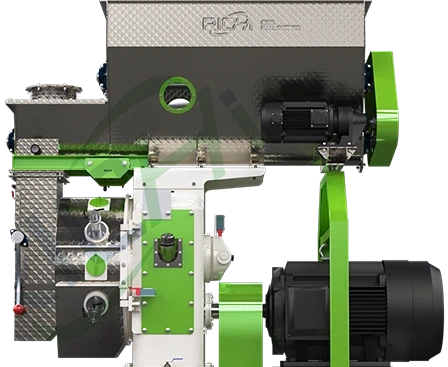
for Flexible Fertilizer Processing
The poultry manure pellet machine is built for commercial poultry waste processing. Because fresh poultry manure can contain substantial moisture and vary in consistency, the machine is selected according to the actual feedstock, drying condition, fiber content, and formulation rather than treating every manure source the same way.
With a starting production capacity of 1 T/H, the equipment is intended for medium and large poultry farms, manure recycling operations, and fertilizer producers with a sufficiently steady raw-material supply—not small backyard flocks.
RICHI has completed fertilizer pelletizing projects in markets across different regions, and we can supply the pelletizer together with matching preparation and post-processing equipment when required. The same project can also be configured for powdered fertilizer, while individual machines or modular combinations are available when the requirement is simply to dry, crush, or mix poultry manure rather than pelletize it.
Who Needs a Poultry Manure Pellet Machine?
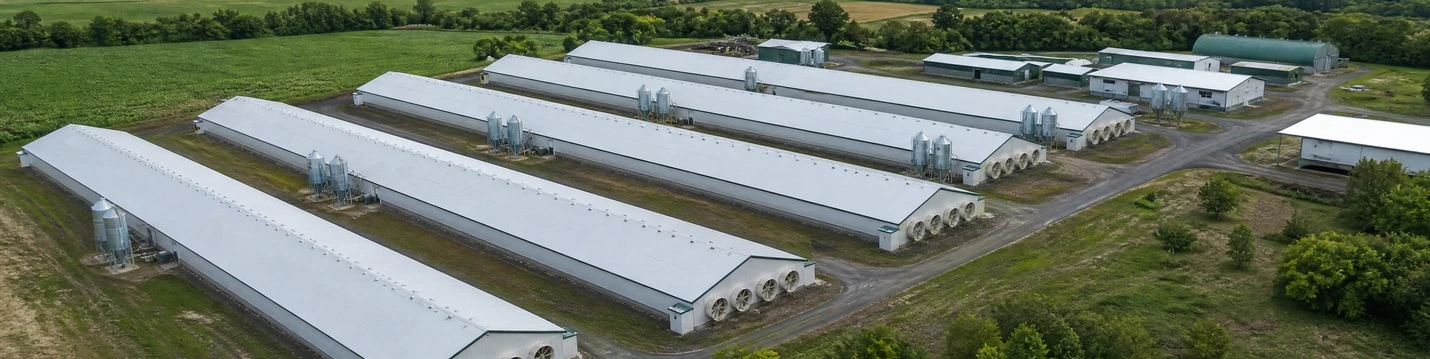
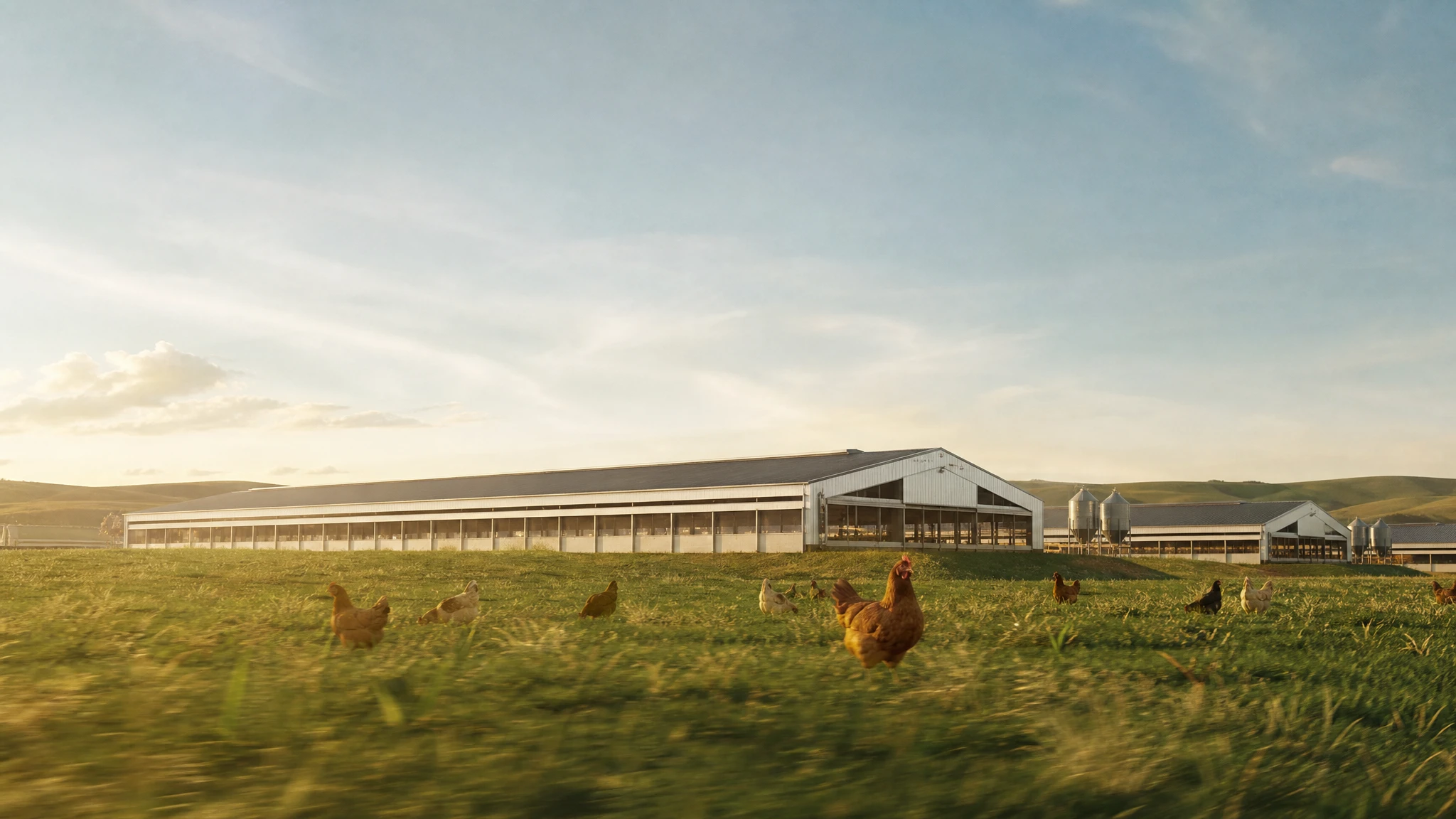
Poultry Farms
Layer, broiler, duck, goose, turkey, and quail farms can accumulate large quantities of manure or poultry litter, often containing bedding, feathers, feed residues, and varying amounts of moisture. For farms with a steady waste stream, the poultry manure pellet machine converts properly dried and conditioned material into uniform fertilizer pellets that are easier to store, transport, apply, or sell, turning a disposal burden into a more manageable fertilizer resource.
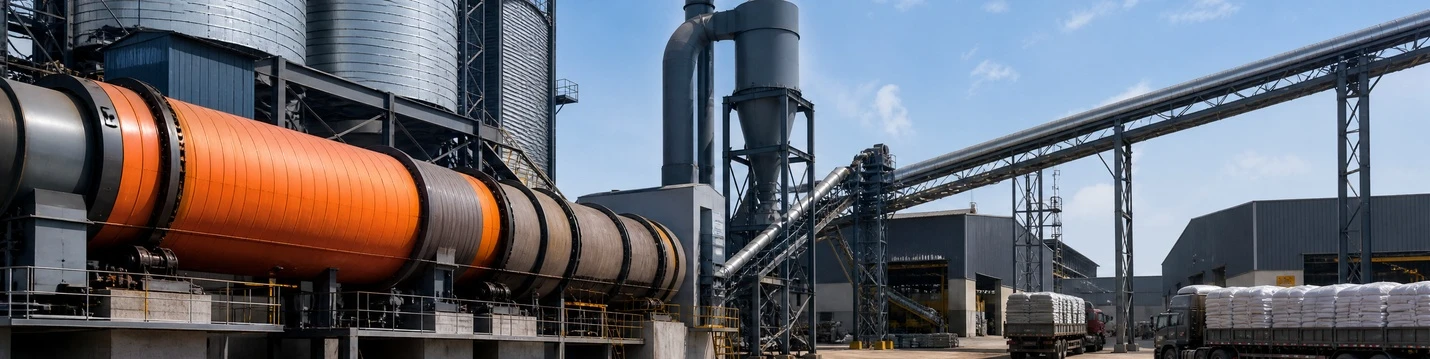
Organic Fertilizer Manufacturers
Fertilizer producers commonly receive poultry manure from multiple farms and may blend it with straw, rice husk, sawdust, compost, or other organic materials. Because these feedstocks differ in moisture, fiber, and physical structure, the poultry manure pellet machine provides controlled compression after preparation and mixing.
Poultry Processing Companies
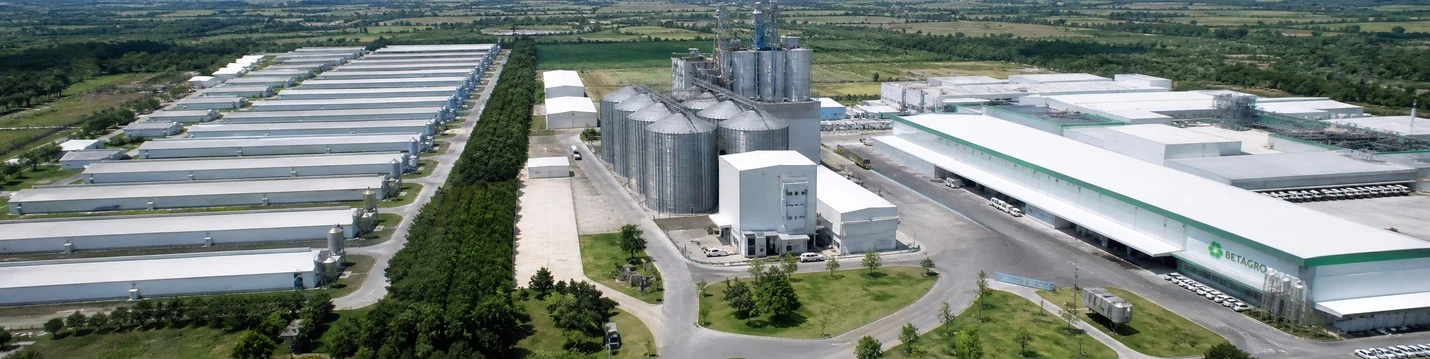
Large poultry groups operating farms, feed mills, processing facilities, or agricultural divisions may generate poultry manure at several locations within one integrated operation. Pelletizing this manure provides a practical outlet for the organic waste.
Agricultural Waste Recycling Companies
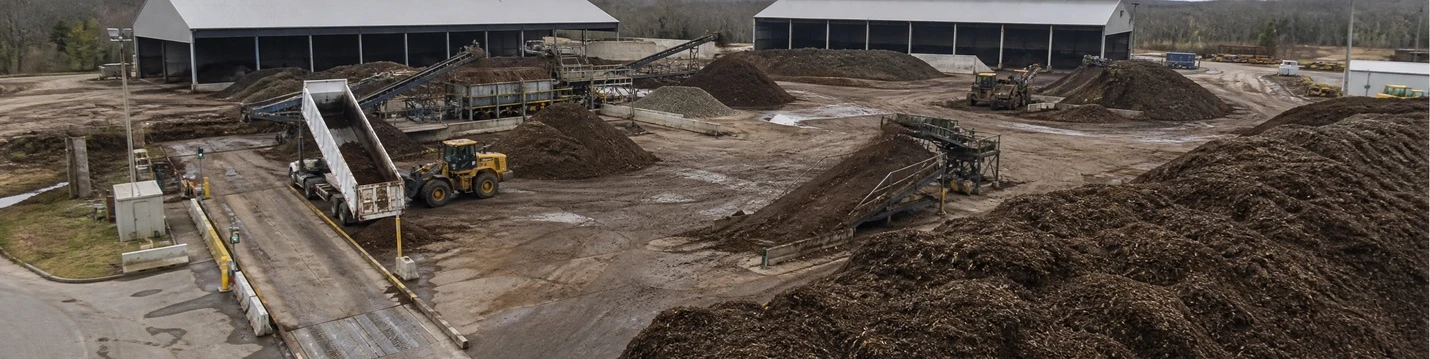
Waste recycling companies may collect chicken, duck, goose, turkey, and mixed poultry litter from different farms, resulting in feedstock with considerable variation in moisture and composition. After appropriate conditioning, a poultry manure pellet machine allows these companies to densify the material into a standardized product.
Biogas & Composting Projects
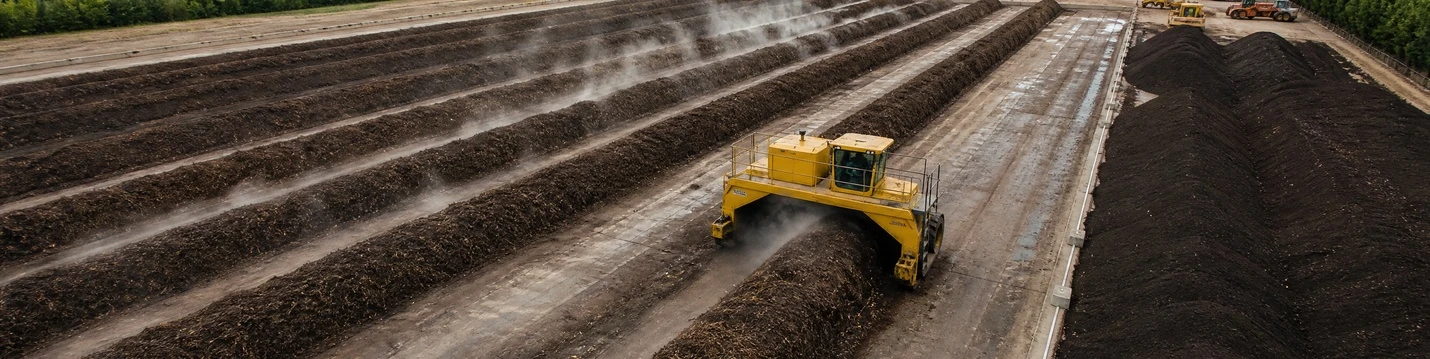
Poultry manure may first pass through anaerobic digestion or composting before being further processed into fertilizer. Digestate and mature compost can differ considerably in moisture and particle structure, so they must be conditioned to suit the pelletizing process.
Livestock farms, manure collection companies, agricultural cooperatives, compost producers, fertilizer distributors, environmental waste-treatment projects, and integrated crop-livestock enterprises may also require poultry manure pelletizing when they have a sufficient and consistent feedstock supply. If your operation generates or collects poultry manure and your objective is to turn it into saleable or farm-use fertilizer pellets, we can assess the material condition, required capacity, pellet specification, and process configuration to develop a suitable solution.
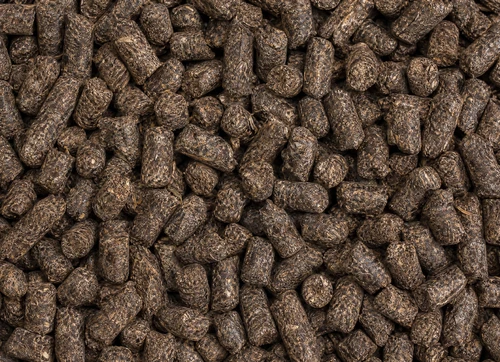
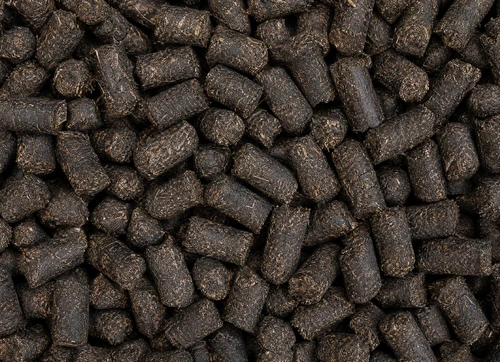
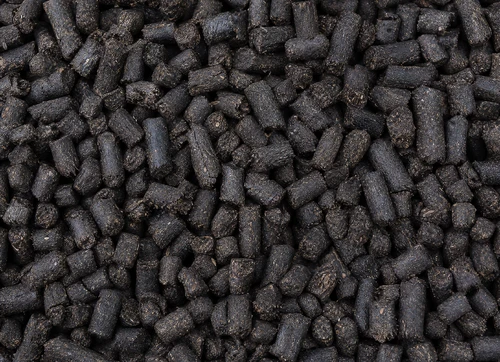
Flexible Feedstock for Different Fertilizer Formulations
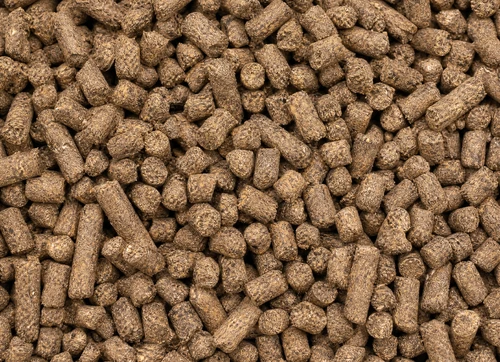
The poultry manure pellet machine can process properly prepared poultry manure, including material with different moisture levels, bedding content, and degrees of contamination by feathers or foreign matter. Drying, screening, and size reduction are selected according to the incoming material rather than assuming one fixed condition.
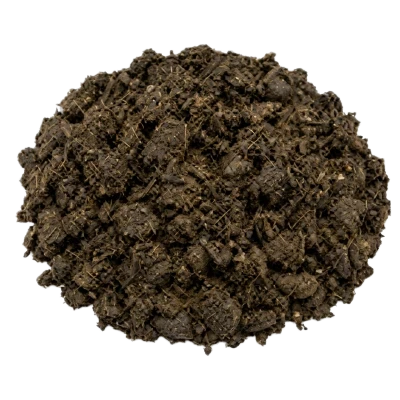
Animal Manure
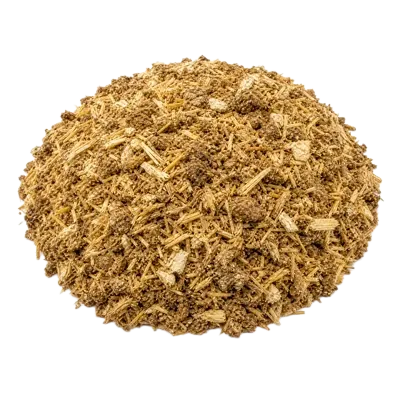
Poultry Litter
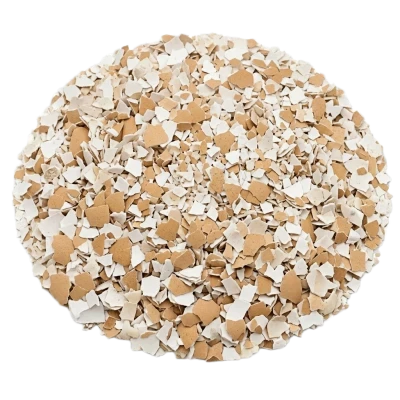
Eggshell Waste
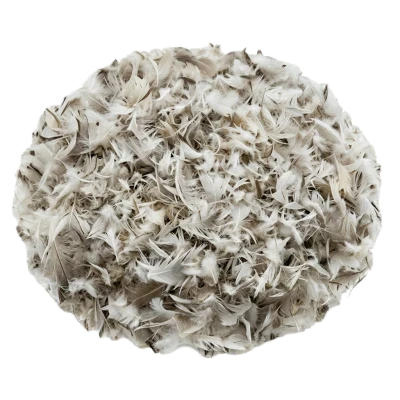
Feather Waste
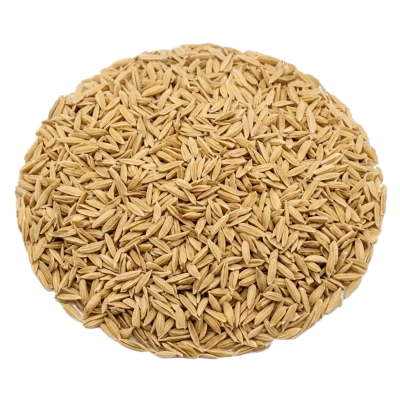
Rice Husk
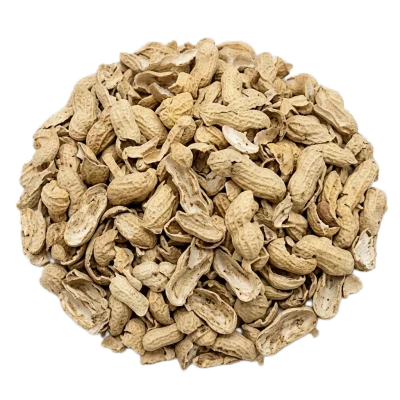
Peanut Shell
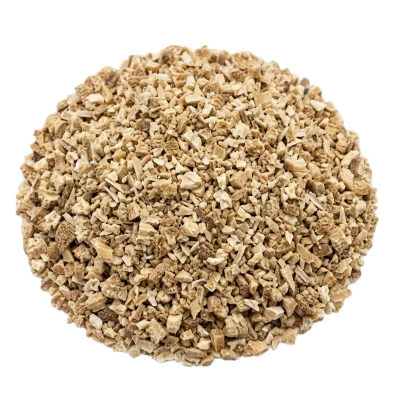
Corn Cob
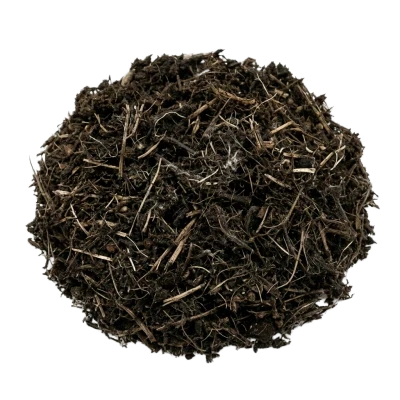
Mushroom Compost
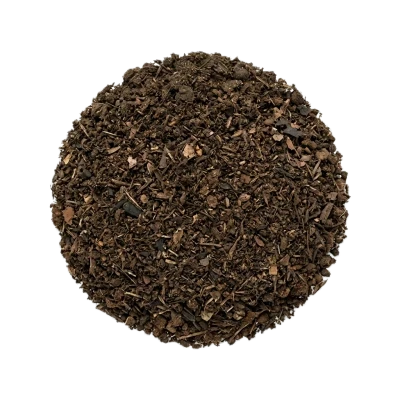
Compost Materials
Poultry Manure
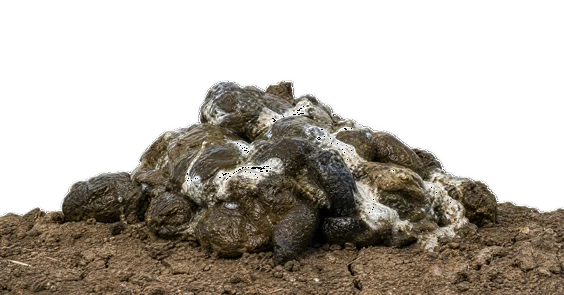
Poultry manure does not arrive at the pellet mill in one standard form. Depending on the farm and collection method, it may be fresh and wet, partially dried, fully dried, mixed with bedding, composted, screened, or blended with other organic materials. The poultry manure pellet machine handles the prepared material after the required drying, crushing, screening, and mixing steps have brought it into a suitable pelletizing condition.
Structure & Key Components
The poultry manure pellet machine uses a ring-die compression system engineered for prepared poultry-manure mixtures. Its structure emphasizes controlled feeding, stable transmission, wear resistance, safe operation, and convenient maintenance—key requirements when processing abrasive, variable organic fertilizer feedstock.
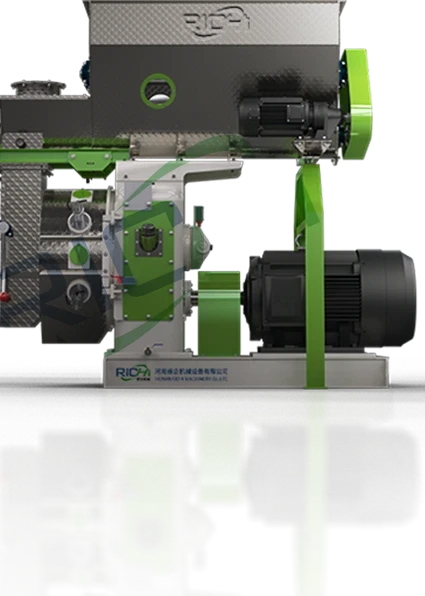
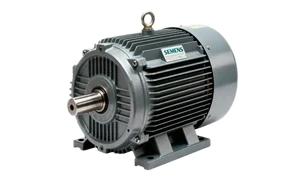
The Siemens motor provides stable drive power for continuous ring-die operation under the variable load conditions of manure pelletizing.
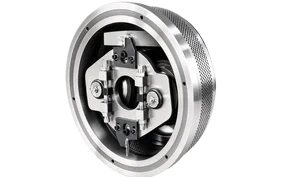
The reinforced ring die is designed for continuous compression of prepared poultry-manure mixtures and is available for 4–12 mm pellets.
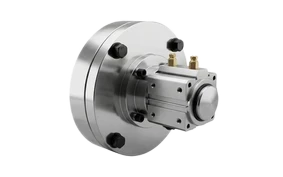
An overload protection system helps disconnect or protect the drive when abnormal resistance occurs, reducing the risk of major mechanical damage.
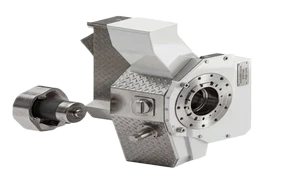
The forced feeder maintains a steady supply of conditioned poultry manure to the pelletizing chamber, helping prevent unstable feeding and bridging.
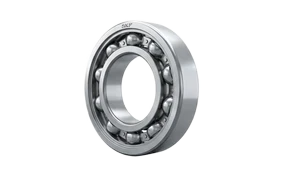
SKF bearings support the main drive assembly, reducing friction and helping maintain reliable operation under sustained pelletizing loads.
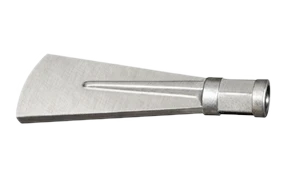
The adjustable cutter controls pellet discharge length after compression, allowing finished poultry manure fertilizer pellets to meet different handling requirements.
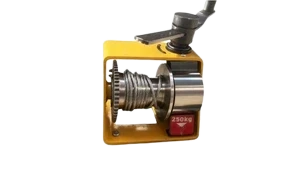
The lifting mechanism assists ring-die removal and installation, reducing maintenance effort during die inspection, replacement, or servicing.
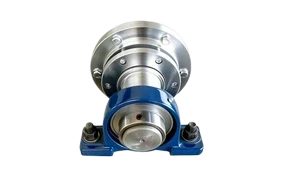
The high-precision gear drive transfers motor power efficiently to the pelletizing assembly, supporting stable torque transmission during continuous production.
Poultry Manure Pellet Machine Advantages & Features
Poultry manure is rarely uniform from one farm to another. RICHI designs the poultry manure pellet machine around the actual manure condition, production target, and fertilizer application, giving customers a more practical route from variable waste to a consistent commercial product.

Built Around Real Poultry Manure Conditions
Fresh manure, dried manure, poultry litter, and manure blended with bedding behave differently during pelletizing. RICHI evaluates moisture, fiber, impurities, and formulation before selecting the pelletizing configuration.

One Manufacturer for Equipment and Engineering
From a standalone pellet mill to a complete poultry manure fertilizer facility, RICHI manufactures and integrates the required equipment. Its experience with fertilizer pelletizing projects in different countries helps adapt designs to local materials, capacities, and operating conditions.

Customized to Your Production Target
A 1 T/H farm project and a 20 T/H recycling facility have very different equipment requirements. RICHI can customize the poultry manure pellet machine and the supporting production line according to capacity, pellet diameter, raw-material condition, and automation requirements.

Better Product Value from Difficult Waste
Loose poultry manure is bulky, variable, and inconvenient to transport. Pelletizing creates a denser, more uniform fertilizer product that can be packaged, stored, transported, and marketed more efficiently, improving the practical value of recovered manure.

Flexible Pelletizing for Multiple Feedstocks
The machine can process properly prepared poultry manure from chickens, ducks, geese, turkeys, and quails. It can also pelletize suitable manure-based mixtures containing straw, rice husk, sawdust, crop residues, or compost.

How the Poultry Manure Pellet Machine Works
After poultry manure has been fermented or composted as required, dried to a suitable level, and crushed into a consistent feed size, it enters the poultry manure pellet machine through the feeding system. The material is evenly distributed into the pelletizing chamber, where rotating rollers press it through the ring die openings to form continuous fertilizer strands. A cutter then separates the strands into pellets of the required length. The newly formed pellets leave the machine at elevated temperature and should normally pass through a cooler before screening and packing.
Technical Specifications
| Model | Capacity (t/h) | Main Motor Power (kW) | Anti-Bridging Feeder Power (kW) | Forced Feeder Power (kW) | Ring Die Inner Diameter (mm) | Finished Pellet Diameter (mm) |
|---|---|---|---|---|---|---|
| FZLH250 | 1–1.5 | 22 | 2.2 | 0.75 | 250 | 4–12 |
| FZLH320 | 2–3 | 22 | 2.2 | 0.75 | 320 | 4–12 |
| FZLH350 | 3–5 | 37 | 2.2 | 0.75 | 350 | 4–12 |
| FZLH420 | 6–8 | 90 | 3 | 1.5 | 420 | 4–12 |
| FZLH520 | 9–12 | 132 | 3 | 1.5 | 520 | 4–12 |
| FZLH678 | 18–22 | 200 | 3 | 1.5 | 673 | 4–12 |
| FZLH768 | 22–26 | 250 | 4 | 1.5 | 762 | 4–12 |
The RICHI poultry manure pellet machine range covers capacities from 1 to 26 T/H, giving poultry farms, manure recycling businesses, and fertilizer manufacturers room to select equipment according to their actual feedstock volume and production target. Models can also be configured around manure moisture, formulation, pellet diameter, operating conditions, and required automation rather than forcing every project into the same setup.
Poultry Manure Pelletizing Specifications
Before entering the pellet mill, poultry manure must be conditioned to a consistent physical state. Moisture, particle size, fiber content, bedding ratio, and formulation all affect pellet formation, so the operating window is established from the actual feedstock rather than from manure type alone. The poultry manure pellet machine can be configured for different pellet diameters and production capacities, while the following ranges provide practical reference points for commercial projects.
Raw Materials Particle Size
2–5 mm
Raw Materials Moisture Content
12–25%
Pelletizing Temperature
60–85℃
Compression Ratio
1:4–1:8
Pellet Length
5–30 mm
Pellet Formation Rate
85–95%
Finished Pellet Moisture
≤12–15%
Cooling Temperature
≤40℃
Screening Efficiency
90–98%
Fines Content
≤5–10%
Broken Pellet Rate
≤3–5%
Operating Mode
Continuous Operation
For reliable poultry manure pelletizing, the most important factors are controlled moisture, suitable particle size, stable feeding, correct die selection, appropriate compression, and effective cooling and screening. RICHI’s FZLH series covers approximately 1–26 T/H, allowing the equipment configuration to be matched to both medium-sized poultry operations and larger fertilizer recycling facilities.
Poultry Manure Pellet Machine Projects Worldwide
RICHI has developed poultry manure fertilizer processing solutions for poultry farms, agricultural waste recyclers, organic fertilizer producers, and integrated farming enterprises in different markets. The projects below cover dry poultry litter as well as high-moisture manure blended with locally available agricultural materials. Depending on the feedstock, the poultry manure pellet machine can be supplied as part of a complete system with drying, crushing, mixing, cooling, screening, and packing equipment.
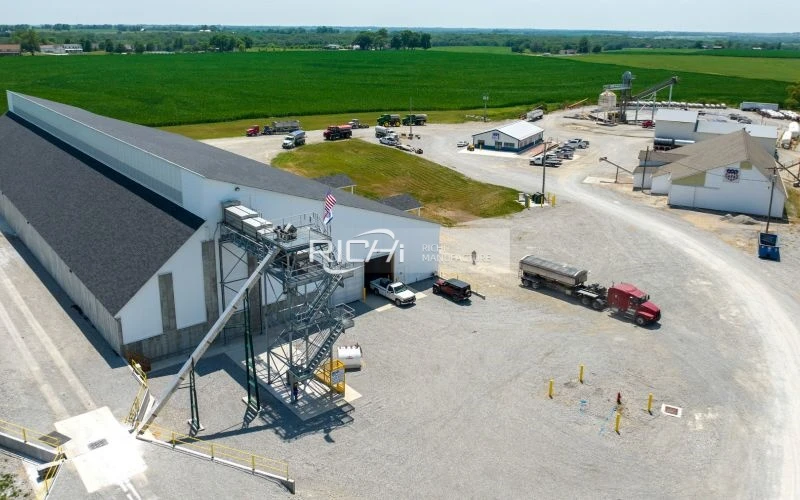

10 T/H
Poultry Litter Pellet Project for a Turkey Farm in the United States
The customer collected turkey manure together with wood-shaving litter from floor-raised birds. The incoming poultry litter contained about 32–38% moisture and included bedding, feathers, and residual feed particles. RICHI configured screening, drying, crushing, mixing, pelletizing, cooling, and packing equipment to turn the heterogeneous litter into a consistent fertilizer feedstock.
Equipment Used :FZLH520
Pellet Size :6 mm
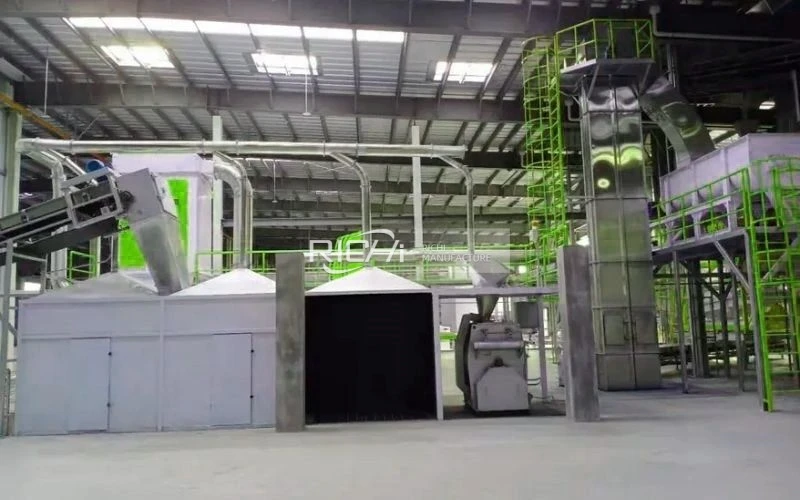

5 T/H
Chicken Manure & Rice Husk Project for a Brazilian Poultry Group
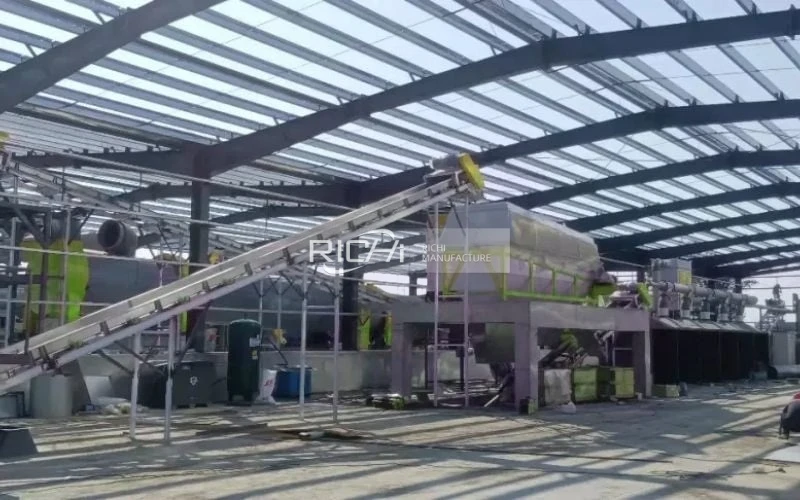
The project processed chicken manure collected from broiler houses together with rice husk bedding. Initial manure moisture was approximately 38–44%, while the dry rice husk helped provide structure to the mixture. RICHI supplied a drying, crushing, proportioning, mixing, pelletizing, cooling, and screening system. The combination fits Brazil’s poultry and rice-producing regions, where poultry litter is already used as an agricultural nutrient source.
Equipment Used :FZLH350
Pellet Size : 4 mm

6 T/H
Chicken Manure Fertilizer Project for an Indian Organic Fertilizer Plant
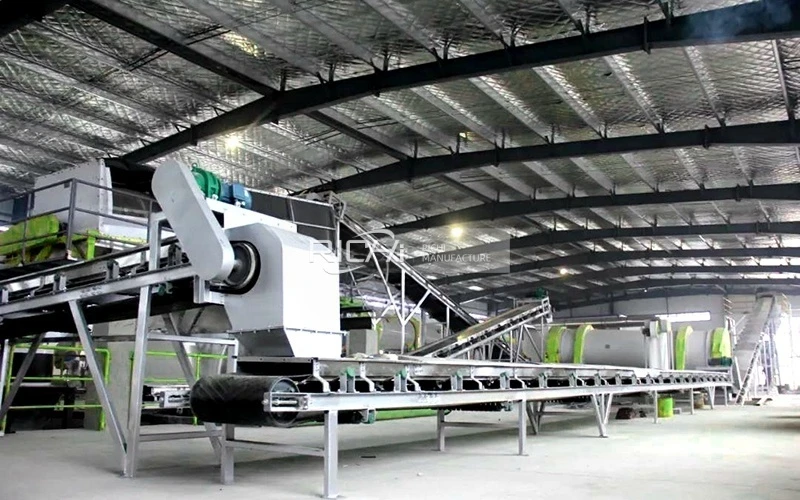
The fertilizer producer sourced chicken manure from nearby layer farms, with initial moisture around 64–72%, and blended it with chopped wheat straw and mature compost. Because the incoming manure was too wet for direct pelletizing, the project included controlled drying before crushing and mixing. The poultry manure pellet machine then formed the conditioned mixture into 5 mm fertilizer pellets for agricultural distribution.
Equipment Used :FZLH420
Pellet Size : 5 mm

4-5 T/H
Chicken Litter Pelletizing Line for an Indonesian Waste Recycler
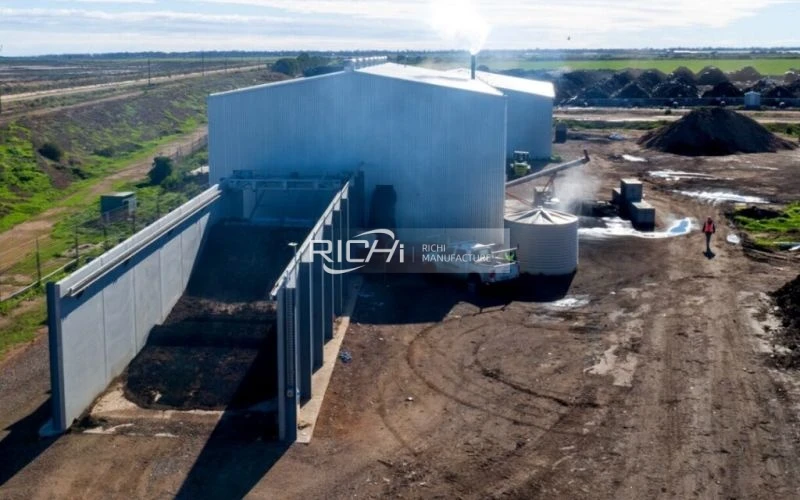
The recycler collected chicken manure mixed with rice husk and small quantities of crop residues. The raw poultry waste entered the project at approximately 52–60% moisture. RICHI supplied a drying and crushing section before controlled mixing and pelletizing, followed by cooling and screening. The use of rice husk provided a locally available dry structural component while helping the recycler handle a wetter poultry-manure stream.
Equipment Used :FZLH350
Pellet Size : 4-6 mm

2 T/H
Duck Manure Pellet Project for an Agricultural Cooperative in Germany
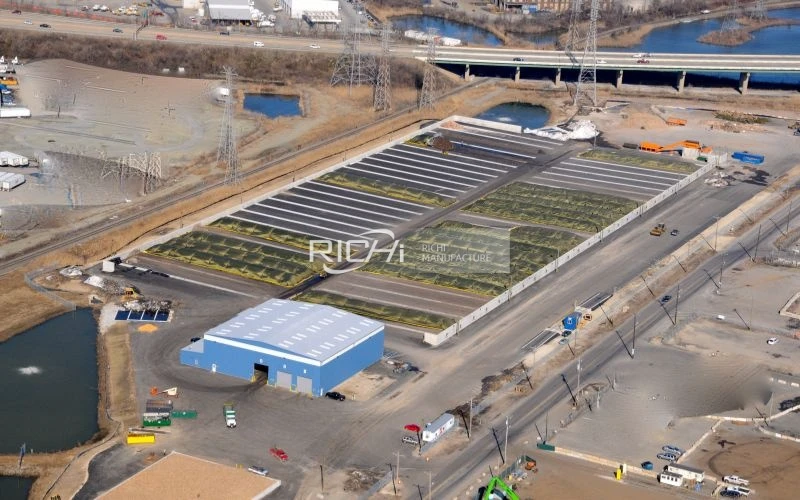
The cooperative processed duck manure collected from several poultry units, with initial moisture of approximately 70–76%. Dry chopped straw and compost were introduced to improve the physical properties of the formulation. RICHI supplied drying, crushing, mixing, pelletizing, cooling, and screening equipment. The relatively compact production system allowed the cooperative to convert a concentrated local manure stream into a uniform 4 mm fertilizer product.
Equipment Used :FZLH320
Pellet Size : 4 mm

5 T/H
Poultry Litter Fertilizer Project for a South African Recycler
The customer handled broiler litter containing chicken manure, wood shavings, feathers, and residual feed. Initial moisture was approximately 29–35%, considerably lower than fresh poultry manure. RICHI therefore focused on screening, size reduction, proportioning, and controlled mixing rather than relying on intensive drying alone. The prepared litter was then pelletized, cooled, screened, and packed into 5 mm fertilizer pellets.
Equipment Used :FZLH350
Pellet Size : 5 mm
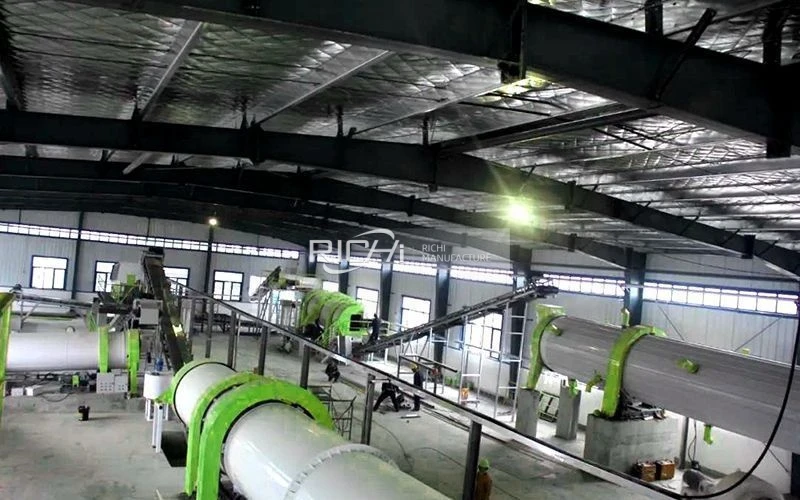

7T/H
Poultry Manure & Cassava Residue Project in Thailand
The customer combined chicken manure with dried cassava-processing residue and other crop waste available from nearby agricultural operations. Fresh poultry manure entered the system at approximately 56–63% moisture. RICHI designed drying, crushing, proportioning, mixing, pelletizing, cooling, and screening equipment to stabilize the different feedstocks before compression. The resulting 6 mm fertilizer pellets provided a practical outlet for both poultry waste and crop-processing residues.
Equipment Used :FZLH420
Pellet Size : 6 mm
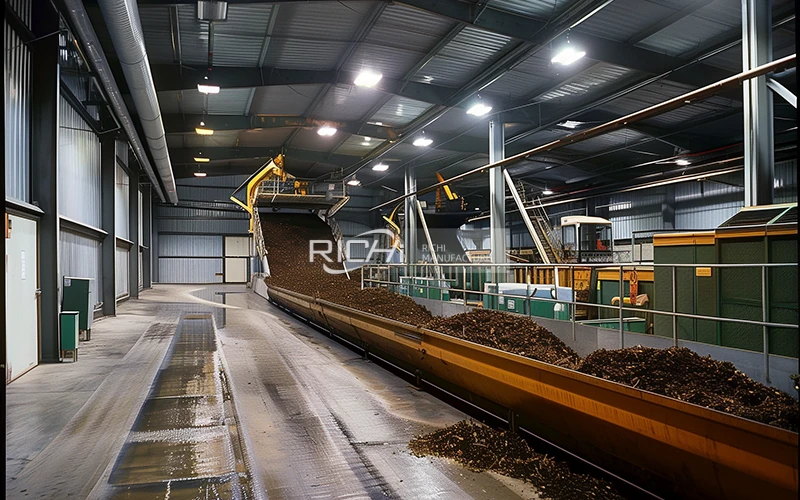

10 T/H
Turkey Manure & Cereal Straw Project in Kazakhstan
The enterprise combined turkey manure at approximately 46–53% initial moisture with chopped cereal straw and dry crop-processing residues from its agricultural operations. RICHI configured a larger drying and preparation section to reduce moisture and stabilize the fibrous mixture before pelletizing. The subsequent cooling and screening equipment prepared the fertilizer pellets for bulk storage and agricultural distribution.
Equipment Used :FZLH520
Pellet Size : 6 mm
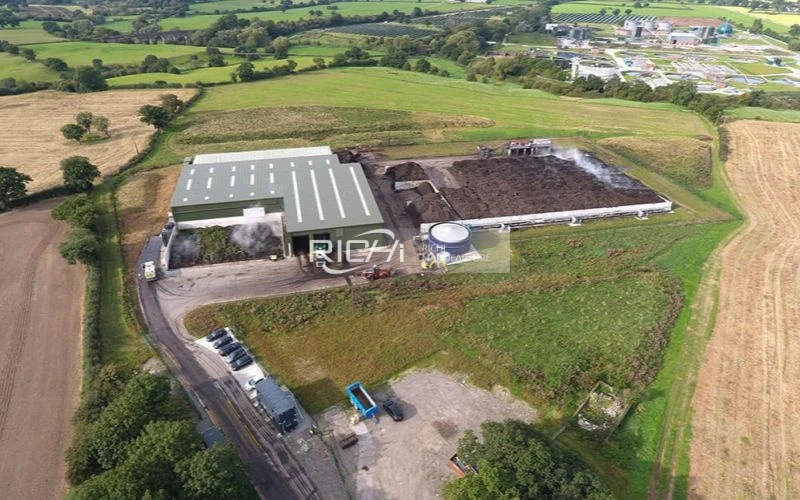

4 T/H
Layer Manure & Sawdust Fertilizer Project in France
The customer collected relatively concentrated layer manure with an initial moisture content of about 48–55% and blended it with dry sawdust from a local woodworking operation. RICHI supplied drying, fine crushing, mixing, pelletizing, cooling, and screening equipment. The smaller 3 mm product was selected for a fine-granule fertilizer line aimed at horticultural and intensive crop applications.
Equipment Used :FZLH350
Pellet Size : 3 mm
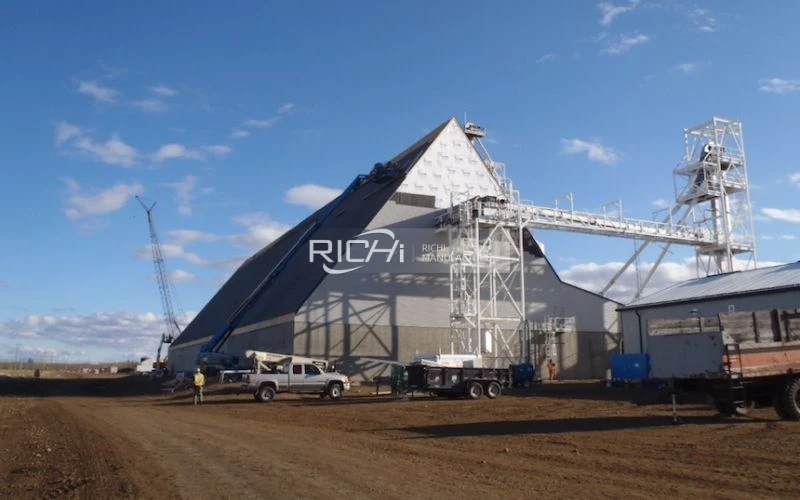

3 T/H
Goose Manure & Straw Pellet Project in Argentina
The customer processed goose manure collected from floor-based poultry housing together with chopped wheat straw. The incoming manure contained approximately 60–67% moisture, while the straw supplied additional dry fiber. RICHI included drying, crushing, mixing, pelletizing, cooling, and screening equipment so that the high-moisture manure could be conditioned before entering the ring-die pellet mill.
Equipment Used :FZLH350
Pellet Size : 5 mm
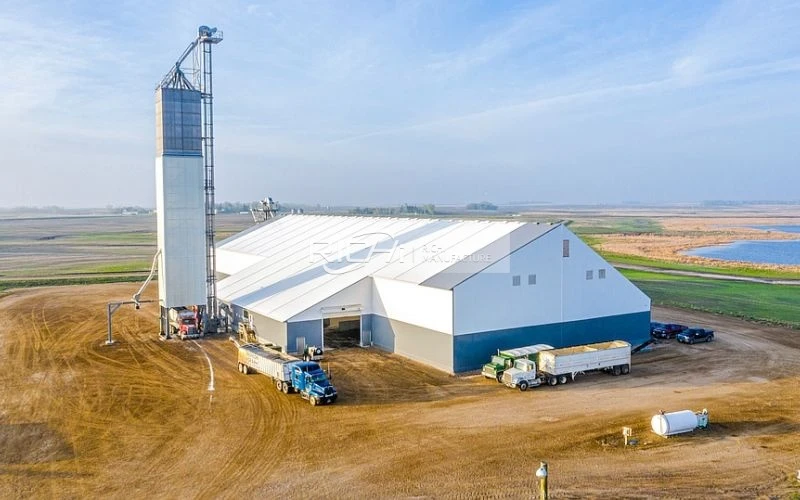

6T/H
Chicken Manure & Corn Residue Project in Mexico
The recycler collected chicken manure from several poultry farms and combined it with dried corn stalk residue from surrounding agricultural areas. Initial manure moisture varied around 50–58%. RICHI designed the preparation section to handle variable incoming material, using drying, crushing, screening, and controlled mixing before pelletizing. The finished 4 mm pellets were cooled and screened for subsequent bagging.
Equipment Used :FZLH420
Pellet Size : 4 mm
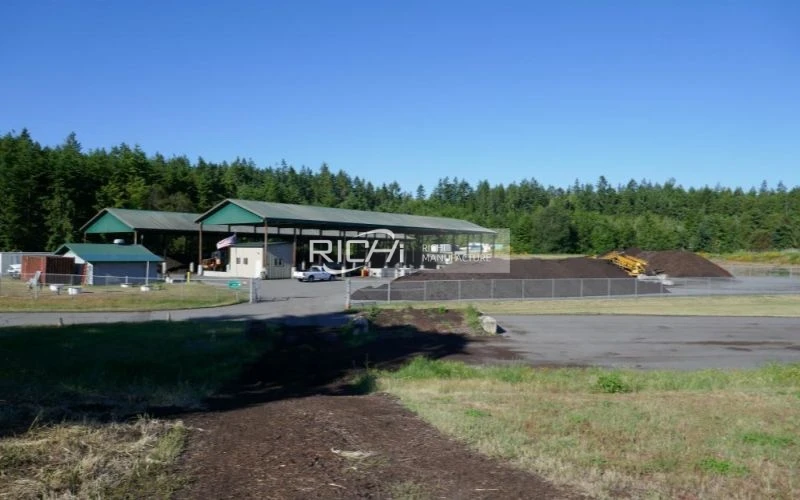

4 T/H
Poultry Manure & Rice Straw Project in Vietnam
The customer sourced chicken manure from intensive poultry farms and mixed it with chopped rice straw collected after harvest. The poultry manure arrived at approximately 62–70% moisture, while the rice straw was substantially drier and more fibrous. RICHI supplied drying, crushing, mixing, pelletizing, cooling, and screening equipment to create a stable feedstock and produce uniform 5 mm fertilizer pellets.
Equipment Used :FZLH350
Pellet Size : 5 mm
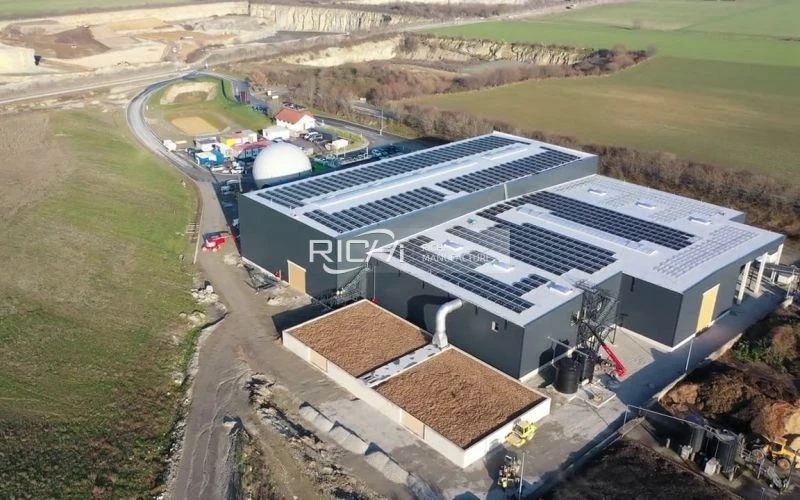

6 T/H
Poultry Manure & Green Waste Project in Spain
The fertilizer producer combined chicken manure with composted green waste generated from agricultural and landscape operations. The incoming poultry manure contained approximately 42–50% moisture. RICHI configured drying, crushing, mixing, pelletizing, cooling, and screening equipment, with particular attention to consistent blending of the composted material and manure before the pelletizing stage. The finished product was produced in 4 mm granules.
Equipment Used :FZLH350
Pellet Size : 4 mm
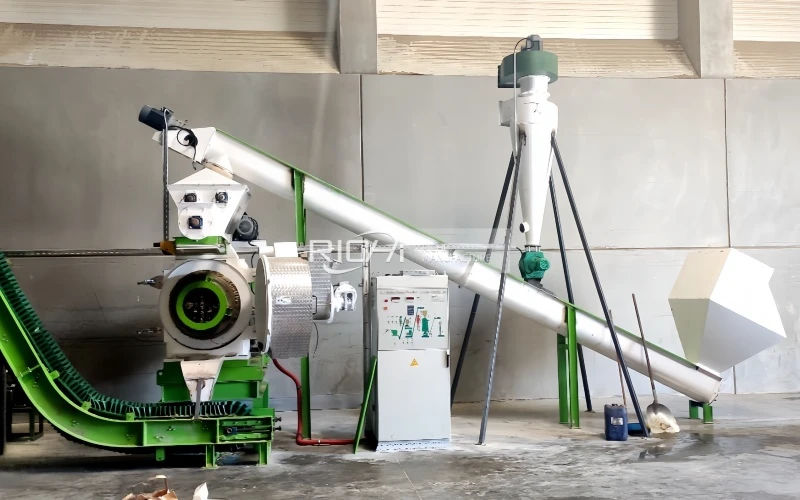

2-3 T/H
Quail Manure & Sawdust Pellet Project in Turkey
The customer generated concentrated quail manure from a high-density production facility and blended it with dry sawdust. The manure had an initial moisture level of approximately 52–59%. RICHI supplied drying, crushing, mixing, pelletizing, cooling, and screening equipment to stabilize the feedstock before compression. The customer selected 3 mm fertilizer pellets for easier handling in a packaged specialty fertilizer product.
Equipment Used :FZLH320
Pellet Size : 3 mm
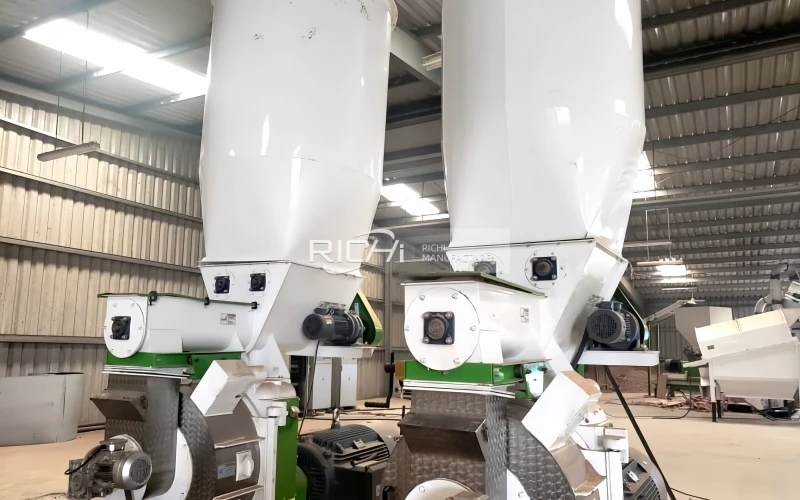
8T/H
Poultry Litter & Peanut Hull Project in the United States
The recycler handled broiler litter containing manure, bedding, feathers, and spilled feed, with initial moisture around 25–32%, and blended it with dry peanut hull material. RICHI focused the process on screening, crushing, proportioning, and mixing before pelletizing, followed by cooling and screening. This formulation is suited to regions where poultry litter and peanut-processing residues are both available.
Equipment Used :FZLH420
Pellet Size : 6 mm
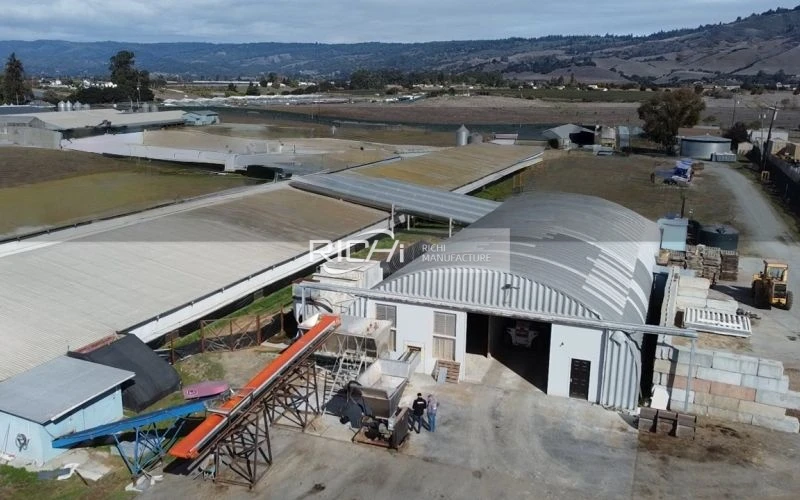

3 T/H
Duck Manure & Corn Stalk Project in Poland
The customer collected duck manure at approximately 68–74% initial moisture and blended it with dried, chopped corn stalk from nearby crop farms. Because of the high moisture and fibrous structure, RICHI supplied a dedicated drying and crushing section before mixing and pelletizing. Cooling and screening were installed after the pellet mill to stabilize the final 5 mm organic fertilizer pellets.
Equipment Used :FZLH350
Pellet Size : 5 mm
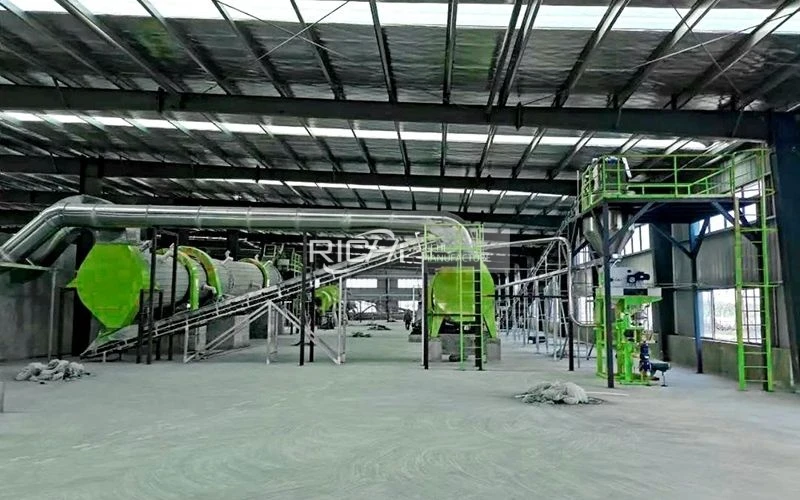

5 T/H
Chicken Manure & Compost Project in Saudi Arabia
The customer processed chicken manure from intensive poultry housing together with screened mature compost. Initial manure moisture was approximately 45–52%. RICHI configured drying, crushing, mixing, pelletizing, cooling, and screening equipment to compensate for the relatively wet manure and produce a stable fertilizer feedstock. The 4 mm product was selected for packaged organic fertilizer applications.
Equipment Used :FZLH350
Pellet Size : 4 mm
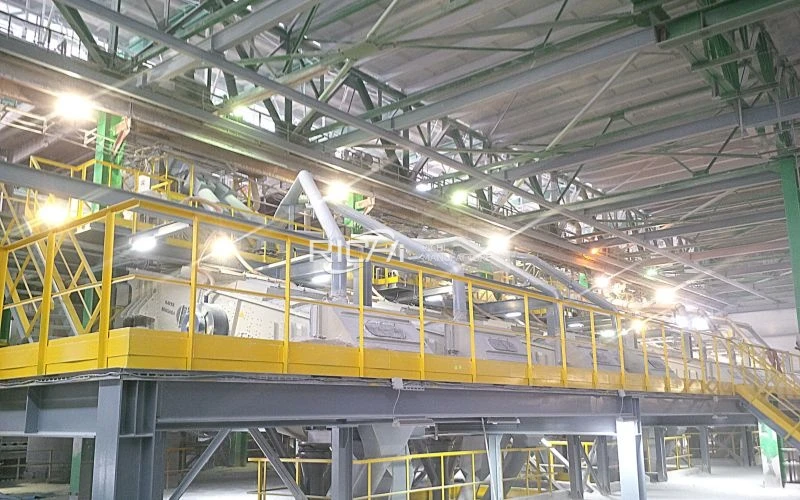

6 T/H
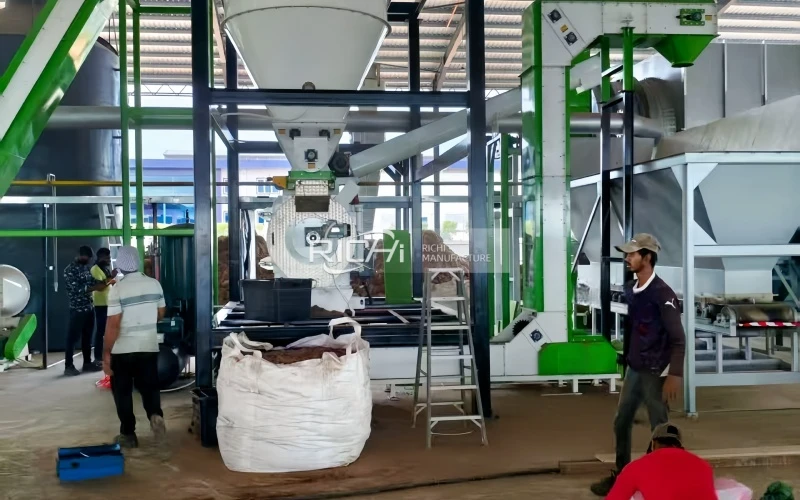
Poultry Manure & Straw Project in Uzbekistan
The recycler collected chicken manure with an initial moisture content of approximately 57–64% and blended it with chopped cereal straw and dry agricultural residues. RICHI supplied drying, crushing, proportioning, mixing, pelletizing, cooling, and screening equipment. The formulation reduced dependence on poultry manure as the sole feedstock while making use of crop residues already available through the customer’s agricultural network.
Equipment Used :FZLH420
Pellet Size : 6 mm
10T/H
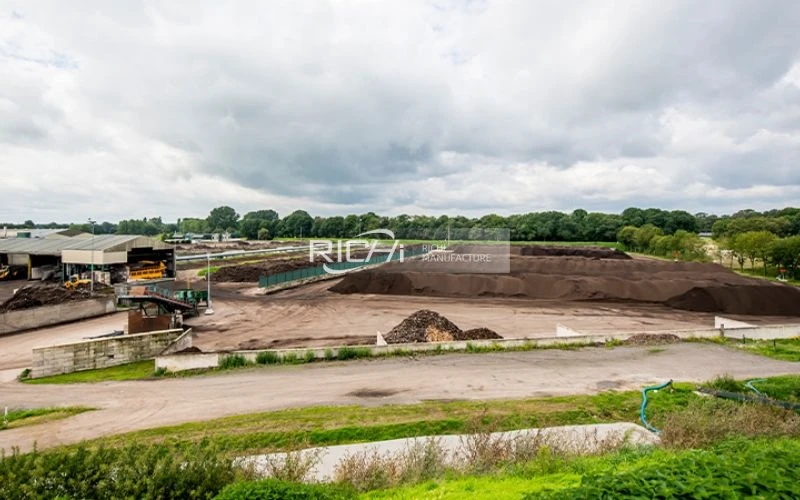
Chicken Manure & Rice Husk Project in Indonesia
The customer combined chicken manure with rice husk and selected dry crop residues from nearby processing operations. Fresh manure entered the facility at approximately 54–61% moisture. RICHI supplied a larger drying and material-preparation system before proportioning, mixing, pelletizing, cooling, and screening. The 5 mm fertilizer pellet was selected as the standard commercial product for the customer’s agricultural distribution channel.
Equipment Used :FZLH520
Pellet Size : 5 mm
12 T/H
Poultry Manure & Sugarcane Residue Project in Brazil
The fertilizer manufacturer processed chicken manure with approximately 40–48% initial moisture together with dried sugarcane-processing residue and other agricultural biomass. RICHI designed a high-capacity preparation system with drying, crushing, proportioning, mixing, pelletizing, cooling, and screening stages. The poultry manure pellet machine was selected for a 12 T/H fertilizer operation, while the additional crop residue provided a larger and more stable feedstock base for continuous production.
Equipment Used :FZLH520
Pellet Size : 6 mm
These projects show the practical range of poultry-manure pelletizing: dry broiler litter, wet layer manure, duck and goose manure, turkey waste, quail manure, and poultry manure blended with locally available bedding or agricultural residues can require very different preparation systems. RICHI therefore does not treat one moisture level or one recipe as universal. The poultry manure pellet machine, drying system, crusher, mixer, cooler, screener, and packing equipment can be configured around the customer’s actual feedstock and target fertilizer product.

Canada Layer Farm
4 T/H Poultry Manure Pellet Project
“We had high-moisture layer manure mixed with wheat straw, and RICHI helped us establish the preparation process before pelletizing. The equipment arrived well organized, and the installation team gave our operators practical guidance on daily operation and maintenance.”
Australia Poultry Recycler
6 T/H Poultry Litter Pelletizing Project
“Our main feedstock was broiler litter containing manure, wood shavings, feathers, and residual feed, so consistent feeding was important to us. RICHI adjusted the preparation and feeding arrangement around this material instead of simply supplying a standard pellet mill.”
Egypt Duck Farm
3 T/H Duck Manure Fertilizer Project
“Duck manure was much wetter than we initially expected, and the drying stage became an important part of the project. RICHI worked through the moisture issue with us and supplied a complete process from drying and mixing to pelletizing, cooling, and screening.”
Malaysia Organic Fertilizer Plant
5 T/H Poultry Manure Pellet Production Project
“We combine chicken manure with palm-free agricultural residues and wanted a compact fertilizer product for local growers. The RICHI team paid particular attention to mixing uniformity and pellet consistency, which made the finished 4 mm product easier for us to handle and package.”
Chile Poultry Farm
2 T/H Poultry Waste Pellet Project
“Our farm needed a practical way to reduce the volume of accumulated poultry waste rather than simply move it elsewhere. RICHI provided the pelletizing equipment together with the supporting machinery, and their technical team stayed involved while we adjusted the process during commissioning.”
New Zealand Poultry Fertilizer Producer
7 T/H Poultry Litter Pellet Project
“We process poultry litter with a relatively dry bedding fraction, so our requirements were different from a fresh-manure project. The RICHI engineers helped us select the right preparation and pelletizing configuration, while their remote support was useful when our production team started independent operation.”
Nigeria Poultry Waste Recycling Company
4 T/H Chicken Manure Pellet Processing Project
“We were looking for equipment that could handle chicken manure together with locally available crop residues without making the process unnecessarily complicated. RICHI’s engineers explained the equipment sequence clearly, and the training helped our operators understand feeding, adjustment, cleaning, and routine maintenance.”
Japan Quail Manure Fertilizer Project
1.5 T/H Quail Manure Pelletizing Project
“Our raw material was concentrated quail manure with a different physical structure from ordinary chicken litter, so material testing was important before finalizing the setup. We appreciated that RICHI discussed the formulation and pellet size with us first rather than treating the project as a standard order.”
Poultry Manure Pellet Mill Price
The price of a poultry manure pellet machine ranges from USD 10,000–100,000, depending on the model, motor configuration, capacity, and project requirements.
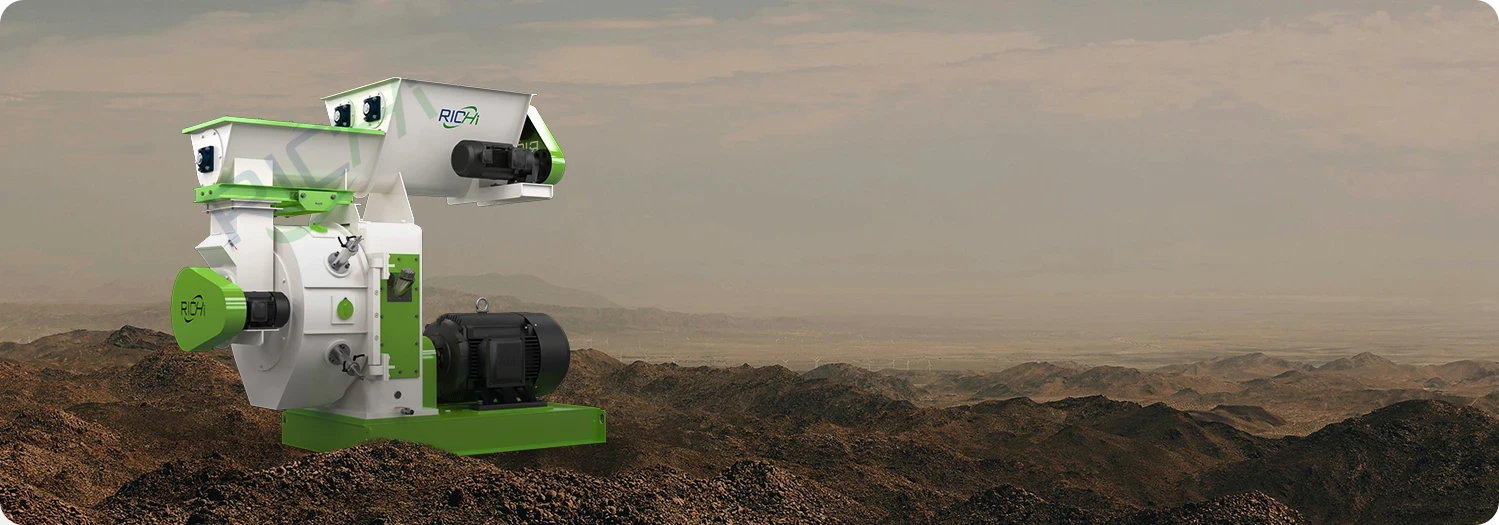
For an accurate quotation, the actual poultry manure condition, required pellet size, production target, and supporting equipment should also be considered.
Range for
Poultry manure pellet machine cost:
FZLH250 (22KW)
$10,000–$13,000
FZLH320 (22KW)
$15,000–$18,000
FZLH350 (37KW)
$18,000–$25,000
FZLH420 (90KW)
$26,000–$32,000
FZLH520 (132KW)
$43,000–$50,000
FZLH678 (200KW)
$64,000–$70,000
FZLH768 (315KW)
$75,000–$85,000
How Much Poultry Manure Do You Need to Pelletize?
Whether you operate a poultry farm, manure recycling facility, or fertilizer plant, we can match the poultry manure pellet machine to your required processing scale and help you select the appropriate configuration.
Poultry Manure Processing Flow, Design & Solutions
Poultry manure rarely arrives in one consistent condition. Fresh layer manure, duck manure, turkey litter, and poultry litter containing bedding can differ greatly in moisture, fiber content, particle size, and contamination. Our process design therefore starts with the actual feedstock rather than forcing every customer into one fixed line. A typical route is raw material receiving → impurity removal → crushing → fermentation/composting → drying → mixing and batching → pelletizing → cooling → optional coating → screening → packaging → storage. Not every project needs every stage: moisture, composting status, fertilizer formulation, desired product, factory space, and investment budget determine which systems are included.
Beyond the poultry manure pellet machine, RICHI can supply the associated equipment and engineering support needed for pellet fertilizer, powdered fertilizer, or selected processing modules. The same project may include a dryer for wet manure, a crusher suited to fibrous litter, a mixer for multiple manure types, dust collection, storage, and packing, with design, manufacturing, installation, commissioning, training, and spare-parts support provided according to the project scope.
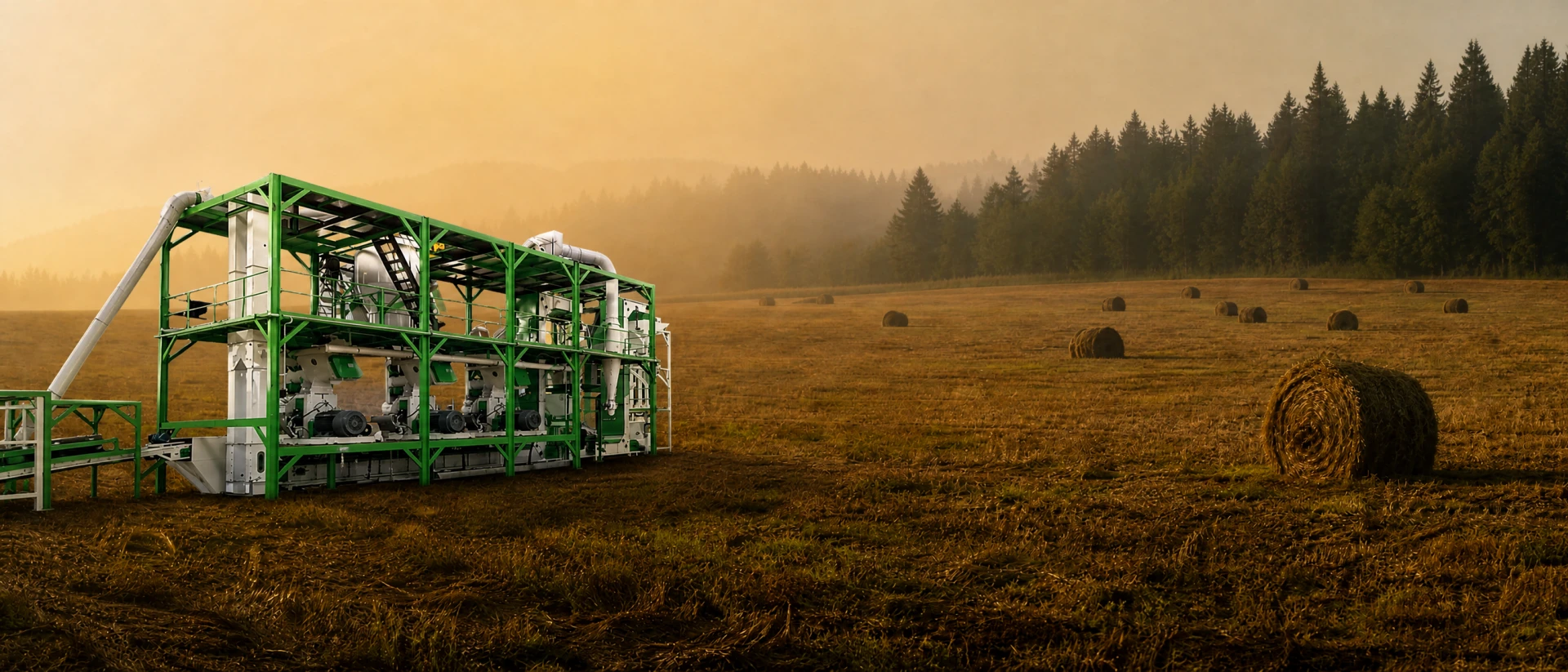
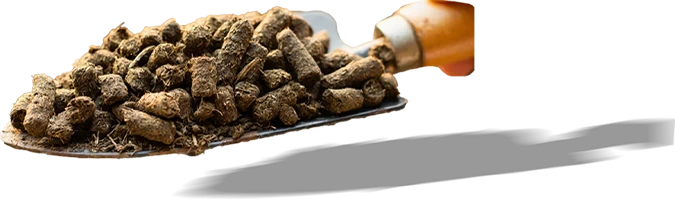
Poultry Manure Pelletizing Line Equipment
A complete poultry manure fertilizer line is built around the poultry manure pellet machine, but the supporting equipment depends heavily on whether the feedstock is fresh manure, dry poultry litter, bedding-rich waste, or a mixture with crop residues. RICHI can configure crushers, composting equipment, dryers, mixers, dosing systems, conveyors, screening, dust collection, storage, and packing equipment according to the actual material and process. The following are representative equipment options rather than a fixed equipment list.
Manure Compost Turner
For fresh poultry manure requiring aerobic fermentation, the compost turner repeatedly turns and aerates the material while helping distribute moisture and bedding evenly. It is normally used before drying and pelletizing.
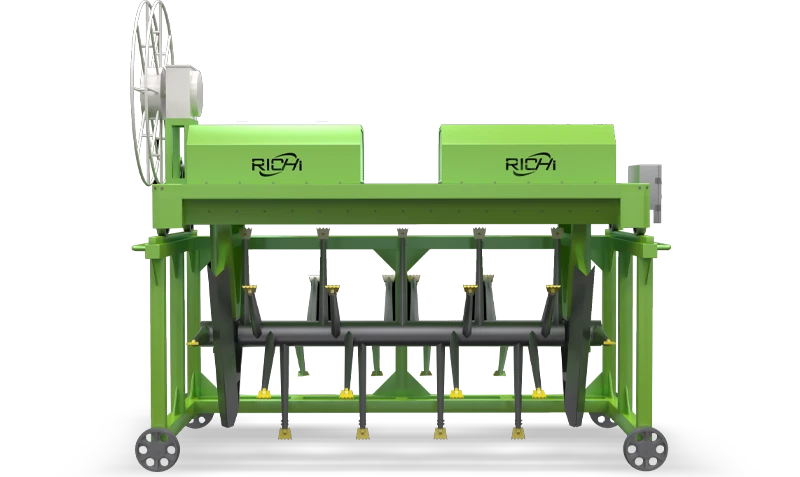
Turning Width
2–8 m
Turning Height
0.5–2.5 m
Poultry Manure Crusher
Poultry manure often contains fibrous bedding and compacted material. The vertical chain crusher breaks fermented manure, litter, and agricultural residues into a more uniform feed before mixing and pelletizing.
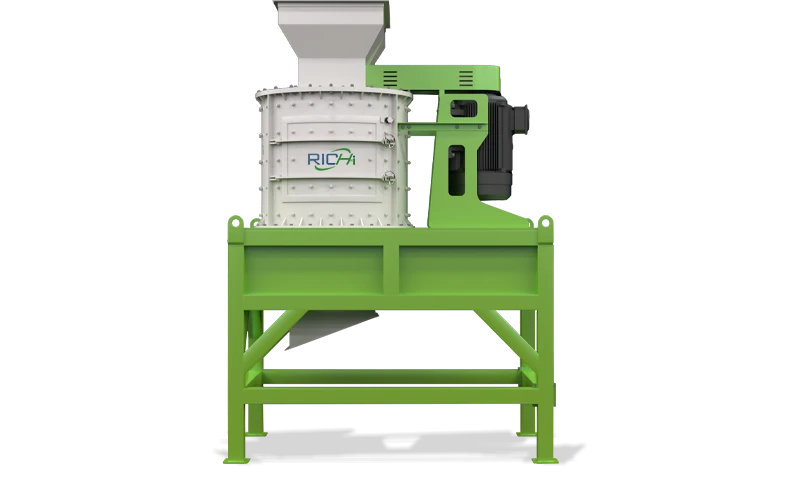
Capacity
3–30 T/H
Main Power
22–160 kW
Poultry Manure Mixer
The mixer combines poultry manure with litter, straw, rice husk, sawdust, compost, or other fertilizer materials according to the formulation. It helps prevent local moisture and composition differences from reaching the pellet mill.
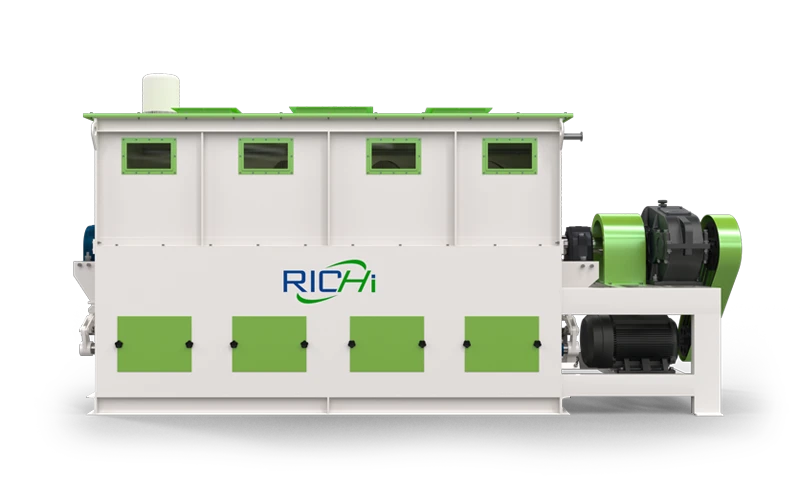
Capacity
250–2,000 kg
Main Power
4-160KW
Poultry Manure Dryer
Wet poultry manure may require substantial moisture reduction before it can enter the poultry manure pellet machine. A rotary dryer provides continuous moisture removal, with the heat load and residence time selected according to initial moisture and the target feed condition.
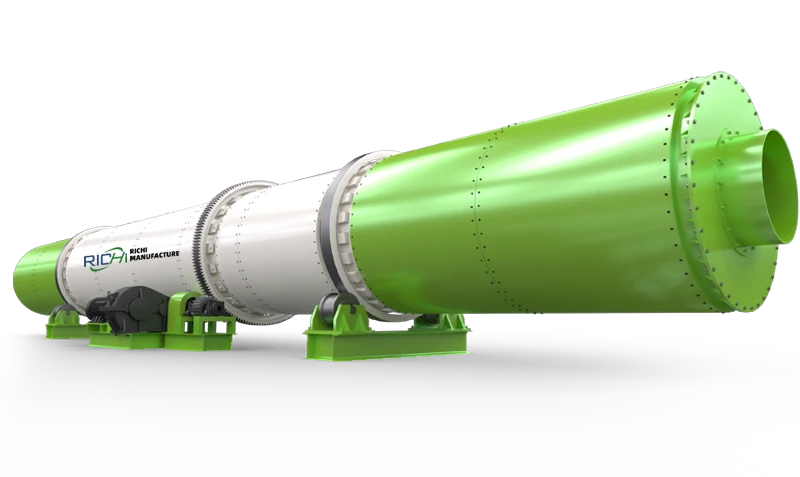
Capacity
1–30 T/H
Drying Temperature
60–250℃
Poultry Manure Screener
After pelletizing and cooling, the screener separates qualified poultry manure fertilizer pellets from undersized particles and fines. Oversize or off-spec material can be returned to the appropriate processing stage instead of being packed as finished product.
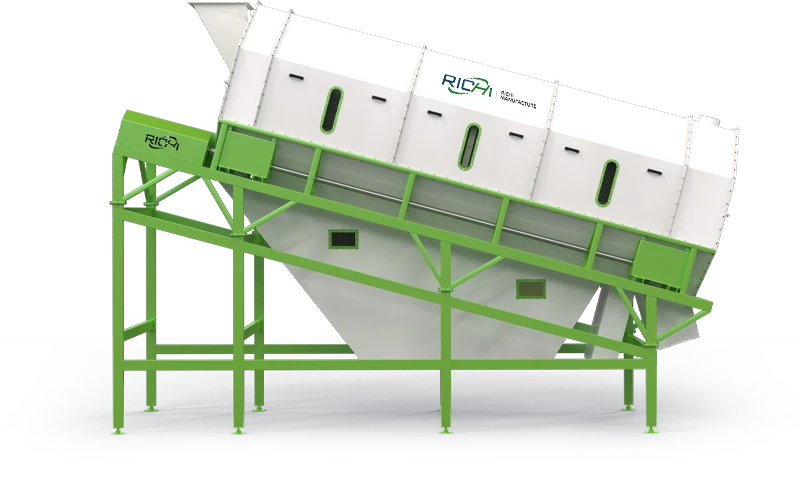
Capacity
3-50T/H
Screen Layers
1–3 Layers
Poultry Manure Bagging Scale
The bagging scale weighs the finished fertilizer into the specified package size and works with a sealing system for continuous packing. Common configurations can handle different bag weights according to the customer’s sales requirements.
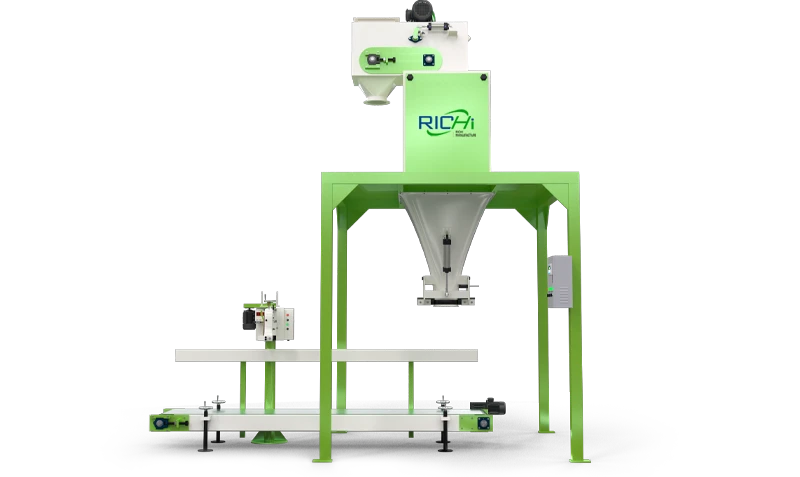
Packing Range
10–1000 kg/bag
Packing Speed
6–20 Bags/min
Feeding & Weighing System
This unit provides controlled feeding and weighing of the main fertilizer ingredients before mixing or pelletizing. It is particularly useful when several manure types or agricultural residues must be blended at defined ratios.
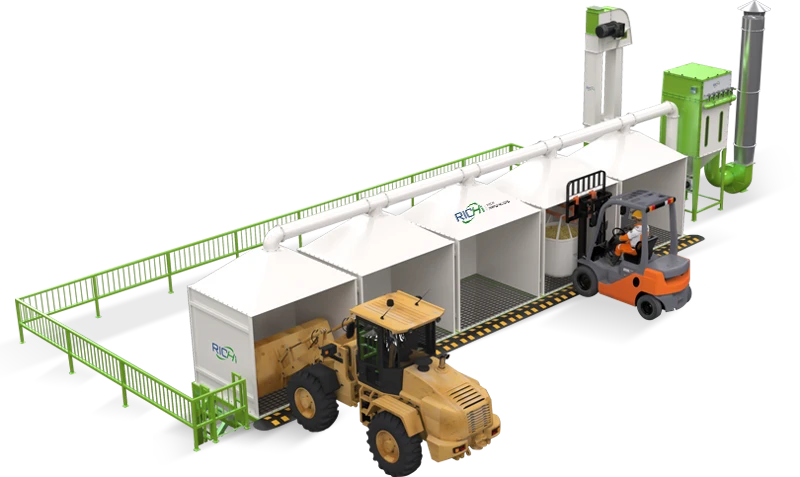
Weighing Capacity
1–50 T/H
Weighing Accuracy
±0.5–1%
Trace Element Dosing System
When the final fertilizer formula requires zinc, boron, iron, or other micronutrients, a dedicated dosing unit can meter these small-volume ingredients into the poultry manure formulation. This is a separate system from the main fertilizer feeding and weighing equipment.
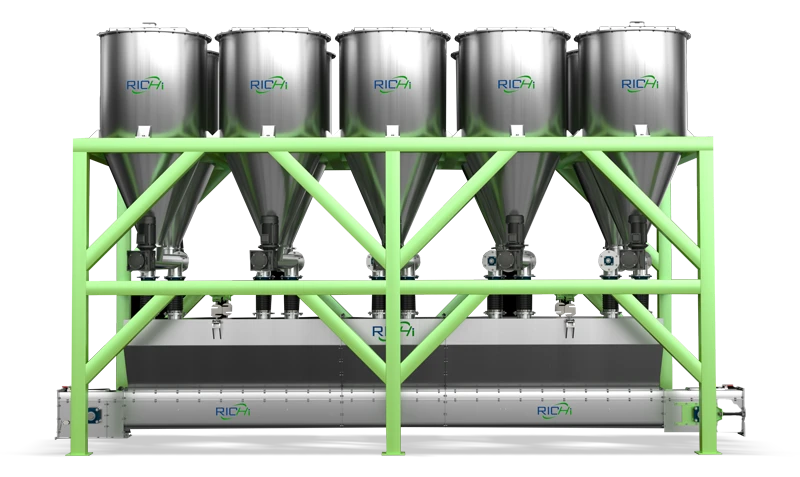
Dosing Accuracy
±0.1–0.5%
Hopper Volume
50–1000 kg
Poultry Manure Conveyor
Belt, screw, bucket, or other conveyors connect individual machines according to the factory layout. Conveyor selection changes with the material’s moisture, bulk density, conveying distance, elevation, and whether the poultry manure is raw, dried, or pelletized.
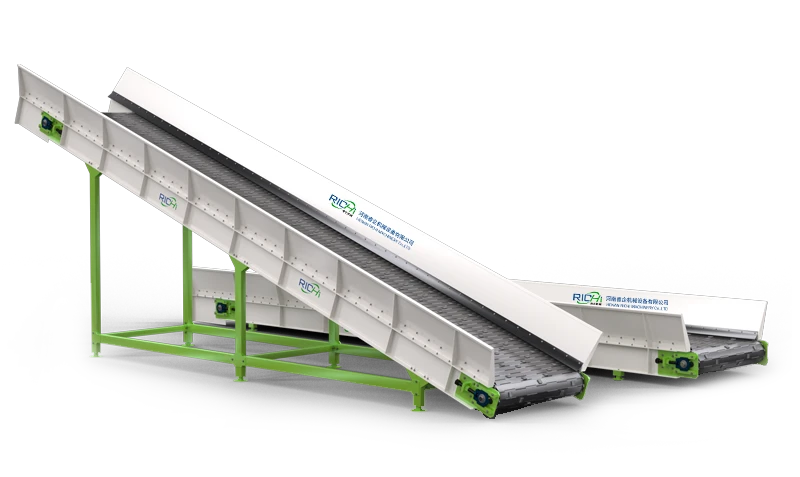
Capacity
2-40T/H
Conveying Length
3–40 m
These machines should not be interpreted as a compulsory sequence. A dry poultry-litter project may need screening, crushing, mixing, and pelletizing with limited drying, while fresh duck or layer manure may require fermentation and intensive moisture reduction first. Fibrous litter can also require different crushing and conveying arrangements from relatively uniform manure.
Depending on the project, we can additionally supply bale breakers, rotary screens, dewatering equipment, coating machine, magnetic separators, storage bins, silos, feeding systems, automatic control cabinets, dust collection systems, and finished-product storage. Even at the same processing stage, different equipment types can be selected to balance throughput, material characteristics, factory space, and investment budget.
Customized Poultry Manure Fertilizer Production Solution
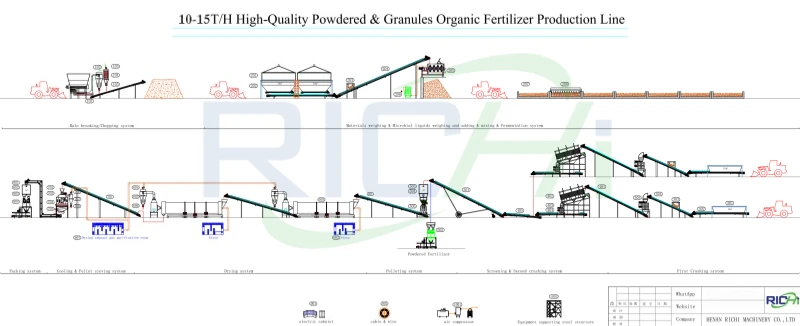
10–15 T/H Poultry Manure Fertilizer Production Line [Example Solution]
RICHI poultry manure fertilizer production lines can be designed for 1–60 T/H, with the actual configuration determined by the manure condition, auxiliary raw materials, target fertilizer form, and required output. The example below illustrates a 10–15 T/H dual-product project designed to produce both powdered and pelletized fertilizer from mixed organic materials.
The customer needed one processing system capable of handling poultry manure together with straw and other organic ingredients while producing both loose fertilizer and commercial pellets. The line therefore uses shared receiving, impurity removal, liquid addition, mixing, and size-reduction sections before branching into separate powder and pellet processing routes.
preparation
fermentation
crushing
screening
pelletizing
drying
cooling
packaging
This project demonstrates an important advantage of a customized poultry manure pellet machine system: the customer does not have to choose between powdered and pellet fertilizer. Shared preparation equipment can serve both routes, while the downstream sections are configured according to the final product. This approach can be particularly useful for fertilizer producers working with variable poultry manure supplies and multiple agricultural feedstocks.
There is no single poultry manure processing flow that fits every farm or fertilizer plant. A customer handling relatively dry poultry litter may need little or no intensive drying, while fresh duck or layer manure can require substantial moisture reduction; fibrous bedding may also require a different crushing arrangement. We determine the equipment sequence from the raw material condition, required fertilizer product, factory dimensions, available utilities, and investment budget.
For customers producing pellet and powdered poultry manure fertilizer, the process can be divided into shared preparation sections and product-specific finishing sections. Additional systems such as mixing, impurity removal, dust collection, batching, storage, or conveying are added when they solve a genuine process requirement rather than simply making the line larger.
Poultry Manure Pellet Business Prospects
Poultry manure is produced continuously by broiler, layer, duck, turkey, and other poultry operations, creating a steady feedstock for fertilizer production where collection and processing infrastructure exists. Turning suitable manure or poultry litter into standardized pellets can reduce handling volume, create a more consistent commercial product, and open sales to farms, orchards, horticultural operations, and fertilizer distributors.
The strongest opportunities tend to be in regions combining substantial poultry production with intensive agriculture, manure-management requirements, or established organic-fertilizer markets, including the United States, Brazil, India, Turkey, Southeast Asia, and parts of Europe. The strongest business model is usually not simply “buy a pellet mill and sell manure.” It is to secure a dependable feedstock source, condition the manure correctly, understand the local fertilizer market, and use a flexible production system that can accept additional organic materials when poultry manure alone cannot support the desired output.
Turn Continuous Waste into a Saleable Product
Poultry farms generate manure throughout the production cycle, making the raw-material supply more continuous than seasonal crop residues alone. A poultry manure pellet machine converts properly conditioned material into uniform fertilizer pellets that are easier to store, transport, weigh, and market.s.
Match Pellet Production with Local Fertilizer Demand
Pelletized poultry manure can serve crop farms, orchards, greenhouses, landscaping, and soil-improvement applications, depending on the final formulation and local fertilizer requirements. Choosing the pellet size, nutrient formulation, packaging, and production scale around nearby buyers can make the product easier to commercialize.
Process More Than Poultry Manure
A profitable plant does not necessarily have to depend on poultry manure alone, particularly when the farm’s manure supply limits production capacity. The same poultry manure pellet machine line can be designed to work with suitable combinations of litter, straw, rice husk, sawdust, crop residues, compost, or other qualified organic materials.
Build Capacity Around Available Feedstock
The right investment depends on how much usable poultry manure can actually be collected, its moisture after storage or fermentation, and the quantity of supplementary materials available locally. Starting with an appropriately sized poultry manure pellet system as demand grows can reduce unnecessary capital expenditure.
Poultry Manure Pellet Machine FAQs
Can fresh poultry manure be fed directly into the pellet machine?
Usually, no. Fresh poultry manure can contain around 75–80% moisture, while poultry litter may be much drier depending on bedding and storage conditions. The material normally needs fermentation/conditioning and drying to reach approximately 12–18% moisture before pelletizing.
What moisture content should poultry manure have before pelletizing?
For most poultry-manure fertilizer formulations, we recommend approximately 12–18% moisture at the pellet mill inlet. The exact target depends on manure type, bedding content, particle size, formulation, and die compression, so we confirm it through material testing rather than using one fixed number.
My farm only has a few thousand birds. Is a 1 T/H line too large?
or a standalone farm, it may be. A continuous 1 T/H finished-pellet line requires a dependable feedstock supply; for example, 1 T/H of finished pellets can require roughly 1.2–1.5 T/H of conditioned dry feed, before accounting for formulation and process losses. Small farms normally need to aggregate manure from several farms or combine it with suitable agricultural residues.
How much manure do 10,000 layers actually produce?
It varies with bird age, feed intake, manure collection method, and moisture. As a reference, UGA reports 1,500–2,000 tons of fresh manure per year from 100,000 laying hens, with fresh layer manure around 75% moisture.
We have broiler litter rather than pure manure. Can your machine process it?
Yes. Broiler litter is typically a mixture of manure, bedding, feathers, and spilled feed, so its physical properties differ from manure-only material. The system can be configured around the litter’s bedding type, moisture, fiber content, and particle size; common bedding materials include wood shavings, rice hulls, and peanut hulls.
Our duck manure is much wetter than our chicken litter. Do we need the same line?
Not necessarily. Duck and goose operations can produce manure without bedding, while floor-raised broilers commonly produce litter containing bedding. A wet duck-manure project may therefore require stronger drying capacity, whereas relatively dry poultry litter may need more emphasis on screening, crushing, and controlled feeding.
Can I mix poultry manure with straw instead of using manure alone?
Yes, provided the formulation is technically suitable. For example, a project might combine 60–80% conditioned poultry manure with 20–40% chopped straw, then adjust the final moisture and particle size before pelletizing; the actual ratio should be determined from your material analysis and desired fertilizer properties.
What particle size should poultry manure have before entering the pelletizer?
A practical starting point is 2–5 mm after crushing and screening, with fibrous materials cut shorter before mixing. The exact preparation depends on the manure and bedding; excessively long fibers can interfere with uniform feeding, while unnecessary over-crushing increases energy consumption.
What fertilizer pellet size do customers normally choose?
For organic fertilizer, 3–6 mm is a practical commercial range, with 4 mm, 5 mm, and 6 mm commonly selected depending on the application and market. The final product size should be specified as the customer’s actual sales specification, not confused with the pellet mill’s full die-hole capability.
Can one line produce both powdered and pelletized poultry fertilizer?
Yes. A shared preparation section can feed separate finishing routes for powdered and pelletized products. For example, the same crushing, mixing, and batching equipment can serve a powder packing system and a poultry manure pellet machine, with the pellet route adding pelletizing, cooling, screening, and packing.
We want to add micronutrients. Can the system handle small quantities accurately?
Yes. A dedicated trace-element dosing system can be installed separately from the main feeding and weighing system. Depending on the ingredient and formulation, the dosing equipment can handle approximately 1–500 kg/h, while the final formulation should be based on fertilizer testing and local regulatory requirements.
What happens if our poultry manure contains feathers, bedding, and occasional foreign material?
The preparation section should be designed around those impurities rather than sending everything directly to the pelletizer. Screening, magnetic separation, bale breaking, crushing, and other cleaning equipment can be combined as necessary; the poultry litter itself should also be kept free of stones, metal, and other damaging contaminants.
Can the poultry manure pellet machine process several manure types together?
Yes, if the combined formulation is properly conditioned. Chicken manure, duck manure, turkey manure, and other poultry wastes can be blended with suitable bedding or agricultural residues, but differences in moisture and physical structure must be balanced before the material reaches the pellet mill.
We already have a dryer. Can we buy only the pelletizing equipment?
Certainly. We do not require customers to purchase a complete line. If your existing dryer can consistently produce suitable feed material—typically around 12–18% moisture for pelletizing—we can integrate the poultry manure pellet machine with your existing dryer and add only the missing crushing, mixing, cooling, screening, or packing equipment.
Our factory has limited floor space. Can you design a compact line?
Yes. Layout is part of the equipment design rather than an afterthought. For a compact 1–3 T/H project, we can reduce unnecessary transfer points and arrange equipment vertically or in compact modules where practical, while maintaining access for cleaning, maintenance, and material handling.
We need 10 T/H. Can poultry manure alone support that capacity?
It depends on your manure supply, and this should be calculated before selecting the machine. At 10 T/H finished output, the plant needs a substantial continuous supply of conditioned feedstock; if the farm cannot provide enough poultry manure, blending with litter, straw, rice husk, sawdust, or other qualified organic materials may be necessary.
What is the difference between buying a pellet mill and buying a complete fertilizer line?
A pellet mill performs the compression and forming step; it does not solve wet-material handling, impurity removal, formulation, cooling, screening, or packaging by itself. For poultry manure, a complete system can include fermentation, drying, crushing, mixing, the poultry manure pellet machine, cooling, screening, packing, dust collection, and storage according to the actual process.
Can you replace our old pellet mill without replacing the whole production line?
Often, yes. We first check the existing feed system, dryer, mixer, conveyors, electrical controls, cooling capacity, and pellet specifications. If the upstream material is suitable and the downstream equipment has enough capacity, we can replace or upgrade the pelletizing section instead of rebuilding the entire plant.
How much does a poultry manure pellet machine cost?
A poultry manure pellet machine typically costs USD 10,000–100,000 across different models and configurations. The final quotation is determined by the actual equipment specification rather than the keyword “granulator” alone.
| Main factor | What affects the price? |
|---|---|
| Model & capacity | Larger ring-die machines and higher-output configurations require more powerful drive and feeding systems. |
| Material condition | Wet poultry manure may require drying, crushing, mixing, and conveying equipment before pelletizing. |
| Machine configuration | Die specification, feeder, lubrication, automation, and safety components affect the equipment cost. |
| Complete line requirements | Cooling, screening, packing, dust collection, storage, and other auxiliary systems increase the total project investment. |
| Installation & logistics | Freight, installation, commissioning, and site conditions can affect the delivered project cost. |
| Material & manufacturing quality | Components such as the ring die, gears, shafts, bearings, and transmission system influence both initial cost and service life. |
For example, our FZLH250–FZLH768 poultry manure pellet machine series covers approximately 1–26 T/H, allowing the equipment to be selected according to available feedstock and required output. If you provide your poultry manure moisture, available quantity, desired pellet size, and target capacity, we can recommend a suitable model and configuration instead of quoting an unsuitable machine.
Can you test our poultry manure before we decide which machine to buy?
Yes, and we strongly recommend it for mixed or high-moisture feedstocks. Send us the manure type, initial moisture, bedding or additive ratio, available quantity, desired pellet size, target capacity, and intended fertilizer product; we can then determine the preparation route and equipment configuration instead of selecting a machine from capacity alone.
What Is a Poultry Manure Pellet Machine Used For?
A poultry manure pellet machine is the core forming equipment for converting properly conditioned poultry manure, livestock manure, and suitable agricultural residues into uniform organic fertilizer pellets. It is commonly used for chicken manure, hen manure, duck manure, goose manure, turkey manure, and mixed poultry litter, as well as other compatible organic-fertilizer formulations.
For customers who need more than a standalone poultry manure pellet making machine, we can also configure the supporting process around the actual feedstock:
- Raw-material preparation: crushing, screening, impurity removal, and mixing
- Moisture conditioning: fermentation and drying when required
- Pelletizing: ring-die poultry manure pellet machine
- Post-processing: cooling, screening, storage, and packing
The equipment is suitable for 1–26 T/H production requirements, with poultry manure pellet machine prices generally ranging from USD 10,000–100,000, depending on the model and configuration. We also provide customized equipment selection, process design, manufacturing, installation, commissioning, and operator training for poultry farms, organic fertilizer plants, agricultural waste processors, and other qualified projects.
Why Is Poultry Manure a Good Fertilizer Feedstock?
Poultry manure is a nutrient-rich organic material that can work well in fertilizer production when it is properly treated and formulated. Chicken, duck, goose, quail, and other poultry manure can be blended with carbon-rich materials such as straw, mushroom residue, peat, or sawdust to balance the formulation and improve pelletizing properties.
Its relatively high nitrogen content also means that fresh poultry manure should not simply be pelletized without preparation. It can generate ammonia and odor during storage and decomposition, so fermentation, moisture adjustment, and, where appropriate, pH management should be considered before feeding the poultry manure pellet machine.
For commercial fertilizer production, the practical advantages are:
- Nutrient-rich feedstock: useful for organic fertilizer formulations.
- Good compatibility: can be combined with poultry litter and agricultural residues.
- Fast biological decomposition: suitable for controlled composting or fermentation.
- Pelletizing potential: after conditioning, it can be formed into uniform fertilizer granules for easier handling, storage, and application.
The exact process is determined by the manure’s initial moisture, bedding content, particle size, and formulation. Our engineers can select the appropriate crushing, fermentation, drying, mixing, poultry manure pellet making machine, cooling, and screening configuration according to the actual material rather than applying one fixed process to every poultry farm.
What Technical Features Matter in a Poultry Manure Pellet Machine?
A poultry manure pellet machine has to maintain stable feeding, compression, and transmission when processing conditioned manure and mixed organic materials. The important features are not simply a high motor rating, but how the drive, feeding, die, and material-distribution systems work together.
Key features include:
| Feature | Practical benefit |
|---|---|
| Heavy-duty gear transmission | Stable power transfer, lower operating noise, and reduced routine maintenance. |
| Variable-speed feeding | An inverter-driven feeder can regulate feed rate to match different manure formulations and capacities. |
| Optimized ring-die speed | The die speed is selected according to material characteristics and required output, helping maintain consistent pellet formation. |
| Balanced material distribution | An improved scraper distributes conditioned material evenly across the pressing areas, reducing uneven loading. |
| Hardened gears and shafts | High-quality steel, precision machining, and heat treatment improve wear resistance under continuous operation. |
| Lubrication system | An optional automatic grease-lubrication system simplifies routine maintenance and keeps critical components properly lubricated. |
For a poultry manure pellet making machine, these details become particularly important when the feedstock changes between dry poultry litter, conditioned manure, and manure blended with straw or sawdust. RICHI can adjust the feeding, die, transmission, and auxiliary equipment configuration to suit the actual formulation and production target.
How Does a Poultry Manure Pellet Machine Form Fertilizer Pellets?
A ring-die poultry manure pellet machine works by feeding conditioned poultry manure into the compression chamber, where rotating components force the material through the die holes to form dense fertilizer pellets. The original description needs one important correction: the lubrication system does not form or “granulate” the pellets; it lubricates the machine’s moving and transmission components.
The basic process is:
- Feeding — Conditioned manure or a manure-based mixture enters through the feed hopper.
- Compression — The material is continuously forced into the pressing area under mechanical pressure.
- Die forming — Material passes through the ring-die holes and emerges as cylindrical fertilizer pellets.
- Cutting — An adjustable cutter controls the approximate pellet length as the formed strand exits the die.
- Discharge — Fresh pellets leave the pelletizing chamber and normally proceed to cooling and screening before packing.
For poultry manure, stable pellet formation depends heavily on moisture, particle size, fiber content, formulation, and die compression ratio. RICHI therefore configures the poultry manure pellet making machine around the actual feedstock instead of treating chicken manure, poultry litter, and manure–straw mixtures as identical materials.
What Are the Main Specifications of the Poultry Manure Pellet Machine?
The poultry manure pellet machine uses a heavy-duty ring-die construction designed for continuous fertilizer production. The configuration below focuses on the components that affect wear resistance, feeding stability, transmission reliability, and safe operation when processing conditioned poultry manure and mixed organic materials.
| Component | Specification |
|---|---|
| Ring Die | 42CrMo alloy steel |
| Feeder | SUS304 stainless steel, designed to reduce material adhesion |
| Pelletizing Chamber Door | 6 mm SUS304 stainless steel |
| Forced Feeding System | Worm-gear reducer drive |
| Gear Box | HT250 cast iron |
| Gears | 42CrMo alloy steel |
| Gear Shaft | 42CrMo alloy steel |
| Main Spindle | 42CrMo alloy steel |
| Hollow Shaft | 42CrMo alloy steel |
| Gear & Main Shaft Bearings | SKF bearings |
| Roller Bearings | High-quality domestic bearings |
| Oil Seals | German or Taiwanese components, according to configuration |
| Overload Protection | Mechanical safety pin |
| Drive Coupling | Serpentine spring coupling |
| Lubrication | Optional automatic oil-injection system |
For poultry manure applications, the exact configuration can be adjusted according to manure moisture, bedding content, formulation, capacity, and operating conditions. This is particularly important when the same poultry manure pellet making machine is expected to process different poultry litter or manure mixtures.
What Components Make Up a Poultry Manure Pellet Machine?
A poultry manure pellet machine is built around a ring-die compression system, but reliable fertilizer production also depends on the feeder, transmission, bearings, protection system, and lubrication arrangement. For manure-based materials, these components work together to keep feeding and compression stable under continuous operation.
Key configuration includes:
- 42CrMo ring die — selected for strength and wear resistance in continuous pelletizing.
- SUS304 stainless-steel feeder — helps reduce adhesion when handling conditioned manure mixtures.
- 6 mm SUS304 pelletizing-chamber door — provides a durable, corrosion-resistant working surface.
- Worm-gear forced feeder — maintains controlled material delivery to the pressing area.
- HT250 gearbox + 42CrMo gears and shafts — built for stable power transmission.
- SKF gear-shaft and main-shaft bearings — high-quality bearings support continuous operation; roller bearings use selected domestic components.
- Mechanical safety-pin overload protection — provides a simple mechanical safeguard against excessive loading.
- Serpentine spring coupling — helps absorb transmission shock and compensate for minor alignment variation.
- Automatic lubrication system — available as an option to simplify routine lubrication.
For a poultry manure pellet making machine, component selection is only part of the engineering work. RICHI also matches the die, feeding system, auxiliary equipment, and operating parameters to the manure’s moisture, bedding content, formulation, and required output.
What Poultry Manure Pellet Machine Projects Have You Completed?
We have supplied poultry manure pellet machine solutions for different raw-material combinations and operating scales, from poultry manure blended with straw or livestock manure to more complex organic-waste formulations. The examples below show how equipment configuration and project investment can vary with feedstock, output, and the required processing system.
| Country | Annual Production | Main Feedstock | Project Investment |
|---|---|---|---|
| Vietnam | 2,500 t/year | Poultry manure + industrial organic waste | USD 80,000 |
| Mexico | 10,000 t/year | Poultry manure + livestock manure | USD 110,000 |
| United States | 50,000 t/year | Poultry manure + pig litter | USD 430,000 |
| Australia | 35,000 t/year | Poultry manure + food-processing waste | USD 410,000 |
| Thailand | 55,000 t/year | Poultry manure + cattle manure | USD 570,000 |
| Indonesia | 10,000 t/year | Poultry manure + straw | USD 190,000 |
| Canada | 6,000 t/year | Poultry manure + livestock manure | USD 160,000 |
| Germany | 30,000 t/year | Poultry manure + cow manure | USD 385,000 |
For projects such as these, the annual figure alone does not determine the pellet machine configuration. Moisture, daily operating hours, raw-material availability, formulation, pellet specification, and the required drying, cooling, screening, and packing systems all need to be considered when designing the plant.
How Do You Process Poultry Manure into Fertilizer Pellets?
A practical poultry manure pellet production process depends on the manure condition, bedding content, moisture level, and the required fertilizer product. A typical commercial line can include composting, crushing, mixing, pelletizing, drying, cooling, screening, and packaging, but not every project needs every stage.
- Composting & Conditioning
Fresh poultry manure or poultry litter is mixed with carbon-rich materials such as straw, rice husk, or sawdust when needed. Composting conditions should be controlled by moisture, oxygen, temperature, and C:N ratio rather than by a fixed 25–45 day period; for example, mixed composting material is commonly maintained around 40–60% moisture. - Crushing & Mixing
After composting, a crusher breaks up compacted manure, litter, and larger fibers. A mixer can then combine poultry manure with bedding, agricultural residues, or nutrient additives to obtain a more uniform feedstock for the poultry manure pellet machine. - Pelletizing
The conditioned material enters the ring-die pellet mill, where rollers compress it through die holes to form dense fertilizer pellets. The required die diameter and compression ratio are selected according to the material characteristics and the customer’s target pellet size rather than using one fixed setting. - Drying, Cooling & Screening
If the pelletized material requires further moisture reduction, a dryer is installed before cooling. The pellets are then cooled and screened to remove undersized particles or fines; screened material can normally be returned to the process instead of being discarded. - Storage & Packaging
Qualified pellets are conveyed to a storage bin and then weighed and packed, commonly in 10–50 kg bags for commercial fertilizer distribution. For larger operations, automated conveying, weighing, dust collection, and packaging systems can be integrated into the complete line.
Why is the process customized?
Poultry manure from a layer farm, broiler operation, or poultry-litter recycling facility can have very different moisture and fiber contents. RICHI therefore configures the poultry manure pellet machine and supporting equipment around the actual feedstock, production capacity, pellet specification, and factory conditions rather than forcing every customer into the same process.
What Should You Check Before Buying a Poultry Manure Pellet Machine?
Choosing a poultry manure organic fertilizer pellet making machine should start with the material and production requirements, not simply the lowest machine price or the most familiar brand. For a reliable comparison, check these points before placing an order:
- Match the machine to your material
- Poultry manure or litter moisture and fiber contentBedding and other materials to be mixedRequired fertilizer pellet diameterTarget capacity and operating hoursWhether drying, cooling, screening, or packaging is required
- Evaluate the complete configuration Do not compare pellet mills by motor power alone. Check the ring die, transmission, bearings, feeding system, overload protection, lubrication, cooling, and supporting equipment to understand what is actually included in the quotation.
- Check the finished-pellet result A proper factory test should confirm whether the machine can produce the required fertilizer pellets at the specified throughput. For poultry manure, pay particular attention to:
- Pellet formation and strength
- Pellet diameter and length
- Finished moisture
- Fines and broken pellets
- Actual capacity under your material formula
- Look beyond the pellet mill itself If the manure is too wet, contains long bedding fibers, or has inconsistent composition, a pellet mill alone will not solve the problem. Depending on the feedstock, the line may require composting, crushing, mixing, drying, cooling, screening, conveying, and packaging equipment.
- Compare total project cost The purchase price is only one part of the investment. Compare the pellet mill, auxiliary equipment, electrical and control systems, installation, transportation, commissioning, spare parts, and future operating costs as a complete project.
- Inspect the machine before shipment Request the equipment specifications, drawings, test-run records, packing list, manuals, and other technical documents. If possible, inspect the finished machine or conduct a material test before shipment to verify that the supplied configuration matches the agreed requirements.
- Confirm technical support after delivery Ask how installation, commissioning, operator training, troubleshooting, and spare-parts supply are handled. For a complete poultry manure fertilizer production line, having the same engineering team support the process design and equipment commissioning can make later operation much easier.
What Makes a Good Poultry Manure Pellet Machine Manufacturer?
The manufacturer matters as much as the poultry manure pellet machine itself, especially when the project includes drying, mixing, cooling, screening, and other fertilizer-processing equipment. Instead of judging suppliers only by brand name or quoted price, compare these four practical points:
01. Direct Manufacturing Capability
A genuine equipment manufacturer should be able to show how the machine is designed, manufactured, tested, and assembled.
- Factory capability: In-house manufacturing gives better control over key components and assembly quality.
- Engineering capability: The manufacturer should be able to adjust the pellet mill and complete line to your manure moisture, bedding content, capacity, and pellet specification.
- Testing capability: Material testing and factory test runs provide more useful evidence than product photos alone.
02. Proven Project Experience
A strong reputation is more convincing when it can be supported by completed projects.
Look for a supplier with experience handling different feedstocks, such as chicken manure, poultry litter, duck manure, bedding, straw, rice husk, sawdust, and mixed agricultural residues. Project references also help you judge whether the manufacturer’s equipment is suitable for your production scale and operating conditions.
03. Transparent Total Cost
The lowest quotation is not necessarily the lowest project cost. Compare what is actually included:
| Cost item | What to check |
|---|---|
| Pellet mill | Model, motor, die and feeding system |
| Auxiliary equipment | Crusher, mixer, dryer, cooler, screen, etc. |
| Electrical system | Control cabinet and automation scope |
| Engineering | Process design and layout |
| Installation | Installation and commissioning responsibility |
| Spare parts | Initial spare-parts package and future supply |
A reliable poultry manure pellet mill manufacturer should explain why a particular configuration is required instead of simply offering the cheapest model.
04. Engineering & After-Sales Support
Poultry manure varies considerably between farms, so technical support should continue beyond equipment delivery. Check whether the manufacturer can provide:
- Process design and equipment selection
- Factory layout and installation drawings
- Remote or on-site commissioning
- Operator training
- Troubleshooting support
- Spare-parts supply
- Process adjustments when the raw-material formula changes
For RICHI, the focus is not simply supplying a poultry manure pelletizer. We design the pelletizing system around the customer’s actual manure condition, production target, available space, and investment plan, with support covering equipment manufacturing through commissioning and operation.
What Are the Prospects for Processing Poultry Manure into Organic Fertilizer?
Processing poultry manure into organic fertilizer has potential where poultry production generates a steady waste stream and farmers or fertilizer companies have a local market for soil amendments. A poultry manure pellet machine adds value by converting loose manure or poultry litter into a denser, easier-to-handle fertilizer product that can be stored, transported, screened, and sold in standardized sizes.
Poultry manure contains nitrogen, phosphorus, potassium and other nutrients, although the actual nutrient content varies substantially with bird type, feed, bedding, storage, and processing. After appropriate composting or stabilization, pelletized manure can be used as an organic fertilizer or soil amendment; it should not be assumed that pelletizing itself makes raw manure agronomically or biologically safe.
01. Strongest Opportunities Where Manure Is Abundant
The best opportunities are usually found near large poultry farms, poultry-processing clusters, fertilizer manufacturers, and agricultural regions where transportation distances can be kept under control. Asia-Pacific currently represents the largest regional share of the broader organic fertilizer market, while Latin America is projected to be one of the faster-growing regions.
02. Pelletizing Adds Handling and Commercial Value
Loose poultry manure is difficult to handle and transport economically because of its bulk density and variable moisture. A properly configured poultry manure pellet mill can produce a more uniform solid fertilizer product, making automatic weighing, bagging, storage, and long-distance transportation more practical.
03. More Than One Material Can Feed the Line
A commercial fertilizer plant does not necessarily have to depend entirely on poultry manure. Depending on the formulation and local supply, the same processing line may handle combinations such as:
- Poultry manure + rice husk
- Poultry manure + sawdust
- Poultry litter + straw
- Poultry manure + cattle or sheep manure
- Poultry manure + agricultural residues
This gives operators greater flexibility when poultry manure supply changes and can improve the economics of a complete poultry manure fertilizer production line.
04. Product Form Creates Different Sales Opportunities
Pelletized fertilizer can be produced in controlled sizes for different handling and application requirements, while some markets also accept powdered or composted products. A complete line can therefore be configured with pelletizing, drying, cooling, screening and packaging, allowing the finished fertilizer to be supplied in bulk or retail bags.
For investors, the key is not simply buying a poultry chicken manure pellet machine. The more important question is whether the local manure supply, formula, processing cost, fertilizer demand, and selling price support a viable project. RICHI can evaluate the actual poultry manure and proposed formula first, then size the pellet mill and supporting systems around the customer’s target output and product specification.
The right equipment depends on what you actually have available—not simply the name “poultry manure.” Whether you have wet layer manure, dry broiler litter, duck waste, turkey litter, or a mixed manure-and-biomass feedstock, RICHI can assess the material and recommend the appropriate poultry manure pellet machine, preparation equipment, and complete processing configuration.


