

 0086-138 3838 9622
Chicken Manure Pellet Machine
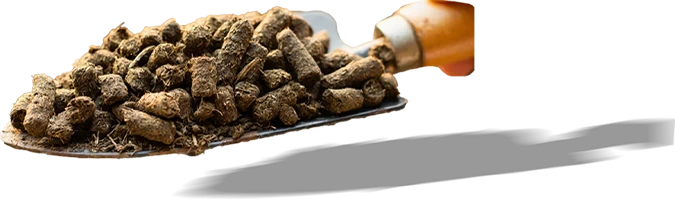
The chicken manure pellet machine converts composted chicken manure and chicken litter into uniform organic fertilizer pellets for easier storage, transportation, and field application. Designed for chicken farms, fertilizer producers, and recycling projects, it provides a practical solution for turning chicken waste into valuable fertilizer products.
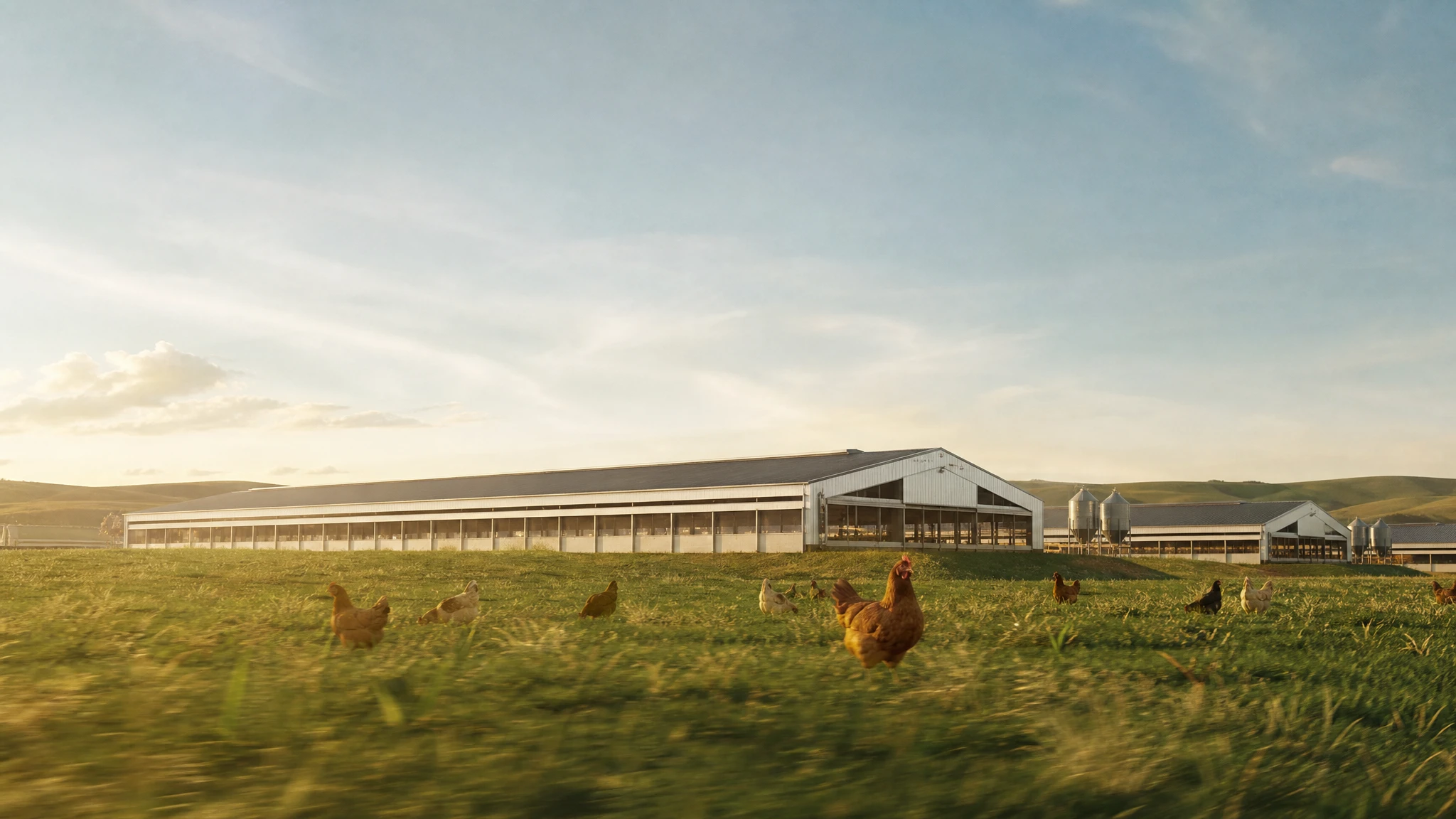
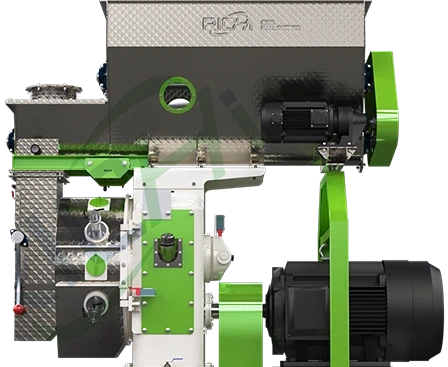
Designed For Different Chicken Manure Materials
Chicken manure feedstock varies greatly between projects, from composted manure and chicken litter with bedding to blended organic fertilizer materials with different moisture levels and physical characteristics. The right processing solution depends on the raw material rather than the pellet machine alone.
With practical experience in fertilizer granulation projects worldwide, we provide more than a single pelletizing machine. Customers can choose a complete chicken manure fertilizer pellet making line, powder fertilizer processing equipment, or individual machines for crushing, drying, mixing, and other preparation steps.
The chicken manure pellet machine is especially suitable for medium and large-scale operations, starting from around 1 ton per hour. At this production level, the required raw material supply usually comes from commercial poultry farms or centralized manure collection projects rather than small household farms.
Who Needs Chicken Manure Pellet Machine?
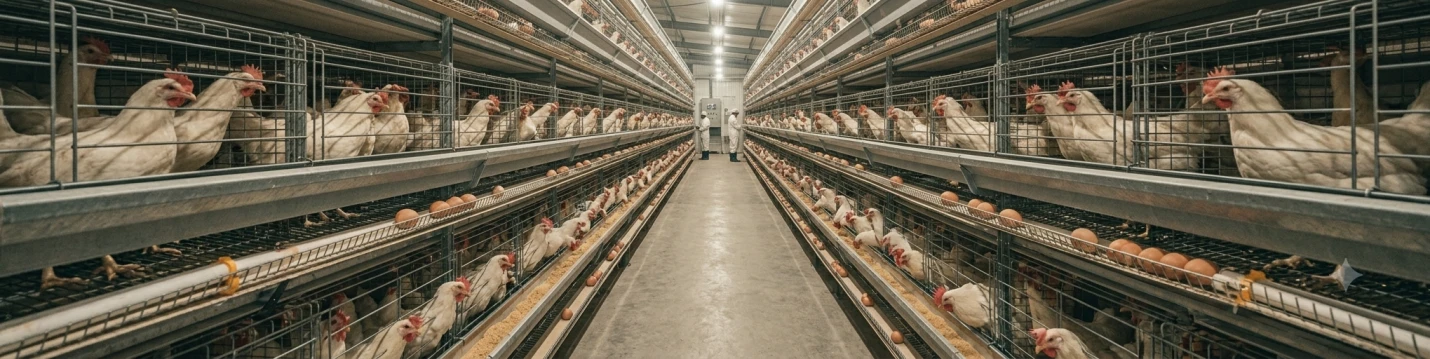
Layer Farms
Layer farms produce large amounts of chicken manure, often mixed with feathers, feed residues, and bedding materials. A chicken manure pellet machine helps convert this accumulated waste into easy-to-handle fertilizer pellets, reducing storage pressure while creating additional value from poultry waste.
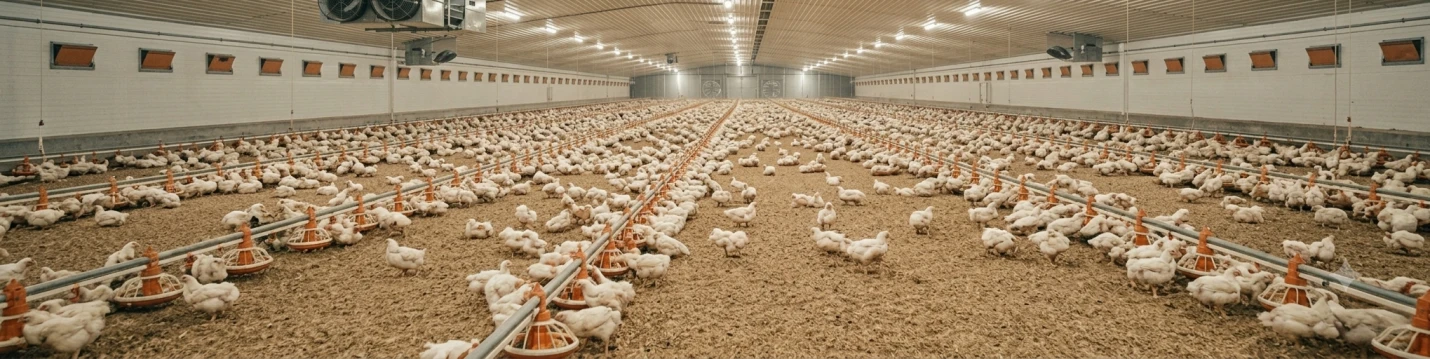
Broiler Farms
Broiler farms generate poultry litter containing manure mixed with materials such as rice husk, wood shavings, or straw. Our pelletizing solution helps process these materials into stable organic fertilizer pellets for easier storage, transportation, and agricultural use.
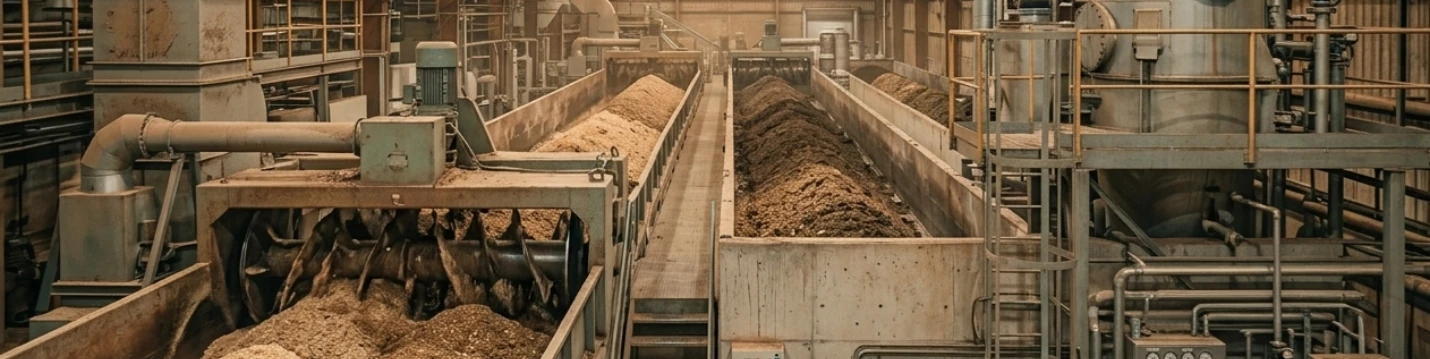
Poultry Waste Treatment Companies
These companies collect chicken manure from multiple farms, meaning raw materials may vary in composition and condition. A chicken manure pellet machine provides reliable processing capacity to transform collected poultry waste into standardized fertilizer products.
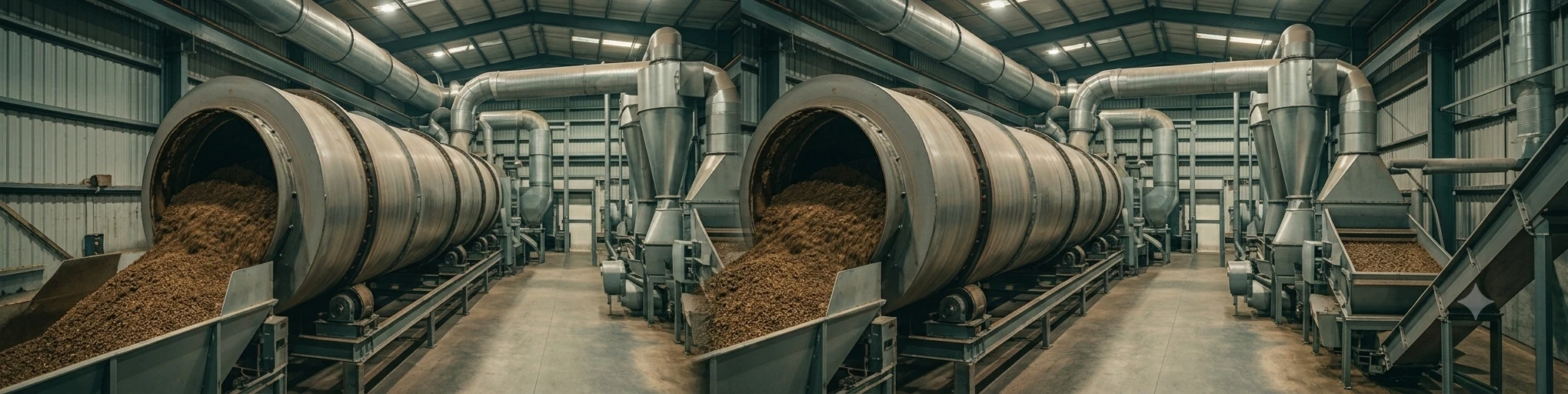
Chicken Manure Drying & Processing Plants
These plants usually handle dried manure, composted litter, or pre-processed fertilizer materials. Adding pelletizing equipment allows them to upgrade loose materials into uniform pellets with better handling performance and commercial value.
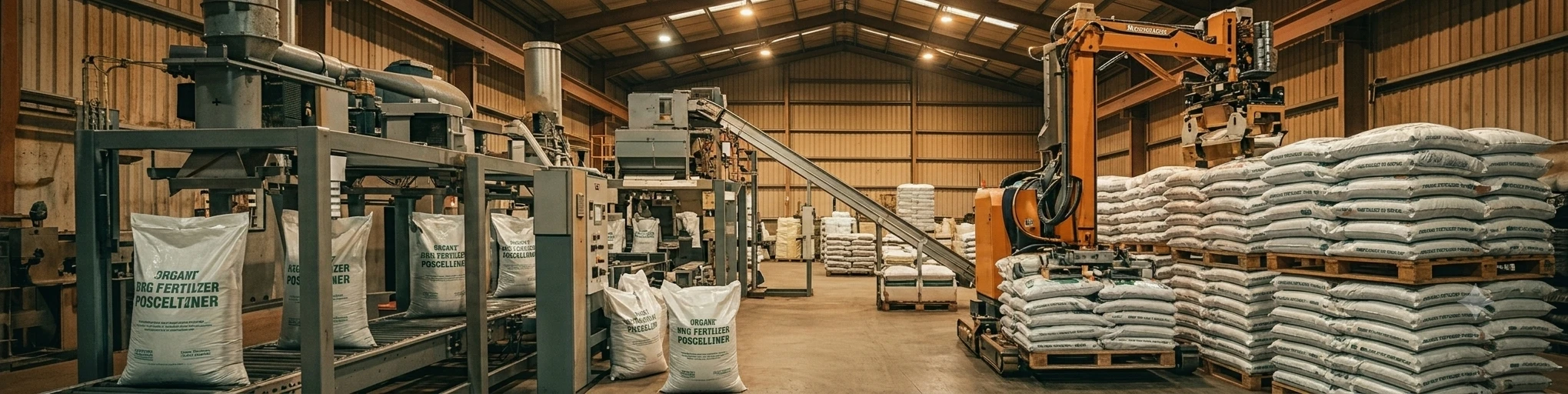
Organic Fertilizer Processing Plants
Organic fertilizer manufacturers often use chicken manure as a main raw material and combine it with other organic materials. Our pellet machines help produce consistent fertilizer pellets while supporting flexible production based on different formulas.
Besides these major groups, our chicken manure pellet machine is also suitable for manure recycling projects, composting facilities, agricultural waste treatment companies, and integrated farms. We provide customized pelletizing solutions according to raw material conditions, production capacity, and final fertilizer requirements.
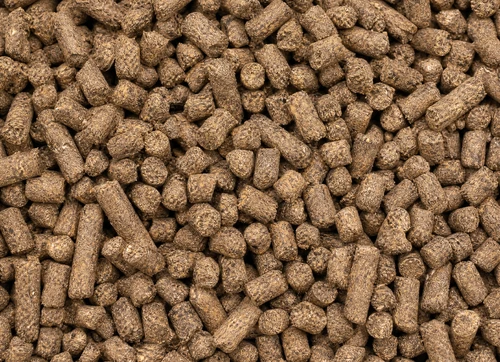
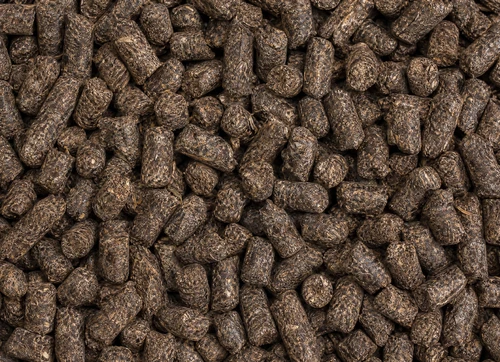
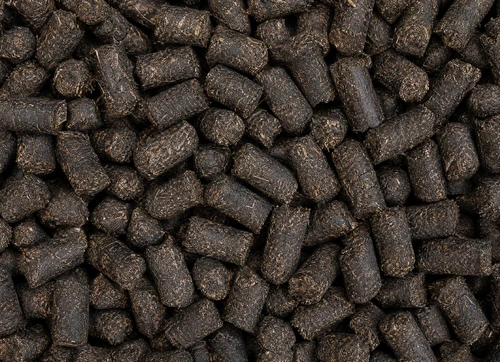
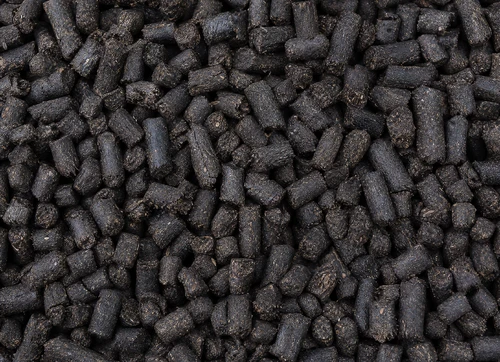
Materials Suitable for Chicken Manure Pelletizing
The chicken manure pellet machine is designed to process different forms of chicken manure, including composted manure, dried manure, and poultry litter mixtures with different moisture levels, impurity contents, and material ratios. Many poultry farms already have access to bedding materials such as wood shavings, rice husks, and crop residues, which can be combined with chicken manure to improve pelletizing performance. In addition, other organic fertilizer materials, including animal manure, agricultural waste, forestry residues, kitchen waste, and sludge, can also be blended with chicken manure for fertilizer pellet production.
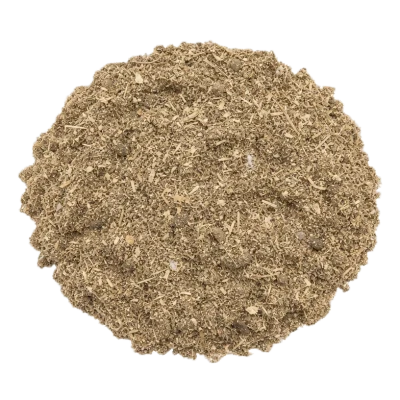
Poultry Litter
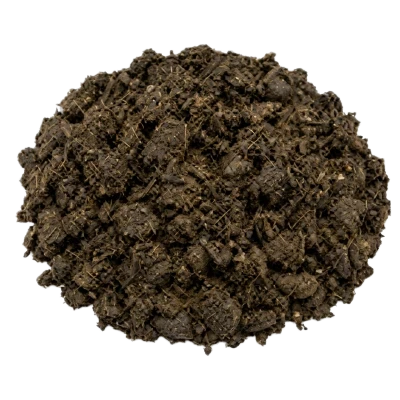
Animal Manure
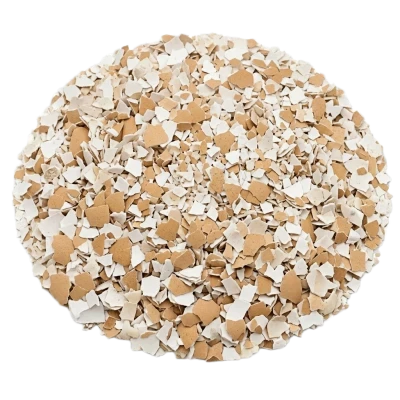
Eggshell Waste
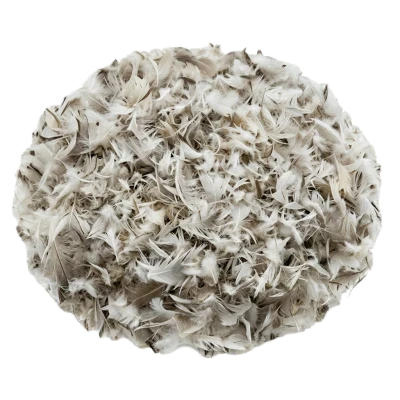
Feather Waste
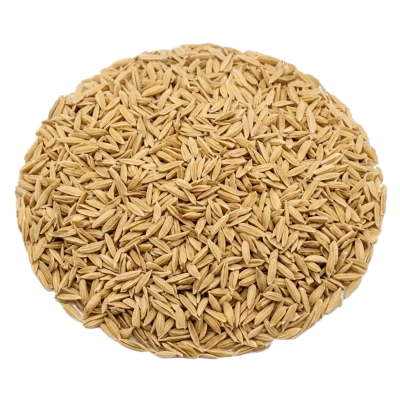
Rice Husk
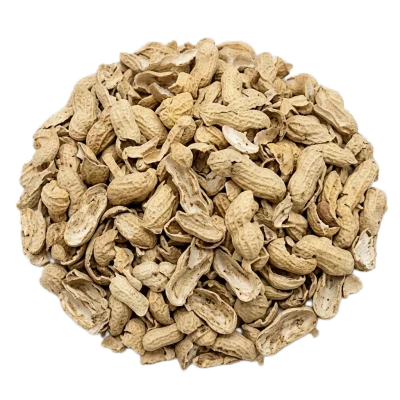
Peanut Shell
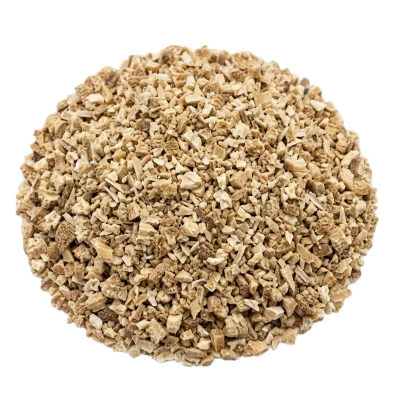
Corn Cob
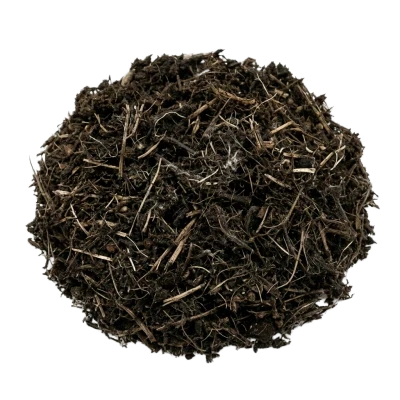
Mushroom Compost
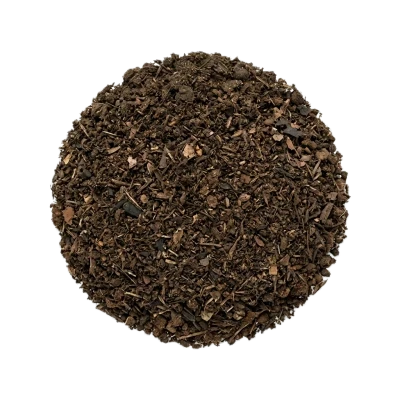
Compost Materials
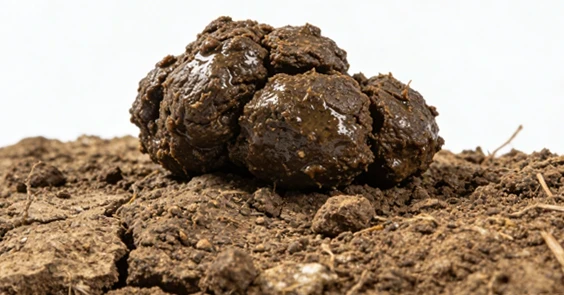
Chicken Manure
Chicken manure from different sources can vary significantly — layer manure collected from cage systems, broiler litter mixed with bedding materials, and composted poultry manure all have different physical characteristics. Our chicken manure pellet machine can be configured according to the actual raw material condition, production capacity, and final fertilizer requirements, helping customers process available poultry waste into consistent organic fertilizer pellets.
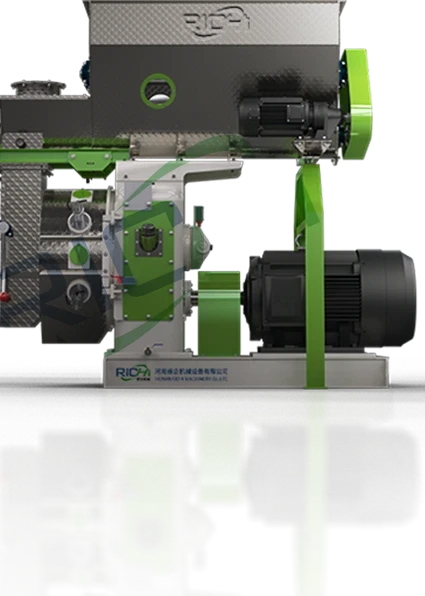
Structural Design
The chicken manure pellet machine is a ring-die pellet mill engineered for converting prepared organic fertilizer materials into dense and uniform pellets. Since chicken manure often contains fibrous bedding materials, compost particles, and variable organic components, the machine structure focuses on stable feeding, strong compression performance, and long-term operation under fertilizer production conditions.
Each major assembly is selected and optimized according to the requirements of chicken manure granulation, from material feeding and transmission to die performance and safety protection.
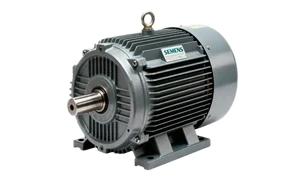
A Siemens motor and gear drive provide stable torque, efficient power transmission, lower energy consumption, and reliable continuous operation.
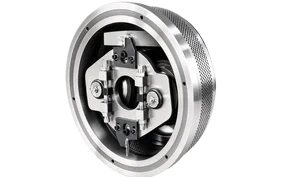
Optimized ring die materials and heat treatment improve wear resistance, pellet quality, and service life. Quick replacement reduces maintenance time.
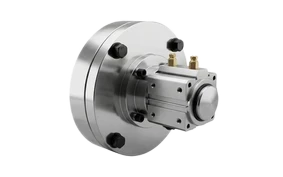
The overload protection system safeguards the drive components from sudden overloads while improving equipment reliability and operational safety.
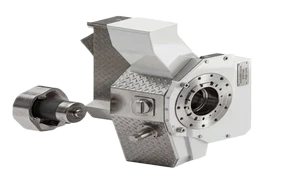
The forced feeder delivers chicken manure materials evenly into the pelleting chamber, improving feeding stability and pellet consistency.
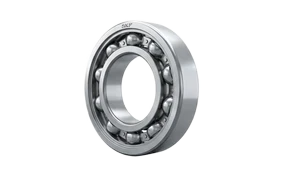
SKF bearings and an improved sealing structure reduce dust contamination, protect lubrication, and extend the service life of key components.
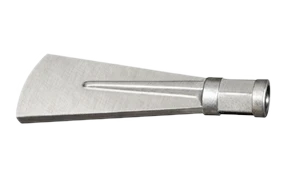
The adjustable cutter allows flexible pellet length control, producing uniform fertilizer pellets for different packaging and application needs.
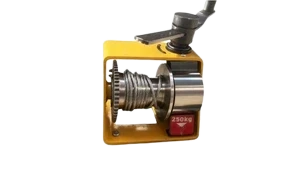
The lifting mechanism simplifies ring die replacement and routine maintenance, reducing downtime and improving production efficiency.
Advantages of Chicken Manure Pellet Machine
The chicken manure pellet machine is developed for customers who need to transform poultry waste into consistent fertilizer products with commercial value. Beyond basic pellet forming, RICHI focuses on matching equipment design with different chicken manure conditions, production targets, and investment plans, helping farms and fertilizer producers build practical and profitable processing solutions.

Better Value from Poultry Waste
Instead of handling loose chicken manure as a disposal problem, customers can convert it into easy-to-transport fertilizer pellets. The chicken manure pellet machine helps reduce storage and transportation difficulties while creating an additional income source for poultry farms and fertilizer producers.

Flexible Configuration for Different Projects
Chicken manure conditions vary from farm to farm, including composted manure, poultry litter mixtures, and blended organic materials. RICHI provides customized pelletizer configurations and complete production line designs according to raw materials, capacity requirements, and final fertilizer specifications.

Stable Production for Commercial Use
For customers processing large volumes of chicken manure, production stability is essential. RICHI pelletizers are designed for continuous fertilizer manufacturing, supporting capacities from small modular projects to large-scale fertilizer plants with consistent pellet quality.

Multiple Raw Material Compatibility
Chicken manure is often available together with bedding materials, crop residues, or other organic wastes. The pelletizing system can process different fertilizer formulas, allowing customers to combine chicken manure with materials such as rice husks, wood shavings, and other compost resources.

Complete Support from Equipment to Project
RICHI provides not only the chicken manure pellet machine but also customized fertilizer processing solutions, including individual machines and complete production lines. From equipment selection to project planning, customers receive support based on their actual operating conditions.

How Chicken Manure Pellet Machine Works
The chicken manure pellet machine forms fertilizer pellets through a continuous compression and extrusion process. After chicken manure and other prepared organic materials are crushed, mixed, and conditioned, the material enters the pelletizing chamber through the feeding system. The rotating rollers press the material through the ring die holes, creating compact pellets with a uniform shape. The cutter then adjusts the pellet length before the finished fertilizer pellets are discharged for cooling, screening, and packaging.
Models & Specifications
| Model | Capacity (t/h) | Main Motor Power (kW) | Anti-Bridging Feeder Power (kW) | Forced Feeder Power (kW) | Ring Die Inner Diameter (mm) | Finished Pellet Diameter (mm) |
|---|---|---|---|---|---|---|
| FZLH250 | 1–1.5 | 22 | 2.2 | 0.75 | 250 | 4–12 |
| FZLH320 | 2–3 | 22 | 2.2 | 0.75 | 320 | 4–12 |
| FZLH350 | 3–5 | 37 | 2.2 | 0.75 | 350 | 4–12 |
| FZLH420 | 6–8 | 90 | 3 | 1.5 | 420 | 4–12 |
| FZLH520 | 9–12 | 132 | 3 | 1.5 | 520 | 4–12 |
| FZLH678 | 18–22 | 200 | 3 | 1.5 | 673 | 4–12 |
| FZLH768 | 22–26 | 250 | 4 | 1.5 | 762 | 4–12 |
The chicken manure pellet machine is available in multiple models to match different fertilizer production requirements, from medium-scale poultry waste recycling projects to large commercial organic fertilizer plants. Since chicken manure characteristics can vary depending on composting conditions, bedding materials, and production goals, RICHI can customize pelletizing configurations according to required capacity, pellet size, and complete processing requirements.
Chicken Manure Pelletizing Specifications
The chicken manure pellet machine requires properly prepared organic fertilizer materials to achieve stable pellet formation. Since chicken manure properties vary according to farm conditions, bedding materials, composting methods, and fertilizer formulas, actual pelletizing parameters are adjusted based on raw material analysis and production requirements.
Feed Particle Size
2–5 mm
Feed Moisture Content
12–25%
Pelletizing Temperature
60–85℃
Compression Ratio
1:4–1:8
Pellet Length
5–30 mm
Pellet Formation Rate
85–95%
Finished Pellet Moisture
≤12–15%
Cooling Temperature
≤40℃
Screening Efficiency
90–98%
Fines Content
≤5–10%
Broken Pellet Rate
≤3–5%
Operating Mode
Continuous Operation
Stable pellet quality depends on the proper balance between material preparation, compression conditions, and post-pellet handling. A well-adjusted process helps the chicken manure pellet machine produce uniform fertilizer pellets with good strength, low fines, and reliable storage performance. Based on different chicken manure characteristics and production requirements, the pelletizing parameters can be customized to achieve the best processing results.
Chicken Manure Pellet Machine Projects Worldwide
With extensive experience in organic fertilizer equipment manufacturing, we have delivered chicken manure pellet machine projects and complete chicken manure fertilizer production lines to customers worldwide. Our solutions serve poultry farms, fertilizer manufacturers, agricultural recycling companies, and waste management enterprises in different regions. Each project is designed according to local raw material availability, manure characteristics, production targets, and fertilizer market requirements.
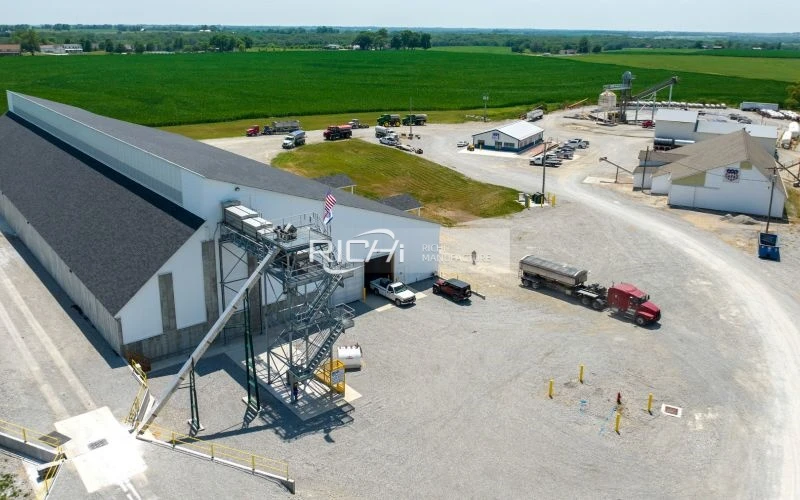

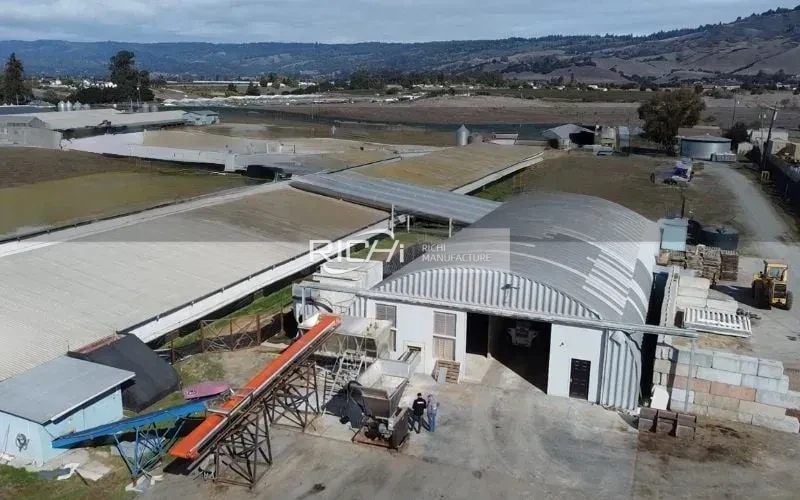
20 T/H
USA Poultry Farm Fertilizer Line
The customer operated a large poultry farming business and wanted to convert accumulated chicken litter into commercial organic fertilizer. The project processed chicken manure mixed with wood shavings commonly used as poultry bedding. The production line included crushing, mixing, pelletizing, cooling, and screening systems, allowing stable production of uniform fertilizer pellets for local agricultural applications.
Equipment Used :FZLH678
Pellet Size :6 mm
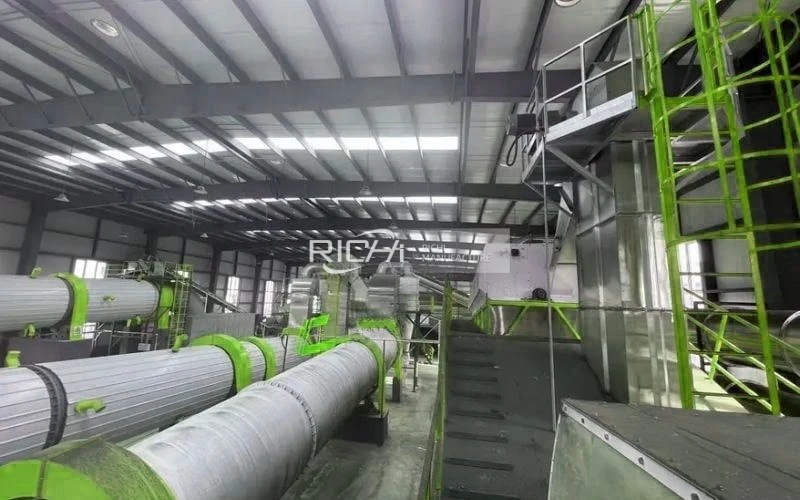

10 T/H
Brazil Chicken Litter Pellet Project
Located in a major poultry production region, the customer collected chicken litter from surrounding farms and processed it into organic fertilizer products. The chicken manure pellet machine was configured for mixed poultry waste containing rice husk bedding and agricultural residues, helping the company transform regional poultry waste resources into valuable fertilizer pellets.
Equipment Used :FZLH520
Pellet Size : 4 mm
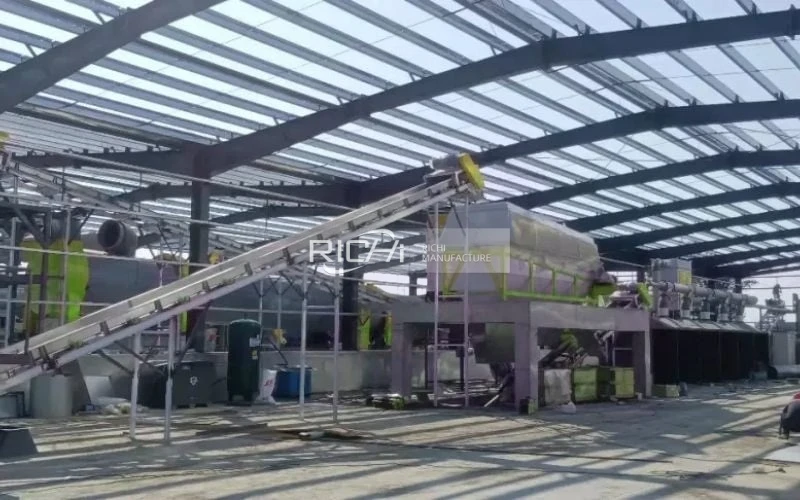

10 T/H
Russia Poultry Waste Recycling Plant
The Russian customer specialized in agricultural waste recycling and required a reliable solution for processing chicken manure generated from poultry farms. The project combined fermented manure with sawdust bedding materials, which are widely available in livestock regions. The produced fertilizer pellets were supplied to greenhouse growers and farmland users.
Equipment Used :FZLH520
Pellet Size : 6 mm

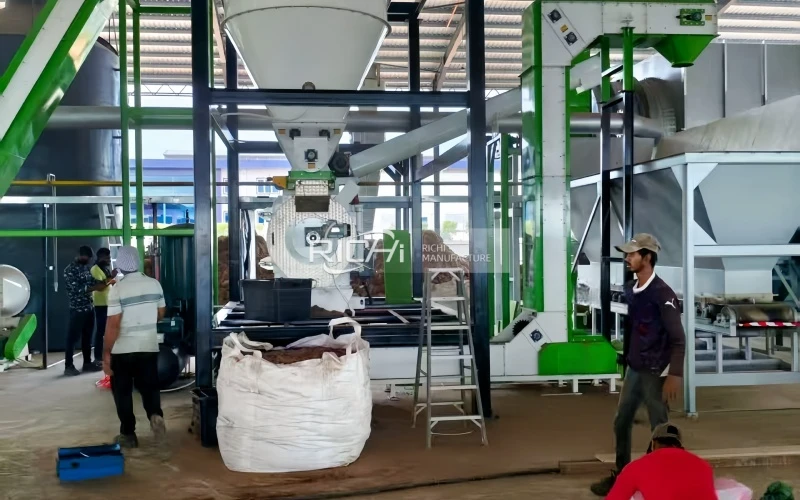
5 T/H
France Organic Fertilizer Production Line
The French customer focused on sustainable agriculture and organic fertilizer production. The project used dry chicken manure blended with wheat straw residue from local farming activities. The compact production line was designed for flexible operation and produced small-diameter fertilizer pellets suitable for organic farming applications
Equipment Used :FZLH350
Pellet Size : 4 mm

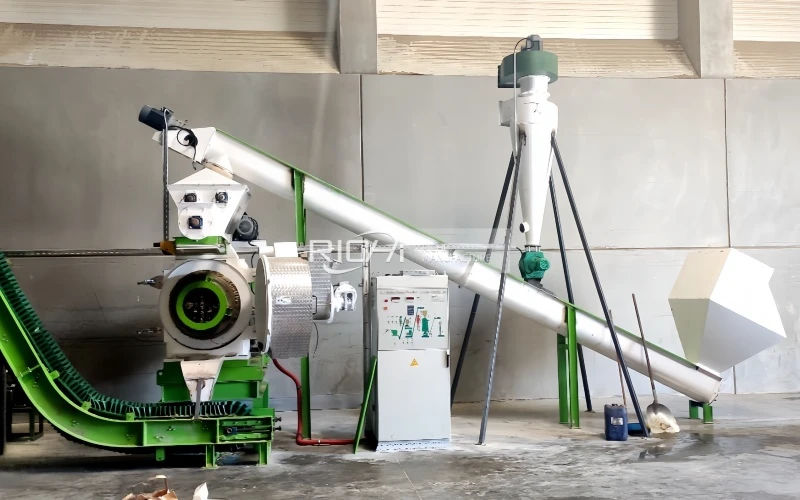
5 T/H
Thailand Poultry Manure Processing Project
The Thai project utilized abundant poultry waste and rice straw resources available in agricultural areas. The customer processed mixed chicken manure materials into fertilizer pellets through a complete pelletizing system. The final products were supplied to crop farms requiring organic soil improvement materials.
Equipment Used :FZLH350
Pellet Size : 4-6 mm

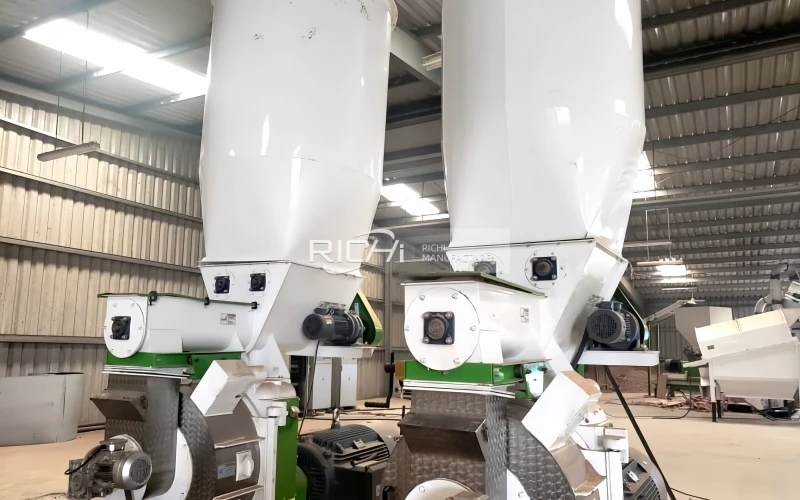
1-2 T/H
Australia Chicken Manure Compost Pellet Line
The Australian customer collected poultry waste from local farms and converted composted chicken manure into marketable fertilizer pellets. The system was designed around the region’s livestock farming conditions, where straw bedding is widely used. The finished pellets were supplied to pasture farms and organic agriculture customers.
Equipment Used :FZLH250
Pellet Size : 6 mm

6T/H
Netherlands Poultry Bedding Fertilizer Project
The Netherlands project focused on efficient recycling of poultry bedding waste from intensive poultry operations. The customer processed chicken manure mixed with wood chips into uniform fertilizer pellets. The complete line provided stable production for horticulture and greenhouse fertilizer markets.
Equipment Used :FZLH420
Pellet Size : 6 mm

10 T/H
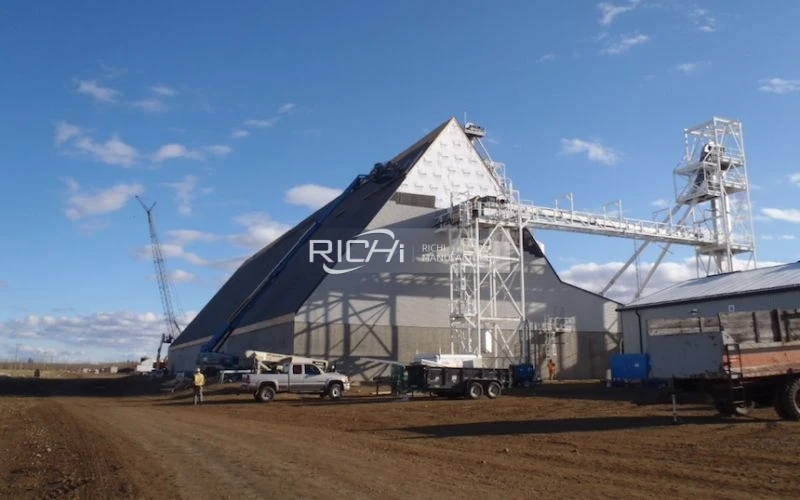
Argentina Poultry Farm Waste Pellet Project
The Argentine customer combined poultry waste with locally available agricultural by-products to produce organic fertilizer pellets. The project utilized chicken manure together with corn stalk and cassava processing residues, creating a practical recycling solution for agricultural resources in the region.
Equipment Used :FZLH420
Pellet Size : 6 mm
Beyond our completed projects, feedback from customers around the world reflects how our chicken manure pellet machine solutions perform under different farming conditions, raw material structures, and production requirements. From poultry farms and fertilizer producers to agricultural recycling companies, customers have shared their experiences in processing local chicken manure resources into valuable organic fertilizer products with reliable equipment support.

India Poultry Farm
10T/H Chicken Manure Fertilizer Project
“We needed a reliable solution for processing chicken manure mixed with rice husk bedding, and the chicken manure pellet machine helped us produce consistent 6 mm fertilizer pellets for local farmers.”
South Africa Layer Farm
4T/H Poultry Waste Production Project
“After struggling with chicken manure mixed with maize stalk residues, we finally found a practical pelletizing solution that allowed us to convert farm waste into valuable 5 mm organic fertilizer pellets.”
Germany Fertilizer Producer
6T/H Chicken Litter Recycling Project
“The chicken manure pellet machine worked well with our chicken manure and wood shavings mixture, providing stable operation and the pellet quality required for our fertilizer business.”
Turkey Poultry Integration Company
8T/H Chicken Manure Pelletizing Project
“We wanted to recycle chicken manure mixed with wheat straw bedding, and the complete pelletizing system helped us efficiently produce 5 mm fertilizer pellets for agricultural customers.”
Mexico Agricultural Recycling Company
5T/H Organic Fertilizer Pellet Project
“Combining chicken manure with sugarcane bagasse was important for our business, and the customized chicken manure pellet machine allowed us to create a new organic fertilizer product.”
Italy Agricultural Cooperative
3T/H Chicken Manure Compost Project
“The compact pelletizing solution was a good fit for our composted chicken manure and vineyard residue mixture, helping us produce uniform 4 mm fertilizer pellets.”
New Zealand Poultry Farm
5T/H Chicken Litter Fertilizer Project
“Our farm needed to better utilize chicken manure mixed with straw and wood chips, and the chicken manure pellet machine gave us an efficient way to produce quality fertilizer pellets.”
Egypt Poultry Production Group
7T/H Chicken Manure Processing Project
“The equipment helped us solve chicken manure disposal challenges and turn agricultural waste mixtures into marketable 5 mm organic fertilizer pellets.”
Chicken Manure Pellet Mill Price
The price of a chicken manure pellet machine usually ranges from $10,000–$100,000, depending on the equipment model, production capacity, configuration, and the level of automation required for processing chicken manure into fertilizer pellets.
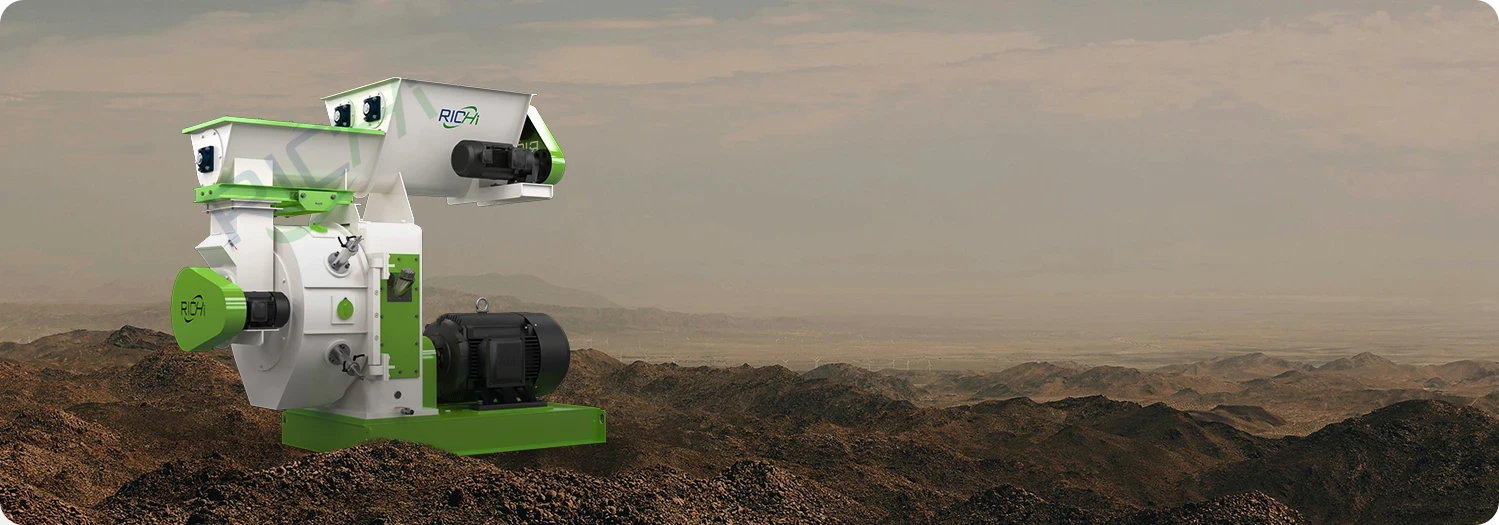
Whether you need a small pellet mill for a poultry farm or a larger system for commercial organic fertilizer production, we provide suitable solutions based on your raw materials, output requirements, and final pellet specifications.
Price Range for
chicken manure pellet machine cost:
FZLH250 (22KW)
$10,000–$13,000
FZLH320 (22KW)
$15,000–$18,000
FZLH350 (37KW)
$18,000–$25,000
FZLH420 (90KW)
$26,000–$32,000
FZLH520 (132KW)
$43,000–$50,000
FZLH678 (200KW)
$64,000–$70,000
FZLH768 (315KW)
$75,000–$85,000
What Capacity Of Chicken Manure Pellet Machine Do You Need?
Find the production capacity that matches your project, and we’ll recommend the right machine configuration and quotation.
Complete Chicken Manure Fertilizer Solution
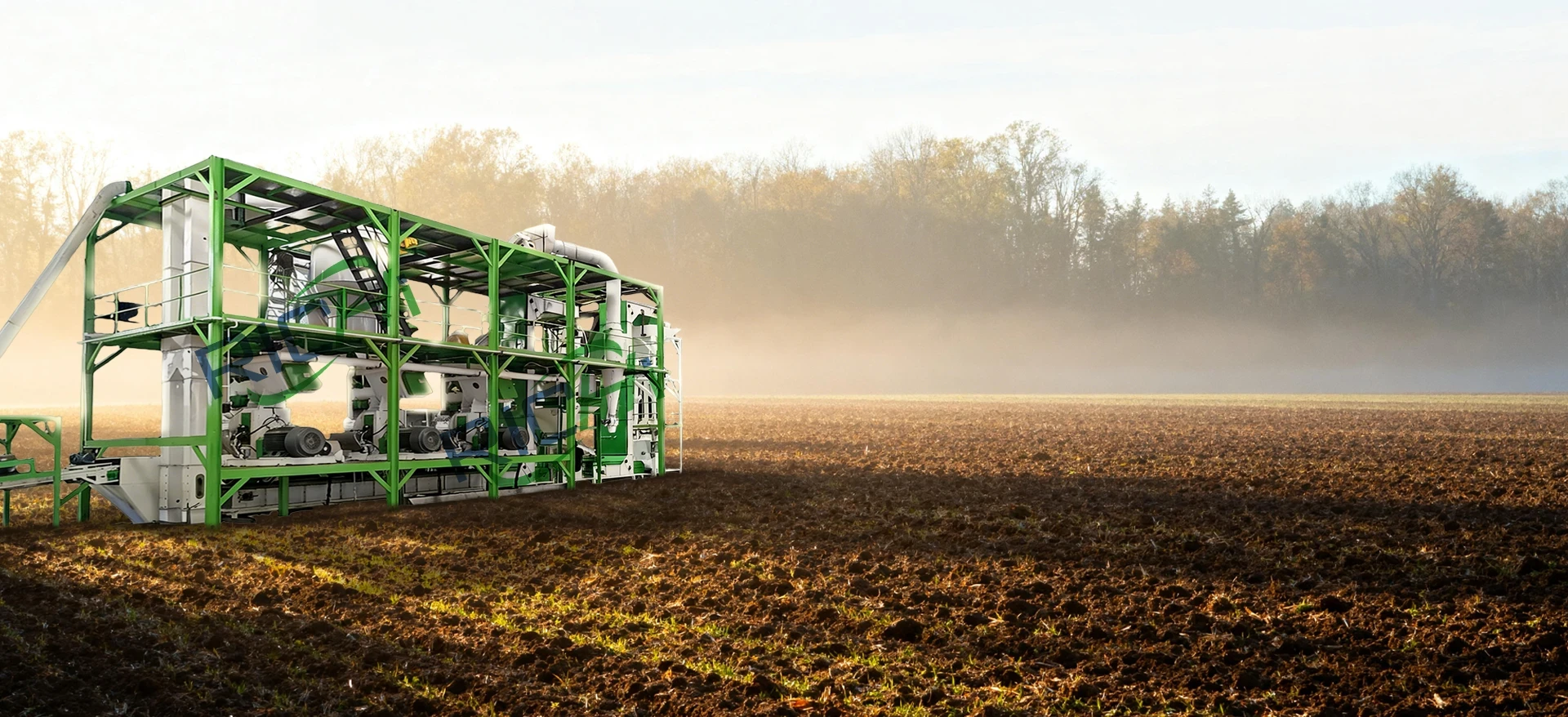
A typical chicken manure fertilizer production process includes raw material preparation, crushing, mixing, fermentation, drying (when required), pelletizing, cooling, screening, coating (optional), and packaging. Depending on the raw material characteristics, moisture content, fertilizer formula, and final product requirements, additional systems such as dosing, dedusting, storage, coating, or automatic palletizing can also be integrated.
Our solutions are designed around each customer’s real production conditions. We consider the raw material type and physical form, fermentation requirements, moisture content, available factory space, production capacity, fertilizer application, and investment range before recommending the suitable equipment combination. Depending on the project, some customers may only need pelletizing equipment, while others require complete lines including composting, drying, mixing, batching, dust removal, and storage systems.
Chicken Manure Pellet Production Equipment
A complete chicken manure pelletizing system requires more than a single pellet mill. Depending on the condition of the chicken manure, bedding materials, production targets, and fertilizer application, the production line may include crushing, composting, mixing, drying, pelletizing, screening, packaging, and auxiliary systems. In addition to the core equipment, we can configure optional machines such as bale breakers, rotary screens, different types of conveyors, and automatic control systems according to each customer’s raw materials and process requirements. Even for the same processing stage, we provide different equipment options to match specific production conditions and investment budgets.
Manure Compost Turner
It plays an important role in the fermentation stage. It regularly turns and aerates the manure mixture, helping microorganisms work effectively and improving fermentation consistency.
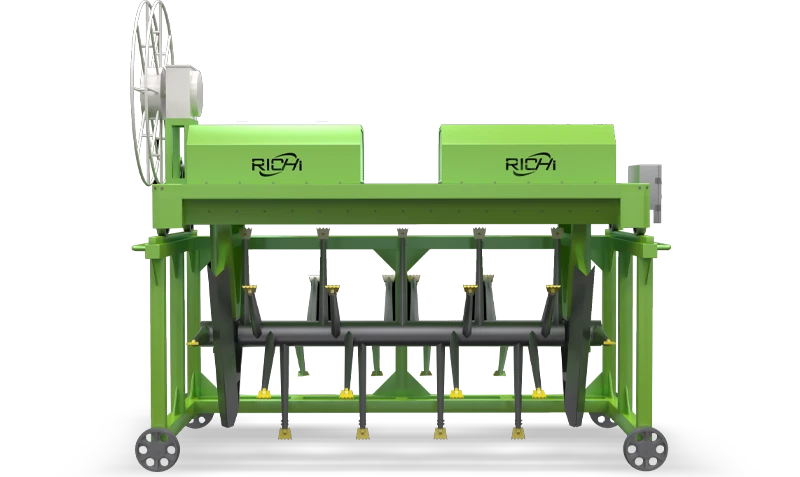
Turning Width
2–8 m
Turning Height
0.5–2.5 m
Chicken Manure Crusher
It breaks down fermented chicken manure, compost blocks, and mixed materials containing bedding residues into smaller particles, improving material uniformity before mixing or pelletizing.
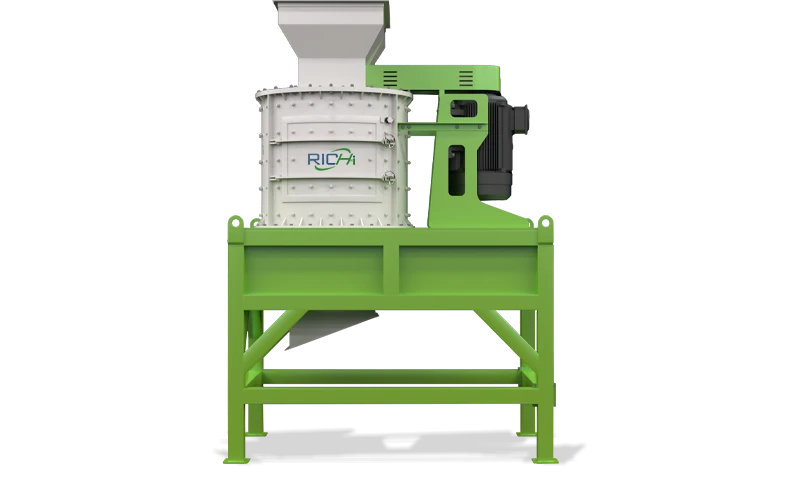
Capacity
3–30 T/H
Main Power
22–160 kW
Chicken Manure Mixer
The mixer is used to combine chicken manure with bedding materials, fermentation additives, minerals, or other organic materials to achieve a more uniform composition.
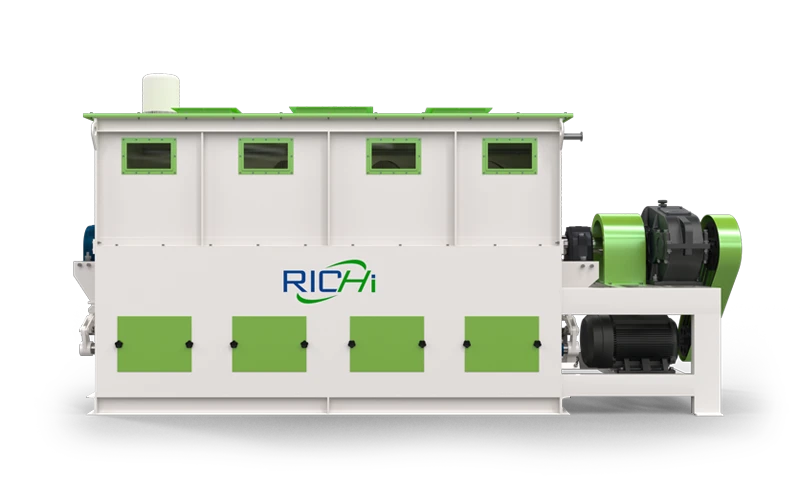
Capacity
250–2,000 kg/batch
Main Power
4-160KW
Chicken Manure Dryer
The dryer is mainly required when chicken manure materials contain excessive moisture after fermentation or when wet organic mixtures are processed.
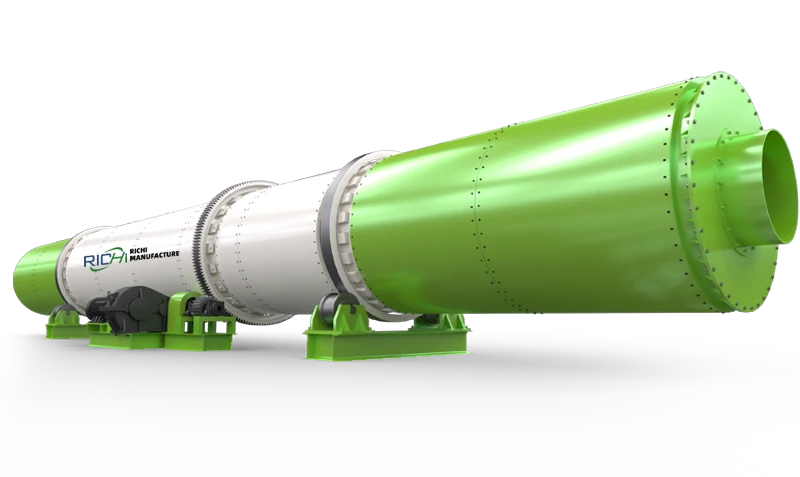
Capacity
1–30 T/H
Drying Temperature
60–250℃
Chicken Manure Screener
The screening machine separates qualified chicken manure fertilizer pellets from oversized and undersized materials after pelletizing and cooling.
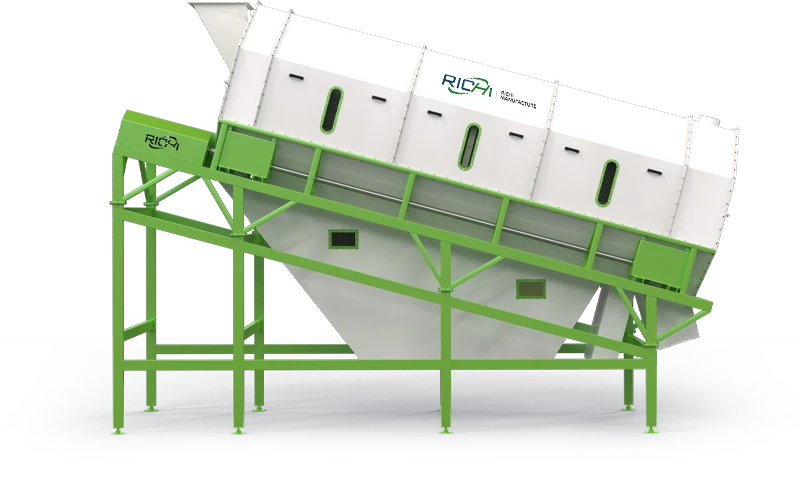
Capacity
3-50T/H
Screen Layers
1–3 Layers
Chicken Manure Bagging Scale
The system can be configured for different bag sizes, packaging speeds, and levels of automation according to customer requirements.
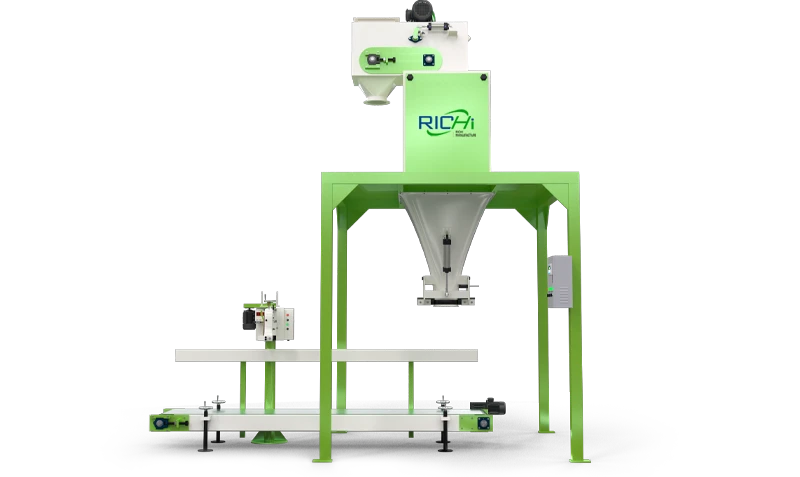
Packing Range
10–1000 kg/bag
Packing Speed
6–20 Bags/min
Feeding & Weighing System
The dosing system accurately doses fertilizer ingredients and additives according to the formula, improving batching precision and ensuring consistent pellet quality.
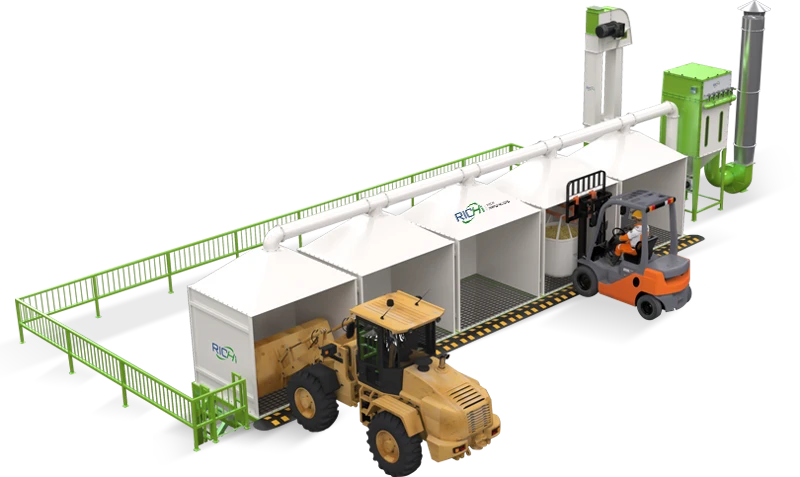
Weighing Capacity
1–50 T/H
Weighing Accuracy
±0.5–1%
Trace Element Dosing System
This equipment is especially useful for customers producing commercial organic fertilizer formulas where nutrient content and product consistency need to be controlled accurately.
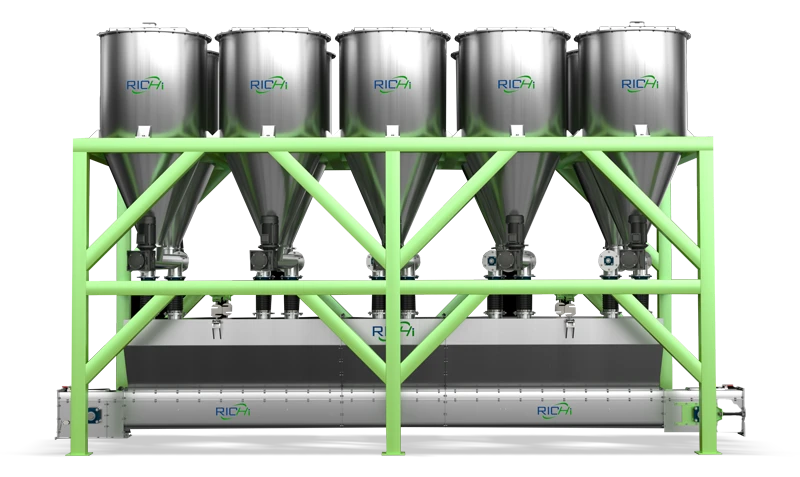
Dosing Accuracy
±0.1–0.5%
Hopper Volume
50–1000 kg
Chicken Manure Conveyor
According to factory layout and material characteristics, we provide different conveying options such as belt conveyors, screw conveyors, and bucket elevators to ensure smooth material transfer.
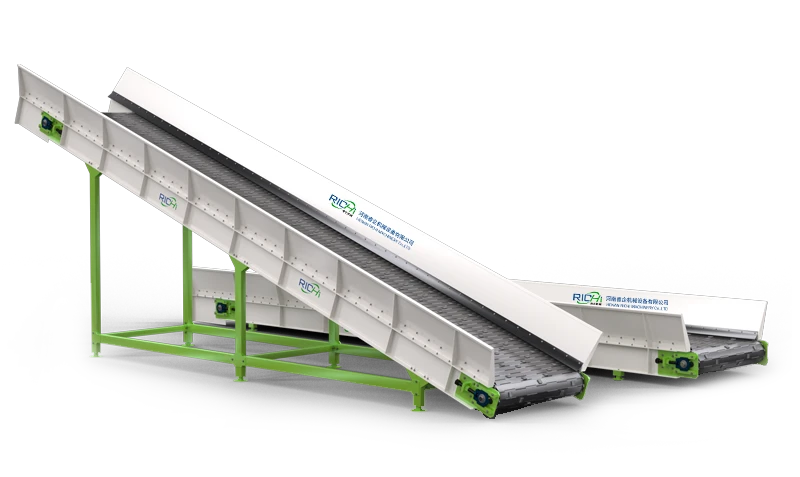
Capacity
3-40T/H
Conveying Length
3–40 m
The equipment listed above represents a typical configuration for chicken manure pellet production, but every project has different requirements. Some customers may need additional equipment such as bale breakers for compact bedding materials, rotary screens for improved separation, extra conveying systems for complex layouts, or automated control units for large-scale production.
We do not use a fixed equipment combination for every customer. The same production stage can be configured with different machine options depending on raw material characteristics, factory conditions, required output, and investment budget. Whether you need a small poultry farm fertilizer system or a complete commercial chicken manure processing plant, our engineers can design a suitable solution around your actual production needs.
Customized chicken Manure Pellet Project design
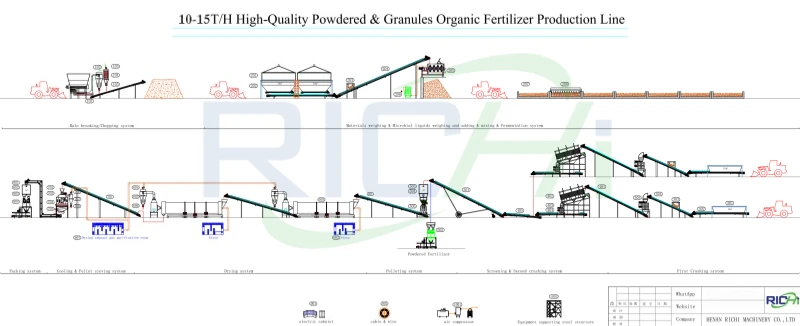
10 -15T/H Chicken Manure Pellet Production Line Process Flow 【Example Design】
This process flow illustrates a 10 T/H chicken manure fertilizer production project completed for an agricultural recycling company in Argentina. The customer collected chicken manure from local poultry farms and combined it with straw and other agricultural residues to produce both powdered organic fertilizer and granulated fertilizer products for regional farming markets.
preparation
fermentation
crushing
screening
pelletizing
drying
cooling
packaging
The customer required a flexible fertilizer production system because the available raw materials varied in composition and condition. Based on the characteristics of fermented chicken manure, straw materials, and other organic ingredients, we designed a customized process including raw material crushing, batching, impurity removal, fermentation preparation, mixing, drying, pelletizing, cooling, screening, and packaging. The system was configured not only around the chicken manure pellet machine, but also around the customer’s requirements for producing different fertilizer forms.
Through detailed process analysis, we provided a complete equipment solution covering material preparation, powdered fertilizer production, and chicken manure pellet production. The final configuration included straw crushing with dust collection, feeding and batching systems, magnetic separation, liquid addition, fermentation preparation, vertical crushing, screening, pelletizing, drying, cooling, and automatic packing systems, allowing the customer to efficiently convert agricultural waste resources into commercial fertilizer products.
Every chicken manure fertilizer project has different conditions. Factors such as manure source, bedding materials, moisture level, fertilizer type, factory space, and investment budget directly influence the process design and equipment selection. Our engineers customize each production line to match the customer’s actual operating requirements.
Future Prospects of Chicken Manure Pellet Processing
The chicken manure pellet processing industry has strong growth potential as poultry production continues expanding worldwide and farms, governments, and agricultural companies seek more sustainable waste management solutions. Large poultry-producing regions such as Asia, Europe, North America, and South America are increasingly interested in converting chicken manure into organic fertilizer products instead of treating it only as waste.
Chicken manure pellets are widely used in crop farming, horticulture, greenhouse cultivation, soil improvement, and organic fertilizer production. For investors and agricultural businesses, profitability can be improved by building flexible production lines that process not only chicken manure but also other available organic materials such as livestock manure, straw, and agricultural residues into fertilizer pellets. This allows the same production system to adapt to seasonal raw material changes and expand product opportunities.
Growing Demand
The increasing adoption of sustainable agriculture is creating stronger demand for organic fertilizer products made from recycled resources.
High Value
Chicken manure contains valuable organic matter and nutrients that can be converted into commercial fertilizer products through proper processing.
Flexible Production
A customized system can process chicken manure together with bedding materials, straw, and other agricultural wastes.
Expanding Applications
Countries with large poultry industries and strong agricultural sectors offer significant opportunities for companies investing in chicken manure pellet production.
Frequently Asked Questions
We have wet chicken manure from a poultry farm. Can it be directly processed into fertilizer pellets?
Not directly in most cases. Fresh chicken manure usually has high moisture and unstable characteristics, so it normally requires fermentation, moisture adjustment, and sometimes drying before entering a chicken manure pellet machine. We design the process according to the manure condition, bedding materials, and final fertilizer requirements.
What size poultry farm is suitable for installing a chicken manure pellet machine?
The suitable farm size depends on the available manure quantity after fermentation and drying. For example, a 1 T/H production line generally requires a stable supply of several tons of processed material per hour, which usually comes from medium or large poultry farms, poultry cooperatives, or manure collection businesses rather than a small backyard farm.
Can chicken manure mixed with bedding materials be used for pellet production?
Yes. Many poultry farms process chicken manure together with bedding materials because they are already mixed during farming. Materials such as rice husk, sawdust, wood shavings, and straw can be processed with chicken manure after proper crushing, mixing, and moisture adjustment.
We use rice husk as poultry bedding. Do we need additional crushing equipment?
It depends on the condition of the material. Rice husk is relatively easy to handle, but if it contains large particles or uneven mixtures, a crushing and mixing system may be required. Our chicken litter pellets processing machine solutions are configured according to the actual raw material structure.
Can your machine process chicken manure mixed with sawdust from broiler houses?
Yes. Chicken manure mixed with sawdust bedding is one of the common raw materials for organic fertilizer production. The system normally includes crushing, mixing, and moisture adjustment equipment to ensure stable feeding into the chicken manure fertilizer pellet making machine.
We want to produce both fertilizer powder and pellets. Is one production line possible?
Yes. A customized fertilizer line can be designed for both powdered organic fertilizer and pellets. Some customers use screening and packing systems for powder fertilizer while sending suitable materials into the chicken manure fertilizer pellet machine for pellet production.
We have 5 tons of chicken manure per day. Can we install this equipment?
A daily output of 5 tons is usually too small for a continuous 1 T/H pellet production line. We normally evaluate the actual processed material quantity after fermentation and drying, because volume reduction and moisture loss significantly affect the final production capacity.
Can your chicken manure pelletizer produce fertilizer pellets for commercial sale?
Yes. Many fertilizer producers use a chicken manure pelletizer to manufacture commercial organic fertilizer products. The final pellet size, hardness, and packaging method can be customized according to local fertilizer market requirements.
We are in India and have chicken manure mixed with rice husk. What configuration do you recommend?
Rice husk mixed with chicken manure is a common situation in Indian poultry farms. We usually consider crushing, mixing, fermentation management, and pelletizing requirements when designing the poultry manure pellet machine system, especially because rice husk affects material structure and pellet formation.
We have chicken manure mixed with straw from a free-range farm. Can it be processed?
Yes. Straw-based chicken litter is widely available in many farming regions. Because straw has long fibers, the chicken manure processing equipment usually includes stronger crushing and mixing solutions before pellet production.
Is this equipment suitable for fertilizer companies that buy chicken manure from multiple farms?
Yes. Fertilizer companies often receive chicken manure with different moisture levels and compositions. For these projects, we usually design flexible receiving, storage, mixing, and conditioning systems so the chicken manure recycling pellet machine can handle changing raw materials.
Can the same machine process other animal manure besides chicken manure?
Yes. Many customers prefer flexible production lines. Depending on equipment configuration, the system can also process materials such as cattle manure, sheep manure, and agricultural organic residues together with chicken manure.
We already have a composting area. What equipment do we still need?
If fermentation is already completed, the remaining process may mainly include crushing, mixing, pelletizing, cooling, screening, and packing. We can supply the required chicken manure pelleting equipment based on your existing facilities instead of replacing the whole process.
What is the difference between a small chicken manure compost granulating machine and a large production line?
A small system is usually suitable for limited fertilizer production, while large lines are designed for commercial fertilizer plants with continuous operation. The equipment selection depends on available raw materials, required output, and final product sales plan.
Can you design a chicken manure fertilizer pellet making line for limited factory space?
Yes. Factory layout is one of the key factors considered during design. We can arrange equipment vertically, shorten conveying distances, or select suitable machines according to the available installation area.
We need fertilizer pellets instead of compost. What additional equipment is required?
Pellet fertilizer production normally requires a complete process beyond composting, including material preparation, pelletizing, cooling, screening, and packing. A complete chicken manure fertilizer pellet making line is designed according to the customer’s final fertilizer product requirements.
How do you help customers choose the right chicken manure processing system?
We evaluate your manure source, bedding materials, moisture condition, required capacity, fertilizer type, factory conditions, and investment plan before recommending equipment. Our experience with different poultry waste projects helps us provide a practical solution instead of a standard machine package.
What Materials Can Be Processed By A Chicken Manure Pellet Machine?
The machine is mainly designed for chicken manure fertilizer production, but it can also process various organic materials when properly prepared.
Common materials include:
- Fermented chicken manure
- Chicken litter with rice husk, sawdust, or straw bedding
- Poultry manure mixtures
- Livestock manure
- Agricultural residues combined with organic fertilizer materials
The final equipment configuration depends on the material characteristics and required fertilizer product.
Why Should Chicken Manure Be Processed Into Pellets?
Pelletizing improves the handling and commercial value of chicken manure fertilizer.
Compared with loose manure or powder fertilizer, pellets offer advantages such as:
- Easier transportation and storage
- Cleaner application process
- More uniform fertilizer distribution
- Better suitability for commercial fertilizer sales
A suitable chicken manure pellet machine helps fertilizer producers create standardized products for different markets.
Does Chicken Manure Need Fermentation Before Pelletizing?
Yes, fermentation is normally required before pellet production.
The fermentation process helps:
- Reduce harmful microorganisms
- Stabilize organic materials
- Improve fertilizer safety
- Make the material more suitable for pelletizing
The fermentation method and duration depend on the manure condition, climate, and production process design.
How Does The Main Shaft Structure Improve Pelletizing Stability?
The chicken manure pellet machine adopts a double-support main shaft structure to improve running stability and reduce shaft vibration during operation. This design helps the ring die and rollers maintain more consistent pressure, providing stronger extrusion performance for chicken manure fertilizer pellet production.
How Does Chicken Manure Enter The Pelletizing System?
Before pelletizing, fermented chicken manure is usually crushed, mixed, and conditioned according to the production requirements. The prepared material is then continuously fed into the pellet machine through the feeding system to ensure stable material supply.
How Are The Pellet Sizes Controlled?
After extrusion through the ring die holes, the formed fertilizer strips are cut into pellets by the cutting system. The pellet diameter is mainly determined by the ring die specification, while pellet length can be adjusted according to production requirements.
What Happens After Chicken Manure Pellets Are Formed?
After cutting, the finished pellets are discharged from the machine outlet and transferred to the following process, such as cooling, screening, and packaging systems.
For complete fertilizer production projects, the chicken manure fertilizer pellet making machine is normally integrated with other equipment to achieve stable commercial production.
Can The Same Working Principle Process Different Organic Materials?
Yes. The pelletizing principle is suitable for various prepared organic fertilizer materials. Depending on material characteristics, adjustments may be required for crushing, mixing, moisture control, and die selection.
This allows the chicken manure pelletizer system to handle different combinations such as chicken manure with bedding materials, agricultural residues, or other composted organic materials.
What Type Of Feeding System Does The Machine Use?
The machine is equipped with a stainless steel feeder designed with an anti-caking structure. This helps improve material flow and reduces feeding problems caused by sticky or uneven organic fertilizer materials.
A forced feeding system with a worm gear reducer provides more stable material supply during pellet production.
What Material Is Used For The Pelleting Chamber Door?
The pelleting chamber door uses a 6 mm SUS304 stainless steel structure, providing corrosion resistance and better durability for organic fertilizer production environments.
What Materials Are Used For The Main Transmission Components?
The key transmission components are manufactured from high-strength materials:
- Gear: 42CrMo alloy steel
- Gear shaft: 42CrMo alloy steel
- Main shaft: 42CrMo alloy steel
- Hollow shaft: 42CrMo alloy steel
These components are designed to withstand continuous mechanical load during fertilizer pellet production.
What Type Of Gearbox Is Used In The Chicken Manure Pellet Machine?
The gearbox uses an HT250 cast iron housing, providing strong structural support and stable operation for the transmission system.
The gear components are precision manufactured to ensure smooth power transmission during pelletizing.
What Bearings Are Installed In The Pellet Machine?
The gear shaft and main shaft use SKF bearings, while the pressure roller uses high-quality domestic bearings selected according to operating requirements.
The bearing configuration helps improve stability and reduce maintenance frequency during long-term operation.
How Does The Machine Protect Against Overload?
The chicken manure pellet machine is equipped with mechanical overload protection using a safety pin system.
When excessive load occurs, the protection mechanism helps prevent major damage to important transmission components.
Can The Component Configuration Be Customized For Different Projects?
Yes. Different customers may have different production capacities, raw materials, and operating conditions. Our engineers select suitable configurations based on factors such as chicken manure characteristics, production scale, and expected operating hours.
For large fertilizer plants requiring continuous operation, component selection and maintenance convenience are considered during the complete chicken manure pelletizing equipment design.
What Factors Affect The Price Of A Chicken Manure Pellet Machine?
The main factors affecting the price include:
- Automation level: Fully automatic systems usually require higher investment than basic configurations.
- Production capacity: Larger output requires stronger motors and larger equipment structures.
- Equipment configuration: Additional systems such as automatic feeding, drying, cooling, and packing increase investment.
- Material characteristics: Different chicken manure conditions may require different processing equipment.
Is A Complete Chicken Manure Fertilizer Production Line More Expensive Than A Single Pellet Machine?
Yes. A complete production line includes more equipment, such as composting, crushing, mixing, drying, cooling, screening, and packing systems.
However, for customers producing fertilizer commercially, a complete chicken manure fertilizer pellet making line can provide more stable production and better product quality compared with using only a pellet machine.
Can You Provide A Customized Quote For A Chicken Manure Pellet Machine?
Yes. We provide customized quotations based on:
- Required capacity
- Chicken manure source
- Bedding materials or additives
- Final fertilizer type
- Factory layout
- Automation requirements
Our engineers design the suitable equipment combination instead of providing a standard price for every customer.
How Can I Get An Accurate Price For A Chicken Manure Compost Granulating Machine?
To provide an accurate quotation, we need basic information such as:
- What type of chicken manure you process
- Whether bedding materials are included
- Required production capacity
- Desired fertilizer pellet size
- Whether you need a complete production line
After understanding these details, our engineers can recommend a suitable chicken manure compost granulating machine configuration.
Have You Completed Chicken Manure Pellet Machine Projects In Vietnam?
Yes. We completed a chicken manure fertilizer pellet project in Vietnam with an annual production capacity of 2,500 tons.
Project Details:
- Country: Vietnam
- Client Type: Organic fertilizer producer
- Raw Materials: Chicken manure and industrial organic waste
- Production Capacity: 2,500 T/A
- Project Investment: USD 80,000
The project was designed to help the customer recycle local organic waste resources into commercial fertilizer products.
Can A Chicken Manure Pellet Machine Process Mixed Animal Manure?
Yes. We supplied a project in Mexico processing mixed organic manure materials.
Project Details:
- Country: Mexico
- Client Type: Organic fertilizer processing company
- Raw Materials: Chicken manure and livestock manure
- Production Capacity: 10,000 T/A
- Project Investment: USD 110,000
The equipment configuration was customized according to the characteristics of different manure materials to achieve stable fertilizer pellet production.
Have You Supplied Large-Scale Chicken Manure Pellet Production Lines In The USA?
Yes. We completed a large organic fertilizer project in the United States with an annual capacity of 50,000 tons.
Project Details:
- Country: United States
- Client Type: Large-scale agricultural recycling company
- Raw Materials: Chicken manure and cow litter
- Production Capacity: 50,000 T/A
- Project Investment: USD 430,000
The project included a complete production solution rather than only a single chicken manure pellet machine.
Can Your Equipment Handle Chicken Manure Combined With Food Waste?
Yes. We provided a fertilizer processing solution in Russia using chicken manure combined with organic food waste.
Project Details:
- Country: Russia
- Client Type: Organic waste recycling enterprise
- Raw Materials: Chicken manure and food waste
- Production Capacity: 35,000 T/A
- Project Investment: USD 410,000
The system was designed according to the different characteristics of mixed organic materials.
Have You Built High-Capacity Chicken Manure Fertilizer Projects In Thailand?
Yes. A large fertilizer production project was completed in Thailand with an annual output of 55,000 tons.
Project Details:
- Country: Thailand
- Client Type: Fertilizer production company
- Raw Materials: Chicken manure and sheep manure
- Production Capacity: 55,000 T/A
- Project Investment: USD 570,000
The project demonstrates the ability of our chicken manure pellets machine solutions to handle large-scale commercial fertilizer production.
Can Chicken Manure Be Processed Together With Crop Straw?
Yes. We completed a project in Indonesia using chicken manure mixed with crop straw.
Project Details:
- Country: Indonesia
- Client Type: Agricultural waste recycling company
- Raw Materials: Chicken manure and crop straw
- Production Capacity: 10,000 T/A
- Project Investment: USD 190,000
The production line was configured according to the fibrous characteristics of straw materials and fertilizer pellet requirements.
Have You Supplied Chicken Manure Pelletizing Equipment In South Africa?
Yes. We supplied a chicken manure fertilizer production project in South Africa.
Project Details:
- Country: South Africa
- Client Type: Organic fertilizer producer
- Raw Materials: Chicken manure and livestock manure
- Production Capacity: 6,000 T/A
- Project Investment: USD 160,000
The project used a customized poultry manure pellet machine solution suitable for local organic fertilizer production needs.
Can Chicken Manure Pellet Machines Process Bagasse Mixed Materials?
Yes. We completed a project in Pakistan processing chicken manure combined with bagasse.
Project Details:
- Country: Pakistan
- Client Type: Agricultural waste recycling enterprise
- Raw Materials: Chicken manure and bagasse
- Production Capacity: 30,000 T/A
- Project Investment: USD 385,000
The system was designed to handle mixed organic materials and convert agricultural residues into valuable fertilizer products.
Does Every Chicken Manure Fertilizer Production Line Use The Same Process?
No. The process is customized according to the customer’s raw materials, fertilizer type, production capacity, and factory conditions.
For example:
- High-moisture materials may require drying before entering the chicken manure fertilizer pellet making machine.
- Pure fermented chicken manure may require fewer preparation steps.
- Chicken litter mixed with straw, rice husk, or sawdust may require additional crushing and mixing equipment.
What Fermentation Technology Is Used Before Pelletizing Chicken Manure?
Fermentation helps convert unstable chicken manure into a more suitable fertilizer material. Professional production lines usually include controlled fermentation methods, suitable microbial preparation, and proper material management to improve decomposition efficiency and fertilizer quality.
How Are Fertilizer Formulas Designed For Chicken Manure Pellets?
The fertilizer formula can be adjusted according to local soil conditions, crop requirements, and market demand.
Customers may add suitable organic materials or nutrients to produce different fertilizer products, such as general organic fertilizer, compound organic fertilizer, or customized formulations.
What Environmental Considerations Are Included In Chicken Manure Processing?
A professional chicken manure fertilizer production line considers environmental control during operation.
Depending on project requirements, systems can include:
- Dust collection equipment
- Odor control measures
- Proper material handling systems
- Closed conveying solutions
These designs help improve the working environment and meet local production requirements.
How Is Chicken Manure Collected Before Fertilizer Processing?
Chicken manure is usually collected from poultry houses during daily cleaning or manure removal operations.
For better fertilizer production, the collected manure should be properly stored and protected from excessive exposure to air, rain, or contamination before entering the fermentation process.
How Long Does Chicken Manure Fermentation Usually Take?
The fermentation period is commonly around 2–3 weeks, but the actual time depends on factors such as:
- Chicken manure composition
- Bedding materials mixed with manure
- Environmental temperature
- Fermentation method
- Turning frequency
For commercial projects, engineers usually evaluate the raw material condition before designing the fertilizer production process.
Can Poultry Farms Process Their Own Chicken Manure Into Fertilizer Pellets?
Yes. Many poultry farms and agricultural recycling companies process their own manure resources into commercial organic fertilizer.
However, the suitable equipment scale depends on the available manure volume. Large farms with continuous manure output are more suitable for investing in a complete chicken manure fertilizer pellet making line.
What Packaging Is Used For Finished Chicken Manure Fertilizer Pellets?
Finished fertilizer pellets are commonly packed in woven bags, paper bags, or customized packaging according to market requirements.
Commercial packaging usually includes product information such as fertilizer type, production date, and package weight to support transportation and sales.
How Are Chicken Manure Fertilizer Products Sold?
Common sales channels include:
- Fertilizer markets
- Agricultural suppliers
- Farming cooperatives
- Direct sales to farmers
- Landscaping and horticultural users
The market value depends on fertilizer quality, nutrient content, processing method, and local agricultural demand.
What Should Be Considered When Building A Chicken Manure Fertilizer Project?
A practical project design should consider:
- Daily manure supply
- Raw material composition
- Fermentation method
- Required fertilizer type
- Production capacity
- Factory space
- Investment budget
RICHI Machinery provides customized chicken manure processing solutions according to different customer conditions, from individual equipment selection to complete fertilizer production line design.
What Equipment Is Used For Chicken Manure Fermentation?
The fermentation system prepares chicken manure before pelletizing.
It usually includes:
- Chicken manure compost turner
- Feeding conveyor
- Biological deodorization system
- Mixing equipment
- Automatic control system
The compost turner helps improve oxygen contact during aerobic fermentation and supports more uniform decomposition of organic materials.
When Is A Dryer Required In A Chicken Manure Fertilizer Line?
A drying system is usually required when the processed material or formed pellets contain excessive moisture.
The drying system may include:
- Drum dryer
- Hot blast furnace
- Induced draft fan
- Conveyor system
- Cooler
Equipment Parameters:
- Capacity: Customized
- Rotation Speed: 3–8 r/min
The dryer configuration depends on the moisture condition of the raw materials and final fertilizer requirements.
How To Choose The Right Chicken Manure Pellet Machine?
Choosing a suitable chicken manure pellet machine requires considering the actual production requirements, raw material characteristics, investment budget, and long-term operating conditions. A suitable machine should not only meet the current production demand but also provide stable operation, convenient maintenance, and reasonable operating costs.
When selecting chicken manure pelleting equipment, the following principles should be considered:
- Engineering Applicability
The selected equipment should match the actual project requirements, including:
- Chicken manure characteristics and processing conditions
- Required production capacity
- Final fertilizer product requirements
- Factory space and production layout
Different projects may require different configurations. For example, chicken manure mixed with bedding materials, straw, or other organic waste may require additional crushing, mixing, or drying systems.
- Advanced Technology And Production Performance
On the basis of meeting production requirements, the equipment should maintain stable technical performance to improve fertilizer quality and extend service life.
A properly designed chicken manure pellet machine should provide:
- Stable pelletizing performance
- Uniform fertilizer pellet quality
- Efficient continuous operation
- Suitable adaptability for different organic materials
- Economic Rationality
Equipment selection should consider the overall investment and long-term operating costs, not only the initial purchase price.
Important factors include:
- Energy consumption
- Maintenance requirements
- Spare parts availability
- Equipment service life
A reasonable equipment configuration helps customers achieve better production efficiency while controlling operating expenses.
- Reliability And Maintainability
Reliable equipment design and manufacturing quality are essential for continuous fertilizer production.
When evaluating a machine, customers should consider:
- Complete technical documents and drawings for easier operation and maintenance
- Reasonable structure design with easy access to key components
- Simple replacement of wearing parts
- Use of standardized components whenever possible
These factors help reduce downtime and improve production stability.
- Safety And Operation Convenience
The equipment should include necessary safety protection designs to reduce operational risks and protect both workers and machinery.
A practical chicken manure pellet machine should be easy to operate, with a clear control system and convenient adjustment during production.
- Environmental Protection And Energy Efficiency
Modern organic fertilizer projects also need to consider environmental requirements.
During equipment selection, customers should evaluate:
- Noise control
- Vibration levels
- Dust collection requirements
- Energy consumption
For larger chicken manure fertilizer production projects, environmental protection systems such as dust removal and odor control equipment may also be integrated into the complete production line.
RICHI provides customized equipment selection and production solutions according to customers’ raw materials, production capacity, factory conditions, and fertilizer requirements. Instead of applying one standard configuration to every project, our engineers design the suitable chicken manure pellet machine system based on each customer’s actual processing conditions.
Every poultry farm and fertilizer company has different raw materials, production goals, and investment conditions. Whether you need a small chicken dung pellet machine or a complete commercial fertilizer production line, our engineers can design the right solution based on your actual chicken manure resources.
