

 0086-138 3838 9622
Goat And Sheep Manure Pellet Machine
Goat and sheep manure pellet machine is designed to convert livestock manure into uniform organic fertilizer pellets, helping farms and fertilizer producers achieve efficient waste recycling and commercial fertilizer production. With flexible configurations and reliable pelletizing performance, it is suitable for processing goat manure, sheep manure, lamb manure, and other organic materials into easy-to-store and transport fertilizer pellets.
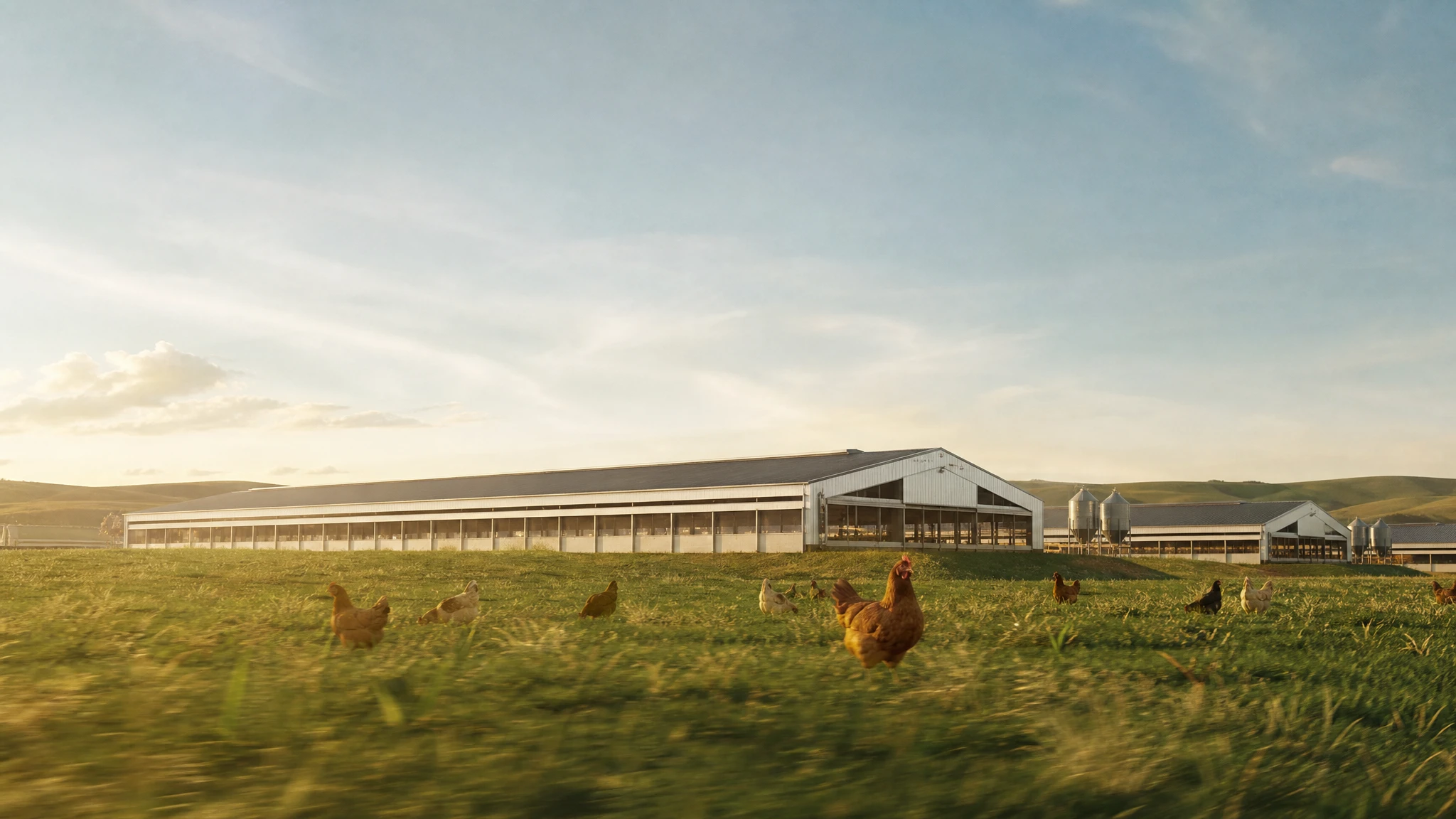
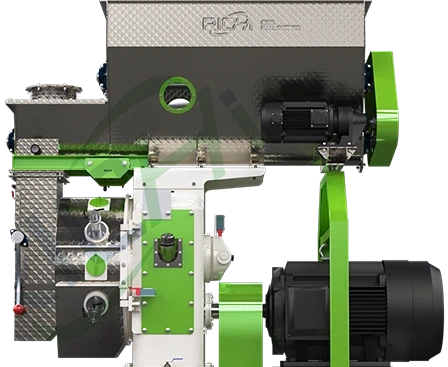
Turning Goat and Sheep Manure into Valuable Fertilizer
Goat and sheep manure varies significantly depending on animal diet, bedding materials, collection methods, and storage conditions. Our pelletizing equipment is designed to handle different types of manure, including fresh manure after proper drying, aged manure, composted manure, and manure mixed with agricultural organic materials.d for soil improvement, organic farming, and fertilizer sales.
Whether the raw material has different moisture levels or physical conditions, we can customize the crushing, drying, mixing, and pelletizing process according to the actual characteristics of the material.
For farms producing large quantities of manure, pelletizing offers a practical solution for waste utilization. However, the production scale needs to match the available raw material supply. Our equipment starts from approximately 1 t/h production capacity, which usually requires a continuous supply of several tons of processed manure-based material per day depending on moisture content and fertilizer formulation.
Who Needs Goat and Sheep Manure Pellet Machines?
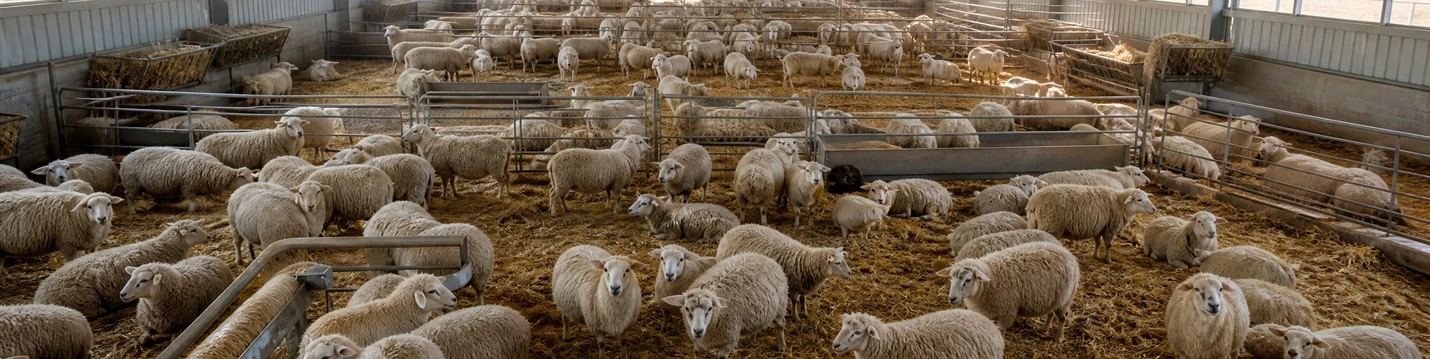
Sheep Farms
Sheep farms generate large amounts of manure mixed with bedding materials such as straw, hay, and sawdust. After proper composting and moisture adjustment, this organic material becomes a valuable fertilizer resource. A goat and sheep manure pellet machine helps sheep farms convert accumulated manure into uniform fertilizer pellets, reducing storage pressure while creating an additional revenue stream from farm waste.
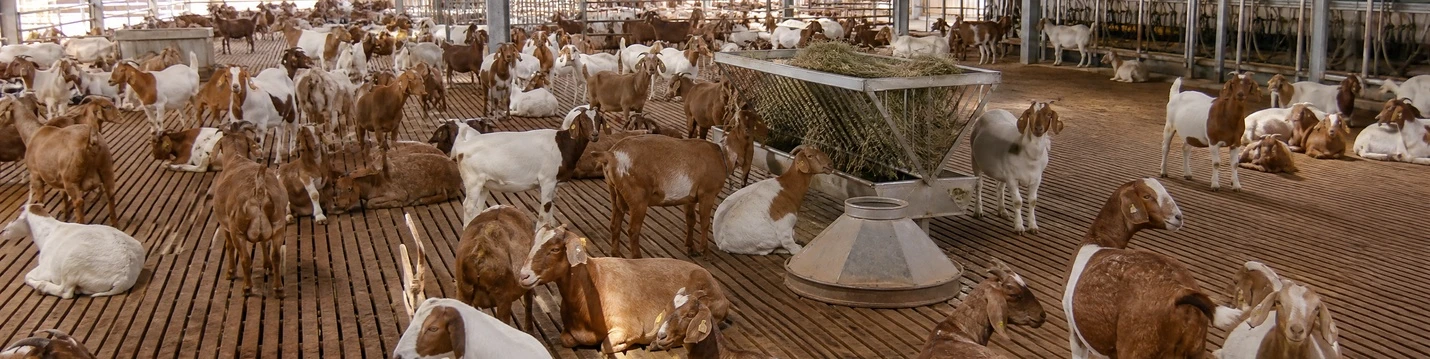
Goat Farms
Goat farms produce manure with relatively high organic matter content, often mixed with feed residues, bedding, and soil particles during collection. By processing this material into pellets, goat farms can improve manure handling efficiency and produce easy-to-transport organic fertilizer products. Our pelletizing solution helps transform daily manure output into a marketable fertilizer resource.
Livestock Cooperatives
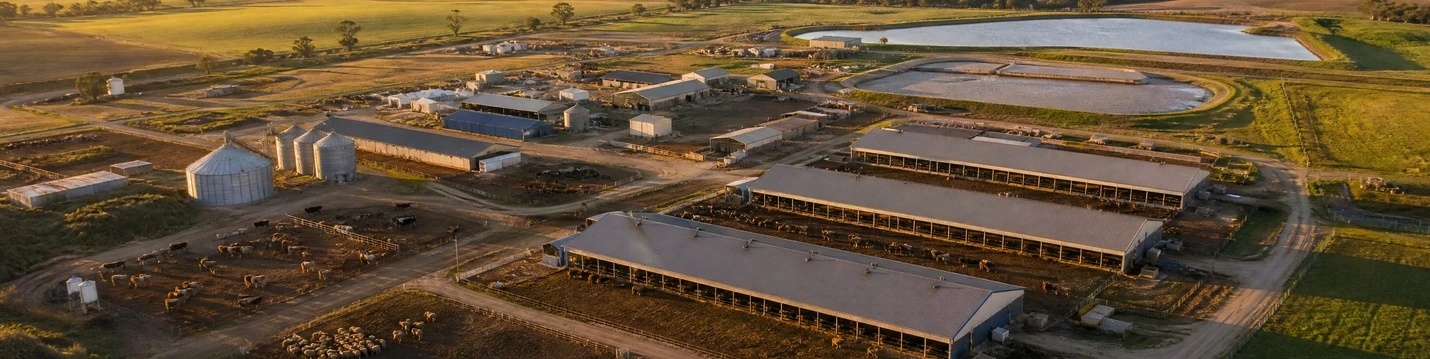
Livestock cooperatives usually collect manure from multiple goat and sheep producers, creating a more stable raw material supply for centralized processing. These organizations require reliable equipment capable of handling different manure conditions and production volumes. A customized pelletizing system allows cooperatives to reduce waste management costs while supplying standardized organic fertilizer pellets to local agricultural markets.
Organic Fertilizer Companies
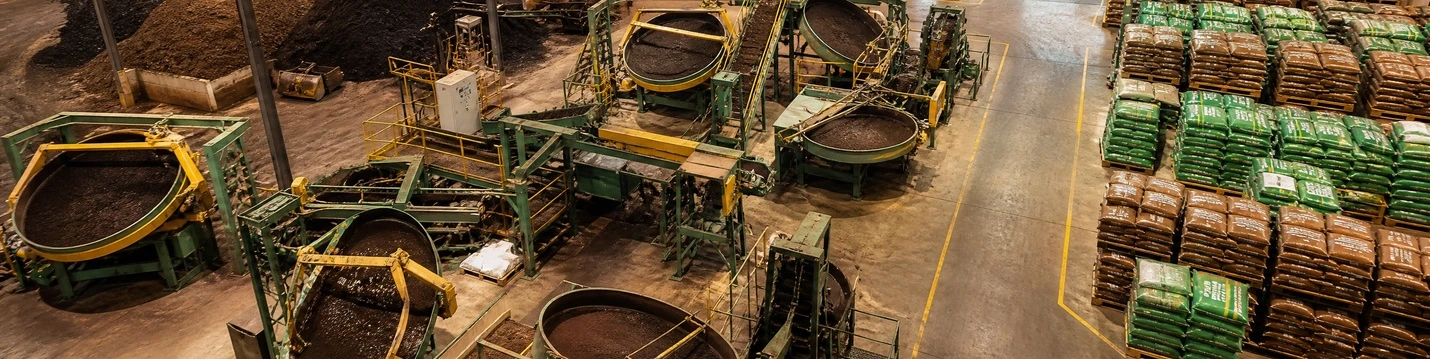
Organic fertilizer manufacturers use goat manure, sheep manure, composted livestock manure, and other organic materials as important fertilizer sources. Since customers require consistent pellet quality and efficient production, these companies need professional pelletizing equipment to process various organic materials. Our pellet machine can be integrated into fertilizer production lines to produce commercial-grade pellets.
Ranch Waste Management Companies
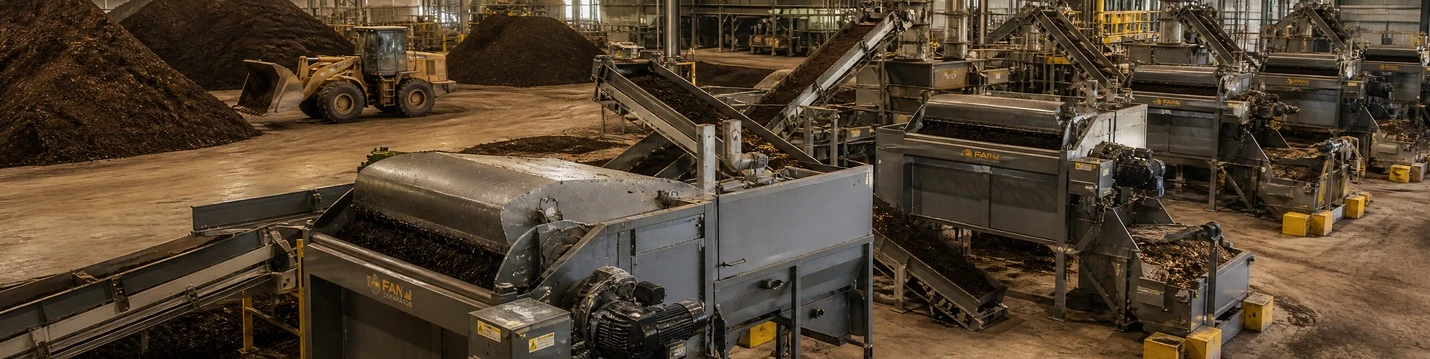
Ranch waste management companies handle large volumes of livestock manure collected from farms and animal husbandry operations. Goat and sheep manure is often available in bulk but requires proper processing before utilization. By applying drying, crushing, mixing, and pelletizing processes, these companies can convert waste materials into valuable fertilizer products while supporting sustainable manure recycling.
In addition to the above customer groups, our goat and sheep manure pelletizing equipment is also suitable for agricultural waste recycling companies, livestock manure treatment plants, fertilizer distributors, large-scale ranches, agricultural enterprises, and investors planning organic fertilizer projects. Whether you need a single granule machine, a complete fertilizer pellet system, or customized equipment based on different organic materials, we can provide a suitable solution according to your raw material characteristics, production capacity, and final fertilizer requirements.
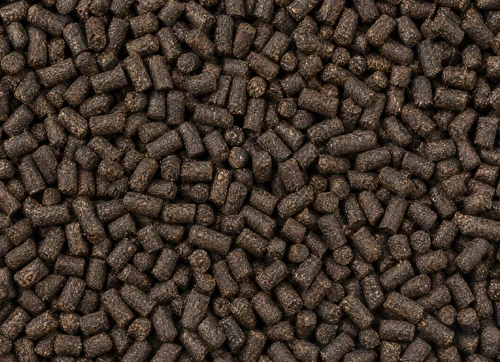
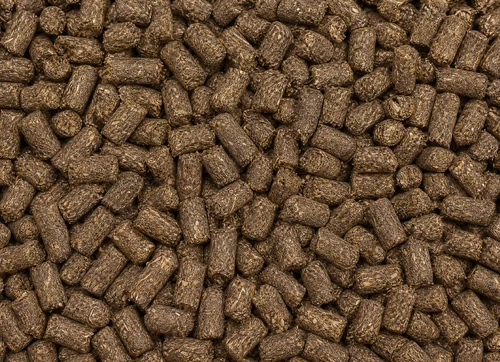
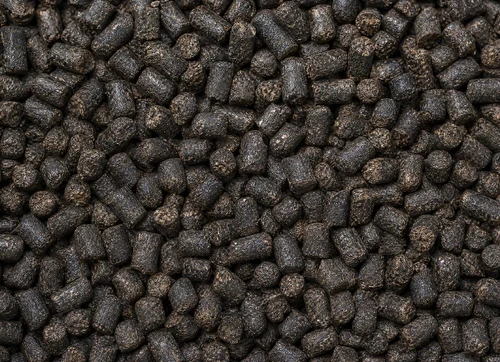
Materials for Goat and Sheep Manure Pellet Production
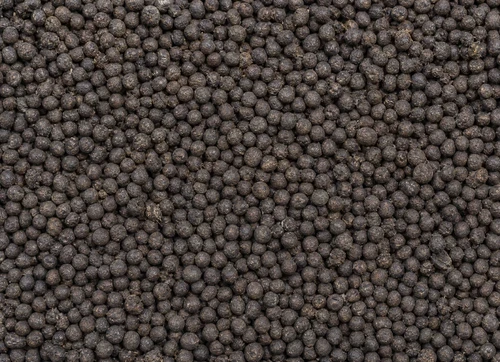
A goat and sheep manure pellet machine is designed for processing a wide range of organic fertilizer materials based on goat and sheep manure. The raw material conditions can vary depending on farm management methods, including different moisture levels, bedding content, composting stages, and impurity levels. By adjusting the preparation process, formulation ratio, and equipment configuration, goat and sheep manure can be combined with other organic materials to produce stable fertilizer pellets.
In practical applications, many goat and sheep farms already have suitable auxiliary materials available, such as straw bedding, hay residues, and crop waste. These materials can improve pellet structure, balance carbon and nitrogen content, and help optimize the final fertilizer quality. Besides livestock manure, agricultural waste, forestry residues, food waste, sludge, and other organic resources that meet fertilizer production requirements can also be processed together with goat and sheep manure.
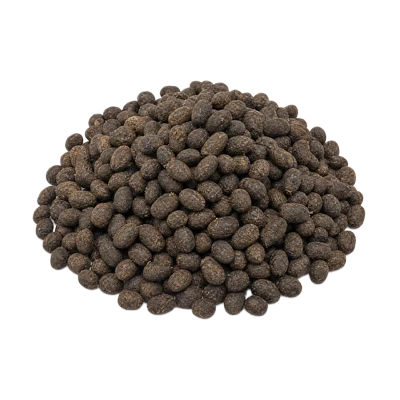
Goat Manure
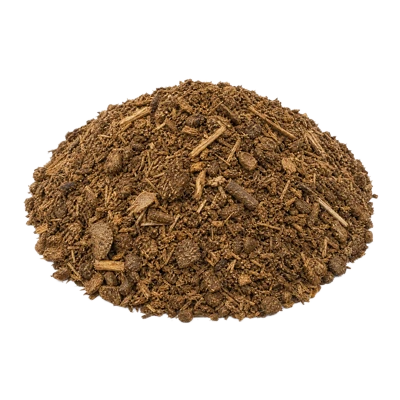
Animal Manure
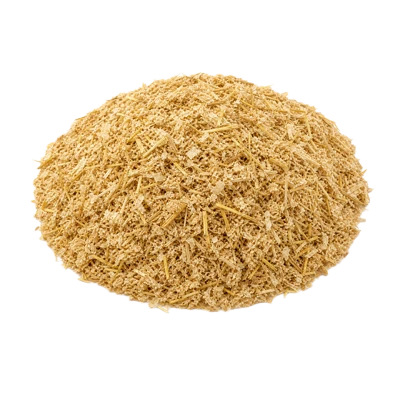
Sheep Bedding
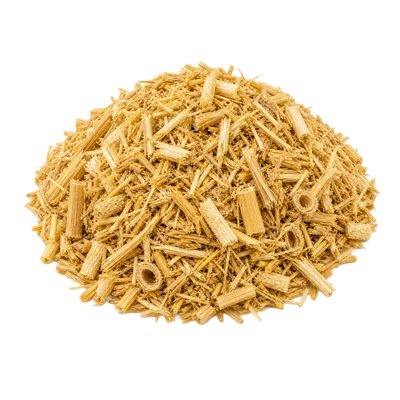
Crop Straw
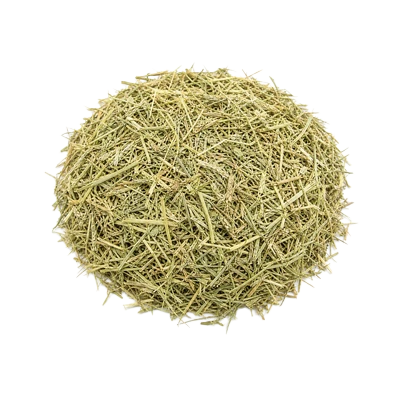
Hay Waste
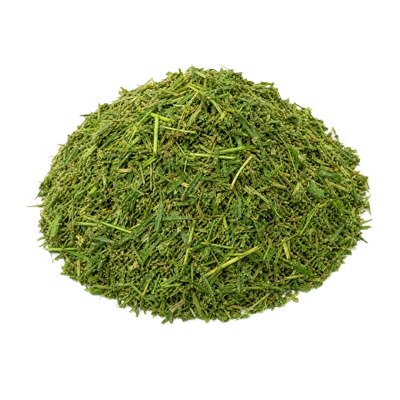
Grass Waste
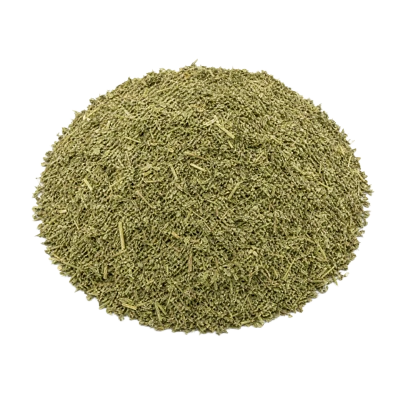
Alfalfa Residue
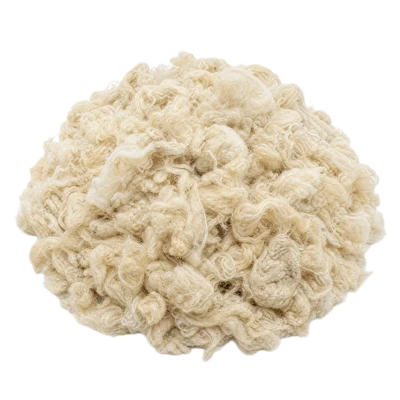
Wool Waste
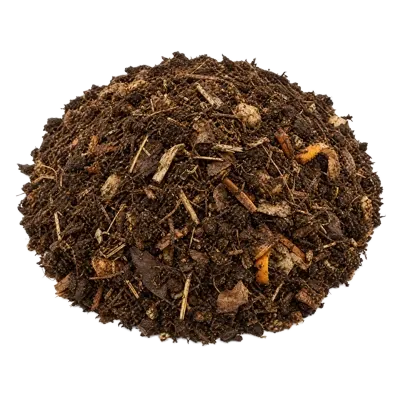
Compost Materials
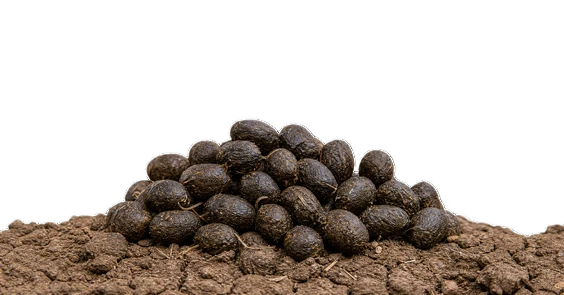
sheep manure
Goat manure is one of the most common materials processed together with sheep manure because both materials have similar characteristics and fertilizer value. It usually contains organic matter, nutrients, bedding residues, and feed particles, making it suitable for composting and pellet fertilizer production after proper preparation.
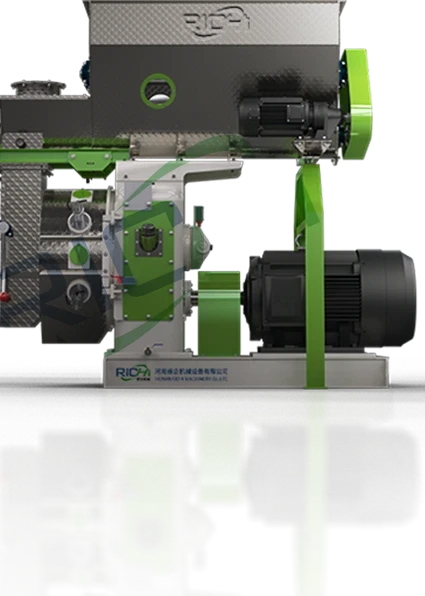
Advanced Structure Design
The goat and sheep manure pellet machine is engineered as a ring die pelletizing system specifically developed for converting prepared livestock manure materials into uniform organic fertilizer pellets.
Since goat and sheep manure often contains fibrous bedding residues, composted organic matter, and different moisture conditions, the machine structure focuses on stable feeding, strong compression performance, corrosion resistance, and long-term continuous operation. Each key component is optimized to support reliable pellet production for farms, fertilizer plants, and organic waste recycling projects.
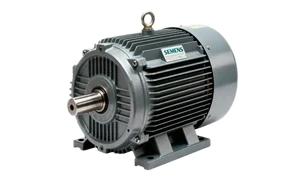
The Siemens motor delivers reliable power output for the pelletizing chamber, ensuring stable operation when processing manure-based fertilizer materials with different densities and fiber contents.
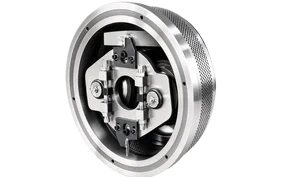
The specially designed ring die provides stable compression for goat and sheep manure materials, supporting consistent pellet size, higher forming efficiency, and extended operating life under continuous fertilizer production conditions.
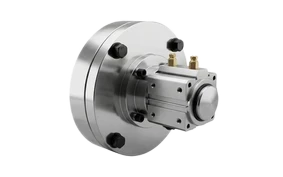
Multiple safety devices protect operators and equipment from overload conditions, improving operational reliability and extending the service life of the manure pelletizing system.
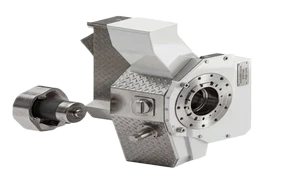
The forced feeding system improves material flow into the pelletizing chamber, especially for manure mixtures containing bedding fibers, compost particles, or uneven bulk density.
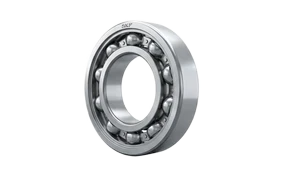
Imported SKF bearings are applied in the transmission system to improve load resistance, reduce vibration, and maintain smooth operation during long-term goat and sheep manure pellet production.
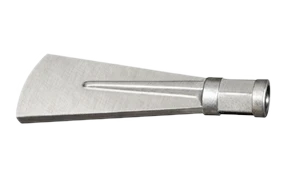
The adjustable cutter controls pellet length according to fertilizer market requirements, helping produce uniform goat and sheep manure fertilizer pellets with better handling performance.
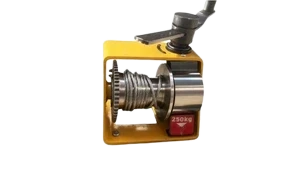
The ring die lifting structure simplifies replacement and maintenance operations, reducing downtime when changing dies for different goat and sheep manure pellet specifications.
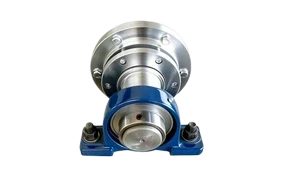
High-precision gear transmission provides efficient power transfer with reduced energy loss, helping the pellet mill maintain stable compression performance during organic fertilizer production.
Why Choose Our Goat and Sheep Manure Pellet Machine?
Processing goat and sheep manure into fertilizer pellets requires more than a standard pellet mill. Different manure sources, bedding ratios, moisture conditions, and production goals require a carefully designed solution. Our equipment combines mature ring die pelletizing technology with project-based customization, helping customers achieve stable production, lower operating costs, and better utilization of organic waste resources.

Suitable for Commercial Production
Designed for medium and large-scale fertilizer projects, the equipment supports continuous operation and stable output. It helps farms, cooperatives, and fertilizer companies transform accumulated manure into valuable organic fertilizer products.

Customized for Different Manure Conditions
Every farm has different manure characteristics. Our goat and sheep manure pellet machine can be configured according to raw material moisture, fiber content, composting conditions, and final pellet requirements to ensure suitable pelletizing performance.

Improved Raw Material Utilization
Goat and sheep manure often contains bedding materials, feed residues, and organic fibers. Our pelletizing solutions help integrate these resources into fertilizer production, reducing waste while creating additional economic value.

Supported by Global Project Experience
With fertilizer processing projects delivered in multiple countries, our engineering team understands different climates, raw materials, and production requirements, providing reliable equipment selection and practical project support.

Flexible Processing Solutions
From single pellet mills to complete fertilizer production systems, we provide customized solutions including crushing, drying, mixing, pelletizing, cooling, and packing. Customers can expand their production according to future business needs.

How Goat and Sheep Manure Pellet Machine Works
The goat and sheep manure pellet machine uses mechanical compression to transform prepared manure-based fertilizer materials into dense, uniform pellets. After crushing, drying, and mixing, the conditioned material enters the pelletizing chamber, where rollers press it through the ring die holes to form continuous fertilizer pellets. The cutter then controls pellet length, while the finished pellets are prepared for cooling, screening, and packaging.
Technical Specifications
| Model | Capacity (t/h) | Main Motor Power (kW) | Anti-Bridging Feeder Power (kW) | Forced Feeder Power (kW) | Ring Die Inner Diameter (mm) | Finished Pellet Diameter (mm) |
|---|---|---|---|---|---|---|
| FZLH250 | 1–1.5 | 22 | 2.2 | 0.75 | 250 | 4–12 |
| FZLH320 | 2–3 | 22 | 2.2 | 0.75 | 320 | 4–12 |
| FZLH350 | 3–5 | 37 | 2.2 | 0.75 | 350 | 4–12 |
| FZLH420 | 6–8 | 90 | 3 | 1.5 | 420 | 4–12 |
| FZLH520 | 9–12 | 132 | 3 | 1.5 | 520 | 4–12 |
| FZLH678 | 18–22 | 200 | 3 | 1.5 | 673 | 4–12 |
| FZLH768 | 22–26 | 250 | 4 | 1.5 | 762 | 4–12 |
To meet the production needs of different manure fertilizer projects, our goat and sheep manure pellet machine is available in multiple models covering small commercial production to large-scale industrial fertilizer manufacturing.
From farms processing their own accumulated manure to fertilizer companies handling large volumes of organic materials, customers can select suitable equipment according to required output, raw material conditions, and final pellet requirements. We also provide customized configurations for different goat and sheep manure characteristics, including composted manure, manure mixed with bedding materials, and other organic fertilizer formulations.
Goat and Sheep Manure Pelletizing Specifications
Successful goat and sheep manure pellet production depends on proper preparation of the raw material before entering the pellet mill. Since manure characteristics vary according to animal diet, bedding materials, composting conditions, and storage methods, the operating parameters need to be adjusted based on actual material conditions. Our goat and sheep manure pellet machine can be configured for different fertilizer formulations, helping customers achieve stable pellet formation from pure manure or manure blended with other organic materials.
Raw Material Particle Size
2–5 mm
Raw Material Moisture Content
12–25%
Pelletizing Temperature
60–85℃
Compression Ratio
1:4–1:8
Pellet Length
5–30 mm
Pellet Formation Rate
85–95%
Finished Pellet Moisture
≤12–15%
Cooling Temperature
≤40℃
Screening Efficiency
≥95%
Fines Content
≤5–10%
Broken Pellet Rate
≤3–5%
Operating Mode
Continuous Operation
If your goat or sheep manure is mixed with bedding, straw, poultry litter, corn stalks or other locally available organic residues, the right solution is not simply a larger pellet mill. Share your daily manure volume, initial moisture, available dry materials, required capacity and pellet size, and we can evaluate the complete crushing, drying, mixing, pelletizing, cooling, screening and packing process around your actual conditions.
Goat and Sheep Manure Pellet Machine Projects
RICHI has supplied goat and sheep manure processing solutions for livestock farms, organic fertilizer producers, agricultural waste processors, and integrated farming businesses in different regions. Depending on the original manure condition, bedding materials, local agricultural residues, and required fertilizer specification, projects may combine fermentation, crushing, mixing, drying, pelletizing, cooling, screening, and packing rather than using a goat and sheep manure pellet machine alone. The examples below cover small, medium, and larger processing scales and show how the complete production line can be adapted to different manure resources and operating conditions.
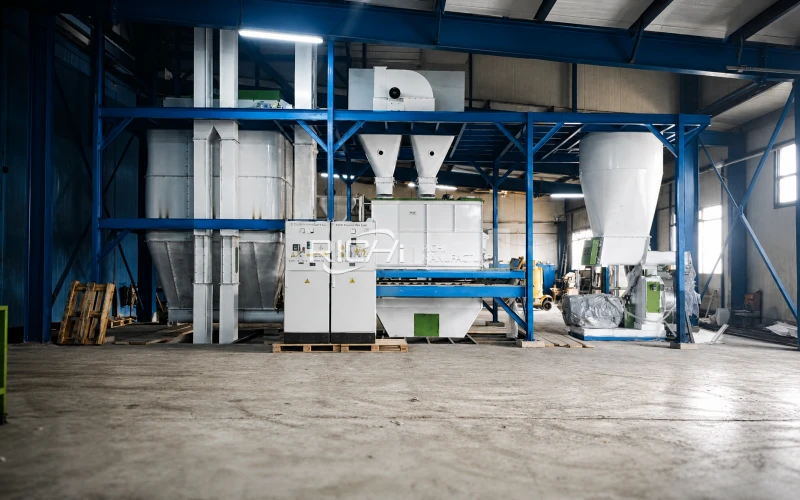

2 T/H
Goat Manure And Sawdust Fertilizer Project for a Goat Farm in Australia
The customer collected relatively dry goat manure together with fine sawdust bedding from enclosed housing areas. RICHI designed a compact line with fermentation, crushing, proportioning, mixing, drying, pelleting, cooling, and screening to accommodate the fibrous bedding and stabilize the material before the goat and sheep manure pellet machine.
Equipment Used :FZLH320
Pellet Size :4 mm
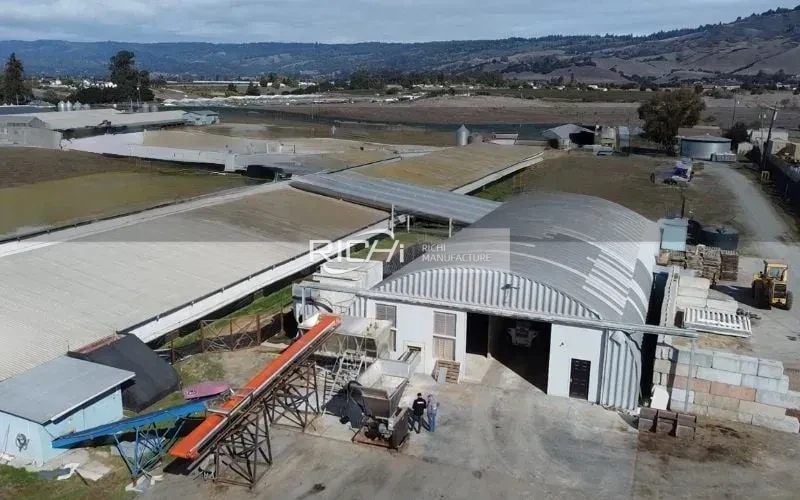

3 T/H
Sheep Manure And Straw Fertilizer Project for a Sheep Farm in New Zealand
The customer used collected sheep manure together with chopped pasture and cereal straw residues. Because sheep farming conditions vary considerably between pasture-based and housed operations, RICHI configured fermentation, crushing, mixing, moisture adjustment, drying, pelletizing, cooling, and screening according to the customer’s collected material rather than applying a fixed formula.
Equipment Used :FZLH350
Pellet Size : 5 mm

4 T/H
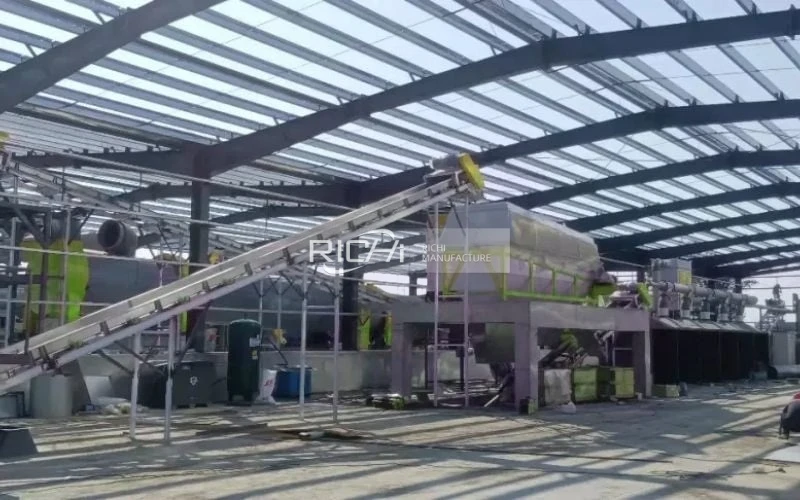
Sheep Manure And Corn Bedding Fertilizer Project in the United States
The customer handled sheep manure mixed with chopped corn-stalk bedding from livestock housing. RICHI arranged a preprocessing system capable of reducing the size of the fibrous bedding before controlled batching and mixing, followed by drying, pelleting, cooling, and screening to produce a more uniform fertilizer feedstock..
Equipment Used :FZLH350
Pellet Size : 4 mm

2-3 T/H
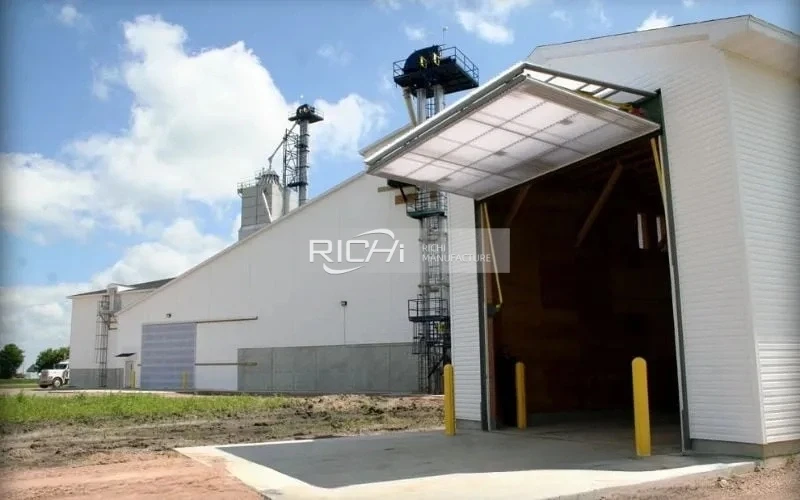
Goat And Sheep Manure Fertilizer Project for a Livestock Farm in Mexico
The farm supplied both goat manure and sheep manure, with dry crop residues available locally for moisture and structure adjustment. RICHI designed a small-scale processing system around fermentation, crushing, proportioning, mixing, controlled drying, pelletizing, cooling, and screening, allowing the customer to adjust the manure-to-residue ratio when seasonal material conditions changed.
Equipment Used :FZLH320
Pellet Size : 4-6 mm

5 T/H
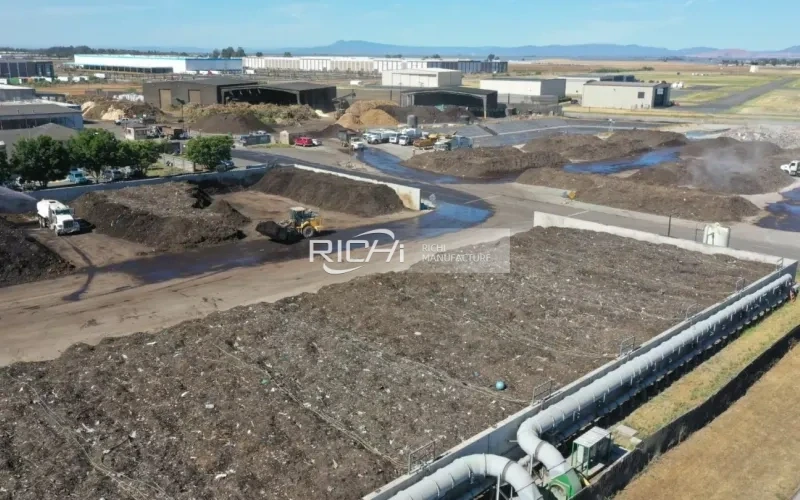
Sheep Manure And Wheat Straw Fertilizer Project in Argentina
The customer’s main raw material was sheep manure collected from livestock areas together with wheat straw residues. RICHI designed fermentation and fiber-reduction stages before batching and mixing, then integrated drying, pelleting, cooling, and screening so that the relatively heterogeneous manure-and-straw mixture could enter the goat and sheep manure pellet machine more consistently.
Equipment Used :FZLH350
Pellet Size : 6 mm

4 T/H
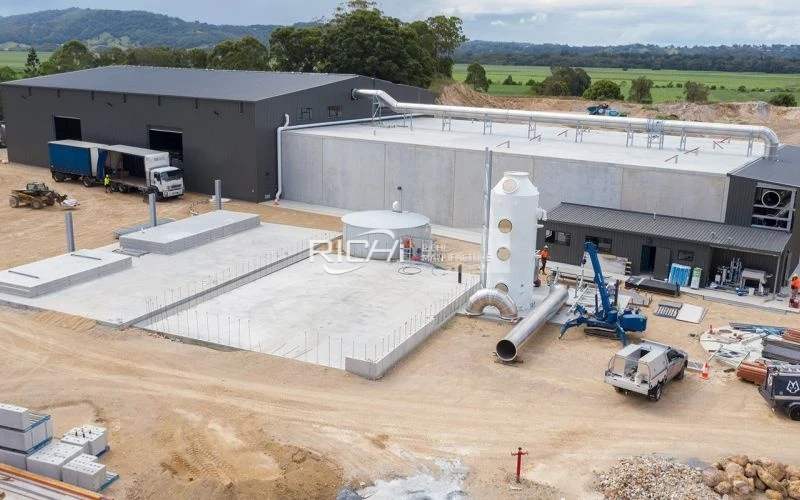
Sheep Manure And Olive Residue Fertilizer Project in Spain
The customer had sheep manure together with locally available agricultural residues from olive processing. Because the additional material differed from manure in particle structure and moisture, RICHI provided crushing, proportioning, mixing, and moisture-conditioning equipment before drying and pellet production, followed by cooling and screening for finished fertilizer handling.
Equipment Used :FZLH350
Pellet Size : 4 mm
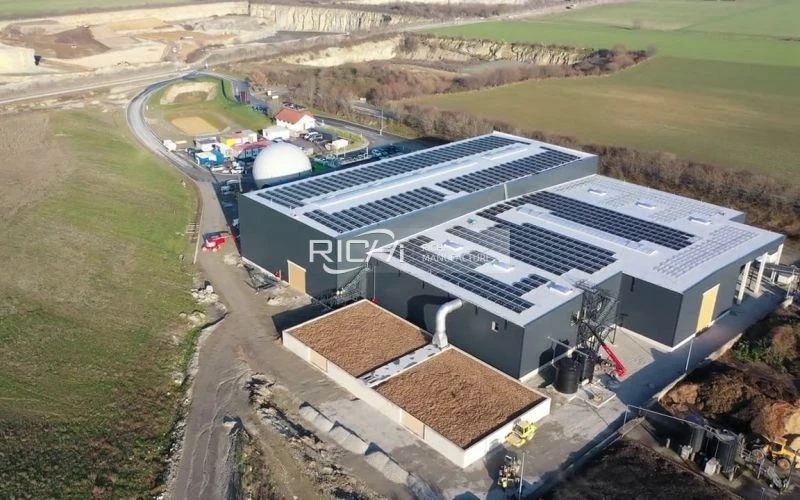

1.5T/H
Sheep Manure And Sawdust Bedding Fertilizer Project in UK
The customer collected sheep manure together with used sawdust bedding from covered livestock areas. RICHI designed a compact system emphasizing bedding size reduction, fermentation, mixing, drying, pelletizing, cooling, and screening, with the process arranged to accommodate the higher moisture and fibrous content of the incoming manure mixture.
Equipment Used :FZLH250
Pellet Size : 4 mm
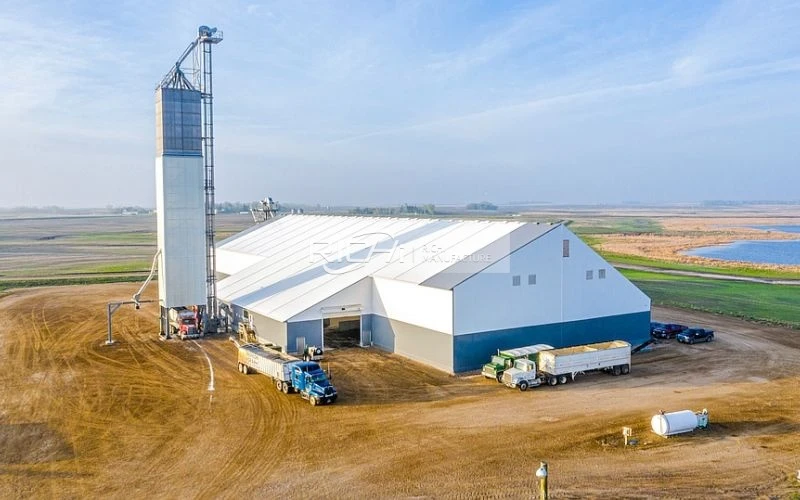

4 T/H
Goat And Sheep Manure Project for Irish Livestock Cooperative
The cooperative collected manure from both sheep and goats, with straw bedding forming part of the incoming material. RICHI configured separate feeding and proportioning control so the manure ratio could be adjusted according to collection conditions, followed by fermentation, crushing, mixing, drying, pelletizing, cooling, and screening.
Equipment Used :FZLH350
Pellet Size : 5 mm
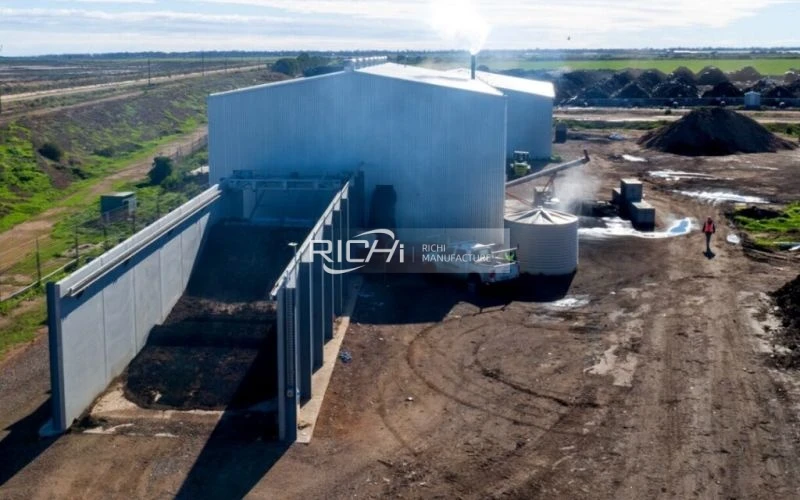

2 T/H
Sheep Manure And Vineyard Residue Fertilizer Project in France
The customer combined sheep manure with dry vineyard pruning residues that required size reduction before mixing. RICHI designed a preprocessing section for the fibrous agricultural waste and integrated it with manure fermentation, controlled mixing, drying, pelletizing, cooling, and screening to create a stable feedstock for fertilizer pellet production.
Equipment Used :FZLH520
Pellet Size : 4 mm
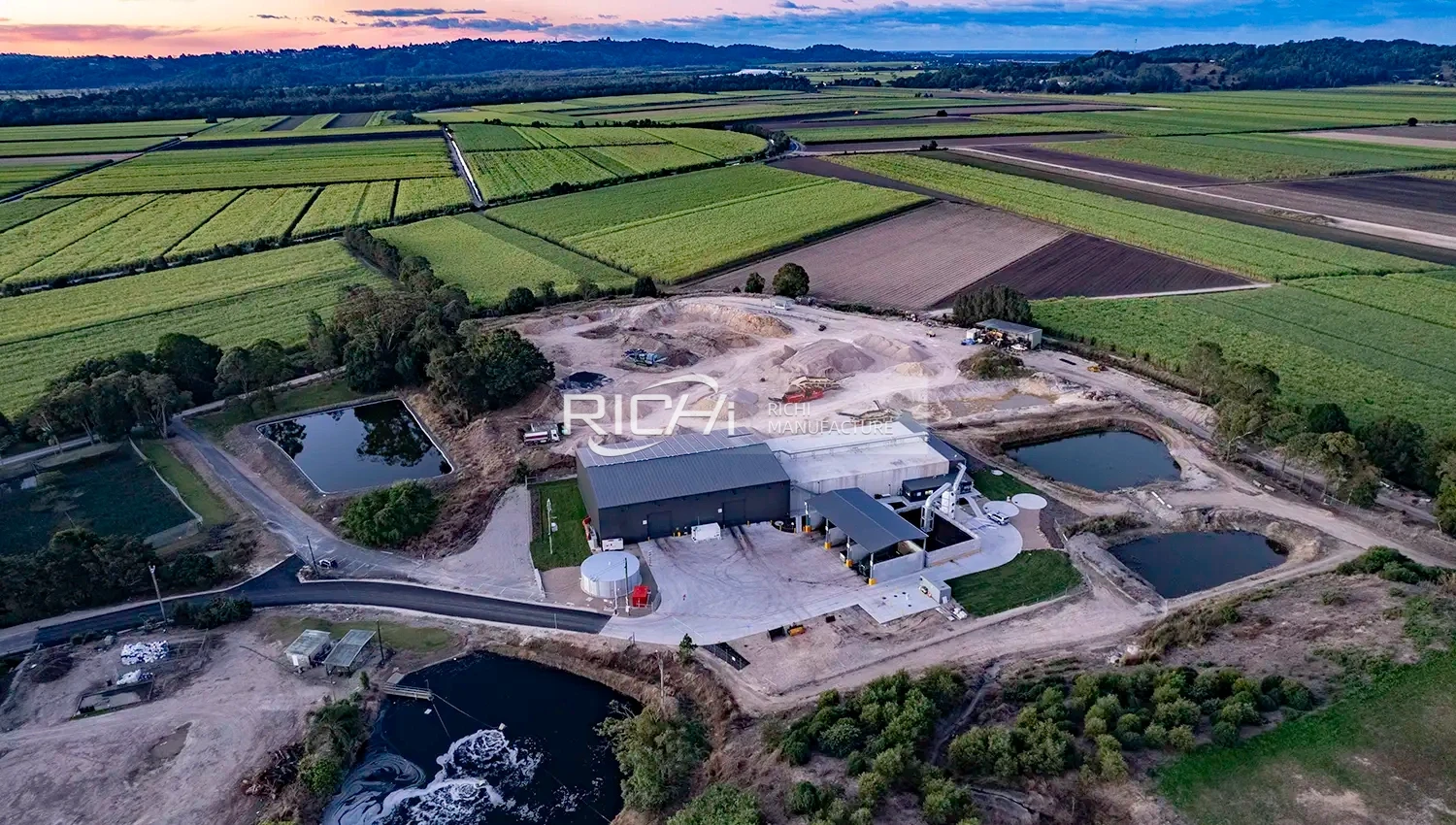

4-5 T/H
Sheep Manure And Olive Pomace Fertilizer Project in Greece
The customer had access to sheep and goat manure as well as olive-processing by-products. RICHI designed a formulation and pretreatment system to handle the different bulk density and moisture characteristics of the materials, combining fermentation, crushing, proportioning, mixing, drying, pelletizing, cooling, and screening.
Equipment Used :FZLH350
Pellet Size : 5 mm

6T/H
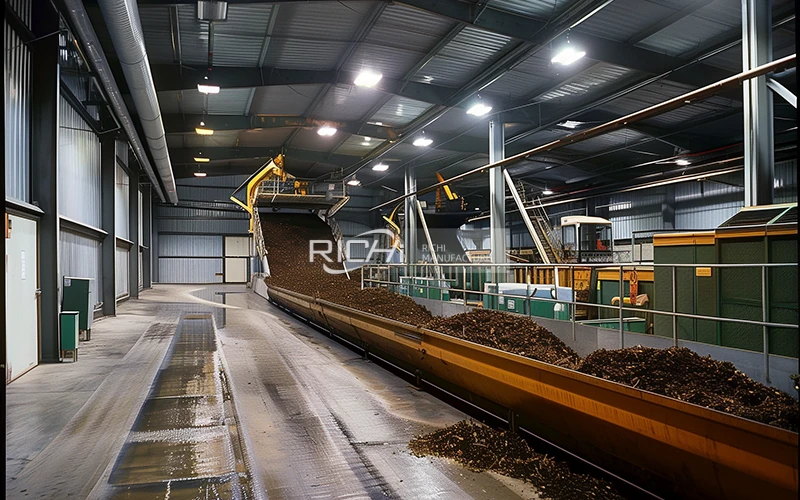
Sheep Manure And Rice Straw Fertilizer Project in Turkey
The customer processed sheep manure collected from housed animals together with chopped rice straw. The relatively wet manure and fibrous straw required different preprocessing conditions, so RICHI integrated fermentation, straw crushing, controlled batching, mixing, drying, pelletizing, cooling, and screening into one continuous fertilizer production system.
Equipment Used :FZLH678
Pellet Size : 2-4 mm

5 T/H
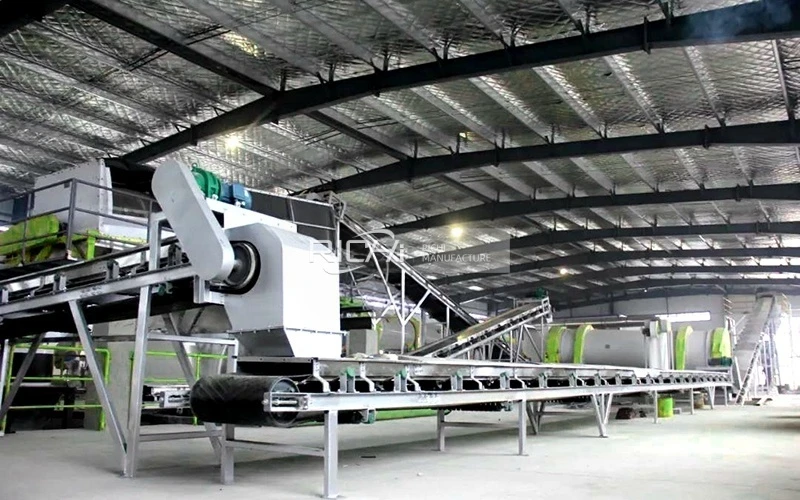
Goat And Sheep Manure Fertilizer Project in Italy
The customer processed a mixture of goat manure and sheep manure with small quantities of dry cereal residues available from the farm. RICHI configured crushing, batching, mixing, drying, and pellet production around the relatively dry incoming manure, then added cooling and screening equipment to stabilize the finished fertilizer before packing.
Equipment Used :FZLH420
Pellet Size : 4 mm

7 T/H
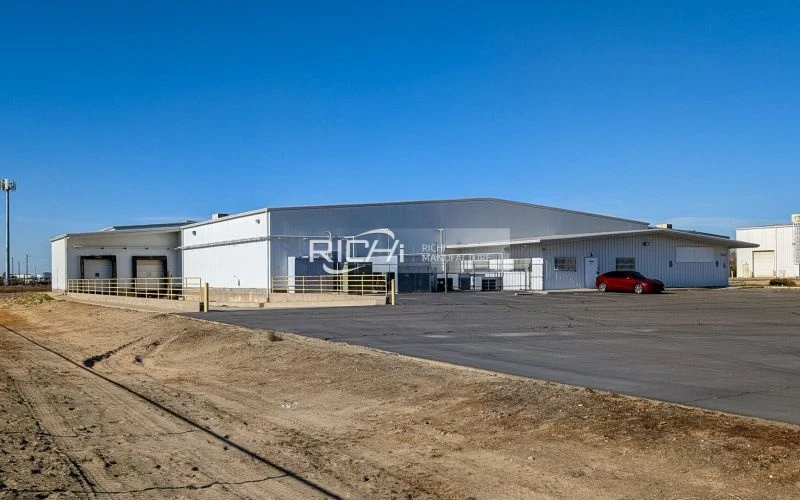
Sheep Manure And Wheat Bran Residue Fertilizer Project in Morocco
The customer had sheep manure from a large livestock operation and locally available cereal-processing residues. RICHI designed the process around fermentation, crushing, controlled proportioning, mixing, and drying, with the goat and sheep manure pellet machine followed by cooling and screening to produce a consistent commercial fertilizer product.
Equipment Used :FZLH420
Pellet Size : 4 mm

6-8 T/H
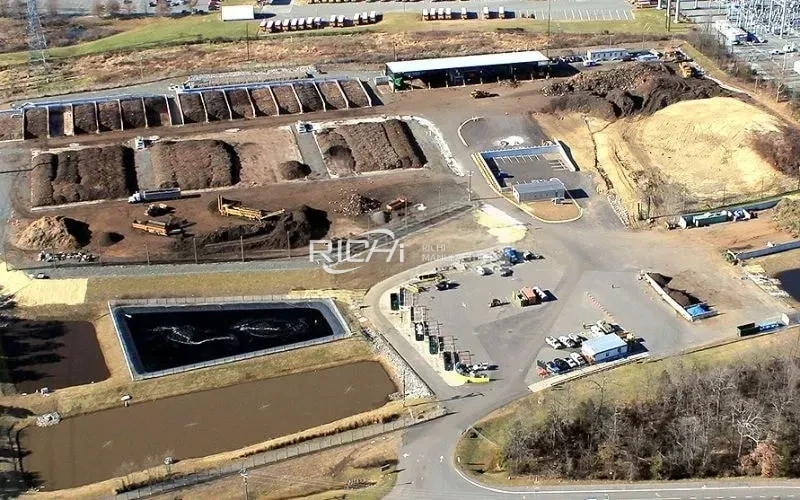
Goat Manure And Cotton Residue Fertilizer Project in South Africa
The customer planned to combine goat manure with locally available cotton-processing residues rather than process manure alone. RICHI incorporated dedicated crushing and proportioning equipment for the fibrous residue, followed by mixing, drying, pelletizing, cooling, and screening to match the physical characteristics of the combined material.
Equipment Used :FZLH420
Pellet Size : 4-5 mm
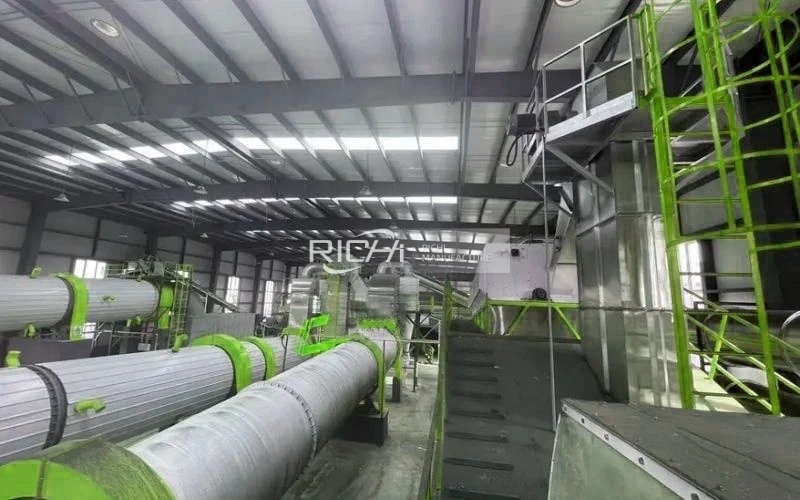

10T/H
Sheep Manure And Sugarcane Residue Fertilizer Project in Brazil
The customer used sheep manure together with processed sugarcane residues available from the surrounding agricultural area. Because the residue had a substantially different fiber structure from manure, RICHI provided separate crushing and proportioning stages before mixing and moisture conditioning, followed by drying, pelletizing, cooling, and screening.
Equipment Used :FZLH520
Pellet Size : 2-4 mm
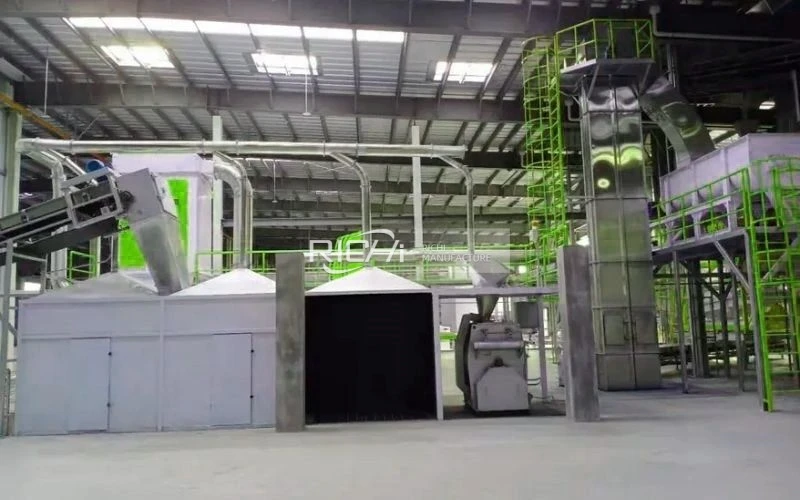

9 T/H
Sheep Manure And Corn Residue Fertilizer Project in Uruguay
The customer’s feedstock consisted mainly of sheep manure with corn residues collected from nearby agricultural production. RICHI designed the system around the seasonal variation of the two materials, using controlled feeding, crushing, mixing, drying, pelletizing, cooling, and screening to maintain a consistent fertilizer production process.
Equipment Used :FZLH520
Pellet Size : 4 mm
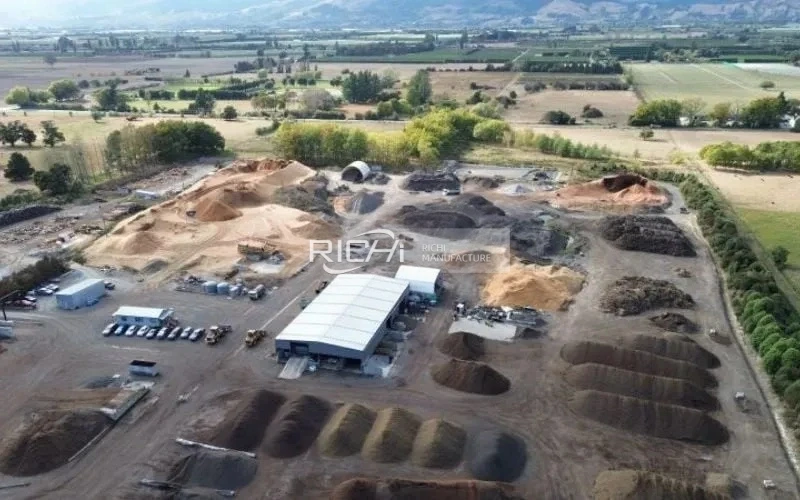
10 T/H
Sheep Manure And Cassava Residue Fertilizer Project in Brazil
The customer combined sheep manure with cassava-processing residues generated by nearby agricultural operations. The high-moisture manure and structurally different processing residue required coordinated fermentation, crushing, proportioning, mixing, and drying before pelletizing. RICHI also integrated cooling and screening equipment to prepare the finished pellets for storage and bagging.
Equipment Used :FZLH520
Pellet Size : 4-6 mm
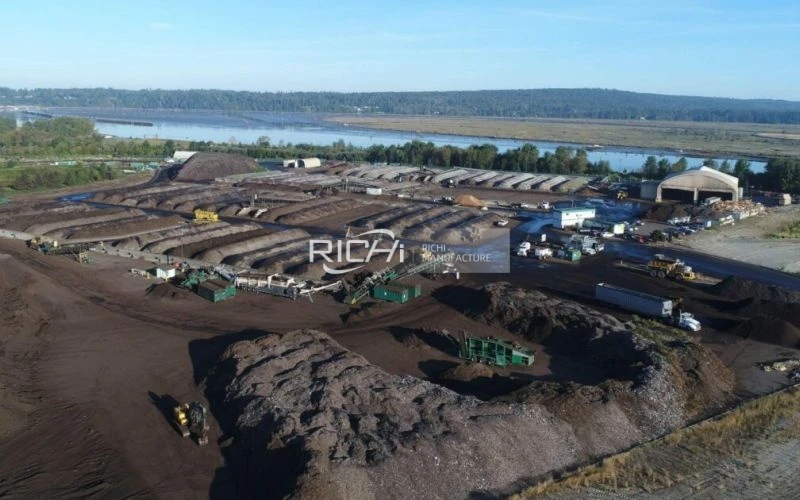

15 T/H
Sheep Manure And Maize Residue Fertilizer Project in India
The customer collected sheep manure together with maize stalk residues from surrounding agricultural production. RICHI designed a complete fertilizer line with fermentation, crushing, proportioning, mixing, drying, pelletizing, cooling, screening, and packing, with the pretreatment section adapted to the high moisture and fibrous characteristics of the incoming material.
Equipment Used :FZLH678
Pellet Size : 3-5 mm
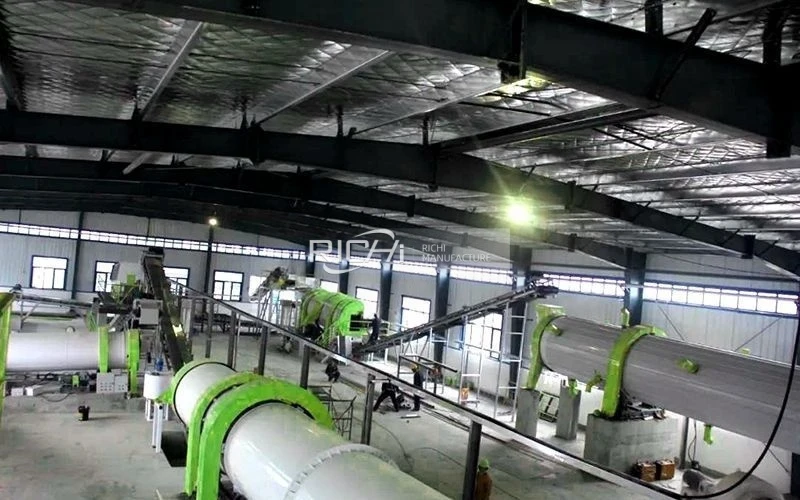

15T/H
Goat And Sheep Manure Project for Livestock Company in Kazakhstan
The customer handled both sheep and goat manure from a large livestock operation, with dry cereal straw available as a complementary material. RICHI designed a high-capacity line using fermentation, crushing, batching, mixing, drying, pelletizing, cooling, and screening, with the formulation arranged to accommodate seasonal changes in manure and straw moisture.
Equipment Used :FZLH678
Pellet Size : 4-6 mm
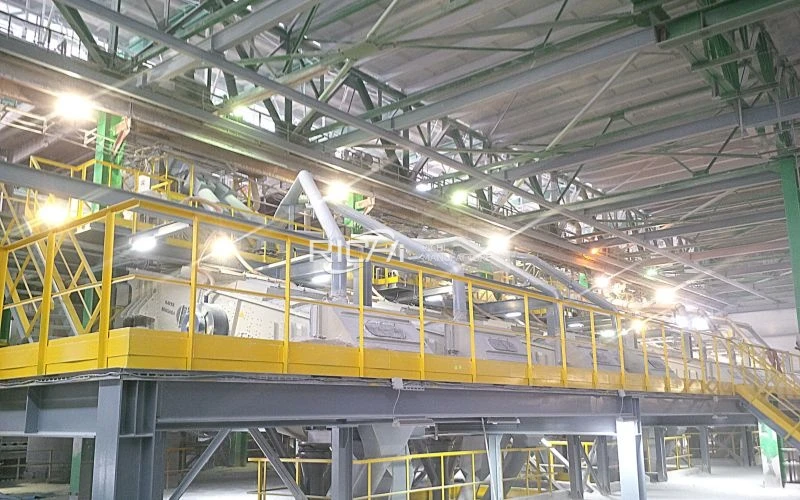

20 T/H
Sheep Manure And Date-Palm Residue Project in Saudi Arabia
The customer sourced relatively dry sheep manure from intensive sheep operations and combined it with dry agricultural residues from date production. RICHI focused the process on fermentation, residue crushing, controlled batching, mixing, moisture adjustment, pelletizing, cooling, and screening, providing a complete line suited to the customer’s dry-climate operating conditions.
Equipment Used :FZLH678
Pellet Size : 5-6 mm
Different manure sources create very different production conditions. From mixed bedding in large livestock farms to crop residues collected alongside sheep and goat manure, these customer experiences show how the goat and sheep manure pellet machine can be adapted to the actual material, capacity, pellet size, installation conditions and operating requirements of each project.

Nigeria — Large Sheep Farm
5 T/H Sheep Manure Fertilizer Pellet Project
“We had a lot of sheep manure mixed with dry bedding, but the moisture changed considerably between batches, so the drying section was critical for us. The team adjusted the preparation and mixing process around our actual material instead of treating every batch as the same.”
India — Goat & Poultry Farm
3 T/H Mixed Manure Pellet Fertilizer Project
“Our material was not pure goat manure; we also used poultry litter and chopped crop residues, with 4–6 mm pellets as the finished product. What impressed us was the formulation work before production, because the line was configured around our available wastes rather than forcing us to buy a completely different raw material.”
France — Sheep Farm Cooperative
2 T/H Sheep Manure Organic Fertilizer Project
“We needed a cleaner and more consistent fertilizer pellet from sheep manure containing straw bedding, and particle size control made a noticeable difference in the final product. Installation guidance was also practical, especially when we were checking conveyor positions, maintenance access and the connection between the dryer and pellet mill.”
USA — Commercial Sheep Operation
8 T/H Sheep Manure Pellet Fertilizer Project
“Our biggest concern was throughput because we collect manure from several livestock areas and cannot afford long interruptions during production. The goat and sheep manure pellet machine was integrated with larger feeding, drying, cooling and screening equipment, giving us a much more stable production flow than our previous small-scale setup.”
Brazil — Integrated Livestock Farm
4 T/H Goat & Sheep Manure Pellet Project
“We combine goat and sheep manure with dry corn residues from our own farm, so the raw material changes with the harvest season. The equipment handled the different fiber content well after crushing and drying, and the operators were trained to adjust feeding and formulation instead of simply running the machine at one fixed setting.”
Argentina — Sheep Ranch
3 T/H Sheep Manure Fertilizer Pellet Line
“Our ranch is spread over a large area, so moving equipment and organizing installation was almost as important as choosing the pellet mill itself. The project team helped us plan the equipment layout and material flow before shipment, which made installation much easier once the machines arrived.”
New Zealand — Sheep Farming Company
6 T/H Sheep Manure Organic Pellet Project
“We wanted to make better use of sheep manure together with bedding and selected dry farm residues, but consistency was more difficult than we expected. The complete processing line gave us better control over moisture, mixing and pellet cooling, and the training helped our operators understand why those adjustments matter.”
Mexico — Goat Farm & Fertilizer Producer
1.5 T/H Goat Manure Pellet Fertilizer Project
“We started with a smaller commercial capacity because our manure collection volume was limited compared with a large centralized plant. The final 4 mm pellets were much easier for us to handle and package, and the remote technical support gave us confidence during the first weeks of operation.”
Goat and Sheep Manure Pellet Machine Price
The price of a goat and sheep manure pellet machine generally ranges from USD 10,000–100,000, depending on the selected model, motor power, production capacity, and configuration requirements.uipment configuration, and processing requirements.

The final investment depends on factors such as raw material conditions, required pellet output, and whether customers need a standalone pellet mill or a complete goat and sheep manure pellet processing system. We provide equipment options for different production scales, allowing customers to select a suitable solution based on their fertilizer production goals.
Price Range for
goat and sheep manure pellet machine:
FZLH250 (22KW)
$10,000–$13,000
FZLH320 (22KW)
$15,000–$18,000
FZLH350 (37KW)
$18,000–$25,000
FZLH420 (90KW)
$26,000–$32,000
FZLH520 (132KW)
$43,000–$50,000
FZLH678 (200KW)
$64,000–$70,000
FZLH768 (315KW)
$75,000–$85,000
What Goat and Sheep Manure Pellet Processing Capacity Do You Need?
Choose the suitable goat and sheep manure pellet machine capacity according to your available manure resources, fertilizer production target, and expected processing scale.
Goat and Sheep Manure Pellet Processing Flow
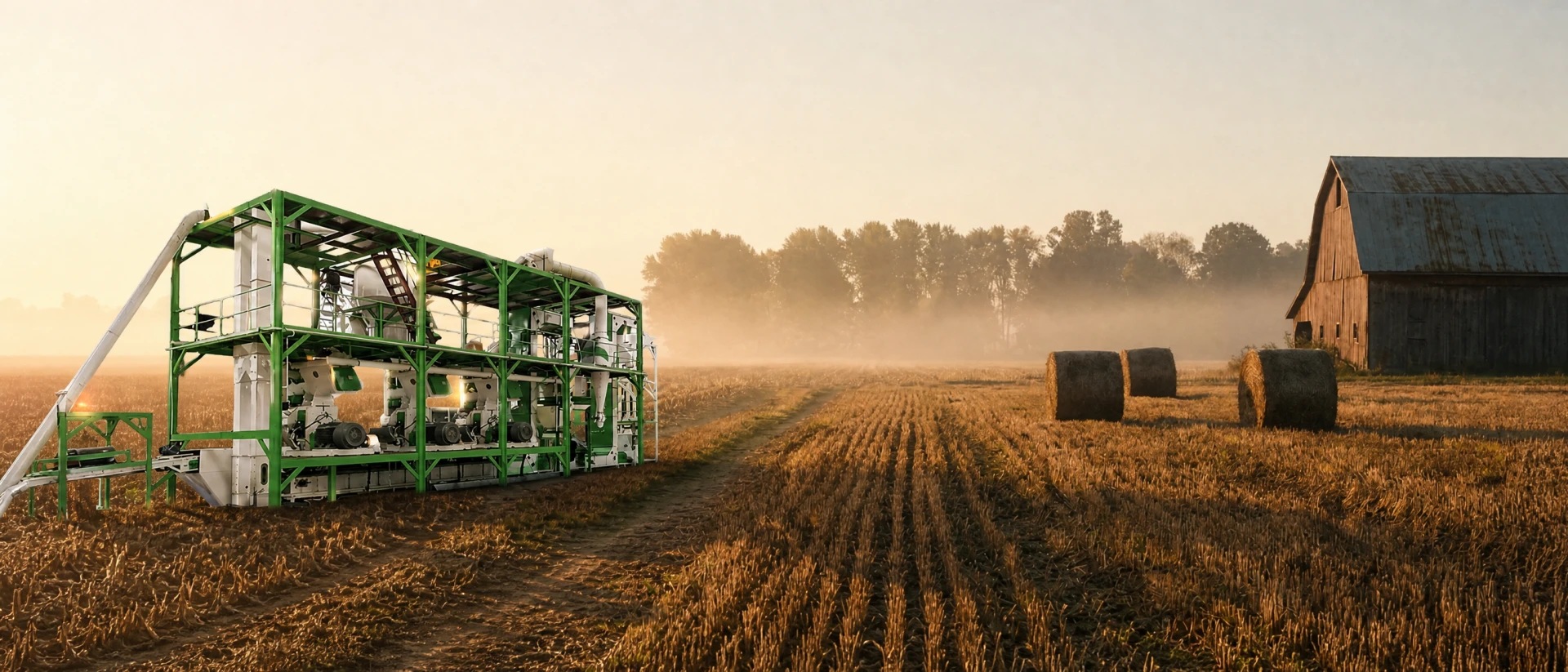
Goat and sheep manure fertilizer production requires a customized process design based on the actual condition of the raw materials. A complete processing flow may include crushing, impurity removal, fermentation, drying, mixing, pelletizing, cooling, coating, screening, and packaging. However, not every project requires all stages. The required equipment depends on factors such as manure condition, bedding materials, moisture content, fertilizer type, available factory space, and investment budget.
Every goat and sheep manure project has different processing requirements. For manure containing long fibers such as straw or bedding materials, stronger crushing and mixing systems may be required. For wet manure collected from farms, fermentation and drying systems may become essential. For customers producing commercial fertilizer products, additional screening, dust removal, storage, and automatic packing systems can improve production efficiency.
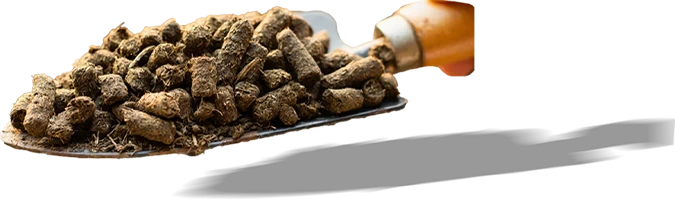
Equipment for Goat and Sheep Manure Pellet Production
A complete goat and sheep manure pelletizing project requires more than a single pellet mill. According to the characteristics of manure, bedding materials, moisture conditions, and final fertilizer requirements, different equipment combinations are selected for material preparation, conditioning, pelletizing, and finished product handling. The goat and sheep manure pellet machine is the core pelletizing unit, while auxiliary equipment such as crushing, fermentation, drying, screening, weighing, conveying, and dust removal systems ensures stable production.based on process requirements, operating costs, and automation levels.
Manure Compost Turner
The compost turning machine supports the fermentation stage by regularly turning goat and sheep manure piles to improve oxygen supply and accelerate organic matter decomposition. It helps create more uniform compost conditions before entering the pellet production process.
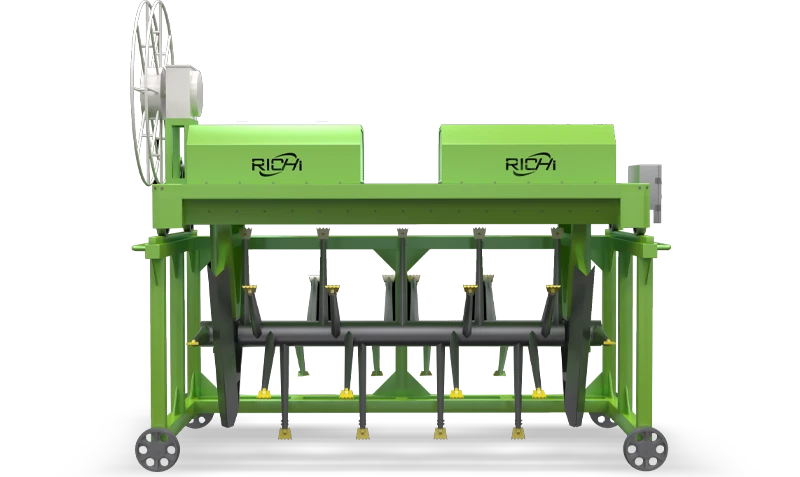
Turning Width
2–8 m
Turning Height
0.5–2.5 m
Sheep Manure Crusher
The vertical chain crusher is used for breaking down fermented goat and sheep manure, compost blocks, and organic fertilizer materials before mixing and pelletizing. It is especially suitable for manure containing small lumps and uneven structures after fermentation.
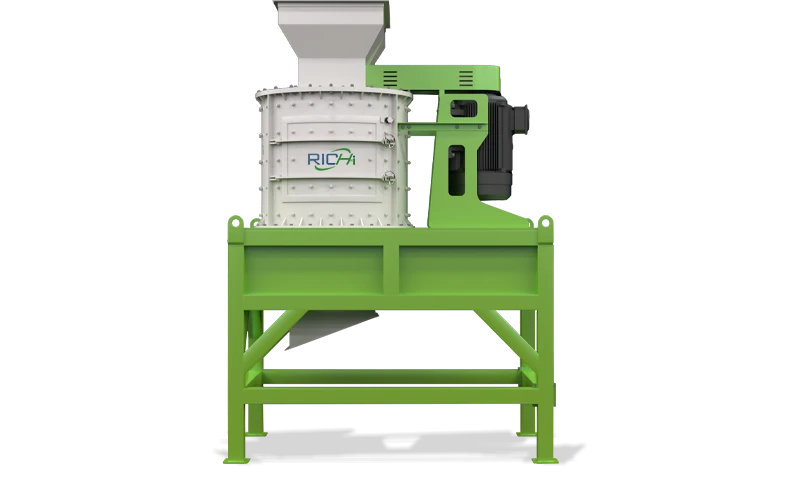
Capacity
3–30 T/H
Main Power
22–160 kW
Sheep Manure Mixer
The mixer ensures uniform distribution of goat and sheep manure with bedding materials, crop residues, or additional fertilizer ingredients. Proper mixing improves pellet quality by creating consistent material composition before entering the goat and sheep manure pellet machine.
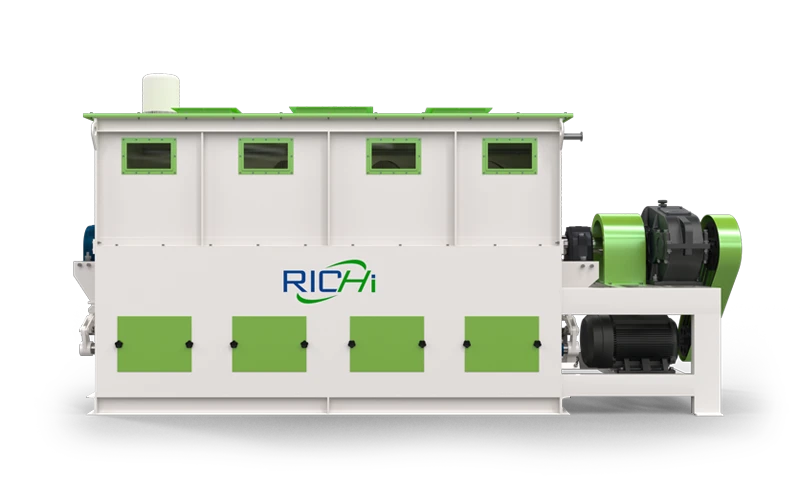
Capacity
5–20 T/H
Main Power
7.5-160KW
Sheep Manure Dryer
For manure materials with excessive moisture, the dryer reduces water content before pelletizing. Drying requirements depend on manure condition, climate, and formulation, as some composted materials may only require moisture adjustment instead of full drying.
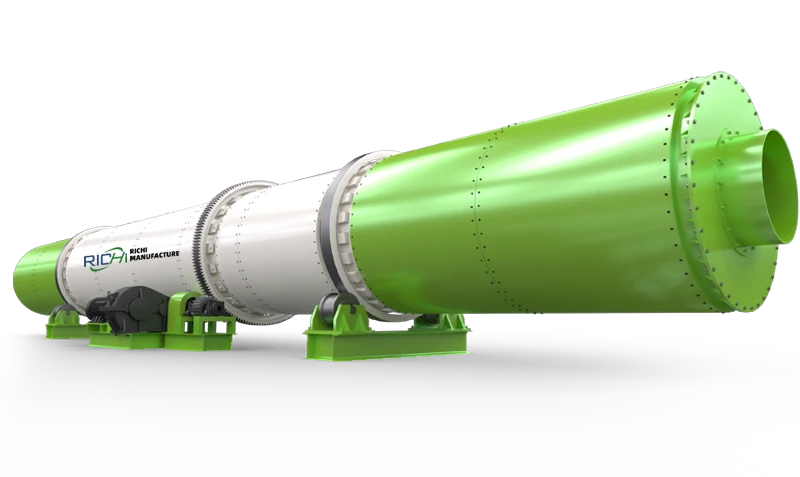
Capacity
1–30 T/H
Drying Temperature
60–250℃
Sheep Manure Screener
The screening machine separates qualified fertilizer pellets from oversized particles and fines after cooling. It improves final product consistency and allows unqualified materials to return to the production process.
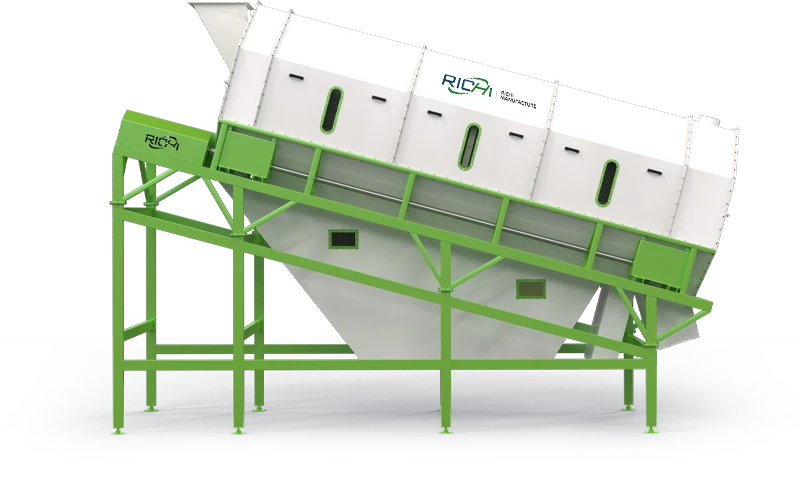
Capacity
3-50T/H
Screen Layers
1–3 Layers
Sheep Manure Bagging Scale
The baling scale is used for automatic weighing and packaging of finished goat and sheep manure fertilizer pellets. It helps fertilizer producers achieve accurate packaging for transportation and commercial sales.
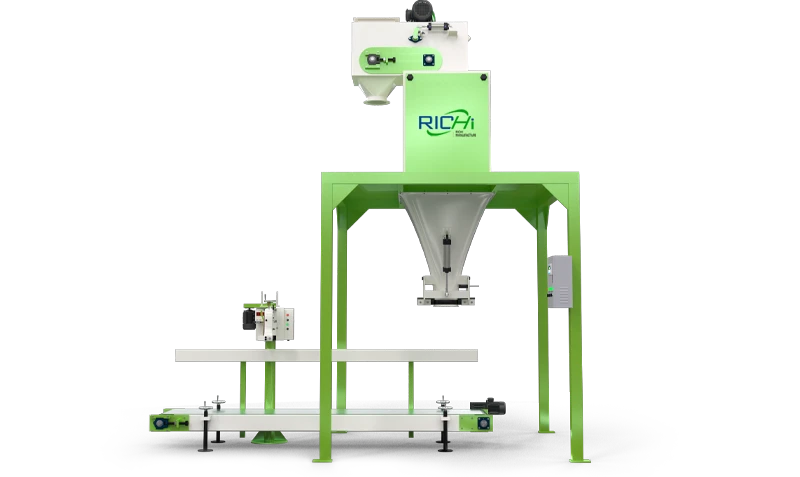
Packing Range
10–1000 kg/bag
Packing Speed
6–20 Bags/min
Feeding & Weighing System
The organic fertilizer feeding and weighing system controls the accurate supply of manure-based materials into the production process. It helps maintain stable feeding rates and improves consistency during large-scale pellet production.
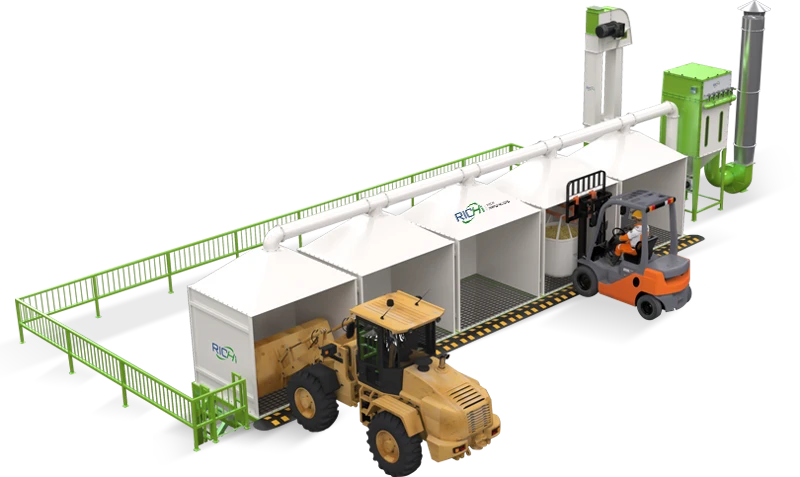
Weighing Capacity
1–50 T/H
Weighing Accuracy
±0.5–1%
Trace Element Dosing System
The trace element batching system accurately adds micronutrients or additional fertilizer ingredients according to the formula requirements. It is suitable for customers producing specialized organic fertilizer products with controlled nutrient composition.
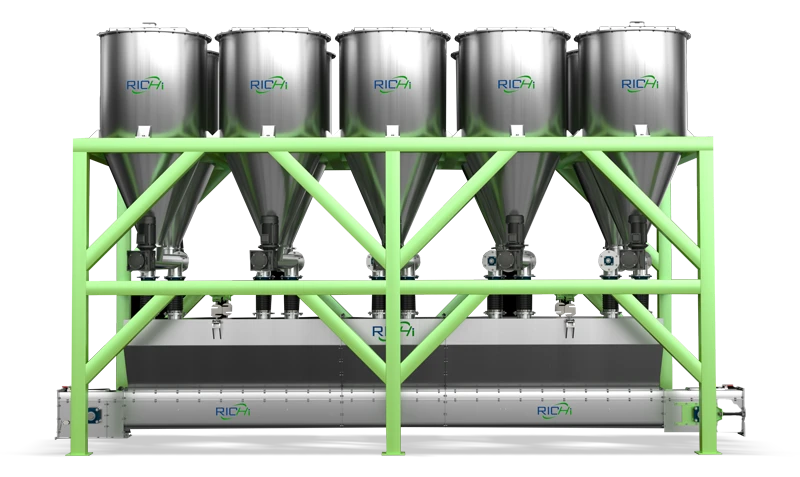
Dosing Accuracy
±0.1–0.5%
Hopper Volume
50–1000 kg
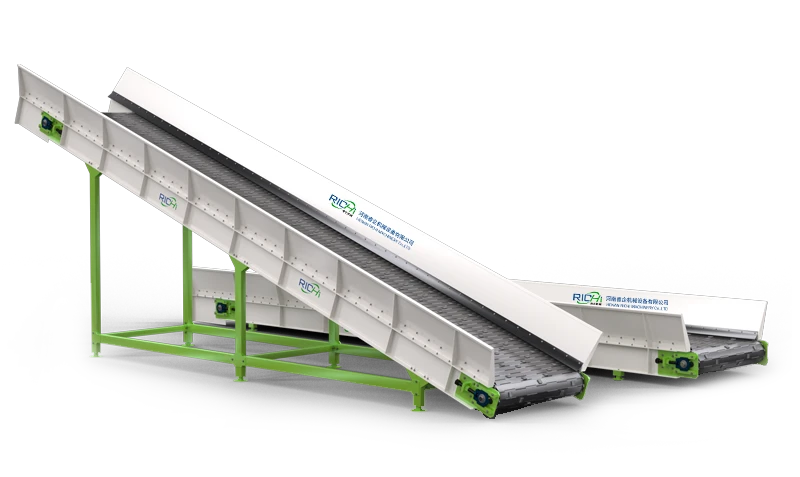
Sheep Manure Conveyor
Conveyors connect different processing sections, including crushing, mixing, pelletizing, cooling, screening, and packing. According to plant layout and material characteristics, different conveyor types can be selected.
Capacity
2-40T/H
Conveying Length
3–40 m
We provide customized equipment configurations according to each customer’s actual situation. For example, manure mixed with straw or bedding requires different crushing solutions compared with relatively fine composted manure. Wet manure may require drying equipment, while commercial fertilizer plants may need automatic feeding, weighing, batching, storage, and control systems.
Even within the same process stage, we can select different equipment models according to production capacity, investment budget, factory conditions, and automation requirements. The following equipment represents the main units commonly used in goat and sheep manure fertilizer pellet projects.
A complete production line may include additional machines such as balers, drum screens, additional conveyors, and fully automatic control systems. We customize the complete equipment list according to your process design and provide suitable solutions from individual machines to complete fertilizer plants.
Customized Goat and Sheep Manure Fertilizer Solution
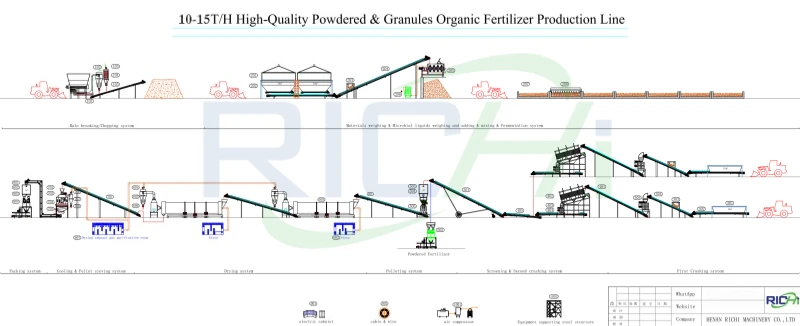
[Example: 10-15T/H Goat and Sheep Manure Fertilizer Production Line]
We provide customized goat and sheep manure fertilizer production lines with capacities ranging from 1–60T/H according to customers’ raw materials, production targets, and factory conditions. The following 10T/H project is one example of our customized process design, demonstrating how we integrate livestock manure resources with agricultural waste to create complete fertilizer production solutions.
crushing & feeding
cleaning & addition
mixing & fermentation
crushing & screening
powder packing
pelletizing & drying
cooling & storage
pellet packing
This project was designed for a customer who wanted to process goat and sheep manure mixed with straw and other organic materials into both powdered fertilizer and granular fertilizer products. The customer required a flexible system capable of producing different fertilizer forms, including 1–20 mm customized powder fertilizer and 2–12 mm customized pellet fertilizer, while improving the utilization value of agricultural and livestock waste.
The production flow includes straw crushing, raw material feeding, metal removal, liquid addition, mixing, fermentation, secondary crushing, screening, powder fertilizer packing, pelletizing, drying, cooling, storage, and automatic packing systems. The goat and sheep manure pellet machine is the core equipment for pellet production, while the complete process is customized according to material characteristics, moisture conditions, product requirements, and investment plans.
Prospects of Goat and Sheep Manure Pellet Processing
The demand for goat and sheep manure pellet processing is increasing as livestock farms, organic fertilizer companies, and agricultural waste recycling businesses look for practical ways to convert manure resources into valuable fertilizer products. Goat and sheep manure contains organic matter and nutrients that can support soil improvement, but direct application is often limited by storage, transportation, odor, and inconsistent nutrient distribution. Pelletizing improves handling efficiency, extends storage life, and creates a more marketable fertilizer product.
The market potential is particularly strong in regions with developed livestock industries and increasing demand for sustainable agriculture. Countries in Europe, North America, Oceania, and parts of Asia and South America have favorable conditions due to large sheep and goat farming operations, strict waste management requirements, and growing organic fertilizer markets. Regions such as Australia, New Zealand, the United States, Germany, France, India, Brazil, and Argentina have strong potential for manure recycling projects because livestock production generates continuous organic waste resources.
Growing Organic Fertilizer Demand
The increasing adoption of sustainable farming creates continuous demand for organic fertilizer products made from livestock manure.
A goat and sheep manure pellet machine helps producers supply clean, uniform pellets for agricultural and commercial fertilizer markets.
Turning Waste Into Revenue
Sheep and goat farms can convert accumulated manure and bedding waste into valuable fertilizer products instead of paying for disposal.
Pellet processing improves transportation, storage, and sales potential while creating additional income from existing farm resources.
Multi-Material Production Flexibility
A single fertilizer production line can process goat and sheep manure together with agricultural residues and other organic materials.
This flexibility allows businesses to adjust formulas and produce different fertilizer products according to local market demand.
Expansion Into Commercial Fertilizer Markets
Standardized manure pellets are easier to package, transport, and distribute compared with loose organic materials.
With suitable processing equipment and customized production design, investors can develop scalable fertilizer businesses from small farms to industrial plants.
Frequently Asked Questions
Can a farm with only a few hundred sheep supply a 1 t/h pellet line?
Usually, no. A 1 t/h goat and sheep manure pellet machine is already a small commercial production line, not a typical small-farm unit.
As a practical reference, if the finished output is 1 t/h and the line runs 8 hours/day, it produces about 8 tons of pellets per day. After accounting for drying, screening and process losses, the line may require roughly 9–11 tons/day of dry feedstock.
If fresh sheep manure is around 55–70% moisture, this can correspond to approximately 20–35 tons/day of fresh manure, depending on actual moisture and the amount of bedding or other dry materials mixed in. A farm with only several hundred animals normally cannot provide this volume consistently. For 1 t/h and above, larger sheep/goat farms, livestock clusters, manure collection businesses, or centralized fertilizer plants are usually more realistic.
Our sheep manure contains straw bedding. Can I pelletize it without separating the straw?
Yes, provided the bedding is reasonably clean and the fiber length is controlled.
A mixture such as 70–90% sheep manure + 10–30% chopped straw can be workable, but the correct ratio depends on moisture, fiber length and the intended fertilizer specification. Long straw should normally be shredded or hammer-milled before pelletizing.
For farms in countries such as Morocco or Kenya, where dry straw and crop residues are often readily available around livestock operations, using part of the bedding as a structural material can reduce dependence on manure alone. The complete goat and sheep manure pelletizing line can therefore include a shredder or hammer mill, dryer, mixer and pellet mill rather than relying on the pellet machine alone.
We collect manure mixed with urine-soaked bedding. Will the high moisture cause problems?
It can, especially when the material is collected directly from the livestock house.
Wet bedding can push the raw material moisture well above 65%, increasing dryer load and fuel consumption. For pelletizing, the material entering the pellet mill is typically much drier, often around 12–16% moisture, depending on formulation and pellet quality requirements.
If the farm collects very wet manure, we normally calculate the dryer from the actual incoming moisture, rather than simply selecting a larger pellet machine. This is one reason a complete drying and pelletizing system is more reliable than purchasing a pellet mill separately.
We have goat manure, sheep manure and poultry litter. Can they be processed together?
Yes, and this can actually make sense when the materials are available seasonally.
For example, a centralized farm-waste fertilizer plant could use approximately 50–70% goat/sheep manure, 20–40% poultry litter and 5–15% dry crop residue, subject to laboratory analysis and the required fertilizer specification.
Poultry litter can raise nitrogen content, while dry crop residue can help adjust moisture and structure. The mixing ratio should be established from the actual moisture, nutrient content and fertilizer target rather than using one fixed formula for every farm.
Do I need to dry sheep manure before using the pellet machine?
For fresh manure, normally yes.
A pellet mill is not a substitute for a manure dryer. If fresh sheep manure enters the pellet mill with excessive moisture, the material can feed poorly, form unstable pellets, increase die blockage and produce soft pellets.
A typical process is:
Manure collection → separation/cleaning → crushing → drying → mixing → pelletizing → cooling → screening → packing
For a small 1 t/h project, the dryer may become one of the most important pieces of equipment because the amount of water removed can be several tons per production day.
Our manure is already sun-dried. Do we still need an industrial dryer?
Not necessarily.
If the collected material has already been reduced to approximately 15–25% moisture, the drying duty may be much lower than for fresh manure. In some climates, such as parts of Australia, South Africa or Spain, natural drying can reduce energy consumption before mechanical processing.
However, relying entirely on sun drying makes production dependent on weather, storage area and season. For a commercial line, we normally evaluate whether a mechanical dryer should be installed as the main dryer or retained as a controlled finishing stage.
What if our sheep manure is very dry but contains stones and sand?
This is a common issue with manure collected from open yards.
Sand, stones and soil increase wear on crushers, conveyors and pellet mill dies. If the manure comes from outdoor sheep yards, a cleaning or screening stage should be considered before fine grinding.
For a high-volume plant, it is better to remove abrasive contaminants upstream than allow them to pass through the entire line. The final equipment configuration should therefore consider where the manure is collected, not just its chemical composition.
We want 4–6 mm fertilizer pellets. Can one machine make both sizes?
Yes. The pellet size is mainly controlled by the pellet mill die and formulation.
For agricultural organic fertilizer, 4–6 mm is a practical range for many applications. A plant producing both sizes may use interchangeable dies rather than purchasing a separate pellet mill for each size.
The final pellet diameter should also match the fertilizer application method. Smaller pellets may be preferred for certain broadcast applications, while larger pellets can be more suitable for some bulk fertilizer handling systems.
We need 2 t/h, but the manure supply changes during the year. Should we buy a 2 t/h pellet machine?
Not automatically.
If the project needs 2 t/h finished pellets, the upstream system should be able to continuously supply approximately 2.2–2.7 t/h of prepared dry material, depending on formulation, fines and process losses.
If manure availability is high only during certain seasons, it may be better to install storage and drying capacity rather than oversize the pellet mill. A 2 t/h line running 8 hours/day produces about 16 tons/day, so the annual raw-material supply should be calculated before selecting the machine.
We have about 5,000 sheep. Is that enough for a 1 t/h line?
It depends strongly on the actual manure collection rate and whether other raw materials are available.
For a rough planning calculation, 5,000 sheep producing around 0.6–1.2 kg fresh manure/head/day would generate approximately 3–6 tons/day of fresh manure. After drying, the recoverable dry matter is much lower.
That is generally not enough to keep a 1 t/h pellet line running for a full 8-hour shift solely on sheep manure. If the farm also has substantial bedding, crop residues, poultry litter or purchased organic materials, the project can become more practical. A centralized collection model may be more suitable for this scale.
Can goat manure be mixed with crop residues from the same farm?
Yes. This is often useful where goats are raised alongside crop production.
For example, a farm in Pakistan or Nepal may have goat manure together with wheat straw, maize stalks or other dry residues. A preliminary formulation could contain 60–80% manure and 20–40% dry plant residue, but the actual ratio should be adjusted after checking moisture and pellet formation.
The crop residue normally needs size reduction before mixing. The advantage is that the complete fertilizer pellet production line can use locally available materials instead of depending entirely on purchased additives.
Our customer wants organic fertilizer pellets, but another customer wants powder fertilizer. Can the same line make both?
Yes, if the line is designed for both product forms.
Pellet production requires a pellet mill, cooling and screening system, while powder fertilizer may bypass the pelletizing section and use the prepared mixed material directly after drying and grinding.
For a commercial plant, we can therefore design a dual-product fertilizer line where the same manure preparation, drying and mixing system serves both pellet fertilizer and powdered fertilizer production. The exact routing depends on the required final product and packaging specification.
We have 10–15 t/h target output. What changes compared with a small line?
At this scale, material handling becomes as important as the pellet mill itself.
A 10 t/h finished-pellet line can require roughly 11–14 t/h of prepared dry feedstock, depending on the formulation and process losses. If fresh manure is the main material, the drying system may need to evaporate a very large quantity of water every hour.
For a large sheep or goat manure fertilizer plant, we would normally consider multiple pellet mills, larger dryers, automatic dosing and mixing, continuous cooling, screening, dust collection and bulk or automatic bagging rather than simply installing one oversized pellet machine.
We are replacing an old fertilizer pellet machine. Can the existing dryer and conveyors still be used?
Possibly, and this can reduce the replacement cost substantially.
We would first check the existing dryer’s evaporation capacity, conveyor throughput, mixer volume, dust-control system, electrical capacity and the actual condition of the pellet mill.
For example, replacing a small 1–1.5 t/h pellet mill with a 2–3 t/h system may require changes to the dryer and conveyors as well. A replacement project should therefore be evaluated as a complete production system, not only by comparing the old and new pellet mill motors.
What is the typical price of a goat and sheep manure pellet machine?
The price depends heavily on whether you need only the pellet mill or a complete manure fertilizer production line.
As a practical reference, a small commercial pelletizing system may start in the tens of thousands of US dollars, while complete projects with drying, crushing, mixing, pelletizing, cooling, screening, conveying, dust collection and automatic packing can reach well into the six-figure range as capacity and automation increase.
For a meaningful goat and sheep manure pellet machine price, the key figures are raw-material moisture, required capacity, pellet size, drying fuel, automation level and final packaging method.
We are in Egypt and have sheep manure mixed with corn stalks. Can the line handle this?
Yes. This is a good example of why the formulation should be designed around locally available materials.
A practical starting formulation might use 70–85% sheep manure and 15–30% chopped corn stalk, but the final ratio should be determined after checking moisture, fiber content and pellet strength.
The corn stalk normally needs crushing or hammer milling before mixing. If the manure is fresh, drying should take place before final mixing and pelletizing. The system can then produce a consistent organic fertilizer pellet instead of feeding an uncontrolled farm-waste mixture directly into the pellet mill.
We have only 600–800 m² available. Can a complete line fit in this space?
It may be possible for a compact low-capacity plant, but the answer depends on the drying method, raw-material storage and finished-product storage.
For a 1 t/h class line, approximately 600–1,000 m² can be workable for equipment and operating areas when the plant is compact and storage is limited. Once substantial fresh-manure storage, drying space, finished fertilizer storage and truck access are included, more land is normally required.
A narrow site can be handled by changing equipment layout, conveyor direction and storage arrangement. The 3D plant layout should be prepared before construction so that maintenance access is not sacrificed.
We operate a goat farm in Tanzania and want to use manure plus bedding. How should we plan the raw-material storage?
Separate storage is preferable.
Fresh manure, partially dried bedding and dry crop residues should not simply be piled together because their moisture levels can differ significantly. For a commercial line, keeping wet manure under controlled storage while protecting dry materials from rain makes the drying calculation much more stable.
For a 1–2 t/h line, storage should be calculated from the number of operating days you want to cover. A plant targeting 16 tons/day of finished pellets, for example, should not be designed around only one day’s raw-material supply if collection or transport is irregular.
Can one goat and sheep manure pellet machine process manure from different farms?
Yes, provided the incoming materials are controlled.
A centralized fertilizer plant may receive sheep manure from several farms with different bedding materials, moisture levels and contamination levels. The key is to establish an incoming-material standard and use a buffer, screening and mixing system to homogenize the feedstock.
This is especially important for commercial projects in regions where manure is collected from multiple livestock farms. The equipment can be configured with separate feeding bins for manure, bedding, crop residues and mineral ingredients, allowing the formulation to be adjusted without changing the entire production line.
We are planning a 1–3 t/h project. Can you design the whole system around our actual manure?
Yes. This is usually the better approach than selecting a pellet mill first.
For a 1 t/h, 2 t/h or 3 t/h goat and sheep manure fertilizer line, we can work backward from your actual manure supply: animal numbers, daily manure collection, initial moisture, bedding ratio, available crop residues, desired fertilizer type, pellet diameter, operating hours and available floor area.
The complete system can then be configured with the appropriate manure crusher, dryer, hammer mill, dosing and mixing system, fertilizer pellet machine, pellet cooler, screener, conveyors, dust collector and packing machine. For replacement projects, the existing equipment can also be assessed and retained where its capacity and condition are suitable.
Need to know whether your farm can support a 1–3 t/h line?
Send us your number of sheep/goats, daily manure volume, approximate moisture, bedding type, desired pellet size and available plant area. We can calculate the practical raw-material requirement, drying load and pelletizing capacity first, then recommend a suitable goat and sheep manure pellet machine configuration instead of forcing your material into a standard setup.
What Materials Can a Goat and Sheep Manure Pellet Machine Process?
A goat and sheep manure pellet machine is designed to convert livestock manure and other organic waste materials into uniform fertilizer pellets through a mechanical pelletizing process. It is widely used for converting manure resources into commercial organic fertilizer products while improving storage, transportation, and application efficiency.
The equipment is mainly suitable for processing:
- Goat manure and sheep manure from livestock farms
- Animal manure mixtures, including cattle manure and poultry litter
- Farm bedding materials such as straw, hay, and sawdust
- Agricultural residues combined with manure for fertilizer production
Goat and sheep manure contains organic matter and nutrients that can support soil improvement after proper composting and processing. Through crushing, mixing, conditioning, and pelletizing, loose manure materials can be transformed into easier-to-handle fertilizer pellets with consistent size and quality.
RICHI provides ring die type goat and sheep manure pellet machines for different production scales, from small fertilizer businesses to large organic fertilizer plants. According to your raw materials and production requirements, we can customize the complete solution, including crushing, mixing, fermentation, drying, pelletizing, cooling, screening, and packing systems.
The equipment can also be used for producing fertilizer pellets from other organic materials, such as:
- Chicken manure and poultry litter
- Cow dung and livestock waste
- Agricultural waste and crop residues
- Organic compost materials
With professional process design and engineering experience, we help customers select suitable equipment configurations based on material characteristics, moisture content, required capacity, and final fertilizer products.
Typical Application Industries:
| Industry | Raw Materials |
|---|---|
| Sheep & Goat Farms | Goat manure, sheep manure, bedding waste |
| Organic Fertilizer Plants | Mixed animal manure and compost |
| Livestock Farms | Cattle manure, poultry litter |
| Agricultural Waste Recycling Plants | Straw, crop residues, organic waste |
| Food & Agricultural Processing Companies | Organic by-products |
Capacity Range: 1–26 T/H
Machine Price Range: USD 10,000–100,000
Why Is Your Goat and Sheep Manure Pellet Machine Suitable for Long-Term Production?
A goat and sheep manure pellet machine is designed for stable fertilizer pellet production, especially for customers who need continuous processing of livestock manure and organic waste. The machine adopts a ring die pelletizing structure, combining precision transmission, durable components, and adjustable pelletizing systems to meet different fertilizer production requirements.
The main technical advantages include:
- Reliable transmission system
The drive system uses high-quality SKF bearings and precision gear transmission technology to ensure smooth operation, efficient power transfer, low vibration, and reduced operating noise during long-term production. - Durable ring die and pelletizing components
The ring die is manufactured with wear-resistant materials suitable for continuous pelletizing pressure and friction. Different die apertures from 2–12 mm can be selected according to fertilizer pellet requirements and production conditions. - Uniform pellet formation
The ring die and roller structure provides consistent compression and shaping performance, helping produce fertilizer pellets with stable size, density, and strength from prepared goat and sheep manure materials. - Flexible configuration for different projects
The sheep manure granule machine can be equipped with different feeding systems, pressure roller adjustment structures, pellet cutters, and ring die lifting devices according to customer capacity and operation requirements. - Easy maintenance and safe operation
Advanced flexible coupling design, safety protection devices, and optimized mechanical structure help reduce equipment downtime and simplify maintenance for organic fertilizer producers.
RICHI designs each goat and sheep manure pellet machine according to the customer’s raw materials, capacity, and final fertilizer requirements. Whether processing pure sheep manure, goat manure mixed with bedding materials, or other organic waste mixtures, the equipment configuration can be adjusted to achieve stable pellet production.
How Does a Goat and Sheep Manure Pellet Machine Form Fertilizer Pellets?
A goat and sheep manure pellet machine works by compacting prepared organic fertilizer materials under high pressure through a ring die pelletizing system. Before pelletizing, goat and sheep manure usually needs to be properly crushed, mixed, and conditioned to achieve suitable moisture and particle size.
The pelletizing process includes several key steps:
- Material Feeding
Prepared manure-based fertilizer materials are evenly delivered into the pelletizing chamber through the feeding system to ensure stable production. - Compression and Forming
Inside the chamber, rotating rollers press the material continuously against the inner surface of the ring die. Under the combined force of pressure and friction, the loose organic fertilizer material is compressed and pushed through the die holes. - Pellet Cutting and Discharge
The compressed cylindrical fertilizer strands are cut into the required pellet length by the adjustable cutter and discharged from the machine.
The final fertilizer pellet size and quality depend on factors such as raw material composition, moisture content, die aperture, and compression conditions. Therefore, RICHI customizes the goat and sheep manure pellet machine configuration according to different materials, including pure sheep manure, goat manure mixed with bedding materials, and other organic fertilizer mixtures.
This ring die pelletizing process helps transform loose livestock waste into uniform sheep manure fertilizer pellets that are easier to store, transport, and apply in agricultural production.
What Models Are Available for a Goat and Sheep Manure Pellet Machine?
RICHI provides different models of goat and sheep manure pellet machine to match various fertilizer production scales, from small organic fertilizer businesses to large commercial processing plants. The suitable model is selected according to your required capacity, raw material conditions, and final fertilizer products.
Available Models and Main Specifications
| Model | Capacity | Main Motor Power | Ring Die Diameter | Pellet Size |
|---|---|---|---|---|
| FZLH320 | 2–3 T/H | 22 kW | 320 mm | 2–12 mm |
| FZLH350 | 3–5 T/H | 37 kW | 350 mm | 2–12 mm |
| FZLH420 | 6–8 T/H | 90 kW | 420 mm | 2–12 mm |
| FZLH520 | 9–12 T/H | 132 kW | 520 mm | 2–12 mm |
| FZLH678 | 18–22 T/H | 200 kW | 673 mm | 2–12 mm |
| FZLH768 | 22–26 T/H | 250 kW | 762 mm | 2–12 mm |
Different models can be configured with:
- 42CrMo alloy steel ring die, gears, shafts, and main transmission components for improved wear resistance and service life.
- Stainless steel feeding system with anti-bridging design to improve feeding stability when processing organic fertilizer materials.
- SUS304 pellet chamber door for corrosion resistance in manure fertilizer applications.
- Forced feeding system with worm gear reducer to maintain stable material supply.
- SKF bearings for key transmission parts and reliable sealing components to support continuous operation.
- Serpentine spring coupling and overload protection system to improve safety and protect the machine from abnormal loads.
- Optional automatic lubrication system to simplify maintenance for large fertilizer production projects.
For customers processing sheep manure, goat manure, or mixed organic materials such as bedding waste and agricultural residues, RICHI can customize the complete pelletizing system based on material moisture, formula, capacity requirements, and investment plan.
How Much Does a Goat and Sheep Manure Pellet Machine Cost?
The price of a goat and sheep manure pellet machine is generally around USD 10,000–100,000. The final cost depends on the machine model, production capacity, configuration requirements, and whether the customer needs a complete fertilizer production system.
The main factors affecting the equipment price include:
| Factor | How It Affects Cost |
|---|---|
| Production Capacity | Larger models with higher output require stronger motors, larger ring dies, and more robust transmission systems. |
| Equipment Configuration | Additional systems such as feeding, crushing, drying, cooling, screening, and automatic packing will affect the total investment. |
| Raw Material Conditions | Different manure conditions, such as wet manure, bedding mixtures, or composted materials, require different processing solutions. |
| Manufacturing Quality | Key components such as ring dies, gears, shafts, and bearings influence equipment durability and long-term operating performance. |
For example, a small organic fertilizer producer may only need a pelletizing system, while a large livestock farm or fertilizer plant may require a complete goat and sheep manure fertilizer production line including material preparation, drying, pelletizing, cooling, and packing.
RICHI provides customized equipment recommendations according to your raw materials, target capacity, factory conditions, and investment budget. This helps customers choose a suitable sheep manure pellet machine or complete fertilizer processing solution without unnecessary equipment investment.
Do You Have Real Goat and Sheep Manure Pellet Machine Projects?
Yes. RICHI has provided goat and sheep manure pellet machine solutions for customers in different countries and industries. These projects include livestock farms, organic fertilizer producers, and waste recycling companies, with different production scales and raw material combinations.
Each project is designed according to the customer’s available materials, including sheep manure, goat manure, poultry manure, straw, food waste, and other organic resources.
Selected Goat and Sheep Manure Pelletizing Projects
| Country | Annual Production | Main Materials | Project Investment |
|---|---|---|---|
| Thailand | 55,000 T/A | Sheep manure + chicken manure | USD 570,000 |
| Indonesia | 10,000 T/A | Sheep manure + straw | USD 190,000 |
| Canada | 6,000 T/A | Sheep manure + poultry manure | USD 160,000 |
| Pakistan | 30,000 T/A | Sheep manure + cow manure | USD 385,000 |
| Vietnam | 2,500 T/A | Sheep manure + organic industrial waste | USD 80,000 |
| Mexico | 10,000 T/A | Sheep manure + poultry manure | USD 110,000 |
| United States | 50,000 T/A | Sheep manure + poultry litter | USD 430,000 |
| Lithuania | 35,000 T/A | Sheep manure + food waste | USD 410,000 |
These projects show that a goat and sheep manure pellet machine can be adapted to different climates, farming systems, and fertilizer production requirements. For example, farms with abundant bedding materials may combine manure with straw, while fertilizer plants may use mixed organic materials to produce more diversified fertilizer products.
RICHI does not only supply pelletizing equipment. According to the customer’s raw materials and production goals, we provide complete solutions including material preparation, crushing, mixing, drying, pelletizing, cooling, screening, packing, installation guidance, and technical support.
How Can Goat and Sheep Manure Be Processed Into Fertilizer Pellets?
A complete goat and sheep manure pellet processing system usually includes material preparation, fermentation, crushing, mixing, pelletizing, cooling, screening, and packing. The exact process depends on the moisture content, raw material composition, and final fertilizer requirements.
A typical sheep manure fertilizer pellet production process includes:
1. Fermentation and Material Preparation
Goat and sheep manure is usually mixed with carbon-rich materials such as straw, hay, or sawdust before fermentation. Turning equipment, such as compost turners, can be used to improve oxygen supply and promote uniform decomposition. The fermentation period is generally around 7–15 days, depending on local temperature and material conditions.
2. Crushing and Mixing
After fermentation, the composted manure is transported to the crushing system to achieve suitable particle size. The crushed materials are then mixed evenly to improve consistency before entering the goat and sheep manure pellet machine.
3. Pelletizing and Drying
The prepared organic fertilizer material is compressed into uniform pellets through the ring die pelletizing system. If the pellet moisture is higher than the required storage standard, a drying system can be added to reduce moisture and improve product stability.
4. Cooling and Screening
After pelletizing or drying, fertilizer pellets are cooled to reduce temperature and improve pellet strength. The screening system separates qualified pellets from oversized particles and fine powder, while returned materials can be recycled back into the production process.
5. Packing and Storage
Finished fertilizer pellets are packed by automatic or semi-automatic packing systems and stored in a dry, ventilated area for transportation and agricultural application.
RICHI can provide customized sheep manure fertilizer production solutions, including both powder fertilizer production lines and pellet fertilizer production lines. The equipment configuration is designed according to your raw materials, production capacity, factory space, and investment plan.
What is a goat and sheep manure pellet machine?
A goat and sheep manure pellet machine is a ring die granulation equipment designed to convert fermented goat manure, sheep manure, and other organic fertilizer materials into uniform fertilizer pellets through mechanical compression.
Unlike simple manure disposal equipment, this pellet machine is mainly used by livestock farms, organic fertilizer producers, and waste recycling companies that want to transform manure resources into commercial fertilizer products. Goat and sheep manure usually contain rich organic matter, but direct application may cause problems such as uneven nutrient distribution, storage difficulties, and transportation costs. After proper fermentation, crushing, conditioning, and pelleting, the manure can be processed into clean, stable, and easy-to-use organic fertilizer pellets.
RICHI provides customized goat and sheep manure pellet machine solutions for different production scales, from small fertilizer projects to large industrial organic fertilizer plants. The equipment can also process mixed materials such as:
- Sheep manure and goat manure
- Poultry manure and livestock manure
- Straw, hay, and bedding materials
- Agricultural waste and other organic fertilizer materials
Our ring die pellet machines are available with different models, covering approximately 1-12 T/H production requirements. By selecting suitable die specifications, feeding systems, and complete processing equipment, the pellet size and production capacity can be adjusted according to customer requirements.
For customers who need a complete fertilizer production solution, we also provide integrated systems including crushing, fermentation, mixing, drying, pelleting, cooling, screening, and packaging. This allows farms and fertilizer companies to turn goat and sheep manure waste into valuable organic fertilizer products with stable quality and commercial value.
What equipment is needed for goat and sheep manure fertilizer production?
A complete goat and sheep manure fertilizer production line usually includes multiple processing machines to convert raw manure into stable organic fertilizer products. The required equipment depends on the moisture content, material condition, production capacity, and whether customers need powdered fertilizer or granular fertilizer.
For different goat and sheep manure processing projects, RICHI can configure suitable equipment combinations, including:
| Equipment | Main Function | Reference Parameters |
|---|---|---|
| Compost Turner Machine | Turns fermented goat and sheep manure piles to improve oxygen supply and accelerate composting | Turning height: 0.5-2.0 m; Motor power: 32-300 KW |
| Organic Fertilizer Grinder | Crushes fermented manure and bedding materials into uniform particles before mixing and pelleting | Capacity: 3-25 T/H; Main power: 30-160 KW |
| Organic Fertilizer Mixer | Blends goat manure, sheep manure, straw, bedding, and other additives evenly | Batch capacity: 250-2000 kg; Power: 4-30 KW |
| Organic Fertilizer Dryer | Reduces moisture when raw materials or finished pellets require additional drying | Customized according to material moisture and production requirements |
| Goat and Sheep Manure Pellet Machine | Compresses organic fertilizer materials into uniform fertilizer pellets | Capacity: 1-12 T/H; Different models available |
| Pellet Cooler Machine | Cools warm fertilizer pellets after pelleting to improve strength and storage stability | Configured according to production capacity |
| Vibrating Screening Machine | Separates qualified pellets from oversized particles and fines | Capacity: 3-20 T/H; Power: 1.5-5.5 KW |
| Automatic Bagging Machine | Packs finished goat and sheep manure fertilizer pellets into commercial bags | Packing speed: 6-12 bags/min |
For farms, organic fertilizer plants, and manure recycling projects, the actual equipment configuration is not always the same. For example, fresh goat and sheep manure with high moisture may require composting and drying systems, while well-fermented materials with suitable moisture may need fewer processing steps.
RICHI has many years of experience in designing livestock manure fertilizer production lines. We provide not only goat and sheep manure pellet machines but also complete solutions including process design, equipment manufacturing, installation, commissioning, and after-sales support. Customers can choose a suitable production system according to their raw materials, investment budget, and fertilizer product requirements.
How to choose the right goat and sheep manure pellet machine?
Choosing a suitable goat and sheep manure pellet machine requires considering several factors, because different farms, fertilizer plants, and manure recycling projects have different raw materials, production targets, and investment plans. The right equipment is not only related to the pellet mill model but also to the complete processing system.
Before selecting the equipment, customers should mainly evaluate the following points:
1. Confirm the required production capacity
The output requirement determines the model and configuration of the goat and sheep manure pellet machine. Customers should consider whether the project is planned for small commercial fertilizer production or large-scale industrial production, such as annual output requirements or hourly capacity. A production line processing thousands or tens of thousands of tons per year will require different equipment from a small farm-based fertilizer project.
2. Check the raw material condition
The characteristics of goat and sheep manure directly affect the equipment selection. Important factors include:
- Moisture content after fermentation;
- Whether bedding materials such as straw, hay, or sawdust are mixed;
- Particle size and impurity content;
- Whether additional crushing, drying, or screening is required.
For example, wet manure mixed with bedding materials usually requires composting, crushing, and moisture adjustment before pelleting, while properly fermented and conditioned materials may need a simpler process.
3. Decide the fertilizer product type
Customers should determine whether they want to produce powdered fertilizer, organic fertilizer pellets, bio-organic fertilizer, or organic-inorganic compound fertilizer. Different products require different process designs.
For commercial fertilizer pellets, a ring die goat and sheep manure pellet machine is commonly selected because it can provide stable pellet size, good density, and continuous production. The final pellet diameter can usually be adjusted according to market requirements by selecting suitable die specifications.
4. Consider automation level and supporting equipment
The equipment configuration affects operation efficiency, labor requirements, and long-term production stability. Depending on the project scale, customers may choose additional systems such as:
- Automatic feeding and weighing systems;
- Automatic batching systems;
- Dust collection systems;
- Automatic packaging machines;
- Storage and conveying systems.
A fully configured production line is more suitable for large fertilizer plants, while smaller projects may choose a simpler configuration according to budget and production needs.
5. Evaluate the fermentation and pretreatment process
Goat and sheep manure usually needs proper composting before entering the pelletizing process. The fermentation method depends on the factory layout, available space, and processing scale.
Common fermentation solutions include:
- Windrow composting;
- Groove fermentation;
- Aerobic fermentation systems;
- Tower or drum fermentation systems.
For many livestock manure projects, groove-type compost turners or windrow compost turners are practical choices because they improve oxygen supply, promote uniform fermentation, and reduce manual turning work.
RICHI does not provide only a single goat and sheep manure pellet machine. We design complete solutions according to the customer’s manure characteristics, production capacity, factory conditions, and investment budget. From raw material analysis and process design to equipment manufacturing, installation, and commissioning, we help customers build suitable organic fertilizer production systems for different applications worldwide.
How to choose a reliable goat and sheep manure pellet machine manufacturer?
Choosing the right goat and sheep manure pellet machine manufacturer is important because the manufacturer affects not only the equipment quality but also the long-term stability of the entire organic fertilizer production project. A suitable supplier should understand manure characteristics, fertilizer processing requirements, and provide a complete solution instead of only selling a single machine.
When evaluating a manufacturer, customers should consider the following aspects:
1. Check experience with manure fertilizer projects
A professional manufacturer should have practical experience with livestock manure processing, including goat manure, sheep manure, poultry manure, cattle manure, and mixed organic waste. Different materials have different moisture levels, fiber contents, and processing difficulties, so project experience is important for selecting the correct pelletizing process.
2. Evaluate complete technical capabilities
A reliable supplier should be able to provide more than a goat and sheep manure pellet machine. The complete solution may include:
- Composting and fermentation equipment;
- Crushing and mixing systems;
- Drying systems;
- Pelletizing equipment;
- Cooling and screening systems;
- Packing and conveying systems.
This allows the production line to be designed according to the customer’s raw materials, capacity requirements, pellet size, and factory conditions.
3. Consider customization ability
Every goat and sheep manure project is different. For example, some farms process pure manure, while others use manure mixed with straw, hay, sawdust, or bedding materials. A capable manufacturer should customize the equipment configuration according to:
- Raw material moisture content;
- Required fertilizer type;
- Production capacity;
- Available factory space;
- Investment budget.
4. Confirm technical support and after-sales service
The manufacturer should provide support throughout the project lifecycle, including process design, equipment installation, commissioning, operator training, spare parts supply, and technical guidance. This is especially important for customers building a goat and sheep manure fertilizer production line for the first time.
5. Avoid common purchasing mistakes
When selecting a goat and sheep manure pellet machine manufacturer, customers should avoid focusing only on equipment price. A lower initial cost may lead to problems such as unstable operation, unsuitable configuration, or limited technical support.
Customers should also avoid choosing a supplier without checking:
- Previous project experience;
- Equipment manufacturing capability;
- Customer references;
- Testing and inspection opportunities;
- Ability to provide complete fertilizer production solutions.
RICHI has been engaged in fertilizer and feed equipment manufacturing for many years, providing customized organic fertilizer solutions for different manure resources and production scales. With complete equipment manufacturing capability, engineering support, and project experience, we help customers select suitable goat and sheep manure pellet machines and build reliable fertilizer processing systems based on their actual requirements.
What is the market potential of goat and sheep manure fertilizer production?
The market for organic fertilizer made from goat and sheep manure is growing as agriculture moves toward more sustainable and environmentally friendly production methods. By using a goat and sheep manure pellet machine, farms and fertilizer producers can convert livestock waste into valuable granular fertilizer products instead of treating manure only as disposal material.
The demand growth mainly comes from several aspects:
- Increasing demand for sustainable agriculture: Organic fertilizers made from natural materials help reduce dependence on chemical fertilizers and support better soil management. This matches the global trend toward environmentally responsible farming practices.
- Growing interest in high-quality agricultural products: Goat and sheep manure fertilizer contains organic matter and nutrients that can help improve soil fertility, enhance soil structure, and support healthier crop growth when properly composted and processed.
- Improved value of livestock waste: Sheep and goat farms generate large amounts of manure every year. Processing this waste through a sheep manure pellet machine or complete goat and sheep manure pellet production line can transform it into easy-to-store, transportable, and marketable fertilizer pellets.
- Multiple application opportunities: Finished manure pellets can be used for field crops, orchards, greenhouse planting, landscaping, and soil improvement projects. In addition, the same production line can often process other organic materials such as poultry manure, cattle manure, crop straw, and food processing waste after proper adjustment.
The future of goat and sheep manure organic fertilizer production is especially promising in regions with developed livestock industries and strong demand for sustainable farming, including Europe, North America, Australia, the Middle East, and parts of Asia. Countries with large sheep and goat farming sectors also have significant potential because they have abundant raw materials and a continuous need for manure treatment solutions.
For investors, the opportunity is not only in purchasing a goat and sheep manure pellet machine, but also in building a complete processing system that matches local raw materials, fertilizer standards, and market requirements. RICHI can customize the production process according to manure characteristics, production capacity, and final fertilizer type, helping customers develop practical organic fertilizer projects from waste treatment to commercial fertilizer production.
Why should sheep manure be processed into organic fertilizer?
Sheep manure is a valuable organic resource. After proper composting and processing, it can be converted into stable organic fertilizer pellets by using a goat and sheep manure pellet machine, providing an effective solution for livestock waste recycling and fertilizer production.
Compared with using untreated manure directly, processed sheep manure fertilizer has several advantages:
- Suitable for various agricultural applications:
Sheep manure organic fertilizer can be used for field crops, vegetables, fruit trees, flowers, greenhouse planting, and soil improvement projects. The pellet form makes the fertilizer easier to store, transport, and apply evenly. - Rich in organic matter and nutrients:
Properly fermented sheep manure contains organic matter and nutrients such as nitrogen, phosphorus, and potassium, which help improve soil fertility and support crop growth. The actual nutrient content depends on the manure source, fermentation process, and added materials. - Improves soil conditions:
Organic fertilizer made from sheep manure can help increase soil organic matter, improve soil structure, and enhance water and nutrient retention capacity. This makes it valuable for farmland that needs long-term soil improvement. - Creates additional value from farm waste:
For sheep farms and livestock breeding businesses, installing a sheep manure pellet machine can transform accumulated manure into commercial fertilizer products. The same processing system can also be customized to handle mixed materials such as straw, poultry manure, cattle manure, or other organic wastes according to local conditions.
Sheep manure itself is only a waste material before treatment. Through fermentation, crushing, mixing, granulation, drying, and other processes, it becomes a standardized organic fertilizer product with better market value. A customized goat and sheep manure pellet production line allows customers to select suitable equipment according to raw material moisture, fertilizer requirements, production capacity, and investment budget.
Every manure source has different characteristics, from moisture level and bedding materials to production goals and fertilizer requirements. Share your raw materials and expected capacity with our engineers, and we will recommend a suitable goat and sheep manure pellet machine configuration and complete processing solution.


