

 0086-138 3838 9622
Fish Waste Pellet Machine
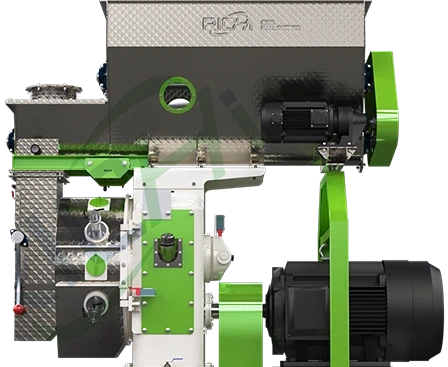
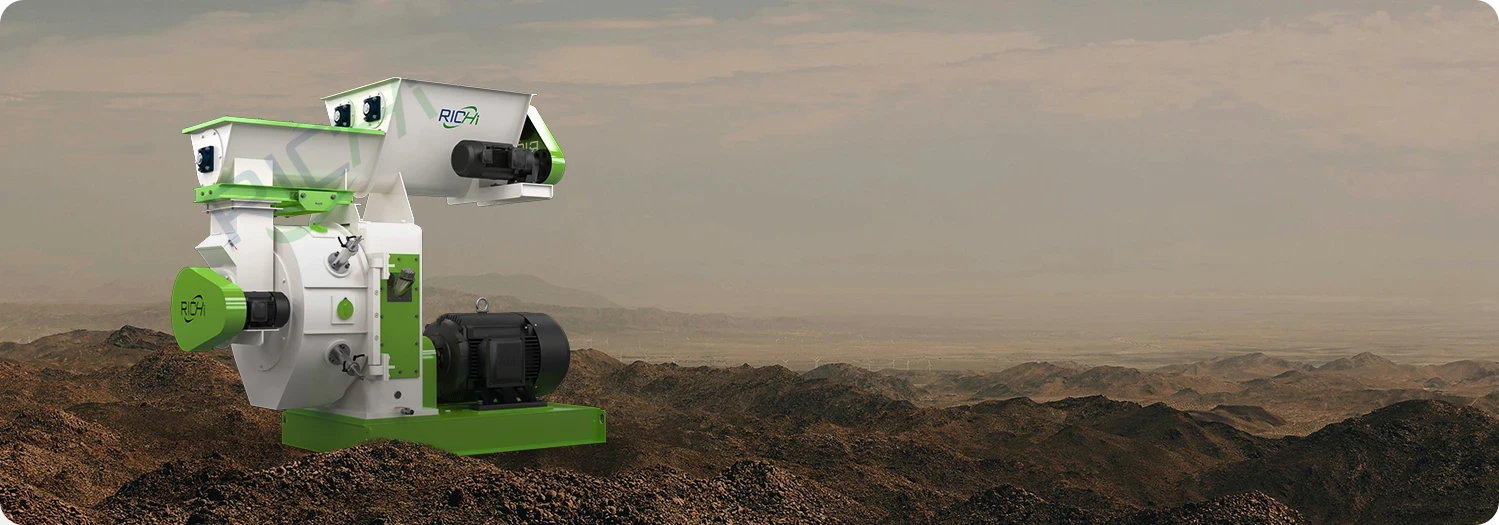
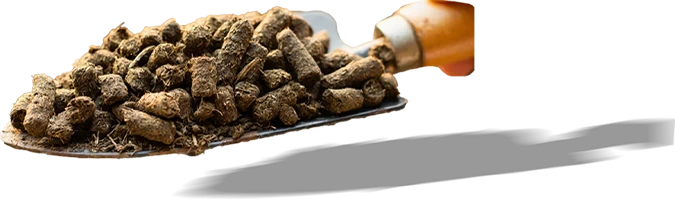
Fish waste pellet machine turns properly pre-treated fish, seafood, and aquaculture residues into uniform fertilizer pellets. Built for different moisture, fat, salt, and formulation conditions, RICHI systems cover standalone pelletizing and complete production lines.
Turn Fish Waste into a Consistent, Marketable Fertilizer Product
A fish waste pellet machine provides a practical way for seafood processors, fertilizer producers, recycling companies, and large aquaculture operations to convert a steady supply of fish and aquatic organic residues into 4–12 mm fertilizer pellets.
With extensive international experience in fertilizer granulation projects, RICHI supplies FZLH pellet machines for commercial production starting from 1 t/h, as well as complete fish waste fertilizer lines when required. The same plant can be configured for granular and powder fertilizers or multiple compatible organic materials, while standalone crushing, mixing, drying, and other processing equipment can be integrated into an existing facility.
For companies generating fish waste continuously, pelletizing creates a more uniform product that is easier to handle, package, store, transport, and market. Tell us what material you process, its condition and your required output, and our engineers can determine which equipment and preparation route actually fit the project.
Who needs Fish Waste Pellet Machine?
Fish & Seafood Processing Plants
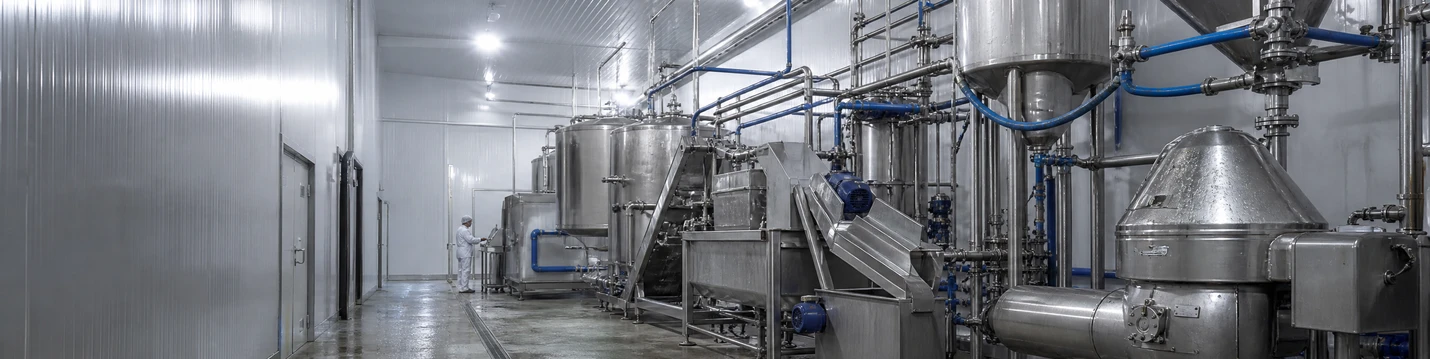
Fish processors, fillet plants, canneries, and frozen seafood factories generate steady volumes of fish heads, bones, skin, viscera, and trimming residues. After suitable separation, drying, grinding, and formulation, a fish waste pellet machine converts these by-products into uniform fertilizer pellets, helping processors reduce disposal pressure and create a more manageable, marketable product.
Shrimp, Crab & Shellfish Processors
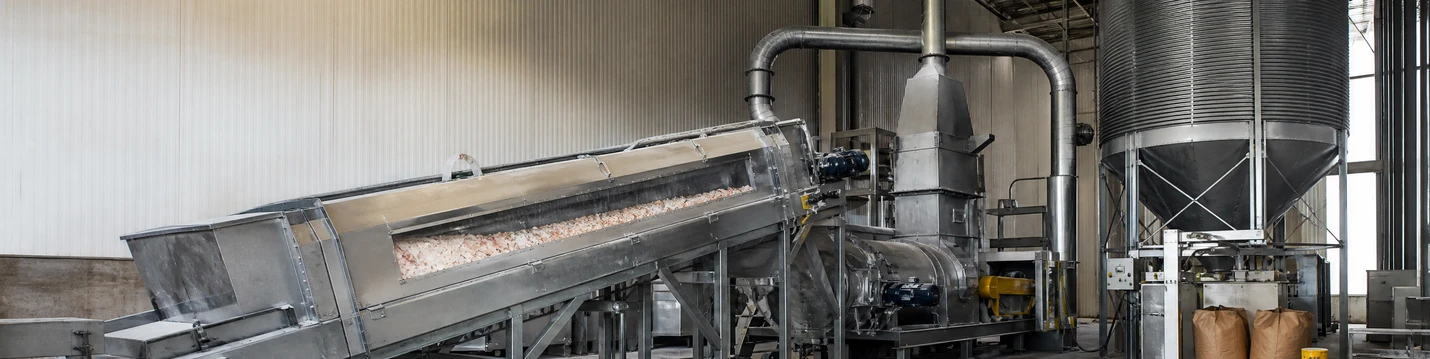
Shrimp heads and shells, crab residues, lobster shells, and other shellfish by-products contain organic matter together with chitin, calcium, and mineral fractions. Once moisture, particle size, and formula are properly controlled, pelletizing allows these materials to be incorporated into organic fertilizer or soil amendment products with more consistent size, handling, and packaging characteristics.
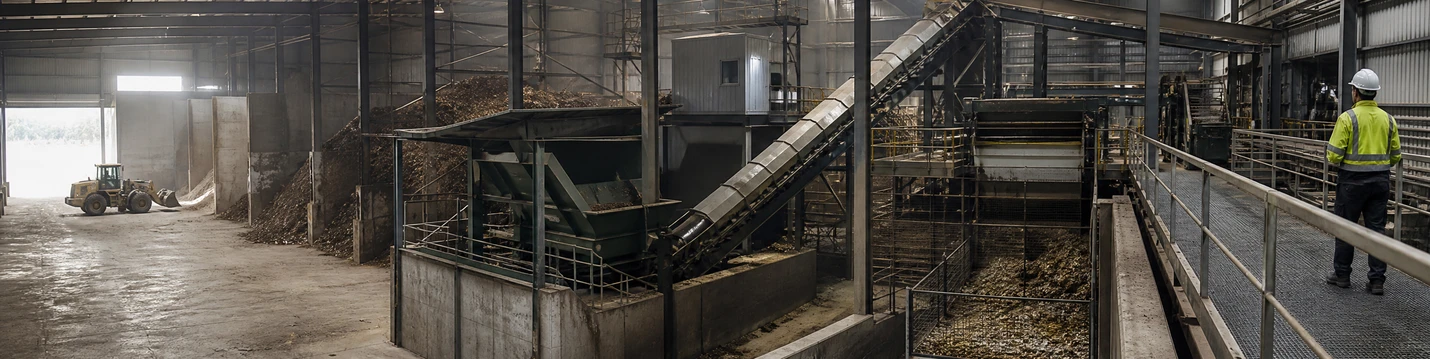
Large Aquaculture Farms & RAS Facilities
Fish farms, shrimp farms, large aquaculture bases, and RAS facilities may collect sludge, fecal solids, uneaten feed, settled organics, and other recoverable aquatic residues. These wet materials normally require solid-liquid separation, dewatering, drying or stabilization before granulation. RICHI configures the fish waste pellet machine around the prepared solids and target fertilizer formula rather than treating raw sludge as direct pellet-mill feed.
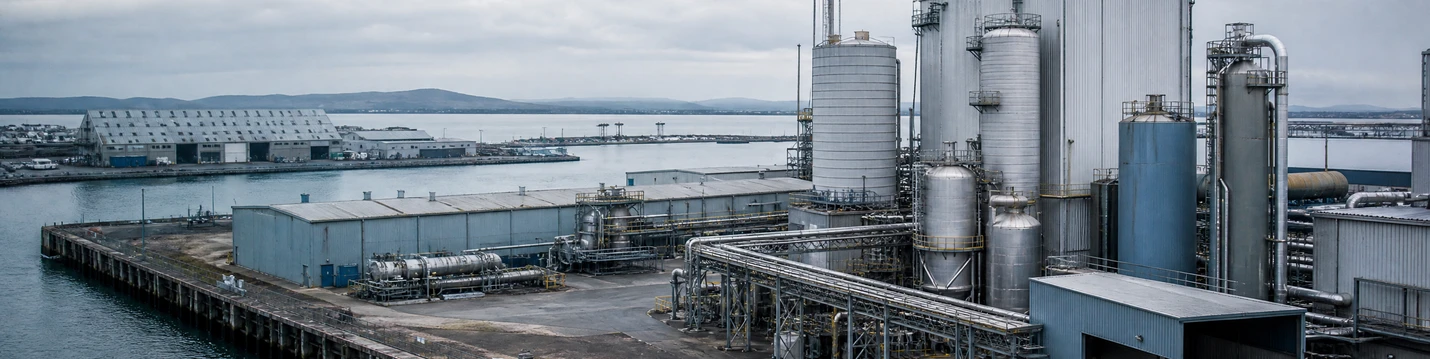
Fish Meal & Fish Oil Processing Plants
Fish meal and fish oil plants often already operate cooking, pressing, oil recovery, drying, and grinding equipment, leaving fish meal fractions, press cake, and other processed organic solids available for further use. A downstream fertilizer pelletizing section can be added to the existing plant, allowing suitable residues to be blended and converted into higher-value granular fertilizer products.
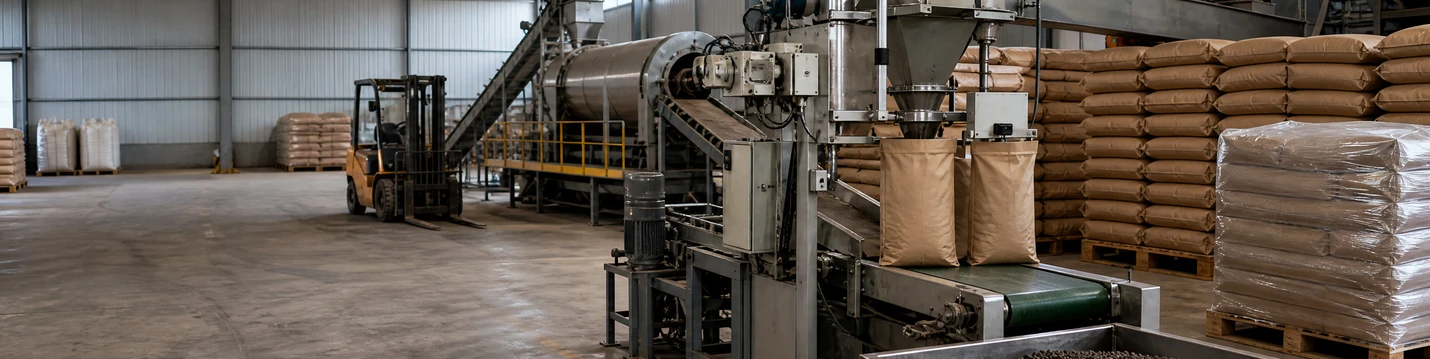
Organic Fertilizer Manufacturers
Fertilizer producers can combine fish meal, processed fish residues, shrimp or crab by-products, aquaculture solids, and compatible organic ingredients to formulate fish-based or marine organic fertilizers. RICHI fish waste pellet machines provide the granulation stage needed to turn these prepared blends into consistent 4–12 mm pellets for cooling, screening, packaging, and commercial distribution.
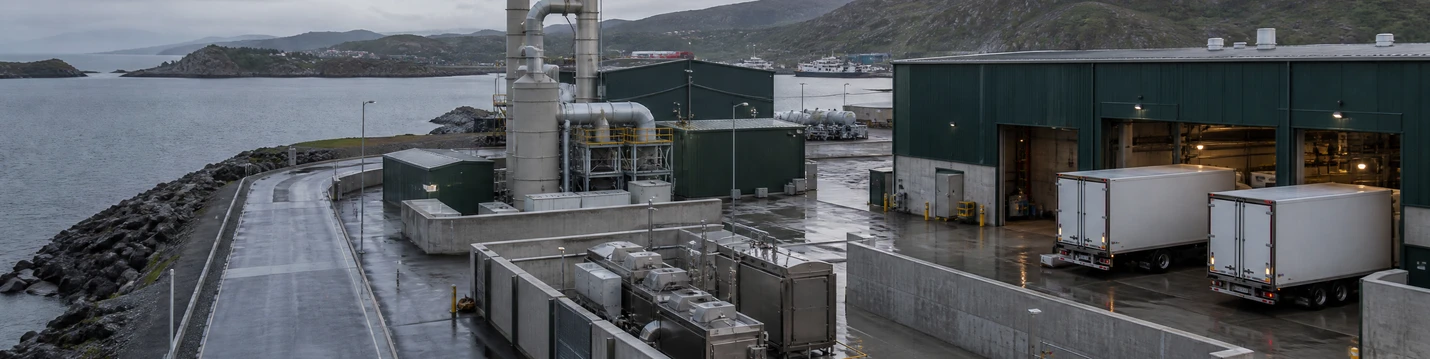
Seafood Waste Recycling Companies
Recycling companies serving seafood factories, fish markets, and aquaculture businesses often receive mixed aquatic by-products from multiple sources. Their main challenge is converting variable incoming material into a controlled production feedstock. With appropriate sorting, dewatering, drying, size reduction, and blending, centralized fish waste pelletizing can support larger-scale resource recovery instead of simple collection and disposal.
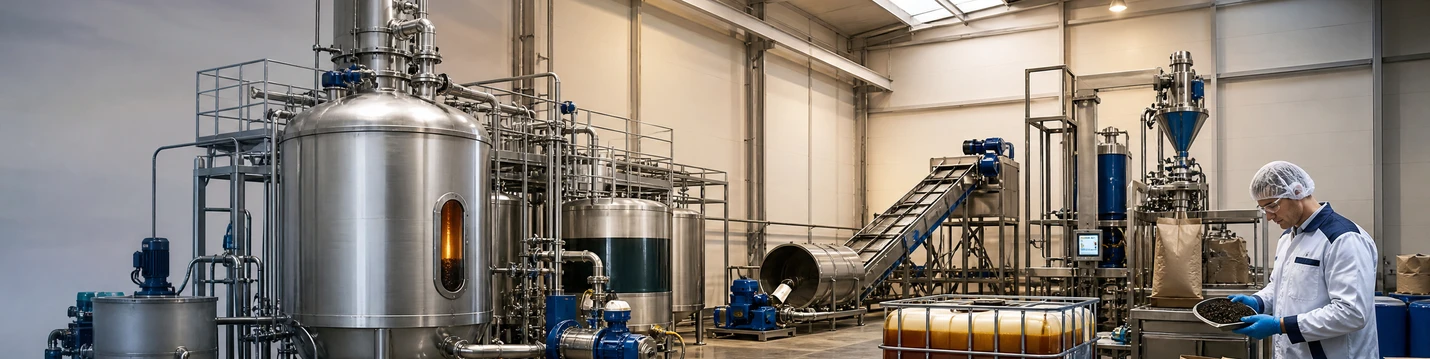
Marine Organic Fertilizer Producers
Producers focused on fish fertilizer, fish meal fertilizer, marine organic fertilizer, and related soil products need reliable granulation after formulation. A fish waste pellet machine can process properly prepared fish-, shrimp-, crab-, and other marine-derived fertilizer blends into uniform pellets, improving product consistency while supporting different formulations and finished pellet specifications.
The potential users extend beyond these seven groups. Livestock farms with sufficient organic by-product volumes, manure-based fertilizer plants, agro-industrial recycling projects, compost producers, environmental service companies, and integrated organic fertilizer facilities may also incorporate suitable fish or seafood residues into fertilizer formulations. RICHI can evaluate your raw material, moisture condition, existing equipment, target pellet specification, and required capacity to determine whether a standalone pelletizer or a customized granulation section is the better fit.
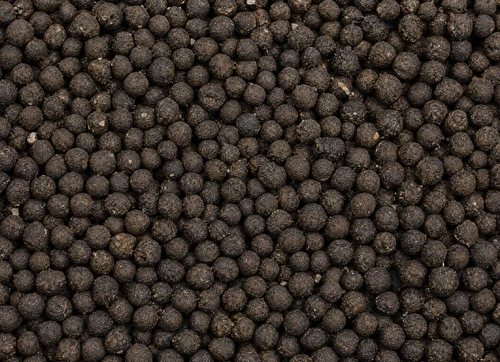
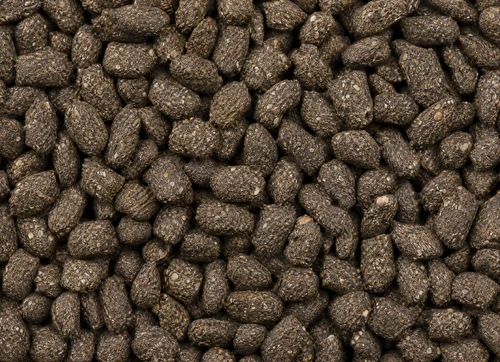
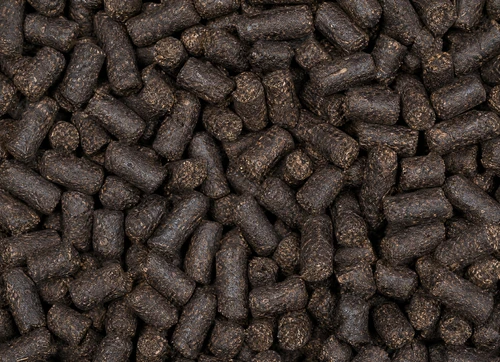
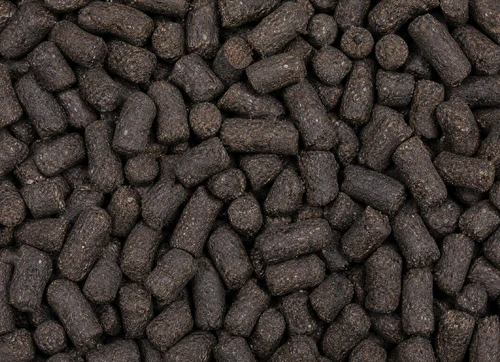
Raw Materials for Fish Waste Fertilizer Pelletizing
Fish waste can come from processing plants, aquaculture operations, fish meal facilities, or centralized recycling projects, with major differences in moisture, fat, salt, impurities, particle size, and composition.
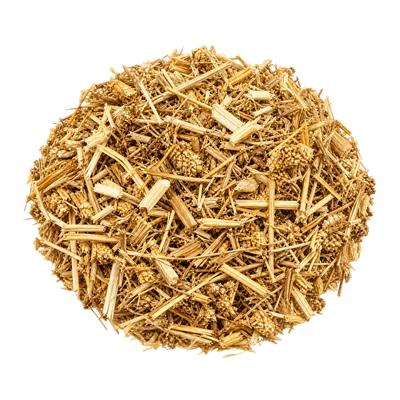
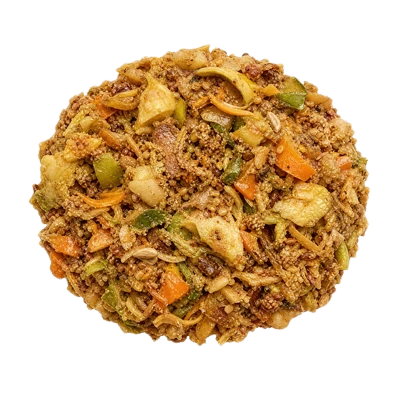
Fish waste does not have to be the only feedstock in your plant. Properly prepared agricultural residues, forestry-derived organic materials, food-processing waste, suitable organic sludge, animal manure, and other materials permitted for fertilizer production can be incorporated into compatible formulations. RICHI can configure the fish waste pellet machine and supporting equipment around your actual raw-material combination, whether you are producing fish-based fertilizer, marine organic fertilizer, compound organic fertilizer, or soil amendment pellets.
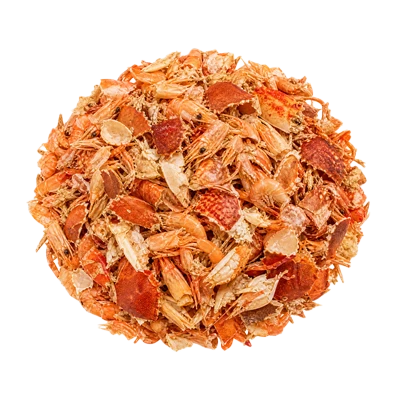
Shrimp & Crab Waste
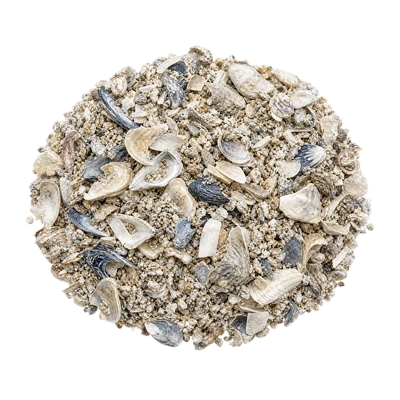
Shellfish Residues
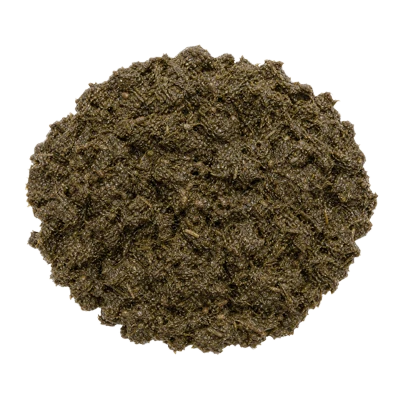
Aquaculture Sludge
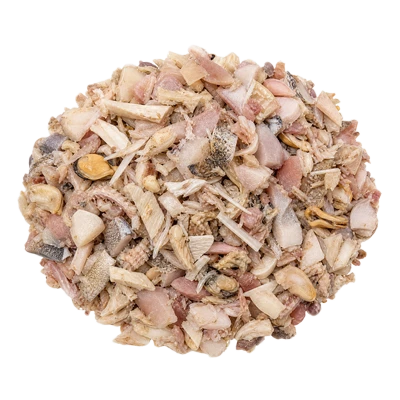
Seafood Processing Waste
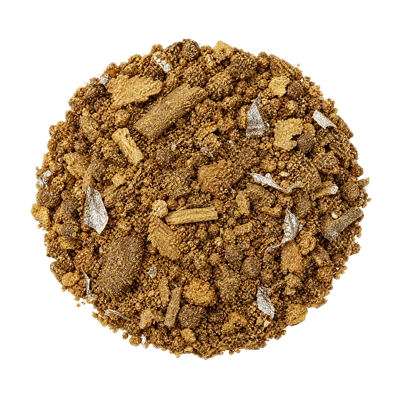
Fish Meal Residues
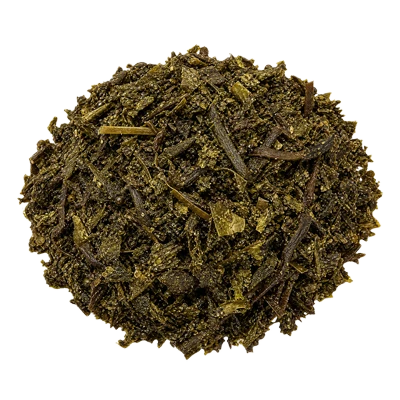
Seaweed & Algae Residues
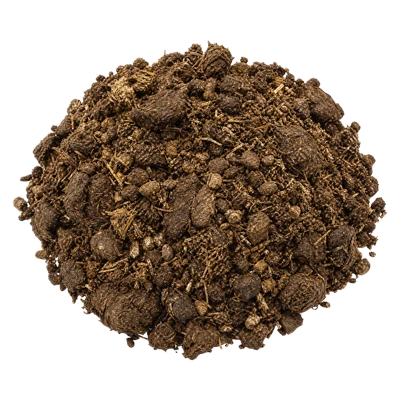
Animal Manure
Crop & Plant Residues
Food Processing Waste
Fish Waste
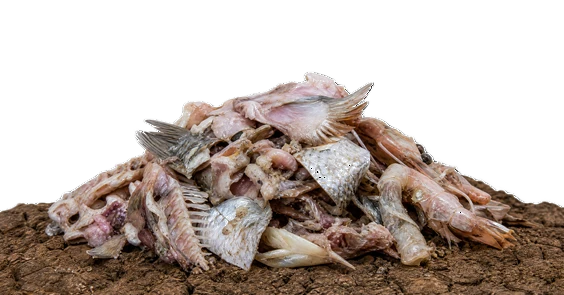
Fish heads, bones, skin, trimmings, viscera, processing solids, and other recoverable fish by-products may arrive whole, crushed, pressed, partially dried, or already ground. High-moisture or high-fat material normally requires dewatering, separation, drying, or formulation adjustment before pelletizing. RICHI matches the preparation and granulation setup to the condition of your fish waste rather than requiring every customer to start with the same raw material form.
Core Components
The fish waste pellet machine uses a heavy-duty ring-die structure built for continuous fertilizer granulation. From controlled feeding to die compression and pellet cutting, its drive and working assemblies are engineered for prepared fish-based fertilizer mixtures whose flowability, oil content and bulk density can vary with the formulation.
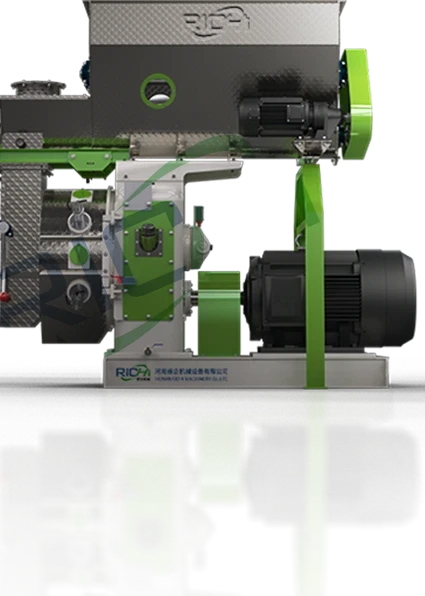
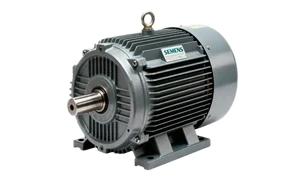
The Siemens motor provides dependable drive power across the FZLH range, with installed main-motor ratings from 22 to 250 kW.
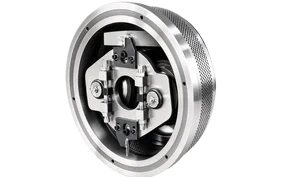
Heat-treated ring dies withstand continuous compression of prepared fish-based fertilizer blends while supporting stable 4–12 mm pellet production.
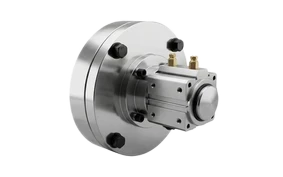
The protection system responds to abnormal overloads in the drive train, reducing the risk of severe damage from sudden operating resistance.
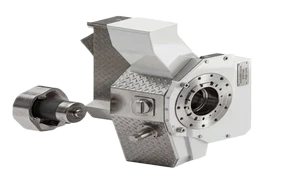
Anti-bridging and forced feeders maintain controlled material delivery when prepared fish fertilizer blends have uneven flow or tend to bridge..
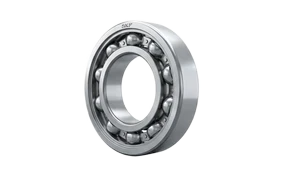
SKF bearings support the main transmission assembly under continuous operating loads, helping maintain stable rotation and dependable service life.
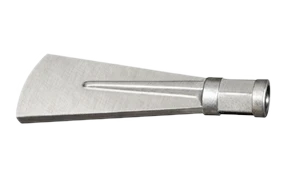
The cutter trims extruded material as it leaves the ring die, allowing pellet length to be adjusted to suit fertilizer product requirements.
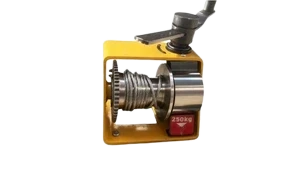
The lifting device assists with handling the heavy ring die during replacement and maintenance, reducing manual effort and simplifying servicing.
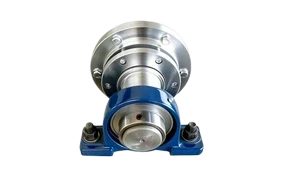
The high-precision gear transmission delivers power directly and steadily to the pelletizing chamber for reliable operation under changing material loads.
Why Choose RICHI Fish Waste Pellet Machine?
Fish-derived fertilizer is rarely made from one standardized feedstock. Moisture, fat, mineral content, bulk density and blending ratios can all change from project to project. RICHI builds each fish waste pellet machine around the actual material and finished-product target, combining flexible pelletizing with practical engineering for commercial fertilizer production.

Built Around Your Fish Waste
From dried fish residues and fish meal solids to shrimp-shell blends and prepared aquaculture sludge, machine selection and pelletizing parameters are matched to your actual formula, capacity and 4–12 mm pellet target.

Designed for Commercial Value
Pelletizing turns prepared loose fertilizer material into a controlled granular product that is easier to screen, package, store and transport. For processors handling fish waste continuously, this creates a practical route from disposal cost toward product recovery and sale.

Customized for Stable Granulation
Die specification, feeding arrangement and operating conditions can be selected around material flow, moisture, fat content and pellet requirements, helping maintain more consistent feeding, formation and production under the defined formula.

Fits New Plants or Existing Operations
RICHI can supply the pelletizer alone, add a granulation section after an existing drying or grinding process, or engineer a complete fish fertilizer line. Customers invest only in the processing stages their current facility actually needs.

One Investment, More Material Options
A properly configured system can process different compatible fish-based fertilizer formulas and blends with manure, plant residues or other prepared organic materials, giving producers greater flexibility when raw-material supply or product demand changes.

How the Fish Waste Pellet Machine Works
Prepared fish-based fertilizer material is metered into the pelletizing chamber by the feeding system. Inside the fish waste pellet machine, rollers press the material through the ring-die holes under mechanical compression, forming continuous extrudates that are cut to the required length. The hot pellets then leave the pelletizer for downstream cooling and screening before collection or packaging.
Technical Specifications
| Model | Capacity (t/h) | Main Motor Power (kW) | Anti-Bridging Feeder Power (kW) | Forced Feeder Power (kW) | Ring Die Inner Diameter (mm) | Finished Pellet Diameter (mm) |
|---|---|---|---|---|---|---|
| FZLH250 | 1–1.5 | 22 | 2.2 | 0.75 | 250 | 4–12 |
| FZLH320 | 2–3 | 22 | 2.2 | 0.75 | 320 | 4–12 |
| FZLH350 | 3–5 | 37 | 2.2 | 0.75 | 350 | 4–12 |
| FZLH420 | 6–8 | 90 | 3 | 1.5 | 420 | 4–12 |
| FZLH520 | 9–12 | 132 | 3 | 1.5 | 520 | 4–12 |
| FZLH678 | 18–22 | 200 | 3 | 1.5 | 673 | 4–12 |
| FZLH768 | 22–26 | 250 | 4 | 1.5 | 762 | 4–12 |
Model selection is based not only on required output, but also on the fish-waste formula, moisture after pre-treatment, bulk density, flow characteristics and target pellet size. Ring-die specifications, feeding arrangements and supporting equipment can be matched to the actual project rather than forcing different raw materials into one standard setup.
Fish Waste Pelletizing Specifications
Stable pellet production starts before material enters the fish waste pellet machine. Fish-derived fertilizer mixtures must be sufficiently dry, reduced to a suitable particle size and blended uniformly, while excessive free oil, oversized shell fragments and foreign matter should be removed or controlled. The ranges below are practical engineering references for FZLH ring-die pelletizing; final settings are selected according to the actual formula, moisture, bulk density, fat content and required pellet quality.
Raw Material Particle Size
≤2–5 mm
Raw Material Moisture Content
12–25%
Pelletizing Temperature
50–80℃
Compression Ratio
1:4–1:8
Pellet Length
5–30 mm
Pellet Formation Rate
85–95%
Finished Pellet Moisture
≤12–15%
Cooling Temperature
≤40℃
Screening Efficiency
≥95%
Fines Content
≤5–10%
Broken Pellet Rate
≤3–5%
Operating Mode
Continuous Operation
With seven FZLH models covering 1–26 t/h, RICHI can match the fish waste pellet machine to smaller commercial plants as well as high-output industrial fertilizer projects. For unfamiliar or highly variable formulations, material testing is the most reliable way to determine moisture, die compression ratio and operating parameters before the final configuration is fixed.
Fish Waste Pellet Machine Projects Around the World
RICHI fish waste pellet machine projects serve seafood processors, aquaculture businesses, fertilizer manufacturers and organic-waste recyclers across different production environments. The examples below cover fresh fish residues, pressed solids, fish meal by-products, shrimp and crab waste, tuna-processing residues, aquaculture sludge and mixed organic formulations, with each system configured around the condition of the material received at the plant. Most projects extend beyond a single pelletizer.
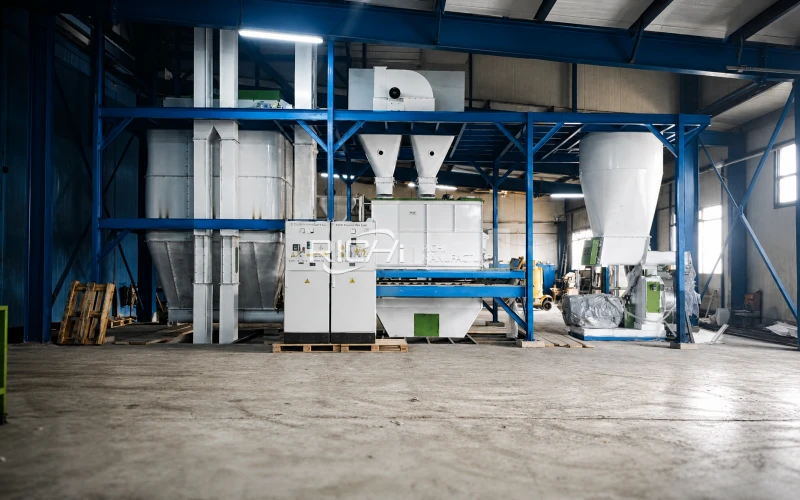

3 T/H
Salmon Processing Waste Project in Norway
The customer receives mechanically pressed salmon heads, frames, skin and trimming solids at approximately 45–55% initial moisture rather than untreated whole waste. Fish-derived solids account for about 55% of the fertilizer formula, with wood fiber and other stabilized organics making up the balance. RICHI configured further drying, grinding, controlled mixing, granulation, cooling and screening around the existing recovery process.
Equipment Used :FZLH320
Pellet Size :4 mm
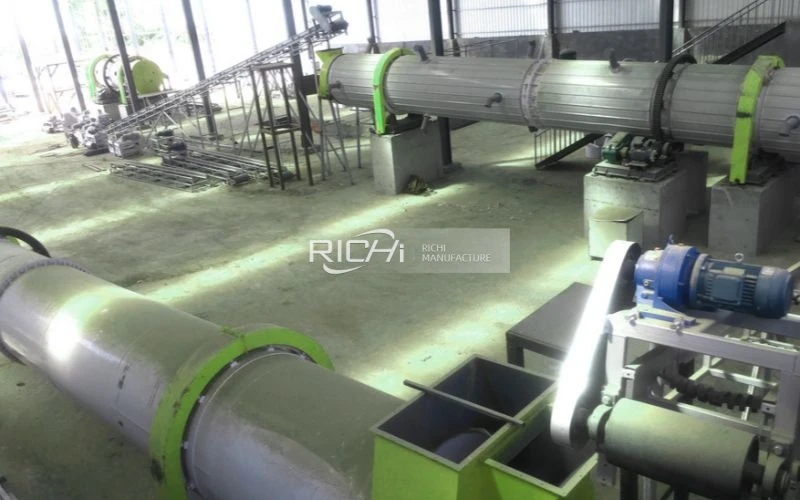

4 T/H
Salmon By-Product Project in Chile
Fresh salmon heads, frames, viscera and trimming residues enter the recovery section at approximately 65–75% initial moisture and contain a significant oil fraction. The fertilizer formulation uses about 50% prepared salmon solids with composted organic material and plant-derived fiber. Pressing and oil separation are therefore positioned ahead of drying, fine grinding, formulation and fertilizer granulation.
Equipment Used :FZLH350
Pellet Size : 4-6 mm
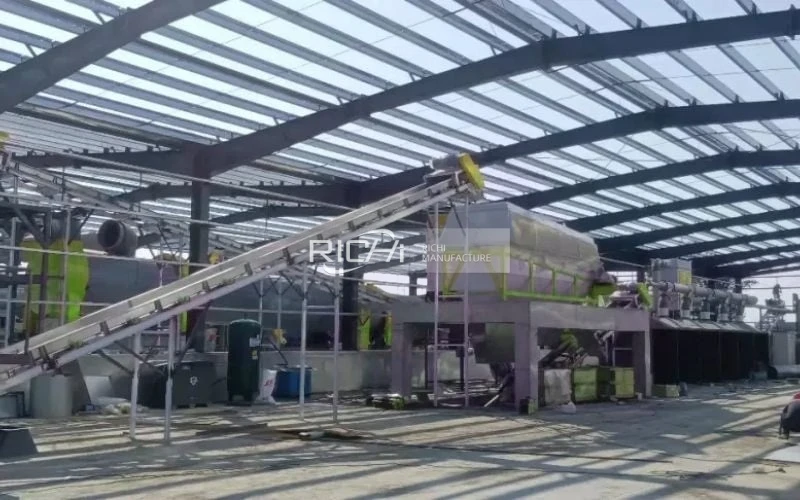

5 T/H
Pangasius Processing Waste Project in Vietnam
The plant works with partially dewatered pangasius heads, frames, skin and filleting solids at around 50–60% initial moisture. Prepared fish material represents roughly 45% of the formula and is combined with rice-processing residues and stabilized organic matter. RICHI matched the project with drying, crushing, proportioned mixing, pelletizing, cooling, screening and bagging equipment.
Equipment Used :FZLH350
Pellet Size : 4 mm
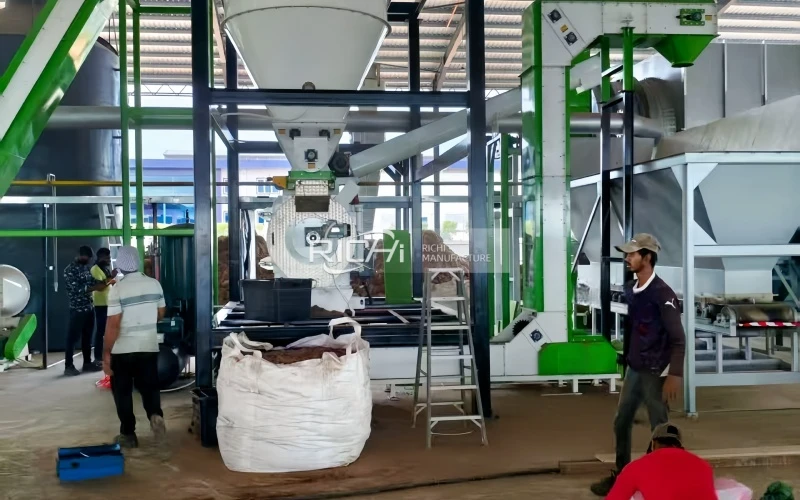

2 T/H
Shrimp Processing Waste Project in Thailand
Unlike projects starting with fresh shrimp heads, this customer handles partially dried shrimp heads and shell material at approximately 20–30% initial moisture. The shell-rich fraction is blended with composted organic matter and finely processed crop residues. RICHI focused the front end on controlled drying, fine crushing and homogeneous mixing before ring-die granulation and pellet finishing.
Equipment Used :FZLH320
Pellet Size : 4 mm

3 T/H
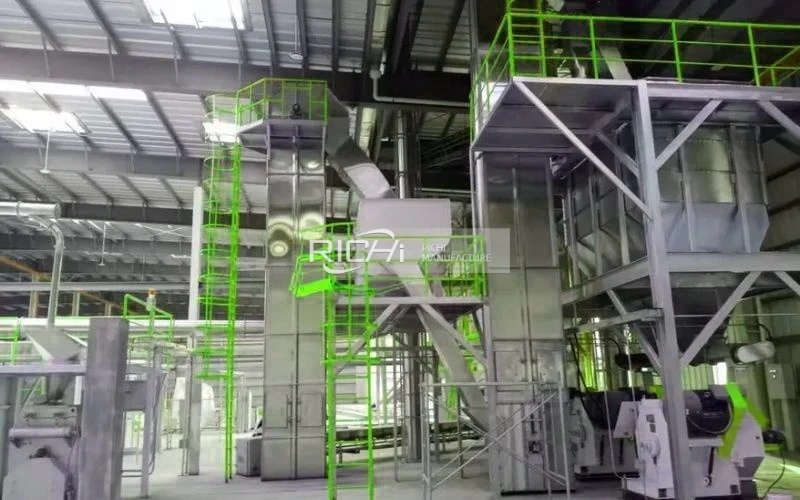
Aquaculture Sludge Project in Indonesia
The project starts with mechanically dewatered aquaculture sludge containing fecal solids, uneaten feed and settled organic matter at approximately 75–85% moisture. After further moisture reduction, aquaculture solids are blended with rice husk-derived fiber, crop residues and composted manure. RICHI configured sludge drying, crushing, mixing, granulation, cooling and screening for continuous fertilizer production.
Equipment Used :FZLH320
Pellet Size : 5 mm

6 T/H
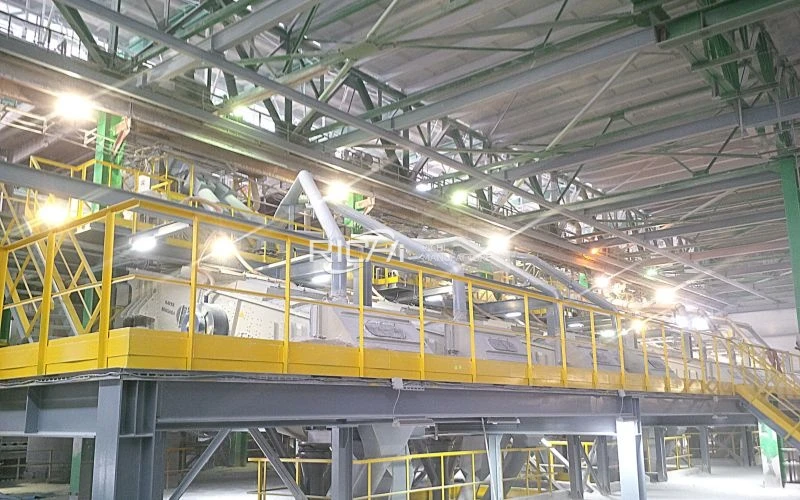
Shrimp By-Product Project in Ecuador
Fresh shrimp heads and processing residues arrive at approximately 65–75% initial moisture and require rapid stabilization and moisture reduction. Prepared shrimp solids make up around half of the fertilizer blend, supplemented with plant-derived organic material and stabilized fertilizer ingredients. The system includes drying, size reduction, formula mixing, pelletizing, cooling, screening and packing.
Equipment Used :FZLH420
Pellet Size : 4 mm

8T/H
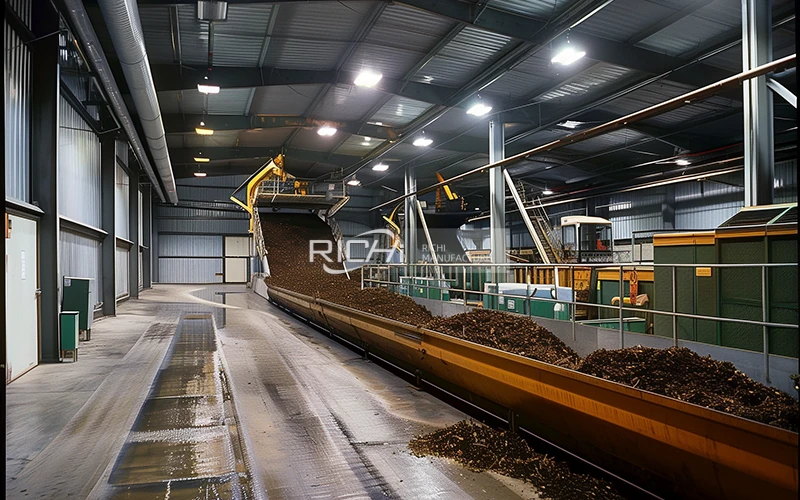
Fish Meal Residue Project in India
This project uses dried fish meal residues and processed fish solids rather than fresh fish waste, with incoming moisture controlled at approximately 10–15%. Fish-derived material accounts for about 30% of a formula containing composted manure and milled agricultural residues. With no heavy wet-material drying section required, RICHI concentrated on dosing, fine grinding, mixing, granulation, cooling and product screening.
Equipment Used :FZLH420
Pellet Size : 5 mm

12 T/H
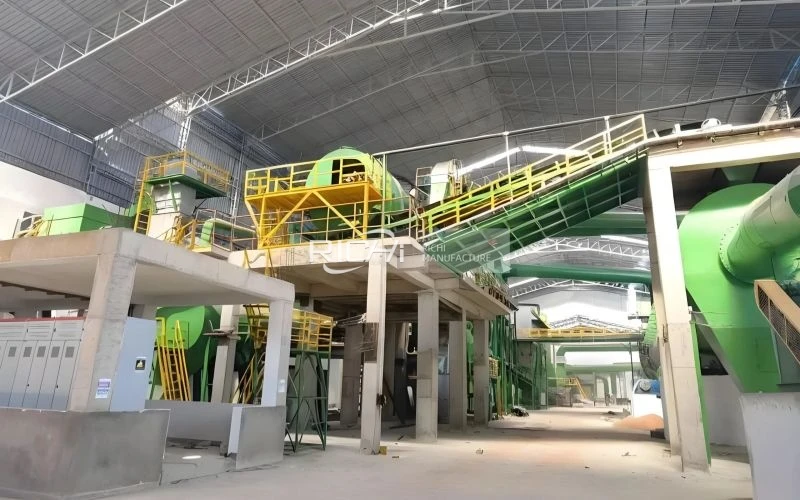
Seafood & Bedding Waste Project in USA
Dewatered seafood-processing solids at approximately 45–55% initial moisture are combined with used livestock bedding, manure and clean wood-derived fiber collected from regional businesses. Fish-derived material forms about 25% of the final blend. Separate wet-material preparation and bedding size reduction allow the streams to be conditioned independently before centralized mixing and pellet production.
Equipment Used :FZLH520
Pellet Size : 6 mm
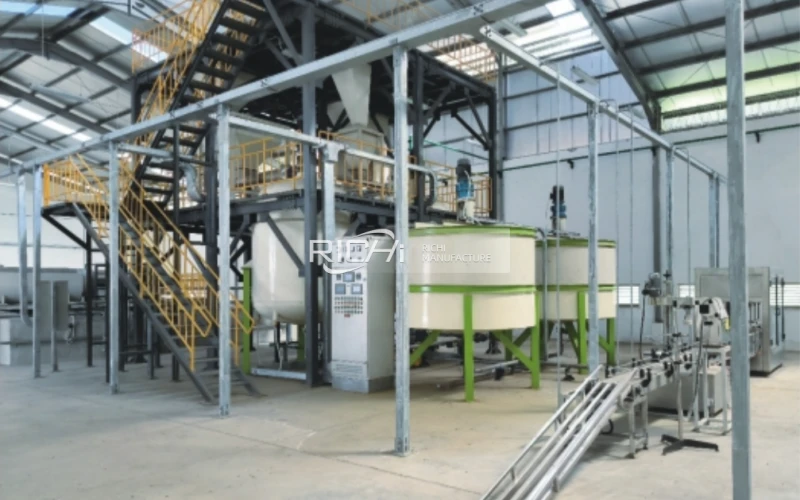

3 T/H
Lobster & Crab Residue Project in Canada
The raw-material stream is dominated by lobster and crab processing residues rather than finfish waste. Partially drained shell and soft-tissue residues enter at approximately 50–60% moisture and are blended with composted organics and plant fiber. Because of the hard shell fraction, RICHI incorporated staged crushing and fine grinding after moisture reduction, followed by mixing and pelletizing.
Equipment Used :FZLH320
Pellet Size : 3-4 mm
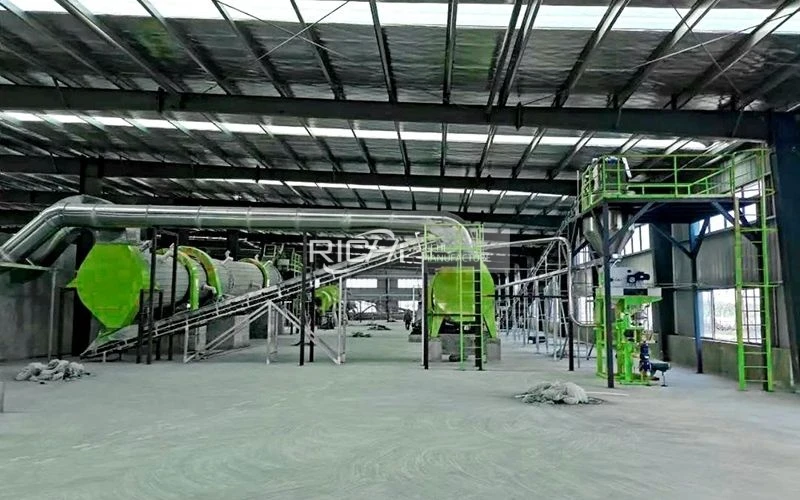

4 T/H
Tilapia Processing Waste Project in Brazil
Tilapia heads, frames, skin and trimming residues are collected after filleting and initially contain approximately 60–70% moisture. Following pressing and drying, the fish fraction is blended with locally available crop-processing residues and composted organic material. RICHI configured the line to prepare the wet fish stream separately before grinding, formula mixing and granulation.
Equipment Used :FZLH350
Pellet Size : 4-5 mm
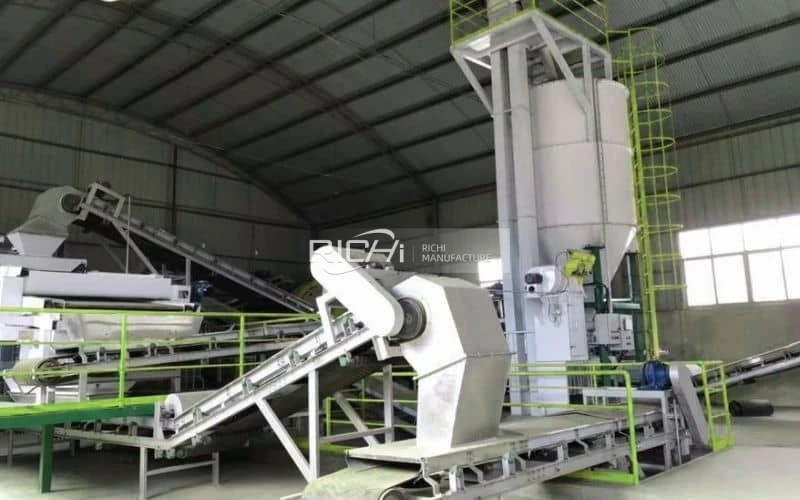

2T/H
Salmon & Aquaculture Solids Project in Australia
The customer processes pre-dewatered fish-processing and aquaculture solids at approximately 55–65% initial moisture, together with dry plant-derived organic material. Because the wet and dry streams behave differently, RICHI designed separate preparation routes before final proportioning and mixing. The prepared fertilizer blend then passes through pelletizing, cooling and screening.
Equipment Used :FZLH320
Pellet Size : 4 mm
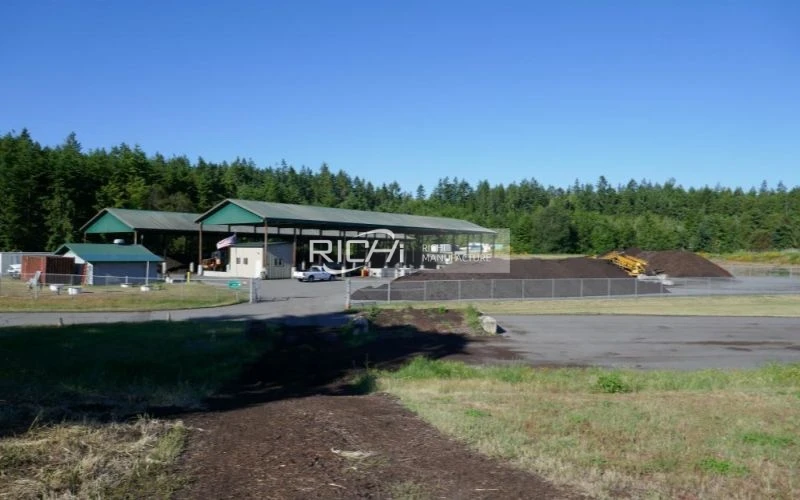

3 T/H
Mixed Aquaculture Residue Project in Malaysia
Collected fish-farm solids and processing residues form the aquatic fraction, while rice-processing and other agro-industrial residues provide dry co-materials. The wet fraction enters at approximately 70–80% initial moisture and requires dewatering and drying. RICHI configured independent moisture reduction and fiber crushing before the materials are proportioned, mixed and pelletized.
Equipment Used :FZLH320
Pellet Size : 4-6 mm

4 T/H
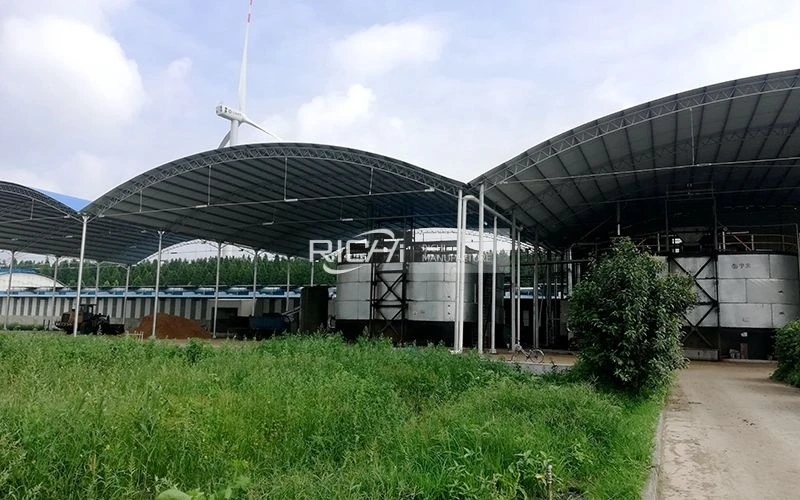
Tuna Processing Waste Project in Philippines
Tuna heads, frames, skin and trimming residues are generated during industrial processing, with the fresh fraction typically entering the recovery process at approximately 60–70% moisture. After pressing and moisture reduction, the fish solids are combined with prepared agricultural residues. RICHI supplied the downstream drying, grinding, mixing, pelletizing, cooling and screening configuration.
Equipment Used :FZLH350
Pellet Size : 3-4 mm

5 T/H
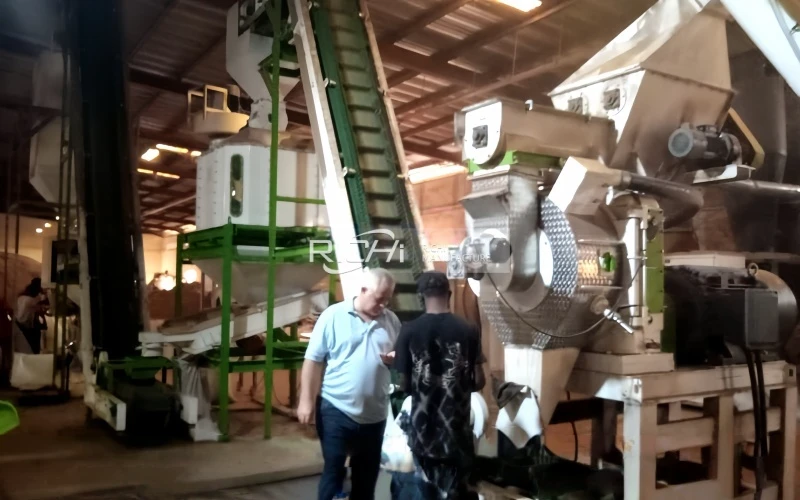
Trout Processing Residue Project in Turkey
The customer collects trout heads, frames and filleting residues that have already undergone initial pressing, leaving the material at approximately 40–50% moisture. This reduces the duty of the downstream drying stage. Prepared trout solids are combined with composted manure and milled crop residues before controlled mixing and granulation into commercial fertilizer pellets.
Equipment Used :FZLH350
Pellet Size : 5 mm

6T/H
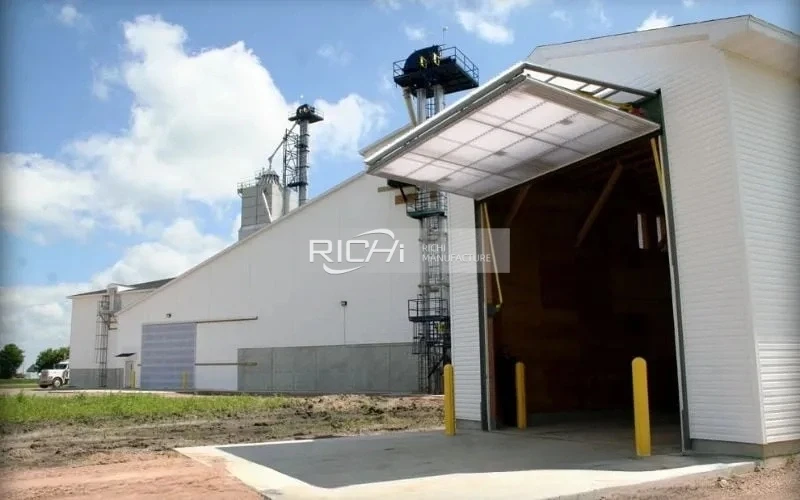
Canned Fish By-Product Project in Spain
The project handles cooked and pressed fish-processing solids generated downstream of a canning operation rather than raw whole fish waste. Incoming solids are approximately 35–45% moisture and are blended with stabilized organic ingredients after further drying. RICHI integrated grinding, dosing, mixing and fertilizer pelletizing with cooling and final screening.
Equipment Used :FZLH420
Pellet Size : 4 mm

3 T/H
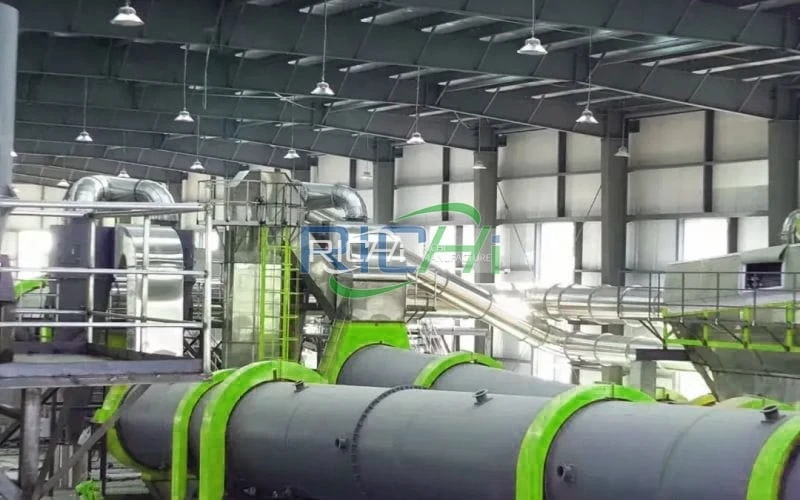
Seafood Processing Residue Project in South Korea
The customer receives a mixed stream of fish-processing solids and selected seafood residues that have been drained and partially dried to approximately 30–40% moisture. Because the composition changes with processing batches, separate storage and controlled dosing are used before blending with dry organic ingredients. RICHI configured final drying, fine grinding, mixing and stable pellet production.
Equipment Used :FZLH320
Pellet Size : 4 mm
Different fish waste projects test different parts of a fertilizer system—material preparation, pelletizing stability, installation, operator training, line integration or after-sales support. The feedback below reflects how customers in different seafood and aquaculture markets evaluate the fish waste pellet machine and the complete processing solution around it.

Iceland Whitefish Processor
3T/H Fish Waste Fertilizer Pellet Project
“We already had drying equipment for cod and haddock processing residues, so we did not want to rebuild the whole plant. RICHI connected the new grinding, mixing and fish waste pellet machine section to our existing process, and the integration was much cleaner than we expected.”
Peru Fishmeal Producer
6T/H Fishmeal Residue Pelletizing Project
“Our material was very different from fresh fish waste because most of it came from dried fishmeal fines and processed anchoveta solids. The technical team adjusted the feeding and die configuration around this dry formula, and the 5 mm pellets came out much more consistently after commissioning.”
Morocco Sardine Processor
4T/H Sardine Waste Fertilizer Project
“We were mainly concerned about handling oily sardine residues without creating an unstable pelletizing process. RICHI helped us separate the wet preparation from the final mixing and granulation stages, and the operators understood the control points clearly after the training.”
New Zealand Aquaculture Recycler
2T/H Mussel & Fish Residue Pellet Project
“Our raw material changes between mussel-processing residues, fish solids and dry plant fiber, so flexibility was more important to us than maximum output. The line lets us prepare those streams separately and then run a controlled fertilizer blend through the pelletizer without constantly changing the whole process.”
Mexico Shrimp Processor
5T/H Shrimp Waste Fertilizer Project
“The shrimp heads and shells needed much finer preparation than we originally expected, and RICHI caught that during the process discussion. The crushing and mixing arrangement made a noticeable difference, and the fish waste pellet machine now runs with a much more uniform feed than our earlier trial setup.”
South Africa Fishmeal Processor
3T/H Pelagic Fish Residue Pellet Project
“We already knew how to handle anchovy and sardine material, but fertilizer granulation was new for our production team. The installation supervision and operator training focused on practical things—moisture, feeder loading and pellet quality—so our staff were able to take over the line confidently.”
Bangladesh Shrimp & Fish Recycler
3T/H Aquatic Waste Fertilizer Project
“Our biggest issue was combining wet shrimp and fish residues with rice husk and other dry materials without getting an uneven mixture. RICHI designed the preparation stages separately, then brought the materials together at mixing, which gave us a much more stable feed for 4 mm pellet production.”
Japan Seafood Fertilizer Producer
2T/H Mixed Seafood Residue Pellet Project
“We needed a compact system because the plant already had several processing sections and very little spare floor space. RICHI arranged the equipment around the available layout, provided clear installation drawings, and the commissioning team spent more time on fine adjustment than simply starting the machine.”
Fish Waste Pellet Machine Price
Fish waste pellet machine prices typically range from USD 10,000 to USD 100,000, depending on the model, capacity, die specification, feeding arrangement, electrical standard, and level of customization. For customers processing fish meal residues, seafood by-products, shrimp-shell blends, or other prepared fertilizer materials, the pelletizer should be selected according to both required output and actual feed characteristics.
These figures refer to the pelletizing equipment rather than the cost of a complete fish waste fertilizer plant. Projects starting with wet, oily, or coarse fish waste may also require dewatering, drying, crushing, mixing, cooling, screening, and packing equipment, so RICHI prepares the final quotation after confirming the material condition, target capacity, pellet specification, and existing equipment.
Range for
Fish Waste Pellet Mill Price:
FZLH250 (22KW)
$10,000–$13,000
FZLH320 (22KW)
$15,000–$18,000
FZLH350 (37KW)
$18,000–$25,000
FZLH420 (90KW)
$26,000–$32,000
FZLH520 (132KW)
$43,000–$50,000
FZLH678 (200KW)
$64,000–$70,000
FZLH768 (315KW)
$75,000–$85,000
What Fish Waste Pelletizing Capacity Do You Need?
Choose the output range closest to your planned production scale, or send us your available fish waste volume and operating hours so we can match the appropriate fish waste pellet machine.
Fish Waste Fertilizer Processing Workflow
A complete fish waste fertilizer process may include impurity removal, crushing, composting or stabilization, drying, batching, mixing, pelletizing, cooling, coating, screening and packaging. The actual route depends on what arrives at the plant: fresh fish residues may require pressing and moisture reduction, aquaculture sludge usually needs dewatering, shell-rich materials require stronger size reduction, while dried fish meal residues may enter the formulation section with far less preparation.
Our scope covers process consultation, plant layout, equipment manufacturing, installation guidance, commissioning, operator training and spare-parts support. Additional impurity separation, enclosed conveying, dust collection, intermediate storage and automated dosing systems can be incorporated where the material or site requires them, allowing new plants and existing factories to build around their actual production conditions.
The best fish waste processing line is the one that matches the material you actually have—not the longest equipment list. Whether you need a complete pellet fertilizer plant, a powder fertilizer system, or only one missing processing section, RICHI can configure the process around your existing operation and finished-product target.
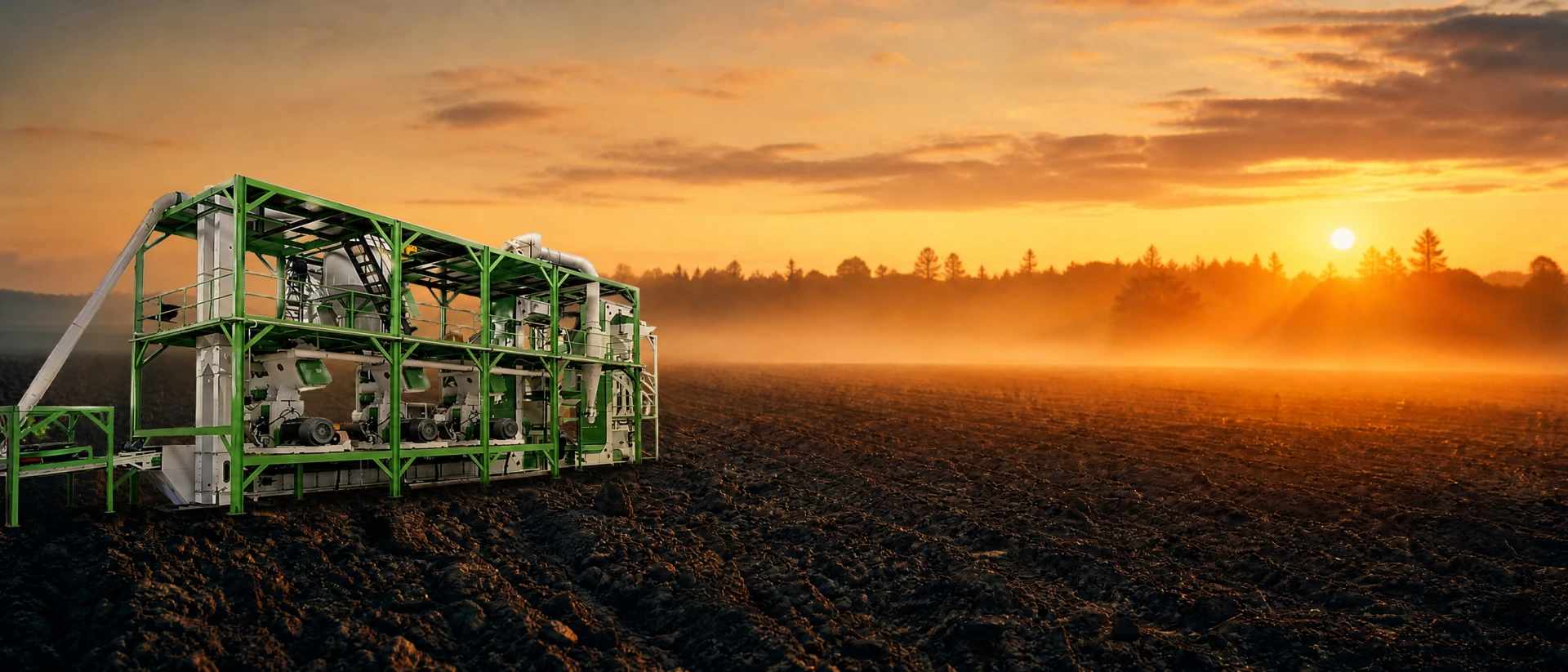
Complete Equipment for Fish Waste Fertilizer Pellet Production
A complete fish waste pellet line requires far more than the fish waste pellet machine itself. Fresh fish residues may need pressing and drying, aquaculture sludge may require dewatering, shell-rich materials need stronger size reduction, while dried fish meal solids can move directly toward batching and mixing. RICHI selects each machine according to material state, required capacity, plant layout and budget; additional bale breakers, rotary cleaners, storage bins, conveyors and automated controls can be incorporated where the process requires them.
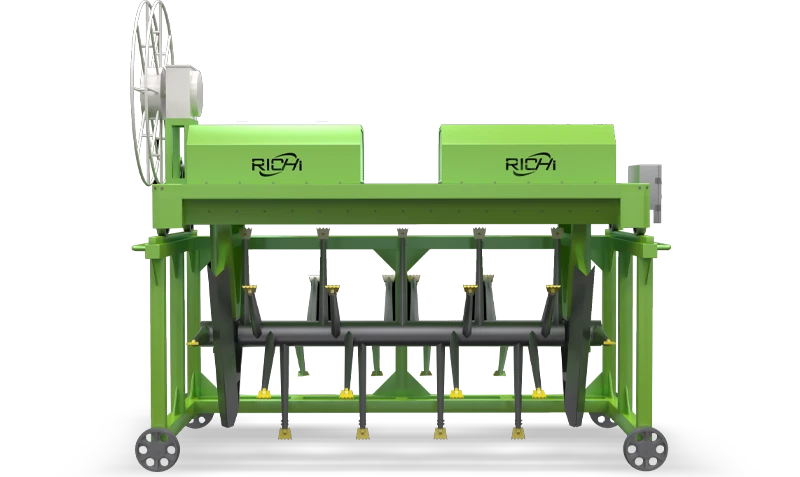
SludFish Waste Compost Turner
Used where fish-derived materials are incorporated into a formulation requiring aerobic composting or stabilization, commonly together with manure, plant residues or other organics. It is not required for already stabilized fish meal or dried processing solids.
Turning Width
2–8 m
Turning Height
0.5–2.5 m
Fish Waste Crusher Machine
Used after drying or stabilization to break agglomerated fish solids, composted blends and other fertilizer ingredients into a more uniform feed for mixing and pelletizing. Shell-rich or highly fibrous material may require a different crushing arrangement rather than relying on this machine alone.
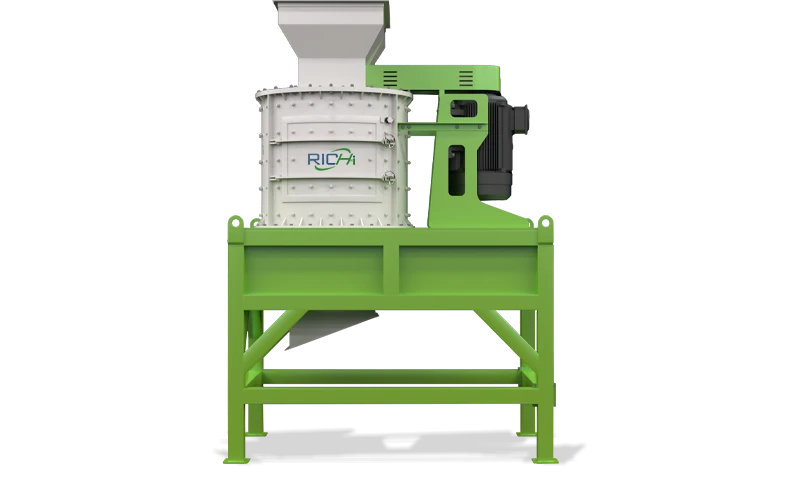
Capacity
1–30 T/H
Main Power
7.5–160 kW
Fish Waste Mixer Machine
Combines prepared fish solids with manure, crop fiber, mineral ingredients or other fertilizer materials after individual streams have reached suitable particle size and moisture. Uniform mixing is particularly important when the fish-derived fraction has different density or moisture from the dry co-materials.
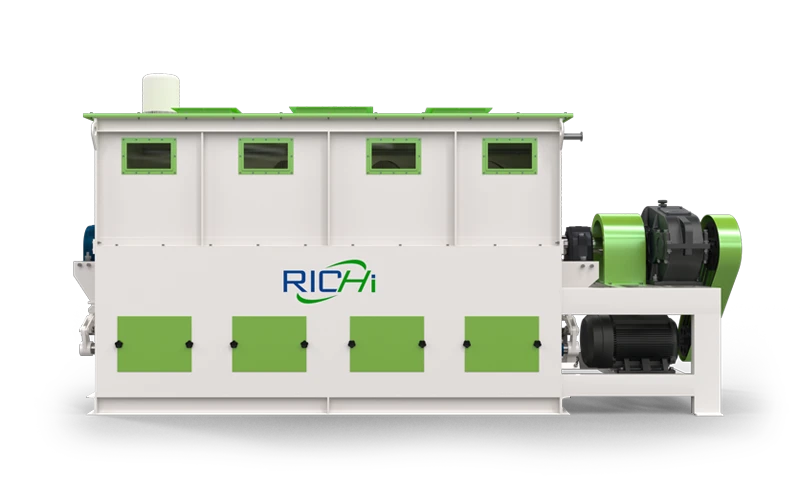
Capacity
250–2,000 kg/batch
Main Power
4-30KW
Fish Waste Dryer
Reduces excessive moisture before granulation when pressed fish solids, dewatered sludge or mixed organic material is still too wet for stable ring-die pelletizing. Dryer size and heat source are calculated from incoming moisture and the actual water-evaporation load, not pelletizer capacity alone.
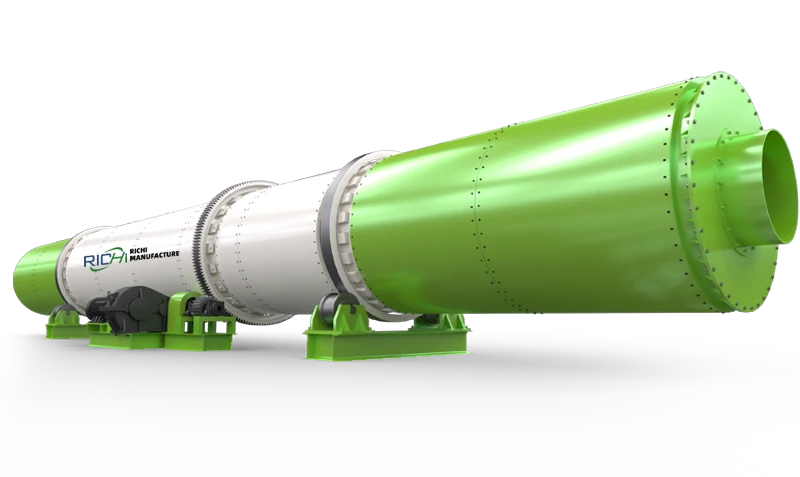
Capacity
1–30 T/H
Drying Temperature
60–250℃
Fish Waste Screener
Screens prepared material before processing when necessary and separates qualified pellets, fines and oversize product after cooling. Mesh size and screen configuration are selected around the 4–12 mm finished pellet specification and the required recycling route.
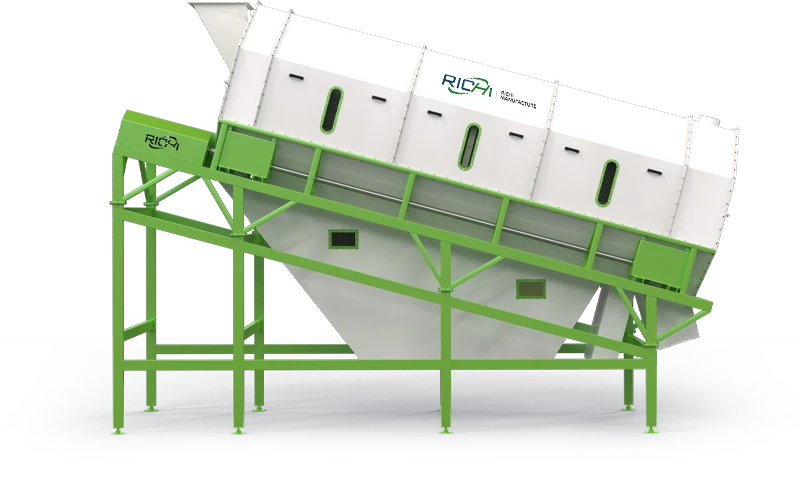
Capacity
3-50T/H
Screen Layers
1–3 Layers
Fish Wastee Bagger
Weighs finished fish-based fertilizer pellets or powder into commercial bags after final screening. Systems can be selected for small retail sacks, standard fertilizer bags or bulk packages according to the customer’s sales and logistics requirements.
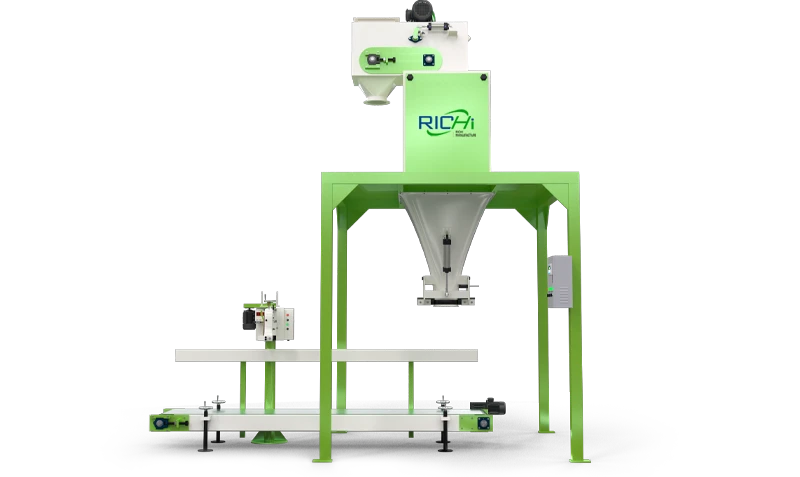
Packing Range
10–1000 kg/bag
Packing Speed
6–20 Bags/min
Feeding & Weighing System
This system meters the main bulk ingredients—such as dried fish solids, manure, plant residues or other fertilizer feedstocks—before mixing. Unlike trace-element dosing, it handles comparatively large material flows and controls the primary formulation ratio.
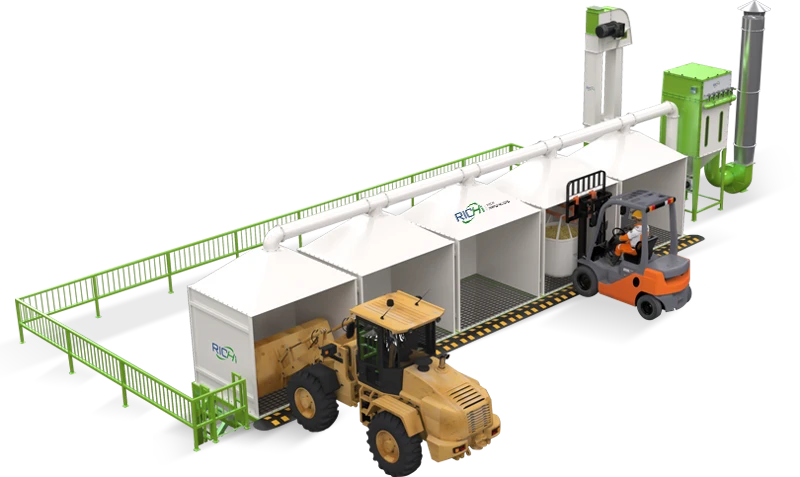
Weighing Capacity
1–50 T/H
Weighing Accuracy
±0.5–1%
Trace Element Dosing System
A separate micro-dosing unit adds low-inclusion minerals or micronutrient ingredients when the commercial fertilizer formulation calls for them. It is not the same as the main raw-material weighing system and should only be included when the fertilizer formula requires controlled small-dose additions.
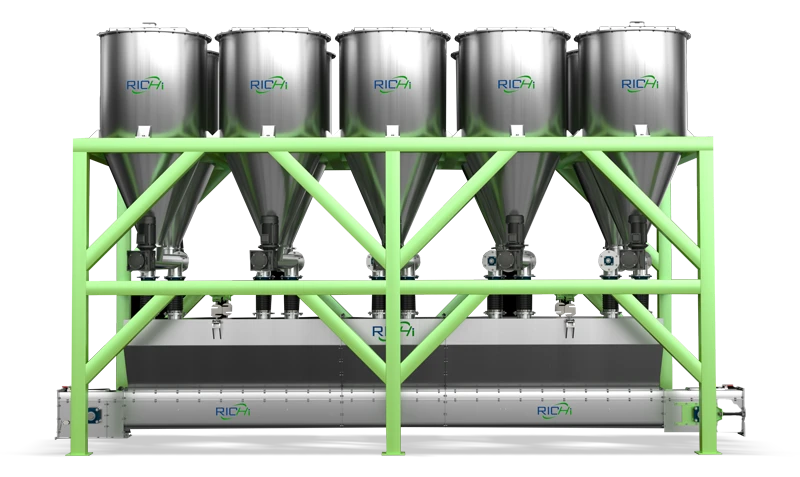
Dosing Accuracy
±0.1–0.5%
Hopper Volume
50–1000 kg
Fish Waste Conveyor
Belt conveyors, screw conveyors and bucket elevators connect wet-material preparation, crushing, mixing, pelletizing, cooling and packing sections. Fish-waste projects often require different conveyor types for wet solids, dry powder and finished pellets rather than one conveyor design throughout the plant.
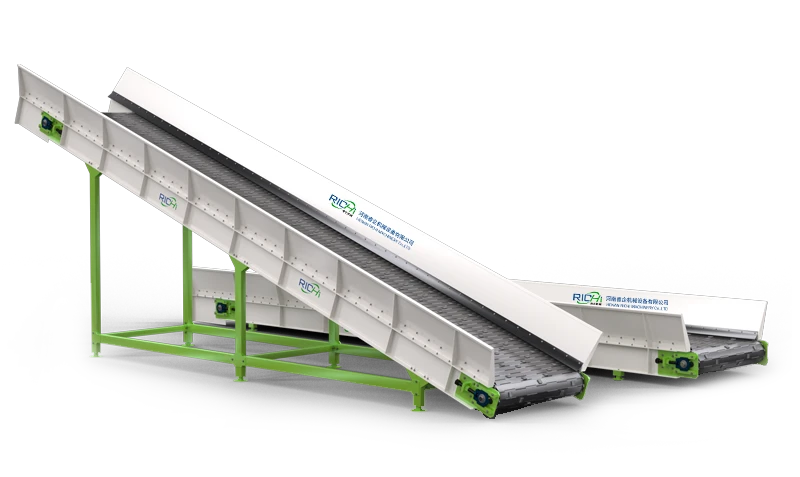
Capacity
2-40T/H
Conveying Length
3–40 m
A practical fish waste fertilizer line may also require screw presses, solid-liquid separators, sludge dewatering equipment, oil/liquid separation units, raw-material cleaners, magnetic separators, fish-waste shredders, fine grinders, pellet coolers, storage hoppers and silos, buffer bins, odor-control equipment, liquid tanks, automatic batching controls and finished-product storage systems. Bale breakers may be added where bedding or agricultural fiber arrives in compressed bales, while rotary screens and additional conveying circuits are useful in plants receiving several raw-material streams.
There is no compulsory equipment list for every fish waste project. RICHI can configure an individual machine, one missing processing section, or a complete fertilizer plant according to the incoming fish waste, moisture balance, formula, workshop space, automation requirement and investment level.
Customized Fish Waste Fertilizer Production Solutions
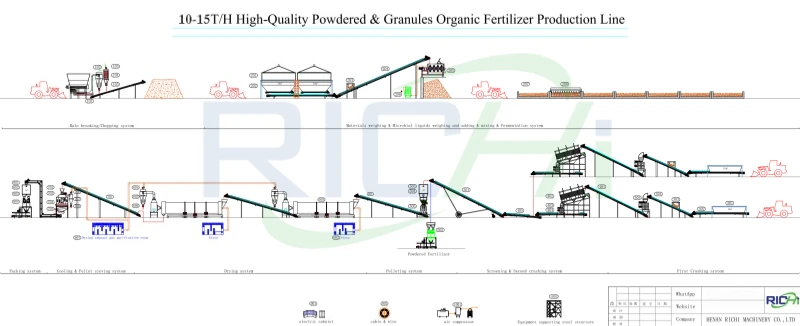
10–15 T/H Fish Waste Fertilizer Process Design [Example Solution]
RICHI configures fish waste fertilizer production lines from approximately 1 to 60 t/h, with larger plants using multiple processing or pelletizing units where required. The example below is a 10–15 t/h project designed to produce both bagged powder fertilizer and 2–12 mm fertilizer pellets from fish-derived organic material blended with fibrous and other compatible fertilizer ingredients.
crushing & feeding
cleaning & addition
mixing & fermentation
crushing & screening
powder packing
pelletizing & drying
cooling & storage
pellet packing
The process begins with straw size reduction to approximately 20–30 mm, followed by raw-material receiving, batching, magnetic metal removal and controlled liquid addition. After homogeneous mixing, materials requiring biological stabilization enter the fermentation stage.
The stabilized blend is then received again for crushing and screening: wet agglomerates pass through a vertical crusher, a drum screen separates fine material from oversize fractions, and the oversize stream is returned to a second crushing stage. Qualified powder can be packed directly in adjustable 10–50 kg bags, allowing the same plant to produce a marketable powdered fertilizer without passing through the pelletizing section.
For granular production, prepared material is fed to the fish waste pellet machine and formed into customized 2–12 mm pellets. Fresh pellets then pass through drying when additional moisture reduction is required, followed by cooling, vibrating screening, finished-product storage and 10–50 kg bagging. Screened fines are collected for controlled return to the process rather than discarded. The final drying target can be adjusted to approximately 8–15% moisture according to the fertilizer specification, while pellet diameter, hardness and process settings are matched to the actual fish-waste formula.
Your fish waste may arrive wetter, contain more oil, use different co-materials, or require a completely different product specification from this example. Send us your raw-material condition, available volume, target fertilizer and workshop information, and we will build the process around what your project actually needs.
Business Prospects for Fish Waste Pellet Production
Fish processing and aquaculture generate a continuing stream of heads, frames, shells, sludge, trimmings and other organic by-products, creating both a disposal burden and a recoverable raw-material source. Converting suitable fractions into fertilizer pellets fits the wider shift toward circular use of aquatic by-products, with especially strong potential in major seafood-processing and aquaculture markets such as Norway, Chile, Vietnam, Ecuador and other regions where raw-material supply is concentrated.
A fish waste pellet machine can support the production of fish-based organic fertilizer, marine fertilizer, soil amendment pellets and blended organic fertilizer products, provided the formulation and finished product comply with local fertilizer regulations. For investors, seafood processors and fertilizer companies with reliable access to aquatic by-products, the strongest projects begin with raw-material supply rather than machine size. Confirm the annual volume, moisture and composition first, then select the product formula and plant capacity around the amount of fertilizer that can actually be produced.
Turn Disposal Cost into Product Value
Fish residues that once required collection, transport or disposal can become inputs for a saleable fertilizer product after proper recovery and processing. For processors with a continuous by-product stream, a fish waste pellet machine creates another utilization route instead of leaving all value recovery to fish meal, oil or waste treatment.
Strong Potential in Seafood-Producing Regions
Large aquaculture and seafood-exporting markets offer the clearest opportunities because raw materials are generated in concentrated volumes around farms and processing clusters. Norway and Chile are particularly relevant for salmon, while Vietnam and Ecuador combine large aquaculture sectors with substantial seafood exports.
Sell into More Than One Fertilizer Market
Depending on formulation and local standards, fish-derived pellets can be developed for organic fertilizer, horticultural fertilizer, soil-conditioning products and blended marine-based fertilizers. The commercial opportunity comes from designing the product around nutrient composition, crop application and market requirements rather than simply pelletizing waste.
Improve Returns with Multi-Material Production
A line does not have to depend on fish waste alone: prepared manure, crop residues, food-processing by-products and other suitable organic materials can be blended or processed in different formulations. This lets a fertilizer producer use the fish waste pellet machine across a broader raw-material base and reduce dependence on one seasonal or limited waste stream.
FAQs for Real Processing Projects
We process 25–30 tonnes of fresh salmon waste per day. Is a 1 T/H pellet line too small?
Not necessarily. If the salmon residues contain around 65–75% moisture, the dry solids available after pressing and drying are far lower than the incoming wet tonnage. For 25–30 t/day of fresh residues, a 1–1.5 t/h pelletizing section can be reasonable depending on operating hours, recovered oil/liquid, added ingredients and final formula; we would size the line from a mass balance rather than wet-waste tonnage alone.
We run a large RAS fish farm but only collect sludge. Can we justify a pellet plant?
It depends on recovered dry solids, not farm water volume. RAS sludge may exceed 90% moisture before dewatering and remain around 70–85% afterward, so a standalone farm must generate substantial solids to keep a 1 t/h line loaded. Smaller farms are usually better suited to centralized collection or blending sludge with manure, crop residues or other fertilizer materials.
Our tuna plant generates heads, frames and viscera together. Do we need to separate them?
Not necessarily, but the mixture should be evaluated for fat, moisture and hard-particle content. Fresh tuna residues may be around 60–75% moisture, while viscera can raise the oil load considerably; a fish processing waste recycling machine system may therefore include size reduction, pressing/separation and drying before common formulation and pelletizing.
Can I use a pelletizer directly after my existing fish meal dryer?
Possibly. If your dried fish solids are already around 8–15% moisture and sufficiently fine, the existing dryer may eliminate the need for another major drying stage. We would check particle size, bulk density, residual fat and formulation before connecting a fish processing residue pellet machine to the existing plant.
Our shrimp waste is mostly heads, not shells. Does that change the equipment?
Yes. Shrimp heads generally introduce more soft tissue, moisture and organic matter, while shell-dominant streams place greater demand on crushing. A seafood waste processing machine configuration for fresh heads may emphasize dewatering/drying, whereas a dried shell-rich formula needs finer size reduction before mixing and granulation.
We have dried shrimp shells at about 15% moisture. Can they be pelletized alone?
Technically they can be processed further, but using 100% shell material is not automatically the best fertilizer product or the easiest pelletizing formula. We normally evaluate grinding fineness, mineral content, binding behavior and the intended fertilizer specification, then determine whether other organic ingredients should be incorporated before the seafood waste pelletizer.
Our fish residues contain salt because we process marine fish. Will that damage the pellet mill?
Salt and chloride need to be evaluated, especially when wet saline material contacts equipment for long periods. We can specify corrosion-resistant contact parts where justified, but the fertilizer itself also matters: excessive salinity can restrict agricultural use. A sample analysis for salt/chloride and final-product EC is advisable before fixing the fish waste treatment equipment configuration.
We want to process fish viscera, but the material is very oily. What should we do first?
Do not send highly oily viscera directly to the fish offal pelletizer. Pressing, thermal treatment where appropriate, oil/liquid separation and blending with lower-fat solids are typical options. The target is a stable prepared mixture that develops sufficient friction and structure in the ring die without excessive free oil interfering with pellet formation.
Can fish waste be mixed with poultry manure from our own farm?
Yes, provided both streams are properly prepared. For example, a fertilizer producer may formulate prepared fish solids at roughly 20–50% of the dry blend and combine them with treated poultry manure and plant-derived material; the actual ratio should be established from nutrient analysis, moisture, salt and product requirements rather than copied from a fixed recipe.
We have chicken manure and used bedding available all year. Is that useful for a fish fertilizer project?
It can be very useful because manure and bedding provide another substantial organic feedstock instead of making production dependent entirely on seasonal fish residues. Bedding may require shredding or crushing, while manure may require composting/stabilization; after separate preparation, both can be blended with fish-derived solids for fish waste fertilizer production.
Our pig farm is inland. Does adding purchased fish meal residue make commercial sense?
It can, particularly when fish-derived material is intended as a nutrient-rich component rather than the majority feedstock. A pig-farm fertilizer plant could process its principal manure stream and dose dried fish meal residues into selected formulations, allowing the same fish waste fertilizer machine to produce several fertilizer grades instead of depending on a large local supply of fresh fish waste.
Can a dairy farm use fish-processing waste together with cattle manure?
Yes, if the farm operates at a commercial scale and has enough total fertilizer feedstock. Cattle manure supplies the bulk organic stream while prepared fish by-products can form a controlled portion of the formulation; manure treatment and fish-waste preparation should remain separate until both streams reach suitable conditions for batching and mixing.
We have rice husk available in Vietnam. How much can we mix with fish residues?
There is no safe universal percentage. As a preliminary formulation range, plant-derived dry material might represent roughly 10–40% of a mixed organic fertilizer, but rice husk inclusion should ultimately be based on nutrient targets, carbon content, moisture balance and pellet behavior. It should not be added simply until wet fish waste “looks dry.”
Can a Thai shrimp processor use rice straw instead of sawdust?
Yes. Properly chopped and milled rice straw can supply fibrous organic material in a shrimp-waste fertilizer formulation. Long straw must first be reduced—often through coarse chopping followed by finer crushing—because oversized fibers can cause uneven feeding and interfere with stable operation of the seafood waste pelletizing machine.
We have sugarcane bagasse and fish waste in Brazil. Can one plant process both?
Yes. Bagasse and fish waste have very different moisture, fiber and particle characteristics, so they are normally prepared separately before batching. The fish stream may need pressing/drying while bagasse needs size reduction; controlled mixing then creates a consistent feed for the fish processing waste pelletizer.
Our aquaculture sludge is 82% moisture after dewatering. Is that dry enough for pelletizing?
No. At 82% moisture it is still far too wet for direct ring-die pelletizing. Further drying and/or blending with appropriately prepared dry ingredients is required; for many formulas, the material entering the fish waste pellet machine is ultimately conditioned to roughly 12–20% moisture, with the exact optimum confirmed through the actual formulation.
What happens if our prepared fish fertilizer mix is only 8–10% moisture?
It may be too dry for stable formation in some formulas, causing higher fines or poor pellet bonding. Controlled water or suitable liquid addition can raise the mixture toward the operating window established during testing; moisture adjustment should be measured rather than performed by visually judging the material.
Our material changes every week. Can the same line handle different fish species?
Usually yes. The pelletizer itself can handle many properly prepared fish-derived fertilizer formulations, but salmon residues, lean whitefish solids, tuna offal and shell-rich seafood waste do not behave identically upstream. Adjustable batching, moisture control and flexible preprocessing make a fish waste pelletizing machine more useful for processors with changing seasonal material streams.
Can we switch between fish fertilizer and ordinary manure fertilizer on the same line?
Yes, if the equipment and storage/batching arrangement are designed for multi-formula production. The line can process different prepared organic blends in separate production campaigns, but cleaning, cross-contamination requirements, dosing settings and die/process parameters should be considered whenever the formula changes substantially.
We need both powder and pellets. Do we have to install two production lines?
No. One plant can be designed with a process branch after crushing, screening and formulation: qualified material can enter a powder packing system, while another stream continues to the fish waste granulator, cooling, screening and pellet packing sections. This is often more economical than building two completely independent preparation systems.
I already own a crusher, mixer and dryer. Can you supply only the pelletizing section?
Yes. We can supply the fish waste pellet machine as a standalone unit or configure the missing feeding, pelletizing, cooling and screening section around existing equipment. Before doing so, we check the actual discharge particle size, moisture, hourly flow and control interface of your current machines to avoid creating a bottleneck between old and new equipment.
Our current pellet mill keeps blocking on fish-based fertilizer. Can yours replace it without rebuilding everything?
Often yes, but the cause should be identified before simply changing machines. Unstable moisture, excessive oil, oversized fibers, poor mixing or irregular feeding can all cause blockage. For retrofit projects, we review the existing process first and then determine whether a new fish processing waste pellet machine alone is sufficient or whether the feeder/preparation section also needs modification.
We need a true 3 T/H continuously, not a peak capacity. Which model should we consider?
FZLH320 covers 2–3 t/h and FZLH350 covers 3–5 t/h. If 3 t/h must be maintained continuously, FZLH350 normally provides more operating margin, subject to the actual fertilizer formula. We would not size a commercial plant solely by selecting the smallest machine whose published range touches 3 t/h.
Our target is 5 T/H. Should we use one FZLH350 or move to a larger machine?
FZLH350 is rated at 3–5 t/h, so 5 t/h is at the upper end of its reference range. If your business plan requires sustained 5 t/h output with variable fish-based formulations, we would evaluate operating margin and annual utilization before final selection rather than automatically designing the plant around maximum nominal output.
We expect to expand from 10 T/H later. Should the plant be designed for expansion now?
Yes, if expansion is reasonably likely. FZLH520 covers 9–12 t/h, but conveyors, electrical capacity, storage, building space and upstream preparation can be laid out with future expansion in mind. Reserving interfaces and floor space is usually much easier than relocating an operating fish waste fertilizer production plant later.
Can a seafood recycling company run several waste suppliers through one plant?
Yes, and centralized processing is one of the more practical applications of fish recycling equipment. The plant should have separate receiving/storage areas for wet fish residues, shell-rich materials and dry ingredients, with controlled batching after preparation. This prevents highly variable incoming waste from being fed directly into one common process without control.
We collect seafood waste from restaurants and markets. Is that suitable?
Potentially, but it is more complicated than clean factory by-products. Market and catering streams may contain packaging, plastics, bones of different sizes, salt, sauces or unrelated food waste, so sorting and contaminant removal become much more important. A seafood recycling machine system should only send clean, suitable organic fractions into fertilizer processing.
Can dead fish from an aquaculture farm be pelletized into fertilizer?
They may be usable only where local animal by-product, biosecurity and fertilizer regulations permit it and after the required sanitary treatment. Do not treat mortalities as equivalent to ordinary sludge or processing trimmings. We would establish the legally permitted treatment route first before configuring any fish farm waste fertilizer machine.
We have fish waste only during the fishing season. Will the line sit idle for the rest of the year?
It does not have to. A multi-material plant can use manure, crop-processing residues, suitable food/agro-industrial by-products and other permitted organic feedstocks during periods of low fish supply. This is one reason we often design fish by-product recycling equipment around several formulations rather than a single seasonal raw material.
How much workshop space should I allow if the fish waste is already dried?
A dry-material pelletizing plant is much more compact than a complete wet-waste treatment facility. As a preliminary planning reference, a 1–3 t/h pelletizing and finishing section may require several hundred square metres, while storage, traffic aisles and utilities add further space. Exact dimensions should be developed from an equipment layout rather than a generic m² figure.
We only have about 600 m² available. Can you build a complete 1 T/H plant?
Possibly if the feed material arrives substantially prepared, but 600 m² can be restrictive for a plant starting with fresh wet fish waste. Dewatering, drying, odor treatment, raw-material storage and vehicle access consume significant space. We would first separate what must occur onsite from what can be completed before the material reaches the plant.
Our site is close to residential buildings. How do we control fish-waste odor?
Start at receiving rather than relying on one end-of-line filter. Rapid processing, enclosed storage/conveying, local negative-pressure extraction and appropriate scrubber or biofilter systems can be combined according to the odor load. Wet fish receiving and drying usually deserve more attention than the fish waste pellet making machine itself.
Do we need stainless steel for the whole production line?
Usually not. Stainless steel is most valuable where wet, corrosive or hygiene-sensitive material contacts the equipment; dry downstream sections may use other suitable materials and protective finishes. For saline seafood waste, we assess chloride level, moisture, temperature and cleaning practice before specifying contact materials instead of making the entire plant stainless unnecessarily.
How do you stop metal and shell fragments from damaging the pelletizer?
Foreign metal should be removed upstream using magnetic separation and appropriate cleaning equipment. Shells are raw material rather than contamination, but large hard fragments must be reduced to a controlled particle size. Correct cleaning and crushing protect the die and rollers and improve feeding stability in a fish processing by-product pellet machine.
We want 4 mm pellets for horticultural fertilizer. Can the line maintain that size?
Yes. The confirmed FZLH range supports 4–12 mm finished pellet diameters, and 4 mm is a practical specification for many fertilizer products. Pellet diameter is controlled primarily by die-hole size, while length is adjusted separately by the cutter; screening removes fines and off-size material before packing.
Can we make a harder pellet for export without changing the whole machine?
Often yes. Pellet durability can be influenced through formula, feed moisture, particle size, die compression characteristics and operating conditions. We would first optimize these variables and the ring-die specification; changing the complete fish waste fertilizer pelletizer is generally unnecessary simply because a different pellet hardness is required.
Our electricity supply is limited. What should we check before selecting a model?
Start with the pelletizer motor plus all simultaneously operating auxiliary equipment—not the pellet mill alone. The confirmed main motor range runs from 22 kW on FZLH250/FZLH320 to 250 kW on the standard FZLH768 specification, while dryers, crushers, fans, conveyors and compressors can add substantial connected load. We provide a complete electrical load list during engineering.
Can you design the line around locally available heat instead of a standard dryer fuel?
In many cases, yes. Dryer heat-source selection can consider locally available steam, gas, biomass-derived heat or other technically suitable sources, subject to local regulations and the required drying duty. For fish-derived materials, temperature control, odor handling and fire/process safety must be considered together rather than choosing heat solely by fuel price.
What information should I send you before asking for an equipment configuration?
Send the raw-material types and approximate percentages, daily or annual quantities, initial moisture, whether fish waste is fresh/pressed/dried, target pellet output, operating hours, available workshop dimensions and existing equipment. Photos, videos and a basic material analysis make it much easier to configure the correct fish waste processing equipment and avoid unnecessary machines.
Can you test my actual fish waste before I order the production line?ur Equipment Handle Chicken Manure Combined With Food Waste?
For unusual or difficult formulations, material testing is strongly recommended where sample logistics and test arrangements permit. Moisture, oil, salt, particle behavior and co-material ratio can materially change pelletizing performance, so testing helps establish preparation requirements, die selection and operating conditions before the final fish waste pellet machine configuration is fixed.
Fresh fish offal, pressed processing residues, shrimp shells, aquaculture sludge and dried fish meal solids cannot be handled with one fixed process. Tell us what waste you generate, how much you have, its current condition and the fertilizer product you want to sell; RICHI can match the preprocessing, fish waste pellet machine and downstream equipment to the actual project.


