

 0086-138 3838 9622
Precision-engineered aqua feed systems producing nutritionally optimized pellets – trusted by leading aquaculture operations worldwide for consistent quality and maximum feed conversion rates.
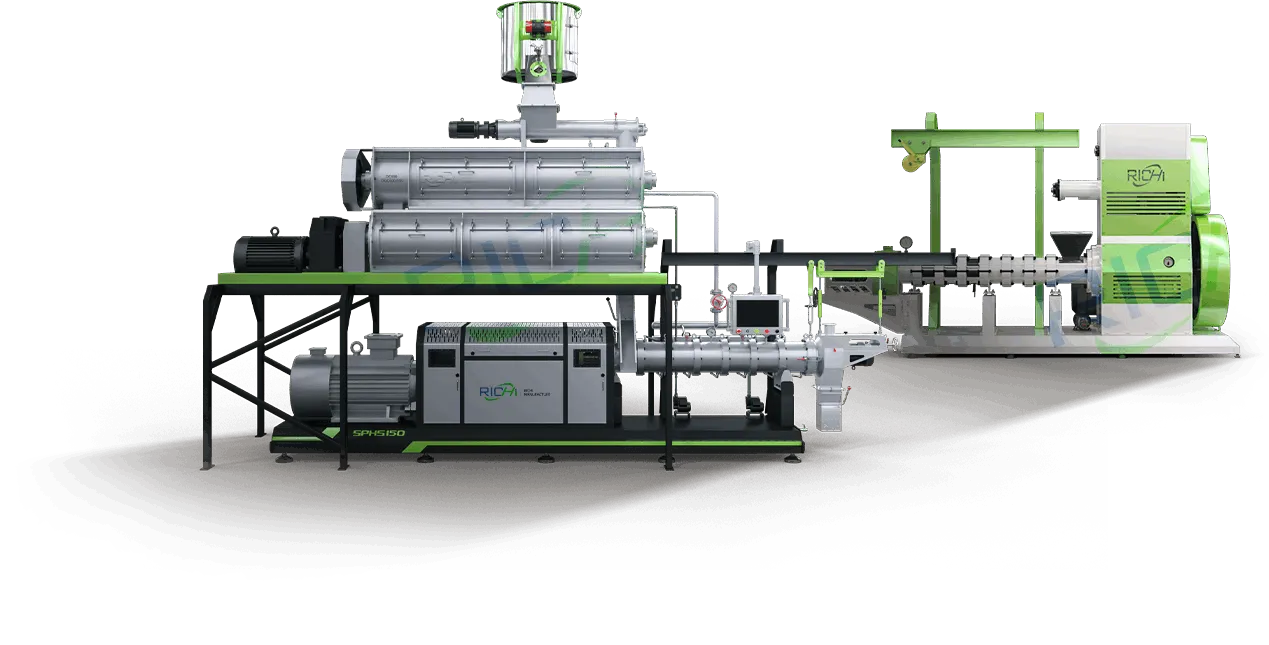
AQUA FEED MILL EQUIPMENT
RICHI MACHINERY designs and builds complete aqua feed milling systems for shrimp, fish, and specialty aquaculture operations. Our heavy-duty extruders and pellet mills produce nutritionally balanced, water-stable feeds with precise float/sink characteristics – backed by 25+ years of aquaculture engineering expertise.
Application
Our aqua feed mill equipment delivers versatile processing capabilities for all major aquaculture feed types, from floating shrimp pellets to sinking fish feed. We specialize in both extrusion and pelletizing technologies, offering customized solutions that precisely match your feed formulation requirements and production scale.
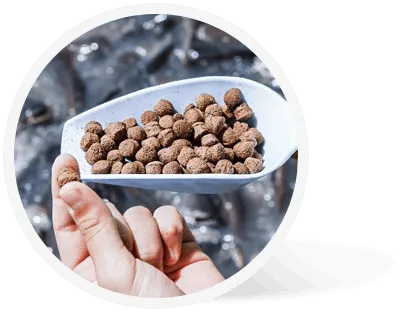
Floating fish feed
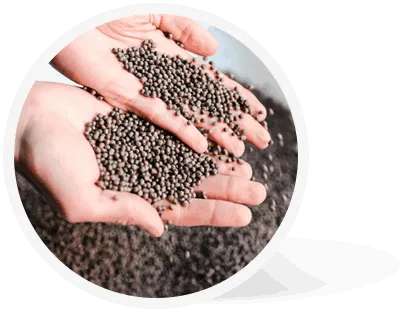
Sinking fish feed

Shrimp feed
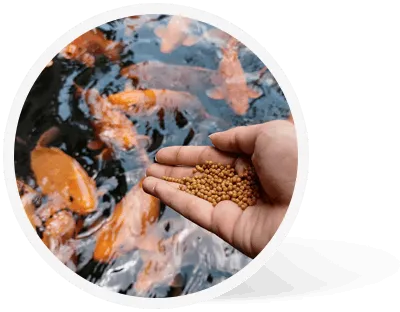
Ornamental fish feed
Core Aquafeed Production Equipment
A complete aqua feed mill plant requires specialized equipment designed to handle delicate nutritional formulations and stringent quality standards. We provide the essential systems for modern feed mills, including high-efficiency grinders, precision mixers, advanced extruders, pellet mills, hygienic dryers, and automated coating systems—all engineered to work seamlessly together.

Each component designed to preserve nutritional value while achieving exact pellet specifications.

Maintain ±2% pellet size consistency and >98% water stability across all aquafeed applications.

Engineered for Excellence
From micro pellets to large diameter feeds, we engineer each system for your exact species requirements and production volumes.

Twin screw extruder machine

wet type feed extruder machine
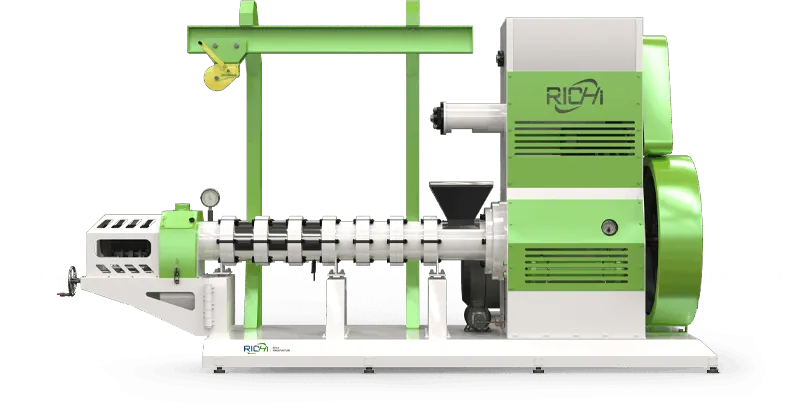
dry type feed extruder machine
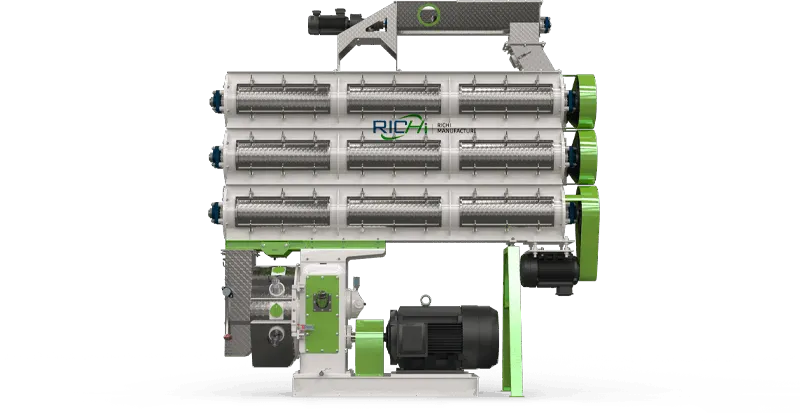
aqua feed pellet machine
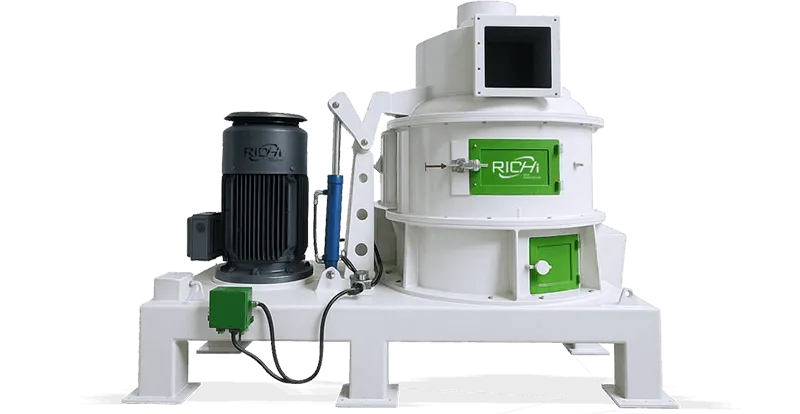
Micro Pulverizer machine

aqua feed mixer machine
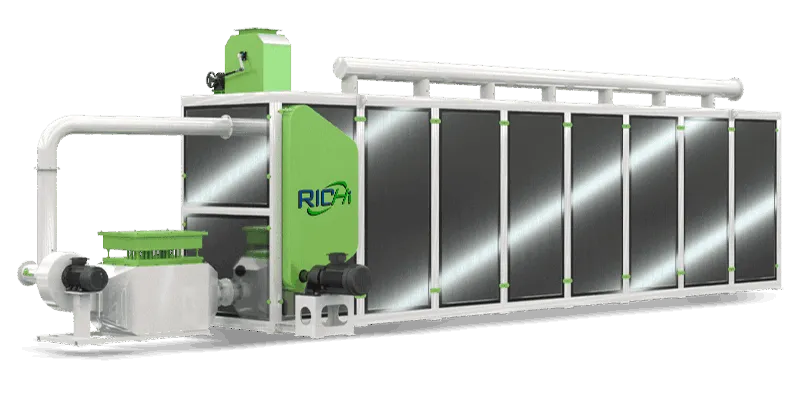
mesh belt dryer machine
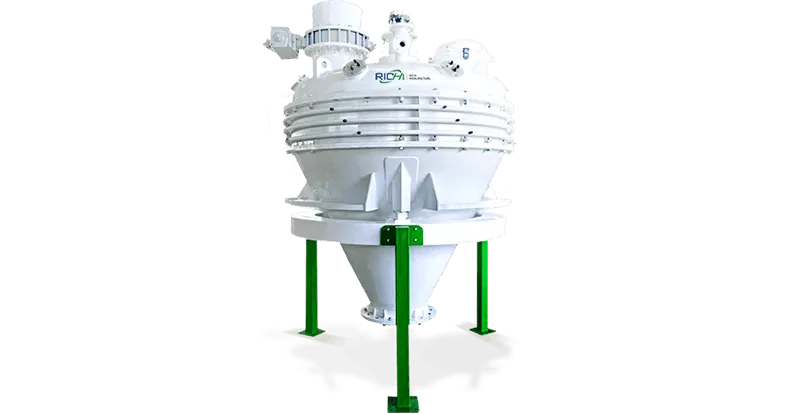
Vacuum spraying machine
Tailored Equipment for Optimal Animal Nutrition
From high-protein shrimp feed to specialized floating fish pellets, our industrial aqua feed systems process nutrient-rich formulations into water-stable feed with precise float/sink characteristics. Engineered for optimal digestibility and minimal fines, our aqua feed mill equipment helps major aquaculture operations achieve consistent FCR improvements across species and growth stages.
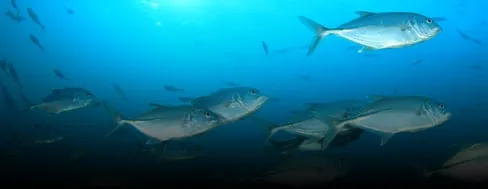
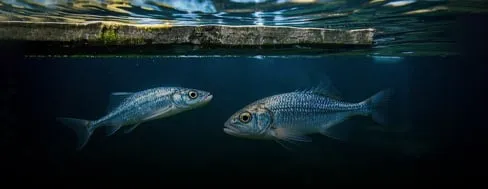


Crab feed mill equipment •

Frog feed mill equipment •
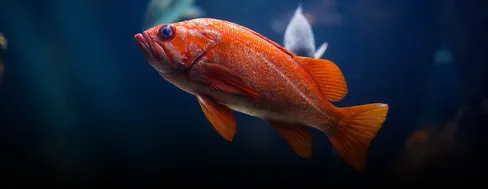
Ornamental fish feed equipment •
Scalable extrusion Systems from 0.2 to 12+ TPH

SPHS75x2
Capacity: 0.5-1.0 T/H
Engineered for precision micro-feed production (0.5-1.0 TPH), this compact twin screw extruder delivers exceptional control over pellet buoyancy – ideal for hatchery feeds and specialty aquatic diets.
SPHS120*2
Capacity: 1.5-4.0 T/H
Our mid-capacity workhorse (1.5-4.0 TPH) features enhanced barrel cooling for stable processing of high-lipid formulations. It produces consistent 1-3mm pellets with adjustable float/sink rates.
SPHS150*2
Capacity: 5.0-6.0 T/H
Designed for commercial feed mills (5.0-6.0 TPH), this model incorporates our die technology for superior starch gelatinization. The cutter drive handles dense broodstock feeds up to 12mm diameter.
SPHS185*2
Capacity: 10-12 T/H
The flagship of our aquafeed line (10-12 TPH) combines massive throughput with precision control. The configuration processes high-viscosity formulas at lower temperatures.
DGP90B-160B
Capacity: 0.2-1.0 T/H
Engineered for cost-effective aquafeed production (0.2-1.0 TPH), our dry-process extruder delivers reliable performance for small to mid-scale operations.
DSP90B-135B
Capacity: 0.5-1.0 T/H
Designed for premium feed quality (0.5-1.0 TPH), this steam-conditioned extruder achieves superior starch gelatinization for enhanced digestibility.
Beyond extruders and pellet mills, a high-performance aquafeed operation requires precision-engineered support systems. We provide fully integrated solutions including advanced preconditioning stations for optimal moisture control, precision dryers with ±1°C temperature accuracy, and automated coating systems for uniform lipid application.
Our auxiliary equipment is designed to match your core processing capacity, ensuring seamless material flow from raw intake to finished feed packaging – all built to aquaculture’s exacting hygiene and efficiency standards.
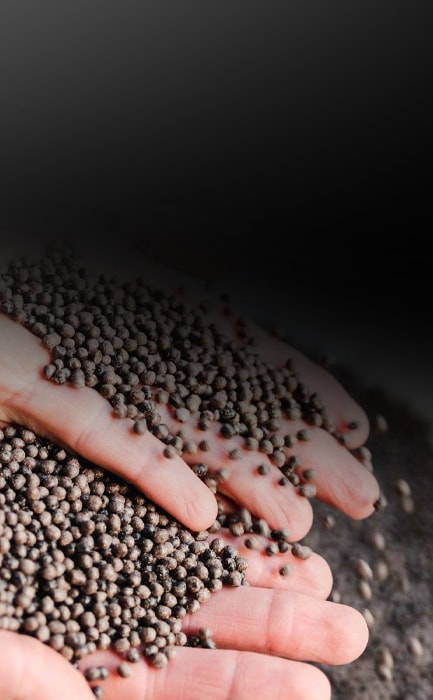
Comprehensive Aquafeed Line Support Systems
Complete your aquafeed production ecosystem with precision-engineered support systems.
High-torque grinding system reduces raw materials to 0.5-2mm with uniform consistency for optimal pellet formation.

Paddle Feed Mixer
Dual-shaft mixing technology incorporates liquids and powders uniformly with 90-120 second cycle times.
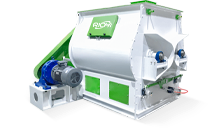
Heavy-duty paddle mixer ensures complete ingredient integration with ±0.5% formulation accuracy across batch sizes.
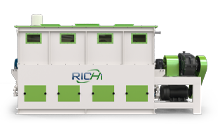
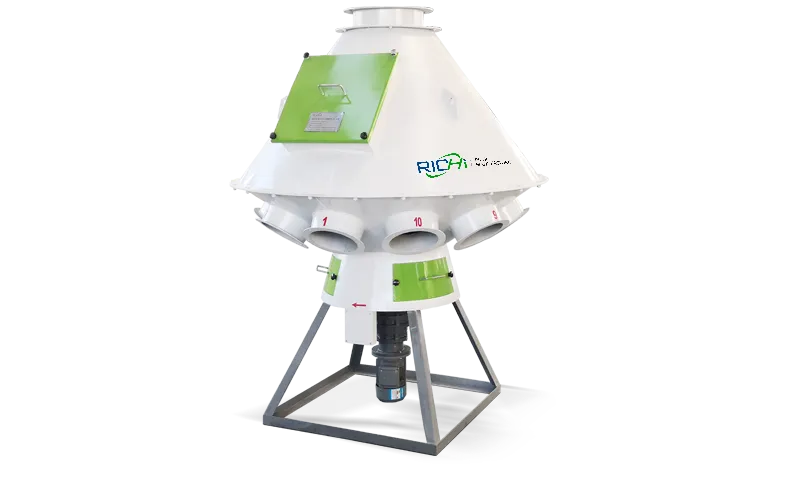
Rotary distributor
Programmable discharge system ensures even material flow distribution across multiple processing lines simultaneously.
Counterflow air circulation reduces pellet temperature gradually while maintaining structural integrity and moisture balance.

Molasses Addition
Precision metering pump system applies liquid coatings within ±1% dosage accuracy for enhanced feed palatability.

Multi-deck screening technology separates pellets into precise size fractions with 98% classification efficiency.

Drum Mixer Machine
Continuous-flow mixing chamber achieves homogeneous blends at production rates up to 15TPH.
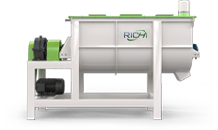
Bagging Machine
Automated system with integrated check-weigher achieves ±50g packaging accuracy for retail and bulk formats.
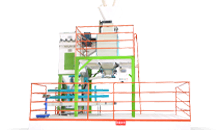
Adjustable roller system gently breaks oversize pellets into uniform crumbles for juvenile feed applications.

Corrosion-resistant, climate-controlled bulk storage units with 50-100MT capacity and automated inventory management.

Bulk Silo
FDA-compliant storage vessels with 50-200MT capacity featuring advanced aeration and moisture control systems.

PLC Weighing System
Microprocessor-controlled system delivers 0.1% measurement precision for sensitive additives and premixes.
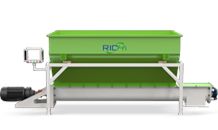
ATEX-certified filtration system maintains <5mg/m³ air quality with automatic self-cleaning cycles.

Batching Scale
Industrial-grade scale with 5000kg capacity and moisture-resistant load cells for accurate ingredient proportioning.
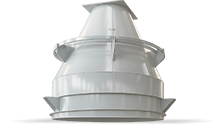
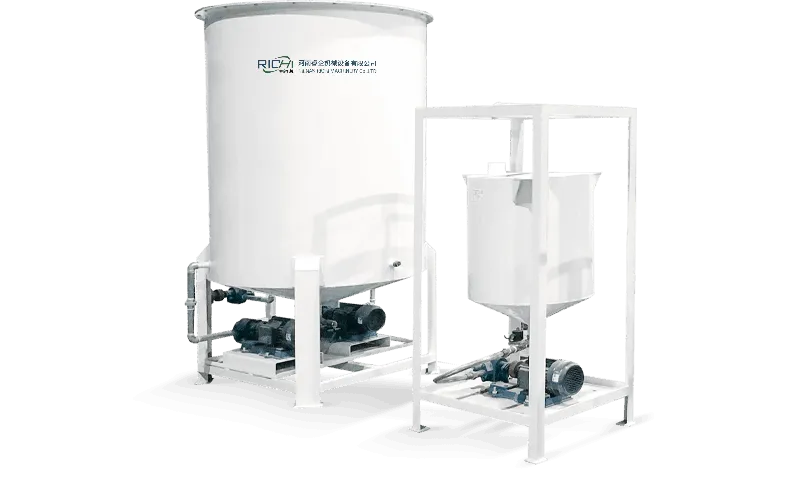
Liquid Weighing
Corrosion-resistant load cell system precisely doses micro-ingredients with 0.05% measurement accuracy.
Powder Cleaning Screen
High-frequency vibrating filters remove foreign materials and oversize particles from raw ingredients prior to processing.

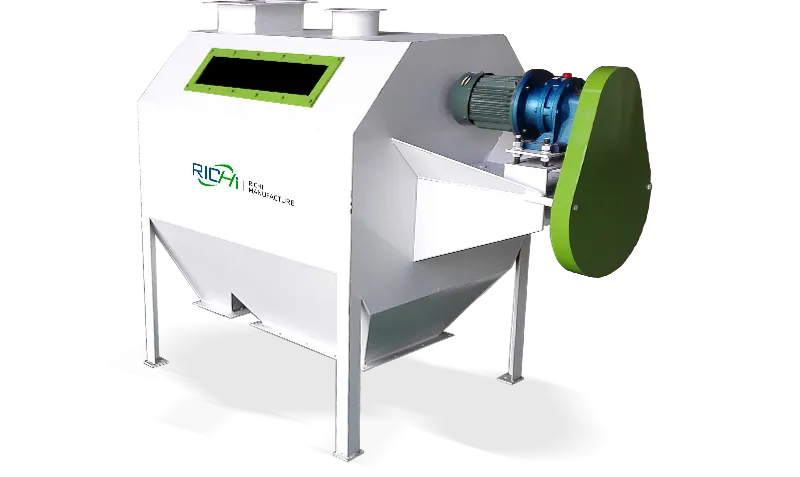
Drum Pellet Cleaner
Specialized tumbling system gently removes husks and impurities from whole grain ingredients.
Food-grade continuous vertical conveyor system minimizes particle breakage while achieving 20-30TPH transfer rates.
Low-friction stainless steel conveying system transports delicate pellets with <0.5% breakage rate.
From Norwegian salmon farms to Vietnamese shrimp operations, our aquafeed equipment operates in the world’s most demanding production environments. Each continental region presents unique challenges – whether processing Amazonian tambaqui feeds or Australian barramundi diets – and we’ve engineered localized solutions that deliver consistent results.
ENGINEERING PROJECTS
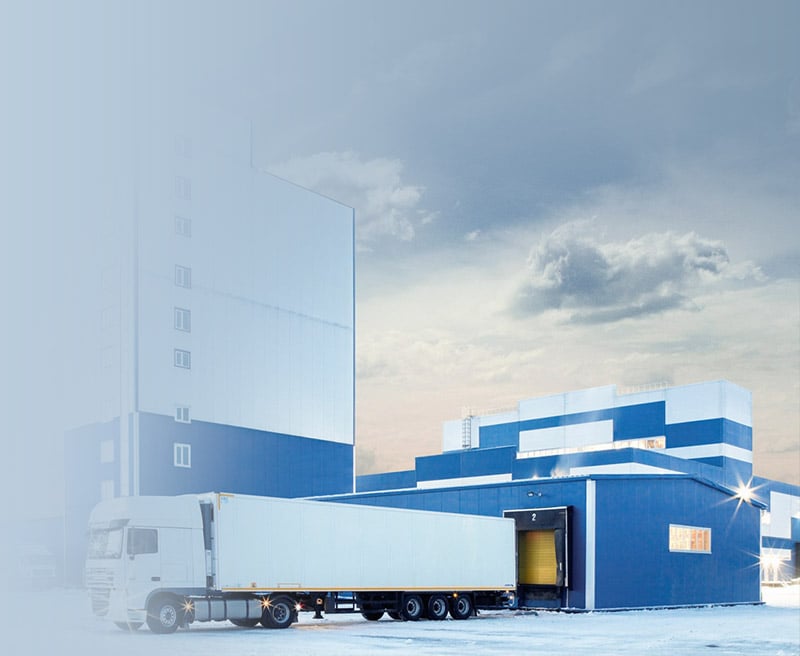

Aqua Feed Mill Equipment in Asia
Our high-efficiency aqua feed mills across Asia process diverse raw materials into nutritionally optimized feed with precise pellet durability for shrimp and fish farming.
We’ve engineered specialized aqua feed solutions for Oceania’s unique aquaculture species, featuring advanced conditioning systems for superior pellet water stability.
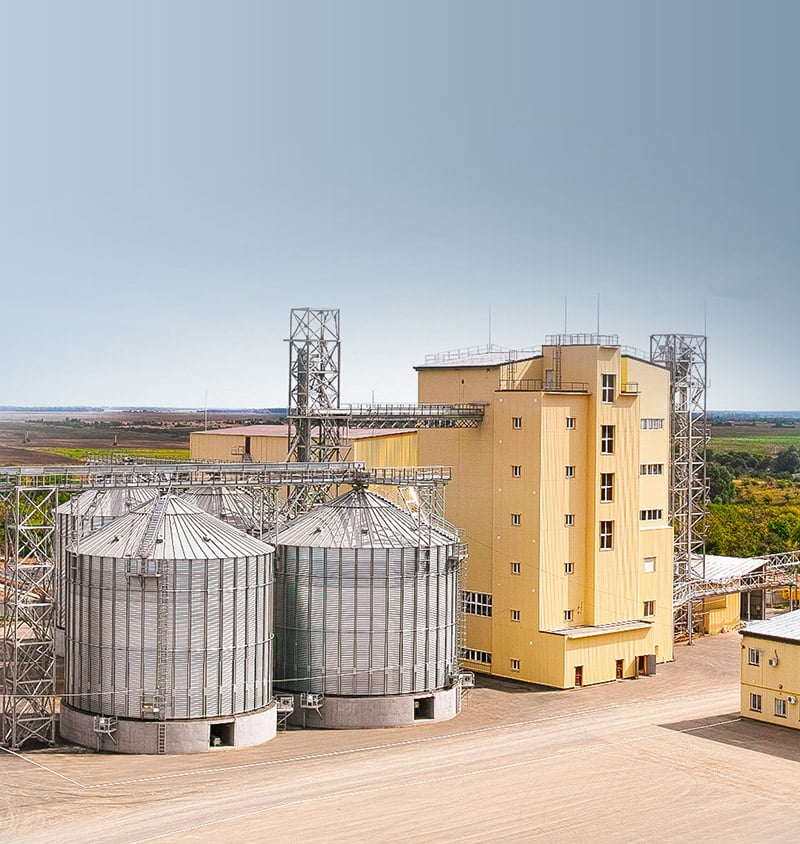
Aqua Feed Mill in Oceania
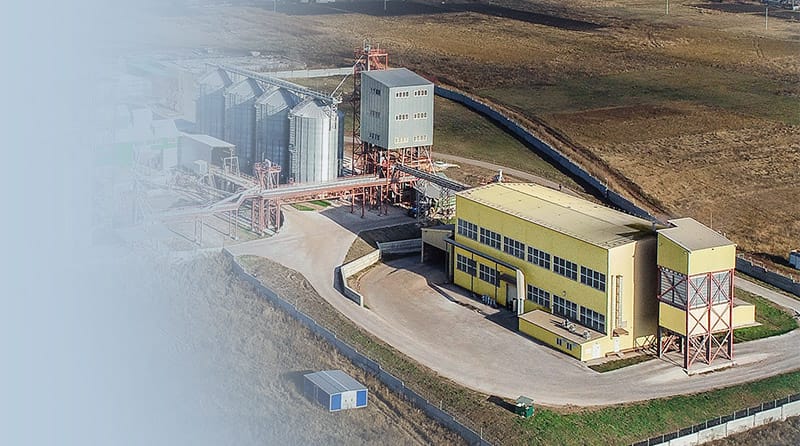
Aqua Feed Mill Equipment in Africa
Our robust aqua feed solutions for Africa are designed to handle variable raw materials while maintaining precise nutritional profiles for tilapia and catfish feeds.
European-grade aqua feed mills from our company meet EU feed safety standards while optimizing energy efficiency in pellet production.

Aqua Feed Mill in Europe
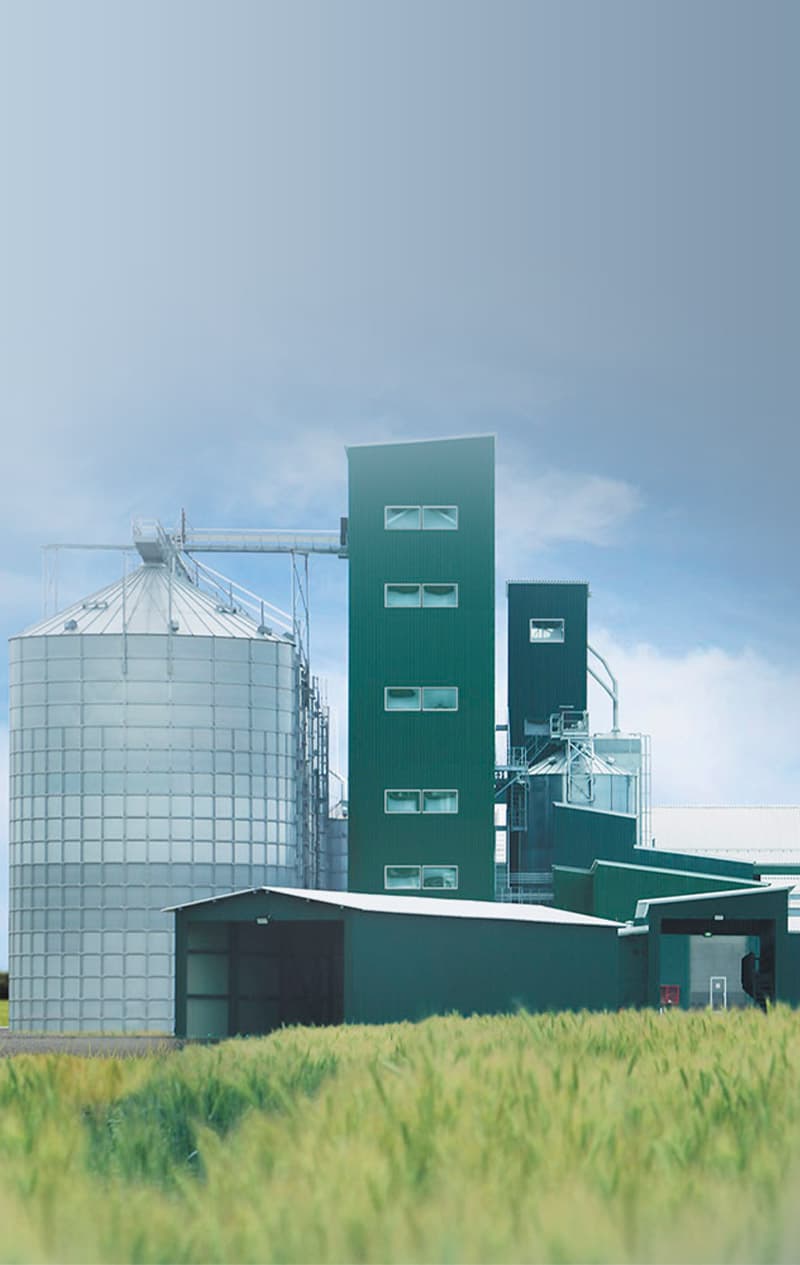

Aqua Feed Mill in South America
Our turnkey aqua feed plants in South America deliver high-volume production of floating and sinking feeds tailored for local fish and shrimp varieties.
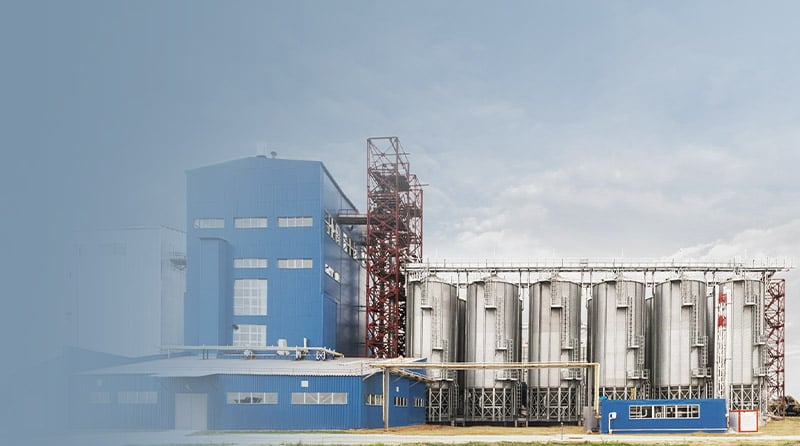
Aqua Feed Mill Equipment in CIS
We equip CIS aqua feed producers with heavy-duty milling systems capable of processing local grain blends into premium aquatic feeds with consistent quality.
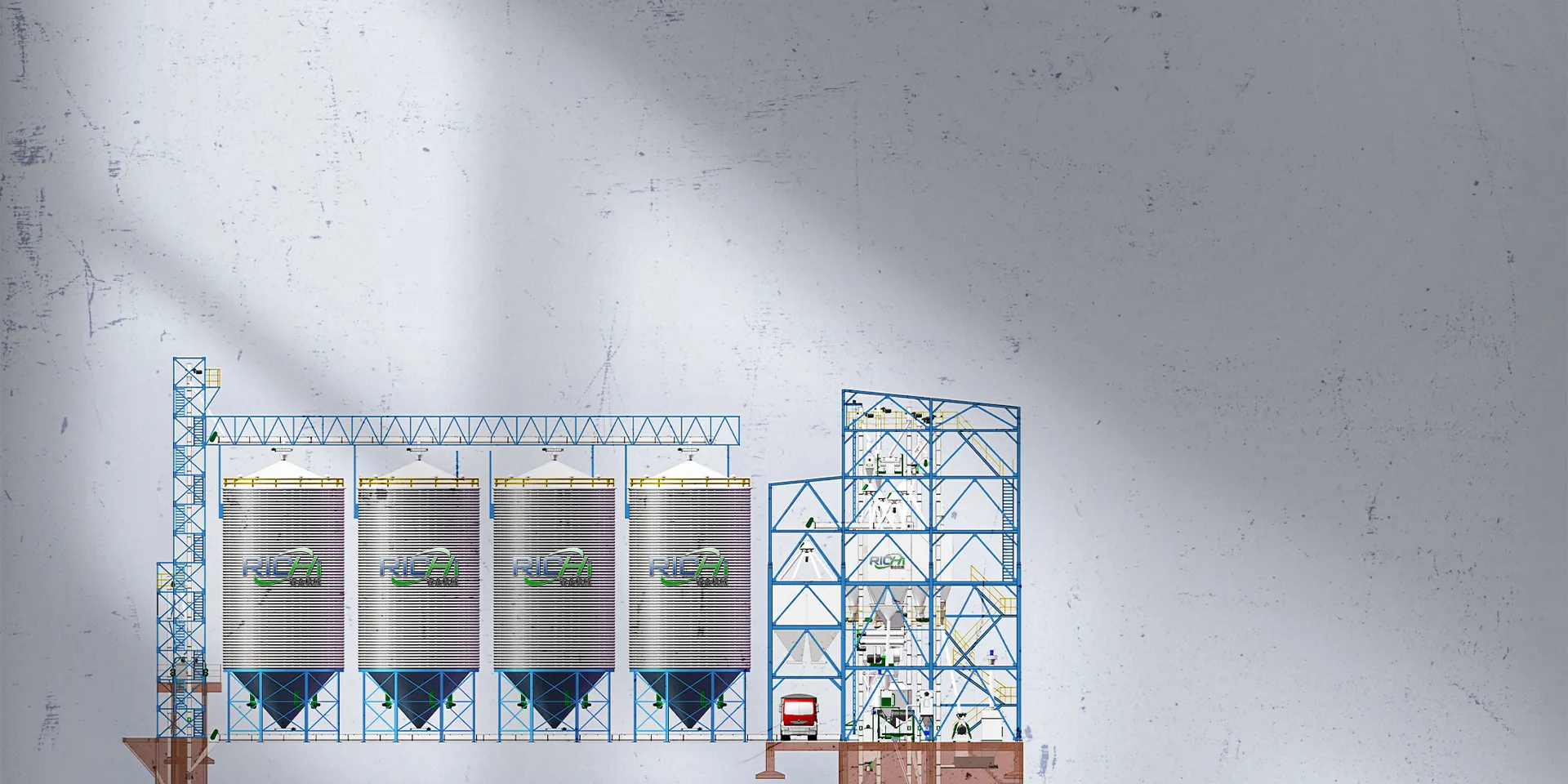
Aquafeed Production Solutions by Capacity
From pilot-scale trials (0.2-2 TPH) to industrial production (10-20+ TPH), we engineer complete aquafeed production lines matched to your target volume. Each capacity tier incorporates optimized equipment sizing – ensuring balanced throughput from grinding to packaging without bottlenecks. Our modular designs allow for future expansion while maintaining energy efficiency and pellet quality consistency across all production scales.
Species-Specific Aquafeed Systems
Shrimp, salmon, tilapia, and other aquatic species demand unique feed characteristics. Our solutions address the distinct processing requirements of crustacean vs. fish feeds, larval vs. grow-out formulations, and specialty aquatic diets.

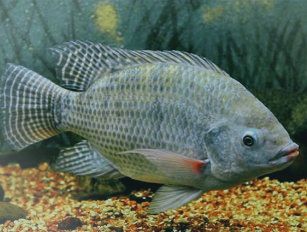
tilapia
Feed mill Plant
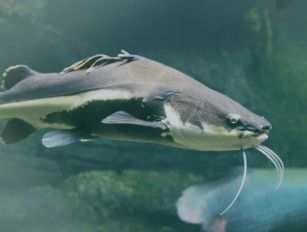
catfish
Feed Plant

Trout
Feed mill Plant
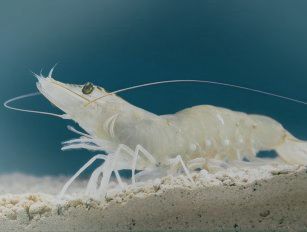
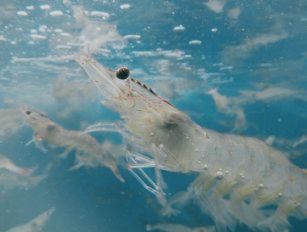
Whiteleg Shrimp
Feed mill
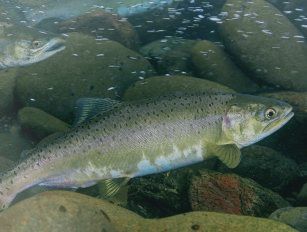
Salmon
Feed Plant
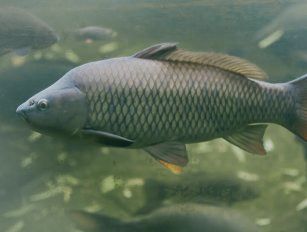
Carp
Feed mill Plant
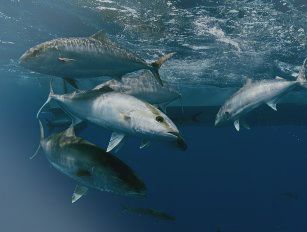
Amberjack
Feed Plant
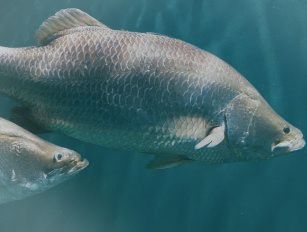
Barramundi
Feed Plant

Black Tiger Shrimp feed mill

Bullfrog
Feed mill Plant

Char
Feed mill Plant
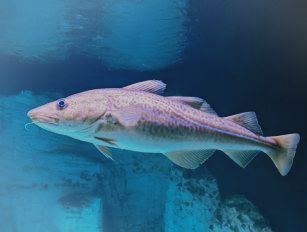
Cod
Feed mill Plant

Crab
Feed mill Plant
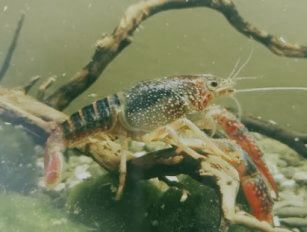
Crayfish
Feed Plant

Eel
Feed mill Plant
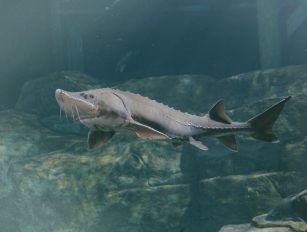
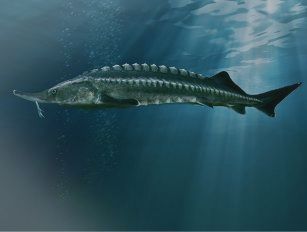
Sturgeon
Feed Plant
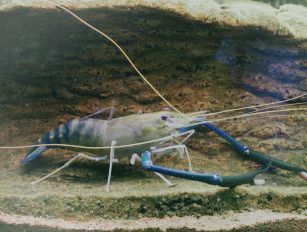
Giant River Prawn feed mill plant
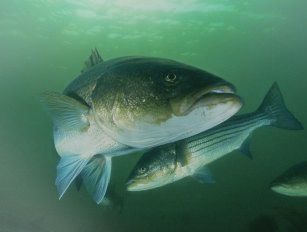
Bass
Feed mill Plant
60000 +
Backed by a 60,000 m² advanced production complex
140 +
Global footprint extends across 140+ international markets
2000 +
Over 2,000 successful feed production system installations
2013
RICHI MANUFACTURE
Established in 1995, RICHI MACHINERY has grown from a medium-sized enterprise to become China’s largest pellet production line manufacturer. With two major manufacturing bases spanning hundreds of thousands of square meters, we specialize in custom pellet machines and complete plant solutions, handling every production stage in-house—from R&D to delivery.
Our vertically integrated facilities (including dedicated sections for production, testing, and logistics) ensure premium quality, environmental responsibility, and operational reliability for feed, biomass, fertilizer and cat litter/animal bedding industries worldwide. For nearly three decades, we’ve partnered with clients to enhance productivity, minimize risks, and achieve sustainable outcomes through innovative engineering.
Zhengzhou Headquarters
R&D, global operations and strategic management converge

Jiaozuo New Production Base (2025)
Featuring automated production lines and Industry 4.0 technologies

Kaifeng Original Complex (Since 1995)
Our manufacturing legacy began and quality traditions endure
Certifications & Patents
As a world-leading aqua feed mill equipment manufacturer, RICHI Machinery demonstrates its engineering prowess through internationally recognized certifications and proprietary innovations.
Our ISO quality management system, CE compliance, BV-certified production processes, GOST-R for Russian compliance, ATEX explosion-proof certification for EU safety standards, FDA registration for U.S. market access, and EHEDG hygienic design certification validate our commitment to global standards, while 50+ patented technologies in pellet mills, extruders and automation systems deliver unmatched performance.

When you choose RICHI, you’re selecting globally validated, future-proof solutions backed by the industry’s most comprehensive certification portfolio.

01
Consultation
Our experts provide professional advice to understand your specific aqua feed production requirements.

02
Design
We develop customized solutions with optimized layouts and equipment configurations for your project.

03
Manufacturing
All aqua feed mill equipment is precision-built using quality materials in our ISO-certified factories.
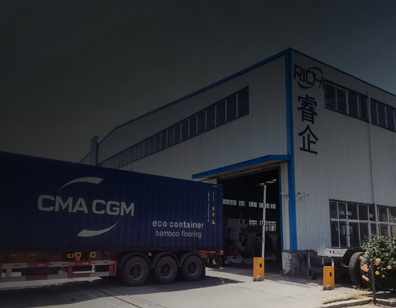
04
Shipping
We handle secure packaging and global logistics with reliable delivery timelines.

05
Installation
Our engineers supervise on-site assembly and commissioning for smooth operation.

06
Training
Comprehensive operator instruction ensures proper use and maintenance of equipment.

07
After-sales
Dedicated support team provides troubleshooting and technical assistance.
08
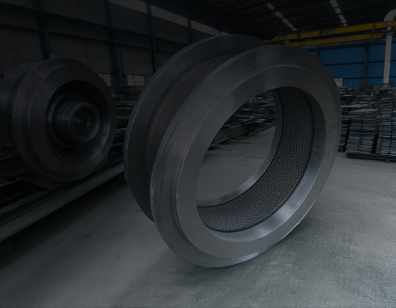
Spare Parts
Genuine components are available worldwide with fast delivery service.
FAQs – Your Feed Equipment Queries Answered
Navigating feed mill equipment selection and operations can raise important questions. Below we address the most common inquiries about our feed production solutions, from technical specifications to after-sales support. Whether you’re evaluating pellet mills, planning a new feed mill, or optimizing existing operations, these answers provide clarity to help you make informed decisions.
How much investment is required to build an aqua feed mill?
+
The capital required for your aqua feed mill plant depends on three key factors we analyze for every client:
1. Core Aqua Feed Equipment Costs
Our aqua feed production systems range from $20,000 to $2.5 million, with pricing determined by:
Automation level (semi-auto vs. full PLC control)
- Capacity (1-20+ TPH)
- Feed type (floating vs. sinking pellets, shrimp vs. fish feed)
- Automation level (semi-auto vs. full PLC control)
| Production Scale | aqua feed mill cost(USD) | Total Power(KW) | Project Site Requirements (m²) | Installation cycle (Days) |
| 200-400 KG/H | 20,000-80,000 | 53-100 | 100-250 | 7-20 |
| 500-600 KG/H | 30,000-100,000 | 135-180 | 200-300 | 10-20 |
| 800-1000 KG/H | 50,000-170,000 | 164-200 | 300-500 | 15-30 |
| 1.5-2.0 T/h | 80,000 – 560,000 | 182-250 | 500-700 | 20-40 |
| 3.0-4.0 T/H | 130,000 – 650,000 | 223-310 | 800-2000 | 30-60 |
| 5.0-6.0 T/H | 270,000 – 840,000 | 247-420 | 1000-3000 | 40-80 |
| 8.0-10.0 T/H | 380,000 – 1,200,000 | 345-580 | 1500-4000 | 45-90 |
| … | … | … | … | … |
2. Custom Engineering Considerations
We’ve optimized aqua feed mill machines for:
✔ Alternative proteins (insect meal, algal flour)
✔ High-oil formulas (salmon feed with 25%+ lipid content)
✔ Regional raw materials (palm kernel, cassava, local fish byproducts)
See how a Vietnamese client cut ingredient costs 18% using our customized preconditioning system
3. Hidden Value in RICHI Solutions
Our aqua feed equipment delivers ROI through:
- Longer die life (4,000+ hours vs industry avg. 2,500)
- Faster formula changeovers (30 min vs 2+ hours)
- Integrated drying (saves $11/ton vs standalone systems)
01
How to choose the appropriate aqua feed mill plant capacity? (1T/H vs 5T/H vs 10T/H)
+
es:Choosing between 1T/H, 5T/H, or 10T/H aqua feed production systems requires evaluating three critical factors we’ve refined through 80+ global installations:
1. Production Demand Analysis
• 1T/H Lines – Ideal for niche markets (e.g., premium shrimp feed for hatcheries)
• 5T/H Systems – Balanced solution for mid-sized farms supplying local distributors
• 10T/H+ Plants – Export-oriented operations requiring 24/7 output
Example: A Thai shrimp feed producer upgraded from 3T/H to 8T/H after we identified 42% unused capacity in their current aqua feed equipment.
2. Technical Considerations
Our aqua feed mill machines adapt to your constraints:
✔ 1T/H – Fits 500m² workshops, 3-5 operators
✔ 5T/H – Requires 1,200m² + automated batching
✔ 10T/H – Demands dedicated substation (300kVA+)
Key Differentiator:
RICHI’s modular designs allow 30-50% capacity expansion without replacing core aqua feed pellet mills.
3. Cost Efficiency Benchmarks
| Capacity | Labor Cost/Ton | Energy Use (kWh/Ton) | ROI Period |
|---|---|---|---|
| 1T/H | $18-22 | 55-65 | 14-18 mo |
| 5T/H | $9-12 | 45-50 | 8-12 mo |
| 10T/H | $5-8 | 38-42 | 5-7 mo |
Why Clients Choose Our Recommendations:
→ Raw Material Testing – We trial your exact ingredient blends
→ Growth Planning – Phase-in capacity with convertible designs
→ Localized Support – 19 service hubs for quick maintenance
02
What is the typical payback period for an aqua feed mill?
+
es:The payback period for your aqua feed mill plant hinges on strategic equipment selection and operational optimization – here’s how our clients achieve 6-18 month returns:
1. Key ROI Drivers in Aqua Feed Production
• Equipment Efficiency: Our aqua feed pellet mills consume 22-28 kWh/ton (vs industry avg. 35-45)
• Die Longevity: 4,000+ hour lifespan reduces replacement costs by 40%
• Formula Flexibility: Process 50+ ingredient blends without downtime
Actual Case: An Indonesian tilapia feed mill recouped its $1.2M investment in 9 months by:
- Using our high-oil extrusion system (30% less binder needed)
- Implementing automated packaging (saved $8/ton labor)
2. Capacity-Specific ROI Profiles
| Mill Size | Avg. Investment | ROI Period (Months) | Profit Leverage |
|---|---|---|---|
| 1-2 T/H | $180K-$350K | 12-18 | Premium niche feeds |
| 5 T/H | $750K-$1.1M | 8-12 | Bulk contracts |
| 10+ T/H | $1.5M-$2.8M | 6-9 | Export markets |
Critical Note: These assume proper aqua feed machine configuration for local:
✔ Raw material costs
✔ Energy pricing
✔ Market demand
3. Accelerating Your ROI
We build these advantages into every aqua feed equipment line:
- Dual-use extruders: Switch between floating/sinking feeds in <30min
- Heat recovery: Capture 15% of drying energy for preconditioning
- Smart controls: Reduce ingredient waste by 3-5%
Proven Results:
→ Vietnam shrimp feed plant: 14% higher pellet durability = 8% price premium
→ Nigeria catfish operation: 22% throughput increase after 6 months
03
What is the minimum floor space required for an aqua feed mill?
+
es:The footprint for your aqua feed mill plant depends on both capacity and our engineered space-saving innovations. Here’s how we maximize productivity per square meter across different scales:
1. Minimum Area Requirements by Capacity
| Output | Basic Layout | RICHI Optimized | Key Space Savers |
|---|---|---|---|
| 1-2 T/H | 600-800m² | 450-600m² | Vertical material silos & stacked conveyors |
| 5 T/H | 1,500-2,000m² | 1,100-1,400m² | Multi-level process design |
| 10+ T/H | 3,500m²+ | 2,400-3,000m² | Compact extrusion towers |
Real Example: A Brazilian tilapia feed mill gained 30% extra storage space by adopting our Z-type bucket elevator instead of traditional incline conveyors.
2. Critical Space Factors in Aqua Feed Equipment
Our aqua feed production systems address:
✔ Raw Material Flow: Cross-contamination-free zoning
✔ Utility Placement: Centralized power/air/steam distribution
✔ Future Expansion: Modular equipment spacing
Vertical Integration Advantage:
- Dual-purpose machines (e.g., mixer-extruder combos)
- Foldable maintenance walkways
- Overhead utility routing
3. When Every Square Meter Counts
For urban or high-rent locations, we recommend:
→ Containerized aqua feed machine setups (1-2 TPH)
→ Multi-floor pellet mills (5+ TPH)
→ Shared infrastructure (using existing dryers/boilers)
Proven Space-Saving Tech:
• RICHI SRD-Compact Pellet Mills: 25% smaller footprint with equal output
• Telescopic conveyors: Adjustable loading/unloading zones
04
What is the typical electricity consumption for aqua feed mill production (kWh/ton)?
+
es:The power consumption of your aqua feed mill plant depends on three critical variables we optimize for every client:
1. Typical Ranges by Feed Type
| Feed Category | Standard kWh/Ton | RICHI Optimized | Key Efficiency Factors |
|---|---|---|---|
| Floating Fish Feed | 50-65 | 38-45 | Precise preconditioning reduces mechanical energy |
| Sinking Fish Feed | 45-55 | 32-40 | Low-shear extrusion design |
| Shrimp Feed | 60-75 | 48-55 | Dual-stage drying integration |
Real Data: Our Vietnamese client achieved 41 kWh/ton on shrimp feed using:
✔ Heat recovery from dryer exhaust
✔ Direct-drive pellet mills (no transmission loss)
2. Equipment-Specific Savings
Our aqua feed pellet mills cut energy use through:
- Variable Frequency Drives: 15-20% savings vs fixed-speed motors
- Thermal Conditioning: 8-12% lower extruder load
- Smart Grinding: Hammer mills with gap auto-adjustment
Comparative Case:
A 5TPH tilapia feed line in Ecuador:
→ Before upgrade: 58 kWh/ton (old aqua feed machine)
→ After our retrofit: 43 kWh/ton
3. Hidden Energy Drains to Avoid
We audit all aqua feed equipment for:
✘ Oversized fans/pumps (25% waste common)
✘ Uninsulated steam lines (7-10% heat loss)
✘ Inefficient dies (extra 5-8 kWh/ton)
05
How to optimize the aqua feed mill formula to suit different aquatic species (fish, shrimp, crab)?
+
es:Tailoring your aqua feed mill plant to produce optimal feeds for fish, shrimp, and crabs requires addressing three fundamental aspects we’ve mastered through 120+ installations:
1. Species-Specific Processing Parameters
Fish Feed (Tilapia/Salmon)
- Extrusion: High shear (400-500rpm) for 28-32% protein pellets
- Particle Size: 2-6mm with PDI >95%
- Key Add-On: Our dual-stage preconditioner maintains 28-30% moisture
Shrimp Feed (Vannamei/Tiger)
- Low-Temp Extrusion: <110°C to preserve attractants
- Sinking Rate: 5-10cm/sec achieved through density control
- Special Feature: Micro-coating systems for water stability >4 hours
Crab Feed
- High-Fiber Handling: Modified die designs for 15-18% cellulose
- Shape Engineering: Square-edged pellets reduce waste
2. Equipment-Driven Formulation Advantages
Our aqua feed machines enable:
✔ Quick-Change Configurations – Switch species profiles in <45 minutes
✔ Precision Liquid Addition – ±1% accuracy for oils/enzymes
✔ Variable Pellet Density – 400-600g/L adjustable on same machine
Indonesian Case Study:
A single aqua feed production line now produces:
→ 5mm floating tilapia feed (AM)
→ 2mm shrimp feed (PM)
→ 8mm crab pellets (Night shift)
3. Raw Material Flexibility Matrix
| Ingredient | Fish | Shrimp | Crab | Our Tech Solution |
|---|---|---|---|---|
| Soy Protein | 30% | 22% | 18% | Anti-nutrient reducer |
| Krill Meal | 8% | 15% | 5% | Low-temp processing |
| Algae | 5% | 12% | 20% | High-shear mixer |
Proven Results:
→ Vietnam: 22% faster shrimp growth with our coated premix system
→ Ecuador: 30% lower FCR in salmon using our high-oil retention dies
06
In an aqua feed mill, does high temperature extrusion destroy the nutrients in the feed?
+
es:A common concern in aqua feed mill operations is whether high-temperature extrusion negatively impacts nutritional value. The answer lies in precise process control—an area where our aqua feed equipment excels.
While excessive heat can degrade heat-sensitive nutrients (e.g., vitamins, amino acids), modern aqua feed mill machines with advanced conditioning systems—like ours—balance temperature, pressure, and retention time to preserve nutrition while ensuring optimal digestibility and pellet durability. Our engineers tailor extrusion parameters based on your recipe, whether for fish, shrimp, or specialty feeds, minimizing nutrient loss.
Why Our Aqua Feed Mill Plant Solutions Stand Out:
- Smart Design: Our aqua feed machines feature segmented heating and rapid cooling to lock in nutrients.
- Versatility: Handles diverse raw materials (plant proteins, fishmeal, algae) without compromising quality.
- Proven Expertise: 200+ successful aqua feed mill equipment installations globally, with clients reporting <5% nutrient loss vs. industry averages.
For a customized aqua feed production line that prioritizes nutrition and efficiency, RICHI MACHINERY delivers science-backed solutions. Let’s optimize your feed mill—contact our team today.
07
How much labor cost can be saved by automating aqua feed mill equipment?
+
es:One of the biggest advantages of modern aqua feed mill operations is automation—cutting labor costs while boosting efficiency. The exact savings depend on your current setup, but with the right aqua feed equipment, many producers reduce manpower by 30-50% while increasing output.
Where Automation Makes the Biggest Impact:
- Raw Material Handling: Automated conveyors and batching systems in aqua feed mill plants eliminate manual weighing and loading.
- Extrusion & Drying: Advanced aqua feed machines with PLC control maintain consistent quality with minimal supervision.
- Packaging & Palletizing: Robotic bagging systems can replace 3-5 workers per shift.
Why Our Automated Aqua Feed Mill Equipment Delivers More Than Just Labor Savings:
✔ Higher Consistency – Fewer human errors mean less waste and better feed quality.
✔ 24/7 Operation – Automated aqua feed mill machines can run longer shifts with minimal staffing.
✔ Custom Scalability – Whether you need a compact line or a full-scale aqua feed mill plant, we engineer solutions to fit your budget and production goals.
Real-World Results:
A recent client processing 10 tons/hour reduced labor costs by $150,000/year after upgrading to our automated system—payback was achieved in under 18 months.
Interested in optimizing your aqua feed production with smart automation? Let’s discuss a tailored solution for your mill.
08
why choose RICHI aqua feed mill equipment?
+
es:RICHI is a recognized leader in aqua feed mill engineering solutions, specializing in the design, production, and expert installation of custom aqua feed machines tailored specifically for aqua feed mill plant.
Our comprehensive approach revolves around enhancing efficiency and reducing production costs. We’re committed to assisting our valued customers in meeting their feed production goals while lowering their operational expenses.
In addition to high-end technology and the cutting edge fish and shrimp feed mill machinery and turnkey aqua feed factory project solution for aqua feed companies, we provide exceptional after sales service and all-inclusive training of feed mill operation.
Benefits of RICHI aqua feed making machines:
- Easy-to-build solution / Reduced construction time
- Can be built by local contractors / Superior flexibility & scalability
- Easy to operate, upgrade and maintain / Better workflow & easy access to the entire aqua feed mill plant
- Safer work environment / Improved employee retention
- Superior performance & efficient production / Consistent feed quality & full traceability
09
How to plan an aqua feed mill to avoid cross contamination?
+
es:Cross-contamination in aqua feed mill operations can compromise feed safety, nutritional quality, and even animal health. Proper facility planning and aqua feed equipment selection are critical to maintaining strict hygiene standards. Here’s how to minimize risks with smart design:
Key Strategies for Cross-Contamination Control:
- Dedicated Production Lines
- For high-risk ingredients (e.g., medicated feeds, allergen-rich materials), separate aqua feed machines or isolated processing zones prevent residue carryover.
- Our aqua feed mill plants can be configured with independent grinding, mixing, and extrusion lines where needed.
- Closed-Loop Material Handling
- Pneumatic conveyors and sealed screw feeders in aqua feed mill equipment reduce dust and spillage compared to open systems.
- We integrate self-cleaning systems to minimize manual intervention.
- Strategic Zoning & Airflow Control
- Negative pressure zones in sensitive areas (e.g., vitamin premix stations) prevent airborne contamination.
- Our aqua feed mill machine layouts prioritize unidirectional material flow—raw to finished—with physical barriers between stages.
- Sanitation-Focused Design
- Smooth surfaces, rounded corners, and quick-disassembly features in our aqua feed equipment simplify cleaning.
- USDA/FDA-compliant materials (stainless steel contact parts) resist corrosion and bacterial buildup.
- Automated Flush Systems
- For mills producing multiple formulations, our aqua feed production lines include purge cycles between batches to clear residual particles.
Why Partner with Us?
- 20+ Years of Hygienic Design Expertise: We’ve helped 50+ aqua feed mills achieve GMP+ or FAMI-QS certification.
- Custom Audits: Our engineers assess your raw materials and processes to recommend contamination controls.
- Future-Proof Upgrades: Even older mills can retrofit our modular aqua feed mill machines for better compliance.
Example: A shrimp feed producer reduced microbial contamination by 90% after redesigning their aqua feed mill plant with our zoning and equipment recommendations.
Need a contamination-proof aqua feed production setup? Contact us for a facility review or turnkey solution.
10
Does the aqua feed mill require a separate cooling and packaging plant?
+
es:The short answer? Absolutely. In modern aqua feed mill operations, dedicating space for cooling and packaging isn’t just a best practice—it’s critical for maintaining feed quality, hygiene, and operational efficiency. Here’s why our aqua feed equipment designs always prioritize this separation:
3 Key Reasons for Dedicated Cooling & Packaging Zones
- Prevent Moisture & Mold Risks
- Freshly extruded pellets from aqua feed machines retain 17-20% moisture. Without proper cooling in an isolated space, residual heat creates condensation in packaging areas—leading to caking or microbial growth.
- Our aqua feed mill plants integrate counterflow coolers with humidity-controlled airflow, reducing moisture to <10% before packaging.
- Eliminate Cross-Contamination
- Open cooling on the production floor exposes feed to dust, insects, or equipment residues.
- We design enclosed cooling systems paired with sealed conveyors in aqua feed mill equipment, creating a closed loop from dryer to packaging.
- Boost Packaging Accuracy & Speed
- Dedicated packaging rooms allow for:
• Precision weighing scales (reducing giveaway costs)
• Automated bagging machines (handling 15-30 bags/min vs. 5-8 manually)
• Metal detection/X-ray systems in-line
- Dedicated packaging rooms allow for:
How We Implement This in Your Aqua Feed Mill
✔ Modular Layouts – Our aqua feed mill machine configurations position cooling towers and packaging lines adjacently but physically separated, with positive air pressure in packaging zones.
✔ Turnkey Solutions – From compact aqua feed production lines to large-scale plants, we allocate 15-20% of floor space to post-processing areas as standard.
✔ Retrofit Expertise – Even existing mills can add partitioned cooling rooms using our bolt-on ducting systems.
Proven Impact: A tilapia feed producer using our separated design saw:
• 35% fewer moisture-related customer complaints
• 22% faster bagging throughput
• Compliance with EU & BAP hygiene audits
Upgrading your aqua feed mill? Let’s optimize your cooling and packaging workflow—contact our engineering team today.
11
In an aqua feed mill, how much influence does raw material pretreatment (crushing, conditioning) have on feed quality?
+
es:In aqua feed mill operations, raw material pretreatment isn’t just a preliminary step—it’s the foundation of feed quality, digestibility, and production efficiency. Poor preprocessing can undermine even the most advanced aqua feed equipment, while optimized preparation enhances every downstream process.
Why Pretreatment Makes or Breaks Aqua Feed
- Particle Size Matters (Crushing Impact)
- Ideal range: 300-600 microns for most aquatic species
- Our aqua feed mill machines with multi-stage grinding achieve:
• 95% particle uniformity (vs. 70-80% in single-stage systems)
• 15-20% better protein digestibility in shrimp feeds - Real case: A customer using our hammer mill+micro-pulverizer combo reduced FCR by 0.3 in seabass feeds.
- Conditioning: The Thermal Secret
- Proper steam conditioning in aqua feed equipment:
• Increases starch gelatinization from 40% to 85%+
• Reduces anti-nutritional factors by 50-90% - Our dual-shaft conditioners maintain precise:
• Moisture (12-18%)
• Temperature (85-95°C)
• Retention time (45-120 sec)
- Proper steam conditioning in aqua feed equipment:
Our Engineering Edge in Pretreatment
✔ Adaptive Systems – Handles everything from high-oil fishmeal to fibrous plant proteins without clogging
✔ Energy Smart – Patented pre-crushing logic in aqua feed mill plants cuts grinding power by 30%
✔ Hygienic Design – All-stainless contact parts meet HACCP standards
Proven Results:
- 23% higher pellet durability index (PDI) vs. industry average
- 5-8% improvement in feed conversion ratios (FCR) across multiple species
Upgrade your aqua feed production foundation? Our engineers will analyze your recipe and recommend the ideal pretreatment setup—contact us for a free process audit.
12
How to choose aqua feed mill equipment based on raw material characteristics (such as high fat, high fiber)?
+
es:Choosing the right aqua feed mill equipment isn’t about finding a one-size-fits-all solution—it’s about precision engineering to match your specific raw material profile. The wrong equipment selection can lead to production bottlenecks, nutrient degradation, and poor pellet quality. Here’s how we approach this critical decision:
Tailoring Aqua Feed Equipment to Raw Material Challenges
1. Handling High-Fat Ingredients (Fishmeal, Oilseeds, etc.)
High-fat materials (12%+ fat content) require specialized aqua feed machines to prevent:
- Slip-through during extrusion → Our tapered barrel extruders maintain pressure even with low-starch formulations
- Oxidation & rancidity → Nitrogen-flushed preconditioners in our aqua feed mill plants reduce lipid damage by 40%
- Pellet softening → Post-extrusion fat spray systems apply coatings precisely (accuracy ±0.5%)
Key Equipment Features for High-Fat Feeds:
- Twin-screw extruders with oil-injection ports
- Vacuum coaters for even fat distribution
- Antioxidant dosing systems integrated with aqua feed mill equipment
2. Processing High-Fiber Materials (Soybean Hulls, Algae, etc.)
Fibrous ingredients demand aqua feed mill machines that can:
- Achieve proper particle size → Our multi-stage grinding system reduces 800-micron fibers to optimal 450-500 microns
- Prevent die clogging → Patented die designs with 30% larger openings for fibrous mixes
- Enhance binding → Steam conditioning at 100°C for 90+ seconds to soften lignin
Solutions for Fiber-Rich Formulas:
- Pre-breaking rollers before main grinders
- High-shear conditioners with extended retention chambers
- Wear-resistant die alloys lasting 3x longer with abrasive materials
Why Our Custom Approach Wins
✔ Material-Specific Testing – We run trial productions using your exact recipe before finalizing aqua feed equipment specifications
✔ Modular Upgrades – Start with base aqua feed production lines and add specialized modules as your formulations evolve
✔ Global Experience – Successfully processed 150+ raw material types across 40 countries
Proven Performance:
- 28% higher throughput with high-fat shrimp feeds vs. standard systems
- 0.8% residual fiber in pellets (industry average: 2.5%) for herbivorous fish diets
Struggling with challenging ingredients? Our engineers will design an aqua feed mill solution that turns your raw material constraints into competitive advantages—contact us for a custom proposal today.
13
Can you design an integrated feed mill that can produce floating fish feed, sinking fish feed, shrimp feed and pet feed at the same time?
+
es:Absolutely. At RICHI MACHINERY, we specialize in fully integrated aqua feed mill plants capable of producing four distinct feed types simultaneously—without cross-contamination or compromising quality. Here’s how our engineering expertise makes this possible:
Key Features of Our Multi-Functional Aqua Feed Mill Equipment
1. Flexible Extrusion System
- Dual extrusion lines in a single aqua feed mill:
- Floating fish feed: Low-density extrusion (bulk density 350-450g/L)
- Sinking feed: High-pressure dies (bulk density 550-650g/L)
- Shrimp feed: Semi-moist extrusion with post-dryer
- Pet feed: Variable shapes/textures via quick-change dies
Our aqua feed machines feature modular barrel designs—switch between feed types in <30 minutes.
2. Smart Material Handling
- Dedicated ingredient silos for:
- High-protein pet feed formulas
- Lipid-rich marine diets
- Fiber-bound shrimp feeds
- Color-coded conveying lines prevent mix-ups
3. Precision Conditioning Control
- Independent steam conditioning parameters for each feed type:
- Floating feed: 110-120°C, 25-30% moisture
- Sinking feed: 90-100°C, 18-22% moisture
- Shrimp feed: 80-85°C, 35-40% moisture
4. Hygienic Zoning
- Physical separation of production lines
- Automated flush systems between batches
- Allergen control protocols for pet food safety
Why Choose Our Multi-Product Aqua Feed Mill Plant?
✔ Proven Designs – 17 operational mills producing 4+ feed types daily
✔ Cost Efficiency – 40% lower capital cost vs. building separate facilities
✔ Customization – Scale from 5TPH to 20TPH based on needs
Recent Project:
A Southeast Asian client produces:
- 8 tons/hr floating tilapia feed
- 5 tons/hr shrimp feed
- 3 tons/hr premium pet food
…all in one aqua feed production facility with 98% uptime.
Want to maximize your aqua feed mill’s versatility? Our engineers will design a tailored multi-product solution—contact us today for a feasibility study.
14
How to design a reasonable raw material and finished product storage system for aqua feed mill?
+
es:A well-planned storage system is the backbone of any efficient aqua feed mill operation. At RICHI MACHINERY, we engineer customized storage solutions that address the unique challenges of both raw materials and finished aqua feed products. Here’s how we optimize your aqua feed mill equipment for maximum storage efficiency:
Key Considerations for Aqua Feed Mill Storage Systems
1. Raw Material Storage: Preserving Nutritional Value
- Climate-controlled silos for temperature-sensitive ingredients (fishmeal, vitamins)
- Segregated compartments to prevent cross-contamination between:
- High-fat materials (18%+ lipid content)
- Hydroscopic ingredients (e.g., yeast products)
- Bulk commodities (soybean meal, wheat)
- Live-bottom bins with variable-speed dischargers to prevent bridging
Our aqua feed mill plants feature smart inventory rotation systems that automatically track FIFO (First-In-First-Out) to minimize spoilage.
2. Finished Product Warehousing: Maintaining Feed Quality
- Multi-zone packaging areas for:
- Bulk super-sacks (1-2 ton capacity)
- Retail-ready bags (5-50kg)
- Liquid feed totes
- Humidity-controlled environments (<50% RH) with:
- Desiccant dehumidifiers
- Positive-pressure ventilation
- Automated retrieval systems that reduce handling losses by up to 3%
Advanced Features of Our Aqua Feed Storage Solutions
✔ Real-Time Monitoring – IoT-enabled sensors track:
- Temperature spikes (alert threshold: ±2°C)
- Moisture migration (precision ±0.5%)
- Insect/pest activity
✔ Space Optimization – Our compact aqua feed equipment layouts achieve:
- 40% more storage capacity than conventional designs
- Direct FIFO access to all pallets
✔ Hygienic Design – All contact surfaces use:
- FDA-grade stainless steel
- Radius corners (min. 50mm) for easy cleaning
Case Study:
A 50TPH aqua feed mill in Vietnam reduced:
- Raw material waste by 22%
- Energy costs by 18%
…after implementing our smart warehouse system.
Need to optimize your aqua feed production storage? Our engineers will design a solution that:
- Matches your production volume
- Accommodates your ingredient profile
- Integrates seamlessly with existing aqua feed machines
Contact us today for a free storage layout analysis.
15
Aqua feed extruder machine vs. aqua feed pellet machine, which one is better for my type of aqua feed?
+
es:Selecting between an aqua feed extruder machine and aqua feed pellet machine depends on your specific feed formulation, target species, and production goals. As a turnkey aqua feed mill equipment provider with 20+ years of global experience, here’s our professional breakdown to guide your decision:
Key Decision Factors
1. When to Choose an Aqua Feed Extruder Machine
✔ For Floating/Slow-Sinking Feeds (e.g., tilapia, catfish):
- Achieves bulk density as low as 300g/L through starch gelatinization
- Our twin-screw models maintain 92%+ nutrient retention at 130°C
✔ For High-Fat Formulas (18%+ lipid):
- Handles oil injection up to 25% with precision metering
- Vacuum coating chambers ensure uniform fat distribution
✔ For Specialized Shapes (shrimp/crustacean feeds):
- Produces micro-pellets (0.8-2.5mm) with 98% shape integrity
- Quick-change die systems switch formats in <15 minutes
2. When an Aqua Feed Pellet Machine Works Better
✔ For Dense Sinking Feeds (e.g., seabass, grouper):
- Heavy-duty ring dies create pellets with 550-650g/L density
- Our aquatic-specific models achieve PDI >95%
✔ For Cost-Sensitive Production
- 30% lower energy consumption vs. extrusion
- Minimal training required for operators
✔ For Small-Scale Operations (1-5TPH):
- Compact footprint fits existing aqua feed mill layouts
- Lower maintenance costs (3-5 years between major overhauls)
Hybrid Solution: Our Dual-Mode Aqua Feed Machines
For clients needing both pellet and extruded feeds, we offer:
- Convertible systems that switch between modes in 2 hours
- Shared preconditioning line cutting capital costs by 40%
- Unified control system managing both processes
Recent Client Example:
A Thai aqua feed mill plant produces:
- 8TPH extruded shrimp feed (2.0mm)
- 5TPH pelleted seabass feed (4.5mm)
…using one integrated system with 91% uptime.
Still unsure? Our engineers will:
- Analyze your recipe’s starch/protein/fiber ratios
- Recommend optimal aqua feed equipment configuration
- Provide trial processing with your actual materials
Get a personalized equipment recommendation today – contact our technical team now.
16
Does the aqua feed mill need to be equipped with both floating feed and sinking feed equipment?
+
es:The decision to equip your aqua feed mill with both floating and sinking feed capabilities hinges on three critical factors: production versatility, market demands, and operational efficiency. At RICHI MACHINERY, we’ve engineered hybrid solutions that allow over 80% of our clients to profitably produce both feed types within a single aqua feed mill plant. Here’s our expert analysis:
When Dual Configuration Makes Business Sense
1. Market-Driven Production Needs
- Species Diversification:
- Floating feeds for surface feeders (tilapia, catfish)
- Slow-sinking for mid-water species (trout, carp)
- Fast-sinking for bottom feeders (shrimp, seabass)
- Our aqua feed equipment designs enable:
- Quick transitions between feed types (as fast as 45 minutes)
- Shared preprocessing systems cutting capital costs by 30%
2. Technical Considerations
✔ Extruders for Floating Feeds:
- Precise density control (300-500g/L)
- Superior starch gelatinization (>90%)
✔ Pellet Mills for Sinking Feeds:
- Higher bulk density (550-650g/L)
- Lower energy consumption per ton
Smart Solution: Our Multi-Mode Aqua Feed Machine combines both technologies:
- Day 1: Produce 8TPH floating feed
- Day 2: Switch to 6TPH sinking feed
- Requires only 20% additional floor space
Cost-Benefit Analysis
| Configuration | Initial Investment | Production Flexibility | ROI Period |
|---|---|---|---|
| Floating Only | $1.2M | Limited | 2.5 years |
| Sinking Only | $950K | Limited | 2 years |
| Dual System | $1.8M | Full Market Coverage | 3-3.5 years |
Recent Success: A Nigerian aqua feed mill using our hybrid system:
- Increased market share by 40%
- Reduced idle time to <8%
- Achieved ROI in 34 months
Not Ready for Full Investment? We offer:
- Modular Expansion: Start with one system, add capabilities later
- Retrofit Kits: Upgrade existing aqua feed mill machines
- Toll Processing Trials: Test both feed types before committing
Let’s optimize your aqua feed production strategy – contact our project team for a customized feasibility study today.
17
How to meet the environmental protection requirements (wastewater, exhaust gas, noise) of aqua feed mill?
+
es:Operating an environmentally compliant aqua feed mill requires addressing three critical challenges: wastewater treatment, air emissions, and noise reduction. At RICHI MACHINERY, we’ve developed integrated solutions that help aqua feed mill plants exceed regulatory standards while maintaining production efficiency. Here’s how we achieve this:
1. Wastewater Management Solutions
Problem: Process water from aqua feed equipment cleaning and cooling can contain:
- 300-500mg/L suspended solids
- 15-25% oil/grease content
Our Engineering Approach:
✔ Closed-Loop Water Recycling System
- 85-90% water reuse through:
- Cyclonic separators (removes 95% solids)
- Dissolved air flotation (DAF) units
✔ Zero Liquid Discharge (ZLD) Options
- Evaporative crystallizers for salt recovery
- Sludge dewatering to <15% moisture
Case Example: Our aqua feed mill machine installation in Indonesia reduced water consumption from 8m³/ton to just 1.2m³/ton.
2. Air Emission Control
Critical Contaminants:
- PM2.5 dust from grinding
- VOC emissions during drying
Advanced Treatment Systems:
✔ Multi-Stage Filtration
- Cyclone pre-separators (removes 80% particulates)
- Baghouse filters (99.97% efficiency @ 0.3μm)
✔ Thermal Oxidizers
- Destroys 98%+ odors from fishmeal processing
- Heat recovery reduces energy costs by 30%
Innovation: Our aqua feed equipment designs incorporate:
- Negative pressure zones at all transfer points
- Automated spray dampening for dust suppression
3. Noise Abatement Strategies
Problem Areas:
- Grinding operations (85-95dB)
- Pellet cooling (75-82dB)
Noise Control Package:
✔ Acoustic Enclosures
- Reduces equipment noise by 15-20dB
- Maintains full operational access
✔ Vibration Isolation
- Rubber mounting for aqua feed machines
- Anti-vibration ducts
Result: Our aqua feed mill plant in Vietnam achieved:
- 62dB at property line (vs. 70dB limit)
- No worker exposure >82dB
Why Our Eco-Solutions Stand Out
✔ Turnkey Compliance – Full documentation for:
- EU IPPC BREF
- US EPA NESHAP
- China GB 13271
✔ Smart Monitoring – Real-time sensors track:
- PM2.5 levels
- Water COD/BOD
- Noise peaks
✔ Cost-Effective Upgrades – Retrofit existing aqua feed production lines in 2-3 weeks
Proven Performance:
- 100% of our installed aqua feed mills pass environmental audits
- Typical ROI on eco-equipment: 18-24 months
Need to green your operations? Our engineers will:
- Conduct a compliance gap analysis
- Recommend tailored solutions
- Provide regulatory support
Contact us today for your free environmental assessment.
18


