

 0086-138 3838 9622
Horse Manure Pellet Maker
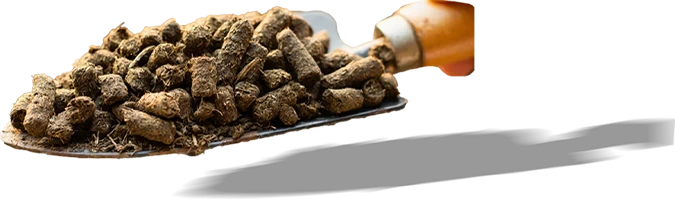
Horse manure pellet maker machine is designed to convert processed horse manure into uniform organic fertilizer pellets for farms, equestrian facilities, and fertilizer production plants. It helps turn waste into valuable fertilizer products with reliable performance, flexible capacity options, and customized solutions.
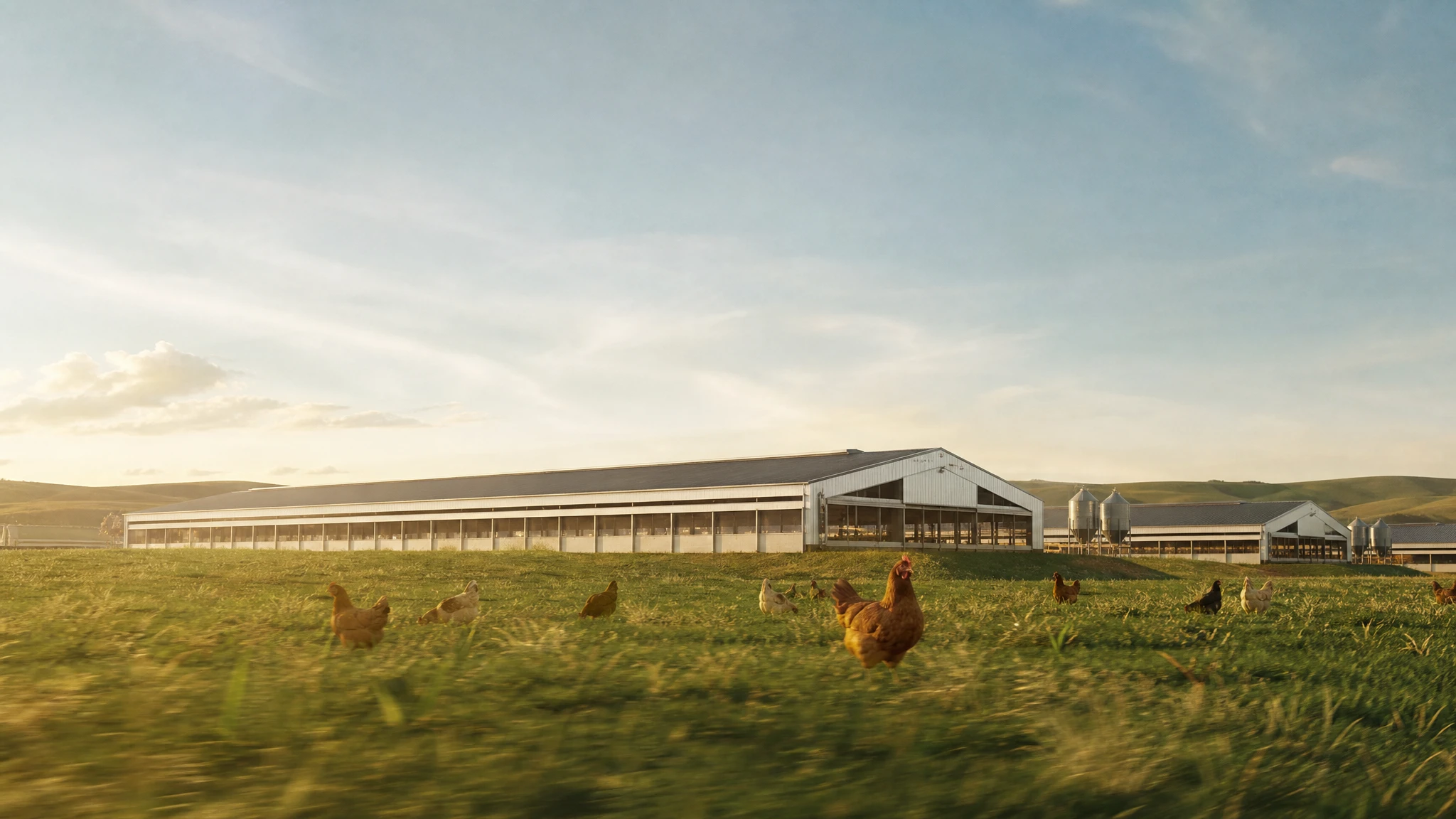
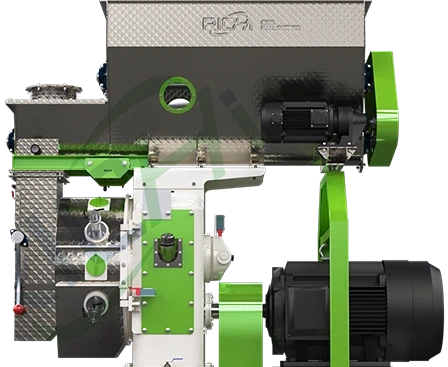
From Horse Manure Waste to Valuable Organic Fertilizer Pellets
Horse manure contains valuable organic matter and nutrients, but its high moisture content, large volume, and difficult storage characteristics limit direct utilization. Through drying, crushing, mixing and pelletizing processes, horse manure can be converted into uniform fertilizer pellets or powder fertilizer, improving handling efficiency and creating additional value from agricultural waste.
Whether the raw material is fresh manure, composted manure, dried manure, or mixed organic materials containing horse manure, our equipment can be configured according to different material conditions, moisture levels, and processing requirements.
For investment planning, the production scale should match the available manure supply. Our smallest recommended capacity starts from around 1 t/h of finished pellets, which requires a continuous supply of significantly more fresh horse manure because horse manure commonly contains high moisture when collected.
Depending on bedding materials, storage conditions, and drying requirements, 1.5-3 tons of fresh manure may be needed to produce 1 ton of finished fertilizer pellets. (If you wish to process horse manure into fuel pellets, please feel free to contact us directly. This page focuses on introducing horse manure pellet machines and the associated processing technology.)
Who Needs Horse Manure Pellet Machines?
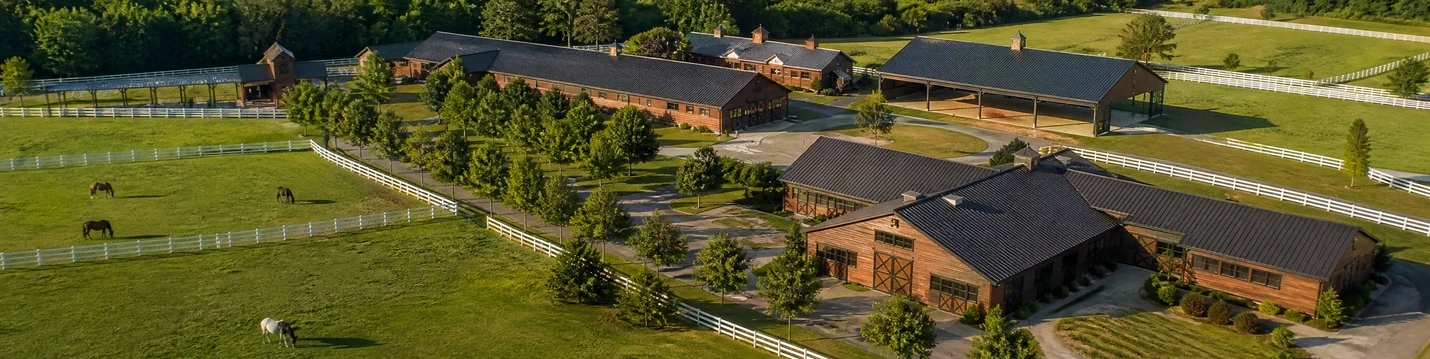
Horse Farms & Equestrian Centers
Horse farms, riding clubs, and equestrian centers generate large amounts of horse manure mixed with straw bedding, wood shavings, and other stable waste. These materials usually have high moisture content and occupy significant storage space.
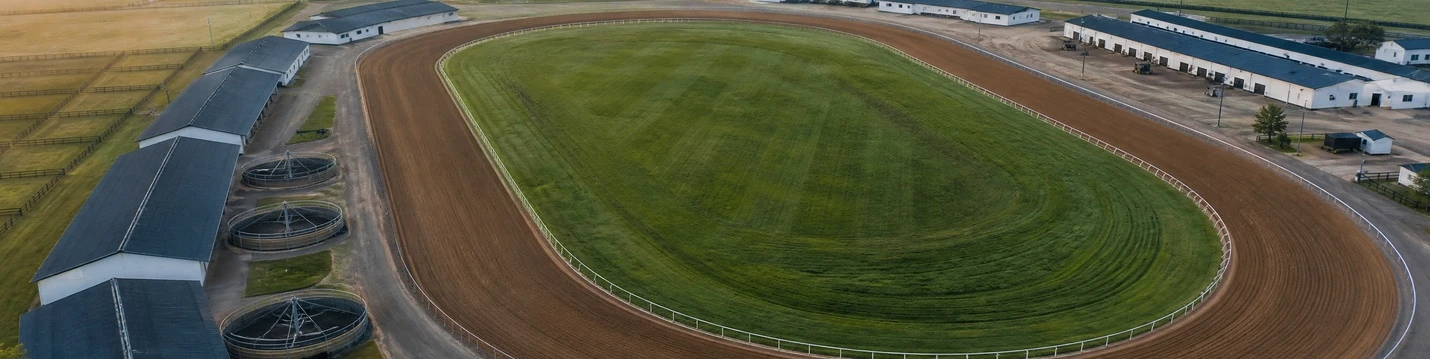
Racing Horse Facilities
Horse racing clubs and professional training centers produce a stable daily supply of manure due to their large number of horses and intensive management systems. Processing horse manure pellets allows these facilities to handle stable waste more efficiently, reduce transportation and storage costs,.
Organic Fertilizer Manufacturers
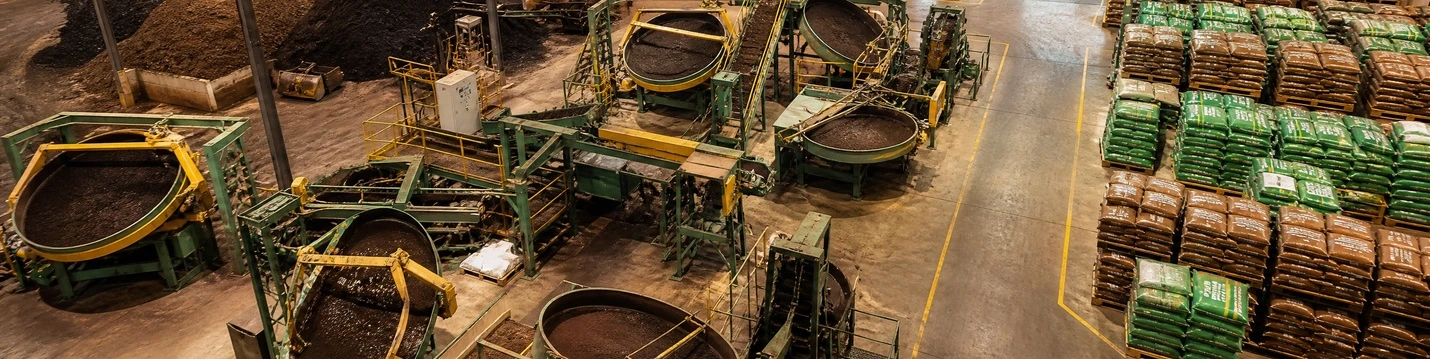
Organic fertilizer companies often purchase horse manure, composted stable waste, or mixed organic materials as fertilizer production resources. With a horse manure pellet maker machine, they can transform low-value manure materials into high-value organic fertilizer pellets with better storage stability, easier packaging, and wider market applications.
Composting & Waste Recycling Companies
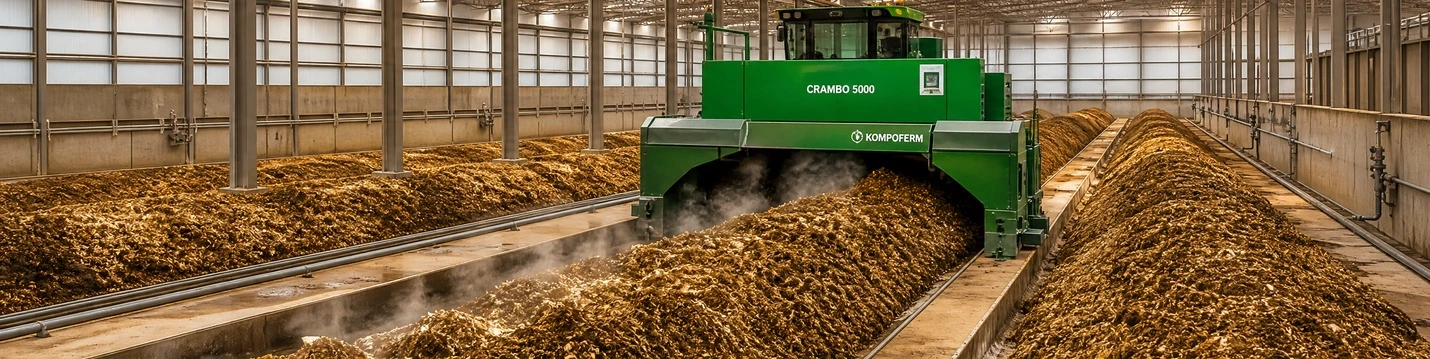
Composting companies commonly process horse manure mixed with bedding materials such as straw and wood shavings. After composting, drying, crushing, and mixing, these materials can be further processed into fertilizer pellets. A horse manure pelletizer machine provides an additional processing stage to improve product quality and increase the commercial value of composted materials.
Livestock Waste Treatment Companies
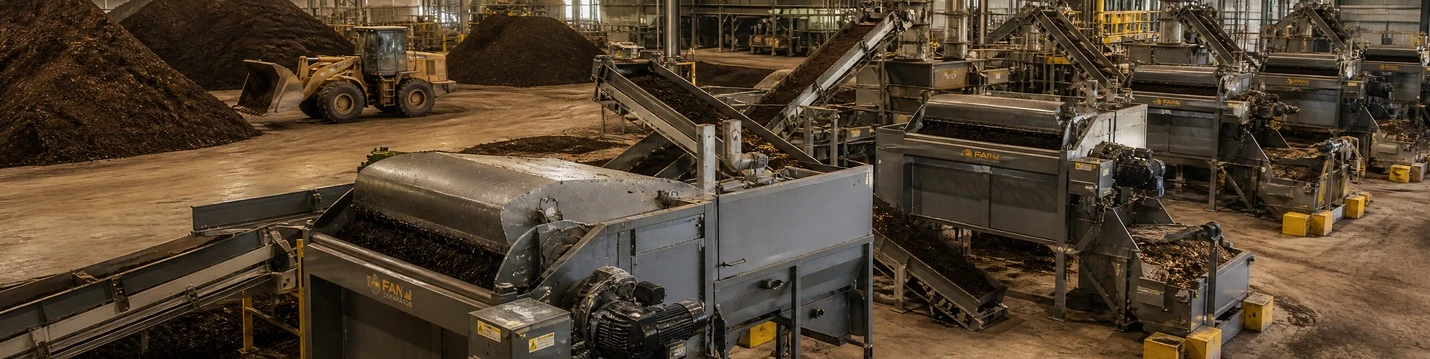
Companies specializing in agricultural waste collection and treatment handle manure from multiple sources, including horse farms and animal facilities. Horse manure pellet processing provides an effective solution for reducing waste volume, improving transportation efficiency, and converting organic waste into environmentally friendly fertilizer products.
Agricultural Fertilizer Producers
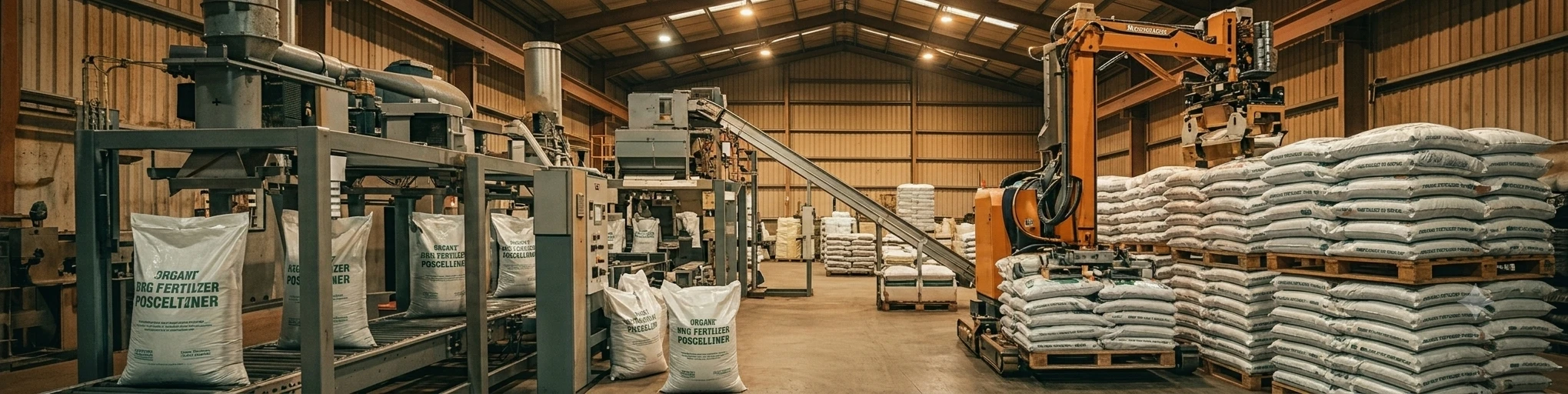
Agricultural fertilizer producers looking for sustainable organic raw materials can use horse manure as a supplement or primary material for organic fertilizer production. Pelleting improves product uniformity, simplifies application, and helps produce fertilizers suitable for farms, gardens, and landscaping applications.
Whether you operate a horse farm, equestrian facility, composting plant, fertilizer factory, or agricultural waste recycling business, we can provide customized horse manure pelleting solutions based on your raw materials, processing requirements, and production capacity. From individual machines to complete processing systems, our equipment can help you efficiently utilize horse manure and other organic waste materials.
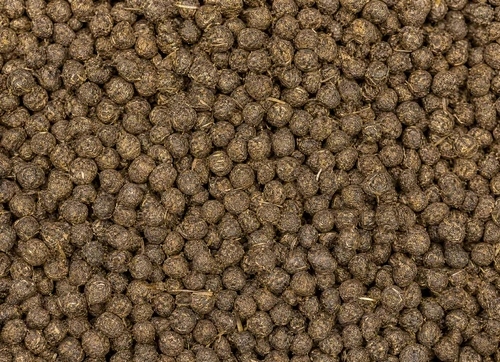
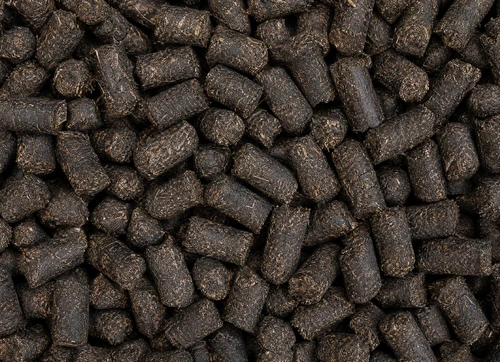
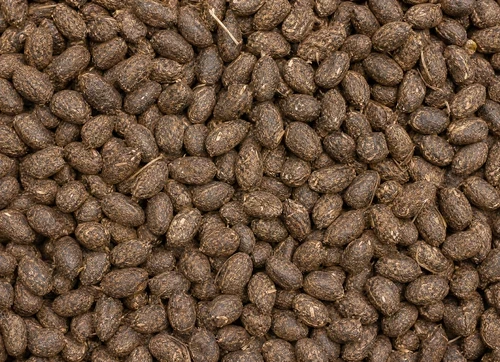
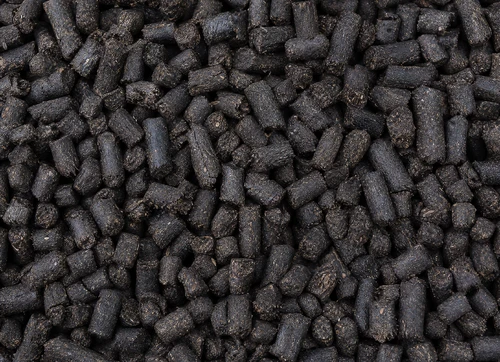
Applicable Raw Materials
A horse manure pellet maker machine is designed to process different forms of horse manure, including fresh manure, aged manure, composted manure, and manure mixed with stable bedding. Depending on the horse farm management system, the raw material may contain different moisture levels, bedding ratios, and impurities such as straw, wood shavings, or hay residues. Through proper pretreatment, these materials can be converted into uniform organic fertilizer pellets.
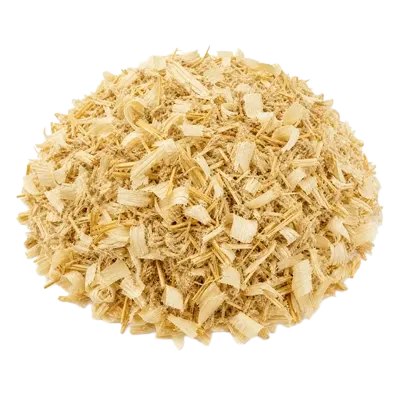
Horse Bedding
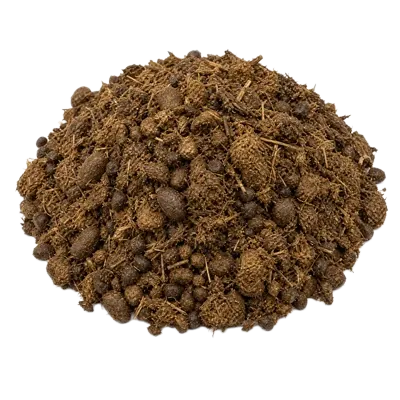
Animal Manure
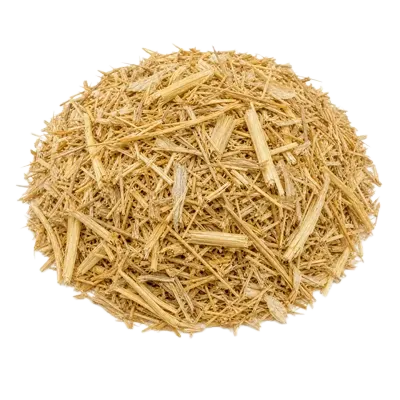
Straw Waste
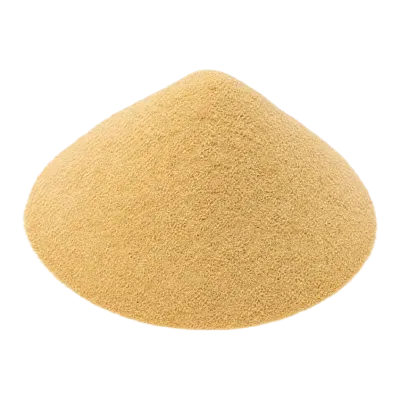
Sawdust Material
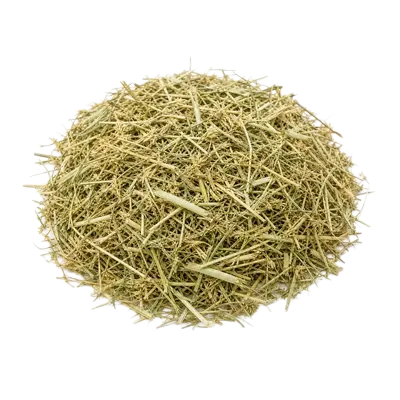
Hay Waste
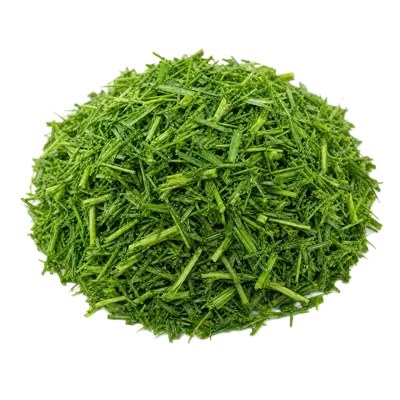
Grass Waste
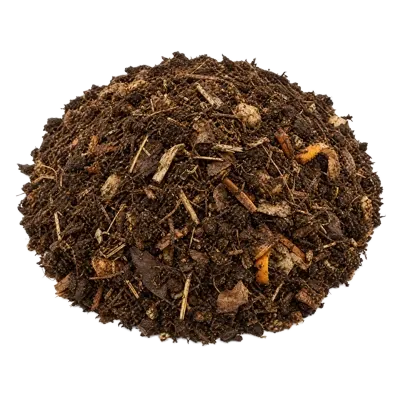
Compost Materials
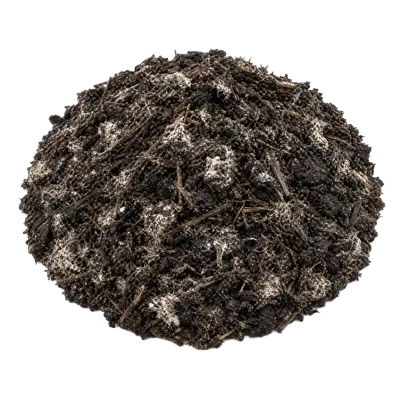
Mushroom Compost
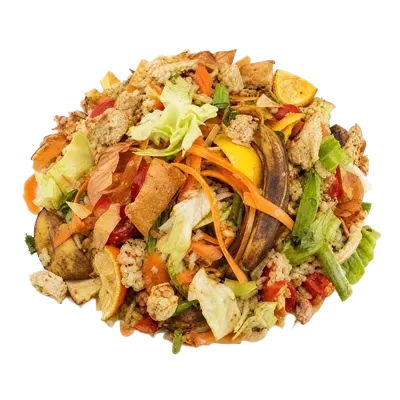
Food Waste
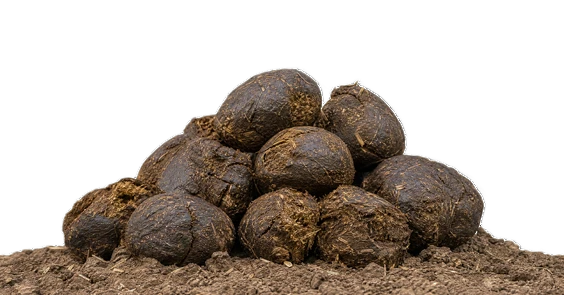
Composted Horse Manure
Fresh horse manure is collected directly from horse farms and equestrian facilities. It usually contains high moisture and may include bedding residues such as straw, sawdust, or wood shavings. After composting, drying, and conditioning, the horse manure pelleting machine can convert it into stable organic fertilizer pellets.
Key Components & Technical Features
Designed specifically for organic fertilizer materials such as horse manure, this horse manure pellet maker machine adopts a ring die pelletizing structure with optimized transmission, feeding, and safety systems.
Horse manure often contains high organic matter, variable fiber content, and mixed bedding materials, which require stable compression, accurate feeding, and durable components. The machine structure is engineered to maintain reliable pellet formation under different raw material conditions while supporting continuous fertilizer production.
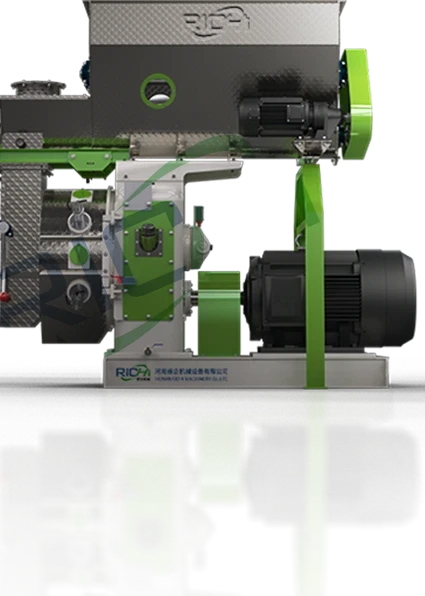
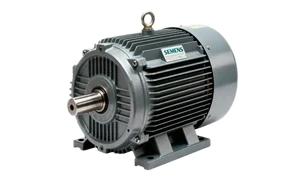
The main drive system uses a Siemens motor to provide stable power transmission for continuous pellet production. It supports reliable operation when processing horse manure and other organic fertilizer materials with changing characteristics.
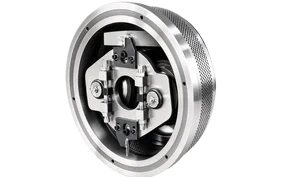
The ring die is the core pelletizing component, designed with optimized compression performance for horse manure mixtures. The quick-release clamp structure simplifies die replacement and reduces maintenance downtime during production.
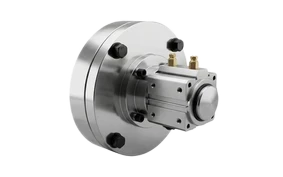
The overload protection device helps prevent damage caused by excessive feeding or abnormal operating conditions. It improves equipment safety and extends the service life of the horse manure pellet machine.
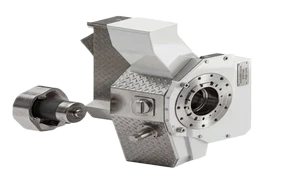
The forced feeding system ensures continuous and even material delivery into the pelletizing chamber. It is especially suitable for horse manure mixtures containing fibers, bedding residues, or uneven particle structures.
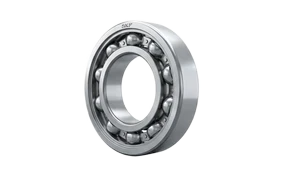
High-quality SKF bearings are applied in key transmission positions to improve load resistance, reduce friction, and maintain smooth operation during long-term horse manure fertilizer pellet production.
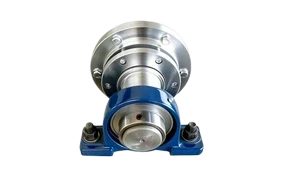
The main transmission adopts high-precision gear engagement instead of traditional belt transmission, providing stronger torque transfer, lower energy loss, and stable pelletizing performance.
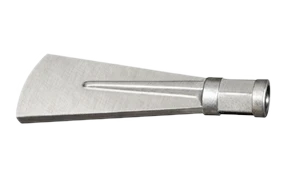
The cutter system allows operators to adjust pellet length according to fertilizer product requirements. It helps produce uniform horse manure fertilizer pellets suitable for packaging and agricultural application..
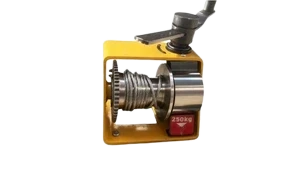
The integrated ring die lifting device makes die replacement and maintenance operations easier. It reduces manual handling requirements and improves maintenance efficiency for fertilizer production plants.
Designed for Real Horse Manure Processing Challenges
A successful horse manure fertilizer project requires more than a pelletizing unit. It requires equipment that understands the characteristics of horse manure, including moisture variation, bedding residues, fiber content, and continuous production needs. RICHI combines engineering experience, manufacturing capability, and project customization to provide reliable horse manure pellet maker machine solutions that help farms, recycling companies, and fertilizer producers transform stable waste into valuable organic fertilizer products.

Stable Production for Commercial Fertilizer Projects
Horse manure processing requires consistent operation to achieve commercial value. RICHI pelletizing systems are designed for customers with continuous raw material supplies. The equipment supports stable pellet production, helping reduce waste handling costs and improve the economic return of organic fertilizer projects.

Customized Solutions for Different Horse Manure Conditions
Every horse manure project has different raw materials, including fresh manure, composted manure, straw mixtures, and wood shavings. Our horse manure pellet mill machine can be customized according to moisture, material structure, required output, and final pellet specifications.

Lower Operating Costs and Higher Product Value
A properly designed horse manure pelleting machine helps customers reduce waste management expenses while increasing the commercial value of manure-based fertilizers.

Complete Project Support from Equipment Manufacturer
RICHI provides more than pellet machines. Based on customer requirements, we can offer equipment selection, process design, manufacturing, installation guidance, and after-sales support.

Flexible Processing of Multiple Organic Materials
Horse farms often generate mixed stable waste containing manure, straw, hay, and wood shavings. Our equipment can process horse manure together with suitable organic materials, allowing customers to utilize more available resources. This flexibility helps fertilizer producers expand raw material options and create different organic fertilizer products from one processing system.

How Does a Horse Manure Pellet Machine Work?
The horse manure pellet maker machine uses mechanical compression to transform prepared horse manure and organic fertilizer mixtures into dense, uniform pellets. After composting, drying, crushing, and conditioning, the material enters the pelletizing chamber, where rollers press it through the ring die holes under controlled pressure. The formed pellets are then cut to the required length and discharged for cooling, screening, and packaging. The process improves the storage, transportation, and application performance of horse manure fertilizer products.
Technical Specifications
| Model | Capacity (t/h) | Main Motor Power (kW) | Anti-Bridging Feeder Power (kW) | Forced Feeder Power (kW) | Ring Die Inner Diameter (mm) | Finished Pellet Diameter (mm) |
|---|---|---|---|---|---|---|
| FZLH250 | 1–1.5 | 22 | 2.2 | 0.75 | 250 | 4–12 |
| FZLH320 | 2–3 | 22 | 2.2 | 0.75 | 320 | 4–12 |
| FZLH350 | 3–5 | 37 | 2.2 | 0.75 | 350 | 4–12 |
| FZLH420 | 6–8 | 90 | 3 | 1.5 | 420 | 4–12 |
| FZLH520 | 9–12 | 132 | 3 | 1.5 | 520 | 4–12 |
| FZLH678 | 18–22 | 200 | 3 | 1.5 | 673 | 4–12 |
| FZLH768 | 22–26 | 250 | 4 | 1.5 | 762 | 4–12 |
From small commercial fertilizer projects to large industrial organic fertilizer plants, our horse manure fertilizer pellet machine series provides multiple models to match different production requirements. The equipment range covers customers with stable manure supplies, composting facilities, and fertilizer manufacturers requiring continuous pellet production. According to raw material conditions, bedding ratios, moisture levels, and output targets, RICHI can customize the pelletizing system and select the most suitable configuration for each horse manure processing project.
Horse Manure Pelletizing Specifications
The performance of a horse manure pellet maker machine depends greatly on raw material preparation and process control. Since horse manure from different farms varies in bedding content, moisture level, composting condition, and fiber structure, pelletizing parameters need to be adjusted according to actual material characteristics. The following specifications provide practical reference ranges for horse manure fertilizer production, while the final configuration will be customized based on customer testing and project requirements.
Feed Particle Size
2–5 mm
Feed Moisture Content
12–25%
Pelletizing Temperature
60–85℃
Compression Ratio
1:4–1:8
Pellet Length
5–30 mm
Pellet Formation Rate
85–95%
Finished Pellet Moisture
≤12–15%
Cooling Temperature
≤40℃
Screening Efficiency
90–98%
Fines Content
≤5–10%
Broken Pellet Rate
≤3–5%
Operating Mode
Continuous Operation
Horse manure conditions differ greatly between farms, equestrian centers, and fertilizer plants. A small horse farm may process composted manure with bedding residues, while industrial fertilizer producers may require continuous large-scale production with multiple organic materials. RICHI provides customized horse manure pellet making machine configurations based on raw material analysis, capacity requirements, and final fertilizer specifications.
Horse Manure Pellet Machine Projects Worldwide
With years of experience in organic fertilizer equipment manufacturing, RICHI has supplied horse manure pellet maker machine solutions to customers in different countries and industries. These projects include equestrian facilities, manure recycling companies, composting businesses, and fertilizer producers. The following cases demonstrate our ability to adapt equipment configurations to different horse manure sources, moisture conditions, mixed materials, and production targets.
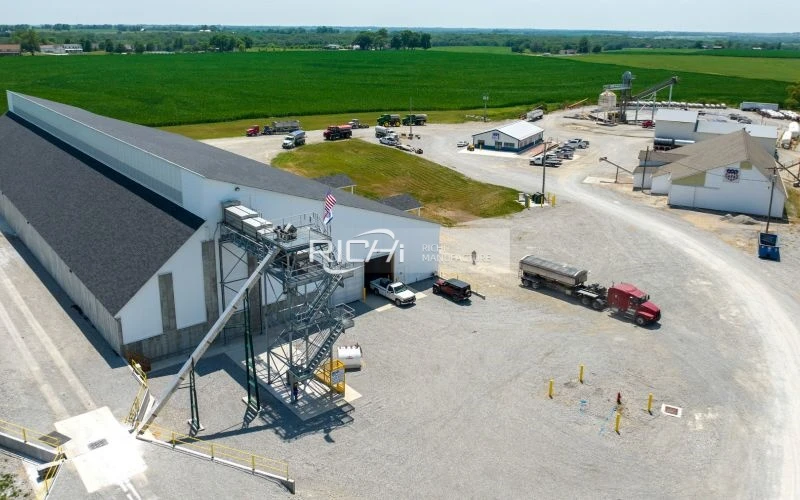

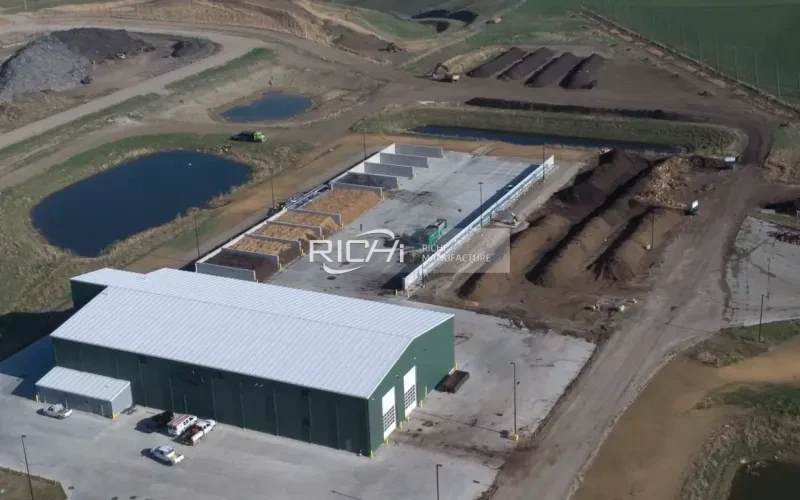
5 T/H
Horse Manure Fertilizer Project in the United States
The customer collected fresh horse manure from a large equestrian facility, mixed with wood-shaving bedding. Because of the high initial moisture and fibrous bedding, RICHI designed a process combining fermentation, impurity removal, crushing, mixing, drying, and pelleting to stabilize the material before fertilizer production.
Equipment Used :FZLH420
Initial Raw Material Moisture :72–78%
Pellet Size :4-6 mm

3 T/H
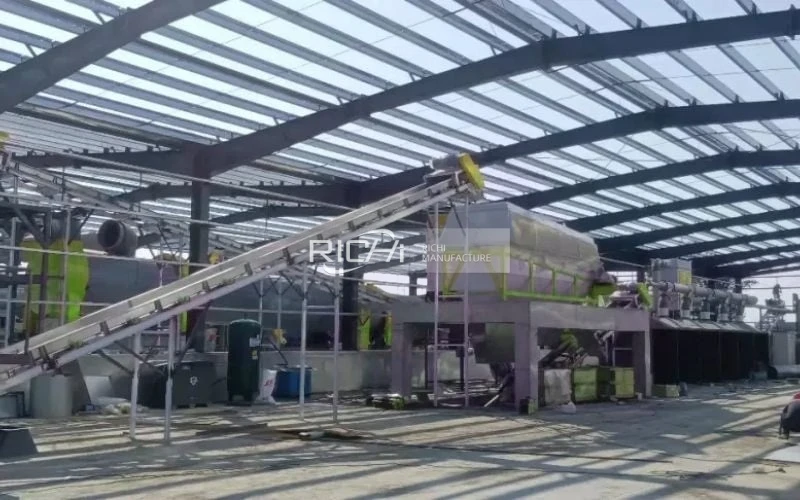
Horse Manure Recycling Project for a Horse Farm in Australia
The customer processed horse manure collected during daily stable cleaning, with straw bedding accounting for part of the raw material. RICHI configured fermentation, crushing, mixing, moisture adjustment, and pelletizing equipment to handle the relatively fibrous material and produce consistent organic fertilizer pellets.
Equipment Used :FZLH350
Initial Raw Material Moisture :55–62%
Pellet Size : 3-5 mm

5 T/H
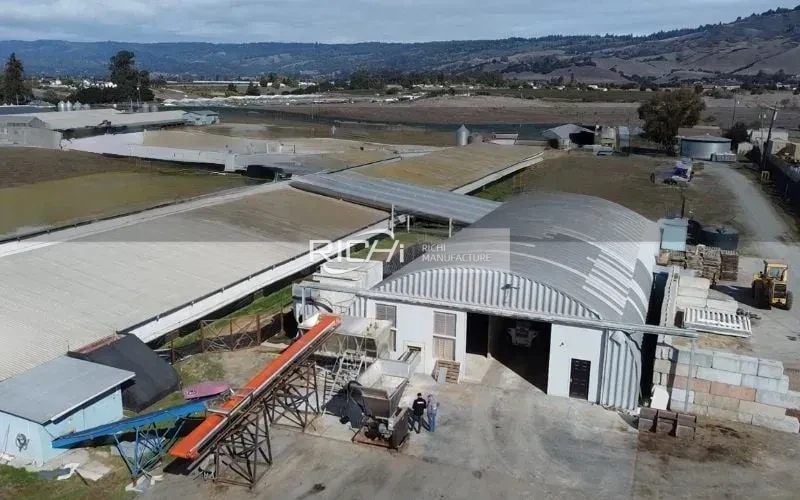
Horse Manure Organic Fertilizer Project in Germany
The customer used horse manure that had been temporarily stored before processing, giving the raw material a lower initial moisture level. RICHI focused on material size reduction, batching, and uniform mixing, with a customized process combining crushing, mixing, pelletizing, cooling, and screening according to the customer’s fertilizer requirements.
Equipment Used :FZLH520
Initial Raw Material Moisture :42–50%
Pellet Size : 2-4 mm

6 T/H
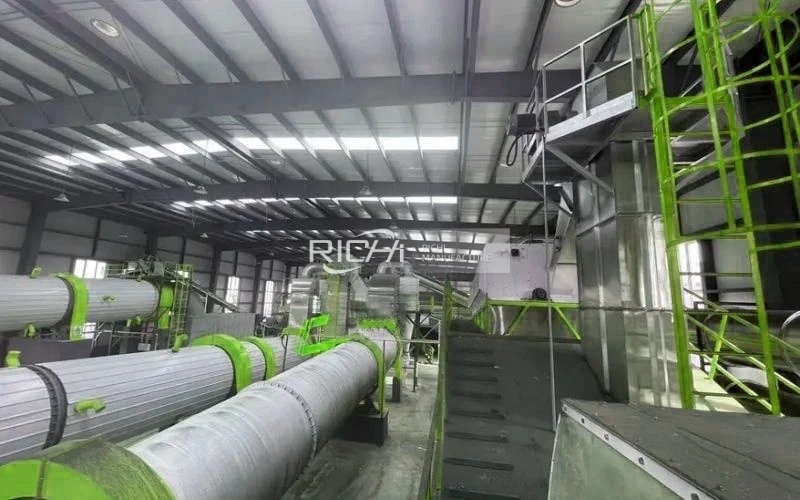
Horse Manure Fertilizer Processing Project in France
The customer collected horse manure together with straw bedding from a busy riding facility. Due to the relatively high moisture and changing bedding proportion, RICHI designed a process with fermentation, crushing, mixing, drying, and pelletizing sections to maintain more consistent feeding conditions.
Equipment Used :FZLH420
Initial Raw Material Moisture :64–70%
Pellet Size : 4-6 mm

10 T/H
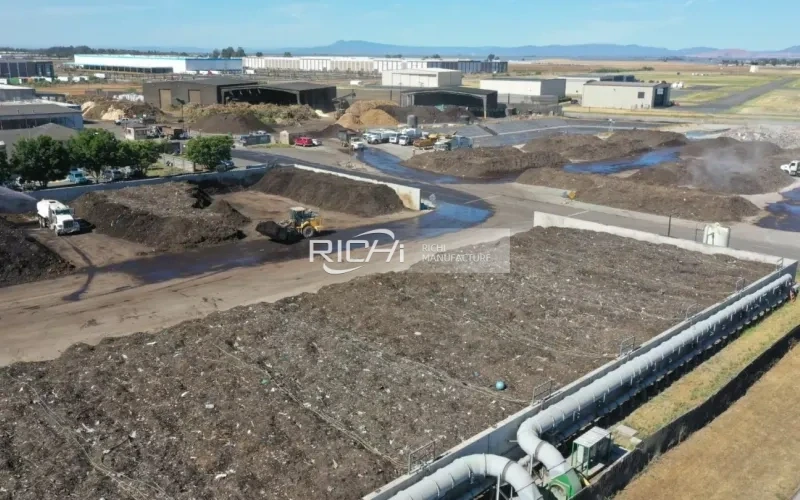
Horse Manure Fertilizer Production Project in Brazil
The customer had access to fresh horse manure as well as locally available agricultural residues. RICHI developed a combined raw material preparation process, using crushing, batching, mixing, drying, and pelleting equipment to accommodate the different physical characteristics of the materials.
Equipment Used :FZLH520
Initial Raw Material Moisture :60–68%
Pellet Size : 3-5 mm

2 T/H
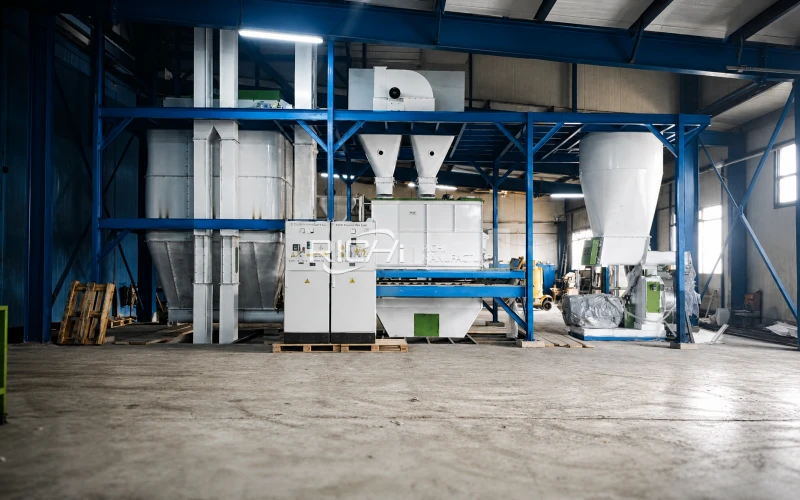
Horse Manure Waste Treatment Project in South Africa
The customer operated in a relatively dry environment where collected horse manure had already lost part of its moisture during storage. RICHI designed a compact processing line centered on crushing, mixing, pelletizing, cooling, and screening, with the process configuration adjusted to avoid unnecessary drying.
Equipment Used :FZLH320
Initial Raw Material Moisture :38–48%
Pellet Size : 2-4 mm

4T/H
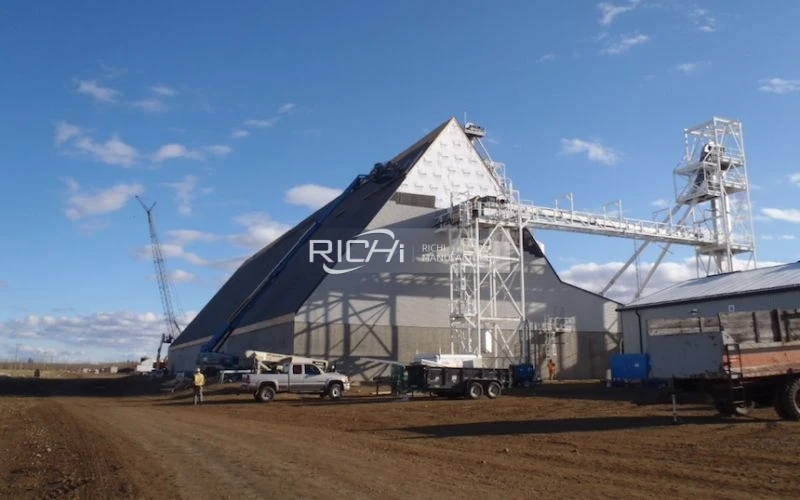
Horse Manure Pellet Production Project in Argentina
The customer collected relatively fresh horse manure containing a moderate amount of bedding waste. RICHI arranged fermentation and moisture-conditioning steps before crushing, mixing, drying, and pelletizing, allowing the different components to be prepared more evenly for fertilizer production.
Equipment Used :FZLH350
Initial Raw Material Moisture :66–74%
Pellet Size : 4-6 mm

5 T/H
Horse Manure Recycling Project in Mexico
The customer handled freshly collected horse manure with a high initial moisture content and wanted to turn the waste into a saleable fertilizer product. RICHI configured fermentation, drying, pelletizing, cooling, screening, and packaging sections according to the raw material condition and the customer’s processing requirements.
Equipment Used :FZLH420
Initial Raw Material Moisture :73–80%
Pellet Size : 3-5 mm
The projects above show how horse manure can require very different handling depending on its collection method, bedding content, moisture, and available supplementary materials. The following feedback is written from the customer’s perspective, with each comment focusing on a different part of the horse manure pellet production process—from material preparation and pelletizing to installation, commissioning, and technical support.

New Zealand Equestrian Farm
1 T/H Horse Manure Pellet Project
“We had horse manure mixed with wood shavings, so the material was much less uniform than ordinary manure. The horse manure pelletizer machine was configured around our actual mixture, and the installation team helped us get the feeding and moisture control right.”
Kenya Horse Breeding Farm
2 T/H Horse Manure Fertilizer Project
“Our manure had a relatively high moisture level after collection, and we needed a practical drying arrangement rather than unnecessary equipment. RICHI adjusted the process around our conditions and gave our operators useful training during commissioning.”
Uruguay Horse Farm Company
1.5 T/H Horse Manure Pellet Project
“We wanted to combine horse manure with locally available crop residues instead of processing manure alone. The engineers helped us balance the different materials, and the finished fertilizer pellets were much easier for us to handle, store, and transport.”
Poland Organic Fertilizer Producer
1 T/H Horse Manure Pellet Project
“Our main concern was producing consistent 4–6 mm fertilizer pellets from fermented horse manure. The pelletizing system gave us better control over pellet formation, while the screening and recycling arrangement helped reduce material going back as fines.”
Thailand Horse Farm
3 T/H Horse Manure Fertilizer Project
“The manure condition changed considerably between collection batches, especially during the rainy season. We appreciated that the process design was not fixed around one material condition, and the technical team showed us how to adjust preparation and feeding accordingly.”
USA Horse Boarding Facility
5 T/H Horse Manure Pellet Project
“We were looking for more than a standalone pellet mill because our operation generates manure together with bedding waste. RICHI designed the preparation, conveying, pelletizing, cooling, and packing sections as one system, which made the whole project much easier to manage.”
Morocco Fertilizer Distributor
10 T/H Horse Manure Pellet Project
“We were particularly focused on stable operation and finished-pellet cooling because the fertilizer would be stored before distribution. The equipment arrangement and commissioning support gave us a much clearer production routine from raw-material feeding through final packing.”
Japan Equestrian Facility
1.5 T/H Horse Manure Pellet Project
“Space was limited, so we could not simply install a standard production line without considering the building layout. The engineering team adapted the equipment arrangement to our available space while keeping the horse manure pelletizer and supporting systems accessible for operation and maintenance.”
Horse Manure Pellet Mill Price
The price of a horse manure pellet mill generally ranges from 10,000-100,000 USD, depending on the selected model, production capacity, equipment configuration, and project requirements. Different horse manure sources, including stable waste, bedding mixtures, and composted manure, may require different processing configurations, so the final investment should be evaluated according to actual raw materials and output targets.
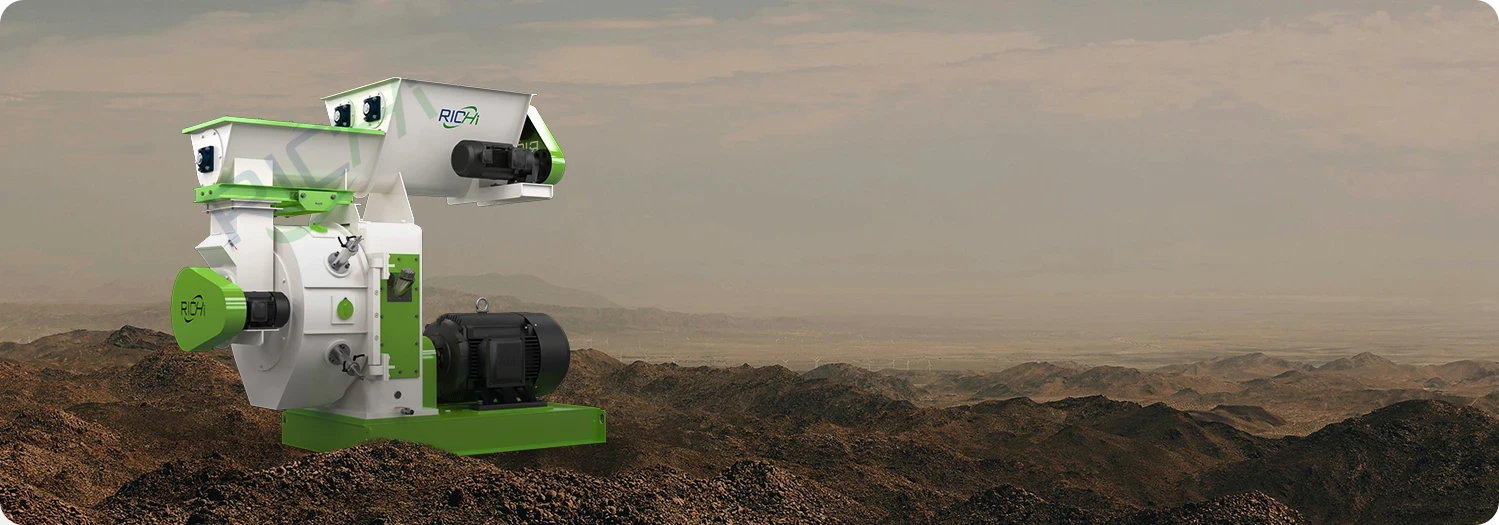
RICHI provides customized equipment recommendations to help customers select a suitable pelletizing solution for their horse manure fertilizer production needs.
Price Range for
Horse manure pellet machine cost:
FZLH250 (22KW)
$10,000–$13,000
FZLH320 (22KW)
$15,000–$18,000
FZLH350 (37KW)
$18,000–$25,000
FZLH420 (90KW)
$26,000–$32,000
FZLH520 (132KW)
$43,000–$50,000
FZLH678 (200KW)
$64,000–$70,000
FZLH768 (315KW)
$75,000–$85,000
Select Your Horse Manure Pellet Processing Capacit
Find the production capacity that matches your project, and we’ll recommend the right machine configuration and quotation.
Customized Horse Manure Processing Technology & Solutions
Horse manure processing is not limited to a single pelletizing step. A complete fertilizer project may include crushing, impurity removal, fermentation, drying, mixing, pelletizing, cooling, spraying, screening, and packaging according to the characteristics of the raw materials and the customer’s final product requirements. RICHI designs horse manure fertilizer processing systems based on whether customers need pellet fertilizer, powder fertilizer, or both.
Besides complete horse manure fertilizer production lines, RICHI also provides modular equipment solutions for customers who only need specific processes such as crushing, mixing, drying, batching, or storage. From initial consultation and process design to equipment manufacturing, installation guidance, commissioning, operator training, and spare parts supply, we provide technical support throughout the entire project lifecycle.
Complete Equipment for Horse Manure Pellet Processing
The equipment list below covers the main systems commonly used in horse manure pellet processing, including crushing, fermentation, mixing, drying, screening, weighing, conveying, dust removal, batching, and packaging. However, each project has different requirements. Additional equipment such as balers, drum screens, storage systems, automatic control systems, and customized conveying solutions can be integrated according to the customer’s process design.
Even within the same processing stage, multiple equipment options are available. For example, the crushing method depends on whether the material contains long straw, wood shavings, or composted manure, while drying equipment selection depends on moisture content and production requirements. Our engineering team designs practical solutions rather than applying one fixed equipment combination to every horse manure fertilizer project.
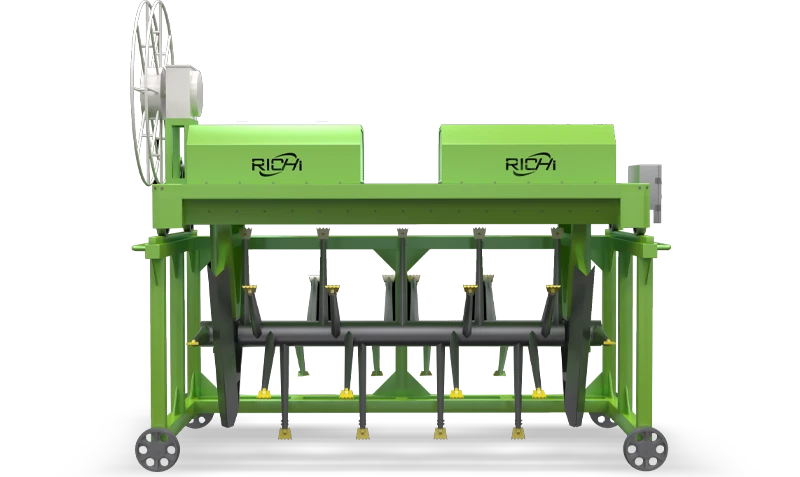
Manure Compost Turner
The compost turning machine improves fermentation efficiency by mixing horse manure with bedding materials and increasing oxygen contact during composting. I
Turning Width
2–8 m
Turning Height
0.5–2.5 m
Horse Manure Crusher
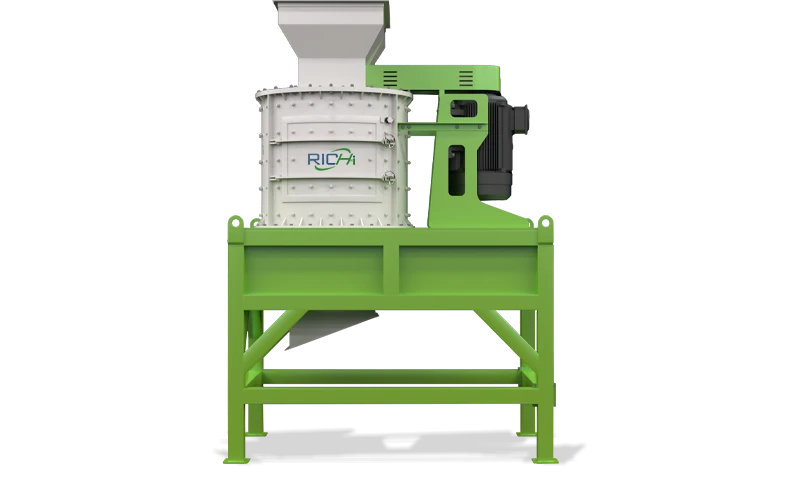
The vertical chain crusher is used for breaking down fermented horse manure, bedding mixtures, and composted organic materials into smaller particles before pelletizing.
Capacity
3–30 T/H
Main Power
22–160 kW
Horse Manure Mixer
The mixer ensures uniform blending of horse manure with bedding materials, additives, or other organic fertilizer components. It improves material consistency.
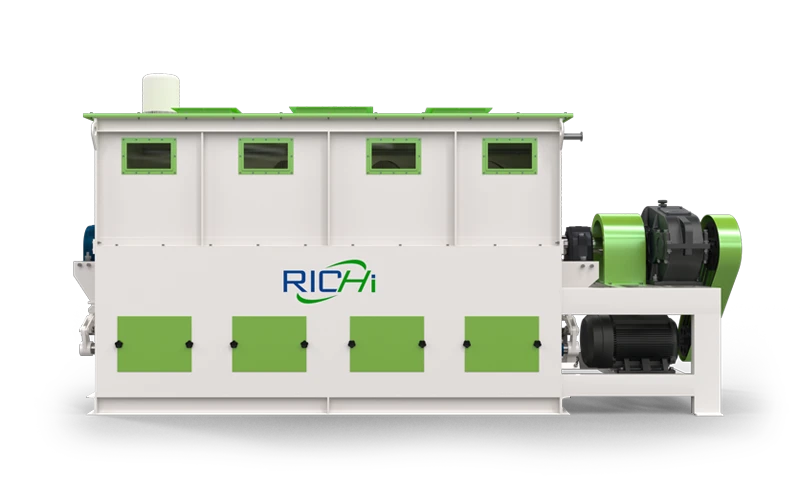
Capacity
250–2,000 kg
Main Power
4-160KW
Horse Manure Dryer
A dryer is used when horse manure materials contain excessive moisture after fermentation or composting. It adjusts moisture content to suitable pelletizing conditions and improves production stability.
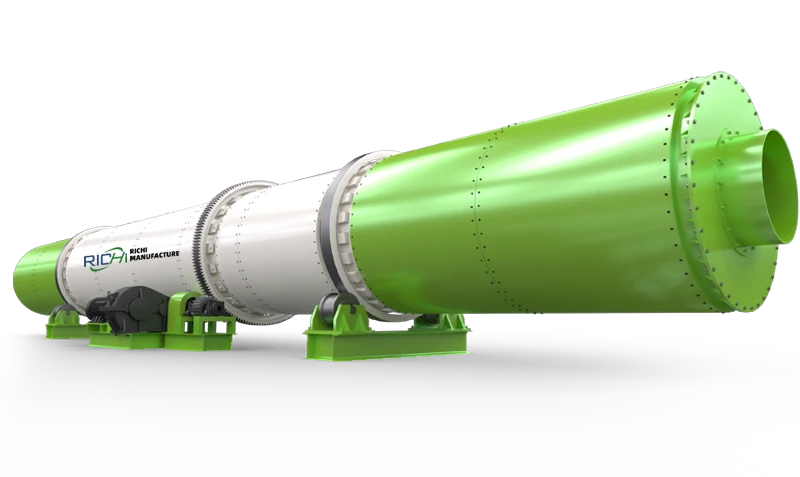
Capacity
1–30 T/H
Drying Temperature
60–250℃
Horse Manure Screener
The screener separates qualified fertilizer pellets from oversized particles and fines after pellet production. It helps maintain consistent product size and allows unqualified materials to return to the production process.
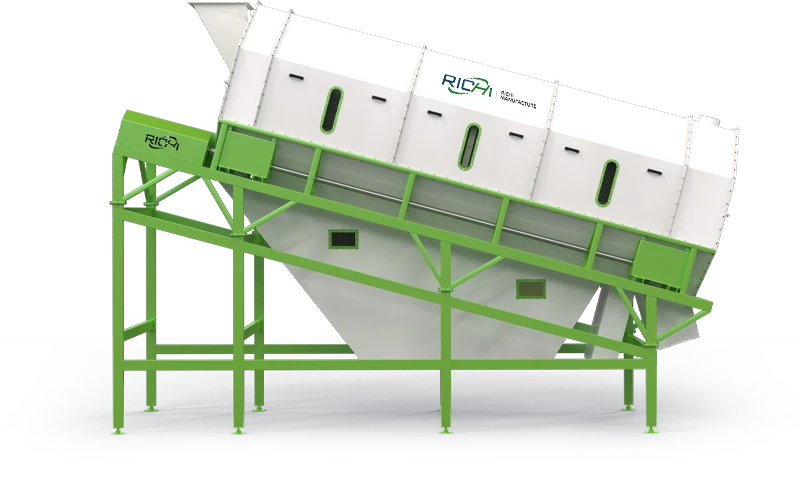
Capacity
3-50T/H
Screen Layers
1–3 Layers
Horse Manure Bagging Scale
The baling and weighing system automatically measures and packages finished horse manure fertilizer products. It improves packaging accuracy and is suitable for commercial fertilizer sales.
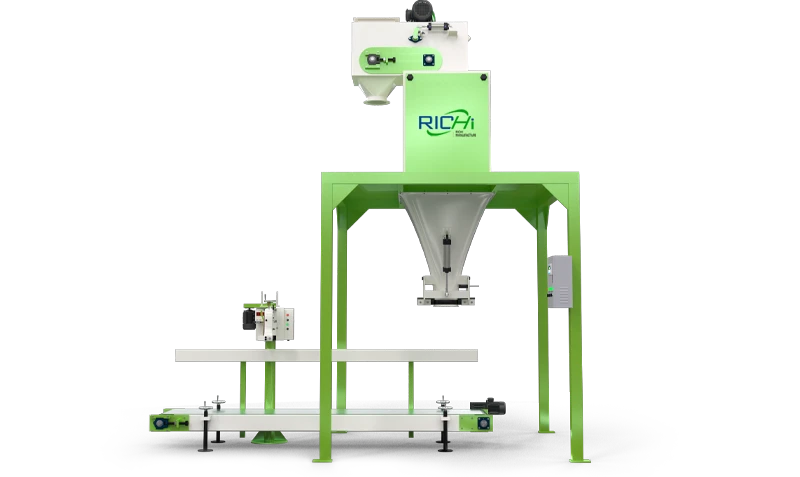
Packing Range
10–1000 kg/bag
Packing Speed
6–20 Bags/min
Feeding & Weighing System
The feeding and weighing system provides controlled material supply before mixing or pelletizing. It helps maintain stable feeding of horse manure materials with different densities and compositions.nt pellet quality.
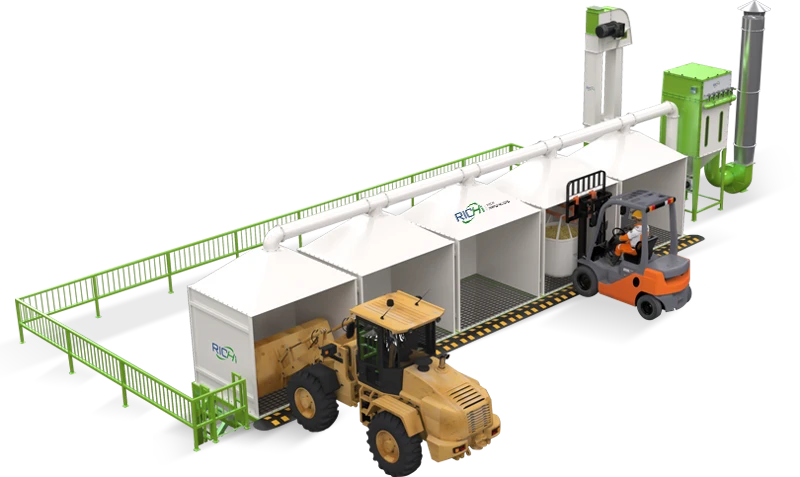
Weighing Capacity
1–50 T/H
Weighing Accuracy
±0.5–1%
Trace Element Dosing System
The trace element batching system accurately adds additional nutrients or mineral components into horse manure fertilizer formulas. It is commonly used by fertilizer producers requiring customized nutrient products.
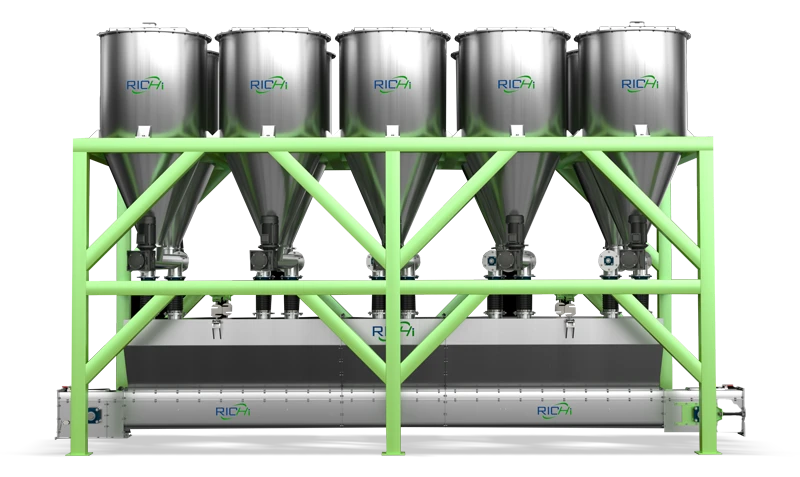
Dosing Accuracy
±0.1–0.5%
Hopper Volume
50–1000 kg
Horse Manure Conveyor
Conveyors connect different processing sections, including crushing, fermentation, drying, pelletizing, screening, and packaging. Different conveyor types can be selected according to material characteristics and plant layout.
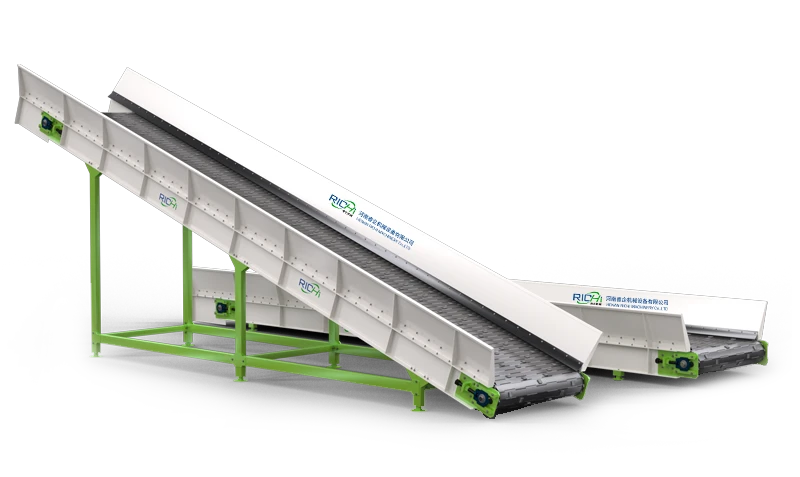
Capacity
2-40T/H
Conveying Length
3–40 m
Different customers require different processing routes. A horse farm mainly producing manure mixed with bedding may need fermentation, crushing, and pelletizing equipment, while a fertilizer company handling multiple organic materials may require complete mixing, drying, storage, and packaging systems. RICHI evaluates the actual horse manure type, moisture condition, production capacity, factory layout, and investment plan to design a suitable processing solution.
The same production line can be configured for different fertilizer products, including horse manure pellets and horse manure powder fertilizer. According to customer needs, additional systems such as mixing units, dust collection equipment, storage silos, unpacking machine, fertilizer spraying system and automatic batching systems can be integrated to improve production efficiency and product consistency.
Customized Horse Manure Fertilizer Production Solution
1-1.5 T/H Horse Manure Fertilizer Processing Line【Example Design】
RICHI horse manure fertilizer production lines can be designed with capacities ranging from 1-60 T/H according to customer requirements. The following process flow is an example of a completed customized solution for a customer requiring both powdered fertilizer and granular fertilizer production from mixed organic materials.
The project was designed for a customer processing horse manure together with straw and other organic ingredients, requiring flexible production of different fertilizer forms.
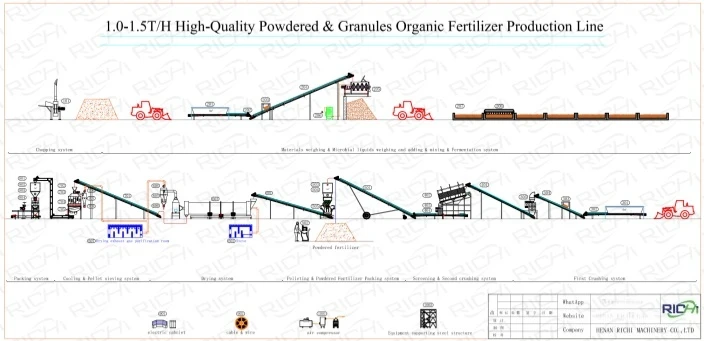
Raw Material Preparation
Receiving & Batching
Mixing & Liquid Addition
Mixing & Fermentation
Material Crushing
Powder Packaging
Pellet Formation
Drying & Cooling
Screening & Packaging
The customer needed a system that could handle variable organic materials, produce both powder fertilizer (1-20 mm, customized) and fertilizer pellets (2-12 mm, customized), and improve the value of farm waste through complete processing. Based on the raw material characteristics, the solution combined crushing, batching, fermentation, powder fertilizer production, and horse manure pellet maker machine technology into one integrated production system.so around the customer’s requirements for producing different fertilizer forms.
This project demonstrates how one production system can support multiple fertilizer products from horse manure-based raw materials. Customers can produce both powdered organic fertilizer and pellet fertilizer according to market demand. However, every horse manure project has different requirements. The final process design depends on manure condition, bedding materials, moisture content, available factory space, required output, and investment budget.
Prospects of Horse Manure Pellet Processing
Horse manure pellet processing is becoming an attractive option for farms, equestrian facilities, and organic fertilizer producers that need to manage increasing stable waste volumes. Instead of treating horse manure and bedding materials as disposal costs, customers can convert them into valuable organic fertilizer pellets for crop production, landscaping, soil improvement, and commercial fertilizer markets.
The market potential varies by region. Countries with strong equestrian industries, such as the United States, Australia, Germany, the United Kingdom, and Argentina, generate continuous horse manure resources from farms, racing facilities, and riding centers. Meanwhile, agricultural regions in Asia, the Middle East, Africa, and Latin America are developing greater demand for organic fertilizers due to soil improvement requirements and sustainable farming practices.
Stable Raw Material Supply
Horse farms, racing facilities, and equestrian centers generate continuous manure and bedding waste that requires proper treatment. A customized horse manure pellet maker machine helps transform these materials into commercial fertilizer products instead of disposal burdens.
Multiple Product Applications
Horse manure pellets can be supplied for agricultural soil improvement, organic fertilizer production, gardening, and landscaping applications. Customers can also combine different organic wastes to create fertilizer products with broader market demand.
Flexible Business Expansion
A horse manure fertilizer plant can start with pellet production and later expand into powder fertilizer, compost processing, or multi-material fertilizer manufacturing. The same production system can be adapted for different organic resources and market requirements.
Growing Global Demand
Organic farming development and environmental regulations are increasing demand for sustainable fertilizer solutions worldwide. Regions with large horse populations and agricultural industries provide strong opportunities for investors entering horse manure pellet processing.
Frequently Asked Questions
What type of horse manure can be processed by a pellet machine?
A horse manure pellet maker machine can process fresh manure after proper pretreatment, composted horse manure, and stable waste mixtures containing bedding materials.
Common combinations include horse manure with straw, wood shavings, sawdust, hemp bedding, and agricultural residues. The final configuration depends on moisture, fiber content, and impurity conditions.
How much horse manure is needed for a 1 T/H pellet production line?
A 1 T/H line means about 1 ton of finished fertilizer pellets per hour, not 1 ton of fresh horse manure. Depending on the initial moisture, bedding content, fermentation losses, and final pellet moisture, a practical design may require approximately 2–4 tons of fresh horse manure and bedding mixture per hour.
For example, material at 60–70% initial moisture requires substantially more feedstock than relatively dry manure. The exact requirement should be calculated from the customer’s actual manure moisture and formula before equipment selection.
Can a small horse farm use a horse manure pellet machine?
A very small horse farm normally cannot keep a 1 T/H commercial pellet line continuously supplied with raw material. For a 1 T/H project, we generally recommend having a stable manure source from hundreds of horses or an equivalent collection network, depending heavily on manure production, bedding quantity, collection frequency, and operating hours.
If the farm produces less manure, a more practical approach is to collect horse manure from neighboring stables or combine it with suitable agricultural and livestock wastes.
What moisture content should horse manure have before pelletizing?
After fermentation, drying, and conditioning, the material entering the pellet mill is generally adjusted to approximately 12–18% moisture. A practical target is often around 14–16%, but the optimum value can shift with bedding type, fiber content, formulation, and pellet diameter.
Moisture should therefore be checked immediately before pelletizing rather than relying only on the moisture of the fresh manure.
Does fresh horse manure need to be dried before pelletizing?
Usually, fresh horse manure cannot be fed directly into a pellet mill because its moisture is commonly too high and its fiber structure is inconsistent. Fresh manure normally goes through fermentation and moisture reduction first.
If the fermented material is already within the required moisture range, a separate dryer may not be necessary. For wetter projects, RICHI can integrate a drying system after crushing and mixing based on the measured moisture loss.
Which model is suitable for producing 2–3 T/H?
For a target of 2–3 T/H, a medium-capacity ring die pellet mill such as the FZLH320 may be considered, but the model should not be selected from output alone.
The actual selection also depends on feeding moisture, horse manure-to-bedding ratio, fiber content, pellet diameter, and required operating hours. RICHI normally checks these conditions before confirming the final configuration.
Can horse manure and bedding be pelletized together?
Yes. This is one of the more practical feedstock combinations for horse farms because stable waste commonly contains manure mixed with straw, hay, wood shavings, or other bedding materials.
The key is controlling the mixture rather than removing all bedding. Long fibers should be reduced to a suitable particle size, while excessive wood shavings or wet bedding may require formula adjustment before pelletizing.
Can one line produce both powdered and pelletized horse manure fertilizer?
Yes, with the appropriate process design. A production line can use crushing, screening, and separate packing equipment to produce powdered fertilizer, while the prepared material is sent through the horse manure pellet maker machine when pellet fertilizer is required.
This configuration is useful for fertilizer producers selling both bulk powder and bagged pellets without building two completely independent plants.
What pellet sizes can a horse manure pellet processing machine produce?
For horse manure organic fertilizer, common commercial pellet diameters are approximately 2–6 mm. Within this range, 2–3 mm pellets may suit smaller-scale horticultural or specialty products, while 4–6 mm pellets are widely applicable to general agricultural fertilizer products.
The final diameter is determined mainly by the ring die and should be selected according to the intended fertilizer market.
How much space is needed for a horse manure fertilizer production line?
There is no single fixed area because the factory must accommodate not only the pellet machine but also raw-material storage, fermentation, drying, finished-product storage, and packing.
For a 1–3 T/H project, several hundred square meters may be sufficient for the processing equipment itself, but a horse farm processing fresh manure often needs substantially more outdoor or covered space for fermentation and raw-material storage. RICHI therefore designs the layout around the customer’s available land and material flow.
Can straw bedding be processed without separating it from horse manure?
Yes. Straw bedding can remain in the fertilizer mixture after suitable size reduction. For long straw, a straw chopper or hammer mill is normally used to reduce the fibers before mixing and pelletizing.
The proportion of bedding matters: too much dry fiber can lower bulk density and affect pellet formation, while excessively wet bedding can increase the drying load.
What equipment is normally needed besides the horse manure pellet machine?
The equipment depends on the condition of the horse manure. A typical commercial line may contain:
- Fermentation or composting equipment
- Straw or manure crusher
- Magnetic separator
- Batching and mixing system
- Dryer
- Horse manure pellet maker machine
- Pellet cooler
- Vibrating screen
- Finished-product bin
- Automatic packing machine
Not every project needs every machine. For example, naturally dry composted manure may require less drying equipment than fresh manure collected from a wet stable.
Can manure from racing stables be processed into fertilizer pellets?
Yes. Racing stables, equestrian centers, and horse-training facilities can have a relatively consistent waste stream containing horse manure plus bedding.
The main consideration is not the horse type but the actual waste composition. If bedding changes from straw to wood shavings, for example, the crushing, drying, and formulation requirements may also change.
What materials can be mixed with horse manure?
Horse manure can be formulated with compatible organic materials such as cow manure, sheep manure, rabbit manure, straw, hay waste, sawdust, crop residues, and other composted organic materials.
There is no universal mixing ratio. The formula should be determined from the materials’ moisture, organic matter, nutrient requirements, fiber content, and the specifications of the final fertilizer.
Can horse manure with a lot of bedding still be pelletized?
Yes, but high bedding content changes the process requirements. Horse manure containing substantial straw, hay, or wood shavings normally needs stronger size reduction and careful moisture conditioning before entering the pelletizing chamber.
For these projects, RICHI can configure the crushing, mixing, drying, and feeding sections around the actual bedding proportion instead of treating the material as pure manure.
Can the horse manure pelleting machine process manure from several farms?
Yes, provided the collected materials are tested and can be brought into a consistent formula. Different farms may supply manure with noticeably different moisture, bedding ratios, fiber content, and contamination levels.
For a centralized manure-processing plant, it is better to establish a receiving and batching system so that variations between suppliers can be balanced before pelletizing.
Is a horse manure pellet maker machine suitable for a commercial fertilizer company?
Yes. Commercial fertilizer producers can use larger ring die pellet mills and combine horse manure with other available organic materials to maintain a stable feedstock supply.
For larger projects, the engineering focus shifts from the pellet mill alone to continuous feeding, drying capacity, cooling, screening, storage, and automatic packing, because these sections determine whether the whole plant can operate steadily.
What should I check before replacing an old horse manure pellet maker machine?
Do not compare machines only by their rated capacity. Check the existing line for:
- Actual feed moisture and formulation
- Current pellet output and energy consumption
- Ring die wear and roller condition
- Feeding stability
- Pellet breakage and fines
- Dryer and cooler capacity
- Existing conveyor and packing capacity
RICHI can evaluate the existing process and replace only the bottleneck equipment when appropriate, or redesign the complete line if the original configuration is no longer suitable.
Can the same horse manure pellet maker machine handle different fertilizer formulas?
Yes, within the machine’s applicable material range. A single pellet mill can process different formulas when their particle size, moisture, fiber content, and binding characteristics are properly conditioned.
For example, a horse manure + straw formula and a horse manure + cow manure formula may require different moisture adjustment and feeding conditions even though they use the same pellet mill.
Can the horse manure pellet maker machine produce fertilizer for different markets?
Yes. The same production line can be configured for different pellet specifications, commonly within the 2–6 mm range, and can also include separate screening and packing arrangements.
For a customer selling to farms, garden centers, and fertilizer distributors, RICHI can design the process around several product grades rather than limiting the plant to one fixed pellet specification.
What Is a Horse Manure Pellet maker Machine Used For?
A horse manure pellet maker machine is designed to compress processed horse manure and organic materials into uniform fertilizer pellets. It is mainly used in horse manure fertilizer production projects, helping farms, fertilizer manufacturers, and waste recycling companies convert stable waste into valuable organic fertilizer products.
The processed horse manure pellets are commonly used for:
- Organic fertilizer applications for crop farming, gardening, landscaping, and soil improvement
- Commercial fertilizer production for organic fertilizer companies
- Waste recycling projects that transform horse manure and bedding waste into marketable products
If customers are interested in processing horse manure into fuel pellets, different raw material preparation methods and equipment configurations are required. We can provide separate technical solutions according to the final application.
What Are the Main Features of a Horse Manure Pellets Machine?
RICHI’s ring die horse manure pellet processing machine is a key piece of equipment in horse manure pellet plants, suitable for small, medium, and large-scale fertilizer production. The equipment capacity can be configured from 1-26 T/H according to the selected model and project requirements.
Main features include:
- Stable pelletizing performance: The ring die structure provides continuous compression and uniform pellet formation for processed horse manure materials.
- Wide raw material adaptability: It can process horse manure combined with bedding materials such as straw, wood shavings, and other organic residues after proper pretreatment.
- Flexible project application: The equipment can be installed in complete organic fertilizer production lines or used as part of customized fertilizer processing systems.
- Long service life: High-quality components, optimized transmission structure, and professional manufacturing processes ensure reliable operation.
Horse Manure Pellet maker Machine Application Range
The equipment is suitable for customers who have stable organic waste resources, including:
| Customer Type | Typical Raw Materials |
|---|---|
| Horse farms & equestrian centers | Horse manure, straw bedding, wood shavings |
| Organic fertilizer plants | Horse manure, compost materials, animal manure |
| Waste recycling companies | Stable waste and mixed organic waste |
| Agricultural enterprises | Horse manure combined with crop residues |
Horse Manure Pellet maker Machine Specifications
- Capacity: 1-26 T/H
- Price Range: 10,000-100,000 USD
- Main Application: Organic fertilizer factories, horse farms, breeding farms, waste recycling plants, agricultural enterprises, and other organic waste processing projects
RICHI provides not only horse manure pellet making machines but also complete horse manure fertilizer production solutions, including crushing, fermentation, mixing, drying, pelletizing, cooling, screening, and packaging systems. The final equipment configuration is customized according to raw material characteristics, required output, factory conditions, and investment plans.
Why Is Horse Manure Suitable for Organic Fertilizer Pellets?
Horse manure is a natural organic material produced by horses and is widely used in fertilizer production because it contains valuable organic matter and plant nutrients. As horses are herbivorous animals, their manure contains nitrogen, phosphorus, potassium, and various organic compounds that can contribute to soil improvement.
Compared with some other animal manure types, horse manure usually has a relatively balanced nutrient composition and a high content of organic matter. After proper composting, crushing, moisture adjustment, and pelletizing, it can be transformed into stable organic fertilizer pellets with easier storage, transportation, and application.
Main Benefits of Processing Horse Manure into Fertilizer Pellets:
- Improves soil quality: Organic matter in horse manure pellets helps improve soil structure, water retention, and microbial activity.
- Recycles farm waste: Horse farms and equestrian centers can convert stable waste into valuable fertilizer products instead of treating it as disposal material.
- Creates commercial value: Processed pellets are more convenient for packaging, transportation, and selling compared with loose manure.
A suitable horse manure pellet manufacturing machine helps fertilizer producers turn composted horse manure, bedding waste, and other organic materials into uniform pellets. According to different raw materials and fertilizer formulas, RICHI can customize the complete processing system, including crushing, fermentation, drying, mixing, pelletizing, cooling, screening, and packaging equipment.
This makes horse manure pellet production suitable not only for horse farms but also for organic fertilizer manufacturers and agricultural waste recycling businesses looking for efficient manure management solutions.
What Makes a Horse Manure Pellet making Machine Reliable for Fertilizer Production?
A reliable horse manure organic fertilizer pellet making machine requires a stable transmission system, durable components, and a structure designed for continuous organic fertilizer pellet production. RICHI uses mature ring die pelletizing technology and optimized mechanical design to ensure stable operation when processing horse manure, bedding mixtures, and other organic fertilizer materials.
Main Technical Features of the Horse Manure Pellet maker Machine:
- High-Precision Gear Drive System
The main drive adopts a high-precision gear transmission structure, providing stronger power transfer, stable operation, and lower energy loss compared with traditional belt drive systems. It helps maintain consistent pelletizing performance during long-term production. - Imported SKF Bearings & Quality Oil Seals
High-quality SKF bearings and reliable oil sealing components improve transmission stability, reduce operating noise, and extend the service life of key rotating parts. - Special Ring Die Pelletizing Structure
The optimized ring die, rollers, and reinforced transmission components are designed for organic fertilizer pellet production, helping process materials with different characteristics after proper preparation. - Forced Feeding System with Frequency Control
The variable-speed forced feeder provides more uniform material feeding into the pelletizing chamber, improving pellet quality and reducing feeding fluctuations caused by different raw material conditions. - Efficient Cooling & Safety Design
The pelletizing chamber is equipped with a wind suction cooling system to help control operating temperature. Safety protection devices are also integrated to improve equipment reliability. - Flexible Coupling Structure
The compensated flexible coupling features a compact design, smooth operation, low vibration, and reduced maintenance requirements during continuous production.
These technical designs allow the horse manure pellet maker machine to adapt to various organic fertilizer materials, including horse manure mixed with straw, wood shavings, compost materials, and agricultural residues. RICHI also provides customized equipment configurations according to raw material characteristics, production capacity, and complete fertilizer production line requirements.
How Does a Horse Manure Pellet maker Machine Form Fertilizer Pellets?
A horse manure pellet press machine works by using mechanical compression to transform prepared horse manure materials into dense and uniform fertilizer pellets. The equipment is mainly composed of a main motor, transmission system, rotor, ring die, pressure rollers, scraper, cutter assembly, feeding system, and machine body.
Working Process of Horse Manure Pelletizing:
- Material Feeding
After crushing, fermentation, mixing, and moisture adjustment, the prepared horse manure material enters the pellet machine through the screw feeder. The feeding system ensures continuous and even material supply to the pelletizing chamber. - Compression & Pellet Formation
Inside the chamber, the material is pressed between the rotating ring die and pressure rollers. Under the combined action of pressure and friction, the powdery organic fertilizer material is gradually compressed into the holes of the ring die. - Pellet Cutting & Discharge
As the compressed material continuously passes through the die holes, it forms long strips that are cut into the required pellet length by the cutter assembly. The finished horse manure fertilizer pellets are then discharged for cooling, screening, and packaging.
The working principle allows the horse manure pellet granulator machine to process properly prepared horse manure, bedding mixtures, and other organic fertilizer materials into easy-to-store and transportable pellets. RICHI can customize the pelletizing system according to different raw material conditions, pellet sizes, and production capacities.
What Models Are Available for a Horse Manure Pellet Machine?
RICHI provides different models of horse manure pellet maker machine to match various horse manure fertilizer production scales, from small commercial projects to large industrial fertilizer plants. The equipment configuration can be adjusted according to raw material conditions, required pellet size, and production requirements.
Main Specifications of Horse Manure Pellet Maker
| Model | Output | Main Motor Power | Ring Die Diameter | Finished Pellet Diameter |
|---|---|---|---|---|
| FZLH320 | 2-3 T/H | 22 kW | 320 mm | 2-12 mm |
| FZLH350 | 3-5 T/H | 37 kW | 350 mm | 2-12 mm |
| FZLH420 | 6-8 T/H | 90 kW | 420 mm | 2-12 mm |
| FZLH520 | 9-12 T/H | 132 kW | 520 mm | 2-12 mm |
| FZLH678 | 18-22 T/H | 200 kW | 673 mm | 2-12 mm |
| FZLH768 | 22-26 T/H | 250 kW | 762 mm | 2-12 mm |
Standard Configuration Features
The horse manure pellet making machine uses a ring die structure designed for continuous organic fertilizer pellet production. Key components include:
- Ring Die: Made of 42CrMo alloy steel, providing high wear resistance and suitable for long-term pelletizing of organic fertilizer materials.
- Stainless Steel Feeder: Equipped with an anti-caking design to improve feeding stability when processing fermented horse manure and bedding mixtures.
- Pelleting Chamber Door: SUS304 stainless steel plate with 6 mm thickness, helping improve corrosion resistance in humid fertilizer production environments.
- Forced Feeding System: Worm gear reducer-driven forced feeder for stable material supply into the pelletizing chamber.
- Transmission Components: Gear box made of HT250 cast iron, with gears, gear shaft, spindle, and hollow shaft manufactured from 42CrMo material for reliable operation.
- Bearing System: SKF bearings are used for key transmission parts, while pressure roller bearings adopt high-quality industrial bearings suitable for continuous operation.
- Oil Seal System: Germany/Taiwan imported oil seals help reduce lubricant leakage and improve service life.
- Safety Protection: Mechanical overload protection with safety pins helps protect the main transmission system from unexpected overload conditions.
- Drive System: Serpentine spring coupling provides stable power transmission with reduced vibration and impact.
- Lubrication System: Automatic oil injection system can be configured according to project requirements, reducing maintenance workload.
For horse farms, organic fertilizer companies, and waste treatment projects, the suitable model is selected based on the available horse manure volume, moisture condition, mixing ratio with bedding or agricultural waste, and final fertilizer production target. RICHI also provides complete horse manure pellet making machine solutions, including customized production line design and supporting equipment.
How Much Does a Horse Manure Pellet Machine Cost?
The price of a horse manure pellet maker machine is usually around USD 10,000-100,000. The final quotation depends on the selected model, production capacity, equipment configuration, raw material characteristics, and whether customers need a complete horse manure fertilizer production line.
The cost of a horse manure pellet making machine is not determined by the equipment size alone. For example, a small horse farm with limited manure supply may need a compact pelletizing system, while an organic fertilizer company processing horse manure mixed with bedding materials, straw, or agricultural waste may require a larger model and additional equipment.
The main factors affecting the price include:
- Model and Capacity:
Different models have different processing capacities, motor power, and production efficiency. A higher-capacity horse manure pellet making machine generally requires stronger transmission components and a larger pelletizing chamber, resulting in a higher investment. - Raw Material Conditions:
Horse manure varies greatly depending on the source. Materials mixed with straw, wood shavings, or stable bedding may require additional crushing, mixing, drying, or screening equipment, which affects the total project cost. - Equipment Configuration:
The price changes according to the selected components, such as feeding systems, automatic lubrication systems, dust removal systems, conveyors, packing systems, and control systems. - Pellet Production Requirements:
Different pellet sizes, fertilizer applications, and production standards may require different die specifications and process designs. - Manufacturer Experience and Service:
A professional horse manure pellet mill machine manufacturer provides not only the machine but also process design, equipment matching, installation guidance, and after-sales support, which helps reduce operating risks.
Before purchasing, customers should choose the equipment based on their actual manure volume, production goals, available investment budget, and future expansion plans. RICHI can provide a customized horse manure pelletizing solution, from a single pellet machine to a complete organic fertilizer production system.
What Projects Have Used Horse Manure Pellet Making Equipment?
RICHI has supplied organic fertilizer pelletizing equipment and complete processing solutions for customers in many countries. These projects cover different raw materials, production scales, and application industries, demonstrating that a horse manure pellet maker machine can be customized not only for horse manure but also for various organic waste materials requiring fertilizer pellet processing.
| Country | Annual Production | Main Materials | Project Investment |
|---|---|---|---|
| Australia | 55,000 T/Y | Horse manure, chicken manure, bedding waste, straw, husk | USD 570,000 |
| Germany | 10,000 T/Y | Horse manure, chicken manure, sawdust, straw | USD 190,000 |
| Canada | 6,000 T/Y | Horse manure, poultry manure, sawdust | USD 160,000 |
| Italy | 30,000 T/Y | Horse manure, cow manure, bagasse | USD 385,000 |
| United States | 50,000 T/Y | Horse manure, poultry litter | USD 430,000 |
| Vietnam | 2,500 T/Y | Horse manure, industrial organic waste | USD 80,000 |
| Mexico | 10,000 T/Y | Horse manure, chicken manure, cow dung | USD 110,000 |
| France | 35,000 T/Y | Horse manure, food waste | USD 410,000 |
These projects show different application possibilities for organic fertilizer pellet production:
- Farm Waste Processing: Customers in Australia, Canada, and the United States processed large amounts of animal waste and poultry litter into value-added fertilizer products.
- Mixed Organic Material Processing: Projects in Germany and Italy combined manure with straw, bagasse, and other available biomass materials to improve pellet quality and production stability.
- Waste Recycling Projects: Vietnam and France projects focused on converting industrial organic waste and food waste into useful fertilizer products.
For customers planning a horse manure fertilizer pellet project, the actual equipment configuration depends on factors such as manure moisture content, bedding materials, available waste resources, required output, and final fertilizer application. RICHI provides customized horse manure pellet maker machine solutions, including individual pellet machines and complete organic fertilizer production lines, to meet different project requirements.
What Is the Process of Making Horse Manure Pellets?
A complete horse manure pellet production process converts fermented and prepared organic materials into uniform fertilizer pellets through several processing stages. A horse manure pellet production machine is the key forming equipment in this process, but the final pellet quality depends on the complete system, including material preparation, moisture control, drying, cooling, screening, and packaging.
The typical horse manure fertilizer pellet process includes:
- Raw Material Preparation & Mixing
Horse manure is usually processed together with other organic materials such as bedding waste, straw, cow manure, chicken manure, or other composted materials. The ingredients are mixed according to the required fertilizer formula to improve nutrient balance and pellet quality. - Crushing & Conditioning
After fermentation, oversized materials are crushed into suitable particles. A mixing system can also be used to evenly distribute moisture and additives before entering the pelletizing process. - Pelletizing
The prepared material is continuously fed into the horse manure fertilizer pellet machine, where pressure between the ring die and rollers compresses the organic fertilizer material into dense pellets with customized sizes. - Drying & Cooling
Fresh fertilizer pellets may contain excess moisture and have a higher temperature after pelletizing. A dryer can reduce moisture when required, while a cooler lowers pellet temperature to improve storage stability and prevent sticking. - Screening & Recycling
The cooled pellets pass through a screening system to separate qualified pellets from fines and oversized particles. Unqualified materials can be returned to the production process for reprocessing. - Packaging & Storage
Finished horse manure fertilizer pellets are weighed and packed into bags for transportation, storage, or direct agricultural use.
The actual process configuration depends on the customer’s horse manure condition, including moisture level, bedding ratio, fermentation status, available factory space, and production target. RICHI provides customized horse manure pellet making machine systems, from standalone pelletizing equipment to complete horse manure fertilizer production lines, including powder fertilizer processing solutions when required.
How Can I Choose the Right Horse Manure fertilizer Pellet Machine?
Choosing suitable horse manure pellet making machine equipment requires more than comparing prices. Customers need to consider production requirements, raw material conditions, equipment quality, and long-term service support to ensure stable fertilizer pellet production.
When selecting horse manure processing equipment, the following factors are important:
- Production Capacity & Equipment Performance
The equipment should match the available horse manure volume and expected output. Customers should check key factors such as processing capacity, running stability, pellet size adjustment, and whether the system can handle mixed materials like horse manure with straw or bedding waste. - Equipment Structure & Manufacturing Quality
A reliable horse manure pellet making machine should use durable components and suitable materials for continuous fertilizer production. Important parts include the ring die, rollers, transmission system, bearings, feeding device, and safety protection system. The equipment design should also consider the corrosive and humid characteristics of organic fertilizer materials. - Complete Process Configuration
Horse manure conditions vary greatly between farms and fertilizer plants. Some projects only require a pellet mill, while others need crushing, fermentation, mixing, drying, cooling, screening, and packaging systems. The equipment should be selected according to the actual process requirements rather than purchasing unnecessary machines. - Investment Cost & Operating Efficiency
The lowest equipment price does not always mean the best choice. Customers should compare energy consumption, maintenance requirements, service life, and production efficiency to evaluate the overall return on investment. - Technical Support & After-Sales Service
A professional manufacturer should provide more than equipment supply. Installation guidance, commissioning support, spare parts supply, and process optimization services are important for long-term operation.
Before purchasing a horse manure pellet maker machine, customers should provide information such as raw material type, moisture condition, available production space, required capacity, and final fertilizer application. RICHI can customize suitable horse manure fertilizer pellet solutions based on different project requirements, from individual pellet machines to complete organic fertilizer production lines.
How to choose a reliable horse manure pellets machine manufacturer?
Choosing a suitable manufacturer is important because a horse manure fertilizer pellet machine is not only a single piece of equipment but usually part of a complete organic fertilizer processing system. A reliable supplier should have experience in equipment manufacturing, project design, installation support, and different manure processing applications.
When selecting a horse manure pellet making machine manufacturer, customers can consider the following aspects:
- Manufacturing capability: A professional manufacturer should have its own production facilities, complete machining processes, quality control procedures, and experience producing fertilizer pellet equipment for different capacities.
- Project experience: Reviewing completed horse manure fertilizer production projects helps customers understand whether the manufacturer can handle different raw materials, such as horse manure mixed with bedding, straw, sawdust, livestock manure, or other agricultural wastes.
- Technical design ability: Horse manure characteristics vary greatly depending on moisture content, fermentation condition, fiber content, and available additives. An experienced manufacturer should be able to customize the pelletizing process, including crushing, mixing, drying, pelleting, cooling, screening, and packaging systems.
- After-sales support: Installation guidance, commissioning, spare parts supply, and technical assistance are important for long-term operation, especially for customers investing in medium and large-scale horse manure pellet plants.
A professional horse manure pellet maker machine manufacturer should focus not only on supplying the pellet mill but also on providing a practical solution based on the customer’s raw materials, production targets, factory conditions, and investment budget. This helps ensure stable pellet quality, reliable operation, and efficient fertilizer production.
Is horse manure organic fertilizer production profitable?
Horse manure organic fertilizer has good market potential because it converts agricultural waste into a valuable soil improvement product. With increasing demand for sustainable farming, organic food production, and environmentally friendly agricultural practices, more farms and fertilizer producers are exploring manure recycling solutions.
Processed by a horse manure pellet processing machine, fermented horse manure can be turned into uniform fertilizer pellets that are easier to store, transport, and apply compared with loose manure. These pellets can be supplied to:
- Crop farms and organic farming companies for soil improvement;
- Gardening and landscaping markets for plant cultivation;
- Fertilizer distributors and agricultural supply channels.
The profitability of a horse manure fertilizer project mainly depends on raw material availability, production scale, processing costs, and local market demand. Many customers reduce raw material costs by using available manure resources from horse farms, livestock farms, or agricultural waste collection systems.
A complete horse manure fertilizer production line can also process other suitable organic materials, such as livestock manure, poultry manure, straw, sawdust, and agricultural residues, allowing customers to produce different fertilizer formulas based on local resources.
With a suitable production design, the horse manure pellet maker machine helps transform low-value organic waste into marketable fertilizer products, creating additional value while supporting waste recycling and sustainable agriculture.
Send us your horse population or daily manure volume, initial moisture, bedding type, target capacity, and desired pellet size. We can work backward from the available raw material and recommend the appropriate horse manure pellet machine and complete processing configuration.


