

 0086-138 3838 9622
Organic Sludge Pellet Machine
The organic sludge pellet machine turns properly treated and conditioned organic sludge into uniform, dense pellets for fertilizer, soil conditioning, and waste-resource recovery. Built for continuous industrial production, it handles sludge-based formulations from wastewater, food, brewery, paper, and agricultural processing operations.
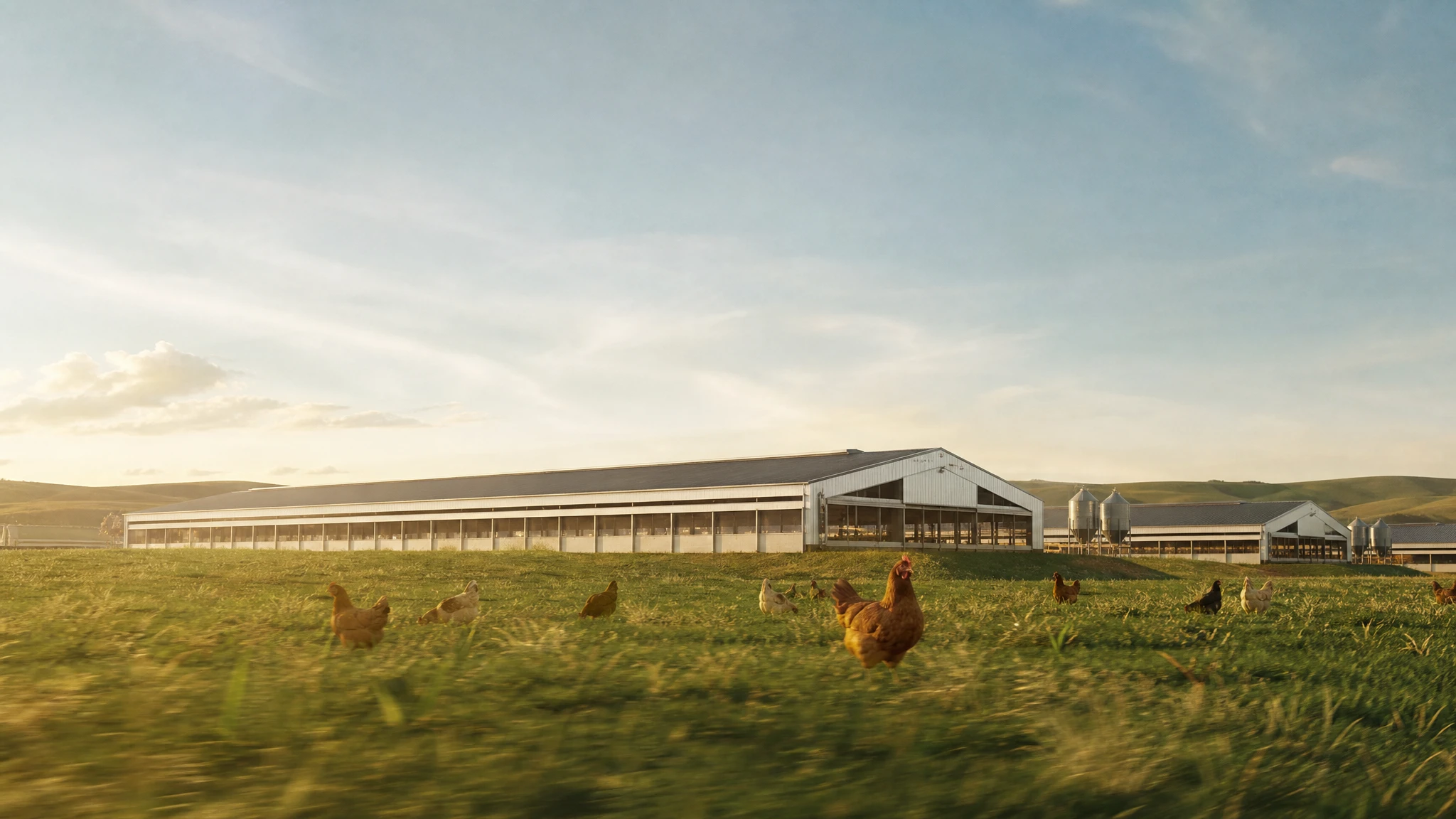
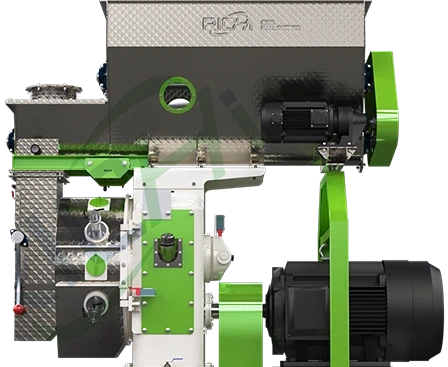
Turn Organic Sludge Streams Into Manageable Fertilizer
For operations generating organic sludge at an industrial scale, our organic sludge pellet machine provides a practical way to densify properly treated and conditioned material into uniform fertilizer or soil-conditioning pellets that are easier to handle, store, transport, blend, and apply.
The system can be engineered around different sludge sources, incoming moisture levels, textures, and physical states—from dewatered filter cake and dried sludge to composted or blended formulations—because material that is too wet or otherwise unsuitable for direct pelletizing is first prepared through the required dewatering, drying, crushing, mixing, or conditioning stages.
Drawing on organic sludge fertilizer granulation projects delivered for customers in multiple countries, RICHI can supply the pelletizer itself or match it with the equipment actually required by the material and target product; the same plant can also be configured for powdered fertilizer and multiple qualified organic feedstocks, while standalone or modular machines are available when the job is simply sludge drying, crushing, mixing, or another specific processing step.
Who Uses Organic Sludge Pellet Machine?
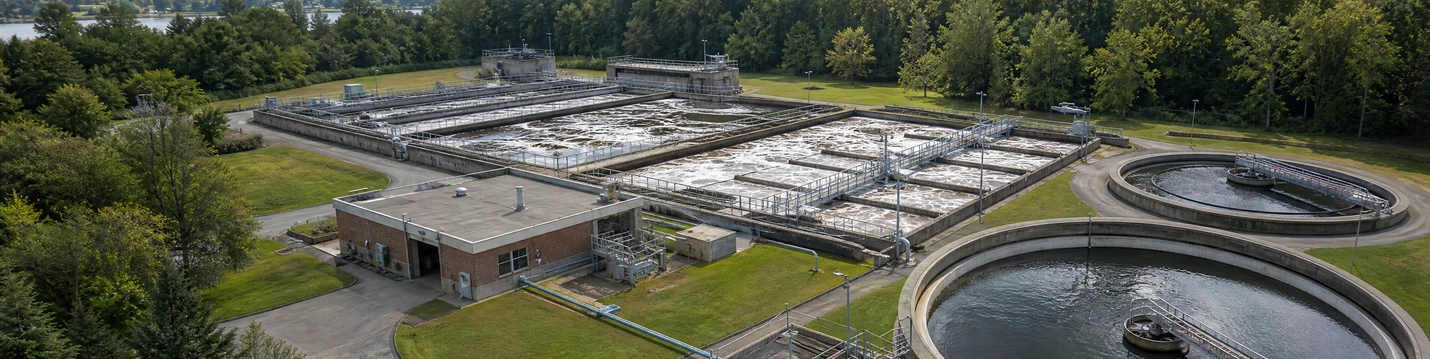
Municipal & Industrial Wastewater Plants
Wastewater treatment plants generate dewatered sludge or biosolids whose composition, moisture, nutrient content, and physical consistency vary with the incoming wastewater and treatment process. For facilities seeking a compliant beneficial-use route, an organic sludge pellet machine can densify properly treated and conditioned material into uniform pellets, reducing loose-material handling and creating a more convenient form for storage, transport, blending, and controlled application.
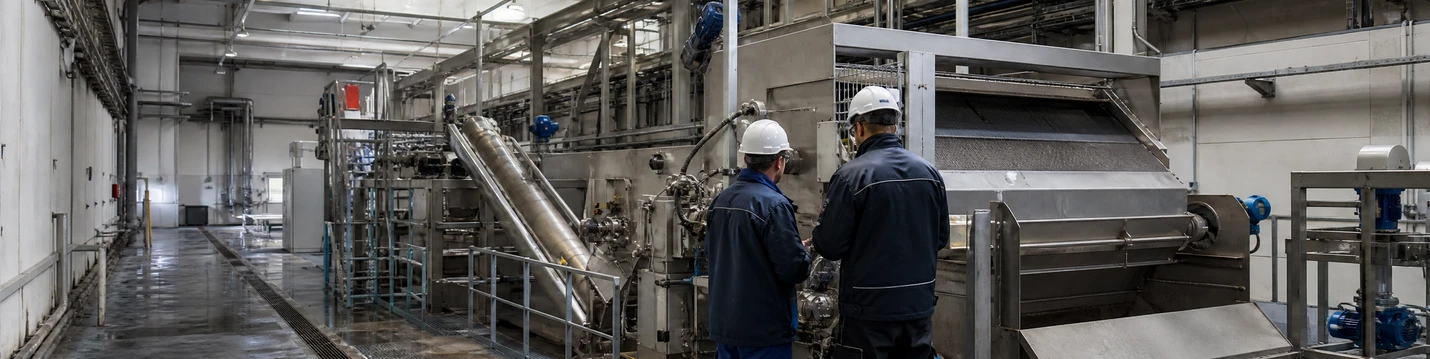
Environmental Engineering & EPC Companies
Environmental engineering firms usually handle sludge from municipal utilities, industrial wastewater systems, food plants, and other waste-treatment projects rather than one fixed feedstock. They need pelletizing equipment that can be integrated with dewatering, drying, crushing, mixing, odor-control, cooling, screening, and packing systems.
Industrial Waste Treatment Operators
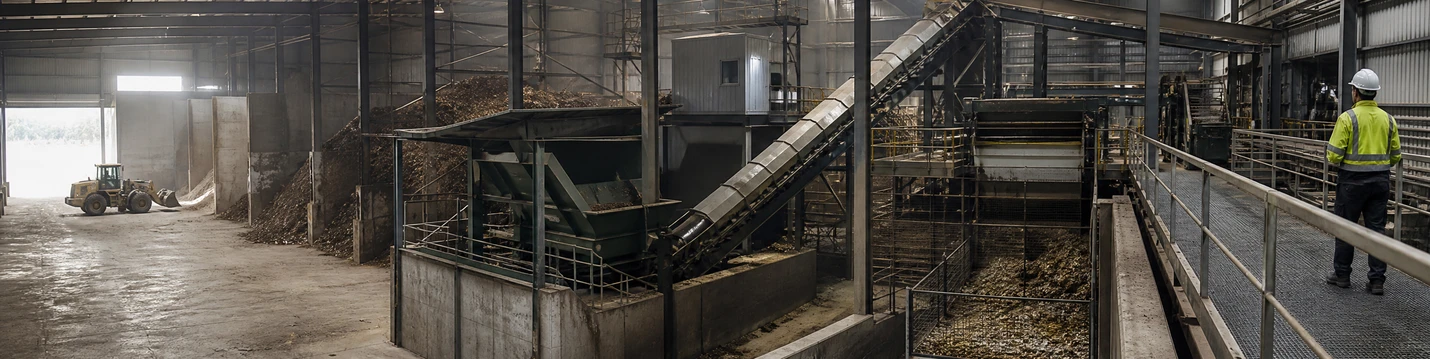
Industrial waste operators may receive organic-rich sludge from several generators, including manufacturing plants, wastewater facilities, fermentation industries, and agricultural processors. Because these materials can differ greatly in moisture, fiber content, ash level, bulk density, and pelletizing behavior, they often require pretreatment and blending before granulation.
Organic Fertilizer Manufacturers
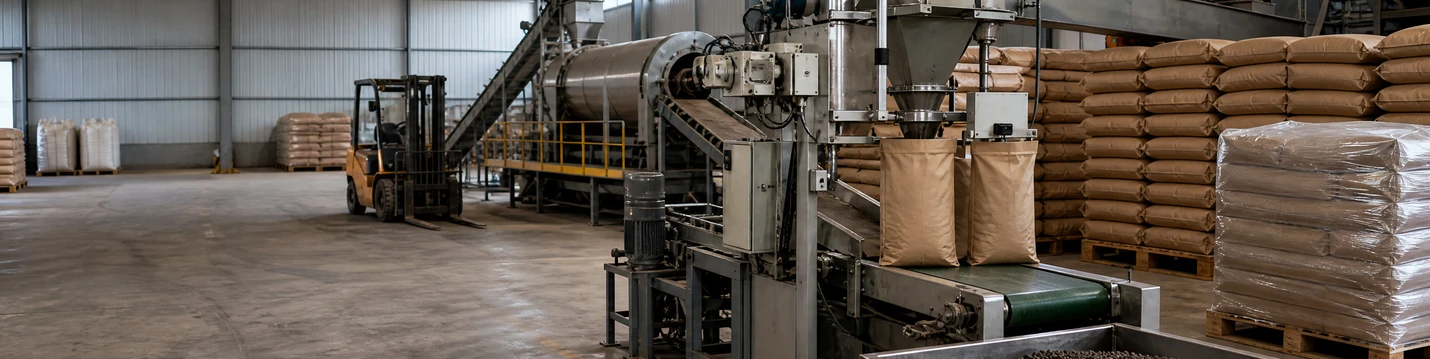
Fertilizer producers may blend qualified sludge-derived materials with compost, manure, plant residues, biochar, or other approved organic ingredients to develop specific fertilizer or soil-conditioning formulations. Their concern is not simply whether sludge can enter a pellet mill, but whether the prepared recipe feeds consistently and produces pellets with suitable size, strength, and stability.
Food & Beverage Processing Plants
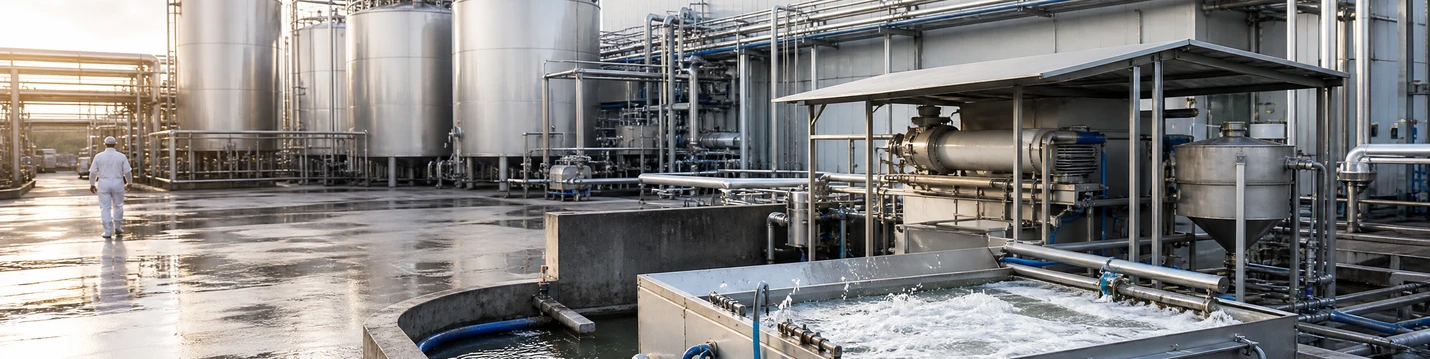
Meat, dairy, vegetable, beverage, brewery, starch, and other food-processing operations can generate organic-rich sludge from their wastewater treatment systems, often containing biodegradable solids associated with the materials being processed. High moisture and variable consistency can make this residue expensive or inconvenient to handle.
Pulp & Paper Manufacturing Mills
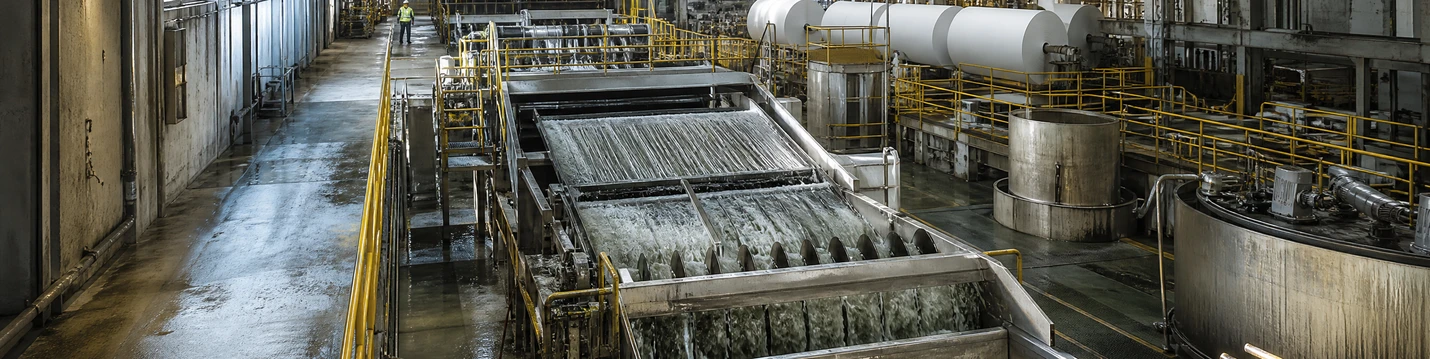
Paper mills can generate primary, secondary, or mixed sludges containing varying proportions of short cellulose fibers, mineral fillers, microbial solids, and organic matter depending on the mill and treatment process. Their high moisture and fibrous character can complicate direct handling, while certain qualified streams may be considered for composting or soil-improvement applications.
Agricultural Processing Enterprises
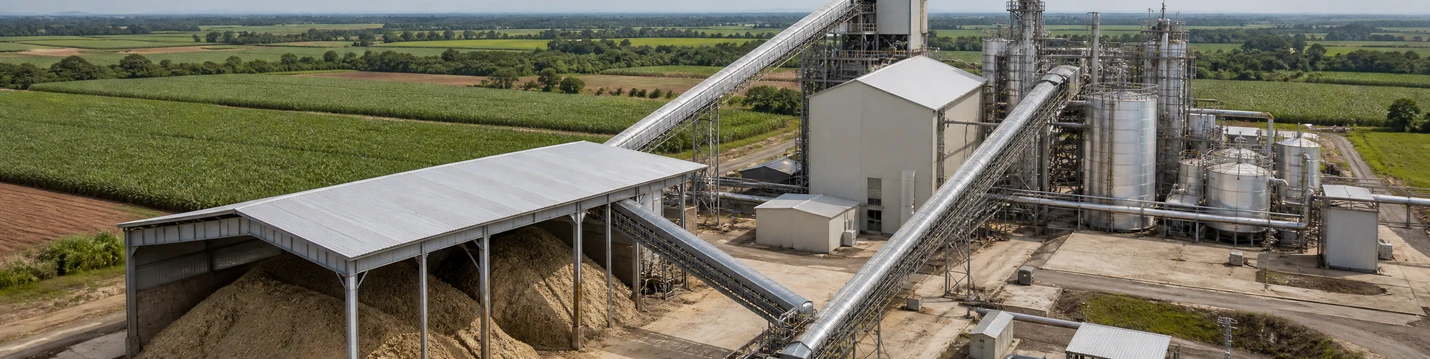
Sugar mills, palm oil processors, grain plants, starch factories, fruit processors, and similar facilities may generate wastewater sludge alongside fibrous residues, press cake, husks, or other organic by-products. These materials are often more useful when processed as a controlled formulation rather than treated as isolated wastes.
Circular Economy Project Developers
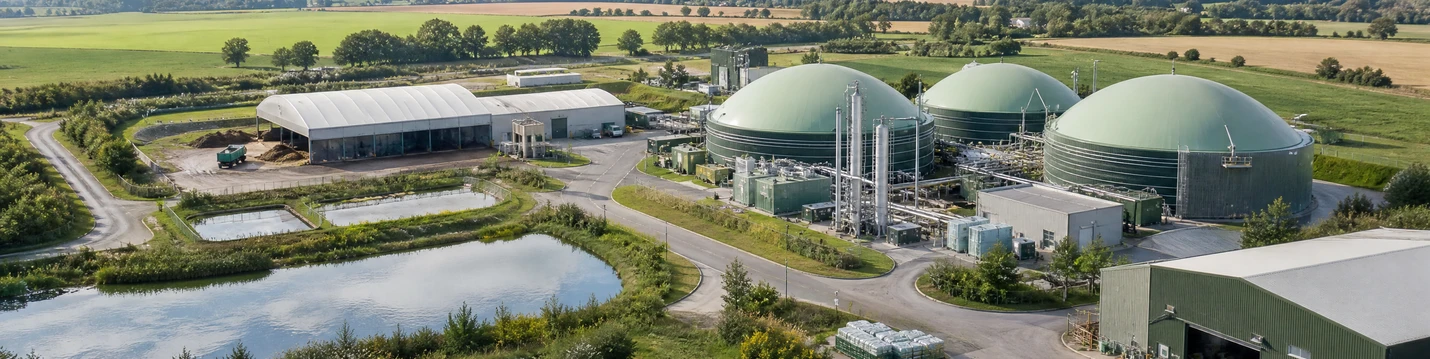
Circular economy investors and resource-recovery project developers often build around one central question: can a continuous organic waste stream be converted into a stable, marketable product instead of remaining only a disposal cost? Their feedstock may come from wastewater plants, food industries, farms, paper mills, or several contracted suppliers.
Large livestock and poultry farms with manure-treatment or wastewater systems, composting businesses, biomass-and-fertilizer processors, municipal organic-waste projects, biogas and anaerobic-digestion facilities, landscaping-product manufacturers, and other organizations generating qualified organic residues can also consult RICHI.
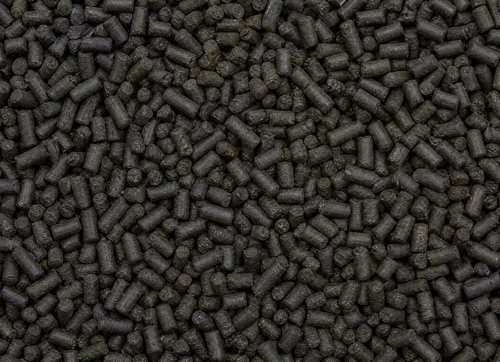
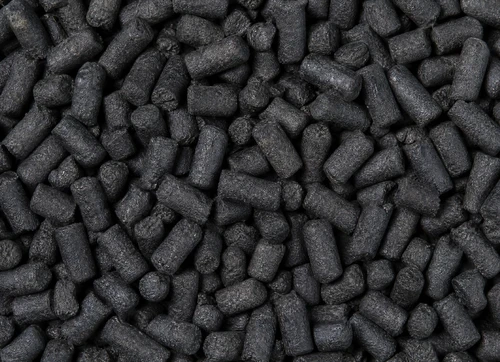
What Materials Can an Organic Sludge Pellet Machine Process?
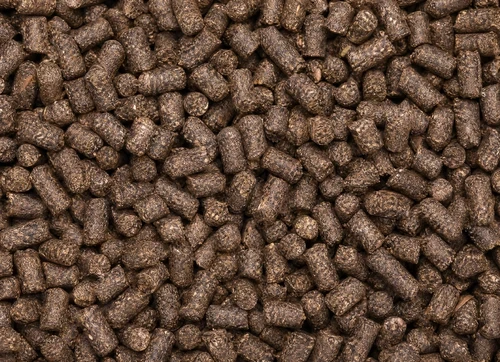
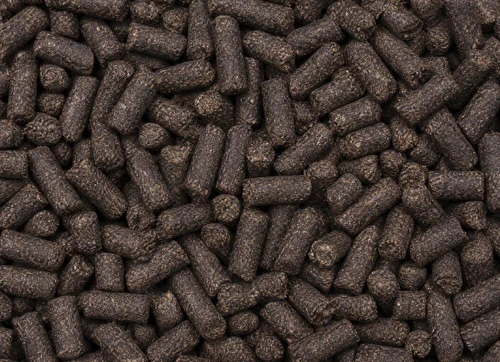
An organic sludge pellet machine can be configured for treated organic sludge from different industries and for sludge-based fertilizer formulations with different moisture levels, impurity profiles, fiber contents, bulk densities, and blending ratios. Feedstocks may arrive as dewatered cake, partially dried sludge, composted material, dried solids, or mixtures containing manure, crop residues, bedding, compost, biochar, and other approved fertilizer ingredients.
Materials that are too wet, coarse, fibrous, contaminated, or inconsistent are first dewatered, dried, screened, crushed, mixed, or conditioned as required before pelletizing. In practice, many customers use locally available agricultural and forestry residues, food-derived organic materials, qualified sludge, livestock manure, or used livestock bedding to adjust formulation and make better use of existing resources.
The organic sludge pellet machine sits after the necessary preparation stages and can pelletize properly conditioned formulations based on these different feedstocks. If the incoming material contains excessive free water, oversized fibers, stones, plastics, metal, sand, or other unsuitable impurities, the solution must first incorporate the appropriate dewatering, drying, screening, separation, crushing, or mixing equipment.
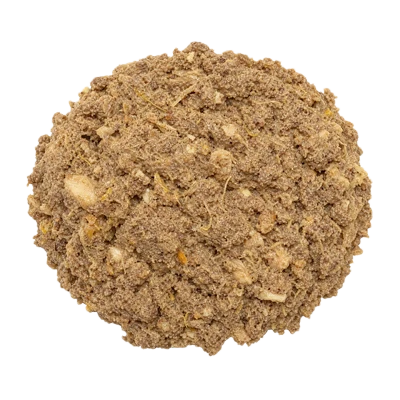
Food Processing Sludge
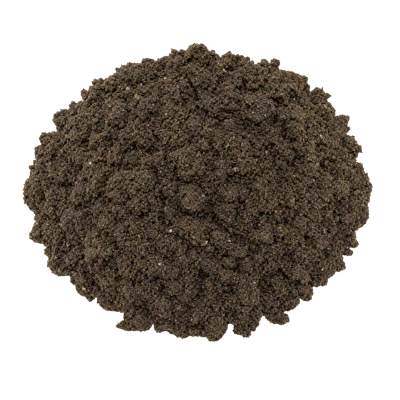
Municipal Organic Sludge
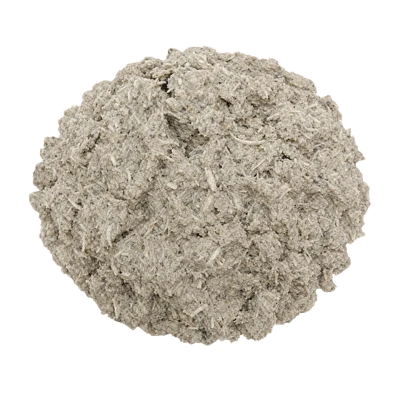
Paper Mill Organic Sludge
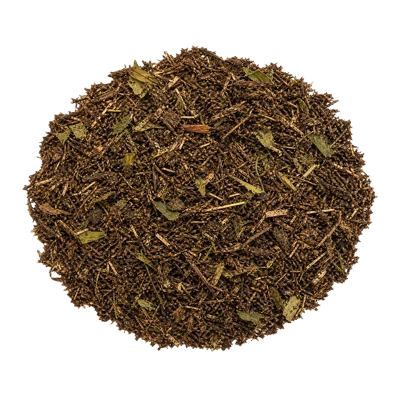
Green Waste Compost
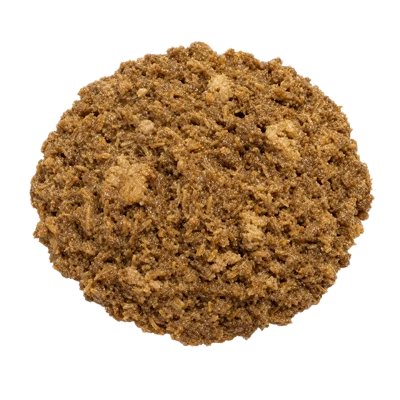
Brewery Organic Sludge
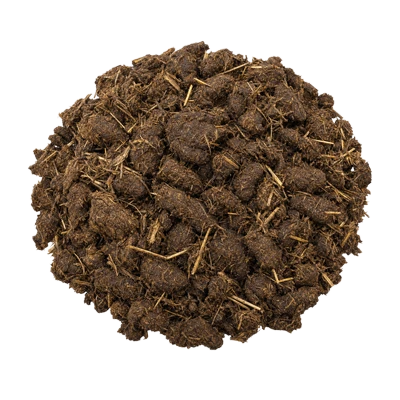
Animal Manure
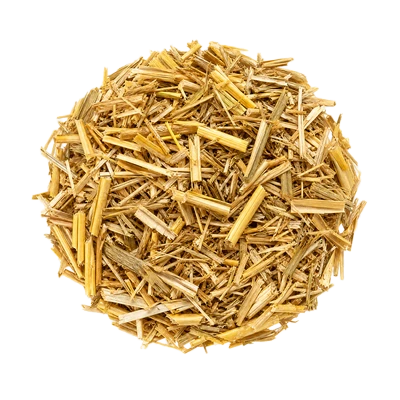
Crop Straw
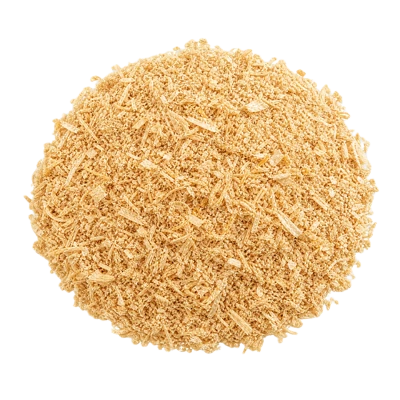
Wood Sawdust
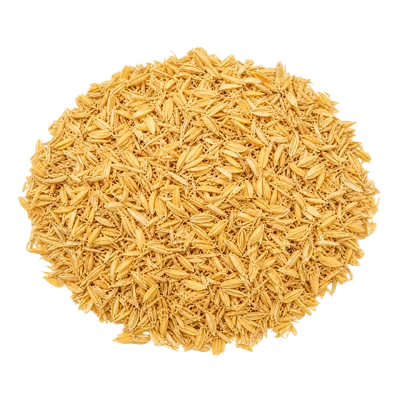
Rice Husk
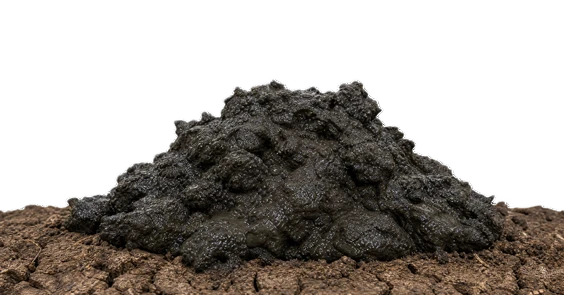
Organic Sludge
Organic sludge does not reach every project in the same condition. Municipal facilities may provide dewatered biosolids cake; a food or brewery plant may have wetter, softer wastewater-treatment sludge; paper mills can produce more fibrous material; and agricultural processors may supply sludge already mixed with plant-derived residues.
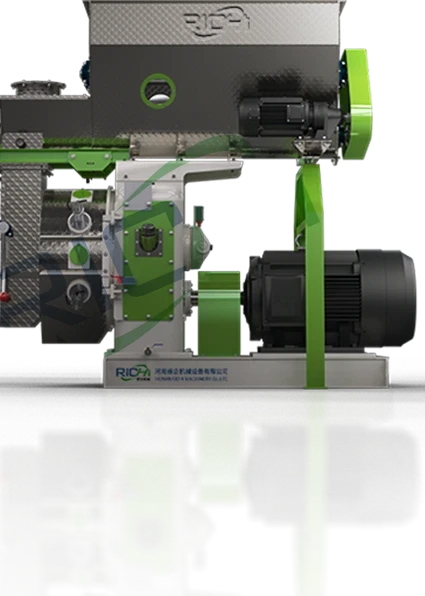
Inside the Organic Sludge Pellet Machine
Built around a heavy-duty ring-die granulation chamber, the organic sludge pellet machine combines controlled forced feeding, precision gear transmission, reinforced working parts, and stable die-and-roller compression for continuous processing of properly conditioned sludge-based fertilizer mixtures.
Its structure is designed around the practical behavior of these materials—including variable bulk density, limited flowability, fibrous additives, and formulation changes—so feeding, compression, discharge, maintenance, and overload protection work as one coordinated system.
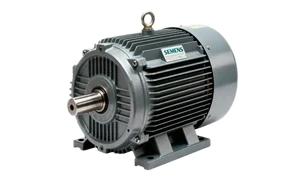
The Siemens motor supplies dependable drive power across the FZLH range, matched to machine size and the required granulation duty.
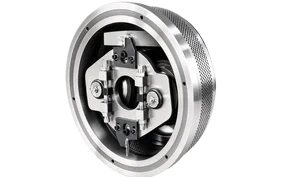
Optimized die material, heat treatment, and hole geometry withstand sustained compression while forming uniform 4–12 mm fertilizer pellets.
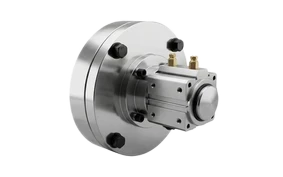
Mechanical overload protection helps isolate abnormal load spikes caused by feed surges or difficult material, protecting key transmission parts.
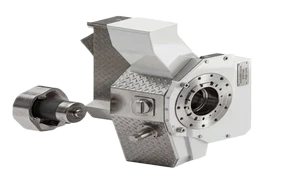
A powered forced feeder delivers low-flowability sludge mixtures steadily into the granulation chamber for more consistent die loading.
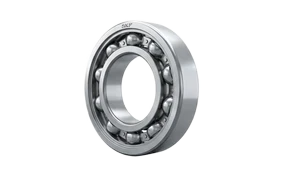
SKF bearings support critical rotating assemblies under sustained radial and axial loads, helping maintain alignment and smooth transmission.
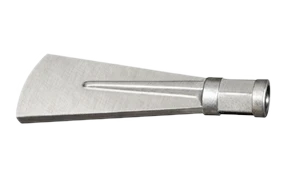
An adjustable cutter controls pellet discharge length after extrusion, allowing finished 4–12 mm sludge fertilizer pellets to be sized as required.
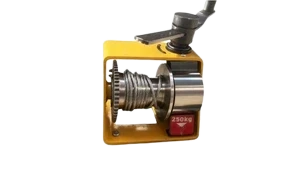
The lifting device assists with handling the heavy ring die during maintenance, making die removal and installation safer and more manageable.
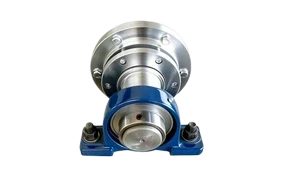
High-precision gears transfer power directly and efficiently to the working system, supporting stable operation under continuous pelletizing loads.
Why Choose RICHI Organic Sludge Pellet Machine?
RICHI organic sludge pellet machine is built for projects where sludge properties, plant conditions, and final fertilizer requirements rarely follow one fixed formula. From a standalone pelletizer to a complete sludge fertilizer plant, we configure the equipment around your actual feedstock, target capacity, pellet specification, available utilities, and future production plans.

Flexible for Mixed Feedstocks
Qualified sludge can be formulated with manure, compost, crop residues, bedding, sawdust, rice husk, biochar, or other suitable fertilizer materials. This gives producers more freedom to use locally available resources and develop multiple products.

Built Around Your Sludge
Municipal, food, brewery, paper, and agricultural sludge behave differently in production. We match the pelletizer and conditioning requirements to moisture, fiber, bulk density, additives, and the final 4–12 mm pellet specification.

More Value from Existing Residues
Pelletizing turns properly prepared sludge-based mixtures into denser, more uniform products that are easier to handle, package, transport, blend, and apply. For suitable projects, this can reduce dependence on disposal-only routes and create a usable product stream.

Engineered for Commercial Production
With models from FZLH250 to FZLH768 and project configurations starting from 1 T/H, RICHI supports commercial sludge processing rather than small-batch treatment. Equipment selection is based on real material tests, throughput targets, and plant operating conditions.

Customized from Machine to Plant
RICHI can customize the pelletizer, feeding arrangement, die specification, automation level, and surrounding process. Projects can start with a single machine or integrate drying, crushing, mixing, cooling, screening, and packing as required.

How the Organic Sludge Pellet Machine Works
The organic sludge pellet machine uses ring-die compression to convert prepared sludge-based fertilizer mixtures into dense, consistently shaped pellets. Conditioned material enters through the controlled feeding system and is distributed into the pelletizing chamber, where rotating rollers press it against the working surface of the ring die. Under continuous mechanical pressure, the material is forced through die holes of the selected diameter and emerges as compact cylindrical strands. Adjustable cutters trim the extruded material to the required length before discharge, after which the hot pellets can proceed to cooling and screening. Stable feeding, suitable moisture, particle size, formulation, and die selection are all important to maintaining consistent granulation performance with different sludge-based recipes.
Technical Specifications
| Model | Capacity (t/h) | Main Motor Power (kW) | Anti-Bridging Feeder Power (kW) | Forced Feeder Power (kW) | Ring Die Inner Diameter (mm) | Finished Pellet Diameter (mm) |
|---|---|---|---|---|---|---|
| FZLH250 | 1–1.5 | 22 | 2.2 | 0.75 | 250 | 4–12 |
| FZLH320 | 2–3 | 22 | 2.2 | 0.75 | 320 | 4–12 |
| FZLH350 | 3–5 | 37 | 2.2 | 0.75 | 350 | 4–12 |
| FZLH420 | 6–8 | 90 | 3 | 1.5 | 420 | 4–12 |
| FZLH520 | 9–12 | 132 | 3 | 1.5 | 520 | 4–12 |
| FZLH678 | 18–22 | 200 | 3 | 1.5 | 673 | 4–12 |
| FZLH768 | 22–26 | 250 | 4 | 1.5 | 762 | 4–12 |
The organic sludge pellet machine is available in seven models covering rated capacities from 1–1.5 T/H to 22–26 T/H, giving processors a practical selection for compact commercial installations through high-throughput industrial sludge fertilizer projects. Model selection should be based on more than tonnage alone: sludge source, conditioned moisture, bulk density, fiber content, formulation, pellet diameter, and feeding behavior can all affect actual output. RICHI can therefore match the motor power, feeding configuration, ring die, and supporting equipment to the customer’s tested material and required production duty.
Organic Sludge Granulation Specifications
Successful granulation starts before material reaches the organic sludge pellet machine. Municipal biosolids, food-processing sludge, paper sludge, manure blends, compost, and fiber-rich formulations can behave very differently under compression, so moisture, particle size, formulation, and die specification must be matched to the actual feedstock. RICHI offers FZLH250–FZLH768 models from 1–1.5 T/H to 22–26 T/H and can adjust die geometry, feeding, conditioning, and downstream equipment according to the customer’s sludge properties and required pellet quality.
Raw Material Particle Size
≤3–5 mm
Raw Material Moisture Content
12–25%
Pelletizing Temperature
50–80℃
Compression Ratio
1:4–1:8
Pellet Length
5–30 mm
Pellet Formation Rate
85–95%
Finished Pellet Moisture
≤12–15%
Cooling Temperature
≤40℃
Screening Efficiency
≥95%
Fines Content
≤5–10%
Broken Pellet Rate
≤3–5%
Operating Mode
Continuous Operation
Different sludge recipes can produce substantially different pellet properties even on the same machine. Research on compost-, sludge-, and waste-derived pellets confirms that formulation and moisture can materially change durability, density, power demand, and pelletization behavior; for example, sludge addition has been shown to alter both energy demand and pellet durability, while compost pellet studies likewise report strong effects from particle size and formulation.
RICHI therefore treats these figures as engineering reference ranges, not fixed promises. With seven organic sludge pellet machine models and configurable dies, feeders, pretreatment equipment, cooling, screening, and automation, the final granulation parameters can be established around the customer’s actual sludge sample, production target, and finished-product requirements.
Organic Sludge Pellet Machine Projects
Sludge rarely arrives at a fertilizer plant in a pellet-ready condition. Across wastewater, food, paper, livestock, brewing, starch, and agricultural processing projects, RICHI works from the customer’s actual material first—where it comes from, how wet it is, what can be blended with it, and what the finished fertilizer needs to become. Our organic sludge pellet machine installations range from compact 2 T/H operations to 10 T/H industrial plants, with most projects extending into complete preparation and fertilizer production systems rather than stopping at the pelletizer.
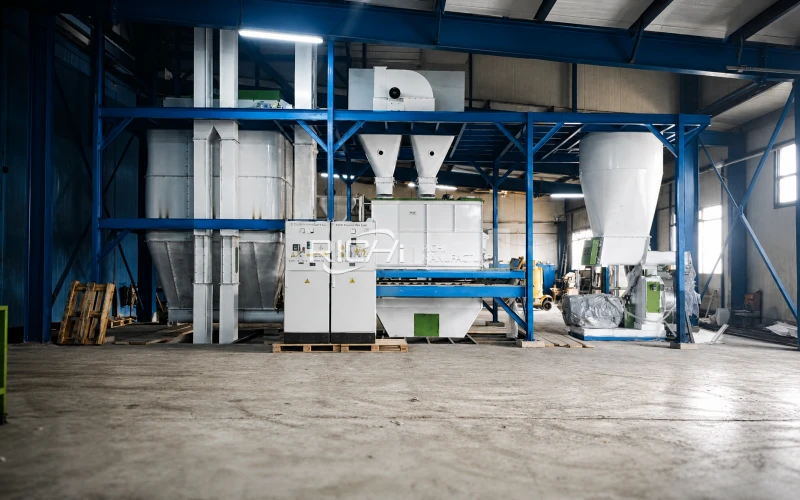

3 T/H
Biosolids and Green Waste Project in the USA
The client’s dewatered biosolids still carry too much moisture for stable direct granulation. Green waste compost and clean sawdust form part of the product recipe, while controlled drying brings the wet fraction into a workable range. The plant was arranged around consistent blending and 3 T/H pellet production, with cooling and fines separation before packing.
Equipment Used :FZLH350
Pellet Size :4 mm
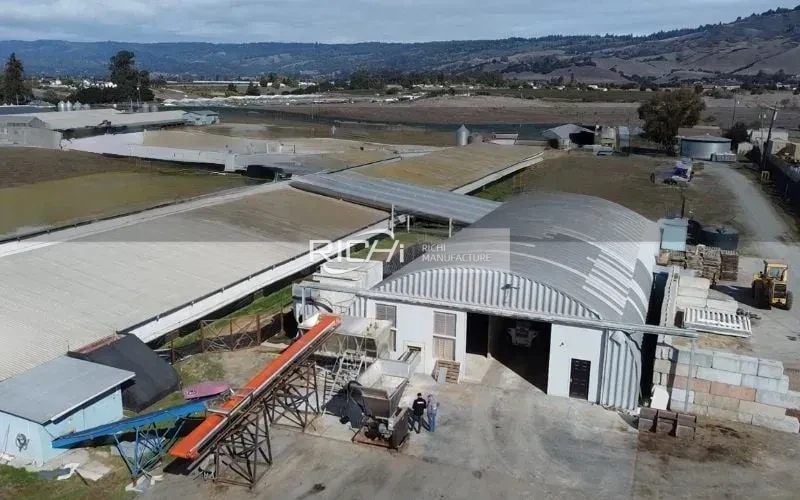

2 T/H
Dairy Sludge and Bedding Project in Australia
Three waste streams already available on the farm became the starting point for this project. Wet dairy sludge required water removal, separated manure supplied additional fertilizer material, and used straw bedding introduced a dry fibrous fraction that had to be reduced in size. The resulting blend is prepared and metered into the pelletizer rather than treating each residue separately.
Equipment Used :FZLH320
Pellet Size : 4 mm
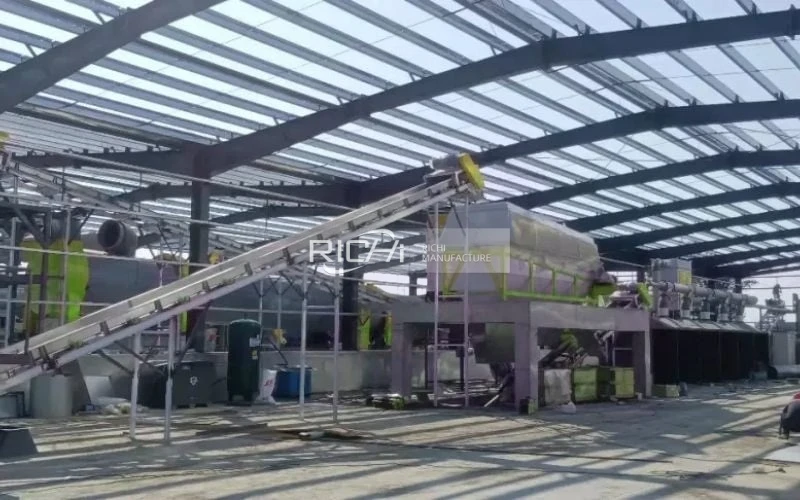

4 T/H
Food Sludge and Compost Project in France
Incoming wastewater sludge changes with the food materials handled by the customer’s processing partners, so a rigid recipe would have been impractical. The line allows the wet fraction to be conditioned before measured quantities of screened compost and wood fiber are introduced. Mixing consistency is controlled ahead of the FZLH350 to keep granulation stable as the sludge characteristics fluctuate.
Equipment Used :FZLH350
Pellet Size : 4 mm
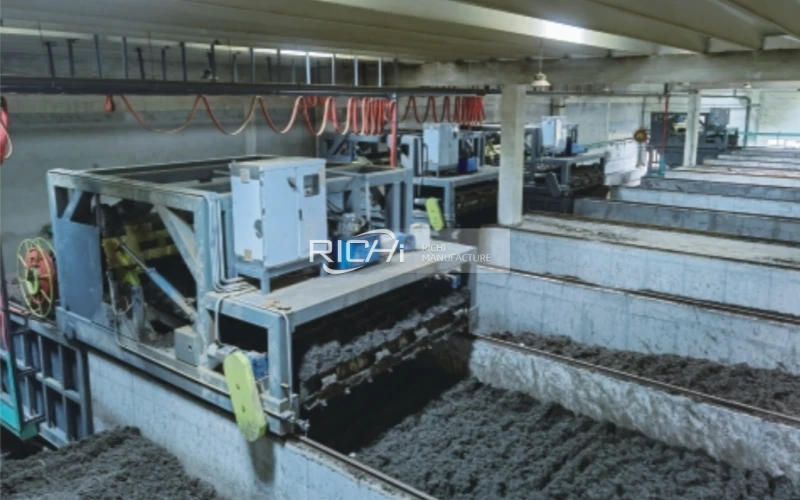

3 T/H
Paper Sludge and Straw Project in Poland
Here, fiber management matters as much as moisture. Paper sludge already contains a substantial fibrous fraction, while cereal straw introduces longer and less uniform particles that cannot simply be fed into the granulator. Straw preparation and controlled blending produce a more even feed, allowing the mill’s sludge to become part of a consistent pellet formulation instead of remaining a difficult loose residue.
Equipment Used :FZLH350
Pellet Size : 4-6 mm
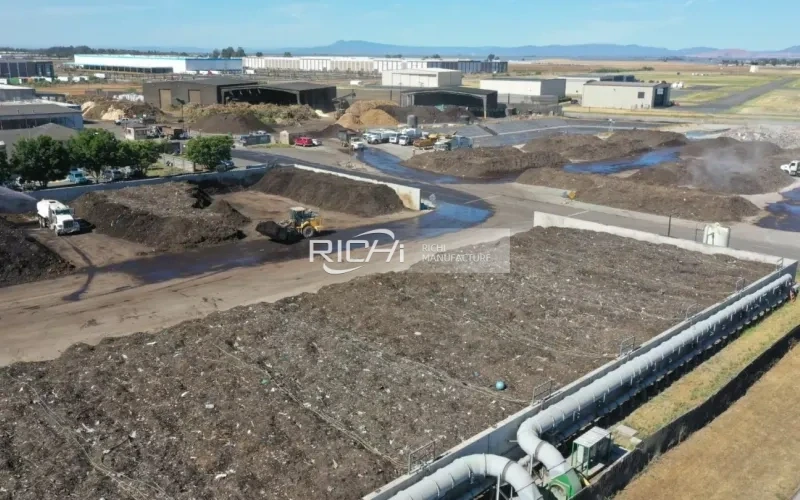

2-3 T/H
Olive Sludge and Straw Project in Spain
Seasonality shaped this plant more than sheer throughput. The customer wanted to combine wastewater-treatment sludge with composted residues from olive processing and straw sourced from surrounding agricultural activity. Material preparation was designed to accommodate changes in the available feedstock while maintaining a controlled mixture for the FZLH320 during the main processing season.
Equipment Used :FZLH320
Pellet Size : 4 mm
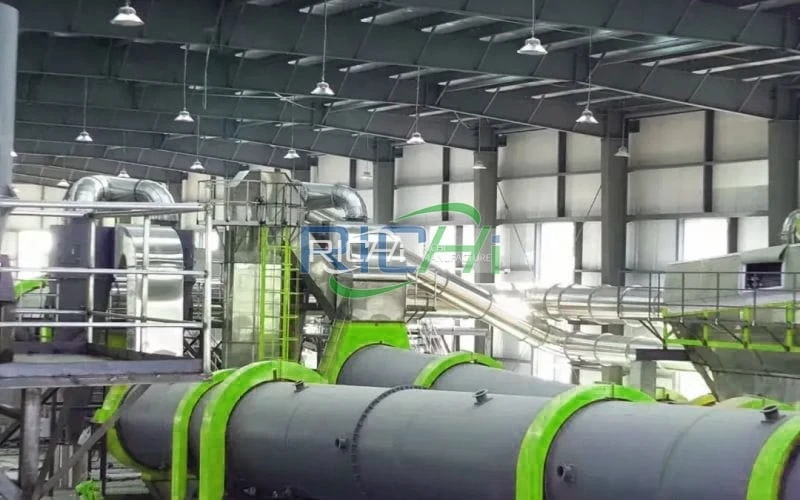

6 T/H
Municipal Sludge and Compost Project in Turkey
Unlike projects receiving very wet sludge, this contractor starts with material that has already undergone substantial moisture reduction. The engineering focus therefore shifts toward accurate dosing, homogeneous mixing, steady feeding, and uninterrupted 6 T/H operation. The FZLH420 sits within a continuous system equipped for cooling, separation of fines, and automated finished-product handling.
Equipment Used :FZLH420
Pellet Size : 4 mm
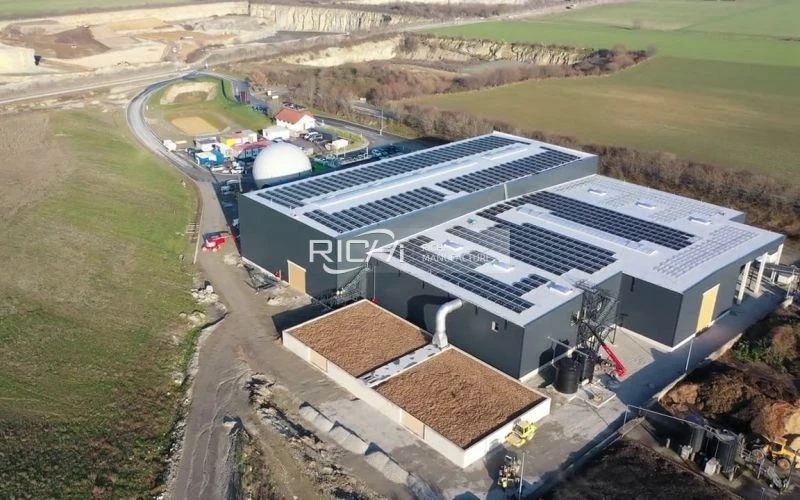

3T/H
Sludge and Poultry Manure Project in India
The customer was not looking for a sludge-only product. Its business depends on adjusting fertilizer formulations according to raw-material availability, making poultry manure and rice husk useful alongside the sludge fraction. Separate preparation and proportioning of these materials give the producer room to change recipes while retaining the same core granulation equipment.
Equipment Used :FZLH350
Pellet Size : 4 mm

4 T/H
Cassava Sludge and Rice Husk Project in Indonesia
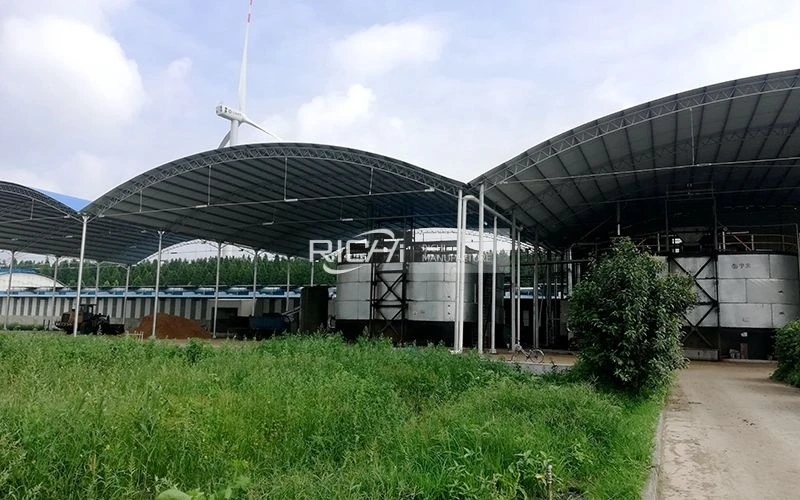
At 82% initial moisture, the sludge defines the front end of this project. Sending such material directly toward the pelletizer is not practical, so water removal comes first, followed by further moisture adjustment before blending. Cassava solids and rice husk already available around the processing operation are incorporated after preparation, giving the factory a route for handling several residue streams together.
Equipment Used :FZLH350
Pellet Size : 5 mm

4 T/H
Starch Sludge and Biomass Project in Thailand
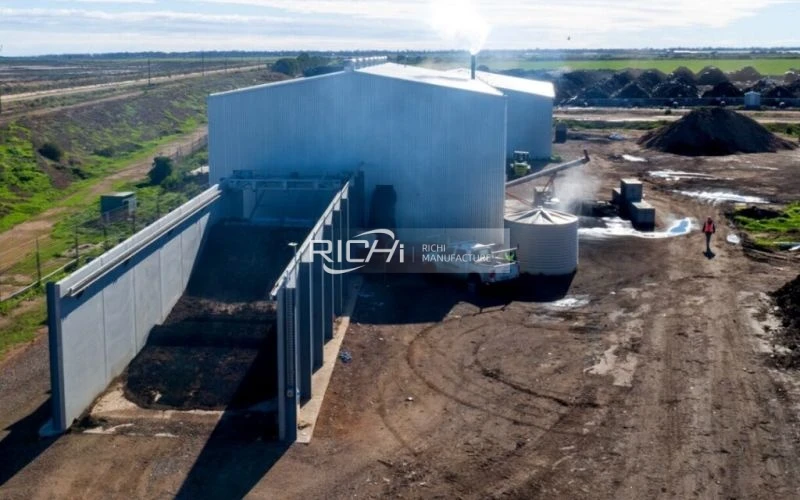
The difficult part of this project lies in bringing a wet, soft sludge and relatively dry plant residues into one repeatable feed condition. Excess water is removed from the sludge independently, while coarse agricultural materials are prepared to a suitable particle size. Only after both streams are controlled are they proportioned and mixed for continuous ring-die granulation.
Equipment Used :FZLH350
Pellet Size : 5 mm

10 T/H
Sugar Sludge and Bagasse Project in Brazil
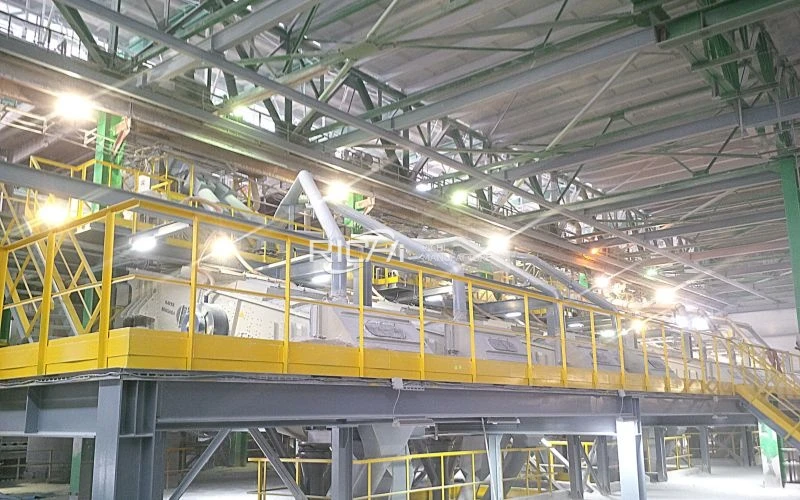
This 10 T/H installation was conceived around the factory’s wider residue balance, not one isolated sludge stream. Process sludge is combined with prepared bagasse and composted organic material generated within the surrounding sugar-processing chain. With comparatively lower incoming moisture, the plant places greater emphasis on bagasse preparation, accurate batching, high-volume mixing, and steady feeding to the FZLH520.
Equipment Used :FZLH520
Pellet Size : 5 mm

3T/H
Brewery Sludge and Crop Straw Project in Mexico
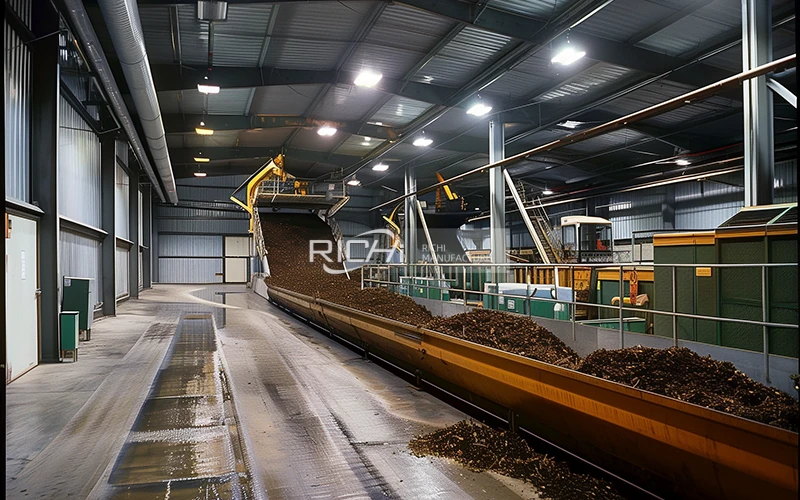
Brewery wastewater treatment leaves the client with a wet biological sludge, while other brewing residues provide a second organic stream with very different handling properties. Locally sourced crop straw adds another variable. The project deals with each fraction according to its condition first, then brings the prepared materials together before granulation and subsequent pellet stabilization.
Equipment Used :FZLH350
Pellet Size : 3-4 mm
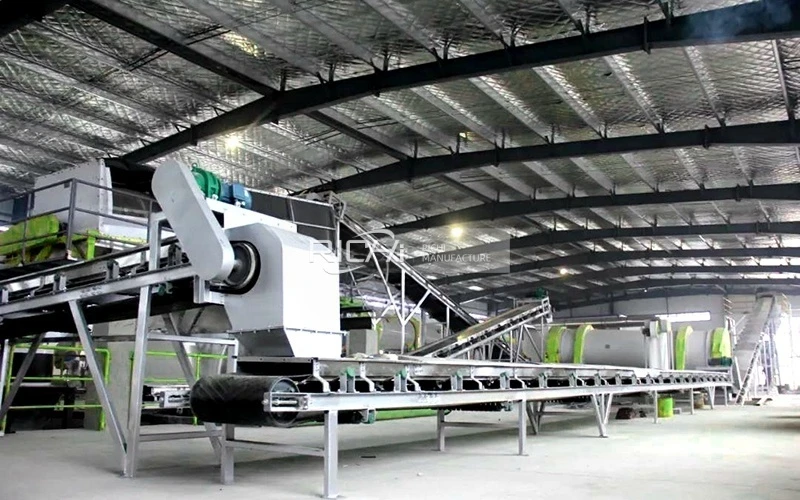

2-3 T/H
Food Sludge and Cattle Manure Project in South Africa
Raw-material supply changes during the year for this recycler, so the plant cannot depend on one narrowly defined feedstock. Food-processing sludge provides the main wet component, with cattle manure and crop residues added according to the available formulation. The preparation section gives the operator enough flexibility to manage those variations before material reaches the pelletizing stage.
Equipment Used :FZLH320
Pellet Size : 4 mm
Projects tell only part of the story. The comments below focus on what customers valued after working through real material problems with RICHI—from wet sludge preparation and mixed-feedstock granulation to installation, operator training, line adjustment, and long-term production support.

Canada Municipal Biosolids Operator
3 T/H Biosolids Pelletizing Project
“Our sludge cake was never consistent from week to week, so we needed more than a standard pellet mill. RICHI adjusted the feeding and drying arrangement around our actual material, and the organic sludge pellet machine has been much easier to operate than the system we originally considered.”
Netherlands Organic Fertilizer Producer
4 T/H Sludge & Compost Fertilizer Project
“We change formulations depending on the compost and sludge available, which made flexibility more important than maximum output. The team helped us set up the line so we can alter mixing ratios without rebuilding the process every time a raw material changes.”
United Kingdom Food Waste Recycler
2 T/H Food Sludge Pelletizing Project
“The difficult part was not making pellets; it was getting a sticky food-processing sludge into a condition the pelletizer could handle continuously. RICHI paid attention to that front-end problem, and the commissioning work saved us a lot of trial and error after startup.”
Japan Wastewater Resource Recovery Company
3 T/H Sludge Fertilizer Pellet Project
“We asked detailed questions about moisture control, fines, pellet shape, and maintenance access before placing the order. Their engineers answered with specific equipment changes rather than general promises, and the final 4 mm product has been much more consistent than our earlier test batches.”
New Zealand Dairy Waste Processor
2–3 T/H Sludge & Bedding Pellet Project
“Our feedstock includes dairy sludge, separated manure, and bedding, so the material can look completely different after a wet week. The line gives us enough control over drying and blending to keep the pelletizer fed steadily without having to prepare every batch by hand.”
Argentina Agro-Industrial Processor
4 T/H Sludge & Crop Residue Project
“We already had plenty of crop residues on site, but they behaved very differently from the wet sludge coming out of wastewater treatment. RICHI showed us where crushing and proportioning mattered, then trained our operators to adjust the blend instead of chasing one fixed recipe.”
Egypt Environmental Engineering Company
6 T/H Organic Sludge Fertilizer Project
“For us, equipment integration mattered as much as the granulator because the project had to fit an existing treatment facility. RICHI coordinated the pelletizing section with drying, conveying, cooling, screening, and packing, and their installation guidance made the handover much more straightforward.”
South Korea Paper & Organic Waste Recycler
3 T/H Paper Sludge Pelletizing Project
“Paper sludge gave us a different problem from manure or food waste because the fiber changed both feeding and pellet formation. The machine supplier understood that difference, and the adjustments to preparation and die selection gave us a much cleaner, more stable production run.”
Organic Sludge Pellet Machine Price
The price of an organic sludge pellet machine typically ranges from USD 10,000 to USD 100,000, depending on model size, installed power, throughput requirement, die specification, feeding configuration, and the characteristics of the prepared sludge mixture. A compact 1–1.5 T/H unit and a high-capacity industrial pelletizer are built for very different production duties, so equipment cost should always be matched to the actual material and operating target.
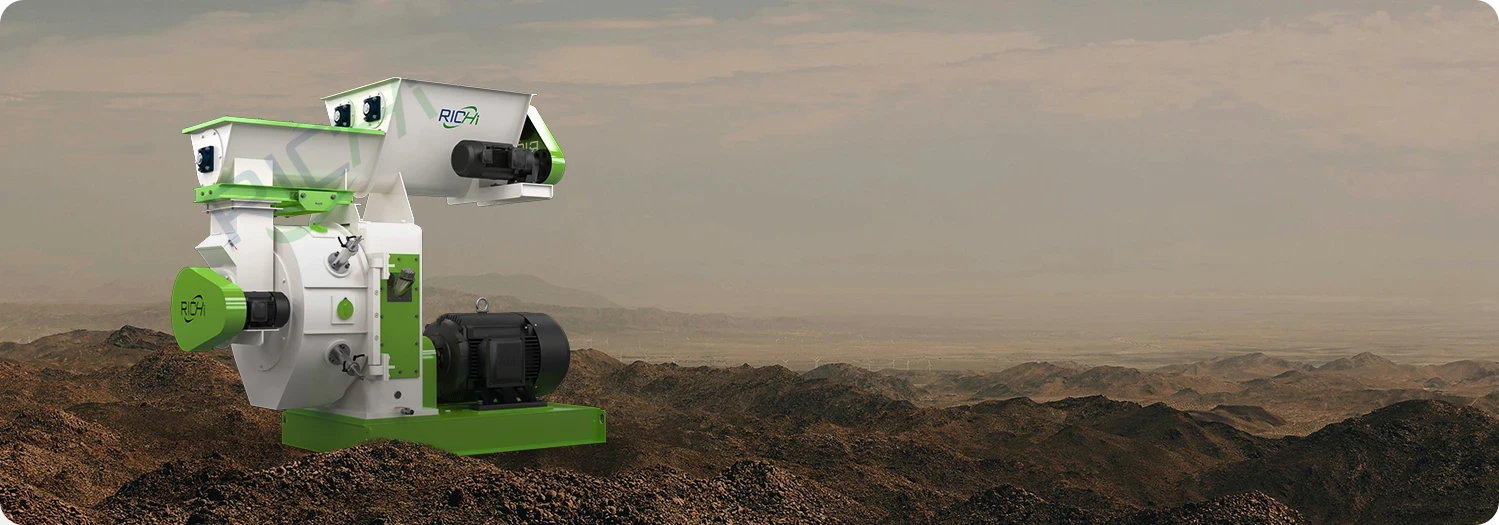
For sludge projects, the pelletizer price is only one part of the investment decision. Wet or difficult feedstocks may also require dewatering, drying, crushing, mixing, cooling, screening, or conveying equipment before and after granulation. RICHI can quote the standalone granulator or configure the complete system around your sludge moisture, formulation, pellet size, and required output.
Range for
Organic Sludge Pellet Machine Price:
FZLH250 (22KW)
$10,000–$13,000
FZLH320 (22KW)
$15,000–$18,000
FZLH350 (37KW)
$18,000–$25,000
FZLH420 (90KW)
$26,000–$32,000
FZLH520 (132KW)
$43,000–$50,000
FZLH678 (200KW)
$64,000–$70,000
FZLH768 (315KW)
$75,000–$85,000
What Scale of Organic Sludge Pellet Production Are You Planning?
Choose the output range closest to your project, and we can match the pelletizer and surrounding process to your sludge condition, formulation, and production target.
Organic Sludge Fertilizer Processing Flow
A complete organic sludge fertilizer plant may include impurity removal, crushing, batching, mixing, fermentation or stabilization, drying, granulation, cooling, coating, screening, and packaging, but the sequence should never be copied unchanged from one project to another. Wet municipal sludge, fibrous paper sludge, food-processing sludge, manure-based mixtures, and partially dried biosolids enter the plant in very different physical conditions, so the process must be built around the actual feedstock rather than around the organic sludge pellet machine alone.
Plant layout is developed together with the process. Available building dimensions, material flow direction, storage requirements, dust and odor control, automation level, utilities, future expansion, and investment budget all affect the final configuration. From consultation and process design through equipment manufacturing, installation guidance, commissioning, operator training, and spare-parts support, RICHI supplies the engineering services required to turn a raw-material problem into a workable production system.
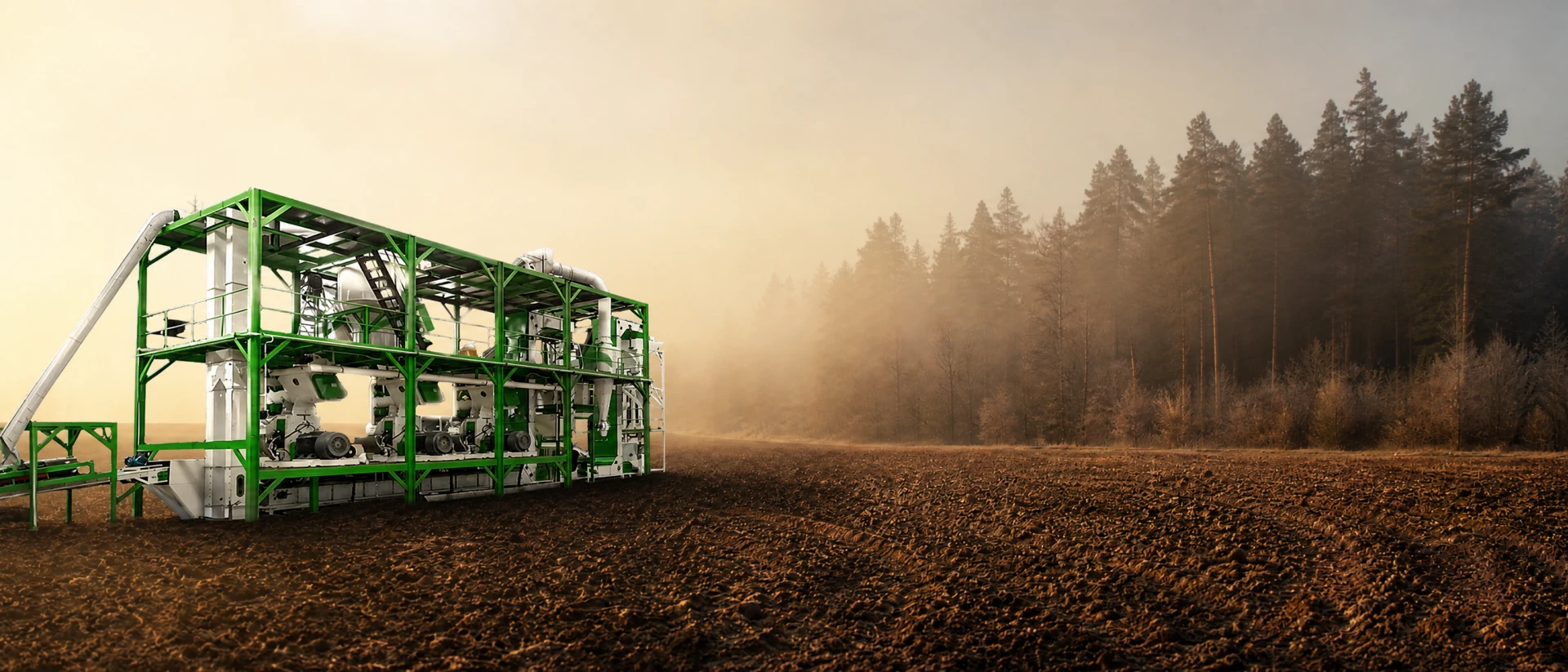
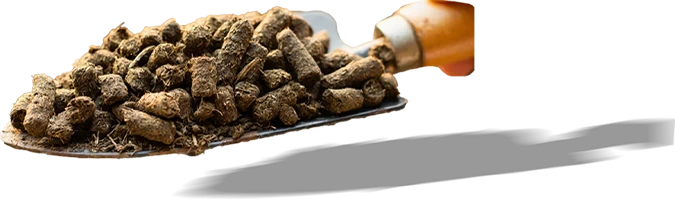
Equipment for Organic Sludge pellet production
An organic sludge fertilizer plant needs more than an organic sludge pellet machine. Wet sludge may first require dewatering; fibrous bedding or crop residues need size reduction; multi-material recipes require accurate feeding and mixing; and finished pellets still need cooling, screening, optional coating, and packing. RICHI selects each machine according to sludge moisture, material form, formulation, plant capacity, available space, automation target, and budget. Even within the same process stage, different crushers, conveyors, dryers, screens, or dosing systems can be used to suit the actual material rather than forcing every project into one standard line.
Sludge Compost Turner
Turns sludge-and-organic-material windrows or fermentation beds to improve aeration, moisture release, and mixing where biological stabilization is required. Turner type is selected according to fermentation method, pile dimensions, and available site space.
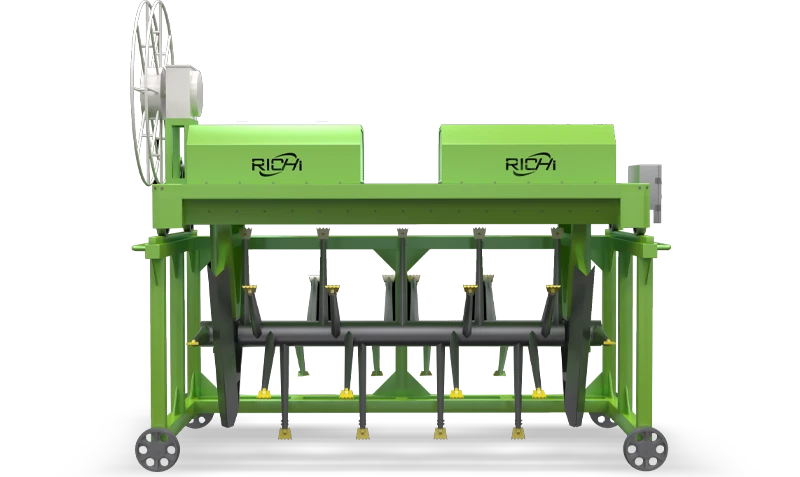
Turning Width
2–8 m
Turning Height
0.5–2.5 m
Organic Sludge Crusher
Breaks dried sludge lumps, compost, manure agglomerates, and brittle organic fertilizer material before batching and pelletizing. It is particularly useful where fermentation or drying leaves compacted material that would otherwise disturb feeding and mixing.
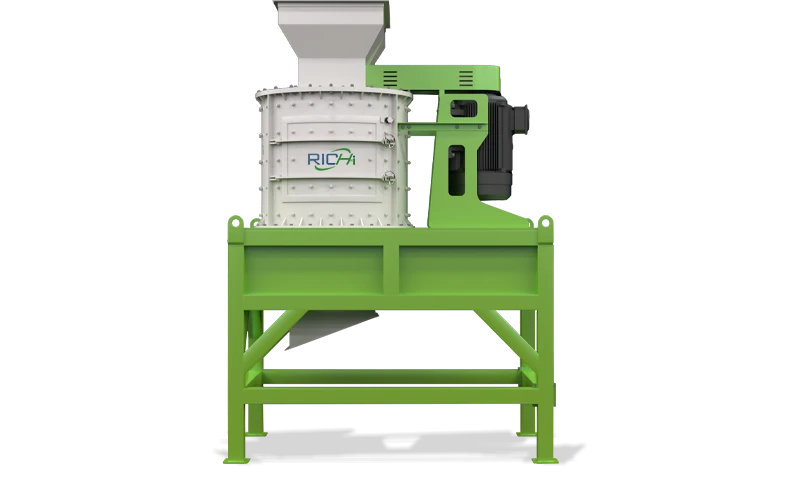
Capacity
1–30 T/H
Main Power
7.5–160 kW
Organic Sludge Mixer
Blends conditioned sludge with manure, compost, sawdust, straw powder, rice husk, biochar, mineral ingredients, or other recipe components before granulation. Batch size and mixer design depend on material density, stickiness, and dosing complexity.
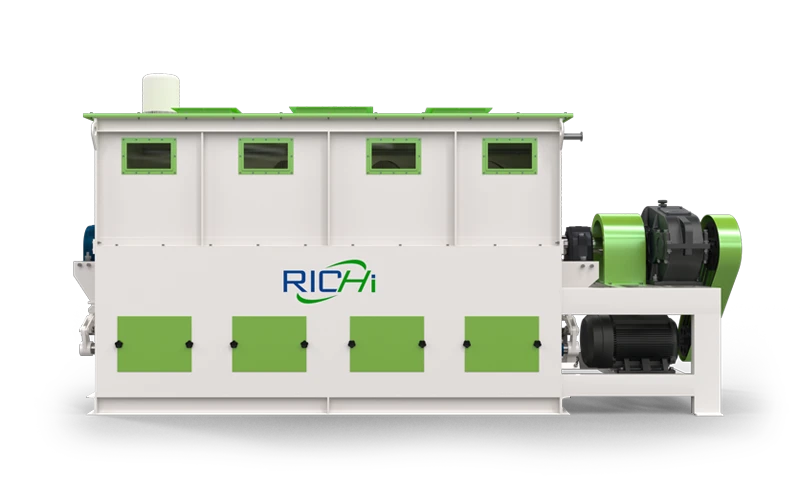
Capacity
250–2,000 kg/batch
Main Power
4-30KW
Organic Sludge Dryer
Reduces excessive moisture in dewatered sludge or blended fertilizer material before stable pellet formation. Air temperature, retention time, drum dimensions, heat source, and exhaust treatment are configured around initial and target moisture.
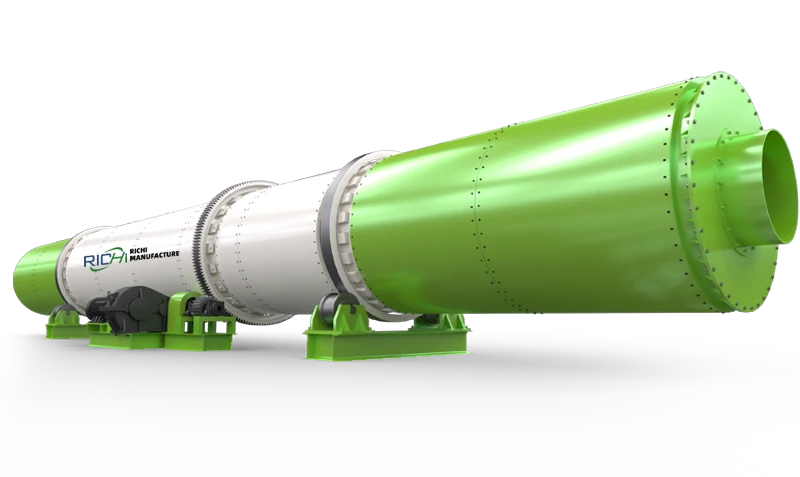
Capacity
1–30 T/H
Drying Temperature
60–250℃
Organic Sludge Screener
Separates acceptable fertilizer pellets from fines and oversize material after cooling. Screen aperture, deck arrangement, and throughput are matched to the required 4–12 mm product and the amount of material being returned to the process.
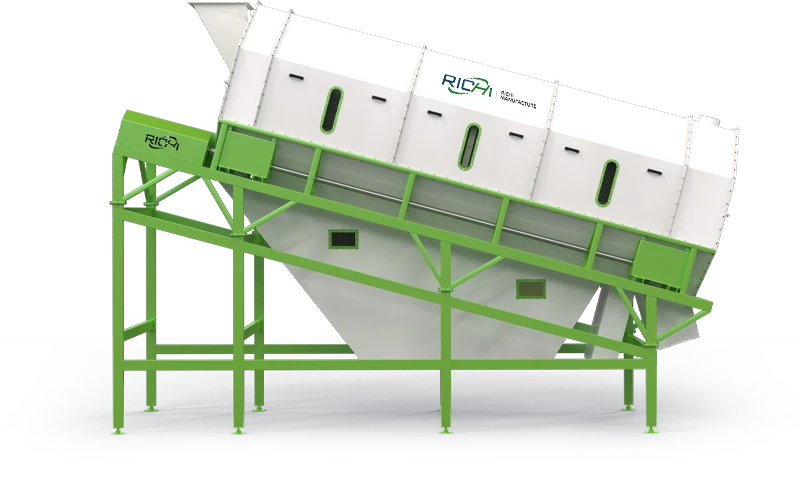
Capacity
3-50T/H
Screen Layers
1–3 Layers
Organic Sludge Bagging Scale
Weighs and fills finished organic sludge fertilizer pellets after screening and temporary storage. Small bags, larger commercial bags, sewing or heat sealing, conveyors, and palletizing can be selected according to the customer’s sales format.
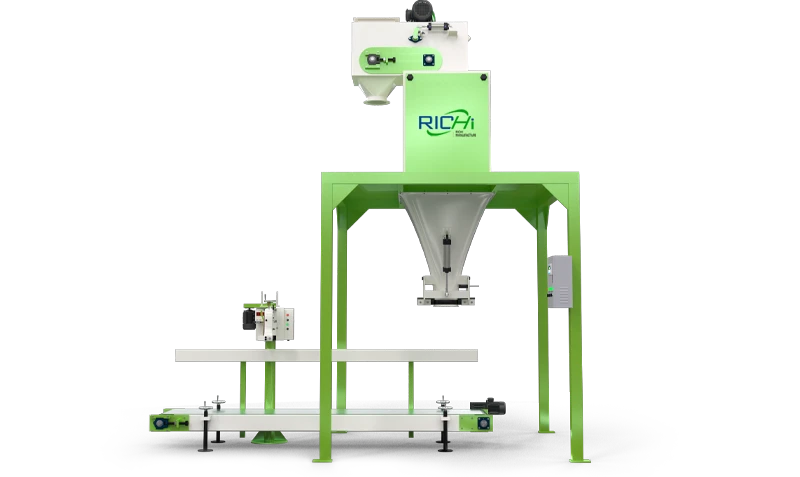
Packing Range
10–1000 kg/bag
Packing Speed
6–20 Bags/min
Feeding & Weighing System
Handles the bulk recipe components—such as sludge solids, compost, manure, biomass powder, or other major ingredients—and meters them by formulation before mixing. This is different from the trace-element system, which handles much smaller additions.
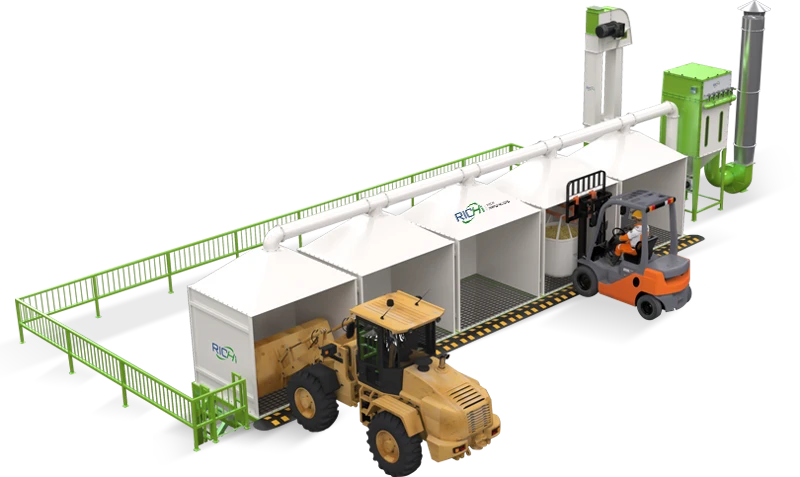
Weighing Capacity
1–50 T/H
Weighing Accuracy
±0.5–1%
Trace Element Dosing System
Meters low-percentage mineral, nutrient, microbial-carrier, or functional ingredients separately from the bulk organic feed. It is used where the fertilizer formulation calls for controlled addition of small-dose components before final mixing or granulation.
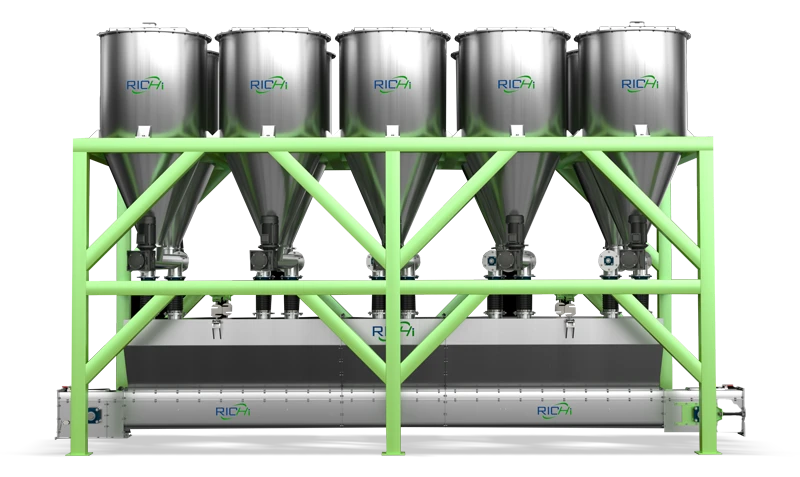
Dosing Accuracy
±0.1–0.5%
Hopper Volume
50–1000 kg
Organic Sludge Conveyor
Moves wet feedstock, prepared powder, hot pellets, cooled product, and screened material between process stages. Belt, screw, bucket, scraper, or inclined conveyors are selected according to moisture, stickiness, elevation, and plant layout.
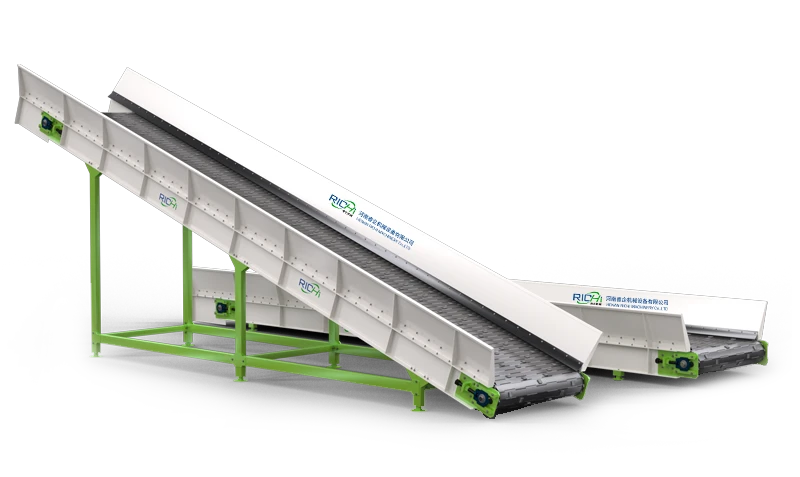
Capacity
2-40T/H
Conveying Length
3–40 m
Not every project needs every machine. A partly dried and stabilized sludge may move directly into crushing, mixing, and granulation, while a high-moisture wastewater sludge can require dewatering, drying, odor management, and larger intermediate storage before pellet production begins. RICHI therefore treats the process flow as an engineering decision: the raw material, target fertilizer, throughput, factory conditions, and budget determine which modules stay, which are removed, and which additional systems are required.
The final machinery list depends on what actually arrives at the factory. High-moisture sludge may require screw presses, belt presses, filter presses, centrifuges, storage tanks, sludge hoppers, pumps, and dewatering conveyors before fertilizer preparation begins. Incoming mixed residues may also call for drum pre-cleaners, magnetic separators, stone removal, bale breakers, shredders, hammer mills, storage bins, bucket elevators, screw conveyors, belt conveyors, pellet coolers, fines-return systems, odor treatment, hot-air furnaces, induced-draft fans, liquid-addition systems, automatic palletizers, and PLC control cabinets.
RICHI’s published fertilizer-line configurations likewise combine cleaning, fermentation, crushing, mixing, pelletizing, drying, cooling, screening, packaging, conveying, and pollution-control equipment according to the project rather than treating every machine as mandatory.
Customized Organic Sludge Fertilizer Solutions
[Example Solution] 10–15T/H Organic Sludge Powder & Pellet Fertilizer Line
RICHI supplies 1–60 T/H organic sludge fertilizer production lines for powder, pellets, or combined production. Instead of applying one standard flow, we determine the process from sludge condition, moisture, accompanying materials, finished fertilizer form, available plant space, and investment plan.
This 10–15 T/H project was designed for a customer processing organic sludge with straw and other fertilizer ingredients into both 1–20 mm powder products and 2–12 mm pellets. Because the incoming materials differ in moisture and physical form, the line combines straw chopping, bulk feeding, metal removal, liquid dosing, mixing, fermentation, crushing, and classification before separating into powder and pellet finishing routes.
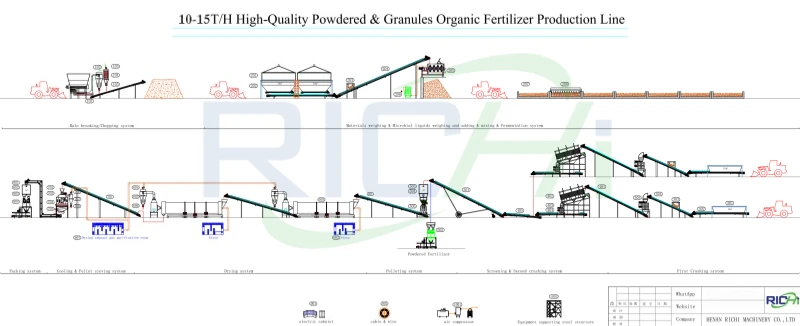
crushing & feeding
cleaning & addition
mixing & fermentation
crushing & screening
powder packing
pelletizing & drying
cooling & storage
pellet packing
The prepared material is screened and recrushed where necessary; qualified powder can go directly to the 10–50 kg packing system, while the pellet route continues through the organic sludge pellet machine, drying, cooling, screening, finished-product storage, and packing. Screened fines can be returned to production where the formulation permits, while dust collection, additional storage, coating, conveying, dosing, or automation can be added according to the customer’s actual plant conditions.
Need a different flow? Send us your sludge type, initial moisture, available blending materials, required output, and factory dimensions. We can determine which processing stages you need—and which you do not—before preparing the equipment list and plant layout.
Market Prospects for Organic Sludge Pellet Processing
Organic sludge pellet processing sits at the intersection of two long-term needs: industries and municipalities must manage continuously generated organic residues, while agriculture and soil-management markets are looking for practical ways to recover nutrients and organic matter from qualified waste streams. Treated sludge or biosolids can be formulated into fertilizer pellets, soil-conditioning products, landscaping materials, or blended fertilizers where local regulations permit.
Markets with developed wastewater infrastructure and strong resource-recovery policies—including the United States, Japan and parts of Europe—deserve particular attention, while food, starch, paper, livestock and agricultural-processing regions create additional opportunities from industrial organic sludge. The strongest business model is rarely to depend on sludge alone: an organic sludge pellet machine can sit within a flexible plant that also handles manure, compost, straw, sawdust, rice husk, green waste and other approved fertilizer feedstocks, helping the producer spread equipment utilization across several raw materials and finished-product recipes.
A Continuous Raw-Material Base
Wastewater plants, food factories and agricultural processors generate organic residuals as part of normal operation, creating a recurring feedstock rather than a one-time waste source. Where those materials qualify for fertilizer use, pellet production can provide an additional resource-recovery route instead of relying solely on disposal.
More Practical Finished Products
Drying and pelletizing properly prepared sludge formulations creates a denser, more uniform product that is easier to meter, bag, transport and mechanically apply than wet sludge. An organic sludge pellet machine also gives producers control over pellet dimensions for different fertilizer, soil-conditioning and landscaping applications.
Stronger Markets for Resource Recovery
Opportunity is particularly relevant where wastewater treatment, fertilizer-resource security and circular-economy policies are advancing together. Japan, for example, is targeting a doubling of sewage-sludge-resource and compost fertilizer use by 2030, while regulated biosolids remain a recognized soil-conditioning and fertilizer resource in the United States.
More Revenue from One Production Line
A plant does not have to remain tied to one sludge recipe throughout its operating life. With suitable preparation, dosing and process adjustments, the same organic sludge pellet machine line can accommodate qualified sludge blends with manure, compost or agricultural residues, helping producers diversify products and make better use of locally available materials.
Organic Sludge Pellet Machine FAQs
What moisture level should my material have before it enters the pelletizer?
For many sludge-based fertilizer formulations, 12–20% moisture is a practical starting range before ring-die pelletizing. Very wet sludge may arrive at 60–85% moisture, but it normally needs dewatering and/or drying before entering the organic sludge pellet machine; the final setting is adjusted to the actual recipe.
My sludge is about 75% moisture. How much wet material is needed for 1 T/H of pellets?
As a mass-balance reference, producing 1 tonne of pellets at about 12% final moisture requires roughly 0.88 tonne of dry solids. If sludge alone enters at 75% moisture, that represents about 3.5 T/H of wet sludge before process losses; blending with dry manure, straw, sawdust, or compost changes the calculation.
Is a 1 T/H line practical for a small poultry farm?
Usually not for a very small farm. A 1 T/H line running 8 hours produces about 8 tonnes of pellets per day; a dedicated poultry-manure project generally needs manure from a large commercial operation or material collected from multiple farms. Layer manure generation varies substantially with housing and manure management, so actual daily collection should be measured before sizing the plant.
Roughly how large would a layer operation need to be?
As a practical screening reference, 50,000–100,000+ layers starts to become relevant for commercial manure processing, but bird count alone cannot size the line. Reported layer manure generation is roughly 0.1–0.17 kg/bird/day, and drying or composting can reduce the mass sharply, so we size from tonnes actually collected per day rather than flock size alone.
Can pig manure and pig-farm wastewater sludge go through the same line?
Yes, if they are properly prepared. A typical project may combine dewatered pig-farm sludge with manure solids, straw, sawdust, compost, or other suitable materials; if the wet fraction is 60–80% moisture, mechanical dewatering and drying are normally considered before the material reaches pelletizing moisture.
We run a dairy farm with manure, sludge and bedding. Do we need three separate lines?
Usually no. Manure solids, dairy wastewater sludge, and suitable organic bedding can often share one preparation and fertilizer line after separate moisture and particle-size control. The system may use dewatering for sludge, crushing for straw or bedding, then controlled batching and mixing before the sludge fertilizer pellet machine.
Which model should I choose for a 3–4 T/H project?
The FZLH350, rated at 3–5 T/H, is the normal starting point based on the specifications for this product range. We still check conditioned moisture, bulk density, fiber level, pellet diameter, and formulation because an unusually difficult sludge mixture can change the real operating throughput.
What models are available if we later want to expand production?
The range covers FZLH250: 1–1.5 T/H, FZLH320: 2–3 T/H, FZLH350: 3–5 T/H, FZLH420: 6–8 T/H, FZLH520: 9–12 T/H, FZLH678: 18–22 T/H, and FZLH768: 22–26 T/H. Larger plants can use parallel pelletizing modules instead of relying on one oversized machine.
What pellet diameter can the machine produce?
The available ring-die range supports 4–12 mm pellets according to the machine specifications supplied for this series. For many fertilizer projects, 4–6 mm is the more practical commercial range; final diameter should match fertilizer application, packaging, spreading method, and market preference.
How fine should sludge, straw and compost be before granulation?
A practical target is generally ≤3–5 mm for the prepared pelletizing mixture. Long straw, bedding fibers, dried sludge lumps, or coarse compost should therefore be crushed first; the exact screen size can be adjusted when a fibrous recipe requires more structure rather than maximum fineness.
Can one line make both powder fertilizer and pellets?
Yes. A shared front end can handle reception, fermentation or stabilization where required, crushing, batching, mixing, and screening; qualified powder can then go directly to packing while another stream continues through the organic sludge pellet machine, drying or cooling as required, screening, and pellet packing.
How much does an organic sludge pellet machine cost?
The standalone pelletizer range is approximately USD 10,000–100,000, with your listed FZLH models ranging from about USD 10,000 at the smallest end to roughly USD 85,000 for the largest listed configuration. A complete sludge fertilizer production line costs more because dewatering, drying, mixing, conveying, screening, dust control, packing, and automation may also be required.
How much floor space should I reserve for a 1–3 T/H line?
As an early planning reference, a compact granulation section may require roughly 300–800 m², while a complete line with sludge storage, fermentation, dewatering or drying can require approximately 1,000–3,000 m² or more. Building shape, storage days, dryer layout, traffic access, and whether fermentation is indoors or outdoors can change this substantially.
What about a 10–12 T/H industrial line—how much space should we plan for?
For preliminary planning, allow roughly 1,500–3,000 m² for the principal processing equipment and potentially 3,000–8,000+ m² when raw-material storage, fermentation, finished-product storage, vehicle access, utilities, and environmental systems are included. We normally prepare the flow and equipment layout against the customer’s actual building dimensions.
We already have a dryer and mixer. Can you supply only the pelletizing section?
Yes. RICHI can supply a standalone organic sludge pellet machine or a modular section including feeder, pelletizer, cooler, screen, conveyors, and controls. For replacement projects, we check the existing machine interfaces, elevation, electrical supply, upstream output, downstream capacity, and available installation envelope before confirming the equipment list.
Our Malaysian plant has wastewater sludge, palm residues and fiber. Can these be processed together?
Potentially yes, provided the sludge and co-materials are suitable for the intended fertilizer product. A formulation might use dewatered organic sludge with prepared fibrous agricultural residues and compost, but the ratios should be set from moisture, nutrient analysis, fiber level, contaminant testing, and pellet-forming behavior rather than copied from another project.
Our Italian fertilizer plant changes recipes frequently. How much can we vary the sludge ratio?
There is no universal allowable percentage. Commercial formulations may range from a minor sludge fraction to sludge-dominant mixtures, but every change affects moisture, ash, fiber, nutrients, friction through the die, and pellet strength; we therefore recommend establishing several validated recipes and corresponding operating settings rather than continuously changing ratios without control.
Can a food processor with 80% moisture sludge use this system?
Yes, but 80% moisture material should not normally be sent directly into the pelletizer. For a food-processing plant in that condition, the line would usually begin with mechanical dewatering and possibly thermal drying, then mixing or conditioning until the material reaches a workable pelletizing range, commonly around 12–20% for many formulations.
We are replacing an old granulator because output drops whenever the sludge recipe changes. What should we check first?
Start with actual feed rate, moisture variation, particle size, sludge-to-fiber ratio, die specification, feeder performance, and motor load rather than replacing the main machine blindly. RICHI can match the new granulator and forced-feeding arrangement to the material while checking whether the existing dryer, mixer, conveyors, and cooler are creating the bottleneck.
What information do you need before recommending a complete sludge fertilizer line?
Send the sludge source, initial moisture, tonnes available per day, other blending materials and approximate ratios, required T/H, powder or pellet product, preferred pellet size, working hours, factory dimensions, existing equipment, power supply, and destination country. From those inputs, we can determine whether your project needs dewatering, fermentation, drying, crushing, batching, mixing, pelletizing, cooling, screening, coating, and automatic packing.
How much electricity does an organic sludge pellet machine use per hour?
The pelletizer main motor ranges from 22 to 250 kW across the current FZLH series, excluding feeders and upstream/downstream equipment. Actual plant consumption is higher when crushing, drying, cooling, conveying, screening, and packing are included; for wet sludge projects, thermal drying often has a larger energy impact than pelletizing itself.
How much water must we remove before pelletizing wet sludge?
It depends on incoming solids and the amount of dry material blended into the recipe. As an example, reducing 1 tonne of sludge from 80% to 20% moisture requires removing about 750 kg of water if no other material is added; this is why high-moisture sludge projects normally evaluate mechanical dewatering before thermal drying.
Our sludge is sticky and keeps bridging in the hopper. Will a normal feeder work?
Not always. Sticky sludge-based mixtures often need a bridge-breaking feeder plus forced feeding, particularly when moisture and fine organic solids make gravity feeding unstable. The FZLH series can be configured with both systems; we assess bulk density, moisture, fiber content, and bridging behavior before selecting the feeding arrangement.
Can municipal sewage sludge really be made into fertilizer pellets?
Only when the treated sludge or biosolids complies with the regulations governing its intended use in the destination market. Pelletizing changes its physical form but does not remove heavy metals, PFAS, pathogens, or other contaminants by itself, so sludge testing, appropriate treatment, stabilization, and regulatory compliance must come before fertilizer production.
What if heavy metals in our sludge are above the fertilizer limit?
Do not use dilution or pelletizing as a way to make non-compliant sludge appear suitable for fertilizer. The sludge should first be characterized and managed under applicable local rules; if it cannot legally enter the intended fertilizer or soil-product market, RICHI can discuss the mechanical processing requirement, but the organic sludge pellet machine cannot make a contaminated feedstock compliant.
How do you control odor in a sludge fertilizer plant?
Odor control starts upstream rather than at the pelletizer. Enclosed reception, controlled storage, appropriate stabilization or fermentation, covered conveyors, local exhaust, and treatment of collected air are common measures; for larger wet-sludge plants, the ventilation and odor-treatment capacity should be calculated from the actual enclosed areas and exhaust volume.
Can we keep the same 5 T/H output when switching between different sludge recipes?
Not necessarily. A machine rated at 3–5 T/H, for example, may operate at different actual outputs when moisture, bulk density, fiber, ash content, pellet diameter, or die resistance changes. If frequent recipe switching is planned, we recommend sizing the sludge granulation machine against the more difficult formulation rather than assuming maximum rated capacity for every recipe.
Our raw materials change between harvest seasons. Can one line handle different formulas?
Yes, provided the alternative materials fall within the designed preparation and fertilizer-processing range. A plant might use sludge with straw during one season and switch part of the dry fraction to rice husk, sawdust, compost, or another suitable agricultural residue later; adjustable batching, mixing, crushing, and feeding make these recipe changes much easier to manage.
How automated can a 10–20 T/H sludge fertilizer plant be?
A medium-to-large line can use PLC-based centralized control for feeding, weighing, batching, liquid addition, mixing, pelletizing, drying, cooling, screening, conveying, and packing. Automation level should match the plant rather than simply be maximized: raw-material reception, fermentation management, cleaning, maintenance, and some abnormal-condition handling will still require operators.
Can you test our sludge before we order the production line?
Yes, material evaluation is particularly useful when the sludge has unusual moisture, fiber, ash, stickiness, or blending requirements. For meaningful selection, provide representative material information—or samples where testing arrangements permit—together with moisture content, composition, approximate mixing ratio, required pellet size, and target T/H, so the pelletizing and pretreatment configuration can be assessed against the actual feedstock.
You do not need to determine every machine before contacting us. Send RICHI the material you actually generate, its moisture and daily volume, any manure or agricultural residues available nearby, the fertilizer product you want to make, and your planned capacity; our engineers can work backward from those conditions to select the organic sludge pellet machine, preparation equipment, process flow, and plant configuration that fit the project.


