
 0086-138 3838 9622
RABBIT FEED MILL
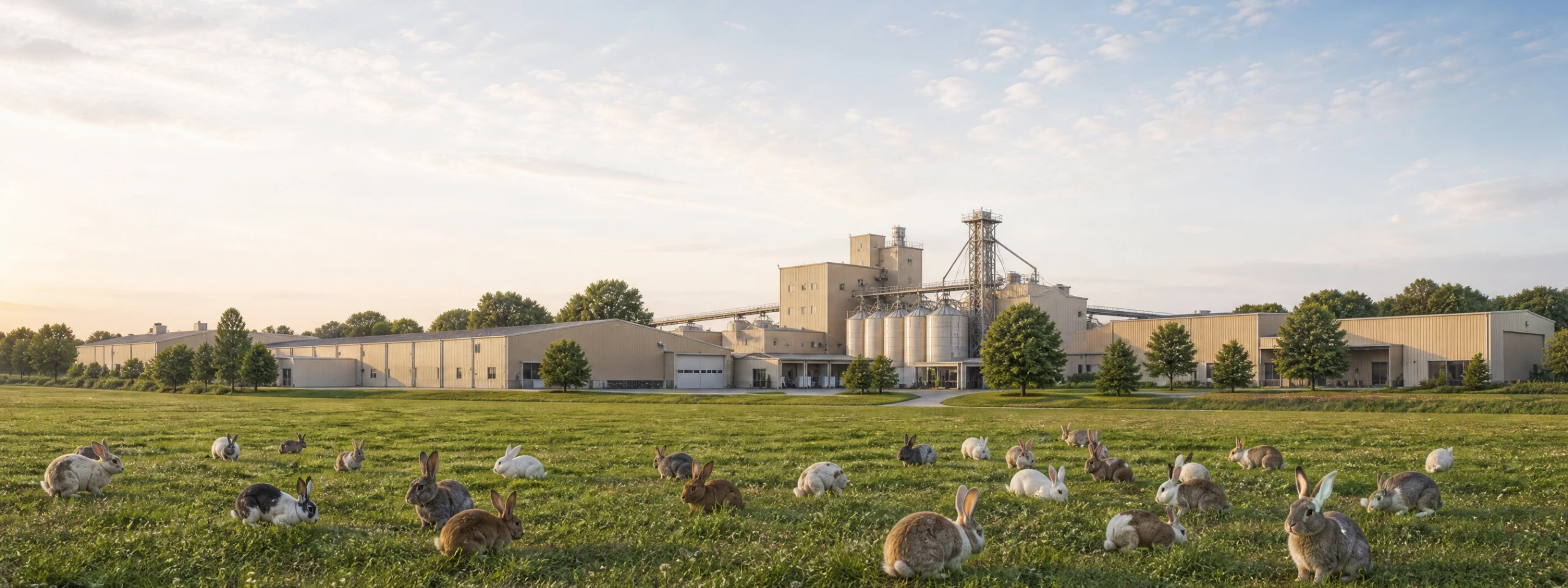
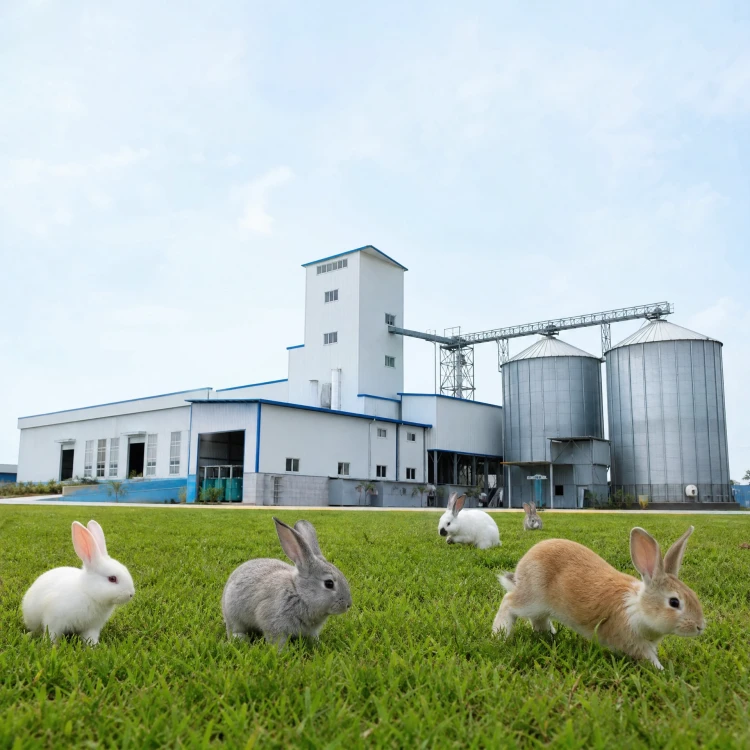
A rabbit feed mill is more than a pellet production system — it is a complete solution designed for feed manufacturers, rabbit farms, livestock enterprises, and agricultural investors who need stable production of nutritious rabbit feed. By considering local raw materials such as alfalfa, timothy hay, beet pulp, soybean meal, corn, wheat bran, and other ingredients, we design suitable processing systems for different formulas and production goals.
Our rabbit feed production line covers the complete process from raw material receiving, crushing, batching, mixing, pelletizing, cooling, screening, and packaging, helping customers build efficient rabbit feed factories with reliable output and consistent pellet quality.
Whether it is a small farm requiring a compact rabbit feed pellet mill or a commercial producer planning an industrial rabbit feed mill, we can provide equipment configurations and turnkey project solutions according to capacity requirements, investment budgets, and future expansion plans.
Discuss Your Rabbit Feed Mill Project
Different Rabbit Feed Types Produced by Our Rabbit Feed Mill
A professional rabbit feed mill is designed to handle more than standard pellet production. Different rabbit growth stages, farming systems, and feeding strategies require different feed structures, formulas, and processing methods.
Our rabbit feed production solutions can be configured for manufacturing complete pellet feed, high-fiber feed, starter feed, concentrated feed, and premix products by adjusting raw material handling, grinding precision, mixing accuracy, pelletizing parameters, and packaging systems. This flexibility allows farmers, feed factories, and agricultural investors to produce suitable rabbit feed products according to their local market requirements.
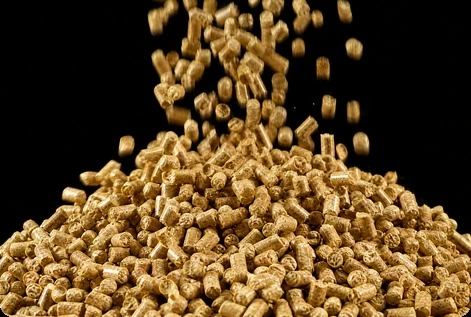
Complete Rabbit Feed Pellets
Usually produced in 3-5 mm diameter sizes, these pellets combine ingredients such as alfalfa meal, corn, wheat bran, soybean meal, minerals, and vitamins through precise batching, mixing, and pelletizing processes.
Balanced Daily Nutrition for Rabbits
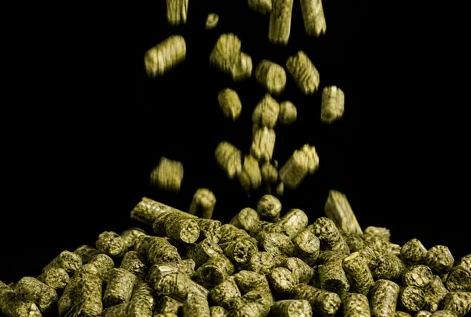
High-Fiber Rabbit Feed Pellets
High-fiber rabbit feed pellets are specially formulated with higher levels of alfalfa hay meal, grass meal, timothy hay meal, or other fiber sources, normally with crude fiber levels of 14% or above. These pellets are commonly produced in 4-6 mm sizes.
Supporting Healthy Digestion
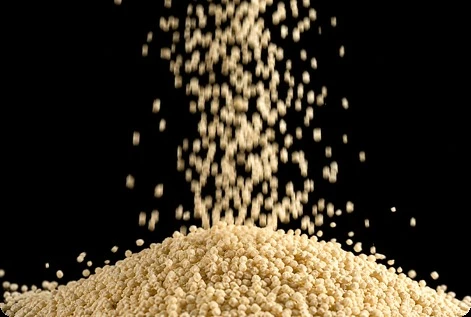
Young Rabbit Starter Feed Pellets
Requires a more digestible formula with higher protein content and finer pellet sizes, usually around 2-3 mm, making it easier for weaned rabbits to consume. This type of feed often uses carefully processed soybean meal, milk replacer ingredients, grains, and nutritional additives
Designed for Early Growth Stages
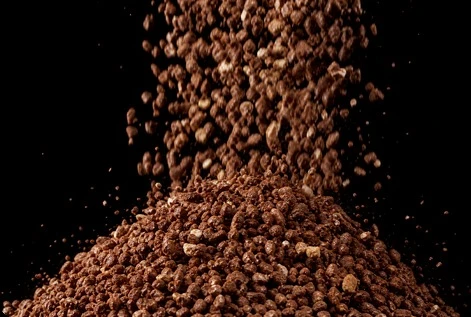
Rabbit Concentrate Feed
Mainly designed to be mixed with forage or farm-produced roughage, usually containing protein levels above 30%. Depending on customer requirements, it can be produced as small pellets of 2-4 mm or as powder feed for further mixing.
High-Protein Supplement Feed
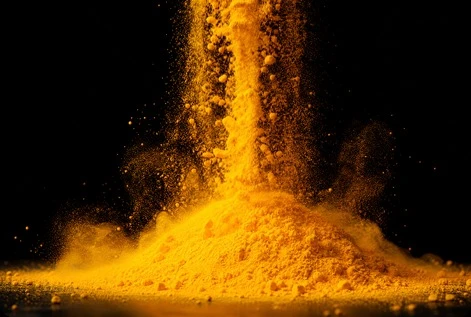
Rabbit Premix Feed
Rabbit premix feed focuses on vitamins, minerals, trace elements, and functional additives, normally added into complete feed at a ratio of 1-3%. It requires high-accuracy weighing and mixing equipment rather than a traditional pelletizing process..
Precise Nutritional Additives
We can design multi-purpose production systems that manufacture different rabbit feed types on the same line, such as switching between pellet feed and powder feed, or combining rabbit feed production with livestock feed, fish feed, or other animal feed production according to market demand.
Customize Your Multi-Purpose Feed Production Line

Rabbit Feed Mill videos
Over the years, we have designed and delivered a wide range of rabbit feed mill projects for customers in different regions, including commercial feed producers, livestock farms, and agricultural investors. Each project is developed according to local raw materials, production targets, feed formulas, and factory conditions.
From small-scale rabbit feed processing facilities to multi-purpose feed factories producing rabbit, cattle, poultry, and other animal feeds, our project videos show how our equipment, engineering design, and turnkey solutions are applied in real production environments.
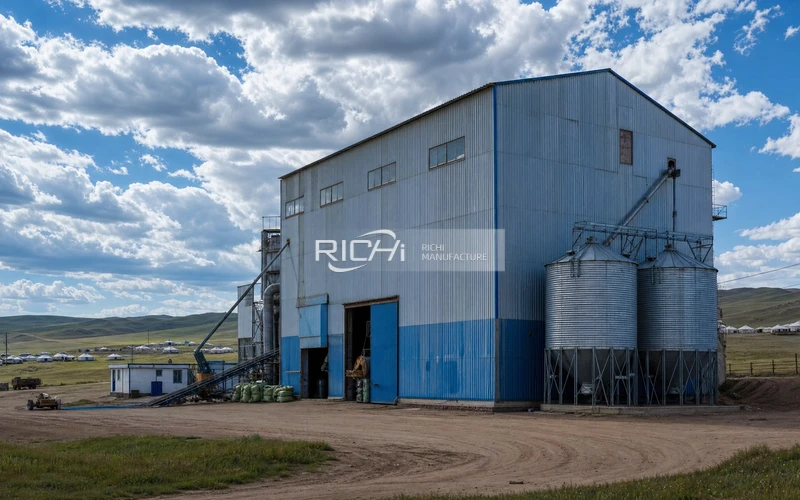

【3-4T/H Rabbit Feed Mill in Turkey】This project was designed for a customer who needed stable production of rabbit pellets while also processing cattle and sheep feed on the same facility. Considering the availability of local ingredients, the production line was configured to handle corn, barley, wheat bran, and alfalfa hay bales as the main raw materials. The system includes customized crushing and mixing processes to deal with different material characteristics, especially fibrous alfalfa hay. The project produces 3-5 mm rabbit feed pellets with consistent quality.
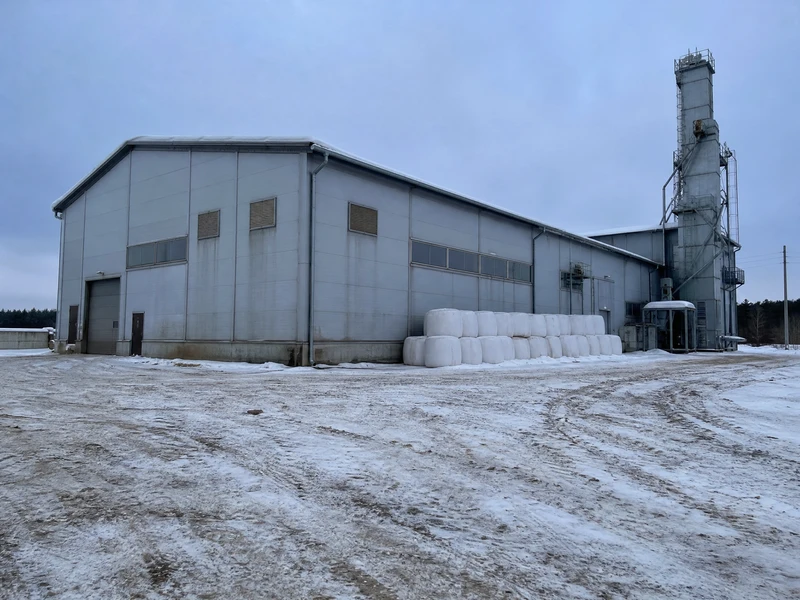
【3T/H Rabbit Feed Mill in Russia】This project was built for a customer who required not only rabbit feed production but also cattle feed manufacturing. Due to the local agricultural environment, the project mainly uses barley, wheat bran, sunflower meal, alfalfa hay, and wheat straw as key ingredients. The design focused on handling high-fiber materials and oilseed meal ingredients commonly used in the Russian market.
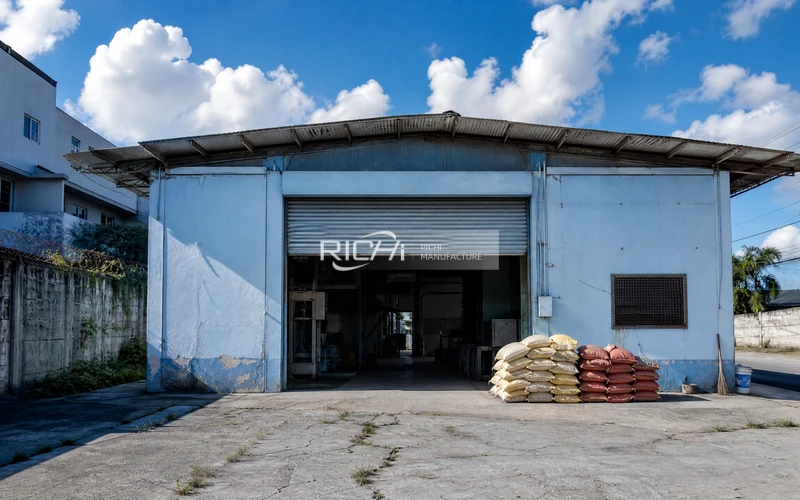
【1-2T/H Rabbit Feed Mill in Cuba】This project was designed for a customer looking for an efficient feed production solution with limited investment and practical operation requirements. The production line processes corn, wheat bran, grass hay, and sugarcane by-products such as molasses, which are widely available local resources. The system produces small-scale rabbit feed pellets while helping the customer reduce dependence on external feed suppliers and improve farm feed management.
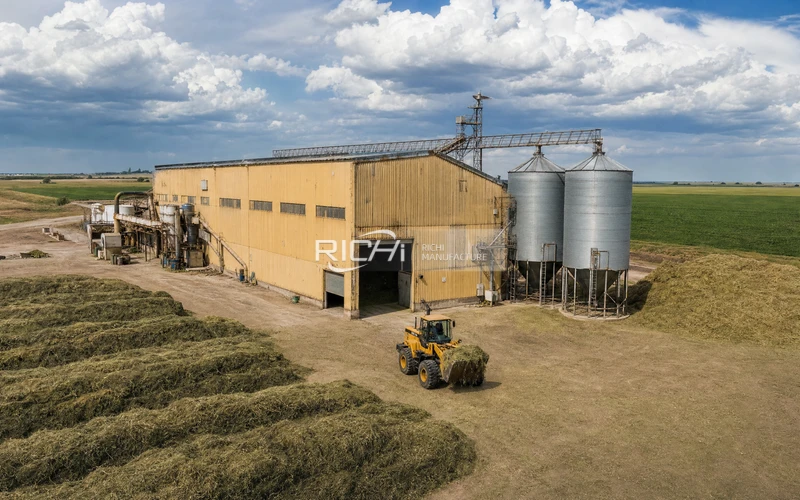
【5T/H Rabbit Feed Mill in Philippines】This project was developed for a customer who planned to produce rabbit feed together with poultry, pig, and other livestock feeds. The production line was designed around locally available materials, including corn, rice bran, cassava meal, copra meal, and wheat bran. The 5T/H production system allows the customer to manufacture different feed formulas with flexible adjustment of pellet size and nutritional structure.
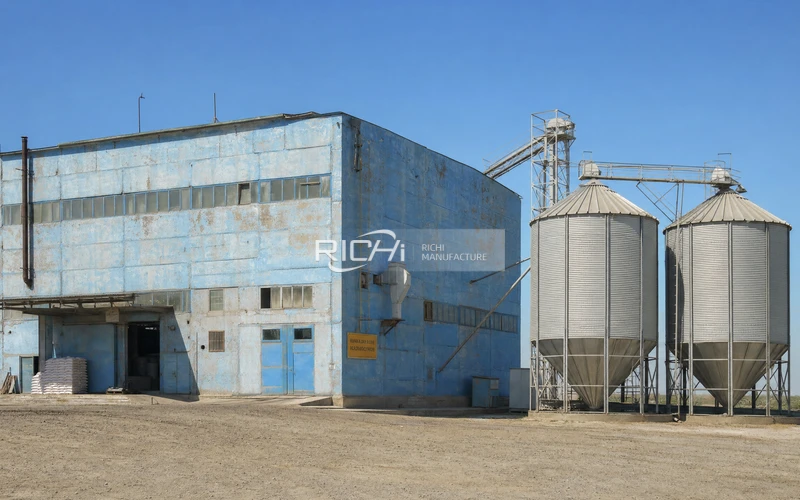
【6T/H Rabbit Feed Mill in Argentina】This project was developed as a complete livestock and rabbit feed production solution for a customer requiring larger-scale commercial production. The main raw materials include corn, soybean meal, wheat bran, alfalfa hay, and grass hay, allowing the facility to produce balanced feed formulas for rabbits and other livestock. Because forage ingredients represent an important part of the formula, the production line was designed with suitable crushing capacity and mixing accuracy to maintain consistent nutrient distribution.
Process Design Behind Every Fully Automatic Cattle Feed Plant We Build
Every rabbit feed mill project requires a different processing approach because feed formulas, raw materials, and production goals are rarely the same. We provide customized solutions covering process design, equipment selection, manufacturing, installation, commissioning, and technical support according to each customer’s requirements
Whether the project focuses on standard grain-based rabbit pellets, high-fiber feed containing alfalfa or grass materials, young rabbit starter feed, mash feed, premix production, or other specialized formulas, we develop a suitable production system based on the actual application.
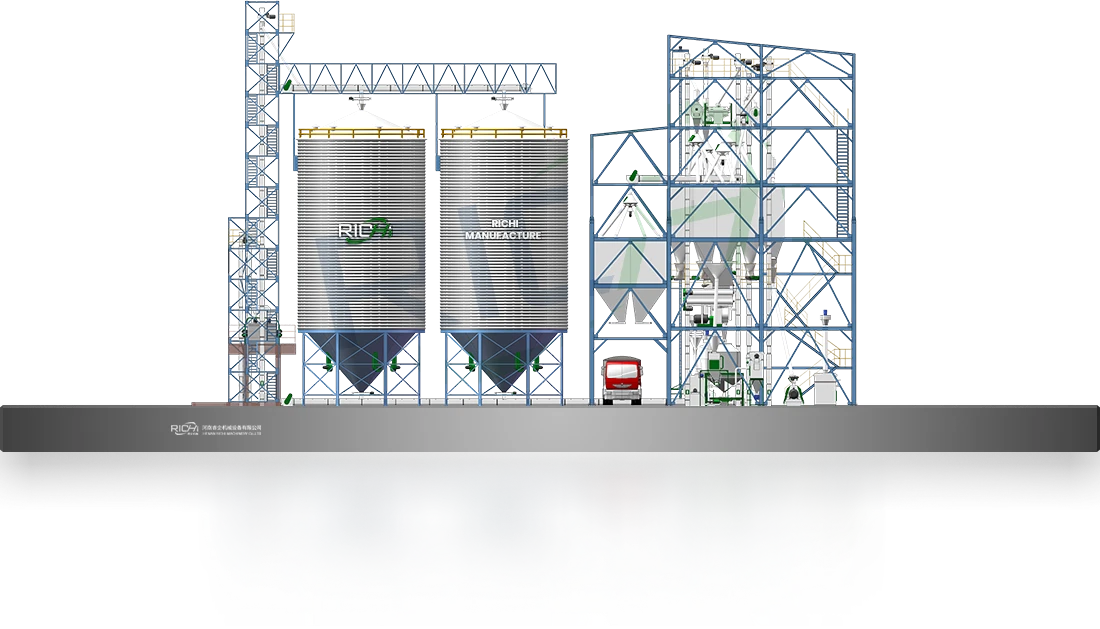
A complete rabbit feed production line can be configured with different modular processing sections, including raw material receiving and storage, cleaning, crushing, batching, mixing, pelletizing, cooling, screening, conveying, and packaging systems. Depending on the product requirements, additional modules such as drying systems, fine grinding units, micro-dosing systems, or expanded feed processing equipment can be integrated.
From the initial project consultation to equipment manufacturing, production line installation, commissioning, operator training, and spare parts supply, we provide complete technical support throughout the entire project lifecycle. Our goal is to help customers build a practical and expandable rabbit feed mill that matches their production capacity, local resources, and future development plans.
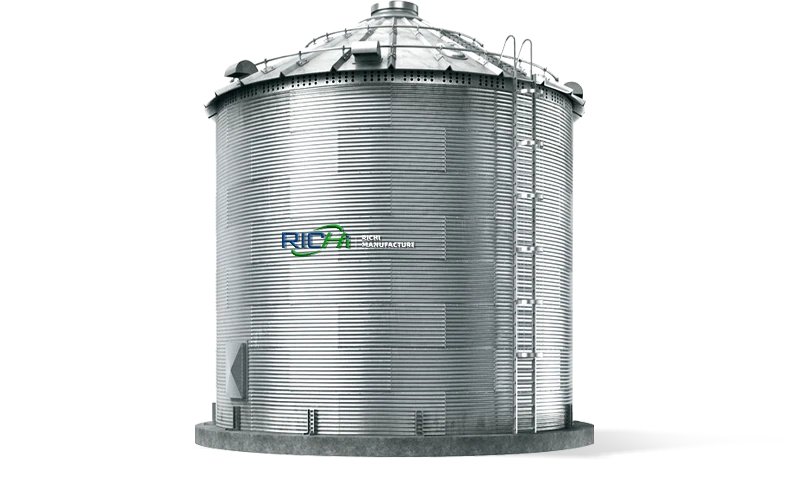
Silo system
01
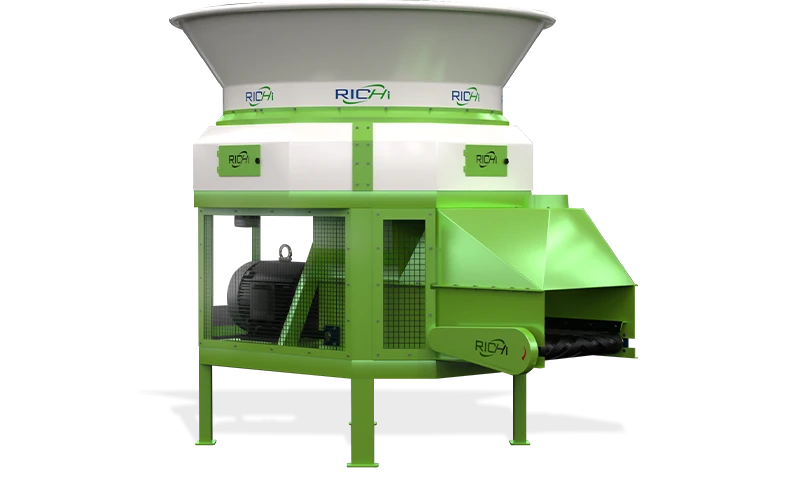
bale chopping
02
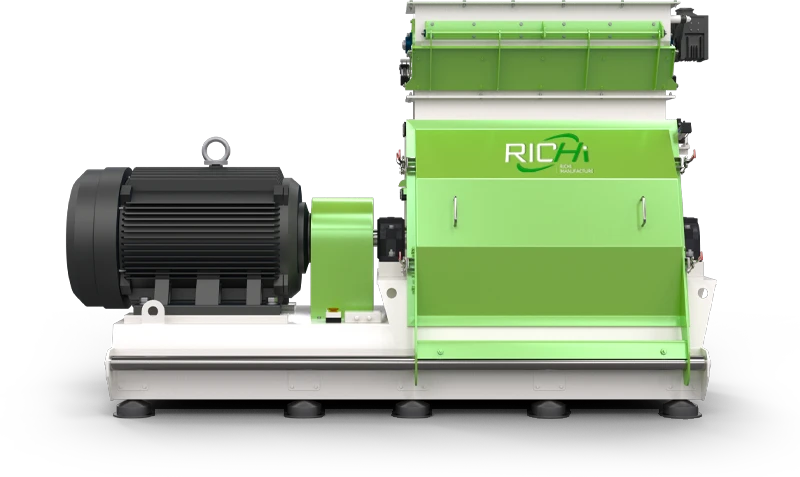
Grinding system
03
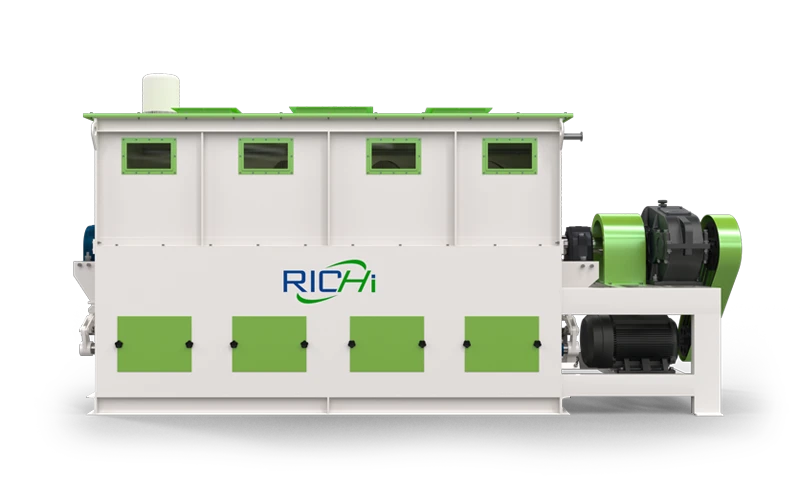
Mixing system
04
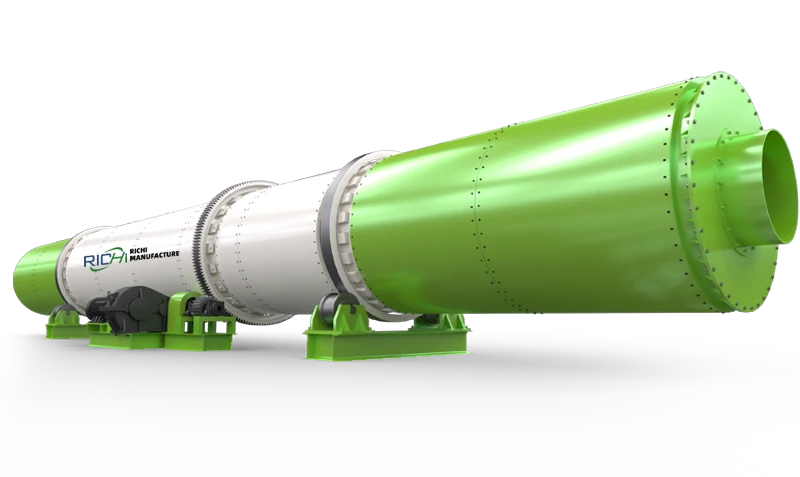
Drying system
05
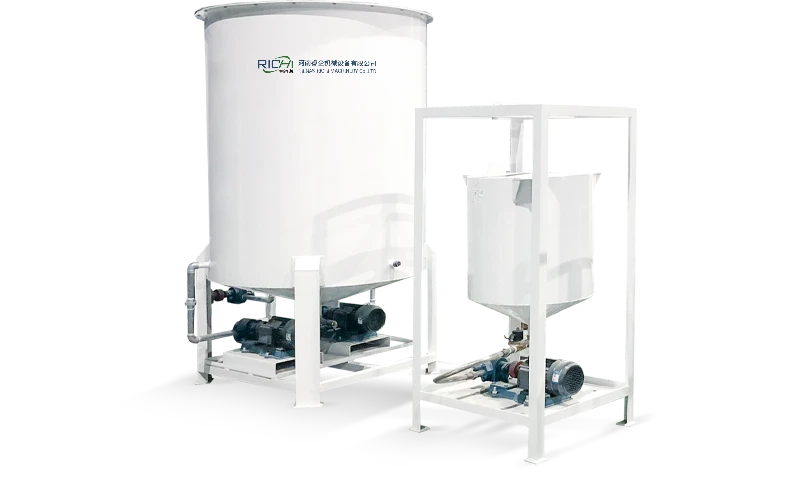
Liquid Addition
06
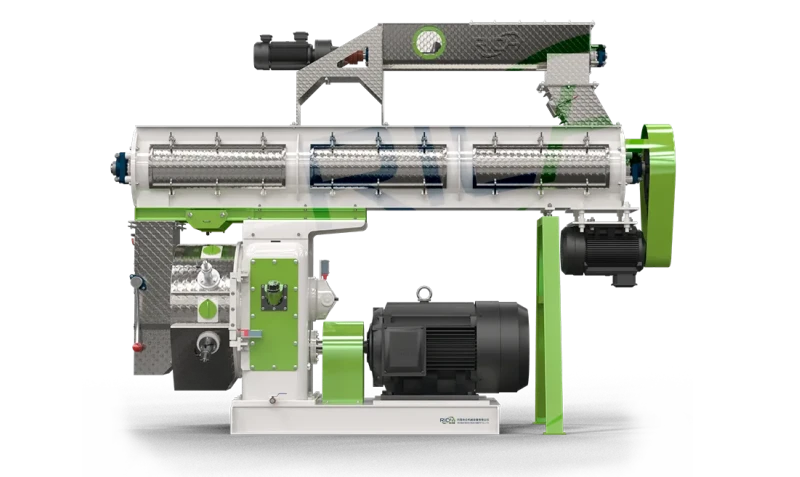
Pelleting system
07
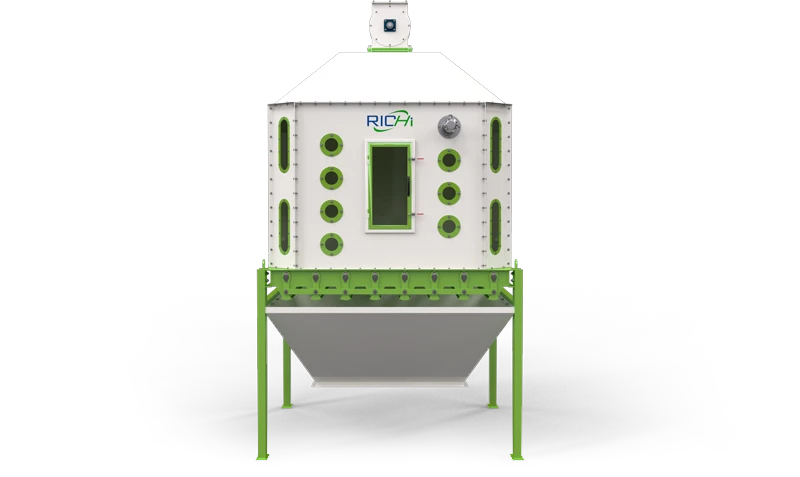
Cooling system
08
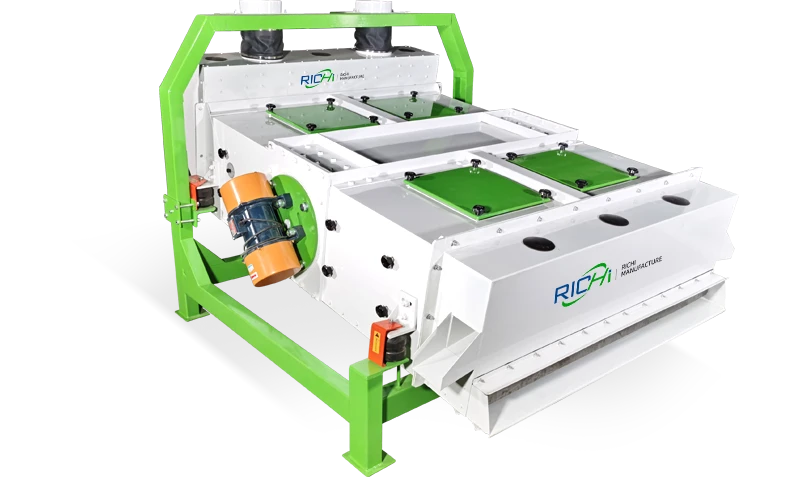
Screening system
09
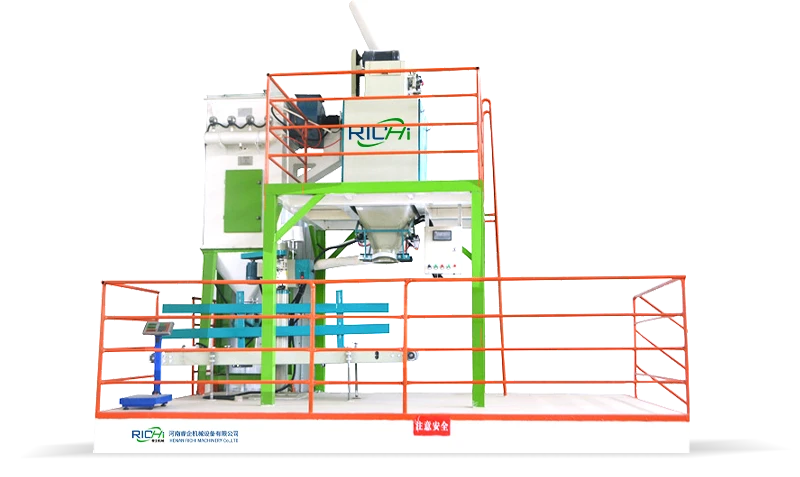
Packaging system
10
Customized Rabbit Feed Mill Process Designs
Every successful poultry feed plant begins with the right process design. The production line process and layouts below are based on real engineering concepts developed by RICHI for different customer requirements, ranging from compact poultry feed mills to large-scale commercial feed factories. Some solutions are designed exclusively for poultry pellet feed production, while others combine poultry mash feed, poultry pellet feed, fish feed, or multiple livestock feed products within a single facility.
The process flow, equipment configuration, automation level, and plant layout vary significantly depending on production capacity, feed type, raw materials, available space, and investment budget. The following poultry feed plant flow diagrams illustrate how different process modules can be combined to create efficient, scalable, and cost-effective feed manufacturing solutions for a wide range of applications.
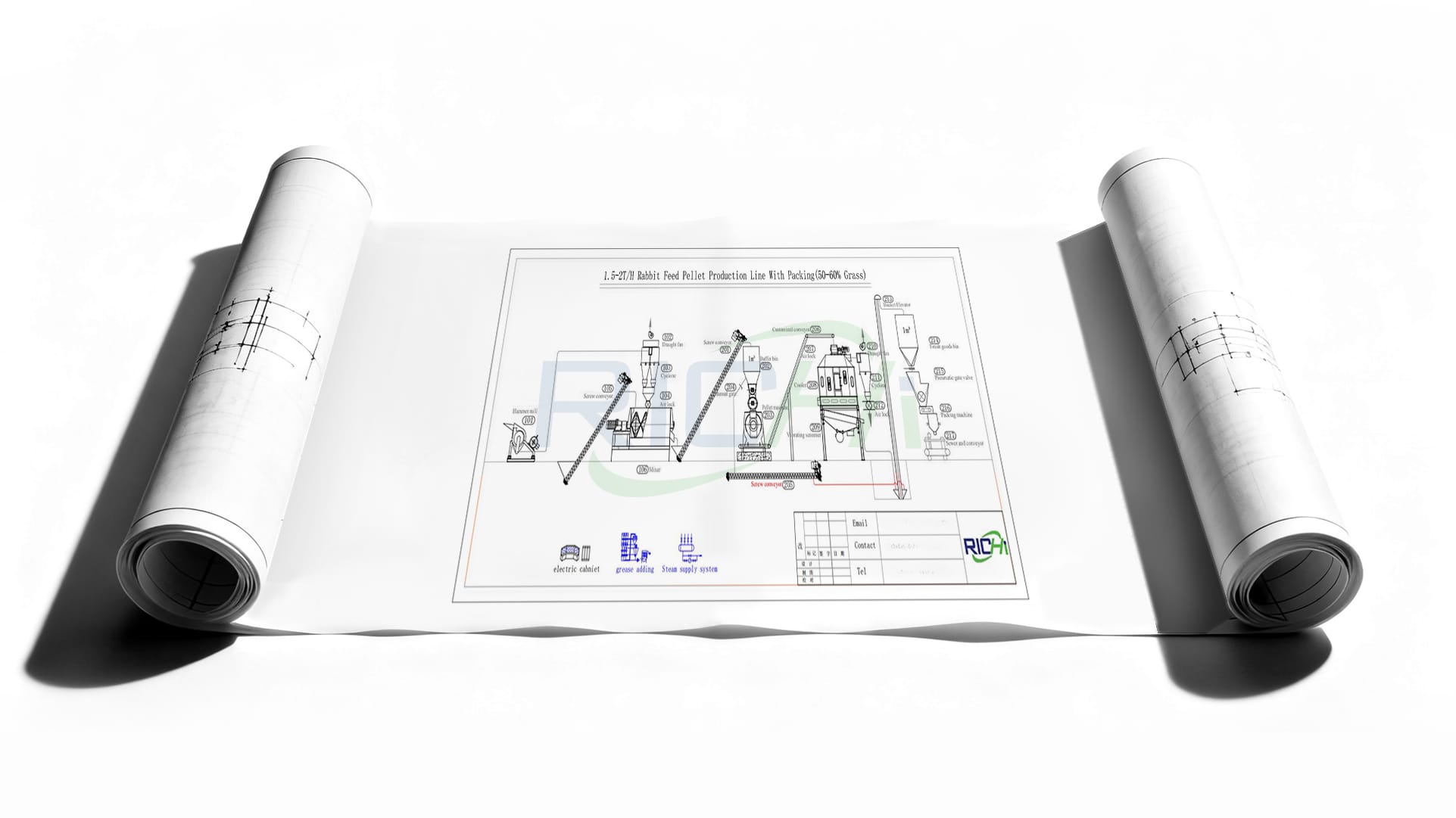
1.5-2 T/H Rabbit Feed Mill Design
This 1.5-2 T/H rabbit feed mill design was developed for a Cuban commercial feed producer using grass as the main ingredient (50-60% of the formula). Since the customer used grass meal instead of hay bales, no bale processing system was required. A dedicated grass hammer mill was installed for efficient size reduction.
The customer already had a grain grinding system, so the new line focused on essential processes only. Grass grinding, mixing, pelletizing, cooling, screening, and packing were integrated into a practical production solution with controlled investment and stable operation.
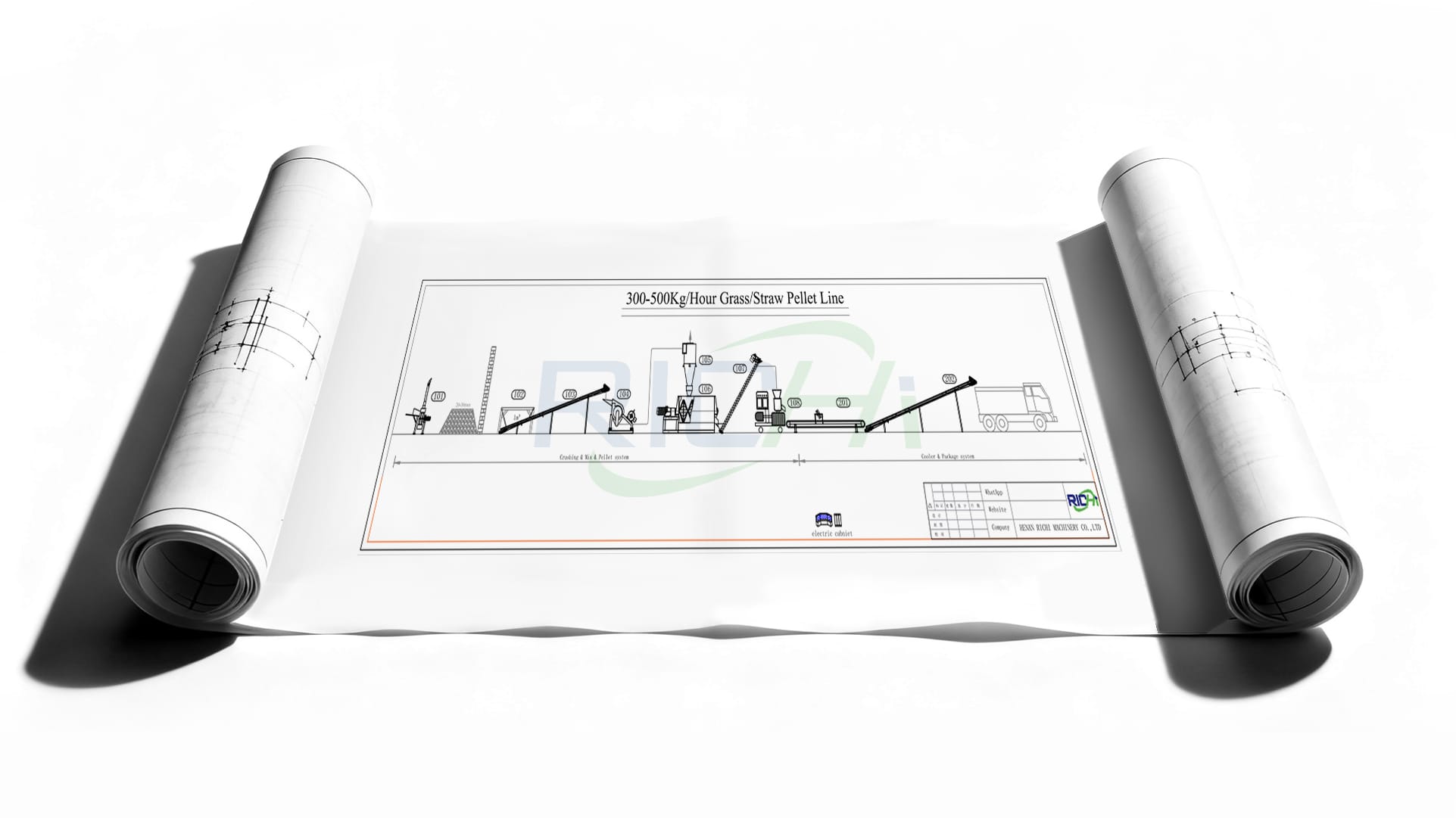
0.3-0.5 T/H Rabbit Feed Plant Design
This small rabbit feed plant was designed for customers who need a low-investment solution based on grass and straw materials. Because long fiber materials are difficult to process, the system adopts two-stage size reduction.
Straw chopping is completed first, followed by fine grinding and mixing before pelletizing. To reduce equipment cost, the cooling and packing sections were removed. Pellets are naturally cooled through a conveyor before bulk transportation.
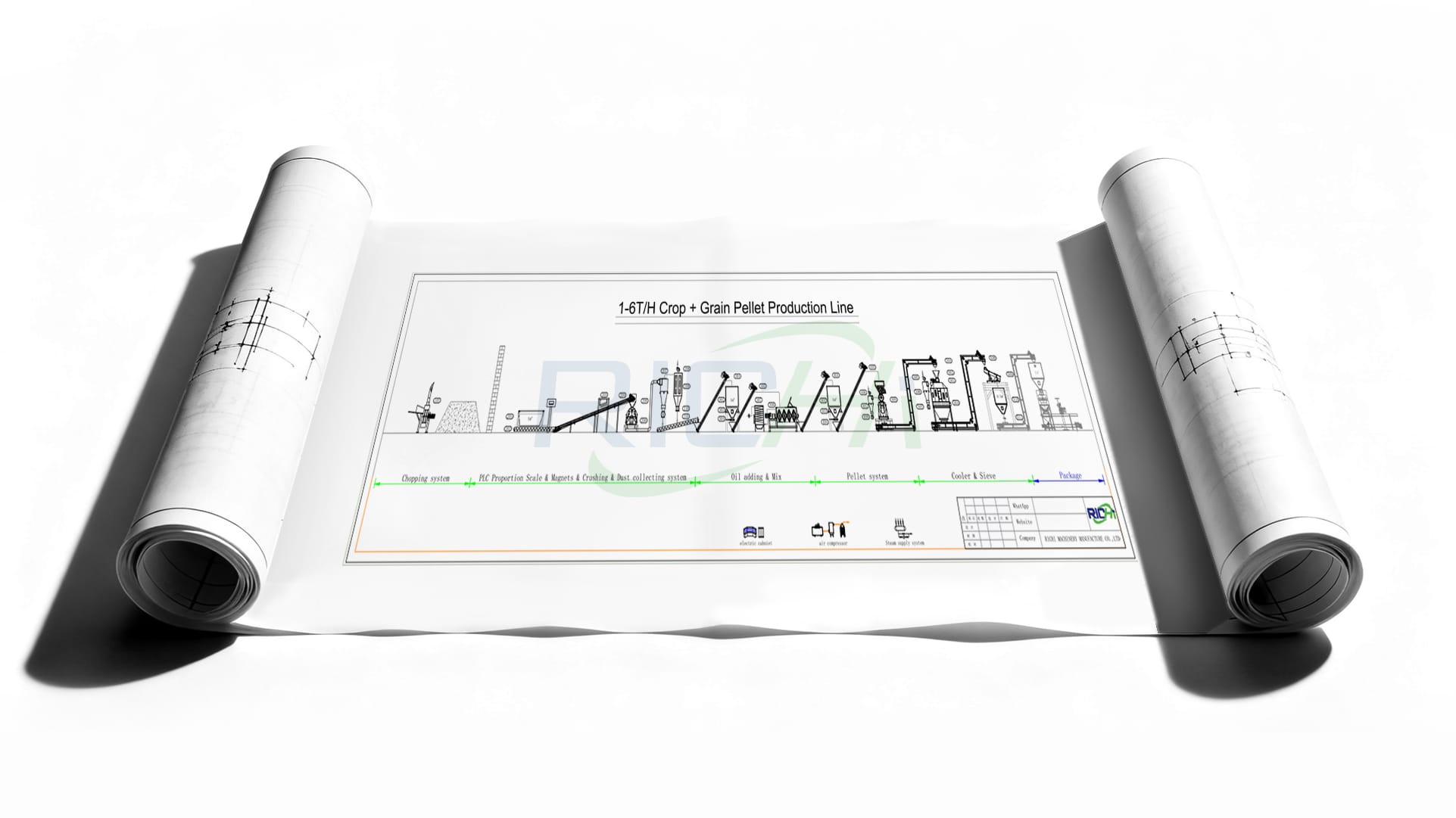
1-6 T/H Rabbit Feed Processing Plant Design
This 1-6 T/H rabbit feed processing plant was designed for formulas combining straw and grain ingredients. Since the straw arrived in longer pieces, a straw chopper was added before grinding and batching.
The line supports multiple feed formulas, including high-fiber feed, grain-based feed, and mixed formulas. The flexible design allows production adjustment according to raw materials and market demand.
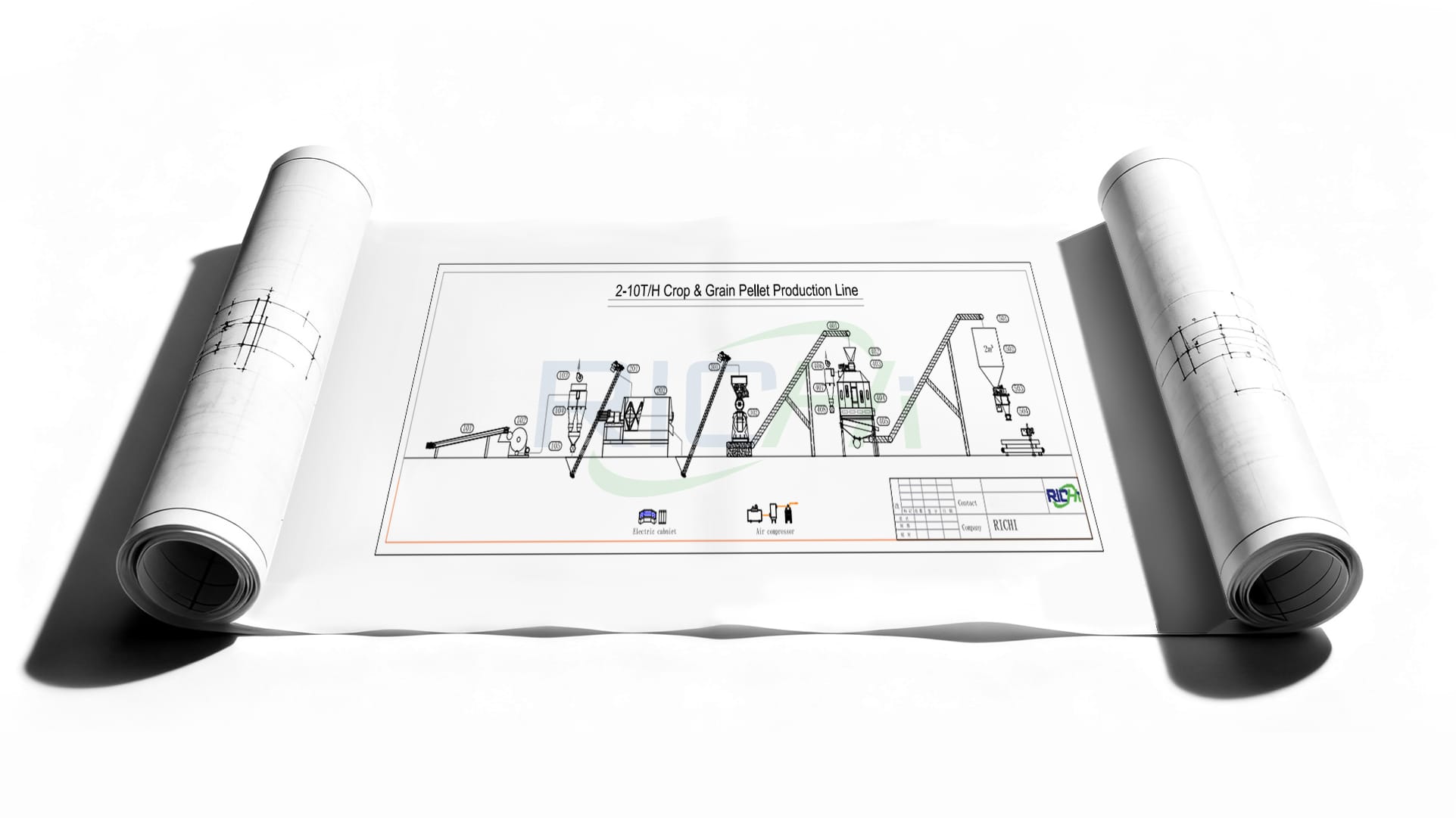
2-10 T/H Rabbit Feed Production Line Design
This 2-10 T/H rabbit feed production line was developed for a customer who already owned a grain grinding system and wanted to add grass and crop-based pellet production.
The existing grinding equipment was integrated into the new process, reducing unnecessary investment. Grass, straw, and grain materials are mixed according to different formulas before pelletizing, cooling, screening, and packing. The modular design enables production of different rabbit feed formulas while maintaining stable operation and flexible capacity.
Global Rabbit Feed Mill Projects
With years of experience in the feed machinery industry, we have delivered rabbit feed mill projects to customers across different countries, including commercial feed manufacturers, rabbit farms, livestock enterprises, and agricultural investors. Our projects cover a wide range of production capacities, raw materials, and feed applications, from small rabbit pellet production facilities to large multi-purpose feed factories.
Whether customers need a single-purpose production line or a flexible factory capable of producing different feed shapes, sizes, and formulas, we customize the process, equipment configuration, and production layout based on actual market needs.
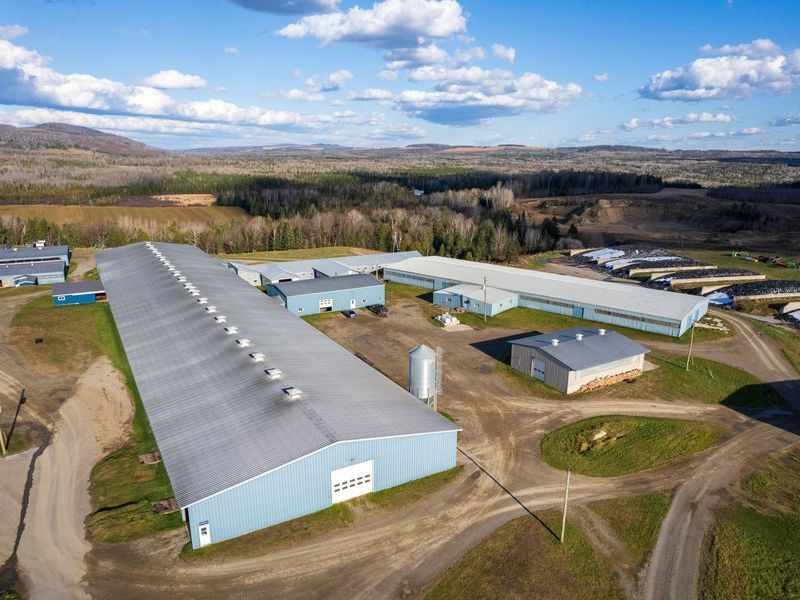
3T/H Rabbit Feed Mill Project
France
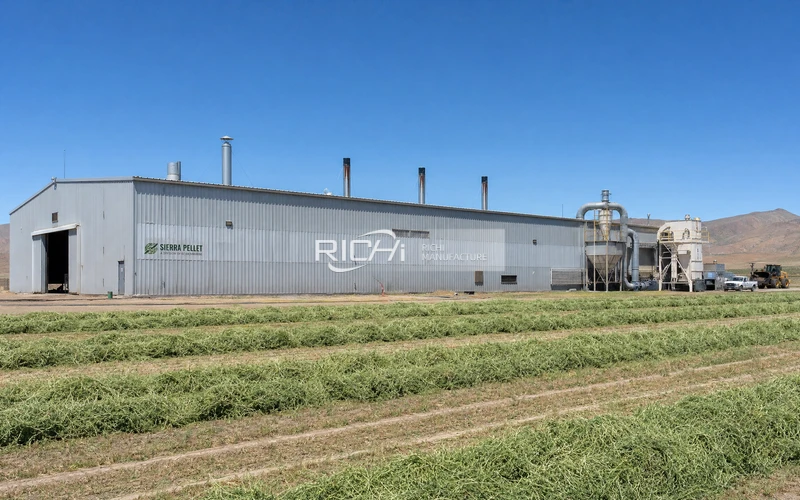
A French rabbit farming company invested in this 3T/H rabbit feed mill to produce high-quality alfalfa-based rabbit pellets for breeding and meat rabbits. The production line was designed around local alfalfa hay, wheat, barley, soybean meal, and mineral additives.
2T/H Rabbit Feed Mill Project
Italy
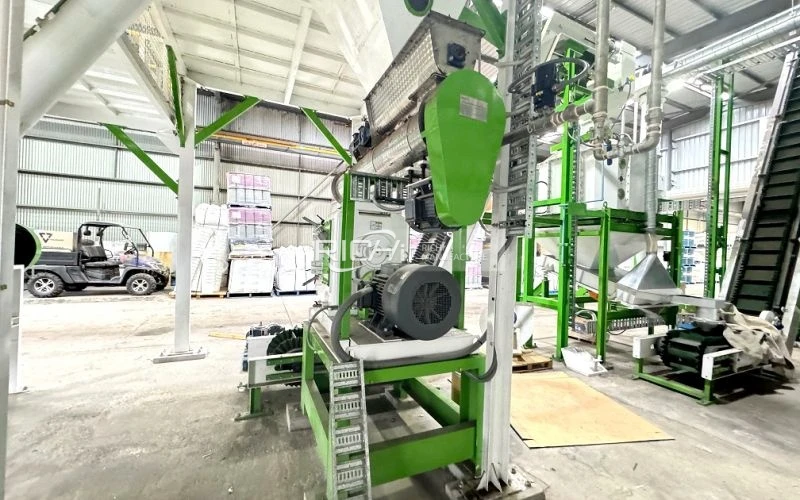
This Italian project was designed for a customer producing high-fiber rabbit feed using local grass resources. The system processes ryegrass hay, alfalfa hay, wheat bran, and soybean meal into 4 mm fiber-rich pellets. Due to the customer’s focus on natural forage-based feeding, we customized the grinding system to maintain fiber characteristics while improving pellet forming performance.
3T/H Rabbit Feed Mill Project
Belgium
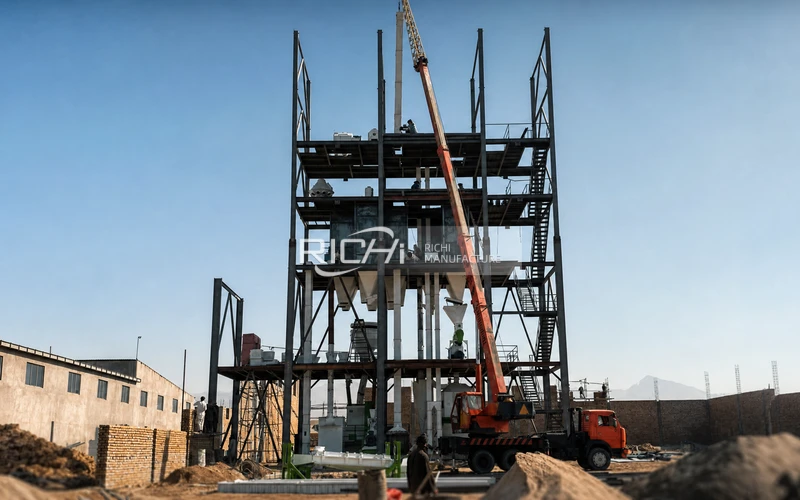
A Belgian customer invested in this 3T/H rabbit feed production line for premium rabbit pellets using European-style feed formulas. The main ingredients include alfalfa meal, wheat, oats, soybean meal, and nutritional additives. The customized process provides consistent pellet diameter and quality control for professional rabbit breeders.
12T/H Rabbit Feed Mill Project
Pakistan
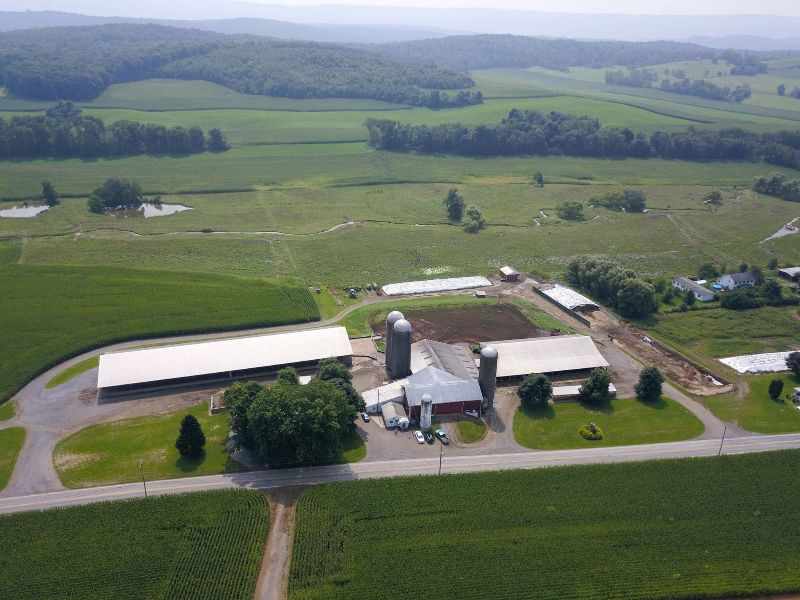
This project was designed for a Pakistani feed company producing rabbit feed together with cattle and poultry feed. The system uses corn, wheat, rice bran, soybean meal, and cottonseed meal. Due to the customer’s diverse product requirements, the rabbit feed manufacturing system was configured as a multi-purpose production line with different pellet formulas and capacities.
5T/H Rabbit Feed Mill Project
Australia
This Australian customer required a flexible feed system for rabbit feed and livestock feed production. The rabbit feed plant processes wheat, barley, lupin meal, oaten hay, and alfalfa hay to manufacture pellet feed for rabbits, sheep, and cattle. The customized design allows switching between high-fiber forage pellets and grain-based feed formulas.
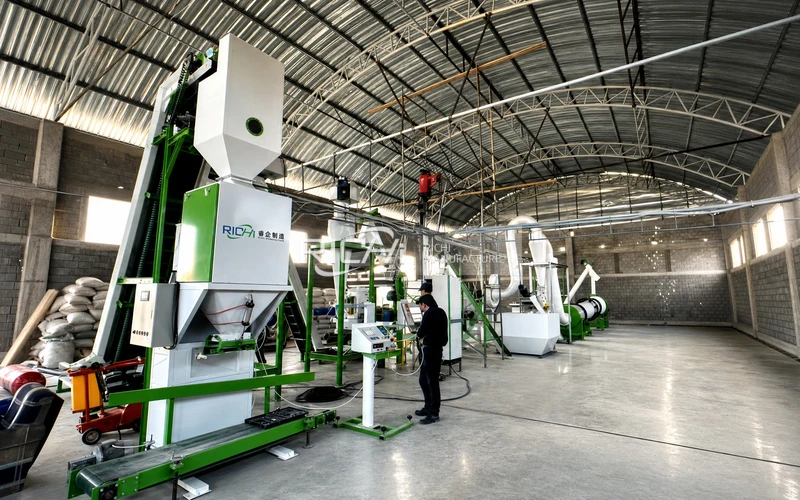
1T/H Rabbit Feed Mill Project
South Korea
This compact rabbit feed mill was designed for a Korean agricultural company requiring precise production of rabbit premix and specialty feed products. The system includes accurate weighing and micro-dosing equipment for vitamins, minerals, and nutritional additives. The customer can produce powder premix as well as small particle feed for different rabbit growth stages.
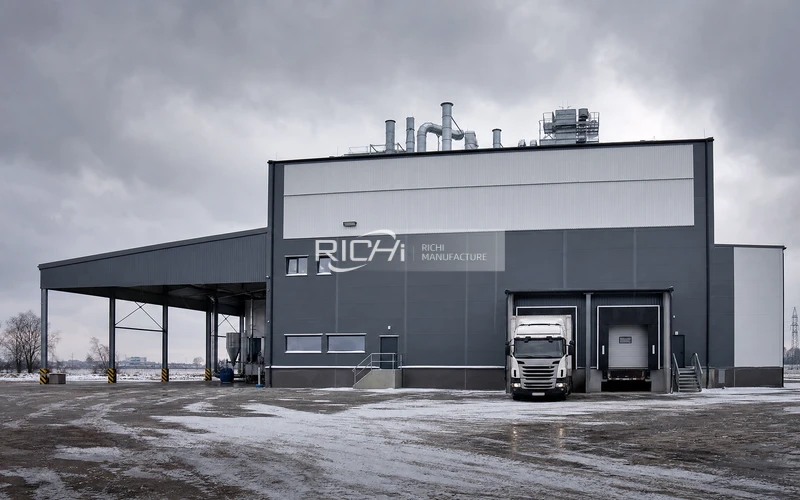
5T/H Rabbit Feed Mill Project
Poland
This Polish project focuses on producing rabbit feed pellets with high forage content. The customer uses alfalfa hay, grass hay, wheat bran, barley, and mineral supplements. The production line was customized with stronger crushing capacity and optimized pelletizing parameters to process fibrous raw materials effectively.
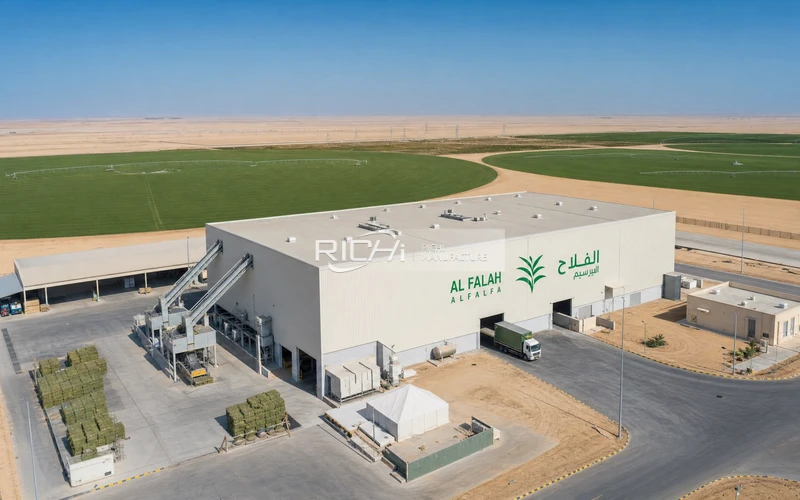
5T/H Rabbit Feed Mill Project
Canada
A Canadian agricultural enterprise invested in this forage-based feed production system for rabbits and livestock. The main materials include timothy hay, alfalfa hay, oats, barley, and soybean meal. The customized process emphasizes fiber handling and pellet durability, allowing production of rabbit feed pellets and forage feed products.
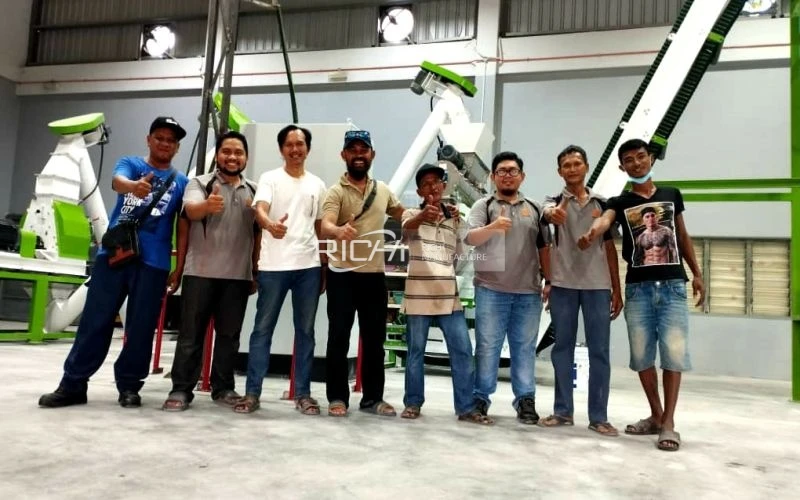
8T/H Rabbit Feed Mill Project
Indonesia
This project was developed for an Indonesian commercial feed producer who wanted to expand into rabbit feed production while maintaining poultry and livestock feed manufacturing. The complete system handles corn, rice bran, cassava meal, copra meal, soybean meal, and wheat bran. The rabbit feed production line was integrated with existing feed operations to produce different pellet sizes for rabbits, chickens, pigs, and other farm animals.
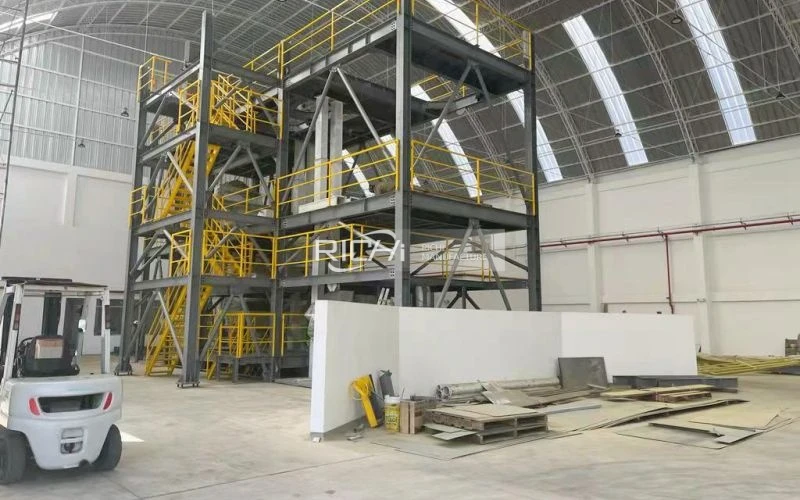
6T/H Rabbit Feed Mill Project
Thailand
This Thailand project combines rabbit feed production with other livestock feed applications. The customer uses corn, rice bran, cassava, palm kernel meal, soybean meal, and fish meal to manufacture rabbit feed, poultry feed, and pig feed. The customized rabbit feed factory includes flexible batching and pelletizing systems for different formulas and pellet specifications.
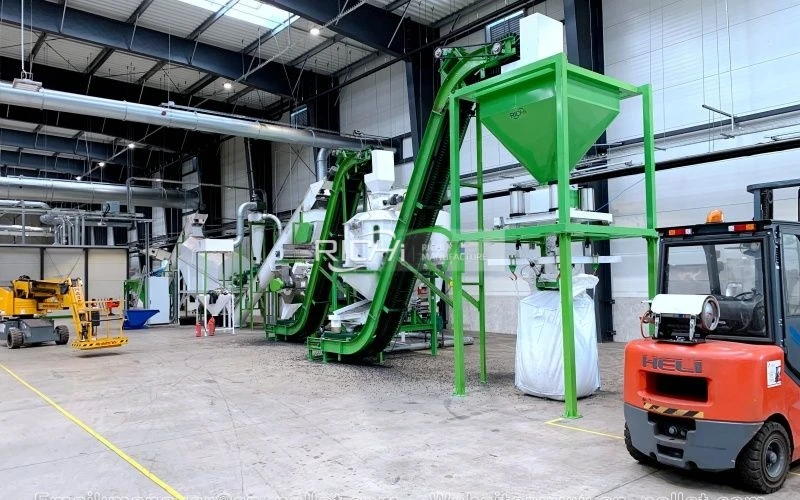
1.5T/H Rabbit Feed Mill Project
Japan
This small-scale Japanese rabbit feed factory was designed for a specialty animal feed supplier requiring flexible production with limited space. The system processes timothy hay meal, alfalfa meal, corn, rice bran, and soybean meal to produce small-diameter rabbit pellets and specialty feed products with precise formula control.
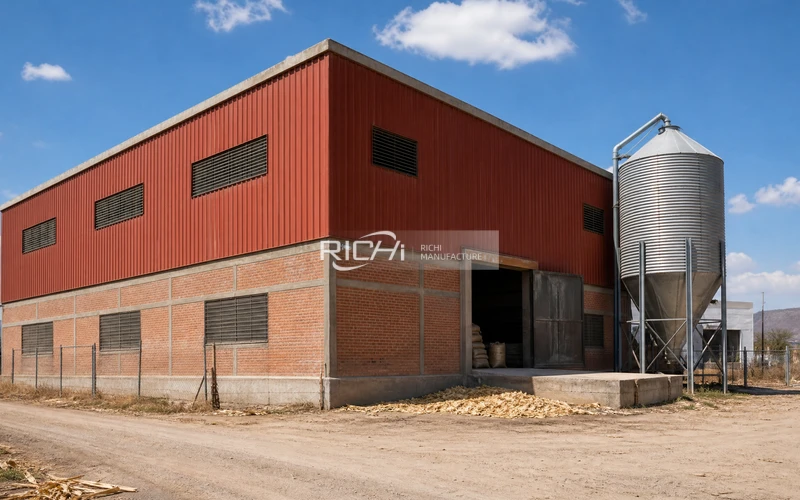
8T/H Rabbit Feed Mill Project
Mexico
This Mexican project was developed for a commercial feed manufacturer producing rabbit feed, poultry feed, and livestock feed. The factory processes corn, sorghum, wheat bran, soybean meal, and alfalfa meal. The flexible production system allows customers to adjust formulas according to seasonal raw material availability and market demand.
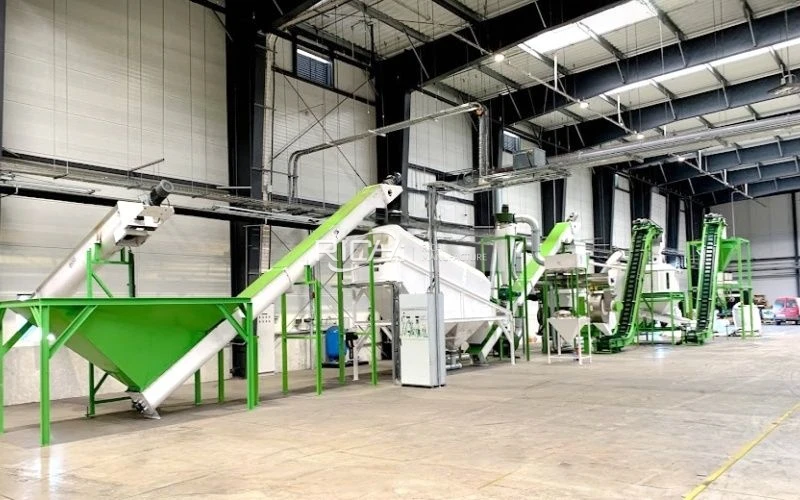
4T/H Rabbit Feed Mill Project
Spain
A Spanish rabbit farm group invested in this 4T/H production system mainly for complete rabbit pellet feed production. The formula uses wheat, corn, barley, sunflower meal, alfalfa meal, and vitamins. The production line focuses on accurate batching, uniform mixing, and stable pellet quality to meet the feeding requirements of commercial rabbit farms.
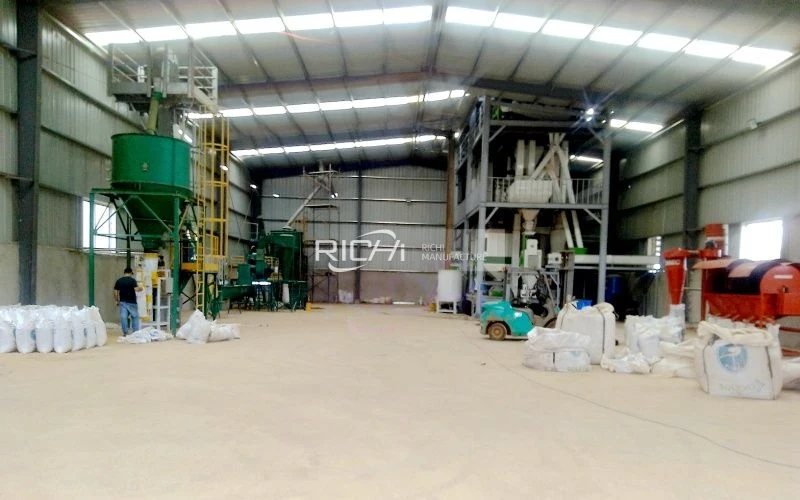
10T/H Rabbit Feed Mill Project
India
This Indian customer established a commercial feed production facility capable of manufacturing rabbit feed and other livestock feeds. The production line processes corn, wheat, soybean meal, cottonseed meal, and wheat bran. The system was designed for multiple formulas, including energy-based rabbit pellets and general livestock feed, with automatic weighing and packing sections.
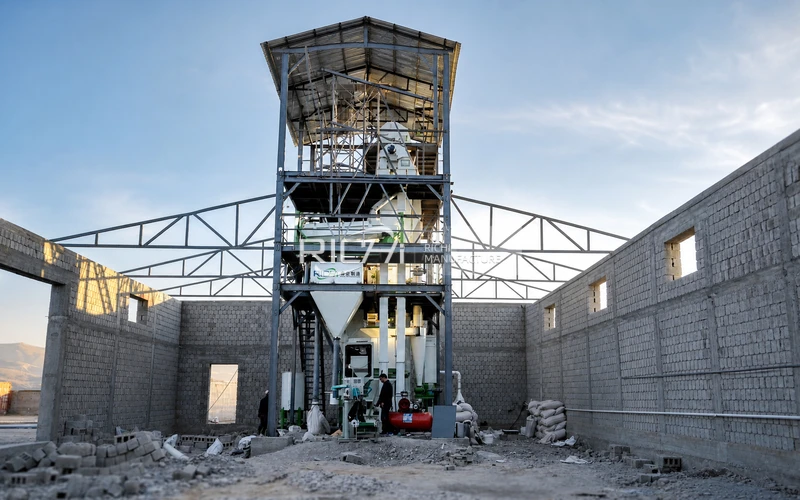
4T/H Rabbit Feed Mill Project
Algeria
This Algerian customer required a practical rabbit feed production solution using locally available agricultural materials. The line processes barley, wheat bran, corn, alfalfa hay, and date by-products to manufacture rabbit pellets and livestock feed. The design focuses on reliable operation under local farming conditions and efficient raw material utilization.
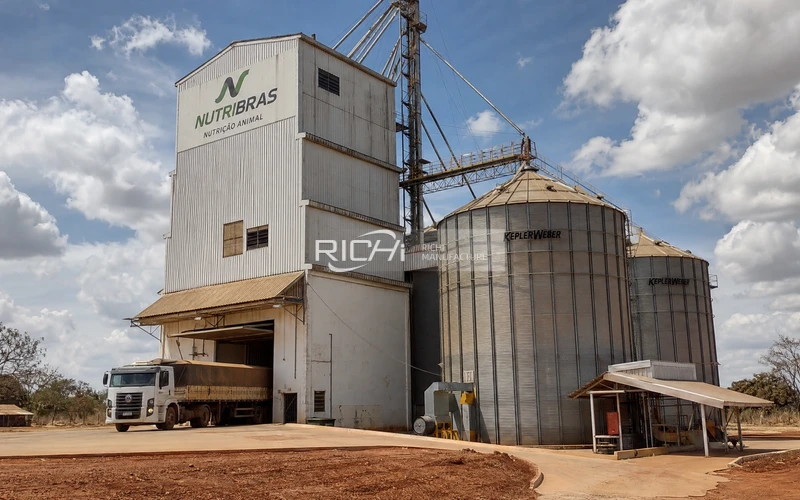
15T/H Rabbit Feed Mill Project
Brazil
This large-scale Brazilian project was designed as a complete animal feed production facility including rabbit feed, poultry feed, and livestock feed manufacturing. The system processes corn, soybean meal, wheat bran, sugarcane by-products, and grass meal. With automatic batching, mixing, pelletizing, cooling, and packaging systems, the customer established a highly efficient commercial feed factory.
Customers from different regions have trusted our feed machinery solutions for their rabbit feed production projects. From small farm-based production systems to commercial feed factories, we work closely with each customer to understand their raw materials, feed formulas, production targets, and factory conditions. These real project experiences help us provide practical rabbit feed mill solutions that match local farming environments and business goals.

Flexible Rabbit & Livestock Feed Production Project
- Customer: Farm Feed Producer in Vietnam
“We were looking for a rabbit feed mill that could support our growing farm business while also allowing us to produce other animal feeds. The 5T/H production line we purchased was customized for our local raw materials, including corn, rice bran, cassava meal, soybean meal, and grass meal. What impressed us most was that the team did not simply recommend standard equipment. They adjusted the process according to our formulas and helped us design a system that can produce rabbit pellets as well as livestock feed. The stable pellet quality and easy operation have helped us improve our feed supply and reduce production costs.”

High-Fiber Rabbit Pellet Production Project
- Customer: Rabbit Farm Owner and Feed Production Manager in Peru
“Our main requirement was to produce rabbit feed using local agricultural resources, especially alfalfa hay and grass materials. The rabbit feed mill solution provided for our farm includes a suitable crushing system to process fibrous ingredients together with corn, wheat bran, and soybean meal. We appreciated the detailed communication before manufacturing because the equipment configuration was designed according to our actual formula instead of a fixed model. The final production line produces consistent 4-5 mm pellets, which are suitable for our rabbit farms and breeding operations.”

Cold Climate Feed Manufacturing Project
- Customer: Commercial Feed Factory Technical Manager in Belarus
“For our project in Belarus, we needed a reliable rabbit feed production system that could operate with local grain and forage materials. The rabbit feed mill was designed to process barley, wheat, sunflower meal, alfalfa hay, and wheat bran for different rabbit growth stages. The engineering team considered our factory conditions and local production environment when designing the layout and equipment arrangement. We are satisfied with the complete service, from production line design and manufacturing to installation guidance and technical support.”

Small Commercial Feed Business Expansion Project
- Customer: Agricultural Entrepreneur and Feed Business Investor in Colombia
“Before this project, we mainly purchased finished feed from other suppliers. We decided to build our own rabbit feed mill to control feed quality and develop our local market. The 2T/H production line was designed for our small commercial operation using corn, rice bran, soybean meal, and grass meal. The customized solution matched our investment budget while leaving space for future expansion. The team helped us select the necessary equipment and avoid unnecessary costs, which made the whole project easier for us to manage.”

Rabbit Feed Mill Solutions Based on Different Capacities
A rabbit feed mill requires a different investment strategy, factory layout, and equipment configuration depending on the target production capacity. Small-scale farms may focus on self-sufficient feed production, while commercial feed companies and agricultural investors often require larger systems for market supply and multi-species feed manufacturing.
We provide customized rabbit feed mill solutions from compact production lines to industrial-scale factories, considering factors such as expected output, raw material availability, feed types, automation level, land area, and future expansion plans. Each capacity range is designed for different business models, allowing customers to select a suitable production scale based on their investment goals and market demand.
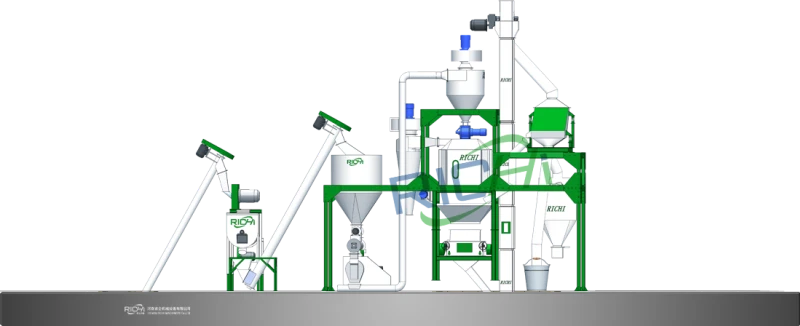
This capacity range is suitable for small rabbit farms, agricultural entrepreneurs, and new feed businesses that want to produce their own rabbit pellets or supply nearby farms. These compact rabbit feed mill projects usually require limited factory space and controlled investment, while still allowing production of complete rabbit feed, grass pellets, or mixed formulas using local raw materials such as alfalfa, corn, wheat bran, and forage materials.
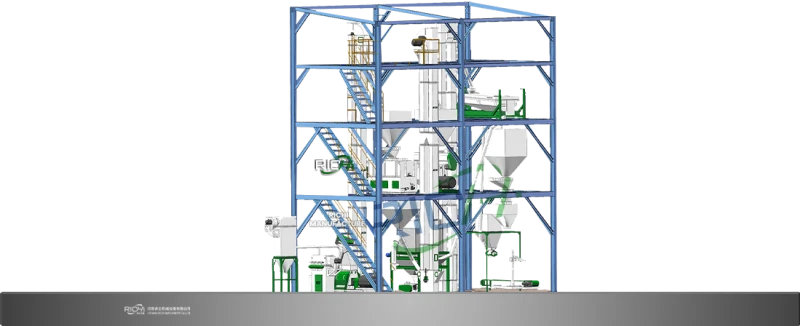
3-4 t/h animal feed production plant
A 3-4 T/H production line is ideal for growing rabbit farms, regional feed suppliers, and small commercial feed factories. This scale provides enough output for local market sales while maintaining flexible operation. Customers can produce rabbit pellets, high-fiber feed, and other animal feed products with a practical equipment configuration and moderate investment requirements.
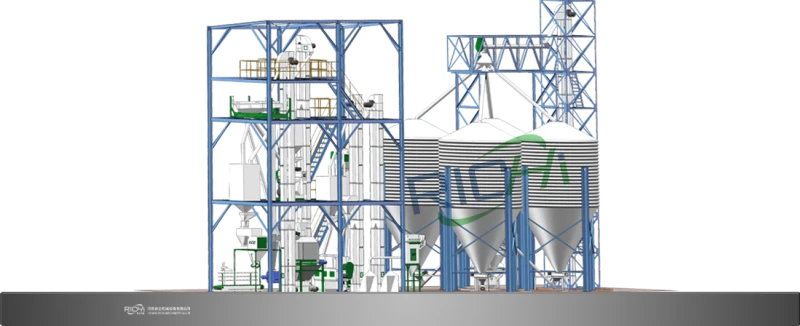
5-7 t/h animal feed pellet plant
This production scale is commonly selected by commercial rabbit farms and feed manufacturers looking to expand production capacity. A 5-7 T/H rabbit feed mill can handle more diverse formulas, including grain-based rabbit feed, alfalfa hay pellets, and mixed livestock feed. It is suitable for businesses requiring stable daily output and the ability to serve multiple customer groups.
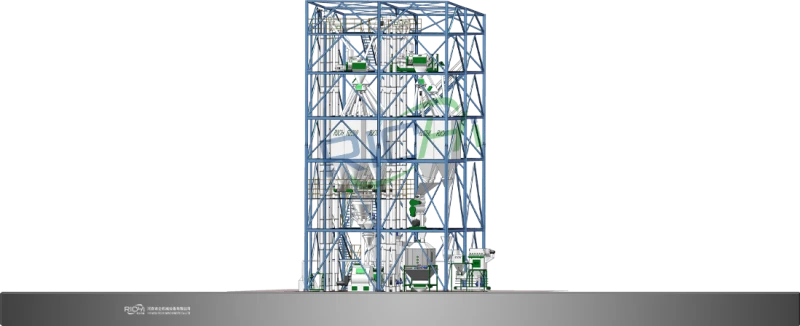
8-10 t/h animal feed processing plant
An 8-10 T/H production solution is designed for established feed producers, large farms, and agricultural companies entering the rabbit feed market. These projects often include more complete automation systems, larger storage capacity, and flexible batching processes for producing different feed formulas. This scale is suitable for customers who need commercial production with room for future growth.
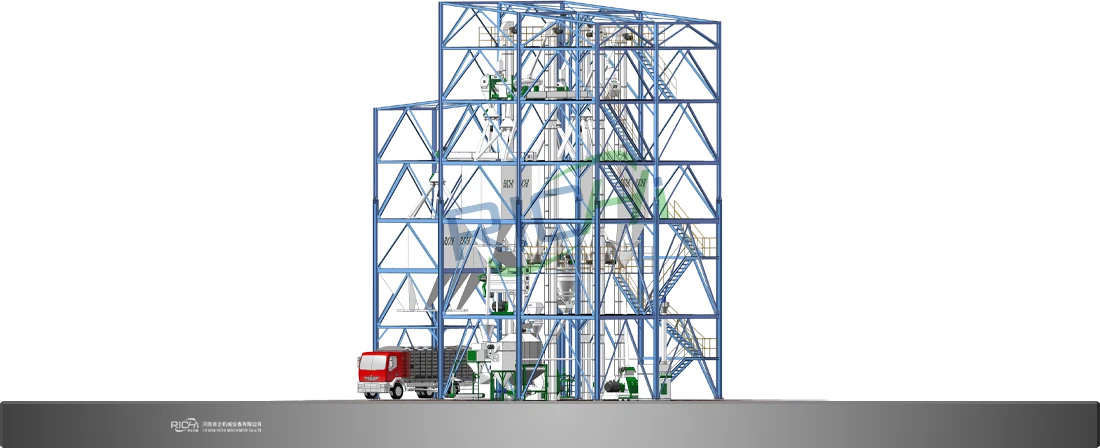
12-20 t/h feed preparation plant
This capacity range is suitable for professional feed factories and large farming enterprises supplying feed to multiple farms or regional markets. A 12-20 T/H rabbit feed mill can be configured for rabbit feed production together with poultry, cattle, sheep, or other animal feed. These projects usually require larger factory areas, advanced process control, and customized equipment combinations.
Rabbit Feed Mill Investment Cost
The total investment of a rabbit feed mill depends on many factors, including production capacity, feed types, automation level, raw materials, factory conditions, and the final production goals. Based on our experience with projects in different countries, the investment is not only related to the feed production equipment itself, but also includes factory construction, raw material preparation, utilities, installation, and other supporting facilities.
The following cost ranges provide a practical reference covering small farm-scale projects to large commercial rabbit feed manufacturing plants. Since every project has different requirements, the final budget should always be calculated according to the customer’s actual production plan.
Whole Manual/Automatic cattle feed plant set up investment : $37,000 – $40,000,000
Rabbit Feed Mill Equipment Investment Cost :
Raw Material Cleaning machine price :
$3,000–$15,000
Crushing & Grinding machine Price :
$2,000–$40,000
Bale Breaking machine Price :
$5,000–$25,000
raw material Drying machine Price :
$8,000–$250,000
Batching & Weighing machine Price :
$2,000-$50,000
rabbit feed Mixing machine Price :
$2,000–$20,000
rabbit feed pellet machine Price :
$7,000-$80,000
Cooling equipment Price :
$1,500-$15,000
Screening equipment price :
$2,000-$8,000
feed Packing systems Price :
$2,000–$30,000
Conveying machine Price :
$3,000-$25,000+
Dust Collection system Price :
$3,000–$20,000
Liquid/Molasses Addition Price :
$2,000–$15,000
Storage Silos Price :
$5,000–$500,000
Control system & automation Price :
$5,000-$100,000
These figures are summarized from our experience with thousands of feed machinery projects worldwide. However, the actual investment depends on your target capacity, local raw materials, factory conditions, automation requirements, and feed products. The most accurate approach is to contact our team directly. We can design a customized rabbit feed manufacturing plant solution, provide detailed equipment quotations, and recommend a suitable investment plan based on your business goals.

Complete Services for Rabbit Feed Mill Project Construction
Building a successful rabbit feed mill requires more than supplying individual machines. We provide complete project support covering engineering design, equipment manufacturing, installation guidance, commissioning, operator training, and long-term technical assistance. From the first production concept to stable operation, our team works according to each customer’s feed formula, raw materials, factory conditions, and production targets to ensure a practical and reliable feed production solution.
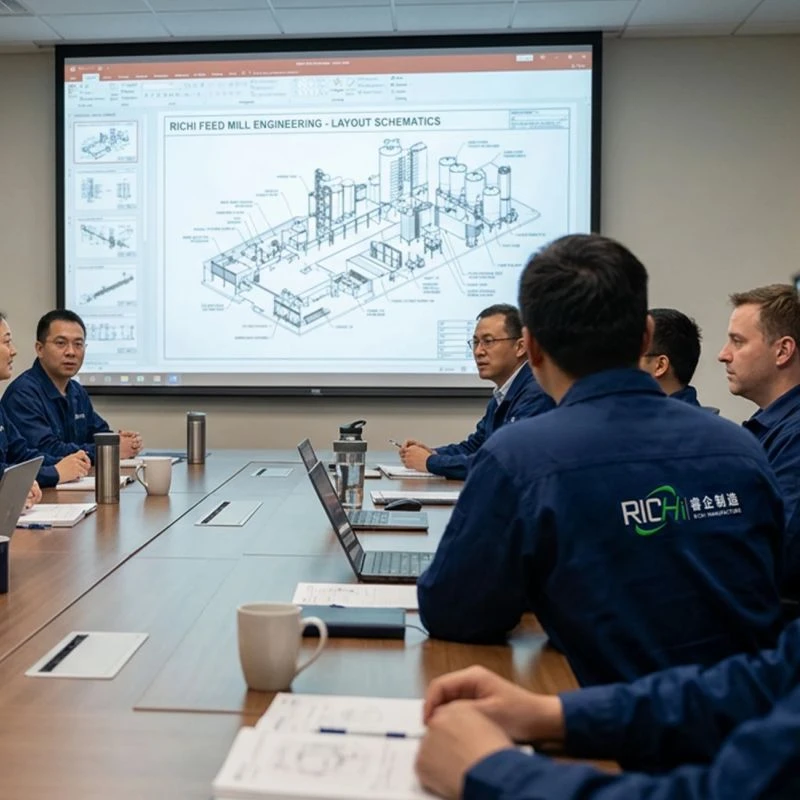
Customized Design & Engineering Solutions
Every rabbit feed mill starts with a customized design based on real production requirements. We provide process flow design, factory layout planning, civil construction suggestions, equipment arrangement, and customized equipment selection. Whether handling grain formulas, alfalfa-based feed, grass pellets, mash feed, or multi-purpose production, we optimize each system according to materials, capacity, and investment goals.
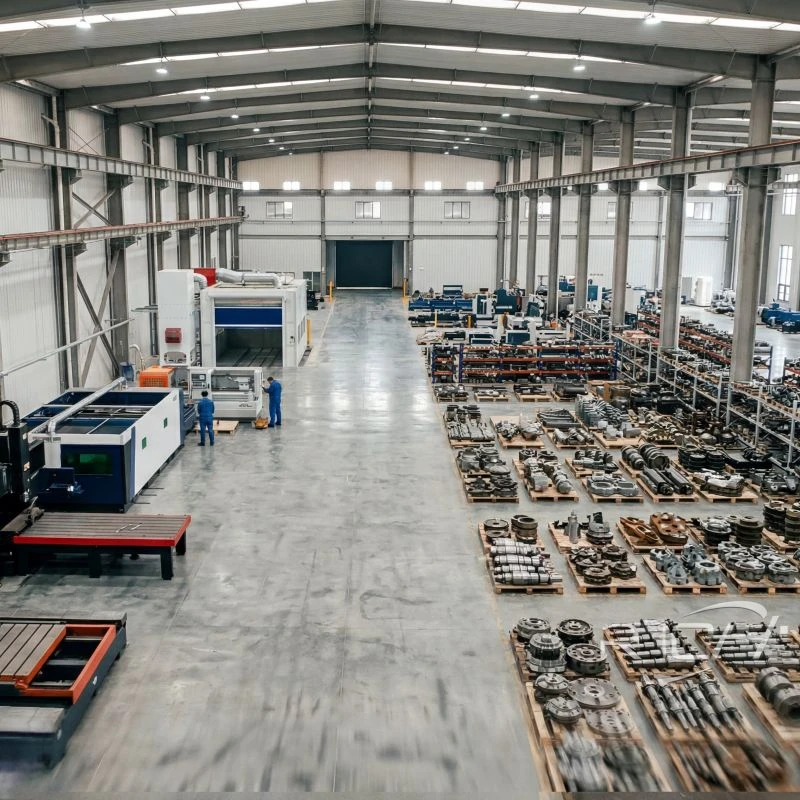
Professional Equipment Manufacturing
All core feed machinery is manufactured in our own production facilities with professional processing equipment and strict quality control. Our manufacturing capabilities cover crushers, mixers, pellet mills, coolers, conveyors, packing systems, and complete production line equipment. With patented technologies, international certifications, and export experience, our machines are supplied to customers worldwide.
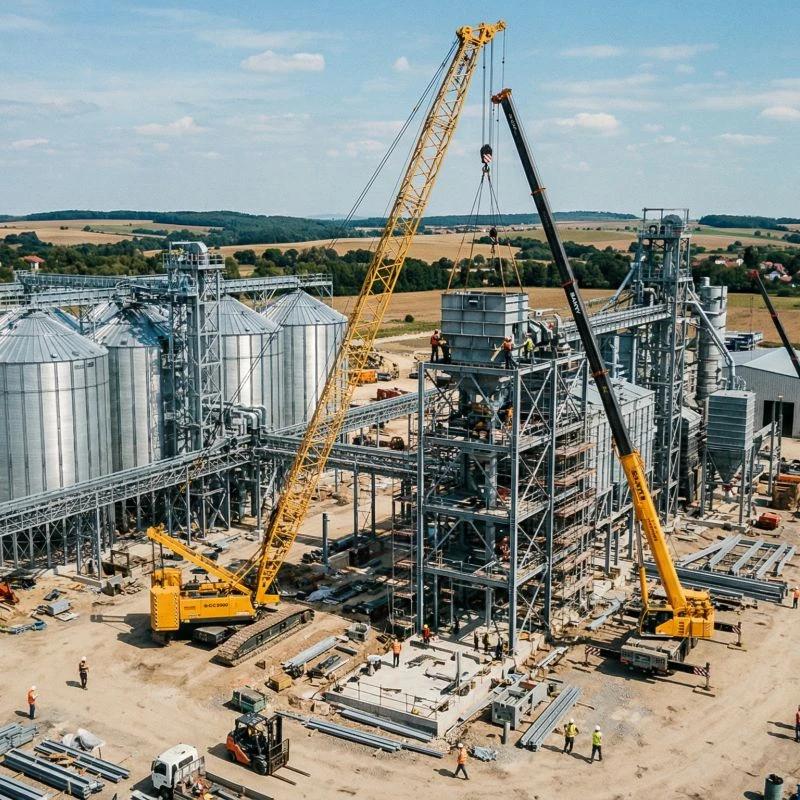
Installation, Commissioning & Training
After equipment delivery, we provide complete technical support for installation, commissioning, and operation training. Our team helps customers complete equipment assembly, production testing, parameter adjustment, and operator guidance, ensuring the rabbit feed mill can achieve stable production according to the designed capacity and feed quality requirements.
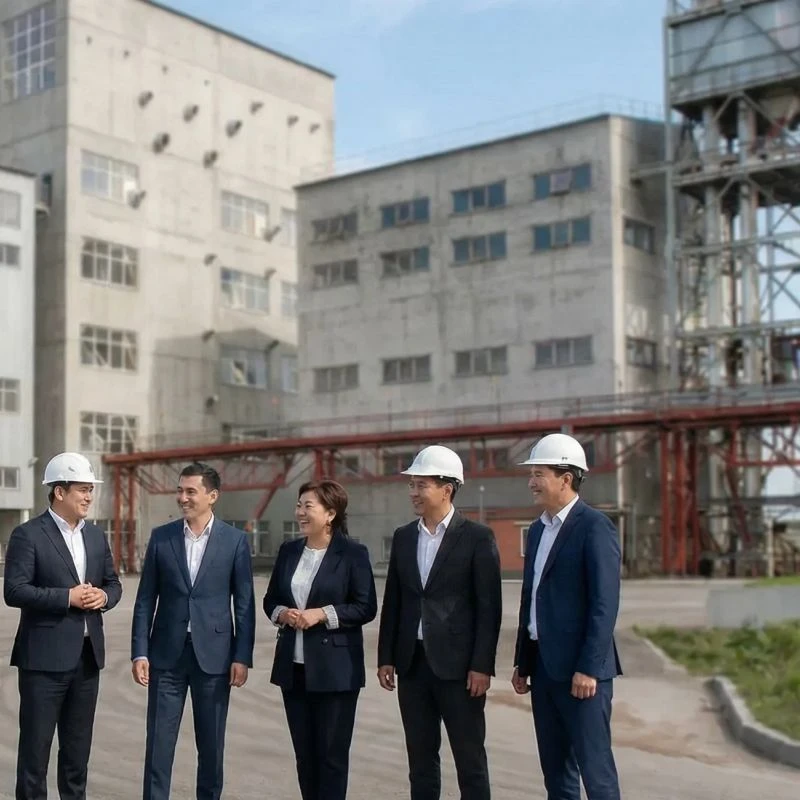
Lifetime Technical Support & After-Sales Service
Our service continues after project completion through long-term technical support, spare parts supply, production consultation, and regular project follow-up. We help customers solve operational issues, maintain equipment performance, and improve production efficiency throughout the entire service life of the rabbit feed production system.
Free Customization Services
To help customers better understand and plan their investment, we provide a series of free professional services before and after purchasing a rabbit feed mill. These services cover project planning, engineering design, equipment operation, and production support, allowing customers to evaluate their project more clearly before construction.
From initial cost estimation to production guidance after installation, our team provides practical assistance based on your raw materials, factory conditions, production capacity, and business requirements.

Free Project Cost Estimate
Free Process Design Package
Free Factory & Civil Engineering Design
Free Electrical Circuit Design
Free Project Documentation
Free Remote Installation Guidance
Free Operation Guidance
Free Employee Training
Equipment Solutions for Rabbit Feed Production
A reliable rabbit feed mill requires the right combination of equipment to achieve stable production, consistent feed quality, and efficient operation.
We provide complete equipment solutions covering the entire feed manufacturing process, including raw material receiving and cleaning systems, hammer mills, grass and straw crushers, batching and weighing systems, mixers, pellet mills, cooling systems, screening machines, conveyors, elevators, packing machines, dust collection systems, liquid adding systems, storage bins, silos, and electrical control systems.
Based on different feed formulas, raw material characteristics, and production capacities, we customize the equipment configuration to help customers build efficient rabbit feed production facilities.
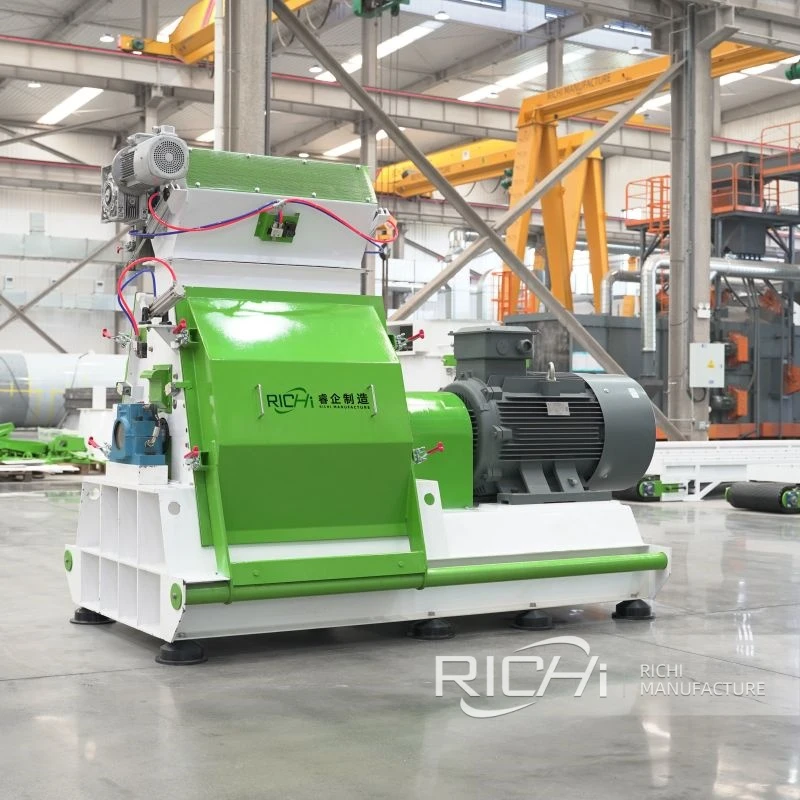
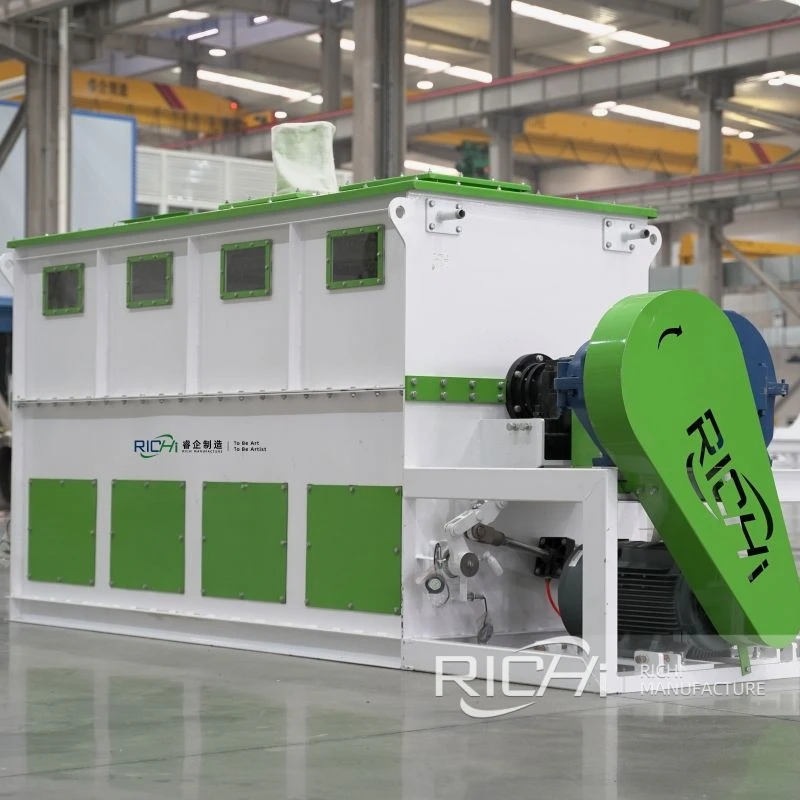
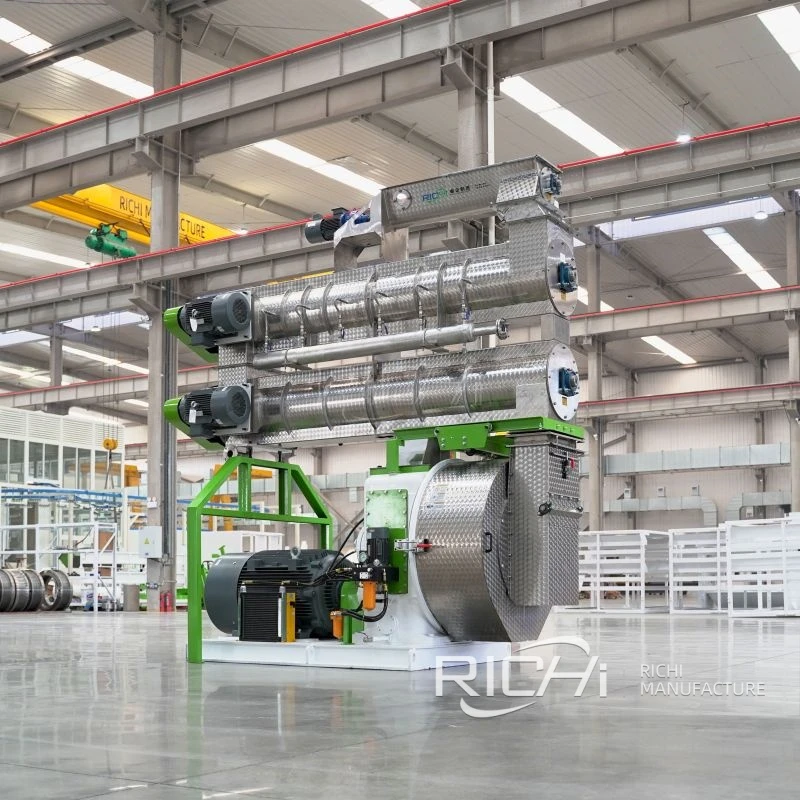
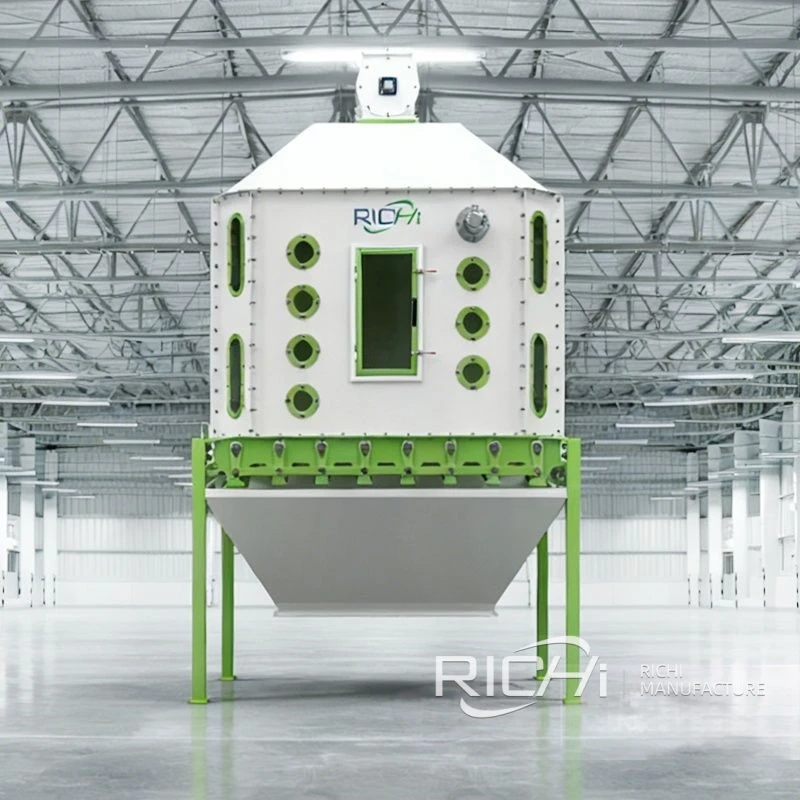
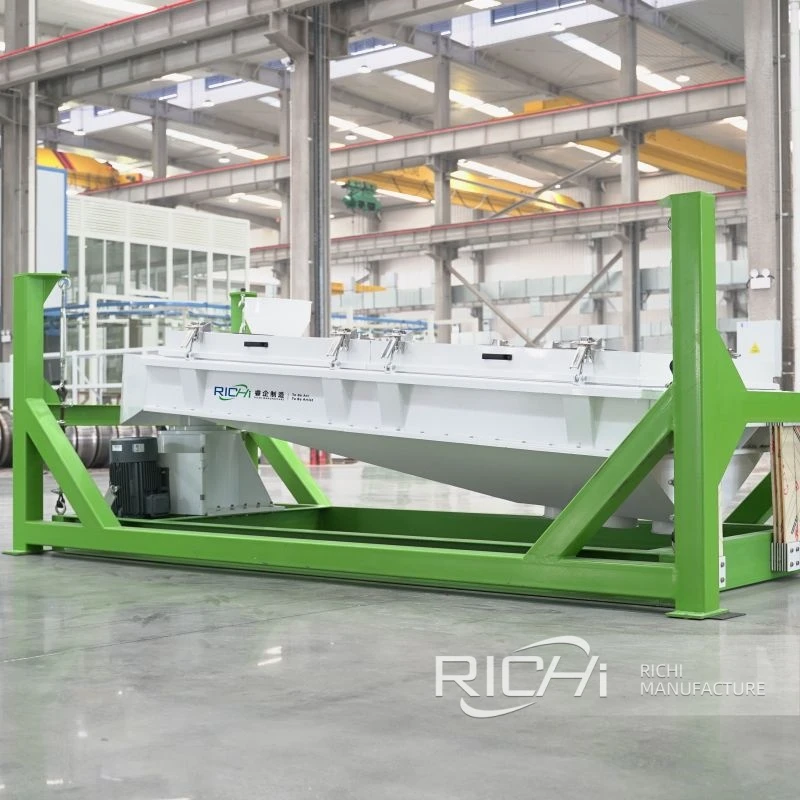
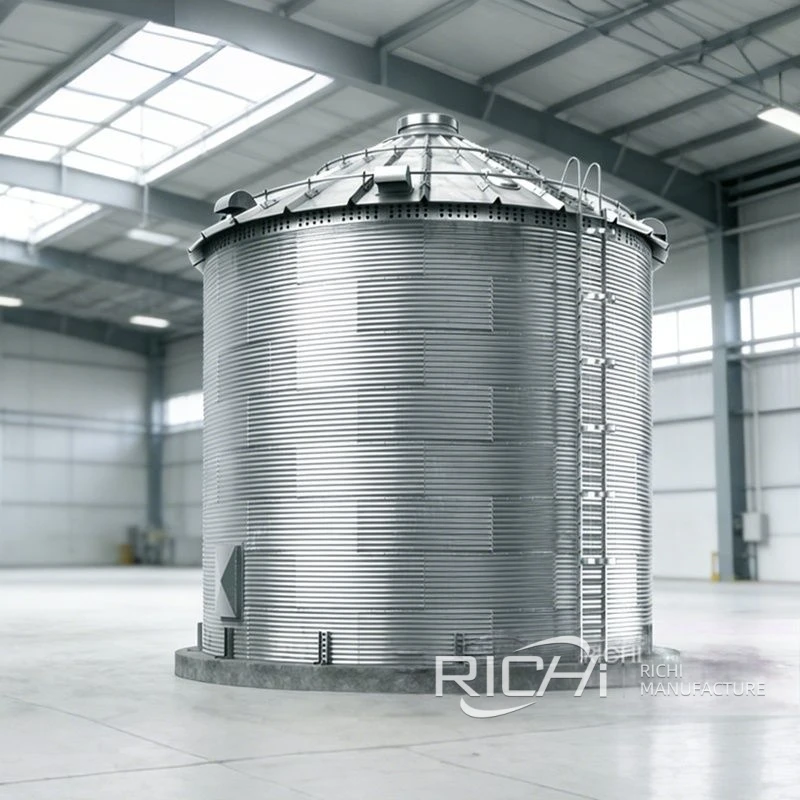
What’s shown above is a fraction of what’s actually running on a typical line — the full fully automatic cattle feed plant equipment list covers every machine, with specs, by category.
Why Investing in a Rabbit Feed Mill Has Growing Market Potential
The demand for professionally produced rabbit feed is increasing as rabbit farming develops from small household operations into more organized commercial businesses. Farmers and feed producers are looking for stable feed quality, balanced nutrition, and reliable supply, creating new opportunities for investors who establish their own rabbit feed mill. Compared with buying finished feed, local feed production allows businesses to control costs, utilize regional raw materials, and develop customized formulas for different rabbit farming models.
The most profitable opportunities are often found in flexible production rather than single-product manufacturing. A well-designed rabbit feed plant can produce different products such as complete rabbit pellets, high-fiber alfalfa feed, young rabbit starter feed, mash feed, and even other livestock or fish feed products on the same production system. This multi-purpose approach helps customers improve equipment utilization, expand market coverage, and create more stable revenue sources.
With experience in designing feed production projects worldwide, we help customers evaluate market opportunities, select suitable capacity, and build practical production solutions according to local conditions. Contact our team to discuss your rabbit feed mill investment plan and discover a suitable way to start or expand your feed business.
Discuss Your Rabbit Feed Business Plan
Rabbit Feed Types & Raw Materials
Rabbit feed production requires more than selecting ingredients. Different regions, farming systems, and rabbit growth stages require different formulas, raw material processing methods, and production technologies. Our rabbit feed mill solutions are designed around each customer’s actual requirements, including common ingredients such as corn, wheat, barley, soybean meal, wheat bran, rice bran, alfalfa hay, grass meal, and oats, as well as special materials such as beet pulp, cassava meal, crop residues, and local forage resources.
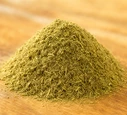
Alfalfa Meal
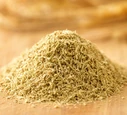
Timothy Hay Meal
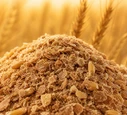
Wheat Bran
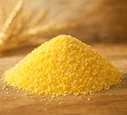
Corn Meal
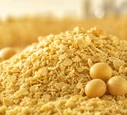
Soybean Meal
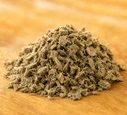
Beet Pulp
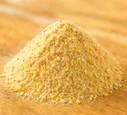
Vitamin & Mineral Premix
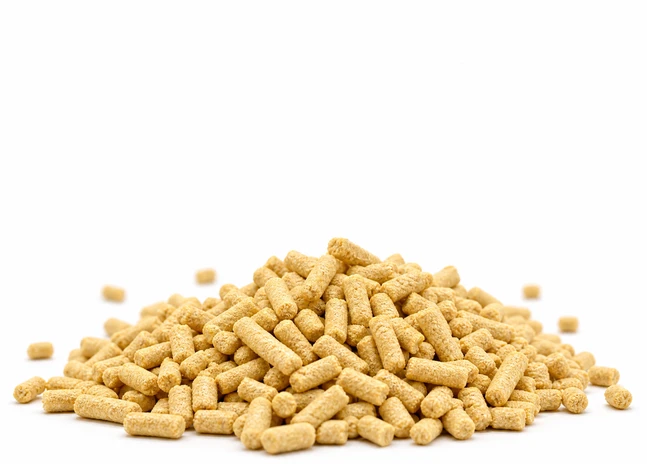
Rabbit Starter Feed
Rabbit starter feed is mainly designed for young rabbits after weaning, when digestive systems are still developing and require highly digestible nutrition. Common formulas usually include corn, soybean meal, wheat bran, milk powder substitutes, alfalfa meal, oat meal. beet pulp and vitamin-mineral additives
For this type of feed, the rabbit feed mill usually requires finer grinding, accurate micro-ingredient dosing, and stable pellet formation. Typical pellet sizes are around 2-3 mm, allowing young rabbits to consume feed easily.
Customize Rabbit Starter Feed Production Line
Rabbit Grower Feed
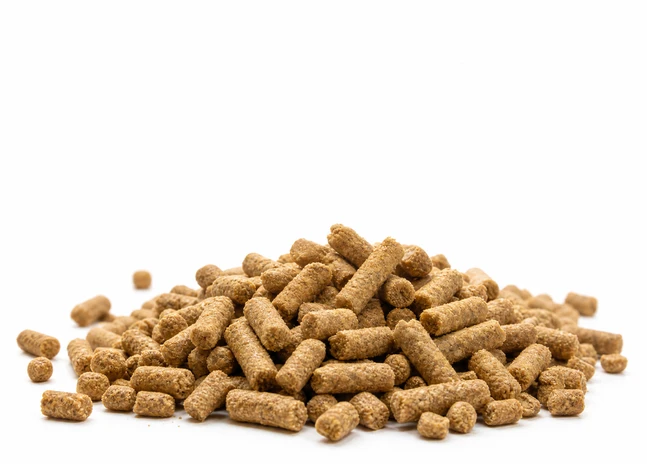
Rabbit grower feed is one of the most commonly produced rabbit feeds for commercial meat rabbit farms. A typical pellet size is 3-5 mm.
The formula usually balances energy, protein, and fiber requirements with ingredients such as corn, barley, wheat bran, soybean meal, alfalfa meal, and grass powder. In different markets, we have also handled formulas containing cassava meal, rice bran, sunflower meal, and local forage materials.
Build Your Rabbit Grower Feed Solution
Rabbit Finisher Feed
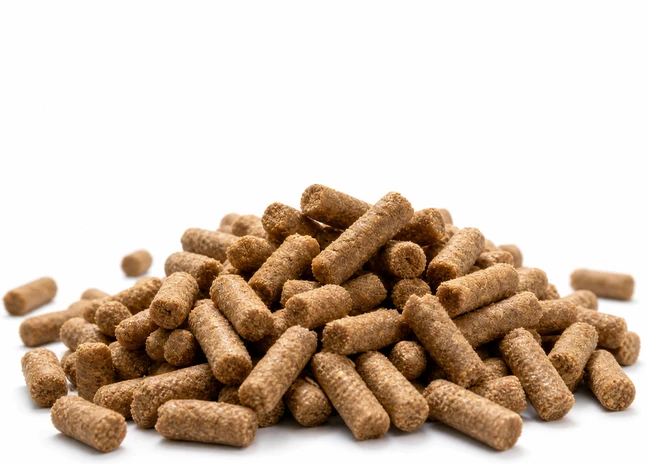
Rabbit finisher feed is developed for the final growth stage before market, focusing on efficient weight gain and feed conversion. Commercial formulas often use energy-rich ingredients such as corn, wheat, barley, soybean meal, wheat bran, and vegetable protein sources, while maintaining sufficient fiber through alfalfa hay or grass meal.
For finisher feed production, customers usually require stable pellet hardness and high production efficiency. Many commercial rabbit feed projects use 3-5 mm pellets with continuous production systems.
Design Your Rabbit Finisher Feed Plant
Breeding Rabbit Feed
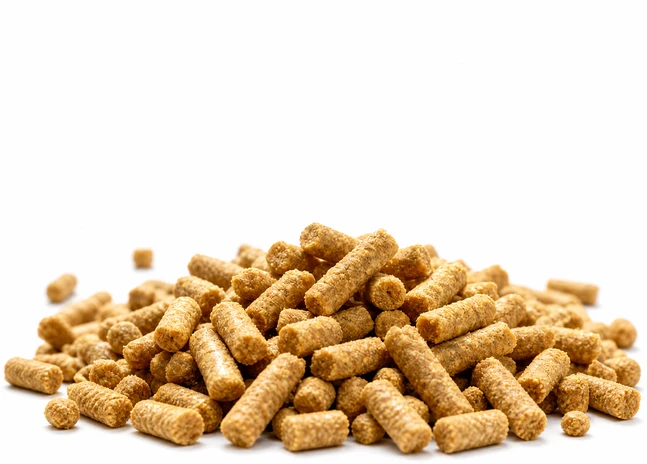
Breeding rabbit feed requires a carefully balanced formula to support reproductive performance and long-term animal health. Typical raw materials include alfalfa hay, soybean meal, oats, barley, wheat bran, minerals, and functional additives.
Some breeding farms also use special ingredients such as beet pulp or high-quality forage meals depending on regional availability.
Create a Breeding Rabbit Feed Production Plan
Lactating Doe Feed
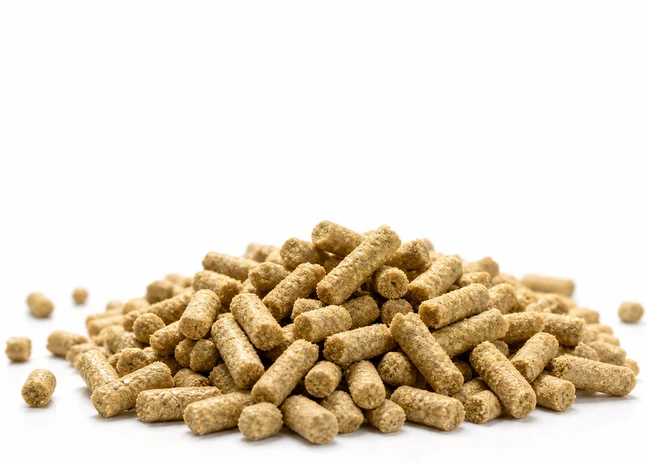
Lactating doe feed requires higher nutritional density to support milk production and maintain body condition. Common formulas include corn, soybean meal, alfalfa meal, wheat bran, oats, vegetable oils, minerals, and vitamin additives.
In some regions, customers also use local resources such as rice bran, sunflower meal, or other agricultural by-products.
Develop Your Custom Rabbit Feed Manufacturing Solution
Typical rabbit Feed Formulas
Alfalfa-Based Rabbit Grower Feed Formula
Alfalfa meal
35%
Wheat bran
20%
Corn
18%
Soybean meal
15%
Rice bran
7%
Mineral & vitamin premix
…
Timothy Hay Meal Rabbit Feed Formula
Timothy hay meal
40%
Barley
18%
Wheat bran
15%
Soybean meal
15%
Oat meal
7%
Premix & additives
…
Beet Pulp Rabbit Feed Formula
Beet pulp
25%
Alfalfa meal
25%
Corn
18%
Wheat Bran
15%
Soybean meal
10%
Premix
…
Grain-Based Commercial Rabbit Pellet Feed Formula
Corn
30%
Wheat Bran
25%
Soybean Meal
18%
Rice bran
12%
Alfalfa Meal
10%
Premix
…
Straw & Crop Residue Rabbit Feed Formula
Wheat straw meal
30%
Corn
20%
Alfalfa meal
20%
Rice bran
15%
Soybean meal
10%
Premix
…
Breeding Rabbit Feed Formula
Alfalfa meal
30%
Soybean Meal
20%
Oats
15%
Corn
15%
Beet pulp
10%
Premix & additives
…
As a professional feed machinery manufacturer and turnkey project provider, we customize the complete production process according to raw material characteristics, formula requirements, and final feed products.
Whether customers produce fine starter pellets, high-fiber forage feed, breeding rabbit feed, or multi-purpose feed products, we design suitable crushing, mixing, pelletizing, cooling, and packaging systems to achieve stable production.
Rabbit Feed Mill FAQ
How much does a rabbit feed mill cost?
+
The investment for a rabbit feed mill depends mainly on production capacity, raw material type, automation level, and the required processing functions. A small grain-based rabbit feed production line with 1-2T/H capacity usually costs around $10,000-$50,000, while larger industrial rabbit feed plant projects can reach several million dollars.
For grain-based formulas, the common investment range is:
| Capacity | Estimated Cost |
|---|---|
| 1-2T/H | $10,000-$50,000 |
| 3-4T/H | $50,000-$120,000 |
| 5-7T/H | $70,000-$250,000 |
| 8-10T/H | $150,000-$300,000 |
| 12-20T/H | $250,000-$580,000 |
| 25-40T/H | $450,000-$850,000 |
| 50-60T/H | $900,000-$1,400,000 |
| 60-80T/H | $1,450,000-$1,800,000 |
| 80-100T/H | $2,000,000-$3,000,000 |
For rabbit feed pellet plants using high-fiber materials such as alfalfa, Timothy Hay Meal, beet pulp, straw, or crop residues, the equipment configuration is different because grinding, drying, and fiber handling systems may be required. For example, a 0.3-2T/H grass-based rabbit feed production line is usually around $37,000-$62,000, while a 4-20T/H system may range from $300,000-$620,000.
The final quotation is not based only on tons per hour. Our engineers usually check the formula, moisture content, required pellet size, factory space, and automation requirements before designing a complete rabbit feed plant.
Can one rabbit feed production line make different types of rabbit feed?
+
Yes. Many commercial rabbit feed factories do not produce only one formula. A properly designed rabbit feed manufacturing line can switch between starter feed, grower feed, finisher feed, breeding rabbit feed, and lactating doe feed.
The main challenge is not changing the formula — it is preventing cross-contamination between batches. For example, a high-fiber breeder feed containing more Timothy Hay Meal or alfalfa may require different grinding and conditioning settings compared with a grain-rich grower pellet.
For customers planning long-term expansion, we usually recommend a flexible batching system, adjustable pellet mill configuration, and proper storage design. This allows one rabbit feed mill to serve different farms or markets without rebuilding the entire production system.
Can my existing feed factory be upgraded instead of building a new rabbit feed plant?
+
Yes, many rabbit feed projects are actually factory renovation projects rather than completely new construction.
When upgrading an existing feed factory, the first things we evaluate are the current hammer mill capacity, mixer performance, pellet mill condition, building height, electrical system, and material flow. Sometimes the existing warehouse structure is suitable, but the internal equipment layout causes production bottlenecks.
For example, an old poultry feed factory may already have a batching and mixing section. In this case, the project may only need new rabbit feed pellet equipment, fiber processing equipment, or a new packaging system instead of replacing everything.
A good renovation plan can reduce investment while improving production stability.
What raw materials can be used in a rabbit feed mill?
+
Rabbit feed formulas vary greatly between regions. The equipment should be designed according to the actual materials available in the customer’s area.
Common ingredients include corn, wheat bran, barley, soybean meal, rice bran, alfalfa meal, Timothy Hay Meal, beet pulp, oat, cassava, palm kernel meal, and agricultural fiber materials.
Different materials create different production requirements. For example, beet pulp increases fiber content and water absorption, while hay meals require better grinding control because long fibers can affect pellet forming.
During the design of a rabbit feed processing plant, we consider not only the formula but also particle size, moisture, storage condition, and seasonal raw material changes.
Do I need a dryer for a rabbit feed pellet production line?
+
Not every rabbit feed mill requires a dryer. It depends on the raw materials.
For standard grain-based rabbit feed pellets using corn, wheat bran, soybean meal, and minerals, drying is usually unnecessary because the moisture level is relatively controllable.
However, when customers use fresh grass, high-moisture alfalfa, crop residues, or wet agricultural by-products, a drying system may become important. Excess moisture can reduce grinding efficiency, affect pellet durability, and create storage problems.
In several grass-based rabbit feed projects, the drying section was added before grinding because the raw materials arrived with unstable moisture levels. The correct solution is not always adding more machines — it is matching the equipment configuration with the real material situation.
How much factory space is required for a rabbit feed mill?
+
The required factory area depends on production capacity, automation level, and whether the project includes raw material storage, silos, finished feed warehouse, and packaging systems.
For a small rabbit feed production line of around 1-2T/H, many customers can arrange production in a workshop of several hundred square meters. However, larger rabbit feed factories need more space because material flow becomes more complex. A 20T/H or higher rabbit feed production plant usually requires separate areas for raw material receiving, crushing, batching, pelletizing, cooling, screening, and finished product storage.
One thing buyers often overlook is vertical space. The height of the building affects whether we can install gravity feeding systems, storage bins, and automatic batching equipment. Before designing a complete rabbit feed plant, our engineers check the available building dimensions and create a layout that matches the actual factory condition.
Does a rabbit feed mill need underground pits for installation?
+
Not every rabbit feed processing plant requires underground pits. The necessity depends on the equipment layout, automation level, and material handling method.
For small rabbit feed pellet plants, conveyors and elevators can usually be arranged above ground, which reduces civil construction costs. For larger automatic rabbit feed plants, some customers choose pits under receiving points or conveyors because it can improve material flow and reduce transfer height.
However, building too many pits is not always better. In some countries with high groundwater levels or strict construction requirements, deep pits can increase project difficulty and maintenance costs. During the design stage, we normally balance installation convenience, cleaning requirements, and future maintenance access.
Can a rabbit feed pellet machine process high-fiber materials like hay and straw?
+
Yes, but high-fiber rabbit feed requires a different equipment configuration compared with normal grain formulas.
Materials such as alfalfa hay, Timothy Hay Meal, wheat straw, and crop residues usually have longer fiber structures. If the grinding size is too large, the pellet surface may become rough or the pellet strength may decrease. If the material is over-ground, energy consumption increases unnecessarily.
For these formulas, the rabbit feed pellet machine is usually combined with stronger grinding equipment, proper conditioning, and sometimes drying systems. We have handled projects where customers used local agricultural residues instead of traditional grains, so the rabbit feed manufacturing equipment was designed around the available raw materials rather than a standard formula.
Can I use beet pulp in my rabbit feed production line?
+
Yes. Beet pulp is commonly used in rabbit feed formulas, especially in regions where sugar beet processing is developed.
The characteristics of beet pulp are different from grains. It has good fiber value but also absorbs moisture easily, which affects mixing and pellet forming. When the percentage of beet pulp increases, the conditioning process and pellet mill settings usually need adjustment.
For customers using beet pulp together with alfalfa meal, soybean meal, barley, or wheat bran, we normally evaluate the complete formula before selecting the rabbit feed processing equipment. A formula that works well in a small test may require adjustment when scaled up to a commercial rabbit feed manufacturing line.
Can a rabbit feed pellet plant produce feed for other animals?
+
Yes. Many customers choose multi-purpose feed equipment because it improves equipment utilization and investment return.
A well-designed rabbit feed mill can often process other pellet feeds, such as guinea pig feed, small livestock feed, poultry feed, or certain fiber-based animal feeds. The possibility depends on the raw materials, pellet size requirements, and formula differences.
For example, a customer investing in a 10T/H rabbit feed production line may later want to produce small animal feed during periods of lower rabbit feed demand. In this situation, the batching system, mixer, pellet mill, and packaging section should be planned with future flexibility in mind from the beginning.
What pellet size is suitable for rabbit feed pellets?
+
The pellet size depends on the rabbit growth stage, feeding method, and farm management system. There is no single pellet diameter suitable for every rabbit farm.
For young rabbits, many customers prefer smaller pellets, usually around 2-3 mm, because they are easier to consume. Grower and finishing rabbit feeds are often produced in 3-5 mm pellets, while some breeding rabbit farms may choose slightly larger pellets depending on feeding equipment.
When designing a rabbit feed pellet production line, we consider the pellet diameter together with die compression ratio, raw material characteristics, and pellet durability requirements. A formula containing more hay meal or fiber materials may require different die specifications compared with a grain-based formula.
How do I choose the right capacity for my rabbit feed mill?
+
The correct capacity is usually determined by current market demand and future expansion plans, not only by the number of rabbits being raised today.
Small farms or local feed suppliers often start with 1-2T/H or 3-4T/H rabbit feed production lines because the investment is lower and operation is easier. Commercial feed manufacturers supplying multiple farms may consider 10T/H, 20T/H, or higher capacity rabbit feed factories.
One common mistake is selecting equipment only based on maximum output. A pellet mill running continuously near its limit may increase maintenance frequency. During project planning, we normally calculate daily working hours, expected sales volume, raw material availability, and future product expansion before recommending the production scale.
Can I replace my old rabbit feed pellet machine with a new production system?
+
Yes. Many existing feed factories upgrade their equipment instead of constructing a completely new rabbit feed plant.
Older pellet machines often become the production bottleneck because of lower efficiency, unstable pellet quality, higher energy consumption, or difficulty processing modern formulas with more fiber ingredients.
For a replacement project, we usually check whether the existing crushing, mixing, conveying, and packaging sections can still be used. Sometimes only the core pelletizing section needs improvement; in other cases, upgrading the batching system or adding better material handling equipment creates a larger production improvement.
A good renovation plan should improve the whole rabbit feed manufacturing system, not simply replace one machine.
What equipment is included in a complete rabbit feed production line?
+
A complete rabbit feed production line normally includes multiple processing sections instead of only a rabbit feed pellet machine.
Depending on the formula, the system may include raw material cleaning equipment, hammer mill, grinder machine, batching system, mixer, pellet mill, cooling machine, crumbler, screening machine, automatic packaging line, and conveying equipment.
For customers using grass, straw, or crop residues, additional equipment such as bale breakers, hay grinders, or drying systems may be required. The final configuration depends on whether the rabbit feed processing plant mainly handles grains, fiber materials, or mixed formulas.
Can a rabbit feed manufacturing line run automatically with fewer workers?
+
Yes. An automatic rabbit feed plant can significantly reduce manual operation, especially for medium and large production projects.
A modern automatic rabbit feed mill can integrate automatic batching, centralized control, material conveying, pellet cooling, weighing, and packaging systems. Operators mainly monitor production data instead of manually transferring materials between each section.
However, automation level should match the actual business scale. For a small 1-2T/H project, a fully automated system may not always provide the best investment return. For larger rabbit feed factory projects, automation usually becomes more valuable because it improves production consistency and reduces labor dependence.
What information do you need before designing a rabbit feed mill project?
+
Before designing a rabbit feed mill, we normally need more than just the expected capacity.
The basic information includes production target, available raw materials, feed formulas, pellet size requirements, factory dimensions, local electricity conditions, and whether the project is a new factory or an upgrade.
For example, a customer using mainly corn and soybean meal will need a different rabbit feed production line compared with a customer using alfalfa, beet pulp, Timothy Hay Meal, or agricultural residues. These details directly affect grinder selection, pellet mill configuration, conditioning requirements, and investment cost.
Providing complete project information at the beginning helps avoid unnecessary equipment changes later.
Can a rabbit feed mill be customized according to local electricity and factory conditions?
+
Yes. Feed production projects are rarely identical because every country has different construction conditions, power standards, and raw material situations.
For overseas customers, the rabbit feed machinery can be designed according to local voltage, workshop layout, available space, and operation habits. For example, some customers have limited building height, while others need outdoor silos or compact layouts because of land restrictions.
A professional rabbit feed manufacturing equipment supplier should not simply provide a standard machine list. The production line needs to fit the customer’s actual working environment.
How long does it take to install a complete rabbit feed production line?
+
The installation period depends on the project size, equipment complexity, and preparation of the customer’s site.
A small rabbit feed pellet plant may require a shorter installation period because the equipment system is simpler. Larger rabbit feed factory projects with automatic batching, multiple silos, steel structures, and packaging systems require more time for mechanical installation, electrical connection, commissioning, and operator training.
Before shipment, the equipment layout, foundation requirements, and installation drawings are prepared to help customers complete site preparation. For overseas projects, remote guidance or on-site technical support can be arranged according to project requirements.
What power supply is required for a rabbit feed production line?
+
The power requirement depends mainly on production capacity and equipment configuration.
A small 1-2T/H rabbit feed production line usually requires much less power compared with a large industrial rabbit feed mill equipped with automatic batching, grinding systems, conveyors, and packaging automation.
The motor power is also affected by raw materials. A formula containing a high percentage of hay meal or straw may require stronger grinding equipment than a standard grain formula. Before finalizing the equipment list, the engineering team calculates the total installed power and operating load according to the complete rabbit feed processing system.
Do you provide turnkey rabbit feed plant solutions?
+
Yes. Many customers prefer a complete project solution instead of purchasing individual machines separately.
A turnkey rabbit feed plant normally covers process design, equipment selection, manufacturing, layout planning, installation guidance, commissioning support, and operation training. This approach helps customers avoid compatibility problems between different machines.
RICHI Machinery focuses on complete feed production projects, including rabbit feed manufacturing plants, rabbit feed pellet production lines, and customized animal feed processing systems. Whether the project is a small commercial rabbit feed factory or a large industrial production plant, the equipment configuration is designed according to the customer’s formula, capacity target, and local conditions.
Can a rabbit feed mill handle frequent formula changes?
+
Yes. Formula flexibility is an important consideration for many commercial rabbit feed manufacturers.
In real production, customers rarely produce only one formula throughout the year. A rabbit feed factory may need to switch between starter feed, grower feed, breeding rabbit feed, and high-fiber formulas depending on farm demand.
When designing a rabbit feed production line, we consider the frequency of formula changes. A suitable batching system, proper material storage arrangement, and easy-to-clean conveying system can reduce downtime when changing products.
For customers producing multiple rabbit feed pellets, the equipment layout is usually more important than simply choosing a larger machine.
How can I reduce feed loss during rabbit feed production?
+
Feed loss usually comes from several points: material transfer, dust generation, inaccurate batching, pellet breakage, and poor screening control.
A well-designed rabbit feed processing plant reduces unnecessary losses through better sealing of conveyors, accurate weighing systems, efficient cooling, and proper pellet screening. Especially for commercial rabbit feed pellets, too much fine powder after production can reduce product value.
During project design, we pay attention to details that are often ignored, such as the height difference between machines, conveying speed, and how finished pellets enter the packaging section.
Do I need a separate storage system for different rabbit feed raw materials?
+
It depends on the production scale and formula complexity.
Small rabbit feed pellet plants may use bagged raw materials and manual feeding, while larger rabbit feed manufacturing plants usually require dedicated storage bins or silos for frequently used ingredients such as corn, wheat bran, soybean meal, and mineral additives.
For customers using special ingredients like beet pulp, Timothy Hay Meal, or alfalfa meal, separate storage is often recommended because these materials have different moisture absorption characteristics and flow behavior.
A proper storage design helps maintain formula accuracy and keeps the rabbit feed production line running smoothly.
Can a rabbit feed pellet machine produce both hard pellets and softer pellets?
+
Yes, but pellet characteristics depend on more than the pellet machine itself.
The final pellet quality is affected by raw materials, grinding fineness, moisture level, conditioning temperature, die specification, and compression ratio.
For example, a formula with more fiber ingredients usually behaves differently from a grain-based formula. Customers producing young rabbit feed may require smaller and easier-to-consume pellets, while commercial grower feed may focus more on durability during transportation.
The rabbit feed pellet machine needs to match the formula requirements rather than using one fixed setting for all products.
How do you control dust in a rabbit feed production plant?
+
Dust control is an important issue, especially in enclosed feed factories.
Dust usually appears during raw material receiving, grinding, mixing, and material transfer. Excessive dust not only affects the working environment but can also increase cleaning requirements and material loss.
A complete rabbit feed processing plant normally considers dust collection points around grinders, conveyors, elevators, and other high-dust areas. For larger projects, centralized dust removal systems can be integrated into the production design.
Good dust control is not only about adding a filter — it is also about designing a cleaner material flow.
Can I start with a small rabbit feed plant and expand later?
+
Yes. Many customers choose a step-by-step investment model.
A small rabbit feed factory project with 1-2T/H or 3-4T/H capacity can be a practical starting point for local feed suppliers or rabbit farms. If market demand increases, additional storage, packaging systems, or upgraded pellet production equipment can be added later.
However, expansion should be considered from the beginning. For example, leaving enough space for future conveyors, mixers, silos, and electrical capacity can avoid expensive reconstruction.
A good rabbit feed manufacturing system should support future growth, not only current production.
What is the difference between a rabbit feed pellet mill and a complete rabbit feed plant?
+
A rabbit feed pellet mill is only one part of the production process. It mainly completes pellet forming.
A complete rabbit feed plant includes the entire production chain, such as raw material handling, grinding, batching, mixing, pelletizing, cooling, screening, and packaging. This complete system is responsible for stable production from raw materials to finished rabbit feed pellets.
For customers planning commercial production, choosing only a pellet machine may create problems later because other sections may not match the required capacity.
Can the rabbit feed production line use local agricultural waste materials?
+
Yes, and this is becoming more common in regions where agricultural by-products are available.
Materials such as crop straw, grass meal, rice bran, palm kernel meal, and other plant-based residues can sometimes be included in rabbit feed formulas after proper processing.
However, agricultural waste materials are not the same as conventional grains. Their moisture, fiber length, and density vary greatly, so the rabbit feed manufacturing equipment needs suitable crushing, drying, and pelletizing solutions.
The key is not simply adding more machines, but understanding how the local material behaves during processing.
What maintenance is required for rabbit feed production equipment?
+
Regular maintenance mainly focuses on wear parts and production stability.
For a rabbit feed pellet production line, common maintenance areas include pellet mill dies and rollers, grinder screens, mixer components, conveyor parts, and lubrication systems. The frequency depends on operating hours, raw material abrasiveness, and production capacity.
Customers using high-fiber materials should pay extra attention because these formulas may create different wear patterns compared with standard grain feed.
A properly designed rabbit feed machinery system should also allow easy inspection and replacement of key components.
What makes a rabbit feed factory project successful?
+
A successful rabbit feed factory project is not determined by one machine. It depends on whether the whole system matches the customer’s business plan.
Before starting production, important factors include local raw material supply, target customers, feed formulas, expected output, factory conditions, and future expansion plans.
From small commercial rabbit feed pellet plants to large-scale industrial rabbit feed manufacturing plants, the best solution is usually the one that balances investment, production stability, and future flexibility.