

 0086-138 3838 9622
Food Waste Pellet Machine
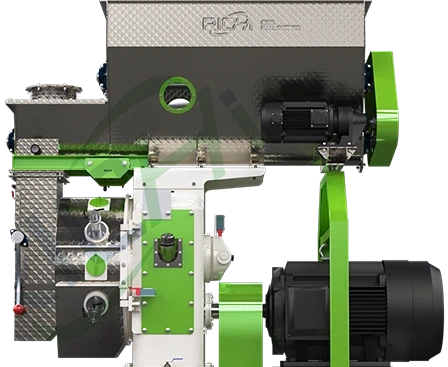
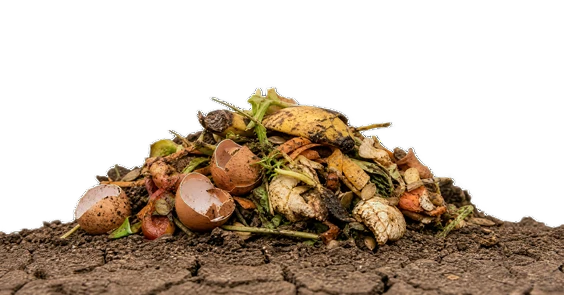
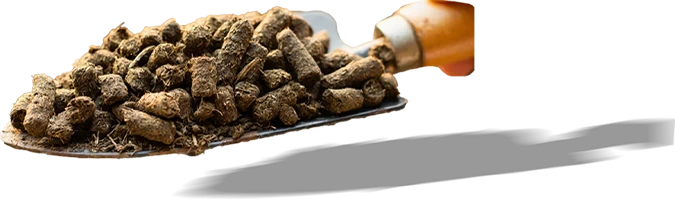
Food waste pellet machine is designed for converting unstable organic residues such as kitchen waste, food processing by-products, and restaurant waste into compact fertilizer pellets after proper drying and conditioning. Built for food waste recycling projects, it helps municipal plants, food factories, and organic fertilizer producers transform difficult-to-handle waste streams into valuable organic products.
Turning Food Residues into Valuable Fertilizer Products
A food waste pellet machine is developed for businesses that need a practical way to stabilize and reuse different organic waste materials, including kitchen waste, restaurant residues, food factory by-products, fruit and vegetable waste, and other composted organic materials. In real projects, food waste rarely arrives in the same condition, so the pelletizing system must be adapted according to the actual raw material characteristics rather than using a fixed setup.
After proper pretreatment such as sorting, dehydration, fermentation, drying, crushing, and mixing, the machine compresses processed food waste into uniform fertilizer pellets that are easier to store, transport, and apply.
Food waste recycling is the main application, but some customers also explore converting processed organic materials into animal feed. This requires stricter raw material control, additional processing equipment, and a higher investment level. If you are considering this direction, our engineers can evaluate your materials and production requirements separately.
Who Needs a Food Waste Pellet Machine?
Food Waste Recycling Companies
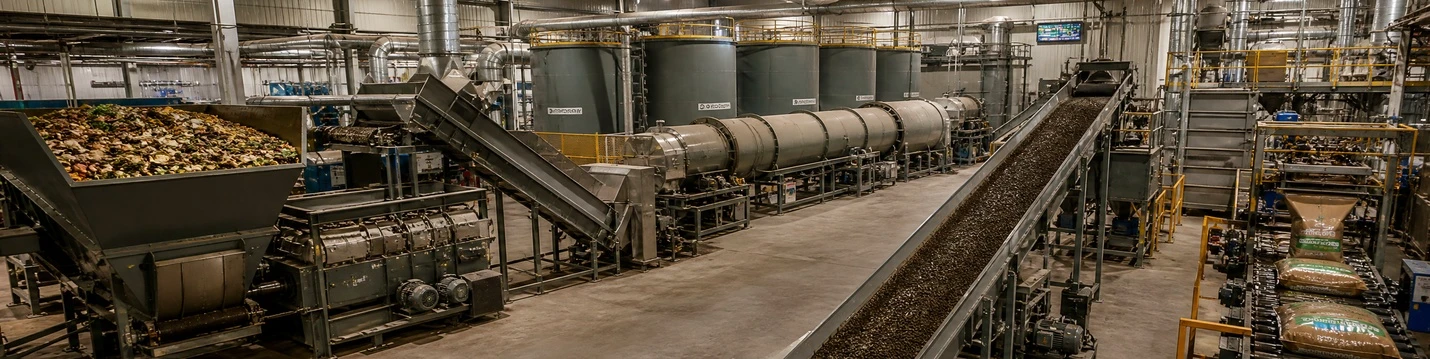
Food waste recycling companies handle mixed organic waste collected from households, restaurants, supermarkets, and commercial facilities. Their incoming materials often include leftover food, vegetable scraps, expired food products, and food factory residues.
These materials usually have high moisture content, changeable composition, strong odor, and a short storage period, making transportation and disposal expensive. A food waste pellet machine helps these companies process stabilized organic materials after sorting, fermentation, drying, and crushing.
Municipal Organic Waste Treatment Plants
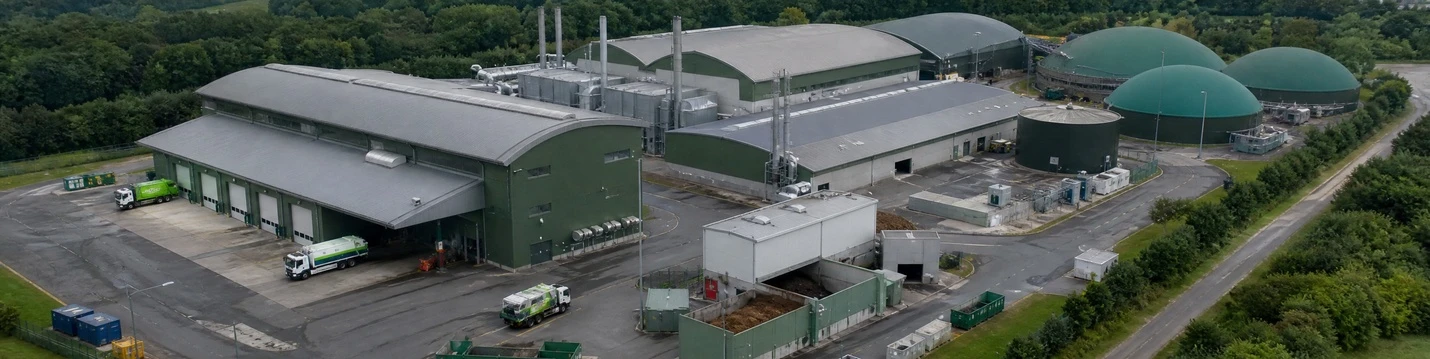
Municipal organic waste facilities and public-private waste treatment projects process large quantities of household kitchen waste, market waste, and restaurant waste generated from urban areas.
The main challenge is managing continuous waste inflow while reducing landfill dependence and improving recycling efficiency. For these projects, a food waste pellet machine provides a downstream solution after waste stabilization and drying.
Food Processing Factories
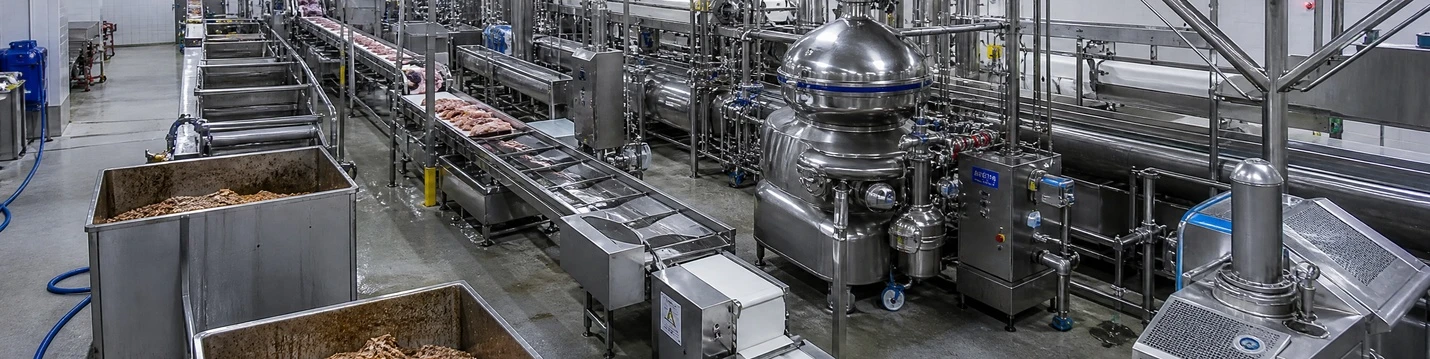
Food processing plants generate large amounts of organic residues during production, including meat processing waste, dairy residues, beverage by-products, fruit processing waste, vegetable trimming, and organic sludge from wastewater treatment systems.
The characteristics of these materials vary significantly — some are wet and soft, while others contain fibrous particles or unstable moisture levels. A properly configured food waste pellet machine allows factories to recycle these production residues instead of paying for waste disposal.
Restaurant & Catering Waste Treatment Companies
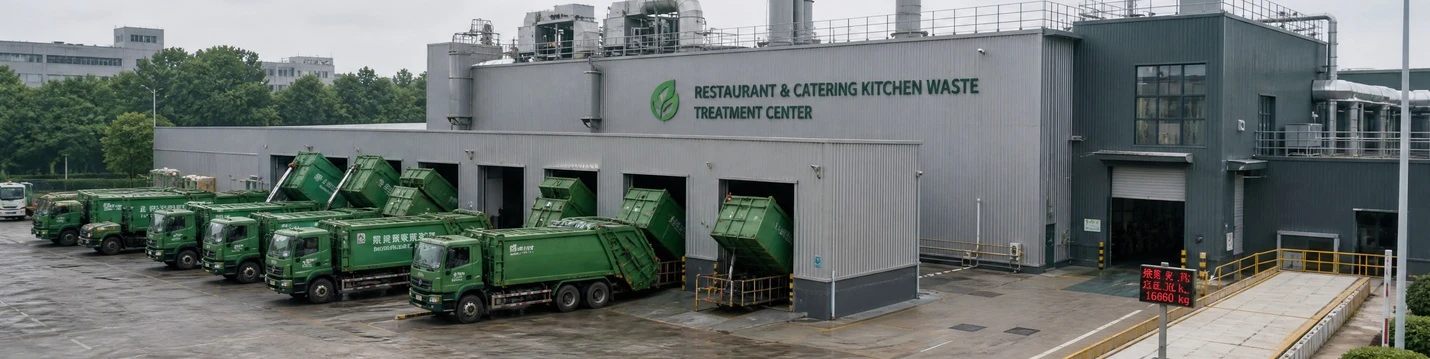
Restaurant chains, hotels, catering groups, and waste collection companies generate concentrated amounts of kitchen waste every day. Common materials include leftover meals, vegetable scraps, rice waste, and food preparation residues.
These materials typically contain high moisture and organic content, which causes rapid decomposition, odor problems, and difficulties in long-distance transportation. A kitchen waste pellet machine provides a practical option for centralized treatment facilities that collect this type of waste.
Organic Fertilizer Manufacturers
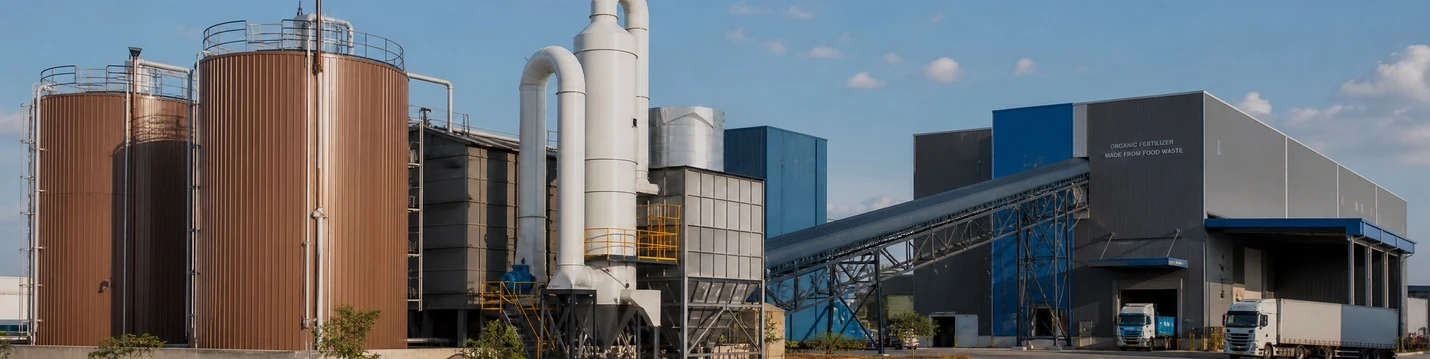
Organic fertilizer producers often purchase food waste, fruit waste, agricultural residues, and other organic materials as additional fertilizer sources. Their goal is not waste collection itself, but creating consistent raw materials for commercial fertilizer production.
For these companies, a food waste fertilizer pellet machine helps transform various organic inputs into marketable pellet fertilizer. The equipment can be integrated with crushing, mixing, drying, and screening systems to produce different fertilizer formulations according to customer requirements.
Besides the major customer groups above, customized food waste pelletizing solutions can also serve agricultural cooperatives, livestock farms with food processing waste, composting companies, biomass recycling enterprises, and organic waste management projects. Different raw materials require different processing methods. If your facility handles food waste or related organic materials and needs pelletizing, crushing, drying, or fertilizer processing equipment, our engineers can help evaluate a suitable solution.
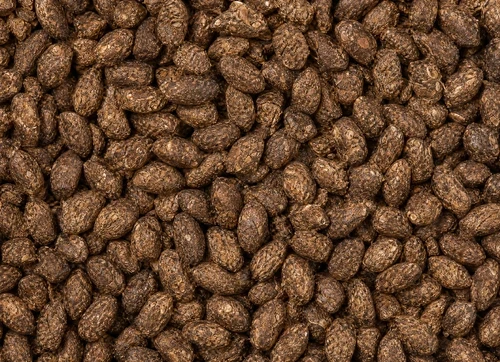
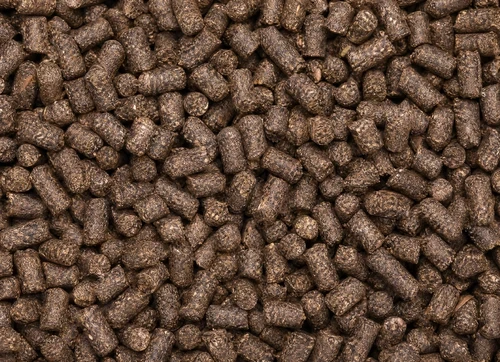
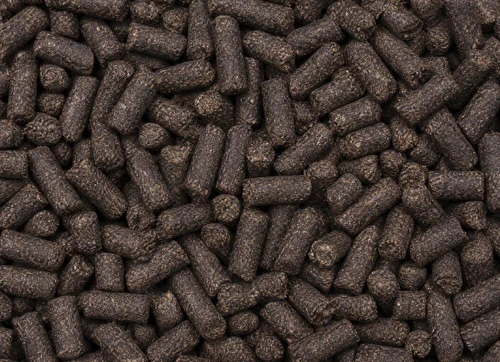
Materials Suitable for Food Waste Pelletizing
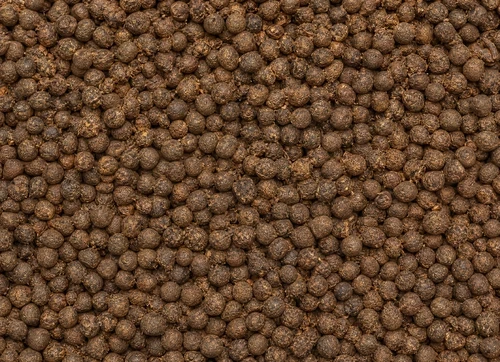
Food waste is not a single fixed material. In actual recycling projects, the raw materials entering the plant may come from different sources, with variations in moisture content, impurity levels, particle size, and organic composition. A properly configured food waste pellet machine can process stabilized food waste together with other suitable organic materials to improve pellet strength, control moisture, and create more consistent fertilizer products.
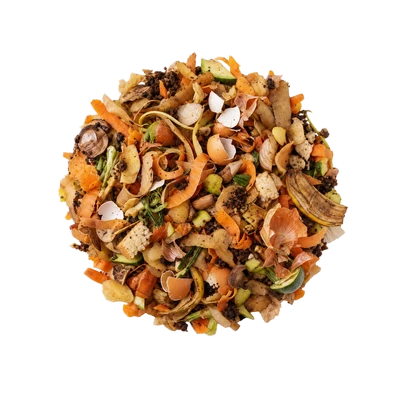
Common combinations include kitchen waste mixed with agricultural residues, forestry waste, livestock bedding materials, or other carbon-rich materials to balance the formulation. In addition to food waste, almost all organic materials suitable for fertilizer production — such as crop residues, wood processing waste, sludge, and animal manure — can be considered as complementary materials for producing organic fertilizer pellets according to the project requirements.
Kitchen Waste
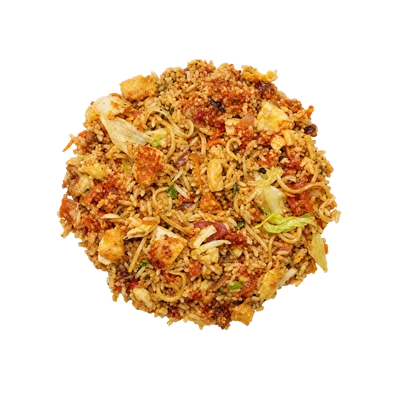
Restaurant Waste
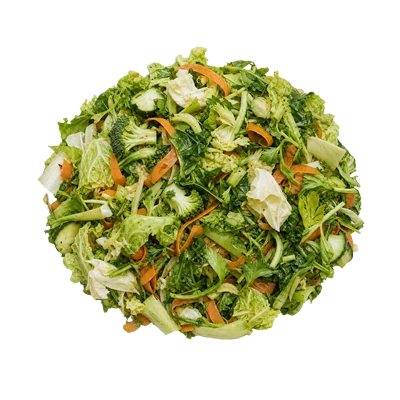
Vegetable Waste
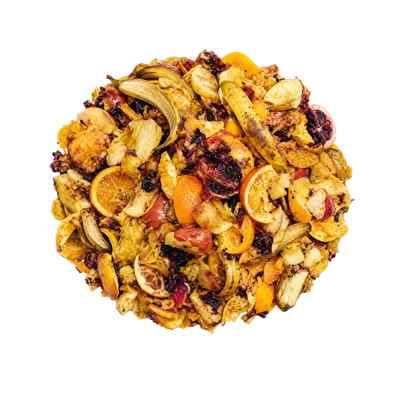
Fruit Waste
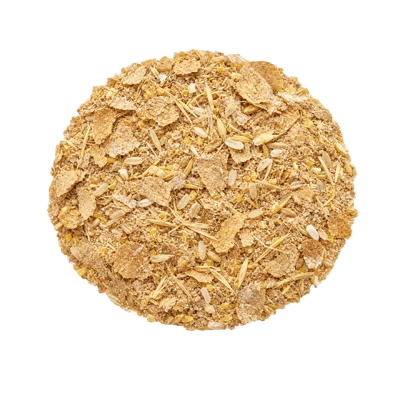
Grain Residues
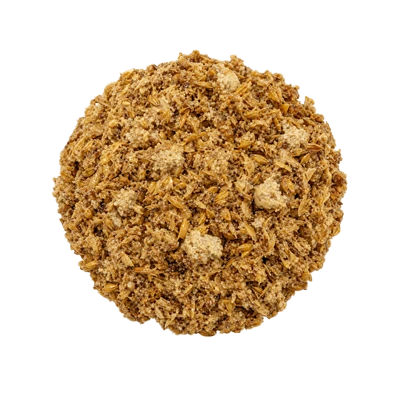
Brewery Waste
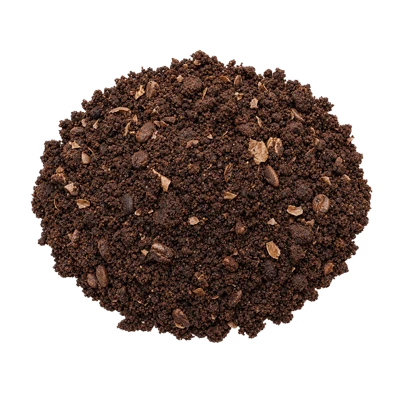
Coffee Waste
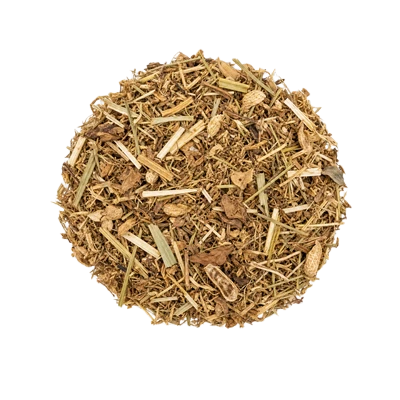
Agricultural Waste
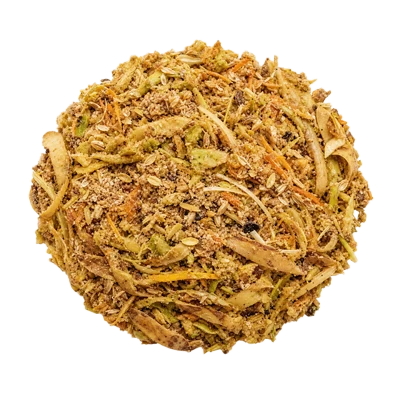
Food Processing Residues
Food Waste
From household kitchen waste to industrial food processing residues, the food waste pellet machine can be customized according to different organic waste characteristics. Whether your material has high moisture, mixed composition, or requires additional blending with agricultural, forestry, or livestock-derived materials, our engineers can evaluate the raw materials and recommend a suitable pelletizing solution.
Structural Design of Food Waste Pellet Machine
A food waste pellet machine is built around a heavy-duty ring die pelletizing system, with each component designed to handle the challenges of organic waste materials after fermentation, drying, and conditioning.
Because food waste often varies in moisture, fiber content, and bulk density, the machine structure focuses on stable feeding, continuous compression, wear resistance, and reliable operation in long-running fertilizer production environments.
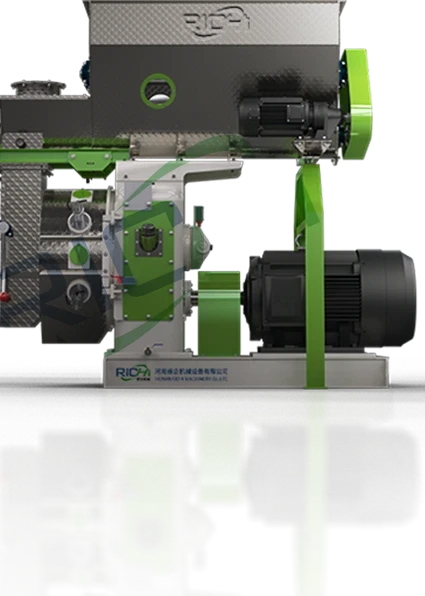
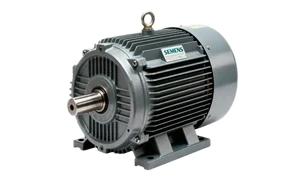
Equipped with reliable Siemens motors to provide consistent power output, efficient operation, and stable performance under continuous production conditions.
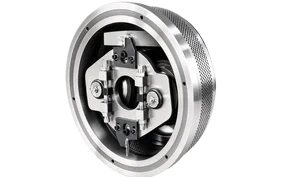
The optimized ring die design improves compression performance, pellet consistency, and resistance against cracking when processing variable food waste mixtures.
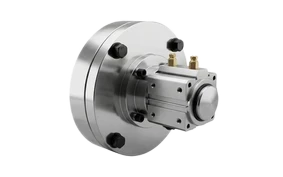
The overload protection system automatically responds to abnormal operating conditions, helping prevent major equipment damage and extending service life.
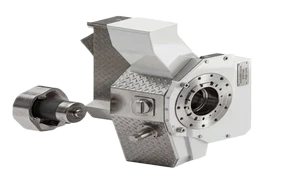
The forced feeder improves material flow into the pelletizing chamber, especially for food waste mixtures with uneven density or limited natural feeding ability.
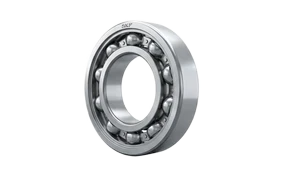
Imported SKF bearings and premium oil seals reduce friction, improve load capacity, and support long-term operation with lower maintenance requirements.
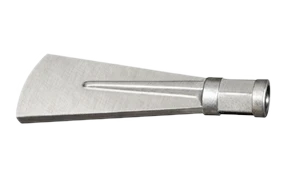
Adjustable cutters control pellet length according to fertilizer application requirements, ensuring uniform pellet appearance and convenient packaging.
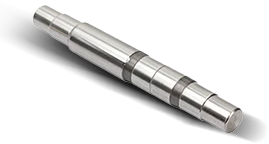
High-precision gear drive delivers stable torque transmission. The clamp-style ring die installation allows faster replacement and easier maintenance.
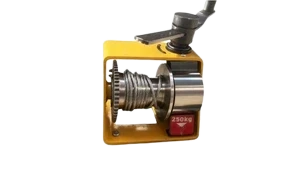
The lifting mechanism simplifies ring die replacement and inspection, reducing downtime during routine maintenance and production adjustments.
Advantages of Food Waste Pellet Machine for Organic Waste Recycling
A food waste pellet machine is not only a pelletizing unit but also a key investment for companies seeking to convert unstable organic waste into valuable fertilizer products. Designed around real waste-processing conditions, RICHI provides customized pelletizing solutions that consider raw material differences, production targets, and the long-term operating needs of global recycling projects.

Customized Design for Different Food Waste Conditions
Food waste composition changes from one project to another. RICHI adjusts pelletizer configurations, compression settings, and auxiliary equipment according to moisture level, fiber content, and material characteristics to achieve stable pellet production.

Built for Commercial-Scale Recycling Projects
RICHI has supplied fertilizer pelletizing solutions for customers worldwide, including organic waste treatment facilities and fertilizer producers. Our engineers focus on matching machine capacity, layout, and investment level with each project’s actual production requirements.

Flexible Solutions from Single Machine to Complete Lines
From individual food waste pellet machines to complete fertilizer production systems, RICHI provides solutions based on customer needs. Crushing, drying, mixing, screening, and packaging equipment can be combined for different processing goals.

Handles Multiple Organic Materials in One System
Food waste can be processed together with materials such as agricultural residues, sludge, manure, and forestry waste. This flexibility helps customers maintain production even when the composition and availability of raw materials change.

Better Value from Difficult Organic Waste
Instead of paying for waste disposal, customers can transform food residues, kitchen waste, and processing by-products into commercial fertilizer pellets. The compact pellet form reduces storage difficulty and improves product transportation efficiency.

How Food Waste Pellet Machine Works
Before entering the pelletizing chamber, food waste must go through preparation steps such as sorting, fermentation, drying, crushing, and mixing to achieve suitable moisture and structure. The food waste pellet machine then uses mechanical compression between the rotating ring die and rollers to compact the conditioned material into dense fertilizer pellets. The formed pellets are cut to the required length and can be cooled, screened, and packaged for storage or sale.
Technical Specifications
| Model | Capacity (t/h) | Main Motor Power (kW) | Anti-Bridging Feeder Power (kW) | Forced Feeder Power (kW) | Ring Die Inner Diameter (mm) | Finished Pellet Diameter (mm) |
|---|---|---|---|---|---|---|
| FZLH250 | 1–1.5 | 22 | 2.2 | 0.75 | 250 | 4–12 |
| FZLH320 | 2–3 | 22 | 2.2 | 0.75 | 320 | 4–12 |
| FZLH350 | 3–5 | 37 | 2.2 | 0.75 | 350 | 4–12 |
| FZLH420 | 6–8 | 90 | 3 | 1.5 | 420 | 4–12 |
| FZLH520 | 9–12 | 132 | 3 | 1.5 | 520 | 4–12 |
| FZLH678 | 18–22 | 200 | 3 | 1.5 | 673 | 4–12 |
| FZLH768 | 22–26 | 250 | 4 | 1.5 | 762 | 4–12 |
RICHI provides multiple models of the food waste pellet machine to match different project scales, from medium-sized organic waste recycling facilities to large industrial fertilizer production plants. Each model is designed according to practical production requirements, including raw material characteristics, expected output, and operating conditions. For food waste with changing moisture levels and composition, we can customize the pelletizing system and supporting equipment to achieve stable capacity and reliable pellet quality.
The actual output of a food waste pelletizing project depends on factors such as processed material condition, moisture control, formulation ratio, pretreatment process, and pellet specifications. Our engineers select and configure the suitable model according to the customer’s raw materials and production targets.
Food Waste Pelletizing Parameters
Before entering the food waste pellet machine, food waste normally needs to be sorted, fermented, dried, crushed, and mixed to achieve suitable pelletizing conditions. Since kitchen waste, food processing residues, and other organic materials vary in moisture, fiber content, and density, the following parameters represent common operating ranges and can be adjusted according to specific project requirements.
Raw Material Particle Size
2–6 mm
Raw Material Moisture Content
15–25%
Pelletizing Temperature
60–85℃
Compression Ratio
Customized
Pellet Length
5–30 mm
Pellet Formation Rate
85–95%
Finished Pellet Moisture
≤12–15%
Cooling Temperature
≤40℃
Screening Efficiency
≥95%
Fines Content
≤5–10%
Broken Pellet Rate
≤3–5%
Operating Mode
Continuous Operation
Food Waste Pellet Machine Projects
Food waste varies widely from one project to another. Wet catering leftovers, rejected produce, bakery returns, fruit-processing residues and agro-food by-products all require different preparation before pelletizing. RICHI has supplied food waste pellet machine solutions for different markets, feedstock combinations and production scales, with most projects extending beyond the pellet mill to complete fertilizer lines covering pretreatment, fermentation, moisture control, crushing, mixing, pelletizing, cooling and screening.
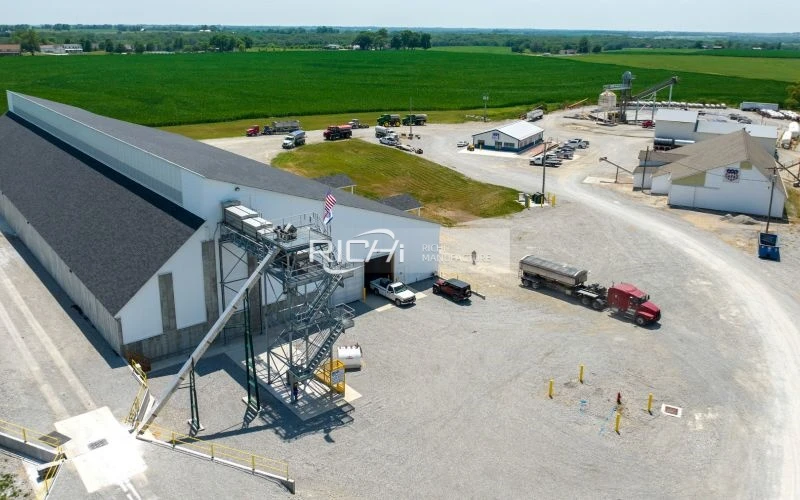

12 T/H
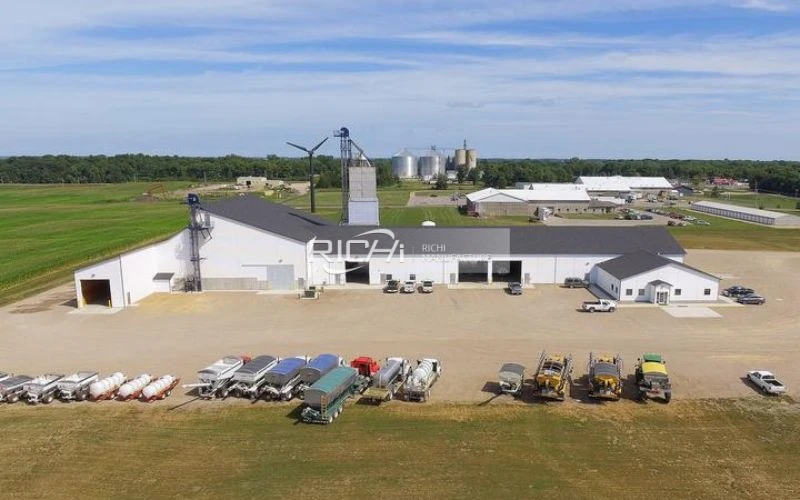
Food Waste & Stable Bedding Fertilizer Project in the United States
The recycler handles supermarket produce rejects and bakery waste blended with horse manure, wood-shaving bedding and screened green waste at a 35:40:25 ratio. With the mixed feedstock entering at about 62% moisture, RICHI configured sorting, fermentation, drying, crushing and mixing before granulation, followed by cooling and screening.
Equipment Used :FZLH520
Pellet Size :3-4 mm
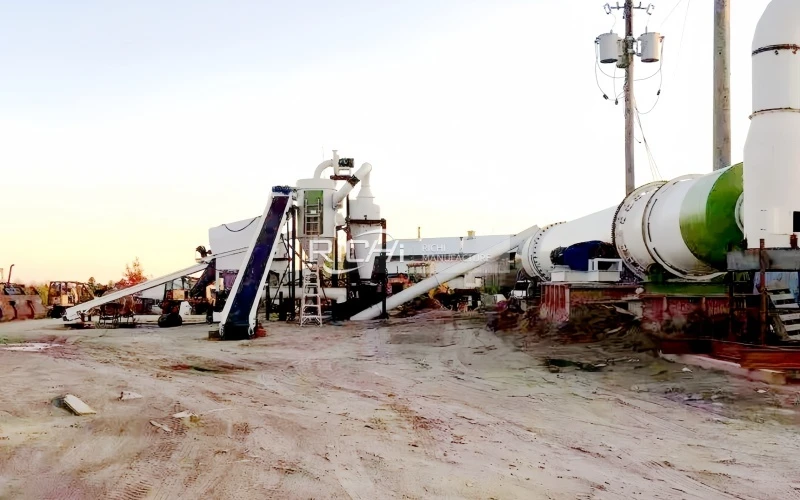

3 T/H
Potato & Vegetable Processing Waste Project in Canada
Rejected potatoes, potato peel and vegetable trimming residues make up 55% of the formulation, combined with 30% clean sawdust and 15% cereal-processing residues. Since the source-separated material arrives at moderate moisture, the line focuses on fermentation and controlled drying rather than intensive dewatering, followed by crushing, mixing, granulation and cooling.
Equipment Used :FZLH350
Pellet Size : 4-6 mm
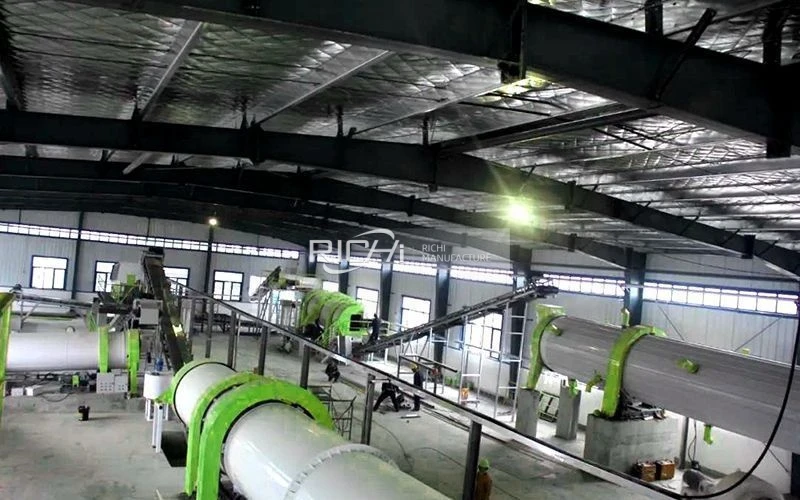

4 T/H
Market Food Waste & Cassava Residue Project in Indonesia
Vegetable-market discards and damaged tropical fruit account for 40% of the feedstock, combined with 35% cassava-processing residue and 25% rice husk. The relatively wet mixture requires dewatering, fermentation and moisture reduction before crushing and proportioning, with rice husk providing dry fibre for more stable granulation.
Equipment Used :FZLH350
Pellet Size : 3-5 mm
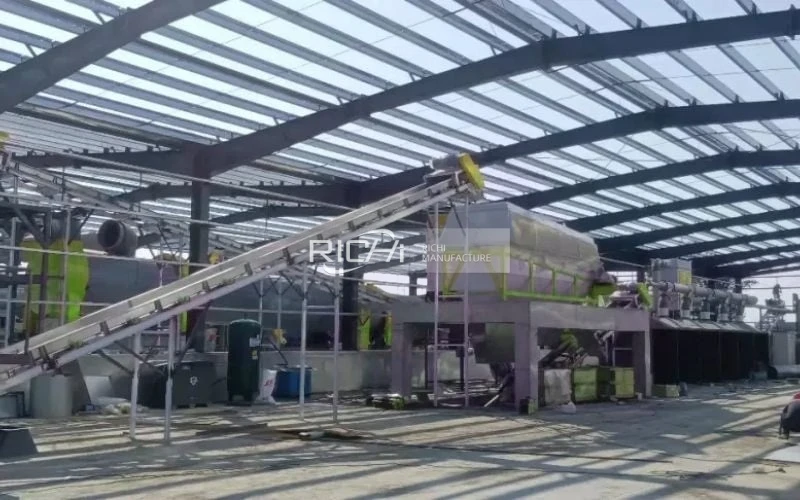

2 T/H
Bakery & Produce Waste Fertilizer Project in France
Stale bread, bakery returns and dough residues represent 45% of the recipe, with 30% fruit and vegetable preparation waste and 25% mature green-waste compost. The relatively dry bakery fraction reduces the drying load, so the system emphasizes sorting, fermentation, moisture balancing, fine crushing and homogeneous mixing before pellet production.
Equipment Used :FZLH320
Pellet Size : 2-4 mm
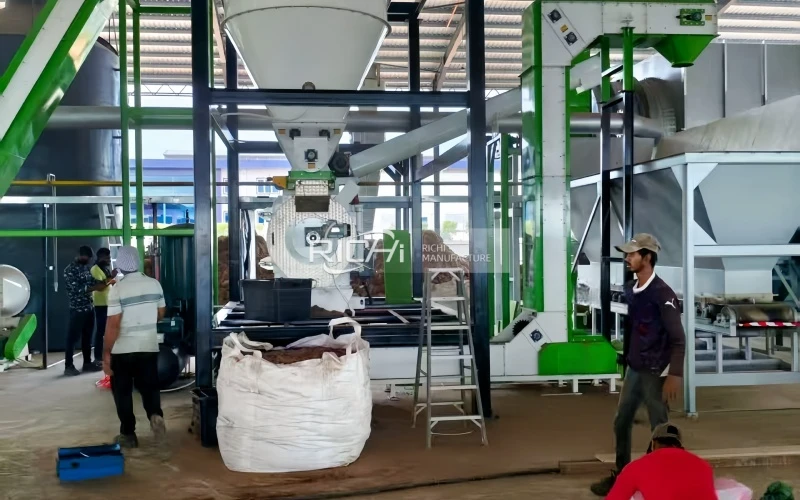

5 T/H
Cassava & Pineapple Processing Waste Project in Thailand
The customer processes a 45% cassava pulp and peel fraction with 30% pineapple peel, core and pulp residues and 25% rice husk and chopped straw. Because both major food-processing streams arrive wet, RICHI incorporated mechanical dewatering, fermentation and drying before crushing, formulation and pelletizing.
Equipment Used :FZLH420
Pellet Size : 5-6 mm
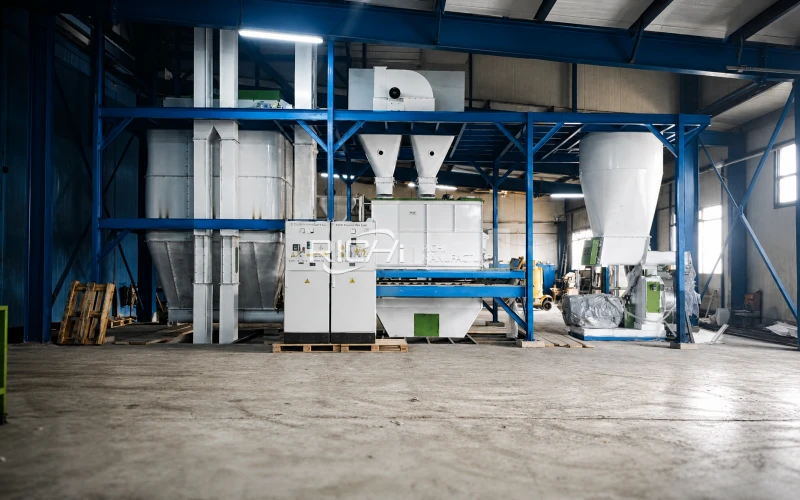

3 T/H
Catering Food Waste & Palm Biomass Project in Malaysia
Collected rice leftovers, vegetable preparation waste and fruit scraps account for 50% of the formulation, blended with 30% processed palm fibre and 20% dry sawdust. The high-moisture catering stream requires separation and dewatering before fermentation, followed by drying, crushing and ratio-controlled mixing to stabilize the feedstock before granulation.
Equipment Used :FZLH350
Pellet Size : 4 mm

10T/H
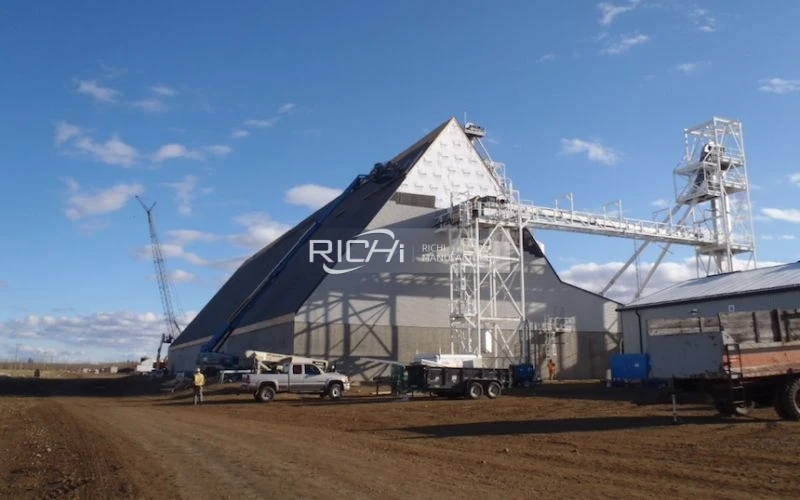
FOGO & Garden Organics Fertilizer Project in Australia
The facility combines 40% source-separated fruit, vegetable and other suitable food organics with 45% grass, leaves and shredded garden waste plus 15% woody material. Because the FOGO-type stream can contain contaminants and variable particle sizes, the line includes front-end separation, fermentation, drying and secondary crushing before mixing and pellet production.
Equipment Used :FZLH520
Pellet Size : 5 mm

4 T/H
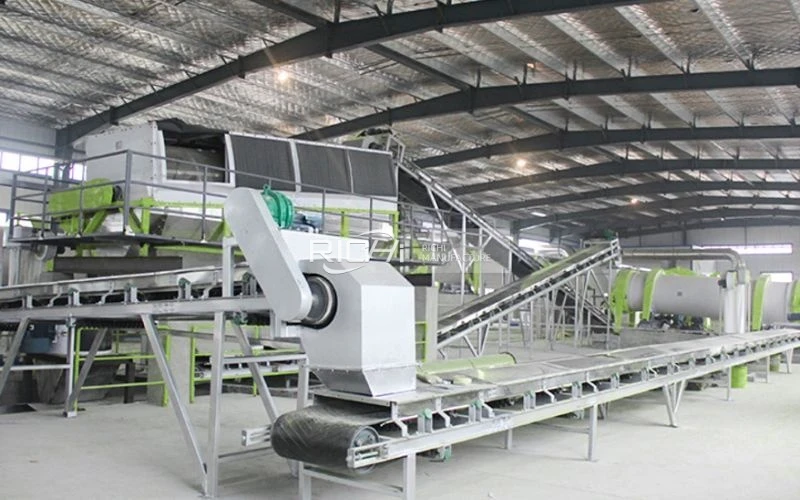
Fruit Processing Waste & Bagasse Project in Brazil
Fruit peel, pulp and rejected produce make up 40% of the mixture, combined with 35% sugarcane bagasse and 25% other dry crop residues. The fibrous bagasse helps balance the wetter fruit fraction, while fermentation, drying and crushing prepare a stable material blend for continuous fertilizer pellet production.
Equipment Used :FZLH350
Pellet Size : 4 mm

1.5 T/H
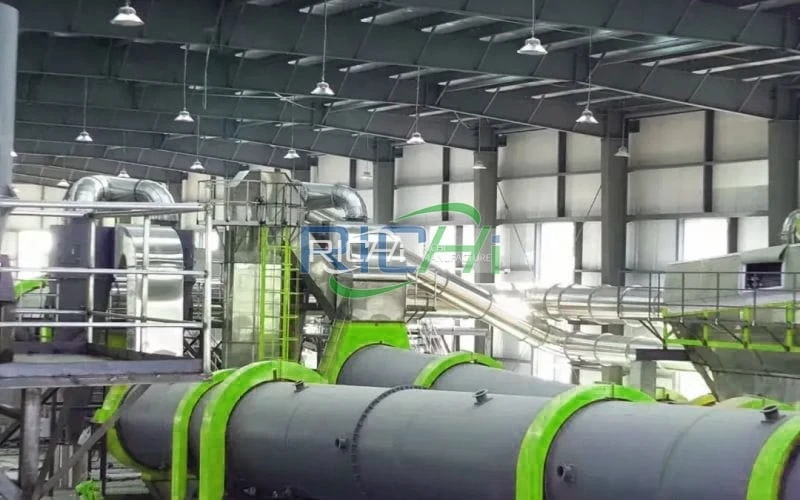
Hotel Food Waste & Date Palm Residue Project in Iraq
Hotel and catering residues—including rice, bread, vegetable preparation scraps and fruit waste—account for 45% of the recipe, with 35% shredded date-palm residues and 20% dry crop material. RICHI configured sorting, dewatering, fermentation, drying and crushing to prepare this high-moisture stream for stable fertilizer granulation.
Equipment Used :FZLH250
Pellet Size : 4 mm

15 T/H
Commercial Biowaste & Green Waste Project in Germany
Source-separated vegetable and fruit residues, bakery waste and plant-based commercial food organics represent 45% of the formulation, combined with 35% processed green waste and 20% mature compost and woody fines. Multiple incoming waste streams require screening, controlled fermentation, drying and automated proportioning before fine crushing, mixing and pelletizing.
Equipment Used :FZLH678
Pellet Size : 3-4 mm
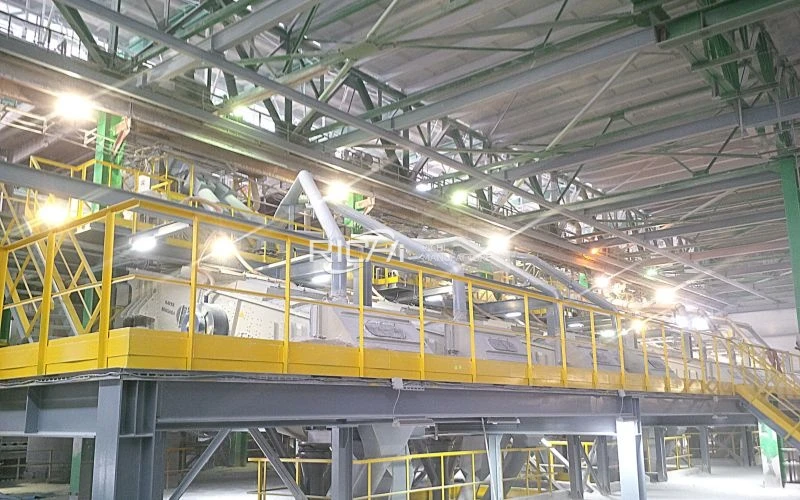

12T/H
Cooked Food Waste & Rice Husk Project in South Korea
Source-separated cooked rice, noodles, vegetable scraps and fruit residues make up 55% of the incoming formulation, blended with 25% rice husk and 20% sawdust and dry plant material. Due to the very high initial moisture, the process uses separation and mechanical dewatering before fermentation, drying, crushing and controlled blending.
Equipment Used :FZLH520
Pellet Size : 4 mm
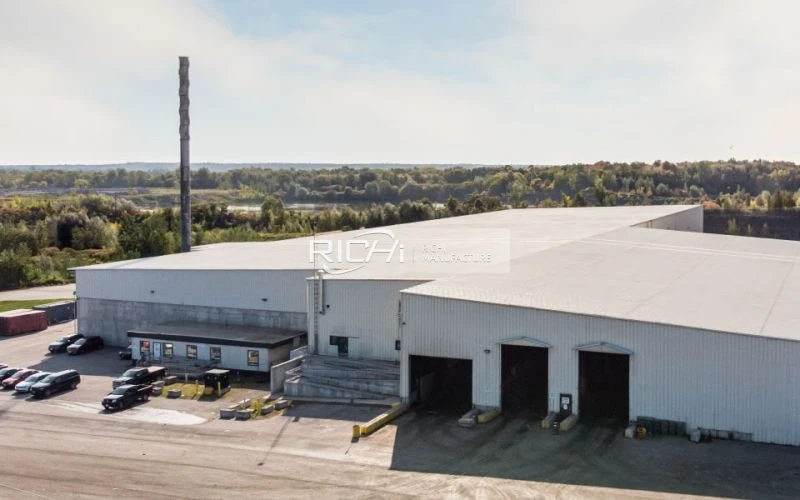

3 T/H
Vegetable Sorting Waste & Horticultural Residue Project in the Netherlands
Unsaleable vegetables and produce sorting residues account for 50% of the mixture, supplemented with 30% shredded horticultural plant residues and 20% dry woody fines. As the produce waste is relatively clean but moisture-rich, the system prioritizes fermentation and controlled drying before crushing, blending and fertilizer pellet production.
Equipment Used :FZLH678
Pellet Size : 3 mm
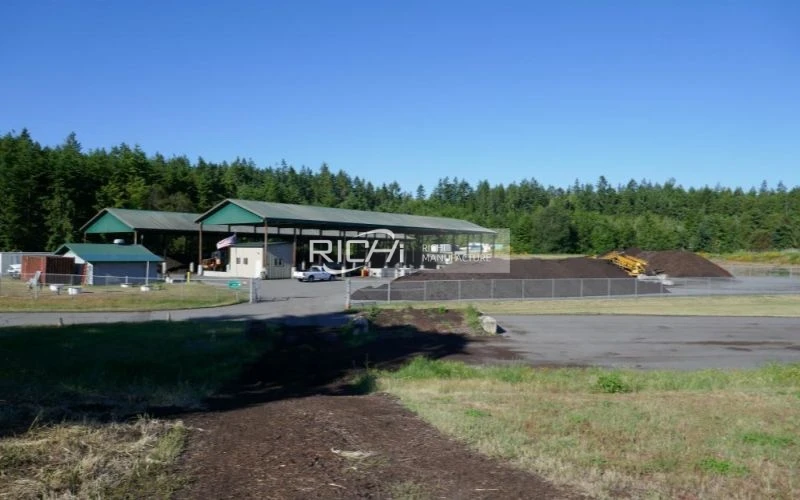

5 T/H
Vegetable Market Waste & Crop Straw Project in India
Tomatoes, leafy vegetables, onions and other discarded market produce represent 45% of the formulation, blended with 30% chopped rice or wheat straw and 25% dry agro-processing residues. The fresh vegetable fraction requires rapid handling, fermentation and moisture reduction, while the crop residues improve structure before crushing, mixing and granulation.
Equipment Used :FZLH420
Pellet Size : 5 mm
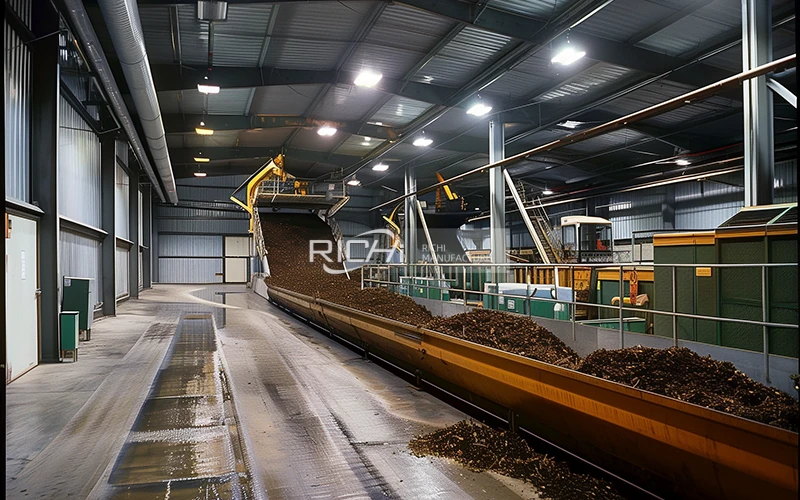

10 T/H
Commercial Food & Green Waste Project in the United Kingdom
Segregated fruit and vegetable residues, bakery discards and suitable commercial food solids account for 40% of the recipe, combined with 40% shredded green waste and 20% woody fines and mature compost. Variable commercial collections require contamination removal, fermentation and moisture adjustment before crushing, homogenizing and fertilizer pellet production.
Equipment Used :FZLH520
Pellet Size : 4-6 mm
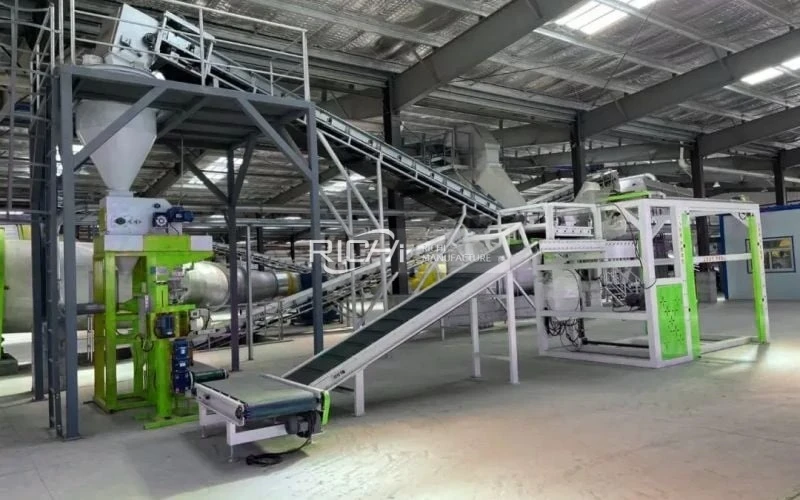

2.5T/H
Winery Fruit & Olive Processing Waste Project in Italy
Grape pomace and winery solids account for 35% of the formulation, combined with 25% fruit-processing residues, 20% suitable olive-processing solids and 20% dry pruning fines. Because these agro-food streams change seasonally, the line uses flexible proportioning with fermentation, moisture adjustment, crushing and mixing before pelletizing.
Equipment Used :FZLH320
Pellet Size : 3-5 mm
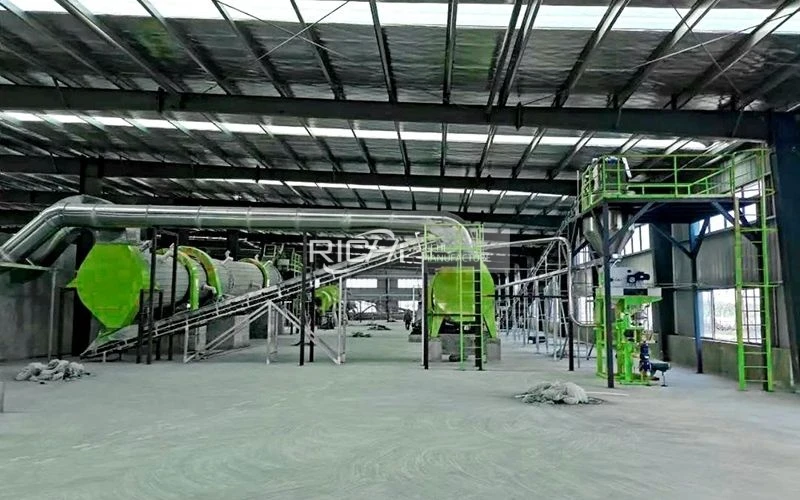

12 T/H
Produce & Olive Processing Waste Project in Spain
Rejected fruit and vegetables from packing and processing operations make up 35% of the feedstock, with 30% olive-processing organic residues, 20% chopped crop residues and 15% woody pruning material. Fermentation and drying stabilize the wetter fractions, while the fibrous agricultural materials help establish a consistent blend for large-scale pellet production.
Equipment Used :FZLH520
Pellet Size : 4-6 mm
Different raw materials create different challenges, so the value of a food waste pellet machine is often judged by what happens beyond the machine itself—how the wet material is prepared, how consistently the line runs, how quickly operators learn the system, and how well the final pellets cool and store. These comments reflect the practical issues customers care about once a food waste fertilizer line moves from design into daily production.

Mexico Produce Recycling Company
4T/H Fruit, Vegetable & Corn Residue Fertilizer Project
“We were concerned about feeding wet tomato, pepper and fruit sorting waste together with dry corn-processing residues, but the mixing and moisture-control arrangement made the material much easier to run. The 4 mm pellets now leave the cooler firm and uniform, which was one of our main requirements for bagging.”
Chile Winery & Fruit Processor
3T/H Grape Pomace Food Waste Pellet Project
“Our grape pomace changes noticeably during the harvest season, so we needed a line that could cope with differences in moisture rather than one fixed recipe. RICHI helped us adjust the pomace, fruit-processing residues and dry pruning material before pelletizing, and the 5 mm product has remained much more consistent than we expected.”
Japan Commercial Food Recycler
6T/H Prepared Food Waste Fertilizer Project
“The difficult part for us was not simply buying a food waste pellet machine; it was controlling the wet rice, noodle, vegetable and prepared-food residues before they reached it. The dewatering and drying sequence was explained carefully during commissioning, and our operators learned how to keep the 3 mm pellet quality stable between batches.”
Vietnam Agro-Food Recycling Company
5T/H Rice Processing & Food Residue Pellet Project
“We process cooked rice residues, noodle-production waste and vegetable scraps together with rice husk, so material density and moisture are never exactly the same every day. The engineers adjusted the crushing and mixing sequence during commissioning, and that practical work helped us reach steady 4 mm pellet production much faster.”
South Africa Fresh Produce Processor
3T/H Packhouse Waste Organic Fertilizer Project
“Our main material is rejected citrus and vegetable packhouse waste mixed with sawdust and dry crop residues, and we originally underestimated how much preparation the wet fraction would need. RICHI’s team focused on fermentation and drying before pelletizing, while the training gave our operators a clear way to judge when the material was ready.”
Egypt Date & Vegetable Waste Recycler
2T/H Date Processing Waste Fertilizer Project
“We wanted to use date-processing residues, vegetable-market waste and shredded date-palm fibre without making the process unnecessarily complicated for a small plant. The equipment arrived in clearly identified sections, installation was straightforward, and the combination of drying, crushing and the food waste pellet machine gives us a stable 5 mm fertilizer pellet.”
Poland Potato Processing Company
4T/H Potato & Cereal Residue Pellet Project
“Our potato peel and rejected vegetable material is much wetter than the straw and cereal-processing residue we blend with it, so getting the ratio right was critical. What we appreciated most was the commissioning support—the technicians did not just start the line, they showed our staff how changes in moisture affected the 4 mm pellets.”
New Zealand Organics Recycling Company
8T/H Food & Green Organics Fertilizer Project
“We receive source-separated food organics together with shredded green material, and the incoming mix can change considerably from one collection cycle to the next. The line gives us enough flexibility to adjust drying and blending before pelletizing, and the cooling and screening section has made the finished 5 mm product much easier to store and handle.”
Food Waste Pellet Machine Price
The price of a food waste pellet machine usually ranges from $10,000–$100,000 USD, depending on the selected model, production capacity, motor configuration, and supporting equipment requirements.
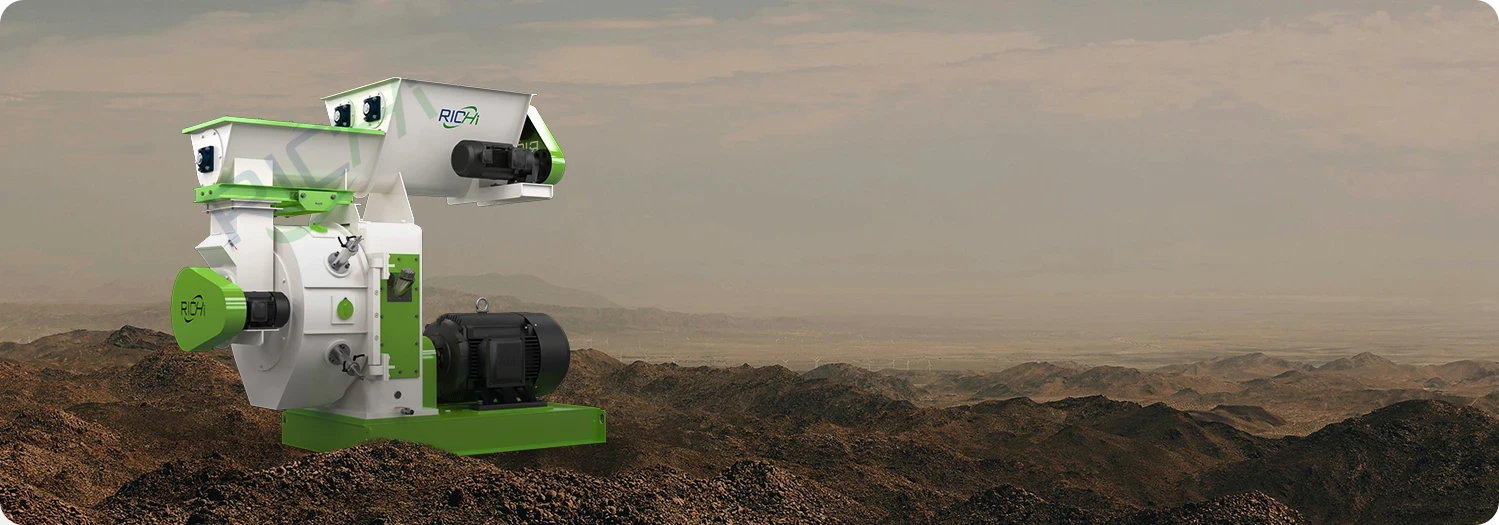
For food waste fertilizer pelletizing projects, the final investment is influenced by factors such as raw material conditions, pretreatment requirements, and whether customers need a standalone pelletizer or a complete processing system. The following price ranges provide a reference for different machine models and production scales.
Range for
Food Waste Pellet Machine Price:
FZLH250 (22KW)
$10,000–$13,000
FZLH320 (22KW)
$15,000–$18,000
FZLH350 (37KW)
$18,000–$25,000
FZLH420 (90KW)
$26,000–$32,000
FZLH520 (132KW)
$43,000–$50,000
FZLH678 (200KW)
$64,000–$70,000
FZLH768 (315KW)
$75,000–$85,000
What Food Waste Pellet Processing Scale Do You Need?
Different food waste sources require different processing capacities. Whether you are handling restaurant waste, food factory residues, or municipal organic waste, our engineers can recommend a suitable food waste pellet machine model according to your available raw materials and target output.
Customized Food Waste Fertilizer Processing Workflow & Solutions
Food waste fertilizer production is not limited to a single food waste pellet machine. A complete solution is designed around the characteristics of the incoming organic materials, including sorting, impurity removal, crushing, composting, drying, mixing, pelletizing, cooling, coating, screening, and packaging. Depending on whether customers produce pellet fertilizer, powdered fertilizer, or other organic products, RICHI configures suitable equipment combinations rather than applying the same process to every project.
The complete workflow is customized according to raw material type, physical condition, moisture content, available factory space, and investment budget. For example, wet kitchen waste may require stronger dewatering and drying systems, while dry food processing residues may require less moisture adjustment. Different materials also require different crushing solutions, such as hammer mills for fibrous materials, crushers for compact residues, or screening systems for impurity separation. Additional systems including storage bins, dust collection, batching, and automatic control can be integrated according to production requirements.
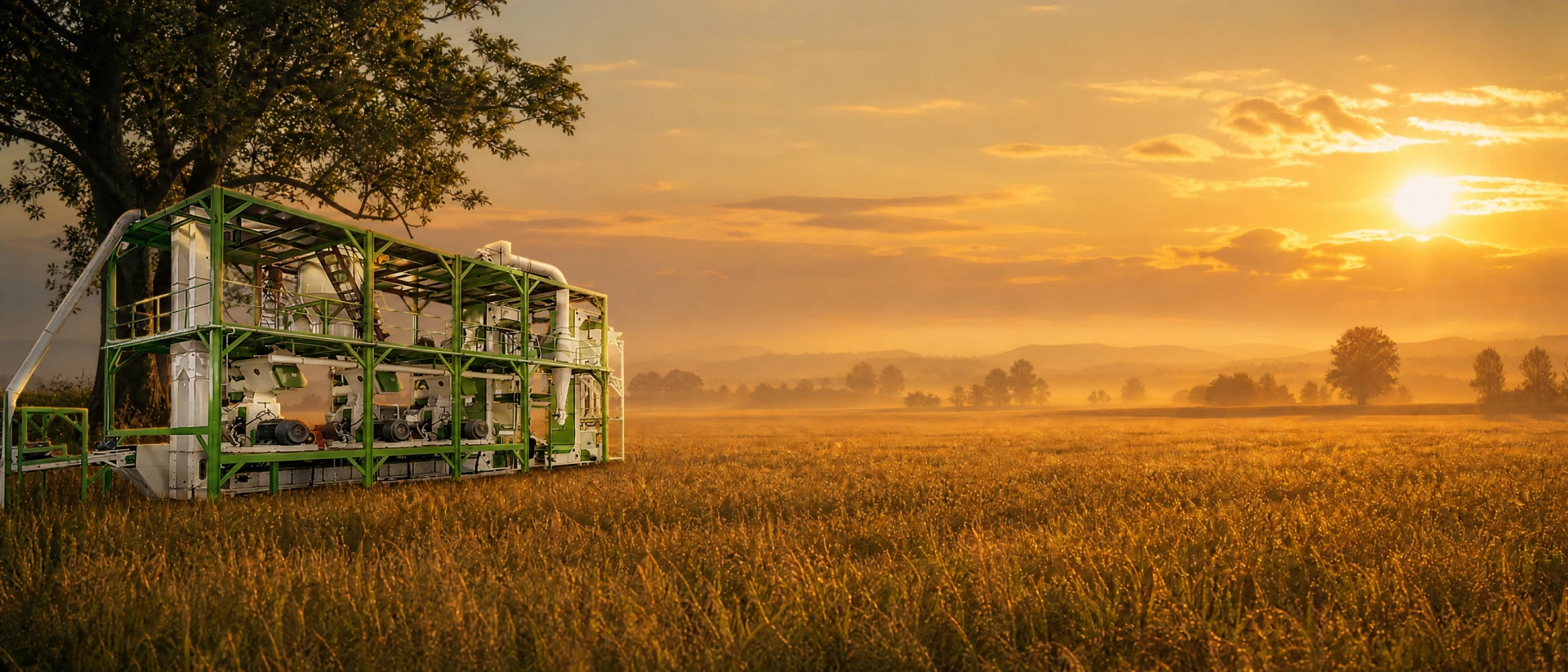
Equipment Used in Food Waste Pelletizing Line
A complete food waste pelletizing line requires more than a single food waste pellet machine. According to the characteristics of kitchen waste, food processing residues, fruit waste, and other organic materials, RICHI configures suitable equipment for each processing stage, including crushing, fermentation, drying, mixing, pelletizing, screening, and packaging.
The actual equipment combination varies according to raw material condition, moisture content, production capacity, factory layout, and investment budget. In addition to the main machines listed below, projects may also include bale breakers, rotary screens, different types of conveyors, automatic control systems, impurity removal equipment, storage systems, and other customized units. RICHI provides multiple equipment options for each process stage to help customers build a practical and economical food waste fertilizer production solution.
Food Waste Compost Turner
The compost turner accelerates the fermentation process by regularly turning and aerating food waste materials. It helps improve decomposition efficiency, reduce odor, and prepare organic materials for fertilizer production.
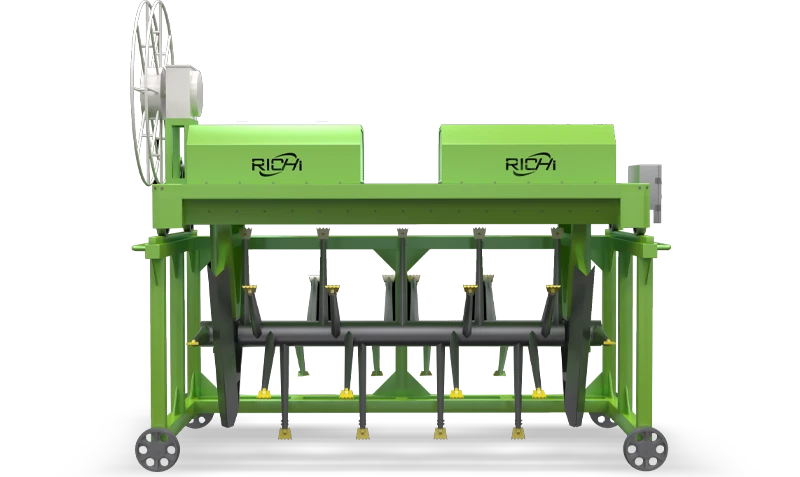
Turning Width
2–8 m
Processing Capacity
50–1000 m³/day
Food Waste Crusher Machine
Used for breaking down fermented or dried food waste materials into smaller particles. It is suitable for handling composted organic waste, food residues, and mixed materials with uneven structures before mixing and pelletizing..
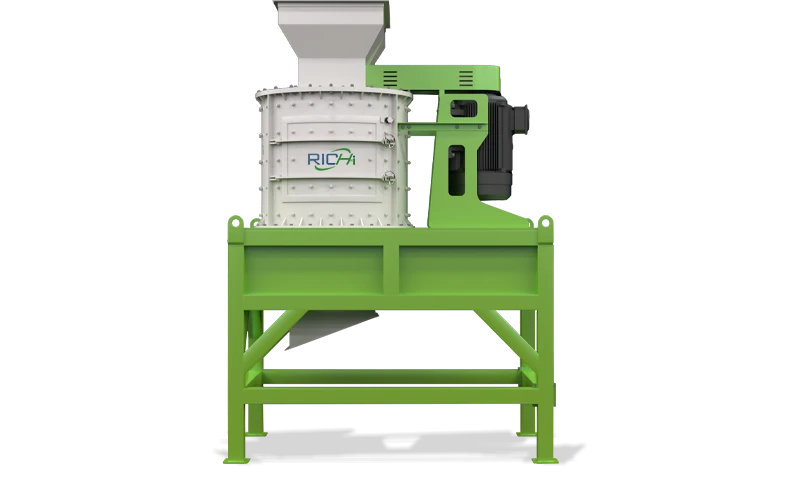
Crushing Capacity
1–30 T/H
Feeding Particle Size
≤100 mm
Pig ManuFood Waste Mixer Machine
The mixer combines food waste with auxiliary materials such as sawdust, straw, rice husk, or other organic additives. Uniform mixing improves moisture balance, nutrient distribution, and pellet formation performance.
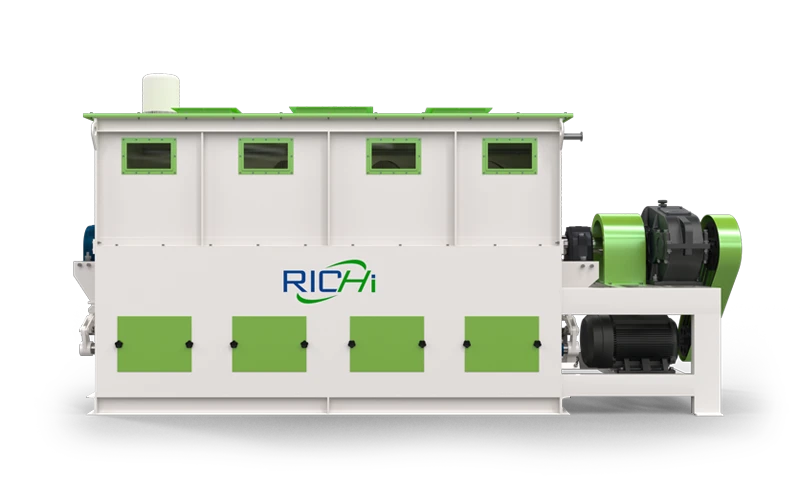
Mixing Capacity
5–20 t/batch
Mixing Time
3–10 min/batch
Food Waste Dryer Machine
The rotary dryer reduces excessive moisture in food waste materials before entering the food waste pellet machine. It is especially important for wet kitchen waste and food processing residues that require precise moisture control.
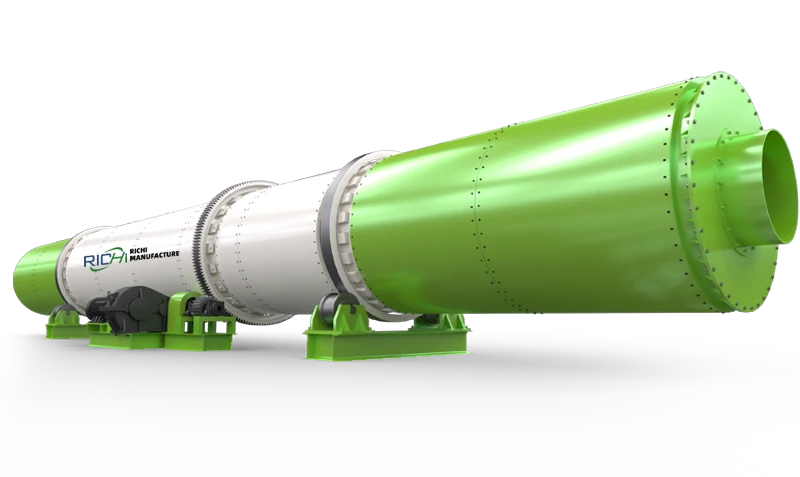
Capacity
1–30 T/H
Drying Temperature
60–250℃
Food Waste Manure Screener
The food waste raw material and final pellet product screening machine separates oversized particles, impurities, and fine powder before or after pellet production. It improves material quality and ensures more uniform fertilizer products.
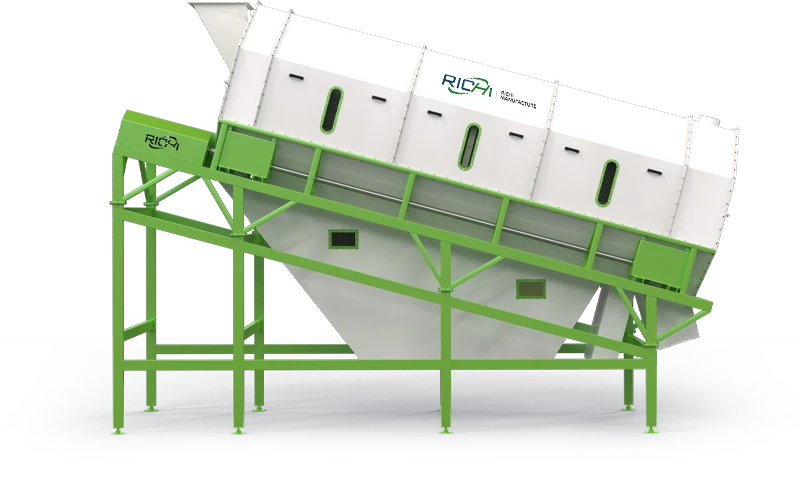
Capacity
3-50T/H
Screen Layers
1–3 Layers
Food Wastee Bagging Machine
The automatic food waste fertilizer pellet bagging scale is used for accurately weighing and packaging finished food waste fertilizer pellets. It improves packaging efficiency and reduces manual operation requirements.
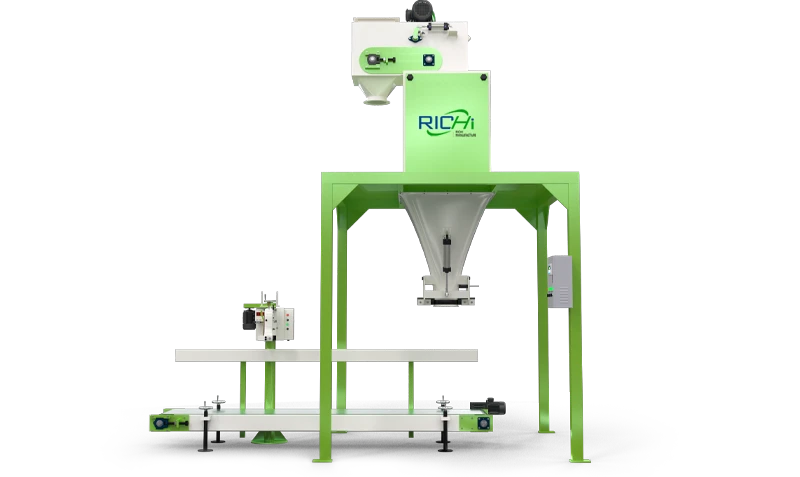
Packing Range
10–1000 kg/bag
Packing Speed
6–20 Bags/min
Feeding & Weighing System
This system provides controlled feeding and accurate weighing of organic materials before mixing or pelletizing. It helps maintain stable production when food waste composition changes.
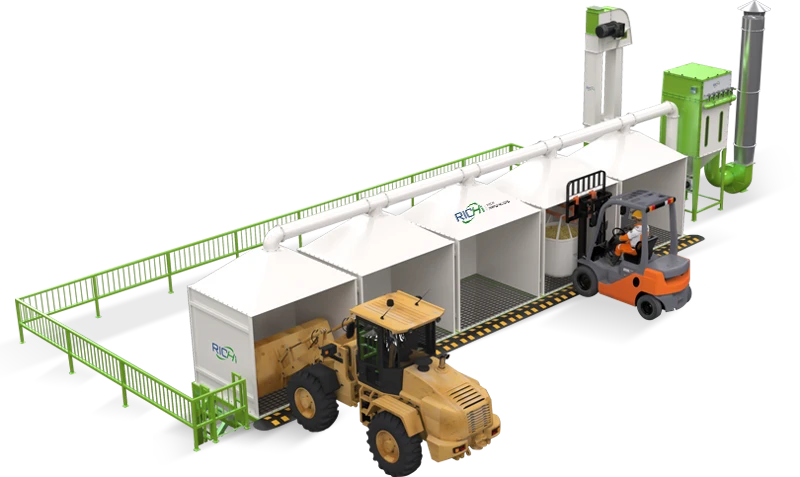
Weighing Capacity
1–50 T/H
Weighing Accuracy
±0.5–1%
Trace Element Dosing System
It accurately adds minerals or functional additives into fertilizer formulations. It allows customers to produce customized fertilizer products with improved nutrient composition.ic fertilizer products.
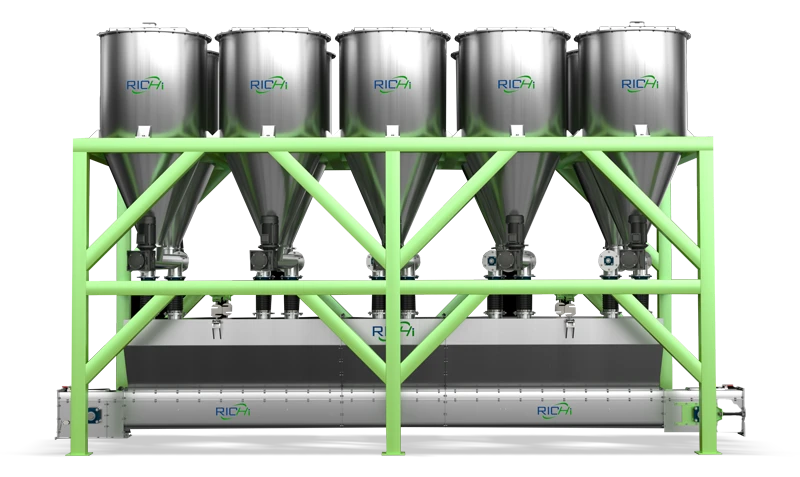
Dosing Accuracy
±0.1–0.5%
Hopper Volume
50–1000 kg
Food Waste Conveyor
Cconnect different processing units and provide continuous material transportation throughout the production line. Belt conveyors, screw conveyors, and bucket elevators can be selected according to layout requirements.
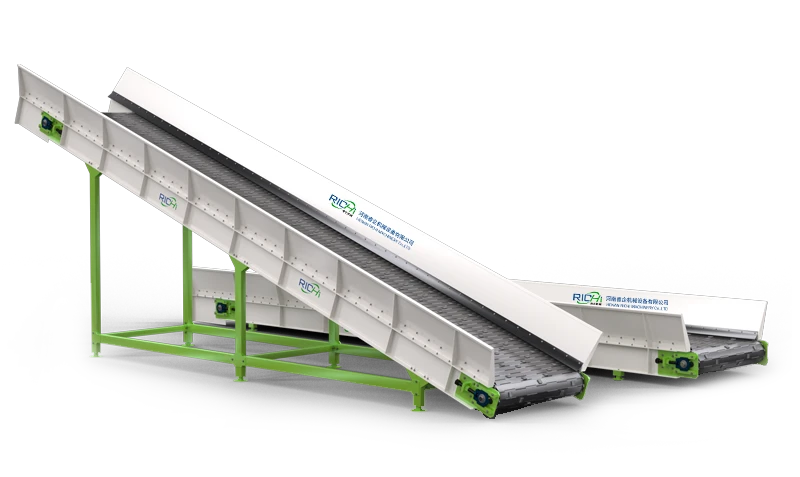
Conveying Capacity
1–100 T/H
Conveyor Length
3–50 m
The equipment required for each food waste pelletizing project is different. Wet municipal kitchen waste may require stronger dewatering, fermentation, and drying systems, while food factory residues with lower moisture may need fewer preparation steps. Material structure, impurity content, final fertilizer requirements, and production scale all influence equipment selection.
RICHI can provide complete food waste fertilizer production lines as well as modular systems for specific requirements. Whether you need a complete solution from waste receiving to finished pellets or only individual equipment such as crushing, mixing, drying, or weighing systems, our engineers can design a suitable configuration based on your project conditions.
Customized Food Waste Fertilizer Production Solution
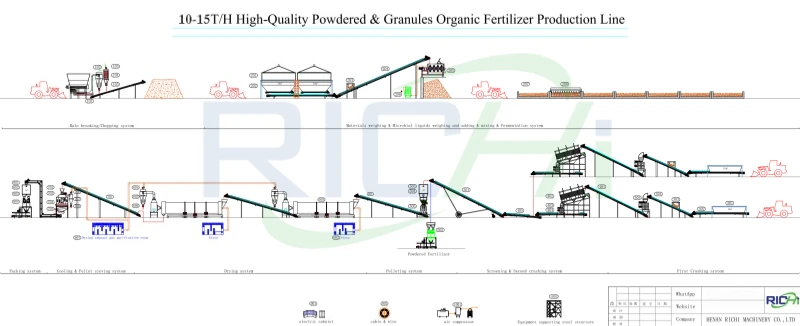
10-15T/H food waste fertilizer Process Design [Example Solution]
RICHI food waste fertilizer production lines are available with capacities from 1 to 60 T/H, covering different scales of organic waste recycling projects. The process flow diagram shown here is based on a 10 T/H food waste fertilizer production project that we previously designed and implemented. This example demonstrates a complete solution capable of producing both powdered fertilizer (1–20 mm, customized) and fertilizer pellets (2–12 mm, customized) according to different market requirements.
The customer required a flexible system for processing mixed organic materials, including straw and other fertilizer ingredients. The project combined crushing, impurity removal, batching, mixing, pelletizing, drying, cooling, screening, and packaging processes. The food waste pellet machine was integrated into the pellet fertilizer section, while an independent powder fertilizer processing route was designed for customers requiring multiple finished products.
Cleaning
impurity removal
batching
mixing
pelletizing
drying
cooling
screening
packaging
The production flow begins with straw crushing, material receiving, magnetic separation, liquid addition, and precise mixing to prepare a uniform fertilizer mixture. For powdered fertilizer production, wet materials are crushed, screened, and packed after size separation. For pellet production, the conditioned material enters the pelletizing system, followed by drying, cooling, screening, storage, and automatic bagging to achieve stable fertilizer products with customized sizes and moisture levels.
The main equipment included a straw chopper with dust collection, feeding and batching hoppers, magnetic separators, liquid adding system, mixers, vertical crushers, drum screen, food waste pellet machine, pellet dryer, pellet cooler, vibrating sieve, storage bins, and 10–50 kg adjustable fertilizer packing systems. The complete configuration was customized according to the customer’s raw materials, final product requirements, and production objectives.
Every organic waste project has different raw materials, moisture conditions, and product goals. Share your food waste characteristics and production requirements with our engineers, and we can design a suitable processing flow, equipment configuration, and investment plan for your project.
Future Prospects of Food Waste Pellet Processing Business
The increasing demand for sustainable waste management and organic fertilizer products is creating new opportunities for food waste recycling projects worldwide. Large cities, food processing industries, and agricultural regions are seeking practical ways to reduce landfill pressure while converting organic residues into valuable resources. With a properly designed food waste pellet machine, companies can transform kitchen waste, food factory residues, fruit waste, and other organic materials into easy-to-store fertilizer pellets with commercial value.
The market potential is particularly strong in regions with strict waste treatment regulations and developed organic farming sectors, such as Europe, North America, and parts of Asia-Pacific. At the same time, countries with large agricultural industries and abundant organic waste sources also have significant opportunities. A single production line can be designed to process multiple materials — including food waste combined with agricultural residues, sawdust, straw, or animal manure — allowing operators to produce different fertilizer products according to local market demand and improve equipment utilization.
Growing Demand for Organic Recycling
Governments and industries worldwide are increasing investment in organic waste treatment and resource recovery. A reliable food waste pellet machine helps businesses meet these demands by converting unstable waste streams into usable fertilizer products.
Multiple Raw Materials, Multiple Products
Food waste can be combined with agricultural residues, forestry waste, or other organic materials to improve pellet quality. Flexible production lines allow operators to produce different fertilizer formulations from various available resources.
Expanding Agricultural Applications
Food waste fertilizer pellets can be used in crop production, horticulture, landscaping, and soil improvement projects. Their compact form improves transportation, storage, and commercial distribution compared with loose organic waste.
Scalable Investment Opportunities
From small commercial recycling facilities to large municipal waste projects, food waste pelletizing systems can be configured according to available raw materials and production targets. Customized equipment selection helps investors control costs while expanding capacity when market demand increases.
Food Waste Pellet Machine FAQs
What moisture should the material have before it enters the food waste pellet machine?
For ring-die fertilizer pelletizing, we normally recommend bringing the mixed and fermented material to about 15–25% moisture before pelleting, with many formulations running most steadily around 18–22%. RICHI also states that kitchen-waste material should generally be controlled below 25% before pelletizing, while some organic fertilizer formulations can tolerate powder moisture approaching 30%; the exact workable point depends on fibre content, particle size and binder characteristics.
This is very different from the initial moisture of the waste. Restaurant leftovers may arrive at 70–85%, vegetable residues at 70–90%, pressed food-processing residues at 45–70%, and dry bakery or cereal residues much lower. We therefore design dewatering, fermentation and drying around the incoming condition rather than asking the customer to supply already-dry material.
Our kitchen waste comes in at 75–80% moisture. Can your machine process it?
Yes, but not directly into the pelletizer. At 75–80% initial moisture, a commercial kitchen waste pellet line normally needs separation of plastics, metal and oversized contaminants, followed by solid-liquid separation or screw pressing, fermentation, and further drying until the material reaches the pelletizing window.
For example, if wet canteen residues are mixed with rice husk or sawdust, we may first mechanically reduce the free water, then use the dry fibre to improve porosity during fermentation, and finally dry the fermented mix to roughly 18–22% before the kitchen waste pellet machine. Trying to solve a 75% moisture problem with the granulator alone leads to unstable feeding and weak pellets.
Can I pellet restaurant leftovers without mixing them with another material?
Technically possible in some carefully separated streams, but we normally do not recommend designing a commercial line around 100% wet restaurant leftovers. Cooked rice, noodles, vegetables, sauces and other catering residues generally contain too much water and insufficient dry structure for economical direct pellet production.
A more workable formula may contain 30–60% treated food waste and 40–70% dry or semi-dry organic material, depending on the food waste. Sawdust, rice husk, straw powder, mature compost, bedding material or agricultural-processing residues can improve moisture balance and structure. The final ratio should be determined from actual samples rather than copied from another plant.
We process fruit and vegetables. What equipment would we need besides the pellet mill?
Fruit and vegetable waste is normally high in water and can contain large pieces, stems, peel and fibrous material, so the complete system is usually more important than the pelletizer itself. A typical line can include sorting, shredding or crushing, dewatering, fermentation, drying, fine crushing, batching, mixing, pelletizing, cooling, screening and packing. RICHI’s organic fertilizer systems are designed around this complete process rather than only the core granulator.
For a vegetable packing house receiving material at 70–85% moisture, for example, we would normally focus much more heavily on dewatering and moisture reduction than for a bakery-waste project entering below 45%.
We have bakery waste and stale bread. Do we still need a dryer?
Not necessarily. Bakery returns, stale bread, biscuit waste and some dough-processing solids are often considerably drier than catering or vegetable waste, so the actual moisture test determines whether a dryer is justified.
If a fermented bakery-based mixture reaches about 18–22% moisture after blending with compost or agricultural residues, a separate heavy drying section may be unnecessary. If wet dough, wash-down solids or vegetable ingredients raise the mixture above roughly 25–30%, controlled drying becomes more important. We prefer removing unnecessary equipment rather than automatically putting a dryer into every quotation.
Can potato peel and potato processing waste be made into fertilizer pellets?
Yes. Potato peel, rejected potatoes and potato-processing solids are suitable organic inputs after stabilization, but their water content and starchiness need to be considered. A food processor may blend approximately 40–60% potato residues with cereal-processing waste, straw powder, sawdust or mature compost to improve handling.
If the peel stream is mechanically pressed before entering the fertilizer plant, the drying requirement can be much lower. The usual process is fermentation, moisture correction, crushing, mixing and pelletizing, with dewatering added where the incoming material is very wet.
We generate grape pomace and fruit residues only during harvest. Is a pellet line still practical?
It can be, provided the project has a realistic year-round raw-material plan. A winery or juice processor should not size a 3–5 T/H line solely around several weeks of peak grape pomace unless it has storage, pre-composting capacity, or additional off-season materials.
One workable approach is to use grape pomace during harvest and introduce fruit-processing residues, pruning fines, mature compost or other locally available agricultural material during the rest of the year. We size the food waste fertilizer production line against annual tonnage and operating days, not simply the highest daily waste generation.
Can food waste be mixed with chicken manure and poultry bedding?
Yes, and this can be a very practical fertilizer formulation. Poultry litter already contains manure plus bedding such as rice husk, straw or wood shavings, which adds dry carbon and fibre to wetter food-processing residues.
For example, a commercial poultry operation or fertilizer processor might formulate 30–45% treated food waste, 35–50% poultry litter and 15–25% additional dry crop residue or compost, depending on moisture and nutrient targets. The materials should be properly fermented and homogenized before pelletizing. The final recipe should also be checked against the fertilizer regulations of the target market.
We have a large layer farm. How big must the farm be to justify a 1 T/H line?
A 1 T/H finished-product line is already a commercial-scale installation, so a small family farm normally does not generate enough material on its own. At 8 operating hours per day, 300 operating days per year, nominal output is about 2,400 tonnes of pellets annually before allowing for downtime.
Because fresh manure loses substantial water and mass during dewatering, fermentation and drying, the required fresh-material supply is much higher than the finished pellet output. A layer farm considering this capacity should therefore calculate actual tonnes of fresh litter collected per day; in many cases, the practical solution is a large intensive farm, several farms supplying one plant, or a fertilizer producer supplementing poultry manure with food waste and crop residues. RICHI’s commercial fertilizer systems start around 1 T/H.
We run a pig farm. Can pig manure be blended with food waste for pellet fertilizer?
Yes, but pig manure usually presents a stronger solid-liquid separation requirement than poultry litter. Fresh slurry should first be separated so that the solid fraction can be composted efficiently; wet vegetable or processing waste should not simply be added to already-wet pig manure.
A workable project may combine separated pig-manure solids with 20–40% food-processing waste and 20–40% straw, sawdust, husk or other dry carbon material, adjusted according to actual moisture. After fermentation, the material is dried and crushed before entering the fertilizer granulator.
We operate a dairy farm and also receive supermarket produce waste. Is that enough for a commercial line?
Potentially yes, particularly if the dairy operation already has a manure-separation system. Separated dairy solids may still contain around 60–75% moisture, while supermarket fruit and vegetable waste can be similarly wet, so the formulation normally needs bedding, straw, sawdust, mature compost or another relatively dry material.
For a 1–3 T/H plant, we would first request your daily tonnes of separated manure solids, supermarket organics, bedding material and operating hours. The line is then balanced around available dry matter rather than total wet tonnage. RICHI has published dairy-manure fertilizer configurations using dewatering, composting, grinding, mixing, pelletizing, drying and screening.
Our horse farm has manure mixed with wood-shaving bedding. Can food waste be added?
Yes. Horse manure mixed with wood shavings is one of the more useful structural materials for blending with wetter food waste because the bedding contributes fibre and absorbs part of the moisture.
For a large equestrian center or regional recycler, food waste may represent approximately 20–40% of the formulation, with manure/bedding forming the main fraction. If the stable waste is already relatively dry, this can substantially reduce the drying load compared with a food-waste-only plant. The material still needs fermentation, crushing and consistent mixing before the pelletizer.
What capacity food waste pellet machine should we choose for 25 tonnes of material per day?
Do not divide 25 tonnes by operating hours until you know whether that figure is incoming wet waste or pellet-ready material. If 25 t/day is wet kitchen waste at 75% moisture, only a fraction of that mass will remain after dewatering, fermentation and drying.
If 25 t/day means prepared material ready for granulation and you operate 8 hours, nominal pelletizing demand is about 3.1 T/H, so a 3–5 T/H class machine such as the FZLH350 may be appropriate. RICHI lists the FZLH350 at 3–5 T/H, the FZLH420 at 6–8 T/H and the FZLH520 at 9–12 T/H.
Is 1 T/H too large if we only have 3–4 tonnes of waste per day?
Usually, yes. If you generate only 3–4 tonnes/day of wet raw food waste, purchasing a 1 T/H industrial pellet line solely for that material is difficult to justify unless you can collect additional feedstock.
The more realistic options are to aggregate waste from nearby restaurants, farms or processors, add manure and agricultural residues, operate intermittently with sufficient storage, or reconsider whether pellet production is economically necessary. We would rather tell a customer that the available tonnage is insufficient than design an underutilized industrial plant.
We need 15 T/H. Can one pelletizer handle that output?
For a true 15 T/H finished fertilizer requirement, equipment selection needs to consider the formulation and whether one large unit or multiple parallel pelletizers provides better operating flexibility. RICHI’s published FZLH range includes 9–12 T/H FZLH520, 18–22 T/H FZLH678, and 22–26 T/H FZLH768 classes.
For food-waste-based fertilizer, we also check whether the drying, crushing, mixing and cooling sections can sustain 15 T/H continuously. Oversizing only the pelletizer while leaving the dryer or cooler undersized will not produce a 15 T/H line.
Can the same machine produce both 3 mm and 5 mm fertilizer pellets?
Yes. Pellet diameter is primarily changed through the ring-die specification, so one fertilizer pellet mill can produce different diameters with the appropriate die. RICHI organic fertilizer equipment can produce multiple pellet sizes using interchangeable dies.
For food-waste fertilizer, 3–6 mm is a practical commercial range for many bagged and field-applied products, although the exact specification depends on the customer’s market. Changing die size also changes resistance, throughput and sometimes the moisture window, so capacity should be confirmed for the required diameter rather than assumed to remain identical.
Can this line make powdered fertilizer as well as pellets?
Yes. A properly designed plant can produce fermented powdered organic fertilizer before the granulation stage and route part or all of that material to packing without pelletizing.
This is useful for fertilizer companies selling both lower-cost powder and higher-value granular products. The common upstream equipment—fermentation, crushing, screening and mixing—can serve both products, while the pellet branch adds the food waste pellet machine, cooler, screening and related conveying. We should know the expected powder/pellet sales ratio when designing storage and routing.
What particle size should the material be before pelletizing?
For stable ring-die granulation, the fermented material normally needs to be uniformly fine rather than containing long straw, large peel pieces or woody chunks. In many fertilizer formulations, crushing to roughly 3–5 mm or finer before mixing gives much more consistent feeding and pellet formation.
Fibrous materials such as straw, palm fibre and coarse bedding often require stronger crushing than mature compost or dry food powders. We select the crusher around the hardest and longest component in the formula, because one poorly prepared ingredient can become the bottleneck for the whole pellet line.
Why Should Chicken Manure Be Processed Into Pellets?
It can, but those contaminants must be removed before they reach the granulator. For commercial or source-separated collection streams, we can add bag opening, screening, manual or mechanical sorting, magnetic separation and other front-end equipment according to contamination level.
Metal is especially important because it can damage downstream crushers and pelletizing components. A clean food-processing plant may need very little sorting, while mixed commercial kitchen waste requires substantially more front-end treatment. We therefore do not quote identical configurations for these two customers.
Do we need fermentation if the food waste has already been dried?
Drying and fermentation solve different problems. Drying removes water; fermentation stabilizes biodegradable organic matter. If the material is intended for organic fertilizer and contains fresh manure, vegetable residues, catering organics or other unstable biological material, drying it alone does not automatically replace a suitable composting or fermentation stage.
For some already-stabilized food-processing by-products mixed with mature compost, the required treatment can be simpler. The exact process depends on the biological condition of the material and local fertilizer rules, so we determine the front end from the actual waste source rather than assuming every dry material is pellet-ready.
Do I need both a dryer and a cooler?
For many food-waste fertilizer projects, yes, but they perform different jobs. The dryer prepares or stabilizes moisture, while the cooler brings hot finished pellets closer to ambient temperature and helps them become suitable for screening, handling and packing.
RICHI lists dedicated fertilizer pellet cooling equipment for commercial lines, and complete organic fertilizer systems commonly include both drying and cooling stages. If the incoming fermented material is already within the correct moisture window, upstream drying may be reduced or omitted, but the need for pellet cooling should still be assessed from actual discharge temperature and packing requirements.
Our old granulator keeps blocking on sticky material. Can your machine replace it without rebuilding the whole plant?
Often yes. Replacement projects are common because the existing fermentation, crusher, mixer, conveyors, cooler or bagging system may still be usable.
We first need the current material moisture, particle size, bulk density, hourly flow, existing motor power, feeding height, conveyor dimensions and required pellet diameter. We then check whether a RICHI fertilizer granulator can be integrated into the existing layout and whether the feeder needs anti-bridging or forced-feeding measures for sticky material. The goal is to replace only what is actually limiting the line.
How much space do I need for a 3–5 T/H food waste fertilizer line?
There is no responsible single footprint because a pelletizing-only section and a complete wet-food-waste plant are very different. As a practical reference, RICHI has published a 3–5 T/H poultry-manure pellet installation using a workshop of about 9 m × 10 m × 10 m for a relatively compact configuration, while another 5–6 T/H fertilizer line is listed at about 15 m × 20m × 10 m.
A complete food waste line with reception, dewatering, fermentation and drying generally needs considerably more area, especially outdoors for composting. Send us your available length, width, height and column positions; we can design a horizontal, compact or partially vertical arrangement around the building.
My workshop is low. Can you design the line without a tall tower structure?
Usually yes. Fertilizer plants do not have to copy the vertical structure used by some feed mills. With enough floor area, elevators can be replaced or reduced through inclined conveyors, horizontal transfer, lower silos and split-level equipment arrangements.
The trade-off is that reducing building height usually increases floor footprint and sometimes conveyor length. Tell us the clear internal height, doorway dimensions and usable floor area before equipment selection. That is much easier than buying equipment first and discovering later that the cooler, elevator or cyclone cannot fit.
How many people are needed to operate a food waste pellet line?
For a reasonably automated 1–3 T/H pellet section, about 2–4 operators per shift is a practical planning figure; a 3–5 T/H complete line may require roughly 3–6 people, depending heavily on manual sorting, feeding, bagging and fermentation handling. Larger plants often add staff for receiving, laboratory checks, maintenance and forklift operation.
RICHI has published fertilizer project examples with three operators for a 3–5 T/H installation and four for a 5–6 T/H line. Automation can reduce repetitive labor, but wet-waste reception and contamination removal still influence headcount more than the pelletizer itself.
How much does a food waste pellet machine or complete line cost?
For budgeting, the complete organic fertilizer plant is the more useful number than the pelletizer alone. RICHI’s published reference ranges are approximately US$50,000–200,000 for 1–2 T/H, US$70,000–280,000 for 3–4 T/H, US$100,000–380,000 for 5–6 T/H, US$150,000–600,000 for 8–10 T/H, and US$250,000–1.1 million for 10–12 T/H.
Food waste projects can move toward the higher end if they require sorting, screw pressing, fermentation equipment, a large dryer, odor treatment, automation or automatic packing. A relatively dry food-processing residue line can be much simpler. For a useful quotation, we need material type, initial moisture, daily tonnage, pellet specification and available utilities.
We are starting this business for the first time. What information do you need before recommending equipment?
The most useful first inquiry contains six items: every raw material and its approximate percentage, initial moisture of each wet component, tonnes available per day, required finished capacity, target pellet diameter, and operating hours per day. Photos or videos of the material are also useful.
For example, “45% vegetable-market waste at 78% moisture + 30% chicken litter at 45% + 25% rice husk, 35 tonnes/day, 4 mm fertilizer pellets” tells us far more than “I need a food waste pellet machine.” From that information we can determine whether dewatering, fermentation, drying and additional crushing are necessary.
Can you design a line for food waste mixed with digestate from a biogas plant? For The Main Transmission Components?
Yes. Digestate can be incorporated into organic fertilizer production, but we need to know whether you have whole digestate, separated solids, or already-dried digestate. Whole digestate is too wet for direct pelletizing and normally requires solid-liquid separation.
Separated digestate solids can then be blended with food-processing residues, straw, sawdust, husk or mature compost according to moisture and nutrient targets. Since digestate properties vary significantly by feedstock and separation system, we normally request a laboratory analysis and moisture data before finalizing the fertilizer granulator configuration.
Can one line handle different food wastes during the year?
Yes, provided the process is designed around the widest expected material range. A processor might handle citrus peel during one season, vegetable trimming waste during another, and bakery or cereal residues throughout the year.
The key is flexible front-end treatment and batching. Wet seasonal materials may need dewatering and more drying, while relatively dry bakery material may bypass part of that section. We can use variable-speed feeding, multiple raw-material bins and recipe-controlled mixing so the same food waste pellet machine serves several formulations instead of forcing the operator into one fixed recipe.
What happens after the equipment arrives—do you support installation and production start-up?
Yes. For complete food waste fertilizer projects, our work can extend from process design and layout through equipment manufacture, shipment coordination, installation guidance, commissioning and operator training. RICHI positions its fertilizer systems as complete production solutions rather than standalone granulators.
During commissioning, the important work is not simply switching on motors. The operating team must learn how moisture, feed rate, die specification, drying and cooling affect pellet quality. For overseas projects, the final service arrangement is defined according to project scope, destination and installation conditions before shipment.


