RICHI NEWS
richi news
Biomass pellet production line in Brazil
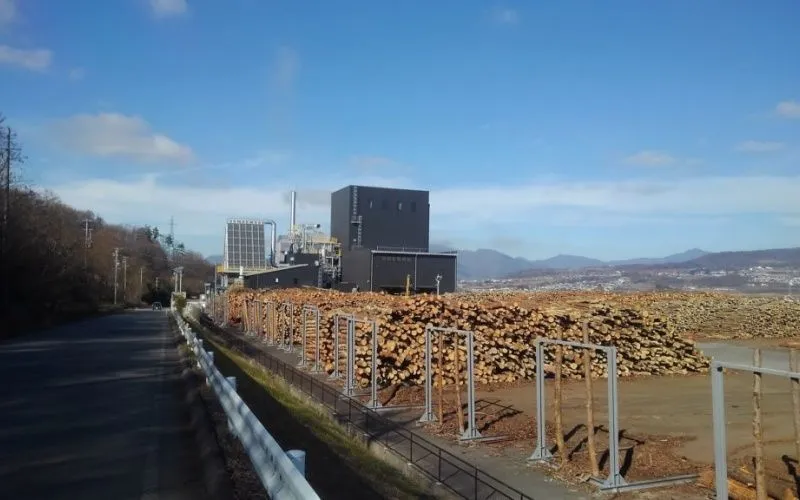
Sawdust pellet production line in Japan
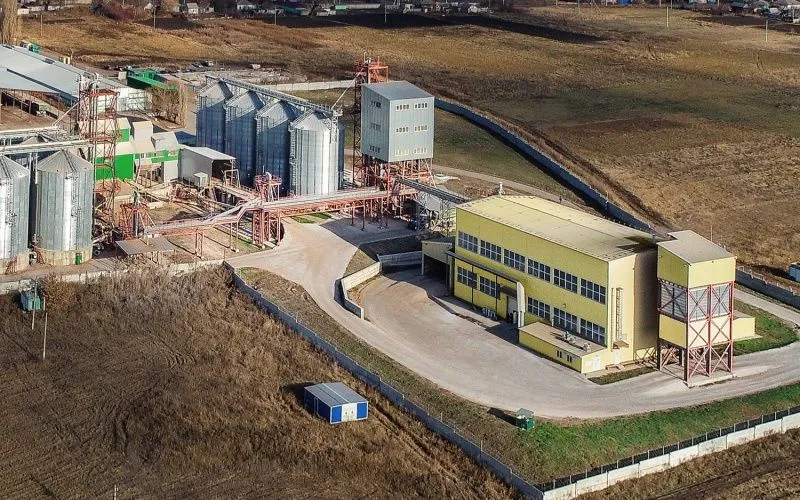
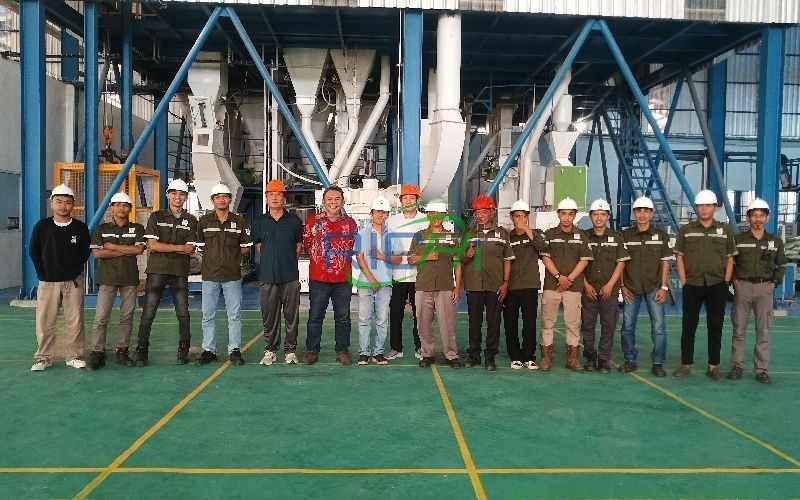
Animal feed production line in Indonesia
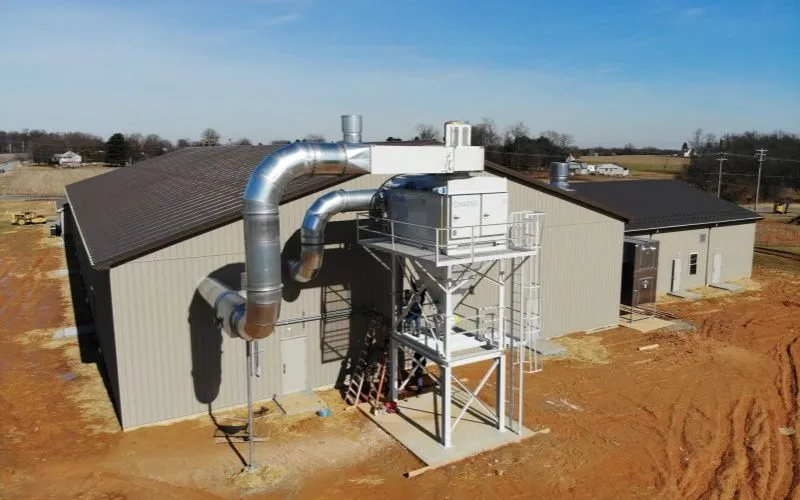
Chicken manure production line in the United States
Cat litter production line in Russia
Poultry feed production line in Thailand
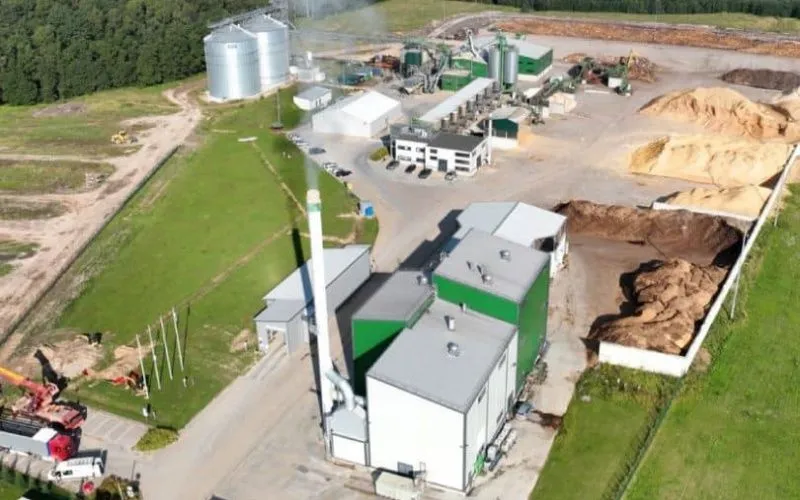
Wood pellet production line in Germany
Fuel pellet production line in Argentina
Cattle feed production line in South Africa

Rwanda 3 T/H Tea Waste Organic Fertilizer Plant Begins First Granulation Runs

First granulation trials have started on a 3 t/h organic fertilizer production line in Rwanda designed to incorporate stabilized tea-processing residues and other prepared plant organic materials. Rwanda has an established tea industry, creating concentrated organic residues at processing facilities. The new project focuses on moving part of that prepared organic material into a higher-density […]

First granulation trials have started on a 3 t/h organic fertilizer production line in Rwanda designed to incorporate stabilized tea-processing residues and other prepared plant organic materials.

Rwanda has an established tea industry, creating concentrated organic residues at processing facilities.

The new project focuses on moving part of that prepared organic material into a higher-density commercial fertilizer form.

Tea Residues Must Be Prepared Before Granulation

Fresh or wet tea-processing residue is not sent directly from factory floor to fertilizer pelletizer.

Moisture adjustment and biological stabilization are required according to material condition.

Once prepared, the organic material can enter secondary crushing and mixing.

The customer may add other composted plant residues and approved mineral or nutrient ingredients according to product formulation.

No standard mixing percentage is imposed.

This also means the 3 t/h figure applies to the downstream prepared-material production section, not tonnes of fresh wet tea waste generated at the tea factory.

Upstream material can lose significant water and mass before it reaches the mechanical fertilizer line.

First Runs Target 2–4 mm Granules

The customer’s principal horticultural and crop product uses approximately 2–4 mm granules.

That size is intentionally different from the larger granules common in some bulk manure fertilizer projects.

Screening separates the commercial fraction while suitable undersize or oversize material is managed through the return system.

The 3 t/h production target suits a customer manufacturing several higher-value organic-input products rather than only one high-volume commodity grade.

The packing section is configured for 10–25 kg bags serving dealers, growers and horticultural users.

Feed Condition Is Being Adjusted During Commissioning

The first runs are not intended merely to demonstrate that the granulator can rotate.

Engineers are watching how the prepared organic material feeds into the forming section.

If the material is too wet, too dry or too fibrous, granule formation can become unstable.

The crushing and mixing stages therefore need to deliver a sufficiently consistent feed before the granulator can be evaluated fairly.

During commissioning, the team is adjusting prepared-material particle condition, moisture and feed rate rather than trying to compensate for every upstream problem at the granulator.

Screening Return Helps Stabilize the Product

Not all material leaving the granulation section will fall immediately into the customer’s 2–4 mm saleable range.

Fine particles and oversize granules are separated.

Where technically suitable, they can return to the production route.

This reduces raw-material loss and helps the plant maintain a more consistent commercial fraction.

The return load itself must be controlled so recycled material does not overwhelm fresh feed.

This balance is one of the items being checked during longer commissioning runs.

Several Formula Families Are Planned

Tea-derived prepared organic matter is one important component, but the customer does not expect every commercial fertilizer grade to contain exactly the same blend.

Other stabilized plant materials, mineral carriers or approved nutrient ingredients may be included according to product type.

The mixing section therefore needs sufficient uniformity for both bulk organic components and smaller-dose additions.

RICHI Machinery does not determine the fertilizer’s agronomic claims.

The customer remains responsible for formulation, nutrient analysis and local regulatory compliance.

Packaging Reflects a Higher-Value Product Strategy

The customer is not targeting only plantation-scale bulk fertilizer.

Its intended channels include growers, agricultural-input dealers and horticultural users.

For that reason, 10–25 kg bags are more relevant than using one standard 50 kg sack for all products.

Smaller specialty packages can be added later if the customer develops a stronger horticultural retail channel.

The packaging line is being designed around the finished product’s actual bulk density rather than assuming all organic fertilizer granules weigh the same per unit volume.

Current Commissioning Checks

The production team is now checking material flow through the crusher, batching and mixing consistency, granulator feeding, granule-size distribution, screening return, finished-product moisture and bagging accuracy.

Electrical interlocks between these sections are also being tested under load.

Longer runs will be required before the customer can evaluate production stability over an entire commercial shift.

This organic fertilizer production project expands RICHI’s coverage into tea waste fertilizer production line, tea factory residue granulation machine, organic fertilizer plant for tea processing waste, tea by-product compost pellet machine, 3 t/h compost fertilizer line Rwanda, horticultural fertilizer granulation equipment, and plant-based fertilizer pellet equipment.

The next commissioning runs will concentrate on maintaining the 2–4 mm saleable fraction over longer operating periods rather than only producing short batches of acceptable granules.

11 / 2026
09

5 T/H Date Palm Frond Shredder Module Passes Customer Material Test for Algeria

The first material run began with long dried palm fronds spread across the infeed conveyor—not with prepared sawdust. That distinction defined a 5 t/h shredding test completed for an Algerian date-sector customer evaluating equipment for plantation pruning residues. Date palm fronds are long and fibrous. Feeding them directly into a conventional fine hammer mill can […]

The first material run began with long dried palm fronds spread across the infeed conveyor—not with prepared sawdust.

That distinction defined a 5 t/h shredding test completed for an Algerian date-sector customer evaluating equipment for plantation pruning residues.

Date palm fronds are long and fibrous. Feeding them directly into a conventional fine hammer mill can create an obvious mismatch between the material and the machine.

RICHI Machinery therefore started with coarse reduction.

What Changed After One Pass?

The customer compared three things before and after shredding:

Before ShreddingAfter Coarse Reduction
Long irregular frondsShorter, opened fibrous pieces
Difficult conveyor loadingMore controllable transfer
Unsuitable for direct fine grindingBetter prepared for a secondary stage

The target was not a finished pelletizing particle size.

If the customer later requires fine biomass preparation, another crushing stage will follow.

Why 5 T/H Was Selected

The proposed 5 t/h module corresponds to the customer’s planned collection and processing scale for prepared pruning residues.

RICHI is not increasing the number to 5.5 or 6.5 t/h merely to make the project look different.

The actual machine loading will still vary with frond length, dryness, stem content and feeding consistency.

The Module Can Operate Without a Pellet Line

The preliminary supply consists of:

infeed conveyor → twin-shaft/coarse shredder → discharge conveyor → control system.

That is enough to solve the customer’s present handling problem.

A dryer, hammer mill or pellet mill would only be added if the customer confirms a downstream product that requires those operations.

Algeria’s date-producing regions generate palm pruning residues as part of orchard management, giving the project a credible local material source.

The trial consequently targets a distinct equipment market: date palm frond shredder, palm pruning waste crusher, date tree residue processing machine, and 5 t/h palm biomass shredding system.

The customer is now reviewing the shredded sample and module layout before making the final purchase decision.

06 / 2026
09

Honduras 5 T/H Banana Residue Organic Fertilizer Project Reaches Main Installation Milestone

The main processing equipment has been positioned for a 5 t/h organic fertilizer production project in Honduras using stabilized banana-growing and packing residues within the customer’s organic raw-material program. Banana stems, rejected fruit fractions and other wet residues are not direct pellet-mill feedstock. Their high moisture and biological activity mean the customer must first manage […]

The main processing equipment has been positioned for a 5 t/h organic fertilizer production project in Honduras using stabilized banana-growing and packing residues within the customer’s organic raw-material program.

Banana stems, rejected fruit fractions and other wet residues are not direct pellet-mill feedstock.

Their high moisture and biological activity mean the customer must first manage size reduction, dewatering or composting and stabilization according to the specific residue.

RICHI’s mechanical fertilizer line begins after suitable preparation.

The Project Is Built Around Prepared Compost

Once stabilized material reaches the agreed condition, it moves through fine crushing and controlled mixing.

The customer can combine banana-derived compost with other prepared agricultural organic materials and formula-specific nutrient or mineral ingredients.

Granulation follows only after a consistent feed has been created.

The current commercial plan uses approximately 3–5 mm fertilizer granules.

The 5 t/h rating refers to the downstream mechanical production line, not to tonnes of fresh banana stems entering upstream composting.

That distinction is important because fresh plant residue contains substantial water and loses mass during stabilization.

Banana Residue Is Not One Uniform Material

A packing operation can generate rejected fruit, crown material and other organic residues, while plantation management creates pseudostem and leaf residues.

Those streams differ substantially in moisture, fiber content and collection method.

The customer therefore cannot send every banana-derived material into one preparation system at the same condition.

High-fiber stem material may require more aggressive size reduction.

Wet fruit residues can require a different dewatering and composting approach.

The fertilizer plant is consequently based on prepared stabilized feedstock, not an undefined mixture of all fresh banana waste.

Installation Is Moving Downstream

The crushing and mixing sections are already positioned.

Granulation equipment is now being aligned with the screening system.

Finished-product conveying and packaging will follow.

The packaging area is designed around 20–25 kg commercial fertilizer bags and 40–50 kg agricultural formats.

A FIBC option can serve plantation-scale buyers.

Mechanical alignment between the granulator and screener is particularly important because excessive drop height or poor transfer can create additional breakage and fines.

RICHI Machinery is therefore coordinating conveyor elevations with the actual site rather than treating each machine as an isolated item.

Moisture Still Matters After Composting

Stabilization does not guarantee that every batch enters the mechanical line at exactly the same moisture.

Storage, rainfall exposure and compost-management conditions can change the feed.

The crushing and mixing section therefore provides an opportunity to equalize prepared material before granulation.

If product moisture after forming remains above the required packaging condition, the downstream system can include appropriate drying and cooling.

The final configuration follows actual material tests.

Different Fertilizer Grades Need Different Mixing

The customer plans to manufacture more than one agricultural product.

Banana-derived prepared compost may form a major organic base, while other stabilized crop materials and approved mineral or nutrient ingredients can be incorporated according to formula.

RICHI is not assigning a fictional standard blend percentage.

Instead, the batching and mixing system is being designed so bulk organic material and smaller-dose ingredients can be introduced with appropriate control.

This supports product differentiation without requiring a separate line for every fertilizer grade.

Screening Return Reduces Waste

The finished product target is approximately 3–5 mm.

Material outside that range is separated after granulation.

Suitable fines or oversize material can be reprocessed where appropriate.

This return loop needs controlled capacity because excessive recycle can reduce the amount of fresh material the plant processes each hour.

The commissioning stage will therefore evaluate both saleable output and circulating load rather than looking only at total material moving through the granulator.

Packaging Reflects Several Customer Groups

Dealer networks can handle 20–25 kg bags conveniently.

Commercial farms may prefer 40–50 kg sacks.

Plantations and large fertilizer users can justify FIBC or other bulk formats.

The customer therefore wants packaging flexibility rather than one fixed bag weight.

Bagging accuracy will be checked against the actual finished fertilizer’s density and flow characteristics.

Country and Customer Logic

Honduras has substantial banana and broader agricultural production, giving this project a realistic organic-residue base.

The commercial value comes from centralized preparation and product manufacturing rather than simply claiming that all plantation residue should be pelletized.

A properly stabilized organic feedstock can be converted into a denser, screened and packaged product that is easier to distribute through agricultural channels.

The project expands keyword exposure through banana waste organic fertilizer production line, banana stem compost granulation equipment, banana processing waste fertilizer plant, fruit plantation waste fertilizer production, 5 t/h organic fertilizer line Honduras, commercial compost granule factory, and agricultural residue fertilizer machinery.

The project will enter electrical and no-load testing after mechanical alignment is completed, followed by representative prepared-material trials before full loaded commissioning.

01 / 2026
09

Ethiopia 6 T/H Sesame Stalk Biomass Pellet Plant Begins Main Equipment Production

Main equipment production has begun for a 6 t/h agricultural biomass pellet line planned for an Ethiopian customer with access to sesame stalks and other dry crop residues. Sesame-producing regions generate stalk and field residue after seed harvest. For this project, selected dry stalk residues are being evaluated for industrial biomass fuel production. The customer […]

Main equipment production has begun for a 6 t/h agricultural biomass pellet line planned for an Ethiopian customer with access to sesame stalks and other dry crop residues.

Sesame-producing regions generate stalk and field residue after seed harvest. For this project, selected dry stalk residues are being evaluated for industrial biomass fuel production.

The customer is not approaching sesame stalks as a single-season novelty material. Its commercial plan is based on collecting and storing agricultural residues during the harvest period, then operating the biomass pellet plant over a longer production season.

That creates a storage and logistics problem before it becomes a pelletizing problem.

Field Residue Means Contaminant Control Matters

Sesame stalks collected from farmland can carry soil, sand and stones.

The receiving section therefore cannot be designed like an indoor sawdust silo.

Material undergoes inspection and impurity control before coarse size reduction.

Long stalks are shredded or crushed into a manageable fraction, followed by drying when required and hammer milling before pelletizing.

The final preparation route depends heavily on how the customer stores residue after harvest.

Material collected dry and protected under suitable storage may require less thermal drying than residues exposed to rain or ground moisture.

That means the dryer is sized as part of the moisture-management strategy rather than assumed to run at maximum load every hour.

6 T/H Finished Pellet Target

The customer plans approximately 6 t/h of prepared biomass pellet output.

The current product specification is around 8 mm for industrial fuel use.

The biomass pellet production line includes crop-residue receiving, coarse stalk reduction, drying according to moisture, fine grinding, buffer storage, MZLH pelletizing, cooling, screening and commercial product handling.

The company plans seasonal raw-material collection with larger storage capacity because sesame stalk availability follows harvest periods.

FIBC and bulk dispatch are more relevant to this industrial fuel project than consumer retail bags.

No assumption is made that sesame stalks must be mixed with wood.

Compatible crop residues can be evaluated, but the biomass pellet project is being sized around locally available agricultural biomass.

Bulk Density Influences the Front End

Loose stalk material occupies substantial space before crushing.

A nominal 6 t/h line therefore requires careful attention to volumetric handling.

Receiving conveyors, coarse-crushing feed openings and intermediate storage cannot be selected only by tonnes per hour.

RICHI is also considering how the customer will deliver the stalks—loose, bundled or partially reduced—because this can materially change the receiving arrangement.

Where pre-baled material is used, bale opening may become relevant before the principal size-reduction stage. Where residue arrives loose, a different receiving conveyor can be more practical.

The final configuration therefore follows collection practice rather than forcing one universal agricultural-residue intake system.

Why Industrial Fuel Determines the Pellet Specification

The customer is not targeting animal feed.

Sesame stalk pellets are being developed for industrial thermal-energy use, where consistent dimensions, handling convenience and bulk density can be commercially useful.

However, agricultural-residue pellets do not automatically have the same ash behavior as clean wood pellets.

For that reason, RICHI Machinery is not positioning the finished fuel as a direct equivalent to premium residential wood pellets.

The intended buyers should operate combustion equipment suitable for the actual fuel characteristics.

Dust and Fine Material Need Control

Fine grinding of dry stalk residue can generate lightweight dust.

The project therefore includes aspiration and dust-control points around grinding, transfer and pelletizing areas.

This is important both for housekeeping and for recovering usable fines that would otherwise escape from the production stream.

After pelletizing, screening removes loose fines before the saleable pellets enter storage.

Suitable fines can be returned to the production process.

Project Manufacturing Focus

Main equipment manufacturing is progressing through the stalk preparation, grinding, pelletizing and cooling sections.

The storage and conveying system is also being coordinated with the customer’s expected harvest-season intake.

Particular attention is being paid to avoiding large unsupported drops between transfer points because long or lightweight agricultural particles can behave differently from dense wood chips.

The project broadens RICHI’s search footprint into sesame stalk pellet machine, sesame residue biomass pellet line, sesame straw pellet production plant, Ethiopia crop waste pellet plant, agricultural stalk fuel pellet equipment, non-wood biomass pellet factory, and 6 t/h farm residue pellet plant.

Once the main machinery is completed, the next engineering work will concentrate on confirming the customer’s raw-material storage method and determining the expected seasonal moisture range before final commissioning parameters are established.

27 / 2026
08

Ghana 4 T/H Palm Kernel Shell Pellet Line Passes Factory Acceptance Test

A 4 t/h palm kernel shell pellet production system for Ghana has passed its factory acceptance test at RICHI Machinery and is now being prepared for overseas shipment. The pks biomass pellet project is being developed for a West African biomass processor with access to palm-processing residues. Palm kernel shell will be the main feedstock, […]

A 4 t/h palm kernel shell pellet production system for Ghana has passed its factory acceptance test at RICHI Machinery and is now being prepared for overseas shipment.

The pks biomass pellet project is being developed for a West African biomass processor with access to palm-processing residues. Palm kernel shell will be the main feedstock, while palm fiber and suitable clean sawdust may be introduced as supplementary biomass streams when their condition is appropriate.

The customer plans to manufacture mainly 8 mm industrial fuel pellets.

FAT Concentrated on Equipment Readiness, Not a Marketing Demonstration

The factory acceptance test checked whether the supplied machines, motors, feeders, control elements and main auxiliary components matched the approved project documents and operated correctly under factory conditions.

RICHI Machinery also reviewed equipment identification and the interfaces required for later installation.

The purpose was to identify manufacturing or coordination issues before shipment, when corrections are easier to make.

PKS and Palm Fiber Were Not Treated as the Same Material

The fuel pellet plant project includes more than one palm-related residue, but the engineering does not assume that all palm biomass behaves alike.

Palm kernel shell is hard and relatively dense compared with fibrous palm residues.

Palm fiber requires different preparation and feeding consideration.

The equipment arrangement therefore reflects these differences before the materials reach the common pelletizing stage.

What the FAT Confirmed

The inspection verified the main areas required before international delivery:

  • equipment specification and assembly;
  • motor and transmission operation;
  • feeder response;
  • conveying interfaces;
  • safety and control elements included in the scope;
  • equipment labels and packing references.

The test did not attempt to establish final Ghana production parameters.

Actual Feedstock Commissioning Still Belongs On Site

The customer’s commercial PKS supply will define the final operating condition.

Shell size, moisture, contamination and the proportion of supplementary fiber or sawdust can all affect practical production.

After installation in Ghana, material commissioning will be required before the line reaches stable operation.

This distinction matters: a successful FAT confirms factory readiness, not permanent performance under every raw-material condition.

With the acceptance stage completed, the 4 t/h biomass pellet plant project can now move into packing and shipment preparation.

22 / 2026
08

Uruguay 2 T/H Waste Wool Fertilizer Pellet Project Finalizes Commercial Production Design

A Uruguayan bio-input project is moving toward commercial-scale production with a planned 2 t/h line designed to convert suitable low-value sheep wool into compact agricultural pellets. This is one of the more specialized residue-utilization routes in the current RICHI news portfolio. Uruguay has a major sheep and wool sector, giving the project a direct raw-material […]

A Uruguayan bio-input project is moving toward commercial-scale production with a planned 2 t/h line designed to convert suitable low-value sheep wool into compact agricultural pellets.

This is one of the more specialized residue-utilization routes in the current RICHI news portfolio.

Uruguay has a major sheep and wool sector, giving the project a direct raw-material connection.

The customer is evaluating lower-value wool that is difficult to place into higher-value textile channels and wants to manufacture a compact agricultural product rather than continue handling the material only as loose fiber.

Wool Requires a Dedicated Preparation Route

Low-value wool is not handled like compost powder.

Fibers are light, elastic and prone to entanglement.

The preparation section therefore needs controlled feeding and cutting or size reduction before pellet formation.

Material cleanliness also matters.

Foreign objects and unsuitable contamination must be removed before processing.

Depending on incoming wool condition, drying or moisture adjustment may also be required.

Loose wool also has extremely different volumetric behavior from grain, sawdust or fertilizer powder.

This means conveyors, feed hoppers and buffer capacity must be selected from actual fiber behavior rather than tonnes per hour alone.

2 T/H Is Already a Commercial Scale for This Product

The target is not a 10–20 t/h commodity fertilizer factory.

A wool-based soil product is a relatively specialized bio-input, so a 2 t/h commercial production class allows the customer to manufacture meaningful volume while retaining product flexibility.

At 2 t/h, even a single eight-hour operating shift can produce a significant daily quantity for regional agricultural and horticultural distribution.

The organic fertilizer production project‘s economics therefore depend more on raw-material sourcing, product value, packaging and market development than simply maximizing hourly output.

Pellet Specification Will Follow Field Use

The planned pellets are significantly different from conventional compost fertilizer granules.

Pellet diameter and length will be finalized through product trials according to field application and packaging requirements.

A very small pellet may increase processing energy and create unnecessary fines, while an excessively large pellet may be less convenient for some horticultural applications.

The customer is therefore testing product size as an agronomic and commercial parameter rather than adopting a standard biomass or feed pellet specification.

Full Processing Concept

The current production concept is:

wool receiving and sorting → fiber cutting/preparation → controlled moisture adjustment → buffer feeding → pelletizing → cooling/stabilization → screening → packing.

The exact cutting stage is particularly important.

Long fibers need to be reduced sufficiently to feed the pelletizing system without wrapping or bridging, but unnecessary pulverization is not the objective.

A controlled fibrous feed is more relevant than turning wool into powder.

Raw Material Sorting Protects the Product

Not all low-value wool is automatically suitable.

Foreign material, excessive contamination and unsuitable non-wool waste need to be separated.

The customer is therefore planning a receiving and inspection area before the mechanical production line.

Different wool grades can also have different fiber length, dirt content and moisture, affecting feeding and product consistency.

This front-end classification helps the plant reduce unexpected variation at the pelletizing stage.

Packaging Is More Diverse Than Conventional Fertilizer

The customer expects retail horticultural packs, nursery/farm bags and larger commercial formats rather than one standardized 50 kg fertilizer sack.

Small garden-market packs can carry higher product value per tonne but require much more packaging activity.

Farm and nursery buyers may prefer larger bags.

The organic fertilizer production line therefore leaves room for several packaging routes rather than designing the entire plant around one bagging speed.

Finished product must be sufficiently cooled and stabilized before entering sealed packaging.

No Invented Wool Blend Is Required

If other organic ingredients are ever incorporated, their compatibility would need separate formulation tests.

RICHI is not inventing a wool-compost blend merely to complicate the process.

The initial project is commercially interesting precisely because it develops a distinct use for low-value wool.

If later products contain other materials, the mixing and feeding system can be reviewed based on the actual formula.

The Customer Is Buying More Than Densification

Pelletizing can reduce the volume occupied by loose wool, making storage and distribution easier.

It also converts an irregular fiber stream into a more standardized commercial form.

However, RICHI Machinery does not claim that mechanical pelletizing alone determines fertilizer performance.

Product nutrient release, agronomic effects and application recommendations remain matters for the customer’s technical and regulatory program.

RICHI’s role is the mechanical processing system.

The project opens high-value searches including wool pellet fertilizer machine, waste sheep wool pellet production line, wool biofertilizer manufacturing equipment, sheep wool recycling plant, slow-release wool fertilizer pellet plant, horticultural wool pellet machinery, and 2 t/h wool recycling line Uruguay.

Final commercial engineering is now focused on fiber preparation, consistent feeding and a packaging arrangement capable of serving both horticultural and agricultural customers.

17 / 2026
08

Structural Installation Reaches New Level at Kenya 15 T/H Dairy Feed Mill

A new 15 t/h dairy feed mill in Kenya has reached an important construction milestone as major steel platforms, ingredient bins and vertical conveying sections are installed at the project site. The facility is being built for a regional feed producer supplying commercial dairy farms with both meal and pellet products. Its formula base includes […]

A new 15 t/h dairy feed mill in Kenya has reached an important construction milestone as major steel platforms, ingredient bins and vertical conveying sections are installed at the project site.

The facility is being built for a regional feed producer supplying commercial dairy farms with both meal and pellet products.

Its formula base includes corn, barley, wheat bran, soybean and sunflower meals, alfalfa meal, molasses, minerals and premixes.

The current work is giving the future factory its vertical structure.

Bin Installation Reveals the Scale of Formula Management

From ground level, much of the new factory’s complexity is now visible above the main processing floor.

Different ingredient groups need separate storage before batching. High-volume materials such as grain and bran occupy large positions, while lower-inclusion ingredients require controlled dosing from smaller systems.

The installed bins are therefore not simply storage vessels. Their arrangement determines how efficiently future formulas can be changed and batched.

Meal Feed and Pellet Feed Will Share the Upstream System

The Kenyan customer intends to sell more than one physical product form.

Some dairy formulas will leave the plant as meal feed, while others will continue through conditioning and pellet production.

That means material must be able to separate after the common grinding, batching and mixing stages.

The site installation is currently preserving these different downstream routes.

Molasses Connections Are Being Coordinated Before Pipe Work Closes

Liquid handling has received particular attention during the structural stage.

Molasses is commonly used in ruminant feed, but its storage and controlled dosing need dedicated equipment and suitable pipe access.

RICHI Machinery is coordinating these interfaces before final pipe and electrical work makes later changes more difficult.

Vertical Construction Also Creates Maintenance Questions

As each platform goes into place, the site team is checking whether operators will have practical access to drives, inspection doors and service positions.

A compact vertical layout can save floor area, but overly tight construction can make future maintenance more difficult.

The current installation stage is therefore being used to correct access issues before commissioning.

Kenya Project Prepares for Mechanical Completion

Once the remaining main equipment and connections are installed, the project will move toward electrical integration and automation testing.

Material commissioning will come later, using the customer’s own dairy feed ingredients and commercial formulations.

The 15 t/h ruminant feed mill project has not yet produced feed, but the structural milestone is significant: the storage and process architecture that will control material movement through the future factory is now taking physical form in Kenya.

12 / 2026
08

Bulgaria Sunflower Husk Pellet Project Reaches Export Loading Milestone

Loading is underway for an 8 t/h sunflower husk pellet production system ordered by a Bulgarian biomass fuel company, marking the end of the project’s principal factory work at RICHI Machinery. The future biomass pellet plant will process sunflower husks generated by oilseed-processing activities together with limited volumes of other approved cereal residues when suitable. […]

Loading is underway for an 8 t/h sunflower husk pellet production system ordered by a Bulgarian biomass fuel company, marking the end of the project’s principal factory work at RICHI Machinery.

The future biomass pellet plant will process sunflower husks generated by oilseed-processing activities together with limited volumes of other approved cereal residues when suitable.

The customer plans to produce 8 mm industrial fuel pellets for bulk energy markets.

Shipment Volume Reflects a Low-Density Raw Material Business

The commercial reason behind the project starts with the raw material itself.

Sunflower husks are comparatively light and bulky. Moving them over long distances in untreated form means transporting a large volume for a relatively limited mass.

Pelletizing changes this logistics equation by producing a denser fuel that is easier to store, handle and transport.

That value proposition shaped the customer’s investment from the beginning.

Upstream Storage Was Treated as a Production Issue

Because husks have low bulk density, the plant cannot rely on small buffer bins designed for denser materials.

A tonne of sunflower husk occupies a substantially larger volume than a tonne of many mineral or grain ingredients.

The receiving and feeding sections therefore need enough physical volume to supply the pelletizing section without frequent interruption.

RICHI considered this requirement during engineering and equipment selection.

Loading Follows Installation Zones

The machines are being packed and loaded according to the future arrangement at the Bulgarian site.

Preparation and feeding equipment are grouped separately from the pelletizing section, while cooling, screening and corresponding conveying components are identified for downstream installation.

This approach should reduce confusion when containers are opened at the project site.

Local Husks Will Determine Final Production Settings

The factory stage can verify equipment condition and functionality, but final commissioning cannot be completed with assumptions about Bulgarian sunflower husk.

Moisture, fines content and storage condition can vary from one supply source to another.

After installation, the customer’s own material will be used to determine practical feeding and pelletizing settings.

The current loading operation therefore closes the manufacturing chapter of the biomass pellet project while opening the logistics phase that will bring the 8 t/h system to its permanent production site in Bulgaria.

07 / 2026
08

South Korea 1 T/H Eel Feed Extrusion Line Completes Final Product Verification

A 1 t/h eel feed extrusion line supplied by RICHI Machinery in South Korea has completed final product verification after the customer’s main commercial formulations were tested through the complete production route. The project was developed for a specialist aquafeed producer adding a relatively small but high-value eel feed range to its manufacturing business. Rather […]

A 1 t/h eel feed extrusion line supplied by RICHI Machinery in South Korea has completed final product verification after the customer’s main commercial formulations were tested through the complete production route.

The project was developed for a specialist aquafeed producer adding a relatively small but high-value eel feed range to its manufacturing business.

Rather than pursue maximum volume, the line was designed for controlled short-batch production, fine product adjustment and high-protein formulations.

Product Verification Focused on More Than Appearance

The customer’s review covered physical feed condition after extrusion, but also the consistency achieved after drying and downstream handling.

Eel feed formulations can contain fish meal, concentrated soybean proteins, wheat flour, starch materials, fish oil and premixes.

Those ingredients require fine preparation before extrusion if small finished products are to remain reasonably uniform.

The verification work therefore began upstream with grinding consistency and formula preparation.

Small Production Scale Supports Specialized Batch Management

The 1 t/h capacity is intentional.

The customer does not need a large commodity feed mill. It needs a production system that can handle specialized formulas without forcing every commercial run to be extremely long.

Shorter batch lengths can be useful when product sizes, protein levels or oil content change between customer orders.

This makes cleaning, formulation control and repeatable extrusion conditions especially important.

Drying Results Were Reviewed Product by Product

Different eel feed specifications were not judged under one universal dryer setting.

Changes in product dimensions and formulation can alter the amount of moisture carried out of the extruder and the way heat moves through the feed during drying.

The customer and RICHI commissioning team therefore reviewed the drying condition separately for the principal products.

Operator Adjustments Now Follow Recorded Production References

The customer’s team has received a set of operating references established during the verification runs.

These are not treated as permanent settings that can never change.

Instead, they give operators a starting point when future formulas or ingredient lots behave differently.

The fish feed production line has now completed its main product-verification stage and is moving into routine use under the South Korean customer’s production team.

For this fish feed mill project, successful commissioning was defined less by a single capacity figure and more by whether the line could repeatedly produce the specialized eel feed the customer actually intends to sell.

02 / 2026
08

Serbia 7.5 T/H High-Fiber Feed Project Enters Equipment Manufacturing

RICHI Machinery has started manufacturing equipment for a 7.5 t/h feed pellet project in Serbia built around dried beet pulp and alfalfa as major fiber ingredients. The customer is a commercial feed producer serving cattle and sheep farms rather than intensive poultry operations. Its planned formulas combine beet pulp, alfalfa meal, wheat bran and selected […]

RICHI Machinery has started manufacturing equipment for a 7.5 t/h feed pellet project in Serbia built around dried beet pulp and alfalfa as major fiber ingredients.

The customer is a commercial feed producer serving cattle and sheep farms rather than intensive poultry operations. Its planned formulas combine beet pulp, alfalfa meal, wheat bran and selected grains with minerals, premixes and, where required, liquid ingredients such as molasses.

The new production system will manufacture mainly 6 mm and 8 mm ruminant feed pellets.

Equipment Design Reflects Low-Bulk-Density Ingredients

The Serbian project differs from a grain-dominant ruminant feed mill in one practical way that affects almost every upstream section: a large proportion of the raw materials are fibrous and relatively bulky.

Dried beet pulp and alfalfa meal can occupy considerably more storage volume than dense grain ingredients of the same weight.

This influences bin sizing, conveying rates and feeder design.

Manufacturing drawings for these sections were therefore finalized around the customer’s actual ingredient profile before steel fabrication began.

Formula Flexibility Matters More Than One Maximum Output Number

The customer plans more than one cattle and sheep formulation.

Some products will contain a higher proportion of beet pulp, while others may use more alfalfa, bran or grain depending on animal category and market demand.

Those changes can influence both pellet formation and practical hourly production.

The 7.5 t/h project is therefore being built to provide a stable commercial operating range rather than one fixed recipe optimized only for factory testing.

Molasses Addition Receives Separate Engineering Attention

Where molasses is included, it needs controlled addition into the feed mixture.

Introducing too much liquid too quickly can affect mixer discharge and downstream material flow.

For this reason, liquid handling has been treated as a dedicated subsystem rather than an afterthought added beside the mixer.

Manufacturing Is Progressing by Functional Equipment Group

RICHI’s factory work has started with the principal handling, batching, mixing and pellet-production sections.

Downstream cooling, screening and conveying equipment will follow according to the approved production route.

The customer is preparing the corresponding factory area in Serbia during this period.

Once manufacturing is completed, the feed mill equipment will move through inspection and shipment before installation begins.

The Serbian animal feed factory project is now past the conceptual stage. Its high-fiber production plan is being translated into machinery designed specifically for the way beet pulp, alfalfa and ruminant feed ingredients move through a commercial feed plant.

28 / 2026
07
Biomass pellet project in Romania
videobtn
Argentina Alfalfa Pellet Project
videobtn
Russia Trout Extruded Feed Project
videobtn
videobtn
Malaysia Cat Litter Project
videobtn
20tph Wood pellet plant construction in Bangladesh
videobtn
Rice Straw Pellet Production Line in Brazil
videobtn
fish feed mill project
videobtn
animal feed factory project
videobtn
Australia Rat Poison Project
videobtn

Investment Guide

Pioneering Pelletizing Solutions Since 1995

richi factory
richi factory

Pelletizing Excellence Across Industries

animal feed solution
biomass pellet solution
fertilizer pellet solution
cat litter solution
fuel pellet solution
Email
WhatsApp
Get Quote!

LEAVE YOUR NEEDS

Keeping in touch with us is an effective way to solve all your problems. If you have any needs or questions, please leave your contact information, then RICHI technical consultants will send design, quotation, videos to your mailbox. You can also contact us directly via WhatsApp: +86 138 3838 9622

    Application:

    * We will store the information you have provided us. We will only use this information for the purpose of helping to answer your inquiries. We will not disclose your information to third parties.

    Scroll to Top