0086-138 3838 9622
40000 T/A Pig and Dairy Feed Mill in Zambia
RICHI MACHINERY
40000 T/A Pig and Dairy Feed Mill Built for Two Livestock Markets
This pig and dairy feed mill in Zambia was developed for a diversified agribusiness that wanted one commercial factory to serve two repeat-purchase livestock markets. The completed project targets 40000 T/A of finished feed, combining pig grower and finisher pellets with dairy concentrate, calf feed and selected contract rations.
The plant is located in Central Province, where access to maize-growing areas and road connections toward Lusaka and the Copperbelt support both ingredient procurement and regional feed distribution.
The production basis is 8–10 T/H of finished feed, about 330 operating days per year and two shifts totaling roughly 16 effective production hours per day. At 40000 tonnes per year, the required average output is about 7.6 T/H across scheduled hours, so an 8–10 T/H line gives practical margin for formula changes, cleaning, maintenance and shorter interruptions.
One SZLH420 pellet mill provides additional pelletizing reserve above the normal finished-line rate instead of forcing the customer to install a second pelletizer that the annual tonnage does not require.
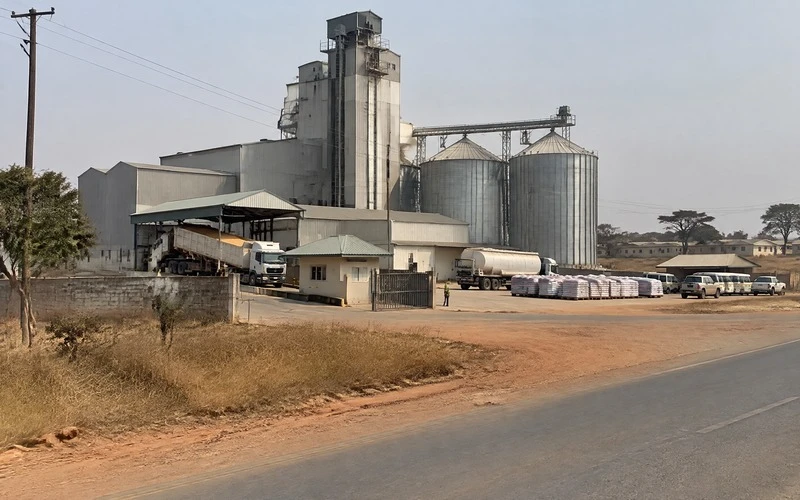
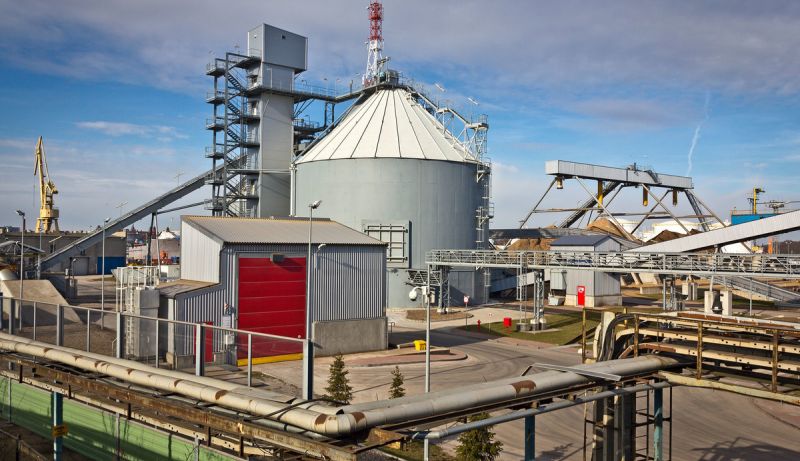
The customer reused an existing agro-processing compound rather than developing an oversized greenfield factory. A serviceable grain warehouse remains in use after floor, roof, ventilation and pest-control improvements, while a new steel-frame production hall accommodates the taller process equipment.
This brownfield approach keeps truck access, grain storage and existing site infrastructure in service while concentrating new construction on receiving, batching, pelleting, quality control and dispatch.
Total completed project investment is USD 1.1 million. The figure covers feed-processing equipment, building adaptation and the new production hall, electrical and control systems, a biomass steam boiler, installation, laboratory and quality-control facilities, drainage and internal site work, initial spare parts and commissioning support.
It is the investment for this specific brownfield project, not a general price for every 40000 T/A animal feed factory project.
8–10 T/H
capacity
USD 1.1 M
investment
Zambia
location
Feed
project type
RICHI MACHINERY
Why Central Province Fits the Feed Business
Central Province fits the project because the business sits close to one of Zambia’s major maize-producing areas and can reach livestock customers through the Lusaka–Central–Copperbelt corridor. The plant is not justified by a claim that Zambia has no feed competition.
It targets farms and distributors that already understand compound feed and therefore compare formula consistency, pellet quality, delivery reliability and delivered feed cost against established suppliers.
The annual sales program is divided by animal and feeding stage so production can schedule dies, formulas and ingredient purchasing around real orders. Pig feed contributes 20000 T/A, split between grower and finisher products. Dairy concentrate contributes 15000 T/A, calf and young-stock feed accounts for 3000 T/A, and about 2000 T/A is reserved for contract livestock formulas.
This mix closes at 40000 T/A without relying on an unsupported national market-share estimate.
| Product Route | Primary Buyer | Annual Plan | Typical Form |
|---|---|---|---|
| Pig grower feed | Commercial pig farms | 12000 T/A | 4 mm pellet |
| Pig finisher feed | Commercial pig farms | 8000 T/A | 4 mm pellet |
| Dairy concentrate | Dairy farms and producer groups | 15000 T/A | 5–6 mm pellet |
| Calf and young-stock feed | Dairy customers | 3000 T/A | Small pellet or crumble |
| Contract livestock formulas | Mixed commercial farms | 2000 T/A | Specification-based |
The dairy side also gives the site the operating logic of a cattle feed plant project, but the factory is not limited to ruminant feed. Production planning uses formula families, ingredient cost and confirmed customer orders.
When maize, soybean products or oilseed cakes move sharply in price, the nutritionist can reformulate within the approved nutrient specification instead of protecting one fixed recipe at the expense of margin or animal performance.
RICHI MACHINERY
Raw Materials and Formula Planning
The raw-material system is built around ingredients that Zambia can supply at commercial scale. Maize is the main energy ingredient, supported by soybean meal or soy cake, wheat bran, maize bran and selected oilseed cakes. Molasses, limestone, salt and macro minerals are sourced through local or regional suppliers, while premixes, amino acids, vitamins and certain specialty additives may contain imported components.
This limits dependence on imported bulk ingredients while preserving the flexibility required for pig and dairy formulas.
The percentages below are the project’s formulation planning basis rather than a universal feeding recommendation. Actual recipes are released by the customer’s nutrition and quality team according to animal stage, ingredient analysis and applicable feed specifications.
The different pig and dairy ratios explain why the plant needs separate ingredient bins, controlled batching and the ability to change grind size and pellet diameter without rebuilding the process line.
| Raw Material | Pig Formula Basis | Dairy Formula Basis | Main Supply Route |
|---|---|---|---|
| Maize grain | 58% | 35% | Zambian grain suppliers and commercial farms |
| Soybean meal or soy cake | 22% | 12% | Local oilseed processors and contracted suppliers |
| Wheat bran | 8% | 18% | Flour mills |
| Maize bran | 6% | 20% | Maize millers |
| Sunflower or cottonseed cake | 2% | 10% | Regional oilseed processors |
| Molasses and macro minerals | 2% | 3% | Sugar and mineral suppliers |
| Premix salt and micro ingredients | 2% | 2% | Specialist feed-input distributors |
Receiving is organized by ingredient risk rather than treating every load the same. Maize and other whole grains are sampled for moisture, infestation and visible impurities before storage; protein meals and oilseed cakes are kept dry and separated by lot; micro ingredients remain in controlled storage with clear identification and stock rotation.
The animal feed mill plant therefore uses covered intake, magnetic separation, dedicated bins and laboratory release procedures instead of relying only on supplier declarations.
- Bulk maize and milling by-products are purchased against moisture, cleanliness and lot-identification requirements, with seasonal inventory increased only when warehouse condition and working capital support it.
- Soybean meal, soy cake and other protein materials are stored separately from grain to simplify traceability and reduce uncontrolled mixing between lots.
- Premixes, minerals and micro ingredients use a controlled small-dose addition route because a minor weighing error can affect a much larger finished batch.
- Approved biomass for the steam boiler is stored outside the feed-ingredient flow so utility fuel cannot be confused with production raw material.
RICHI MACHINERY
Brownfield Site Buildings and Storage
The brownfield site covers about 6000 m². It is large enough for receiving traffic, raw-material storage, a new production hall, boiler utilities, finished-feed dispatch, drainage and fire access without becoming an oversized factory campus. About 2530 m² is covered by buildings.
The existing warehouse is upgraded for dry ingredient storage, while the process hall is new because batching bins, elevators, mixer, conditioner, pellet mill and cooler require vertical clearance and maintenance access that a low grain warehouse cannot provide.
| Building or Area | Approx. Area | Project Use |
|---|---|---|
| Raw-material warehouse | 900 m² | Maize, bran, protein meals, premix and receiving buffer |
| Main production hall | 1200 m² | Cleaning, grinding, batching, mixing, pelleting, cooling, screening and packing |
| Biomass boiler and utility area | 180 m² | Steam boiler, water treatment, compressed air and utility-fuel handling |
| Office laboratory and staff area | 250 m² | Administration, quality control and staff facilities |
| Total covered area | Approx. 2530 m² | Excludes roads, drainage, truck turning and fire access |
The production building uses a ventilated steel frame with process platforms rather than a full concrete tower. Bucket elevators provide vertical transfer, and the layout leaves service space around the hammer mill, mixer, pellet mill and cooler.
Zambia’s wet and dry seasons affect the building details: the warehouse needs weather-tight roofing and raised dry floors, external drainage must handle rainy-season runoff, and dust extraction plus roof ventilation become particularly important in the dry season.
Reusing the warehouse also changes the economics of the livestock feed plant. The customer spends on floor, ventilation, pest-control and material-flow upgrades that protect feed quality, but does not demolish a usable building simply to reproduce a standard new-factory layout.
The new hall sits beside storage so grain reaches cleaning and grinding through short transfer routes while bagged finished feed leaves through a separate dispatch area.
RICHI MACHINERY
Equipment Configuration for 8–10 T/H
The line is configured for 8–10 T/H of finished compound feed with one SZLH420 animal feed pellet mill as the core pelletizing machine. The 110 kW unit provides reserve above the 7.6 T/H average needed to reach 40000 T/A across the planned two-shift calendar.
Upstream grinding, batching and mixing are sized so they do not starve the pellet mill, while cooling, screening and packing match the real finished-line rate rather than an inflated headline capacity.
| Process Section | Main Equipment | Qty | Key Project Basis |
|---|---|---|---|
| Receiving and cleaning | Intake pits, drag conveyor, bucket elevator, drum pre-cleaner, magnetic separator, distributor | 1 set | Covered receiving with impurity and metal removal |
| Grinding | 132 kW hammer mill with dust collection | 1 | Screen selected by pig or dairy particle-size target |
| Ingredient storage | Ingredient bins | 18 | Separates major ingredients and supports formula changes |
| Batching | Screw feeders and batching scales | 20 feeders / 2 scales | Major and minor ingredients weighed under PLC control |
| Mixing | SSHJ4 twin-shaft mixer | 1 | 4 m³ chamber, 45 kW drive |
| Pelleting | Animal feed pellet making machine SZLH420 | 1 | 110 kW main motor with steam conditioner |
| Cooling and screening | Counterflow cooler, crumbler and rotary screener | 1 set | Whole pellets plus calf-crumble capability |
| Packing | Finished bins, bagging scale and sealer conveyor | 1 set | 25 kg and 50 kg bags; bulk option by contract |
| Utilities | 1 T/H biomass steam boiler, air compressor, water treatment | 1 set | Conditioning steam, pneumatics and boiler-water protection |
The SZLH420 ring die feed pellet machine uses different dies for the two main product families. Pig grower and finisher feed normally uses a 4 mm die, while dairy concentrate can use 5–6 mm pellets where the customer specification calls for that size. Calf feed can be produced as a smaller pellet or through the crumbler.
Die compression ratio, conditioning temperature and feed rate are finalized from the actual formula, fiber level, starch content and required durability during commissioning rather than copied from a generic recipe.
The 1 T/H biomass boiler is larger than the normal instantaneous steam addition required by an 8–10 T/H conditioned animal feed production line. Normal steam addition is only a fraction of feed mass, so the boiler provides reserve for conditioning losses and load changes.
Boiler fuel is limited to approved clean biomass available to the customer, and water treatment is included because poor boiler-water quality would create scaling and reliability problems.
RICHI MACHINERY
Complete Pig and Dairy Feed Process
The complete route is receiving and pre-cleaning → magnetic separation → grinding → ingredient-bin storage → automatic batching → mixing → steam conditioning → pelleting → cooling → optional crumbling → screening → packing and dispatch.
Whole grains that need size reduction pass through the hammer mill feed grinder, while meals and bran already within the formula particle-size requirement can bypass unnecessary grinding and enter the correct batching bins through the designed routing.
After cleaning, maize and other grindable grains are reduced with screen selection matched to the formula. Pig rations use a finer grind than dairy concentrate because animal response, pellet quality and rumen function place different demands on particle size. Ground materials and unground meals are distributed among 18 ingredient bins.
Twenty screw feeders discharge ingredients to two batching scales, separating high-volume ingredients from smaller-dose materials so weighing speed does not compromise accuracy. Premixes and sensitive micro ingredients use the designated controlled addition point rather than being handled like bulk maize.
The SSHJ4 twin-shaft mixer receives each weighed batch and blends major, minor and micro ingredients before material enters the pelletizing buffer. Actual batch weight is established from ingredient bulk density and the customer mixing-uniformity requirement instead of assuming that every 4 m³ batch has the same mass. Mixed feed is metered through the conditioner, where steam raises temperature and moisture sufficiently to support binding and pellet quality.
Conditioning parameters are adjusted by formula because pig feed and dairy concentrate do not respond identically to heat, moisture and residence time.
Conditioned mash enters the SZLH420 pellet mill. The plant changes dies and operating parameters according to the product schedule rather than installing a second pelletizer solely for a different pellet diameter. Hot pellets move directly to counterflow cooling before screening and storage. The screener separates qualified product from oversize material and fines; clean recyclable fines return through the controlled process route.
Calf product can pass through the roller crumbler before final screening when a smaller form is required.
- Approve and identify each incoming ingredient lot before it enters warehouse or bulk storage.
- Clean whole grains, remove ferrous contamination and grind only materials that require particle-size reduction.
- Store ingredients in assigned bins, batch by formula and add micro ingredients through the controlled dosing route.
- Mix, steam-condition and pelletize according to the selected pig, dairy or young-stock production schedule.
- Cool, crumble where required, screen, pack and release finished feed only after the designated quality checks.
This single-route design is why the project can make several products without becoming several separate factories. The feed pellet production line shares cleaning, grinding, batching, mixing, pelleting and packing assets, while formula management, bin routing, die selection and crumbling create the product differences.
Changeover procedures focus on sequencing and flush control so one formula does not unintentionally carry over into the next batch.
RICHI MACHINERY
Power Steam Water and Labor
The plant is electrically driven except for steam generation. The confirmed motor list includes the 132 kW hammer mill, 110 kW pellet mill, 45 kW mixer, feeder and conditioner motors, elevators, conveyors, cooler fan, dust collection, screener, packing equipment and compressed air.
A practical annual electricity planning basis is about 1.6–2.0 GWh at the intended utilization, but actual meter consumption varies with the percentage of material requiring grinding, formula schedule, pellet-mill loading and downtime. Electricity cost is therefore calculated from the applicable maximum-demand tariff and actual meter data rather than a fixed exchange-rate assumption.
Power continuity is treated as an operating risk rather than solved with an undersized generator. Zambia’s electricity system has substantial hydropower exposure, and drought-related supply constraints have affected industrial users.
The project therefore provides safe-shutdown logic and continuity for controls, laboratory and essential services, while any generator intended to run the complete feed line must be sized from simultaneous load and motor-starting requirements. A small standby set cannot realistically start and carry the hammer mill and pellet mill together.
| Utility | Project Basis | Design Note |
|---|---|---|
| Electricity | Approx. 1.6–2.0 GWh/year planning basis | Final demand based on motor list, duty cycle and utility connection |
| Steam | 1 T/H biomass boiler installed | Conditioning steam with reserve above normal instantaneous demand |
| Water | Approx. 2000–3000 m³/year planning basis | Boiler make-up, cleaning, domestic use and fire protection |
| Compressed air | 15 kW compressor | Supports pneumatic gates and controls |
| Boiler fuel | Approved clean local biomass | Roofed storage separated from feed ingredients |
Water demand is modest compared with wet food-processing plants, but the boiler requires reliable make-up water and proper softening. The site can use the available utility supply or another legally approved source after water quality is checked. Rainwater drainage is kept separate from domestic and utility wastewater.
The two-shift plan uses about 18 direct plant roles, covering shift leadership, intake and warehouse work, process operation, packing, quality control and maintenance; administration, sales and transport are shared with the customer wider agribusiness rather than duplicated inside the mill.
RICHI MACHINERY
Finished Feed Quality and Product Mix
Finished feed is managed as separate product families rather than one generic livestock pellet. Pig grower and finisher products use the same 4 mm physical format but different nutrient specifications; dairy concentrate uses a larger pellet where buyers prefer it; calf and young-stock feed can be crumbled or produced as a smaller pellet. Contract livestock formulas are scheduled only after ingredient and die requirements are checked against the normal plan.
This allows the ruminant feed mill function to coexist with the pig-feed business without mixing nutritional claims across species.
| Product | Annual Volume | Physical Form | Release Basis |
|---|---|---|---|
| Pig grower feed | 12000 T/A | 4 mm pellet | Approved formula and batch QC |
| Pig finisher feed | 8000 T/A | 4 mm pellet | Approved formula and batch QC |
| Dairy concentrate | 15000 T/A | 5–6 mm pellet | Customer and formula specification |
| Calf and young-stock feed | 3000 T/A | Small pellet or crumble | Formula and particle-form specification |
| Contract livestock formulas | 2000 T/A | Order-specific | Approved customer specification |
The laboratory checks formula-critical parameters and production records by product instead of publishing one invented protein, fiber or pellet-durability number for every ration. Zambia has separate standards covering pig feeds and ruminant feeds, so the customer release system must match the applicable product requirements.
Grind size, batching accuracy, conditioning, finished moisture and label information are controlled by product and lot rather than reused unchanged across pig, dairy and calf feed.
Pricing is also formula-specific. Maize and soybean products dominate pig-feed cost, while dairy concentrate can carry a different balance of bran, oilseed cake, molasses, minerals and protein materials. The customer therefore quotes by current ingredient cost, pack size, dealer or direct-farm channel and delivery distance. This avoids a web-page feed price that becomes obsolete as commodity, power and freight conditions move.
RICHI MACHINERY
Environmental and Operational Controls
Environmental control focuses on the actual dry-feed process: dust collection at receiving, grinding and transfer points; housekeeping around bins and bagging; noise control around the hammer mill and pellet mill; boiler combustion management; safe biomass-fuel storage; and drainage that keeps stormwater away from feed warehouses. Pulse filtration returns only clean traceable process dust where product rules permit it.
Boiler ash stays outside the feed-material route, and the plant has no continuous wet-process wastewater stream.
Fire and feed-safety risks are managed together. Magnets protect downstream machines from ferrous objects, dust accumulation is controlled around ignition-sensitive equipment, and ingredient stores use lot separation and pest-control procedures. The customer also maintains the permits and operating controls required for the site.
The case avoids copying emission limits, wastewater values or workplace thresholds from another jurisdiction simply to make the project description look more technical.
RICHI MACHINERY
Project Execution RICHI Scope and Expansion
RICHI scope combines process sizing, equipment configuration, layout engineering, manufacturing, installation guidance, commissioning and operator training. The factory is designed around the existing warehouse, 6000 m² site, two-shift target and dual pig/dairy product mix rather than a standard drawing.
That is why the project includes 18 ingredient bins, two batching scales, one 4 m³ mixer, one SZLH420 pellet mill, crumbling capability and a 1 T/H steam boiler instead of simply multiplying machines until the nameplate capacity looks larger.
Because Zambia is landlocked, imported project equipment must move through a regional seaport and then continue by an inland transport corridor. The project record does not establish one definitive public port, so the freight route is selected according to shipping cost, border conditions and delivery schedule. Site work is coordinated so foundations, steelwork, electrical rooms, boiler utilities and warehouse upgrades are ready before installation.
Commissioning progresses from no-load checks to material trials, batching verification, steam adjustment, pellet-quality checks and sustained-rate testing.
Training covers startup and shutdown, hammer-mill screen changes, batching accuracy, mixer sequencing, die and roller inspection, conditioner operation, cooler adjustment, sampling, lubrication and preventive maintenance. Quality staff are trained separately on ingredient acceptance and finished-feed release.
The aim is to leave the customer with operating routines that support the planned 40000 T/A rather than only a list of machine settings recorded during the first trial run.
For another pig and dairy feed mill in Zambia, the final equipment list can change materially with formula, ingredient form, annual tonnage, storage method, packing and power conditions. A project using more whole grain may need heavier grinding duty; a customer buying more pre-ground meals may need less. A larger bulk-delivery business changes finished-feed storage and loading, while more small-bag sales change packing labor.
RICHI therefore starts with the mass balance and sales route before freezing equipment.
RICHI MACHINERY
Why the 40000 T/A Capacity Works
The strongest feature of this pig and dairy feed mill in Zambia is the consistency between annual sales and physical capacity. An 8–10 T/H finished line can produce 40000 T/A over the planned two-shift calendar without requiring a second pellet mill, while the SZLH420 retains useful reserve.
The existing site keeps civil work proportionate, the ingredient system reflects Zambia maize and soybean supply base, and the product schedule gives the customer access to more than one livestock market without turning the factory into an oversized multi-line complex.
The project is also designed to remain adjustable. Ingredient bins and batching logic support formula changes, dairy and other approved ruminant products can share the same core process, and packing can move toward more bulk dispatch if large farms justify it. Expansion should follow sustained sales and actual bottleneck data rather than adding another pellet mill simply because land is available.
Customers planning a comparable project can send their pig and dairy formulas, local raw-material list, target capacity, building drawings, power information and packing plan to RICHI. With those inputs, the project team can check grinding load, bin allocation, batching accuracy, pellet-mill duty, steam demand and finished-feed logistics before quotation. This turns the investment decision into an engineering calculation instead of a catalogue comparison.
● RICHI MACHINERY
RICHI Service

● Consulting
Customer Consultation
We want to have a deep understanding of your industrial process, to know your exact needs of feed, wood, biomass, fertilizer or other pellet processing.

● Design
Feed Pellet Plant Design
Based on your unique situation and industrial process, we will tailor complete pellet plant you need, and inform you of every additional detail that could facilitate operation, minimize total cost.
● Manufacturing
Equipment Manufacturing
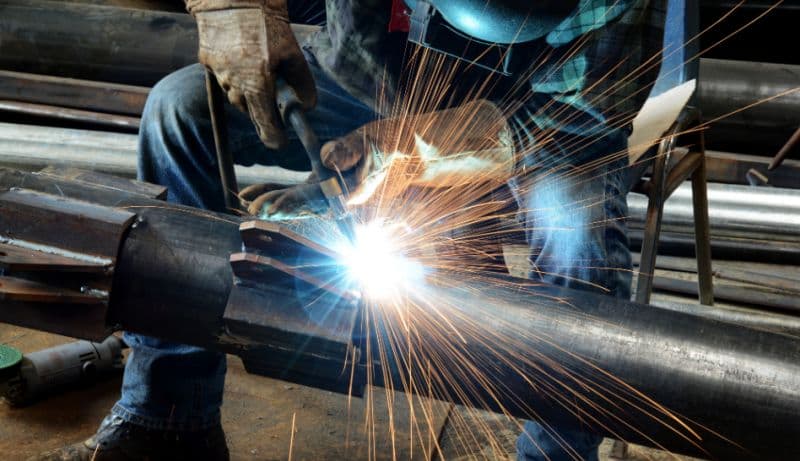
The critical components of the of the complete pellet production line equipment are built in our own workshops in Asia. Additional equipment is manufactured by our worldwide network of reliable partners.

● Testing
Quality Inspection & Testing
Before leaving the factory, all equipment will be inspected by the quality inspection department. We can also provide customers with testing services from a single machine to a complete pellet plant system, and provide you with real actual data for “worry-free use.”

● Delivery
Equipment Delivery
In equipment boxing and packaging, we adopt professional packaging and modular solutions to ensure the safe and non-destructive delivery of pellet plant equipment.
● Installation
Installation & Commissioning
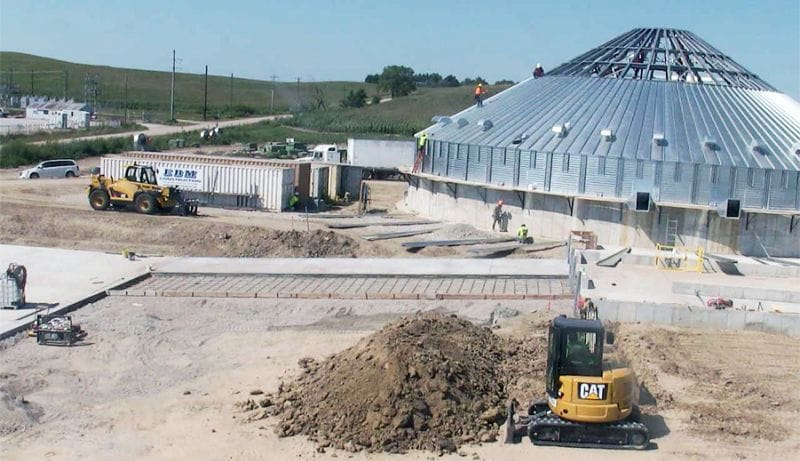
Whether you choose your own subcontractor for the erection phase or you want to install everything together with us, a Richi supervisor will be around to make sure everything is mounted in a safe and thorough way.

● Training
Staff Training
We provide comprehensive training for the technicians of each project. We can also continue to provide support for the technicians during latter project operation.
● After-sales
Project Follow-Up
When everything is up and running our Richiers will help you further whenever needed. We are ready to answer your call 24/7.We’ll also visit you regularly to learn about your needs.
Who we are
RICHI Machinery is one of the world’s leading suppliers of technology and services for the animal feed, aqua feed and pet food industries, also the largest pellet production line manufacturer in China.
Since 1995, RICHI’s vision to build a first-class enterprise, to foster first-class employees, and to make first-class contributions to society has never wavered.
In the past three decades, we have expanded our business to a wide range of areas, including animal feed mill equipment, aqua feed equipment, pet feed equipment, biomass pellet equipment, fertilizer equipment, cat litter equipment, municipal solid waste pellets equipment, etc.

1995
RICHI Established

2000+
Serving More Than 2000 Customers

120+
RICHI Employees

140+
Exported To 140 Countries