 0086-138 3838 9622
Dairy Cattle Feed Factory in Chile
RICHI MACHINERY
Project Overview
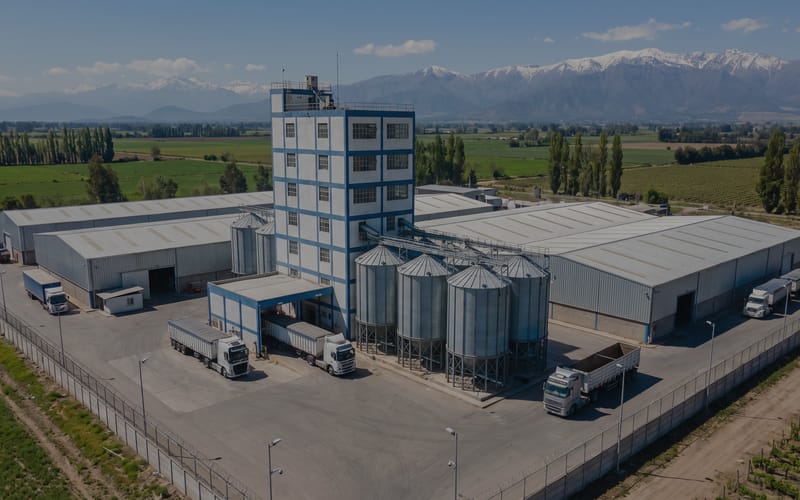
30T/H dairy cattle feed factory in Chile was developed as a mid-to-large scale feed processing project designed to support intensive dairy farming in southern Chile, where forage availability fluctuates seasonally and compound feed demand remains stable year-round.
The project delivers an annual output of 150,000 tons of dairy cattle feed, covering high-yield feed, low-yield feed, heifer feed, and transition period formulations. The entire feed pellet production line was built around consistency rather than peak output—something the client emphasized from the beginning after experiencing unstable feed quality from older systems.
30T/H
capacity
$1.64 million
investment
Chile
location
Feed
project type
RICHI MACHINERY
Project Snapshot
This 30t/h dairy cattle feed factory in Chile is not a greenfield project. It is based on an upgrade and restructuring of an existing site. The original buildings were retained where possible, but the internal flow, equipment layout, and dust control system were completely redesigned.
- Capacity: 30 tons/hour
- Annual Output: 150,000 tons
- Plant Area: 18,196.3 m²
- Building Area: 17,480 m²
- Working Days: 300 days/year
- Shift System: 2 shifts/day, 8 hours/shift
- Total Investment: approx. USD 1.65 million
- Equipment Cost: approx. USD 620,000
RICHI MACHINERY
How the Project Started
The client operates a dairy farming cooperative in southern Chile. Herd size had grown steadily over the past five years, but feed supply remained a weak point.
During the first inquiry in March 2025, the client wasn’t even sure whether to invest in a fully automatic cattle feed plant or continue purchasing feed externally.
A few concerns came up early:
- Feed consistency varied depending on supplier
- Transportation cost kept increasing
- Moisture instability affected storage life
- High-yield cows needed more precise nutrition
By May 2025, after several rounds of formulation discussions and rough layout sketches, the project moved forward.
Contract signed: July 2025
RICHI MACHINERY
What Made This Project Different
Unlike many standard cattle feed production line, this one had to deal with:
- Mixed raw material forms (granular, block, powder)
- High inclusion of protein meals (soybean meal, rapeseed meal)
- Strict control over pellet durability
- Limited building height in the old workshop
One thing that came up during design:
“The first few tons might not be perfect,” the client said during commissioning.
That turned out to be true—initial batches were slightly uneven in moisture. After adjusting steam input and conditioning time, output stabilized.
RICHI MACHINERY
Raw Materials & Consumption
In Chile, corn and soybean meal are widely available through imports and local processing. Rapeseed meal is also common due to regional oilseed production.
The formulation used in this dairy cattle feed factory in Chile is based on high-yield dairy feed.
Main Raw Materials
| Material | Form | Annual Consumption (t/year) | Transport |
|---|---|---|---|
| Corn | Granular | 88,950 | Truck |
| Rapeseed Meal | Block | 13,950 | Truck |
| Soybean Meal | Block | 36,000 | Truck |
| Premix | Powder | 1,800 | Truck |
| Salt | Granular | 1,200 | Truck |
| Limestone Powder | Powder | 1,800 | Truck |
| Sodium Bicarbonate | Powder | 2,700 | Truck |
| Mycotoxin Binder | Granular | 450 | Truck |
| Magnesium Oxide | Powder | 900 | Truck |
| Fat Powder | Powder | 2,250 | Truck |
RICHI MACHINERY
Energy Consumption
| Resource | Annual Usage |
|---|---|
| Water | 674 tons |
| Electricity | 960,000 kWh |
| LPG (for steam) | 20,800 Nm³ |
RICHI MACHINERY
Equipment Configuration
The cattle feed mill equipment selection focused on stability and ease of maintenance rather than pushing maximum throughput.
Main Equipment List
1. Raw Material Receiving & Cleaning
- Feeding hoppers ×2
- Primary cleaner ×1
- Magnetic separator ×1
- Bucket elevators ×2
- Scraper conveyors ×3
- Dust collectors ×multiple
2. Grinding Section
- Fine grinding machines ×2
- Grinding bins ×4
- Air system + fans ×2
- Pulse dust collectors ×2
3. Premix & Micro-ingredient Section
- Premix bins ×8
- Batching scale ×1
- Double-shaft mixer ×1
4. Batching & Mixing
- Large batching bins
- Batching scales ×2
- Double-shaft mixers ×2
5. Pelleting Section
- SZLH508 cattle feed pellet machine ×1
- Conditioner + steam system
- Counterflow cooler ×1
- Rotary screener ×1
6. Packing Section
- Automatic packing scale ×1
- Sewing conveyor system ×1
- Bulk storage silos
7. Steam System
- LPG steam generator ×1
- Burners ×3
- Water pumps and controls
RICHI MACHINERY
Process Flow – What Actually Happens in Production
This cattle feed manufacturing plant follows a fairly standard route, but a few adjustments were made for local conditions.
Step-by-step Flow
- Raw Material Intake
- Corn, soybean meal, and rapeseed meal are manually fed into intake pits
- Dust extraction starts immediately at this stage
- Cleaning
- Materials pass through a primary cleaning screen
- Magnetic separation removes metal impurities
- Grinding
- Raw materials are ground to required particle size
- Fine grinding improves pellet binding
- Batching
- Each ingredient is weighed automatically
- Accuracy is critical here—especially for premix
- Mixing
- Double-shaft mixers ensure uniform distribution
- Mixing time adjusted during commissioning
- Conditioning
- Steam added at ~65–70°C
- Moisture and temperature balanced carefully
- Pelleting
- Material compressed through die
- Pellet diameter adjusted based on feed type
- Cooling
- Counterflow cooler reduces temperature
- Prevents pellet breakage
- Screening
- Fine particles removed and recycled
- Packing
- Finished feed packed or sent to bulk storage
RICHI MACHINERY
Plant Layout Considerations
The original building had limitations:
- Ceiling height was not ideal for tall structures
- Existing warehouse had to be reused
- Material flow had to avoid cross-contamination
Solution:
- Vertical + horizontal hybrid layout
- Separate zones for raw materials and finished goods
- Shorter conveying routes to reduce energy use
RICHI MACHINERY
Shipping & Logistics
All equipment was shipped from Qingdao Port, China to:
- Port of San Antonio, Chile
From there, transport to the site was arranged by the client.
RICHI MACHINERY
Why This Project Works Economically in Chile
Chile’s dairy sector relies heavily on consistent feed quality. Seasonal pasture variation makes compound feed essential.
Key advantages of this dairy cattle feed factory in Chile:
- Reduced reliance on imported finished feed
- Better control over nutrition formulation
- Lower long-term feed cost
- Ability to produce multiple feed types
RICHI MACHINERY
A Practical Thought for Investors
Projects like this are not just about machines.
They’re about control—control over raw materials, formulations, and output quality.
Some clients come asking for a price first.
Others bring samples of their raw materials.
The second group usually builds better plants.
RICHI MACHINERY
Looking Ahead
Demand for dairy feed in Chile is steady, not explosive—but stable markets are often the safest.
For anyone considering a cattle feed plant project, the key question isn’t just capacity.
It’s whether the system can run consistently, day after day, without constant adjustment.
That’s where experience matters.
● RICHI MACHINERY
RICHI Service

● Consulting
Customer Consultation
We want to have a deep understanding of your industrial process, to know your exact needs of feed, wood, biomass, fertilizer or other pellet processing.

● Design
Feed Pellet Plant Design
Based on your unique situation and industrial process, we will tailor complete pellet plant you need, and inform you of every additional detail that could facilitate operation, minimize total cost.
● Manufacturing
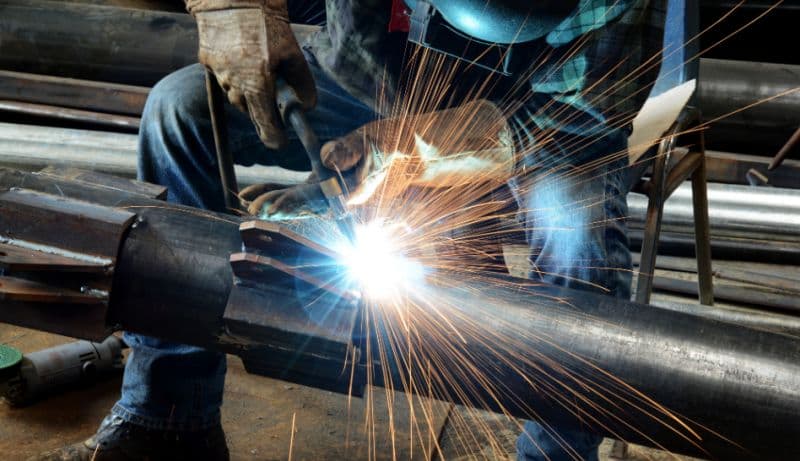
Equipment Manufacturing
The critical components of the of the complete pellet production line equipment are built in our own workshops in Asia. Additional equipment is manufactured by our worldwide network of reliable partners.
● Testing
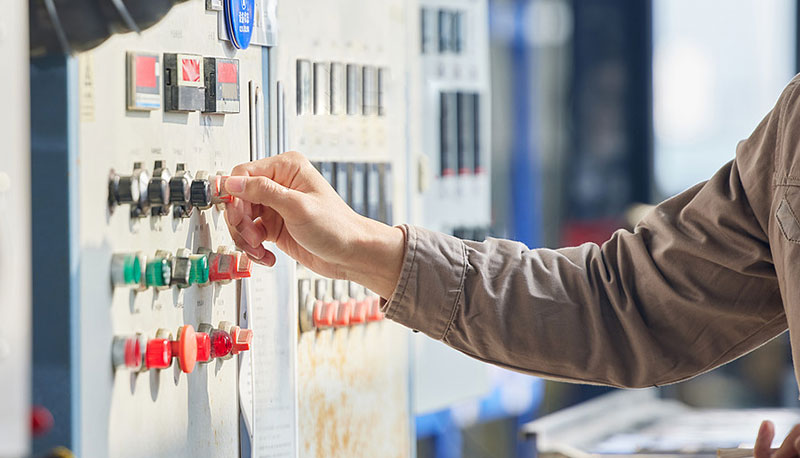
Quality Inspection & Testing
Before leaving the factory, all equipment will be inspected by the quality inspection department. We can also provide customers with testing services from a single machine to a complete pellet plant system, and provide you with real actual data for “worry-free use.”

● Delivery
Equipment Delivery
In equipment boxing and packaging, we adopt professional packaging and modular solutions to ensure the safe and non-destructive delivery of pellet plant equipment.
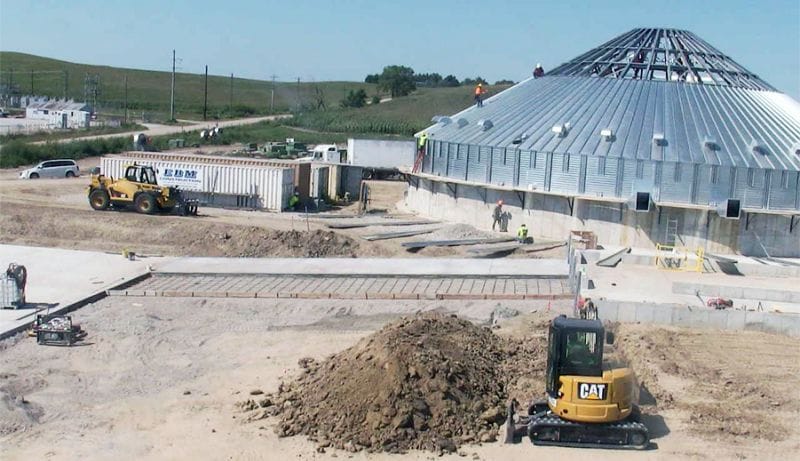
● Installation
Installation & Commissioning
Whether you choose your own subcontractor for the erection phase or you want to install everything together with us, a Richi supervisor will be around to make sure everything is mounted in a safe and thorough way.

● Training
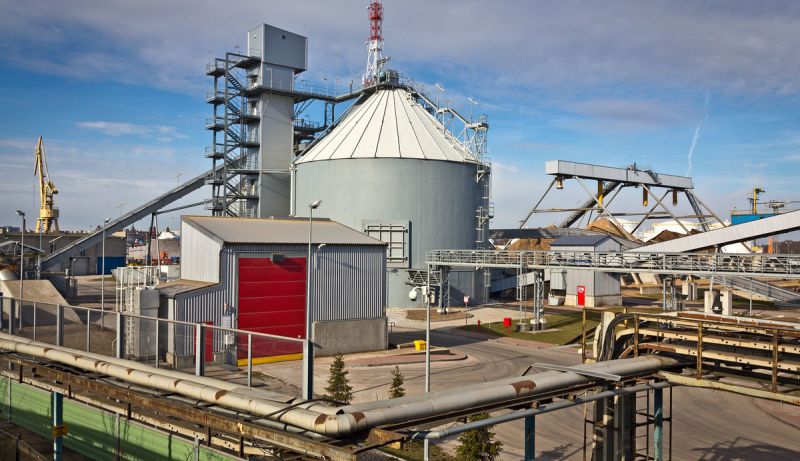
Staff Training
We provide comprehensive training for the technicians of each project. We can also continue to provide support for the technicians during latter project operation.
● After-sales
Project Follow-Up
When everything is up and running our Richiers will help you further whenever needed. We are ready to answer your call 24/7.We’ll also visit you regularly to learn about your needs.
Who we are
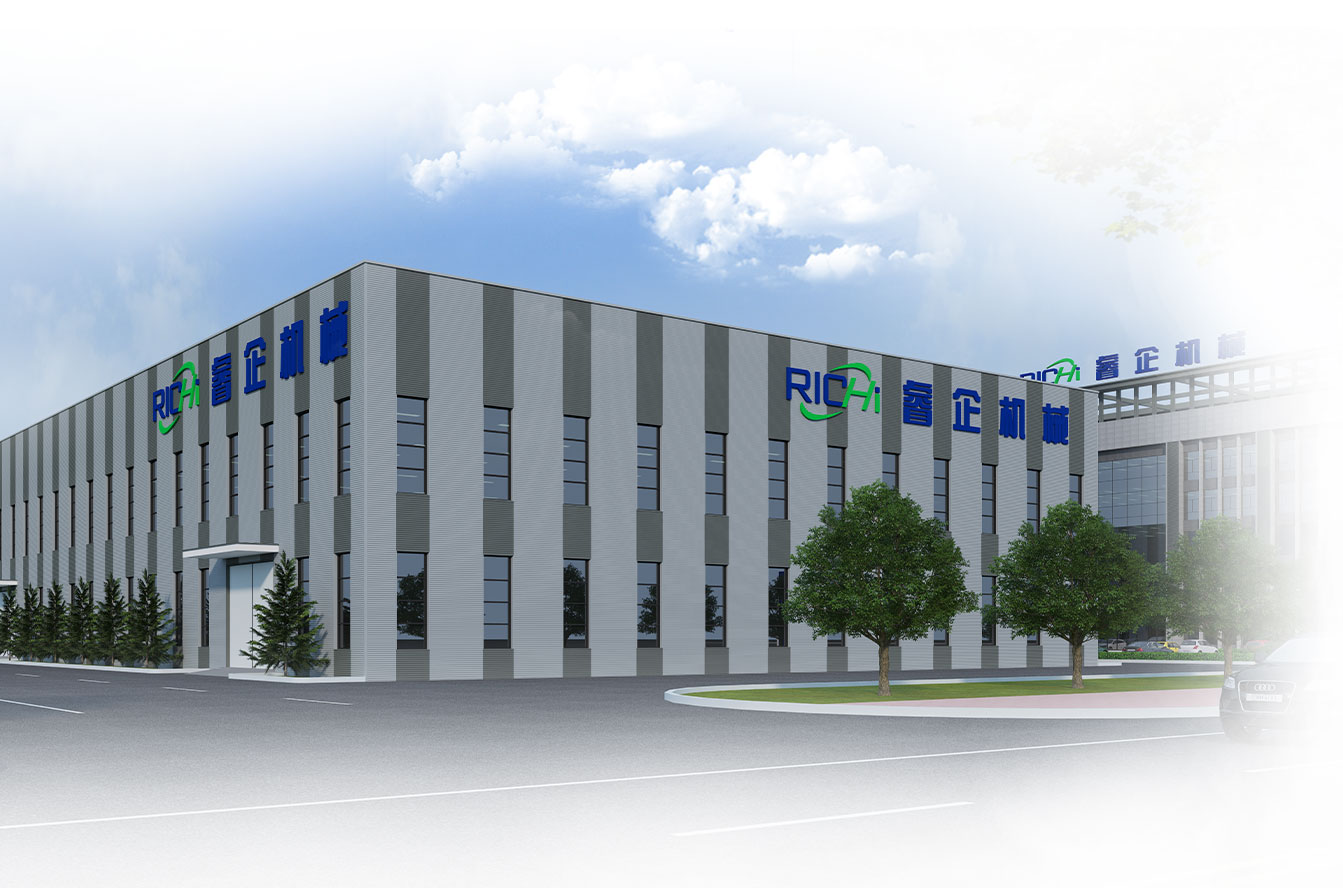
RICHI Machinery is one of the world’s leading suppliers of technology and services for the animal feed, aqua feed and pet food industries, also the largest pellet production line manufacturer in China.
Since 1995, RICHI’s vision to build a first-class enterprise, to foster first-class employees, and to make first-class contributions to society has never wavered.
In the past three decades, we have expanded our business to a wide range of areas, including animal feed mill equipment, aqua feed equipment, pet feed equipment, biomass pellet equipment, fertilizer equipment, cat litter equipment, municipal solid waste pellets equipment, etc.

1995
RICHI Established

2000+
Serving More Than 2000 Customers

120+
RICHI Employees

140+
Exported To 140 Countries