 0086-138 3838 9622
Chicken Feed Manufacturing Plant in Kenya
RICHI MACHINERY
Project Overview
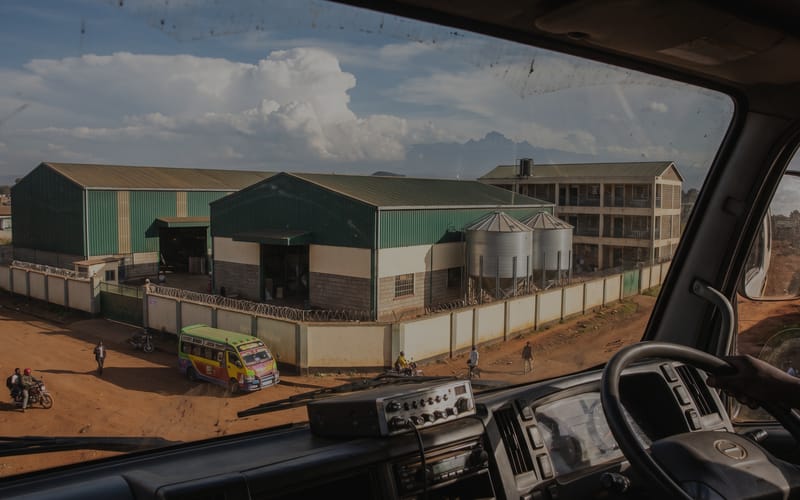
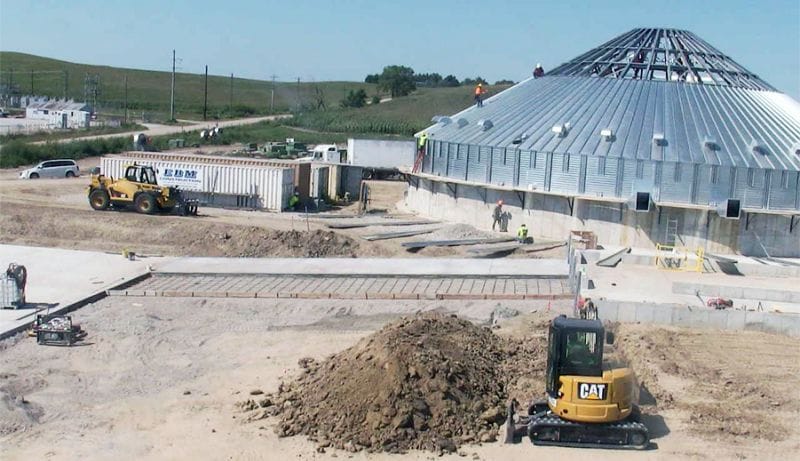
10-15T/H chicken feed manufacturing plant in Kenya was developed around a straightforward but very common situation: rising feed costs and unstable supply from third-party mills. The client decided to build an in-house feed mill plant capable of producing 30,000 tons per year of poultry feed, mainly for broiler and layer operations.
The poultry feed mill project uses a compact 4,500 m² site with a total building area of about 2,000 m². A single poultry feed processing line was installed, combining crushing, batching, mixing, and packing into one continuous flow. The design focuses less on complexity and more on reliability—simple equipment, stable operation, and easy maintenance, which turned out to be exactly what the client needed.
10-15T/H
capacity
$180,000
investment
Kenya
location
Feed
project type
RICHI MACHINERY
A Conversation That Led to This Project
The first real discussion happened in February 2025.
The client didn’t start by asking for a full animal feed manufacturing plant. The initial request was something like:
“We need to reduce feed cost. Can we just install a small mixer and do it ourselves?”
After a few exchanges and some raw material analysis, it became clear that a simple mixer wouldn’t solve the problem. The issue wasn’t just mixing—it was consistency. Corn particle size varied, protein distribution was uneven, and manual batching caused fluctuations.
By early March, the idea shifted toward a complete chicken feed manufacturing plant, but still within a controlled budget.
Contract signing was finalized in May 2025.
RICHI MACHINERY
Project Basic Information
| Item | Details |
|---|---|
| Project Name | 30,000 t/year Chicken Feed Project |
| Construction Type | New build |
| Total Investment | Approx. $720,000 |
| Environmental Investment | ~$25,000 |
| Site Area | 4,500 m² |
| Total Building Area | 2,000 m² |
| Staff | 10 people |
| Working Days | 300 days/year |
| Shift System | 1 shift, 8 hours/day |
RICHI MACHINERY
Plant Layout – What Changed During Design
At the beginning, the client wanted everything on one level.
That didn’t work.
The final layout uses a partial vertical design, with some equipment installed below ground level. This reduces material lifting distance and saves energy.
Workshop Distribution
| Area | Size | Function |
|---|---|---|
| Production Area | 420 m² | Main processing |
| Raw Material Area | 602 m² | Storage |
| Finished Product Area | 375 m² | Packing & storage |
| Office Area | 210 m² | Management |
| Staff Housing | 393 m² | Accommodation |
Production flow was arranged from south to west:
- Raw material intake → south
- Processing → southwest
- Finished goods → west
Truck movement became smoother after this adjustment. Initially, loading and unloading overlapped, which caused delays.
RICHI MACHINERY
Raw Materials – Local Sourcing Strategy
Feed formulation here relies on materials that are widely available in Kenya’s agricultural regions.
The client sources from nearby farms and traders, keeping transport costs manageable.
Raw Material Consumption
| Material | Annual Usage (t) | Form | Storage Location |
|---|---|---|---|
| Corn | 15,000 | Solid grain | Silos |
| Soybean meal | 10,000 | Solid | Raw material area |
| Wheat bran | 5,000 | Solid | Raw material area |
| Water | 120 m³ | — | — |
| Electricity | 30,000 kWh | — | — |
One small detail that came up during commissioning—corn moisture varied quite a bit depending on the supplier. Some batches required slight drying or blending before crushing.
RICHI MACHINERY
Main Equipment – Kept Simple on Purpose
This is not a complex animal feed pellet plant with extrusion or conditioning.
It’s a mash feed production line, designed for cost control.
Equipment Configuration
| No. | Equipment | Quantity |
|---|---|---|
| 1 | Hammer mill feed grinder | 2 |
| 2 | Feed Mixer Machine | 1 |
| 3 | Corn silos (500t) | 2 |
| 4 | Automatic Bagging Machine | 1 |
| 5 | Bucket elevators | 3 |
Total feed factory machines count: 9 units.
Some clients expect more machines, but for this capacity, this setup works fine. The key is matching throughput—not adding unnecessary complexity.
RICHI MACHINERY
Production Process – What Actually Happens
The process looks simple, but small adjustments made a difference.
Step Flow
- Corn Intake & Storage
- Delivered by truck
- Lifted into silos using bucket elevators
- Raw Material Storage
- Soybean meal and bran stored separately
- Manual feeding into system
- Crushing
- Corn reduced to required particle size
- Enclosed system to control dust
- Batching & Mixing
- Materials weighed before entering mixer
- Mixing time adjusted during trial runs
- Packing
- Automatic bagging
- Standard 25–50 kg bags
During early testing, mixing uniformity wasn’t ideal. The mixing time had to be increased slightly. Nothing unusual, but worth mentioning.
RICHI MACHINERY
Environmental Handling – Practical Setup
Instead of overdesigning, the system uses straightforward dust control.
Air Treatment
- Two bag filters installed
- Dust collection efficiency around 99%
- Emission stacks at 15 meters
Dust Data (After Treatment)
| Item | Value |
|---|---|
| Dust concentration | ~4.75 mg/m³ |
| Emission rate | ~0.024 kg/h |
Workshop sealing also helps reduce fugitive dust.
RICHI MACHINERY
Utilities
| Item | Consumption |
|---|---|
| Water | 0.4 m³/day |
| Electricity | 30,000 kWh/year |
No steam system. No drying system. That keeps operating cost low.
RICHI MACHINERY
Equipment Cost and Delivery
- Feed production line cost: approx. $180,000
- Delivered from Qingdao Port
- Arrival port: Port of Mombasa, Kenya
Installation took about three weeks.
RICHI MACHINERY
Why This Type of Feed Mill Makes Sense in Kenya
Poultry farming in Kenya has been growing steadily, especially small and medium farms.
Feed cost is often the biggest concern.
Running a chicken poultry feed manufacturing plant like this gives:
- Better control over formulation
- Lower long-term feed cost
- Stable supply
Also, mash feed is still widely accepted, so pelletizing isn’t always necessary.
RICHI MACHINERY
Final Notes from the Engineering Side
This wasn’t a “big” chicken feed mill plant project.
But it’s the kind that works.
The system is simple, capacity matches demand, and operation is manageable with a small team. No complicated automation, no oversized investment.
For clients considering a 10-15t/h chicken feed manufacturing plant in Kenya, the key question is usually not “which machine,” but:
- What raw materials are available?
- How stable is the supply?
- Do you need pellets or just mash?
Once those answers are clear, the rest becomes much easier to design.
● RICHI MACHINERY
RICHI Service

● Consulting
Customer Consultation
We want to have a deep understanding of your industrial process, to know your exact needs of feed, wood, biomass, fertilizer or other pellet processing.

● Design
Feed mill Plant Design
Based on your unique situation and industrial process, we will tailor complete pellet plant you need, and inform you of every additional detail that could facilitate operation, minimize total cost.
● Manufacturing
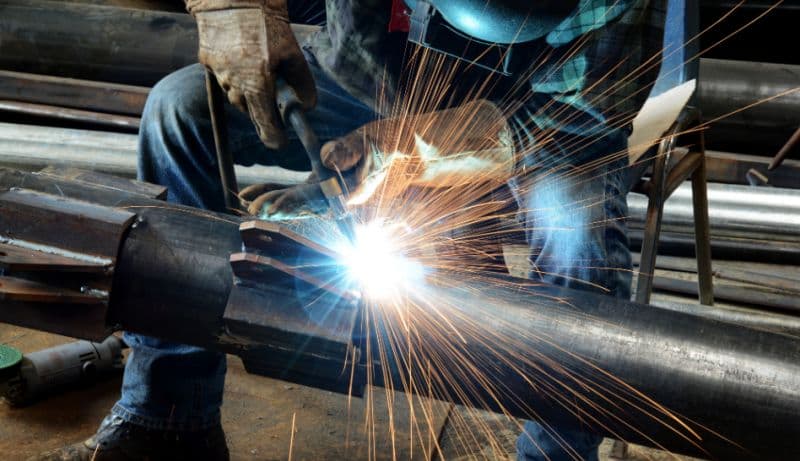
Equipment Manufacturing
The critical components of the of the complete pellet production line equipment are built in our own workshops in Asia. Additional equipment is manufactured by our worldwide network of reliable partners.
● Testing
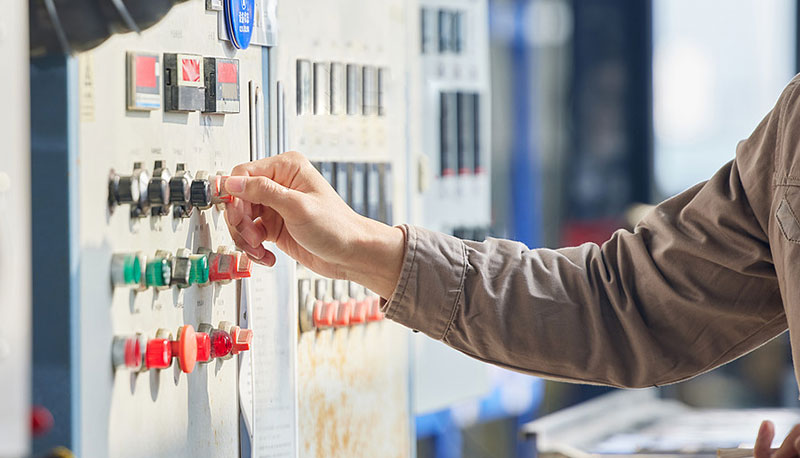
Quality Inspection & Testing
Before leaving the factory, all equipment will be inspected by the quality inspection department. We can also provide customers with testing services from a single machine to a complete pellet plant system, and provide you with real actual data for “worry-free use.”

● Delivery
Equipment Delivery
In equipment boxing and packaging, we adopt professional packaging and modular solutions to ensure the safe and non-destructive delivery of pellet plant equipment.
● Installation
Installation & Commissioning
Whether you choose your own subcontractor for the erection phase or you want to install everything together with us, a Richi supervisor will be around to make sure everything is mounted in a safe and thorough way.

● Training
Staff Training
We provide comprehensive training for the technicians of each project. We can also continue to provide support for the technicians during latter project operation.
● After-sales
Project Follow-Up
When everything is up and running our Richiers will help you further whenever needed. We are ready to answer your call 24/7.We’ll also visit you regularly to learn about your needs.
Who we are
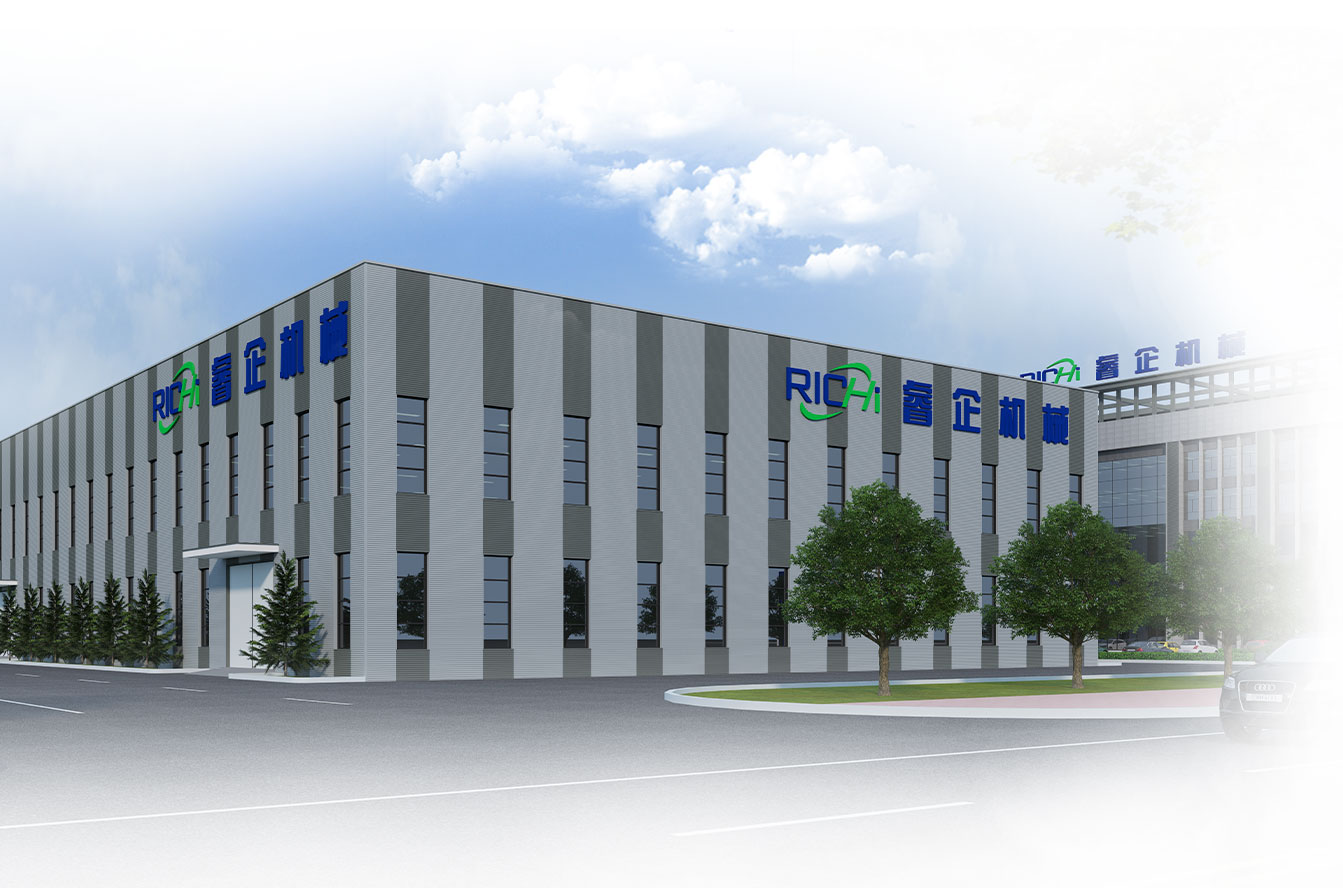
RICHI Machinery is one of the world’s leading suppliers of technology and services for the animal feed, aqua feed and pet food industries, also the largest pellet production line manufacturer in China.
Since 1995, RICHI’s vision to build a first-class enterprise, to foster first-class employees, and to make first-class contributions to society has never wavered.
In the past three decades, we have expanded our business to a wide range of areas, including animal feed mill equipment, aqua feed equipment, pet feed equipment, biomass pellet equipment, fertilizer equipment, cat litter equipment, municipal solid waste pellets equipment, etc.

1995
RICHI Established

2000+
Serving More Than 2000 Customers

120+
RICHI Employees

140+
Exported To 140 Countries