0086-138 3838 9622
Biomass Pellet Production Line for Multi Raw Materials in Cambodia
The biomass pellet production line for multi raw materials in Cambodia makes 1 t/h industrial fuel from qualified wood, bamboo and straw residues. One pellet press, measured recipes and controlled cooling connect local supply with repeatable bagged fuel.
RICHI MACHINERY
One Tonne per Hour, Three Supply Streams
The biomass pellet production line for multi raw materials in Cambodia brings sawdust, bamboo residues and rice straw into a single 1 t/h fuel-making system in Battambang. RICHI’s equipment selection centres on one MZLH420 pellet mill, with separate preparation for loose wood residues and baled agricultural fibre.
The production plan is 2,000 tonnes a year over 250 working days, using eight net production hours daily. The line serves industrial heat buyers whose boilers can accept the agreed blend, with cooling, screening and bagging included in the production flow.
1 t/h
capacity
USD 112,000
investment
Cambodia
location
Biomass
project type
RICHI MACHINERY
Start with the Boiler’s Fuel Window
A rice-growing province offers a useful starting point for a biomass business, but available straw alone does not establish a fuel market. Battambang’s agricultural setting makes collection and seasonal storage central to the supply plan. Wood-processing and bamboo residues provide other possible inputs, subject to supplier checks and delivered material quality.
For this biomass pellet production line for multi raw materials in Cambodia, the first commercial decision is the receiving boiler. A furnace with suitable fuel feeding, grate operation and ash removal is a better prospect than a buyer who chooses pellets by appearance alone. Rice straw can increase ash and introduce combustion difficulties that a wood-only fuel specification would miss.
The sales area starts with practical delivery routes around Battambang. Rice-processing businesses, food processors and other heat users are prospective customers where their installed combustion systems suit the fuel. Every prospect needs a fuel sample, a combustion discussion and a realistic delivery schedule before a recurring order is agreed.
RICHI sizes a biomass pellet plant in Cambodia around this connection between supply and use. The 1 t/h duty gives a smaller operator room to develop repeat orders without committing to several pellet presses or a large finished-stock warehouse. Consistent batches matter more here than a large nameplate figure.
RICHI MACHINERY
A Recipe That Follows Available Supply
The biomass pellet production line for multi raw materials in Cambodia uses a reference recipe of 60% sawdust, 20% prepared bamboo residue and 20% rice straw by incoming mass. It is a starting formulation for material trials, with all three streams accepted near 12% moisture. Boiler approval and pellet tests determine the saleable recipe.
| Accepted material | Reference annual intake | Preparation and buying requirement |
|---|---|---|
| Sawdust | 1,260 tonnes | Untreated wood, segregated from soil, coatings and mixed demolition waste |
| Bamboo residue | 420 tonnes | Dry, clean material with long fibres and oversized pieces reduced before fine grinding |
| Rice straw | 420 tonnes | Covered bales or loose straw, with field dirt removed and fibre length controlled |
| Total | 2,100 tonnes | Reference intake at 12% moisture for 2,000 tonnes of finished pellets |
Straw needs its own receiving routine
A rice straw pellet production line in Cambodia must account for bales, strings and field contamination. Operators open bales, remove ties and separate visible debris before chopping. Straw is not tipped directly into the same small hopper used for free-flowing sawdust. A metered feed keeps long fibre from bridging at the grinder inlet.
Bamboo is a material specification, too
For a bamboo pellet production line in Cambodia, the word residue can cover fine sanding dust, curled shavings and hard offcuts. This line accepts fine residue and suitably reduced pieces; large bamboo sections need preparation before delivery. Supplier samples establish grinding behaviour, moisture variation and the die arrangement needed for the selected blend.
RICHI can also assess a wood-rich recipe, such as 80% sawdust, 10% bamboo and 10% straw. The biomass pellet production line for multi raw materials in Cambodia does not promise the same output or fuel quality for every mixture. Each approved recipe has its own feeder settings, motor-load limit and buyer specification, so a supply change remains controlled.
RICHI MACHINERY
What RICHI Puts on the Equipment List
One MZLH420 biomass pellet mill with a 90 kW main motor covers the 1 t/h design duty on qualified material. Its reference capacity is 1–1.2 t/h; actual mixed-fibre output depends on the prepared feed and selected die. RICHI checks that duty with samples rather than adding several smaller presses to reach a paper total.
The biomass pellet production line for multi raw materials in Cambodia needs enough preparation capacity to keep that single press fed. The fine grinder is selected for at least 1.2 t/h on the agreed blend, while the straw chopper handles the straw portion separately. Quoted grinding duty must refer to the actual fibre and screen opening.
| Equipment group | Selection for this line | Purpose |
|---|---|---|
| Receiving and cleaning | Bale-opening position, debris separation and magnetic protection | Keep ties, stones and metal away from the process |
| Straw preparation | One fibre chopper, 7.5 kW drive | Shorten the baled straw stream before fine grinding |
| Fine grinding | One hammer mill, 37 kW drive | Prepare a consistent feed for the pellet die |
| Proportioning and feeding | Separate feed points, weighing and controlled blending | Maintain the approved recipe |
| Pellet production | One MZLH420, 90 kW main motor | Produce nominal 8 mm fuel pellets |
| Finishing | Forced-air cooler and pellet screen | Cool pellets and remove loose fines before packing |
| Dispatch | Weighing bagger and sealed-bag conveyor | Prepare 25 kg bags for handling and delivery |
A multi feedstock pellet plant in Cambodia benefits from accessible wear parts and simple material paths. RICHI’s layout leaves working space around the die, rollers, grinder screens and magnets. A spare-parts list follows the actual installed equipment, with replacement die geometry linked to the approved feed rather than a universal compression ratio.
RICHI MACHINERY
From Bales and Shavings to Bagged Fuel
The biomass pellet production line for multi raw materials in Cambodia follows seven distinct operations. Separating those duties makes the line easier to run when one supplier’s material behaves differently from another’s.
Receive and identify each load
Record the supplier, material type and moisture reading before unloading. Inspect representative samples for soil, metal, mould and unwanted wood treatment. Keep rejected material apart from accepted stock. A lot number connects each received load with the recipe and finished bags that use it.
Open, clean and chop the straw
Remove bale ties and coarse contamination before the straw enters the chopper. Shortened fibre then moves through a controlled feed to the grinder. Wood and fine bamboo residues use the appropriate receiving route, so a clean sawdust delivery does not need unnecessary chopping.
Grind to the agreed feed size
The hammer mill brings the ingredients into a workable particle-size range, typically dominated by particles below about 4 mm for this 8 mm product. The chosen screen follows trial results. Excessively fine feed can raise grinding demand and dust, while long fibres can interrupt feeding and produce uneven pellets.
Weigh and blend the ingredients
Prepare measured batches instead of judging the recipe by bucket volume. Sawdust, bamboo and straw have different loose bulk densities. The operator records the blend and checks moisture before the buffer hopper feeds the press. A small controlled water addition is available only where a trial establishes that it is needed.
Pellet at a stable motor load
The feeder meters prepared material into the MZLH420 rice straw pellet machine. Operators watch current, feed behaviour and pellet discharge, then adjust feed gradually within the approved operating window. The biomass pellet production line for multi raw materials in Cambodia reaches its hourly duty through stable feeding and suitable die selection, not by forcing wet or poorly chopped material through the press.
Cool and separate loose fines
Hot pellets pass through a forced-air cooler before screening. The cooling target is close to the surrounding air temperature, normally within about 5°C where ambient conditions allow. Screened fines return in a controlled proportion to a compatible recipe. Dust collected from dirty receiving points is kept out of that return stream.
Weigh, close and identify the bags
Pack cooled pellets into 25 kg moisture-resistant bags, check net weight and apply the batch identification. A bagger capable of at least one bag per minute provides 1.5 t/h of nominal packing capacity. Short covered transfers protect the product between the cooler, bagging point and pallet stack.
RICHI MACHINERY
A Small Site with Room to Move
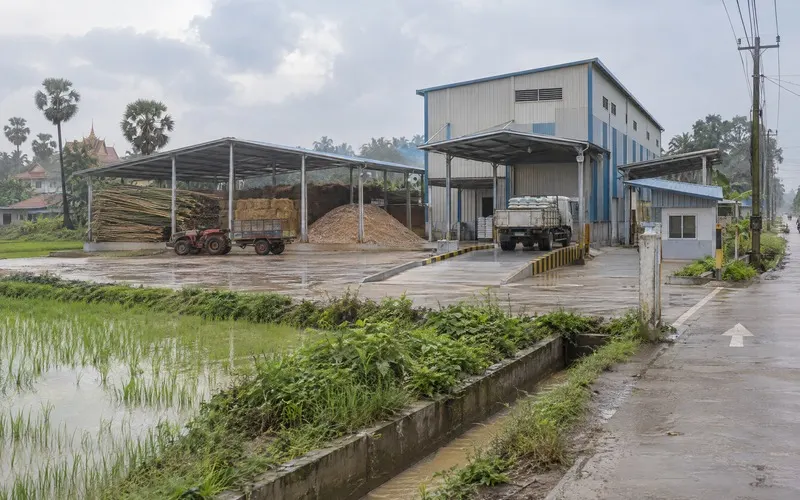
This small biomass pellet line in Cambodia uses a 400 m² covered building within a 2,700 m² site allocation. The layout reserves 180 m² for processing, 90 m² for accepted raw material, 100 m² for finished bags and 30 m² for supervision and basic support. These areas total the covered footprint.
The biomass pellet production line for multi raw materials in Cambodia fits an existing-building arrangement. Vehicle access, unloading and drainage occupy the surrounding site; the whole plot is not counted as indoor storage. Building suitability still depends on clear height, floor capacity, ventilation and safe access around the selected machines.
Raw stock is deliberately short. Around 10 tonnes of accepted dry feed represents roughly one working day’s requirement, with the exact volume checked against each material’s measured bulk density. Seasonal straw reserves remain in suitable covered supplier storage. The small receiving bay is not presented as storage for a year’s harvest.
Finished stock of about 16 tonnes covers roughly two production days. Pallets stay above the floor and away from rain entry, with an aisle kept clear for inspection and handling. Incoming straw and outgoing bags use scheduled loading windows so they do not compete for the same doorway.
In Battambang’s wet season, roof condition and runoff control deserve as much attention as the press foundation. A dry-weather collection plan cannot replace a moisture check at receiving. Keeping accepted material under cover protects both pellet consistency and the usefulness of the available floor area.
RICHI MACHINERY
Power, People and Daily Output
The biomass pellet production line for multi raw materials in Cambodia has a connected-load allowance of approximately 175 kW. The press, grinder, chopper, cooler, extraction, conveyors and bagger are included. A normal running demand below that allowance leaves room for operating variation; connected motor ratings are not added up as continuous consumption.
At an average running demand of about 120 kW, eight net hours over 250 days give a planning electricity requirement of 240,000 kWh a year. That is approximately 120 kWh per tonne at the 2,000-tonne production plan. Metered consumption will vary with fibre, grinding fineness, die condition and the number of starts.
The electrical design basis is 400 V, three-phase, 50 Hz, with the connection and motor specification confirmed against the site supply. Starting arrangements and the largest motor govern the service review. The line needs properly sized industrial power; a small portable generator is not a substitute for the operating supply.
Six people cover the working arrangement: three process operators, one packing and warehouse operator, one maintenance and relief operator, and one supervisor responsible for quality records. Handling equipment and automatic weighing support that staffing level. Planned breaks, cleaning and maintenance sit outside the eight net production hours.
There is no thermal dryer in this package. Accepted feed must already meet the agreed dry-feed window, normally 10–14% moisture with a reference near 12%. An allowance of about 150 m³ of water a year covers limited feed conditioning, cleaning and staff use; it does not represent a steam-based process.
RICHI MACHINERY
What the Investment Covers
For this biomass pellet production line for multi raw materials in Cambodia, the equipment budget is USD 78,000 and the total project investment budget is USD 112,000. These are defined engineering budgets for the 1 t/h dry-feed scope, including one pellet press and the preparation and finishing equipment described here.
The equipment scope covers receiving and fibre preparation, grinding, proportioning, pellet production, cooling, screening, bagging, extraction and line controls. The total project budget also allows for freight and import charges, local installation, basic electrical distribution, modest building adaptation, commissioning consumables and a practical contingency within that scope.
A biomass pellet project cost in Cambodia only becomes useful when the site boundary is clear. This budget assumes an available building and suitable access to industrial power. It excludes buying land, constructing a new factory, adding a wet-feed dryer, major utility network work and operating working capital. Those requirements would need a different project scope.
RICHI reviews the material samples and layout before confirming the equipment offer. For the biomass pellet production line for multi raw materials in Cambodia, selecting one suitable press keeps the equipment list focused while retaining the cooler, cleaner and preparation stages needed to make a usable product. The investment follows those duties rather than a low headline price with essential stages missing.
RICHI MACHINERY
Check Fuel Before Confirming a Delivery
The product is an industrial fuel pellet, nominally 8 mm in diameter and generally 10–30 mm long. Finished moisture has a target at or below 10%, checked after cooling. Pellet length and moisture affect feeding and handling, but neither proves that a boiler will burn the chosen blend well.
For the biomass pellet mill plant for multi raw materials in Cambodia, fuel qualification includes ash content, net calorific value, chlorine and ash-melting behaviour. The rice straw fraction makes these tests especially relevant. RICHI does not assign a wood-pellet ash grade to a mixed agricultural recipe without a laboratory result.
| Control point | Acceptance approach | Customer benefit |
|---|---|---|
| Raw moisture | Check each delivery and the prepared blend | More stable press operation |
| Recipe | Record ingredient weights for every batch | Traceable changes in fuel behaviour |
| Finished pellets | Check dimensions, moisture, durability and fines | More predictable storage and feeding |
| Combustion suitability | Review laboratory fuel results and conduct a buyer trial | Match fuel to grate, ash handling and operating practice |
| Packed product | Verify net weight, bag condition and batch number | Easier receiving checks and complaint tracing |
This is how a mixed biomass fuel pellet plant in Cambodia earns a repeat order: the next delivery behaves like the approved sample. Where a buyer needs lower ash, the formulation can shift toward qualified wood and bamboo inputs, followed by testing. A change in blend is communicated before dispatch rather than hidden behind the same bag description.
RICHI MACHINERY
Building Repeat Orders around Battambang
The biomass pellet production line for multi raw materials in Cambodia is sized for regular regional deliveries. Eight tonnes of daily production is a manageable quantity for developing several compatible heat customers, provided collection routes and order commitments support it. Daily deliveries are scheduled against confirmed orders and available qualified feed.
A useful customer discussion begins with the present fuel, boiler feeding system, daily heat schedule and acceptable ash burden. The next step is a representative pellet sample. After the buyer trial, the producer can agree a delivery quantity, packaging format and written fuel specification that the line can consistently meet.
The opportunity for a multi feedstock pellet plant in Cambodia is supply flexibility with discipline. A bamboo workshop delivery may help when straw collection is interrupted, while a covered wood-residue stream can support a wood-rich order. That flexibility works only when each input is available, traceable and accepted for the intended recipe.
RICHI connects the equipment offer with those operating choices: how straw enters the line, which feed reaches the grinder, how a recipe is recorded and how cooled pellets reach the bag. Customers can assess a complete material route and equipment duty instead of relying on a capacity label alone.
RICHI MACHINERY
Bring Your Feedstock Samples
Send RICHI Machinery representative sawdust, bamboo and straw samples, your available building dimensions and the intended boiler fuel requirements. We can assess the biomass pellet production line for multi raw materials in Cambodia against your actual supply mix, power connection and daily sales plan. Ask for a material-based equipment list, a process layout and clearly scoped equipment and project budgets. A practical proposal starts with the feedstock you can secure and the fuel your customer can use.
● RICHI MACHINERY
RICHI Service

● Consulting
Customer Consultation
We want to have a deep understanding of your industrial process, to know your exact needs of feed, wood, biomass, fertilizer or other pellet processing.
● Design
biomass Pellet Plant Design
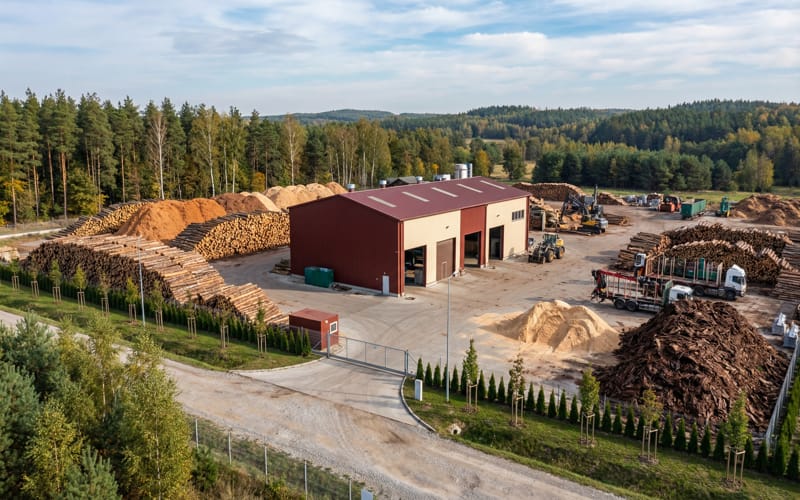
Based on your unique situation and industrial process, we will tailor complete pellet plant you need, and inform you of every additional detail that could facilitate operation, minimize total cost.
● Manufacturing
Equipment Manufacturing
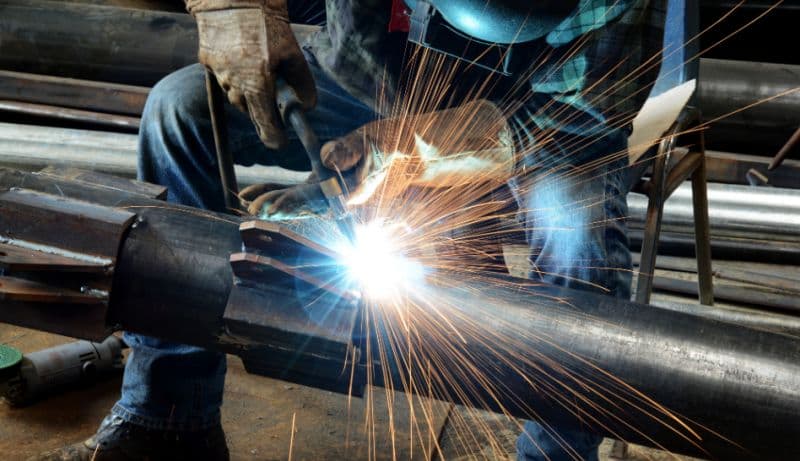
The critical components of the of the complete pellet production line equipment are built in our own workshops in Asia. Additional equipment is manufactured by our worldwide network of reliable partners.

● Testing
Quality Inspection & Testing
Before leaving the factory, all equipment will be inspected by the quality inspection department. We can also provide customers with testing services from a single machine to a complete pellet plant system, and provide you with real actual data for “worry-free use.”

● Delivery
Equipment Delivery
In equipment boxing and packaging, we adopt professional packaging and modular solutions to ensure the safe and non-destructive delivery of pellet plant equipment.
● Installation
Installation & Commissioning
Whether you choose your own subcontractor for the erection phase or you want to install everything together with us, a Richi supervisor will be around to make sure everything is mounted in a safe and thorough way.

● Training
Staff Training
We provide comprehensive training for the technicians of each project. We can also continue to provide support for the technicians during latter project operation.
● After-sales
Project Follow-Up
When everything is up and running our Richiers will help you further whenever needed. We are ready to answer your call 24/7.We’ll also visit you regularly to learn about your needs.
Who we are
RICHI Machinery is one of the world’s leading suppliers of technology and services for the animal feed, aqua feed and pet food industries, also the largest pellet production line manufacturer in China.
Since 1995, RICHI’s vision to build a first-class enterprise, to foster first-class employees, and to make first-class contributions to society has never wavered.
In the past three decades, we have expanded our business to a wide range of areas, including animal feed mill equipment, aqua feed equipment, pet feed equipment, biomass pellet equipment, fertilizer equipment, cat litter equipment, municipal solid waste pellets equipment, etc.

1995
RICHI Established

2000+
Serving More Than 2000 Customers

120+
RICHI Employees

140+
Exported To 140 Countries