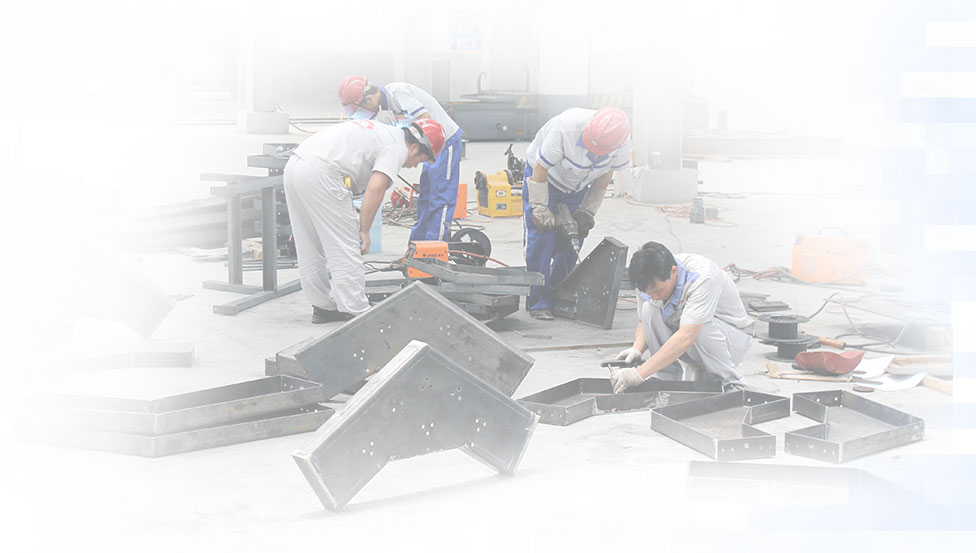
0086-138 3838 9622
Wood Pellet Plant for Dust-Free Animal Bedding in Costa Rica
The wood pellet plant for dust-free animal bedding in Costa Rica pairs a 2 t/h pellet press with active cooling, screening and final aspiration. Clean pine inputs and traceable packing support a practical bedding supply for farms and equestrian customers.

RICHI MACHINERY
Built around Clean Pine and Controlled Fines
The wood pellet plant for dust-free animal bedding in Costa Rica is designed for 2 t/h of nominal 6 mm bedding pellets, using qualified dry pine residues and one RICHI MZLH520 pellet mill. The San Carlos, Alajuela location supports a covered receiving, production and dispatch arrangement within a leased industrial building.
The production plan is 3,500 tonnes annually, based on seven net running hours a day for 250 days. Clean material selection, active cooling and two finishing checks give the operator a clear route from wood residue to a traceable farm product.
2 t/h
capacity
USD 275,000
investment
Costa Rica
location
Bedding
project type
RICHI MACHINERY
Begin Where the Horse Owner Opens the Bag
A stable manager notices loose powder, damp clumps and an inconsistent bag before asking about the pellet machine. The production specification therefore begins at unpacking: clean-smelling wood, sealed packaging, a declared net weight and a batch number that leads back to an accepted pine supply.
The wood pellet plant for dust-free animal bedding in Costa Rica uses a measurable low-fines target to support that experience. At packing, the design target is no more than 0.5% material passing a 3.15 mm sieve by mass under an agreed sampling method. This screen-based measure does not measure airborne respirable dust, which requires a separate test.
In commercial bedding language, dust-free describes the intended low-dust handling experience. Wood pellets can generate particles during transport and use, so product claims must follow the test actually performed. RICHI puts the necessary separation and handling stages into the layout and helps the customer define an acceptance check that can be repeated.
An animal bedding pellet plant in Costa Rica also needs a buyer-specific trial. Equestrian centres, individual stables and farm distributors may differ in bag preference, storage space and how they prepare a stall. Poultry or other livestock applications need their own suitability assessment; a horse-bedding trial does not establish performance for every animal.
Documented material, a controlled packing specification and consistent deliveries give purchasers clear checks for every load.
RICHI MACHINERY
Dry Pine Intake, with a Traceable Species
The wood pellet plant for dust-free animal bedding in Costa Rica accepts untreated pine sawdust, planer shavings and clean kiln-dried pine offcuts from segregated timber-processing streams. Supplier records identify the species, treatment history and moisture condition. Processing wood in Costa Rica does not by itself establish where the timber was grown.
The supply plan seeks dry residues from qualified workshops and wood processors. It does not assume all sawmills deliver dry sawdust. Green-sawn material needs a drying route outside this equipment scope. Painted pieces, preservative-treated wood, glued boards, mixed demolition material and unidentified species are excluded from the bedding feed.
| Feed stream | Reference intake share | Annual intake basis | Receiving condition |
|---|---|---|---|
| Dry pine sawdust | 70% | 2,555 tonnes | Clean, segregated and free of soil or metal |
| Dry pine planer shavings | 20% | 730 tonnes | Confirmed species with no coatings or preservatives |
| Kiln-dried pine offcuts | 10% | 365 tonnes | Small, clean pieces suitable for the selected breaker |
| Total accepted input | 100% | 3,650 tonnes | Reference moisture of 12% |
For a wood bedding pellet production line in Costa Rica, keeping species separate is a product requirement. Black walnut is unsuitable for horse bedding, and an unknown mixture cannot be accepted simply because it looks clean. A proposed additional species needs a separate animal-use review and material trial before it enters the supply specification.
The wood pellet plant for dust-free animal bedding in Costa Rica checks moisture at receiving and before pellet production. The accepted window is 10–14%, with the annual balance calculated at 12%. Lots outside that window stay segregated. Covered transport and prompt unloading help preserve the supplier’s declared material condition.
At the reference balance, 3,650 tonnes of feed contains 3,212 tonnes of dry material. Finished production of 3,500 tonnes at 10% moisture contains 3,150 tonnes of dry material. The remaining 62 tonnes of dry matter and 88 tonnes of water leave in separated material and process ventilation; compatible screen fines returned internally are not counted as new input.
RICHI MACHINERY
Two Tonnes with One Pellet Press
One MZLH520 wood pellet press with a 132 kW main motor is selected for the 2 t/h duty. Its reference biomass capacity is 1.5–2 t/h, so the upper duty must be demonstrated with the accepted pine feed and selected die. RICHI checks those conditions before confirming the production arrangement.
The wood pellet plant for dust-free animal bedding in Costa Rica gives preparation and finishing enough capacity to support that press. A 55 kW fine grinder handles the combined feed. A separate 22 kW breaker serves only the small offcut stream, avoiding an unnecessary coarse-breaking pass for sawdust and shavings.
| Production area | Equipment arrangement | Selection basis |
|---|---|---|
| Receiving | Inspection position, coarse separation and magnet | Protect the line and maintain feed identity |
| Offcut reduction | One compact breaker | At least 0.5 t/h on the agreed small pine pieces |
| Fine preparation | One hammer mill, 55 kW drive | At least 2.4 t/h on the accepted dry feed |
| Pellet production | One MZLH520, 132 kW main motor | Nominal 6 mm bedding pellet duty |
| Cooling | One forced-air cooler | At least 2.5 t/h of hot pellets at the design conditions |
| Product finishing | Main screen and final aspiration point | Remove loose fines after cooling and before bag closure |
| Packing | One 25 kg weighing and closing line | At least two bags per minute |
A sawdust bedding pellet machine in Costa Rica must be selected as part of this material route. Pellet density, grinding behaviour and die resistance affect both output and handling quality. RICHI selects the effective die geometry through material testing; the equipment offer then identifies the agreed duty and the feed conditions attached to it.
Service space around the die, rollers, grinder screens, cooler discharge and finishing equipment allows routine inspection and wear-part changes.
RICHI MACHINERY
A Route through Clean Finishing
The wood pellet plant for dust-free animal bedding in Costa Rica follows a one-way route from accepted wood to closed bags, with clean packing separated from receiving and short transfers after cooling.
Release the incoming wood lot
Check species documents, treatment history, moisture and visible contamination before releasing the lot to production. Assign a material identity and retain a representative sample. If two suppliers are used in one production batch, the batch record identifies both; a generic mixed-wood description is insufficient for bedding traceability.
Prepare only the feed that needs it
Reduce the offcut portion through the compact breaker. Sawdust and shavings move through their appropriate feed route to fine grinding. Magnetic protection and suitable debris separation protect the equipment. The grinding specification balances a workable press feed against the dust and electricity caused by excessive size reduction.
Set the feed condition
Use a buffer and controlled feeder to even out short-term changes in flow. Check the prepared material near the press and adjust only within the approved moisture window. There is no steam-conditioning or thermal-drying plant in this package, so the dry-material supply agreement remains an essential operating condition.
Form the bedding pellets
The MZLH520 wood pellet mill presses the prepared pine through a nominal 6 mm die. A cutter controls length to the agreed product range. Operators record feed rate, motor current and discharge condition, using the validated settings for that material. A 6 mm die is specified for a nominal 6 mm product; finished dimensions are checked on samples.
Cool before handling and packing
The wood pellet cooler machine removes heat and some moisture from the fresh pellets using controlled airflow. Discharge temperature should approach ambient, normally within about 5°C under suitable conditions. In the humid conditions around San Carlos, the operator checks product temperature and moisture together before allowing the pellets into the bagging buffer.
Screen, then remove loose dust
The main screen separates fines after cooling. A final aspiration point near the bagging hopper removes loose dust created in the last transfer. The wood pellet plant for dust-free animal bedding in Costa Rica uses these two positions for different duties: the main screen grades the cooled product, while the final point addresses material generated closer to packing.
Close and identify every package
Weigh the finished pellets into moisture-resistant 25 kg bags, close the bags and print the production lot. A 500 kg bulk-bag filling attachment can serve suitably equipped farm buyers using the same controlled product stream. Samples taken at packing establish the release record for each lot before pallets move to finished storage.
RICHI MACHINERY
Product Checks that a Buyer Can Repeat
The wood pellet plant for dust-free animal bedding in Costa Rica separates transport strength from behaviour in a stall. Pellets need enough durability to survive bagging and delivery, then a predictable response when used according to the buyer’s bedding routine. One measurement cannot stand in for both jobs.
| Product characteristic | Design target or checking method |
|---|---|
| Diameter | Nominal 6 mm, confirmed on finished samples |
| Length | Predominantly 10–25 mm, with the cutter set for the agreed specification |
| Finished moisture | At or below 10% at packing |
| Loose fines | No more than 0.5% passing 3.15 mm by mass at packing under the agreed method |
| Bulk density | Working target of 550–650 kg/m³, measured for the accepted pine recipe |
| Mechanical durability | Development target of at least 97% under an agreed tumbling test |
| Water uptake and breakup | Buyer trial with defined sample mass, water dose, contact time and drainage procedure |
These are production targets for acceptance testing, not a substitute for measured lot results. The durability target supports transport quality. Water uptake and breakup are assessed separately, using the same procedure each time so a buyer can compare batches meaningfully. A strong dry pellet does not automatically prove either poor or excellent bedding performance.
A horse bedding pellet plant in Costa Rica should also keep the material declaration available to customers. The bag can identify untreated pine, the producer, net mass, batch and storage instructions. Medical claims, claims of sterility and guarantees of zero airborne dust need evidence beyond routine pellet screening and are not part of this product specification.
For the wood pellet plant for dust-free animal bedding in Costa Rica, the final commercial check includes transport. Inspect retained bags after a representative delivery to see how the product handles the actual route. If loose fines rise, check drop heights, bag closure and vehicle handling before changing the die or making a broader performance claim.
RICHI MACHINERY
Making the San Carlos Building Work
The covered operating allocation is 1,840 m² in a leased industrial building. External vehicle circulation and loading use the industrial property’s agreed access arrangement; the indoor allocation is separate from the property’s land area.
The wood pellet plant for dust-free animal bedding in Costa Rica divides that indoor area into 420 m² for raw feed, 300 m² for preparation, 300 m² for pellet production, 180 m² for cooling and screening, 220 m² for packing, 330 m² for finished stock and 90 m² for staff and support. These allocations total 1,840 m², including the working aisles within each zone.
The raw-material zone is planned around approximately 60 tonnes of qualified feed, equivalent to about four production days. Actual storage height and available mass follow the measured loose bulk density and the fire and access layout. Light planer shavings need more volume than the same mass of sawdust, so deliveries are scheduled by both material and space.
Finished stock of about 70 tonnes represents five production days. Pallets remain under cover, raised from the floor and accessible for lot rotation. The receiving side has its own housekeeping routine, while the closed-bag area is protected from incoming wood debris and rain splash during loading.
The covered arrangement supports a pine bedding pellet plant in Costa Rica where moisture pickup can quickly undo careful production. Roof leaks, wet pallets and open bags all need prompt attention. The building survey therefore checks drainage, weather protection, clear height, equipment access and extraction routing alongside the machinery footprint.
RICHI MACHINERY
A Working Day with a Clear Load Budget
Seven net running hours at 2 t/h yield 14 tonnes a day. Across 250 days, the annual production plan is 3,500 tonnes. Shift attendance also allows time for startup checks, cleaning, breaks and routine maintenance. This is a production basis tied to available feed and orders, with downtime recorded separately.
The wood pellet plant for dust-free animal bedding in Costa Rica has an approximate connected-load allowance of 280 kW. This covers the 132 kW pellet press, preparation equipment, cooler, finishing extraction, conveyors, packing and compressed-air provision. The offcut breaker operates according to offcut demand; all nameplate loads are not assumed to run continuously at full power.
An average operating demand of 200 kW gives a planning annual electricity requirement of 350,000 kWh over 1,750 net production hours. That equals about 100 kWh per tonne at the planned output. Material condition, grinding requirements and the share of offcuts can move the actual figure, which the operator checks with a line meter.
The equipment design basis is three-phase 480 V, 60 Hz, subject to the building’s actual service and local electrical design. The transformer, protection and motor-starting arrangement require site review before supply is confirmed. Water provision of about 240 m³ annually covers staff, cleaning and limited feed adjustment; the line has no boiler water demand.
Nine people cover four process positions, two packing and warehouse positions, one quality role, one maintenance role and one production-planning role. Mechanical handling and automatic weighing support the packing arrangement. At two 25 kg bags per minute, the nominal bagging capacity is 3 t/h, leaving useful margin above the press duty.
RICHI MACHINERY
The Equipment Budget and Its Site Boundary
The wood pellet processing equipment budget for the wood pellet plant for dust-free animal bedding in Costa Rica is USD 158,000. The total project investment budget is USD 275,000, covering the defined dry-feed installation and its site allowances in the available leased building.
Equipment includes clean-feed preparation, one pellet press, active cooling, product screening, final aspiration, bagging, conveying and controls. The project total also allows for international freight and import charges, local installation, building adaptation, electrical distribution, extraction installation, commissioning and a contingency appropriate to that defined scope.
A wood bedding pellet plant cost in Costa Rica changes substantially if the incoming supply is green wood. This budget assumes qualified dry feed and excludes a thermal dryer, land purchase, new building construction, major utility-network reinforcement and operating working capital. The site power review and supplier material agreement establish whether that scope suits the customer’s property.
RICHI’s proposal connects those boundaries with an itemised equipment list and layout. The customer can see which machine serves each feed stream, where fines leave the saleable product and how the bagging duty supports production. Investment follows the bedding quality route and the confirmed input condition.
RICHI MACHINERY
Sell a Product that Fits Farm Routine
The wood pellet plant for dust-free animal bedding in Costa Rica supports repeat local and regional supply to equestrian facilities, stable operators and farm distributors. Customer trials, confirmed orders and available qualified feed guide the production schedule.
Offer a representative trial bag with the same material declaration and packing specification proposed for normal supply. Ask the stable to assess handling, water uptake, breakup, storage and clean-out using its usual routine. Record the procedure and feedback so the next batch can be evaluated on the same basis.
For a wood bedding pellet production line in Costa Rica, 25 kg bags provide a defined pack for routine handling, subject to each buyer’s safe lifting practice. Bulk bags suit sites with appropriate handling equipment and protected storage. The producer can schedule production around confirmed formats instead of accumulating several untested retail pack sizes.
RICHI supplies the engineering behind that offer: a press matched to qualified pine, preparation sized for its feed demand and a finishing route suited to a low-fines packing target. Consistent batch records, accessible spares and clear cleaning duties help the operator keep the product specification stable as orders develop.
RICHI MACHINERY
Check Your Bedding Material First
Share the pine species, source records, moisture readings and representative residues with RICHI Machinery, along with your building layout and intended bag format. We can assess the wood pellet plant for dust-free animal bedding in Costa Rica against the material and finishing quality your buyers expect. Request a trial-based equipment selection, a layout with clean packing space and clearly scoped equipment and total project budgets. That gives you a concrete basis for supplier discussions and customer trials.
● RICHI MACHINERY
RICHI Service

● Consulting
Customer Consultation
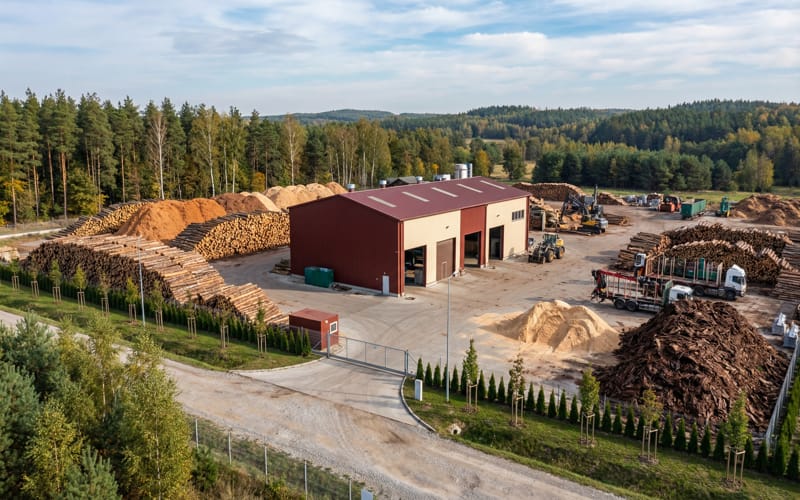
We want to have a deep understanding of your industrial process, to know your exact needs of feed, wood, biomass, fertilizer or other pellet processing.
● Design
biomass Pellet Plant Design
Based on your unique situation and industrial process, we will tailor complete pellet plant you need, and inform you of every additional detail that could facilitate operation, minimize total cost.

● Manufacturing
Equipment Manufacturing
The critical components of the of the complete pellet production line equipment are built in our own workshops in Asia. Additional equipment is manufactured by our worldwide network of reliable partners.

● Testing
Quality Inspection & Testing
Before leaving the factory, all equipment will be inspected by the quality inspection department. We can also provide customers with testing services from a single machine to a complete pellet plant system, and provide you with real actual data for “worry-free use.”

● Delivery
Equipment Delivery
In equipment boxing and packaging, we adopt professional packaging and modular solutions to ensure the safe and non-destructive delivery of pellet plant equipment.
● Installation
Installation & Commissioning
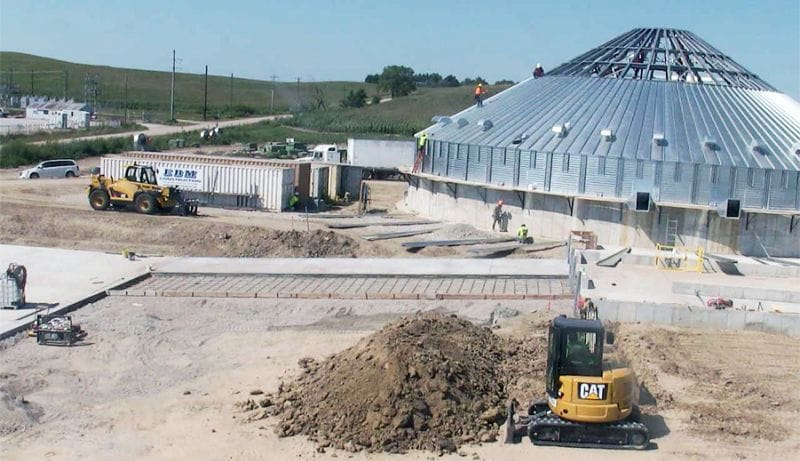
Whether you choose your own subcontractor for the erection phase or you want to install everything together with us, a Richi supervisor will be around to make sure everything is mounted in a safe and thorough way.

● Training
Staff Training
We provide comprehensive training for the technicians of each project. We can also continue to provide support for the technicians during latter project operation.

● After-sales
Project Follow-Up
When everything is up and running our Richiers will help you further whenever needed. We are ready to answer your call 24/7.We’ll also visit you regularly to learn about your needs.
Who we are
RICHI Machinery is one of the world’s leading suppliers of technology and services for the animal feed, aqua feed and pet food industries, also the largest pellet production line manufacturer in China.
Since 1995, RICHI’s vision to build a first-class enterprise, to foster first-class employees, and to make first-class contributions to society has never wavered.
In the past three decades, we have expanded our business to a wide range of areas, including animal feed mill equipment, aqua feed equipment, pet feed equipment, biomass pellet equipment, fertilizer equipment, cat litter equipment, municipal solid waste pellets equipment, etc.

1995
RICHI Established

2000+
Serving More Than 2000 Customers

120+
RICHI Employees

140+
Exported To 140 Countries