 0086-138 3838 9622
Wood Pellet Production Facility in Greece
RICHI MACHINERY
Project Overview
This 4t/h wood pellet production facility in Greece was designed as a flexible pellet production line capable of handling both high-moisture sawdust and dry agricultural residues within the same system.
The 4t/h wood pellet production line in Greece operates under a dual-material strategy—wood-based raw materials as the backbone, with straw introduced to balance cost and improve combustion characteristics. The line runs at 4 tons per hour and delivers an annual output of 10,000 tons of biomass pellets.
4T/H
capacity
$230,000
investment
Greece
location
Biofuel
project type
RICHI MACHINERY
How the Inquiry Started
The first email came in around August 2020. It wasn’t long, just a few lines:
“We have sawdust with high moisture and some straw. Can one pellet plant handle both without constant adjustments?”
That question turned into a longer conversation.
The client is a local biomass fuel distributor in northern Greece. For years, they were buying pellets from outside suppliers, mostly imported. Price fluctuations became a problem, especially during winter heating seasons.
They had access to:
- Wood processing residues (stable supply)
- Straw from nearby farms (cheap but inconsistent)
What they needed was not just a wood pellet machine. They needed a stable system that wouldn’t collapse when raw material changed slightly.
Contract was finalized in December 2020, installation completed by March 2021.
RICHI MACHINERY
Basic Project Data
| Item | Details |
|---|---|
| Project Type | Wood pellet production facility |
| Location | Northern Greece |
| Capacity | 4 t/h |
| Annual Output | 10,000 tons |
| Total Investment | ~$860,000 |
| Equipment Cost | ~$240,000 |
| Land Area | 4000 m² |
| Building Area | 1700 m² |
| Working Hours | 4800 h/year |
| Employees | 10 |
RICHI MACHINERY
Raw Materials – Not as Simple as “Wood”
At first glance, this looks like a standard wood pellet plant. In reality, the material mix made it slightly tricky.
The biggest issue wasn’t availability. It was moisture variation.
Raw Material Consumption
| Material | Annual Usage (t) | Notes |
|---|---|---|
| Sawdust | 2900 | Moisture 60–80%, requires drying |
| Straw | 1100 | Crushed before use, no drying needed |
| Wood chips & waste wood | 6000 | Main structural material |
From a process standpoint:
- Sawdust → drying critical
- Straw → improves ignition but reduces density if too much
- Wood chips → stable pellet structure
Balancing these three was part of the commissioning work.
RICHI MACHINERY
Utility Consumption
The complete wood pellet plant was designed with relatively low water usage and stable energy input.
| Resource | Consumption |
|---|---|
| Water | 300 t/year |
| Electricity | 1.5 million kWh/year |
| Natural Gas | Not used |
| Steam | Not used |
Most energy goes into drying and pelletizing.
RICHI MACHINERY
Product Output
The pellets produced are mainly used for:
- Residential heating
- Small industrial boilers
Product Specification
| Parameter | Value |
|---|---|
| Moisture | ≤15% |
| Ash | ≤15% |
| Volatile Matter | ≥63% |
| Sulfur | ≤0.05% |
| Calorific Value | ≥14 MJ/kg |
RICHI MACHINERY
Equipment Setup
One thing the client insisted on: avoid over-complication. So the wood pellet processing equipment list was kept practical.
Main Equipment
| No. | Equipment | Quantity |
|---|---|---|
| 1 | Crusher | 2 |
| 2 | Dryer | 2 |
| 3 | Wood pellet mill | 2 |
| 4 | Screening machine | 1 |
| 5 | Bucket elevator | 1 |
| 6 | Conveyors | 5 |
| 7 | Automatic packing machine | 1 |
| 8 | Weighbridge | 1 |
| 9 | Loader | 1 |
| 10 | Grab loader | 1 |
| 11 | Forklift | 1 |
| 12 | Hot air furnace | 1 |
A small detail that came up during installation:
The conveyor angle between dryer and pellet mill had to be adjusted slightly. The original layout worked on paper, but material flow wasn’t smooth enough.
RICHI MACHINERY
Plant Layout (Based on Existing Workshop)
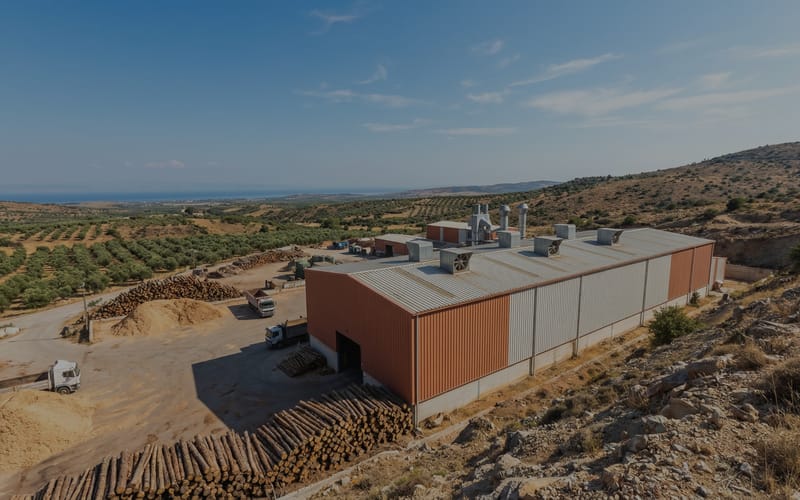
The client used their own building, so the layout had to adapt to that space.
- South side → raw material storage
- Middle section → crushing + drying
- North side → pelletizing + finished products
No unnecessary transport loops. Straightforward movement from south to north.
RICHI MACHINERY
Process Flow
Instead of a theoretical diagram, here’s the real sequence operators follow:
1. Screening & Pre-processing
- Raw materials enter screening unit
- Remove impurities (bark chunks, oversized straw)
- Reduces wear on downstream equipment
2. Crushing
- Wood waste and straw are crushed
- Noise and dust controlled by enclosure + filters
3. Drying
- High-moisture sawdust enters dryer
- Hot air furnace provides indirect heat
- Drying time ~1 hour
- Final moisture ~15%
4. Pelletizing
- Mixed material enters wood pellet extruder machines
- Compression without additives
- Natural lignin binds particles
5. Cooling (Natural)
- Occurs during lifting and conveying
- No separate cooler installed
6. Packaging
- Automatic 25kg bagging
- Stored in finished goods area
RICHI MACHINERY
Environmental Handling
Environmental setup was kept practical and compliant with local requirements:
- Crushing dust → hood + bag filter + 15m stack
- Dryer exhaust → cyclone + bag filter
- Pelletizing dust → cyclone + bag filter
- Kitchen fumes → oil fume purifier
Wastewater only comes from daily life:
- 240 t/year
- Treated in septic system
- Reused for agricultural purposes
No industrial wastewater discharge.
RICHI MACHINERY
Construction and Timeline
| Stage | Time |
|---|---|
| Inquiry | Aug 2020 |
| Technical Planning | Sep–Nov 2020 |
| Contract Signing | Dec 2020 |
| Installation | Jan–Mar 2021 |
| Commissioning | Mar 2021 |
The installation phase was relatively smooth, but commissioning took a bit longer due to raw material adjustments.
RICHI MACHINERY
What Happened During Commissioning
The first few days were… not perfect.
- Pellet density fluctuated
- Straw proportion needed adjustment
- Dryer temperature tuning required
One operator said:
“When straw ratio went above 25%, pellets started breaking.”
After a week of adjustments, stable operation was achieved.
RICHI MACHINERY
A Practical Look at Investment in Greece
Greece has been increasing the use of biomass for heating, especially in regions where heating oil costs remain high.
What makes projects like this attractive:
- Local raw materials are underused
- Import dependence can be reduced
- Pellet demand remains stable in winter seasons
A 4t/h wood pellet production facility in Greece sits in a comfortable middle range:
- Not too large to manage
- Not too small to be inefficient
RICHI MACHINERY
Some Final Thoughts from the Workshop Floor
This 4t/h wood pellet production facility in Greece is not about pushing maximum capacity. It’s about keeping production stable under changing raw material conditions.
A few lessons from this project:
- Moisture control is half the battle
- Mixed raw materials need flexible process settings
- Layout matters more than people expect
For anyone planning something similar, the first question usually isn’t about the machine.
It’s this:
“What exactly is my raw material, month by month?”
Once that’s clear, the rest becomes much easier to define.
● RICHI MACHINERY
RICHI Service

● Consulting
Customer Consultation
We want to have a deep understanding of your industrial process, to know your exact needs of feed, wood, biomass, fertilizer or other pellet processing.

● Design
biomass Pellet Plant Design
Based on your unique situation and industrial process, we will tailor complete pellet plant you need, and inform you of every additional detail that could facilitate operation, minimize total cost.
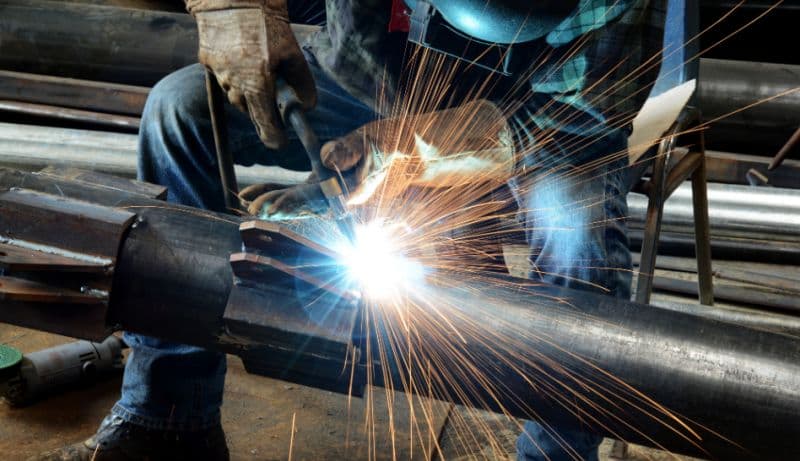
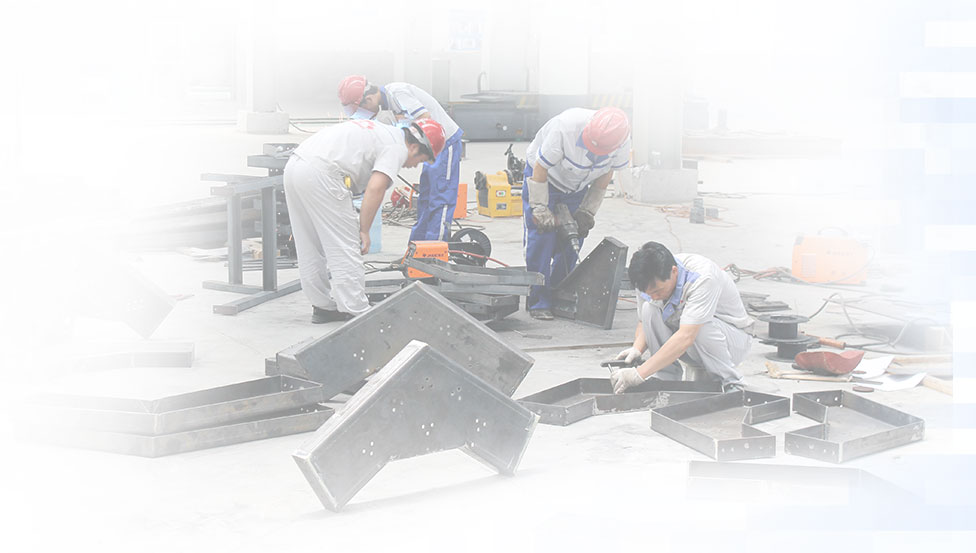
● Manufacturing
Equipment Manufacturing
The critical components of the of the complete pellet production line equipment are built in our own workshops in Asia. Additional equipment is manufactured by our worldwide network of reliable partners.
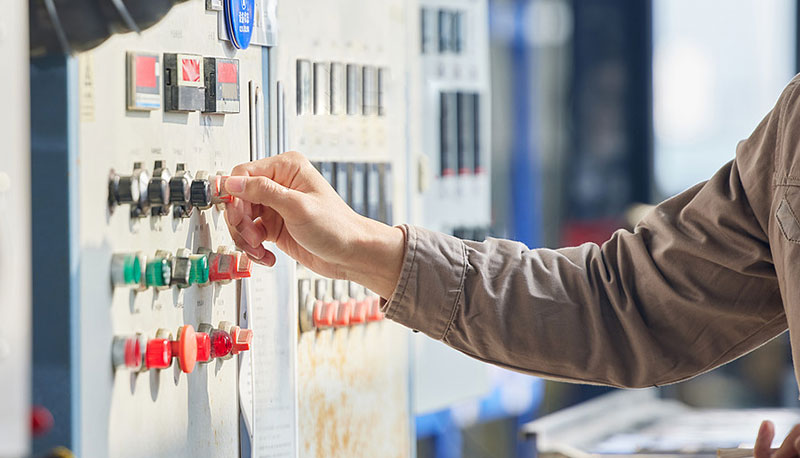
● Testing
Quality Inspection & Testing
Before leaving the factory, all equipment will be inspected by the quality inspection department. We can also provide customers with testing services from a single machine to a complete pellet plant system, and provide you with real actual data for “worry-free use.”

● Delivery
Equipment Delivery
In equipment boxing and packaging, we adopt professional packaging and modular solutions to ensure the safe and non-destructive delivery of pellet plant equipment.
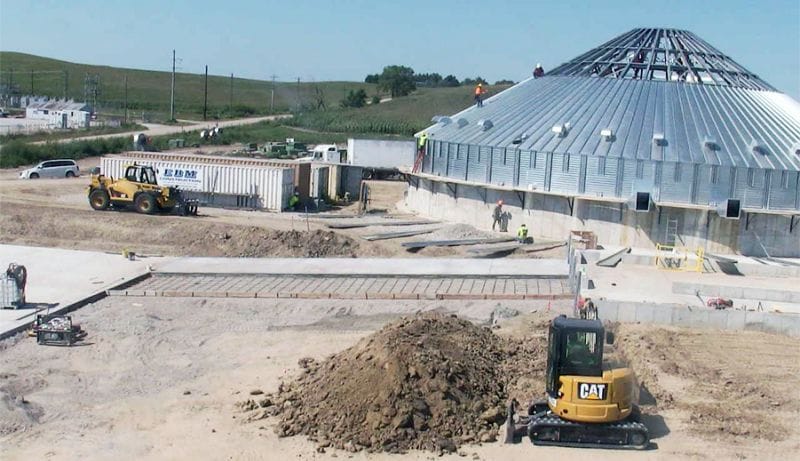
● Installation
Installation & Commissioning
Whether you choose your own subcontractor for the erection phase or you want to install everything together with us, a Richi supervisor will be around to make sure everything is mounted in a safe and thorough way.

● Training
Staff Training
We provide comprehensive training for the technicians of each project. We can also continue to provide support for the technicians during latter project operation.
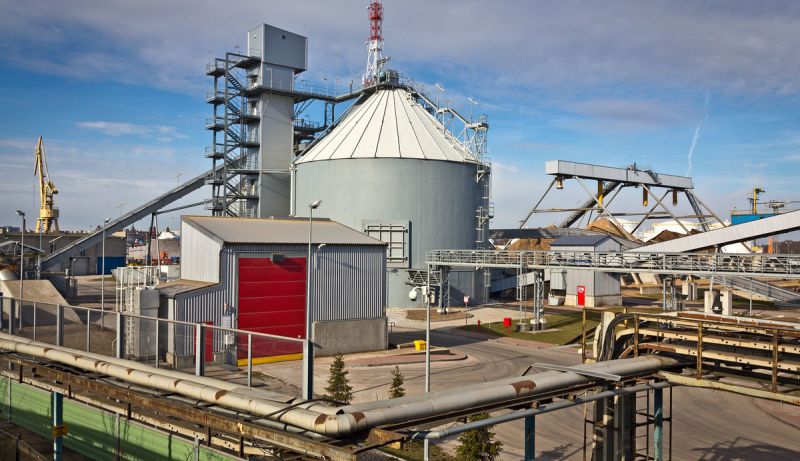
● After-sales
Project Follow-Up
When everything is up and running our Richiers will help you further whenever needed. We are ready to answer your call 24/7.We’ll also visit you regularly to learn about your needs.
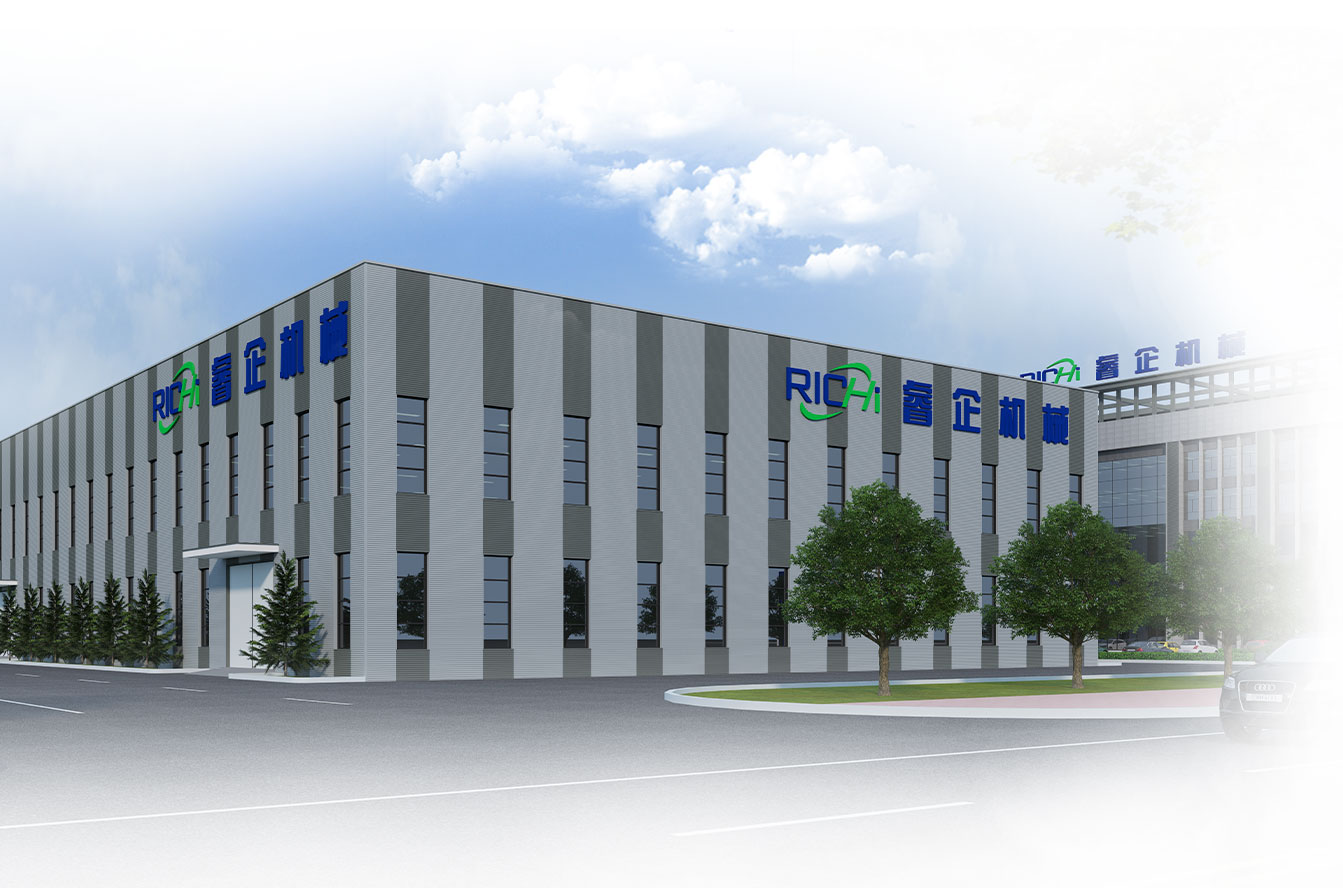
Who we are
RICHI Machinery is one of the world’s leading suppliers of technology and services for the animal feed, aqua feed and pet food industries, also the largest pellet production line manufacturer in China.
Since 1995, RICHI’s vision to build a first-class enterprise, to foster first-class employees, and to make first-class contributions to society has never wavered.
In the past three decades, we have expanded our business to a wide range of areas, including animal feed mill equipment, aqua feed equipment, pet feed equipment, biomass pellet equipment, fertilizer equipment, cat litter equipment, municipal solid waste pellets equipment, etc.

1995
RICHI Established

2000+
Serving More Than 2000 Customers

120+
RICHI Employees

140+
Exported To 140 Countries