0086-138 3838 9622
Wood Pellet Plant Project in Romania
The wood pellet plant project in Romania turns accepted dry recovered timber into a 2 T/H industrial fuel product. Sorting, staged size preparation and complete cooling and grading connect the owner’s collection resources to identified deliveries.

RICHI MACHINERY
Wood Pellet Plant Project in Romania for Qualified Recovered Timber
Collected untreated timber follows a controlled fuel route in the wood pellet plant project in Romania. The customer operates a wood collection business and needs a 2 T/H processing package for accepted dry material. Sorting, metal removal, size preparation and active finishing establish the product supplied to suitable industrial buyers.
RICHI connects this wood pellet production line to the owner’s existing buildings and handling resources. The wood pellet plant construction uses a 4,800-tonne annual product basis, with received wood, accepted material and released pellets recorded as separate quantities.
2 T/H
capacity
USD 210,000
investment
Romania
location
Biofuel
project type
RICHI MACHINERY
A Wood Collector Moving into Fuel Production
The investor’s collection and recycling activity gives the project an identified receiving network. Timber arrives in different forms, including packaging boards and suitable solid-wood residues. Its condition determines whether it can enter the industrial fuel recipe.
The wood pellet plant project in Romania has a defined acceptance boundary. Untreated material is checked for contamination and moisture before preparation, while painted pieces, glued panels and unidentified treatment remain outside the accepted woody product.
The customer also needs an industrial buyer whose equipment can handle the fuel. Product dimensions, heat value, ash and relevant chemistry are agreed alongside unloading and stock arrangements. These requirements connect the collection business to an identified sales route.
For a comparable complete wood pellet plant for sale, RICHI reviews actual piece dimensions and supplier forms. Whole pallets, long boards and fine sawdust create different duties. The main machine selection follows the material that needs preparation and the finished product required by the buyer.
The result is a moderate-capacity processing operation using the customer’s existing infrastructure. Its stock, staffing and services are planned around the two-tonne duty, with the wider wood business’s resources kept distinct from the new machinery package.
RICHI MACHINERY
Use the Owner’s Buildings and Handling Resources
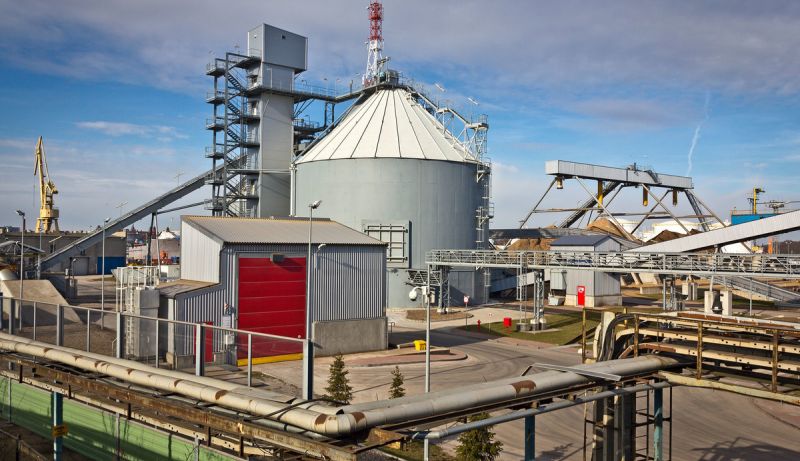
The wood pellet plant project in Romania uses 2,040 m² of listed working and service accommodation. It includes a 1,400 m² main workshop, a 200 m² timber store, 400 m² of office and service accommodation for the wider business, a 20 m² residue area and a 20 m² gatehouse.
| Main workshop allocation | Area | Function |
|---|---|---|
| Processing and equipment access | 650 m² | Sorting interface, shredding, grinding, forming and finishing |
| Accepted-material working area | 350 m² | Prepare identified lots for the processing route |
| Finished-product stock | 350 m² | Released pellets and planned dispatch |
| Workshop services | 50 m² | Controls and supporting work |
The wood pellet processing plant follows a clear movement from accepted timber to size preparation, the pellet mill, cooling, grading and finished stock. Operators can reach the separation points and machine wear parts without driving incoming wood through the released-product area.
The separate timber store has a working-stock duty. Its usable mass depends on actual board or pallet form, stacking and access limits. Supplier deliveries are booked against those conditions and the material available inside the workshop.
The owner’s wider resources include collection vehicles, loading equipment, forklift handling and weighing. Those reusable site assets are distinct from RICHI’s processing equipment. Local interface checks establish which resources can support receiving, installation and dispatch.
The building plan also identifies removal paths and lifting access around heavy machinery. These details let the customer organise maintenance alongside its existing timber business.
RICHI MACHINERY
One Matched Press with Complete Product Finishing
The wood pellet plant project in Romania includes the wood pellet processing equipment needed for coarse timber preparation and the fine condition required by the press. Metal protection follows the relevant stages, with cooling and grading included before finished stock.
| Main duty | Selected equipment | Quantity | Selection basis |
|---|---|---|---|
| Coarse timber preparation | Low-speed shredder | 1 | 55 kW main drive; accepted wood dimensions |
| Metal protection | Primary and downstream magnetic stages | 1 coordinated set | Remove liberated ferrous objects |
| Fine preparation | Biomass hammer mill | 1 | 55 kW main drive |
| Controlled forming feed | Prepared buffer and feeder | 1 arrangement | Maintain the approved material condition |
| Pellet forming | MZLH520 | 1 | 132 kW main drive; selected 2 T/H duty |
| Product finishing | Counterflow cooler and grading screen | 1 set | Match the formed output |
| Packing | Weighed 25 kg bagger | 1 | At least 2 bags/minute |
| Supporting equipment | Conveying, extraction and controls | 1 set | Connect accepted material to released product |
The wood pellet plant project in Romania uses one suitable forming machine. The upstream equipment prepares the accepted material, while the finishing stages establish its storage and delivery condition.
A buyer can review that complete route when comparing quotations. A press output figure becomes useful when the material condition, coarse preparation, cooling and dispatch duties are stated alongside it.
RICHI MACHINERY
Separate Collected Wood from Usable Pellet Material
The annual receiving basis is 5,002 tonnes of collected timber. Around 4,900 tonnes of accepted material remains after the selected sorting allowance, with actual rejects recorded separately. At the 10% reference incoming and finished moisture and a 2% dry-matter loss allowance, that supply supports around 4,800 tonnes of product.
| Intake check | Requirement for the stated scope |
|---|---|
| Wood identity | Untreated solid timber from identified collection sources |
| Moisture | Selected dry-input condition, generally around 8–12% subject to forming trials |
| Physical form | Dimensions suited to the selected shredder and feeding arrangement |
| Contamination | Control metal, coatings, chemical treatment, glued panels and unrelated waste |
| Lot records | Distinguish gross receipt, rejected pieces and accepted forming material |
The wood pellet plant project in Romania has no thermal dryer within this package. Moisture checks maintain the purchasing condition, and wetter deliveries are held for a separate treatment decision.
Metal separation protects the machinery, while supplier and sorting checks establish whether the wood itself is suitable. Ferrous removal does not remove chemicals or coatings from a piece of timber. Those conditions are addressed before the accepted material enters the process.
The customer can use a recorded rejection reason when discussing a supplier load. This makes the acceptance boundary practical for the collection team and keeps the industrial product tied to its stated material.
Moisture measurements use the agreed sampling method and suitable checks on the measuring instrument. A surface reading may miss wetter material inside a mixed load, so the intake procedure defines where samples are taken. Staff keep those results with the supplier and weight record. That information helps the business discuss its purchasing specification without relying on appearance or a dry-feeling top layer.
RICHI MACHINERY
Wood Pellet Plant Project in Romania: Timber to Finished Product
Identify and sort before size reduction
Staff check the supplier lot, moisture and visible wood condition. Unsuitable pieces are removed while they are still identifiable. Accepted timber enters the preparation area, with its quantity recorded separately from the collected load.
Shred bulky wood and release trapped objects
The low-speed shredder prepares boards and packaging timber within the accepted dimensions. Controlled feeding limits sudden loads. A magnetic stage removes liberated ferrous objects before the material enters finer preparation.
The operator checks wear surfaces and retained material under the safe service procedure. Timber shape, nails and foreign objects affect the preparation task, so daily records connect machine condition to the material processed.
Grind to the selected die condition
The hammer mill prepares a distribution typically within the selected 2–5 mm range for the 8 mm product. Samples confirm that condition. Downstream magnetic protection follows the fine-material route before the prepared buffer.
Qualified fine material may use the appropriate bypass. The wood pellet plant project in Romania still applies the same identity, moisture and contamination checks to that fraction.
Meter and form through one mill
The prepared buffer and feeder supply the wood pellet mill, MZLH520. Die geometry and operating settings follow trials on the accepted dry wood. Staff monitor motor load, feed continuity and formed product throughout the run.
There is no process boiler or external thermal heater in this package. Friction during forming produces heat, and the product finishing arrangement manages the resulting storage condition.
Cool, screen and identify the product
Counterflow cooling precedes grading and stock. The screen separates compatible clean fines from released product. Any return follows the approved recorded route, with contaminated cleanup residues handled separately.
The selected industrial specification uses 8 mm diameter, approximately 10–30 mm length and finished moisture at or below 10%. Density, durability, fines and fuel chemistry are checked against the receiving customer’s requirements.
Pack and prepare the booked delivery
At the selected 25 kg format, a minimum rate of two bags per minute gives packing capacity above the two-tonne product flow. Net weight, closure and lot identity are checked before bags move to released stock or planned dispatch.
RICHI MACHINERY
Extraction, Water and Residuals with Defined Duties
Dust can arise at sorting, shredding, grinding, transfer, grading and packing. Extraction follows those points, with enclosed conveying and cleaning access included in the installation arrangement.
The wood pellet plant project in Romania assesses dust and fire risks for the accepted material and actual site. Detection, equipment isolation, maintenance access and operating procedures follow that assessment and the relevant local installation requirements.
Clean compatible fines can return to the identified recipe. Dirty sweepings, separated timber, foreign objects and used lubricants have separate handling routes. Their records distinguish material recovery from product suitable for the fuel programme.
The wood pellet plant project in Romania has a 280 kW connected electrical allowance across the two 55 kW preparation drives, 132 kW forming drive, finishing, extraction, conveying and controls. An electricity planning allowance around 400 MWh/year corresponds to approximately 83 kWh per tonne at the annual product basis.
Water provision has a working allowance around 300 m³/year for welfare and selected cleaning. It is kept separate from accepted dry timber and product stock. Sanitary and cleaning wastewater use the site’s applicable collection and treatment arrangements.
The customer reviews machine, building, emissions and waste requirements with local specialists. RICHI supplies the equipment interfaces and operating information for that process, without presenting one stack height or a generic capture percentage as proof of site compliance.
RICHI MACHINERY
Wood Pellet Plant Project in Romania Investment Scope
| Investment item | Budget for the defined scope |
|---|---|
| RICHI equipment package | USD 145,000 |
| Total project investment | USD 210,000 |
The equipment budget includes shredding, metal protection, grinding, one pellet mill, prepared feeding, cooling, grading, weighing and packing, conveying, extraction and controls. The total also allows for freight, installation, foundations, electrical work, existing-premises adaptation, commissioning and contingency.
The wood pellet plant project in Romania uses the owner’s existing property and handling resources. New land, replacement of the existing vehicle fleet, extensive construction, thermal drying, major upstream utility reinforcement and recoverable taxes are outside this budget.
These boundaries let the purchaser compare the same accepted wood condition, finished product and installation duties. A different collection stream or site with no reusable accommodation has a different equipment and civil-work requirement.
The investment scope follows moderate throughput and daily dispatch. It supplies the processing functions needed for the stated product, with one appropriate press and its supporting preparation and finishing stages.
A useful equipment comparison also identifies the services included at the machinery boundaries. Foundation loads, motor connections, extraction points, control interfaces and operating information give the customer’s local team concrete work to prepare. The buyer can then review the installation scope alongside its existing resources and the required product, keeping the machinery amount connected to the duties needed before production.
RICHI MACHINERY
Match a Small Wood Pellet Plant to Its Supply Area
The customer’s Romanian collection network gives the project a practical receiving setting. It still needs sufficient accepted untreated timber within a workable delivery programme, after the removal of unsuitable pieces and other material uses.
The wood pellet plant project in Romania follows buyer-level requirements for compatible industrial heating. The customer reviews fuel analysis, pellet dimensions, handling format and dispatch frequency with the receiving team.
The annual basis produces an average of 16 tonnes per production day. Incoming accepted material averages around 16.3 tonnes per day, with the gross collection programme higher because of sorting rejects. These quantities help the warehouse team arrange loading and working stock.
Released product is stored under its stated moisture and packing conditions. A buyer seeking a household or certified wood-pellet range needs the eligible material and qualification appropriate to that market. The industrial product is offered on its actual declared scope.
For a comparable waste wood pellet production line, material photographs and sample dimensions are useful early enquiry information. They show whether the main preparation task is reducing whole packages, long boards or an already fine woody fraction.
RICHI MACHINERY
RICHI Service for the Complete Material Route
RICHI Machinery connects accepted material samples to equipment duty, process layout, manufacture and installation guidance. The customer receives the interfaces needed by local contractors for foundations, electrical work, extraction and machinery access.
The operating basis is 2 T/H, eight net hours per day and 300 production days, giving 4,800 tonnes annually. Four daily operating positions cover material handling, processing, finishing and dispatch. Two shared quality, maintenance or administrative roles bring the pellet-operation staffing basis to six.
The owner’s wider collection and transport workforce has its own responsibilities. Reusable vehicles and handling assets are checked against the receiving and dispatch programme, while the processing team remains sized for its defined machinery duty.
The booked Romanian gateway and inland corridor follow the exact destination and cargo dimensions. Assembly is coordinated with building openings, lifting equipment, foundations and utility readiness. The shipment plan identifies heavy pieces and components by installation area.
Training follows the customer’s actual timber forms. Staff learn rejection decisions, shredder inspection, magnetic protection, particle checks, feed control, cooling, packing and product records. Selected spares and service access are identified before the plant enters its routine operating programme.
The same engineering method applies to a Biomass pellet plant or a Organic fertilizer production line, with the machinery and input conditions assessed for that specific product. The customer’s enquiry remains focused on its accepted materials, available site and required finished duty.
Is sorting still needed when magnets are fitted?
Magnets remove liberated ferrous objects. Wood treatment, coatings, glued panels and unrelated materials need their own supplier and intake decisions before processing.
Can wet collected timber use this package?
The selected equipment scope follows the dry-input specification. Wetter material needs a separate moisture-treatment and storage assessment before joining the routine product programme.
What determines the usable warehouse stock?
Actual material form, bulk density, stacking and access limits determine usable mass. Whole pallets can occupy much more space than their prepared wood, so floor area is assessed alongside the receiving programme.
Why cool pellets when the line has no dryer?
Pressure and friction generate heat during forming. Cooling prepares the pellets for screening, packing and storage, with airflow and discharge checked against the actual product. The dry-input scope removes the thermal drying duty while retaining the finishing needed after the press.
Request Your Recovered Wood Layout
Send RICHI material samples, moisture records, accepted quantities, the buyer’s fuel specification and site drawings. We can prepare a wood pellet plant project in Romania proposal with one matched forming machine, complete product finishing and a clear equipment and installation scope.
● RICHI MACHINERY
RICHI Service

● Consulting
Customer Consultation
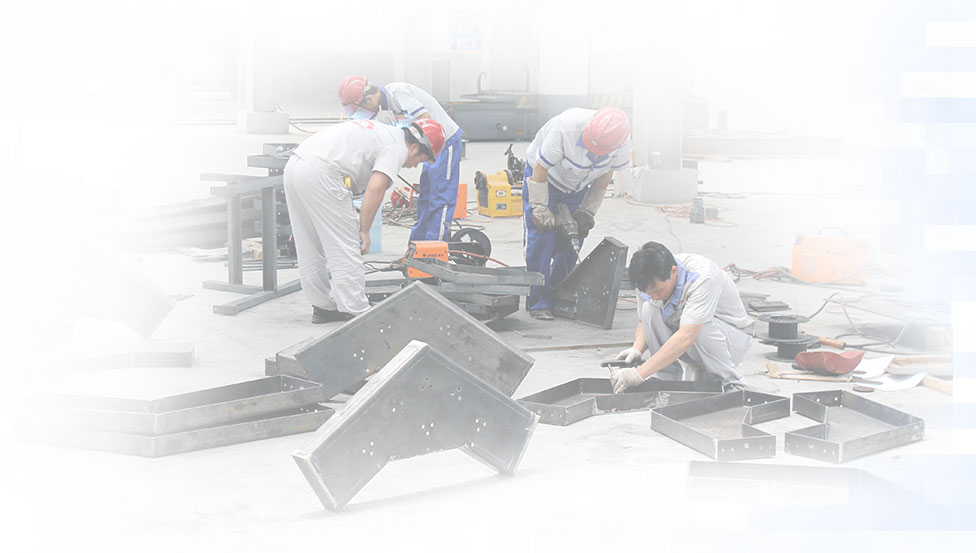
We want to have a deep understanding of your industrial process, to know your exact needs of feed, wood, biomass, fertilizer or other pellet processing.
● Design
biomass Pellet Plant Design
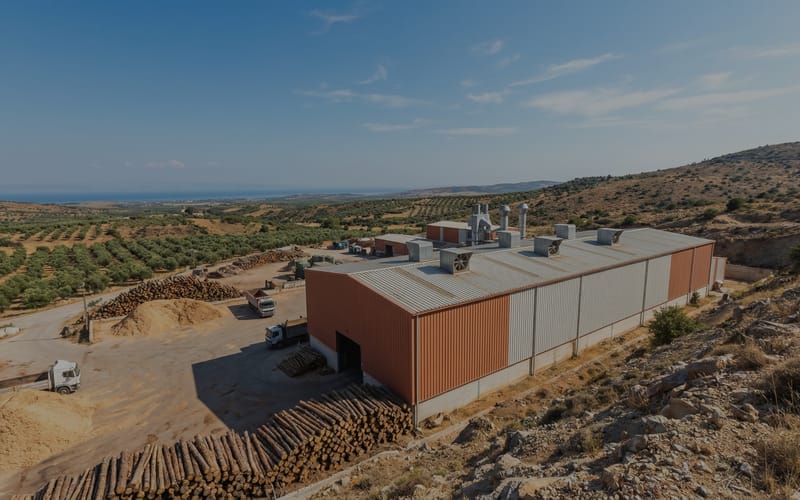
Based on your unique situation and industrial process, we will tailor complete pellet plant you need, and inform you of every additional detail that could facilitate operation, minimize total cost.
● Manufacturing
Equipment Manufacturing
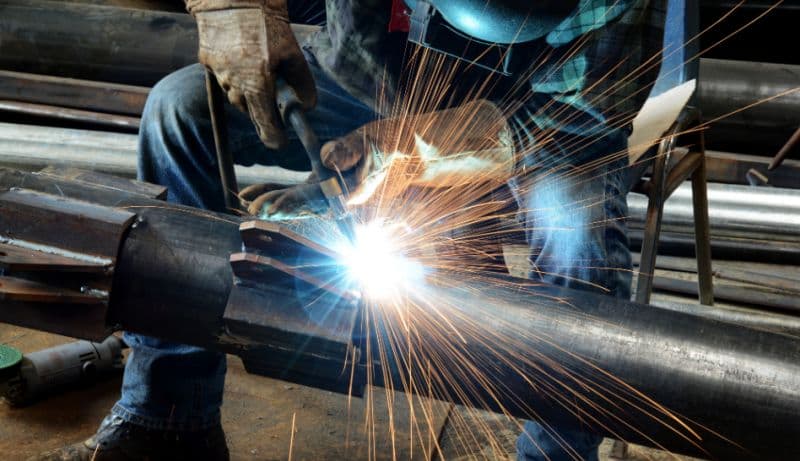
The critical components of the of the complete pellet production line equipment are built in our own workshops in Asia. Additional equipment is manufactured by our worldwide network of reliable partners.

● Testing
Quality Inspection & Testing
Before leaving the factory, all equipment will be inspected by the quality inspection department. We can also provide customers with testing services from a single machine to a complete pellet plant system, and provide you with real actual data for “worry-free use.”

● Delivery
Equipment Delivery
In equipment boxing and packaging, we adopt professional packaging and modular solutions to ensure the safe and non-destructive delivery of pellet plant equipment.
● Installation
Installation & Commissioning
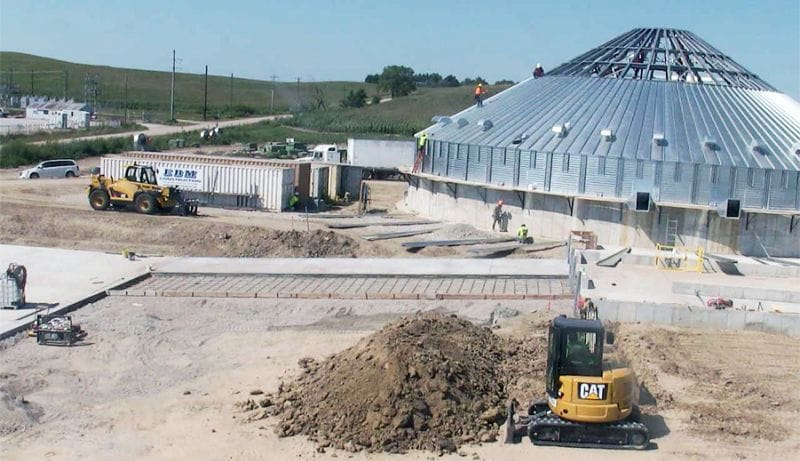
Whether you choose your own subcontractor for the erection phase or you want to install everything together with us, a Richi supervisor will be around to make sure everything is mounted in a safe and thorough way.

● Training
Staff Training
We provide comprehensive training for the technicians of each project. We can also continue to provide support for the technicians during latter biomass pellet project operation.
● After-sales
Project Follow-Up
When everything is up and running our Richiers will help you further whenever needed. We are ready to answer your call 24/7.We’ll also visit you regularly to learn about your needs.
Who we are
RICHI Machinery is one of the world’s leading suppliers of technology and services for the animal feed, aqua feed and pet food industries, also the largest pellet production line manufacturer in China.
Since 1995, RICHI’s vision to build a first-class enterprise, to foster first-class employees, and to make first-class contributions to society has never wavered.
In the past three decades, we have expanded our business to a wide range of areas, including animal feed mill equipment, aqua feed equipment, pet feed equipment, biomass pellet equipment, fertilizer equipment, cat litter equipment, municipal solid waste pellets equipment, etc.

1995
RICHI Established

2000+
Serving More Than 2000 Customers

120+
RICHI Employees

140+
Exported To 140 Countries