 0086-138 3838 9622
Small Tofu Cat Litter Production Plant in Vietnam
Plant-based ingredients become retail packs in the small tofu cat litter production plant in Vietnam, matching a 500 kg/hour forming duty to measured mixing, one appropriate dryer, cooling and product checks for the customer’s selected litter recipe.

RICHI MACHINERY
Small Tofu Cat Litter Production Plant in Vietnam for Retail Packing
At 500 kg/hour, the small tofu cat litter production plant in Vietnam serves a pet-products business using dried soybean fibre, starch, fine corn meal and guar gum. The customer needs repeatable mixing, a controlled moisture finish and retail packs that arrive in usable condition.
RICHI connects one forming machine to preparation, a matched belt dryer, cooling, screening and net-weight packing. This cat litter production line has a 1,000-tonne annual product basis, using the client’s existing industrial accommodation and a single staffed daily operating period.
500 kg/hour
capacity
USD 76,000
investment
Vietnam
location
CAT LITTER
project type
RICHI MACHINERY
A Grain-Trading Background with a Different Finished Product
The customer’s agricultural trading and grain-processing experience provides a relevant supplier network. Cat litter production adds a different product duty: a plant-based pellet with tested absorption, clumping, handling and storage behaviour.
The small tofu cat litter production plant in Vietnam purchases ingredients by grade and condition. Dried soybean fibre is a defined input, while starch, corn meal and gum need the physical and quality requirements established for the recipe.
The commercial focus is a packaged product for the customer’s pet-retail and distribution programme. Bag size, net quantity, pellet dimensions and the user’s handling instructions are considered together before choosing the packing equipment.
RICHI’s tofu cat litter production line scope follows those decisions. The customer can see how raw ingredient condition affects grinding, water adjustment, dryer duty and the product released to packing.
This gives the entrepreneur a useful equipment enquiry. Representative materials and a tested product brief establish the machinery needed to support its brand, rather than treating a successful pellet shape as the only acceptance check.
RICHI MACHINERY
Use the Existing Accommodation for Clean Material Flow
The covered allocation is 2,000 m². The 1,600 m² main working area comprises 550 m² for processing and its access, 550 m² for ingredient receiving and stock, and 500 m² for finished-product stock. Offices and quality work use 200 m², with 200 m² for services and supporting access.
| Covered area | Allocation | Purpose |
|---|---|---|
| Processing and working access | 550 m² | Preparation, mixing, forming, drying and packing |
| Ingredient receiving and stock | 550 m² | Protected dry fibre, starch, meal, gum and packaging |
| Finished product | 500 m² | Released retail packs and dispatch preparation |
| Offices and quality | 200 m² | Product records, checks and commercial support |
| Services | 200 m² | Utility and maintenance duties |
The small tofu cat litter production plant in Vietnam keeps dry ingredients away from wash areas and finished packs away from dusty receiving work. Ingredient opening, product screening and packing have their own extraction and cleanup duties.
External unloading and vehicle movement follow the client’s wider industrial access plan. Equipment positioning also checks building height, floor loading and service clearances. Those interfaces are reviewed before machinery delivery.
The stock programme accounts for supplier intervals and humidity protection. Packaging stays identified by product and format, while raw fibre is stored according to its moisture condition. Staff can inspect a lot without opening unrelated finished packs.
RICHI MACHINERY
Define Size, Moisture and Performance before Marketing
The selected product uses a 2–3 mm diameter basis and an approximately 5–15 mm cut length. Finished moisture is targeted within a 7–10% range, with 8% used for the working material balance.
The small tofu cat litter production plant in Vietnam checks the product after drying, cooling and screening. Physical tests cover dimensions, fines, handling strength and net packing quantity. Product-use checks assess absorption, clump formation and the relevant odour programme on representative samples.
The approved recipe connects those results to ingredient grade and processing conditions. A change in soybean fibre, starch or gum receives a product review before entering routine manufacture. The consumer range is described from that tested formulation.
The package carries the customer’s storage, use and disposal instructions. Its plant-based ingredients are declared, and performance statements follow the agreed tests and shelf conditions. Net quantity, pellet size and lot identity give retailers and consumers a clear product description.
A usable release record identifies the lot, product specification and packaging format. Retained samples help the customer check a retailer’s question against the product that was actually dispatched.
Packing trials use the actual bag film and closure. Handling checks follow the intended carton, pallet and delivery route, including the product condition after ordinary transport movement. The customer can then compare fines, bag integrity and litter performance with its release sample. This makes packaging part of the product programme, with clear checks for the production and sales teams.
RICHI MACHINERY
Dried Soybean Fibre Is a Specific Purchasing Condition
| Recipe ingredient | Annual allowance | Accepted form |
|---|---|---|
| Dried soybean fibre | Around 365 tonnes | Identified dried fibre, prepared to the required particle condition |
| Starch | Around 469 tonnes | Selected product grade with tested binding and clumping behaviour |
| Fine corn meal | Around 156 tonnes | Accepted fine powder with controlled moisture and quality |
| Guar gum | Around 53 tonnes | Documented binder grade and measured dosing |
The approximately 1,043-tonne input allowance follows a recipe near 35% soybean fibre, 45% starch, 15% corn meal and 5% gum. A 10% average incoming moisture and 2% dry-matter loss allowance support around 1,000 tonnes of product at the 8% reference finish.
The small tofu cat litter production plant in Vietnam receives dried fibre. Fresh wet okara has a much larger water-removal requirement and needs a separately sized preparation route. The selected finished-pellet dryer is assigned to the mixed product duty.
Each ingredient is checked for contamination, moisture and storage condition. Supplier changes also receive physical preparation and product-performance tests. Fine appearance alone does not establish that two starch or fibre grades behave the same way in the recipe.
Ingredient weighing maintains the composition. Clean compatible returns may be included only through the approved recorded procedure, so the recipe does not drift with repeated uncontrolled recycling.
RICHI MACHINERY
Water and Drying Duty from the Whole Recipe
The working water addition is around 80 m³/year, or approximately 40 kg/hour over 2,000 net production hours. Together with the ingredients’ reference moisture, it gives a formed mixture around 16–18% moisture under the approved recipe conditions.
The small tofu cat litter production plant in Vietnam has a whole-process reference water-removal load around 52 kg/hour. One belt dryer with a 70 kg/hour evaporation basis provides capacity above that reference. Its selected electric heating input is 120 kW.
Dryer duty follows the actual mixture and product finish. Incoming moisture, measured water addition and released-product moisture are recorded together. A wetter recipe changes the required evaporation and receives a feed-rate or equipment review.
The connected electrical allowance is 195 kW, including the heater, forming drive, selected grinding, mixing, airflow, conveying, screening, packing and controls. An electricity planning allowance around 210 MWh/year corresponds to approximately 210 kWh per tonne of finished litter.
Fresh-water provision totals around 164 m³/year, comprising the 80 m³ formulation allowance and 84 m³ for welfare and selected cleaning. Utility assessment confirms the actual industrial supply and storage needed for that programme.
RICHI MACHINERY
One Forming Machine and One Matched Drying Arrangement
The cat litter making machine scope follows the selected dry-ingredient route. The batch mixer provides 750 kg/hour of complete-cycle capacity, above the material flow needed for the 500 kg/hour finished duty.
| Main duty | Equipment | Quantity | Selected requirement |
|---|---|---|---|
| Fibre preparation | Compact mill for the specified coarse fibre fraction | 1 | 11 kW main drive |
| Recipe mixing | Working batch mixer | 1 | 150 kg batch; 12-minute complete cycle |
| Forming | Dedicated tofu cat litter pellet unit | 1 | 37 kW drive basis; selected 500 kg/hour finished duty |
| Drying | Mesh Belt Dryer with integrated cooling section | 1 | 70 kg/hour water evaporation basis |
| Product screening | Gentle grading arrangement | 1 | Separate compatible returns and released pellets |
| Retail packing | Small-pack net-weight system | 1 | At least 6 packs/minute at the selected 2.5 kg format |
| Supporting duties | Conveying, extraction and controls | 1 coordinated set | Connect preparation to released retail packs |
The drying and cooling section treats the same product flow in sequence. It gives the customer a moisture finish and a packing condition within one matched arrangement, with access for belt, airflow and retained-material checks.
| Investment item | Budget for the stated scope |
|---|---|
| RICHI equipment package | USD 46,000 |
| Total project investment | USD 76,000 |
The equipment budget includes selected fibre preparation, mixing, forming, drying and cooling, screening, transfer, small-pack weighing, extraction and controls. The total also provides for freight, installation, electrical work, existing-building adaptation, commissioning and contingency.
The small tofu cat litter production plant in Vietnam uses existing accommodation. Property purchase, extensive construction, fresh-okara dehydration, major upstream utility reinforcement and recoverable taxes are outside this package.
RICHI MACHINERY
From Weighed Ingredients to Released Retail Packs
Check the ingredient and packaging lots
Staff confirm ingredient identity, moisture and accepted condition before opening. Packaging is checked for the chosen product and net quantity. Material waiting for additional quality checks stays separate from released stock.
Prepare only the coarse fibre fraction
Fibre preparation at the small tofu cat litter production plant in Vietnam reduces the accepted fraction that needs size reduction. Fine corn meal and other ingredients already meeting the approved distribution take a bypass. Samples check the particle condition established for the 2–3 mm product die.
Mix the recorded recipe with measured water
The batch scale and checked gum dose establish the recipe. Water is measured and distributed during mixing, with full-cycle time recorded. Staff check the discharge for the physical condition required by the feeder and forming unit.
Form the cylindrical litter pellets
The cat litter pellet machine receives the approved particle and moisture condition. Die selection, feeding and cutting follow tests on the actual ingredients. Operators monitor motor load and samples so a changing fibre grade can be related to the forming behaviour.
Dry and cool to the packing condition
Airflow, heat input, layer depth and belt movement work together in the dryer. Product samples establish the moisture finish. The cooling section then prepares the pellets for screening and sealed packing without trapping avoidable heat inside the bag.
Screen and manage compatible returns
The screen separates unsuitable dimensions and fines under the product procedure. Return material is identified and measured before it re-enters an approved batch. Contaminated cleanup residues follow a separate route.
Weigh and seal the retail format
The selected 2.5 kg net format requires approximately 200 packs/hour at the finished duty. A six-pack/minute system provides capacity above that flow. Net weight, closure and lot identity are checked before the product moves to released stock.
RICHI MACHINERY
Machinery Arrival with Power and Access Prepared
The delivery plan groups preparation, mixing, forming, drying, screening, packing and controls. Packing information includes assembly dimensions, weights and lifting points, allowing the customer to check its unloading equipment and building access.
The booked Vietnamese gateway and inland corridor follow the actual southern Vietnam destination and shipment dimensions. Delivery is coordinated with electrical readiness, equipment positioning and the protected ingredient and packaging areas.
The small tofu cat litter production plant in Vietnam needs the heater’s electrical demand included in the site connection. Local preparation also covers extraction supports, service access and the selected clean-water provision.
RICHI’s handover support uses the actual ingredient grades and retail format. Operators learn batch weighing, moisture adjustment, dryer control, compatible returns and packing release together. The resulting operating checks connect machine settings to the product the customer plans to sell.
RICHI MACHINERY
Plan Net Hours, Quality Work and Pack Movement Together
The annual basis is 500 kg/hour multiplied by eight net production hours per day and 250 working days: 1,000 tonnes. A staffed working period provides time around those hours for checks, cleaning and preparation.
The small tofu cat litter production plant in Vietnam has five operating and support roles covering ingredients and mixing, forming and drying, packing, quality and logistics, and shared maintenance or administration. The daily schedule allocates those duties without treating one control-panel operator as the whole factory team.
The release programme checks product after the complete process. Dimensions, fines, moisture, handling and the selected performance tests are considered together. A changed ingredient grade receives the necessary forming and product review before a new routine recipe is approved.
Finished stock is held under the specified packaging and humidity conditions. The customer reviews storage duration, pallet arrangement and package barrier with its distribution programme. This helps the product arrive in the condition used for its performance checks.
Cleaning has identified duties at ingredient opening, fibre preparation, mixing, screening and packing. Dryer access also lets staff inspect retained material and airflow paths. Records follow the recipe through the shift and identify the product waiting for release.
The small tofu cat litter production plant in Vietnam also follows retained samples through the chosen storage programme. A retailer may keep a bag longer than the factory holds its dispatch stock, so the test conditions reflect that intended shelf period and packaging barrier. Changes in clumping or fines are reviewed alongside moisture and ingredient records before the customer makes a new product guarantee.
RICHI MACHINERY
Build the Sales Offer around a Tested Consumer Product
The customer’s Vietnamese retail programme needs a product that is easy to describe and consistent to supply. Plant-based ingredients, agreed pellet dimensions, measured net quantity and documented performance give the brand useful information for retailers and consumers.
The small tofu cat litter production plant in Vietnam supports that offer through recorded recipes and released lots. Packing appearance follows the customer’s brand, while the manufacturing record identifies the material and settings behind each delivery.
A volume declaration is checked against the actual bulk density. A bag’s litre label and kilogram weight have different meanings, so the selected packing system follows the net quantity specified for the retail range.
Export enquiries have their own product, packaging and destination review. The machinery scope can be assessed for a different format once the buyer’s net quantity, sealing and delivery requirements are established.
Can fresh tofu residue use this dry-fibre package?
The small tofu cat litter production plant in Vietnam is scoped for dried fibre. Fresh wet okara needs a separate dehydration and storage assessment because its water load differs from the mixed-pellet duty.
What changes when the customer chooses a smaller pellet?
Die, particle preparation, cutting, drying and the usable forming rate are reviewed together. Product-performance checks also confirm whether that size suits the intended retail range.
Can all screened material return without measurement?
Only clean compatible material returns through the approved recorded recipe. Its quantity and condition are checked so the formulation remains controlled.
Which checks help compare clumping performance?
An agreed test uses consistent liquid quantity, exposure time, sample handling and assessment of the formed clump. The customer compares released and stored samples under that same method, with the actual recipe and bag identified in the results.
Plan Your Retail Litter Line
Send RICHI ingredient samples, moisture records, tested product requirements, the retail net quantity, available power and site drawings. We can prepare a small tofu cat litter production plant in Vietnam proposal with one suitable forming unit, a matched drying duty and a clear investment scope.
● RICHI MACHINERY
RICHI Service

● Consulting
Customer Consultation
We want to have a deep understanding of your industrial process, to know your exact needs of feed, wood, biomass, fertilizer or other pellet processing.

● Design
cat litter Pellet Plant Design
Based on your unique situation and industrial process, we will tailor complete pellet plant you need, and inform you of every additional detail that could facilitate operation, minimize total cost.
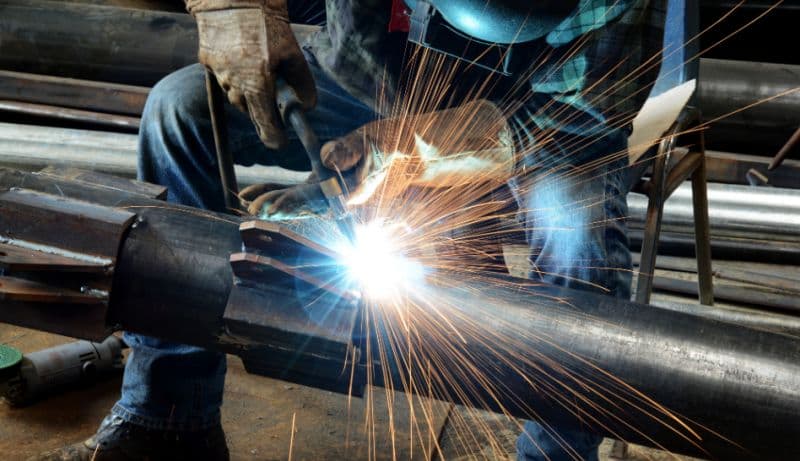
● Manufacturing
Equipment Manufacturing
The critical components of the of the complete pellet production line equipment are built in our own workshops in Asia. Additional equipment is manufactured by our worldwide network of reliable partners.
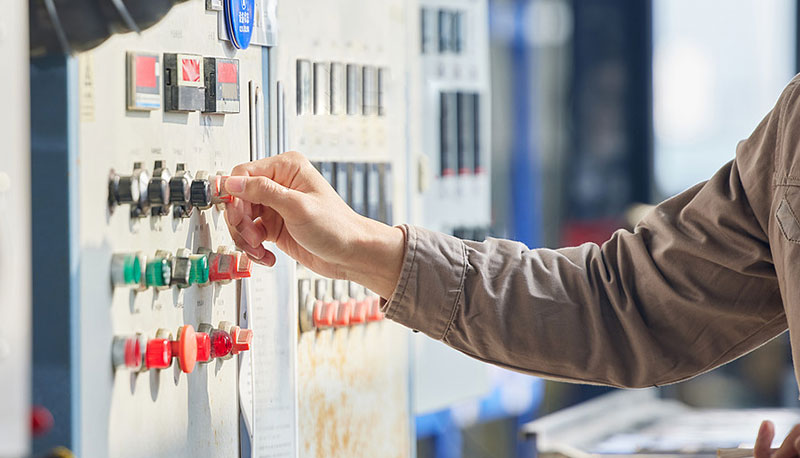
● Testing
Quality Inspection & Testing
Before leaving the factory, all equipment will be inspected by the quality inspection department. We can also provide customers with testing services from a single machine to a complete pellet plant system, and provide you with real actual data for “worry-free use.”

● Delivery
Equipment Delivery
In equipment boxing and packaging, we adopt professional packaging and modular solutions to ensure the safe and non-destructive delivery of pellet plant equipment.
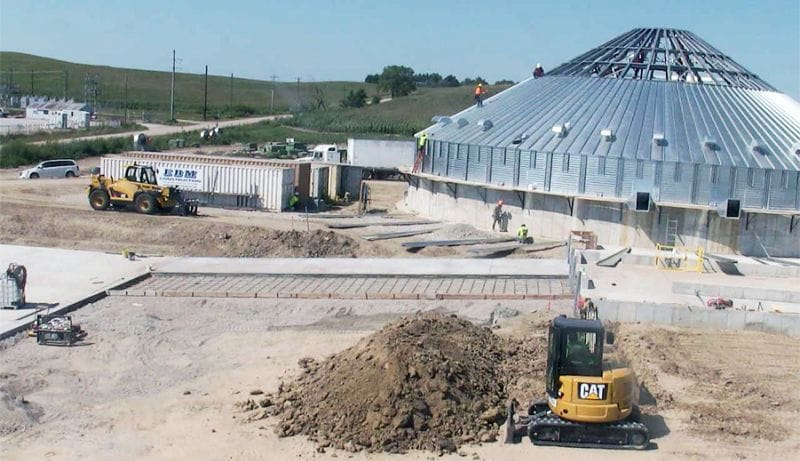
● Installation
Installation & Commissioning
Whether you choose your own subcontractor for the erection phase or you want to install everything together with us, a Richi supervisor will be around to make sure everything is mounted in a safe and thorough way.

● Training
Staff Training
We provide comprehensive training for the technicians of each project. We can also continue to provide support for the technicians during latter project operation.
● After-sales
Project Follow-Up
When everything is up and running our Richiers will help you further whenever needed. We are ready to answer your call 24/7.We’ll also visit you regularly to learn about your needs.
Who we are
RICHI Machinery is one of the world’s leading suppliers of technology and services for the animal feed, aqua feed and pet food industries, also the largest pellet production line manufacturer in China.
Since 1995, RICHI’s vision to build a first-class enterprise, to foster first-class employees, and to make first-class contributions to society has never wavered.
In the past three decades, we have expanded our business to a wide range of areas, including animal feed mill equipment, aqua feed equipment, pet feed equipment, biomass pellet equipment, fertilizer equipment, cat litter equipment, municipal solid waste pellets equipment, etc.

1995
RICHI Established

2000+
Serving More Than 2000 Customers

120+
RICHI Employees

140+
Exported To 140 Countries