 0086-138 3838 9622
Animal Feed Plant in Thailand
RICHI MACHINERY
overview
In early 2026, RICHI Machinery completed a comprehensive technical assessment and equipment optimization for an animal feed plant in Thailand that has been operating since May 2001. This project represents a strategic “catch-up” documentation and optimization effort for a well-established facility serving the growing livestock and poultry sectors in central Thailand. The animal feed plant in Thailand produces 15,000 tons annually of high-quality feed for swine, broilers, and layers, supporting the country’s robust animal protein production chain.
The Thailand animal feed market reached approximately 20.11 million tons in 2025, with projections indicating growth to 23.57 million tons by 2035 at a CAGR of 1.60%. The poultry sector holds a significant market share, as chickens and ducks are widely consumed throughout the country and exported on a large scale. This animal feed plant in Thailand has been serving this dynamic market for over two decades, demonstrating the resilience and importance of regional feed manufacturing in Thailand’s agricultural economy.
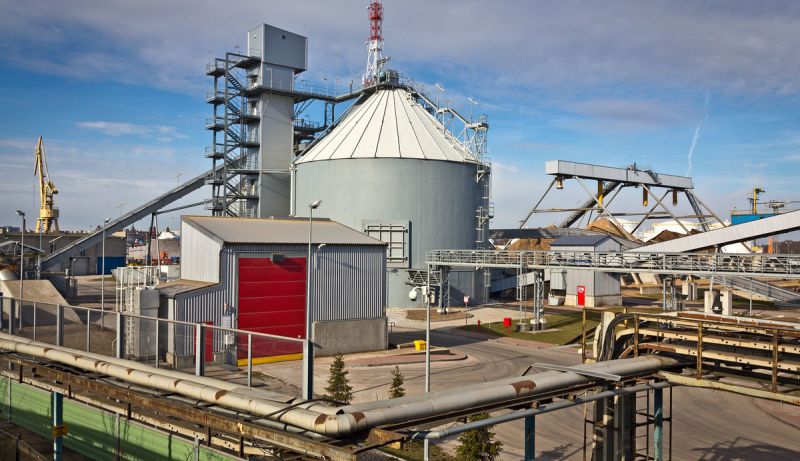
Located on a 5,165 square meter leased site with 2,592 square meters of production buildings, this animal feed mill plant in Thailand features two complete feed production lines, a premix facility for additive preparation, and a dedicated private grain docks with 40,000 tons annual throughput capacity.
The facility processes approximately 15,150 tons of raw materials annually—including 9,000 tons of corn, 3,800 tons of soybean meal, 700 tons of rice bran, and various other ingredients—to produce nutritionally optimized feeds for livestock and poultry operations throughout the region.
The original equipment investment for this animal feed plant in Thailand was approximately USD 210,000 at 2001 values, with total project investment of approximately USD 320,000 including buildings, dock infrastructure, and installation. The facility has operated continuously for 25 years, demonstrating the durability of properly maintained feed manufacturing equipment and the enduring value of strategic agricultural infrastructure.
6T/H
capacity
USD 210,000
investment
Thailand
location
Feed
project type
RICHI MACHINERY
Project Background and Historical Context
The Investor Profile
The company behind this animal feed plant in Thailand was founded in the late 1990s by a family with deep roots in Thailand’s agricultural trading sector. Originally established as a grain trading operation, the family recognized the growing opportunity in feed manufacturing as Thailand’s livestock sector modernized. Thailand has witnessed increased meat consumption in recent years owing to growing awareness of health benefits and rising disposable income. According to OECD data, the country recorded 1.2 kg of per capita meat consumption during 2024, with projections to reach 1.3 kg by 2030.
The founders invested in this animal feed plant in Thailand in 2001, at a time when Thailand’s feed industry was consolidating and modernizing. The location was chosen strategically near water transportation routes, allowing economical receipt of corn via the facility’s private dock. This transportation advantage has proven enduring, with the dock facility remaining a key competitive asset for over two decades.
The Thai Feed Market Context (2001 and Present)
When this animal feed processing plant in Thailand was established in 2001, Thailand’s feed industry was already well-developed, with approximately 41 feed plants participating in a survey at that time. Results showed that 60.6% of plants had production capacity less than 10,000 tons per month, positioning this 15,000-ton-per-year (1,250 tons/month) facility well within the typical size range for regional Thai feed mills.
The raw material landscape in 2001 reflected Thailand’s agricultural strengths, with three major ingredients used in feed production ranked by percentage of feed plants using them: corn, broken rice, and cassava chip for carbohydrate sources; palm oil, fish oil, and lecithin for fat sources; soybean meal, extruded soybean, and rapeseed meal for plant protein sources. This animal feed plant in Thailand continues to use many of these same ingredients, demonstrating the stability of Thai feed formulation practices.
Why This Facility Matters Today
The enduring success of this animal feed plant in Thailand reflects several factors that remain relevant for current investors:
Strategic Location: The facility’s riverside location with private dock provides economical corn transportation, particularly important as Thailand consumes about 9 million metric tons of corn annually, with 4-5 million tons imported. Recent government decisions to increase duty-free corn imports from 54,700 to 1 million tons for 2026 demonstrate the ongoing importance of feed grain logistics.
Established Customer Relationships: Operating continuously since 2001, the facility has built lasting relationships with livestock producers throughout central Thailand. The poultry sector, which holds a significant market share in Thailand, has seen companies implement compartment systems for chickens to minimize disease risks and increase yields.
Experienced Workforce: With 25 years of operational history, the facility’s 30 employees possess deep expertise in feed manufacturing, quality control, and customer service—knowledge that cannot be quickly replicated.
Infrastructure Leverage: The existing buildings, dock, and equipment represent a sunk investment that would cost approximately 3-4 times as much to replace today.
RICHI MACHINERY
Site and Facility Layout
Site Location and Context
This animal feed pellet plant in Thailand occupies a 5,165 m² site strategically located near water transportation routes in central Thailand. The location offers several enduring advantages:
- Water Access: The private grain dock with 100t berth allows economical receipt of corn via barge, reducing transportation costs compared to truck-only facilities.
- Road Access: Good connections to regional road networks serve both incoming ingredient trucks and outgoing finished product deliveries.
- Utility Availability: Reliable municipal water and grid electricity with adequate capacity for industrial operations.
- Labor Pool: Located within commuting distance of communities with agricultural backgrounds, ensuring available workforce with relevant skills.
Facility Layout
The animal feed plant in Thailand comprises multiple functional areas designed for efficient material flow:
Production Area: The main production building houses two complete feed production lines, arranged for logical flow from raw material intake to finished product packaging. The layout includes:
- Grinding Area: Two hammer mills for particle size reduction
- Batching and Mixing Area: Storage bins and mixers for precise formulation
- Pellet Mill Area: Two pellet mills with associated conditioners
- Cooling and Screening Area: Counterflow coolers and screens
- Packaging Line: Automated bagging equipment
Premix Building: A dedicated area for preparing additive premixes, ensuring accurate incorporation of micro-ingredients.
Raw Material Storage: Five separate warehouses provide storage for different ingredient types:
- Corn storage (proximity to dock intake)
- Soybean meal and other protein meals
- Rice bran and fibrous ingredients
- Liquid oil storage (20 m³ tank)
- Additives and specialty ingredients
Dock Facility: The private grain dock features:
- One 100t berth
- One 5t crane for unloading
- 43 meters of quay length
- Design throughput capacity: 40,000 tons/year
- Enclosed conveying from dock to storage
Boiler House: Houses one 2 t/h natural gas boiler with LNG vaporization equipment.
Support Buildings: Office, laboratory, and employee facilities complete the site.
Facility Area Breakdown
| Area | Square Meters | Notes |
|---|---|---|
| Production Building | 1,200 | Two production lines |
| Raw Material Warehouses | 5 buildings | Various ingredients |
| Premix Building | 200 | Additive preparation |
| Laboratory/Office | 400 | Quality control and administration |
| Boiler House | 100 | 2 t/h gas boiler |
| Other Support | 692 | Circulation, green space |
| Total Building Area | 2,592 | |
| Total Site Area | 5,165 |
RICHI MACHINERY
Raw Materials and Formulation Strategy
Ingredient Sourcing in the Thai Context
For this animal feed preparation plant in Thailand, raw material sourcing reflects Thailand’s unique agricultural position. Thailand consumes about 9 million metric tons of corn annually, with 4-5 million tons imported. Recent government policy allows increased U.S. corn imports—from 54,700 to 1 million tons between February and June 2026—with zero tariff, though importers must purchase three parts of domestic corn for every part imported.
Raw Material Consumption by Ingredient
| Ingredient | Annual Consumption (tons) | Packaging | Transport Mode |
|---|---|---|---|
| Corn | 9,000 | Bulk | Barge (dock) |
| Soybean Meal | 3,800 | 70 kg Bags | Truck |
| Rice Bran | 700 | 50 kg Bags | Truck |
| Soybean Oil | 500 | Liquid Bulk | Tank Truck |
| Extruded Soybean | 200 | 40 kg Bags | Truck |
| Biscuit Meal | 500 | 40 kg Bags | Truck |
| Wheat Middlings | 250 | 40 kg Bags | Truck |
| Additives | 50 | Various | Truck |
| Packaging Materials | 20 | — | Truck |
Corn Sourcing Through Private
A distinctive feature of this animal feed plant in Thailand is its private grain dock, which handles approximately 9,000 tons of corn annually. The dock operation:
- Receives corn by barge from suppliers
- Uses a 5t crane to transfer corn to receiving hopper
- Employs enclosed conveying to storage
- Achieves 40,000 tons/year design throughput
This dock infrastructure provides significant competitive advantage, reducing transportation costs and ensuring supply security. With Thailand’s corn import dynamics evolving—including the recent duty-free quota expansions—having dedicated receiving infrastructure becomes increasingly valuable.
Ingredient Quality Specifications
| Ingredient | Key Specifications |
|---|---|
| Corn | Moisture <14.5%, Test Weight >68 kg/hL, Aflatoxin <20 ppb |
| Soybean Meal | Protein 44-46%, Fiber <7%, Moisture <12% |
| Rice Bran | Fat 12-15% (stabilized), Fiber 8-12% |
| Soybean Oil | Free Fatty Acids <1.5%, Peroxide Value <5 meq/kg |
Energy and Utility Consumption
| Utility | Annual Consumption | Source |
|---|---|---|
| Electricity | 500,000 kWh | Provincial Grid |
| Natural Gas (LNG) | 100,000 m³ | Bottled LNG (158 kg/bottle, 71.9 t/a) |
| Water | 2,300 m³ | Municipal Supply |
| Boiler Feed Water (Purified) | 1,400 m³ | Purchased Purified Water |
RICHI MACHINERY
Processing Equipment and Technology
Complete Equipment Inventory
The animal feed plant in Thailand incorporates equipment that has demonstrated reliability over 25 years of operation.
| Equipment Type | Quantity | Function |
|---|---|---|
| Hammer Mill | 2 | Particle size reduction |
| Bucket Elevator | 10 | Vertical material transport |
| Counterflow Cooler | 2 | Pellet temperature reduction |
| Animal Feed Pellet Mill | 2 | Pellet production |
| Storage Bin | 2 | Material surge capacity |
| Pulse Baghouse Filter | 9 | Dust collection (production) |
| Baghouse Filter | 3 | Dust collection (general) |
| Cyclone Separator | 4 | Dust recovery (cooling) |
| Dock Crane (5t) | 1 | Corn unloading |
| Natural Gas Boiler (2 t/h) | 1 | Steam generation |
| LNG Vaporization System | 1 | Gas supply |
Production Line Configuration
This animal feed plant in Thailand operates two parallel production lines, providing flexibility and redundancy:
Line 1 Configuration:
- Hammer mill for corn and soybean meal grinding
- Batching system with multiple ingredient bins
- Mixer for homogeneous blending
- Feed mill pellet machine with conditioner
- Counterflow cooler
- Screening and packaging
Line 2 Configuration: Identical to Line 1, allowing simultaneous production of different formulations or continued operation during maintenance.
Dust Collection System
The facility maintains comprehensive dust collection with multiple control points:
| Emission Source | Control Equipment | Discharge |
|---|---|---|
| Raw Material Receiving | Baghouse | 15m Stack |
| Grinding | Baghouse | 15m Stack |
| Cooling | Double Cyclone | 15m Stack |
| Packaging | Baghouse | 15m Stack |
| Additive Handling | Baghouse | Indoor Discharge |
All collected dust is returned to the production process, recovering valuable feed material while achieving zero particulate waste.
Dock Equipment
The private dock facility features:
- 5-ton capacity crane for vessel unloading
- Enclosed conveying system from dock to storage
- Dust collection at transfer points
- Design throughput: 40,000 tons/year
RICHI MACHINERY
Production Process and Quality Control
Process Flow Description
The animal feed plant in Thailand employs a comprehensive manufacturing process that has proven reliable over 25 years of operation.
Process Flow Summary
Raw Material Receiving → Grinding (Corn/Soybean Meal) → Batching → Mixing → Conditioning → Pelleting → Cooling → Screening → Packaging
Detailed Process Steps
Step 1: Raw Material Receiving and Unloading
Corn arrives primarily by barge at the facility’s private dock. A 5-ton crane transfers corn from barges to the receiving hopper, from which enclosed conveying moves material to storage. Other ingredients arrive by truck:
- Bagged Materials: Soybean meal, rice bran, extruded soybean, biscuit meal, wheat middlings, additives—manually unloaded and transferred to appropriate storage
- Liquid Oil: Received by tank truck, pumped to 20 m³ storage tank
- Packaging Materials: Stored in dedicated area
Step 2: Grinding
Corn and soybean meal require particle size reduction before mixing. Material flows from storage to the hammer mills (two units), which reduce particle size to specifications optimized for livestock and poultry nutrition. Ground material is elevated to storage bins via bucket elevators.
Step 3: Batching
The batching system operates under automated control, with ingredients drawn from bins according to配方 stored in the control system. Key features:
- Major Ingredients: Weighed on main scales
- Micro-Ingredients: Premixed in dedicated premix facility before addition
- Liquid Oil: Metered directly to mixer
Step 4: Mixing
Batched ingredients discharge to the mixer. During the mixing cycle:
- Liquid oil addition via spray nozzles
- Mixing time optimized for homogeneity
- Discharge to surge bin for pellet mill feed or direct packaging (mash feeds)
Step 5: Conditioning and Pelleting
For pelleted feeds, mixed mash is conveyed to the pellet mill conditioner, where steam from the 2 t/h natural gas boiler raises temperature to 75-85°C and moisture to 16-18%. This conditioning process:
- Gelatinizes starches for improved digestibility
- Softens particles for better die compaction
- Destroys pathogens and anti-nutritional factors
Conditioned mash passes through the pellet mill die, emerging as cylindrical pellets at elevated temperature.
Step 6: Cooling
Hot pellets enter counterflow coolers where ambient air drawn upward reduces temperature and removes moisture to achieve final specifications (<14% moisture). Cooling air passes through cyclone separators to recover fines, which return to the process.
Step 7: Screening
Cooled pellets pass through screens to remove:
- Oversize Particles: Returned to grinder/crumblizer
- Fines: Returned to pellet mill
- Target Size: To finished product bins
Step 8: Packaging
Finished products are weighed (40 kg bags) on automated packaging equipment, sealed, and palletized for warehouse storage or direct truck loading.
Quality Control
The animal feed plant in Thailand maintains quality through:
Incoming Inspection:
- Visual inspection of all raw materials
- Moisture testing for grains
- Certificate of Analysis review for additives
In-Process Testing:
- Particle size analysis (grinding)
- Mixing uniformity checks
- Pellet durability testing
- Moisture monitoring throughout
Finished Product Analysis:
- Protein, fat, fiber by near-infrared spectroscopy
- Moisture content
- Physical quality (pellet durability index)
RICHI MACHINERY
Environmental Management
Thai Regulatory Framework
This animal feed plant in Thailand operates under Thailand’s environmental regulatory system, including:
- Ministry of Industry regulations for factory operations
- Pollution Control Department standards for emissions
- Provincial environmental requirements
Wastewater Management
The facility implements a comprehensive wastewater management strategy:
Sanitary Wastewater:
- Office and production staff wastewater: Septic tank pretreatment
- Kitchen wastewater: Grease trap pretreatment
- Combined collection in wastewater holding tank
- Regular hauling by municipal services to regional treatment plant
- Future connection to municipal sewer planned when available
Vessel Wastewater:
- Crew wastewater collected via self-priming pump at dock
- Discharged to septic system
- Regular hauling by municipal services
Boiler Blowdown: Used for dust suppression and equipment washing
Air Quality Management
| Emission Source | Control Method | Discharge |
|---|---|---|
| Raw Material Handling | Baghouse | 15m Stack |
| Grinding | Baghouse | 15m Stack |
| Cooling | Double Cyclone | 15m Stack |
| Packaging | Baghouse | 15m Stack |
| Additive Handling | Baghouse | Indoor |
| Natural Gas Boiler | — | 8m Stack |
| Laboratory | Fume Hood | 15m Stack |
| Kitchen | Grease Filter | Roof |
Solid Waste Management
| Waste Type | Source | Management Method |
|---|---|---|
| Waste Packaging | Raw materials | Sold to recycler |
| Recovered Dust | Dust collectors | Returned to production |
| General Waste | Offices, lunchroom | Municipal collection |
| Vessel Waste | Ships | Direct disposal contractor |
| Used Oil | Maintenance | Stored for licensed disposal |
| Laboratory Waste | Testing | Stored for licensed disposal |
RICHI MACHINERY
Investment Outlook for Feed Manufacturing in Thailand
Market Fundamentals
Thailand presents one of Southeast Asia’s most established and sophisticated feed markets. With total feed production reaching 20.11 million tons in 2025 and projected to grow to 23.57 million tons by 2035, the market offers stable, expanding demand.
Thailand Feed Market Indicators
| Indicator | Value | Trend |
|---|---|---|
| Total Feed Market (2025) | 20.11 Million Tons | Growing at 1.60% CAGR |
| Projected Market (2035) | 23.57 Million Tons | +17.2% |
| Poultry Share | Significant | Stable |
| Swine Industry | Recovering | Positive |
| Meat Consumption (2024) | 1.2 kg/capita | Projected to 1.3 kg by 2030 |
Poultry Sector Driving Demand
The poultry sector holds a significant market share in Thailand. Chickens are widely consumed across the country, and major producers have implemented advanced biosecurity measures including compartment systems to minimize disease risks and increase yields.
Raw Material Dynamics
Thailand’s feed industry must navigate a complex raw material environment:
- Corn: Domestic consumption of approximately 9 million tons annually requires 4-5 million tons of imports. Recent government policy allowing increased duty-free U.S. corn imports—from 54,700 to 1 million tons—reflects ongoing supply challenges.
- Rice Bran: Thailand’s status as a major rice producer provides domestic sourcing advantages, with rice bran remaining an important energy and fiber source.
- Cassava: As a major cassava producer, Thailand can utilize cassava chips and pellets in feed formulations when economically advantageous.
Competitive Advantages
For investors considering feed manufacturing in Thailand:
- Strategic Location: Thailand’s central position in Southeast Asia provides access to regional markets and raw material sources.
- Established Infrastructure: Well-developed transportation networks, ports, and utilities support efficient operations.
- Experienced Workforce: Thailand’s long agricultural history provides skilled labor for feed manufacturing.
- Government Support: Policies supporting domestic agriculture and food security create favorable conditions.
RICHI’s Commitment to Thai Agriculture
RICHI Machinery has served the Thai feed industry for decades, with equipment installations dating back to the 1990s. This 25-year operating history demonstrates the durability and reliability of RICHI equipment when properly maintained. For new investors, RICHI offers:
- Complete feasibility analysis and project planning
- Customized equipment solutions matched to specific requirements
- Installation supervision and commissioning support
- Operator training and ongoing technical assistance
- Process optimization services for maximum profitability
RICHI MACHINERY
start your animal feed plant in Thailand
This animal feed plant in Thailand represents the enduring value of well-planned feed manufacturing infrastructure. Operating continuously since 2001, the facility has served Thailand’s growing livestock and poultry sectors for over two decades while generating consistent returns for its owners.
Key success factors include:
- Strategic Location: Riverside site with private dock reduces raw material costs
- Appropriate Scale: 15,000-ton annual capacity matches regional demand
- Experienced Workforce: 25 years of operational expertise
- Reliable Equipment: RICHI machinery demonstrating long-term durability
- Quality Focus: Consistent product quality building customer loyalty
For investors considering feed manufacturing in Thailand, this facility’s 25-year track record demonstrates the viability and enduring value of the sector. Thailand’s stable market growth, established agricultural infrastructure, and strategic location create favorable conditions for well-planned feed manufacturing investments.
For more information about RICHI animal feed production lines or to discuss your specific project requirements in Thailand or other Southeast Asian markets, contact our international sales team. We welcome inquiries from feed manufacturers, livestock integrators, and agricultural investors seeking to evaluate the potential of feed manufacturing in their markets.
● RICHI MACHINERY
RICHI Service

● Consulting
Customer Consultation
We want to have a deep understanding of your industrial process, to know your exact needs of feed, wood, biomass, fertilizer or other pellet processing.

● Design
Feed Pellet Plant Design
Based on your unique situation and industrial process, we will tailor complete pellet plant you need, and inform you of every additional detail that could facilitate operation, minimize total cost.

● Manufacturing
Equipment Manufacturing
The critical components of the of the complete pellet production line equipment are built in our own workshops in Asia. Additional equipment is manufactured by our worldwide network of reliable partners.
● Testing
Quality Inspection & Testing
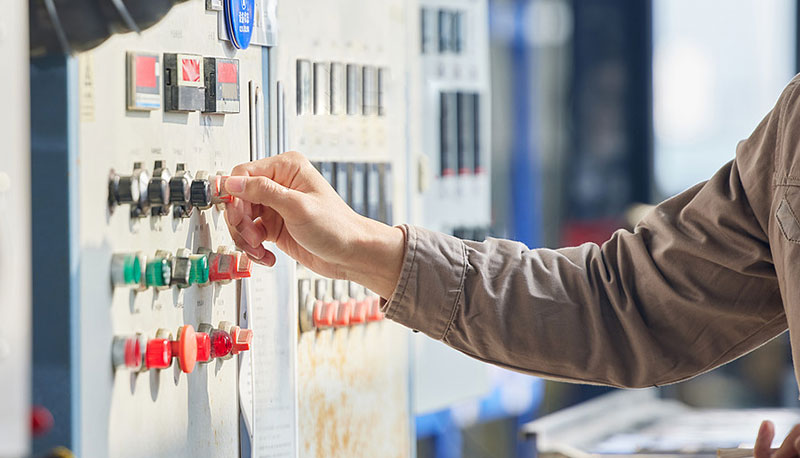
Before leaving the factory, all equipment will be inspected by the quality inspection department. We can also provide customers with testing services from a single machine to a complete pellet plant system, and provide you with real actual data for “worry-free use.”

● Delivery
Equipment Delivery
In equipment boxing and packaging, we adopt professional packaging and modular solutions to ensure the safe and non-destructive delivery of pellet plant equipment.
● Installation
Installation & Commissioning
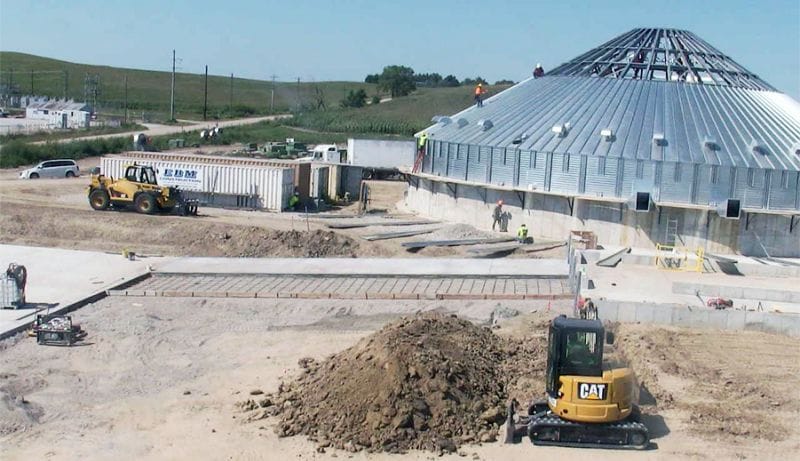
Whether you choose your own subcontractor for the erection phase or you want to install everything together with us, a Richi supervisor will be around to make sure everything is mounted in a safe and thorough way.

● Training
Staff Training
We provide comprehensive training for the technicians of each project. We can also continue to provide support for the technicians during latter project operation.
● After-sales
Project Follow-Up
When everything is up and running our Richiers will help you further whenever needed. We are ready to answer your call 24/7.We’ll also visit you regularly to learn about your needs.
Who we are
RICHI Machinery is one of the world’s leading suppliers of technology and services for the animal feed, aqua feed and pet food industries, also the largest pellet production line manufacturer in China.
Since 1995, RICHI’s vision to build a first-class enterprise, to foster first-class employees, and to make first-class contributions to society has never wavered.
In the past three decades, we have expanded our business to a wide range of areas, including animal feed mill equipment, aqua feed equipment, pet feed equipment, biomass pellet equipment, fertilizer equipment, cat litter equipment, municipal solid waste pellets equipment, etc.

1995
RICHI Established

2000+
Serving More Than 2000 Customers

120+
RICHI Employees

140+
Exported To 140 Countries