0086-138 3838 9622
1–2 T/H tofu cat litter production plant in the Philippines
A Manila pet-supplies company added local manufacturing with a single litter-processing route. The operation combined bagged fibre and starch ingredients with mixing, pellet forming, LPG drying and packing. Its 5,000-tonne annual programme included a separate allocation for fragranced litter.
RICHI MACHINERY
A Manila business adding tofu-litter manufacturing
This tofu cat litter production plant in the Philippines was completed for a Manila-based pet-products company. The owner had sold pet daily necessities and added manufacturing to manage its own litter supply. The project’s 1–2 T/H production class served a 5,000-tonne annual programme.
The customer wanted to connect ingredient purchasing with local product preparation and dispatch. Its operation received bagged materials, mixed the formulation and formed pellets before drying and finishing. Manufacturing brought these functions into the company’s own production schedule.
The product range comprised plain and fragranced tofu-type litter. Buyer requirements covered particle form, moisture, handling fines and clumping behaviour. The recipe and finishing route had to serve the offered specification, including the distinction between plain batches and fragranced batches.
The plant used supplied fibre, starch, a maize ingredient and guar gum. Receiving condition mattered: fibre needed a suitable form for blending, and the maize component needed particles suitable for the forming route. Coarse or whole-kernel material required preparation before entry into this feed specification.
A single process route connected mixing, pelletizing, drying, screening and packing. Material transfer linked these five core duties. RICHI arranged the operation around the prepared ingredient blend and the required finished condition, with natural cooling between drying and screening.
The annual programme included 1,000 tonnes of fragranced litter within the 5,000-tonne total. The other 4,000 tonnes belonged to the plain-product allocation. Fragranced output therefore occupied part of the production calendar and product account alongside plain batches.
Ten staff supported a single-shift line calendar of eight hours per day for 350 working days. This gave 2,800 scheduled hours each year. Effective production depended on the mixture being run, changeovers, drying performance and the time available for accepted product.
| Production planning item | Quantity | Interpretation |
|---|---|---|
| Work pattern | 350 days × eight hours | 2,800 scheduled hours |
| Finished programme | 5,000 tonnes | Plain and fragranced litter |
| Full-calendar average requirement | About 1,786 kg/h | Programme divided by calendar |
| Operating at 2 T/H | 2,500 productive hours | 300 scheduled hours remaining |
| Upper-rate calendar ceiling | 5,600 tonnes | No interruptions assumed |
Running at 1 T/H throughout the scheduled year would give 2,800 tonnes before stops. The 5,000-tonne programme therefore requires a higher productive rate within the line’s class. Water removal, changeovers and product acceptance govern how much of the calendar becomes productive time.
1–2 T/H
production capacity
US$130,000
project investment
Philippines
location
Tofu cat litter
project type
RICHI MACHINERY
Existing factory areas for production and storage
The tofu cat litter production plant in the Philippines occupied a 4,500 m² site. Renovated factory floor area totalled 3,600 m², comprising 1,300 m² for processing, 1,000 m² for raw materials, 1,200 m² for finished product and 100 m² for the office.
The principal equipment schedule comprised one mixer, one pellet press, one mesh-belt dryer, one screening machine and one packing unit. Together they formed a single production route, with conveying between the stages. These were the five listed core equipment functions.
The western side of the cat litter production line site accommodated the processing and office areas. Ingredient storage and finished-product holding were on the eastern side. Road transport connected the site with incoming bagged materials and outward movement of packed litter.
| Site allocation | Area | Role |
|---|---|---|
| Whole site | 4,500 m² | Overall site envelope |
| Processing area | 1,300 m² | Mixing through packing |
| Raw-material storage | 1,000 m² | Bagged ingredient holding |
| Finished-product storage | 1,200 m² | Packed litter holding |
| Office | 100 m² | Staff administration |
| Renovated floor area total | 3,600 m² | Four functional areas combined |
RICHI MACHINERY
Plain and fragranced products within one programme
Finished litter left the line in bagged form with a 7–10% moisture specification. The product retained its pellet or strip form through cooling, screening and packing. Fragrance selection formed part of the batch formulation and product identity.
| Finished programme | Annual allocation | Product distinction |
|---|---|---|
| Plain tofu litter | 4,000 tonnes | Without the fragrance addition |
| Fragranced tofu litter | 1,000 tonnes | Separate fragranced batches |
| All finished litter | 5,000 tonnes | Plain and fragranced combined |
The fragranced programme had a one-tonne annual fragrance allowance, equivalent to 1 kg per tonne of that product allocation. Options covered green-tea, lavender, peach and milk-style profiles. The selected fragrance was part of each batch’s product identity and formulation.
RICHI MACHINERY
Bulk-blend proportions and fragrance provision
The nominal bulk-blend account used 2,000 tonnes of fibre, 2,600 tonnes of starch, 350 tonnes of maize ingredient and 50 tonnes of guar gum. These quantities describe the bulk formulation basis before process-water adjustment. Moisture and net losses determine the actual receiving weight needed for accepted output.
| Bulk-blend ingredient | Nominal share | 5,000-tonne blend basis |
|---|---|---|
| Supplied fibre | 40% | 2,000 tonnes |
| Starch | 52% | 2,600 tonnes |
| Maize ingredient | 7% | 350 tonnes |
| Guar gum | 1% | 50 tonnes |
The four bulk shares total 100% on this nominal formulation basis. Fragrance was a separate provision for the scented batches. Gross water addition and evaporation belong to the process balance, so the blend schedule alone does not establish a loss-free annual input-to-product weight.
Bulk ingredients were specified in approximately 50 kg bags, while fragrance was supplied in 20 kg containers. Ingredient identity and condition governed release from storage. Supplied fibre and maize particles needed to suit blending and pellet forming before the batch entered production.
RICHI MACHINERY
One mixer and one main forming machine
The cat litter making machine arrangement used one main press with mixing and product-finishing equipment. The dryer, cooling condition, screen and packing stage needed to handle the required product flow together. The finished-line rate depended on this complete route as well as the press.
| Core equipment | Quantity | Processing duty |
|---|---|---|
| Mixer | 1 | Prepare the moistened blend |
| Cat Litter Pellet Machine | 1 | Form the litter pellets |
| Mesh-belt dryer | 1 | Remove water after forming |
| Screening machine | 1 | Sort the cooled material |
| Packing equipment | 1 | Fill the accepted product |
RICHI MACHINERY
How ingredients became packed tofu litter
Bagged ingredients entered batch preparation before the moistened blend reached forming. The subsequent route was drying, natural cooling, screening and packing. Qualified returns from screening stayed within production and were controlled as returned material when preparing the next charge.
Receive weigh and feed the ingredients
Fibre, starch, maize ingredient and guar gum arrived by truck in bags and entered raw-material storage. Operators weighed the ingredients for the batch before feeding the mixer. Receiving checked material identity and particle condition so that the line started with ingredients suitable for its preparation route.
Distribute water through the blend
Mixing distributed the bulk ingredients and small additions through the batch. Water addition helped the guar-containing blend develop the required forming condition. The charge needed an even distribution of moisture before transfer to the press.
The prepared mixture moved onward through enclosed transfer. Batch handling kept plain product separate from the fragranced programme. Ingredient weights, returned material and added water all affected the charge presented to forming.
Form the moistened mixture
The press compacted the moistened formulation into litter pellets. Feed continuity, particle condition and die selection affected the formed material. The process included water addition before this stage and subsequent water removal in the dryer.
Dry then cool the pellets
The dryer reduced formed-pellet moisture from 13–15% toward a 7–10% finished specification. Incoming ingredients and mixing water both contributed to the water present in the formed litter. Each batch’s inlet and outlet moisture set the evaporation duty.
An LPG heat source served the mesh belt dryer. The operating basis was 80–90°C and a residence-time reference of 10–15 minutes. Release from drying followed product condition at the selected belt loading. The litter then cooled naturally before entering the screen.
Separate accepted litter and suitable returns
The enclosed screen separated the finished stream by the required particle condition. Suitable off-size material returned to formulation preparation. Its quantity and moisture were included in the batch charge; material outside the permitted return condition had a separate handling route.
Pack identifiable product batches
Accepted litter passed to the packing unit and then to finished-product holding. Product identification distinguished plain and fragranced batches. Packing followed the agreed fill, bag and closure specification after the litter reached a suitable storage condition.
RICHI MACHINERY
Water electricity and drying heat
Mixing water and personnel allowance
Mixing required controlled water addition to the guar-containing recipe. Gross addition varied with supplied ingredient moisture and the required formed-pellet condition. Water retained in the packed litter was only part of that balance because the LPG drying stage removed water before finishing.
Personnel water used an allowance of 40 litres per person per working day. Ten staff over 350 working days gave 140 m³ annually, or 400 litres per working day. The staffing arrangement did not include on-site meals or accommodation.
Moisture removal through the dryer
The moisture calculation below uses 5,000 tonnes of finished litter with no net non-water loss. At 13% entering the dryer and 10% leaving, about 172 tonnes of water is removed annually. The 15% to 7% endpoint combination gives about 471 tonnes.
At a 2 T/H finished-product scenario, those endpoint combinations correspond to about 69–188 kg/h of evaporation. They are calculated moisture-load references. Dryer capacity and actual annual water removal follow the material moisture, productive drying time and losses in the operating account.
| Moisture reference | Wet feed to drying | Water removed |
|---|---|---|
| 13% inlet to 10% outlet | About 5,172 tonnes/year | About 172 tonnes/year |
| 15% inlet to 7% outlet | About 5,471 tonnes/year | About 471 tonnes/year |
Electrical planning allowance
Electricity came from the local supply network. The project’s annual electrical planning allowance was 819,800 kWh. Preparation, forming, transfer and finishing contributed to that account according to their loads and running hours.
LPG for the drying stage
Bottled LPG supplied drying heat. Fuel demand followed water removal, incoming material temperature, airflow and heat losses. Fuel receiving and storage were separate from the ingredient blend and the product-weight account.
RICHI MACHINERY
Why the customer added local litter production
Add manufacturing to the pet-supplies business
The owner extended its pet-supplies business into manufacturing. A local processing operation connected ingredient purchasing with the company’s product schedule. Production management could follow the blend, finishing condition and packed quantity within the same site.
Manage plain and fragranced batches
The plain-product allocation and the 1,000-tonne fragranced programme served different offered products. Preparing identifiable batches helped the owner manage that split. Fragrance intensity and product performance still belonged to the agreed formulation and finished-litter specification.
Connect storage with one production route
Separate raw-material and product areas supported receiving and dispatch. The processing area connected the mixer with one forming stage and its finishing equipment. This arrangement kept the production sequence distinct from warehouse holding and office functions.
Prepare for domestic and regional customers
The commercial plan included the domestic market and possible regional outlets in Indonesia, Vietnam and Singapore. Those countries were sales directions for suitable product. Buyer specifications, packing and delivery arrangements governed each opportunity.
Match the programme with productive time
The annual calendar required productive operation above the low end of the 1–2 T/H class. At 2 T/H of accepted output, 2,500 hours covered the programme and left 300 scheduled hours for other line duties and interruptions. Performance followed the recipe and the complete finishing route.
| Batch or product check | Purpose |
|---|---|
| Incoming ingredient moisture | Set appropriate water addition |
| Mixture distribution | Prepare consistent press feed |
| Dryer outlet moisture | Meet the product target |
| Cooled particle condition | Assess screening and handling |
| Fragrance and batch identity | Keep product variants identifiable |
For a tofu cat litter production plant in the Philippines, share the supplied fibre form, starch and maize specifications, desired litter properties and plain-to-fragranced product split with RICHI. Add the operating calendar and factory areas so that formulation handling, drying and packing fit the production programme.
● RICHI MACHINERY
RICHI Service

● Consulting
Customer Consultation
We want to have a deep understanding of your industrial process, to know your exact needs of feed, wood, biomass, fertilizer or other pellet processing.

● Design
cat litter Pellet Plant Design
Based on your unique situation and industrial process, we will tailor complete pellet plant you need, and inform you of every additional detail that could facilitate operation, minimize total cost.
● Manufacturing
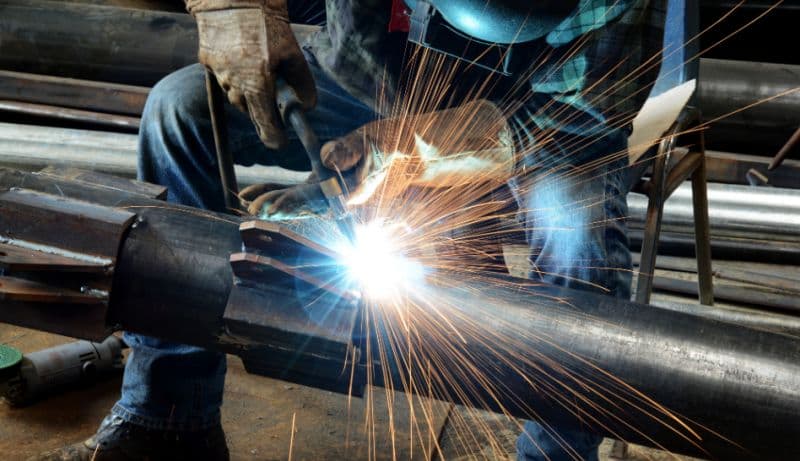
Equipment Manufacturing
The critical components of the of the complete pellet production line equipment are built in our own workshops in Asia. Additional equipment is manufactured by our worldwide network of reliable partners.
● Testing
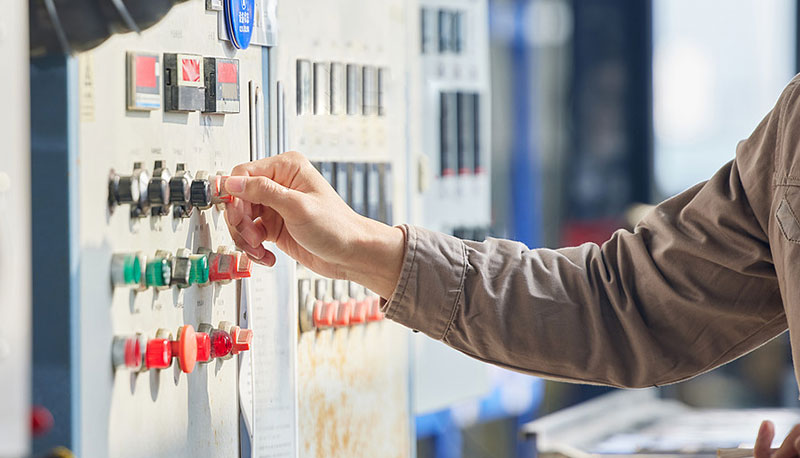
Quality Inspection & Testing
Before leaving the factory, all equipment will be inspected by the quality inspection department. We can also provide customers with testing services from a single machine to a complete pellet plant system, and provide you with real actual data for “worry-free use.”

● Delivery
Equipment Delivery
In equipment boxing and packaging, we adopt professional packaging and modular solutions to ensure the safe and non-destructive delivery of cat litter equipment.
● Installation
Installation & Commissioning
Whether you choose your own subcontractor for the erection phase or you want to install everything together with us, a Richi supervisor will be around to make sure everything is mounted in a safe and thorough way.

● Training
Staff Training
We provide comprehensive training for the technicians of each Cat Litter Production Plant In The Philippines project. We can also continue to provide support for the technicians during latter project operation.
● After-sales
Project Follow-Up
When everything is up and running our Richiers will help you further whenever needed. We are ready to answer your call 24/7.We’ll also visit you regularly to learn about your needs.
Who we are
RICHI Machinery is one of the world’s leading suppliers of technology and services for the animal feed, aqua feed and pet food industries, also the largest pellet production line manufacturer in China.
Since 1995, RICHI’s vision to build a first-class enterprise, to foster first-class employees, and to make first-class contributions to society has never wavered.
In the past three decades, we have expanded our business to a wide range of areas, including animal feed mill equipment, aqua feed equipment, pet feed equipment, biomass pellet equipment, fertilizer equipment, cat litter equipment, municipal solid waste pellets equipment, etc.

1995
RICHI Established

2000+
Serving More Than 2000 Customers

120+
RICHI Employees

140+
Exported To 140 Countries