0086-138 3838 9622
3–4 T/H tofu cat litter pellet processing line in the United States
A Midwestern pet-products company brought 2 mm tofu litter production into an existing workshop. Dried okara and corn starch passed through batch mixing and one pellet press, followed by screening, controlled drying, cooling and bagging. The production programme was 10,000 tonnes annually.

RICHI MACHINERY
Local production for a Midwestern pet-products company
This tofu cat litter pellet processing line in the United States was completed for a pet-products manufacturer in the Midwest. The customer had experience in this market and wanted closer control of its own litter supply. The project combined a 3–4 T/H forming section with ingredient mixing and product finishing.
The customer had sourced finished tofu litter from Asia. Bringing production into its own workshop connected ingredient purchasing with product scheduling and dispatch. The owner could manage the blend and finished specification within the same operation, alongside its North American sales activities.
The product was 2 mm tofu cat litter made from dried soybean residue and corn starch with the specified minor ingredients. Particle condition, moisture, clumping behaviour and handling fines were relevant to acceptance. Those requirements belonged to the finished formulation and packing specification.
The line used purchased dry ingredients, followed by controlled water addition for forming. That arrangement differed from processing fresh wet tofu residue. Material had to arrive in a suitable particle condition for the installed feeding and mixing route before entering production.
RICHI arranged the cat litter production line around batch preparation, one main press and an integrated drying-and-cooling stage. Ingredient weighing remained an operator task. Conveying, forming and downstream handling connected those batches with bagged finished product.
3–4 T/H
forming capacity
US$220,000
project investment
United States
location
Tofu cat litter
project type
RICHI MACHINERY
Production and storage inside the existing workshop
The tofu cat litter pellet processing line in the United States reused a vacant 1,600 m² workshop. The production area occupied 445 m², with separate raw-material and finished-product areas. The project used this existing building for ingredient handling, processing and product storage.
The operation had ten staff and a line calendar of ten hours per working day for 300 days annually. This provided 3,000 scheduled hours. Its 10,000-tonne annual programme depended on productive time, the rate sustained with the 2 mm recipe and the release of finished product.
| Annual capacity check | Calculated figure | Condition |
|---|---|---|
| Scheduled line hours | 3,000 hours | Ten hours for 300 days |
| At 3 T/H | 9,000 tonnes | Before interruptions |
| At 4 T/H | 12,000 tonnes | Before interruptions |
| Time for 10,000 tonnes | 2,500 productive hours | At 4 T/H accepted output |
| Calendar allowance at that rate | 500 hours | Balance within scheduled time |
The lower end of the capacity class does not cover the annual programme within this calendar. At an accepted-product rate of 4 T/H, 2,500 productive hours cover 10,000 tonnes. That is a planning check; recipe-specific forming, drying and packing determine the productive rate actually sustained.
| Workshop allocation | Area | Function |
|---|---|---|
| Production area | 445 m² | Mix form and finish litter |
| Raw-material area | 374 m² | Hold supplied ingredients |
| Finished-product area | 153 m² | Hold bagged litter |
| Southern office | 55 m² | Production administration |
| Non-product material room | 25 m² | Separate material holding |
| Northwest bathroom | 25 m² | Staff facilities |
| Named areas combined | 1,077 m² | Within the workshop |
| Remaining workshop area | 523 m² | Outside those named allocations |
RICHI MACHINERY
A 2 mm bagged tofu-litter product
The annual production programme was 10,000 tonnes of bagged tofu cat litter. The specified pellet diameter was 2 mm. The formulation combined dried okara, corn starch, calcium carbonate, guar gum and small preservative and fragrance additions, with water adjusted during preparation.
| Product item | Project specification |
|---|---|
| Product type | Tofu cat litter |
| Pellet diameter | 2 mm |
| Annual programme | 10,000 tonnes |
| Finished moisture reference | 10% wet basis |
| Product presentation | Bagged litter |
The finished moisture was a reference for the formulation account. Acceptance also needed the agreed particle condition, clumping response and fines level. These were properties of the actual product lot; the ingredient names alone did not establish a measured performance value.
RICHI MACHINERY
Ingredient solids and retained water in the product
| Reference annual component | Quantity | Account basis |
|---|---|---|
| Ingredients as received | 9,658 tonnes | Before process-water addition |
| Non-water ingredient contribution | 9,000 tonnes | Nominal recipe balance |
| Water carried by starch and okara | 658 tonnes | Both at 7% moisture |
| Net additional retained water | 342 tonnes | Water left in finished product |
| Water in finished litter | 1,000 tonnes | 10% of finished weight |
| Finished-product reference | 10,000 tonnes | Before net process-loss adjustment |
This reference balance retains the ingredients’ nominal non-water contribution. Corn starch contributes 3,534 tonnes and dried okara 5,208 tonnes on the stated moisture basis. Calcium carbonate and the minor ingredients contribute the remaining 258 tonnes in the nominal account.
The 342 tonnes is the net additional water retained in the product. Gross moistening water also covers evaporation during drying. At the reference balance boundary, added water minus evaporated water equals that retained amount; actual weighing also accounts for net material losses and stock changes.
Screened material returned to mixing remains an internal flow. Its weight and moisture affect a batch charge but do not create extra purchased ingredients. The annual account uses net accepted product and separately records material that leaves the production circuit.
RICHI MACHINERY
Ingredient provision storage and utilities
The principal annual-equivalent ingredient quantities were 3,800 tonnes of corn starch and 5,600 tonnes of dried okara. Both used a 7% moisture basis in the recipe account. The supply schedule also included the mineral and minor ingredients needed for that formulation.
| Ingredient | Annual-equivalent quantity | Maximum holding allowance |
|---|---|---|
| Corn starch | 3,800 tonnes | 30 tonnes |
| Dried okara | 5,600 tonnes | 50 tonnes |
| Calcium carbonate | 249 tonnes | 10 tonnes |
| Food-grade guar gum | 5 tonnes | 5 tonnes |
| Preservative | 3 tonnes | 3 tonnes |
| Fragrance | 1 tonne | 1 tonne |
Dried okara was supplied in 20 kg bags. Receiving checked ingredient identity and condition before release to the batch. The holding allowances described maximum quantities in storage, while the annual-equivalent recipe quantities served production planning.
The water and electricity schedules were separate from the formulation balance. Municipal water had an annual allowance of 800 tonnes, and the electrical planning allowance was 1.806 million kWh. These figures described utility provision rather than measured product-water retention or a single machine’s rating.
RICHI MACHINERY
What each ingredient contributed to preparation
Purchased corn starch entered as a powder. Its distribution through the moistened mixture mattered for forming and the intended clumping behaviour. The plant’s preparation route handled this supplied ingredient; the processing equipment began with feeding and mixing.
Dried okara was the largest supplied ingredient by weight. Its 7% moisture reference described a dry incoming material, with particle condition suitable for feeding and blending. Fresh wet soybean residue would need a different preparation scope before it could enter this dry-ingredient arrangement.
Guar gum hydrated in the moistened blend and supported the binding system. Its small dose required even distribution through the larger starch and okara quantities. Water addition and mixing had to spread the ingredient throughout the batch without local wet lumps.
Calcium carbonate was the mineral ingredient in this blend. Its annual-equivalent quantity remained separate from starch, okara and guar gum. The declared product composition therefore included both plant-derived ingredients and a mineral component.
The preservative belonged to the specified litter recipe. Ingredient identity, supplier instructions and the intended use determined its selection and dose. The reference quantity described formulation provision rather than a measured shelf-life or microbiological result.
Fragrance was another small ingredient stream. The recipe allowance required careful weighing and distribution, with the declared fragrance matching the product specification. The manufacturing account kept this addition separate from the much larger starch and okara streams.
| Operating check | What needed control | Where it mattered |
|---|---|---|
| Dry-ingredient condition | Moisture and particle form | Receiving and feeding |
| Small ingredient additions | Weight and distribution | Batch preparation |
| Moistened blend | Uniformity and water addition | Mixer discharge |
| Formed pellet | Diameter and handling condition | Forming and screening |
| Finished litter | Moisture fines and clumping | Release to packing |
RICHI MACHINERY
Equipment for mixing forming and finishing
The cat litter making machine section used two screw feeders, one mixer, one holding bin and one main press. Conveyors connected forming with screening, integrated drying and cooling, and packing. The schedule below retains the individual equipment quantities and their stated specifications.
| Equipment | Quantity | Stated specification |
|---|---|---|
| Screw feeders | 2 | 260 screw-conveyor type |
| Mixer | 1 | 3,000 litres nominal volume |
| Press-feed holding bin | 1 | 800 litres nominal volume |
| Cat litter pellet machine | 1 | MSZLH320 |
| Short conveyors | 2 | 2,500 mm each |
| Vibrating screen | 1 | Off-size separation |
| Integrated dryer and cooler | 1 | 180 kW listed rating |
| Packing conveyor | 1 | 6 m belt |
| Packing machine | 1 | DCS-5F100F |
The mixer’s 3,000-litre nominal volume was a volume specification, not a batch weight. Working fill and bulk density determined the actual charge. Its complete cycle included filling and discharge as well as the roughly 15-minute mixing interval.
The 800-litre bin buffered material between batch mixing and press feeding. Available holding mass depended on the prepared blend’s bulk density. The feed sequence had to supply the press without forcing irregular batch discharge directly into the die.
The finishing unit’s 180 kW entry was an equipment rating. Drying performance depended on the water entering with the formed litter, airflow and belt loading. The listed rating alone did not establish an evaporation rate or a fixed time for every formulation.
RICHI MACHINERY
From weighed ingredients to packed litter
The production route linked batch mixing with continuous forming and finishing. Material returned from screening stayed inside that production circuit. It was accounted for separately from newly weighed ingredients so that recycling did not change the recipe unnoticed.
Six connected production steps
- Feeding: Operators weighed corn starch, dried okara, calcium carbonate, guar gum and the other recipe ingredients. The first screw feeder transferred the prepared charge into mixing. Water addition followed the batch condition and the requirements of the forming stage.
- Mixing: The mixer distributed the ingredients and moisture through each batch. The reference mixing interval was about 15 minutes. Filling, discharge and any required handling added to the complete batch cycle, while blend condition determined release to the next feeder.
- Granulation: The second feeder supplied the holding bin above the MSZLH320 press. The bin and regulated feed linked the mixer’s batch discharge with pellet forming. The press formed the prepared blend through the selected die for the specified 2 mm product.
- Screening: The conveyors delivered formed material to the vibrating screen. Suitable off-size material returned to mixing under the recipe’s return-material allowance. Material outside the permitted return condition followed its own holding route.
- Drying and cooling: The screened pellets passed through the mesh belt dryer and integrated cooling stage. The drying basis was about 45°C. Belt loading, airflow, residence time and incoming pellet moisture governed water removal before the cooled product entered packing.
- Packaging: Cooled litter passed to the packing machine for weighed filling. The finished-product specification covered bag condition and net fill as well as pellet quality. Packed lots then moved into the designated product area for dispatch.
RICHI MACHINERY
A west-to-east route on the workshop’s north side
The site used the existing workshop and access arrangement. The main entrance and exit were on the south side. Inside, the layout connected ingredient holding with processing and moved packed product toward the finished-product area without requiring a new production building.
The production line occupied the north side of the workshop. From west to east, its equipment followed feeding, mixing, forming, conveying, screening, drying and cooling, then packing. This order connected the batch-preparation end with the continuous product-finishing end.
Raw materials occupied the central and western part of the workshop, with finished-product holding in the southeast. The office was on the south side, and the bathroom was in the northwest. The non-product material room occupied the southwest position.
Ingredient receiving and finished-product dispatch served different areas of the same building. The storage arrangement separated unopened ingredients, material released to production and bagged litter. Stock rotation followed delivery timing and the product’s agreed holding conditions.
RICHI MACHINERY
Why the owner brought tofu-litter production in-house
Link ingredient purchasing with local production
The move from imported finished litter to in-house manufacturing gave the owner a direct production schedule to manage. Dried ingredient purchasing, batch preparation and packing now belonged to the same operation. That connection was central to the customer’s supply-planning objective.
Control the 2 mm product specification
The project focused on a defined small-diameter product. Die selection and forming condition affected the fresh pellet, while screening and drying influenced the material reaching the bag. Product acceptance needed to consider that complete route, including breakage during handling.
Manage the recipe at batch level
The owner’s own line put ingredient weighing and mixing under its production management. Major ingredients, small additions and returned material needed a common batch identity. This supported formulation control without treating each change in fragrance or ingredient supply as an identical processing condition.
Prepare product for retail and online distribution
Retail and e-commerce were part of the North American commercial plan. The packing arrangement therefore connected a declared litter specification with filled bags and identifiable lots. Product quantity available for dispatch followed accepted production and warehouse stock movements.
Coordinate batch preparation with the annual programme
The 3–4 T/H class described forming capacity, while the annual objective depended on accepted output over productive hours. Mixing, steady press feeding, drying and packing all contributed to that result. Material changes and interruptions affected the calendar available for production.
For a tofu cat litter pellet processing line in the United States, discuss the dry ingredient forms, recipe, pellet diameter and bag specification with RICHI. Include the annual programme, available workshop and productive operating hours so that mixing, forming and finishing serve the same product requirement.
● RICHI MACHINERY
RICHI Service

● Consulting
Customer Consultation
We want to have a deep understanding of your industrial process, to know your exact needs of feed, wood, biomass, fertilizer or other pellet processing.

● Design
cat litter Plant Design
Based on your unique situation and industrial process, we will tailor complete pellet plant you need, and inform you of every additional detail that could facilitate operation, minimize total cost.
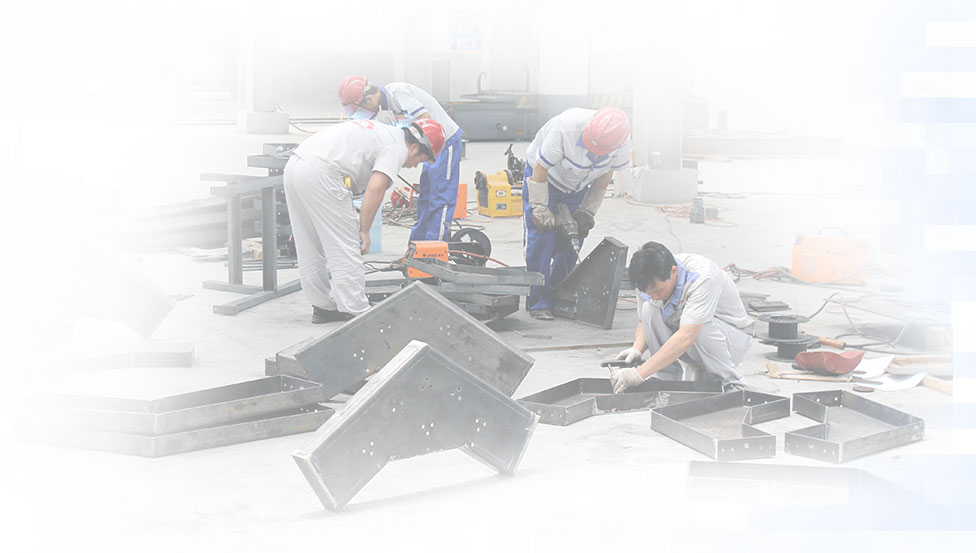
● Manufacturing
Equipment Manufacturing
The critical components of the of the complete pellet production line equipment are built in our own workshops in Asia. Additional equipment is manufactured by our worldwide network of reliable partners.
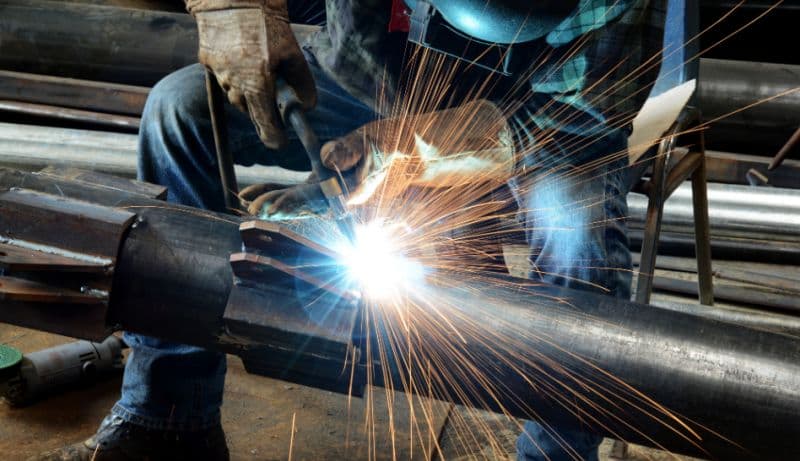
● Testing
Quality Inspection & Testing
Before leaving the factory, all equipment will be inspected by the quality inspection department. We can also provide customers with testing services from a single machine to a complete pellet plant system, and provide you with real actual data for “worry-free use.”

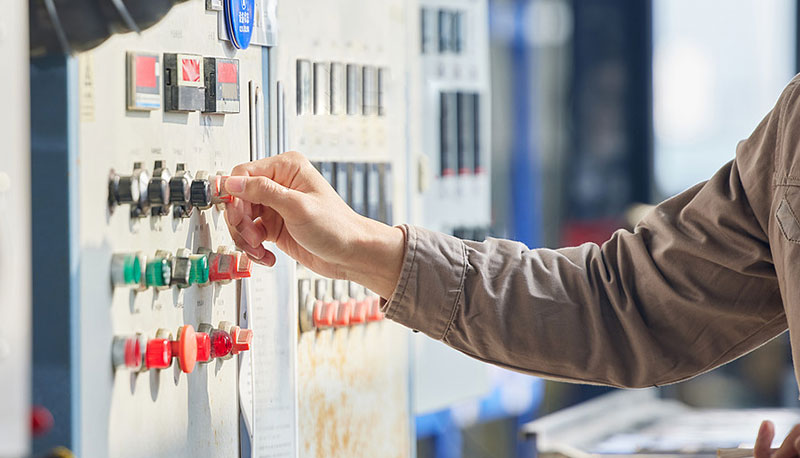
● Delivery
Equipment Delivery
In equipment boxing and packaging, we adopt professional packaging and modular solutions to ensure the safe and non-destructive delivery of cat litter equipment.
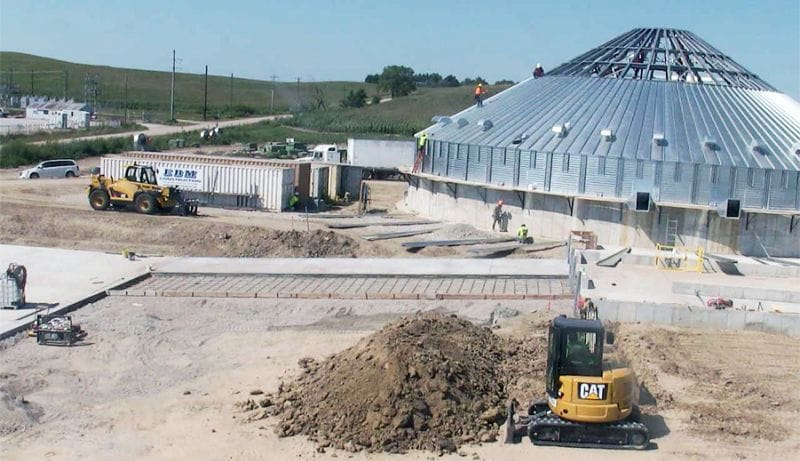
● Installation
Installation & Commissioning
Whether you choose your own subcontractor for the erection phase or you want to install everything together with us, a Richi supervisor will be around to make sure everything is mounted in a safe and thorough way.

● Training
Staff Training
We provide comprehensive training for the technicians of each project. We can also continue to provide support for the technicians during latter project operation.
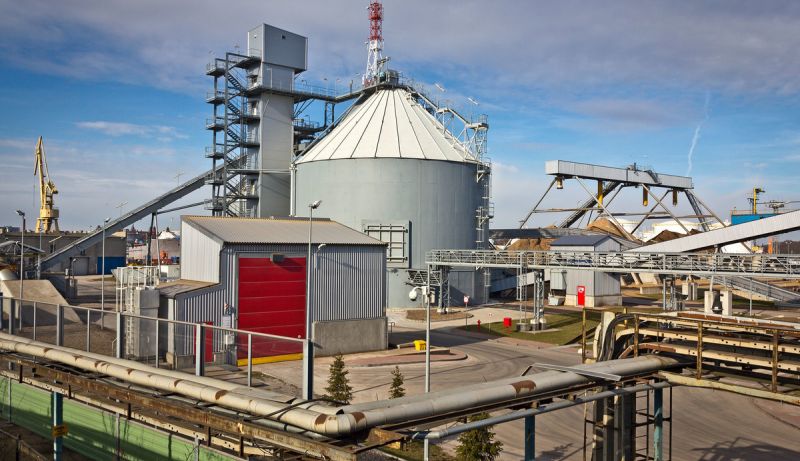
● After-sales
Project Follow-Up
When everything is up and running our Richiers will help you further whenever needed. We are ready to answer your call 24/7.We’ll also visit you regularly to learn about your needs.
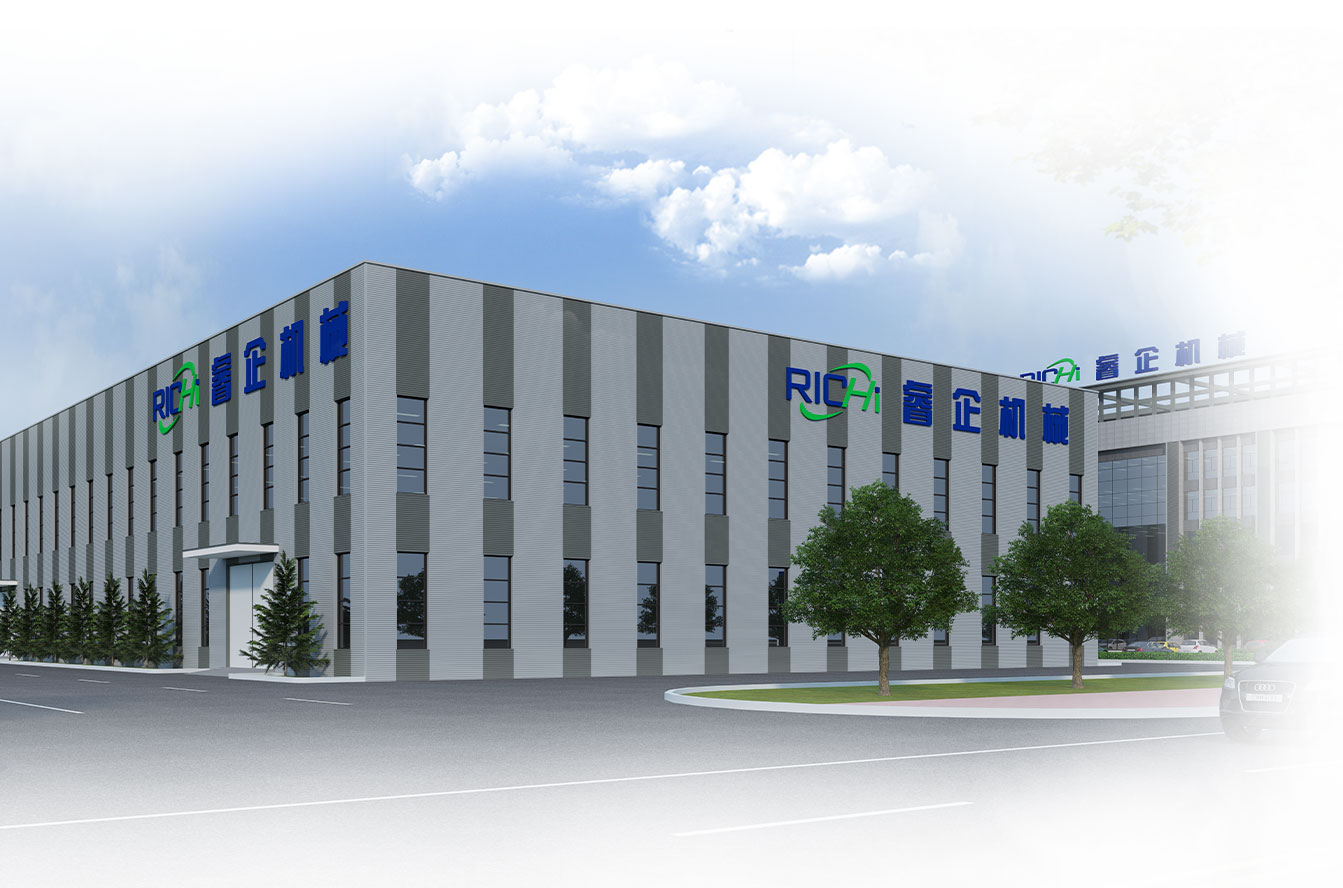
Who we are
RICHI Machinery is one of the world’s leading suppliers of technology and services for the animal feed, aqua feed and pet food industries, also the largest pellet production line manufacturer in China.
Since 1995, RICHI’s vision to build a first-class enterprise, to foster first-class employees, and to make first-class contributions to society has never wavered.
In the past three decades, we have expanded our business to a wide range of areas, including animal feed mill equipment, aqua feed equipment, pet feed equipment, biomass pellet equipment, fertilizer equipment, cat litter equipment, municipal solid waste pellets equipment, etc.

1995
RICHI Established

2000+
Serving More Than 2000 Customers

120+
RICHI Employees

140+
Exported To 140 Countries