 0086-138 3838 9622
Straw Bamboo Wood Pellet Manufacturing Plant in Chile
RICHI MACHINERY
overview
This 2.5t/h straw bamboo wood pellet manufacturing plant in Chile was developed as a compact but highly adaptable pelletizing line designed to handle mixed raw materials from both agriculture and forestry sectors.
Unlike many single-material pellet plants, this 2.5t/h straw bamboo wood pellet manufacturing plant in Chile was engineered to process a flexible blend of straw, waste wood, and bamboo residues, allowing the owner to switch raw materials based on seasonal availability and market price fluctuations.
2.5T/H
capacity
$180,000
investment
Chile
location
Biofuel
project type
RICHI MACHINERY
Background Before the First Drawing Was Made
The project didn’t start from a grand plan. It began with a simple problem.
In southern Chile, the client operates a medium-scale agricultural and forestry business. Every year, large amounts of straw from grain farming and leftover wood and bamboo scraps from small processing workshops were piling up. Disposal was becoming a cost rather than a routine.
Around November 2018, the client sent a short inquiry:
“Can one line handle straw, wood waste, and bamboo together? Capacity around 2–3 tons per hour.”
That question shaped everything that followed.
By January 2019, after several rounds of raw material testing and layout discussions, the biomass pellet project moved forward.
Contract signed in February 2019, installation completed in April 2019.
RICHI MACHINERY
Basic Project Information
Before getting into technical details, here’s a quick overview of the wood pellet processing plant as it stands:
| Item | Details |
|---|---|
| Project Name | 6000 t/year biomass pellet plant |
| Location | Southern Chile |
| Plant Type | New-built pellet plant |
| Capacity | 2.5 t/h |
| Annual Output | 6000 tons |
| Total Investment | ~$260,000 |
| Equipment Cost | ~$180,000 |
| Land Area | 10,000 m² |
| Building Area | 6,400 m² |
| Operation Mode | 1 shift / 8h / 300 days |
| Workforce | 10 people |
RICHI MACHINERY
What Made This Project Different
Most wood pellet production plants in Chile focus on either sawdust or wood chips. This one had to deal with:
- Straw (light, fibrous, inconsistent)
- Bamboo board waste (hard, dense, uneven)
- Mixed wood scraps
That combination complicates feeding, grinding, and especially pellet quality.
The first few sample batches during testing were not ideal. Some pellets were too loose, others cracked easily. Moisture control turned out to be the key variable.
RICHI MACHINERY
Raw Materials
Chile has strong forestry resources, but agricultural residues are often underutilized. This wood pellet plant construction project deliberately combines both.
Before finalizing the process, moisture levels and fiber structure were tested for each material.
Raw Material Supply Table
| Material | Annual Consumption (t) | Source | Notes |
|---|---|---|---|
| Straw | 3200 | Local farms | Seasonal, needs storage planning |
| Waste wood | 2000 | Wood processing workshops | Stable supply |
| Bamboo scraps | 2000 | Bamboo board factories | Harder material |
| Water | 420 t | Municipal supply | Mainly for domestic use |
| Electricity | 100,000 kWh | Grid supply | Stable |
| Biomass fuel (internal) | 45 t | Self-produced | Used for drying |
RICHI MACHINERY
Product Specification
The Straw Bamboo Wood Pellet Manufacturing Plant in Chile produces standard biomass fuel pellets used for:
- Industrial boilers
- Small heating systems
- Biomass energy plants
| Product | Annual Output | Quality Standard |
| Biomass Pellets | 6000 t | Moisture ≤15% |
| Ash ≤10% | ||
| Sulfur ≤0.2% | ||
| Calorific Value ≥14 MJ/kg |
RICHI MACHINERY
Equipment Configuration
The wood pellet processing equipment list looks simple on paper, but each part was adjusted based on material behavior.
Main Equipment List
| No. | Equipment | Quantity |
|---|---|---|
| 1 | Wood chipper machine | 1 |
| 2 | Wood pellet hammer mill | 1 |
| 3 | Rotary wood chip dryer | 1 |
| 4 | Wood pellet mill | 1 |
| 5 | Belt conveyors | 4 |
| 6 | Automatic packing machine | 1 |
| 7 | Bag filter dust collectors | 3 |
| 8 | Cyclone dust collectors | 2 |
| 9 | Electrical control system | 1 |
| 10 | Moisture analyzer | 1 |
One thing worth mentioning — the wood granulator machines were selected with slightly higher torque margins than usual. Bamboo content tends to increase resistance during compression.
RICHI MACHINERY
How the Plant Was Laid Out
The client already had a site, which simplified things.
The layout was not overly complicated, but it followed a practical logic:
- East side: Office and parking
- Center: Production workshop + finished product storage
- West side: Drying section + raw material yard
Short conveying distances were prioritized. Nobody wants unnecessary turns in a 2.5 t/h plant.
RICHI MACHINERY
Process Flow
Instead of a theoretical diagram, here’s how the material actually moves through the Straw Bamboo Wood Pellet Manufacturing Plant in Chile:
1. Chipping
- Waste wood enters the chipper
- Output size: ~20mm pieces
- Dust minimal, no dedicated collection needed here
2. Crushing
- Mixed materials enter hammer mill
- Magnetic separation removes metal debris
- Dust collected by bag filter
3. Drying
- Only activated when moisture > required level
- Rotary drum dryer with biomass furnace
- Cyclone + 15m stack for exhaust
4. Pelletizing
- Material enters wood pellet press
- Compression temperature ~40°C
- No binder added
- Natural lignin acts as adhesive
5. Packaging
- Finished pellets conveyed to packing machine
- Stored in two separate warehouses
RICHI MACHINERY
Environmental Measures (Adjusted for Chile)
Environmental requirements here are not extremely strict, but the client still wanted a clean operation.
- Dust → bag filters + cyclone system
- Wastewater → only domestic, treated and reused
- No industrial wastewater discharge
- Noise → controlled by workshop design
No unnecessary over-design, but enough to keep operations stable and compliant
RICHI MACHINERY
Timeline
| Stage | Time |
|---|---|
| Initial Inquiry | Nov 2018 |
| Technical Discussion | Dec 2018 |
| Contract Signed | Feb 2019 |
| Installation | Mar–Apr 2019 |
| Operation Start | Apr 2019 |
The installation took around 3 months, which is typical for this scale.
RICHI MACHINERY
A Few Things That Came Up During Commissioning
Not everything worked perfectly from day one.
- First batches had uneven moisture
- Straw feeding needed adjustment
- Dryer temperature tuning took time
One of the engineers mentioned:
“The first few tons were either too wet or too dry. After a week, things stabilized.”
That’s normal for mixed-material fuel pellet plants.
RICHI MACHINERY
Shipping and Logistics
- Departure Port: Qingdao Port
- Destination Port: Port of San Antonio, Chile
All wood pellet manufacturing equipment shipped in containers, standard configuration.
RICHI MACHINERY
Investment Perspective in Chile
Biomass energy in Chile has been slowly expanding, especially in rural and industrial heating sectors.
Straw and wood residues are widely available but not always efficiently used. That gap is where projects like this fit.
A 2.5t/h wood pellet making line like this doesn’t require huge investment, yet it can:
- Reduce raw material waste
- Generate stable fuel products
- Serve local heating and industrial users
The return is not explosive, but steady — which is often what investors actually prefer.
RICHI MACHINERY
Final Notes from an Engineering Perspective
This 2.5t/h straw bamboo wood pellet manufacturing plant in Chile is not a large-scale industrial complex. It’s closer to what many medium investors are actually looking for:
- manageable investment
- flexible raw materials
- stable operation
What made it work wasn’t just the machines. It was the way the process was adjusted to fit the materials.
Some clients come with very clear ideas. Others start with a question like:
“Can I use what I already have?”
That’s usually where the more interesting projects begin.
If there’s a similar situation — mixed raw materials, limited space, or uncertainty about process design — it’s worth breaking it down case by case. Different materials behave very differently once they enter the pelletizing stage.
● RICHI MACHINERY
RICHI Service

● Consulting
Customer Consultation
We want to have a deep understanding of your industrial process, to know your exact needs of feed, wood, biomass, fertilizer or other pellet processing.
● Design
biomass Pellet Plant Design
Based on your unique situation and industrial process, we will tailor complete pellet plant you need, and inform you of every additional detail that could facilitate operation, minimize total cost.
● Manufacturing
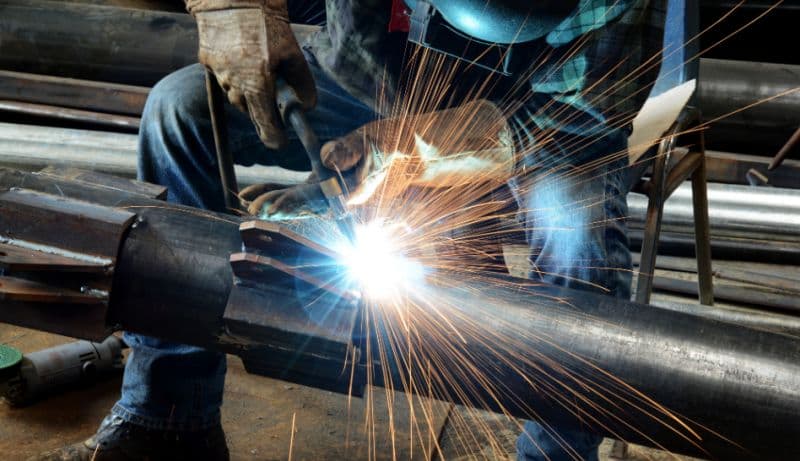
Equipment Manufacturing
The critical components of the of the complete pellet production line equipment are built in our own workshops in Asia. Additional equipment is manufactured by our worldwide network of reliable partners.
● Testing
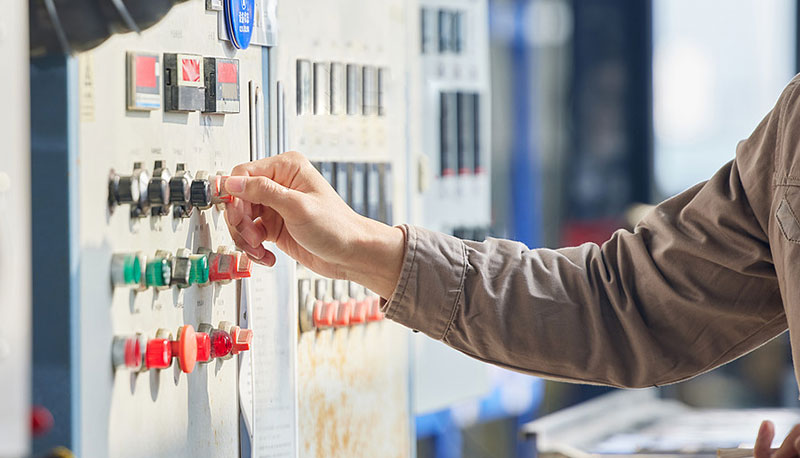
Quality Inspection & Testing
Before leaving the factory, all equipment will be inspected by the quality inspection department. We can also provide customers with testing services from a single machine to a complete pellet plant system, and provide you with real actual data for “worry-free use.”

● Delivery
Equipment Delivery
In equipment boxing and packaging, we adopt professional packaging and modular solutions to ensure the safe and non-destructive delivery of pellet plant equipment.
● Installation
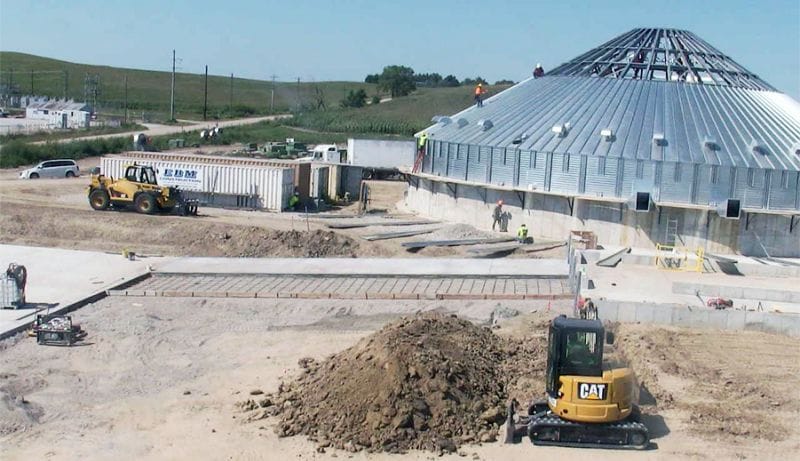
Installation & Commissioning
Whether you choose your own subcontractor for the erection phase or you want to install everything together with us, a Richi supervisor will be around to make sure everything is mounted in a safe and thorough way.

● Training
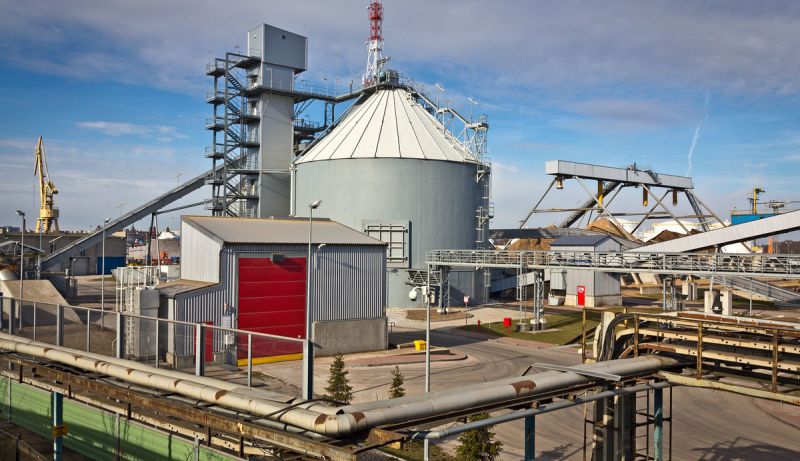
Staff Training
We provide comprehensive training for the technicians of each project. We can also continue to provide support for the technicians during latter project operation.
● After-sales
Project Follow-Up
When everything is up and running our Richiers will help you further whenever needed. We are ready to answer your call 24/7.We’ll also visit you regularly to learn about your needs.
Who we are
RICHI Machinery is one of the world’s leading suppliers of technology and services for the animal feed, aqua feed and pet food industries, also the largest pellet production line manufacturer in China.
Since 1995, RICHI’s vision to build a first-class enterprise, to foster first-class employees, and to make first-class contributions to society has never wavered.
In the past three decades, we have expanded our business to a wide range of areas, including animal feed mill equipment, aqua feed equipment, pet feed equipment, biomass pellet equipment, fertilizer equipment, cat litter equipment, municipal solid waste pellets equipment, etc.

1995
RICHI Established

2000+
Serving More Than 2000 Customers

120+
RICHI Employees

140+
Exported To 140 Countries