 0086-138 3838 9622
Wood Pellet Plant Construction Project in Ghana
RICHI MACHINERY
Project Overview
A 5t/h wood pellet plant construction project in Ghana was completed in early 2024 for a client in the Tema industrial zone, about 30km east of Accra. The facility processes 12,000 tons of waste wood annually into 12,000 tons of biomass pellets for industrial boilers and commercial heating systems.
The biomass pellet plant occupies 3,500m² across two buildings, with a production capacity of 5 tons per hour running a single 8-hour shift, 300 days per year. Total investment was $320,000 USD, including equipment, building modifications, and installation.
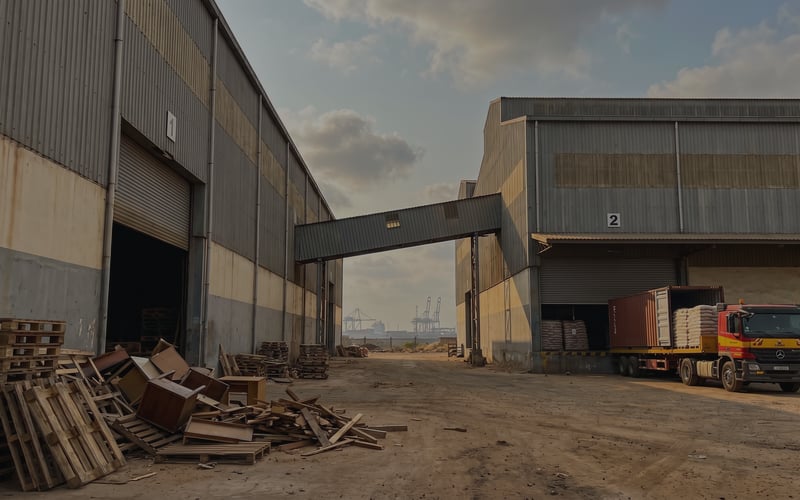
What makes this 5t/h wood pellet plant construction project in Ghana interesting is the building layout. Most pellet plants we design are in one large building. This client had two separate buildings – a smaller one for size reduction and a larger one for pelleting and storage. We had to figure out how to move material between them efficiently. The solution: a covered conveyor bridge connecting the two buildings. Not fancy, but it works.
5T/H
capacity
$320,000
investment
Ghana
location
Biofuel
project type
RICHI MACHINERY
The First Site Visit – Two Empty Buildings
The client called us in September 2023. He’d already leased the buildings. Sent us photos. The buildings were basic – concrete floors, steel frames, corrugated metal roofs. Building 1 (the western building) was about 1,500m². Building 2 (the eastern building) was about 2,000m². Total 3,500m². Height was 8 meters at the eaves – enough for a 5-meter tall pellet mill but tight for a large cooler.
He had one question: “Can you fit a 5t/h line into these two buildings?”
We flew a project engineer to Tema to see the site in person. The buildings were 15 meters apart. Enough space for a covered conveyor. Building 1 had good access for trucks bringing in waste wood and waste furniture. Building 2 had a large roller door for finished goods loading.
The client’s budget was $300,000 for equipment and installation. He already had the buildings leased for $2,000/month. We told him it was tight but possible.
Here’s what we designed.
RICHI MACHINERY
Building 1 – Size Reduction (1,500m²)
We divided Building 1 into three zones.
Zone 1 – Raw Material Storage (700m²)
The south end of Building 1 became the raw material area. Waste wood and furniture arrive by truck, get unloaded with a grapple loader, and stack in piles. The client stores about 500 tons at a time – enough for 10-12 days of production.
The key constraint: no painted or treated wood. The client trained his receiving staff to reject any load with visible paint, glue, or laminate. One contaminated load can ruin an entire batch of pellets (the glue creates sticky dust that clogs the baghouse).
Zone 2 – Crushing and Grinding (800m² combined)
The north end of Building 1 has two areas:
-Chipping area) – 400m² in the northwest corner. One 200# crusher (55kW) reduces large waste wood chunks to 50-80mm pieces.
-Grinding area – 400m² in the northeast corner. Three 90# hammer mills (75kW each) in parallel, each with 6mm screens. They reduce the crushed material to sawdust-size particles.
Between the crusher and the hammer mills, we installed a magnetic separator to catch nails and screws from the furniture waste. The client pulls out about 15kg of scrap metal per week – sold to a local recycler.
The crusher and hammer mills share one dust collection system: a collection hood over each machine, feeding into a cyclone + baghouse with a 15m exhaust stack. Total airflow 10,000 m³/hr. The baghouse captures about 95% of the dust from these processes.
Zone 3 – Reserved Space (300m²)
The client wanted reserved workshop space for future expansion – maybe a second crusher or storage for a different feedstock. Currently empty, but the concrete is poured and power is roughed in.
RICHI MACHINERY
Building 2 – Pelleting and Storage (2,000m²)
Building 2 is where the actual pellet production happens. We divided it into two zones.
Zone 1 – Pelleting Area (300m²)
The west end of Building 2 contains the pelleting area. Five 508# wood pellet mills (110kW each) arranged in a U-shape around a central conveyor. The client runs four mills at a time and keeps one as a spare for die changes and maintenance.
The mills run at 70-80% load, producing about 1.2-1.3 t/h each. Total output with four mills running: 4.8-5.2 t/h.
The pelleting process is purely physical – no binders added. The wood waste contains natural lignin. Under the pressure and heat of the pellet mill (the client’s process reaches 100-130°C at 300 tons of pressure), the lignin softens and binds the wood fibers together. The compression ratio is about 5.5:1.
Zone 2 – Finished Goods Storage (1,400m²)
The east end of Building 2 is the finished goods warehouse. Pellets cool naturally on the conveyor from the mills to the storage area – no separate cooler. The client tried a cooler in the first month but found it unnecessary because the warehouse is well-ventilated and pellets reach ambient temperature within 2 hours.
The storage area holds about 800 tons of bagged pellets. The client uses a forklift to stack pallets 4 high.
Connecting the Two Buildings
The ground conveyor between buildings wasn’t practical – vehicles needed to pass between them. We designed an overhead enclosed conveyor (6 meters high, 15 meters long) with a screw conveyor inside. Ground material from Building 1 is lifted by a bucket elevator to the overhead conveyor, then drops into Building 2. Simple, keeps material dry, and doesn’t block traffic.
RICHI MACHINERY
Equipment List – What Shipped from Qingdao
| Equipment | Quantity | Power | Location |
|---|---|---|---|
| Wood chipper machine | 1 | 55kW | Building 1 |
| Wood pellet hammer mills | 3 | 75kW each | Building 1 |
| Wood pellet mills | 5 | 110kW each | Building 2 |
| Air compressor | 1 | 22kW | Building 2 |
| Screw conveyors | 8 | Various | Both buildings |
| Belt conveyors | 5 | Various | Both buildings |
| Bucket elevator | 1 | 7.5kW | Between buildings |
| Grapple loader | 2 | Diesel | Material handling |
| Forklift | 2 | Diesel | Finished goods |
| Wheel loader | 2 | Diesel | Raw material |
| Dust collection systems | 2 | 30kW each | Each building |
Equipment price (EXW Qingdao port): $218,000 USD
The client bought the grapple loaders, forklifts, and wheel loaders locally in Ghana – cheaper than importing, and local service is available.
Shipping: Four 40-foot containers. Departed Qingdao November 10, 2023. Arrived Tema Port, Ghana on December 15, 2023. Sea freight: $7,200 USD. Customs clearance and inland trucking added $2,500 USD.
RICHI MACHINERY
Process Flow – From Waste Wood to Pellets
Here’s how the 5t/h wood pellet plant construction project in Ghana actually runs, step by step.
Step 1 – Raw material receiving
Trucks arrive at Building 1’s south entrance. Workers inspect each load for painted or treated wood. Rejection rate is about 2-3% – mostly furniture with visible paint or laminate. Rejected loads go back to the supplier.
Step 2 – Crushing
The grapple loader feeds waste wood into the 200# crusher. Output size: 50-80mm chunks. This step runs continuously during production hours.
Step 3 – Grinding
Crushed material drops onto a belt conveyor feeding the three 90# hammer mills. The mills run in parallel, each taking about 1.7 t/h. Output size: 95% passing through a 6mm screen.
Step 4 – Magnetic separation
Before the ground material leaves Building 1, it passes over a magnetic head pulley. This catches nails, screws, and staples. The client empties the magnet bin weekly.
Step 5 – Transfer to Building 2
The ground material drops into a bucket elevator, lifts to the overhead screw conveyor (6 meters high), crosses between buildings, and drops into a holding bin in Building 2. The holding bin holds about 10 tons – enough for 2 hours of pellet mill operation.
Step 6 – Pelleting
Material from the holding bin feeds into the five wood pellet extruder machines. The client runs four mills at a time. Each mill produces about 1.2-1.3 t/h. Die size: 8mm for industrial boilers.
Step 7 – Cooling and storage
Pellets drop onto a long belt conveyor that runs the length of Building 2. By the time they reach the storage area (about 60 meters), they’ve cooled from 100°C to 35-40°C. No forced-air cooler needed.
Step 8 – Bagging and shipping
The client uses a manual bagging station – two workers filling 25kg bags, another worker stacking on pallets. He sells about 70% of output in bags, 30% in bulk to a nearby cement plant.
RICHI MACHINERY
What the Client Learned (The Hard Way)
The first month of operation (January 2024) was rough. Here are three problems that came up.
Problem 1 – The hammer mills kept jamming.
The waste furniture had too many long, stringy pieces. They wrapped around the hammer mill rotors and blinded the screens.
Fix: We added a pre-shredder before the crusher (the client bought a used unit locally for $3,000). The shredder cuts the furniture into 100-150mm pieces before crushing. No more jams.
Problem 2 – Dust collection wasn’t balanced.
The Building 1 dust collector was oversized for the crusher but undersized for the three hammer mills. The hammer mills would overload the filter, causing pressure drop alarms.
Fix: We reconfigured the ductwork to give each hammer mill its own pickup point with a dedicated damper. Now the client can balance the airflow. Took two days.
Problem 3 – Pellet quality was inconsistent.
The first batch of pellets had a durability index (PDI) of only 88% – too low for the cement plant customer. The pellets were cracking in transit.
Fix: The client was running the wood pellet presses too cold. He increased the feed rate slightly (more material in the die = more friction = higher temperature) and switched to a longer die (compression ratio 1:6 instead of 1:5.5). PDI improved to 94%.
RICHI MACHINERY
Operating Costs – After Three Months of Tuning
Once the wood pellet production line was dialed in (March 2024), here’s what the 5t/h wood pellet plant construction project in Ghana costs to run.
| Cost Category | Monthly (USD) | Annual (USD) | Notes |
|---|---|---|---|
| Waste wood | $12,000 | $144,000 | 1,000 tons at $12/ton delivered |
| Electricity | $2,800 | $33,600 | 20,000 kWh/month at $0.14/kWh |
| Labor (10 people) | $1,500 | $18,000 | $150/month per person (Ghana) |
| Maintenance & spares | $1,800 | $21,600 | Dies, hammers, bearings, bags |
| Building lease | $2,000 | $24,000 | Two buildings |
| Total monthly | $20,100 | $241,200 |
Revenue:
| Product | Monthly Output (tons) | Price (USD/ton) | Monthly Revenue |
|---|---|---|---|
| Industrial pellets | 1,000 | $130 | $130,000 |
Monthly net profit: $109,900 USD. Annual net profit (projected): $1.32 million USD.
The client’s total investment was $320,000 (equipment $218,000 + shipping $9,700 + local installation $25,000 + working capital $67,300). Payback period: 3 months.
RICHI MACHINERY
The Ghanaian Market for Wood Pellets
Ghana is an interesting market for biomass pellets. The country has:
- A growing industrial sector (cement, textiles, food processing) looking for alternatives to imported coal and diesel
- Abundant waste wood from furniture manufacturing and logging operations
- Government incentives for renewable energy under the Renewable Energy Act (2011)
But there’s a catch. Most Ghanaian factories are used to cheap, unreliable fuel. Convincing them to pay $130/ton for consistent, high-quality pellets takes time.
The client’s strategy: start with one anchor customer. He signed a 12-month contract with a cement plant in Tema for 500 tons/month at $125/ton. That covers his fixed costs. The remaining 500 tons/month he sells to smaller customers at $135-140/ton. As demand grows, he’ll add a second shift and double his output without adding equipment.
The cement plant customer switched from imported coal ($180/ton delivered) to the client’s pellets. They save $55/ton on fuel and reduce their emissions. Everyone wins.
RICHI MACHINERY
What We Provided (Beyond the Machines)
For this 5t/h wood pellet plant construction project in Ghana, we delivered:
- Layout design – Fitting the line into two separate buildings, including the overhead conveyor bridge.
- Equipment package – All major machines from one supplier.
- Installation supervision – Our engineer spent 18 days in Tema, training the local crew and tuning the dust collection system.
- Operator training – Two days on pellet mill adjustments, die changes, and troubleshooting common problems.
- Spare parts kit – Two spare dies, three sets of hammer mill screens, bearings, belts, and a box of sensors.
We also set up a remote support line. The client calls us on WhatsApp when something breaks. We’ve walked him through three repairs since startup.
RICHI MACHINERY
Thinking About a Larger-Scale Project?
If you’re looking at a 5t/h wood pellet plant construction project in Ghana – or anywhere in West Africa – here’s what we’ve learned:
- Two-building layouts work if you plan the material flow. The overhead conveyor was the right solution. Don’t try to move material between buildings at ground level – you’ll block truck access.
- Dust collection is not optional. The Ghana EPA enforces emissions limits. Budget for it from the start.
- Start with one anchor customer. The cement plant contract gave the client predictable revenue while he built his retail customer base.
- Buy local for loaders and forklifts. The client saved about 40% on shipping and customs by buying his material handling equipment in Ghana.
The client in Tema is already planning a second shift. Same equipment, double the output. He figures he can sell 2,000 tons/month within 12 months.
If you have a building (or two) and a source of waste wood, send us a message. We’ll tell you what’s realistic for your site.
● RICHI MACHINERY
RICHI Service

● Consulting
Customer Consultation
We want to have a deep understanding of your industrial process, to know your exact needs of feed, wood, biomass, fertilizer or other pellet processing.
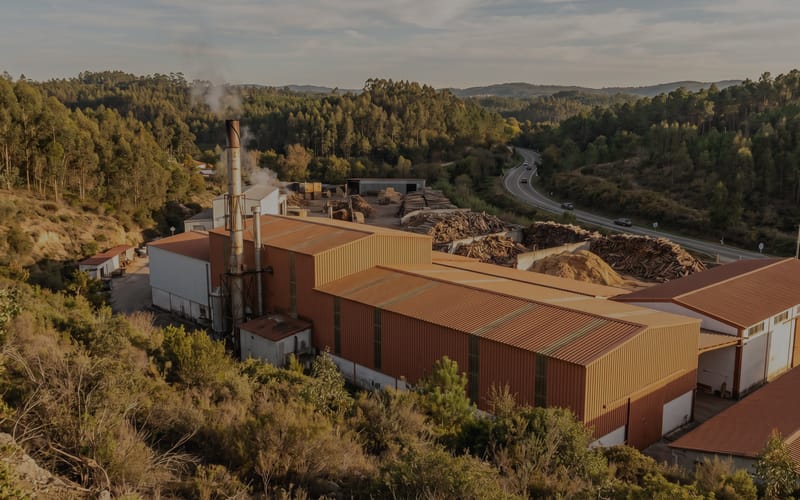
● Design
biomass Pellet Plant Design
Based on your unique situation and industrial process, we will tailor complete pellet plant you need, and inform you of every additional detail that could facilitate operation, minimize total cost.
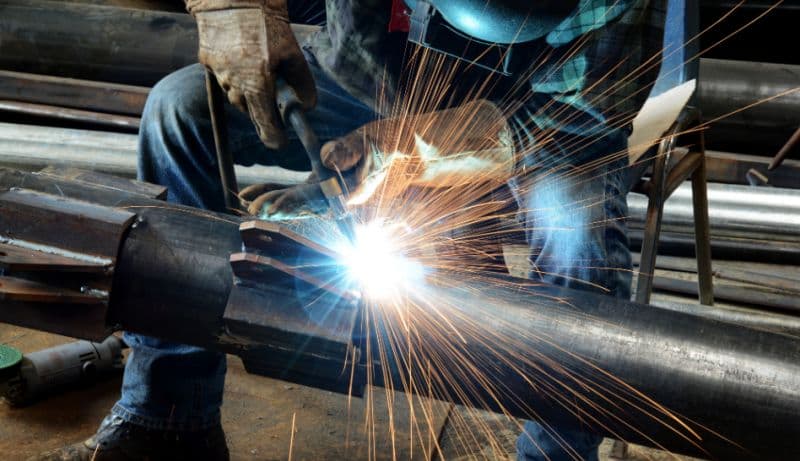
● Manufacturing
Equipment Manufacturing
The critical components of the of the complete pellet production line equipment are built in our own workshops in Asia. Additional equipment is manufactured by our worldwide network of reliable partners.
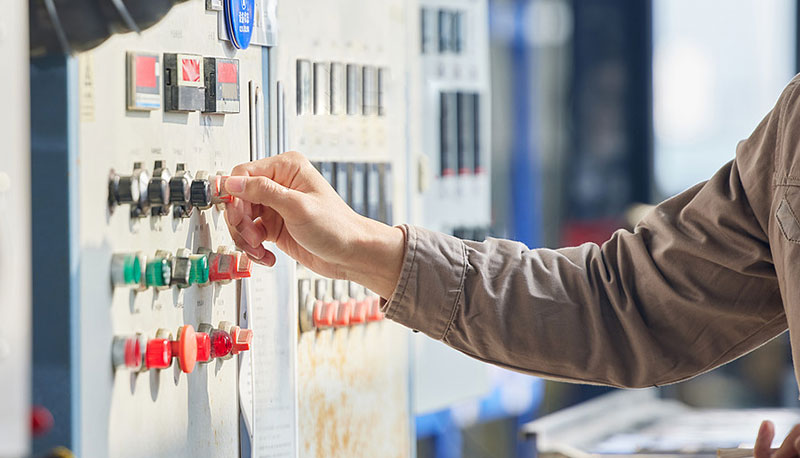
● Testing
Quality Inspection & Testing
Before leaving the factory, all equipment will be inspected by the quality inspection department. We can also provide customers with testing services from a single machine to a complete pellet plant system, and provide you with real actual data for “worry-free use.”

● Delivery
Equipment Delivery
In equipment boxing and packaging, we adopt professional packaging and modular solutions to ensure the safe and non-destructive delivery of pellet plant equipment.
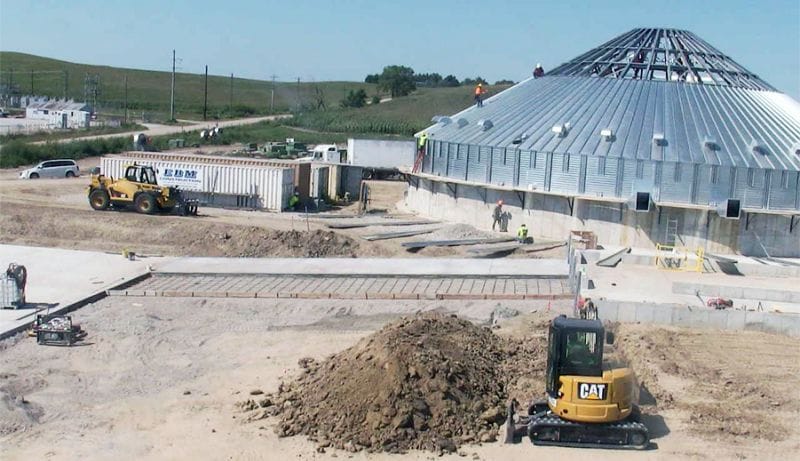
● Installation
Installation & Commissioning
Whether you choose your own subcontractor for the erection phase or you want to install everything together with us, a Richi supervisor will be around to make sure everything is mounted in a safe and thorough way.

● Training
Staff Training
We provide comprehensive training for the technicians of each project. We can also continue to provide support for the technicians during latter project operation.
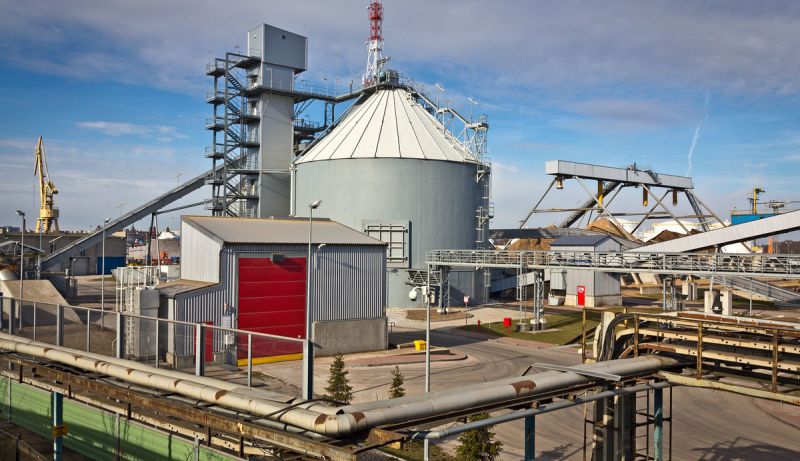
● After-sales
Project Follow-Up
When everything is up and running our Richiers will help you further whenever needed. We are ready to answer your call 24/7.We’ll also visit you regularly to learn about your needs.
Who we are
RICHI Machinery is one of the world’s leading suppliers of technology and services for the animal feed, aqua feed and pet food industries, also the largest pellet production line manufacturer in China.
Since 1995, RICHI’s vision to build a first-class enterprise, to foster first-class employees, and to make first-class contributions to society has never wavered.
In the past three decades, we have expanded our business to a wide range of areas, including animal feed mill equipment, aqua feed equipment, pet feed equipment, biomass pellet equipment, fertilizer equipment, cat litter equipment, municipal solid waste pellets equipment, etc.

1995
RICHI Established

2000+
Serving More Than 2000 Customers

120+
RICHI Employees

140+
Exported To 140 Countries