 0086-138 3838 9622
RDF Pelletizing Plant in Poland
Textile-rich dry residues enter the RDF pelletizing plant in Poland through two preparation trains, with a combined 16 T/H product duty. Dedicated forming, cooling and grade checks support identified supply to suitable authorised industrial fuel users.

RICHI MACHINERY
RDF Pelletizing Plant in Poland with Two Industrial Production Trains
Two 8 T/H processing trains define the RDF pelletizing plant in Poland, serving a regional waste-recovery operator and permitted industrial fuel customers. The accepted mixture contains identified dry textile residues, paper and a woody fraction. Each train has its own preparation and controlled forming duty.
RICHI coordinates the combined 16 T/H product route with active cooling, grading and weighed dispatch. The annual basis is 76,800 tonnes, supported by three rotating crews and an existing industrial building with separate raw-material and finished-stock areas.
16 T/H
capacity
USD 1,280,000
investment
Poland
location
FUEL
project type
RICHI MACHINERY
A Waste Operator Needs More than a Dense Product
The customer works with industrial collection and material sorting. Its useful starting point is access to identified residual fractions and a logistics programme that can keep those materials separate before processing.
The RDF pelletizing plant in Poland connects that collection activity to a defined industrial fuel. The receiving customer’s authorised material list, fuel limits and feeding equipment determine what can enter the routine recipe.
Textile-rich material places particular demands on preparation. Long strands can wrap around equipment, while different fibres, coatings and additives affect both forming and fuel chemistry. The operator needs a purchasing specification that addresses those differences at the supplier level.
RICHI Machinery links samples, physical forms and accepted quantities to the equipment selection. The customer can then review the duties needed between receiving a residue and releasing a product for the intended industrial installation.
The commercial programme follows identified buyers and declared product properties. Collection volumes, rejected contamination and released output are tracked separately, giving both purchasing and sales staff usable quantities for their schedules.
RICHI MACHINERY
Use the Existing Building for Clear Material Movement
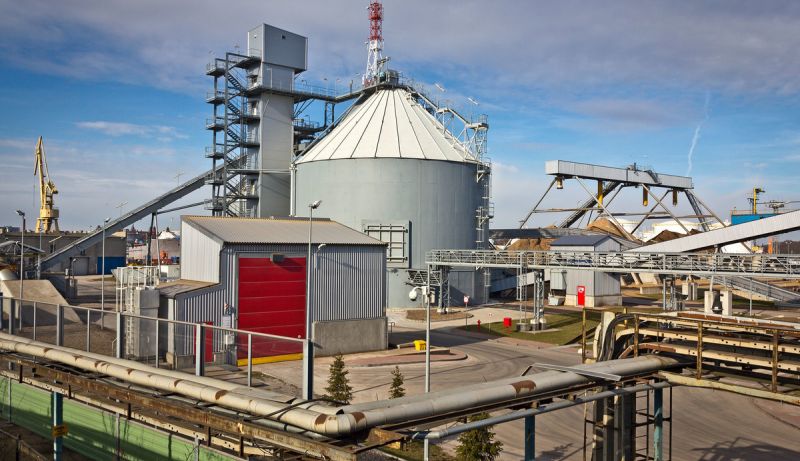
The site allocation is 6,200 m², with 5,000 m² of covered accommodation and 1,200 m² for external working access. Vehicle movement and booked loading follow the customer’s industrial access plan.
| Covered area | Allocation | Function |
|---|---|---|
| Receiving and raw stock | 2,000 m² | Identified textiles, paper and woody material |
| Processing and service access | 1,800 m² | Two preparation trains, four forming units and shared finishing |
| Finished-stock area | 1,000 m² | Released product awaiting scheduled loading |
| Controls and supporting facilities | 200 m² | Operating supervision, quality and service duties |
The RDF pelletizing plant in Poland keeps receiving lots identifiable before blending. Its prepared buffers, compatible returns and released stock also have defined positions. Forklift access avoids moving incoming residues through the product-release area.
Two processing trains allow the customer to organise the accepted feed between preparation duties. Their combined output follows the available forming units and matched finishing stages. Partial operation has its own usable duty when a train is stopped.
Maintenance clearances are included around shredders, mixers, presses and extraction equipment. The customer can check removal paths and lifting access against the building before machinery positioning.
RICHI MACHINERY
Keep the Textile-Rich Recipe Measurable
| Accepted material group | Reference share | Annual purchasing allowance |
|---|---|---|
| Qualified textile residues | 60% | Around 47,040 tonnes |
| Paper and cardboard fraction | 30% | Around 23,520 tonnes |
| Identified woody residues | 10% | Around 7,840 tonnes |
The combined allowance is around 78,400 tonnes. With a 12% reference incoming and finished moisture condition and a 2% dry-matter loss allowance, it supports the 76,800-tonne product programme. Actual rejected material and usable intake are recorded by supplier lot.
The RDF pelletizing plant in Poland follows a dry-input specification, generally within the selected 10–15% range subject to forming tests. A thermal drying section is outside this scope. Wetter supply needs a separate water-load and equipment review.
Textile acceptance records fibre identity, coatings, contaminants and physical form. Paper and wood have their own checks, including unsuitable treatments and foreign objects. Hazardous or unidentified materials remain outside the approved purchasing list.
The working output basis uses the stated combustible fractions. Any additional ingredient needs approval within the product recipe, metered dosing and a corresponding material balance. Its effect on ash, heat value and fuel chemistry is evaluated before routine use.
RICHI MACHINERY
An Industrial Specification for the Receiving Installation
The selected RDF product uses a 10–16 mm diameter basis, with length controlled for the customer’s feeding and handling system. Finished moisture is targeted within the approved product limits, using 12% for the working balance.
The RDF pelletizing plant in Poland measures heat value, ash, chlorine, sulfur and relevant contaminants on representative product. Physical checks cover density, durability and fines. Those results support the declared fuel specification and the receiver’s acceptance programme.
Fuel category and any claimed solid recovered fuel class follow the relevant assessment and documentation. The customer also establishes the applicable permitted route for manufacturing, stock and use. Densification does not remove a material’s waste status.
The product is supplied to suitable authorised industrial users. Household pellet appliances are outside this sales scope. Each receiving installation has its own permitted inputs, emissions requirements and operating conditions to consider.
Dispatch records identify the product, lot, released quantity and destination. Retained samples and analytical records give the waste operator a useful reference when the industrial buyer asks about a delivery.
RICHI MACHINERY
Preparation, Forming and Finishing in One Recorded Sequence
Receive the qualified dry fractions
Staff check the supplier, material identity, moisture and accepted quantity. Loads outside the purchasing conditions are kept separate. Stock records show which material is released for the next recipe and which is waiting for additional checks.
Open and shred the bulky material
Each train has a waste-duty primary shredder for the approved input forms. Controlled feeding prevents sudden large loads. Textiles, paper packages and wood pieces receive the preparation settings established for their actual dimensions and handling behaviour.
Remove liberated metal and prepare the final distribution
Magnetic protection follows the relevant transfer stages. Secondary shredding establishes the particle and fibre condition needed by the selected RDF press. Screen, cutter and feeding arrangements are assessed together on representative material.
Long strands and low-density fractions receive particular attention at the feeder. A piece fitting through one screen opening may still behave differently from a compact wood particle, so samples and operating checks establish the usable preparation condition.
Weigh and blend the recorded recipe
Each train’s mixer combines accepted material at its assigned rate. Prepared buffers separate receiving movements from the forming feeders. The record includes incoming lots, weights and any compatible clean returns used in the batch.
Form in the dedicated waste-duty units
Four RDF forming units share the combined duty, each with a 250 kW drive basis and a selected 4 T/H product share. Two units serve each eight-tonne train. Die arrangement, feeding, wear protection and temperature controls follow trials on the approved textile-rich recipe.
The RDF pelletizing plant in Poland is assessed on that material and product condition. A different fibre, polymer mixture or diameter receives a rate and product review before joining routine production.
Cool and grade before releasing stock
Active cooling establishes the storage and handling condition. Grading identifies compatible clean returns and released product. Operators check discharge and samples before assigning the lot to finished stock.
Load the agreed industrial deliveries
The finished buffer supplies weighed bulk dispatch with a selected rate at least 20 tonnes/hour. The customer’s delivery bookings keep warehouse quantities within usable stock limits. Product identity stays with the load through quantity records and release documentation.
RICHI MACHINERY
Equipment Assigned to Two Eight-Tonne Trains
| Main duty | Equipment | Quantity | Selection basis |
|---|---|---|---|
| Primary preparation | Waste-duty twin-shaft shredders | 2 | 220 kW main drive each; one per preparation train |
| Fine preparation | Secondary shredders | 2 | 160 kW main drive each; accepted particle and fibre condition |
| Metal protection | Magnetic separation stages | 2 coordinated routes | Remove liberated ferrous material |
| Recipe mixing | Controlled mixers | 2 | 30 kW main drive each, matched to each train |
| RDF forming | Dedicated waste-duty pellet units | 4 | 250 kW drive basis each; selected 4 T/H product share |
| Product finishing | Active cooling and grading | 1 combined arrangement | Match the 16 T/H formed output |
| Dispatch | Weighed bulk loading | 1 system | At least 20 tonnes/hour from released stock |
| Supporting equipment | Conveying, extraction and controls | 1 coordinated set | Connect preparation, forming and finishing |
The RDF pelletizing plant in Poland uses waste-duty forming equipment selected for its actual mixture. A standard woody-material rating is not used to establish the textile-rich product duty.
The two preparation trains have defined operating and maintenance access. Shared finishing follows their combined output, while feed control prevents the upstream equipment from supplying material faster than the available forming and release duty.
RICHI MACHINERY
Controls That Help Operators See the Material Flow
The control system shows levels, running condition and operating loads for the preparation and forming stages. Interlocks coordinate the sequence between receiving buffers, shredding, mixing, presses and finishing.
For the RDF pelletizing plant in Poland, alarms are tied to actionable duties. Staff need to identify whether the issue is feed continuity, a retained strand, a full buffer, machine load or cooling condition. The operating procedure specifies the response and required equipment isolation.
Recipe and lot records stay available alongside those machine readings. A change in load can then be related to the input being processed rather than treated as an unexplained equipment event.
Controls support repeatable operation, while people manage material acceptance, cleaning, quality release and service. The customer can review the required operating roles together with the automation package.
Remote support, where included, follows the agreed access and diagnostic scope. The local team retains the information and procedures needed for safe daily operation and maintenance.
RICHI MACHINERY
Extraction and Residual Handling for the Actual Mix
Dust and retained fibres can occur at shredding, transfer, mixing, forming and grading. Extraction follows those points, with enclosed handling and cleaning access included in the installation design.
The RDF pelletizing plant in Poland assesses fire and dust risks from the accepted materials and process. The design includes appropriate detection, isolation, filter access and operating procedures. Local specialists review the site’s applicable requirements and authorisations.
Collected material returns only when its identity and condition suit the approved recipe. Mixed filter residues, dirty sweepings and incompatible materials have separate routes. This keeps contamination out of released product and the controlled return loop.
Exhaust treatment follows the actual dust and vapour duty. It is not defined by a fixed stack height or one universal filter efficiency. Site checks establish the performance required from the completed installation.
Water from welfare or selected cleaning follows the relevant collection and treatment arrangements. It remains separate from the product recipe and accepted dry stock. Residual containers and service areas have identified duties and access.
RICHI MACHINERY
Supply Power for the Whole Processing Duty
The connected electrical allowance is 2,100 kW. The main shredder drives total 760 kW, four forming drives total 1,000 kW, and the two mixers add 60 kW. The balance covers finishing, extraction, conveyors, magnetic protection, compression and controls.
An electricity planning allowance around 6.5 GWh/year corresponds to approximately 85 kWh per tonne at the annual product basis. Actual demand follows the mixture, preparation fraction and machine loads, with separate metering useful for the principal duties.
The RDF pelletizing plant in Poland reviews motor starting, protection, voltage, frequency and available site capacity together. A new upstream grid connection or major reinforcement is a separate site obligation within the budget boundaries.
Water provision has a working allowance around 975 m³/year for welfare and selected cleaning. The material scope is dry, with any measured process adjustment following the approved recipe. A wetter supply changes the moisture duty and receives its own assessment.
The utility review also covers compressed air and the services needed for filters and controls. Connection information is available before manufacture so the customer’s local contractors can prepare the installation interfaces.
RICHI MACHINERY
Net Hours with Rotating Crew Coverage
The annual calculation is 16 T/H multiplied by sixteen net hours per day and 300 production days: 76,800 tonnes. Two staffed daily operating periods include time around those hours for receiving checks, cleaning and service tasks.
Three rotating crews of six cover the operating duties. Seven shared quality, maintenance, warehouse and administrative roles bring the staffing basis to 25. The roster supports the two daily periods and planned relief rather than equating crew count with continuous twenty-four-hour operation.
The RDF pelletizing plant in Poland records output at released product condition. A stopped preparation train or forming unit has its own partial-production duty, and the operating plan reviews the available equipment before assigning feed rates.
Maintenance work follows wear and inspection records. Shredder cutters, press wear parts, screens, filters and cooling air paths are identified in the service programme. Staff keep removal access and suitable spares available for those tasks.
RICHI MACHINERY
Equipment Cost and Total Project Investment
| Investment item | Budget for the defined scope |
|---|---|
| RICHI equipment package | USD 980,000 |
| Total project investment | USD 1,280,000 |
The equipment package includes both preparation trains, metal separation, mixing, four dedicated RDF forming units, active cooling, grading, conveying, bulk dispatch, extraction and controls. The selected waste-duty protection and service interfaces belong to that package.
The project total also provides for freight, installation, local foundations, electrical work, existing-building adaptation, environmental provisions, commissioning and contingency. Existing site accommodation supports the stated cost scope.
The RDF pelletizing plant in Poland budget excludes property purchase, extensive new construction, thermal drying, major upstream utility reinforcement and recoverable taxes. The qualified dry-input blend and available site service are central to these boundaries.
An RDF pellet production line quotation identifies each RDF pellet machine’s material duty and the product requirements alongside the amount. The customer can compare the same preparation, forming and finishing duties rather than two equipment lists with different scope.
RICHI MACHINERY
Plan Sales around Permitted Industrial Fuel Users
Industrial waste recovery in Poland includes supply routes to suitable cement and other authorised receiving installations. The customer’s product programme follows its actual buyers and their accepted specifications.
The RDF pelletizing plant in Poland gives that programme an identified product, measured fuel properties and scheduled dispatch. Pellet dimensions, bulk handling and stock limits are agreed with the receiving team alongside analytical requirements.
The collection business also needs reliable usable quantities. Supplier documentation, contamination rejection and the selected dry-input condition establish the material available for production. Those records help keep the sales programme connected to the accepted supply.
Changes in buyer specification or textile composition receive a joint process and product review. The machinery duty, fuel documentation and delivery format are assessed together before the customer offers a different routine range.
RICHI MACHINERY
Discuss Your RDF Pelletizing Plant in Poland
RICHI’s RDF fuel pellet plant scope connects representative samples to process layout, waste-duty machinery, installation guidance and operator training. The customer receives defined duties between material acceptance and industrial dispatch.
Can the dry-input package accept wet residues?
The selected moisture range defines its scope. Wetter material needs a water-load, treatment and storage assessment before joining routine production.
Is a mineral addition part of the output basis?
The stated balance uses the accepted combustible fractions. Any other addition follows an approved recipe and its own effect on product quantity, ash and fuel chemistry.
Can one train operate while the other is serviced?
Partial production follows the available preparation and forming equipment, with shared finishing checked against that duty. The sixteen-tonne combined basis requires the matched equipment for both trains.
Request Your Textile Fuel Proposal
Send RICHI representative waste samples, composition and moisture analyses, yearly accepted quantities, the receiving fuel specification and site services. We can prepare an RDF pelletizing plant in Poland proposal with a defined recipe, appropriate forming duty and a clear investment scope.
● RICHI MACHINERY
RICHI Service

● Consulting
Customer Consultation
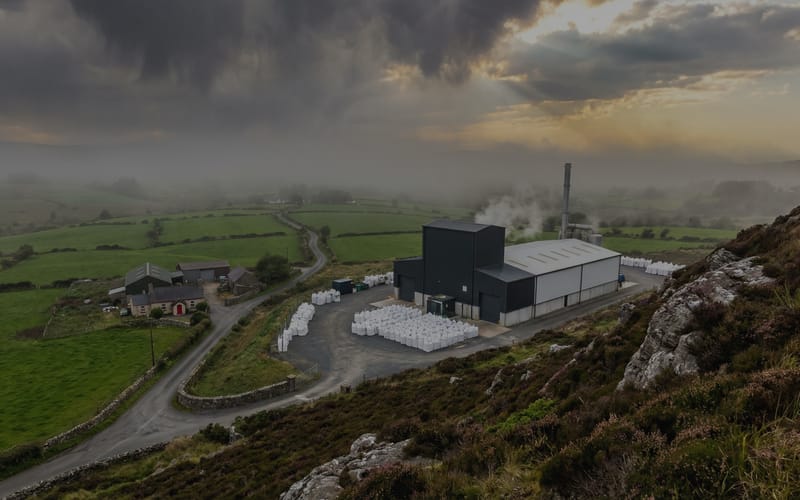
We want to have a deep understanding of your industrial process, to know your exact needs of feed, wood, biomass, fertilizer or other pellet processing.
● Design
biomass Pellet Plant Design
Based on your unique situation and industrial process, we will tailor complete pellet plant you need, and inform you of every additional detail that could facilitate operation, minimize total cost.
● Manufacturing
Equipment Manufacturing
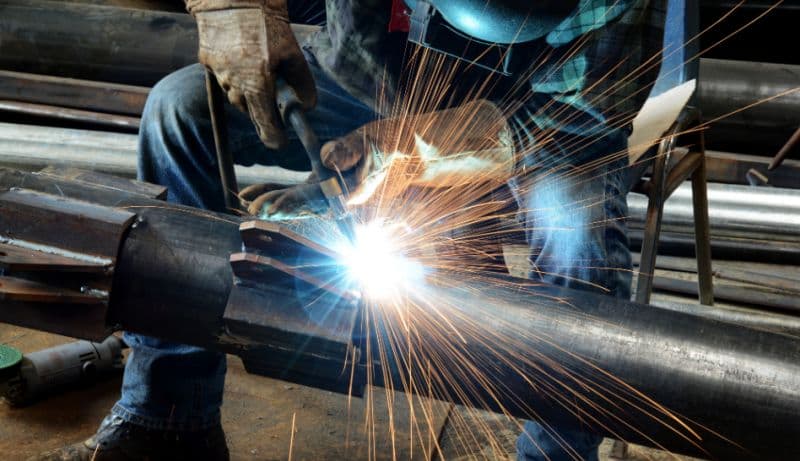
The critical components of the of the complete pellet production line equipment are built in our own workshops in Asia. Additional equipment is manufactured by our worldwide network of reliable partners.

● Testing
Quality Inspection & Testing
Before leaving the factory, all equipment will be inspected by the quality inspection department. We can also provide customers with testing services from a single machine to a complete pellet plant system, and provide you with real actual data for “worry-free use.”

● Delivery
Equipment Delivery
In equipment boxing and packaging, we adopt professional packaging and modular solutions to ensure the safe and non-destructive delivery of pellet plant equipment.
● Installation
Installation & Commissioning
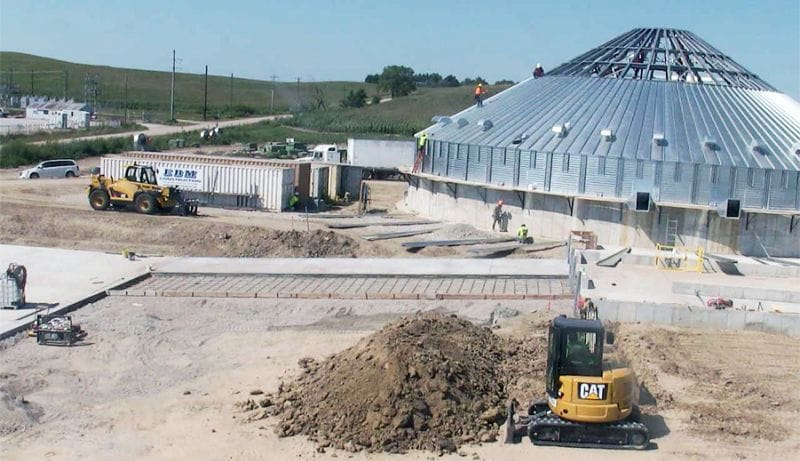
Whether you choose your own subcontractor for the erection phase or you want to install everything together with us, a Richi supervisor will be around to make sure everything is mounted in a safe and thorough way.

● Training
Staff Training
We provide comprehensive training for the technicians of each project. We can also continue to provide support for the technicians during latter project operation.
● After-sales
Project Follow-Up
When everything is up and running our Richiers will help you further whenever needed. We are ready to answer your call 24/7.We’ll also visit you regularly to learn about your needs.
Who we are
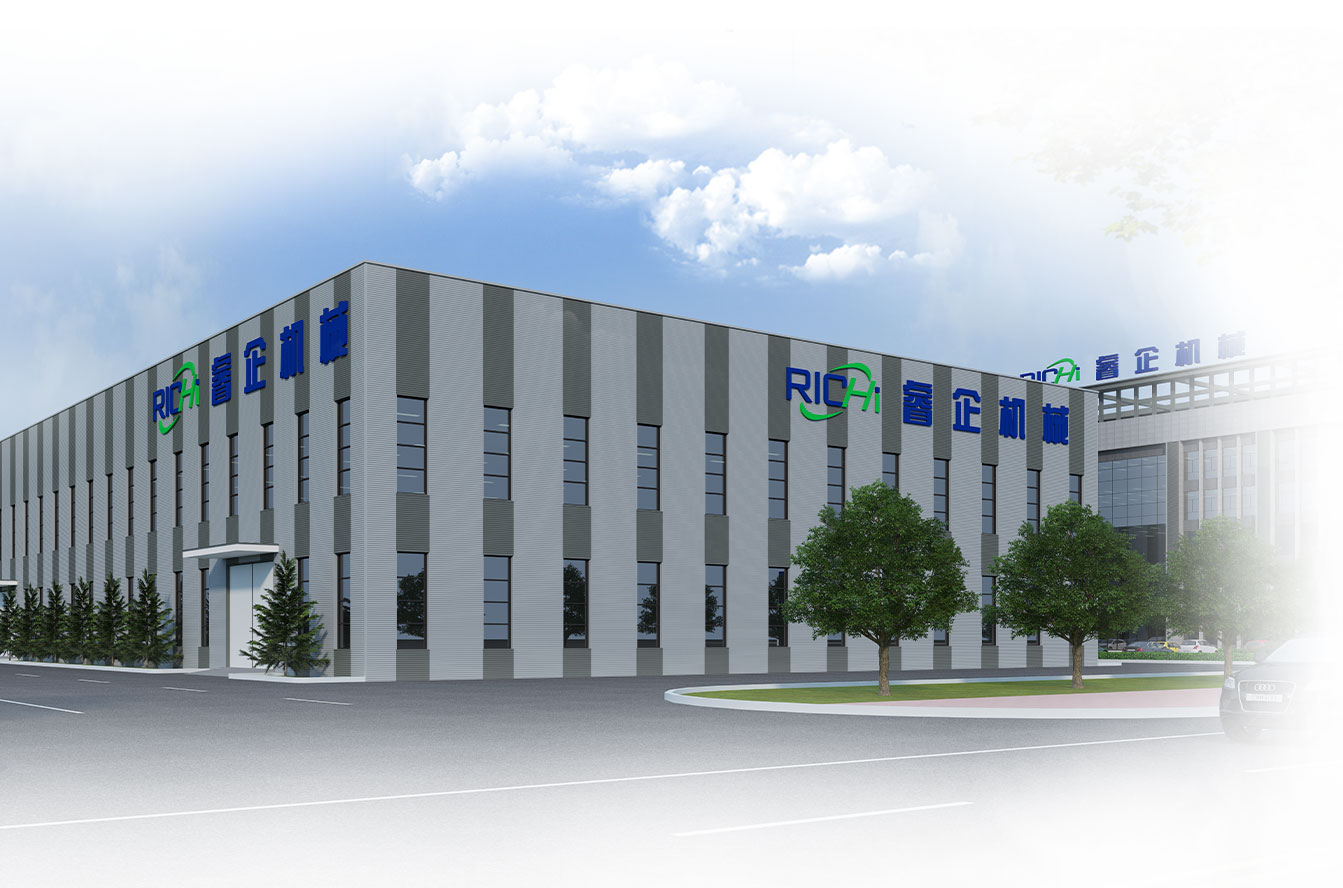
RICHI Machinery is one of the world’s leading suppliers of technology and services for the animal feed, aqua feed and pet food industries, also the largest pellet production line manufacturer in China.
Since 1995, RICHI’s vision to build a first-class enterprise, to foster first-class employees, and to make first-class contributions to society has never wavered.
In the past three decades, we have expanded our business to a wide range of areas, including animal feed mill equipment, aqua feed equipment, pet feed equipment, biomass pellet equipment, fertilizer equipment, cat litter equipment, municipal solid waste pellets equipment, etc.

1995
RICHI Established

2000+
Serving More Than 2000 Customers

120+
RICHI Employees

140+
Exported To 140 Countries