 0086-138 3838 9622
Small Biomass Pellet Plant in Vietnam
Dry wood residues supply the small biomass pellet plant in Vietnam, where one 500 kg/hour mill works with selective preparation, active cooling and 25 kg packing. RICHI sizes the line around local deliveries and available workshop space.

RICHI MACHINERY
A Small Biomass Pellet Plant in Vietnam for Local Deliveries
The small biomass pellet plant in Vietnam handles dry woodworking residues at 500 kg/hour, with one appropriately sized mill and a compact preparation route. It serves an operator already collecting material from nearby wood businesses and supplying fuel to local industrial buyers.
RICHI’s biomass pellet production line covers size reduction, controlled feeding, pellet forming, active cooling and weighed packing. The project concentrates on manageable daily volumes and protected storage, helping the customer turn loose residues into a product that can be ordered and delivered by identified batch.
500 kg/hour
capacity
USD 95,000
investment
Vietnam
location
Biomass fuel
project type
RICHI MACHINERY
A Residue Collector Adds Its Own Processing
The customer collects sawdust, shavings and selected clean wood offcuts. Selling these materials loose makes transport and delivery planning difficult because the same truck volume can contain quite different weights. Pellet production gives the operator a more consistent dispatch form, provided incoming moisture and contamination are controlled first.
At this small biomass pellet plant in Vietnam, the commercial target is nearby industrial heat users. Fuel grades are agreed directly with the receiving industrial customer. Each buyer receives the agreed pellet diameter, moisture and fuel analysis, then confirms suitability for its own feeding and combustion equipment.
The annual production basis is 2,000 tonnes: 500 kg/hour for 16 net processing hours a day over 250 operating days. Two staffed operating periods provide those net hours, with cleaning and maintenance planned outside the production calculation. This is a small plant with regular local deliveries, rather than a large export terminal compressed into a small workshop.
The customer can also choose which residue orders to accept. Dry sawdust goes directly toward final preparation, whereas a load of long offcuts needs the coarse crusher. Wet branches require a separate drying decision. These distinctions prevent an inexpensive-looking raw-material purchase from creating an unplanned processing bottleneck.
RICHI MACHINERY
Making 500 m² Work for the Customer
The biomass pellet plant occupies a 500 m² site, including a 400 m² covered working area. The building basis is an available workshop adapted for this equipment package. The remaining 100 m² provides external access and handling space; it is not counted again as covered storage.
| Covered zone | Area | Use |
|---|---|---|
| Raw-material store | 100 m² | Segregated dry sawdust, shavings and accepted offcuts |
| Processing and maintenance | 160 m² | Preparation, one pellet mill and finishing |
| Finished bags | 80 m² | Identified pallets awaiting collection |
| Services | 30 m² | Extraction equipment and accessible utilities |
| Office and staff space | 30 m² | Records and routine production supervision |
Storage is deliberately linked to frequent deliveries. The small biomass pellet plant in Vietnam does not assign hundreds of tonnes of loose branches to this building. Stock limits are set from the measured bulk density, stacking height, aisle allowance and required fire access. Incoming vehicles use booked delivery slots so that unloading does not block the finished-product route.
Inside the hall, a technician needs space to change the die, remove a grinder screen and service the cooler. The layout keeps these positions clear when pallets are waiting for collection. Forklift movement and manual bag handling use separate positions wherever the existing structure permits.
The site’s modest size also shapes the purchasing plan. Materials that need days of open-air drying do not arrive as normal production feed. Rain-protected supplier storage and smaller, more frequent loads are more appropriate than attempting to hold a season’s residue supply at this location.
The small biomass pellet plant in Vietnam can make its daily stock requirement visible to a collector. At the selected schedule, output is 8 tonnes a day, equivalent to 320 bags of 25 kg. The accepted feedstock requirement is slightly higher because moisture and handling affect the balance. The operator checks the next day’s usable feed and dispatch space before arranging another collection round, keeping the compact store focused on material that can enter production.
RICHI MACHINERY
A Fuel Product Buyers Can Check
The small biomass pellet plant in Vietnam produces cylindrical fuel pellets with an 8 mm diameter and a normal cut length of 10–30 mm. Finished moisture is targeted within 8–12%, with 10% used for the annual material calculation. Product is cooled and screened before being weighed into 25 kg bags.
The customer agrees ash, fines, heating value and other relevant fuel properties with the receiving industrial user. A wood-rich blend may behave differently from a blend containing straw, even when pellet dimensions look identical. The purchasing specification therefore identifies the material family as well as the physical size.
At full selected output, the plant makes twenty 25 kg bags an hour. This manageable packing requirement helps a small team keep bags identified and pallets orderly. The bagging station has additional capacity for normal pauses, bag changes and check-weighing rather than operating at its limit throughout the shift.
The annual 2,000-tonne figure is a production planning basis, not a guaranteed sales volume. Orders, usable feedstock, maintenance and customer collections still determine the working schedule. The customer benefits from matching stock to deliveries instead of filling the building with product awaiting an uncertain buyer.
RICHI MACHINERY
Dry Residues Follow Different Preparation Routes
For the small biomass pellet plant in Vietnam, the annual accepted-material allowance is 2,090 tonnes. The reference blend contains approximately 1,985 tonnes of clean woody residues and 105 tonnes of approved straw. With 12% incoming moisture, 10% finished moisture and 2% dry-material loss, that allowance supports the planned output.
Sawdust and short shavings
Dry sawdust is screened and checked for metal before feeding. Short shavings may need the hammer mill even when their moisture is suitable. Operators inspect the fibre shape as well as the average particle size, since stringy material can bridge a hopper that handles sawdust without difficulty.
Solid offcuts
Selected untreated offcuts pass through the coarse crusher before final grinding. The coarse route is sized for the accepted fraction of the supply, not assumed to process the entire raw-material stream at once. Oversize pieces beyond the opening are cut or rejected before the crusher is loaded.
Straw in a controlled proportion
The small straw fraction is chopped and ground before blending. Its inclusion follows the industrial customer’s ash and combustion requirements. Rice husk, dirty field residue or a sudden change to a mostly straw recipe cannot be treated as an equivalent substitute without another material and fuel assessment.
Moisture and contamination checks
Normal accepted moisture is 10–14%. There is no thermal dryer in this equipment package, so wet material stays outside the routine production feed until it has been dried and checked. Painted wood, glued-board waste and preservative-treated timber are excluded from this selected wood-residue route.
Covered storage protects accepted feedstock during wet weather. Moisture is sampled from representative positions in a load, because a dry outer layer can conceal wetter material underneath. These checks give the small wood pellet production line a more consistent starting point than simply increasing the press temperature after wet material arrives.
An acceptance note also describes the material’s physical form. A supplier delivering short offcuts one week and long strip waste the next changes the handling requirement even if both loads are called wood residue.
The small biomass pellet plant in Vietnam uses photographs, size limits and a moisture record to make those purchasing instructions understandable. This helps the collector discuss a rejected delivery directly with the supplier and gives RICHI useful information when a different preparation machine is being considered.
RICHI MACHINERY
One Pellet Mill, With the Right Equipment Around It
The equipment for this biomass pellet project uses one MZLH350 pellet mill. Its 37 kW main drive is selected for a 500 kg/hour duty on the approved dry material. The package includes controlled feeding and the arrangements needed to prevent bridging; a second pellet mill is not required for the stated output.
| Equipment | Selected parameter | Quantity |
|---|---|---|
| Coarse wood crusher | 11 kW; selected 1 T/H coarse-material duty | 1 |
| Hammer mill | 22 kW; at least 700 kg/hour on the accepted preparation route | 1 |
| Pellet mill | MZLH350, 37 kW; selected 500 kg/hour | 1 |
| Feed buffer and regulated feeder | At least 500 kg/hour with stable discharge | 1 set |
| Active cooler | At least 500 kg/hour | 1 |
| Grading screen | Separates usable pellets from fines | 1 |
| Bagging scale | 25 kg bags; at least 1 bag/minute | 1 |
| Dust extraction and conveying | Selected for the actual pickup points and material | 1 integrated set |
The small biomass pellet plant in Vietnam has a 110 kW connected-load allowance, including the supporting drives. Not all preparation equipment operates at full load simultaneously because fine material bypasses coarse reduction. The electrical schedule identifies each motor and starting method before the customer confirms the supply.
The die is selected around the actual blend and 8 mm product. Compression ratio, feeder setting and operating load are established with representative material. A value chosen for softwood is not automatically suitable for hardwood shavings or a wood-and-straw blend. The customer receives a setting and maintenance record for the approved recipe.
Receiving and final preparation
The operator checks lot identity, moisture and visible contamination, then directs material into the appropriate preparation route. Magnets are cleaned on a recorded schedule. Ground material is sampled to confirm a normal 1–3 mm preparation size and to identify long fibres that may still interfere with feeding.
Forming and active cooling
The regulated feeder supplies the pellet mill without repeated surges. Friction raises product temperature during forming, after which the cooler removes heat before packing. The plant checks discharge temperature and moisture under the day’s ambient conditions; a conveyor alone is not used as the cooling system.
Screening and packing
The screen separates fines before the product reaches the bagging station. Clean, identified fines can return in a controlled amount to the same approved recipe. Bags receive batch identification, and check-weighing verifies the selected net weight during production.
A practical operating record
The small biomass pellet plant in Vietnam records feed moisture, press current, product temperature, fines and packing weight. When performance changes, these observations help the operator distinguish a worn die from a change in raw material. That makes maintenance decisions more useful than judging the line only by how quickly bags appear.
RICHI MACHINERY
Power, Housekeeping and a Six-Person Team
Annual electricity planning is 180 MWh, equivalent to approximately 90 kWh per tonne at the stated output. This covers the selected dry preparation, forming and finishing route. It is an operating estimate for the equipment arrangement, not a promise that every wood species or screen size will use the same energy.
The small biomass pellet plant in Vietnam allows 100 m³ of fresh water a year for sanitary use and controlled cleaning. Routine pellet production uses accepted dry feedstock and does not include a wet scrubber, steam conditioner or cooling tower. Air cooling is kept distinct from water-based cooling systems when the utility connection list is prepared.
Six roles support the plant: two operators in each production team and two shared roles covering material handling, maintenance coordination and production records. The operator roster includes breaks and handovers around the net-hour production plan. Forklift services and administration can be coordinated with the customer’s existing collection business.
Extraction hoods serve grinding and transfer points, with dust collected in suitable equipment. Clean collected material returns only to its identified feedstock route. The plant keeps bearings, electrical panels and access floors free of dust accumulation, while isolation, guarding and fire precautions are addressed in the installation design and operating instructions.
RICHI MACHINERY
Delivering and Installing a Compact Line
For the small biomass pellet plant in Vietnam, the packing list separates the mill, preparation machines, cooler, extraction equipment and controls. Equipment dimensions and weights guide container selection and inland unloading. The receiving team arranges lifting equipment before the shipment reaches the site.
Hai Phong is a practical northern gateway when the customer’s location and freight service support that route. The final port and arrival schedule follow the booking documents. A quoted sea passage does not include an assumed customs clearance, inland movement or immediate availability of an installation crew.
Before erection, the customer checks floor condition, machine bases, electrical service and exhaust positions. RICHI supplies the equipment arrangement, connection information and operating instructions for the agreed package. Local contractors complete the approved site work and connections under the project responsibility plan.
Commissioning begins with mechanical inspection and unloaded checks, then advances to the actual dry feedstock. The team records output, feeder stability, cooler behaviour, screened fines and bag weights together. Operators practise die access, screen replacement and safe shutdown while the equipment is still under supervised handover.
RICHI MACHINERY
Keeping the Budget and the Customer’s Orders Aligned
The small biomass pellet plant in Vietnam has an equipment budget of USD 65,000 and a total project budget of USD 95,000. The project basis includes the selected machines, delivery allowances, workshop adaptation, local installation and electrical connections. It uses the existing building and the customer’s handling resources, with no land purchase or new warehouse construction included.
This boundary matters when comparing a small biomass pellet plant cost. A dry-residue line needs a different investment from a plant receiving green branches or wet sawdust. Adding a thermal dryer would bring heat generation, exhaust handling and additional building requirements that are not part of this package.
The business also checks the cost of collection and the consistency of industrial orders before committing to additional capacity. A buyer who needs ash-controlled fuel has a different requirement from one purchasing mixed residue pellets purely by truck weight. The customer keeps product specifications and delivery commitments aligned with the material it can actually collect.
Room for later improvement is considered through accessible conveyors, service space and the electrical schedule. Expansion is assessed when the existing line’s working records demonstrate a bottleneck and repeat orders justify the change. The installed mill is not multiplied simply to make the equipment list appear larger.
For the small biomass pellet plant in Vietnam, a practical spares kit follows the actual machines: the selected die and rollers, grinder screens, wear items and the filter components needed for routine service. The operator records working hours and product tonnes when inspecting those parts. This allows the customer to plan a short stop around its delivery route and ask for the correct replacement by equipment identification, reducing uncertainty when a small team handles several different residue sources.
RICHI MACHINERY
Size the Line for Your Residues
Tell RICHI Machinery which residues arrive as sawdust, shavings, solid pieces or wet material, and provide their normal moisture range. Include your daily sales target, bag size, electricity supply and workshop dimensions. We can prepare a small biomass pellet plant in Vietnam with the necessary preparation route, one suitable mill and matching finishing equipment. The proposal identifies which existing resources can be used and the material checks needed to establish a workable production setting.
● RICHI MACHINERY
RICHI Service

● Consulting
Customer Consultation
We want to have a deep understanding of your industrial process, to know your exact needs of feed, wood, biomass, fertilizer or other pellet processing.

● Design
biomass Pellet Plant Design
Based on your unique situation and industrial process, we will tailor complete pellet plant you need, and inform you of every additional detail that could facilitate operation, minimize total cost.
● Manufacturing
Equipment Manufacturing
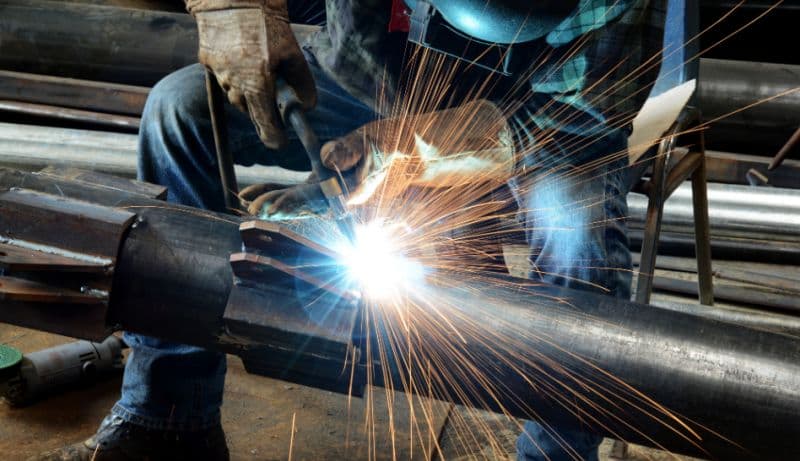
The critical components of the of the complete pellet production line equipment are built in our own workshops in Asia. Additional equipment is manufactured by our worldwide network of reliable partners.

● Testing
Quality Inspection & Testing
Before leaving the factory, all equipment will be inspected by the quality inspection department. We can also provide customers with testing services from a single machine to a complete pellet plant system, and provide you with real actual data for “worry-free use.”

● Delivery
Equipment Delivery
In equipment boxing and packaging, we adopt professional packaging and modular solutions to ensure the safe and non-destructive delivery of pellet plant equipment.
● Installation
Installation & Commissioning
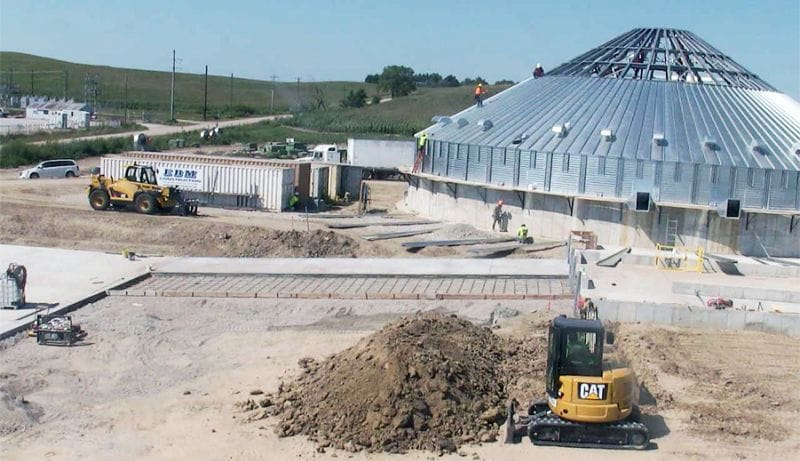
Whether you choose your own subcontractor for the erection phase or you want to install everything together with us, a Richi supervisor will be around to make sure everything is mounted in a safe and thorough way.

● Training
Staff Training
We provide comprehensive training for the technicians of each project. We can also continue to provide support for the technicians during latter project operation.
● After-sales
Project Follow-Up
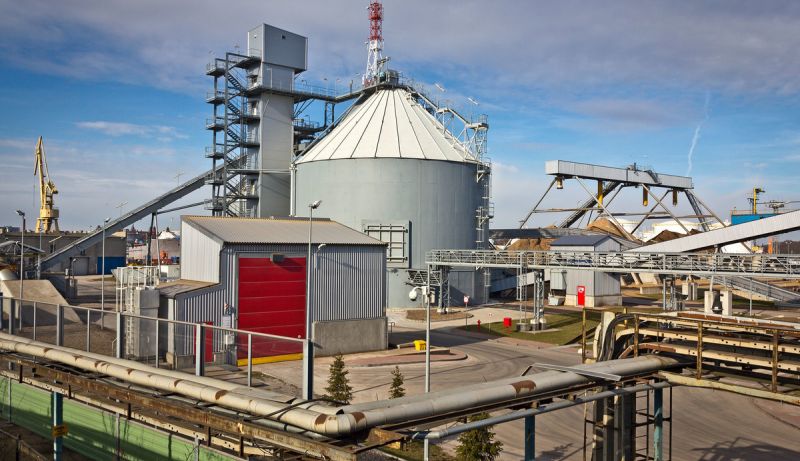
When everything is up and running our Richiers will help you further whenever needed. We are ready to answer your call 24/7.We’ll also visit you regularly to learn about your needs.
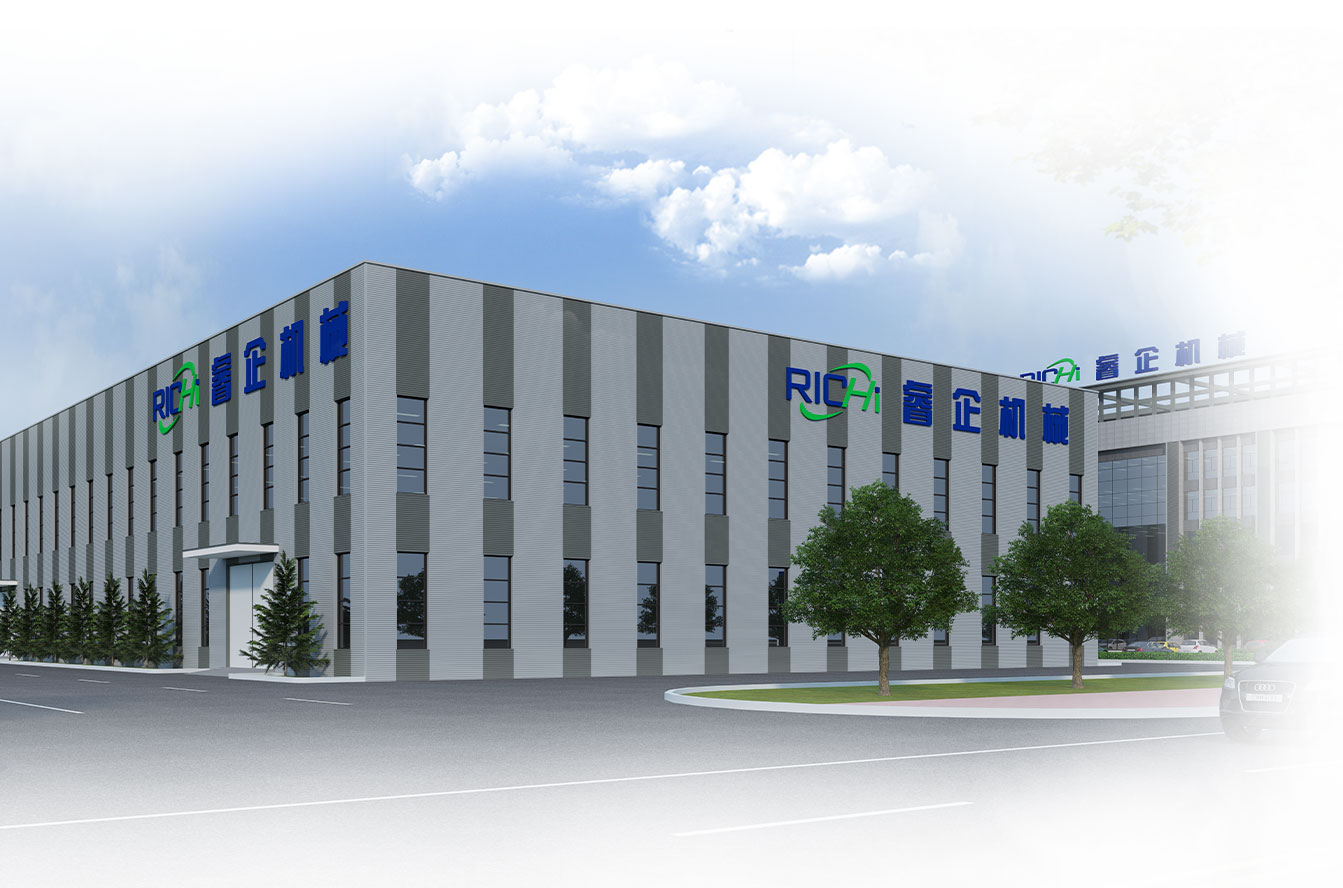
Who we are
RICHI Machinery is one of the world’s leading suppliers of technology and services for the animal feed, aqua feed and pet food industries, also the largest pellet production line manufacturer in China.
Since 1995, RICHI’s vision to build a first-class enterprise, to foster first-class employees, and to make first-class contributions to society has never wavered.
In the past three decades, we have expanded our business to a wide range of areas, including animal feed mill equipment, aqua feed equipment, pet feed equipment, biomass pellet equipment, fertilizer equipment, cat litter equipment, municipal solid waste pellets equipment, etc.

1995
RICHI Established

2000+
Serving More Than 2000 Customers

120+
RICHI Employees

140+
Exported To 140 Countries