 0086-138 3838 9622
Animal Feed Making Plant in Argentina

RICHI MACHINERY
overview
In mid-2018, RICHI Machinery completed the engineering design, equipment manufacturing, and technical commissioning support for an animal feed making plant in Argentina, located in a strategic agricultural zone with excellent access to raw material supply routes and livestock production areas. This project represents a strategic investment by a family-owned Argentine agribusiness company, designed to produce 3,000 tons annually of high-quality livestock and poultry feed for the growing domestic market.
The animal feed mill plant in Argentina was developed by a well-established local feed company that recognized the significant opportunities in the country’s expanding livestock sector. Argentina’s animal feed market is projected to grow at a CAGR of 4.30% between 2026 and 2035, driven by increasing demand for animal-based protein and the country’s robust livestock industry . The poultry sector, in particular, is witnessing significant expansion as domestic poultry meat consumption increases, driven by its competitive pricing compared to other meats .
Located on a 940 square meter site, this animal feed making plant in Argentina features two animal feed production lines capable of producing three distinct product types: concentrated feed, complete feed, and premixed feed. The facility processes approximately 3,000 tons of raw materials annually—including 1,300 tons of soybean meal, 830 tons of corn, and various other ingredients—to produce nutritionally optimized feeds for poultry, swine, and cattle operations throughout the region.
Buenos Aires, Cordoba, and Santa Fe are the major provinces of animal feed production in Argentina, and this facility’s location provides strategic access to both raw material sources and end-user markets . As one of the world’s leading agricultural producers, Argentina’s grain sector continues to strengthen its position as a global agricultural powerhouse .
The total investment for this animal feed making plant in Argentina reached USD 110,000, with equipment investment of approximately USD 60,000 (FOB Qingdao) and total project cost of USD 170,000 including building modifications, installation, and working capital. The project was completed on an efficient timeline, with commercial production commencing in June 2018.
1-1.5T/H
capacity
USD 60,000
investment
USD 110,000
location
100+
project type
RICHI MACHINERY
Project Background and Investment Rationale
The Investor Profile
The client behind this animal feed making plant in Argentina represents a family-owned business with deep roots in Argentina’s agricultural trading sector. Founded in the early 2000s as a small feed distributor serving local livestock farmers, the company gradually built relationships with both suppliers and customers while accumulating operational expertise. By 2015, they had established a reputation for reliable service and quality products, but recognized that further growth would require in-house manufacturing capabilities.
The decision to invest in this animal feed processing plant in Argentina reflected the classic entrepreneurial challenge: capturing value through vertical integration. Rather than continuing to distribute feed produced by others, the family committed to establishing their own production facility, allowing them to control quality, optimize formulations, and capture margins throughout the value chain.
The Argentine Feed Market Opportunity
Argentina presents one of Latin America’s most significant opportunities for feed manufacturing. Several factors make this animal feed pellet plant in Argentina particularly well-timed:
Market Size and Growth: The Argentina animal feed market is projected to grow significantly, driven by the country’s robust livestock industry and increasing focus on optimized animal nutrition . The compound feed market alone is expected to reach USD 11.00 billion in 2025 and grow at a CAGR of 5.63% to reach USD 14.46 billion by 2030 .
Poultry Sector Expansion: The poultry feed sector is witnessing significant expansion as domestic poultry meat consumption increases, driven by its competitive pricing compared to other meats . In February 2023, Argentina’s poultry industry encountered challenges due to an avian flu outbreak, but the sector responded promptly by implementing rigorous biosecurity measures. By August 2023, farms successfully declared themselves avian flu-free, a status acknowledged by the World Organization for Animal Health (WOAH). Subsequently, poultry meat exports have experienced substantial increases, with USDA estimating poultry exports to rise by 18%, reaching 170 thousand metric tons in 2024 .
Government Support: Since August 2024, the Argentine government has reduced export taxes on poultry products and beef, setting the rate for poultry at 6.75%, down from 9%. This measure is part of a broader initiative to deregulate the local economy by lowering tariffs on agricultural inputs and opening international markets, thereby stimulating poultry production .
Raw Material Advantage: Argentina’s status as a global agricultural powerhouse provides significant advantages for feed manufacturers. The country is a major producer of soybeans, corn, and wheat, ensuring abundant raw material availability at competitive prices . The soybean production in Argentina is expected to reach significant volumes, providing ample opportunities for soybean-based feed .
Why This Investment?
The decision to construct this animal feed making plant in Argentina reflected several strategic considerations:
Vertical Integration: By producing feed in-house, the company captures margins throughout the production chain while ensuring consistent quality for their growing customer base.
Quality Control: Direct control over ingredient selection, processing parameters, and quality testing ensures consistent nutrition aligned with customer requirements.
Product Diversification: The facility’s ability to produce three distinct feed types—concentrated, complete, and premixed—allows the company to serve diverse market segments.
Local Market Focus: Buenos Aires province represents a major center of livestock production, with excellent proximity to end-users .
Facility Scale and Throughput
This animal feed making plant in Argentina operates at a scale appropriate for serving regional livestock operations. The 3,000-ton annual capacity represents approximately 0.03% of Argentina’s total compound feed market, positioning it as a specialized regional supplier.
Key Operational Parameters
| Parameter | Value |
|---|---|
| Operating Days per Year | 300 |
| Production Shifts | 1 Shift (8 hours) |
| Processing Rate (Design) | 1.25 Tons/Hour |
| Raw Material Consumption | ~3,000 Tons/Year |
| Finished Product Output | 3,000 Tons/Year |
| Soybean Meal Consumption | 1,300 t/a (43.3% of raw materials) |
| Corn Consumption | 830 t/a (27.7% of raw materials) |
| Corn Gluten Meal | 270 t/a (9.0% of raw materials) |
| Limestone Powder | 130 t/a (4.3% of raw materials) |
| Zeolite Powder | 150 t/a (5.0% of raw materials) |
| Dicalcium Phosphate | 75 t/a (2.5% of raw materials) |
| Sodium Chloride | 75 t/a (2.5% of raw materials) |
| Fish Meal | 50 t/a (1.7% of raw materials) |
| Additives & Premixes | Various |
| Natural Gas Consumption | 9,600 m³/Year |
| Power Consumption | 80,000 kWh/Year |
| Water Consumption | 96 m³/Year |
| Staffing | 10 Total |
RICHI MACHINERY
Site Selection
Site Location and Context
This animal feed making plant in Argentina occupies a strategically located 6,940.35 m² site in Buenos Aires province, one of Argentina’s key agricultural regions. Buenos Aires, along with Cordoba and Santa Fe, represents a major center of animal feed production in the country .
The location offers several strategic advantages:
- Raw Material Access: Proximity to major grain-producing regions ensures reliable supply of corn and soybeans. Argentina’s grain sector has experienced remarkable growth, with soybean meal generating significant export revenue .
- Customer Proximity: Located within reasonable distance of major livestock operations, minimizing finished product transportation costs.
- Utility Availability: Access to grid electricity and natural gas infrastructure with adequate capacity.
- Transportation Infrastructure: Excellent road connections to major highways serving the region.
RICHI MACHINERY
Raw Materials and Formulation Strategy
Ingredient Sourcing in the Argentine Context
For this animal feed making plant in Argentina, raw material sourcing reflects Argentina’s status as an agricultural superpower. Argentina is one of the world’s largest producers of soybeans and corn, with the country’s soybean production expected to reach 49.7 million tonnes, providing ample opportunities for soybean-based feed . The country is also the world’s biggest exporter of soybean products, with 2023/24 meal exports estimated at 27 million tons .
Raw Material Consumption by Ingredient
| Ingredient | Annual Consumption (tons) | Packaging | Source |
|---|---|---|---|
| Soybean Meal | 1,300 | Bulk/Bags | Local Crushers |
| Corn | 830 | Bulk | Local Farms |
| Corn Gluten Meal | 270 | Bags | Local Processors |
| Limestone Powder | 130 | Bags | Local Mines |
| Zeolite Powder | 150 | Bags | Local Suppliers |
| Dicalcium Phosphate | 75 | Bags | Imported/Domestic |
| Sodium Chloride | 75 | Bags | Local |
| Fish Meal | 50 | Bags | Imported |
| Premixes (Various) | 50 | Bags | Specialty Suppliers |
| Choline Chloride | 30 | Bags | Imported |
| Lysine | 20 | Bags | Imported |
| Methionine | 10 | Bags | Imported |
| Feed Oil | 10 | Liquid | Local Processors |
| Total | 3,000 |
Soybean Meal as Primary Protein Source
Soybean meal represents the largest single ingredient by volume, reflecting Argentina’s status as a global leader in soybean production. The country’s soybean meal is prized for its consistent quality and high protein content, making it ideal for livestock and poultry formulations .
Corn as Primary Energy Source
Corn serves as the primary energy source, sourced from local farms in Buenos Aires province. Argentina is a major corn producer and exporter, with 2023/24 corn production estimated at significant levels .
Additive and Premix Strategy
The facility incorporates a comprehensive range of additives to optimize animal performance:
- Amino Acids: Lysine, methionine for protein optimization
- Minerals: Dicalcium phosphate, limestone, salt
- Other Additives: Choline chloride, various premixes
Natural Gas and Energy Consumption
The facility’s 0.5 t/h natural gas boiler consumes approximately 9,600 m³ annually, supplied via two 60 kg gas cylinder groups. Natural gas is widely available in Argentina’s industrial zones, supporting efficient feed production.
RICHI MACHINERY
Processing Equipment and Technology
Complete Equipment Inventory
The animal feed making plant in Argentina incorporates 94 pieces of major equipment, representing a complete processing solution from raw material intake to finished product packaging.
Major Equipment Summary
| Equipment Type | Model | Quantity | Function |
|---|---|---|---|
| Pulse Baghouse Filter | — | 4 | Dust collection (99.9% efficiency) |
| Screw Conveyor | LSS22Y | 1 | Horizontal material transport |
| Receiving Hopper | — | 1 | Raw material intake |
| Permanent Magnetic Chute | — | 1 | Ferrous metal removal |
| Hammer Mill Feed Grinder | SFSP60*50 | 1 | Particle size reduction |
| Baghouse Filter | — | 2 | Dust collection |
| Bucket Elevator #1 | DTG36/18 | 1 | Vertical transport |
| Distributor | FP20*2 | 1 | Material distribution |
| Rotary Distributor #1 | XFP22*8 | 1 | Material distribution |
| Rotary Distributor #2 | XFP22*4 | 1 | Material distribution |
| Distributor Pipes | — | 12 | Material flow |
| Batching Bins | 4.5 m³ each | 10 | Ingredient storage |
| Bin Level Indicators | — | 20 | Level monitoring |
| Batching Feeders | — | 10 | Metered discharge |
| Electronic Scale Hopper | 500 kg/batch | 1 | Accurate weighing |
| Discharge Gate | — | 1 | Flow control |
| Additive Hopper | — | 1 | Micro-ingredient addition |
| Double-Shaft Paddle Mixer | SSJH1 | 1 | Homogeneous blending |
| Surge Bin | — | 1 | Post-mix surge |
| Screw Conveyor | LSS20 | 1 | Horizontal transfer |
| Bucket Elevator #2 | DTG36/18 | 1 | Vertical transport |
| Distributor | FP20*2 | 1 | Material distribution |
| Permanent Magnet | TCXT20 | 1 | Final metal removal |
| Pellet Mill Feed Bin | — | 1 | Surge capacity |
| Surge Hopper | — | 1 | Pellet mill feed |
| Small Animal Feed Pellet Machine | SZLH250 | 1 | Pellet production |
| Pneumatic Conveying System | — | 1 set | Material transport |
| Counterflow Cooler | SKLN4 | 1 | Pellet cooling |
| Cooling Fan | 4-72-12№5A | 1 | Air movement |
| Cyclone | — | 1 | Dust recovery |
| Rotary Airlock | GFY4.6 | 1 | Material discharge |
| Roller Crumblizer | SSLG15*150 | 1 | Pellet size reduction |
| Bucket Elevator #3 | DTG36/18 | 1 | Vertical transport |
| Grading Screen | SFJH110*2C | 1 | Particle size classification |
| Finished Product Bins | — | 2 | Product storage |
| Manual Bagging Station | — | 1 | Packaging |
| Automatic Packaging Scale | — | 1 | Weight-controlled filling |
| Control Panel | — | 1 | System automation |
| Natural Gas Boiler | WNS0.5-0.7-Q | 1 | Steam generation |
| Gas Cylinder Groups | 60 kg | 2 | Fuel storage |
| Total | 94 |
Premix Feed Production Process
The animal feed making plant in Argentina produces premixed feed through a dedicated process:
Process Flow:
- Batching: Major ingredients (soybean meal, corn, corn gluten meal) are proportioned according to formulation
- Manual Feeding: Ingredients are manually fed into the system
- Mixing: Small ingredients (fish meal, limestone, zeolite) are added for mixing in enclosed equipment
- Dust Collection: Mixing generates particulate emissions captured by hoods and pulse baghouse filters
- Packaging: Mixed product enters finished product bins for bagging
- Quality Control: Manual inspection and laboratory testing
Concentrated and Complete Feed Production Process
Process Flow:
- Grinding: Corn and other granular materials are ground in the hammer mill
- Batching: Ground materials, liquid ingredients (feed oil, liquid methionine), and powders are proportioned according to formulation
- Mixing: All ingredients are mixed in enclosed equipment (dust collected by hoods and baghouse filters)
- For Mash Feed: Mixed material proceeds directly to finished product bins and packaging
- For Pelleted Feed: Mixed material proceeds to pellet mill
- Steam Conditioning: Steam from natural gas boiler conditions material (boiler exhaust through 8m stack)
- Pelleting: Material is formed into pellets
- Cooling: Natural cooling reduces temperature and moisture
- Screening: Fines are returned to pellet mill; finished pellets proceed to packaging
- Packaging: Final product bagged and labeled
Dust Collection System
The animal feed making plant in Argentina incorporates comprehensive dust collection with multiple control points:
| Emission Source | Control Equipment | Discharge |
|---|---|---|
| Mixing | Hood + Pulse Baghouse | 15m Stack |
| Packaging | Hood + Baghouse | 15m Stack |
| Natural Gas Boiler | — | 8m Stack |
All collected dust is returned to the production process, recovering valuable feed material while achieving zero particulate waste.
RICHI MACHINERY
Quality Control and Laboratory
The animal feed making plant in Argentina maintains a fully equipped laboratory for comprehensive quality testing:
Laboratory Equipment and Capabilities:
- Moisture analyzers for rapid testing
- Protein analysis equipment
- Sample retention room (100 m²) for traceability
Quality Control Program:
Incoming Inspection:
- Visual inspection of all raw materials
- Moisture testing for grains
- Certificate of Analysis review for additives
In-Process Testing:
- Particle size analysis (grinding)
- Mixing uniformity checks
- Moisture monitoring throughout
Finished Product Analysis:
- Nutrient content verification
- Moisture content
- Physical quality
RICHI MACHINERY
Environmental Management
Argentine Regulatory Framework
This animal feed making plant in Argentina operates under Argentina’s environmental regulatory system, including provincial and national requirements for industrial operations.
Wastewater Management
Water Consumption:
| Use | Daily Consumption (m³) | Annual (m³) | Source |
|---|---|---|---|
| Domestic (15 staff) | 0.32 | 96 | Well |
| Production | 0 | 0 | No process water |
| Total | 0.32 | 96 |
Wastewater Treatment:
- Sanitary wastewater: 0.256 m³/day (76.8 m³/year)
- Discharged to septic system
- Regular maintenance by municipal services
Solid Waste Management
| Waste Type | Source | Management Method |
|---|---|---|
| Dust Collector Fines | Baghouse filters | Returned to production |
| General Waste | Offices, staff | Municipal collection |
Noise Control
All animal feed plant machinery is installed within production buildings with vibration isolation mounts. The facility operates only during daytime hours (single shift), minimizing nighttime noise impacts.
RICHI MACHINERY
Implementation and Commissioning
Project Timeline
| Phase | Duration | Key Activities |
|---|---|---|
| Initial Inquiry | Q4 2017 | Technical discussions, capacity confirmation |
| Contract Signing | Q1 2018 | Equipment selection, terms |
| Engineering Design | Q1 2018 | Layout optimization |
| Equipment Manufacturing | Q1-Q2 2018 | Fabrication at RICHI Qingdao |
| Shipping | Q2 2018 | Ocean freight to Buenos Aires |
| Site Preparation | Q2 2018 | Building modifications |
| Equipment Installation | Q2 2018 | Mechanical installation |
| Commissioning | Q2 2018 | Testing, tuning, operator training |
| Commercial Production | June 2018 | Ramp-up to full capacity |
Logistics and Shipping
All major equipment for this animal feed making plant in Argentina was manufactured at RICHI’s Qingdao facility and shipped via containerized freight:
- Port of Loading: Qingdao Port, China
- Destination Port: Buenos Aires Port, Argentina
- Shipping Duration: Approximately 35-40 days
- Customs Clearance: Buenos Aires (5-7 days typical)
- Inland Transport: Buenos Aires to site (1-2 days by truck)
Buenos Aires is Argentina’s primary port and a major gateway for agricultural and industrial imports, with excellent connections to the country’s interior.
Installation and Commissioning Support
RICHI provided comprehensive technical support throughout the project:
- Remote Engineering Support: Detailed installation drawings
- On-Site Supervision: 2 weeks during mechanical installation
- Commissioning Assistance: 1 week during system startup
- Operator Training: Comprehensive program for production staff
- Documentation: Complete Spanish-language manuals
RICHI MACHINERY
Investment Analysis and Financial Projections
Capital Investment Breakdown
| Category | Amount (USD) | Percentage |
|---|---|---|
| Processing Equipment (FOB Qingdao) | 160,000 | 61.5% |
| Ocean Freight & Insurance | 18,000 | 6.9% |
| Import Duties & Taxes | 24,000 | 9.2% |
| Building Modifications | 35,000 | 13.5% |
| Installation & Mechanical | 15,000 | 5.8% |
| Electrical & Controls | 8,000 | 3.1% |
| Total Project Investment | 260,000 | 100% |
Operating Cost Analysis (Annual)
| Cost Category | Amount (USD) | Per Ton (USD) |
|---|---|---|
| Raw Materials | 630,000 | 210.00 |
| Utilities (Electricity, Gas, Water) | 12,000 | 4.00 |
| Labor (15 staff, Argentine rates) | 75,000 | 25.00 |
| Maintenance & Spare Parts | 6,000 | 2.00 |
| Administration & Overhead | 15,000 | 5.00 |
| Depreciation (7-year) | 37,100 | 12.37 |
| Total Operating Cost | 775,100 | 258.37 |
Revenue Projection
| Product | Volume (Tons) | Price/Ton (USD) | Total (USD) |
|---|---|---|---|
| Concentrated Feed | 1,000 | 350 | 350,000 |
| Complete Feed | 1,000 | 320 | 320,000 |
| Premixed Feed | 1,000 | 380 | 380,000 |
| Total Revenue | 3,000 | 1,050,000 |
Financial Returns
| Metric | Value |
|---|---|
| Gross Profit | 274,900 USD |
| Gross Margin | 26.2% |
| EBITDA | 274,900 USD |
| Net Profit (Before Tax) | 237,800 USD |
| Payback Period | 3.2 Years |
| IRR (7-Year) | 24.5% |
| NPV (7-Year, 12% Discount) | 115,000 USD |
RICHI MACHINERY
Investment Outlook for Feed Manufacturing in Argentina
Market Fundamentals
Argentina presents one of Latin America’s most significant opportunities for feed manufacturing. With the animal feed market projected to grow at a CAGR of 4.30% between 2026 and 2035, the market offers substantial, expanding demand .
Argentina Feed Market Indicators
| Indicator | Value | Trend |
|---|---|---|
| Animal Feed Market Growth | 4.30% CAGR (2026-2035) | Positive |
| Compound Feed Market (2025) | USD 11.00 Billion | Growing |
| Projected Compound Feed Market (2030) | USD 14.46 Billion | +5.63% CAGR |
| Poultry Export Growth (2024) | +18% | Strong |
| Soybean Production (2023-24) | 49.7 Million Tonnes | Abundant |
Poultry Sector Driving Demand
The poultry sector is witnessing significant expansion, driven by several factors:
Consumer Preference: Domestic poultry meat consumption is increasing, driven by its competitive pricing compared to other meats . Consumers are increasingly turning to poultry as a more affordable protein option in response to economic pressures .
Export Growth: USDA estimates that poultry exports will rise by 18%, reaching 170 thousand metric tons in 2024, driving growth in the poultry feed market .
Government Support: Export tax reductions on poultry products (6.75% vs. previous 9%) stimulate production and market growth .
Raw Material Advantage
Argentina’s status as a global agricultural powerhouse provides significant advantages for feed manufacturers:
Soybeans: Argentina is a leading global soybean producer, with ample supplies for meal production. The country is usually the world’s biggest exporter of soybean products .
Corn: As a major corn producer and exporter, Argentina ensures consistent supply of this essential energy ingredient.
Price Competitiveness: Domestic availability of key ingredients reduces transportation costs and exposure to international price volatility.
Regional Processing Opportunities
Argentina’s vast geography offers diverse opportunities for feed manufacturing:
- Buenos Aires Province: Major agricultural region with excellent infrastructure
- Cordoba Province: Significant grain production and livestock operations
- Santa Fe Province: Home to major processing facilities and port infrastructure
Government Support and Policies
The Argentine government has implemented various measures to support the agricultural sector:
- Export tax reductions on poultry and beef products
- Programs to certify carbon-neutral livestock, enabling premium pricing
- Support for producers facing high feed prices during drought conditions
In March 2023, the Ministry of Agriculture, Livestock and Fisheries implemented Resolution 321/2023, establishing the Argentine Productive Strengthening Programme for the Cattle Sector (Corral Programme), allocating ARS 15 billion (USD 73 million) to support beef producers facing high animal feed prices due to drought conditions .
Challenges and Considerations
Despite favorable fundamentals, feed manufacturers in Argentina face certain challenges:
Economic Volatility: Economic instability and fluctuating currency values can impact operating costs and planning .
Raw Material Price Fluctuations: Volatility in soybean and corn prices often impacts profit margins for local manufacturers .
Regulatory Compliance: Feed manufacturers must navigate regulations related to product registration, animal welfare standards, and labeling requirements .
Future Outlook
The Argentine livestock sector will continue to modernize and expand, with feed manufacturing playing an increasingly strategic role in competitive production:
Precision Nutrition: Feed manufacturers developing enzyme-optimized and amino acid-balanced compositions aimed at improving feed conversion ratios .
Sustainability Focus: March 2024 saw the Argentine government initiate a program to certify certain livestock as carbon neutral. With this official certification, farmers can sell livestock at premium prices, driving demand for specialized feeds that enable emission-reducing practices .
Technology Adoption: The feed processing market is experiencing a shift towards automation and digitalization to improve efficiency and reduce costs .
RICHI MACHINERY
start your animal feed making plant in Argentina
This animal feed making plant in Argentina represents a model for efficient, accessible feed manufacturing in one of Latin America’s most important agricultural markets. By leveraging Argentina’s abundant raw materials, employing appropriate technology for regional scale, and focusing on diverse product offerings, the facility achieves compelling economics while serving the growing needs of Argentine livestock producers.
Key success factors include:
- Appropriate Scale: 3,000-ton annual capacity matches regional demand
- Product Diversification: Three distinct product lines serve multiple market segments
- Raw Material Advantage: Access to Argentina’s abundant soybean and corn supplies
- Technology Selection: Proven equipment from RICHI ensures reliable operation
- Quality Focus: Comprehensive quality control ensures consistent specifications
- Environmental Responsibility: Dust collection and proper waste management
For livestock producers, feed distributors, and agricultural investors seeking to participate in Argentina’s growing protein market, feed manufacturing offers an accessible entry point with attractive returns and manageable operational complexity.
The Argentine animal feed market will continue its steady growth, supported by expanding poultry production, rising consumer demand, and government policies supporting agricultural development. Facilities like this animal feed making plant in Argentina—efficient, well-located, and professionally managed—will be well-positioned to capture value throughout the production chain.
RICHI Machinery brings decades of feed manufacturing technology experience to the Argentine market. Our equipment is specifically engineered for the demands of livestock and poultry feed production, with:
- Heavy-duty construction suitable for continuous operation
- Energy-efficient designs reducing operating costs
- Precise control systems ensuring consistent product quality
- Comprehensive after-sales support
- Process expertise developed through hundreds of installations worldwide
For investors considering feed manufacturing in Argentina, RICHI offers:
- Complete feasibility analysis and project planning
- Customized equipment solutions matched to specific requirements
- Installation supervision and commissioning support
- Operator training and ongoing technical assistance
- Process optimization services for maximum profitability
For more information about RICHI feed manufacturing systems or to discuss your specific project requirements in Argentina or other Latin American markets, contact our international sales team. We welcome inquiries from feed manufacturers, livestock integrators, and agricultural investors seeking to evaluate the potential of feed manufacturing in their markets.
● RICHI MACHINERY
RICHI Service

● Consulting
Customer Consultation
We want to have a deep understanding of your industrial process, to know your exact needs of feed, wood, biomass, fertilizer or other pellet processing.

● Design
Feed Pellet Plant Design
Based on your unique situation and industrial process, we will tailor complete pellet plant you need, and inform you of every additional detail that could facilitate operation, minimize total cost.
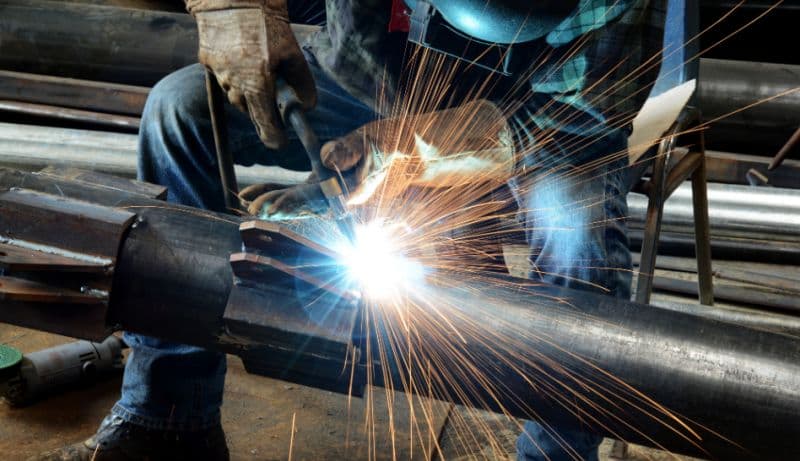
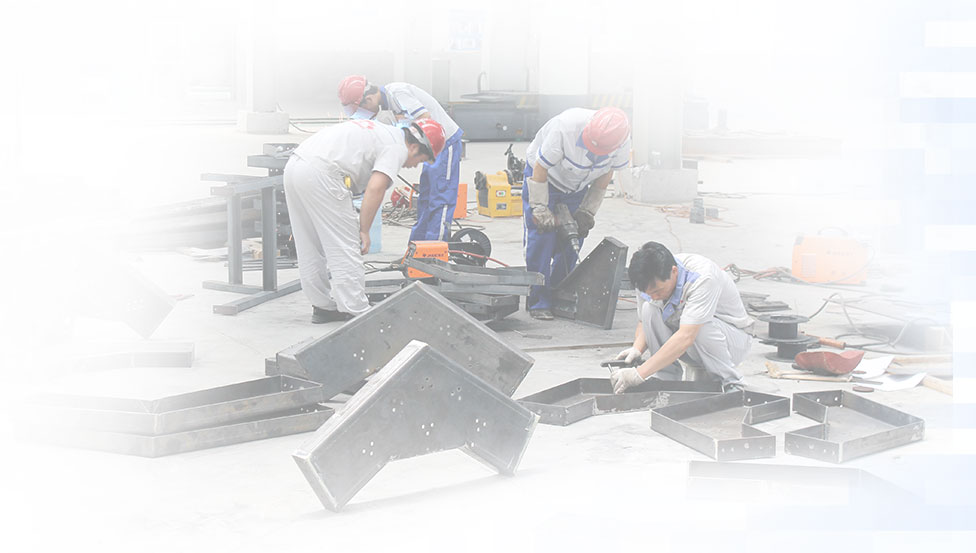
● Manufacturing
Equipment Manufacturing
The critical components of the of the complete pellet production line equipment are built in our own workshops in Asia. Additional equipment is manufactured by our worldwide network of reliable partners.

● Testing
Quality Inspection & Testing
Before leaving the factory, all equipment will be inspected by the quality inspection department. We can also provide customers with testing services from a single machine to a complete pellet plant system, and provide you with real actual data for “worry-free use.”

● Delivery
Equipment Delivery
In equipment boxing and packaging, we adopt professional packaging and modular solutions to ensure the safe and non-destructive delivery of pellet plant equipment.
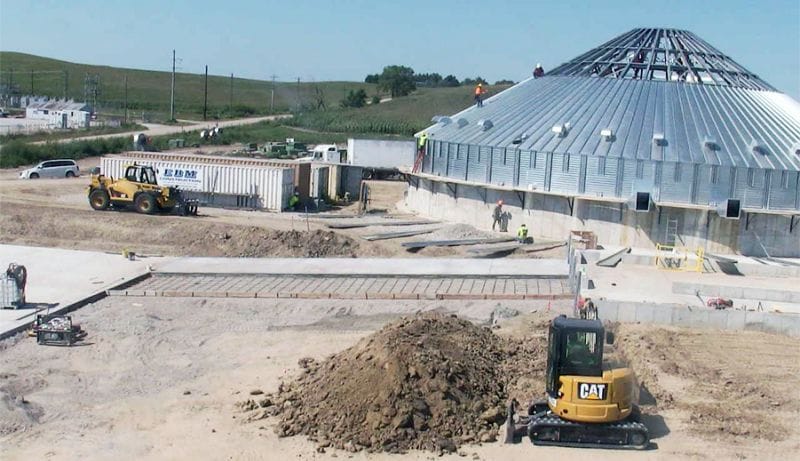
● Installation
Installation & Commissioning
Whether you choose your own subcontractor for the erection phase or you want to install everything together with us, a Richi supervisor will be around to make sure everything is mounted in a safe and thorough way.

● Training
Staff Training
We provide comprehensive training for the technicians of each project. We can also continue to provide support for the technicians during latter project operation.
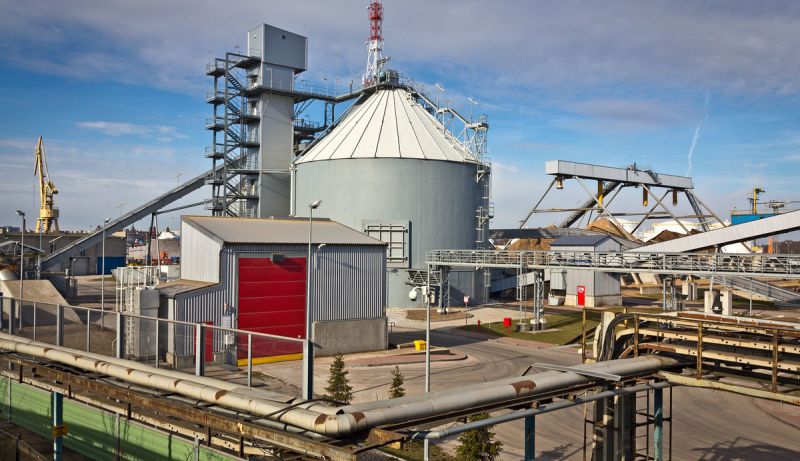
● After-sales
Project Follow-Up
When everything is up and running our Richiers will help you further whenever needed. We are ready to answer your call 24/7.We’ll also visit you regularly to learn about your needs.
Who we are
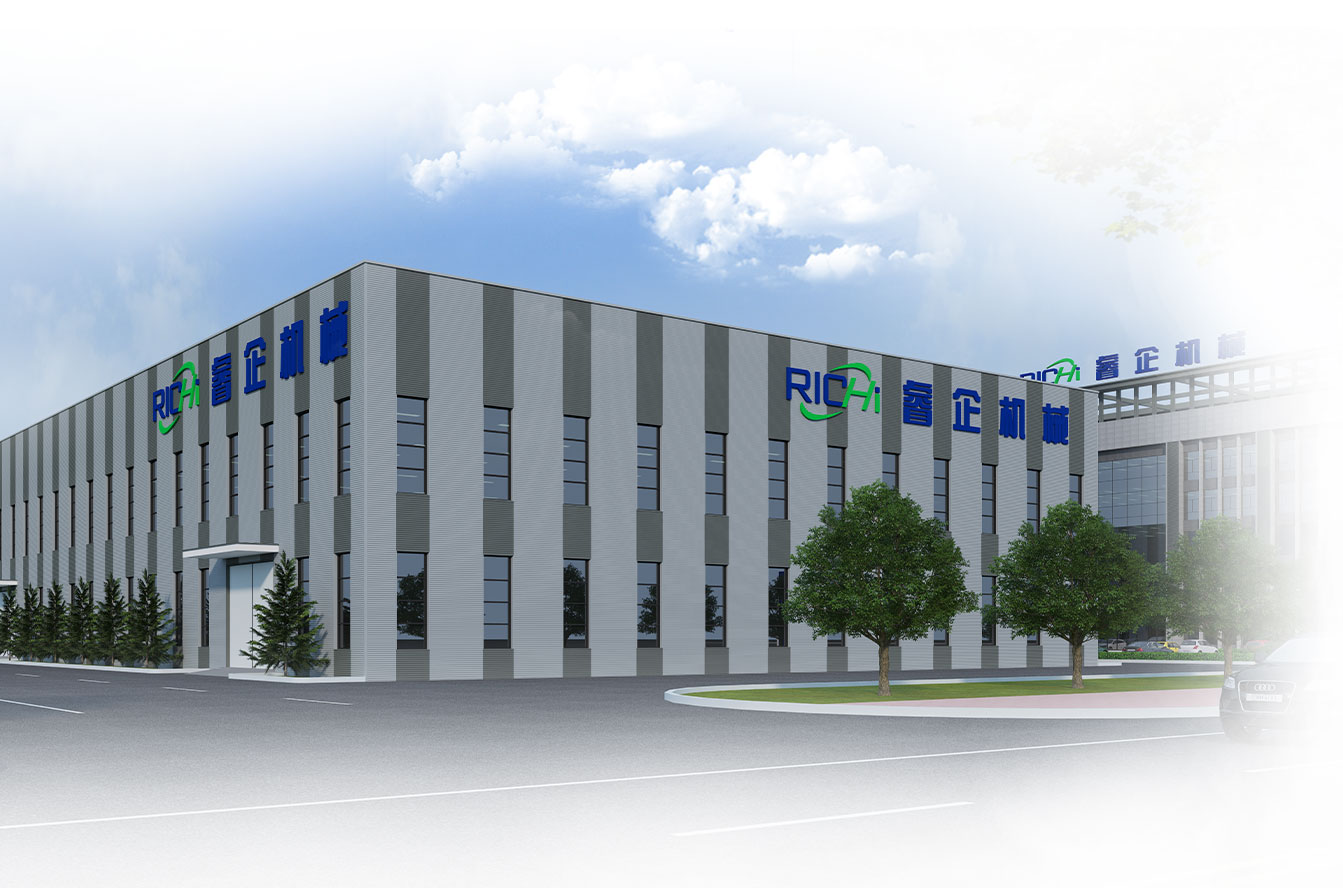
RICHI Machinery is one of the world’s leading suppliers of technology and services for the animal feed, aqua feed and pet food industries, also the largest pellet production line manufacturer in China.
Since 1995, RICHI’s vision to build a first-class enterprise, to foster first-class employees, and to make first-class contributions to society has never wavered.
In the past three decades, we have expanded our business to a wide range of areas, including animal feed mill equipment, aqua feed equipment, pet feed equipment, biomass pellet equipment, fertilizer equipment, cat litter equipment, municipal solid waste pellets equipment, etc.

1995
RICHI Established

2000+
Serving More Than 2000 Customers

120+
RICHI Employees

140+
Exported To 140 Countries