0086-138 3838 9622
RDF Pellet Machine Line in Poland
RDF Pellet Machine Line in Poland prepares accepted industrial residues for specified kiln-fuel orders. Review a 6 t/h route with controlled blending, dedicated densification and cooled product ready for an agreed industrial off-take programme.

RICHI MACHINERY
overview
RDF Pellet Machine Line in Poland gives an industrial waste recycler a defined route from accepted dry residues to a specified kiln fuel. The 6 t/h production duty is built around segregation, controlled size reduction and one dedicated RDF pelleting module, followed by active cooling and screened bulk dispatch.
RICHI supplies the processing package for installation in the customer’s existing premises. The annual production plan is 27,000 tonnes, with fuel quality tied to the receiving industrial user’s specification and the waste streams authorised for handling at the site.
6 t/h
capacity
USD 475,000
investment
Poland
location
RDF
project type
RICHI MACHINERY
The Kiln Contract Sets the Boundaries
The Polish customer is a regional recycler working with manufacturing residues in southern Poland. Textile cutting waste, non-recyclable paper fractions and selected packaging residues arrive from different suppliers. The business needs to turn those variable deliveries into controlled production lots that a cement customer can assess and reorder.
For this RDF Pellet Machine Line in Poland, the intended outlet is a cement kiln authorised to receive the specified waste-derived fuel. Pellet dimensions and density are only part of the sales agreement. Moisture, net calorific value, chlorine, ash and relevant metals determine whether a particular lot fits the buyer’s process.
Poland’s cement industry provides an established industrial context for alternative fuels. The customer’s commercial task remains specific: secure an acceptable waste supply, produce the contracted fuel and meet collection appointments. The line is therefore sized against a regional delivery programme rather than an assumed unlimited market.
RICHI MACHINERY
Use the Existing Hall as a Working System
The RDF Pellet Machine Line in Poland uses 2,875 m² of existing covered space. Its arrangement separates incoming material, machinery and released pellets. Internal routes keep loaders away from the operator access needed for screens, cutters and the press.
| Covered area | Allocation | Main function |
|---|---|---|
| Raw-material hall | 1,725 m² | Segregated and identified incoming lots |
| Production hall | 950 m² | Preparation, pelleting and finishing |
| Finished-fuel bay | 200 m² | Short holding period before collection |
| Total covered allocation | 2,875 m² | Existing-premises project basis |
The project uses the industrial property’s established external access rather than including a separate land purchase. The raw-material layout allows approximately 250 tonnes of working stock, subject to bulk density and the approved fire compartments. Finished fuel is planned around daily collection, with a working stock ceiling of about 70 tonnes.
These limits keep the RDF pellet production line in Poland focused on flow through the property. They also give purchasing and dispatch clear stock limits before another delivery is accepted.
RICHI MACHINERY
Specify the Fuel Before Naming Its Grade
The RDF Pellet Machine Line in Poland has a 12 mm pellet design, with a working length target of 10–30 mm. The receiving kiln’s fuel handling equipment determines whether that geometry is suitable. A sample and handling trial connect the factory specification with the buyer’s conveyor, storage and dosing arrangement.
The development target is a net calorific value of at least 17 MJ/kg as received, with finished moisture around 9%. Bulk density is checked on production samples. The purchase agreement sets the acceptable ranges for ash, chlorine, mercury and other relevant substances, together with the sampling and test methods.
An agreed fuel specification is more useful than a broad promise of European compliance. The customer can use it to release a batch, hold a questionable lot or discuss a proposed recipe change with the kiln operator. Commercial classification follows the required testing and documentation.
RICHI MACHINERY
Four Controlled Fractions in the Supply Plan
The annual gross intake basis for the RDF Pellet Machine Line in Poland is 28,000 tonnes. The selected streams are dry, segregated non-hazardous residues from known suppliers. Usable material is separated from recycling fractions and unsuitable contamination before it enters the production blend.
| Accepted supply category | Gross annual planning quantity | Key receiving check |
|---|---|---|
| Textile cutting residues | 12,600 tonnes | Composition, coatings and foreign objects |
| Non-recyclable paper and cardboard fractions | 9,800 tonnes | Moisture, grit and incompatible contamination |
| Selected polyolefin-rich residues | 2,800 tonnes | Polymer identification and halogen control |
| Clean wood residues | 2,800 tonnes | Treatment history and metal contamination |
| Total | 28,000 tonnes | Average moisture basis of 10% |
Wet sludge is outside this defined dry-feed recipe. The plant can maintain its operating basis without making sludge addition part of pellet binding. Supplier lots are approved for their actual composition, and a significant material change goes through a controlled blend test before routine use.
For waste fuel pellet production in Poland, that supply discipline supports a more consistent industrial product and a clearer record of the material used in each delivery.
RICHI MACHINERY
Electricity Follows Prepared Tonnes
The RDF Pellet Machine Line in Poland has a connected-load allowance of approximately 720 kW. Machinery distribution is designed around a 400 V, 50 Hz, three-phase supply. The final electrical design accounts for shredder starting, press load, extraction and the available industrial service.
Annual electricity planning is 2,430,000 kWh, or about 90 kWh per tonne of finished fuel. Across 4,500 net production hours, the average load is approximately 540 kW. The customer can compare that allowance with measured production data for its agreed material recipe.
About 300 m³ of annual water use is allowed for staff facilities and controlled cleaning. The specified process has no wet washing or wet-sludge drying stage. Wet deliveries remain outside its acceptance condition, keeping the preparation duty consistent with the selected equipment.
RICHI MACHINERY
A Dedicated RDF Press with Matched Preparation
The central machine package is one dedicated RDF pelleting module specified for a 6 t/h finished-fuel duty, with a 315 kW main drive basis. Its die, feeding arrangement and wear components are selected for the agreed waste blend. The throughput specification follows the RDF material test and its measured saleable yield.
| Duty | Equipment arrangement | Selection basis |
|---|---|---|
| Coarse preparation | One primary shredder | Open and reduce accepted loose residues |
| Metal removal | Magnetic separation at controlled points | Protect downstream cutting and pressing |
| Fine preparation | One secondary size-reduction unit | Consistent feed with long fibres controlled |
| Buffering | Agitated bin with metering discharge | Stable bulk density and press feed |
| Densification | One RDF module, 315 kW main-drive basis | 6 t/h on the specified blend |
| Finishing | One active cooler and product screen | Cooled, classified fuel for dispatch |
The RDF Pellet Machine Line in Poland uses preparation rated above the normal finished-fuel rate. The specified front-end handling duty is at least 8 t/h on the accepted material. That margin allows controlled buffer replenishment while the press runs steadily.
Machine selection is tied to trials of the actual blend, including wear, power and saleable yield. RICHI uses those results to define the operating window and acceptance test for the supplied package.
RICHI MACHINERY
Close the Annual Production Plan
The RDF Pellet Machine Line in Poland is planned for two shifts, with 15 net production hours per day across 300 days. At 6 t/h, the finished-fuel programme is 90 tonnes per day and 27,000 tonnes per year. Shift time also accommodates inspections, changeovers and cleaning.
The intake basis of 28,000 tonnes at 10% moisture contains 25,200 tonnes of dry matter. A 700-tonne reject allowance at the same planning moisture removes 630 tonnes of dry matter. The remaining 24,570 tonnes are the solids in 27,000 tonnes of pellets at 9% moisture.
Accepted process feed is therefore approximately 27,300 tonnes per year. Its 300-tonne water reduction occurs during densification and active cooling. Screened internal returns are controlled and recorded, while final output is measured as released fuel ready for sale.
RICHI MACHINERY
Seven Decisions Along the Material Route
The process in the RDF Pellet Machine Line in Poland is arranged so that each stage has a clear job. Operators can identify where a lot is held, where its composition is adjusted and where it becomes a finished-fuel batch.
Inspect and assign the delivery
The receiving team checks the supplier reference, authorised material description, moisture and visible contamination. Loads enter a numbered bay. Material with an uncertain composition is held separately, keeping it out of the routine blend until its suitability has been resolved.
Open the loose material
The primary shredder reduces bulky scraps to a manageable size. Metered loading prevents sudden surges of tightly packed textiles. Operators watch for wrapping and oversized pieces, with access arranged for clearing the machine under the appropriate isolation procedure.
Remove metal and unsuitable pieces
Magnetic separation removes ferrous contamination from a controlled-depth material layer. Further inspection and sorting address items that a magnet cannot remove. The separated material is recorded against the receiving lot so the recycler can follow supplier quality over time.
Control the fine-feed condition
Secondary preparation produces the distribution required by the selected RDF die, with a working target predominantly below 8 mm and long fibres restricted. Sieve and visual checks are used together because flexible film and textile pieces do not behave like ground wood particles.
Blend through the buffer
Approved fractions are metered to the agreed recipe. The agitated buffer limits bridging and segregation before pressing. Its working volume is based on the low bulk density of prepared material, allowing a useful reserve without creating an unnecessarily large accumulation of fine fuel feed.
Press within the established window
Feeding rate, motor current and product condition are observed together. Die temperature and discharge temperature are monitored against limits developed for the blend. The operator adjusts the feed steadily and records any material change, avoiding an uncontrolled move between recipes during a delivery batch.
Cool and release the finished lot
Pellets pass through active cooling before screening and storage. Product temperature and fines are checked before loading. Approved clean returns enter through a controlled connection; contaminated spill material stays separate. The released lot carries its production reference and the agreed supporting quality information.
RICHI MACHINERY
Fire Compartments and Dust Collection Matter
For an RDF fuel plant in Poland, the storage and protection design is developed alongside machinery selection. Incoming paper, textiles and fine prepared fuel have different handling characteristics. Their stock limits, separation and inspection access are assessed for the actual building and authorised waste streams.
The RDF Pellet Machine Line in Poland has extraction at size reduction, transfer and finishing points. The collector arrangement includes suitable protection and isolation identified by the machinery assessment. Recovered material is assigned a controlled destination rather than being returned indiscriminately to whichever batch is running.
Fire detection, emergency access and shutdown procedures are coordinated with the site’s local design team. Used lubricants, maintenance waste, separated metals and rejected feed are managed by their proper categories. Production records keep those outputs distinct from saleable fuel and internal process returns.
RICHI MACHINERY
Two Shifts Need More Than Two Crews
The staffing basis is 22 people for the RDF Pellet Machine Line in Poland. Ten cover operating and relief duties, four support maintenance, three handle quality and acceptance work, three manage warehouse and dispatch tasks, and two coordinate administration and production planning.
Working posts cover receiving, preparation, the press and product handling. Shift handover includes the current material blend, held lots, machine condition and finished-stock position. The next team can see what is ready to run and what requires attention before production resumes.
Training includes normal operation and the practical response to wrapping, blocked transfer points, unusual temperature and off-specification fuel. The customer receives maintenance access and inspection schedules as part of the equipment handover, helping its team keep the production route usable between major servicing periods.
RICHI MACHINERY
A Budget with a Defined Boundary
The equipment budget for the RDF Pellet Machine Line in Poland is USD 310,000. The total installed project budget is USD 475,000. The basis is the specified dry industrial-residue route inside existing premises, with preparation, the single RDF pelleting module, finishing, extraction, conveying and controls.
The total allows for the defined delivery, installation, local electrical work and building adaptation. A new waste-sorting estate, land purchase and treatment of wet mixed municipal waste are outside this scope. The buyer can compare proposals using the same receiving condition and finished-fuel requirement.
RDF pellet plant cost in Poland is influenced by the accepted waste composition and the amount of front-end separation needed. The customer gains a useful budget when those requirements are established together, allowing machinery and site work to be assessed as one defined investment.
RICHI MACHINERY
Ship for the Installation Sequence
Transport planning uses the final packing dimensions and the customer’s location in Poland. Gdańsk is a possible sea-freight gateway, followed by inland transport to the industrial property. Package weights and lifting points are reviewed before unloading equipment is booked.
The customer receives a packing list linked to the erection drawings. Shredder assemblies, press components, controls and ducting parts are identified so local contractors can follow a sensible installation sequence. The layout also preserves the access needed for later die and cutter servicing.
RICHI MACHINERY
Build Repeat Orders with Release Data
The RDF Pellet Machine Line in Poland gives the recycler a product that can be ordered against an agreed industrial specification. A delivery record connects the fuel batch with its approved material blend, moisture test and laboratory sample. That helps both parties investigate an off-take issue using comparable information.
Commercial planning starts with the kiln’s expected collection volume and permitted fuel envelope. The plant can then schedule its working stock and production runs around that requirement. A second customer is qualified through its own acceptance process, including the suitability of pellet dimensions for its handling equipment.
The recycler can give each industrial buyer a clear lot-release sheet covering the contracted tests and collection reference. A retained sample and agreed sampling method help resolve a difference between factory and receiving results. The business can then discuss the specific shipment, identify any handling issue and decide what action is needed before the next delivery.
What RICHI Brings to Handover
RICHI coordinates the process package, machinery interfaces and installation documentation for the RDF pelletizing equipment in Poland. The scope includes material testing, the defined equipment configuration, service access and an acceptance programme based on the agreed recipe.
The customer sees how prepared feed reaches the press and how cooled fuel reaches dispatch. Operators receive instruction on the controls, inspections and maintenance points they will use in normal production. Local building, fire and waste approvals are coordinated by the customer’s qualified site team with the required machinery information.
Discuss Your Kiln Fuel Contract
Bring the receiving kiln’s fuel specification to RICHI before selecting the pressing package. With your material samples, authorised waste categories and daily collection volume, we can develop an RDF Pellet Machine Line in Poland for the intended contract. Our team will check preparation, stock movement and product finishing against the available building. You receive an equipment scope and a material-trial programme tied to that fuel requirement.
● RICHI MACHINERY
RICHI Service

● Consulting
Customer Consultation
We want to have a deep understanding of your industrial process, to know your exact needs of feed, wood, biomass, fertilizer or other pellet processing.
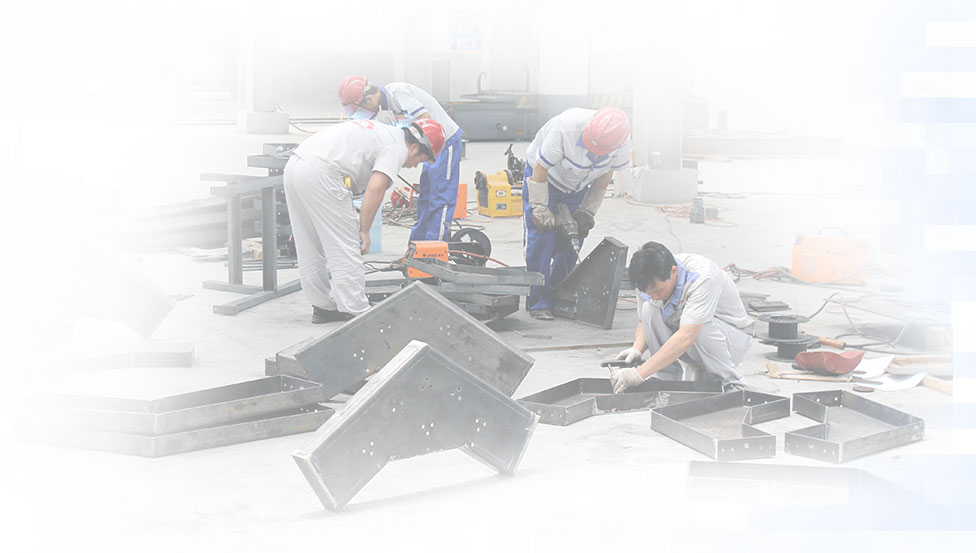
● Design
RDF Pellet Plant Design
Based on your unique situation and industrial process, we will tailor complete pellet plant you need, and inform you of every additional detail that could facilitate operation, minimize total cost.
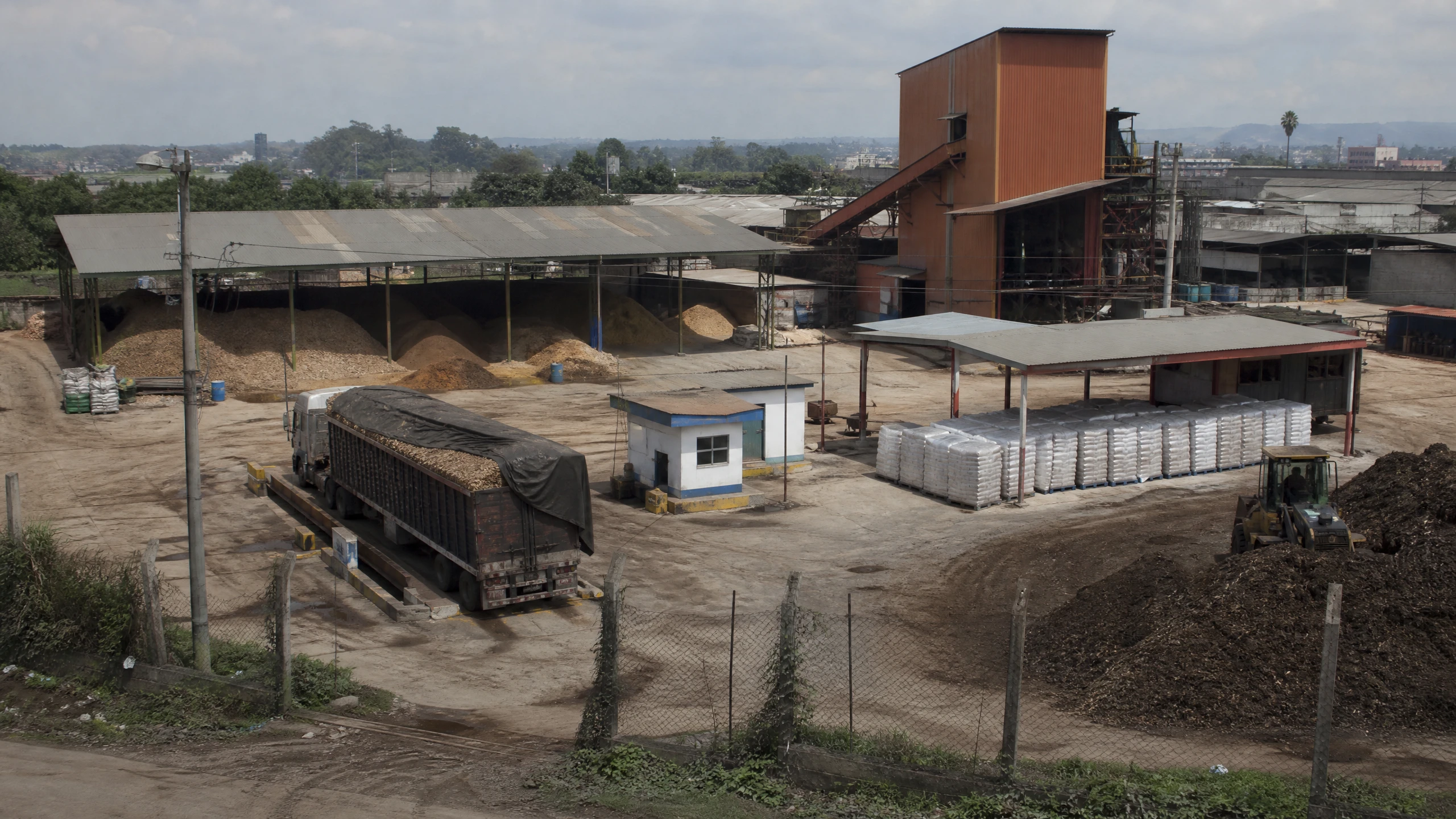
● Manufacturing
Equipment Manufacturing
The critical components of the of the complete pellet production line equipment are built in our own workshops in Asia. Additional equipment is manufactured by our worldwide network of reliable partners.
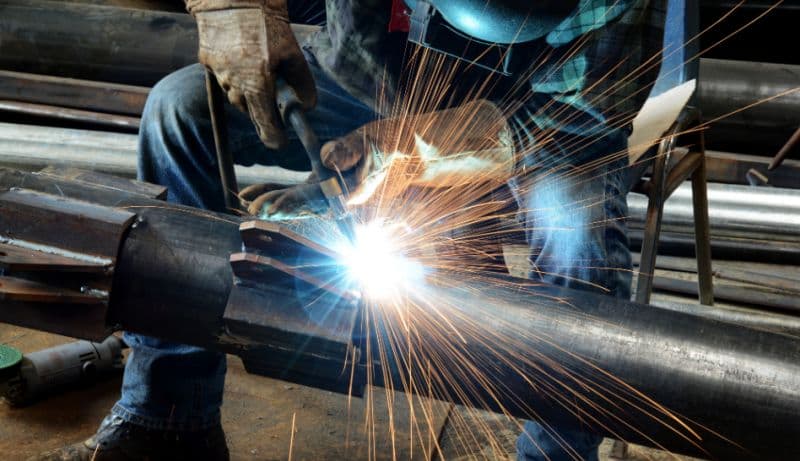
● Testing
Quality Inspection & Testing
Before leaving the factory, all equipment will be inspected by the quality inspection department. We can also provide customers with testing services from a single machine to a complete pellet plant system, and provide you with real actual data for “worry-free use.”
● Delivery
Equipment Delivery
In equipment boxing and packaging, we adopt professional packaging and modular solutions to ensure the safe and non-destructive delivery of pellet plant equipment.
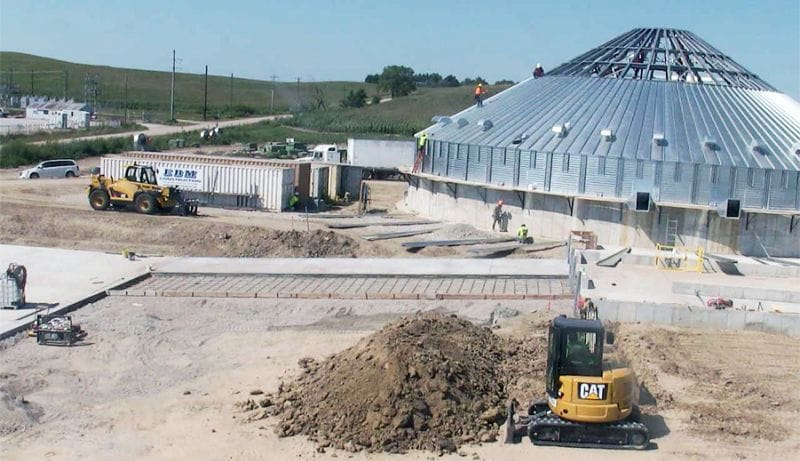
● Installation
Installation & Commissioning
Whether you choose your own subcontractor for the erection phase or you want to install everything together with us, a Richi supervisor will be around to make sure everything is mounted in a safe and thorough way.

● Training
Staff Training
We provide comprehensive training for the technicians of each project. We can also continue to provide support for the technicians during latter project operation.
● After-sales
Project Follow-Up
When everything is up and running our Richiers will help you further whenever needed. We are ready to answer your call 24/7.We’ll also visit you regularly to learn about your needs.
Who we are
RICHI Machinery is one of the world’s leading suppliers of technology and services for the animal feed, aqua feed and pet food industries, also the largest pellet production line manufacturer in China.
Since 1995, RICHI’s vision to build a first-class enterprise, to foster first-class employees, and to make first-class contributions to society has never wavered.
In the past three decades, we have expanded our business to a wide range of areas, including animal feed mill equipment, aqua feed equipment, pet feed equipment, biomass pellet equipment, fertilizer equipment, cat litter equipment, municipal solid waste pellets equipment, etc.

1995
RICHI Established

2000+
Serving More Than 2000 Customers

120+
RICHI Employees

140+
Exported To 140 Countries