0086-138 3838 9622
Corn Starch Cat Litter Making Plant in France
Corn Starch Cat Litter Making Plant in France connects maize ingredients with a defined retail product. Develop a 4 t/h line around one former, matched drying and packing for your own distributor or private-label orders.

RICHI MACHINERY
overview
Corn Starch Cat Litter Making Plant in France serves an agricultural processor developing a plant-based retail product from maize ingredients and pea fibre. RICHI configures a 4 t/h finished-litter line around one forming machine, controlled belt drying and retail packing, with a production plan of 6,500 tonnes per year.
The project uses the customer’s existing premises and ingredient-handling experience. Its equipment route connects formulation, pellet dimensions and bag performance, giving the customer a defined manufacturing basis for French private-label orders and regional pet-product distribution.
4 t/h
capacity
USD 290,000
investment
France
location
Cat Litter
project type
RICHI MACHINERY
From Maize Ingredients to a Shelf Product
The customer behind the Corn Starch Cat Litter Making Plant in France already handles agricultural ingredients. Moving into pet litter adds a different set of decisions: how the granules feel in use, how a wetted clump lifts, how much dust appears after transport and whether the retail bag remains sealed through distribution.
France’s starch industry processes maize and other agricultural crops, providing a credible domestic procurement context. The project therefore uses purchased dry starch, maize flour and qualified pea fibre. Each ingredient has a specification and an approved supplier; the formulation is developed around the material delivered to the factory.
For this plant based cat litter production line in France, the business model is private-label supply to pet-product distributors. Production runs are grouped by recipe and pack format. That helps the customer build stock for confirmed orders while keeping changeovers manageable for a single forming route.
The Corn Starch Cat Litter Making Plant in France focuses on an unscented 3 mm product. This gives the manufacturer one clear specification to establish during trials: granule strength, useful absorbency, clump behaviour and dust after handling. Additional retail variants can be assessed against their own performance and production requirements.
The product is sold with an ingredient description and instructions that match the tested product. Claims about composting or other disposal routes require the relevant evidence and local conditions. The commercial offer can instead lead with measurable features such as pack weight, granule size and the customer’s agreed clumping test.
That distinction helps a new retail supplier build credibility. The customer can send a sample, explain its production specification and discuss what the distributor actually needs from a recurring order.
RICHI MACHINERY
Make the Existing Building Work for Retail Runs
The Corn Starch Cat Litter Making Plant in France uses 3,744 m² of covered space within the customer’s existing industrial property. The design reserves room for ingredients, finished cartons and pack changeovers as well as the machinery itself. External access remains part of the surrounding industrial premises.
| Functional allocation | Area | Working purpose |
|---|---|---|
| Ingredient preparation and main production | 1,200 m² | Mixing, forming and drying |
| Dry raw-material warehouse | 550 m² | Segregated starch, flour and fibre lots |
| Finished-product warehouse | 900 m² | Released cartons and pallet stock |
| Packing and format-change area | 500 m² | Filling, sealing, checking and carton preparation |
| Office and quality work | 120 m² | Batch records and product tests |
| Utilities and maintenance | 160 m² | Heat supply, electrical equipment and spares |
| Internal circulation and service clearance | 314 m² | Personnel and maintenance routes |
| Total covered allocation | 3,744 m² | Existing-building basis |
The corn cat litter production line in France follows a one-way route from ingredient acceptance to packed product. Raw bags enter the preparation side. Released cartons move to dispatch without travelling back through the powder handling area, reducing unnecessary handling around open material.
The raw warehouse is planned around a working stock of about 150 tonnes, with the actual bay capacity checked against fibre bulk density and pallet layout. Finished stock is capped operationally at approximately 180 tonnes, allowing orders to move through the warehouse while clear aisles and lot access are maintained.
Access around the belt dryer is included in the machinery layout. Operators can inspect the belt, clean approved surfaces and reach drives without dismantling the neighbouring packing line. The building review also checks ventilation, utility routing and the floor loads under full ingredient and product bins.
RICHI MACHINERY
What Each Ingredient Contributes
The Corn Starch Cat Litter Making Plant in France uses a maize-led recipe with pea fibre for structure. The following 1,000 kg dry-ingredient batch is the equipment-development basis. Ingredient grades and binder behaviour are assessed during product trials before a commercial recipe is released.
| Ingredient | Quantity per 1,000 kg batch | Intended processing contribution |
|---|---|---|
| Corn starch | 450 kg | Binding and clump development |
| Corn flour | 300 kg | Granule body and forming behaviour |
| Qualified pea fibre | 220 kg | Absorbent structure and bulk characteristics |
| Guar gum | 20 kg | Clump and wet-structure development |
| Calcium carbonate | 10 kg | Selected formulation aid |
| Total dry ingredients | 1,000 kg | Water addition controlled separately |
The maize starch cat litter plant in France can procure these materials through different supplier channels. Starch grade, flour particle distribution and fibre moisture are checked independently. A supplier change is tested for its effect on forming load, dryer performance and the finished clump, keeping purchasing connected to product quality.
Water is dosed to the measured blend condition. At a 12% average ingredient moisture basis, producing one tonne of litter at 9% finished moisture requires about 1,034 kg of accepted ingredients. Adding approximately 103 kg of water gives around 1,137 kg of wet granules at 20% moisture before drying.
For the Corn Starch Cat Litter Making Plant in France, the 4 t/h finished duty therefore corresponds to approximately 4.55 t/h entering the dryer. About 550 kg of water must be removed each hour. This water balance is used when selecting the forming capacity and heat system.
These quantities describe accepted process ingredients. Procurement also allows for sampling and unsuitable material removed before production. Screened clean returns are managed within the recipe and batch system, while contaminated waste is kept separate from finished retail product.
RICHI MACHINERY
One Forming Route, One Matched Finishing Route
The main forming arrangement in the Corn Starch Cat Litter Making Plant in France is one machine sized for the wet duty needed to make 4 t/h of released dry product. A 110 kW main-drive basis is used for the specified recipe and 3 mm granule development. The machine’s working rate is established on that material.
The Cat litter pellet machine receives a uniform batch from a controlled buffer. Its die and cutting arrangement are selected for granules that survive drying and packing while still developing the desired clump in use. Product tests guide the setting rather than relying on diameter alone.
Production batches are scaled to the mixer’s permitted wet fill. The one-tonne ingredient recipe expresses proportions; its added water is included when checking the actual working batch weight and volume. The customer can maintain the recipe without overfilling the mixer.
| Equipment section | Selected arrangement | Capacity relationship |
|---|---|---|
| Ingredient dosing | Major scales and smaller binder scale | Recipe quantities checked before release |
| Mixing | One 1-tonne paddle mixer | Complete wet-batch cycle within 12 minutes |
| Forming | One matched granulator | About 4.55 t/h wet product for the specified duty |
| Drying | One controlled belt dryer | At least 700 kg/h design evaporation capacity |
| Cooling and classification | One active cooling and screening route | Full 4 t/h finished flow |
| Packing | One retail filling and sealing line | At least 25 three-kilogram bags per minute |
Mesh belt dryer selection includes airflow distribution and access for cleaning. A thermal input allowance of about 1 MW supports the evaporation duty with operating margin. The temperature profile and residence time are developed for the product, so the centre of the granule reaches the required moisture without excessive surface drying.
The Corn Starch Cat Litter Making Plant in France uses one packing line for its 3 kg and 6 kg formats. At 25 bags per minute in the smaller format, nominal filling capacity is 4.5 t/h. That provides margin above the finished-product duty, with seal quality and checkweighing included in the acceptance run.
RICHI selects the cat litter making machine as part of this complete route. Mixer discharge, wet-granule transfer and dryer loading are coordinated to keep the forming machine supplied without compressing or damaging product in intermediate storage.
RICHI MACHINERY
The Bag Test Begins in the Mixer
Product development for the Corn Starch Cat Litter Making Plant in France follows the material through the whole line. A strong granule at the die is only useful if it dries evenly, handles well and performs after the customer opens the bag.
Confirm the incoming ingredient lot
Operators check identity, moisture, odour and visible contamination before a material is released. Powders are sieved or screened where appropriate, with magnetic protection at the selected process points. Fibre grades are checked for oversized pieces that could affect feeding or create uneven granule surfaces.
Distribute the binder before adding water
Dry ingredients are weighed to the approved batch. The mixer first distributes the lower-inclusion ingredients, then controlled water addition brings the blend towards its forming condition. Operators record the actual addition, making it possible to relate a later dryer or clumping result to the batch preparation.
Form and transfer the wet granules
The granulator creates 3 mm cylinders with a working length target of 4–12 mm. Cutting is adjusted to the agreed product geometry. Transfers into the dryer use short, suitable drops to limit breakage while the wet material remains relatively soft.
Dry through the full granule
The belt dryer works towards about 9% final moisture. Air temperature, belt speed and bed depth are set together during development. Samples from different positions are checked so the operator can identify an uneven bed or airflow problem before a large quantity reaches packing.
Cool, classify and assess the product
Granules are cooled before entering the screen. Fines and long pieces are measured, and suitable clean material returns through a controlled route. The quality team tests clump lifting, water absorption and handling dust using repeatable internal methods agreed with the customer.
Fill a bag that survives distribution
Packing checks include net weight, seal integrity, coding and compression during pallet handling. Samples are assessed after a representative handling test. The Corn Starch Cat Litter Making Plant in France can then connect a product complaint with the relevant batch, ingredient lot and packing record.
The customer can use these results when presenting samples to distributors. A clear product specification and a retained batch sample support a more useful conversation about repeat orders than a broad claim that all plant-based litter performs identically.
French-language pack instructions are developed with the distributor alongside the technical product sheet. Bag weight and any volume declaration are checked using a defined filling and bulk-density method, so the pack description represents what the customer receives. The artwork, batch coding and approved claim wording are controlled separately from the ingredient recipe, allowing a label change to be scheduled without confusing production instructions.
For retail trials, the customer can compare bags from the beginning, middle and end of a production run. The test uses the same water quantity, standing time and lifting method for each sample. Results show whether changes in dryer loading or wet-batch preparation are visible in the finished clump. The factory can use that method as a release check after the product has been approved.
Distributors also need predictable carton quantities and pallet dimensions. The packing trial includes those requirements, with retained examples of the sealed bag and finished carton. This connects product development with the warehouse and transport work needed to fulfil an actual retail order.
RICHI MACHINERY
The Investment Behind the Specified Product
The equipment budget for the Corn Starch Cat Litter Making Plant in France is USD 185,000. The total installed project budget is USD 290,000. The defined basis includes one forming route, belt drying, cooling, screening, retail packing, dust collection, conveying and controls inside the existing premises.
A cat litter production line investment needs a clear distinction between supplied machinery and the local work needed to operate it. The installed budget allows for the defined transport, installation, electrical adaptation and heat connection. It uses the customer’s existing property and does not include purchasing a new factory site.
Corn starch cat litter plant cost in France also depends on the finished product and packing specification. Here the budget follows a single unscented maize-and-pea-fibre recipe, a 3 mm product and two bag formats. Additional recipe development or a different raw-material drying requirement changes the equipment duty.
Electrical planning for the Corn Starch Cat Litter Making Plant in France allows about 300 kW connected load on a 400 V, 50 Hz, three-phase machinery system. Annual electricity is budgeted at 325,000 kWh for the 6,500-tonne programme, equivalent to roughly 50 kWh per finished tonne.
The process-water planning quantity is about 670 m³ per year at the stated ingredient and finished moisture basis. Staff and cleaning provision is allowed separately at approximately 240 m³. The heat system is selected against the dryer evaporation duty, with thermal use recorded separately from electricity.
RICHI MACHINERY
Installation and Product Approval Move Together
The Corn Starch Cat Litter Making Plant in France is installed against an interface plan covering foundations, electrical distribution, heat supply, ventilation and packing services. The customer’s local team coordinates building, fire and machinery installation requirements with the necessary equipment documentation.
Sea-freight planning can use Le Havre as a gateway, with the final route selected against package dimensions and the delivery address. The customer receives lifting information and an identifiable packing list. Machine installation is sequenced so the dryer, platforms and service connections remain accessible as the line is assembled.
Commissioning starts with scale checks, machine interlocks and airflow verification. Trials then follow the selected ingredient recipe from mixing to a sealed bag. The team records wet forming rate, dryer loading, moisture variation, screened yield and packing performance during the same production run.
The scheduled production basis is 6.5 net hours per day over 250 days. At 4 t/h, that gives 26 tonnes per day and 6,500 tonnes per year. The weekday shift leaves time for preparation, cleaning and format work within the customer’s staffing arrangements.
Sixteen people cover eight production roles, three packing and warehouse roles, two maintenance roles, one quality role and two administrative roles. The customer assigns trained cover for breaks and absences. RICHI provides instruction on process settings, inspection points and servicing needed to maintain the agreed product condition.
For the Corn Starch Cat Litter Making Plant in France, release approval includes the product itself and the packed format. This gives the sales team a consistent sample to show when it approaches a French distributor or prepares a private-label quotation.
RICHI MACHINERY
Bring Your Retail Specification
Ready to develop a litter sample for your distributor or private-label customer? RICHI can connect your maize ingredients, performance targets and bag specification in a Corn Starch Cat Litter Making Plant in France. A building drawing and available heat source let us size the drying and packing route alongside the former. Start with those details for a scoped equipment proposal and product-trial plan.
● RICHI MACHINERY
RICHI Service

● Consulting
Customer Consultation
We want to have a deep understanding of your industrial process, to know your exact needs of feed, wood, biomass, fertilizer or other pellet processing.

● Design
cat litter Pellet Plant Design
Based on your unique situation and industrial process, we will tailor complete pellet plant you need, and inform you of every additional detail that could facilitate operation, minimize total cost.
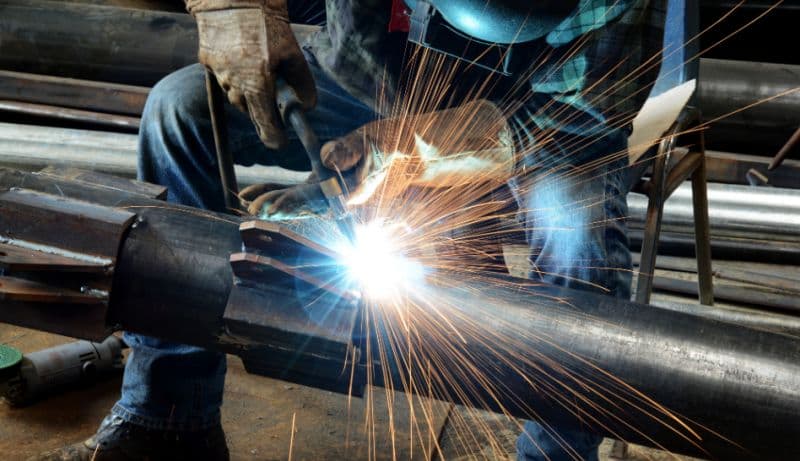
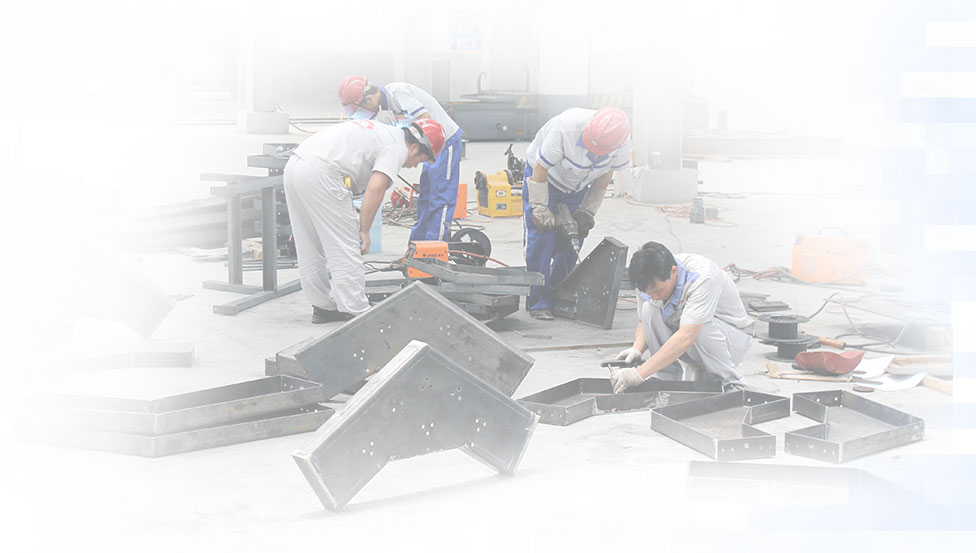
● Manufacturing
Equipment Manufacturing
The critical components of the of the complete pellet production line equipment are built in our own workshops in Asia. Additional equipment is manufactured by our worldwide network of reliable partners.
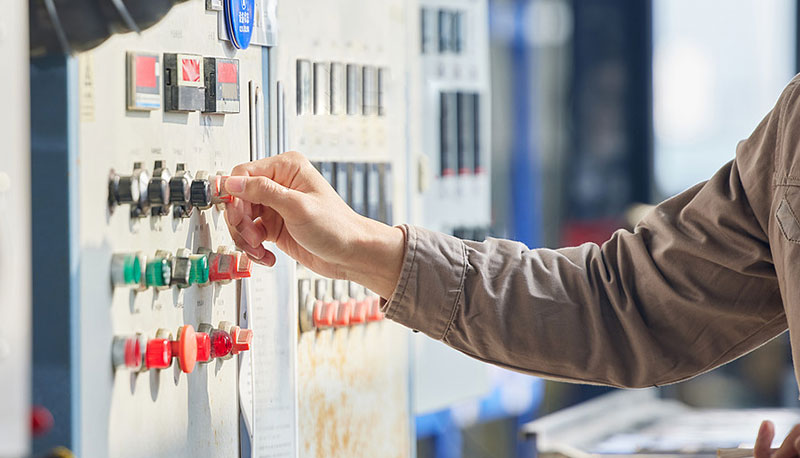
● Testing
Quality Inspection & Testing
Before leaving the factory, all equipment will be inspected by the quality inspection department. We can also provide customers with testing services from a single machine to a complete pellet plant system, and provide you with real actual data for “worry-free use.”
● Delivery
Equipment Delivery
In equipment boxing and packaging, we adopt professional packaging and modular solutions to ensure the safe and non-destructive delivery of pellet plant equipment.
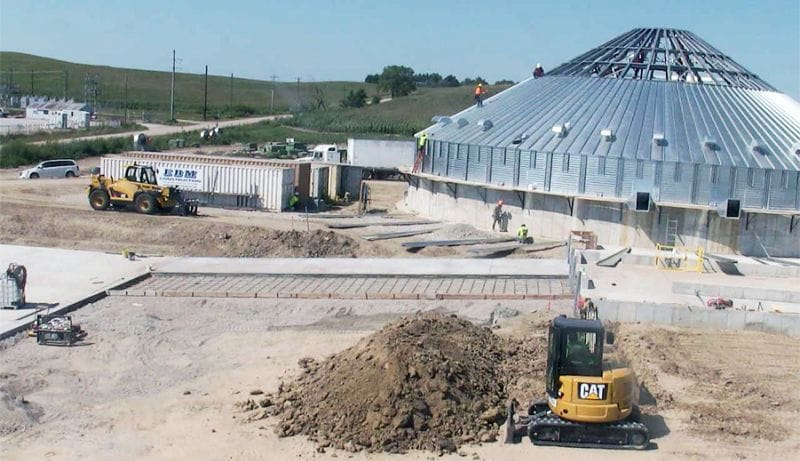
● Installation
Installation & Commissioning
Whether you choose your own subcontractor for the erection phase or you want to install everything together with us, a Richi supervisor will be around to make sure everything is mounted in a safe and thorough way.

● Training
Staff Training
We provide comprehensive training for the technicians of each project. We can also continue to provide support for the technicians during latter project operation.
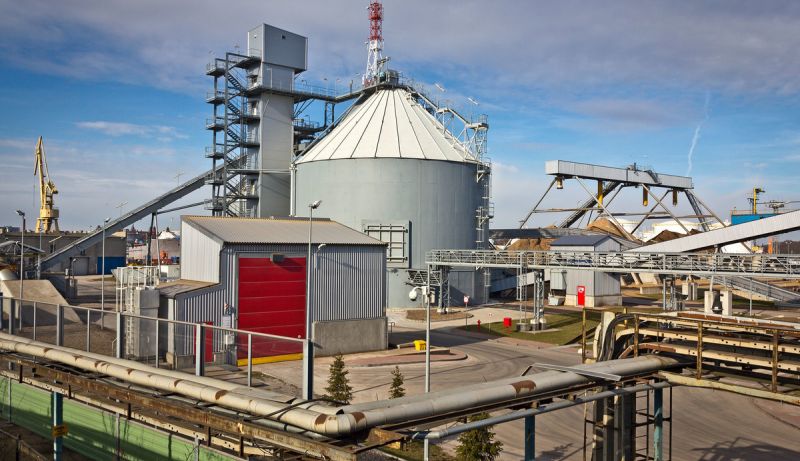
● After-sales
Project Follow-Up
When everything is up and running our Richiers will help you further whenever needed. We are ready to answer your call 24/7.We’ll also visit you regularly to learn about your needs.
Who we are
RICHI Machinery is one of the world’s leading suppliers of technology and services for the animal feed, aqua feed and pet food industries, also the largest pellet production line manufacturer in China.
Since 1995, RICHI’s vision to build a first-class enterprise, to foster first-class employees, and to make first-class contributions to society has never wavered.
In the past three decades, we have expanded our business to a wide range of areas, including animal feed mill equipment, aqua feed equipment, pet feed equipment, biomass pellet equipment, fertilizer equipment, cat litter equipment, municipal solid waste pellets equipment, etc.

1995
RICHI Established

2000+
Serving More Than 2000 Customers

120+
RICHI Employees

140+
Exported To 140 Countries