 0086-138 3838 9622
Renewable Biomass Pellet Plant in Vietnam
Renewable Biomass Pellet Plant in Vietnam processes wet plantation-wood residues into industrial fuel. See how a 5 t/h route brings drying, one pellet press and active cooling together for a regional steam-fuel business.

RICHI MACHINERY
overview
Renewable Biomass Pellet Plant in Vietnam is designed for a fuel trader supplying industrial steam users in the north of the country. The project turns clean plantation-wood residues into 8 mm pellets, with a 5 t/h finished-product duty and an annual production plan of 12,000 tonnes.
RICHI pairs one appropriately sized press with controlled drying, fine grinding and active cooling. This biomass pellet plant gives the customer a defined route for wetter woody material and a delivery product that can be specified by moisture, dimensions and tested fuel quality.
5 t/h
capacity
USD 405,000
investment
Vietnam
location
Biofuel
project type
RICHI MACHINERY
Rain Changes the Job Before Pelleting Starts
For the Vietnamese customer, the main production issue begins at the receiving bay. A truck of sawmill residues may contain fine sawdust, larger offcuts and material with uneven moisture. Producing the same finished fuel from each delivery requires a preparation system that can measure and manage those differences.
The Renewable Biomass Pellet Plant in Vietnam serves a privately owned biomass trading business. Its intended customers are industrial steam users, including food-processing and textile factories with suitable biomass combustion equipment. These buyers need a reliable fuel supply and an agreed specification they can use when comparing deliveries.
Northern Vietnam offers access to plantation-wood processing residues, including acacia and eucalyptus material. The procurement programme concentrates on clean woody fractions. Material from painted, laminated or preservative-treated products stays outside this product stream, keeping the fuel specification linked to a known supply base.
The biomass pellet project uses an existing industrial property rather than relying on the construction of a large export terminal. A 5 t/h line is sufficient for scheduled regional loads while keeping raw-stock requirements manageable. The business can qualify its fuel with nearby industrial buyers before committing further stock to a new outlet.
As a biomass pellet production line, the equipment needs to handle changing incoming moisture while holding the prepared feed close to its pelleting window. That requirement shapes the dryer, buffer and control arrangement more directly than a general description of Vietnam’s biomass resources.
The Renewable Biomass Pellet Plant in Vietnam is therefore organised around incoming-water removal, stable press feeding and prompt dispatch. Those duties give the customer useful production controls and a practical basis for discussing delivery quality with boiler operators.
RICHI MACHINERY
Clean Wood with a Measured Water Load
The supply basis is 15,800 tonnes per year of as-received clean wood residues at an average planning moisture of 30%. Actual loads are sampled before storage. Moisture affects both the quantity of useful dry matter purchased and the amount of water the dryer must remove.
| Material condition | Receiving decision | Route through the plant |
|---|---|---|
| Clean sawdust at the specified wet-feed condition | Accept after checks | Meter to drying preparation |
| Clean plantation-wood offcuts | Inspect and size | Chipper before drying |
| Oversize or uneven pieces | Hold for preparation | Rework through the appropriate size reduction step |
| Chemically treated or mixed demolition wood | Outside the fuel programme | Segregate from accepted stock |
The Renewable Biomass Pellet Plant in Vietnam uses a planning allowance for unsuitable pieces, grit and other material that cannot become saleable fuel. Its dry-matter balance allows 260 tonnes per year for such losses. Screened rejects are recorded, giving purchasing a way to compare suppliers using more than moisture alone.
Accepted material at the 30% moisture basis is approximately 15,429 tonnes per year after the stated allowance. That contains the 10,800 tonnes of dry matter needed for 12,000 tonnes of finished pellets at 10% moisture. The overall balance therefore allows for water removal as well as material rejection.
A biomass pellet manufacturing plant handling this feed needs covered segregation by delivery condition. Wetter stock enters the designated bay and is called forward in batches. Already dry, compliant sawdust can use a controlled dryer bypass after checks, reducing unnecessary heat exposure when the supply condition permits it.
For the wood pellet production line in Vietnam, supplier agreements identify acceptable wood sources and preparation limits. Bark content, dirt and moisture are reviewed together because they affect ash, wear and fuel value. New supply lots are trialled in a controlled blend before they become routine production material.
RICHI MACHINERY
A Product an Industrial Buyer Can Specify
The Renewable Biomass Pellet Plant in Vietnam has one standard industrial product: 8 mm wood pellets, with length controlled to approximately 10–30 mm. The customer offers bulk dispatch and 25 kg sacks according to the receiving arrangement. Different pack orders share the same released fuel batch.
| Sales specification item | Working production target |
|---|---|
| Pellet diameter | 8 mm |
| Pellet length | 10–30 mm |
| Finished moisture | About 10% |
| Bulk density | Target 600–700 kg/m³, checked by test |
| Planned hourly finished output | 5 tonnes |
| Net operating programme | 8 hours per day, 300 days per year |
| Planned annual finished output | 12,000 tonnes |
Moisture and dimensions are checked on each production lot. Ash, net calorific value and relevant chemical properties are established through the agreed fuel testing programme. The product’s suitability for an individual boiler is confirmed against that buyer’s combustion and feeding equipment.
The industrial biomass pellet plant in Vietnam is designed around steam-generation customers rather than treating every pellet as a certified retail heating product. Export enquiries can be assessed separately against the purchaser’s quality, traceability and certification requirements. This keeps the sales offer specific to the fuel the plant actually prepares.
Customers also receive practical delivery information: batch identification, production date, net weight and storage guidance. A retained sample allows a later discussion to be linked to a particular load. The seller can then investigate whether a question relates to factory quality, transport damage or storage at the receiving site.
RICHI MACHINERY
One Large Press, Supported by the Right Dryer
One MZLH858 with a 280 kW main drive is selected for the 5 t/h design duty of the Renewable Biomass Pellet Plant in Vietnam. The machine receives a controlled woody blend after drying and fine grinding. Feeder performance and prepared-feed condition form part of the production acceptance basis.
| Equipment section | Arrangement | Specified working purpose |
|---|---|---|
| Offcut preparation | One chipper | Uniform feed for the dryer |
| Drying | One matched dryer and hot-air supply | About 1.5 t/h water-removal design capacity |
| Fine grinding | One hammer mill | Prepared wood particle distribution for the die |
| Pellet formation | One MZLH858, 280 kW | 5 t/h finished-pellet design duty |
| Active cooling | One cooler | Stable pellet temperature before storage |
| Screening | One product screen | Separate fines and oversize pieces |
| Dispatch preparation | One bagging station plus bulk outlet | Match the customer’s delivery formats |
The Biomass pellet press receives prepared material around 12% moisture. For 5 t/h of finished pellets at 10% moisture, the accepted wet-wood requirement is about 6.4 t/h at the 30% intake basis. The dryer therefore handles a larger wet mass flow than the finished-pellet rate shown on the project card.
The Renewable Biomass Pellet Plant in Vietnam allows approximately 1.3 t/h of water removal in the dryer at that basis, followed by the smaller moisture change during compression and cooling. A hot-air system with about 2.5 MW thermal input is included in the design, with heat transfer and exhaust conditions set against the actual feed test.
This relationship is central to equipment matching. A dryer described only as a five-tonne machine gives little useful information unless its inlet moisture, outlet moisture and evaporation duty are also stated. RICHI develops those duties together with the press feed requirement.
RICHI MACHINERY
Control Moisture, Then Control the Die
The Renewable Biomass Pellet Plant in Vietnam follows a physical wood-fuel route. Material travels through preparation, drying, grinding, pelleting, cooling and screening. Extraction air follows its own ductwork to the collectors; it is managed separately from the product conveying route.
Sort and meter the incoming material
Loads are sampled and inspected before acceptance. Larger offcuts enter the chipper, while suitable sawdust uses its assigned feeder. The operator meters the two streams to avoid a sudden change in dryer feed size or bulk density. Magnetic protection removes ferrous contamination before vulnerable downstream equipment.
Dry against a measured outlet condition
The dryer brings accepted wet wood towards the specified preparation moisture. Outlet sampling checks whether water is evenly distributed through the material. Air and material temperatures, feed rate and exhaust condition are adjusted together, with a controlled bypass available only for feed already meeting the required condition.
Prepare a consistent press feed
Fine grinding produces predominantly 2–4 mm particles for the 8 mm die duty, with the distribution checked by sieving. The dry buffer holds a short working reserve. Its discharge keeps material moving to the biomass pellet mill without allowing fine dust to segregate into repeated high-fines feed surges.
Form pellets and remove their heat
The press runs against the agreed woody feed specification and die configuration. Hot pellets enter the active cooler, where airflow and bed depth are adjusted to the load and local air conditions. Cooling is a controlled production step, with product temperature checked before transfer to finished stock.
Separate, sample and dispatch
The screen removes undersize fines and long pieces. Suitable clean returns are metered back at a controlled rate. Released product goes to sacks or bulk loading, carrying a batch reference. The customer can compare handling fines at the factory with those measured after delivery.
These checks keep the Renewable Biomass Pellet Plant in Vietnam focused on saleable tonnes. Production records include downtime, rejected material and recirculating fines, so internal return flow cannot make the output figure appear larger than the quantity available for sale.
RICHI MACHINERY
Heat, Dust and Housekeeping Share One Plan
The dryer and fine-wood handling equipment require coordinated fire and dust precautions. In the Renewable Biomass Pellet Plant in Vietnam, hot-air equipment is separated from stored material, with inspection access around ducts and collection points. Detection, isolation and shutdown actions follow the final machinery and site risk assessments.
Grinding, transfer and bagging points have suitable local extraction. Collectors are selected for their individual airflow and dust duties. Clean recovered wood fines can return through an assigned controlled connection. Material from spill clean-up or an uncertain delivery is segregated rather than automatically returned to saleable fuel.
Dryer exhaust control is selected against the heat source and emission characteristics. Stack arrangements and local approval conditions are reviewed for the actual property. The customer receives the equipment information needed for its environmental assessment and operating procedures.
The workforce also needs usable cleaning access. Platforms, lower conveyor covers and fan service spaces are kept reachable. A routine housekeeping schedule includes concealed accumulation points, reducing the chance that dust builds up in areas visible only during a breakdown.
Water handling remains separate from the dry material route. Staff facilities and any approved cleaning water use follow the site’s drainage arrangement. Rainwater is kept away from accepted raw stock, finished sacks and electrical equipment, helping protect the fuel condition after the dryer has done its work.
RICHI MACHINERY
Fitting the Line into the Available Property
The Renewable Biomass Pellet Plant in Vietnam occupies a 2,544 m² industrial plot, with a covered allocation of 1,600 m². The layout uses ground area for machinery and storage, leaving 944 m² for access, loading and external separation. Building clearance is checked against equipment and maintenance lifting requirements.
| Covered allocation | Area |
|---|---|
| Preparation, drying and pelleting | 700 m² |
| Segregated raw-wood bays | 350 m² |
| Finished pellets | 250 m² |
| Hot-air equipment, utilities and maintenance | 200 m² |
| Office and quality station | 100 m² |
| Total | 1,600 m² |
The biomass fuel plant in northern Vietnam is planned around a maximum working raw stock of approximately 140 tonnes, subject to material bulk density and the approved storage arrangement. This is a short production reserve. The larger supply obligation sits with the customer’s procurement and collection network.
Receiving appointments also distinguish sawdust from larger offcuts. The customer can call forward the material needed for the next production block while keeping dryer feed size within its working range. A delivery sample is retained long enough to connect fuel results with the supplier lot. These records help purchasing assess whether a more variable supply is still useful after preparation losses and drying demand are considered.
Daily finished output is 40 tonnes at the net operating plan. Dispatch appointments are therefore important on the compact site. Trucks bring raw material and collect finished fuel through planned windows, with clear working space retained around the loading area.
A 14-person staffing basis covers six operators, two warehouse staff, two maintenance staff, two quality and production-planning staff, and two administrative roles. Shift coverage and relief are organised by the customer. The maintenance team has access to the grinder, dryer drive, die and cooler without using the finished-stock bay as a workshop.
RICHI MACHINERY
An Investment Matched to Wet Wood
The equipment budget for the Renewable Biomass Pellet Plant in Vietnam is USD 265,000. The total installed project budget is USD 405,000. The defined scope includes wet-wood preparation, the dryer and hot-air equipment, the single press, finishing, conveying, extraction and controls within the existing property.
For biomass pellet plant cost in Vietnam, the incoming moisture is an important scope item. Here the equipment package includes the duty needed to remove water from the stated wet-wood supply. Site adaptation, transport, installation and the specified electrical work are allowed for in the installed budget.
The electrical basis is approximately 600 kW connected load on a 380 V, 50 Hz, three-phase machinery system. Annual electricity planning is 1,020,000 kWh, equivalent to about 85 kWh per finished tonne. Across 2,400 net production hours, the average working load is about 425 kW.
Water provision is approximately 420 m³ per year for staff facilities and controlled cleaning. Accepted wood is processed through a dry mechanical route after its specified drying stage, with water vapour handled through the selected exhaust systems.
The customer’s acceptance programme for the Renewable Biomass Pellet Plant in Vietnam checks output at the specified inlet and finished moisture, together with pellet quality and electricity records. Dryer heat input is recorded separately. These measurements let the customer compare the working line with the material conditions used for its selection.
As a biomass pellet plant supplier in Vietnam, RICHI contributes process coordination, machinery manufacture, installation drawings and operator training. The buyer manages feedstock contracts and industrial fuel sales with a clear understanding of the line’s defined operating basis.
RICHI MACHINERY
Turn Your Wood Supply into Orders
A wet-wood sample is the most useful starting point for this fuel business. Along with it, send your moisture readings, expected deliveries and industrial buyers’ requirements. RICHI can size a Renewable Biomass Pellet Plant in Vietnam around the water load and saleable output you need. We will connect drying, machinery access and dispatch in the layout and equipment scope.
● RICHI MACHINERY
RICHI Service

● Consulting
Customer Consultation
We want to have a deep understanding of your industrial process, to know your exact needs of feed, wood, biomass, fertilizer or other pellet processing.
● Design
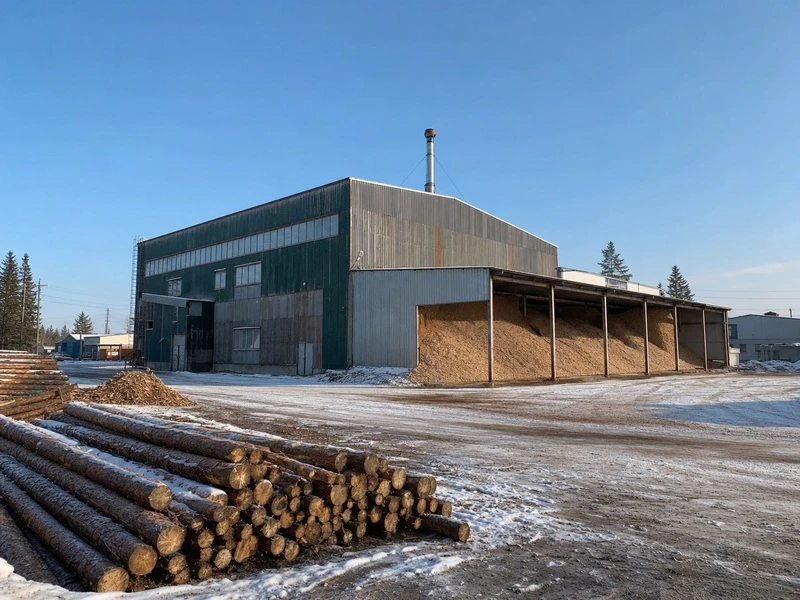
biomass Pellet Plant Design
Based on your unique situation and industrial process, we will tailor complete pellet plant you need, and inform you of every additional detail that could facilitate operation, minimize total cost.
● Manufacturing
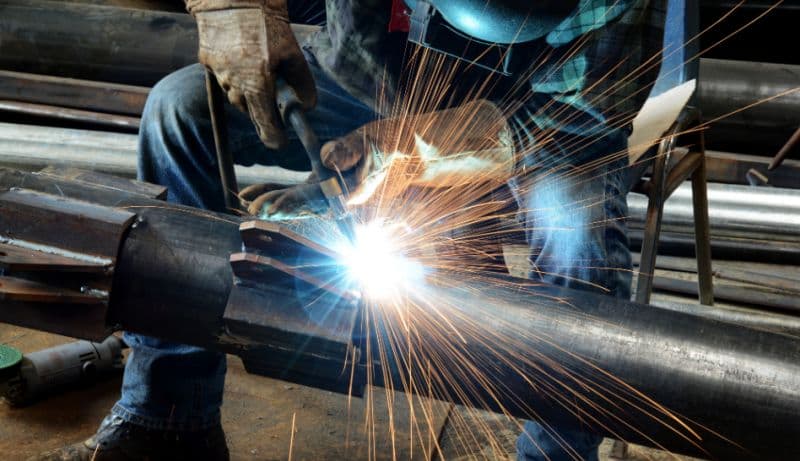
Equipment Manufacturing
The critical components of the of the complete pellet production line equipment are built in our own workshops in Asia. Additional equipment is manufactured by our worldwide network of reliable partners.

● Testing
Quality Inspection & Testing
Before leaving the factory, all equipment will be inspected by the quality inspection department. We can also provide customers with testing services from a single machine to a complete pellet plant system, and provide you with real actual data for “worry-free use.”

● Delivery
Equipment Delivery
In equipment boxing and packaging, we adopt professional packaging and modular solutions to ensure the safe and non-destructive delivery of pellet plant equipment.
● Installation
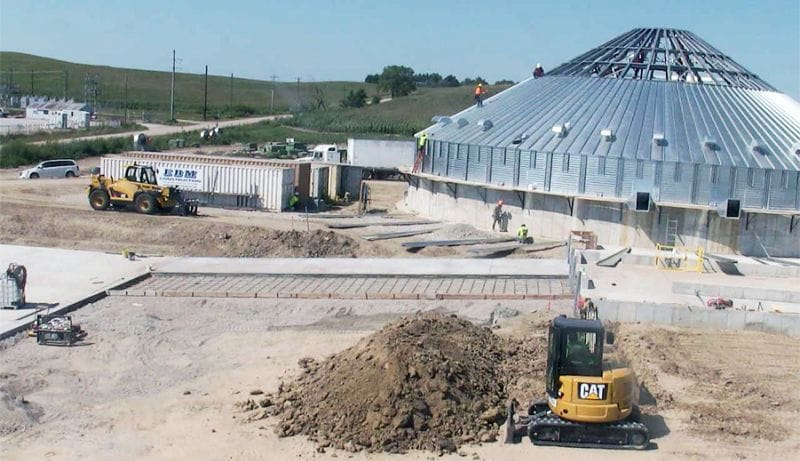
Installation & Commissioning
Whether you choose your own subcontractor for the erection phase or you want to install everything together with us, a Richi supervisor will be around to make sure everything is mounted in a safe and thorough way.

● Training
Staff Training
We provide comprehensive training for the technicians of each project. We can also continue to provide support for the technicians during latter project operation.
● After-sales
Project Follow-Up
When everything is up and running our Richiers will help you further whenever needed. We are ready to answer your call 24/7.We’ll also visit you regularly to learn about your needs.
Who we are
RICHI Machinery is one of the world’s leading suppliers of technology and services for the animal feed, aqua feed and pet food industries, also the largest pellet production line manufacturer in China.
Since 1995, RICHI’s vision to build a first-class enterprise, to foster first-class employees, and to make first-class contributions to society has never wavered.
In the past three decades, we have expanded our business to a wide range of areas, including animal feed mill equipment, aqua feed equipment, pet feed equipment, biomass pellet equipment, fertilizer equipment, cat litter equipment, municipal solid waste pellets equipment, etc.

1995
RICHI Established

2000+
Serving More Than 2000 Customers

120+
RICHI Employees

140+
Exported To 140 Countries