 0086-138 3838 9622
Premix Feed Production Line in Brazil
RICHI MACHINERY
Project Overview
10-12T/H premix feed production line in Brazil was developed as a capacity expansion inside an already operating feed mill, where the client needed to move beyond conventional compound feed and enter the premix segment with stable quality and higher margin products. Instead of building a completely new factory, the project focused on optimizing the existing layout and integrating two dedicated premix lines within the current workshop.
The final setup includes two parallel premix feed production lines with identical process flow, designed for livestock and ruminant premix products. The total annual output reaches 30,000 tons, operating under a single-shift system. What made this project slightly tricky was not the capacity itself, but the need to maintain strict mixing uniformity while handling multiple fine powder raw materials with different bulk densities.
10-12T/H
capacity
$420,000
investment
Brazil
location
Feed
project type
RICHI MACHINERY
How the Project Actually Started
The first inquiry came in March 2025. The client didn’t start by asking about equipment. Instead, the question was very direct:
“We already produce compound feed. Can we add premix without rebuilding everything?”
That’s usually where these projects become interesting.
The client operates a mid-sized animal feed mill plant in central Brazil, mainly producing poultry and livestock feed. Existing production capacity:
- 120,000 tons/year compound feed
- 80,000 tons/year concentrated feed
But they were facing two issues:
- Increasing demand for premix from local farms
- Lower margins on traditional feed products
By May 2025, after several rounds of technical discussions and layout adjustments, the project was confirmed. Contract signing was completed in June 2025, with equipment manufacturing starting immediately.
RICHI MACHINERY
Existing Plant Snapshot (Before Expansion)
The animal feed processing plant was already functional, which meant every modification had to fit into real constraints — not just drawings.
Production Capacity
| Product Type | Packaging | Annual Output |
|---|---|---|
| Compound Feed | 40 kg bags | 120,000 tons |
| Concentrated Feed | 40 kg bags | 80,000 tons |
Basic Plant Information
- Total site area: 6,172 m²
- Workforce: 20 employees
- Working schedule:
- 1 shift/day
- 8 hours/shift
- 300 days/year
Existing Facilities
| Area | Size |
|---|---|
| Office Area | 500 m² |
| Living Area | 100 m² |
| Production Workshop | 11,400 m² |
| Raw Material Warehouse | 2,040 m² |
| Finished Product Warehouse | 992 m² |
One thing noticed during the first visit — dust accumulation in certain corners of the workshop. Not a major issue, but something that always needs attention when adding premix systems.
RICHI MACHINERY
Why Premix? (Real Business Reasoning)
The decision wasn’t random.
Brazil’s livestock sector, especially poultry and cattle, has been shifting toward more precise nutrition management. Farms prefer:
- Customized premix
- Stable trace element dosing
- Consistent vitamin distribution
The client had access to downstream customers already. What they lacked was:
- Controlled micro-ingredient handling
- High-precision mixing
- Clean packaging environment
That’s exactly what this 10-12t/h premix feed production line in Brazil was designed to solve.
RICHI MACHINERY
Raw Materials (Premix Formulation)
Premix production is not about large volume ingredients. It’s about accuracy.
In this premix feed mill project, the material system includes fine powders and liquid additives.
Raw Material Consumption
| Material Name | Form | Annual Consumption |
|---|---|---|
| Trace Elements | Powder | 0.0192 ×10⁴ t |
| Minerals | Powder | 0.12 ×10⁴ t |
| Dicalcium Phosphate | Powder | 0.296 ×10⁴ t |
| Limestone Powder | Powder | 0.616 ×10⁴ t |
| Rice Husk Powder | Powder | 0.63 ×10⁴ t |
| Lysine | Liquid | 0.144 ×10⁴ t |
| Zeolite Powder | Powder | 0.8 ×10⁴ t |
| Vitamin Premix | Powder | 0.38004 ×10⁴ t |
A small but practical observation:
Rice husk powder and zeolite act as carriers. Without proper mixing sequence, segregation happens fast — especially during conveying.
RICHI MACHINERY
Production Process — What Actually Happens Inside
This is a non-pelletizing premix system, which is quite different from standard feed pellet production lines. No conditioning, no pelleting, no cooling. Everything revolves around precision and cleanliness.
Process Flow (Simplified but Real)
- Dosing & Weighing
- Micro and macro ingredients weighed separately
- Accuracy is critical (especially for trace elements)
- Batching
- Powder materials combined in batching bins
- Controlled feeding to avoid bridging
- Mixing
- Double-shaft premix mixer machines used
- Mixing time adjusted based on bulk density differences
- Liquid Addition
- Lysine added during mixing phase
- Spray system ensures uniform distribution
- Discharge to Finished Bin
- No intermediate processing
- Direct transfer to finished product silo
- Packaging
- Automatic weighing
- Bagging + sewing
- Storage ready for dispatch
RICHI MACHINERY
Equipment Configuration (Expansion Section)
Two identical lines were installed.
Main Equipment List
| Equipment Name | Quantity |
|---|---|
| Feeding Hopper & Grid | 2 |
| Pulse Dust Collector | 4 |
| Double Shaft Mixer | 2 |
| Bucket Elevator | 2 |
| Mixing Bins | 2 |
| Finished Product Bins | 2 |
| Automatic Packing Scale | 2 |
One important choice:
Two mixers instead of one large unit. This gives flexibility — one line can run while the other is cleaned or adjusted.
RICHI MACHINERY
Power & Utilities
- Power supply integrated into existing system
- Annual electricity consumption: ~3.3 million kWh
- No steam or thermal system required
This is one reason premix projects are attractive — lower utility complexity compared to pellet plants.
RICHI MACHINERY
Layout Adjustment — Real Engineering Work
Since no new land was added, everything had to fit into the existing workshop.
Key adjustments:
- Reorganized material flow direction
- Separated premix area from compound feed area
- Added enclosed conveying points to reduce contamination
Not everything worked perfectly on paper. During installation, one conveyor path had to be modified because of height limitations. That happens often in retrofit projects
RICHI MACHINERY
Investment & Cost
- Equipment cost: ~$420,000
- Total project investment: ~$650,000
For a 10-12t/h premix feed production line in Brazil, this falls within a reasonable range.
RICHI MACHINERY
Delivery & Shipping
- Shipping port: Qingdao Port, China
- Destination port: Santos Port, Brazil
Delivery time: ~45 days at sea
RICHI MACHINERY
Commissioning Notes (What Usually Doesn’t Show in Brochures)
First test run:
- Mixing uniformity slightly off
- Moisture imbalance due to liquid addition
After adjustment:
- Mixing time extended
- Liquid spray pressure reduced
Final result:
- Uniformity reached industry standard
- Stable operation achieved within 3 days
RICHI MACHINERY
Market Outlook in Brazil
Premix demand in Brazil is growing steadily, especially in:
- Poultry farming
- Cattle breeding
- Large-scale integrated farms
Reasons:
- Farmers shifting toward precision feeding
- Feed companies moving upstream into additives
- Increasing export-driven livestock production
Compared to traditional feed mills, premix plants:
- Require lower energy
- Have higher product value
- Offer faster return cycles
RICHI MACHINERY
Final Thoughts from This Project
This 10-12t/h premix feed production line in Brazil is a good example of how existing feed mill engineerings can upgrade without massive reinvestment.
Not every project needs a new factory. Sometimes, optimizing what already exists is the smarter move.
From early consultation to final commissioning, the key wasn’t just equipment — it was understanding:
- Material behavior
- Mixing precision
- Space limitations
For companies considering similar upgrades, the first step is usually simple:
- Check your current plant.
- Look at your raw materials.
- Then decide what you really need to add — not rebuild.
And that’s where proper planning makes the difference.
● RICHI MACHINERY
RICHI Service

● Consulting
Customer Consultation
We want to have a deep understanding of your industrial process, to know your exact needs of feed, wood, biomass, fertilizer or other pellet processing.

● Design
Animal feed Plant Design
Based on your unique situation and industrial process, we will tailor complete pellet plant you need, and inform you of every additional detail that could facilitate operation, minimize total cost.
● Manufacturing
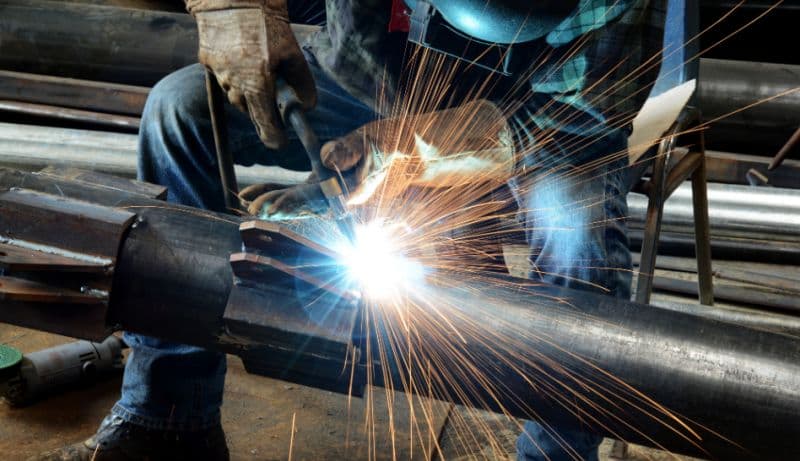
Equipment Manufacturing
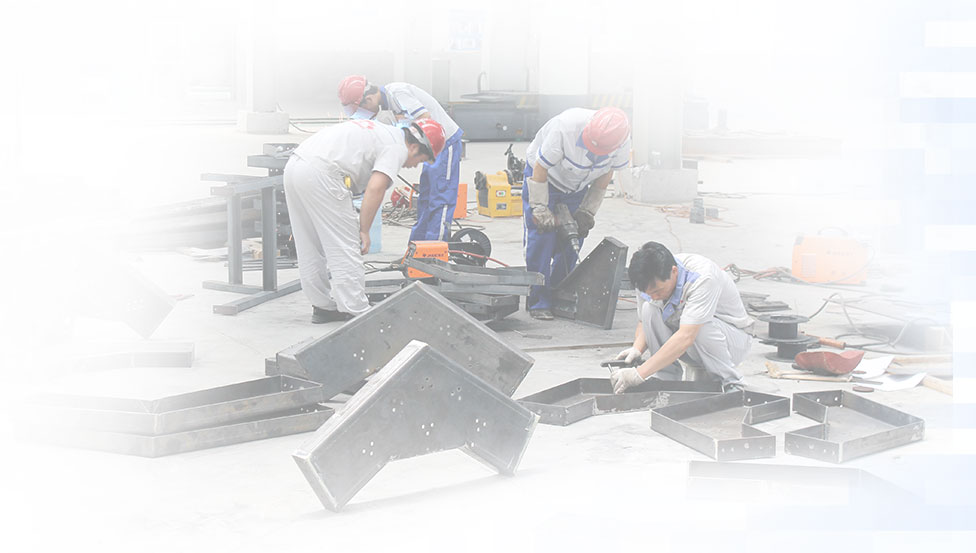
The critical components of the of the complete pellet production line equipment are built in our own workshops in Asia. Additional equipment is manufactured by our worldwide network of reliable partners.
● Testing
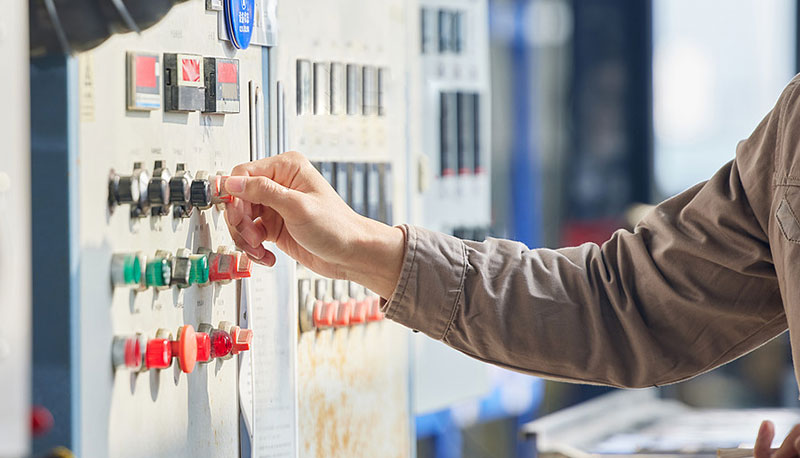
Quality Inspection & Testing
Before leaving the factory, all equipment will be inspected by the quality inspection department. We can also provide customers with testing services from a single machine to a complete pellet plant system, and provide you with real actual data for “worry-free use.”

● Delivery
Equipment Delivery
In equipment boxing and packaging, we adopt professional packaging and modular solutions to ensure the safe and non-destructive delivery of pellet plant equipment.
● Installation
Installation & Commissioning
Whether you choose your own subcontractor for the erection phase or you want to install everything together with us, a Richi supervisor will be around to make sure everything is mounted in a safe and thorough way.

● Training
Staff Training
We provide comprehensive training for the technicians of each project. We can also continue to provide support for the technicians during latter project operation.
● After-sales
Project Follow-Up
When everything is up and running our Richiers will help you further whenever needed. We are ready to answer your call 24/7.We’ll also visit you regularly to learn about your needs.
Who we are
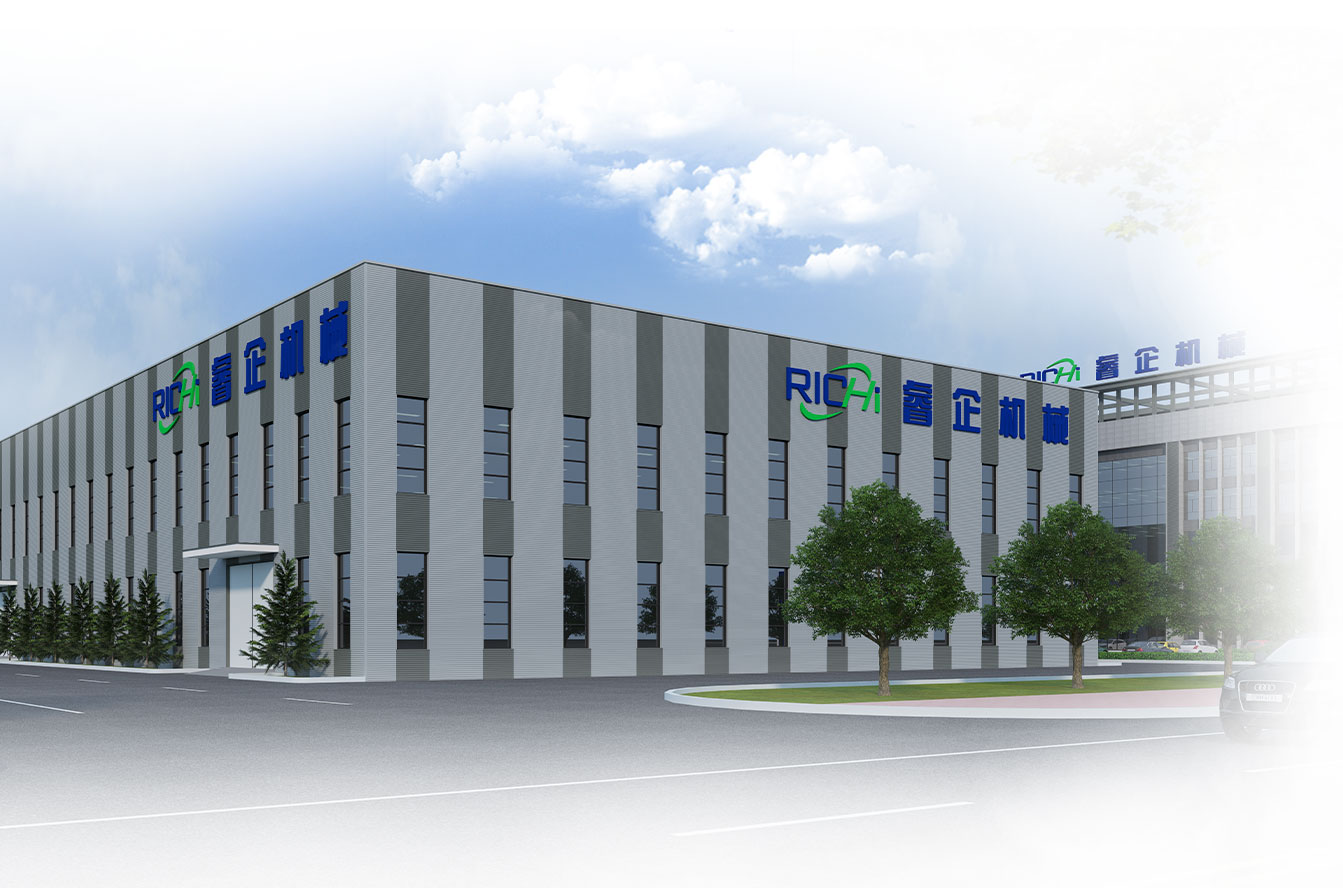
RICHI Machinery is one of the world’s leading suppliers of technology and services for the animal feed, aqua feed and pet food industries, also the largest pellet production line manufacturer in China.
Since 1995, RICHI’s vision to build a first-class enterprise, to foster first-class employees, and to make first-class contributions to society has never wavered.
In the past three decades, we have expanded our business to a wide range of areas, including animal feed mill equipment, aqua feed equipment, pet feed equipment, biomass pellet equipment, fertilizer equipment, cat litter equipment, municipal solid waste pellets equipment, etc.

1995
RICHI Established

2000+
Serving More Than 2000 Customers

120+
RICHI Employees

140+
Exported To 140 Countries