0086-138 3838 9622
Corn Cleaning and Pig Feed Production Plant in the Philippines
RICHI MACHINERY
overview
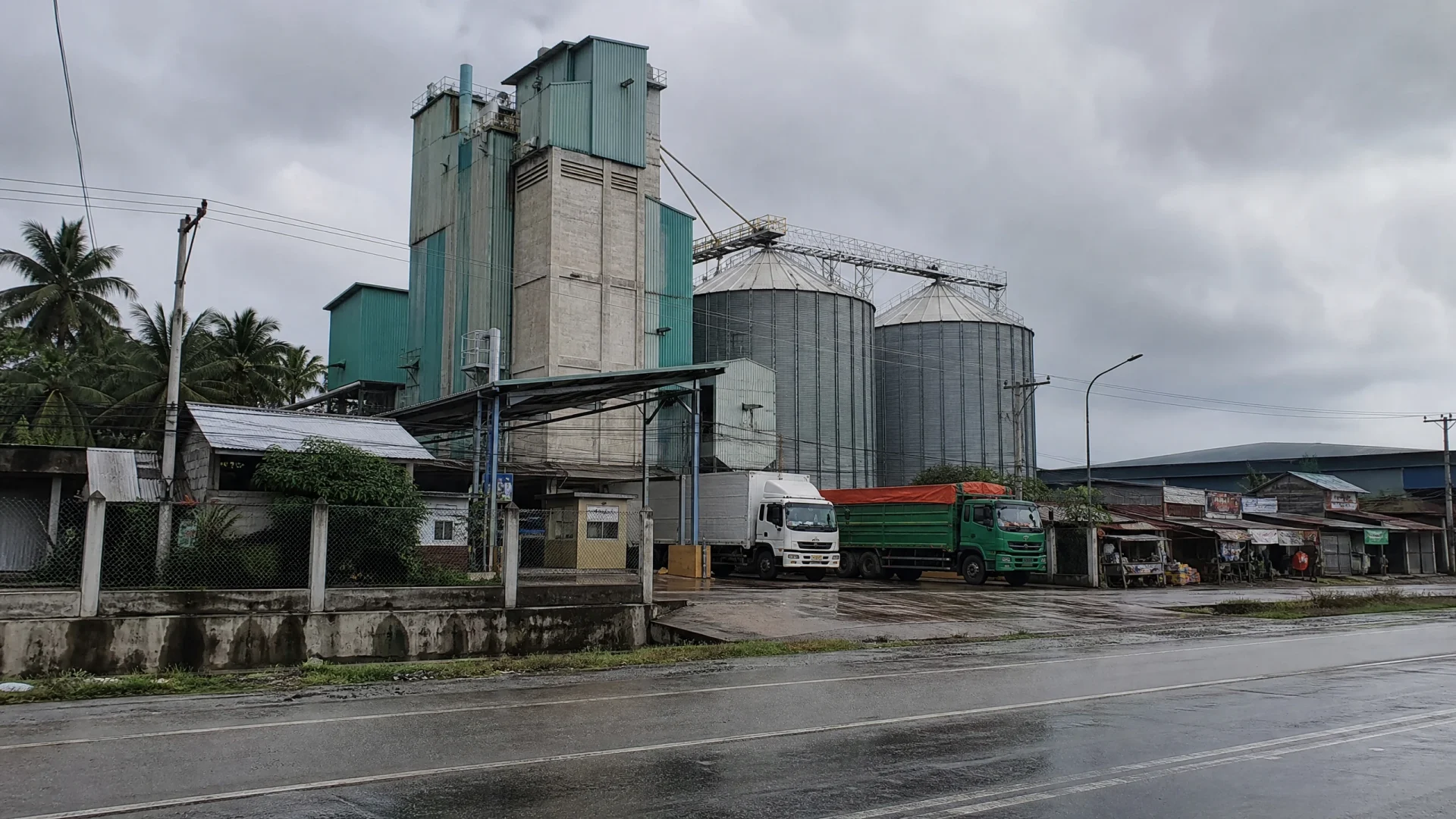
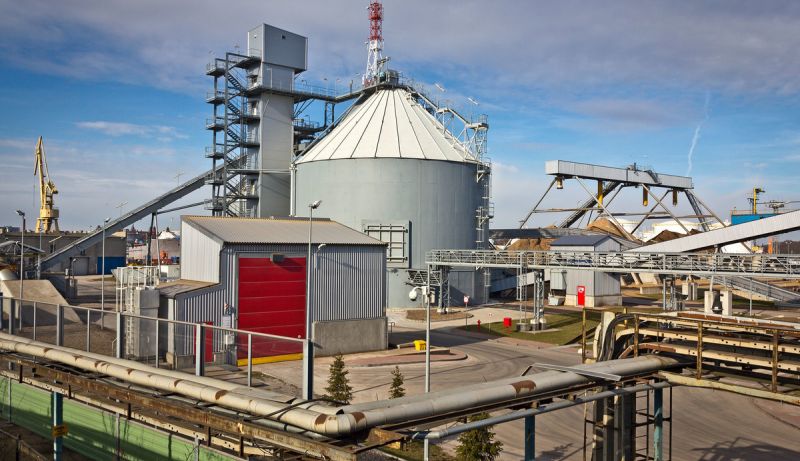
This 60,000 T/A Corn Cleaning and Pig Feed Production Plant in the Philippines was developed for an agricultural commodity and feed company that wanted one corn intake to support two businesses. Cleaned market-grade corn is sold as a commercial commodity, while selected feed-grade corn is transferred to an integrated pig-feed section and combined with soybean meal, bran, premix, oil and other approved ingredients. The plant therefore earns from grain trading and feed manufacturing without forcing every incoming corn lot through the same downstream route.
The annual commercial target is approximately 40,000 tons of cleaned corn sold to the market plus 20,000 tons of finished pig feed. The 40,000 T/A figure represents saleable cleaned corn; it does not include the additional corn that is cleaned and then consumed internally in pig-feed formulas. RICHI therefore sizes the front-end receiving and cleaning system at approximately 20–25 T/H, while the feed manufacturing section is designed around an 8–10 T/H working range. This separation keeps truck unloading fast while matching the feed equipment to the customer’s real annual feed sales.
A compact 6,000–8,000 m² site combines covered corn receiving, 2,000–3,000 tons of silo storage, ingredient warehousing, grinding, batching, mixing, conditioning, pelleting, cooling, screening and two separate dispatch routes. The project also accounts for the Philippines’ warm, humid climate, seasonal heavy rainfall, mixed local/imported corn procurement and the need to control moisture and mold risk from receiving through finished-feed storage.
8–10T/H
capacity
$850,000
investment
Philippines
location
Feed
project type
RICHI MACHINERY
A Dual-Purpose Corn and Feed Business Sets the Project Scale
The customer is not building a conventional feed mill with corn as only one ingredient. Its existing business model includes grain procurement and agricultural distribution, so the factory must decide whether a suitable corn lot creates more value as cleaned grain or as an input for formulated pig feed. The project therefore separates the commodity route from the feed route immediately after receiving, cleaning and quality classification.
| Project Parameter | Design Basis |
|---|---|
| Project nature | New-build integrated grain and feed facility |
| Total commercial output | Approx. 60,000 T/A |
| Cleaned corn sold externally | Approx. 40,000 T/A |
| Finished pig feed | Approx. 20,000 T/A |
| Corn receiving/cleaning | Approx. 20–25 T/H |
| Pig-feed production section | Approx. 8–10 T/H |
| Operating days | Approx. 300 days/year |
| Feed operating time | Normally about 7–9 effective h/day at annual target |
| Bulk corn storage | Approx. 2,000–3,000 tons |
| Site area | Approx. 6,000–8,000 m² |
| Workforce | Approx. 18–24 people |
| Main pig-feed form | Pellets for different growth stages |
| Machinery/core-system investment | USD 850,000 |
The feed capacity is checked against the annual target rather than the 60,000-ton combined business volume. Twenty thousand tons of feed divided by 300 production days equals roughly 67 tons per day. At 8–10 T/H, the feed section requires about 7–8 effective hours on a normal full-production day, leaving practical time for startup, formula changes, die changes, cleaning and preventive maintenance.
RICHI MACHINERY
The Philippine Market Supports Both Local and Imported Corn
The Philippines has a large feed industry and does not rely on one source of yellow corn. Feed manufacturers buy domestic corn when price, moisture and quality are competitive, while imported feed corn is also used to cover supply gaps and manage cost. That makes a flexible receiving and storage system more useful than designing the animal feed factory around one fixed supplier or one harvest season.
The customer therefore separates corn by supplier, receiving date, moisture, commercial grade and intended use. Local corn with suitable quality can be cleaned and sold or transferred to the feed section. Imported feed corn can enter the same receiving system when its price and specification fit the feed program. Lots that fail the customer’s safety or quality limits are rejected rather than blended away.
- Commercial grain buyers: traders, agricultural distributors and users purchasing cleaned yellow corn.
- Feed buyers: pig farms, integrators, dealers and livestock businesses requiring formulated feed.
- Internal production: selected corn is transferred from cleaned storage to the pig-feed section instead of being sold as grain.
- Procurement flexibility: purchasing can shift between domestic and imported sources as market conditions change.
RICHI MACHINERY
Raw Materials Are Managed by Function Instead of One Formula
Corn is the central raw material, but a pig feed cannot be designed from corn alone. The feed section also handles soybean meal, rice bran or other approved bran materials, premix, minerals, amino acids, vegetable oil and formula-dependent ingredients. The exact recipe changes with pig age, nutrient specification, ingredient price and the customer’s product positioning.
For engineering, RICHI uses representative inclusion ranges rather than presenting one commercial recipe as universal. Corn may account for roughly 50–65% of many conventional pig-feed formulas, soybean meal can contribute approximately 15–25%, bran and other energy/fibre ingredients may occupy another 5–15%, and the balance comes from oil, minerals, premixes and other controlled additions. Final formulations are determined by the customer’s nutrition program.
These ingredients also need different storage. Corn uses bulk silos; soybean meal and bran can use bins or dry warehouse/bulk storage according to delivery form; premixes remain in protected low-volume storage; and oil uses a dedicated tank and metering route. This material separation is important for a pig feed mill operating in a warm, humid environment.
RICHI MACHINERY
Corn Cleaning Serves Both Saleable Grain and Feed Production
Incoming trucks are unloaded through a 20–25 T/H receiving route so vehicles are not forced to wait at the 8–10 T/H feed-production rate. Corn then passes through intake screening, aspiration, cleaning and magnetic protection before quality classification. The objective is to remove material that should not reach either the commercial grain market or sensitive downstream feed equipment.
- Truck receiving: corn is weighed, sampled and unloaded under weather protection.
- Pre-cleaning: cob, husk, stalk pieces, stones, dust and oversized foreign matter are removed.
- Magnetic protection: ferrous contaminants are intercepted before downstream machinery.
- Quality classification: moisture, damaged kernels, visible mold condition and commercial grade are recorded.
- Route selection: acceptable grain moves either to saleable-corn storage or to bins reserved for internal feed production.
This shared front end improves equipment utilization. A customer does not need one complete cleaning system for corn trading and another identical system for feed manufacturing. The same cleaned grain can be directed into the animal feed production line when the internal feed program needs it.
RICHI MACHINERY
Two to Three Thousand Tons of Corn Storage Provides a Working Buffer
The project uses approximately 2,000–3,000 tons of corn storage divided between two to four silos or working bins. The purpose is not to hold an entire annual purchase volume. At the expected combined corn movement for external sales and internal feed use, this capacity provides a practical buffer for procurement, truck scheduling and quality segregation without tying excessive working capital up in grain.
Multiple silos are more useful than one undivided vessel because domestic and imported grain, different moisture levels and different receiving lots can remain identifiable. The customer can release suitable batches for commercial sale while reserving others for feed production. Inventory is managed on a first-in/quality-controlled basis rather than allowing warm grain to remain idle for long periods.
Philippine climate conditions make roof integrity, drainage, moisture testing, silo temperature monitoring and sensible aeration particularly important. Aeration is used according to actual ambient conditions; continuously pushing warm humid air through stored corn is not treated as a universal solution.
RICHI MACHINERY
Pig Feed Processing Starts after the Corn Route Splits
Corn allocated to feed production leaves the grain-storage system through controlled discharge and joins the other formula ingredients. From this point, the factory operates as an 8–10 T/H feed pellet production line. The downstream equipment is sized for the 20,000 T/A feed business rather than the much larger instantaneous corn-receiving rate.
- Ingredient preparation: corn and other materials requiring size reduction are routed to grinding.
- Batching: macro ingredients are weighed automatically according to the selected formula.
- Micro addition: premix, minerals and other low-inclusion materials enter through a controlled dosing or verified manual-addition route.
- Mixing: dry ingredients and metered liquid additions are homogenized.
- Conditioning: steam adds controlled heat and moisture before pelleting.
- Pelleting: conditioned mash is formed through the ring die.
- Cooling and screening: pellet temperature, moisture and fines are controlled.
- Packing: qualified feed is weighed, bagged, identified and moved to dry finished-product storage.
RICHI MACHINERY
Grinding and Mixing Are Matched to the Product Portfolio
Corn creates the main grinding duty, but not every ingredient needs the same treatment. Materials already supplied at a suitable meal size can bypass unnecessary milling when the formula allows. The hammer mill feed grinder therefore uses interchangeable screens and controlled feeding so particle size can be adjusted for the customer’s principal pig-feed products instead of forcing every ingredient through one overly fine setting.
Prepared ingredients enter batching bins and electronic scales before the feed mixer machine. Mixing capacity is determined by effective batch size and the complete cycle—filling, validated mixing and discharge—not by assuming an 8-ton-per-hour line needs an 8-ton mixer. A double-shaft paddle mixer can support the required hourly output through repeated, controlled batches.
Oil is metered through a dedicated liquid-addition system. Low-inclusion ingredients receive separate control because a small weighing error can have a much greater effect on formula accuracy than the same absolute error in corn. The control system records formula targets and actual batch weights so repeat commercial orders are not dependent on operator memory.
RICHI MACHINERY
Conditioning and Pelleting Are Sized for 20,000 T/A of Feed
Mixed mash enters a steam conditioner before ring-die pelleting. The customer needs approximately 67 tons of finished feed on an average full-production day, so an 8–10 T/H pelleting section fits the annual program while retaining reserve for product changes and maintenance. RICHI confirms the final pellet-mill configuration from formula characteristics, pellet diameter, required sustained output and conditioning demand rather than selecting a machine only from a nominal annual tonnage.
The pig feed pellet mill can support several physical specifications. Typical project planning uses about 2–3 mm for small pig feeds, 3–4 mm for grower products and roughly 4–5 mm for larger grower/finisher or sow products, subject to the customer’s nutrition and market requirements. Die changes and production transitions are included in realistic capacity planning.
The same plant can therefore function as a multi-SKU livestock feed plant rather than producing one undifferentiated pellet all year. The formula database, die inventory and production schedule are coordinated so product variety does not destroy effective daily throughput.
RICHI MACHINERY
Cooling and Finished Storage Matter in a Hot Humid Climate
Fresh pellets leave the press hot and with higher moisture than the final storage target. Packing them immediately would increase the risk of condensation, caking and quality loss. A counterflow cooler reduces temperature using ambient air, while the operator adjusts airflow and residence time according to season, production rate and actual pellet condition.
After cooling, the product is screened. Qualified pellets proceed to packing; clean recoverable fines can return to the appropriate upstream point. Finished feed is stored under weather protection with ventilation, dry floors and disciplined stock rotation. In the Philippines, protecting cooled feed from later moisture pickup is just as important as reaching the correct condition at the cooler outlet.
Cleaned corn and formulated feed use separate dispatch identification. Commercial corn can leave in bulk or suitable grain bags, while pig feed normally uses a dedicated automatic weighing and sewing/closing line for approximately 25–50 kg bags according to the customer’s dealer and farm market.
RICHI MACHINERY
Equipment Configuration Follows the Two Material Routes
The machinery package separates high-throughput corn handling from lower-throughput but more complex feed manufacturing. This prevents the customer from oversizing every downstream machine simply because the receiving pit must empty trucks quickly.
| Section | Main Equipment | Planning Duty |
|---|---|---|
| Corn receiving | Receiving hopper, grate and conveyors | 20–25 T/H truck unloading |
| Cleaning | Pre-cleaner, aspiration and magnetic protection | Commercial grain + feed-corn preparation |
| Corn storage | 2–4 silos / working bins | 2,000–3,000 t total |
| Commercial corn dispatch | Weighing / bulk or bag handling | Approx. 40,000 T/A external sales |
| Feed-corn transfer | Controlled silo discharge and conveying | Supply feed section |
| Grinding | Hammer mill system | Corn and selected ingredient size reduction |
| Batching | Macro bins and electronic scale | Formula accuracy |
| Micro ingredients | Micro-dosing or verified addition station | Low-inclusion ingredients |
| Mixing | Double-shaft paddle mixer | Uniform mash preparation |
| Liquid | Oil tank, pump and metering | Controlled liquid addition |
| Conditioning | Steam conditioner | Pellet preparation |
| Pelleting | Ring-die feed pellet mill | 8–10 T/H working section |
| Cooling | Counterflow cooler | Temperature/moisture stabilization |
| Screening | Pellet screener | Fines control |
| Packing | Automatic weighing and bagging | Finished pig feed |
| Dust control | Localized pulse collectors | Receiving/grinding/packing dust |
| Utilities | Compressor and steam system | Pneumatics + conditioning |
| Control | PLC/MCC system | Interlocks, formulas and routing |
The exact main-machine selection is finalized after confirming formulas, sustained output, die specifications and local electrical conditions. The objective is a synchronized system, not a list of individually oversized machines.
RICHI MACHINERY
A 6,000–8,000 m² Site Keeps Grain and Feed Logistics Separate
The site must handle two different truck patterns. Corn trading creates concentrated bulk arrivals and dispatch peaks; feed manufacturing brings soybean meal, bran, premix, oil and bagged-feed traffic. RICHI therefore places corn receiving and silo transfer away from the principal finished-feed warehouse entrance, while still keeping the feed-corn transfer route short.
| Functional Area | Planning Space |
|---|---|
| Corn intake and cleaning | 500–700 m² |
| Silo zone | 700–1,000 m² |
| Feed production tower/workshop | 900–1,200 m² |
| Bagged/bulk feed ingredient storage | 800–1,000 m² |
| Finished-feed warehouse | 900–1,200 m² |
| Corn dispatch / packing | 400–600 m² |
| Utilities and maintenance | 250–350 m² |
| Office and quality control | 200–300 m² |
| Roads, drainage, fire access and truck circulation | Balance of site |
| Total site | Approx. 6,000–8,000 m² |
Covered receiving is particularly useful during heavy rain. Finished-feed storage remains physically cleaner and drier than the truck-unloading area. Oil storage, boiler/steam equipment and electrical rooms are positioned according to safety and maintenance access rather than being squeezed into unused corners of the production building.
RICHI MACHINERY
Power Steam and Water Are Calculated from Actual Process Demand
Grid electricity supplies the main mechanical process. The large consumers are grinding, pelleting, conveying, aspiration and cooling; corn cleaning uses much less energy per ton than complete feed manufacture. A practical annual planning range is approximately 500,000–750,000 kWh, with the final figure recalculated from the confirmed motor list, actual feed operating hours and corn-cleaning utilization.
Transformer selection is based on connected and simultaneous load rather than annual kWh. A preliminary 500–630 kVA class can be evaluated for layout and utility discussions, but the final rating is confirmed only after the hammer mill, pellet mill, fans, conveyors, compressor and auxiliary motors are fixed.
Steam is required principally for feed conditioning, not for drying grain or heating buildings. For an 8–10 T/H pelleting section, approximately 0.5–0.8 T/H of steam is a reasonable early engineering allowance during production. The customer can evaluate biomass, LPG, electric steam generation or an existing industrial steam source according to the actual site; pipeline natural gas is not assumed. Total site water planning of roughly 1,500–2,500 m³/year covers steam makeup, treatment/blowdown, cleaning and domestic use, subject to the final utility design.
RICHI MACHINERY
Environmental Control Focuses on Dust Noise and Feed Safety
The process is predominantly dry, so environmental measures are concentrated where material is received, cleaned, ground, transferred and packed. Localized aspiration and pulse filtration are applied close to dust-generation points instead of relying on one distant collector for the whole factory. Enclosed conveying reduces uncontrolled dust escape between equipment.
- Receiving and cleaning: covers, aspiration and housekeeping control grain dust.
- Grinding: aspiration supports hammer-mill performance and particulate capture.
- Batching and mixing: enclosed transfer reduces ingredient loss and cross-contamination.
- Packing: localized collection controls fine feed dust around bag filling.
- Noise: hammer mill, pellet mill and fans use suitable foundations, separation and maintenance.
- Steam system: fuel and emission controls are selected to comply with the requirements applicable to the actual Philippine project location.
The control philosophy also supports feed safety. Magnets protect downstream machinery, formula changes follow defined sequencing and sensitive ingredients can require cleanout or production-order controls. Dust captured from clean feed streams is only returned where the customer’s quality and traceability rules permit it.
RICHI MACHINERY
Quality Control Connects Corn Receiving to Finished Pig Feed
A dual-purpose plant needs traceability on both sides of the business. Corn is sampled at receiving and assigned a lot before it reaches storage. The plant records supplier, date, moisture, quality observations and intended route. Feed production then links cleaned corn and other ingredient lots to the selected formula and finished-feed batch.
- Sample and classify incoming corn.
- Assign the lot to a silo or designated storage location.
- Release selected corn either for commercial dispatch or feed production.
- Record macro and micro ingredient batch weights.
- Verify mixing and conditioning settings for the selected SKU.
- Check pellet condition, temperature, moisture and fines after cooling.
- Identify packed feed by finished-production lot before dispatch.
This is more useful than treating corn trading and feed manufacturing as unrelated operations. If a customer later reports a feed-quality issue, the company can review the relevant production and raw-material history instead of checking only the final bag.
RICHI MACHINERY
Staffing and Logistics Match a Medium Automated Factory
Approximately 18–24 employees is a practical planning range when trucking and selected specialist maintenance are outsourced. The plant needs personnel for grain receiving and commercial dispatch as well as feed production, so staffing cannot be estimated from the pellet line alone.
- plant and production management;
- procurement / corn receiving;
- quality control and laboratory checks;
- corn cleaning and silo operation;
- feed control-room and batching operation;
- grinding / pelleting supervision;
- packing and warehouse handling;
- mechanical and electrical maintenance;
- steam/utility operation where required;
- dispatch and inventory coordination.
Inbound logistics prioritize truck turnaround at the 20–25 T/H corn receiving route. Finished pig-feed vehicles use the cleaner warehouse side of the site. Imported machinery can be shipped from Qingdao to a Philippine container port selected from the customer’s actual location, while foundations, buildings, roads, drainage and appropriate structural work can be executed locally from project drawings.
RICHI MACHINERY
RICHI Engineering Covers More Than the Pellet Mill
For this project, RICHI engineering begins with corn flow, feed formulas and the customer’s two sales channels. The design team reviews incoming grain condition, annual corn purchasing volume, proportion sold versus consumed internally, ingredient delivery forms, pellet SKUs, available land, grid conditions, steam-fuel options and expansion priorities before finalizing the production layout.
Manufacturing and pre-delivery checks focus on equipment interfaces as well as individual machines. Main drive rotation, gates, scales, sensors, control cabinets, conveyors, mixer discharge, pellet-line interfaces and protection logic are checked against project drawings. During commissioning, the grain route and feed route are tested separately before integrated production is increased toward design capacity.
Pig-feed commissioning uses the customer’s real ingredients. Engineers adjust grinding screens, batching sequences, mixing time, oil addition, conditioner steam, feeder speed, pellet formation, cooler airflow, screening and packing accuracy. Operators are trained to recognize when a throughput problem originates upstream or downstream rather than automatically increasing pellet-mill load.
RICHI MACHINERY
Investment and Implementation Stay Proportional to the Business
For the RICHI machinery and core production-system scope described here—including the 20–25 T/H corn receiving/cleaning route, approximately 2,000–3,000 tons of corn storage, the 8–10 T/H pig-feed section, conveying, dust control, packing and automation—the project supply value is approximately USD 850,000. Land, main civil works, local utility connections, trucks, raw-material inventory and working capital are outside this machinery figure unless specifically included.
A practical implementation window is around 6–9 months from confirmed engineering to mechanical completion and commissioning, depending on local permitting, civil-work progress, silo scope, shipping schedule and the customer’s installation arrangement. Foundation and building drawings are released early enough for local work to proceed while equipment is being manufactured.
This approach keeps capital focused on the parts of the project that create capacity and control. The customer does not need a 20–25 T/H pellet line simply because its corn intake is 20–25 T/H, and it does not need terminal-scale storage simply because annual corn movement is high.
RICHI MACHINERY
Future Expansion Follows the Stronger Revenue Stream
The project is intentionally expandable, but Phase II is not defined as a duplicate factory. If cleaned-corn sales grow faster, the next constraint may be silo capacity, cleaning hours, truck loading or commercial grain packing. If pig-feed demand grows faster, the constraint may appear in grinding, batching, pelleting, cooling or finished-feed warehousing.
Management can use operating data to decide which business deserves the next investment. That flexibility is one of the strongest reasons for combining grain handling and feed production on one site: the customer can shift suitable corn between external sale and internal conversion instead of depending entirely on one finished-product margin.
For another grain trader, feed distributor, pig integrator or agricultural company planning a Corn Cleaning and Pig Feed Production Plant in the Philippines, RICHI would first confirm annual corn volume, local/imported sourcing, receiving moisture, commercial grain target, feed tonnage, formulas, pellet sizes, storage days, land, grid supply, steam-fuel options and packaging requirements. Those inputs determine the right factory; the equipment list comes afterward.
● RICHI MACHINERY
RICHI Service

● Consulting
Customer Consultation
We want to have a deep understanding of your industrial process, to know your exact needs of feed, wood, biomass, fertilizer or other pellet processing.

● Design
Feed Pellet Plant Design
Based on your unique situation and industrial process, we will tailor complete pellet plant you need, and inform you of every additional detail that could facilitate operation, minimize total cost.
● Manufacturing
Equipment Manufacturing
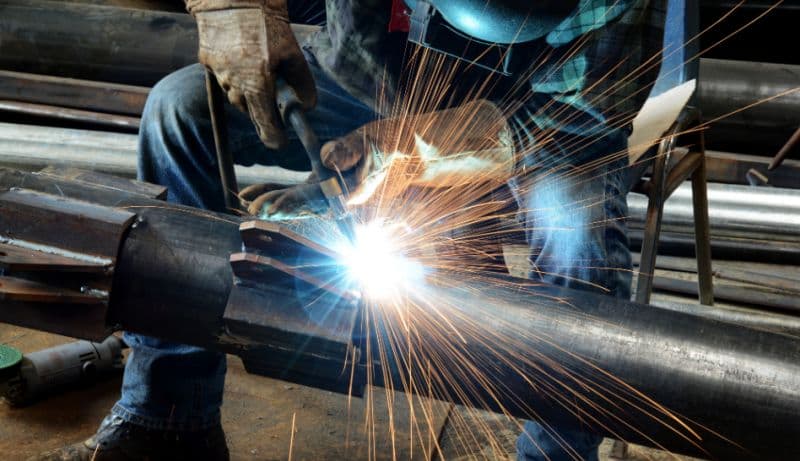
The critical components of the of the complete pellet production line equipment are built in our own workshops in Asia. Additional equipment is manufactured by our worldwide network of reliable partners.

● Testing
Quality Inspection & Testing
Before leaving the factory, all equipment will be inspected by the quality inspection department. We can also provide customers with testing services from a single machine to a complete pellet plant system, and provide you with real actual data for “worry-free use.”

● Delivery
Equipment Delivery
In equipment boxing and packaging, we adopt professional packaging and modular solutions to ensure the safe and non-destructive delivery of pellet plant equipment.
● Installation
Installation & Commissioning
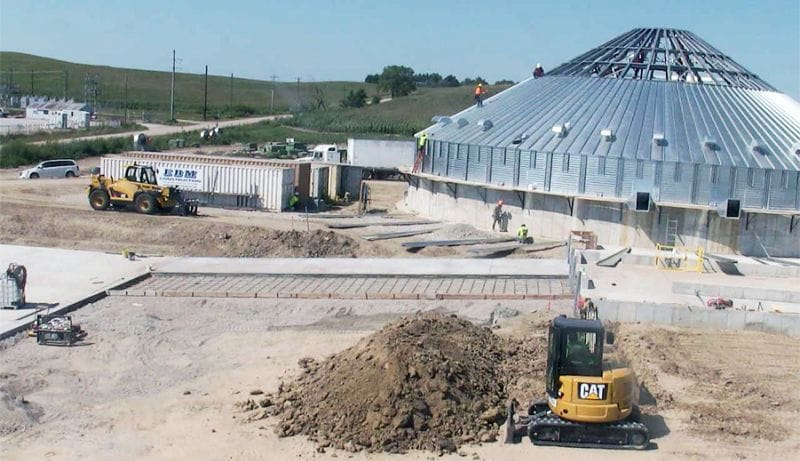
Whether you choose your own subcontractor for the erection phase or you want to install everything together with us, a Richi supervisor will be around to make sure everything is mounted in a safe and thorough way.

● Training
Staff Training
We provide comprehensive training for the technicians of each project. We can also continue to provide support for the technicians during latter project operation.
● After-sales
Project Follow-Up
When everything is up and running our Richiers will help you further whenever needed. We are ready to answer your call 24/7.We’ll also visit you regularly to learn about your needs.
Who we are
RICHI Machinery is one of the world’s leading suppliers of technology and services for the animal feed, aqua feed and pet food industries, also the largest pellet production line manufacturer in China.
Since 1995, RICHI’s vision to build a first-class enterprise, to foster first-class employees, and to make first-class contributions to society has never wavered.
In the past three decades, we have expanded our business to a wide range of areas, including animal feed mill equipment, aqua feed equipment, pet feed equipment, biomass pellet equipment, fertilizer equipment, cat litter equipment, municipal solid waste pellets equipment, etc.

1995
RICHI Established

2000+
Serving More Than 2000 Customers

120+
RICHI Employees

140+
Exported To 140 Countries