0086-138 3838 9622
Biomass Fuel Pellet and Bio-Organic Fertilizer Production Plant in Guatemala
RICHI MACHINERY
overview
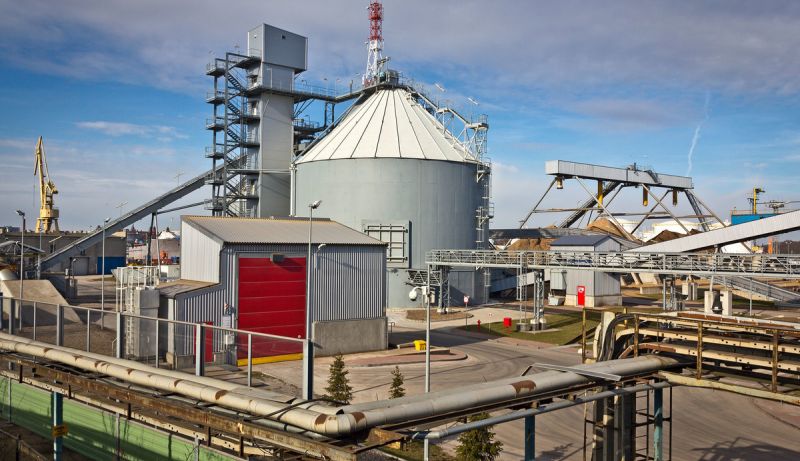
This 20,000 T/A Biomass Fuel Pellet and Bio-Organic Fertilizer Production Plant in Guatemala was developed for an agricultural-resource company that wanted to commercialize two very different residue streams on one site. The biomass section produces approximately 10,000 tons of fuel pellets per year from clean wood-processing residues and selected agricultural biomass. The fertilizer section produces another 10,000 tons per year from stabilized crop residues, suitable sugar-industry organic by-products, humic ingredients and controlled biological additives.
The two businesses share land, utilities and project management but not one common pelletizing route. Fuel production uses one RICHI MZLH678 biomass ring-die pellet mill, while the fertilizer section uses one FZLH250 and only pelletizes the portion of fertilizer that requires a granular product. The initial sales plan is approximately 6,000 T/A of powder bio-organic fertilizer and 4,000 T/A of 4–6 mm fertilizer pellets, so the fertilizer machine is selected from the 4,000-ton pellet demand rather than from the entire 10,000-ton fertilizer business.
The factory is scheduled for 300 operating days and up to two 8-hour shifts when production demand requires them. An approximately 8,000 m² functional building/process area is divided between biomass handling, fertilizer preparation and support functions; the gross land requirement is larger once roads, fire access, truck circulation and outdoor service areas are included. RICHI also separates biomass drying, dust control and fire-protection logic from fertilizer stabilization, odor control and biological-product handling.
4T/H
capacity
$250,000
investment
Guatemala
location
Biomass + Fertilizer
project type
RICHI MACHINERY
The Capacity Plan Separates Site Hours from Machine Running Hours
The factory can operate up to 16 hours per day, giving a maximum scheduled calendar of 4,800 hours per year. That number is useful for labor, utilities and site planning, but it does not mean every machine must run for all 4,800 hours. Biomass pellets, powder fertilizer and pellet fertilizer can be produced in different campaigns according to orders and raw-material condition.
| Project Item | Design Basis |
|---|---|
| Total finished products | Approx. 20,000 T/A |
| Biomass fuel pellets | Approx. 10,000 T/A |
| Total bio-organic fertilizer | Approx. 10,000 T/A |
| Powder fertilizer | Approx. 6,000 T/A |
| Pellet fertilizer | Approx. 4,000 T/A |
| Operating days | Approx. 300 days/year |
| Maximum site schedule | 2 × 8-hour shifts/day |
| Biomass pellet mill | 1 × MZLH678 |
| MZLH678 rated output | 2.5–3.0 T/H |
| Fertilizer pellet mill | 1 × FZLH250 |
| FZLH250 rated output | 1.0–1.5 T/H |
| Main fuel pellet diameter | 6–8 mm |
| Main fertilizer pellet diameter | 4–6 mm |
| Functional building/process area | Approx. 8,000 m² |
| Workforce | Approx. 20 people |
| Core machinery/system supply value | USD 250,000 |
If 10,000 tons of biomass pellets were spread evenly across all 4,800 scheduled hours, the average would be 2.08 T/H; the MZLH678 therefore has enough reserve to cover downtime and material variability. The FZLH250 does not need to operate at 0.83 T/H for the whole year. At its normal 1.0–1.5 T/H working range, 4,000 tons of pellet fertilizer can be produced in roughly 2,700–4,000 effective machine hours, allowing the fertilizer section to switch between powder and pellet campaigns without deliberately running the ring-die machine below its intended range.
RICHI MACHINERY
Guatemala Supports the Raw-Material Logic but Not Every Residue Is Automatically Available
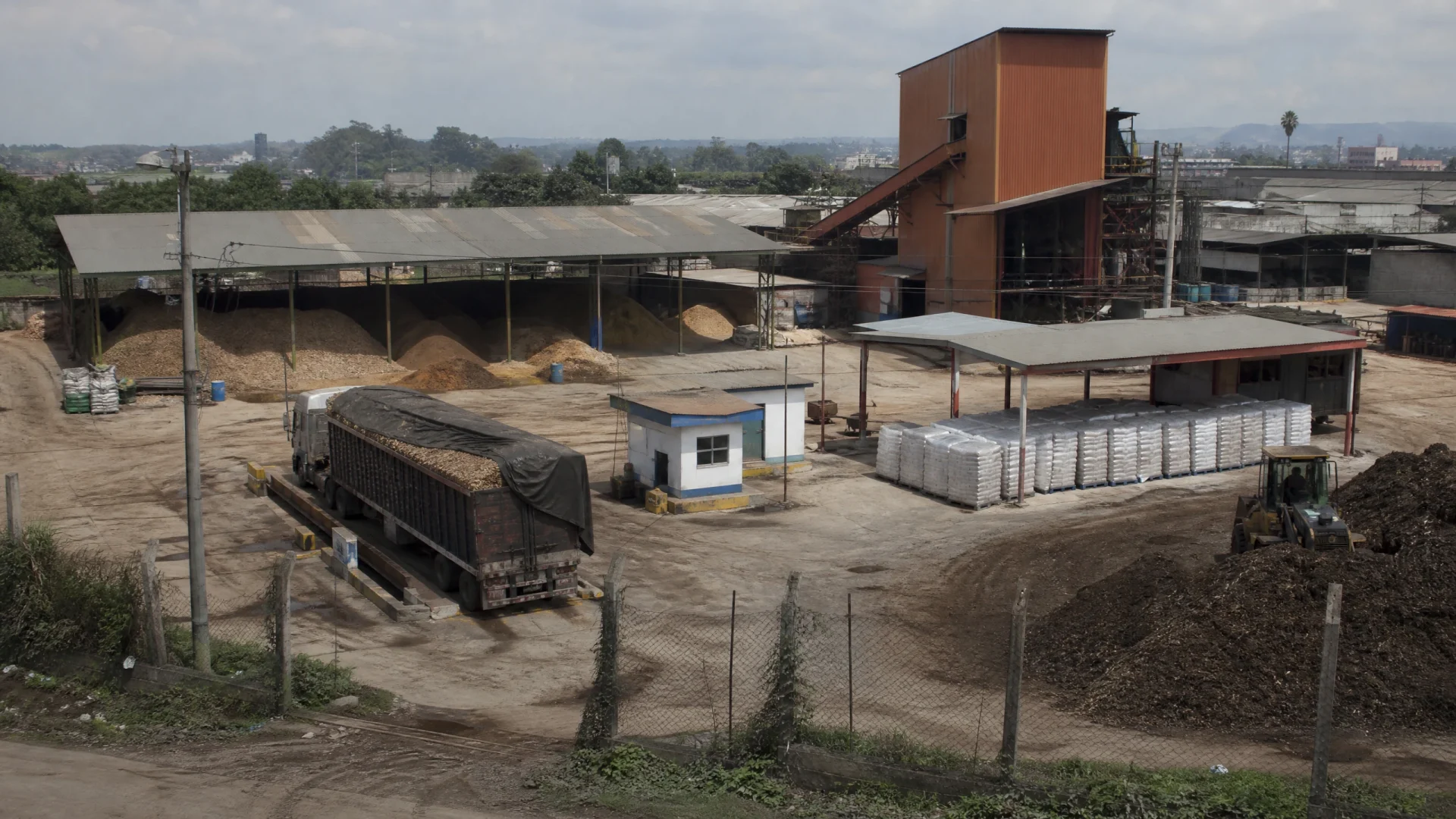
The country has a large sugarcane industry, extensive maize cultivation and an established regulated forestry sector, which gives the customer several realistic starting points for residue sourcing. The project nevertheless treats industrial by-products as contracted commercial materials, not as unlimited free waste. Sugar mills often use bagasse internally for energy, so only surplus, purchased or specifically contracted bagasse that meets the processing plan is counted in the external biomass supply.
Wood residues follow the same principle. The plant purchases clean sawdust, shavings and other suitable residues from traceable wood processors rather than accepting mixed demolition wood, painted furniture waste or unknown treated timber. Agricultural residues are evaluated by moisture, ash, contamination and seasonal collection cost before entering the biomass pellet production line.
- Wood processors: clean sawdust, shavings and compatible offcuts.
- Sugar sector: contracted dry or dewatered fibrous residues for fuel; suitable stabilized organic fractions for fertilizer.
- Maize and grain processors: clean cobs and selected crop residues where collection economics are workable.
- Other agricultural processors: dry residues accepted only after ash, moisture and contamination checks.
- Fertilizer suppliers: stabilized crop compost, humic materials and registered/approved formulation ingredients.
RICHI MACHINERY
The Biomass Side Uses a Flexible Procurement Mix Instead of a Fixed Recipe
The 10,000 T/A fuel business is built around clean wood residues, with agricultural biomass used to improve supply continuity when it matches the buyer’s fuel specification. A planning intake of roughly 11,500–12,000 tons assumes that much of the material reaches the plant in a reasonably prepared or partly dried condition. If a larger share arrives wet—especially bagasse—the wet-ton procurement requirement and dryer duty rise accordingly.
| Biomass Feedstock | Planning Share | Approx. Annual Intake | Important Condition |
|---|---|---|---|
| Clean sawdust / wood-processing fines | About 50% | 5,800–6,000 T/A | Traceable, untreated wood |
| Contracted bagasse / fibrous sugar biomass | About 25% | 2,900–3,000 T/A | Preferably dewatered or partly dried |
| Maize cobs / selected crop residues | About 15% | 1,700–1,800 T/A | Clean and economically collected |
| Rice husk or other compatible dry agro-residues | About 10% | 1,100–1,200 T/A | Used only where fuel specification allows |
| Total planning intake | 100% | Approx. 11,500–12,000 T/A | Can increase if inlet moisture is higher |
These shares are purchasing assumptions, not a mandatory pellet formula. The customer can raise the wood fraction for lower-ash fuel, reduce a seasonal agricultural residue when its delivered cost rises, or produce separate fuel grades instead of blending everything together. That is more realistic than promising that every biomass available in Guatemala can be processed into the same pellet without changing die, drying or grinding conditions.
RICHI MACHINERY
Drying Duty Is Determined by Water Removal Not Finished Tonnage Alone
The largest variable on the biomass line is moisture. Clean covered sawdust may need only limited drying, while wet bagasse can carry several times the evaporation load per ton of finished pellet. RICHI therefore sizes the thermal system from inlet moisture, required outlet moisture and hourly wet-feed rate rather than selecting a dryer from the 10,000 T/A finished capacity alone.
Material is tested and segregated before drying. Properly stored dry biomass can bypass or reduce thermal treatment; wetter material is metered into the dryer at a rate the heat source and exhaust system can actually support. This prevents the common mistake of installing a pellet mill rated for several tons per hour but feeding it from a dryer that cannot supply enough properly conditioned material during the rainy season.
Lower-grade clean biomass can be evaluated as dryer fuel where commercially and environmentally suitable. Exhaust air receives appropriate particulate control, and fire protection is designed around the actual furnace/dryer configuration. The dryer is therefore an operating tool, not a stage that automatically runs at maximum load every time the MZLH section starts.
RICHI MACHINERY
MZLH678 Gives the Biomass Business the Right Operating Margin
One MZLH678 biomass pellet mill is selected for the fuel line. Its 2.5–3.0 T/H reference range is above the 2.08 T/H annual average required if production were distributed across the full site schedule, but it is not so large that the customer must accumulate excessive prepared material before every production campaign.
| MZLH678 Item | Project Configuration |
|---|---|
| Quantity | 1 |
| Main motor | 200 kW |
| Arch-breaking feeder | 3 kW |
| Forced feeder | 1.5 kW |
| Reference biomass output | 2.5–3.0 T/H |
| Required annual production | 10,000 T/A |
| Main project pellet diameter | 6–8 mm |
| Available ring-die range | 4–12 mm |
The smaller MZLH520 would leave little or no operating reserve for a 10,000-ton target because its 1.5–2.0 T/H reference capacity is below the project’s calculated 2.08 T/H average. The MZLH678 also gives more room for the lower bulk density and less favorable forming behavior that can occur when the line processes agricultural biomass instead of clean sawdust only.
RICHI MACHINERY
Different Biomass Forms Enter the Process at Different Points
The biomass route is designed with bypasses because sawdust, wood offcuts, maize cobs and husk-type materials do not need identical preprocessing. Forcing every feedstock through every machine would increase energy consumption and wear without improving the final pellet.
- Receiving and inspection: moisture, contamination, material form and source are recorded.
- Coarse size reduction: wood pieces, cobs and larger fibrous residues are reduced where required.
- Drying: only material above the target moisture condition receives the necessary evaporation duty.
- Fine grinding: a hammer mill prepares a more uniform particle distribution for pelletizing.
- Buffer feeding: prepared biomass is stabilized before the ring-die machine.
- MZLH678 pelletizing: the principal commercial product is 6–8 mm fuel pellet.
- Cooling and screening: hot pellets are stabilized and recoverable fines separated.
- Packing or bulk storage: product is dispatched according to industrial-buyer requirements.
Prepared sawdust can bypass unnecessary coarse crushing, while maize cobs normally require more size reduction. Rice husk or similarly small materials may bypass some coarse preparation but can change ash and die behavior. A buffer between grinding and the biomass pellet making machine prevents short upstream interruptions from immediately starving the MZLH678.
RICHI MACHINERY
Fuel Grades Are Matched to the Buyer Instead of One Universal Standard
The customer’s first market is industrial and commercial heat users rather than an assumed premium export market for clean-wood pellets. That distinction allows the plant to sell more than one fuel grade while keeping each product honest about its raw-material composition.
A higher-wood-content pellet can target customers that value lower ash and more predictable combustion. Pellets containing approved agricultural biomass can serve suitable industrial boilers where ash handling and fuel specifications allow them. The company therefore tests moisture, bulk density, ash and mechanical condition against the intended sales contract instead of describing every 6–8 mm pellet as equivalent.
This approach also protects the business from raw-material seasonality. When agricultural residues are unavailable or do not meet the required specification, the customer can adjust procurement and product mix rather than forcing unsuitable material into an existing order.
RICHI MACHINERY
The Fertilizer Section Uses Agronomic Materials Rather Than Fuel Residues
The second production route is a 10,000 T/A bio-organic fertilizer production line. Its raw materials are selected for organic matter, nutrient contribution, biological function and product-registration requirements—not for heating value. The fertilizer side therefore remains physically and commercially separate from the biomass-fuel section.
| Prepared Fertilizer Ingredient | Planning Use | Role in the Product |
|---|---|---|
| Stabilized crop-residue compost | Approx. 4,500 T/A | Main organic-matter base |
| Stabilized sugar-industry organic residues | Approx. 2,500 T/A | Organic / nutrient-bearing component |
| Other approved organic or nutrient ingredients | Approx. 1,500–1,700 T/A | Formula adjustment |
| Natural humic material | Approx. 700–750 T/A | Humic component |
| Microbial preparation | Formula dependent | Functional biological addition |
| Minor ingredients / controlled moisture adjustment | As required | Completes registered commercial formula |
These are finishing-stage planning quantities rather than an attempt to claim that fresh raw waste becomes finished fertilizer one-for-one. Materials requiring composting lose moisture and mass before they reach mechanical fertilizer preparation. The final formula is set from laboratory analysis and the product specification the customer intends to sell.
RICHI MACHINERY
Biological Stabilization Is Completed Before Mechanical Fertilizer Finishing
Fresh crop residues and organic sugar-industry by-products that still require decomposition are not sent directly to the FZLH line. They first pass through controlled aerobic stabilization. The plant manages moisture, pile structure, aeration, temperature and turning according to material condition rather than declaring one fixed fermentation time for every batch.
This distinction matters because the downstream equipment expects a much more stable material. Wet actively decomposing organic matter can bridge in bins, create inconsistent feeding and make pellet formation unpredictable. Mature material is easier to crush, screen, mix and store, and it gives the customer’s quality-control program a more repeatable starting point.
The biological section therefore maintains several batches at different stages while the mechanical line runs according to the available matured inventory. Fermentation capacity is sized from residence time and incoming organic-material volume, not from the hourly rating printed on the organic fertilizer pellet mill.
RICHI MACHINERY
Powder and Pellet Fertilizer Split after Shared Preparation
The fertilizer business intentionally sells two physical forms. Approximately 6,000 T/A remains as powder, while around 4,000 T/A is converted into 4–6 mm pellets. Both products share stabilized raw-material preparation, crushing, screening and formulation, then separate before the pelletizing stage.
| Finished Fertilizer | Annual Output | Processing Logic |
|---|---|---|
| Powder bio-organic fertilizer | Approx. 6,000 T/A | Preparation → mixing → biological/final adjustment → packing |
| Pellet bio-organic fertilizer | Approx. 4,000 T/A | Preparation → mixing → FZLH pelletizing → cooling → screening → biological/final adjustment → packing |
| Total fertilizer | Approx. 10,000 T/A | Shared upstream preparation with two finished-product routes |
The powder product avoids unnecessary compression, cooling and pellet screening, which lowers power consumption and wear. The pellet product adds those steps only where distributors or farms value the cleaner physical form and easier mechanical application. This split is the reason the project does not size the fertilizer pellet mill from the full 10,000-ton fertilizer output.
RICHI MACHINERY
FZLH250 Is Matched to the 4,000 T/A Pellet Program
The fertilizer section uses one FZLH250 small fertilizer pellet machine. Its 1.0–1.5 T/H reference range matches campaign production of the 4,000 T/A pellet product while avoiding the idle capital that would come with selecting a machine for all 10,000 tons of fertilizer.
| FZLH250 Item | Project Configuration |
|---|---|
| Quantity | 1 |
| Main motor | 22 kW |
| Arch-breaking feeder | 2.2 kW |
| Forced feeder | 0.75 kW |
| Reference fertilizer output | 1.0–1.5 T/H |
| Annual pellet-fertilizer target | Approx. 4,000 T/A |
| Main project diameter | 4–6 mm |
| Available ring-die range | 4–12 mm |
At normal working output, the FZLH250 can complete the annual pellet program in approximately 2,700–4,000 effective hours, depending on sustained throughput and product changes. The remaining site operating time is available for powder production, maintenance and other stages. The same fertilizer granulator equipment can use alternative ring dies later if the customer develops other pellet sizes within the supported range.
RICHI MACHINERY
Microbial Additives Are Protected from Unnecessary Heat and Shear
Calling the product bio-organic fertilizer creates a process requirement that ordinary compost pellets do not have: the customer must control how and where the functional microbial preparation is added. Concentrated biological ingredients are not simply dumped into the bulk raw material at receiving and assumed to survive every later stage.
For powder fertilizer, microbial addition can occur after aggressive crushing and other preparation steps where appropriate. For the pellet route, heat-sensitive biological components can be added after pellet cooling or at another validated downstream position, depending on the strain, carrier and registered product specification. The dosing system is calibrated to the actual inclusion rate.
Finished-product claims are supported by testing. The machinery itself cannot guarantee a viable microbial count without the correct organism, dosing, process temperature, storage condition and quality-control program.
RICHI MACHINERY
The Two Production Areas Need Different Environmental and Safety Controls
The biomass workshop has a dry-combustible dust and fire-risk profile. Enclosed conveying, local extraction, pulse filtration, housekeeping, bearing inspection and temperature monitoring are therefore important around grinding, drying, pelletizing and screening. The dryer and heat source are positioned with suitable separation, inspection access and fire-protection provisions.
The fertilizer section has a different risk profile. Crushing and screening can produce organic dust, while biological stabilization can create localized odor and wet-area runoff. Covered handling, impermeable floors where required, controlled drainage, turning management and localized dust/odor measures are therefore more relevant than copying every biomass fire-control measure into the fertilizer area.
- Biomass: dust extraction, spark/overheat awareness, clean storage and fire access.
- Fertilizer biological area: runoff separation, odor control, turning access and housekeeping.
- Dry fertilizer finishing: local collection at crushing, screening and powder packing.
- Shared controls: safe electrical installation, emergency stops, machine guarding and clear traffic separation.
RICHI MACHINERY
Equipment Configuration Keeps MZLH and FZLH Duties Completely Separate
Although both finished products are pellets, the factory does not treat the two ring-die machines as interchangeable. MZLH equipment is configured for biomass fuel; FZLH equipment is configured for fertilizer. The rest of the line is also selected around the physical behavior of each material stream.
| Area | Main Equipment | Qty. | Purpose |
|---|---|---|---|
| Biomass | Receiving / impurity-removal system | 1 set | Controlled biomass intake |
| Biomass | Coarse crusher or shredder | 1 set | Wood pieces, cobs and larger residues |
| Biomass | Drying system | 1 set | Moisture reduction when required |
| Biomass | Hammer mill | 1 | Fine size preparation |
| Biomass | Buffer and feeder | 1 set | Stable MZLH feeding |
| Biomass | MZLH678 Biomass fuel pellet machine | 1 | 2.5–3.0 T/H reference pelletizing |
| Biomass | Cooler and screen | 1 set | Pellet stabilization and fines control |
| Biomass | Packing / finished handling | 1 set | Fuel dispatch |
| Fertilizer | Compost turning / handling system | 1 set | Biological stabilization support |
| Fertilizer | Organic-material crusher | 1 | Mature compost preparation |
| Fertilizer | Pre-screen | 1 | Oversize / contaminant control |
| Fertilizer | Dosing and mixer | 1 set | Commercial formulation |
| Fertilizer | FZLH250 Organic fertilizer pellet machine | 1 | 1.0–1.5 T/H reference pelletizing |
| Fertilizer | Pellet cooler machine and screen | 1 set | Pellet stabilization and separation |
| Fertilizer | Microbial dosing system | 1 set | Controlled biological addition |
| Fertilizer | Powder / pellet packing | 1 set | Two fertilizer product forms |
| Shared | Dust-control points | Multiple | Process-specific particulate capture |
| Shared | Electrical / PLC control | 1 set | Interlocking and production monitoring |
RICHI MACHINERY
The 8,000 m² Figure Refers to Functional Area Not the Entire Land Parcel
The project allocates approximately 3,700 m² to biomass processing and associated storage, about 4,000 m² to fertilizer preparation/production/storage and around 300 m² to office, control and support functions. That total is best treated as functional building/process area. The gross property must also provide external truck roads, turning radii, fire access, drainage, loading space and setbacks.
The layout keeps raw biomass away from fertilizer ingredients and separates the high-temperature dryer area from biological fertilizer preparation. Wet compost handling does not cross clean finished-fertilizer storage, and dusty biomass unloading does not share a common indoor warehouse with microbial preparations.
This separation improves more than housekeeping. It makes maintenance safer, reduces cross-contamination, simplifies traffic control and allows either business to operate while the other section is undergoing planned maintenance.
RICHI MACHINERY
Utilities Are Calculated from Simultaneous Demand and Actual Moisture
The MZLH678 main motor alone is 200 kW, so electrical design must start from the confirmed connected-load schedule rather than a small-workshop assumption. Hammer milling, dryer fans, conveyors, cooling, screening and dust collection add substantial load; the FZLH250 and fertilizer-preparation equipment add a smaller but still important second group of motors.
A practical annual electricity-planning envelope is approximately 1.1–1.5 million kWh, subject to dryer design, feedstock moisture, production campaign length and final auxiliary equipment. Transformer and generator decisions are based on simultaneous running load and motor-starting requirements rather than annual kWh.
Water use is much lower than in a wet-processing factory but is not zero. The fertilizer section may require controlled moisture adjustment and sanitation water, staff facilities require domestic water, and the site needs separate fire-water provision. A preliminary routine operating range of roughly 800–1,500 m³/year can be used for utility planning before the customer’s compost-moisture practice and local services are finalized; fire reserve is calculated separately.
RICHI MACHINERY
Approximately Twenty People Can Run the Site with Mechanized Handling
The two-shift arrangement does not require twenty people on each shift. Management, procurement, maintenance and quality functions can remain concentrated during the day, while a smaller production crew covers the active biomass and fertilizer equipment. Mechanized conveying, loaders and automatic/semi-automatic packing keep the headcount within a practical range.
- plant/production supervisor;
- biomass receiving and processing operators;
- fertilizer preparation and FZLH operators;
- loader / material-handling personnel;
- packing and warehouse staff;
- mechanical/electrical maintenance;
- quality-control and production-record responsibility;
- procurement and logistics coordination.
Staffing can move between sections according to the production campaign. This is useful because the FZLH250 may run only when pellet-fertilizer orders justify it, while powder fertilizer or biomass production continues on a different schedule.
RICHI MACHINERY
Commissioning Establishes Two Separate Operating Recipes
RICHI commissioning does not apply one generic ‘pellet machine setting’ to the site. The biomass line is tested with the customer’s actual wood/agricultural blend, and engineers adjust moisture condition, hammer-mill preparation, feeder stability, MZLH load, pellet formation, cooling and fines return. Different biomass blends can therefore have different recorded operating windows.
The fertilizer section is commissioned independently. Stabilized material is checked after crushing and mixing; FZLH feed condition is adjusted; the 4–6 mm pellet is evaluated after cooling and screening; and the biological-addition and packing steps are calibrated separately. Powder fertilizer bypass operation is also tested so the customer can switch products without creating uncontrolled cross-routing.
The operating team is trained on startup/shutdown sequence, die and roller inspection, lubrication, blockage prevention, dust systems, biological-material readiness, moisture response and production records. The objective is repeatable saleable output, not a brief maximum-throughput test.
RICHI MACHINERY
Qingdao to Puerto Quetzal Is a Practical Equipment Route
Main RICHI machinery is prepared for ocean shipment from Qingdao Port to Puerto Quetzal. Guatemala’s Pacific port system handles containerized cargo, making Puerto Quetzal a practical gateway for a project whose final inland destination is in the central or Pacific-side part of the country. The exact shipping plan is still confirmed from the customer’s site, container availability and inland haulage.
Equipment is marked by production area before shipment so the installation team can immediately distinguish biomass machines, fertilizer machines and shared auxiliaries. Moisture-sensitive electrical components receive export protection, machined surfaces are preserved for ocean transit and packing lists follow the erection sequence.
Local civil works, foundations, roads, drainage, simple platforms and suitable locally fabricated structures can be executed in Guatemala according to RICHI drawings when this reduces freight and total project cost.
RICHI MACHINERY
USD 250,000 Is the Core Machinery Supply Value Not the Total Factory CAPEX
The project reference value is approximately USD 250,000 for the RICHI core machinery and system scope represented in this case. It should not be read as the all-in cost of buying land and constructing a complete 20,000 T/A industrial site. The final equipment contract changes with dryer evaporation duty, thermal system, compost-turning scope, packing automation, steel structure, environmental controls and the amount of auxiliary equipment sourced locally.
Land, main buildings, local foundations, utility connection, permitting, taxes, freight, local installation labor, fire infrastructure, raw-material inventory and working capital belong to the customer’s wider project investment unless specifically included in a contract. Keeping those items separate makes the project price more useful to a buyer than combining machinery and unknown local construction costs into one artificial number.
A practical implementation period is approximately 7–10 months from confirmed engineering through manufacturing, civil preparation, shipping, erection and commissioning, subject to local approvals, site readiness and the final scope of the drying and biological-stabilization sections.
RICHI MACHINERY
Expansion Depends on Which Product Gains Market Share First
The initial project leaves reserve without paying for large idle machines. If biomass fuel sales rise above 10,000 T/A, the customer first checks raw-material supply, dryer evaporation capacity, hammer milling, cooling and conveying before adding pelletizing capacity. A second biomass pellet mill alone will not help if prepared dry material remains the bottleneck.
The fertilizer business has a different expansion path. Total fertilizer sales can grow by increasing powder output with relatively little additional ring-die capacity, or the product mix can shift toward pellets. If pellet demand rises materially above 4,000 T/A, the customer can add a larger or second FZLH module after confirming that crushing, mixing, cooling, screening and packing can support it.
That phased strategy is the central commercial strength of this Biomass Fuel Pellet and Bio-Organic Fertilizer Production Plant in Guatemala: two residue streams create two revenue channels, but each production section is expanded only when its own raw-material supply and customer demand justify the investment.
RICHI MACHINERY
RICHI Designs the Project from Material Destination First
The engineering question is not ‘Can this residue be pelletized?’ but ‘Which product gives this residue the most defensible route?’ Clean traceable wood residues belong naturally in the fuel business. Contracted fibrous crop residues can supplement fuel when their ash and moisture fit the buyer’s boiler. Stabilized organic by-products with agronomic value are kept for fertilizer instead of being burned simply because they are biomass.
That classification protects both product quality and operating cost. The MZLH678 handles the fuel duty for which it is designed; the FZLH250 handles the fertilizer duty for which it is designed; powder fertilizer bypasses unnecessary pelletizing; and sensitive microbial ingredients are added where the process can preserve their intended function.
For another Guatemalan agricultural processor, sawmill, sugar-industry partner or residue-recycling company considering a similar project, RICHI machinery would first confirm annual feedstock contracts, moisture ranges, contamination, seasonal storage, fuel buyers, fertilizer formulas, product registrations, available land and utilities. Only after those commercial and material conditions are defined does the final equipment list become meaningful.
● RICHI MACHINERY
RICHI Service

● Consulting
Customer Consultation
We want to have a deep understanding of your industrial process, to know your exact needs of feed, wood, biomass, fertilizer or other pellet processing.

● Design
biomass Pellet Plant Design
Based on your unique situation and industrial process, we will tailor complete pellet plant you need, and inform you of every additional detail that could facilitate operation, minimize total cost.
● Manufacturing
Equipment Manufacturing
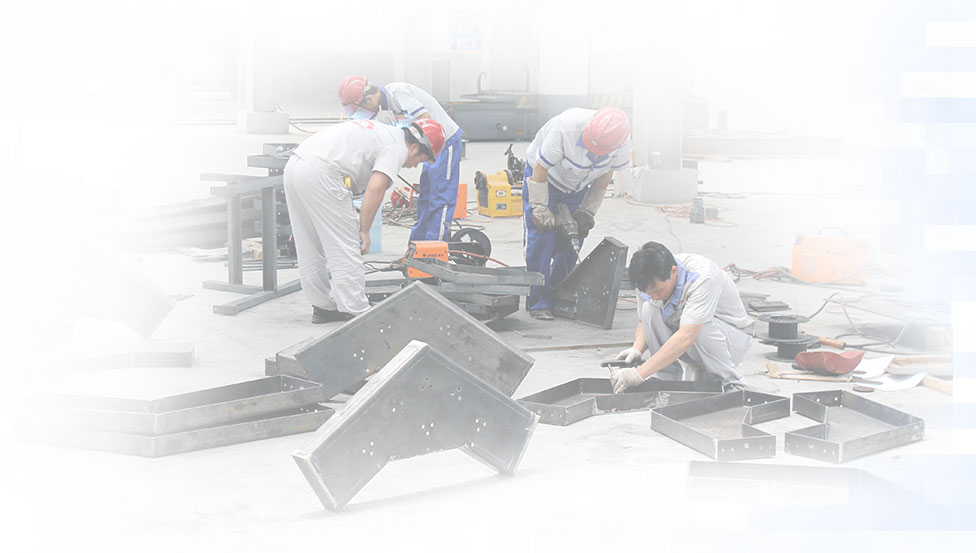
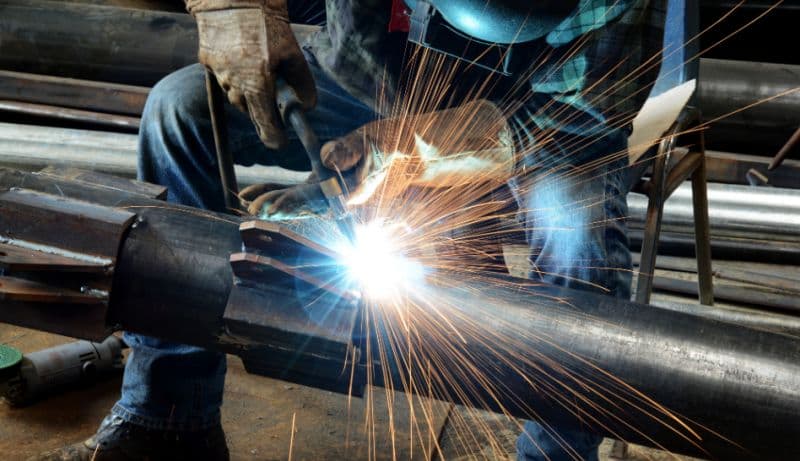
The critical components of the of the complete pellet production line equipment are built in our own workshops in Asia. Additional equipment is manufactured by our worldwide network of reliable partners.

● Testing
Quality Inspection & Testing
Before leaving the factory, all equipment will be inspected by the quality inspection department. We can also provide customers with testing services from a single machine to a complete pellet plant system, and provide you with real actual data for “worry-free use.”

● Delivery
Equipment Delivery
In equipment boxing and packaging, we adopt professional packaging and modular solutions to ensure the safe and non-destructive delivery of pellet plant equipment.
● Installation
Installation & Commissioning
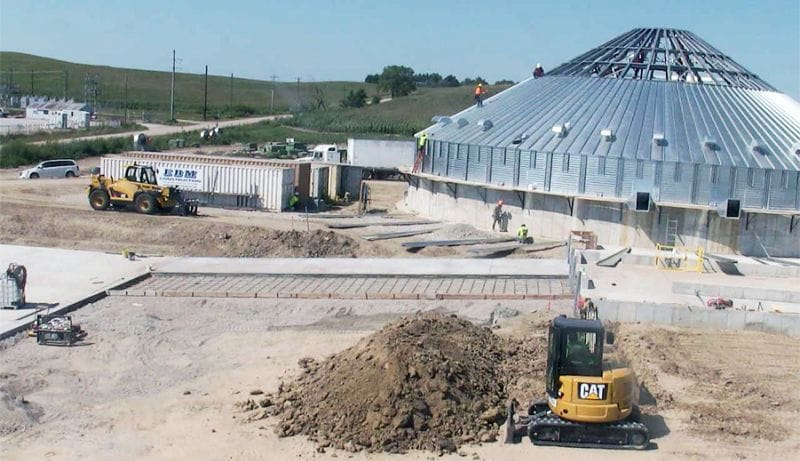
Whether you choose your own subcontractor for the erection phase or you want to install everything together with us, a Richi supervisor will be around to make sure everything is mounted in a safe and thorough way.

● Training
Staff Training
We provide comprehensive training for the technicians of each project. We can also continue to provide support for the technicians during latter project operation.
● After-sales
Project Follow-Up
When everything is up and running our Richiers will help you further whenever needed. We are ready to answer your call 24/7.We’ll also visit you regularly to learn about your needs.
Who we are
RICHI Machinery is one of the world’s leading suppliers of technology and services for the animal feed, aqua feed and pet food industries, also the largest pellet production line manufacturer in China.
Since 1995, RICHI’s vision to build a first-class enterprise, to foster first-class employees, and to make first-class contributions to society has never wavered.
In the past three decades, we have expanded our business to a wide range of areas, including animal feed mill equipment, aqua feed equipment, pet feed equipment, biomass pellet equipment, fertilizer equipment, cat litter equipment, municipal solid waste pellets equipment, etc.

1995
RICHI Established

2000+
Serving More Than 2000 Customers

120+
RICHI Employees

140+
Exported To 140 Countries