0086-138 3838 9622
4 T/H Industrial Wood Pellet Plant in Vietnam
RICHI MACHINERY
From Woodworking Offcuts to a Regular Fuel Supply
A useful pellet is one a boiler operator can feed, store and burn without changing the routine for every delivery. That is the commercial focus of this industrial wood pellet plant in Vietnam. The 4 T/H configuration brings together RICHI wood preparation, pellet press, cooling and bagging for a processor serving industrial heat users around Da Nang.
The raw material comes in two very different forms: solid offcuts from woodworking and loose sawdust. Offcuts need size reduction; sawdust needs protection from rain and contamination. Giving each stream an appropriate receiving route lets the plant make use of both without sending every tonne through unnecessary cutting equipment.
An industrial site contains a 1,800 m² existing workshop, leaving room for trucks, covered receiving and fire-service access. Ten staff cover one eight-hour shift; seven net production hours leave time for cleaning, routine service and product changeovers.
Equipment investment is budgeted at USD 265,000, with total project investment budgeted at USD 420,000. The total includes the machinery, freight and import clearance, installation, foundations, workshop adaptation, electrical distribution, dust protection, commissioning and contingency. The existing premises are leased; land purchase and operating inventory are excluded.
4 T/H
Capacity
Complete line
RICHI supply
Vietnam
Location
Industrial fuel
Project type
RICHI MACHINERY
What the Boiler Customer Actually Buys
Industrial fuel contracts are won on more than pellet appearance. The customer’s feeding system, ash-removal equipment and available storage influence the product and delivery arrangement.
| Heat user | Receiving area | Purchase consideration |
|---|---|---|
| Textile steam | Da Nang area | Boiler fuel trial |
| Food processing | Central Vietnam | Consistent moisture |
| Timber drying | Woodworking districts | Ash handling |
| Brewing and distilling | Regional deliveries | Stable fuel feeding |
| Supply planning | Local routes | Orders within available output |
A textile plant running a steam boiler may prefer regular bulk loads, while a smaller food processor may need bags it can handle without a bulk store. The production line serves both routes. The product specification travels with the order, giving purchasing staff and boiler operators the same information about moisture, ash and fines.
The receiving arrangement separates four usable wood streams:
| Stream | Handling | Acceptance | Preparation |
|---|---|---|---|
| Clean solid offcuts | Covered bay | Untreated solid wood | Primary reduction |
| Furniture offcuts | Separate loads | Clean solid wood | Chip and grind |
| Clean sawdust | Enclosed storage | Measured moisture | Screen and grind as needed |
| Packaging timber | Inspected pieces | No preservatives or heavy contamination | Metal removal before cutting |
| Accepted supply | Batch identification | 10–14% press-feed moisture | Wet loads held separately |
Clean solid wood is the foundation of the fuel route. Painted pieces, preservative-treated timber and laminated panels are kept out, even when they are inexpensive to collect. A magnet can recover a nail; it cannot turn chemically treated timber into clean wood fuel. This distinction protects the customer’s furnace as well as the pellet equipment.
RICHI MACHINERY
Put Receiving Space Ahead of the Press Room
The workshop has about 8 m of clear height for the process equipment and maintenance access. Conveyors connect the separate preparation and pressing areas; truck circulation remains outside the production building.
The indoor arrangement assigns space by process duty:
| Zone | Area (m²) | Duty | Position |
|---|---|---|---|
| Primary reduction | 250 | Inspection and chipper | West |
| Grinding | 250 | Hammer mill and buffer | Centre |
| Pelleting and cooling | 100 | Press, cooler and screen | Centre-east |
| Warehouse | 800 | Separated raw wood and finished stock | East |
| Office and staff facilities | 100 | Quality checks and shift support | Separate allocation |
The five indoor allocations total 1,500 m². Their areas include local access aisles; the remaining site serves covered receiving, vehicle turning, utility equipment and separation around the building.
The 800 m² warehouse is divided into 450 m² for accepted dry wood, 300 m² for finished bags and 50 m² for packaging supplies. Partitions, clear aisles and separate handling positions keep raw stock away from released pellets.
Covered receiving and short delivery intervals suit a processor buying dry woodworking residues. Wet sawdust does not enter this no-dryer line: it needs a separate drying route or must be returned to the supplier.
| Equipment | Quantity | Main drive | Process duty |
|---|---|---|---|
| RICHI primary wood reduction unit | 1 | 90 kW | Inspected solid offcuts |
| RICHI wood pellet hammer mill | 1 | 132 kW | Fine preparation |
| RICHI MZLH420 wood pellet mill | 1 | 280 kW | Pelleting |
| Extraction systems | 2 groups | Fan duty matched to ducts | Dust capture |
| Weighing and bag closing | 1 line | Matched to packing duty | At least 200 × 25 kg bags/h |
| Conveying package | 1 coordinated set | Selected by route | Enclosed transfers |
| Counterflow cooler and screen | 1 set | Selected for at least 5 T/H | Cool and remove fines |
RICHI’s equipment scope combines primary reduction, fine grinding, MZLH768 press and downstream cooling, screening and weighing. Feeders and transfers are selected as part of the package, so the customer receives a connected production route.
Each main section solves a different material problem:
Solid wood preparation. A 90 kW chipper handles inspected offcuts. Sawdust bypasses chipping; the cutting schedule follows the proportion of solid pieces in the incoming blend.
Fine grinding. A 132 kW hammer mill prepares the chips and oversized sawdust. A 4–6 mm screen is a starting selection; fibre character and sieve results establish the setting that feeds pelletizer steadily.
Parallel pressing. One MZLH768 machine. The upstream preparation route and downstream cooler are selected for at least 5 T/H under the specified dry-material conditions.
A dry-material route. The process is arranged for press feed around 10–14% moisture. Covered supply and receiving are therefore part of production, particularly when rain can change the condition of sawdust within a single delivery cycle.
RICHI MACHINERY
How the Wood Becomes Bagged Fuel
Receiving with a Separate Sawdust Route
A solid-wood load goes to the inspection and primary reduction area. Clean sawdust follows a shorter route through screening and metal control, avoiding a machine intended for larger pieces.
Keeping the streams identifiable also makes blending easier. The operator can respond to a change in wood type or moisture before it affects press, rather than trying to correct an inconsistent mixture at each die.
Material excluded from the accepted stream includes:
- Painted, coated, laminated or preservative-treated timber
- Pieces carrying heavy metal contamination or mixed construction debris
- Wet or mouldy material unsuitable for the dry-feed route
Supplier feedback is specific: contamination, moisture or unsuitable dimensions. Over time, that information helps procurement secure more useful tonnes per delivery and reduces handling of material that will never become saleable fuel.
Chipping Solid Offcuts
The cutting stage changes the dimensions of the wood before fine grinding. A steady feed places less uneven demand on the downstream equipment than alternating between large empty gaps and heavy surges.
The primary unit receives inspected pieces through its controlled infeed. Knife access and the discharge route remain clear for routine service.
The cutting arrangement provides:
- An inlet matched to accepted piece dimensions
- Accessible knives, bearings and inspection points
- Chip preparation suited to the hammer mill
Metal removal is positioned before vulnerable machinery. Recovered nails and other foreign matter leave the production circuit, while accepted chips move into the grinding stage without being mixed back with receiving rejects.
Grinding for Consistent Press Feeding
Fine grinding brings chipped offcuts and suitable small residues toward the same pressing condition. A buffer between preparation and the presses absorbs short interruptions without requiring an oversized pile of loose powder on the floor.
The grinding section is organized around these duties:
| Item | Operating basis |
|---|---|
| Material | Clean wood chips and screened sawdust |
| Main motor | 132 kW |
| Screen | 4–6 mm starting selection |
| Feed control | Motor-load regulated |
| Inspection | Screen, hammers and bearing condition |
| Line balance | Buffer feeds press |
The prepared wood is assessed by its actual particle character:
| Fraction | Assessment | Action |
|---|---|---|
| Fine particles | Useful within a balanced feed | Avoid excessive dust |
| Main fraction | Consistent small particles | Maintain steady feeding |
| Long fibres | Check by sieve and inspection | Adjust preparation |
| Oversize | Unsuitable for uniform pressing | Return to grinding |
Aspiration assists the hammer mill and contains process dust. Clean recovered wood fines have a controlled return point, keeping useful material in production while avoiding an uncontrolled return of dirt from the receiving area.
Forming Nominal 8 mm Pellets
Ground wood enters the press through controlled feeders. The operator can see how each machine is loading, making uneven distribution or a worn die easier to identify before the whole production rate falls.
The press group uses the following configuration:
| Parameter | Configuration | Operating significance |
|---|---|---|
| Model | MZLH768 | RICHI wood pellet press |
| Die holes | 8 mm | Nominal pellet diameter |
| Main motor | 280 kW | One machines |
| Die selection | Matched to tested wood blend | Compression set for material |
| Feed moisture | About 10–14% | Measured before pressing |
| Combined duty | 4 T/H | One press operating |
Product release focuses on the properties the customer receives:
| Property | Product target | Role |
|---|---|---|
| Diameter | Nominal 8 mm | Fuel feeding |
| Length | 10–30 mm | Conveying |
| Moisture | 8–12% after cooling | Storage |
| Particle integrity | Intact formed pellets | Handling |
| Bulk density | 600–700 kg/m³ target | Delivery |
| Durability | Buyer contract specification | Fines control |
| Ash | Feedstock analysis | Boiler suitability |
| Heating value | Declared laboratory basis | Fuel purchasing |
Seven net running hours at the nominal duty produce 28 tonnes per shift. At 12% incoming and 10% finished moisture with 2% dry-solids loss, this requires about 29.2 tonnes of accepted wood. Purchasing and dispatch are scheduled around that material balance.
Cooling Without Occupying the Warehouse Floor
Pellets leaving the dies carry heat into the counterflow cooler. Controlled airflow passes through the pellet bed while the discharge arrangement keeps the flow moving toward screening.
The cooler removes heat while production continues. Product is released to packing at no more than about 5°C above ambient, with moisture checked separately rather than assumed from temperature.
Temperature and moisture are considered together before packing. In humid weather, protecting cooled pellets from condensation and rain is just as important as removing heat at the cooler.
Packing for Bulk Users and Bag Customers
The screen removes loose fines before the weighing station. The bagging area is kept clear of incoming wood handling, so the appearance of the finished product reflects the care taken through the process.
The bagged route follows four simple steps:
- Position a suitable 25 kg bag at the filling spout
- Weigh the pellet quantity automatically
- Close the bag and identify its production batch
- Transfer the bags to stable, accessible pallets
A fully bagged 4 T/H stream requires 160 bags/hour at 25 kg. The complete filling-and-closing route is selected for at least 200 bags/hour, giving the operators time for bag changes without making packing the normal bottleneck.
RICHI MACHINERY
Power for Preparation, Pressing and Dust Control
| Utility | Main users | Design basis | Control |
|---|---|---|---|
| Electricity | Presses and preparation | Nameplate and demand schedule | Submeter production |
| Water | Staff and housekeeping | Separate from dry process | Keep stock dry |
| Loader fuel | Receiving and dispatch | Vehicle duty cycle | Log operating hours |
The connected-load schedule distinguishes motor ratings from electricity consumption:
| Group | Connected kW | Duty pattern | Selection check | Operating control |
|---|---|---|---|---|
| Chipper | 90 | Intermittent offcut runs | Accepted piece size | Metered infeed |
| Hammer mill | 132 | During preparation | At least 5 T/H on qualified feed | Sieve and load checks |
| Wood pellet mill | 280 | One working presses | 4 T/H line duty | Individual current display |
| Extraction | 30 | With associated equipment | Airflow and pressure losses | Filter differential pressure |
| Cooling, conveying and packing | 25 | With pellet production | At least 5 T/H transfer duty | Level and temperature interlocks |
| Lighting and office | 5 | Occupied hours | Separate support circuits | Section metering |
| Total | 642 | Connected-load basis | Starting and demand study | Meter actual electricity use |
Chipping, grinding and the main press motors total 280 kW. With a 60 kW allowance for extraction, cooling, conveying, packing and support, the connected-load basis is 642 kW. This is not an hourly energy-use claim.
The electrical package is arranged for the site’s confirmed three-phase 50 Hz service. Sequential starting and appropriate drive controls limit simultaneous starting demand; the utility and electrical designer determine the connection and transformer rating.
RICHI MACHINERY
A Workshop That Is Easier to Operate and Maintain
Wood handling creates dust at particular locations: cutting, grinding, transfers and packing. Local extraction concentrates on those locations, with access for cleaning and filter service built into the arrangement.
Dust collection. Enclosed transfers and local extraction serve cutting, grinding and pressing. Combustible-dust assessment determines separation, isolation and explosion protection; a filter alone is not a complete protective system.
Water and drainage. The dry process has no steam-conditioning or washing stage. A domestic and housekeeping allowance of 1–2 m³/day is separate from fire-water storage and any future drying equipment.
Air movement. The extraction system is selected as a connected circuit of hoods, ducts and filters. A fan motor alone does not define how well each pickup point works.
Noise and access. Stable machinery support and suitable enclosures improve the working environment without blocking the access needed for knives, screens, dies and bearings.
Material recovered or removed during production follows defined routes:
| Stream | Segregation | Destination |
|---|---|---|
| Clean process fines | Identified wood stream | Controlled return |
| Oversize wood | Accepted material only | Further reduction |
| Recovered metal | Separate container | Approved scrap route |
| Used oil | Sealed labelled container | Authorized collection |
| General refuse | Away from product | Local collection service |
RICHI MACHINERY
The Details Behind a Dependable Supply Package
The strongest reason to buy the line as a coordinated package is the relationship between its stages. A press performs best when preparation feeds it evenly and the downstream route can carry away its output.
Covered raw stock. The wood store uses measured bulk density and safe stack limits to hold a two-to-three-day working buffer; incoming deliveries replenish it through the week.
The existing workshop keeps construction outside the main spending burden. The complete scope still includes continuous cooling, extraction and fire-protection interfaces, because these are necessary parts of operating the line.
Different incoming dimensions. The separate sawdust path gives the operator flexibility without burdening the chipper with material that does not need cutting.
That flexibility is practical at receiving: suppliers can deliver clean offcuts or loose residues, while the line brings them toward a common pressing specification.
A manageable operating team. Ten positions cover supervision and quality, receiving and loading, preparation, press operation, packing and maintenance across the single shift.
Machine-specific instruction covers:
- Start-up order, interlocks and normal operating observations
- Safe knife, screen, die and roller service
- Clearly identified controls and Vietnamese operating information
Training connects a symptom to the right part of the line. Rising press current, for example, may begin with changing wood moisture or uneven feeding rather than a mechanical defect in the press itself.
Supplier variation. Keeping incoming batches identifiable gives the operator a practical way to adjust the mix and trace a change in pellet behaviour.
The receiving position combines:
- Metal removal ahead of cutting and grinding
- Visual inspection while pieces are still identifiable
- Moisture measurement beside a separate hold area
RICHI MACHINERY
A Fuel Specification That Supports Repeat Orders
An industrial fuel customer needs a product description that can be used at receiving. Nominal pellet size, moisture, ash, heating value and handling strength provide that common basis between the producer and the boiler operator.
| Property | Specification basis | Production stage |
|---|---|---|
| Diameter | 8 mm nominal | Die selection |
| Length | 10–30 mm | Cutting and screening |
| Moisture | 8–12% target | Cooling and storage |
| Bulk density | 600–700 kg/m³ target | Finished product |
| Ash | Qualified wood blend | Material acceptance |
| Heating value | Laboratory declaration | Product qualification |
| Durability | Handling specification | Pelleting and cooling |
| Fuel chemistry | Customer’s boiler limits | Material qualification |
Packing choices serve different delivery arrangements:
| Format | Handling | Order information |
|---|---|---|
| Bulk | Protected vehicle loading | Vehicle capacity and unloading system |
| 25 kg bags | Palletized stock | Bag count and delivery frequency |
Supply discussions connect product properties with the customer’s operation:
| Buyer need | Plant response | Agreement detail |
|---|---|---|
| Fuel consistency | Batch quality checks | Moisture and ash limits |
| Delivery continuity | Production and stock schedule | Order lead time |
| Traceability | Supplier and batch records | Product identification |
For a nearby user, smaller repeat deliveries can reduce the stock held beside the boiler. For the producer, a regular delivery schedule makes production and packing easier to organize. This is a practical commercial advantage when the line, warehouse and vehicle route are planned together.
RICHI MACHINERY
Building a Local Industrial Customer Base
This configuration serves industrial heat users reachable by regular road deliveries from the Da Nang area. Procurement concentrates on clean dry woodworking residues; the business does not depend on securing export contracts before it can sell its output.
Three features support that local position:
Boiler compatibility. Fuel samples and an agreed trial connect the pellet specification with the customer’s actual feeding and combustion equipment.
Consistent deliveries. Covered stock, controlled pressing and continuous cooling support repeat orders through changing weather and material batches.
Flexible dispatch. Bagged and bulk routes let the producer serve customers with different storage and unloading arrangements.
Procurement and sales need to grow together. A new fuel contract is useful when enough accepted dry wood is available to fulfil it, not simply when nominal press capacity appears spare.
The operating plan addresses these recurring constraints:
| Constraint | Operating response |
|---|---|
| Competition for clean offcuts | Qualify several suppliers and record accepted tonnes |
| Wet-weather material | Covered receiving and moisture-based acceptance |
| Customer storage limits | Align delivery lot size with consumption |
A customer’s repeat order is the useful test of this production route: the pellets arrive in the agreed form, feed through the receiving system and match the fuel specification established at the start of the relationship.
RICHI MACHINERY
Specify Your Industrial Wood Pellet Plant in Vietnam
RICHI Machinery can develop the equipment package from the material you collect and the fuel your boiler customers need. Offcut dimensions, sawdust condition and monthly availability establish the preparation route; the buyer’s receiving system defines the finished specification.
- Show the incoming wood. Photos and representative samples reveal preparation needs that a generic raw-material name cannot describe.
- Include wet-weather conditions. The highest moisture encountered in normal supply is more useful for process selection than a sample collected only in dry weather.
- Choose the operating pattern. Required tonnes per shift determine the number of working presses and the downstream handling rate.
- Plan the delivery route. Customer storage and truck access influence whether bagging, bulk loading or both should be included.
Request a wood residue pellet production line proposal covering preparation, pressing, cooling and dispatch. RICHI can align the wood pellet production line with your workshop and electrical supply, including the interfaces between each machine.
For a useful wood pellet plant cost quotation, send the material types, moisture range, site drawing and required output. The response can separate the biomass pellet equipment scope from local installation work so that competing quotations can be compared on the same basis.
Send your workshop dimensions and wood supply details to RICHI to begin the layout discussion.
● RICHI MACHINERY
RICHI Service

● Consulting
Customer Consultation
We want to have a deep understanding of your industrial process, to know your exact needs of feed, wood, biomass, fertilizer or other pellet processing.
● Design
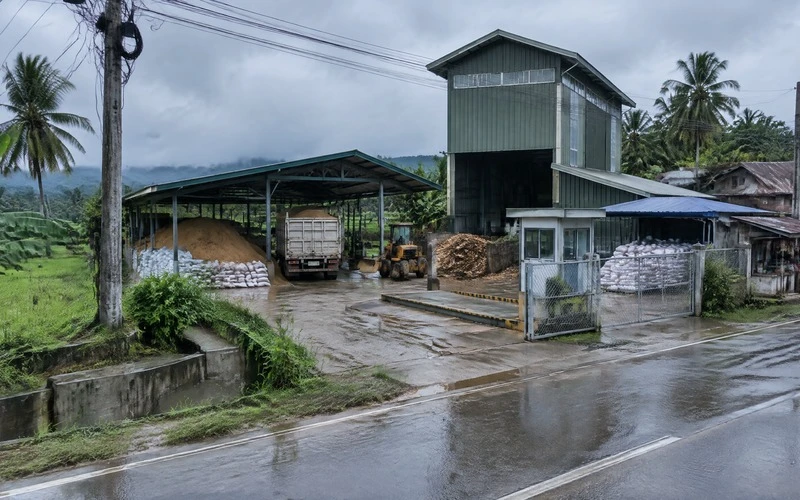
biomass Pellet Plant Design
Based on your unique situation and industrial process, we will tailor complete pellet plant you need, and inform you of every additional detail that could facilitate operation, minimize total cost.
● Manufacturing
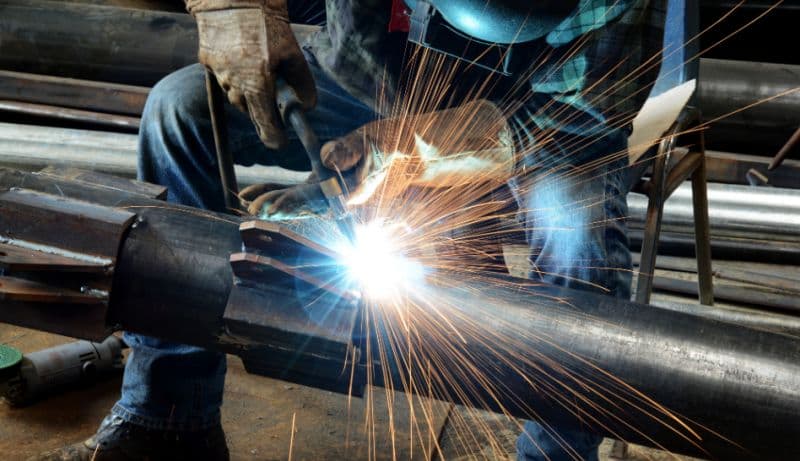
Equipment Manufacturing
The critical components of the of the complete pellet production line equipment are built in our own workshops in Asia. Additional equipment is manufactured by our worldwide network of reliable partners.

● Testing
Quality Inspection & Testing
Before leaving the factory, all equipment will be inspected by the quality inspection department. We can also provide customers with testing services from a single machine to a complete pellet plant system, and provide you with real actual data for “worry-free use.”

● Delivery
Equipment Delivery
In equipment boxing and packaging, we adopt professional packaging and modular solutions to ensure the safe and non-destructive delivery of pellet plant equipment.
● Installation
Installation & Commissioning
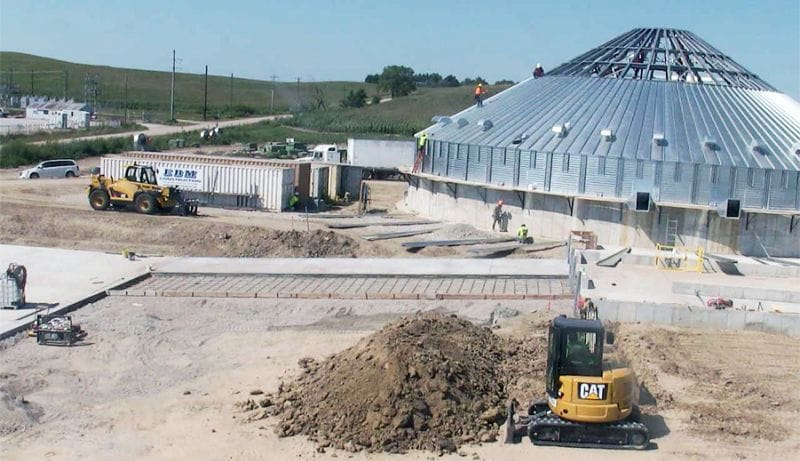
Whether you choose your own subcontractor for the erection phase or you want to install everything together with us, a Richi supervisor will be around to make sure everything is mounted in a safe and thorough way.

● Training
Staff Training
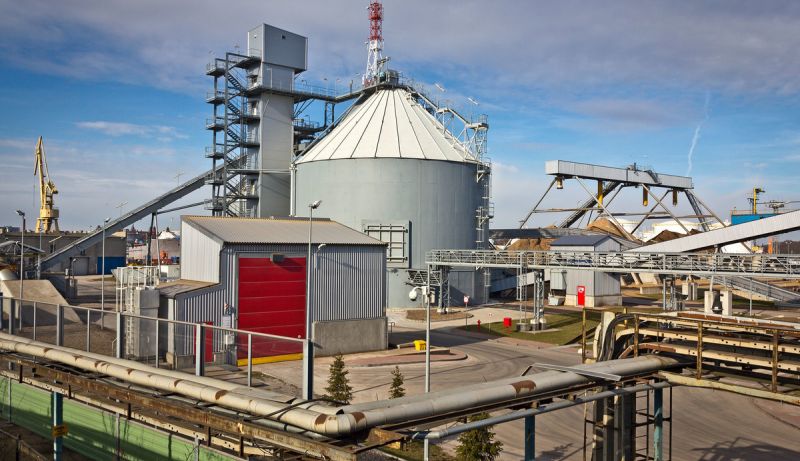
We provide comprehensive training for the technicians of each project. We can also continue to provide support for the technicians during latter project operation.
● After-sales
Project Follow-Up
When everything is up and running our Richiers will help you further whenever needed. We are ready to answer your call 24/7.We’ll also visit you regularly to learn about your needs.
Who we are
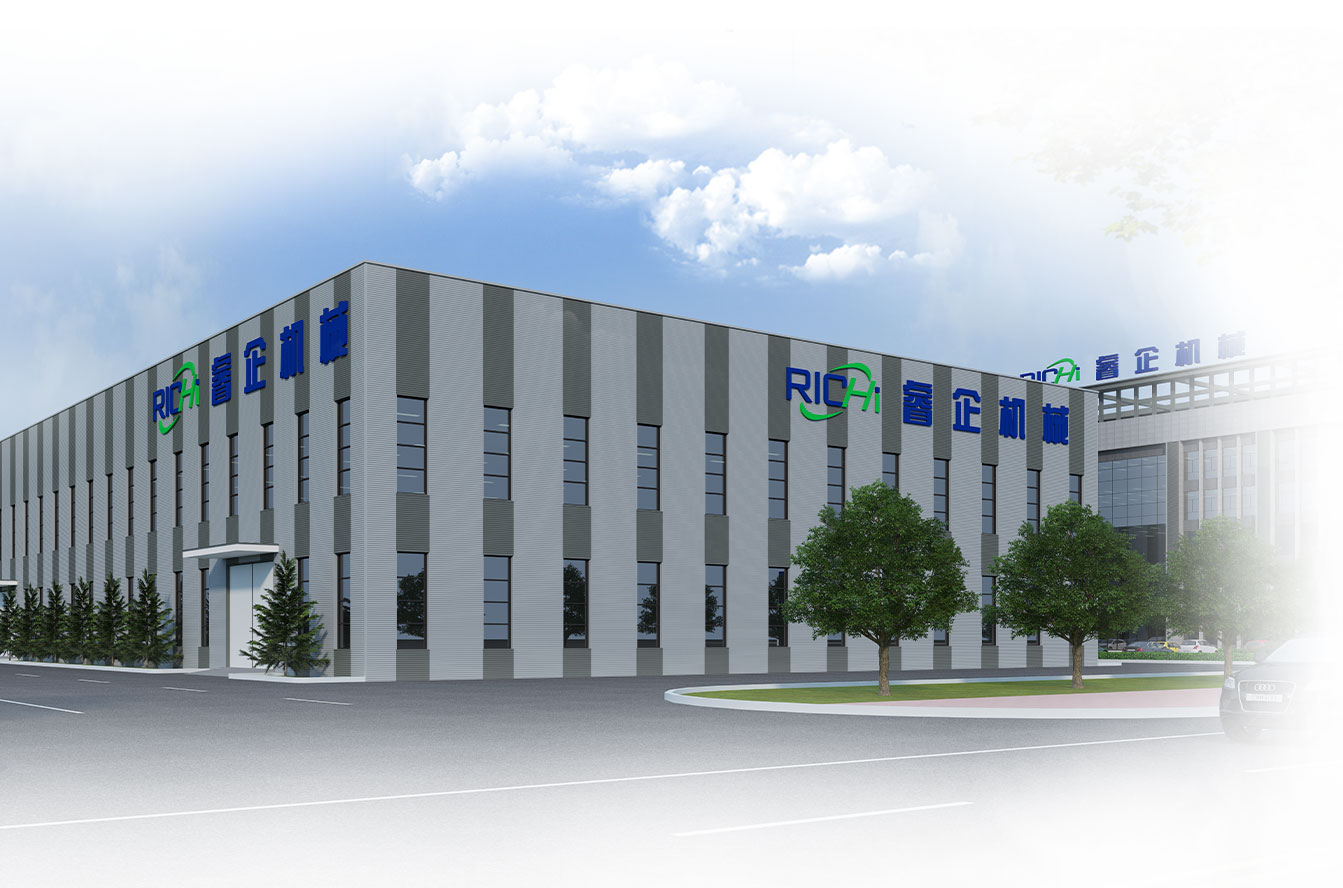
RICHI Machinery is one of the world’s leading suppliers of technology and services for the animal feed, aqua feed and pet food industries, also the largest pellet production line manufacturer in China.
Since 1995, RICHI’s vision to build a first-class enterprise, to foster first-class employees, and to make first-class contributions to society has never wavered.
In the past three decades, we have expanded our business to a wide range of areas, including animal feed mill equipment, aqua feed equipment, pet feed equipment, biomass pellet equipment, fertilizer equipment, cat litter equipment, municipal solid waste pellets equipment, etc.

1995
RICHI Established

2000+
Serving More Than 2000 Customers

120+
RICHI Employees

140+
Exported To 140 Countries