 0086-138 3838 9622
Feed Mill Plant for Soybean Feed in Chile
RICHI MACHINERY
overview
The 15–20t/h feed mill plant for soybean feed in Chile was not a project that started with a fixed plan. It began with a simple question from the client: “Can we turn raw soybeans into stable, high-protein feed without losing nutritional value during processing?” That question shaped everything that followed.
This 15–20t/h animal feed mill plant eventually developed into a full extrusion-based feed processing system designed around thermal control, microbial safety, and consistent output quality. The plant now runs 8 hours per shift, two shifts per day, targeting an annual output of 80,000 tons of extruded soybean-based feed.
15-20T/H
capacity
$480,000
investment
Chile
location
Feed
project type
RICHI MACHINERY
How the conversation started
The client is a mid-sized agricultural investment group in central Chile. They were already involved in soybean trading and had access to stable upstream raw material supply. But margins were getting tighter selling raw beans.
Around March 2025, they reached out with a rough idea:
- Use their existing factory space (about 5,500 m²)
- Upgrade into a value-added protein feed production facility
- Focus on extruded soybean meal for livestock
They didn’t come asking for “machines.” They were asking:
“What’s the most stable way to process soybeans at scale without quality fluctuation?”
That’s a different kind of conversation.
RICHI MACHINERY
site and construction
The feed mill plant for soybean feed in Chile is built using the client’s existing facility, which required internal restructuring rather than new construction.
Main structures
| Category | Description |
|---|---|
| Production workshop | 1-floor steel frame, 1080 m² |
| Finished product warehouse (1) | 720 m² |
| Finished product warehouse (2) | 1800 m² |
| Office building | 3 floors, 1440 m² |
| Boiler room | 32 m² with 3.0 t/h natural gas boiler |
| Power distribution room | 225 m² |
| Staff accommodation & canteen | Integrated in main building |
One detail worth mentioning — ceiling height was slightly limited in parts of the workshop. That forced some adjustments in vertical conveying design. Instead of pushing everything upward, some material routing had to be optimized horizontally to avoid bottlenecks.
RICHI MACHINERY
Raw materials and energy consumption
In Chile, soybean supply is not as large as in Brazil or Argentina, but stable imports combined with local production make it viable for processing.
Raw material
| Material | Form | Annual Consumption |
|---|---|---|
| Soybean | Solid | 80,000 tons |
Utilities
| Resource | Annual Usage |
|---|---|
| Water | 9,891.6 m³ |
| Electricity | 4,000,000 kWh |
| Natural Gas | 600,000 m³ |
| LPG (canteen) | 360 kg |
RICHI MACHINERY
Equipment configuration overview
The client didn’t want unnecessary complexity. The focus was reliability.
Main process equipment
| Section | Equipment |
|---|---|
| Cleaning & storage | Receiving pit, bucket elevators, gravity separator, silos |
| Sterilization | Microwave drying & sterilization units |
| Grinding | Hammer mills, feeders, dust collection |
| Conditioning & extrusion | Conditioner + wet-type extruders |
| Cooling | Counterflow coolers, cyclone |
| Crushing | Roller crushers |
| Packaging | Automatic bagging system |
A small note from commissioning:
The first few runs showed uneven grinding size because soybean moisture varied more than expected. Adjusting feeder frequency and hammer configuration solved it — something you only catch on-site.
RICHI MACHINERY
Process flow — detailed with real operation notes
Below is the full process, preserved and expanded with actual engineering observations.
① Raw soybean receiving
Engineer note: Dust control matters here more than people expect.
Bulk soybeans are unloaded into the receiving pit.
② Screening
Engineer note: Stones are always underestimated until they damage equipment.
Soybeans are lifted into a gravity separator to remove stones and soil.
③ Storage
Cleaned soybeans are transported into steel silos via enclosed conveyors.
④ Magnetic separation
Engineer note: Even a few metal fragments can destroy an extruder screw.
High-strength magnetic separators remove iron impurities before further processing.
⑤ Microwave sterilization
Engineer note: This step is one of the key decisions in this feed mill plant for soybean feed in Chile project.
Soybeans enter microwave sterilization units:
- Heating time: ~15 minutes
- Temperature: up to 120°C
Moisture evaporates, bacteria are destroyed, but protein structure remains intact.
⑥ Grinding
Engineer note: Particle size consistency directly affects extrusion pressure.
Soybeans are ground using hammer mill feed grinders..
⑦ Conditioning
Engineer note: Steam ratio took a few adjustments during startup.
Ground soybean meal enters a dual-shaft conditioner:
- Steam added
- Conditioning time: ~5 minutes
- Temperature: ~85°C
⑧ Extrusion
Engineer note: This is where the product “becomes” something else.
Material expands rapidly after exiting die holes, doubling in volume.
⑨ Cooling
Engineer note: Cooling uniformity affects storage stability later.
Hot extruded material (~120°C) is cooled using counterflow coolers.
⑩ Crushing
Engineer note: Not all clients need this step — here it was required for feed size control.
Cooled material is crushed using roller crushers.
⑪ Packaging
Fully enclosed automatic packaging system ensures consistent bagging.
⑫ Storage and dispatch
Finished products are stored and transported by forklift.
RICHI MACHINERY
Investment and cost reference
This feed mill plant for soybean feed in Chile project was designed to stay within a reasonable budget for Chile’s market.
| Item | Cost (USD) |
|---|---|
| Core equipment | ~$480,000 |
| Installation & commissioning | ~$90,000 |
| Total project investment | ~$950,000–1.1 million |
Not a “cheap” project, but not excessive either for this scale.
RICHI MACHINERY
Shipping details
- Port of departure: Qingdao
- Destination port: San Antonio, Chile
RICHI MACHINERY
What made this project work
A few practical decisions made a difference:
- Microwave sterilization instead of traditional heating
- Conservative capacity design (not pushing max limits)
- Flexible feeder control to handle raw material variation
- Balanced layout instead of over-stacking vertical systems
RICHI MACHINERY
Market outlook in Chile
Soybean-based protein feed has steady demand in Chile’s livestock sector, especially in poultry and aquaculture.
Local production capacity is still limited. Many operators rely on imported processed feed. That gap creates room for projects like this.
Margins aren’t explosive, but they’re stable. And stability is what most investors are actually after
RICHI MACHINERY
A note from the engineering side
Not every plant runs perfectly on day one.
This one didn’t either.
The first batches? Slightly inconsistent moisture.
Extrusion pressure fluctuated a bit.
But after adjustments — feeder speed, steam ratio, grinding size — it settled.
That’s normal. And that’s exactly why full-line service matters
RICHI MACHINERY
If planning something similar
Most clients at this stage ask:
- Can local soybeans meet processing requirements?
- How sensitive is extrusion to moisture changes?
- Is sterilization necessary or optional?
- What’s the real operating cost per ton?
These are the right questions.
And honestly, they’re better answered with real material testing than assumptions.
This 15–20t/h feed mill plant for soybean feed in Chile is not just an animal feed production line. It’s a working example of how raw agricultural material can be upgraded into stable, marketable feed — with the right process decisions behind it.
If there’s one takeaway from this project, it’s simple:
equipment matters, but process understanding matters more.
● RICHI MACHINERY
RICHI Service

● Consulting
Customer Consultation
We want to have a deep understanding of your industrial process, to know your exact needs of feed, wood, biomass, fertilizer or other pellet processing.

● Design
animal feed Plant Design
Based on your unique situation and industrial process, we will tailor complete pellet plant you need, and inform you of every additional detail that could facilitate operation, minimize total cost.
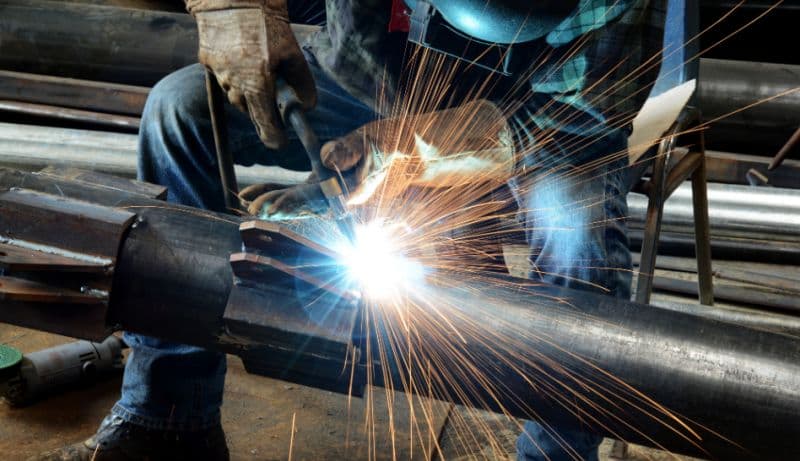
● Manufacturing
Equipment Manufacturing
The critical components of the of the complete pellet production line equipment are built in our own workshops in Asia. Additional equipment is manufactured by our worldwide network of reliable partners.
● Testing
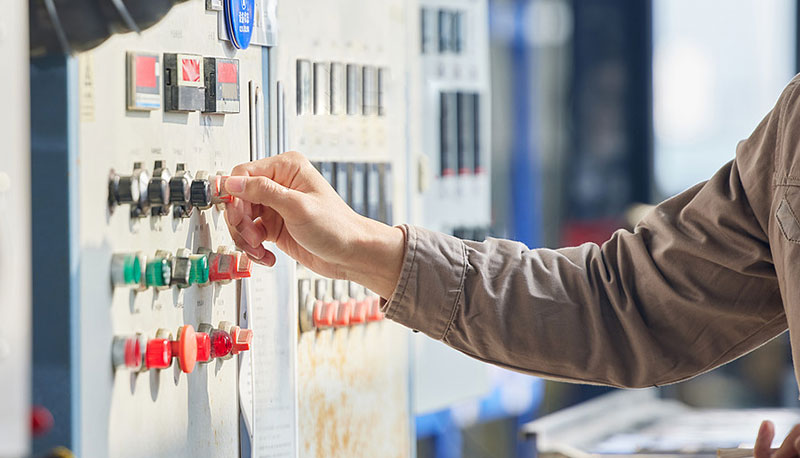
Quality Inspection & Testing
Before leaving the factory, all equipment will be inspected by the quality inspection department. We can also provide customers with testing services from a single machine to a complete pellet plant system, and provide you with real actual data for “worry-free use.”

● Delivery
Equipment Delivery
In equipment boxing and packaging, we adopt professional packaging and modular solutions to ensure the safe and non-destructive delivery of pellet plant equipment.
● Installation
Installation & Commissioning
Whether you choose your own subcontractor for the erection phase or you want to install everything together with us, a Richi supervisor will be around to make sure everything is mounted in a safe and thorough way.

● Training
Staff Training
We provide comprehensive training for the technicians of each project. We can also continue to provide support for the technicians during latter project operation.
● After-sales
Project Follow-Up
When everything is up and running our Richiers will help you further whenever needed. We are ready to answer your call 24/7.We’ll also visit you regularly to learn about your needs.
Who we are
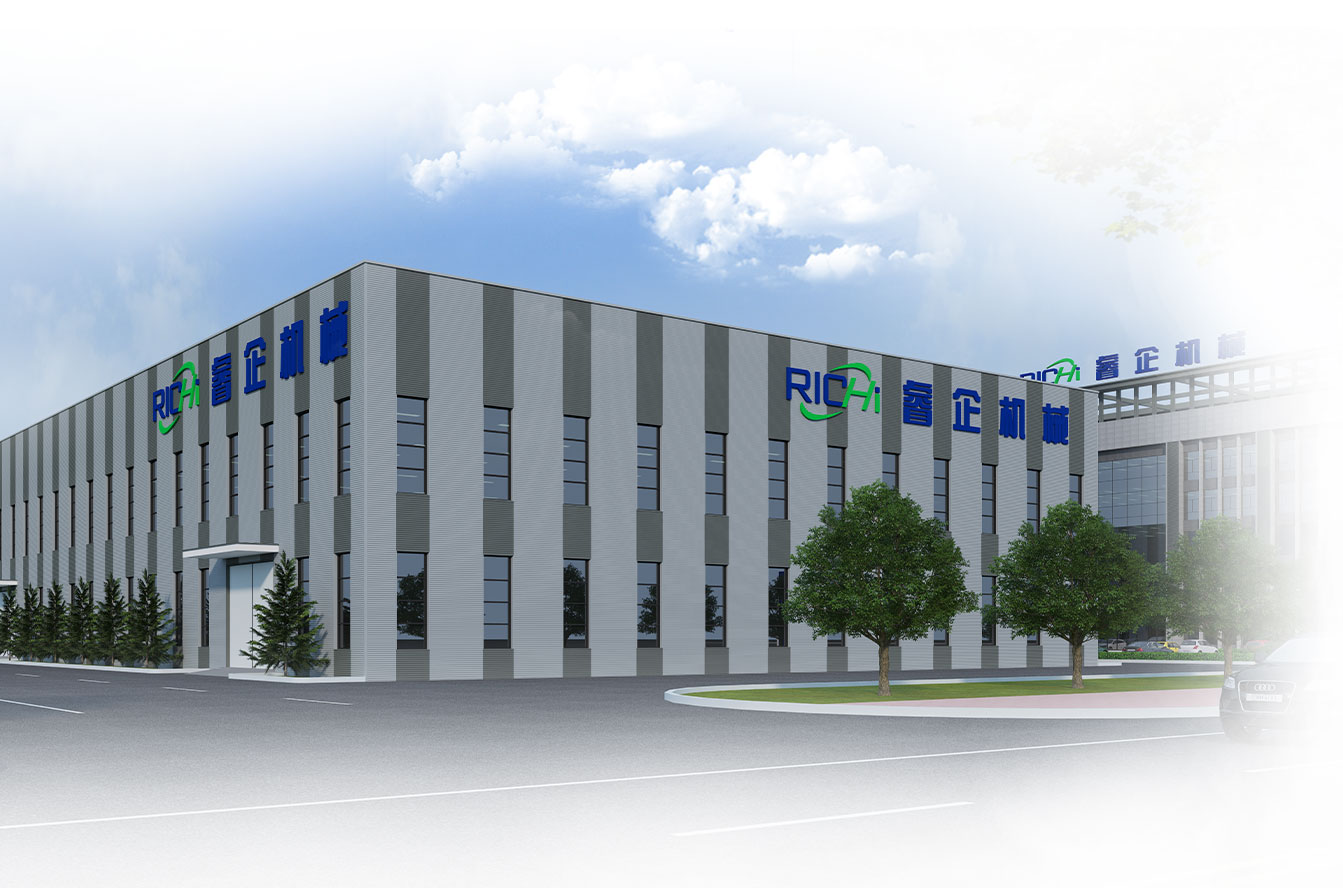
RICHI Machinery is one of the world’s leading suppliers of technology and services for the animal feed, aqua feed and pet food industries, also the largest pellet production line manufacturer in China.
Since 1995, RICHI’s vision to build a first-class enterprise, to foster first-class employees, and to make first-class contributions to society has never wavered.
In the past three decades, we have expanded our business to a wide range of areas, including animal feed mill equipment, aqua feed equipment, pet feed equipment, biomass pellet equipment, fertilizer equipment, cat litter equipment, municipal solid waste pellets equipment, etc.

1995
RICHI Established

2000+
Serving More Than 2000 Customers

120+
RICHI Employees

140+
Exported To 140 Countries