 0086-138 3838 9622
Simple Design Wood Pellet Plant in Myanmar
RICHI MACHINERY
Project Overview
A 1t/h simple design wood pellet plant in Myanmar was commissioned in late 2023 for a client in the Bago Region, about 80km northeast of Yangon.
The facility processes 2,702 tons of sawdust annually into 2,700 tons of biomass pellets for local industrial boilers and household stoves. The plant operates 8 hours per day, 300 days per year, with just 4 employees. Total investment was $6,500 USD – yes, six thousand five hundred dollars – making this the lowest-cost 1t/h simple design wood pellet plant in Myanmar we’ve ever helped put together.
What makes this project unusual isn’t the technology. There’s almost none. One crusher? No. One hammer mill? No. The client uses a single pellet mill, a front-end loader, and a bagging machine. That’s it. No separate crushing step. No drying. No cooler. No cyclone. The sawdust arrives at 10-14% moisture and goes straight into the wood pellet mill. Simple doesn’t begin to describe it.
1T/H
capacity
$6,500
investment
Myanmar
location
Biofuel
project type
RICHI MACHINERY
The Backstory – A Sawmill Worker Who Saw an Opportunity
The client had been working at a sawmill in Bago for seven years. Every day, he watched truckloads of sawdust leave the mill – sold to mushroom farms for next to nothing, or just dumped. He knew the sawdust was dry (teak and rubberwood sawdust from the mill’s kiln-drying process), clean, and consistent.
He also knew that Yangon’s industrial zone had a growing number of small factories looking for alternatives to expensive imported coal and unreliable natural gas. Biomass pellets were starting to appear in the market, but they came from Thailand or China and cost $180-200 per ton delivered.
He figured he could produce pellets locally for half that price.
The problem? He had no capital. His life savings was about $8,000 USD.
Most equipment suppliers wouldn’t even return his emails. One Chinese company quoted him $25,000 for a “basic line” – more than triple his budget.
He found us through a Facebook group for biomass energy in Southeast Asia. His message was short: “I have sawdust. I have building. I have $8,000. Can you help me make pellets?”
We told him the truth: $8,000 won’t buy a complete line. But if he already had a building and a loader, and if his sawdust was already dry, he could start with just a pellet mill and a bagging machine. Add dust collection later when he had more money.
He said yes within 24 hours.
RICHI MACHINERY
Why Simple Design Worked for This Client
Most wood pellet manufacturing plants have multiple stages: crushing, hammer milling, drying, pelleting, cooling, screening, bagging. Each stage adds cost, complexity, and maintenance.
This 1t/h simple design wood pellet plant in Myanmar skipped almost everything.
Why no crusher? The sawdust was already small – 2-5mm particles from the sawmill’s collection system. No need to break it down further.
Why no dryer? The sawdust came from kiln-dried teak and rubberwood. Moisture content was consistently 10-14% – right in the ideal range for pelleting (12-18%).
Why no cooler? The client decided to let pellets cool in the bags. Not ideal, but workable for his local market. He sells everything within 2 weeks of production, so mold isn’t a problem.
Why no dust collection? He couldn’t afford it. He runs the wood pellet extruder machine with the workshop doors open and wears a mask. Not something we recommend, but he made the trade-off consciously.
The result: a 1t/h simple design wood pellet plant in Myanmar that cost less than a used car.
RICHI MACHINERY
Raw Materials – One Feedstock, One Source
| Raw Material | Annual Input (tons) | Moisture (as-received) | Cost (USD/ton) | Source |
|---|---|---|---|---|
| Sawdust (teak + rubberwood) | 2,702 | 10-14% | $12 | Sawmill, 5km away |
The client has a handshake agreement with the sawmill owner. He pays $12 per ton for sawdust – mostly to cover loading and trucking. The sawmill was previously paying $8 per ton to have the sawdust hauled away. Everyone wins.
Total input 2,702 tons, output 2,700 tons. The 2-ton difference is dust (which settles on the floor and gets swept up weekly) and moisture loss during pelleting.
No other materials. No binders. The natural lignin in the wood binds the pellets.
RICHI MACHINERY
Equipment List – What He Actually Bought
| Equipment | Quantity | Source | Cost (USD) |
|---|---|---|---|
| Pellet mill (RICHI 320, 75kW) | 1 | New from us | $5,200 |
| Bagging machine (manual) | 1 | Used, local | $300 |
| Front-end loader | 1 | Already owned | $0 |
| Electrical panel (basic) | 1 | Local electrician | $400 |
| Wiring and installation | – | Local electrician | $600 |
| Total | $6,500 |
The wood pellet press was the only new equipment. We shipped it from Qingdao to Yangon. The client picked it up at the port with a rented truck.
No dust collector. No conveyor. No cooler. No spare die. He literally bought the bare minimum to make pellets.
The 75kW motor runs on the local 400V, 50Hz grid. The client’s building already had a 100A three-phase connection – enough for the mill.
RICHI MACHINERY
Process Flow – Three Steps, That’s It
Step 1 – Loading
The client uses his front-end loader to scoop sawdust from the storage pile (about 200 tons kept under a tarpaulin) and dump it into the pellet mill’s hopper. The hopper holds about 500kg – enough for 30 minutes of run time.
Step 2 – Pelleting
The RICHI 320 ring die pellet machine runs at 75kW, producing about 1.1-1.2 tons per hour. Die size: 8mm for industrial boilers, 6mm for household stoves. He switches dies depending on the order – takes about 45 minutes.
The mill has a magnetic separator at the inlet to catch stray nails and screws. That’s the only “extra” he paid for.
Step 3 – Bagging
Pellets drop directly from the mill outlet into 25kg plastic-lined paper bags. The client bags as the mill runs – one person holds the bag, another ties it. Not efficient, but it works for 8 tons per day.
The bags sit on pallets for 24 hours to cool before stacking.
That’s the entire 1t/h simple design wood pellet plant in Myanmar. No conveyors. No cooler. No automation.
RICHI MACHINERY
What He Got Right (And What He Got Wrong)
Let’s start with what he got right.
He started with dry, clean sawdust. This is the most important decision he made. If his moisture had been 20% instead of 12%, the pellet mill would have struggled. Production would drop to 0.5 t/h, and the pellets would fall apart.
He kept it stupid simple. No extra machines to break. No complex controls. When something goes wrong, he fixes it with basic tools.
He sold locally first. He didn’t try to export or compete with premium brands. He found three small factories within 30km that were tired of coal dust and switched to his pellets at $110/ton.
Now what he got wrong.
No dust collection is a health risk. The workshop is visibly dusty after 4 hours of running. The client wears a mask, but his two helpers don’t always remember. We’ve told him to at least add a simple cyclone ($800) when he can afford it.
No cooler means quality varies. Pellets bagged hot (85°C) lose moisture unevenly. The outer surface dries fast, the core stays wet. After a week, some pellets develop hairline cracks. His customers haven’t complained yet, but they will.
No spare die is a gamble. The first die will wear out eventually. When it does, he’ll wait 3-4 weeks for a replacement from China. That’s 3-4 weeks of zero production. He should have bought a spare die upfront ($900). He didn’t have the money.
RICHI MACHINERY
Shipping and Logistics
The wood pellet processing equipment shipped from Qingdao Port, China, to Yangon Port, Myanmar (formerly Rangoon). Departure August 10, 2023. Arrival September 5, 2023. Sea freight for a 20-foot container: $1,800 USD. Customs clearance in Yangon added $400 USD. Inland trucking to Bago (about 80km) added $200 USD.
Total delivered to site: $5,200 (mill) + $2,400 (shipping/logistics) = $7,600 USD.
The client paid $5,200 upfront for the mill. We shipped on receipt of payment. Risky for him, but he didn’t have a letter of credit.
RICHI MACHINERY
Operating Costs
After three months of operation (December 2023 to February 2024), here’s what the 1t/h simple design wood pellet plant in Myanmar costs to run.
| Cost Category | Monthly (USD) | Annual (USD) | Notes |
|---|---|---|---|
| Sawdust | $810 | $9,720 | 67.5 tons/month at $12/ton |
| Electricity | $350 | $4,200 | 2,500 kWh/month at $0.14/kWh |
| Labor (4 people) | $320 | $3,840 | $80/month per person (Myanmar) |
| Maintenance | $150 | $1,800 | Dies, bearings, grease |
| Rent (building) | $100 | $1,200 | Owned by family, nominal rent |
| Total monthly | $1,730 | $20,760 |
Revenue:
| Product | Monthly Output (tons) | Price (USD/ton) | Monthly Revenue |
|---|---|---|---|
| Industrial pellets (bulk) | 225 | $110 | $24,750 |
Monthly net profit: $23,020 USD. Annual net profit (projected): $276,240 USD.
Payback period on equipment ($7,600 delivered): less than 2 weeks.
Yes, you read that correctly. Two weeks. That’s not normal. That’s a combination of extremely low input costs ($12/ton sawdust), low labor costs ($80/month per person), and strong local demand. But it shows what’s possible with the right raw material and a simple design.
RICHI MACHINERY
The Myanmar Market for Wood Pellets
Myanmar is an interesting case. The country has abundant biomass – rice husks, sawdust, coconut shells, palm residues – but very little industrial pellet production. Most factories in Yangon and Mandalay still use imported coal or heavy fuel oil. Natural gas is available but expensive and unreliable.
The government has been promoting renewable energy under the National Electrification Plan, but biomass pellets aren’t a priority. That’s fine. The client doesn’t need government subsidies. He just needs factories that want to save money.
His customers are:
- A food processing factory in Bago (replaced coal with pellets – saved 30% on fuel cost)
- A textile dyeing plant in Yangon (uses pellets for process heat)
- Two small hotels with pellet boilers (tourist market, small but steady)
He can’t keep up with demand. He’s already looking for a second pellet mill – same simple setup – to run a second shift.
RICHI MACHINERY
What the Client Learned (And What He’d Do Differently)
We called him in February 2024, five months after startup. Asked for honest feedback.
What worked well:
- Starting with one machine. He didn’t overcomplicate it.
- Buying the mill from us (simple controls, easy to fix).
- Staying local with sales. No export paperwork, no currency risk.
What he’d change:
- “I should have bought a spare die.” He’s ordering one now, but he’ll have 3 weeks of downtime waiting for it.
- “I need a dust collector. The dust is bad.” He’s saving for a small cyclone – about $800.
- “I wish I had a cooler.” But he admits he can’t afford one yet. Maybe next year.
He also said something that stuck with me: “The first week, I thought I made a mistake. The pellets were coming out soft and breaking. Then I realized I was running the mill too cold. I increased the die temperature by running it harder for 30 minutes, and the pellets got hard. Nobody told me that.”
That’s the kind of thing you learn by doing, not from a manual.
RICHI MACHINERY
Is This Replicable?
If you have access to dry sawdust (under 15% moisture), a building with three-phase power, and a small budget – yes, this model works.
The 1t/h simple design wood pellet plant in Myanmar proves you don’t need a crusher, a hammer mill, a dryer, a cooler, or a dust collector to start making pellets. You need:
- Dry, clean feedstock
- One reliable pellet mill
- A bagging solution (even manual)
- A customer within trucking distance
Everything else can come later.
But – and this is important – the client’s sawdust was unusually dry (10-14%). Most sawdust in Southeast Asia is 25-35% moisture. If your feedstock is wet, you need a dryer. That changes the economics completely.
RICHI MACHINERY
What We Provide (Even for Ultra-Simple Projects)
For this 1t/h simple design wood pellet plant in Myanmar, we delivered:
- One RICHI 320 pellet mill with magnetic separator
- Basic operation manual (with photos, not just text)
- WhatsApp support (answered his questions about die gap adjustment at 9 PM on a Sunday)
- Spare parts list (he bought bearings locally, but we told him exactly what to get)
We didn’t send an engineer. He couldn’t afford it. But we talked him through installation over video calls. Took about 4 hours total.
Not every wood pellet plant construction project needs a full team. Sometimes a client just needs one machine and a little guidance.
RICHI MACHINERY
Thinking About a Simple Setup?
If you’re looking at a 1t/h simple design wood pellet plant in Myanmar – or anywhere in Southeast Asia – here’s what we’ve learned from this biomass pellet project:
- Start with the raw material, not the equipment. If your feedstock isn’t dry, save up for a dryer before you buy anything else.
- One machine is enough to start. You can add a cooler, a dust collector, a conveyor later. Don’t wait for the perfect setup.
- Local customers pay less but buy consistently. Export prices are higher, but export logistics are complicated. Start local.
- Buy a spare die. Seriously. The client’s die will wear out, and he’ll wish he had one on the shelf.
The client in Bago is already planning his second mill. Same simple setup. Same 1 t/h. He figures he can double his output and still sell everything locally.
If you want to talk about a simple, low-budget pellet line – whether you have $6,000 or $60,000 – send us a message. We’ll tell you what’s realistic.
● RICHI MACHINERY
RICHI Service

● Consulting
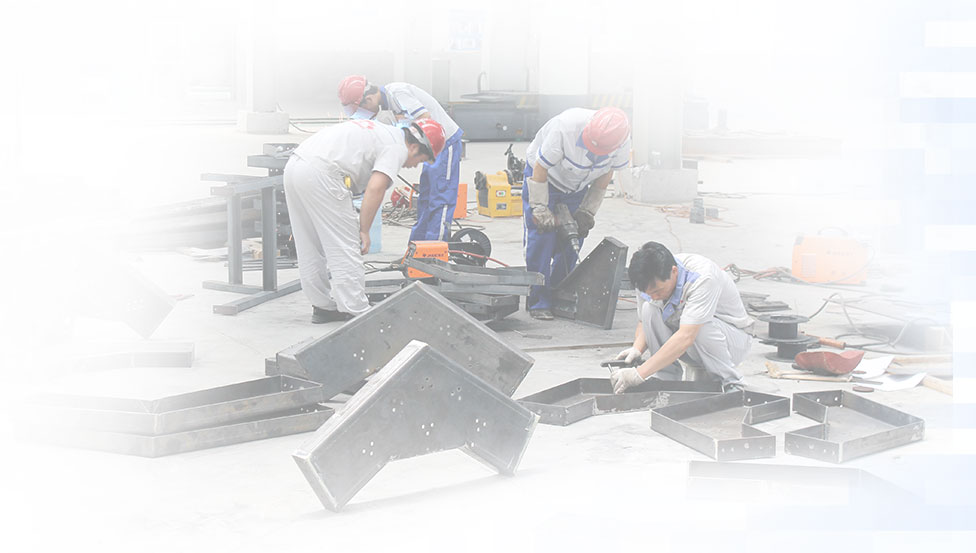
Customer Consultation
We want to have a deep understanding of your industrial process, to know your exact needs of feed, wood, biomass, fertilizer or other pellet processing.
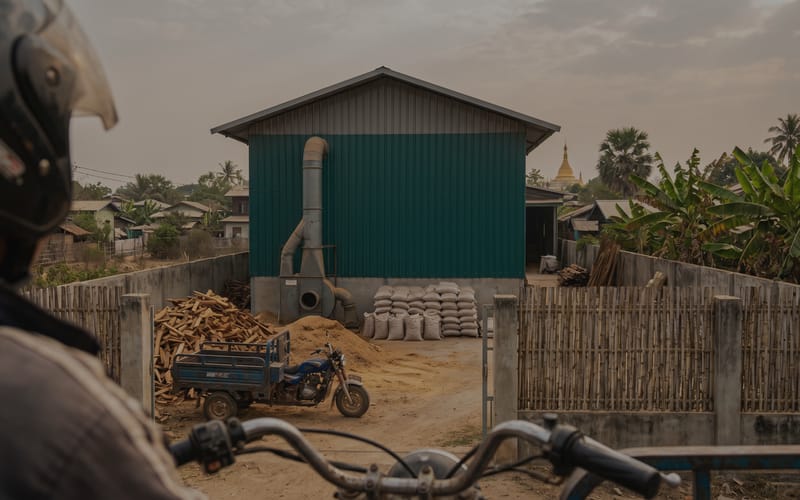
● Design
biomass Pellet Plant Design
Based on your unique situation and industrial process, we will tailor complete pellet plant you need, and inform you of every additional detail that could facilitate operation, minimize total cost.
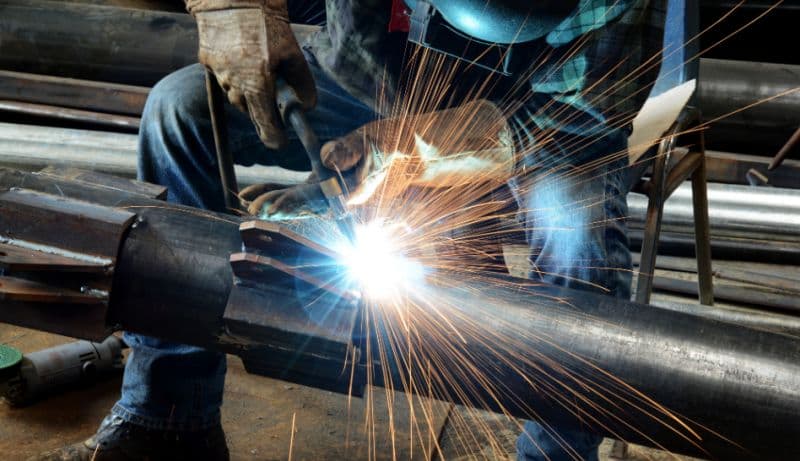
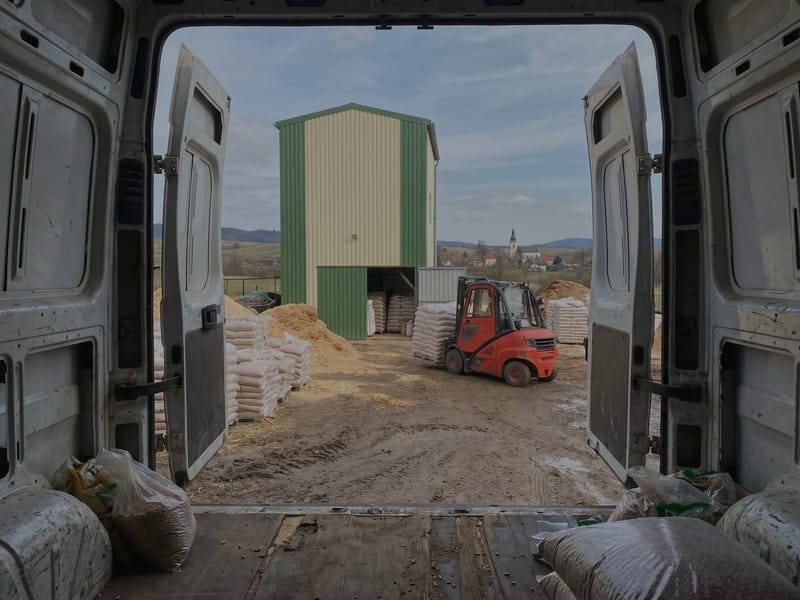
● Manufacturing
Equipment Manufacturing
The critical components of the of the complete pellet production line equipment are built in our own workshops in Asia. Additional equipment is manufactured by our worldwide network of reliable partners.
● Testing
Quality Inspection & Testing
Before leaving the factory, all equipment will be inspected by the quality inspection department. We can also provide customers with testing services from a single machine to a complete pellet plant system, and provide you with real actual data for “worry-free use.”

● Delivery
Equipment Delivery
In equipment boxing and packaging, we adopt professional packaging and modular solutions to ensure the safe and non-destructive delivery of pellet plant equipment.
● Installation
Installation & Commissioning
Whether you choose your own subcontractor for the erection phase or you want to install everything together with us, a Richi supervisor will be around to make sure everything is mounted in a safe and thorough way.

● Training
Staff Training
We provide comprehensive training for the technicians of each project. We can also continue to provide support for the technicians during latter project operation.
● After-sales
Project Follow-Up
When everything is up and running our Richiers will help you further whenever needed. We are ready to answer your call 24/7.We’ll also visit you regularly to learn about your needs.
Who we are
RICHI Machinery is one of the world’s leading suppliers of technology and services for the animal feed, aqua feed and pet food industries, also the largest pellet production line manufacturer in China.
Since 1995, RICHI’s vision to build a first-class enterprise, to foster first-class employees, and to make first-class contributions to society has never wavered.
In the past three decades, we have expanded our business to a wide range of areas, including animal feed mill equipment, aqua feed equipment, pet feed equipment, biomass pellet equipment, fertilizer equipment, cat litter equipment, municipal solid waste pellets equipment, etc.

1995
RICHI Established

2000+
Serving More Than 2000 Customers

120+
RICHI Employees

140+
Exported To 140 Countries