 0086-138 3838 9622
Biomass Pellet Plant for Renewable Energy Production in Uganda
RICHI MACHINERY
overview
When a Ugandan customer first called us in early 2025, he didn’t ask for a 2t/h biomass pellet plant for renewable energy production in Uganda. Not exactly. What he said was: “I have rice husks, coffee husks, and a lot of maize stalks. I want pellets. Can you help me set something up that doesn’t stop every two hours?”
That’s a different question. And it’s the right one.
Over the next few months, that conversation turned into a real biomass pellet project — a 2t/h biomass pellet plant for renewable energy production in Uganda located just outside Kampala, using locally available agricultural residues. The customer already had access to a former warehouse space (about 480 m²), a basic power connection, and a clear goal: produce 5,000 tons of pellets per year for local institutions, bakeries, and small industries replacing firewood and charcoal.
No big funding. No fancy building. Just a solid, workable biomass pelletizing line that could run 8 hours a day, 300 days a year, with minimal downtime.
This is how we built it.
2T/H
capacity
$88,000
investment
Uganda
location
Biofuel
project type
RICHI MACHINERY
Why Uganda? The Real Market Pull
You don’t need to convince anyone in Kampala that firewood is getting expensive. Charcoal prices have more than doubled in five years. The city’s bakeries, schools, and poultry farms are desperate for a cheaper, cleaner, more stable fuel.
But here’s the thing: imported pellets are not an option. Too expensive. What works is a pellet production line using what’s already available — rice husks from Jinja, coffee husks from Masaka, maize stalks from the central region.
Our customer saw this gap. He wasn’t an energy expert. He ran a small agri-trading business and watched his own customers struggle with fuel costs. That’s how the idea of building a 2t/h biomass pellet plant for renewable energy production in Uganda first came up.
He contacted us in February 2025. By late March, we had signed the agreement. By July, the line was running.
RICHI MACHINERY
The Customer’s Real Constraints
He had three big worries:
- Raw material variation — dry season vs. wet season, different husk types, inconsistent moisture.
- Power reliability — voltage dips and occasional outages.
- Space limitations — 480 m² including storage, production, and packaging.
He didn’t want a “perfect” biomass pellet production line on paper. He wanted one that survived real Ugandan conditions.
That meant: no overly sensitive automation, easy access for cleaning, robust motors that handle voltage swings, and a layout that doesn’t waste a single square meter.
RICHI MACHINERY
What We Actually Delivered (Equipment + Layout)
The 2t/h biomass pellet plant for renewable energy production in Uganda was designed around his existing building. No new construction. We used the original steel-and-concrete structure and focused entirely on process flow.
Here’s the equipment list. Nothing exotic. Everything field-tested.
| Equipment | Quantity | Role |
|---|---|---|
| Double-stage hammer mill | 2 | Primary and fine grinding |
| Vibrating screener | 1 | Overs removal before pelleting |
| Belt conveyor (enclosed) | 4 | Dust-controlled material transport |
| Ring die biomass pellet mill | 2 | Main pelleting (one running, one backup) |
| Automatic packaging machine | 2 | Bagging finished pellets |
No model numbers. No fluff. Just what works.
The biomass fuel pellet machines are 110kW each, ring die type. We recommended keeping one as a standby — not because we expect failures, but because in this environment, having a spare motor and die on site saves weeks of downtime.
RICHI MACHINERY
Raw Materials: What Goes Into the Line
He had access to three main feedstocks. We tested all of them before finalizing the design.
| Raw material | Annual amount (tons) | Moisture as received | Note |
|---|---|---|---|
| Rice husks | 2,500 | 12–14% | Dry season material |
| Coffee husks | 1,800 | 15–18% | Wet season, needs blending |
| Maize stalks | 1,700 | 18–22% | Chopped locally, we grind |
Total planned consumption: 6,000 tons/year to produce 5,000 tons of pellets. That’s a realistic yield loss (dust, overs, moisture evaporation).
He stores material in one corner of the same 480 m² building. Not ideal, but manageable with weekly truck deliveries.
RICHI MACHINERY
The Process Flow
We didn’t invent anything new. But we arranged the steps so that one person can monitor the whole pellet machine line without running back and forth.
Step 1 – Reception and pre-inspection
Trucks unload into a small receiving pit. The operator checks moisture by hand — old-school squeeze test. If material is over 20%, it gets spread out for a day.
Step 2 – Primary grinding
The first hammer mill runs with a 10mm screen. It knocks down long stalks and coarse husks. This step is noisy and dusty. That’s why we put the mill in a slightly separated corner and kept the belt conveyor enclosed afterward.
Step 3 – Secondary grinding
The second hammer mill uses a 4mm screen. This is the critical step for pellet quality. If the particles are too big, the pellet mill struggles. Too fine, and you lose throughput. We dialed this in during commissioning.
Step 4 – Screening
A vibrating screener removes anything over 4mm. Those overs go back to the secondary grinder. This closed loop prevents the biomass granulator from choking.
Step 5 – Pelleting
Material drops into the biomass pellet making machine hopper. The ring die rotates, rollers press the biomass through the holes. We run the die at 2.5–3mm hole size for general fuel pellets. Temperature naturally rises to 80–90°C — enough to bind lignin without adding any glue or binder.
Step 6 – Cooling and conveying
Pellets exit hot and soft. They travel on a belt conveyor (open for cooling) to the packaging area. By the time they reach the bags, they’re hard and cool.
Step 7 – Packaging
Two manual bagging stations with small hoppers. Each bag holds 15kg or 25kg depending on the customer. The buyer mainly sells to local bakeries, so smaller bags are easier to handle.
RICHI MACHINERY
What We Learned During Installation
The first week of testing was rough.
The biomass pellet press kept tripping on overcurrent. Not because the machine was bad — because the customer tried to process maize stalks that were still at 22% moisture. We stopped the line, had a conversation, and added a simple rule: wet material waits 24 hours in the sun.
After that change, the line held steady at 1.8–2.2 t/h. Hourly output varies with feedstock, but that’s normal. The customer now checks moisture before grinding. He doesn’t rely on sensors — he uses his hand and experience.
Another detail: the original plan put the screener after both grinding steps. We moved it between the two grinders. Why? Because catching overs early reduces recirculation load and keeps the second mill running cleaner. Small change, big difference.
RICHI MACHINERY
Production Capacity and Work Schedule
He runs 8 hours a day, 300 days a year. That’s 2,400 operating hours annually.
At 2 t/h average, theoretical max is 4,800 tons/year. But real production is lower: material changeovers, cleaning, maintenance, and slower days drop it to around 4,000–4,500 tons. He’s fine with that. He sells what he makes and doesn’t overpromise.
Six people work the biomass pellet mill line:
- 1 receiving and feeding
- 1 grinding and screening
- 1 pellet mill operator
- 2 packaging and stacking
- 1 floating (material handling, breaks, cleaning)
No shifts. Just one steady daytime run.
RICHI MACHINERY
Utility Setup
Water — from the local municipal line. He uses almost none except for occasional floor cleaning. No process water at all.
Power — from the grid, but he installed a small voltage stabilizer after our recommendation. The pellet mill’s main motor doesn’t like sudden drops. Total connected load is about 250kW, but actual running draw is 160–180kW.
Dust control — we didn’t install bag filters initially. Too expensive for his budget. Instead, we enclosed the conveyors and added local exhaust hoods at the grinders. The rest is managed with good airflow and daily sweeping. He’s planning to add a small cyclone later.
RICHI MACHINERY
What This Line Produces
Final pellets are 6–8mm diameter, length 20–40mm. Bulk density around 600–650 kg/m³. Ash content varies by feedstock: rice husk pellets are higher ash (12–15%), maize stalk pellets are lower (5–7%).
He blends them. Customers don’t mind as long as the burn is consistent.
Main buyers:
- Bakeries (replacing charcoal)
- Poultry farms (brooder heating)
- Small garment steamers (irons and dryers)
- Schools (kitchen fuel)
He sells at 140–170pertondependingonseason.Productioncostisroughly95–110 per ton. Margin is healthy enough to cover loan repayment and reinvestment.
RICHI MACHINERY
Investment Cost
He bought the equipment on a partial prepayment + balance after installation. Total equipment cost delivered to Kampala: $88,000 USD.
Breakdown:
| Item | Cost (USD) |
|---|---|
| Two hammer mills + screens | $18,000 |
| Vibrating screener | $4,500 |
| Four belt conveyors (enclosed) | $12,000 |
| Two ring die pellet machines (110kW) | $42,000 |
| Two packaging stations | $5,500 |
| Cables, local steel, small tools | $6,000 |
| Equipment total | $88,000 |
No bank loan. He used savings + small support from a local agribusiness fund.
RICHI MACHINERY
Training and First Month Production
Our installer stayed for 12 days. That covered:
- Assembly and alignment
- First test runs with each material type
- Die and roller gap adjustment
- Daily maintenance checklist
The first 10 tons of pellets were either too wet or contained too many fines. We slowed the feed rate, adjusted the secondary grinder screen from 4mm to 3.5mm, and re-ran. That fixed it.
The customer’s team learned fast. By day 8, they were making adjustments themselves.
We left a simple rule: check the pellet mill oil every morning before startup. If you skip this, you will break the main bearing in six months. Three months later, he called to say they still do it religiously.
RICHI MACHINERY
Why This Setup Works Here
A 2t/h biomass pellet plant for renewable energy production in Uganda makes sense because the fuel market is already there. You don’t need to create demand for pellets — you just need to supply them cheaper and cleaner than charcoal.
But the equipment has to match local reality. Over-automated lines fail. Machines with proprietary parts become expensive paperweights. The right approach is simpler: robust mills, easy-to-find bearings, local welding for supports.
This customer didn’t buy the cheapest option. He bought the reliable option. And that’s exactly what we shipped.
RICHI MACHINERY
Common Questions We Get After Publishing This Case
Can the line handle 100% coffee husks?
Yes, but throughput drops to 1.5 t/h. Coffee husks are light and fibrous. We recommend blending with maize stalks or rice husks for better flow.
What about cassava stalks?
They work, but they contain more sand and dirt. That wears the die faster. If using cassava, add a pre-cleaner (simple drum screen) — about $2,000 extra.
Do you need a dryer?
Not if you manage incoming moisture. In Uganda’s dry season (June–August), most residues are already below 15%. In wet season, he sun-dries material for 6–8 hours. A mechanical dryer would add $15–20k — not worth it for this scale.
RICHI MACHINERY
A Realistic Outlook for Biomass Pellets in Uganda
The market is growing, but not exploding. What’s happening is steady substitution: schools switching from charcoal to pellets, one by one. Bakeries testing 50% pellet blends. Industries realizing that pellets store easier than firewood.
No government subsidies yet. But also no import duties on pellet mills (machine tools are exempt). That’s a real advantage.
For someone sitting on a pile of rice husks or coffee waste, a 2t/h biomass pellet plant for renewable energy production in Uganda is not a speculative investment. It’s a practical hedge against rising fuel costs.
We’ve seen this pattern before — in Kenya, in Tanzania, in Ghana. The early movers get the best feedstock contracts and lock in the first institutional customers.
RICHI MACHINERY
What We’d Do Differently Next Time
If he had the budget, we would add:
- A magnet before the pellet mill (to catch nails and metal pieces — cheap insurance)
- Spare dies (for switching between different pellet sizes)
- A small baghouse on the grinding section (operator health and cleaner factory)
But he didn’t have the money, and the line still works. That’s the trade-off.
RICHI MACHINERY
Final Thought
Three months after startup, we asked him what surprised him most. He said: “I thought the pellet mill would be the problem. But the real issue was keeping the grinders fed with dry material. Once I fixed my storage and drying, everything else became easy.”
That’s the kind of answer only someone running a line every day would give.
Interested in setting up a similar pellet mill plant? You don’t need a perfect building or a big team. You need the right layout, realistic expectations, and equipment that doesn’t quit. We’ve done this in Uganda, Kenya, Nigeria, and beyond. Tell us your material and your space. We’ll tell you what works.
● RICHI MACHINERY
RICHI Service

● Consulting
Customer Consultation
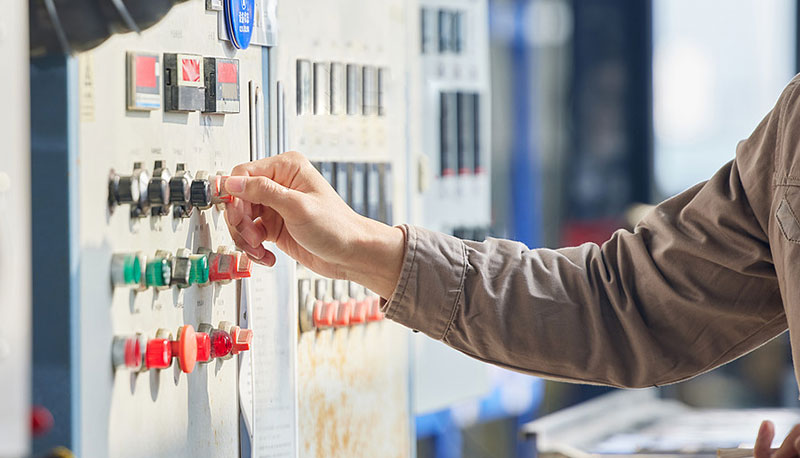
We want to have a deep understanding of your industrial process, to know your exact needs of feed, wood, biomass, fertilizer or other pellet processing.
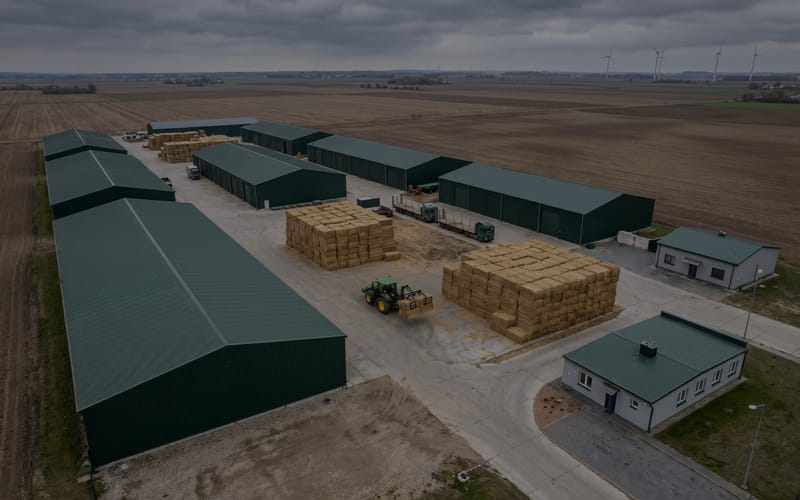
● Design
biomass Pellet Plant Design
Based on your unique situation and industrial process, we will tailor complete pellet plant you need, and inform you of every additional detail that could facilitate operation, minimize total cost.
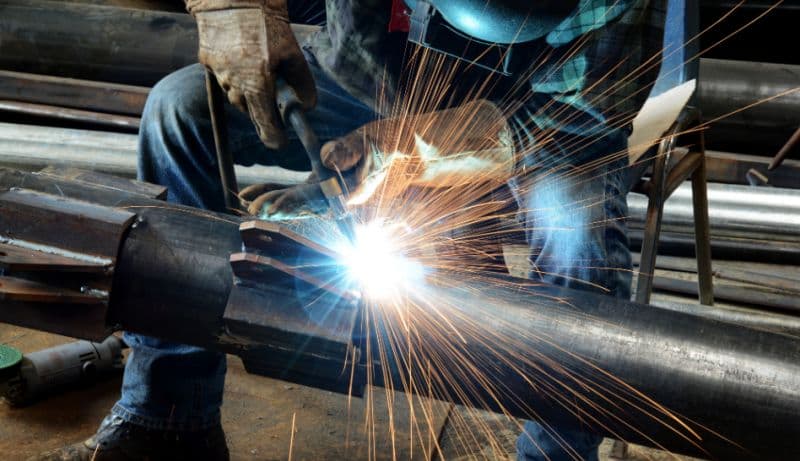
● Manufacturing
Equipment Manufacturing
The critical components of the of the complete pellet production line equipment are built in our own workshops in Asia. Additional equipment is manufactured by our worldwide network of reliable partners.
● Testing
Quality Inspection & Testing
Before leaving the factory, all equipment will be inspected by the quality inspection department. We can also provide customers with testing services from a single machine to a complete pellet plant system, and provide you with real actual data for “worry-free use.”

● Delivery
Equipment Delivery
In equipment boxing and packaging, we adopt professional packaging and modular solutions to ensure the safe and non-destructive delivery of pellet plant equipment.
● Installation
Installation & Commissioning
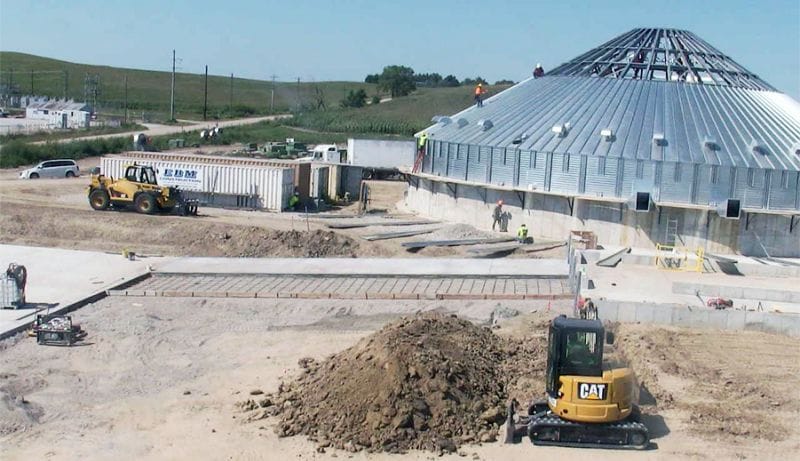
Whether you choose your own subcontractor for the erection phase or you want to install everything together with us, a Richi supervisor will be around to make sure everything is mounted in a safe and thorough way.

● Training
Staff Training
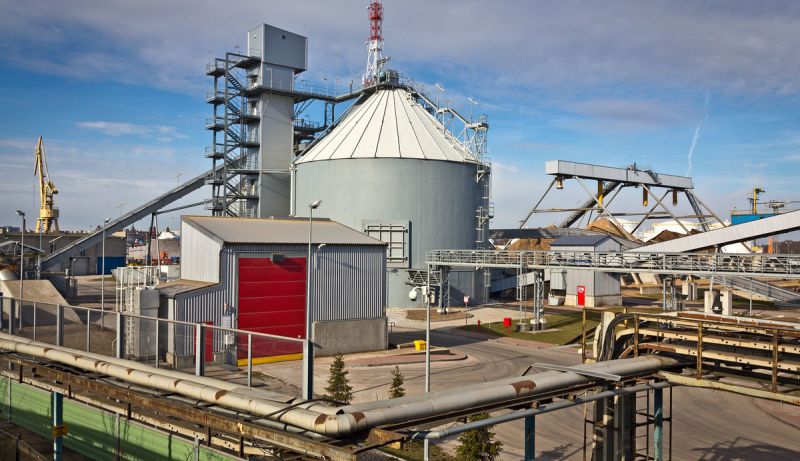
We provide comprehensive training for the technicians of each project. We can also continue to provide support for the technicians during latter project operation.
● After-sales
Project Follow-Up
When everything is up and running our Richiers will help you further whenever needed. We are ready to answer your call 24/7.We’ll also visit you regularly to learn about your needs.
Who we are
RICHI Machinery is one of the world’s leading suppliers of technology and services for the animal feed, aqua feed and pet food industries, also the largest pellet production line manufacturer in China.
Since 1995, RICHI’s vision to build a first-class enterprise, to foster first-class employees, and to make first-class contributions to society has never wavered.
In the past three decades, we have expanded our business to a wide range of areas, including animal feed mill equipment, aqua feed equipment, pet feed equipment, biomass pellet equipment, fertilizer equipment, cat litter equipment, municipal solid waste pellets equipment, etc.

1995
RICHI Established

2000+
Serving More Than 2000 Customers

120+
RICHI Employees

140+
Exported To 140 Countries