0086-138 3838 9622
Compound Feed Production Line in Ukraine
Commercial mash supply gains measured formulation and practical dispatch in the compound feed production line in Ukraine, which combines an 18 T/H dry processing route with ingredient preparation and bagged or bulk loading within existing grain premises.

RICHI MACHINERY
Compound Feed Production Line in Ukraine for Commercial Mash
The compound feed production line in Ukraine produces 18 T/H of poultry and pig mash for a commercial feed business. The dry route combines cereal preparation, measured batching, mixing and dispatch within existing grain-handling premises.
One cereal grinder and a 2-tonne batch mixer form the main processing equipment for this animal feed factory project. A 54,000-tonne annual basis connects the selected capacity to the net operating schedule, giving the customer a practical system for consistent formulations and bagged or bulk deliveries.
18 T/H
capacity
USD 340,000
investment
Ukraine
location
Feed
project type
RICHI MACHINERY
Turning Grain Procurement into a Consistent Feed Product
The customer’s purchasing programme includes maize, wheat, soybean meal and sunflower meal. These ingredients differ in particle size, fibre content and discharge behaviour. The machinery must handle those differences without losing control of the recipe.
A commercial mash feed production line creates value through repeatable ingredient weights, suitable grinding and timely dispatch. RICHI’s design places those functions around the customer’s product plan. It does not require the business to sell a pellet product simply to justify additional forming equipment.
For farms that use mash, clear formulation records and dependable supply support repeat orders. The customer’s feed specification remains the commercial starting point; machinery gives the business a controlled way to produce it.
RICHI MACHINERY
Production and Operating Basis
| Item | Project basis |
|---|---|
| Saleable mash feed duty | 18 T/H |
| Net production time | 12 hours/day |
| Production days | 250 days/year |
| Annual output basis | 54,000 tonnes |
| Scheduled operation | Two shifts |
| Team allocation | Six staff per shift plus six shared roles |
| Existing site | 16,608 m² |
| Existing covered area | 7,883 m² |
| Connected electrical load | 230 kW for the processing scope |
The compound feed production line in Ukraine uses net production hours to calculate output. Cleaning, recipe changes, inspection and interruptions occupy the remainder of the scheduled day. The annual figure is an operating basis rather than a promise that the plant will run at full rate through every available hour.
RICHI MACHINERY
Using the Existing Grain Site Effectively
The feed mill factory layout retains useful cereal storage and assigns protected routes to meals, premix and finished feed. Bulk grain delivery stays close to the receiving point, while small ingredients enter through a separate weighing and addition area.
The covered allocation provides 900 m² for processing, 4,000 m² for ingredient storage and receiving, 2,400 m² for finished goods and 583 m² for quality, maintenance and other services. Together these areas use the existing 7,883 m² accommodation. They form a reuse basis for the project rather than a requirement to construct that whole area anew.
Large warehouses help the customer organise purchasing and seasonal stock, but storage limits still follow material condition, permitted stack heights and fire access. The feed mixing plant layout preserves clear routes for forklifts and sampling staff.
RICHI MACHINERY
Different Ingredients Take Different Preparation Routes
| Ingredient | Physical condition | Handling decision |
|---|---|---|
| Maize and wheat | Whole grain | Clean and grind to the feed specification |
| Soybean meal | Qualified meal with possible lumps | Bypass grinding when suitable; break lumps as needed |
| Sunflower meal or cake | Variable fibre and flowability | Select hopper discharge and size reduction by sample |
| Dried distillers products | Dry, qualified ingredient | Verify moisture and composition before dosing |
| Minerals and premix | Fine powder | Separate weighing and controlled mixer addition |
| Vegetable oil | Liquid | Metered addition during mixing |
The compound feed production line in Ukraine does not treat fresh wet distillers material as a direct substitute for a dry ingredient. Purchasing specifications protect storage stability and weighing behaviour. A wet by-product needs a separate processing and nutrition assessment.
Maize and wheat are relevant to the country’s cereal supply base, while sunflower products offer a locally relevant formulation option. Actual inclusion rates follow the customer’s nutritionist, animal category and ingredient analysis. Minerals are dosed for each recipe; there is no universal high mineral fraction across the whole product range.
RICHI MACHINERY
Two Animal Markets, One Mash Manufacturing Route
| Product group | Annual planning allocation | Dispatch choice |
|---|---|---|
| Poultry mash feed | 32,400 tonnes | Bulk or 50 kg bags |
| Pig mash feed | 21,600 tonnes | Bulk or 50 kg bags |
| Combined production | 54,000 tonnes | Common preparation and mixing train |
The customer can change this allocation to follow orders without changing the physical production route. Product identity is maintained through batch records and finished bins.
The compound feed production line in Ukraine controls particle preparation and mixing for the mash product. Pellet diameter, pellet durability and extrusion expansion are outside this processing duty. This keeps the quotation relevant to what the customer intends to sell.
RICHI MACHINERY
The Compound Feed Production Line in Ukraine from Intake to Loading
Ingredient receiving and identification
Bulk cereals enter through the existing receiving arrangement after the selected adaptations. Bagged meals pass through an extracted intake point. Staff record supplier and lot information before the material enters production stock.
Cleaning and grain grinding
Screens and magnetic separation protect the grain route. A single appropriately sized grinder handles the cereal portion, which is limited by the approved formula’s grain fraction. Qualified meals take a bypass route when their particle size already suits the product.
Recipe weighing
The control system calls major ingredients from the batching bins. Minor ingredients have a separate weighing procedure. The operator checks the product selection and ingredient identity before the batch is released to mixing.
Mixing with measured liquid addition
The mixer distributes the dry ingredients and scheduled oil within the complete cycle. A mixing check uses an agreed sampling method; the acceptance target and sampling points form part of commissioning.
Finished mash buffering
A buffer receives the mixed feed and keeps the batch stage independent of brief loading interruptions. Identified finished bins protect the product sequence when poultry and pig formulas change.
Bagging or bulk dispatch
Feed is weighed into bags or loaded into the bulk vehicle. Labels, loading records and retained samples connect the dispatch to the production batch.
RICHI MACHINERY
A Single Grinder and a Mixer with Cycle Reserve
| Main equipment | Quantity | Duty basis |
|---|---|---|
| Hammer mill feed grinder, 132 kW main drive | 1 | Prepare approximately 12–14 T/H of whole cereals in the selected recipes |
| Automatic major-ingredient batching system | 1 set | Weigh the approved recipes into each batch |
| Controlled micro-ingredient addition point | 1 set | Keep minor-ingredient weights and identity traceable |
| Feed Mixer Machine, 2-tonne batch size | 1 | A 6-minute full cycle gives 20 T/H theoretical mixing capacity |
| Metered oil addition system | 1 | Distribute scheduled liquid within mixing |
| Finished product screen and buffer | 1 set | Remove oversize material and support steady dispatch |
| 50 kg bagging and stitching line | 1 | At least 8 bags/minute when bagging the full flow |
| Bulk loading arrangement | 1 set | Dispatch identified mash without repacking |
One grinder meets the assessed whole-grain duty. Ingredients already supplied as acceptable meal do not occupy that grinder unnecessarily. A second fine grinder is justified only if a separate product specification creates a measured requirement for it.
The compound feed production line in Ukraine uses about 230 kW of connected processing load, including the 132 kW grinding drive, a 22 kW mixer drive and the conveying, extraction, dosing and packing equipment. The dry route needs no process steam boiler.
RICHI MACHINERY
Dust Control and Clean Product Changeovers
Dust extraction follows receiving, grinding, batching and packing. Enclosed transfers contain material during normal operation, while accessible cleaning points let staff remove retained residues between incompatible recipes.
Captured material returns only when it is clean, identified and compatible with the product. Ingredient quarantine and waste handling have separate places in the stock system. The compound feed production line in Ukraine also uses controlled housekeeping around the weighing area, where a small ingredient error can affect a large batch.
Water serves welfare, selected cleaning and utility duties. A 2–3 m³/day site provision basis is assessed with local supply and sanitation requirements; routine production itself remains dry.
RICHI MACHINERY
Site Preparation and Controlled Restart
Electrical continuity is a practical design concern for a Ukrainian feed business. The layout includes isolation points, accessible control panels and a restart sequence that checks the material left in each machine after an interruption.
Protected control power preserves the control system and records; it does not imply that a small backup device can run the grinder. A standby generator, where required, is selected against the agreed operating load and starting sequence.
The delivery route is confirmed against current access, cargo handling and inland transport conditions. Equipment can move through an appropriate European gateway with onward transport when that route suits the site. Installation milestones follow building and utility readiness, with no assumption that an unverified ocean route or uninterrupted supply is available.
RICHI MACHINERY
Equipment and Total Project Budgets
| Investment item | Budget |
|---|---|
| Equipment cost | USD 220,000 |
| Total project investment | USD 340,000 |
The equipment budget includes the receiving adaptations, grain preparation, batching bins and scales, mixer, liquid addition, conveying, dust extraction, finished buffers, packing, bulk loading and controls. It covers the processing scope for this compound feed production line in Ukraine.
The project total also allows for freight, installation, local electrical and foundation work, building adaptation, commissioning support and contingency. The scope reuses the existing site, warehouses and useful grain infrastructure. New land, extensive grain-store construction, a site-wide generator purchase and recoverable taxes are outside that basis.
RICHI MACHINERY
Checks That Keep the Mash Product Consistent
Calibration establishes the weighing accuracy before feed is released for sale. Grinder samples show whether the cereal fraction meets the product specification. Mixer verification considers the actual batch, filling level and complete cycle rather than the mixing timer alone.
The compound feed production line in Ukraine also links finished samples to ingredient lots and loading records. When a farm raises a product query, the supplier can identify the formulation and stock used instead of attempting to recreate the day from memory.
Wear inspection focuses on the grinder, conveying bends and mixer discharge. Scheduled checks protect capacity by correcting mechanical issues before they disrupt a production campaign.
RICHI MACHINERY
A Commercial Mash Business with an Expansion Path
Grain availability gives a Ukrainian feed producer a relevant purchasing base, but the business still needs identified farms, suitable recipes and a dependable delivery radius. The project’s commercial case is built around those customers and the powder feed they use.
A future animal feed pellet plant can be assessed as a separate product expansion. That assessment would include conditioning, steam, pelleting, cooling, structure and electrical capacity. The present commercial mash feed production line serves its own defined duty, with space and interfaces reviewed where future development is useful.
RICHI MACHINERY
Choose Capacity Around Your Ingredient and Order Plan
For this compound feed mill, throughput depends on the cereal fraction, the grinding specification and the batch cycle. RICHI checks these together before finalising the machinery scope.
Will a finer grind keep the same hourly output?
A finer specification can reduce grinder throughput. Representative grain and meal samples establish the required grinding duty, allowing the final production rate to be matched to the product.
Can the line supply both bulk and bags?
Yes. Separate finished buffers and the common dispatch arrangement allow production to follow the order format. The packing speed is checked at the customer’s actual bag weight.
RICHI MACHINERY
Ask RICHI for a Compound Feed Production Line in Ukraine Proposal
Send your feed types, representative recipes, daily tonnage and existing grain-site drawings. RICHI can map the material routes, batching cycle and dispatch requirement into a coordinated equipment selection.
Discuss Your Mash Feed Project
Our support covers process design, machinery manufacture, installation guidance, commissioning and operator training. A compound feed production line in Ukraine should give your business clear control of ingredient preparation and formulation, with a budget tied to the premises and services you already have.
● RICHI MACHINERY
RICHI Service

● Consulting
Customer Consultation
We want to have a deep understanding of your industrial process, to know your exact needs of feed, wood, biomass, fertilizer or other pellet processing.

● Design
Feed Pellet Plant Design
Based on your unique situation and industrial process, we will tailor complete pellet plant you need, and inform you of every additional detail that could facilitate operation, minimize total cost.
● Manufacturing
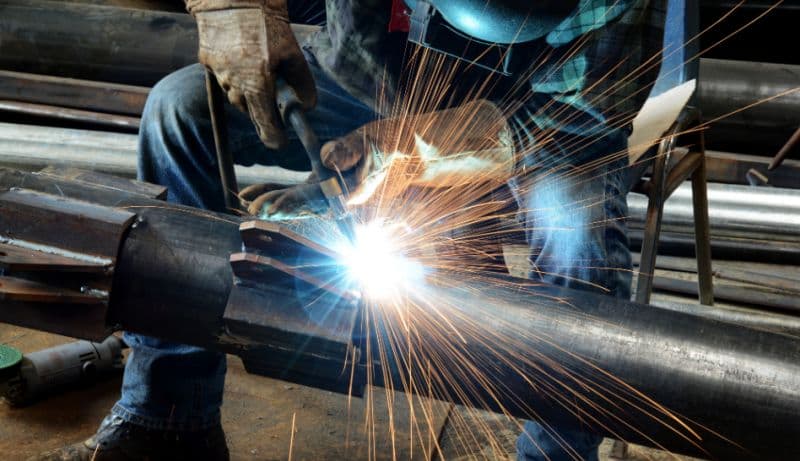
Equipment Manufacturing
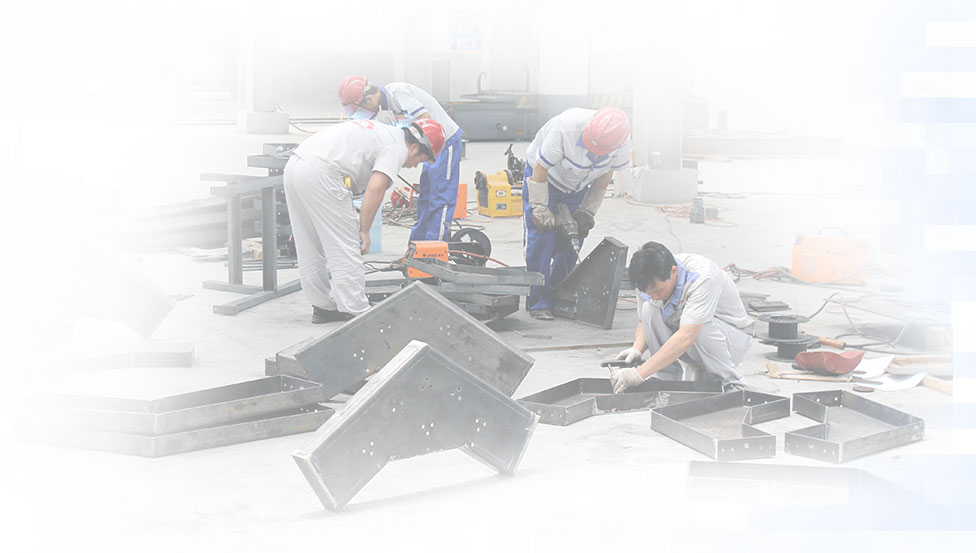
The critical components of the of the complete pellet production line equipment are built in our own workshops in Asia. Additional equipment is manufactured by our worldwide network of reliable partners.

● Testing
Quality Inspection & Testing
Before leaving the factory, all equipment will be inspected by the quality inspection department. We can also provide customers with testing services from a single machine to a complete pellet plant system, and provide you with real actual data for “worry-free use.”

● Delivery
Equipment Delivery
In equipment boxing and packaging, we adopt professional packaging and modular solutions to ensure the safe and non-destructive delivery of pellet plant equipment.
● Installation
Installation & Commissioning
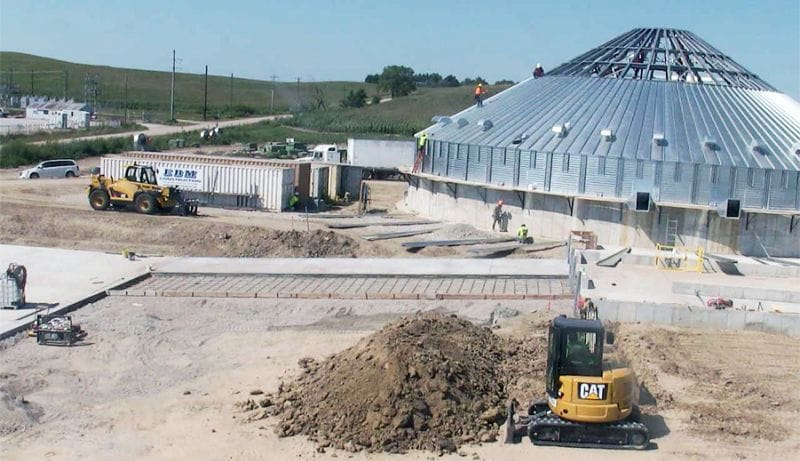
Whether you choose your own subcontractor for the erection phase or you want to install everything together with us, a Richi supervisor will be around to make sure everything is mounted in a safe and thorough way.

● Training
Staff Training
We provide comprehensive training for the technicians of each project. We can also continue to provide support for the technicians during latter project operation.
● After-sales
Project Follow-Up
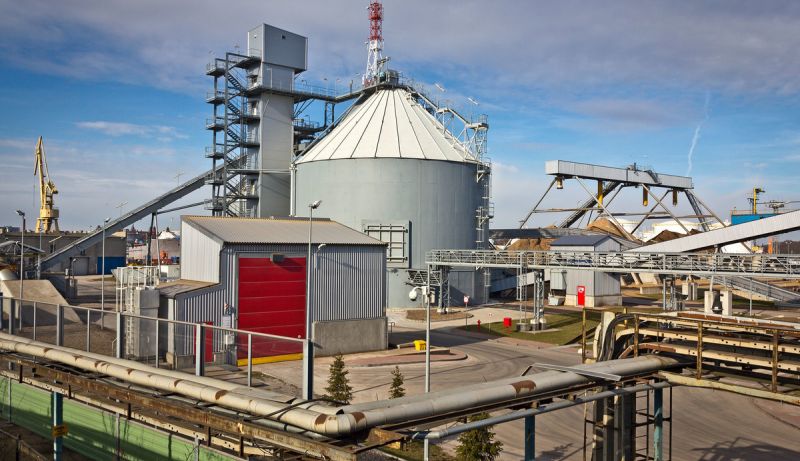
When everything is up and running our Richiers will help you further whenever needed. We are ready to answer your call 24/7.We’ll also visit you regularly to learn about your needs.
Who we are
RICHI Machinery is one of the world’s leading suppliers of technology and services for the animal feed, aqua feed and pet food industries, also the largest pellet production line manufacturer in China.
Since 1995, RICHI’s vision to build a first-class enterprise, to foster first-class employees, and to make first-class contributions to society has never wavered.
In the past three decades, we have expanded our business to a wide range of areas, including animal feed mill equipment, aqua feed equipment, pet feed equipment, biomass pellet equipment, fertilizer equipment, cat litter equipment, municipal solid waste pellets equipment, etc.

1995
RICHI Established

2000+
Serving More Than 2000 Customers

120+
RICHI Employees

140+
Exported To 140 Countries