 0086-138 3838 9622
Cat Litter Manufacturing Plant in Poland
Retail product requirements guide the cat litter manufacturing plant in Poland, connecting one 2 T/H forming machine with measured mixing, matched water removal and packing. RICHI defines the equipment around dry ingredients and the customer’s tested litter recipe.

RICHI MACHINERY
A Cat Litter Manufacturing Plant in Poland Built Around Retail Orders
The cat litter manufacturing plant in Poland produces plant-based pellets for a customer adding pet-care products to its agricultural processing business. The selected finished-product duty is 2 T/H, using one forming machine with matched mixing, drying, cooling and retail packing.
The design programme is 5,000 tonnes a year within the customer’s available premises. Product development centres on a specified dry-fibre recipe and measurable litter performance, so distributors receive an identified product rather than a general promise based only on the presence of soybean fibre.
2 T/H
capacity
USD 240,000
investment
Poland
location
Cat Litter
project type
RICHI MACHINERY
From a Recipe to a Production Requirement
The customer already has land and usable industrial buildings. That provides a practical base for manufacturing, but the new product needs its own raw-material specifications, production controls and retail checks. Agricultural processing experience helps with purchasing and stock handling; it does not replace testing the finished litter in its intended use.
For the cat litter manufacturing plant in Poland, the annual operating plan is 250 days with 10 net processing hours a day. At 2 T/H, this gives 5,000 tonnes. The daily programme includes separate time for cleaning, product checks and maintenance, with staff rostered around the actual working periods.
The physical product is a cylindrical pellet, normally 2–3 mm in diameter and approximately 5–15 mm long. The selected dryer brings moisture toward a 7–10% release window, with 8% used in the material balance. Cutting, final moisture and screening work together to establish the texture delivered in the pack.
The business supplies agreed retail packs, beginning with a 2.5 kg net-weight format. A change in pack size is assessed against filling speed, film or bag specification, sealing and pallet dimensions. The production plan follows packed saleable tonnes, not just the weight leaving the forming machine.
RICHI MACHINERY
Using the Building Without Overstating Its Capacity
The cat litter manufacturing plant in Poland uses 800 m² of covered space within an 8,700 m² site. The equipment and project budgets are based on adapting this available building. They do not include buying the land or constructing a new industrial complex across the entire plot.
| Covered zone | Area | Main activity |
|---|---|---|
| Production and service access | 400 m² | Weighing, mixing, forming, drying, cooling and screening |
| Raw-material store | 150 m² | Released dry fibre, flours, starch and binder |
| Finished packs | 200 m² | Identified pallets awaiting dispatch |
| Office and quality records | 50 m² | Sampling records, production control and administration |
The remaining site area supports circulation and external services according to the site plan. It is not counted as another covered ingredient store. The customer checks delivery-vehicle access, external equipment positions and the final electrical arrangement before the building layout is approved.
The raw store is sized around regular deliveries. Its stock limit follows bulk density, pallet dimensions, permitted stacking and access allowance. Finished pallets have a separate route from incoming fibre bags, helping the team protect released packs from dust and handling damage.
At the cat litter manufacturing plant in Poland, the dryer and cooler also need accessible service positions. Air filters, drives, belts and cleaning points cannot be blocked by a temporary pallet stack. The installation drawing therefore shows working clearance alongside the machine footprints.
Retail order volume also defines the warehouse task. At the selected schedule, the cat litter manufacturing plant in Poland produces 20 tonnes a day, or 8,000 packs at 2.5 kg net. The team translates those packs into the customer’s carton and pallet arrangement before setting stock limits. Packaging material, empty pallets and released goods need their own locations, so a floor-area calculation includes the entire dispatch arrangement rather than just the net weight of litter.
RICHI MACHINERY
Buying Dry Ingredients That Behave Consistently
The selected recipe uses dried soybean fibre, corn flour, corn starch and guar binder. The annual accepted-material allowance is 5,215 tonnes. Reference calculations use 10% incoming moisture, 8% finished moisture and 2% dry-material loss, together with the measured process-water addition.
| Ingredient | Annual allowance | Required incoming condition |
|---|---|---|
| Dried soybean fibre | 2,100 tonnes | Approved fine fibre, controlled moisture and odour |
| Corn flour | 1,500 tonnes | Suitable fineness and consistent specification |
| Corn starch | 1,510 tonnes | Identified grade with consistent functional behaviour |
| Guar binder | 105 tonnes | Approved grade, lot identity and dosing instructions |
The cat litter manufacturing plant in Poland purchases soybean fibre as a dried ingredient. Fresh okara with high water content is a different incoming material and needs dewatering and bulk drying before this route. That upstream conversion is not hidden inside the finishing dryer budget.
Supplier approval covers moisture, particle distribution, foreign material, odour and the relevant microbiological checks. Corn flour and starch are not treated as identical materials: one supplies a milled grain fraction, while the other has a different composition and binding behaviour. A substitution requires another recipe and product check.
The source of dried fibre can be domestic or supplied through an approved ingredient distributor. The purchasing team qualifies the ingredient source before including it in regular production. Procurement is checked from actual suppliers, delivery frequency and usable specifications.
The buyer also controls additive identity. Fragrance, colour or a mineral filler changes the recipe and may affect dust, absorption or product claims. The selected blend is tested in the form sold to the cat owner, with the additive identity and inclusion recorded.
RICHI MACHINERY
Water Removal Is a Main Utility Requirement
For the cat litter manufacturing plant in Poland, the water plan includes 500 m³ a year for measured mixing additions, 150 m³ for sanitary use and 50 m³ for controlled cleaning. The total fresh-water allowance is 700 m³ a year. The water balance accounts for retained product moisture and the water removed during drying.
At the reference recipe, incoming dry ingredients and mixing water give approximately 18% moisture before drying. Bringing the annual product to 8% moisture requires approximately 611 tonnes of water removal over the year, or about 244 kg/hour across 2,500 net processing hours. The selected dryer has a 300 kg/hour water-removal allowance.
The cat litter production line has a 650 kW connected electrical allowance, including a 500 kW electrical dryer-heating allowance. The supply assessment includes cables, starting arrangements, protective equipment and the actual available utility capacity. Existing building ownership is not evidence that a small service connection can run this load.
Annual electricity planning is 1,300 MWh, equivalent to about 260 kWh per tonne. Drying accounts for a substantial part of that estimate. The customer reviews heater control, air recirculation, insulation and exhaust management with the actual product trials, rather than choosing a dryer by its chamber size alone.
RICHI MACHINERY
One Forming Machine and a Dryer That Can Keep Up
The cat litter making machine is selected for the approved fibre-and-starch recipe. One forming machine provides the specified 2 T/H finished-product duty, while its upstream feed and downstream dryer are checked for the greater wet-material flow before water removal.
| Equipment | Selected parameter | Quantity |
|---|---|---|
| Dry-ingredient preparation | Screening and magnetic protection; selective milling when needed | 1 set |
| Batch mixer | 500 kg/batch; 10-minute total cycle, giving 3 T/H | 1 |
| Water dosing | Measured addition matched to ingredient moisture | 1 set |
| Cat litter pellet machine | Dedicated plant-fibre duty, 75 kW main drive; selected 2 T/H finished-product basis | 1 |
| Belt dryer | 300 kg/hour water-removal allowance | 1 |
| Electrical air heater | 500 kW installed heating allowance | 1 integrated system |
| Product cooler | At least 2 T/H finished product | 1 |
| Grading screen | Selected for the agreed pellet and fines separation | 1 |
| Retail packing line | 2.5 kg net; at least 20 packs/minute on the selected product | 1 |
| Extraction, conveying and controls | Matched to the actual transfer points | 1 package |
The forming duty is a recipe-specific design selection, with output and physical quality established by representative material trials. It is not a feed-pellet or wood-pellet catalogue rating transferred to cat litter. Tooling, water addition and the working screw or die arrangement follow the approved recipe.
The mixer provides capacity above the roughly 2.25 T/H wet flow needed before drying. The retail packing allowance is 3 T/H at the stated weight and speed, leaving capacity for normal stops and checks. Neither stage is selected at a nominal rate below the finished line requirement.
RICHI MACHINERY
Six Checks Between Ingredients and a Sealed Pack
Weigh the released ingredients
Operators identify fibre, flour, starch and binder before weighing. The small binder quantity uses a suitable check scale and a defined addition sequence. A correct total batch weight does not prove that each component is correct, so the batch record retains ingredient identities as well as the final total.
Mix with controlled water addition
Water is adjusted to the actual incoming moisture and the approved forming condition. The recipe establishes the mixing sequence and total cycle. The team checks for dry pockets or uneven wetting before the material reaches the forming machine.
Form the selected diameter
The machine produces the 2–3 mm product using the fitted tooling and a controlled cut. Operators observe feed stability, current and pellet shape together. A change in fibre length or binder grade can require another setting even when the supplier calls the ingredient by the same trade name.
Dry to the agreed moisture
The mesh belt dryer uses controlled air temperature, airflow and product residence. Settings are established from moisture measurements across the product bed. A nominal drying time does not replace those checks, especially when product loading or ambient air changes.
Cool and screen before packing
The cooler reduces heat before pellets reach retail bags. Screening removes fines and unsuitable lengths. Recovered material returns only within a controlled, identified rework allowance, so repeated circulation does not gradually change the recipe or hide a forming problem.
Check the retail pack
The cat litter manufacturing plant in Poland checks net weight, seal integrity, coding and pellet condition. Packs awaiting results remain separated from released goods. A finished bag links back to the ingredient lots, production settings and quality checks for its batch.
RICHI MACHINERY
Product Claims Follow Product Tests
The cat litter manufacturing plant in Poland assesses absorption, clump formation, clump strength, fines and odour under defined test conditions. Water amount, contact time and handling method are recorded, allowing repeat results to be compared meaningfully. The team does not judge all these properties from pellet hardness alone.
Retail claims need evidence for the actual product. Plant-based ingredients do not automatically establish flushability, a particular biodegradation rate or safety if swallowed. Disposal instructions and claim wording follow the product assessment and intended market. This keeps the customer’s packaging and sales material aligned with what has actually been tested.
Dust collection covers ingredient opening, transfer and screening positions. Clean identified material may be recovered under the approved procedure. Material of unknown identity, cleaning residues and contaminated product remain outside the normal recipe, even where their colour resembles the current batch.
The customer also reviews combustible dust, electrical isolation, hot surfaces and dryer housekeeping in the installation and operating procedures. Waste and wastewater arrangements reflect the site and local requirements. An electrically heated dryer avoids an on-site combustion burner, but that alone is not proof of complete environmental compliance.
RICHI MACHINERY
Fifteen Roles Cover More Than the Forming Machine
The workforce plan for the cat litter manufacturing plant in Poland is fifteen people: six assigned to ingredient preparation and processing, four to packing and warehouse work, two to maintenance, one to quality and two to administration and order handling. Work periods are rostered around the ten net daily processing hours and the dispatch programme.
Operators learn how to distinguish a material change from a machine fault. Rising forming current may come from moisture, fibre shape or tooling condition. Wet pockets after drying can relate to bed loading or airflow. These observations are logged before a setting is changed, making trial results and routine production records useful to maintenance staff.
The packing team also provides process feedback. Excess fines appearing in the bag can come from conveying or cutting, not only from the forming machine. Seal problems may follow product temperature or dust at the sealing area. The team checks the route from cooler discharge to finished pallet when a complaint appears.
For repeat orders, retained samples and pack records support a direct discussion with the distributor. The customer can compare the delivered batch with its release sample and handling history. That is more credible than offering a blanket statement that all pellets are dust-free or every batch performs identically without testing.
The cat litter manufacturing plant in Poland checks the packaged product after the handling expected in distribution. A seal can pass beside the packing machine and still need assessment after pallet movement or transport vibration. The customer examines fines, bag damage and the condition of the pellet sample after that handling, using the same evaluation method for repeat trials. Those observations help establish a pack specification that protects the product through the retailer’s route to the customer.
Labels, instructions and batch codes are approved together with the retail format. Distributors can receive the agreed language version and product identification without changing the process recipe. The production record retains the packaging version assigned to each batch, making a later question about instructions or product identity easier to resolve.
RICHI MACHINERY
An Investment Basis for Available Premises
The equipment budget for the cat litter manufacturing plant in Poland is USD 145,000. The total project budget is USD 240,000, covering the selected equipment, delivery allowances, local installation, building adaptation and the defined electrical and ventilation connections. It assumes usable premises and the agreed site-service scope.
Land purchase, a new industrial building and major utility-network reinforcement beyond the defined connection are outside that basis. Before ordering, the customer checks the available supply against the 650 kW connected allowance. Any additional off-site infrastructure must be identified separately rather than presumed to be free because the building already exists.
For a buyer comparing a cat litter production line cost, dry-fibre condition and dryer duty are decisive. A low machine price that excludes water removal, active cooling or retail packing cannot be compared directly with this complete process package. The specification should state the wet feed, finished moisture and pack output on the same basis.
The customer also allows space and time for recipe trials and packaging checks. A machine can produce a cylindrical pellet without proving that the finished litter meets a distributor’s clumping or handling specification. Approving those tests before regular supply gives purchasing, production and sales a common definition of acceptable product.
RICHI MACHINERY
Plan Your Retail Litter With RICHI
Bring RICHI your ingredient samples, target pellet dimensions, finished moisture and retail pack requirements. Include the building drawing, available electrical capacity and the product tests requested by your distributor.
We can prepare a cat litter manufacturing plant in Poland with one suitable forming machine, matched water removal and the necessary finishing and packing equipment. The proposal defines equipment parameters, site-work responsibilities and the trial programme needed to approve the recipe and product claims.
● RICHI MACHINERY
RICHI Service

● Consulting
Customer Consultation
We want to have a deep understanding of your industrial process, to know your exact needs of feed, wood, biomass, fertilizer or other pellet processing.

● Design
cat litter Pellet Plant Design
Based on your unique situation and industrial process, we will tailor complete pellet plant you need, and inform you of every additional detail that could facilitate operation, minimize total cost.
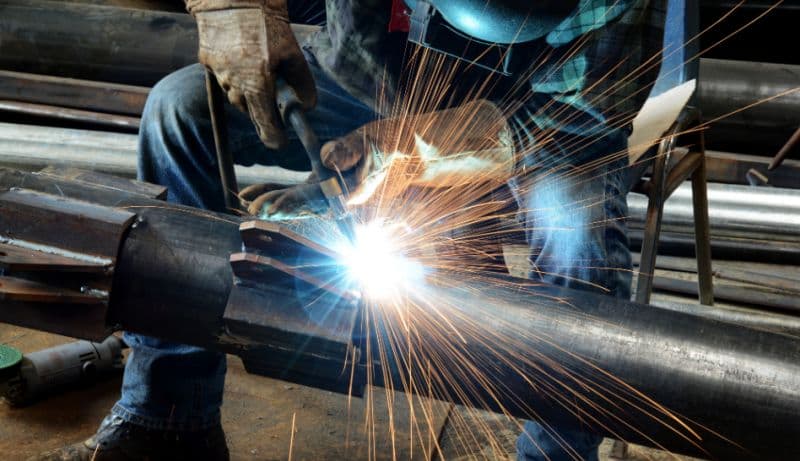
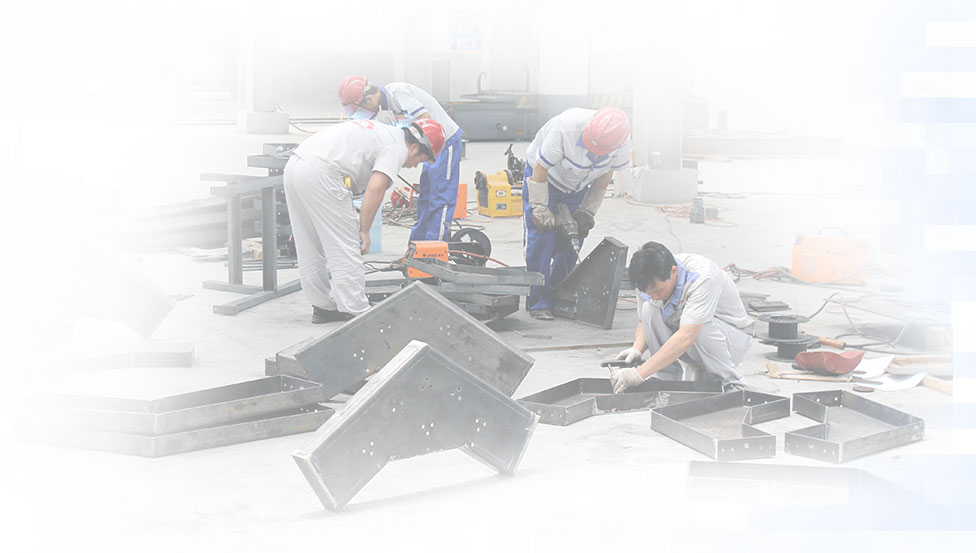
● Manufacturing
Equipment Manufacturing
The critical components of the of the complete pellet production line equipment are built in our own workshops in Asia. Additional equipment is manufactured by our worldwide network of reliable partners.
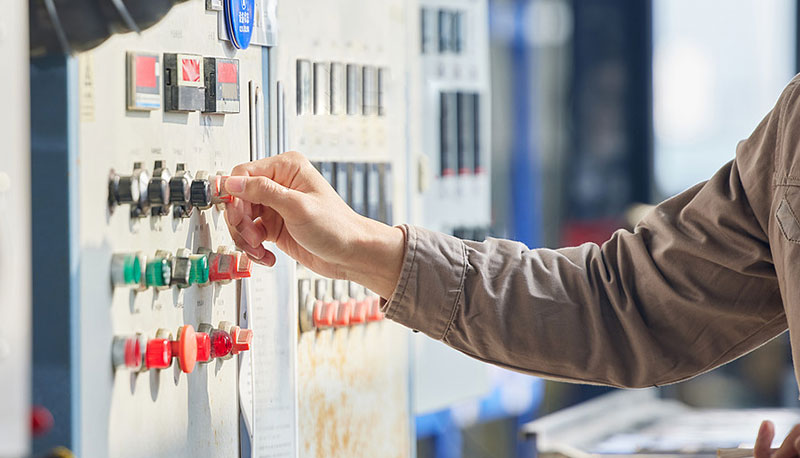
● Testing
Quality Inspection & Testing
Before leaving the factory, all equipment will be inspected by the quality inspection department. We can also provide customers with testing services from a single machine to a complete pellet plant system, and provide you with real actual data for “worry-free use.”
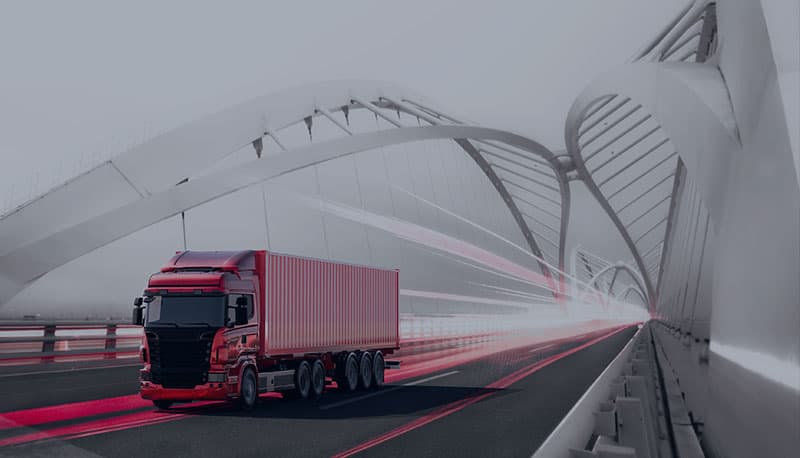
● Delivery
Equipment Delivery
In equipment boxing and packaging, we adopt professional packaging and modular solutions to ensure the safe and non-destructive delivery of pellet plant equipment.
● Installation
Installation & Commissioning
Whether you choose your own subcontractor for the erection phase or you want to install everything together with us, a Richi supervisor will be around to make sure everything is mounted in a safe and thorough way.

● Training
Staff Training
We provide comprehensive training for the technicians of each project. We can also continue to provide support for the technicians during latter project operation.
● After-sales
Project Follow-Up
When everything is up and running our Richiers will help you further whenever needed. We are ready to answer your call 24/7.We’ll also visit you regularly to learn about your needs.
Who we are
RICHI Machinery is one of the world’s leading suppliers of technology and services for the animal feed, aqua feed and pet food industries, also the largest pellet production line manufacturer in China.
Since 1995, RICHI’s vision to build a first-class enterprise, to foster first-class employees, and to make first-class contributions to society has never wavered.
In the past three decades, we have expanded our business to a wide range of areas, including animal feed mill equipment, aqua feed equipment, pet feed equipment, biomass pellet equipment, fertilizer equipment, cat litter equipment, municipal solid waste pellets equipment, etc.

1995
RICHI Established

2000+
Serving More Than 2000 Customers

120+
RICHI Employees

140+
Exported To 140 Countries