 0086-138 3838 9622
Biomass Energy Pellet Plant in Thailand
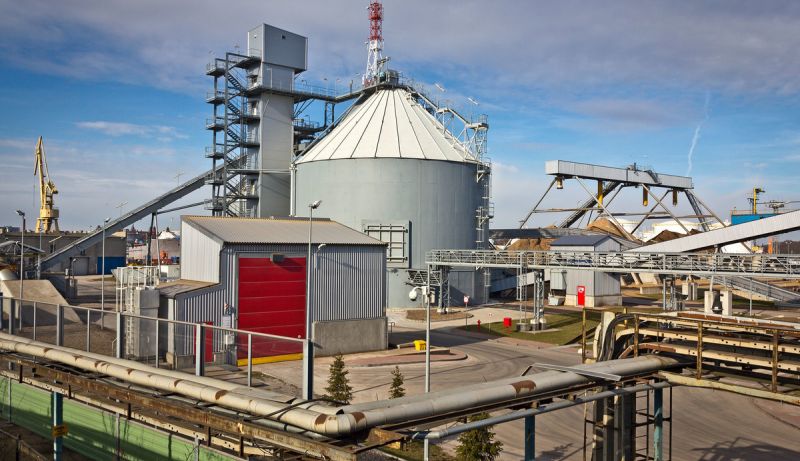
Two industrial fuel requirements shape the biomass energy pellet plant in Thailand: 2 T/H of pellets and 1 T/H of briquettes. RICHI connects the separate forming routes with appropriate dry-material preparation, cooling and dispatch equipment.

RICHI MACHINERY
Two Fuel Forms From a Biomass Energy Pellet Plant in Thailand
The biomass energy pellet plant in Thailand combines a 2 T/H pellet route with a separate 1 T/H briquette route. It supplies industrial heat users with different fuel-feeding arrangements while sharing suitable preparation and handling equipment.
RICHI’s biomass pellet project uses accepted dry wood and a controlled straw fraction. The biomass pellet production line includes active finishing and separate product handling, so the combined 15,000-tonne annual plan follows the two forming duties and the scheduled operating hours rather than the pellet mill’s nameplate alone.
3 T/H combined
capacity
USD 245,000
investment
Thailand
location
Pellets and briquettes
project type
RICHI MACHINERY
The Trading Business Already Knows Its Industrial Buyers
The customer is a regional agricultural-materials business in central Thailand. Its collection activity connects wood processors and straw suppliers with industrial fuel users. Adding manufacture gives the business more control over physical fuel form, delivery consistency and batch identity, while introducing a need for measured raw-material and product specifications.
For the biomass energy pellet plant in Thailand, the customer serves buyers using auger-fed pellet equipment as well as buyers accepting larger briquettes. Those requirements explain the two forming machines. They are different product routes, not two pellet mills purchased to provide an output that one suitable pellet mill can already handle.
The selected annual schedule is 250 operating days with 20 net processing hours a day. At 2 T/H, the pellet route accounts for 10,000 tonnes a year; the 1 T/H briquette route accounts for 5,000 tonnes. The combined plan is therefore 15,000 tonnes, with access for daily cleaning and maintenance outside those net hours.
The business checks actual buyer demand before allocating the production schedule. Pellet and briquette orders are not interchangeable merely because both use biomass. Customers specify their loading method, combustion system and required fuel properties, allowing the operator to decide which material blend and product route can meet the order.
RICHI MACHINERY
Pellets and Briquettes Have Separate Specifications
| Product | Selected forming duty | Annual plan | Normal physical form |
|---|---|---|---|
| Industrial biomass pellets | 2 T/H | 10,000 tonnes | 8 mm diameter, approximately 10–30 mm cut length |
| Industrial biomass briquettes | 1 T/H | 5,000 tonnes | Selected 50 mm diameter, approximately 40–80 mm length |
The biomass energy pellet plant in Thailand targets finished moisture within 8–12%, with 10% used for the annual mass balance. Dimensions follow the fitted dies and cutting arrangement. The briquette specification follows the receiving furnace and its loading opening, while the smaller pellets serve the agreed pellet-feeding equipment.
Both products need cooling or stabilisation before storage. A strong-looking hot pellet can soften or create condensation when packed too early. The operator checks the centre temperature of the formed product and the condition of the storage container, then releases the material to the appropriate finished-product zone.
The biomass energy pellet plant in Thailand records which fuel grade each customer receives. If a user reports excessive fines, the team checks the released sample, loading method and transport handling before changing the forming setting. If the concern relates to ash deposits, the investigation returns to the material blend and fuel analysis. Keeping those observations separate helps the customer make a useful adjustment instead of solving a combustion problem by changing pellet length alone.
Ash, heating value, fines and other agreed fuel characteristics are tested for the actual blend. The plant does not assign one heating value to every wood species or straw source. A change in agricultural residue proportion can affect ash behaviour and combustion suitability even when the product diameter and moisture remain unchanged.
For industrial customers, these details support repeat purchasing. A bag label or dispatch record identifies the product route and batch. The receiving user can connect any feeding or combustion observation to a known fuel delivery, making subsequent adjustments more practical for both businesses.
RICHI MACHINERY
Preparing Wood and Straw Before They Share a Feed Buffer
The biomass energy pellet plant in Thailand uses an annual accepted-material allowance of 15,700 tonnes: approximately 12,560 tonnes of clean woody residues and 3,140 tonnes of approved crop straw. The reference balance uses 12% incoming moisture, 10% finished moisture and 2% dry-material loss through preparation and handling.
Clean woody residues
Sawdust and suitable shavings bypass coarse chipping when their size permits. Solid offcuts follow the chipper route, while excessively long pieces are reduced before loading. The selected feed excludes painted, preservative-treated and glued-board waste; magnetic separation does not remove chemical contamination from those materials.
Straw needs its own first reduction
Baled or long straw passes through a cutter before fine grinding. Attempting to feed long fibres directly into a sawdust hopper can cause bridging and irregular loading. The straw fraction is selected around the customer’s fuel agreement, with soil and stones controlled at purchasing and receiving.
Moisture determines whether a load can enter production
Normal accepted moisture is 10–14%. There is no thermal raw-material dryer in this dry-feed package. Material above the approved window must be dried and checked before entering the production supply; the tropical climate is not treated as a substitute for a verified moisture condition.
Procurement follows usable material
The biomass energy pellet plant in Thailand plans collection around suppliers within an approximately 60 km working radius where transport and material availability support it. The operator checks actual tonnes and contamination, rather than equating a truck volume of straw with the same volume of sawdust. Covered storage protects released feedstock during wet weather and keeps different material lots identifiable.
The blend is weighed before the common feed buffer. Both forming routes can use an approved mixture, but their settings remain separate. A die adjustment on the pellet mill is not automatically the correct instruction for the briquette press.
RICHI MACHINERY
Space for Preparation, Forming and Loading
The biomass pellet plant occupies a 4,000 m² site with a 3,200 m² covered workshop. The installation budget uses an available building shell and site services; it is not a greenfield budget for buying land and constructing the entire covered area.
| Covered function | Area | Layout purpose |
|---|---|---|
| Raw-material receiving and storage | 1,200 m² | Separate wood and straw lots with accessible loading |
| Cutting, chipping and grinding | 500 m² | Material-specific preparation and extraction |
| Pellet and briquette forming | 500 m² | Two routes with independent service access |
| Cooling and finished-product handling | 700 m² | Separate bagged pellets and briquette dispatch |
| Services, records and staff space | 300 m² | Electrical, maintenance and supervision functions |
The biomass energy pellet plant in Thailand uses the remaining 800 m² for external circulation and site access. Actual vehicle turning, fire access and unloading positions are checked on the site plan. Floor area alone does not establish a safe stock tonnage, particularly where low-density straw requires more volume than bagged finished fuel.
The equipment layout also avoids moving raw wood across released-product storage. Forklifts collect bags and briquettes from their own loading positions. A press can reach its selected output only if incoming material, cooling and dispatch continue to move without repeated stops caused by blocked access.
RICHI MACHINERY
One Pellet Mill and One Briquette Press
The Biomass Pellet Mill is an MZLH520 with a 132 kW main drive, selected for the 2 T/H pellet duty on the approved blend. The separate briquette press has a selected 1 T/H duty. Each machine serves a required product, while the preparation system is checked against the combined 3 T/H consumption.
| Main equipment | Selected parameter | Quantity |
|---|---|---|
| Wood chipper | 55 kW; selected for the accepted coarse-wood fraction | 1 |
| Straw cutter | 22 kW; sized for the straw supply rate | 1 |
| Hammer mill | 75 kW; selected at least 4 T/H on the prepared blend | 1 |
| Weighed blending and feed buffer | At least 3 T/H combined supply | 1 set |
| Pellet mill | MZLH520, 132 kW; selected 2 T/H | 1 |
| Briquette press | 55 kW main drive; selected 1 T/H | 1 |
| Pellet cooler and grading screen | At least 2 T/H | 1 finishing set |
| Briquette cooling conveyor | At least 1 T/H, accessible for product checks | 1 |
| Bagging scale | 25 kg; at least 2 bags/minute | 1 |
| Extraction, transfer and electrical controls | Matched to both operating routes | 1 integrated package |
The biomass energy pellet plant in Thailand has a 450 kW connected electrical allowance. The principal preparation and forming motors total 339 kW; conveyors, fans, cooling, packing and control services are included in the remaining supply allowance. Motor starting and the actual utility connection still require the equipment schedule.
The equipment arrangement gives each forming machine a defined product responsibility. Wearing-part provision focuses on the dies, rollers, screens and other components actually used. The customer can compare the supply scope directly with its pellet and briquette commitments, including the shared preparation and independent finishing requirements.
RICHI MACHINERY
How the Two Forming Routes Are Operated
Receive and sort by material condition
The operator checks moisture, contamination and supplier identity at arrival. Sawdust, shavings, offcuts and straw enter identified storage positions. Oversize or wet material remains outside the normal feed queue until the agreed preparation or drying decision is complete.
Reduce each material in the appropriate machine
Offcuts are chipped and long straw is cut before final grinding. Suitable fine sawdust bypasses unnecessary coarse reduction. The target preparation size is normally around 1–3 mm for the pellet blend, with the briquette feed checked against that press’s working specification.
Weigh the approved blend
The common buffer receives prepared material in the agreed ratio. Feeders maintain a stable supply to the two routes. Operators investigate bridging and density changes instead of repeatedly opening the feeder to compensate for a blocked or unevenly filled hopper.
Form pellets and briquettes separately
The pellet mill compresses material through its 8 mm die. The briquette press uses the selected 50 mm tooling and its own operating settings. Natural binding depends on material, moisture and compression; the line does not assume that every residue blend will form equally well without trials.
Cool, check and grade
Pellets enter the active cooler before screening. Briquettes pass through the cooling conveyor with enough residence and access for temperature checks. Clean identified fines may return at a controlled rate, while contaminated material leaves the approved production route.
Dispatch in the buyer’s handling form
The customer supplies pellets in agreed bags or bulk arrangements and briquettes in the contracted loading form. Product identification follows the batch to dispatch. The biomass energy pellet plant in Thailand checks the packing and loading capacity against both routes operating together, rather than checking the press alone.
RICHI MACHINERY
Utilities and the Work Behind the Machines
Annual electricity planning for the biomass energy pellet plant in Thailand is 1,200 MWh, equivalent to about 80 kWh per tonne across the stated pellet and briquette programme. The estimate includes preparation and active finishing. Changing to harder wood, finer grinding or a different briquette specification can change the operating demand.
Fresh-water planning is 230 m³ a year for staff use and controlled cleaning. This package uses dry feedstock and air-based product cooling. It does not include steam conditioning, a wet raw-material dryer or a cooling tower whose utility demand has been omitted from the budget.
Fifteen roles cover operation and support: three rotating production teams of three, two material-handling roles, one quality role, two maintenance roles and one administration role. The roster supports the two daily operating periods, handover and planned service work. Customer loading commitments are included when the handling team is scheduled.
Dust extraction serves cutting, grinding, transfer and forming pickup points according to their actual airflow needs. Suitable clean dust is returned only under an identified recovery procedure. Housekeeping, bearing-temperature observation, isolation and ignition-source control remain part of the operating routine; a filter installation does not remove those responsibilities.
RICHI MACHINERY
Budgeting for This Dry-Feed Fuel Pellet Plant
The equipment budget is USD 165,000, and the total project budget is USD 245,000. The total covers the selected machinery, delivery allowances, equipment foundations, local electrical and mechanical installation, extraction integration and adaptation of the available premises. Land purchase and construction of a new 3,200 m² workshop are outside the stated basis.
For this fuel pellet plant, the main investment decision is the incoming material condition. A dry-residue package and a wet-feed plant have different equipment, heat and exhaust requirements. Buyers comparing a biomass pellet plant cost should first align those boundaries, then compare the forming and finishing capacity.
The biomass energy pellet plant in Thailand also separates production capacity from financial return. Profit depends on actual residue collection, usable material, energy, labour, maintenance and customer contracts. No fixed payback period follows from an equipment price or a national biomass resource estimate.
Before ordering, the customer checks the budget against the building survey and utility connection. A usable shell can reduce site work, but an inadequate transformer, weak floor or missing unloading access still needs a defined solution. Those conditions are established before the local installation responsibilities are signed off.
RICHI MACHINERY
Why Local Fuel Agreements Shape the Production Plan
The biomass energy pellet plant in Thailand is designed around industrial heat users whose needs can be checked directly. One buyer may prioritise low fines in a pellet auger; another may accept a larger briquette but require a particular ash behaviour. These are purchasing specifications, not interchangeable descriptions of renewable fuel.
The wood-rich recipe gives the operator a controlled starting point, while the approved straw proportion provides a route for suitable agricultural residue. New material sources are sampled before they become regular feedstock. The customer checks their effect on preparation, forming, storage and combustion suitability rather than relying on the appearance of the finished product.
Delivery planning can be as important as hourly output. A customer’s fuel store may accept only a limited truck size or a particular collection day. The operator uses the pellet and briquette stores to assemble those orders without letting released product obstruct raw-material handling or routine maintenance access.
The business can assess later changes from those working records: whether another supplier improves material consistency, whether a different bag size serves customers better or whether one forming route needs more operating time. Expansion follows an identified demand and process constraint.
Seasonal purchasing at the biomass energy pellet plant in Thailand keeps wood and straw availability visible as separate quantities. The team reviews how many days each approved source can supply and which loads arrive dry enough for the selected package. A material that is plentiful after harvest may still need covered supplier storage before delivery. These procurement records support the industrial supply agreement and help the operator preserve its specified blend when wet weather affects collection.
RICHI MACHINERY
Specify the Fuel Your Customers Need
Send RICHI Machinery your raw-material forms, moisture range and the pellet or briquette specifications requested by buyers. Include the required daily volume, workshop drawing and electricity supply. We can prepare a biomass energy pellet plant in Thailand with the appropriate separate forming routes and shared preparation where it is useful. The quotation identifies the equipment budget, project-work boundaries, finishing capacity and material trials needed to establish the selected operating settings.
● RICHI MACHINERY
RICHI Service

● Consulting
Customer Consultation
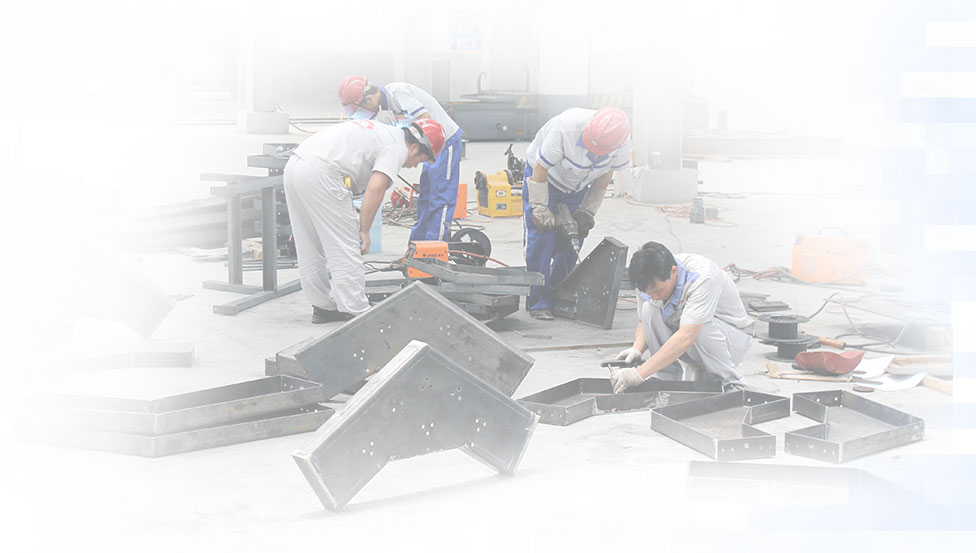
We want to have a deep understanding of your industrial process, to know your exact needs of feed, wood, biomass, fertilizer or other pellet processing.
● Design
biomass Pellet Plant Design
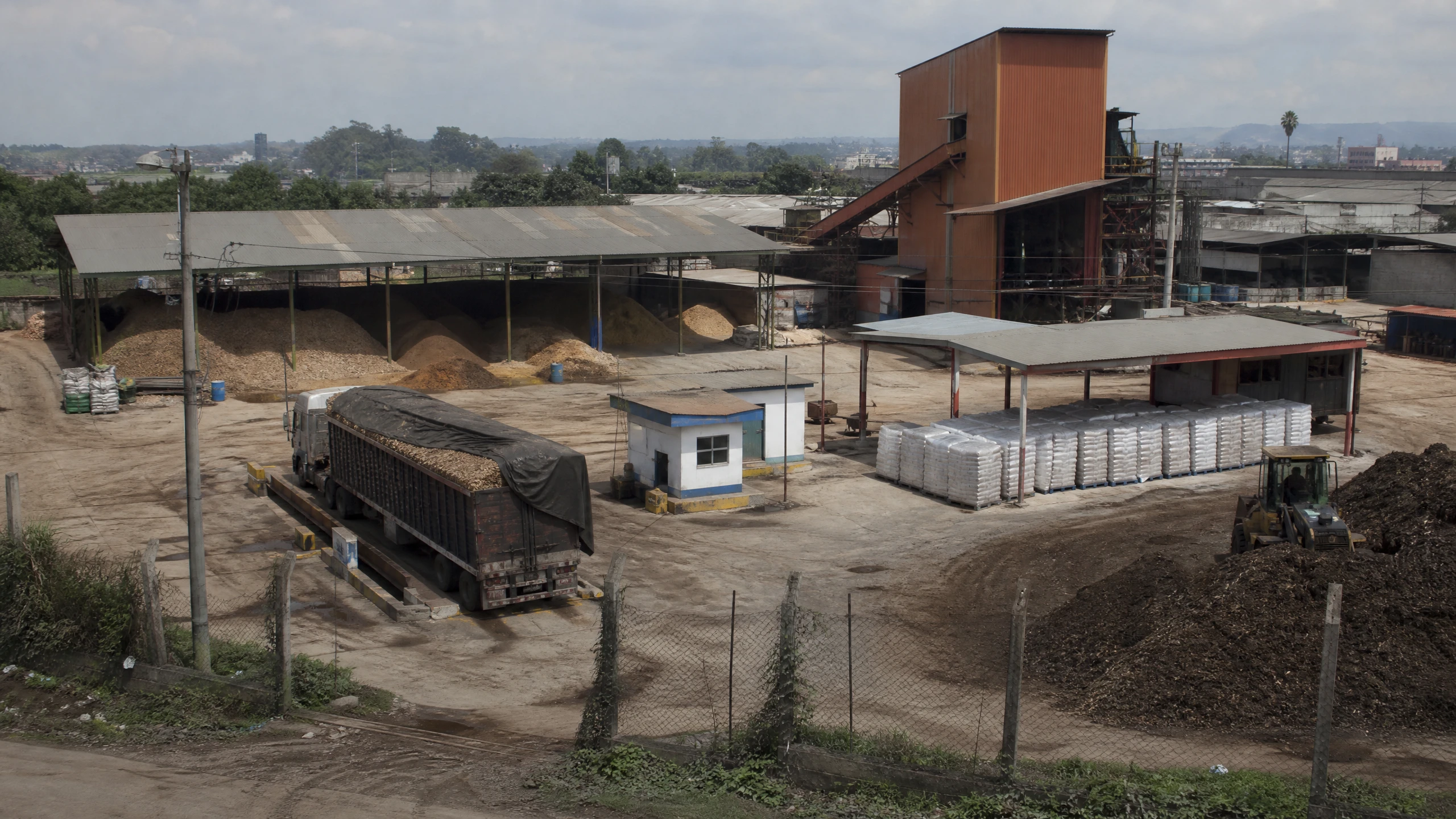
Based on your unique situation and industrial process, we will tailor complete pellet plant you need, and inform you of every additional detail that could facilitate operation, minimize total cost.
● Manufacturing
Equipment Manufacturing
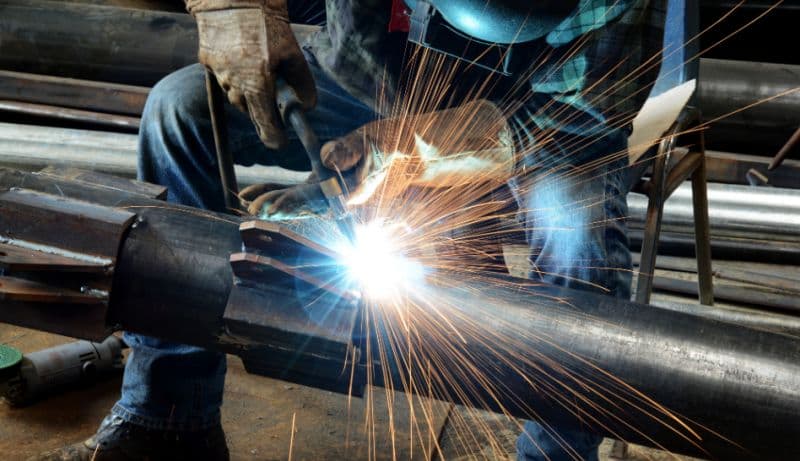
The critical components of the of the complete pellet production line equipment are built in our own workshops in Asia. Additional equipment is manufactured by our worldwide network of reliable partners.

● Testing
Quality Inspection & Testing
Before leaving the factory, all equipment will be inspected by the quality inspection department. We can also provide customers with testing services from a single machine to a complete pellet plant system, and provide you with real actual data for “worry-free use.”

● Delivery
Equipment Delivery
In equipment boxing and packaging, we adopt professional packaging and modular solutions to ensure the safe and non-destructive delivery of pellet plant equipment.
● Installation
Installation & Commissioning
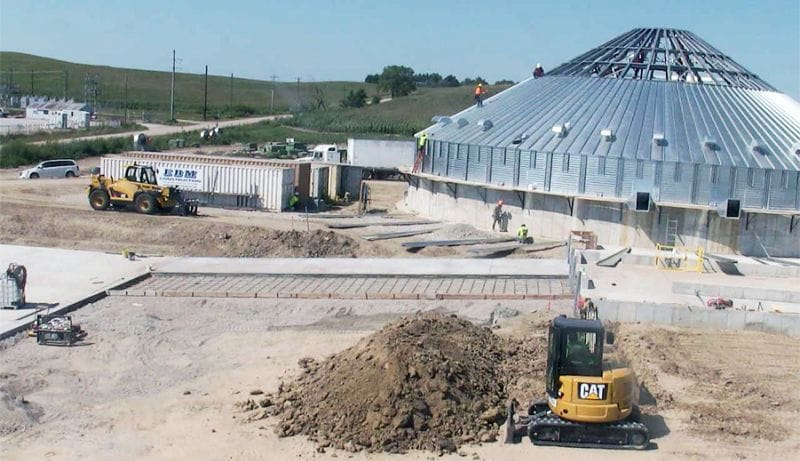
Whether you choose your own subcontractor for the erection phase or you want to install everything together with us, a Richi supervisor will be around to make sure everything is mounted in a safe and thorough way.

● Training
Staff Training
We provide comprehensive training for the technicians of each project. We can also continue to provide support for the technicians during latter project operation.
● After-sales
Project Follow-Up
When everything is up and running our Richiers will help you further whenever needed. We are ready to answer your call 24/7.We’ll also visit you regularly to learn about your needs.
Who we are
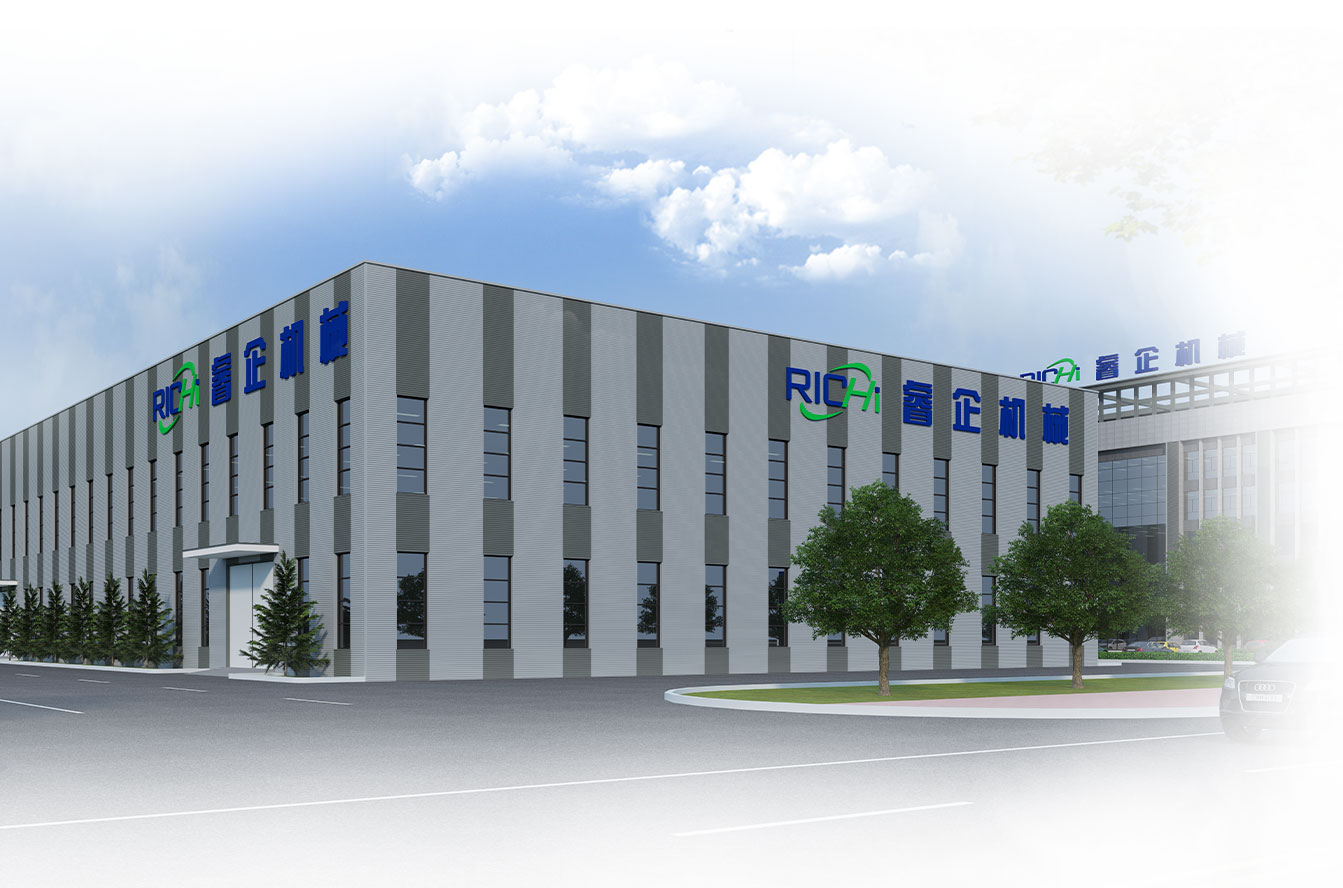
RICHI Machinery is one of the world’s leading suppliers of technology and services for the animal feed, aqua feed and pet food industries, also the largest pellet production line manufacturer in China.
Since 1995, RICHI’s vision to build a first-class enterprise, to foster first-class employees, and to make first-class contributions to society has never wavered.
In the past three decades, we have expanded our business to a wide range of areas, including animal feed mill equipment, aqua feed equipment, pet feed equipment, biomass pellet equipment, fertilizer equipment, cat litter equipment, municipal solid waste pellets equipment, etc.

1995
RICHI Established

2000+
Serving More Than 2000 Customers

120+
RICHI Employees

140+
Exported To 140 Countries