 0086-138 3838 9622
Bamboo Wood Pellet Processing Plant in Vietnam
RICHI MACHINERY
overview
This page details the successful implementation of a modern bamboo wood pellet processing plant in Vietnam, specifically located in an industrial zone in Binh Duong Province. The client, a local entrepreneur with existing interests in timber processing, identified a significant opportunity to valorize the substantial waste stream from his own and surrounding woodworking factories.
The project’s core objective was to establish a facility capable of processing bamboo and wood off-cuts into high-quality, densified biomass pellets, with a production capacity of 5 tonnes per hour, translating to an annual output of 12,000 tonnes.
The total project investment was strategically planned at approximately $480,000. This investment covered site preparation, construction of new workshop spaces, and the procurement and installation of a complete biomass pellet production line.
The client chose RICHI Machinery as the key equipment supplier for the core pelletizing technology. The plant operates on a single 8-hour shift, 300 days a year, and employs a team of 10 people. This case study illustrates a perfect model of industrial symbiosis, turning waste into a valuable, export-oriented renewable energy product.
5T/H
capacity
$480,000
investment
Vietnam
location
Biofuel
project type
RICHI MACHINERY
Project Background and Investment Drivers
Vietnam’s wood processing industry is a global powerhouse, particularly in furniture manufacturing. This sector, however, generates a massive amount of waste in the form of sawdust, shavings, and off-cuts, which often pose a disposal challenge. Simultaneously, the global demand for biomass pellets, driven by the shift towards renewable energy in Europe and Northeast Asia, has created a lucrative export market.
The client, leveraging his strategic position within this supply chain, aimed to solve a waste problem while tapping into this new revenue stream. The primary drivers for this bamboo wood pellet processing plant in Vietnam were:
- Waste Valorization: Transform a cost center (waste disposal) into a profit center by converting wood and bamboo residues into a sellable product.
- Market Opportunity: Capitalize on the strong international demand for sustainable biomass fuels, with target markets including Japan and South Korea, which have strict quality standards (e.g., ENplus).
- Local Economic Development: Create skilled jobs and contribute to the circular economy within the Binh Duong industrial cluster.
The decision to set a 5 t/h (12,000 t/year) capacity was ideal for a first-time investor, allowing for manageable operational scale, minimized initial investment risk, and providing a foundation for future expansion based on market growth.
RICHI MACHINERY
Raw Material Analysis and Sourcing Strategy
The consistent supply of high-quality raw material is the most critical success factor for any biomass pellet plant. For this bamboo wood pellet processing plant in Vietnam, the primary feedstock is a mix of wood off-cuts (from acacia, rubberwood, etc.) and bamboo residues sourced from local furniture and flooring manufacturers.
Vietnam’s robust wood industry ensures a steady and cost-effective supply. The raw materials are typically delivered with an initial moisture content of 25-40%. The project includes a dedicated raw material warehouse with a capacity of 2,500 tonnes, ensuring a continuous supply buffer to handle seasonal fluctuations in the woodworking industry. The fibrous nature of both wood and bamboo makes them excellent for pelletizing, producing high-density, high-calorific-value pellets.
The table below outlines the annual raw material requirements:
| Raw Material Type | Annual Consumption (Tonnes) | Average Initial Moisture Content | Key Sources |
|---|---|---|---|
| Wood Off-cuts & Sawdust | 8,750 | 25-35% | Local furniture and joinery factories in Binh Duong Province. |
| Bamboo Processing Residues | 3,750 | 30-40% | Bamboo flooring and handicraft manufacturers. |
| Total | 12,500 | ||
| Final Product Output | 12,000 | 12-15% | High-quality pellets for export. |
RICHI MACHINERY
Production Process and Technology Breakdown
The production process for this bamboo wood pellet processing plant in Vietnam is a continuous, mechanical densification process. It is designed to handle the specific challenges of mixed biomass feedstocks, focusing on efficient size reduction, precise moisture control, and high-quality pellet formation without using chemical binders.
The complete process flow is detailed below:
1. Raw Material Reception and Pre-processing: Trucks deliver mixed wood and bamboo waste to the plant. The material is weighed on an 80-tonne capacity ground scale and then unloaded into the designated raw material warehouse using a front-end loader.
2. Primary and Secondary Size Reduction: The feedstock is first processed through a heavy-duty drum chipper to achieve a uniform, coarse chip size. These chips are then conveyed to a hammer mill for fine grinding into a consistent biomass powder. This two-stage crushing is essential for creating a homogeneous material that pelletizes efficiently. This stage generates dust, which is controlled by a network of cyclone separators and a central baghouse filter.
3. Drying: The ground biomass powder, with its high moisture content, is unsuitable for pelletizing. It is fed into a rotary dryer, where the moisture is reduced to the optimal 12-18% range. The heat for the dryer is supplied by a dedicated biomass burner, which uses a portion of the plant’s own produced pellets as fuel, creating an energy-efficient loop. The exhaust gases from the combustion and drying process are treated with a multi-stage system (cyclone, water-screen除尘器, and electrostatic precipitator) to ensure emissions compliance.
4. Pelletizing (The Core Process): The dried and finely ground material is fed into the heart of the operation: the RICHI ring-die bamboo wood pellet mills. Under immense pressure and friction-induced heat (reaching 40-50°C), the natural lignin in the biomass plasticizes, acting as an intrinsic binder. The material is forced through the dies to form dense, 8mm diameter pellets. The project utilizes three wood bamboo pellet machines to achieve the target hourly output.
5. Cooling and Screening: The newly formed pellets are hot and soft. They are discharged into a counter-flow cooler, which uses ambient air to harden and stabilize them. A vibrating screen then separates any fine dust or broken pellets, ensuring only premium, whole pellets proceed to packaging.
6. Packaging and Storage: The finished pellets are automatically weighed and packed into standardized 15kg bags using an automated bagging system. The bagged pellets are then palletized and stored in the finished product warehouse, ready for shipment to port.
RICHI MACHINERY
Plant Layout and Key Equipment
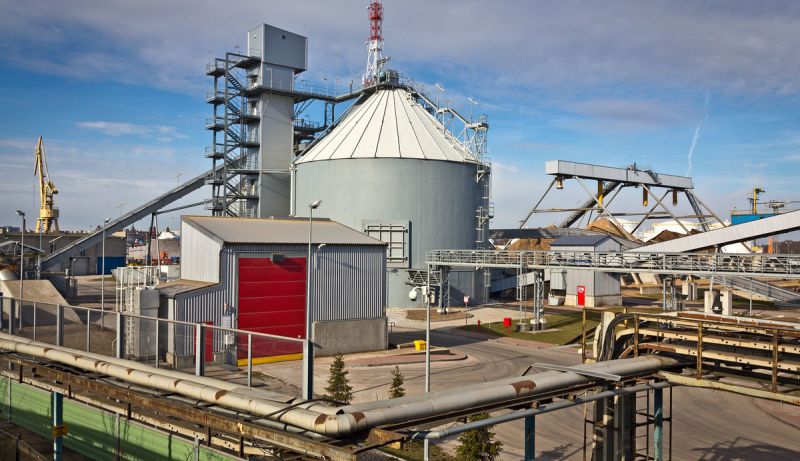
The client utilized a combination of an existing structure and newly constructed workshops to optimize costs. The layout was designed for a logical material flow, from raw material intake to product dispatch.
The core processing equipment, supplied by RICHI, represents a significant portion of the capital expenditure. The total investment for the production line equipment was approximately $220,000.
| Process Area | Key Equipment | Quantity | Notes |
|---|---|---|---|
| Material Handling | 3-tonne Forklift, Front-end Loader | 1 each | For intra-plant logistics. |
| Size Reduction | Drum Chipper (2P3000), Hammer Mill (160kVA) | 1 each | Two-stage crushing for consistent particle size. |
| Drying System | Rotary Dryer (Ø1.8m x 20m), Biomass Burner | 1 set | Efficient drying using self-produced pellet fuel. |
| Pelletizing | RICHI Ring-die Biomass Pellet Mill (132 kW) | 3 | Core technology for high-quality pellet formation. |
| Post-Processing | Counter-flow Cooler, Vibrating Screen | 1 each | For pellet hardening and quality control. |
| Dust Control | Cyclone Separators, Baghouse Filter | 4 units, 1 set | Critical for maintaining a clean and safe work environment. |
RICHI MACHINERY
Environmental and Economic Sustainability
This bamboo wood pellet processing plant in Vietnam is a benchmark for sustainable industrial practices. It actively contributes to a circular economy by converting industrial waste into a renewable energy source.
- Emission Control: The plant employs a comprehensive air pollution control system. Dust from crushing and pelletizing is captured by cyclones and a baghouse filter. The dryer/burner exhaust is treated with a water-screen除尘器 and an electrostatic precipitator, ensuring particulate matter, SO2, and NOx emissions are well within Vietnamese national standards.
- Zero Waste Operation: All process waste—including collected dust and off-spec pellets—is recycled directly back into the production line as raw material. The only ash generated is from the biomass burner, which is minimal and can be used as a fertilizer.
- Minimal Water Footprint: The production process itself requires no water. Water is only used for staff amenities and in a closed-loop system for the wet scrubber, with no industrial wastewater discharge.
Economically, the project has a compelling business case. With an estimated payback period of 3-4 years, it demonstrates how environmental responsibility can be perfectly aligned with financial profitability.
RICHI MACHINERY
Market Outlook for Biomass Pellets in Vietnam
Vietnam is rapidly emerging as a key player in the global biomass pellet market. The outlook is exceptionally positive due to several factors:
- Abundant Raw Materials: The country’s large and growing wood processing industry provides a continuous, low-cost supply of raw materials.
- Strategic Location: Proximity to major Asian markets like Japan and South Korea reduces shipping costs and time, giving Vietnamese producers a competitive edge.
- Favorable Policies: The Vietnamese government is increasingly supportive of renewable energy projects and export-oriented industries.
This bamboo wood pellet processing plant in Vietnam is ideally positioned to benefit from these trends. By focusing on quality consistency and reliable supply, the client can secure long-term contracts with international buyers.
RICHI MACHINERY
A Partnership for Success with RICHI Machinery
The success of this biomass pellet project underscores the importance of choosing the right technology partner. The client selected RICHI Machinery based on our proven expertise in designing robust pelletizing solutions for fibrous and abrasive biomass materials like wood and bamboo.
RICHI’s contribution went beyond equipment supply. We provided:
- Feasibility Analysis: Initial consultation on feedstock suitability and market dynamics.
- Process Engineering: Customized plant layout and equipment selection to meet the specific production goals.
- Professional Commissioning and Training: On-site support to ensure a smooth start-up and operator competency.
- After-Sales Service: Reliable technical support and spare parts supply to maximize plant uptime.
This project is a testament to how RICHI Machinery empowers entrepreneurs to build successful and sustainable businesses in the bioenergy sector.
Are you considering investing in a biomass pellet plant in Vietnam or Southeast Asia? Contact RICHI Machinery today. Let us help you transform your biomass idea into a profitable reality with our reliable equipment and expert project support.
● RICHI MACHINERY
RICHI Service

● Consulting
Customer Consultation
We want to have a deep understanding of your industrial process, to know your exact needs of feed, wood, biomass, fertilizer or other pellet processing.

● Design
biomass Pellet Plant Design
Based on your unique situation and industrial process, we will tailor complete pellet plant you need, and inform you of every additional detail that could facilitate operation, minimize total cost.
● Manufacturing
Equipment Manufacturing
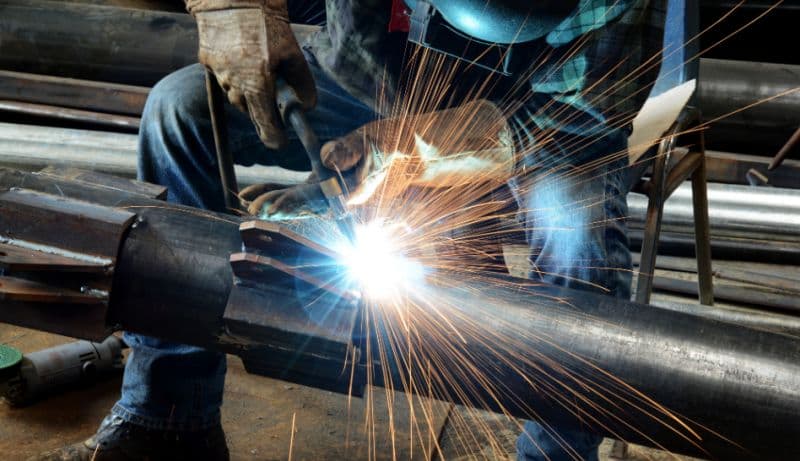
The critical components of the of the complete pellet production line equipment are built in our own workshops in Asia. Additional equipment is manufactured by our worldwide network of reliable partners.

● Testing
Quality Inspection & Testing
Before leaving the factory, all equipment will be inspected by the quality inspection department. We can also provide customers with testing services from a single machine to a complete pellet plant system, and provide you with real actual data for “worry-free use.”

● Delivery
Equipment Delivery
In equipment boxing and packaging, we adopt professional packaging and modular solutions to ensure the safe and non-destructive delivery of pellet plant equipment.
● Installation
Installation & Commissioning
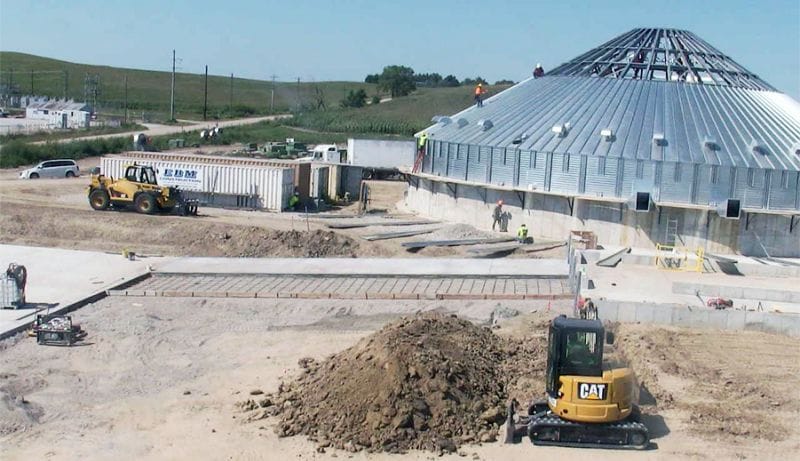
Whether you choose your own subcontractor for the erection phase or you want to install everything together with us, a Richi supervisor will be around to make sure everything is mounted in a safe and thorough way.

● Training
Staff Training
We provide comprehensive training for the technicians of each project. We can also continue to provide support for the technicians during latter project operation.
● After-sales
Project Follow-Up
When everything is up and running our Richiers will help you further whenever needed. We are ready to answer your call 24/7.We’ll also visit you regularly to learn about your needs.
Who we are
RICHI Machinery is one of the world’s leading suppliers of technology and services for the animal feed, aqua feed and pet food industries, also the largest pellet production line manufacturer in China.
Since 1995, RICHI’s vision to build a first-class enterprise, to foster first-class employees, and to make first-class contributions to society has never wavered.
In the past three decades, we have expanded our business to a wide range of areas, including animal feed mill equipment, aqua feed equipment, pet feed equipment, biomass pellet equipment, fertilizer equipment, cat litter equipment, municipal solid waste pellets equipment, etc.

1995
RICHI Established

2000+
Serving More Than 2000 Customers

120+
RICHI Employees

140+
Exported To 140 Countries