 0086-138 3838 9622
Wood Straw Bamboo Pellet Manufacturing Plant in Kenya

RICHI MACHINERY
Overview
The 1–1.5t/h wood straw bamboo pellet manufacturing plant in Kenya is designed as a medium-scale renewable energy facility that transforms locally available agricultural and forestry residues into clean-burning biomass pellets. Located on a 2,883 m² site in a semi-industrial rural zone of central Kenya, the plant repurposes existing steel-framed sheds as production workshops while integrating newly built auxiliary facilities for office use, staff welfare, and storage.
The production line is engineered to achieve an annual output of 3,000 tons of biomass pellets, equivalent to an hourly capacity of 1–1.5 tons, running on a single-shift system for 300 days per year. These pellets are mainly supplied to nearby schools, hotels, slaughterhouses, and small factories that seek cost-effective, environmentally friendly energy alternatives to heavy fuel oil, charcoal, and firewood. A small portion of the production is also used internally to fuel the plant’s drying system, creating a closed-loop energy cycle.
The plant integrates critical stages of biomass fuel processing, including raw material collection and storage, crushing, iron removal, fine grinding, drying, pelletizing, cooling, and packing. Environmental safeguards are embedded in the design, with dust collection systems, cyclone separators, covered storage, and noise reduction measures ensuring compliance with local regulations and community expectations.
1-1.5T/H
capacity
USD 80,000
investment
Kenya
location
Biofuel
project type
RICHI MACHINERY
Project Background
Kenya has been experiencing rapid urbanization and industrial growth, yet energy costs remain high and unsustainable for many small businesses and institutions. The reliance on charcoal and firewood not only drives deforestation but also exposes users to volatile price fluctuations.
Against this backdrop, a farmer’s cooperative specializing in fruit cultivation decided to diversify its operations by investing in renewable energy. The cooperative, located in the fertile Rift Valley region, recognized the untapped value of wood residues, bamboo offcuts, sawdust, and crop straw that are widely available in their supply chain. Bamboo, in particular, is abundant in Kenya and has been promoted by government programs as a fast-growing renewable resource.
Instead of allowing these materials to decay or be burned in the open—causing air pollution—the cooperative envisioned converting them into high-quality biomass pellets. This move aligned with Kenya’s Vision 2030 development agenda and the government’s commitment to cleaner, affordable, and sustainable energy solutions.
Thus, the 1–1.5t/h wood straw bamboo pellet manufacturing plant in Kenya was initiated as both a waste valorization project and a revenue-generating business venture, with support from international technology partners such as RICHI Machinery, who provided turnkey equipment solutions, process design, and after-sales services.
RICHI MACHINERY
Raw Materials
The success of this bamboo wood pellet manufacturing plant project hinges on the steady availability of raw materials. Kenya offers a favorable resource base, with widespread forestry by-products, bamboo resources, and crop residues that are traditionally underutilized.
The primary feedstocks include:
| Raw Material | Annual Supply (t) | Max Storage (t) | Source | Notes |
|---|---|---|---|---|
| Wood offcuts & sawdust | 6,000 | 20 | Local sawmills & carpentry workshops | High calorific value |
| Bamboo residues | 2,000 | 15 | Bamboo plantations in central Kenya | Rapidly renewable |
| Crop straw (mainly maize & wheat) | 1,500 | 10 | Nearby farms | Seasonal but abundant |
| Waste branches & trimmings | 800 | 8 | Fruit orchards & plantations | Mixed moisture content |
Moisture content varies from 15–30%, requiring drying before pelletization. By combining high-calorific sawdust with bulkier bamboo and straw, the plant ensures consistent pellet density and combustion efficiency.
The facility follows strict procurement standards, excluding materials contaminated with paint, glue, inks, or hazardous waste to guarantee pellet quality and safety.
RICHI MACHINERY
Product Scheme and Market
The plant is designed to produce 6–10 mm diameter biomass pellets, packaged in 25 kg and 50 kg bags for institutional buyers, and in bulk 1-ton jumbo bags for industrial users.
| Product | Annual Output (t) | Specification | End Users |
|---|---|---|---|
| Biomass pellets | 3,000 | Diameter 6–10 mm | Schools, hotels, slaughterhouses, factories, internal energy use |
Local schools and hotels, many of which currently rely on firewood or charcoal for cooking and heating, represent a growing market for cleaner fuels. Industrial users, particularly tea factories, milk processors, and meat processing plants, also show interest in biomass pellets as substitutes for diesel or heavy fuel oil.
RICHI MACHINERY
Plant Infrastructure
The biomass pellet production line project makes optimal use of existing infrastructure while introducing new auxiliary buildings:
- Production Workshops: Two steel-framed sheds totaling 1,500 m², housing the pellet line and raw material processing zones.
- Storage Areas:
- 500 m² outdoor raw material yard (daily use quantities only).
- Indoor intermediate storage for crushed and dried material.
- Finished pellet storage zone near the packaging line.
- Auxiliary Facilities:
- Brick-built office (15 m²) for administrative work.
- Small kitchen and canteen (5 m²) for staff meals.
- Sanitary facilities (10 m²), refurbished to modern standards.
- Utilities:
- Power: connected to the national grid, with a backup diesel generator.
- Water: supplied from local borehole; drinking water provided in bottled form.
The factory layout follows lean production principles, with raw materials entering from the west side, processed linearly through crushing, drying, and pelletizing, before exiting as finished goods on the east side. This minimizes material handling and reduces cross-contamination risks.
RICHI MACHINERY
Major Equipment
The production line integrates a balanced mix of crushing, drying, pelletizing, and packaging technologies, supplied and installed by RICHI Machinery.
| Equipment | Quantity | Function |
|---|---|---|
| Crusher | 1 | Initial size reduction of bulky wood & bamboo |
| Hammer mill (fine grinder) | 1 | Secondary grinding for uniform particle size |
| Magnetic separator | 1 | Removes iron contaminants |
| Rotary dryer | 1 | Reduces moisture from 30% to 10% |
| Biomass Wood Pellet mill (ring die type) | 1 | Compresses material into dense pellets |
| Cyclone dust collector | 1 | Captures drying dust emissions |
| Bag filter system | 1 | Controls workshop dust |
| Conveyor systems | 4 | Material transfer between stages |
| Elevators | 3 | Vertical transfer of materials |
| Packing machines | 2 | For small bags and bulk packaging |
| Forklift & loader | 2 | Material handling |
| Biomass furnace | 1 | Generates hot air for drying process |
All machines for this biomass wood straw pellet plant are designed for continuous operation and optimized for Kenya’s energy and labor cost structures.
RICHI MACHINERY
Production Process
The workflow of this bamboo straw wood pellet production line is designed for efficiency, safety, and environmental protection:
- Raw Material Transport & Storage
Residues are collected from sawmills, bamboo plantations, and farms, transported daily by contracted trucks, and unloaded at the raw material yard. Only daily requirements are stored to minimize dust and fire risk. - Primary Crushing & Iron Removal
Bulky materials are crushed into manageable sizes. During conveying, magnetic separators remove nails, wires, or metal fragments to protect downstream equipment. - Fine Grinding
The hammer mill reduces material to powder-like consistency, suitable for pelletizing. Dust generated here is extracted by bag filters. - Drying
Moisture-rich material (20–30%) is dried in a rotary drum dryer to about 10%. The dryer is powered by a biomass furnace using self-produced pellets, ensuring cost savings. Emissions are treated by a cyclone separator before being released via a 15 m stack. - Pelletizing
The dried powder is pressed into cylindrical pellets (6–10 mm diameter) by bamboo pellet machine. This step requires only mechanical pressure, with no adhesives or chemicals used. - Cooling & Screening
Pellets are air-cooled, screened to remove fines, and conveyed to storage. - Packaging
Pellets are packed into 25–50 kg bags for institutions, and bulk bags for industrial customers. Off-spec pellets and dust are recycled back into production.
RICHI MACHINERY
Workforce and Operations
- Staffing: 6 full-time workers (2 machine operators, 2 helpers, 1 quality controller, 1 supervisor).
- Working System: Single-shift (8 hours/day), 300 working days per year.
- Catering: Staff lunch is provided in the on-site kitchen; workers commute daily.
This streamlined workforce ensures operational efficiency while keeping labor costs sustainable.
RICHI MACHINERY
Investment and Costs
The total investment for the 1–1.5t/h wood straw bamboo pellet manufacturing plant in Kenya is estimated at USD 260,000, covering equipment, installation, civil works, utilities, and staff training.
| Item | Cost (USD) |
|---|---|
| Equipment (pellet line + auxiliaries) | 80,000 |
| Civil works & site preparation | 80,000 |
| Electrical & utility connections | 25,000 |
| Environmental protection systems | 20,000 |
| Training & commissioning | 15,000 |
| Working capital (initial raw material, packaging) | 40,000 |
| Total | 260,000 |
Operating costs are largely driven by raw materials (sourced cheaply from local suppliers), electricity, labor, and packaging. Selling pellets at USD 120–150/ton, the biomass pellet project expects a payback period of 3–4 years.
RICHI MACHINERY
Future Prospects in Kenya
The biomass energy sector in Kenya is poised for growth, driven by:
- Government restrictions on unsustainable charcoal burning.
- Rising firewood costs in institutions such as schools.
- Strong industrial demand for alternative fuels.
- Expanding bamboo plantations under national afforestation programs.
The 1–1.5t/h wood straw bamboo pellet manufacturing plant in Kenya serves as a model for medium-scale renewable energy projects. By transforming waste into clean fuel, it contributes to climate goals, rural job creation, and energy security.
RICHI MACHINERY
RICHI Machinery’s Role
RICHI Machinery provided:
- Customized process design adapted to Kenya’s raw materials.
- High-efficiency pellet equipment capable of handling mixed feedstocks (wood, bamboo, straw).
- On-site installation, staff training, and after-sales service.
- Ongoing technical support to optimize operations and improve energy efficiency.
RICHI MACHINERY
Conclusion
The establishment of a 1–1.5t/h wood straw bamboo pellet manufacturing plant in Kenya demonstrates how agricultural cooperatives can diversify into clean energy while adding value to local resources. With carefully selected raw materials, efficient equipment, and robust environmental safeguards, the plant not only delivers financial returns but also advances Kenya’s renewable energy transition.
By partnering with RICHI Machinery, the project benefits from world-class engineering, durable equipment, and professional support, positioning it for long-term success in a market hungry for sustainable solutions.
● RICHI MACHINERY
RICHI Service

● Consulting
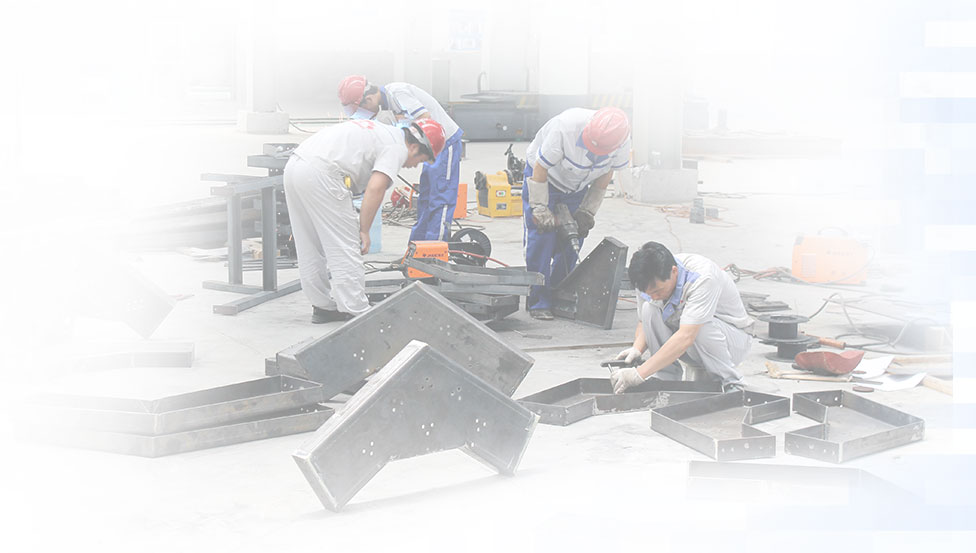
Customer Consultation
We want to have a deep understanding of your industrial process, to know your exact needs of feed, wood, biomass, fertilizer or other pellet processing.

● Design
biomass Pellet Plant Design
Based on your unique situation and industrial process, we will tailor complete pellet plant you need, and inform you of every additional detail that could facilitate operation, minimize total cost.
● Manufacturing
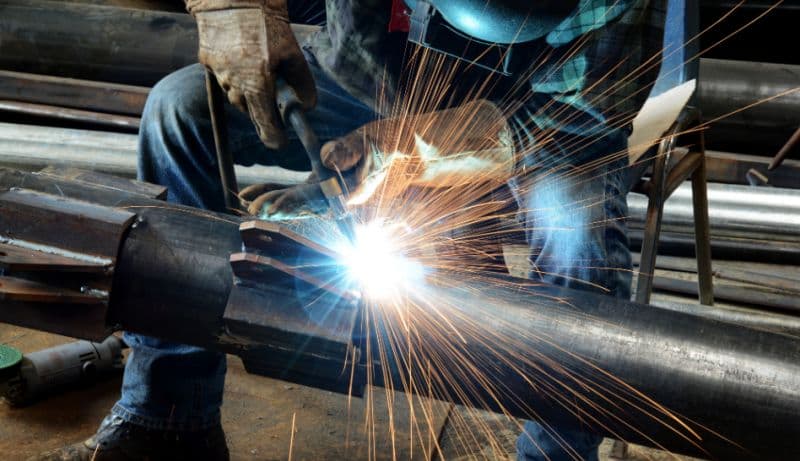
Equipment Manufacturing
The critical components of the of the complete pellet production line equipment are built in our own workshops in Asia. Additional equipment is manufactured by our worldwide network of reliable partners.

● Testing
Quality Inspection & Testing
Before leaving the factory, all equipment will be inspected by the quality inspection department. We can also provide customers with testing services from a single machine to a complete pellet plant system, and provide you with real actual data for “worry-free use.”

● Delivery
Equipment Delivery
In equipment boxing and packaging, we adopt professional packaging and modular solutions to ensure the safe and non-destructive delivery of pellet plant equipment.
● Installation
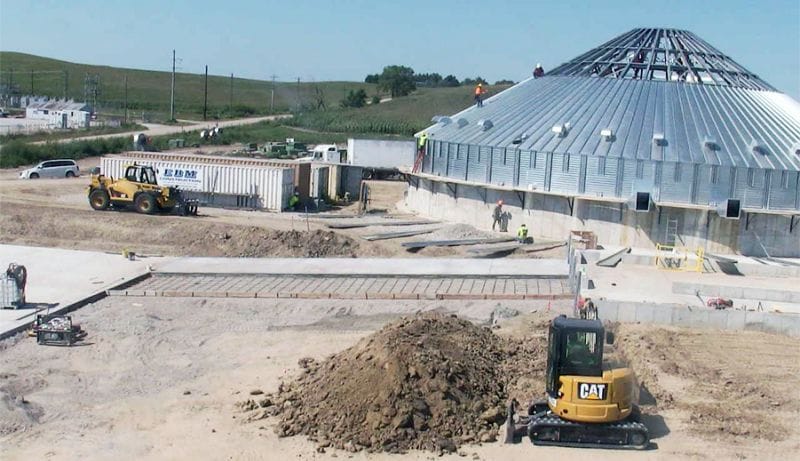
Installation & Commissioning
Whether you choose your own subcontractor for the erection phase or you want to install everything together with us, a Richi supervisor will be around to make sure everything is mounted in a safe and thorough way.

● Training
Staff Training
We provide comprehensive training for the technicians of each project. We can also continue to provide support for the technicians during latter project operation.
● After-sales
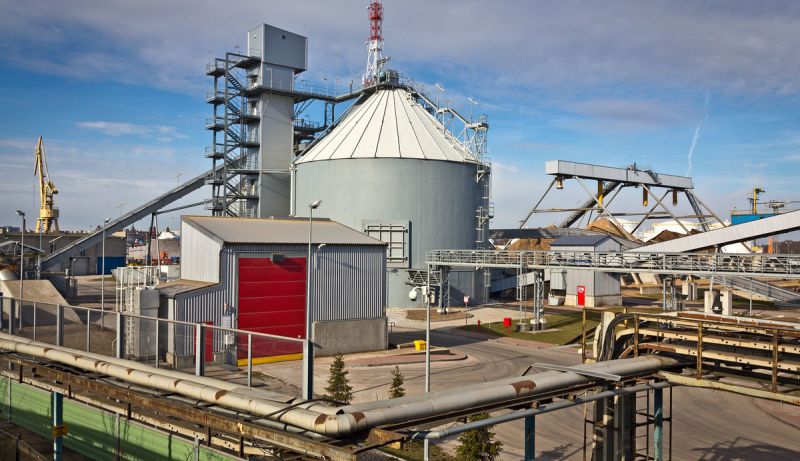
Project Follow-Up
When everything is up and running our Richiers will help you further whenever needed. We are ready to answer your call 24/7.We’ll also visit you regularly to learn about your needs.
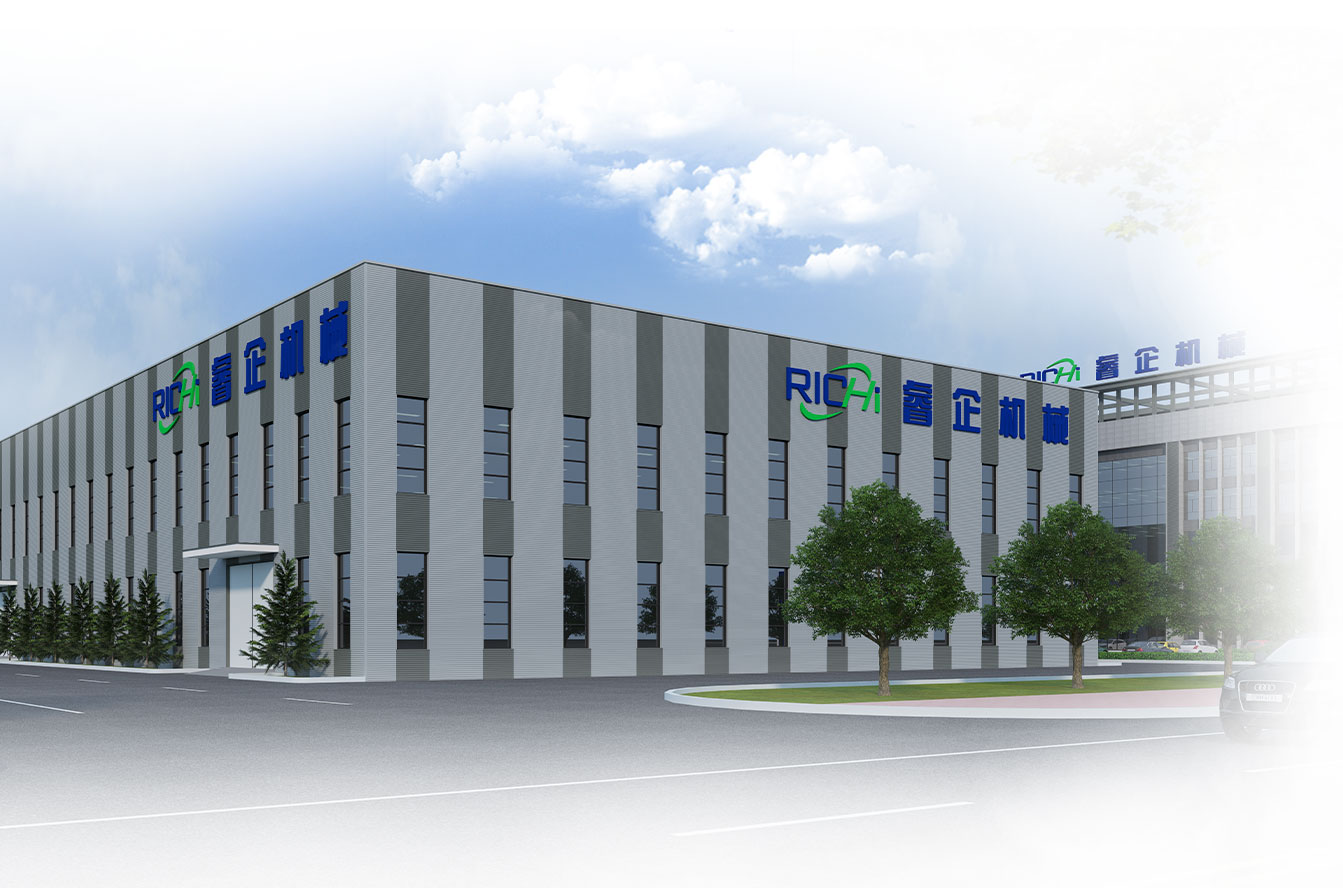
Who we are
RICHI Machinery is one of the world’s leading suppliers of technology and services for the animal feed, aqua feed and pet food industries, also the largest pellet production line manufacturer in China.
Since 1995, RICHI’s vision to build a first-class enterprise, to foster first-class employees, and to make first-class contributions to society has never wavered.
In the past three decades, we have expanded our business to a wide range of areas, including animal feed mill equipment, aqua feed equipment, pet feed equipment, biomass pellet equipment, fertilizer equipment, cat litter equipment, municipal solid waste pellets equipment, etc.

1995
RICHI Established

2000+
Serving More Than 2000 Customers

120+
RICHI Employees

140+
Exported To 140 Countries