 0086-138 3838 9622
Biomass Fuel Reed Pellet Production Line in Romania
RICHI MACHINERY
Overview
This is a project about the Biomass Fuel Reed Pellet Production Line in Romania. In the heart of Eastern Europe, Romania stands as a country with significant agricultural and natural resources. A growing focus on renewable energy and the need for sustainable waste management solutions has created a fertile ground for biomass energy projects. This case study details the successful commissioning of a modern Biomass Fuel Reed Pellet Production Line in Romania, designed to capitalize on the abundant reed biomass from the Danube Delta region.
The client, a forward-thinking Romanian energy company, identified an opportunity to transform the underutilized reed beds, which require regular harvesting for ecological balance, into a valuable, clean-burning fuel source. The primary objective was to establish a facility capable of producing 6 tonnes per hour (t/h) of high-density reed pellets, amounting to an annual output of 60,000 tonnes. These pellets are destined for the commercial and industrial heating market within Romania and neighboring countries, offering a carbon-neutral alternative to coal and natural gas.
The project involved the setup of a complete production line within a newly acquired industrial facility. The total project investment was strategically planned at approximately $880,000 (Including equipment cost of US$370,000), with the core pelletizing equipment supplied by RICHI Machinery representing a significant and crucial portion of this investment. The production line is highly automated, operates 24 hours per day over 300 working days annually, and employs a workforce of 35 people. This project exemplifies how local biomass resources can be leveraged for economic growth and environmental sustainability.
6T/H
capacity
US$370,000
investment
Romania
location
Biofuel
project type
RICHI MACHINERY
Project Background
Romania’s energy sector is in a transitional phase, with EU directives pushing for a reduction in fossil fuel dependency. The client, whose background is in agricultural logistics and supply, recognized two key factors: the vast, sustainable supply of reeds from the Danube Delta and the increasing demand for standardized solid biofuels in Central and Eastern Europe. Regular harvesting of these reeds is necessary to maintain the health of the delta’s ecosystem, but the harvested material often had no high-value application, leading to disposal issues.
The client’s vision was to create a circular economy model. By establishing this Biomass Fuel Reed Pellet Production Line in Romania, they aimed to:
- Solve an Ecological Problem: Provide a commercial outlet for harvested reeds, incentivizing sustainable management of the delta.
- Generate Renewable Energy: Produce a consistent, high-calorific-value fuel to displace coal in industrial boilers.
- Create Local Jobs: Establish a new industry in the region, creating 45 direct jobs and stimulating related logistics and service sectors.
The decision to target a 6 t/h (60,000 t/year) output was based on a detailed market analysis, indicating a strong and growing demand for industrial-grade biomass pellets that could match the scale of the available raw material.
RICHI MACHINERY
Raw Material
The success of any biomass pellet project hinges on a secure and well-characterized raw material supply. For this Biomass Fuel Reed Pellet Production Line in Romania, the primary feedstock is common reed (Phragmites australis) sourced from managed harvests in the Danube Delta.
Romania, home to the magnificent Danube Delta, has an immense and sustainable supply of this biomass. The reeds are harvested during the dry season, when their moisture content is naturally lower. Upon delivery to the plant site, the reeds have an average moisture content of 50%. The project’s raw material yard is designed to store a buffer stock of 10,000 tonnes, allowing for continuous operation throughout the year. The inherent fibrous structure of reeds makes them an excellent raw material for pelletization, producing durable and energy-dense pellets.
The table below summarizes the annual raw material consumption:
| Raw Material | Annual Consumption (Tonnes) | Initial Moisture Content | Storage Capacity (Tonnes) | Notes |
|---|---|---|---|---|
| Reed (Fresh) | 102,000 | 50% | 10,000 | Sourced from sustainable harvesting in the Danube Delta. |
| Processed to: | 72,900 | 30% | – | After initial storage and natural drying. |
| Final Product | 60,000 | 15% | – | High-density reed pellets for fuel. |
RICHI MACHINERY
Production Process and Technology
The production process for this Biomass Fuel Reed Pellet Production Line in Romania is a continuous, multi-stage system designed by RICHI’s engineers to handle the specific characteristics of reed biomass efficiently. The core technology is a dry-process, high-temperature pelletizing line, which ensures high pellet quality and optimal energy efficiency.
The process flow can be broken down into the following key stages:
1. Reception and Pre-Cleaning: Delivered reed bales are stored in the dedicated raw material yard. A grab crane is used to feed the bales into the production line.
2. Primary Size Reduction (Coarse Crushing): The reed bales are first fed into a high-capacity rotary cutter. This machine efficiently breaks apart the bales and performs an initial coarse cutting, preparing the material for finer grinding. This stage generates some dust, which is controlled by integrated dust collection systems.
3. Fine Grinding (Hammer Milling): The coarsely cut reed is then conveyed to a powerful hammer mill (F65*100). Here, it is pulverized into a fine, consistent biomass powder. This step is critical for achieving high pellet quality and durability. Two parallel hammer mill systems ensure the required throughput is met. Each mill is equipped with a dedicated baghouse dust filter to capture over 99% of the particulate matter generated.
4. Drying: The ground reed powder, with a moisture content of around 30%, is too wet for effective pelletization. It is fed into a large rotary drum dryer, heated by a dedicated biomass-fired hot air generator (using a portion of the produced pellets as fuel). The dryer reduces the moisture content to an optimal 10-15%. The hot air generator’s exhaust gases are cleaned using a wet scrubber to meet strict emission standards.
5. Pelletizing: The dried and finely ground reed powder is the primary raw material for the biomass pellet mill. This is the heart of the Biomass Fuel Reed Pellet Production Line in Romania. The material is fed into a RICHI high-capacity ring die pellet mill. Under high pressure and controlled temperature (110-120°C), the lignin within the biomass softens and acts as a natural binder, forcing the material through the die holes to form dense, solid pellets.
6. Cooling and Screening: The newly formed pellets are hot and soft. They are conveyed to a counter-flow cooler, where ambient air is used to harden and stabilize them. A vibrating screen then removes any fine particles and broken pellets, ensuring only high-quality, whole pellets proceed to packaging.
7. Packaging and Storage: The finished pellets are automatically weighed and packed into 15kg bags or one-tonne big bags using automated bagging scales. The packaged product is then palletized and moved to the finished product warehouse, ready for dispatch.
RICHI MACHINERY
Key Equipment and Investment
The client selected RICHI Machinery as the turnkey equipment supplier based on our proven expertise in designing robust and efficient pellet lines for fibrous materials like reeds. The core of the production line features heavy-duty, industrial-grade machines chosen for reliability and low maintenance.
The total equipment investment for this 6 t/h biomass pellet production line was approximately $370,000. This investment covers the entire process from coarse crushing to packaging.
| Process Stage | Equipment Model / Type | Quantity | Key Features |
|---|---|---|---|
| Coarse Crushing | Rotary Cutter (XQJ-3000) | 2 | High-torque cutting for efficient bale breaking. |
| Fine Grinding | Hammer Mill (F65*100) | 2 | Equipped with baghouse filters for dust control. |
| Drying System | Rotary Drum Dryer + Biomass Hot Air Generator | 1 | Energy-efficient, using self-produced pellets as fuel. |
| Pelletizing | RICHI Heavy-Duty Biomass Fuel Pellet Machine | 2 | Core component, designed for high output with fibrous biomass. |
| Cooling & Screening | Counter-flow Cooler + Vibrating Screen | 1 | Ensures pellet stability and quality. |
| Control System | Centralized PLC Control Panel | 1 | Allows for automated operation and monitoring. |
RICHI MACHINERY
Environmental and Economic Sustainability
This Biomass Fuel Reed Pellet Production Line in Romania is a model of environmental sustainability. The project transforms a natural waste product into a clean energy source, contributing to a circular economy. Specific environmental measures include:
- Air Emissions Control: All major dust generation points (crushing, grinding, pelletizing) are equipped with high-efficiency baghouse filters. The hot air generator uses a wet scrubber, ensuring emissions of particulates, SO₂, and NOx are well below Romanian and EU environmental standards.
- Waste Minimization: Dust collected by the filters is directly recycled back into the production process. Off-spec pellets are crushed and reused as raw material, resulting in near-zero industrial waste.
- Water Management: The project has a minimal water footprint, used only for equipment cooling (in a closed-loop system) and staff facilities. No process wastewater is discharged into the environment.
Economically, the biomass pellet project has a calculated payback period of 4-5 years, driven by the stable and growing market for biomass fuels. It creates local employment and adds value to a previously underutilized natural resource.
RICHI MACHINERY
Market Prospects for Biomass Pellets in Romania
The future for biomass pellets in Romania is exceptionally bright. The country has committed to increasing the share of renewables in its energy mix, and biomass plays a crucial role in this strategy, particularly for heating. The primary market drivers include:
- Government Policies: Support schemes and carbon reduction targets make coal-fired heating increasingly expensive and less desirable.
- Energy Security: Utilizing domestic biomass resources reduces reliance on imported fossil fuels, particularly natural gas.
- Cost Competitiveness: Reed pellets offer a stable and often lower-cost alternative for district heating companies, factories, and agricultural enterprises.
This Biomass Fuel Reed Pellet Production Line in Romania is perfectly positioned to capture a significant share of this emerging market. The client’s strategic location provides excellent access to both raw materials and key consumption centers in Romania and beyond.
RICHI MACHINERY
Why RICHI Machinery Was the Partner of Choice
The client partnered with RICHI Machinery for this ambitious project due to our comprehensive, end-to-end service model. We provided more than just machines; we delivered a complete production solution:
- Expert Engineering: Our team conducted a thorough analysis of the reed material properties and designed a process flow specifically optimized for it.
- Robust and Reliable Equipment: RICHI pellet mills are renowned for their durability and high performance with challenging biomass materials.
- Turnkey Project Management: We managed the entire process from layout design and equipment installation to commissioning and operator training.
- Ongoing Support: We provide continuous technical support and spare parts services to ensure maximum plant uptime.
This biomass pellet plant project demonstrates RICHI’s capability to deliver successful biomass energy solutions on a global scale. If you are considering investing in a Biomass Fuel Reed Pellet Production Line in Romania or any other country, contact RICHI Machinery. Let our expertise turn your biomass resource into a profitable and sustainable business.
Contact RICHI Machinery today for a free project consultation and quotation.
● RICHI MACHINERY
RICHI Service

● Consulting
Customer Consultation
We want to have a deep understanding of your industrial process, to know your exact needs of feed, wood, biomass, fertilizer or other pellet processing.

● Design
biomass Pellet Plant Design
Based on your unique situation and industrial process, we will tailor complete pellet plant you need, and inform you of every additional detail that could facilitate operation, minimize total cost.
● Manufacturing
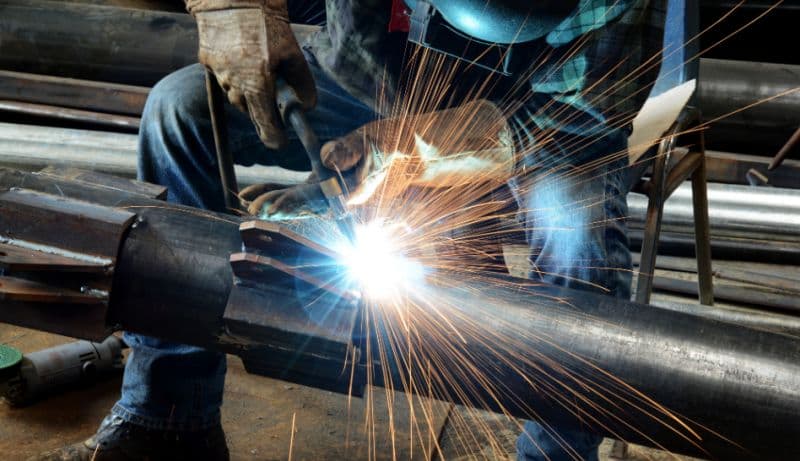
Equipment Manufacturing
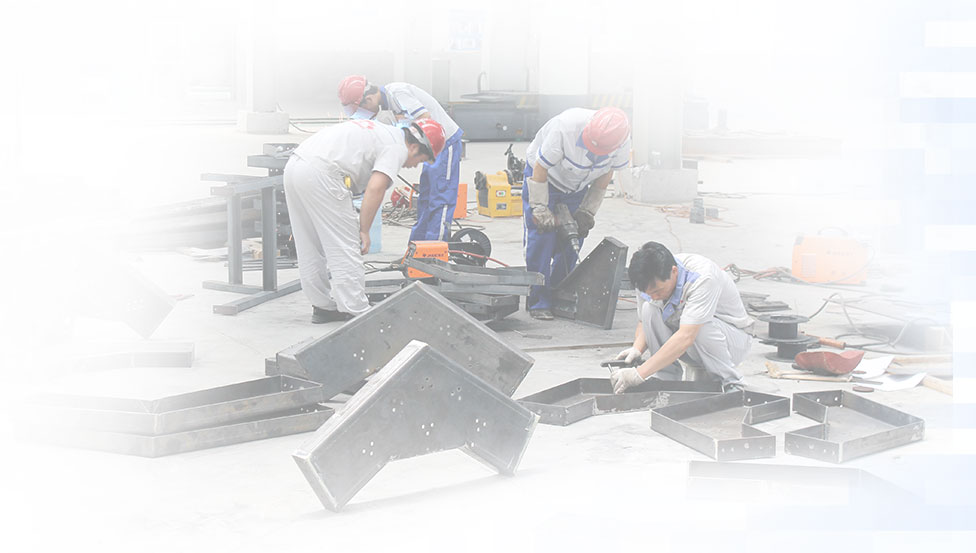
The critical components of the of the complete pellet production line equipment are built in our own workshops in Asia. Additional equipment is manufactured by our worldwide network of reliable partners.
● Testing
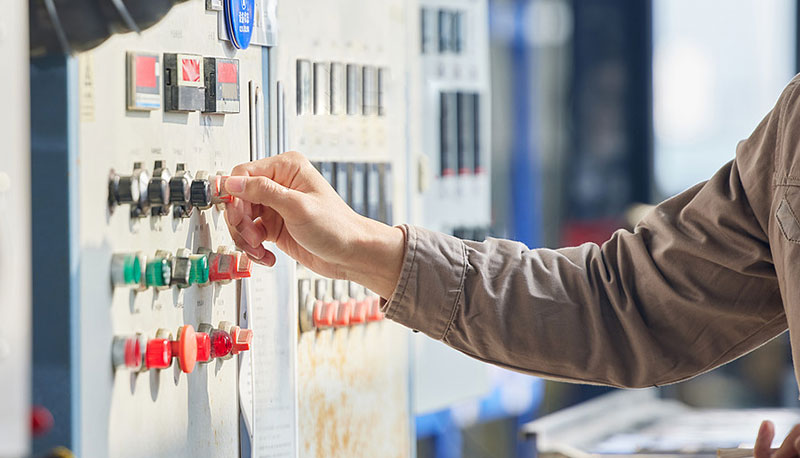
Quality Inspection & Testing
Before leaving the factory, all equipment will be inspected by the quality inspection department. We can also provide customers with testing services from a single machine to a complete pellet plant system, and provide you with real actual data for “worry-free use.”

● Delivery
Equipment Delivery
In equipment boxing and packaging, we adopt professional packaging and modular solutions to ensure the safe and non-destructive delivery of pellet plant equipment.
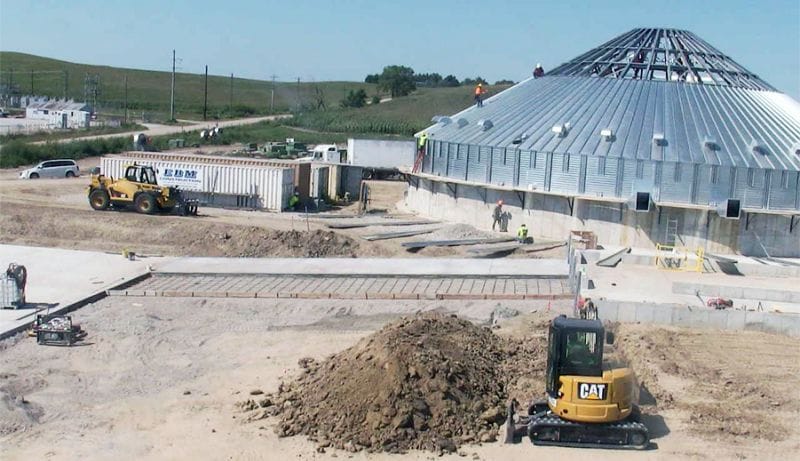
● Installation
Installation & Commissioning
Whether you choose your own subcontractor for the erection phase or you want to install everything together with us, a Richi supervisor will be around to make sure everything is mounted in a safe and thorough way.

● Training
Staff Training
We provide comprehensive training for the technicians of each project. We can also continue to provide support for the technicians during latter project operation.
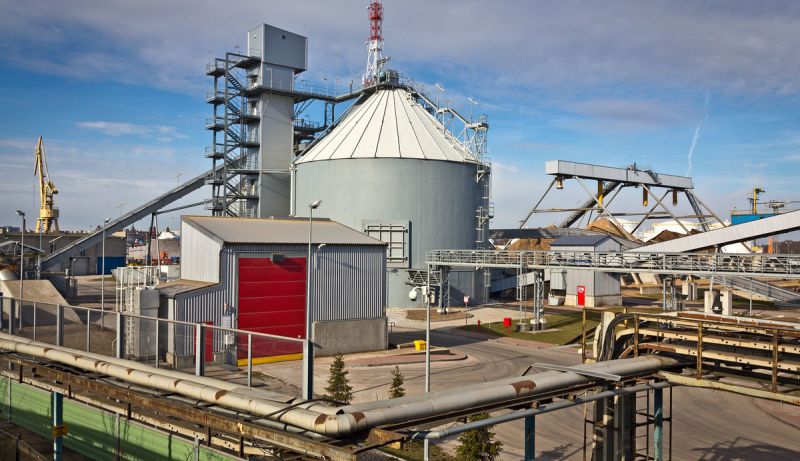
● After-sales
Project Follow-Up
When everything is up and running our Richiers will help you further whenever needed. We are ready to answer your call 24/7.We’ll also visit you regularly to learn about your needs.
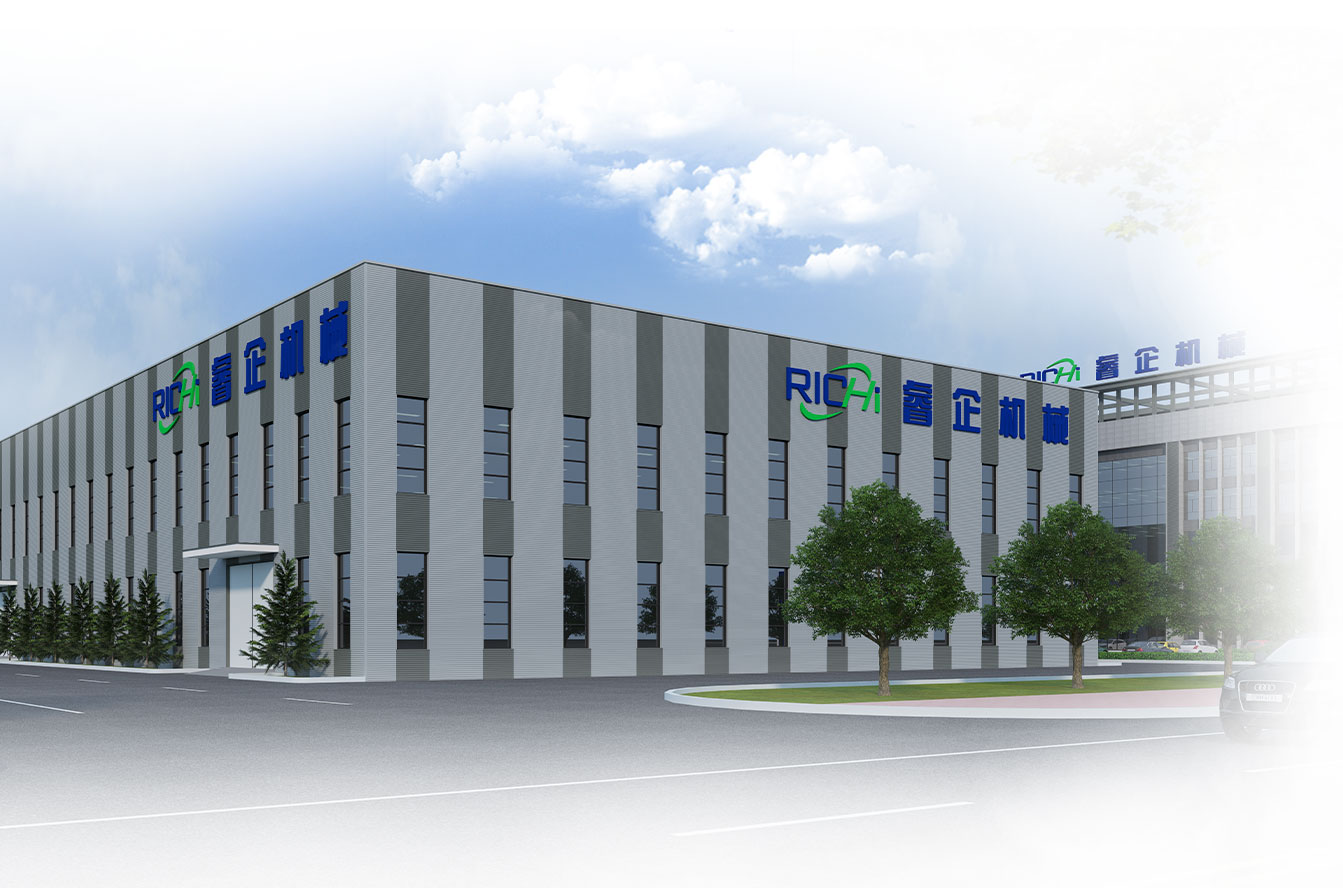
Who we are
RICHI Machinery is one of the world’s leading suppliers of technology and services for the animal feed, aqua feed and pet food industries, also the largest pellet production line manufacturer in China.
Since 1995, RICHI’s vision to build a first-class enterprise, to foster first-class employees, and to make first-class contributions to society has never wavered.
In the past three decades, we have expanded our business to a wide range of areas, including animal feed mill equipment, aqua feed equipment, pet feed equipment, biomass pellet equipment, fertilizer equipment, cat litter equipment, municipal solid waste pellets equipment, etc.

1995
RICHI Established

2000+
Serving More Than 2000 Customers

120+
RICHI Employees

140+
Exported To 140 Countries