0086-138 3838 9622
Tofu Cat Litter Manufacturing Plant in Thailand
Tofu Cat Litter Manufacturing Plant in Thailand focuses on a 1 t/h product made from dried soy fibre and tapioca-based ingredients. One matched forming and drying route supports repeatable clumping performance, sensible packing and a manageable operating schedule.

RICHI MACHINERY
A Focused Entry Into Private-Label Litter
Tofu Cat Litter Manufacturing Plant in Thailand is planned as a 1 t/h finished-product operation using dried soy fibre, tapioca starch and qualified dry ingredients. Its compact production route is suited to an operator developing a consistent product before extending the range.
The base duty is 2,000 tonnes annually, produced over eight net hours on 250 days. One forming machine, one belt dryer and one packing route serve that schedule. Product trials, moisture control and sensible warehouse planning are central to the investment decision.
1 T/H
capacity
USD 85,000
investment
Thailand
location
Cat litter
project type
RICHI MACHINERY
Sell a Clear Product, Not Every Possible Variant
A distributor asking for tofu litter usually has a physical product in mind: how it pours, how it clumps and how much loose powder appears after handling. The Tofu Cat Litter Manufacturing Plant in Thailand starts with those expectations, then selects a mix and process capable of reproducing them.
For a Saraburi-area industrial-property scenario, the project uses dry purchased ingredients and an electric drying system. It does not assume that fresh soybean residue can be left in ordinary bag storage. Upstream fresh-okara dewatering and stabilization are outside the base production boundary.
A Thailand tofu cat litter line can use tapioca starch as a locally relevant ingredient option. Supplier identity and specification still matter. Thailand’s cassava-processing activity does not make every starch grade suitable for a particular litter recipe, nor does it prove that all soy fibre will be locally grown.
The Tofu Cat Litter Manufacturing Plant in Thailand is built around one 2 mm base product, approximately 5–10 mm long. The smaller format distinguishes the product brief from a larger-diameter litter, but its suitability must be established through customer trials. Texture alone does not prove absorption or clump strength.
An operator entering private-label supply benefits from agreeing one reference sample before offering many fragrances, colours or diameters. Each variation can change water demand, forming behaviour, drying and cleanout time. A manageable range helps a small factory deliver the same product again when the customer reorders.
The customer-facing proposition should remain specific: plant-based litter produced to an agreed physical and packaging specification. Claims that it is edible, completely dust-free or suitable for every drainage system require evidence beyond the process design. The base product is litter, not food or a guaranteed flushable material.
RICHI MACHINERY
Dry Fibre and Tapioca Set the Recipe Boundary
The reference blend uses 45% dried soy fibre, 35% tapioca starch, 18% rice flour and 2% qualified binder by incoming ingredient-mix mass. The total is 100%. This is a starting point for product development, with the final formulation set by forming, clumping and storage trials.
For the cat litter production line, annual ingredient procurement is budgeted at 2,100 tonnes with 10% moisture. That includes approximately 945 tonnes soy fibre, 735 tonnes tapioca starch, 378 tonnes rice flour and 42 tonnes binder. These are engineering allowances, not verified purchase records or a fixed commercial formula.
The Tofu Cat Litter Manufacturing Plant in Thailand requires stable ingredient specifications. Soy fibre composition and grind affect water uptake and powder flow. Tapioca starch grade and binder characteristics affect forming and clumping. A cheaper substitution cannot be assumed to leave throughput and product quality unchanged.
Receiving checks include moisture, foreign matter, lot identity and risk-based microbiological acceptance. Storage bags need protection from floor dampness and pests. Ingredients awaiting release remain separate from approved material, with a practical hold area that does not block access to normal production stock.
A Thai plant-based cat litter factory should qualify its dried soy fibre supplier carefully. Dried fibre, soybean meal and freshly collected okara have different properties. The word soy on an invoice is not a sufficient raw-material specification for equipment trials or a dependable finished product.
The Tofu Cat Litter Manufacturing Plant in Thailand uses metered water to establish the working consistency. Operators record each addition and the resulting forming behaviour. Adjustments are made within an approved range rather than adding water freely until the machine appears easier to feed.
Optional fragrance is excluded from the base formula until it is approved for the intended product and process. Its presence may affect customer acceptance, cleanout and product declarations. The factory should not use fragrance to disguise unstable raw material or present scent as proof of lasting odour control.
The Tofu Cat Litter Manufacturing Plant in Thailand should qualify incoming fibre through more than one delivery where possible. A single carefully selected sample may not represent normal supply variation. Comparing lots helps establish realistic dosing and water-addition limits before continuous output is promised.
A Thailand tapioca cat litter plant can use the customer’s existing retail product as a starting reference with its physical properties and handling requirements clearly identified. The useful questions concern measurable performance and handling. An agreed reference for clumping, fines and pour behaviour gives both teams a practical development target.
RICHI MACHINERY
Keep the Sequence Simple and Correct
Sieve and dose the powders
Incoming powders pass through suitable foreign-material controls and recipe dosing. A 300 kg working-batch mixer is allowed an eight-minute complete cycle, giving 2.25 t/h theoretical wet-mix throughput. Its working capacity must be checked with the actual low-density blend and the full loading-to-discharge cycle.
Prepare a repeatable wet mix
After an allowance for losses, approximately 2,044 tonnes of accepted ingredients enter the wet process annually. Added process water is approximately 360 tonnes. The resulting forming feed is about 2,404 tonnes, or 1.20 t/h across 2,000 net production hours.
Form one approved diameter
One purpose-configured former handles the qualified mix at a minimum planning wet duty of 1.3 t/h. A 55 kW main-drive allowance supports electrical planning. The final model is selected after formulation trials; the rating of an unrelated feed or fertilizer pellet machine is not used as evidence of cat litter throughput.
Dry before final cooling
The belt dryer follows wet forming. Its planning duty is at least 300 kg/h water evaporation, compared with the calculated average requirement of about 202 kg/h. The selected residence time and loading need to produce uniform moisture without unnecessary breakage or an unsuitable surface texture.
Screen and pack the cooled product
Final cooling comes after drying. Screened fines return only under controlled quality and recipe rules. The packer receives a stable, cooled product, with seal quality and bag handling checked alongside weight accuracy. This sequence avoids sealing warm product that can change condition inside the bag.
The Tofu Cat Litter Manufacturing Plant in Thailand targets 8% final moisture on the engineering basis. Water activity is measured separately, and shelf-life claims require validation under the intended packaging and storage conditions. A dry exterior cannot establish that the centre of every cylinder is adequately dried.
Annual incoming dry matter is 1,890 tonnes and final dry matter is 1,840 tonnes. The 50-tonne dry-matter difference accounts for separated and handling losses. Evaporation is approximately 404 tonnes per year, balancing the accepted ingredient water and process addition against water remaining in the product.
For the Tofu Cat Litter Manufacturing Plant in Thailand, that water balance explains the dryer selection. Counting only finished tonnes would conceal the main drying duty. Conversely, assuming that every tonne of wet okara can enter this dry-ingredient route would radically understate the heat and handling requirement.
RICHI MACHINERY
A Machine List With a Reason for Every Unit
| Production stage | Base arrangement |
|---|---|
| Ingredient handling | Sieve, identified storage and controlled dosing |
| Mixing | One 300 kg working-batch unit |
| Forming | One qualified unit, at least 1.3 t/h wet mix |
| Drying | One belt dryer, at least 300 kg/h water evaporation |
| Finishing | One cooling and screening route |
| Packing | One 5 kg bag station, at least 5 bags per minute |
The Cat Litter Pellet Machine is selected around a 2 mm product and the actual recipe. One appropriate unit serves the planned wet-feed requirement. Additional formers would add capital and maintenance without solving a demonstrated constraint at the stated one-tonne finished duty.
The Mesh Belt Dryer uses a 450 kW electric-heating allowance, with mechanical and auxiliary loads budgeted separately. Dryer fans, conveying and temperature control are part of the installed process. A quote that omits its heat supply is not comparable with the complete factory scope.
The Tofu Cat Litter Manufacturing Plant in Thailand packing calculation is equally simple: five 5 kg bags per minute equal 1.5 t/h theoretical filling capacity. That exceeds the 1 t/h line duty. Sealing, coding, packing into outer units and moving pallets still require a practical work arrangement.
A second cooler, several parallel screens or several bagging scales are not part of the base configuration. They would need an identifiable product or operating reason. A compact line should spend investment on functions it needs, including drying and dust handling, rather than on duplicated machine counts.
The Thailand soy fibre litter production line requires accessible changeover and cleanout points. Powder deposits in feeders or residual scented material can affect the next order. Cleanability is evaluated with the intended range, not assumed from stainless panels or a tidy equipment photograph.
RICHI MACHINERY
Fit the Factory to the Utility Connection
The Tofu Cat Litter Manufacturing Plant in Thailand uses approximately 1,400 m² covered space within an available 2,100 m² leased industrial building. Proposed operating allocations are 400 m² raw stock, 450 m² processing, 150 m² drying services, 300 m² finished goods and 100 m² support.
The remaining building space supports circulation, separation and future detailed arrangements, subject to the property’s requirements. External loading and emergency access need review. The layout does not claim a surveyed standalone plot where only a leased building scenario has been defined.
Mechanical and auxiliary connected-load allowance is 180 kW. Adding the 450 kW electric dryer heat gives approximately 630 kW total connected load. The property must have an appropriate industrial connection, electrical distribution and protection arrangement before the production plan is treated as feasible.
The Tofu Cat Litter Manufacturing Plant in Thailand budgets average combined demand at 300 kW, or approximately 600,000 kWh annually across 2,000 productive hours. This includes electric drying heat. Actual consumption depends on wet-feed moisture, dryer recirculation, heat losses and the established operating settings.
Annual water allowance is approximately 600 m³: 360 m³ recipe addition and 240 m³ for personnel and supporting cleaning. Added process water largely leaves through the dryer exhaust, rather than accumulating in finished litter. Sanitary, cleaning and stormwater arrangements follow the actual property services.
Thailand’s humid conditions make covered stock handling and moisture-resistant packaging important practical choices. Ingredients and finished bags must be protected during unloading and dispatch, not only while inside the warehouse. A good dryer cannot compensate for rain entering a raw-material bag or a badly sealed finished pack.
The Tofu Cat Litter Manufacturing Plant in Thailand includes dust capture at powder opening, transfer, screening and filling. A site-specific dust and fire assessment determines collection and protection arrangements. Operators need safe access to filters and collected powder without allowing housekeeping waste to re-enter saleable product.
RICHI MACHINERY
Investment for a Defined One-Tonne Product
The equipment budget is USD 120,000. The total project investment budget is USD 85,000. These planning figures apply to the stated dry-ingredient route in a suitable available leased building, including allowances for installation, internal electrical distribution, supporting services, commissioning and contingency.
The Tofu Cat Litter Manufacturing Plant in Thailand budget excludes land purchase, a new factory shell and an upstream fresh-okara drying business. A major external utility upgrade needs separate appraisal. Final taxes, delivery scope and local installation work require definition before a firm commercial offer.
A meaningful comparison between suppliers needs the same product, wet-feed rate, evaporation duty and finished moisture. A forming-machine price alone cannot explain the cost of a complete tofu cat litter factory in Thailand. Neither should a large, unexplained collection of auxiliary machines make the project appear more complete than it is.
The annual output is 2,000 tonnes because the line runs 1 t/h for 2,000 net hours. The stated calendar leaves the staffing and ingredient requirement clear for a focused daily production window. If the owner later extends the schedule, labour cover, dryer maintenance, ingredient supply and sales must support the change before the annual forecast is increased.
For the Tofu Cat Litter Manufacturing Plant in Thailand, the practical investment sequence is product qualification, equipment duty confirmation and property-interface review. This gives the customer a scope it can evaluate. No fixed payback period is derived from assumed retail prices or an unverified order book.
RICHI MACHINERY
Run a Small Factory With Clear Records
The planning workforce is 12 people: four process operators, four handling and packing staff, one quality technician, one maintenance technician and two coordinators. Detailed allocation depends on pack format and loading frequency. The single-day production window still needs time for cleaning, inspection and start-up checks.
The cat litter making machine production record should connect ingredient lots, recipe water, forming settings, dryer conditions and packed quantities. It should also identify fines return and held product. Those records allow the team to investigate a customer’s bag rather than relying on an operator’s memory of a previous shift.
The Tofu Cat Litter Manufacturing Plant in Thailand uses retained samples to compare factory release with later storage behaviour. Clumping tests should specify water volume, contact time and lifting method. Fines measurements should use an agreed screening procedure, because different test methods can produce misleading comparisons.
Private-label release needs agreement on colour, shape, odour, bag weight and declarations as well as machine performance. Packaging artwork should not claim properties the product has not demonstrated. Reliable bag coding and consistent seal quality make the operation more useful to a distributor managing repeat orders.
For this Thai private label cat litter plant, early customer feedback can guide controlled changes to recipe or cut length. Each change is documented and evaluated against the reference product. The goal is a product the customer recognizes and reorders, rather than an ever-changing sample that happens to run easily through the former.
For the Tofu Cat Litter Manufacturing Plant in Thailand, commercial trials should include a defined quantity packed through the normal bagging route. Loose product can perform well while seals, trapped powder or bag handling create problems later. Checking the full route makes the production sample more representative of what the distributor will receive.
The operator can review supplier proposals against the same trial blend and the same water duty. A machine that makes wet cylinders quickly may still leave the dryer or packer as the limiting stage. The useful commitment is a finished, accepted product rate with the test conditions stated clearly.
A Thai tofu litter packaging line should also provide a practical coding and retained-sample system. When a customer reports weak clumps or excess fines, the factory needs to identify the lot and compare its sample. That everyday ability to respond is a meaningful part of customer service.
RICHI MACHINERY
Start With Your Retail Sample
Bring your preferred litter sample, dried ingredients and bag format to RICHI Machinery. We can develop the Tofu Cat Litter Manufacturing Plant in Thailand around a qualified 1 t/h product and a realistic utility connection. Request a proposal that shows wet forming, evaporation and packing duties together. That gives your team a clear basis for approving the product and evaluating the factory investment.
● RICHI MACHINERY
RICHI Service

● Consulting
Customer Consultation
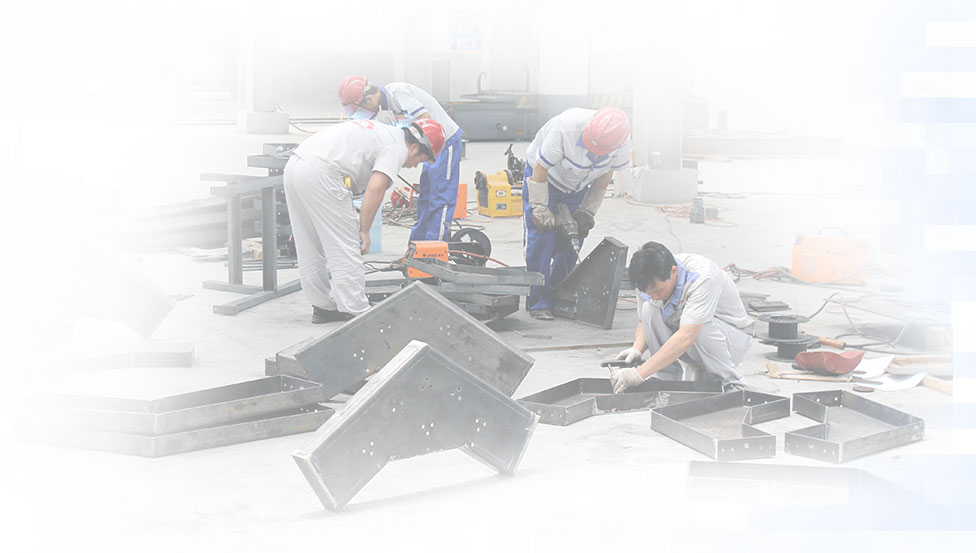
We want to have a deep understanding of your industrial process, to know your exact needs of feed, wood, biomass, fertilizer or other pellet processing.

● Design
cat litter Pellet Plant Design
Based on your unique situation and industrial process, we will tailor complete pellet plant you need, and inform you of every additional detail that could facilitate operation, minimize total cost.
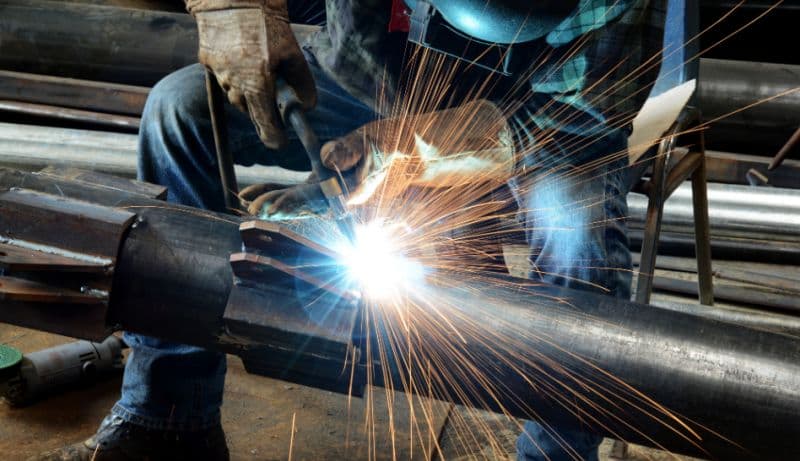
● Manufacturing
Equipment Manufacturing
The critical components of the of the complete pellet production line equipment are built in our own workshops in Asia. Additional equipment is manufactured by our worldwide network of reliable partners.
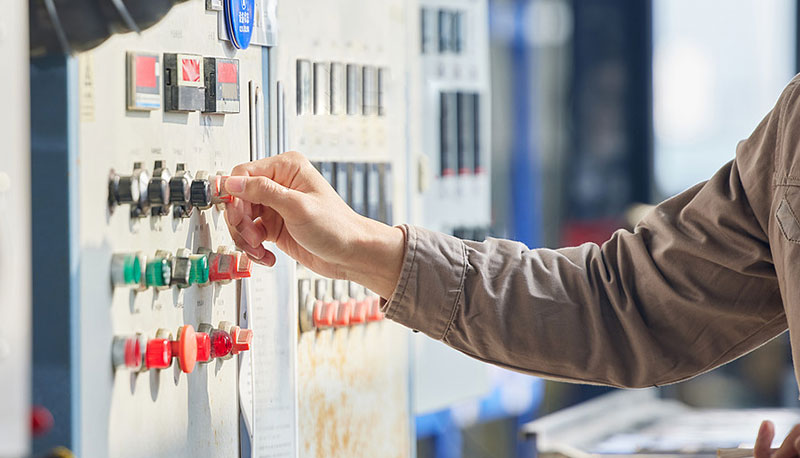
● Testing
Quality Inspection & Testing
Before leaving the factory, all equipment will be inspected by the quality inspection department. We can also provide customers with testing services from a single machine to a complete pellet plant system, and provide you with real actual data for “worry-free use.”
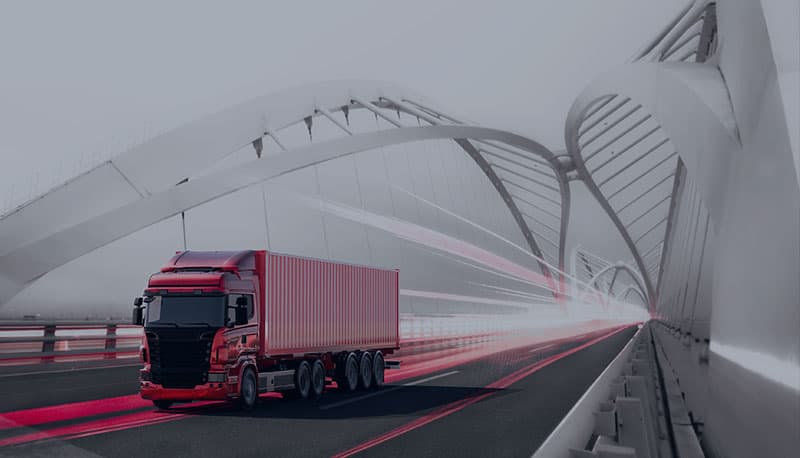
● Delivery
Equipment Delivery
In equipment boxing and packaging, we adopt professional packaging and modular solutions to ensure the safe and non-destructive delivery of pellet plant equipment.
● Installation
Installation & Commissioning
Whether you choose your own subcontractor for the erection phase or you want to install everything together with us, a Richi supervisor will be around to make sure everything is mounted in a safe and thorough way.

● Training
Staff Training
We provide comprehensive training for the technicians of each project. We can also continue to provide support for the technicians during latter project operation.
● After-sales
Project Follow-Up
When everything is up and running our Richiers will help you further whenever needed. We are ready to answer your call 24/7.We’ll also visit you regularly to learn about your needs.
Who we are
RICHI Machinery is one of the world’s leading suppliers of technology and services for the animal feed, aqua feed and pet food industries, also the largest pellet production line manufacturer in China.
Since 1995, RICHI’s vision to build a first-class enterprise, to foster first-class employees, and to make first-class contributions to society has never wavered.
In the past three decades, we have expanded our business to a wide range of areas, including animal feed mill equipment, aqua feed equipment, pet feed equipment, biomass pellet equipment, fertilizer equipment, cat litter equipment, municipal solid waste pellets equipment, etc.

1995
RICHI Established

2000+
Serving More Than 2000 Customers

120+
RICHI Employees

140+
Exported To 140 Countries