 0086-138 3838 9622
Small Tofu Cat Litter Processing Line in Thailand
A cooperative adds the small tofu cat litter processing line in Thailand using one 500 kg/hour forming machine and one matched dryer. RICHI connects a specified dry-fibre recipe with controlled mixing, cooling, product checks and retail packing.

RICHI MACHINERY
A Small Tofu Cat Litter Processing Line in Thailand
The small tofu cat litter processing line in Thailand gives an agricultural cooperative a 500 kg/hour route for a specified dry-fibre recipe. It uses one forming machine, one matched dryer and a retail packing station within the cooperative’s existing industrial building.
RICHI’s cat litter production line connects controlled mixing with drying, cooling and product checks. The annual design programme is 2,000 tonnes, with raw-material condition, water addition and packed output defined together so the cooperative can assess the complete manufacturing requirement.
500 kg/hour
capacity
USD 95,000
investment
Thailand
location
Tofu cat litter
project type
RICHI MACHINERY
The Cooperative Needs a Repeatable Retail Product
The customer works with soybean and grain products in central Thailand. Moving into litter manufacture requires a different product specification and a separate working area, even where the cooperative already understands agricultural purchasing and storage. Fibre moisture, binder behaviour, clumping, pellet condition and retail pack quality all affect the new product.
For the small tofu cat litter processing line in Thailand, the cooperative uses approved dried soybean fibre. Fresh okara from wet processing has a much larger water load and requires dewatering and bulk drying before this selected route. That upstream requirement is considered separately rather than assumed to be handled by the small finishing dryer.
The production basis is 500 kg/hour for 16 net processing hours a day over 250 operating days, giving 2,000 tonnes a year. Two staffed operating periods provide those net hours, with cleaning, handover and maintenance included in the working roster outside the output calculation.
The cooperative’s target customers include distributors and pet-product retailers buying identified packs. It therefore needs a litter recipe that can be repeated from one supplier lot to the next, together with clear release checks and traceability. A machine producing cylindrical pellets is only one part of that requirement.
RICHI MACHINERY
Separating Litter Production From the Cooperative’s Other Work
The small tofu cat litter processing line in Thailand uses a defined part of the customer’s 2,100 m² covered building. The allocation retains space for other cooperative functions rather than describing the entire building as a tightly occupied 500 kg/hour process hall.
| Covered function | Area | Use |
|---|---|---|
| Litter production and service access | 600 m² | Weighing, mixing, forming, finishing and packing |
| Litter raw-material store | 250 m² | Dried fibre, starch, flours and approved binder |
| Finished litter packs | 180 m² | Released pallets and collection preparation |
| Office and control space | 70 m² | Records and supervision |
| Retained cooperative area | 1,000 m² | Separate existing agricultural-business functions |
Physical separation and controlled movement protect the litter recipe and the cooperative’s other materials. Storage doors, dust collection and cleaning equipment are arranged for their respective functions. Ingredient bags and finished litter packs do not use a shared unidentified stock area merely because the building has ample floor space.
The layout of the small tofu cat litter processing line in Thailand keeps dryer access and forming-tool removal positions clear. Powered transfer reduces unnecessary carrying between stages. The external site survey checks delivery access, the heat-source position and the route for exhaust before equipment positions are released for installation.
Working inventory follows deliveries and confirmed retail orders. A selected raw-material stock around 30–40 tonnes provides several days of supply under the planned programme, subject to actual stacking and density. Finished-stock limits follow the pack arrangement and warehouse access rather than a theoretical volume filled to the roof.
RICHI MACHINERY
A Dry-Fibre Recipe With Measured Water Addition
The annual accepted dry-ingredient allowance for the small tofu cat litter processing line in Thailand is 2,086 tonnes. Reference calculations use 10% incoming moisture, 8% finished moisture and 2% dry-material loss through preparation and handling. The ingredients below describe the selected product programme, not a universal formula for every tofu-style litter.
| Ingredient | Annual allowance | Function requiring verification |
|---|---|---|
| Dried soybean fibre | 1,000 tonnes | Fibre structure, moisture and odour condition |
| Corn starch | 400 tonnes | Binding behaviour in the selected recipe |
| Wheat flour | 300 tonnes | Recipe-specific structure and forming behaviour |
| Corn flour | 230 tonnes | Consistent fine grain fraction |
| Fine bamboo powder | 100 tonnes | Approved fibre size and product response |
| Guar binder | 56 tonnes | Controlled small-ingredient addition |
Bamboo powder is accepted only in the qualified fine form. Long bamboo fibres or coarse chips need another preparation route before they can enter this mixer. A supplier’s material name does not establish its particle size, moisture, cleanliness or compatibility with the selected product.
The small tofu cat litter processing line in Thailand uses 160 m³ of measured mixing water a year. Across 4,000 net operating hours, that is a reference addition of 40 kg/hour. The actual setting responds to incoming moisture and recipe trials; the operator does not add the same water quantity blindly to every supplier lot.
At the reference balance, the formed material is around 16–18% moisture before drying. Approximately 204 tonnes of water must be removed over the annual programme to reach the 8% finished reference, or about 51 kg/hour. The dryer is therefore selected by water-removal duty as well as product throughput.
Supplier checks include identity, moisture, fineness, odour, contamination and the relevant microbiological specification. Starch and flour are identified separately because their functional behaviour differs. An untested low-cost substitution can affect the drying load and litter performance even if the forming machine continues to run.
RICHI MACHINERY
A Compact Set of Machines With Clear Duties
The Cat litter pellet machine is selected around a 500 kg/hour finished-product duty on the approved fibre recipe. One mixer supplies it, and one dryer removes the calculated water load. The equipment is not multiplied to create an apparently larger factory or assigned a livestock-feed machine rating without a litter-material trial.
| Equipment | Selected parameter | Quantity |
|---|---|---|
| Ingredient screening and magnetic protection | Suitable for the accepted dry ingredients | One preparation set |
| Selective fine mill | 11 kW; used only for ingredients needing reduction | One |
| Batch mixer | 150 kg/batch; 12-minute total cycle, giving 750 kg/hour | One |
| Water dosing | Measured recipe-controlled addition | One set |
| Cat litter making machine | Dedicated tofu-litter duty, 37 kW main drive; selected 500 kg/hour | One |
| Belt dryer | At least 70 kg/hour water removal | One |
| Indirect hot-air heater | 120 kW thermal allowance, LPG-fired | One integrated system |
| Active product cooler | At least 500 kg/hour | One |
| Grading screen | Selected pellet and fines separation | One |
| Retail packing station | 2.5 kg net; at least 6 packs/minute | One |
| Extraction, conveying and controls | Matched to the small line | One integrated package |
The small tofu cat litter processing line in Thailand has a 90 kW connected electrical allowance. The hot-air heater’s 120 kW rating is thermal output, not additional electrical resistance heating. The gas connection, combustion-air supply and exhaust arrangement are checked as part of the site’s heat installation.
The mixer has capacity above the roughly 550–570 kg/hour wet flow needed before drying. The packing station provides 900 kg/hour at the selected pack weight and speed. Both offer room for routine pauses while remaining proportionate to the 500 kg/hour finished-product requirement.
RICHI MACHINERY
Drying Comes Before the Final Cooling Check
Release and weigh the ingredients
Operators confirm ingredient identity and sampling status, then weigh the recipe. Small binder quantities use a suitable check scale and a defined addition sequence. The record links the batch to the source lots, so an unexpected product change can be investigated beyond the machine settings.
Mix the fibre recipe evenly
The mixer receives the approved solids and measured water. The total cycle includes loading, mixing and discharge. The team checks wetting and distribution before allowing the material to reach the forming machine, avoiding a situation where dry pockets and wet lumps enter the same production run.
Form and cut the selected pellet
The small tofu cat litter processing line in Thailand normally makes a 2–3 mm diameter pellet with approximately 5–15 mm length. Tooling and cutting establish the physical grade. Operators check material flow, current and shape together rather than assuming that more compression always gives better litter performance.
Remove moisture with controlled hot air
The mesh belt dryer uses air temperature, airflow, bed loading and residence time established by trials. The indirect heater keeps combustion gases separate from the product-air route. The belt dryer and heater form one hot-air system with accessible airflow controls and product-sampling positions.
Cool the dried product
After drying, active air cooling reduces product temperature before screening and packing. The team checks the product centre and the ambient condition. Air cooling does not require a cooling tower or justify a separate water-makeup figure for a water circuit that the line does not contain.
Grade, check and pack
Screening separates fines and unsuitable lengths before the 2.5 kg packs are filled. Clean identified returns are limited under the approved rework procedure. Moisture, pack weight, seals and batch codes are checked before pallets move into the released-product area.
The small tofu cat litter processing line in Thailand treats these stages as one working route. A forming trial without a matched drying and packing trial cannot establish the output of finished retail product. Acceptance therefore follows measured saleable packs and the agreed litter tests.
RICHI MACHINERY
Utilities Measured at the Right Boundary
Fresh-water planning for the small tofu cat litter processing line in Thailand totals 320 m³ a year: 160 m³ for mixing, 120 m³ for staff use and 40 m³ for controlled cleaning. The balance records mixing water entering the process, retained product moisture and water leaving through drying exhaust.
Annual electricity planning is 180 MWh, or around 90 kWh per tonne at the selected output. This covers preparation where required, forming, fans, conveying, cooling and packing. The LPG heater provides thermal energy separately, so its heat duty is not silently omitted from the plant’s energy assessment.
The annual LPG planning allowance is around 30 tonnes for the selected drying duty and heat-transfer condition. Actual use follows ambient air, product loading, inlet moisture and the approved final moisture. The heater supplier and local installer confirm the fuel supply and operating safety for the selected site.
Dry cleanup removes loose material before wet cleaning where possible. Sanitary and cleaning drainage follow appropriate separate site arrangements. Hot-air exhaust, dust collection, noise and controlled waste handling are reviewed together for the selected process and heat source.
RICHI MACHINERY
Twelve Roles and a Useful Production Record
The small tofu cat litter processing line in Thailand assigns four operators to each of two production teams, two maintenance roles, one quality role and one administration and planning role. The twelve-role plan covers preparation, process observation, packing and stock movement around the two operating periods.
Operators record incoming moisture, water addition, forming load, dryer settings, final moisture and the quantity of released packs. These measurements help explain whether a change starts with an ingredient, a forming condition or a finishing stage. A daily tonnage figure alone gives much less guidance when the retailer reports weak clumps or dusty bags.
Quality checks use defined methods for absorption, clump formation, clump strength, fines and odour. The test liquid, quantity, contact time and handling method remain consistent when comparing batches. Those results define the cooperative’s release specification and allow ingredient lots and finished batches to be compared consistently.
Maintenance checks cover the actual tooling, belts, screens, fans and extraction filters. Planned access prevents routine servicing from becoming a reason to move unapproved material through an alternative route. Safe isolation and guarding remain part of operator training as well as the installation design.
RICHI MACHINERY
Shipping and Site Readiness Are Separate Milestones
The equipment packing list for the small tofu cat litter processing line in Thailand identifies machine weights, lifting points, loose parts and control panels. Laem Chabang is a practical container gateway when the final site route and booking support it. The confirmed arrival schedule follows the freight documents, without an assumed fixed customs or inland-delivery period.
Before equipment erection, the cooperative checks the floor, foundations, electrical supply, heat-source location and ventilation connections. Local contractors and RICHI’s project team use the responsibility schedule to separate supplied equipment from site work. Adequate building area does not replace a verified gas or electrical connection.
Commissioning progresses from inspection and unloaded checks to the approved ingredients. The team then checks wet feed, drying, cooling, screened recovery and retail packing together. The trial record includes product performance and moisture, allowing the cooperative to agree operating settings before regular orders are produced.
RICHI MACHINERY
Product Release and the Two Investment Figures
The equipment budget for the small tofu cat litter processing line in Thailand is USD 58,000. The total project budget is USD 95,000, including the equipment, delivery allowances, defined building separation and adaptation, installation, utility connections and commissioning work. Land purchase, a new factory building and fresh-okara dewatering and bulk drying are outside that basis.
The selected release window is normally 7–10% moisture, with the approved pellet dimensions and litter-test results. Product awaiting results remains identified and separate from released packs. The 2,000-tonne annual programme follows the specified production conditions, with records of actual packed output and release results maintained during operation.
For buyers comparing a small tofu cat litter production line cost, the incoming fibre condition is essential. The dry-ingredient package needs a different investment from a cooperative processing fresh wet residue at the same finished-product rate. Both can be assessed, but the receiving boundary and heat requirement must be stated before prices are compared.
Retail wording follows evidence for the actual blend. Plant-based ingredients do not automatically establish flushability, a particular biodegradation claim or safety if swallowed. The cooperative checks disposal instructions, pack durability and product claims for its selected sales market before printing regular packaging.
Distributors can also specify the handling they expect from a retail pack. The cooperative checks whether seals remain intact after the planned carton and pallet movements, then examines the product for fines and broken lengths. The result connects packaging choices with the actual litter grade and allows the team to investigate a damaged delivery using a retained pack and its batch record.
For regular production, ingredient substitutions require approval before the purchasing code is changed. A different bamboo powder or starch grade may need another water setting and drying check, while fragrance or colour requires its own product assessment. The recipe record keeps those decisions visible to operators and quality staff. This allows the cooperative to develop another product grade deliberately while maintaining a consistent specification for the packs already ordered by its retailers.
RICHI MACHINERY
Develop Your Retail Litter Recipe
Send RICHI Machinery your fibre and powder samples, their normal moisture range and the litter performance requested by your distributor. Include the finished pellet size, retail pack weight and available power and heat supply.
We can prepare a small tofu cat litter processing line in Thailand with one suitable forming machine, the necessary dryer and matched packing capacity. The proposal identifies equipment parameters, building and utility work, raw-material boundaries and the trials needed to approve the finished product.
● RICHI MACHINERY
RICHI Service

● Consulting
Customer Consultation
We want to have a deep understanding of your industrial process, to know your exact needs of feed, wood, biomass, fertilizer or other pellet processing.

● Design
Cat Litter Pellet Plant Design
Based on your unique situation and industrial process, we will tailor complete pellet plant you need, and inform you of every additional detail that could facilitate operation, minimize total cost.
● Manufacturing
Equipment Manufacturing
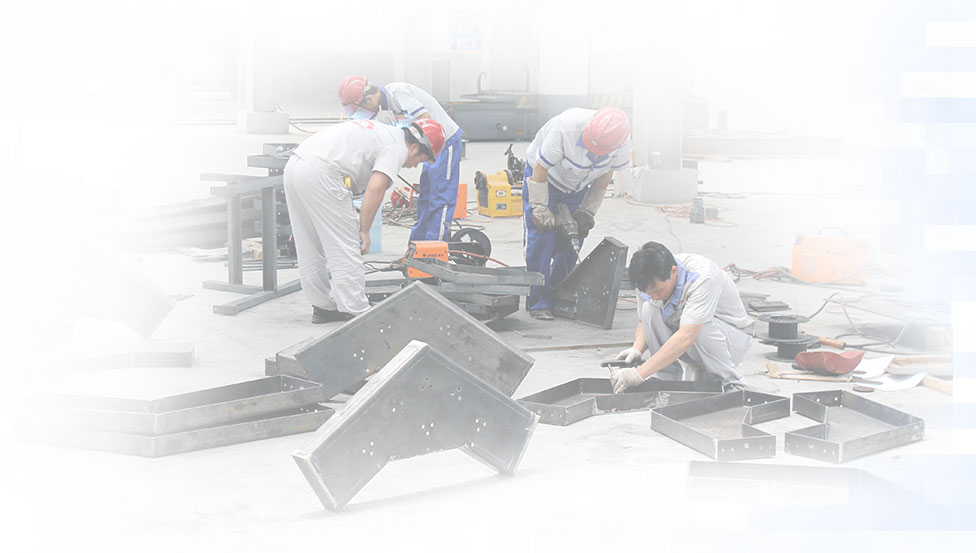
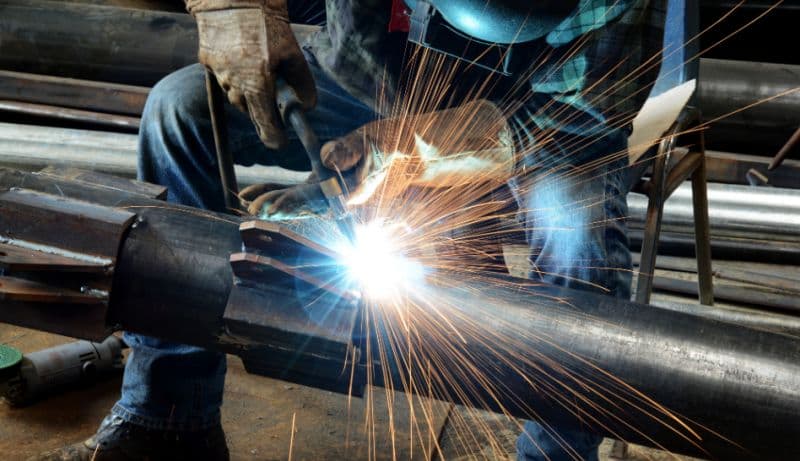
The critical components of the of the complete pellet production line equipment are built in our own workshops in Asia. Additional equipment is manufactured by our worldwide network of reliable partners.
● Testing
Quality Inspection & Testing
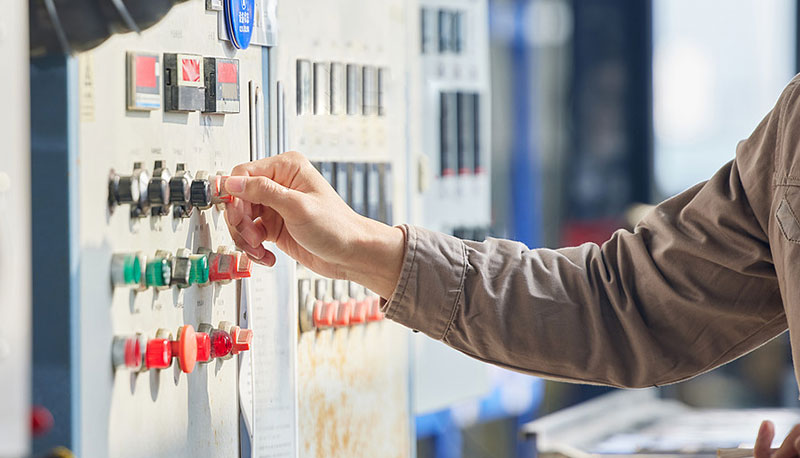
Before leaving the factory, all equipment will be inspected by the quality inspection department. We can also provide customers with testing services from a single machine to a complete pellet plant system, and provide you with real actual data for “worry-free use.”

● Delivery
Equipment Delivery
In equipment boxing and packaging, we adopt professional packaging and modular solutions to ensure the safe and non-destructive delivery of pellet plant equipment.
● Installation
Installation & Commissioning
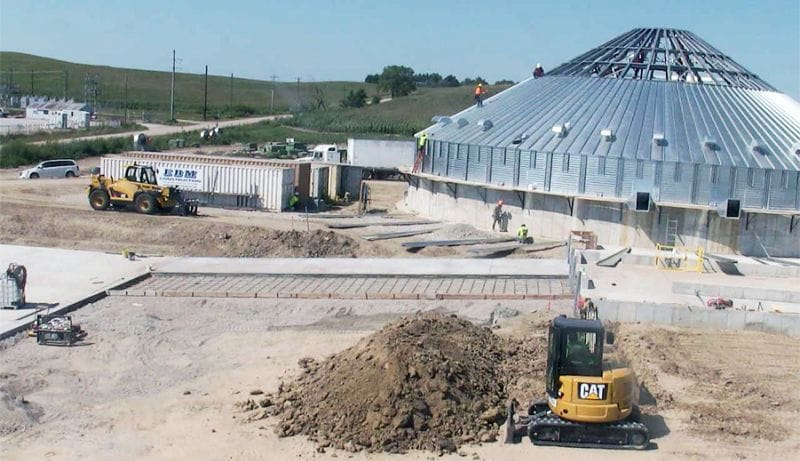
Whether you choose your own subcontractor for the erection phase or you want to install everything together with us, a Richi supervisor will be around to make sure everything is mounted in a safe and thorough way.

● Training
Staff Training
We provide comprehensive training for the technicians of each project. We can also continue to provide support for the technicians during latter project operation.
● After-sales
Project Follow-Up
When everything is up and running our Richiers will help you further whenever needed. We are ready to answer your call 24/7.We’ll also visit you regularly to learn about your needs.
Who we are
RICHI Machinery is one of the world’s leading suppliers of technology and services for the animal feed, aqua feed and pet food industries, also the largest pellet production line manufacturer in China.
Since 1995, RICHI’s vision to build a first-class enterprise, to foster first-class employees, and to make first-class contributions to society has never wavered.
In the past three decades, we have expanded our business to a wide range of areas, including animal feed mill equipment, aqua feed equipment, pet feed equipment, biomass pellet equipment, fertilizer equipment, cat litter equipment, municipal solid waste pellets equipment, etc.

1995
RICHI Established

2000+
Serving More Than 2000 Customers

120+
RICHI Employees

140+
Exported To 140 Countries