 0086-138 3838 9622
Complete Biomass Pellet Plant in Romania
Complete Biomass Pellet Plant in Romania turns qualified straw and sawdust into specified industrial fuel. Explore a 3 t/h equipment route with controlled preparation, one press and practical storage for regional boiler deliveries.

RICHI MACHINERY
overview
Complete Biomass Pellet Plant in Romania brings straw and sawmill residues into one controlled industrial fuel programme. The 3 t/h design serves boiler operators who need regular deliveries, manageable ash and pellets that move reliably through their feeding systems. RICHI supplies the processing equipment and coordinates the material preparation around that duty.
The project uses an existing Romanian industrial property, with space reserved for covered feedstock and finished fuel. A single pellet mill handles the production duty; separate preparation routes accommodate fibrous stalks and fine sawdust before the materials meet in the biomass pellet plant.
3 t/h
capacity
USD 235,000
investment
Romania
location
Biomass
project type
RICHI MACHINERY
A Fuel Business Built Around Local Deliveries
The customer is an agricultural residue collector serving eastern Romania, where cereal farming and wood processing offer different supply patterns. Straw arrives around harvest. Sawmill residues arrive in smaller, more frequent loads. The business needs both streams to support an industrial fuel schedule without filling the whole site with seasonal bales.
For this Complete Biomass Pellet Plant in Romania, the commercial starting point is a group of nearby boiler users with suitable grates and ash handling. Food drying, agricultural buildings and small manufacturing sites provide a more suitable outlet for a straw blend than a retail bag carrying an untested household fuel claim.
The resulting biomass pellet production line in Romania is sized for regional sales. At 3 t/h, it can make a useful delivery volume while remaining within the supply and handling capability of a local collector. Procurement focuses on dependable dry tonnes, with supplier moisture and contamination included in purchasing decisions.
RICHI treats the biomass pellet project as a complete material handling job. A press alone cannot turn an irregular bale supply into a predictable boiler fuel. Receiving, preparation, blending and storage all need to work at the same pace.
RICHI MACHINERY
The Boiler Specification Comes First
The Complete Biomass Pellet Plant in Romania produces 8 mm industrial fuel pellets, with a working length specification of 10–30 mm. The selected size gives the customer a consistent product for agreed screw feeders. Each buyer’s feed mechanism and combustion system remain part of the product approval.
| Product feature | Production target | Buyer value |
|---|---|---|
| Diameter | 8 mm | Consistent setting for the agreed fuel feed system |
| Length | 10–30 mm | Control of long pieces and bridging |
| Finished moisture | About 10% | Stable handling and covered storage |
| Delivery form | Bulk or 25 kg sacks | Different unloading arrangements |
| Annual production plan | 14,400 tonnes | Regional supply on a two-shift basis |
Ash, chlorine, net calorific value and ash melting behaviour are checked on the actual blend. The customer can then agree a delivery specification with each boiler operator. A change in the proportion of wheat straw or maize stalks triggers another fuel check before the new blend enters a sales batch.
This approach gives an industrial biomass pellet plant in Romania a clear sales proposition: a defined fuel, an agreed application and a repeatable delivery lot. It also gives the plant a practical basis for handling complaints or requests for a different fuel grade.
RICHI MACHINERY
Two Supply Streams, Two Receiving Rules
The annual procurement basis for the Complete Biomass Pellet Plant in Romania is 15,000 tonnes of as-received material. The working blend consists of 7,500 tonnes of clean sawdust, 4,500 tonnes of wheat straw and 3,000 tonnes of maize stalks. These are procurement quantities, including the allowance for screened contamination and unrecoverable material.
| Feedstock | Annual intake basis | Receiving requirement |
|---|---|---|
| Clean sawdust | 7,500 tonnes | Untreated wood, separated from board dust |
| Wheat straw | 4,500 tonnes | Dry bales, limited soil and stones |
| Maize stalks | 3,000 tonnes | Chopped or baled, checked for grit |
| Combined material | 15,000 tonnes | Average moisture basis of 12% |
Straw suppliers keep the larger seasonal reserve under cover at their collection points. The plant calls material forward in manageable lots. Sawdust is kept separate until its moisture and cleanliness have been checked, giving the operator a useful blending component when a straw delivery differs from the usual supply.
For a straw pellet plant in Romania, this receiving discipline protects both production and the customer relationship. Soil increases wear and ash. Wet pockets encourage storage problems. Painted timber, MDF dust and treated wood are excluded from this fuel programme because their chemistry changes the fuel specification.
RICHI MACHINERY
Power Sized for the Whole Working Line
Electrical planning for the Complete Biomass Pellet Plant in Romania allows approximately 420 kW of connected machinery load. The design uses a 400 V, 50 Hz, three-phase motor distribution system, supplied through the site’s industrial connection. Transformer capacity, protective devices and starting arrangements are checked against the final motor schedule.
Annual electricity is budgeted at about 1,320,000 kWh for 14,400 tonnes, equivalent to roughly 92 kWh per tonne. The figure covers preparation, pelleting, cooling, dust extraction and conveying. It represents a planning allowance at the specified product mix, rather than the press motor’s nameplate multiplied by every calendar hour.
Water provision is modest because the accepted materials arrive dry. About 450 m³ per year is allowed for staff facilities, cleaning and controlled moisture adjustment where the blend needs it. Routine cleaning around dry material is by suitable vacuum equipment, helping keep moisture out of storage and limiting unnecessary water use.
The operator records electricity against saleable tonnes, along with moisture and die changes. If energy use rises, the maintenance team can distinguish a preparation problem from a press problem. That information is useful when evaluating a new residue supplier or changing the fuel recipe.
RICHI MACHINERY
One Press with Preparation That Can Feed It
A single MZLH678 is specified for the 3 t/h duty of the Complete Biomass Pellet Plant in Romania. Its 200 kW main drive is paired with controlled feeding and a die selected for the agreed biomass blend. The upstream equipment is sized to maintain a steady flow rather than deliver large surges to the press.
| Processing duty | Equipment arrangement | Reason for selection |
|---|---|---|
| Bale opening | One bale breaker | Controlled release of stalk material |
| Fibre cutting | One cutter | Shortens straw before fine grinding |
| Fine preparation | One hammer mill | Brings the blend to the required particle distribution |
| Pellet formation | One MZLH678, 200 kW | One machine for the specified 3 t/h duty |
| Product finishing | One cooler and one screen | Removes heat and separates handling fines |
| Delivery preparation | One bagging station and bulk outlet | Suits sacks and local bulk orders |
The Biomass Pellet Mill receives an even blend through an agitated buffer and metering feeder. Sawdust can bypass the fibre cutter, while stalks follow the full preparation route. This avoids spending power on a cutting step that already fine wood material does not need.
A matched biomass pellet press is only part of the equipment selection. Hopper geometry, magnetic protection, service access and the cooler discharge all affect how consistently the plant can maintain its production schedule.
RICHI MACHINERY
How the Complete Biomass Pellet Plant in Romania Runs
The Complete Biomass Pellet Plant in Romania separates the main material route from the dust extraction route. The biomass pellet production line moves prepared biomass through controlled feeding, compression and finishing. Extraction air goes to the relevant collectors, where recovered clean material is assessed before controlled return.
Open, inspect and cut the stalks
Bales are opened in a designated area, with wire, plastic ties and visible contamination removed. The cutter reduces long fibres before the hammer mill. Sawdust joins downstream of the cutter, so the operator can meter the two streams independently and keep their proportions steady.
Grind to a usable particle distribution
Magnetic protection precedes fine grinding. A working preparation target is predominantly 2–4 mm particles, with long fibres controlled by sieve checks. Screen selection is based on the material obtained, rather than assuming that a hammer mill screen hole gives every particle the same size.
Blend and compress at a steady rate
The buffer keeps a short working reserve ahead of the ring die pellet machine. The feeder controls the load as the blend enters the die. Operators watch motor current, pellet condition and feed moisture together, making small adjustments rather than compensating for poor preparation by repeatedly changing the press setting.
Cool, screen and release
Hot pellets enter an active cooler before screening. Qualified material goes to the bagging hopper or bulk loading point. Clean fines return in a controlled proportion; floor sweepings and contaminated material stay outside the product route. Bags are sealed only after the cooled pellets meet the agreed release checks.
RICHI MACHINERY
What the Annual Material Balance Allows
For the Complete Biomass Pellet Plant in Romania, the annual production plan is 3 tonnes per hour over 16 net operating hours per day and 300 days. That gives 14,400 tonnes of finished pellets. Routine maintenance and cleaning are scheduled around those net production hours.
At an average intake moisture of 12%, the 15,000-tonne procurement basis contains 13,200 tonnes of dry matter. Finished fuel at 10% moisture contains 12,960 tonnes of dry matter. The difference provides 240 tonnes of dry matter for separated grit, unsuitable material and losses that cannot return as saleable fuel.
The incoming water is 1,800 tonnes, while the finished pellets contain 1,440 tonnes. The remaining 360 tonnes leave with rejects or as water vapour during processing and cooling. Internal screening returns circulate within the line and are counted once when calculating the balance.
This is useful purchasing information for the customer. A supplier offering wetter material changes the amount of water delivered, the storage requirement and potentially the preparation route. The plant therefore compares supply offers on a dry-matter basis alongside the delivered material’s quality.
RICHI MACHINERY
Keeping Dust Away from the Product and Yard
Dust control in the Complete Biomass Pellet Plant in Romania starts at bale opening and transfer points. Enclosed conveying reduces escape between machines. The grinding system has extraction suited to its airflow, and the bagging station has a local hood that leaves access for placing and sealing sacks.
Recovered material is managed by collection point. Clean grinding dust from an approved blend can return through a metered connection. Material from floor cleaning, mixed waste bins or a contaminated delivery is kept separate. This keeps a useful recovery system from becoming an uncontrolled ingredient source.
Fire precautions include suitable detection, accessible isolation, housekeeping and separation between raw stock and finished pellets. The final protection arrangement follows the site assessment, machinery risk assessment and local approval process. Storage piles remain accessible for inspection, with recorded stock age and temperature checks where appropriate.
Noise control concentrates on the cutter, hammer mill and extraction fans. Their foundations and service access are planned together, allowing the customer to maintain enclosures and vibration isolation without blocking routine machine work.
RICHI MACHINERY
A Compact Site with Room for Daily Handling
The layout for the Complete Biomass Pellet Plant in Romania occupies a 3,000 m² industrial plot, with 2,000 m² allocated to covered functions. The remaining space serves access, loading and the required separation around the buildings. Seasonal reserves are held through the supplier network rather than stacked across the working yard.
| Covered function | Allocated area |
|---|---|
| Preparation and pelleting | 800 m² |
| Segregated raw material storage | 650 m² |
| Finished pellets and bagging stock | 300 m² |
| Utilities and maintenance | 150 m² |
| Office and quality checks | 100 m² |
| Total covered allocation | 2,000 m² |
The raw material bay carries a working maximum of about 150 tonnes, subject to the actual mix and fire arrangement. Low-density stalks use more volume than sawdust, so the loading team records both stock weight and occupied space. Deliveries are called forward to maintain clear aisles.
Four working posts support each operating shift. A total staffing allowance of 14 includes relief, maintenance, quality checks and dispatch. The local customer retains responsibility for ingredient purchasing and fuel sales; RICHI focuses on the machinery, process coordination and operator handover.
RICHI MACHINERY
Delivery Planning Beyond the Port
Equipment transport for a biomass pellet production line in Romania needs to account for the largest machine, the unloading method and the road into the site. Constanța is a possible sea-freight gateway, with the final route selected against the customer’s location and the packed dimensions.
The packing list identifies lifting points, major assemblies, electrical cabinets and installation parts. The customer can then book unloading equipment around the heaviest package. Components needed early in erection are identified clearly, so the installation crew does not have to unpack every shipment to find foundation hardware.
Site preparation proceeds against drawings for bases, anchor positions, cable routes and extraction ducts. Before equipment arrives, the team checks building clearance and access for die removal. These details help keep a compact property workable during installation and later servicing.
Shipping dates and site mobilisation are coordinated with the actual transport booking and readiness checks. The customer receives a practical delivery sequence, allowing local contractors to organise their work around equipment arrival.
RICHI MACHINERY
Selling a Fuel the Buyer Can Reorder
The Complete Biomass Pellet Plant in Romania is positioned around industrial repeat orders. A boiler operator needs to know what will arrive next month: fuel moisture, ash behaviour, pellet dimensions, load size and the paperwork linking the delivery to a production batch.
A biomass pellet plant cost in Romania should therefore be evaluated alongside the intended delivery business. The customer needs enough covered finished stock to dispatch promptly, but also enough turnover to avoid long storage. Bulk sales and 25 kg sacks are scheduled as separate order types with clear loading arrangements.
Trial deliveries connect factory checks with the customer’s equipment. The buyer assesses feeding, combustion stability and ash removal under its own operating conditions. Those observations guide the agreed blend and provide practical information for subsequent production runs.
The sales team can offer a defined industrial fuel service, supported by batch samples and delivery records. That is a stronger basis for a recurring order than relying on a general statement that every agricultural residue will behave the same way in every boiler.
A Defined Equipment and Installation Scope
The equipment budget for the Complete Biomass Pellet Plant in Romania is USD 165,000. The total installed project budget is USD 235,000. These figures cover the specified dry-material route within an existing industrial property, with the total allowing for transport, installation, local electrical work and the stated building adaptations.
The scope includes preparation, the single press, cooling, screening, conveying, extraction and the selected loading arrangement. Land purchase, a replacement factory building and a large wet-feed drying system are outside this defined project scope. The customer can compare the package against the equipment and facilities actually required.
RICHI Machinery coordinates machinery interfaces, layout drawings, installation guidance and operating instruction. The acceptance plan links the agreed feedstock blend to saleable output, electricity records and pellet quality checks. It gives the customer specific points to review during handover.
For a complete biomass pellet plant supplier in Romania, that coordination matters as much as the machine list. A buyer can see where material enters, how it reaches the press and how finished fuel leaves the building ready for dispatch.
Plan Your Regional Fuel Supply
Your fuel business starts with a supply quantity and a boiler specification that fit each other. Share those details, your moisture readings and a site drawing with RICHI. We will develop the Complete Biomass Pellet Plant in Romania around preparation, storage and the delivery formats you intend to sell. The equipment proposal will show how that material reaches a load-ready fuel.
● RICHI MACHINERY
RICHI Service

● Consulting
Customer Consultation
We want to have a deep understanding of your industrial process, to know your exact needs of feed, wood, biomass, fertilizer or other pellet processing.
● Design
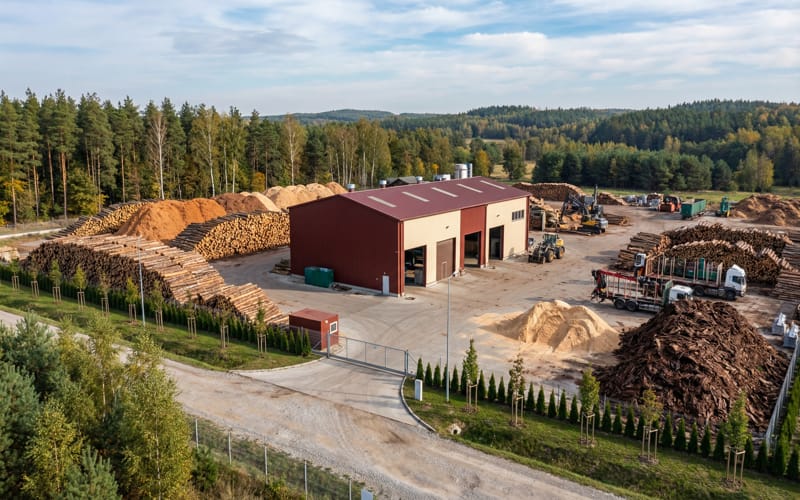
biomass Pellet Plant Design
Based on your unique situation and industrial process, we will tailor complete pellet plant you need, and inform you of every additional detail that could facilitate operation, minimize total cost.
● Manufacturing
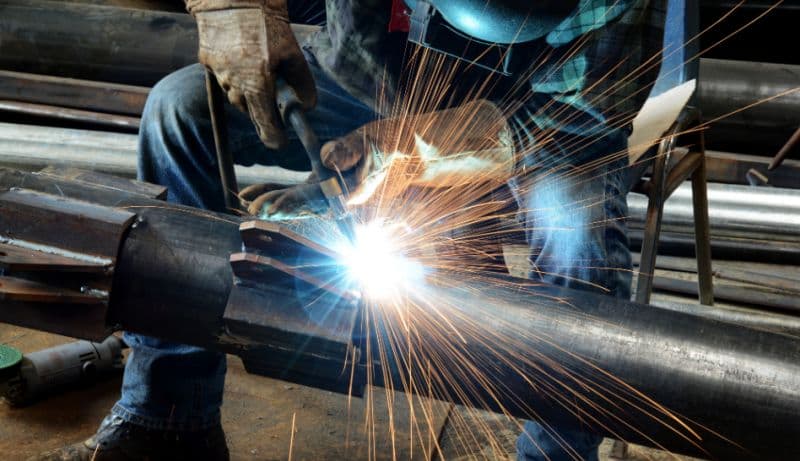
Equipment Manufacturing
The critical components of the of the complete pellet production line equipment are built in our own workshops in Asia. Additional equipment is manufactured by our worldwide network of reliable partners.
● Testing
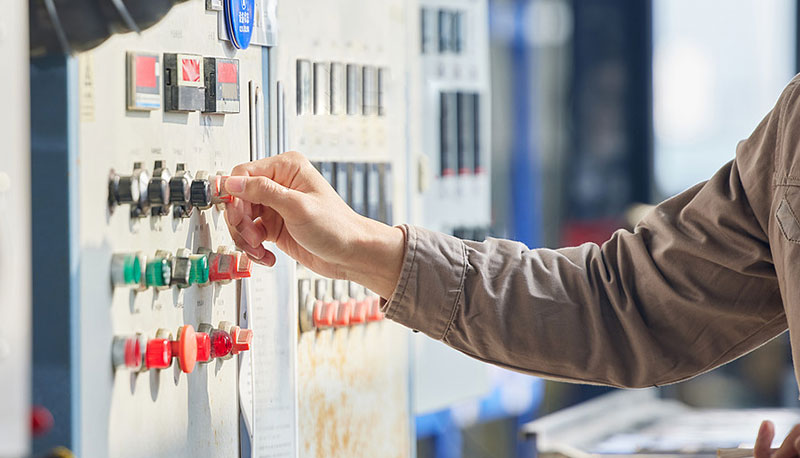
Quality Inspection & Testing
Before leaving the factory, all equipment will be inspected by the quality inspection department. We can also provide customers with testing services from a single machine to a complete pellet plant system, and provide you with real actual data for “worry-free use.”

● Delivery
Equipment Delivery
In equipment boxing and packaging, we adopt professional packaging and modular solutions to ensure the safe and non-destructive delivery of pellet plant equipment.
● Installation
Installation & Commissioning
Whether you choose your own subcontractor for the erection phase or you want to install everything together with us, a Richi supervisor will be around to make sure everything is mounted in a safe and thorough way.

● Training
Staff Training
We provide comprehensive training for the technicians of each project. We can also continue to provide support for the technicians during latter project operation.
● After-sales
Project Follow-Up
When everything is up and running our Richiers will help you further whenever needed. We are ready to answer your call 24/7.We’ll also visit you regularly to learn about your needs.
Who we are
RICHI Machinery is one of the world’s leading suppliers of technology and services for the animal feed, aqua feed and pet food industries, also the largest pellet production line manufacturer in China.
Since 1995, RICHI’s vision to build a first-class enterprise, to foster first-class employees, and to make first-class contributions to society has never wavered.
In the past three decades, we have expanded our business to a wide range of areas, including animal feed mill equipment, aqua feed equipment, pet feed equipment, biomass pellet equipment, fertilizer equipment, cat litter equipment, municipal solid waste pellets equipment, etc.

1995
RICHI Established

2000+
Serving More Than 2000 Customers

120+
RICHI Employees

140+
Exported To 140 Countries