 0086-138 3838 9622
Small Fish Feed Plant in Indonesia
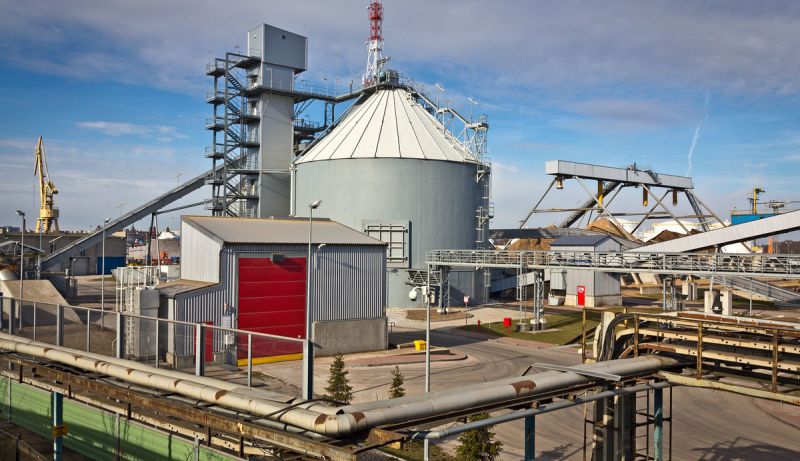
This is a project about a small fish feed plant in Indonesia. In the heart of Indonesia’s thriving livestock and aquaculture region, a family-owned agribusiness took a meaningful step toward upgrading its operations — proving that even small feed plants can have a big impact when designed and supported by the right partner.
This is the story of how a simple request for a fish pellet machine turned into a compact but versatile feed production line that today serves both poultry and aquaculture customers in one of Asia’s fastest-growing animal protein markets.

RICHI MACHINERY
A Humble Inquiry That Sparked a Bigger Vision
Back on May 24, 2018, the client, a local poultry and fish farmer with a growing customer network in his region, sent RICHI Machinery a short but urgent message: “please send me quotation for FIsh Pellet Machine 1-2 T/h Please send me quotation + video Urgent Thanks”. At that time, the plan was clear but modest — they wanted to make floating fish feed to supplement the mash feed they were buying from local suppliers for their growing fish ponds.
In Indonesia, many small and medium-sized farming businesses find themselves squeezed between rising feed costs and unpredictable supply from larger feed mills. This client, operating several fish ponds and a modest poultry shed, realized that investing in their own feed processing could help them control costs, improve feed quality, and gradually build up a small commercial feed brand to supply to neighbors and nearby cooperatives.
The journey took time. Over the next four years, through back-and-forth technical clarifications, design revisions, cost discussions, and market research, the client refined the plan with RICHI’s team. By November 3, 2022, they had signed a final contract with RICHI Machinery for a total value of $53,000 USD — not just for a fish feed pellet machine but for a complete small-scale 1-2 tons per hour poultry feed production line combined with a 500 kg/h floating fish feed extrusion unit.
1-2T/H
capacity
$53,000
investment
Indonesia
location
Feed
project type
RICHI MACHINERY
Combining Feeds: One Line, Two Markets
This hybrid approach made perfect sense for the client. In Indonesia, smallholders often diversify between livestock and fish. Feed costs can eat up 60% or more of total production costs, especially for aquaculture. By producing both poultry feed pellets and floating fish feed in-house, the client now covers their own demand and sells surplus feed to other local farmers — generating a steady new income stream while gaining better control over the nutritional quality of their animals’ diets.
RICHI MACHINERY
Raw Materials for small fish feed plant in Indonesia
Feed production in Indonesia has the advantage of easy access to agricultural by-products and protein sources. For this client, the main raw materials for the poultry feed line include yellow corn, rice bran, soybean meal, and coconut meal. Local palm kernel cake is also added in small percentages to reduce costs while maintaining acceptable energy and fiber levels.
For the fish feed, the formulation uses finely ground corn, rice bran, fish meal, soybean meal, and fish oil — all common and available within the region. Some micro-nutrients and premixes are sourced through local agri-input suppliers to balance amino acids, vitamins, and trace minerals needed for healthy fish growth.
This mix of ingredients is not only cost-effective but supports local farmers and processors who supply raw inputs, keeping the value chain within the community.
RICHI MACHINERY
A Flexible but Efficient Processing Flow
The combined small scale fish feed plant in Indonesia was designed by RICHI’s engineers to suit the client’s mixed raw materials and product goals. The workflow looks like this:
Feeding → Crushing → Mixing → Pelleting (poultry feed) + Extruding (fish feed) → Drying (fish feed) → Cooling → Pellet Crumbling → Screening → Packing
The process works in parallel streams, with flexibility for the operator to switch between or run both lines in tandem, depending on raw material availability and order size.
- Feeding & Crushing: Bulk ingredients are weighed and pre-cleaned to remove stones and debris, then ground to uniform size — a crucial step for pellet and extruder performance.
- Mixing: Here, all raw materials and micro-ingredients are blended evenly. For small farms, consistent mixing is often the hardest step to do well manually — automation ensures better feed uniformity and quality control.
- Pelleting: Poultry feed goes through the ring die pellet machine to form compact, durable pellets that store well in Indonesia’s humid climate.
- Extruding: The fish feed portion goes through a small extruder that uses heat, pressure, and mechanical shear to puff the feed. This floating property is vital for species like catfish and tilapia, which feed at the surface.
- Drying: Because extruded feed leaves the machine with high moisture, it passes through a dryer to reach stable storage conditions.
- Cooling: Both poultry pellets and dried fish feed are cooled to ambient temperature to prevent mold and spoilage.
- Pellet Crumbling: If needed, larger poultry pellets can be crumbled for chicks or smaller fish fingerlings, opening up new customer segments.
- Screening & Packing: A small vibrating sieve separates powder and broken pieces from the final product. Finished feed is then bagged in 25–50 kg moisture-proof sacks, ready for storage or delivery.
RICHI MACHINERY
A Line That Does More
While the main focus is poultry and fish feed, the flexibility of this small fish feed plant in Indonesia means the client can also produce feed for ducks, quails, or even local ornamental fish with recipe tweaks and slight adjustments to moisture and extrusion settings. This ability to diversify is a major advantage for small operations, allowing them to react to market shifts without needing new large investments.
What Makes This Line Possible: Core Machines?
The backbone of the small fish feed plant in Indonesia project is a set of simple but robust machines designed for ease of use and local conditions:
- A hammer mill for crushing grains and by-products into fine powder.
- A small batch mixer that blends up to a few hundred kilos per batch, ensuring ingredient consistency.
- A compact ring die poultry feed pellet machine with adjustable dies.
- A floating fish feed extruder machine designed for small-scale operations, easy to operate and maintain.
- A belt dryer to remove excess moisture from extruded feed.
- A counterflow cooler that stabilizes pellets for storage.
- A crumbler that reduces pellet size when needed.
- A basic vibrating screen to separate fines.
- A semi-automatic bagging system to handle final packing.
All feed mill equipment was selected for durability, easy maintenance, and low energy consumption — a must for regions where electricity costs and downtime can quickly eat into margins.
RICHI MACHINERY
Local Prospects: A Strong Future for Small Feed Producers
Indonesia is home to one of the largest aquaculture sectors in Asia. Fish is a core protein source for millions of households, and backyard poultry remains a staple livelihood for rural families. Yet feed supply, especially reliable small-batch feed tailored to local needs, often lags behind growing demand.
Large feed mills mostly serve big commercial farms. Small and medium farmers often rely on middlemen or inconsistent local mash feeds, which can affect animal performance and water quality. By producing high-quality, affordable feed locally, this client has carved out a niche that keeps growing as more neighbors hear about their reliable supply.
More importantly, this small fish feed plant in Indonesia project shows how a small farmer can gradually professionalize — from buying feed to making mash feed by hand, to running a proper pelleting line, and finally to mastering floating feed extrusion. The investment, at $53,000 USD, is modest by industry standards but unlocks huge value when paired with local knowledge and careful management.
RICHI MACHINERY
Not Just Machines — A Partnership
From that first urgent email in 2018 asking for a video and a quote, to signing the contract on November 3, 2022, this small fish feed plant in Indonesia project reflects what makes RICHI Machinery stand out. For small farmers especially, investing in feed equipment can be daunting. What if the machines don’t work as promised? What if the technical design doesn’t match their raw materials or climate?
RICHI’s technical team didn’t just quote a machine — they asked the right questions, reviewed the client’s feed recipes, discussed raw material storage and local labor skills, and offered a line that balances performance, cost, and ease of use.
When installation was complete, the client didn’t just get new machinery — they gained new skills and the confidence to grow their feed business step by step.
RICHI MACHINERY
Investing Small, Winning Big
In Indonesia’s animal feed landscape, more farmers are realizing they don’t have to stay at the mercy of fluctuating feed prices or inconsistent quality. Projects like this small hybrid feed plant prove that even modest investments can change a business’s path — turning a farmer into a local supplier, strengthening community food security, and keeping value within the village or district.
For other farmers reading this story, the lesson is clear: If you have local raw materials, a steady market, and the willingness to learn, a small scale feed mill might be one of the smartest investments you ever make. And with an experienced partner like RICHI Machinery, you’re not just buying machines — you’re buying a pathway to independence and growth.
In a country of thousands of islands, countless ponds, and millions of chickens, every bag of feed counts. This small fish feed plant in Indonesia is proof that smart feed production can start small — and finish strong.
● RICHI MACHINERY
RICHI Service

● Consulting
Customer Consultation
We want to have a deep understanding of your industrial process, to know your exact needs of feed, wood, biomass, fertilizer or other pellet processing.

● Design
feed Pellet Plant Design
Based on your unique situation and industrial process, we will tailor complete feed mill plant you need, and inform you of every additional detail that could facilitate operation, minimize total cost.
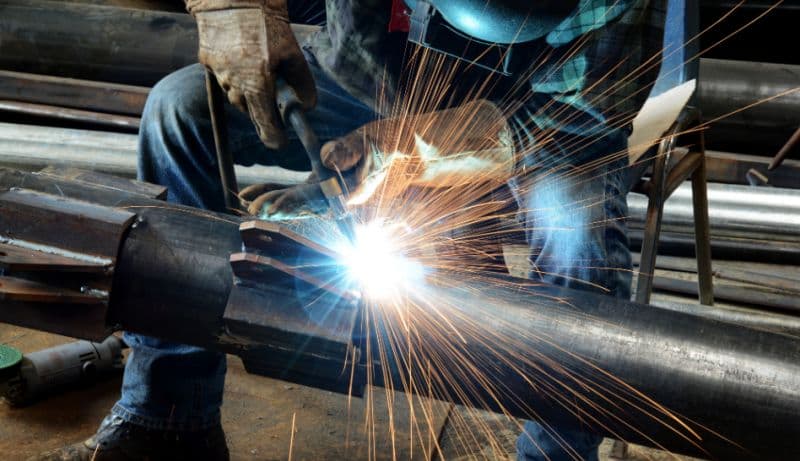
● Manufacturing
Equipment Manufacturing
The critical components of the of the complete animal feed production line equipment are built in our own workshops in Asia. Additional equipment is manufactured by our worldwide network of reliable partners.
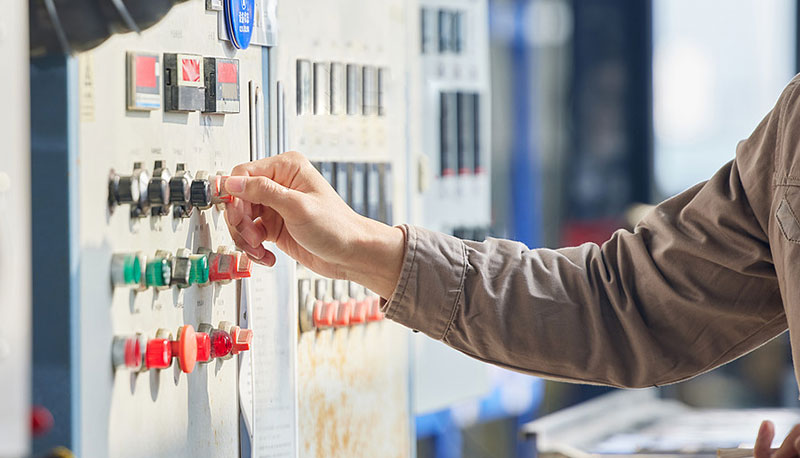
● Testing
Quality Inspection & Testing
Before leaving the factory, all equipment will be inspected by the quality inspection department. We can also provide customers with testing services from a single machine to a complete animal and fish feed production line, and provide you with real actual data for “worry-free use.”

● Delivery
Equipment Delivery
In equipment boxing and packaging, we adopt professional packaging and modular solutions to ensure the safe and non-destructive delivery of animal feed making machines.
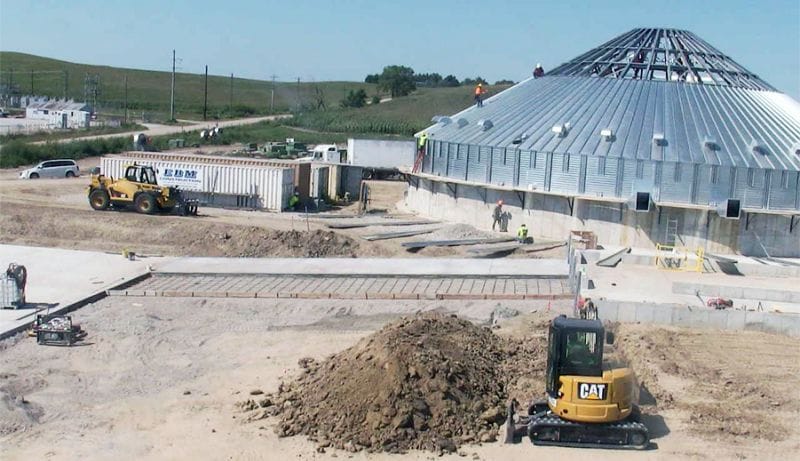
● Installation
Installation & Commissioning
Whether you choose your own subcontractor for the erection phase or you want to install everything together with us, a Richi supervisor will be around to make sure everything is mounted in a safe and thorough way.

● Training
Staff Training
We provide comprehensive training for the technicians of each small fish feed plant in Indonesia project. We can also continue to provide support for the technicians during latter project operation.
● After-sales
Project Follow-Up
When everything is up and running our Richiers will help you further whenever needed. We are ready to answer your call 24/7.We’ll also visit you regularly to learn about your needs.
Who we are
RICHI Machinery is one of the world’s leading suppliers of technology and services for the animal feed, aqua feed and pet food industries, also the largest pellet production line manufacturer in China.
Since 1995, RICHI’s vision to build a first-class enterprise, to foster first-class employees, and to make first-class contributions to society has never wavered.
In the past three decades, we have expanded our business to a wide range of areas, including animal feed mill equipment, aqua feed equipment, pet feed equipment, biomass pellet equipment, fertilizer equipment, cat litter equipment, municipal solid waste pellets equipment, etc.

1995
RICHI Established

2000+
Serving More Than 2000 Customers

120+
RICHI Employees

140+
Exported To 140 Countries