 0086-138 3838 9622
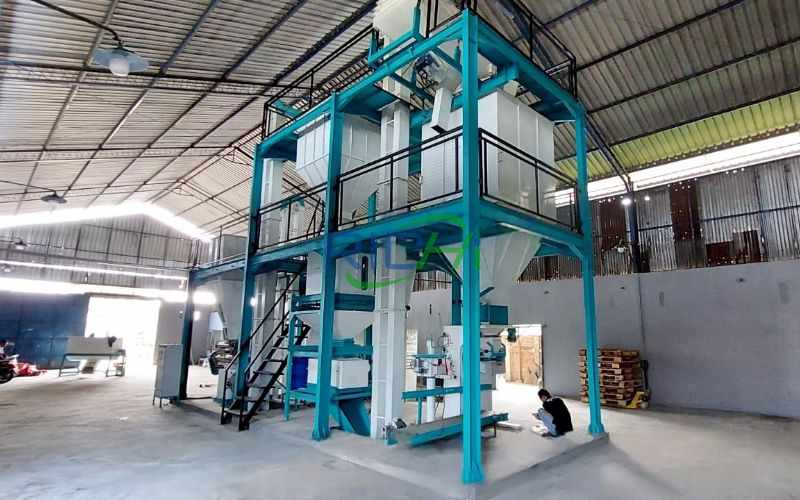
poultry livestock feed processing plant in Indonesia
This is a project for a poultry and livestock feed processing plant in Indonesia. When people talk about investing in feed mills, they often picture seasoned farmers or large companies with decades of experience.
But sometimes, the best stories come from someone with no background in the feed business at all — someone bold enough to ask the most basic questions and brave enough to take action fast.
That’s exactly what happened with this 1-2 tons per hour poultry and livestock feed processing plant in Indonesia — a project that shows what can happen when vision, trust, and the right partner come together.
RICHI MACHINERY
A Simple Question with Big Potential
It all started with a short message on May 29, 2023. The client, a young entrepreneur in Indonesia’s booming agriculture sector, sent RICHI Machinery a direct but telling inquiry: “How process raw material and build feed mill.” This wasn’t a farmer expanding an old mill or a big company upgrading outdated machines — this was someone completely new to feed processing.
Their motivation was clear. Indonesia’s demand for meat and animal protein keeps climbing, driven by a growing middle class and expanding urban areas. But for smallholders and newcomers, the feed supply chain can be inconsistent, expensive, and highly sensitive to global grain prices.
This client saw an opportunity. By investing in a small but efficient feed mill, they could process locally available grains and by-products into balanced feed pellets for poultry and livestock — not only supplying their own startup farming operations but also selling to nearby smallholders. It was an ambitious plan for someone with no feed processing experience, but ambition is exactly what drives small businesses forward.
1-2T/H
capacity
$58,000
investment
Indonesia
location
Feed
project type
RICHI MACHINERY
From Zero to Contract in Five Months
Over the next five months, the client worked closely with RICHI’s team. What they lacked in feed mill experience, they made up for in curiosity and determination. The RICHI engineers guided them step by step — explaining how raw materials are cleaned, crushed, mixed, pressed into pellets, cooled, screened, and bagged.
It wasn’t just about selling a machine. The process included discussions about local raw material availability, climate challenges, power supply, workforce training, and — in a unique twist — even equipment color. Instead of RICHI’s traditional white and green paint scheme, the client requested a custom color that matched their brand vision, a small detail that made the project feel truly theirs.
By October 11, 2023, the deal was sealed. A total investment of $58,000 USD was agreed for the full poultry livestock feed processing plant in Indonesia, sized perfectly to their budget and local market. For the client, this wasn’t just about equipment — it was a gateway into a new industry with huge potential.
RICHI MACHINERY
Raw Materials For poultry livestock feed processing plant in Indonesia
Indonesia is blessed with an abundance of agricultural products that double as feed ingredients. The client’s region produces yellow corn, rice bran, copra meal, palm kernel cake, and cassava residue — all staples in poultry and livestock feed.
Corn provides high-energy starch. Rice bran adds fiber and residual oils. Copra meal and palm kernel cake supply affordable protein and fat. Soybean meal is sourced from regional suppliers or imported as needed to balance protein content, especially for poultry rations. Small inclusions of vitamin premixes and trace minerals ensure that the final feed meets animal growth requirements.
By using local materials, the client keeps feed costs competitive while supporting farmers in the surrounding area. This local sourcing is a key advantage, especially when global grain prices fluctuate or transport costs spike.
RICHI MACHINERY
How the Process Works: Simple, Clear, Effective
One of the most important parts of this poultry livestock feed processing plant in Indonesia project was making sure the entire process was easy for a beginner to learn and operate. That’s why the line’s workflow is clear and straightforward, following this sequence:
Feeding → Crushing → Mixing → Pelleting → Cooling → Pellet Crumbling → Screening → Packing
Each step has a clear purpose:
- Feeding: Raw ingredients are weighed, checked, and cleaned to remove stones or metal debris that could damage equipment.
- Crushing: A hammer mill grinds coarse materials like corn and palm kernel cake into fine particles. Consistent particle size is critical for proper mixing and pellet quality.
- Mixing: A paddle mixer blends all ingredients, including micro-additives, into a homogenous batch. For newcomers, this is a big step forward compared to manual mixing, which can leave nutrition uneven.
- Pelleting: The mixed material enters the poultry livestock feed pellet machine where it’s pressed through a ring die to form dense, durable feed pellets. Proper pelleting improves digestibility and reduces waste compared to loose mash feed.
- Cooling: Freshly formed pellets are hot and moist. A counterflow cooler brings the temperature and moisture content down to safe storage levels, preventing mold growth in Indonesia’s humid climate.
- Pellet Crumbling: For younger birds or animals that need smaller feed sizes, the crumbler breaks pellets into uniform mini-pieces.
- Screening: Finally, a vibrating screen separates out any fines or broken bits, ensuring only quality pellets are bagged.
- Packing: Feed is packed into bags, ready for on-farm use or sale to neighbors and local smallholders.
RICHI MACHINERY
Built for Versatility: One Line, Many Options
While the main goal is to produce poultry and livestock feed, the beauty of this poultry livestock feed processing plant in Indonesia is its adaptability. With small tweaks to recipes and die sizes, the client can produce feed for layers, broilers, ducks, goats, or even rabbits — all with the same basic line.
This flexibility is especially valuable for new entrants to the industry. They can start with a core product, test the local market, then expand into new segments as demand grows. No extra major investment is needed — the same equipment does the job.
RICHI MACHINERY
What Brings It All Together: The feed making Machines
The key to this poultry livestock feed processing plant in Indonesia project’s success is its simplicity — robust machines designed to run reliably with basic training and minimal downtime. The client’s 1-2T/H line includes:
- A hammer mill for grinding raw grains and by-products.
- A horizontal paddle mixer for even blending.
- A ring die feed mill pellet machine customized for poultry and livestock feed.
- A counterflow pellet cooler that handles local humidity.
- A pellet crumbler for adjustable pellet sizes.
- A small vibrating screen to clean up the final product.
- A semi-automatic bagging system for easy packing.
- Combined, these machines transform simple raw ingredients into high-quality, uniform feed that meets local standards and customer expectations.
RICHI MACHINERY
A Newcomer’s Edge: Why This Investment Matters in Indonesia
Indonesia’s livestock sector is evolving fast. The country has one of the largest poultry markets in Southeast Asia, with chicken meat and eggs forming a core part of daily diets. Meanwhile, demand for quality feed remains strong and is often underserved in rural regions.
Large commercial livestock feed production lines mainly supply big farms near major cities. Smallholders in secondary towns often pay a premium for bagged feed that may be inconsistent in quality. By setting up a small but professional feed mill close to home, this client positions themselves as a new, trusted local supplier with fresher, more affordable feed.
It’s also a smart hedge against rising global feed prices. When you process your own feed, you control your costs and keep more profit in your own pocket — not the middleman’s.
RICHI MACHINERY
A Touch of Personality: The Custom Color
One of the most memorable details of this poultry livestock feed processing plant in Indonesia project is the color. Instead of RICHI’s familiar white and green, the client requested a custom paint scheme that reflects their personal brand. It might seem like a small thing, but for a new business owner, every detail counts. The color gives the plant an identity, making it stand out and building pride among local workers and visitors alike.
RICHI MACHINERY
Trust and Partnership: The RICHI Difference
The real story here isn’t just about machines — it’s about trust. When the client sent that first message asking, “How process raw material and build feed mill,” they didn’t just need a quote — they needed a partner.
RICHI’s team didn’t hand over a generic brochure and disappear. They listened, explained every step, customized the solution to local raw materials and climate, and made sure the entire animal feed production line matched the client’s real-world needs and budget.
Even after signing the contract on October 11, 2023, RICHI stayed on board to guide installation, train operators, and share practical tips to help a total newcomer hit the ground running. The result? A small plant that’s easy to run, easy to maintain, and built to grow as the business grows.
RICHI MACHINERY
Big Lessons from a Small Mill
This 1-2T/H poultry livestock feed processing plant in Indonesia may not look huge on paper — it cost $58,000 USD and fits comfortably on a small plot of land. But its impact is bigger than its footprint. It shows that with local raw materials, the right technical partner, and a bit of courage, even someone with no feed industry experience can build a profitable new venture that supports local farms and strengthens food security.
The future for this client looks bright. Demand for quality poultry and livestock feed in Indonesia isn’t slowing down anytime soon — and with their own line up and running, they have the power to serve neighbors, expand capacity over time, and maybe even inspire other newcomers to take the same leap.
If you’re reading this and wondering if your idea is too small or too risky, think again. Sometimes, all it takes is a simple question — and a team like RICHI to help turn your first steps into lasting success.
In Indonesia’s changing agricultural landscape, stories like this prove that small plants can do big things — and that when you work with the right partner, even a total beginner can build something that feeds families, creates jobs, and opens doors for the next generation.
● RICHI MACHINERY
RICHI Service

● Consulting
Customer Consultation
We want to have a deep understanding of your industrial process, to know your exact needs of feed, wood, biomass, fertilizer or other pellet processing.

● Design
feed Pellet Plant Design
Based on your unique situation and industrial process, we will tailor complete feed mill plant you need, and inform you of every additional detail that could facilitate operation, minimize total cost.
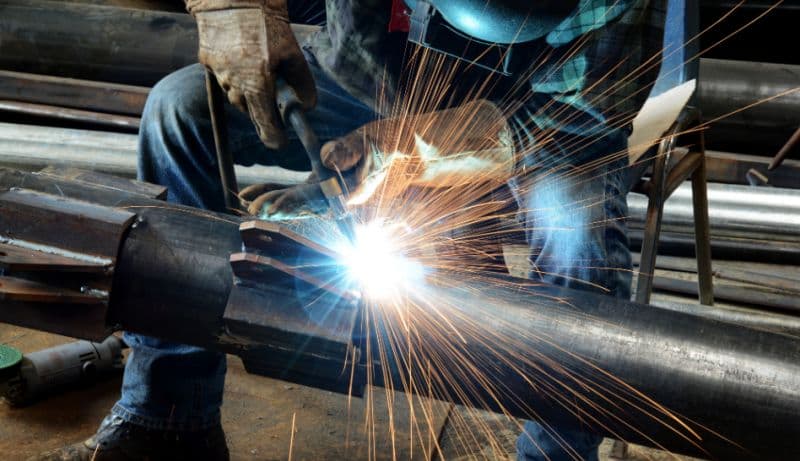
● Manufacturing
Equipment Manufacturing
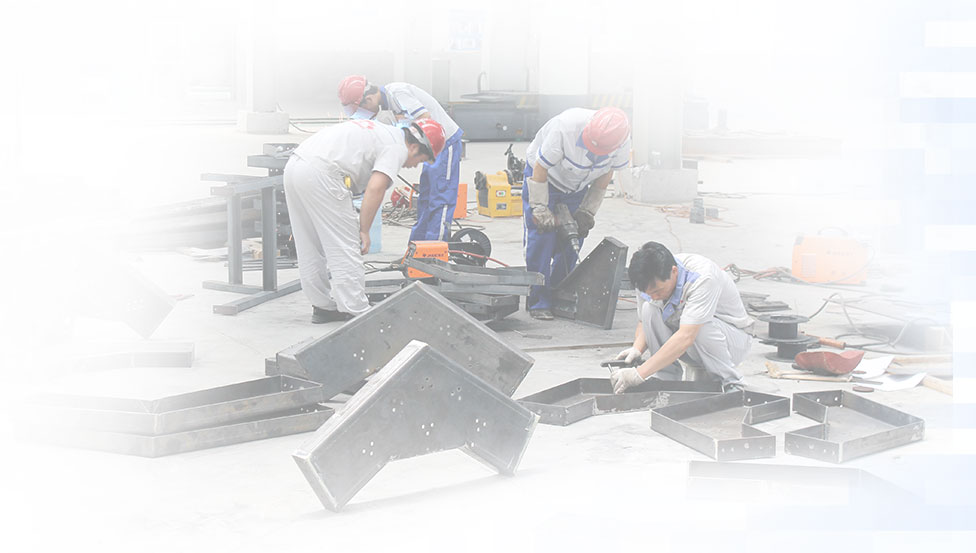
The critical components of the of the commercial feed mill equipment are built in our own workshops in Asia. Additional equipment is manufactured by our worldwide network of reliable partners.
● Testing
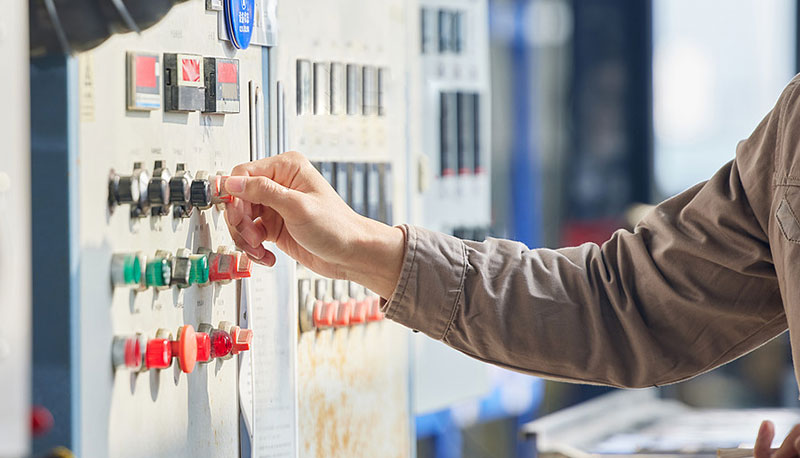
Quality Inspection & Testing
Before leaving the factory, all equipment will be inspected by the quality inspection department. We can also provide customers with testing services from a single machine to a feed preparation plant system, and provide you with real actual data for “worry-free use.”

● Delivery
Equipment Delivery
In equipment boxing and packaging, we adopt professional packaging and modular solutions to ensure the safe and non-destructive delivery of feed mill equipment.
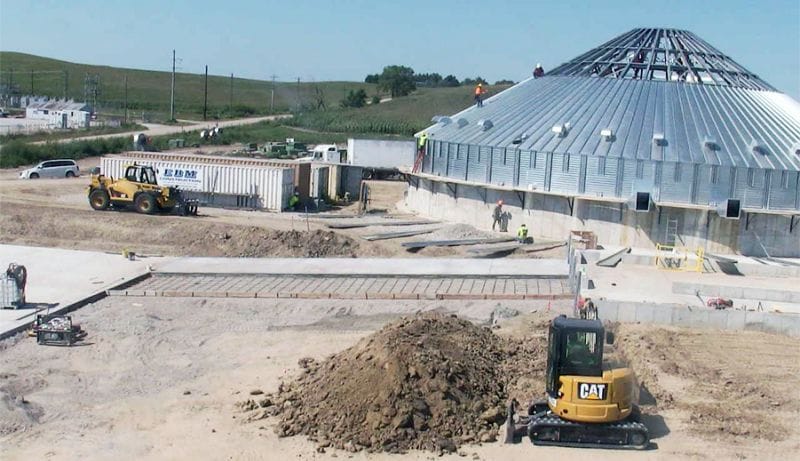
● Installation
Installation & Commissioning
Whether you choose your own subcontractor for the erection phase or you want to install everything together with us, a Richi supervisor will be around to make sure everything is mounted in a safe and thorough way.

● Training
Staff Training
We provide comprehensive training for the technicians of each animal livestock poultry feed mill project. We can also continue to provide support for the technicians during latter project operation.
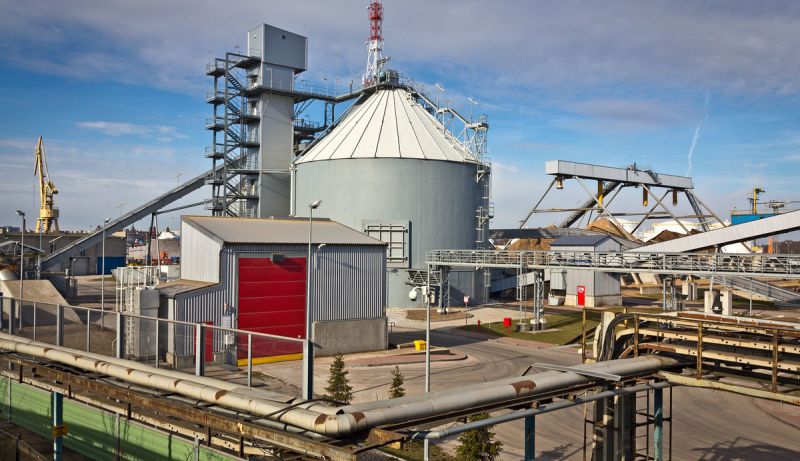
● After-sales
Project Follow-Up
When everything is up and running our Richiers will help you further whenever needed. We are ready to answer your call 24/7.We’ll also visit you regularly to learn about your needs.
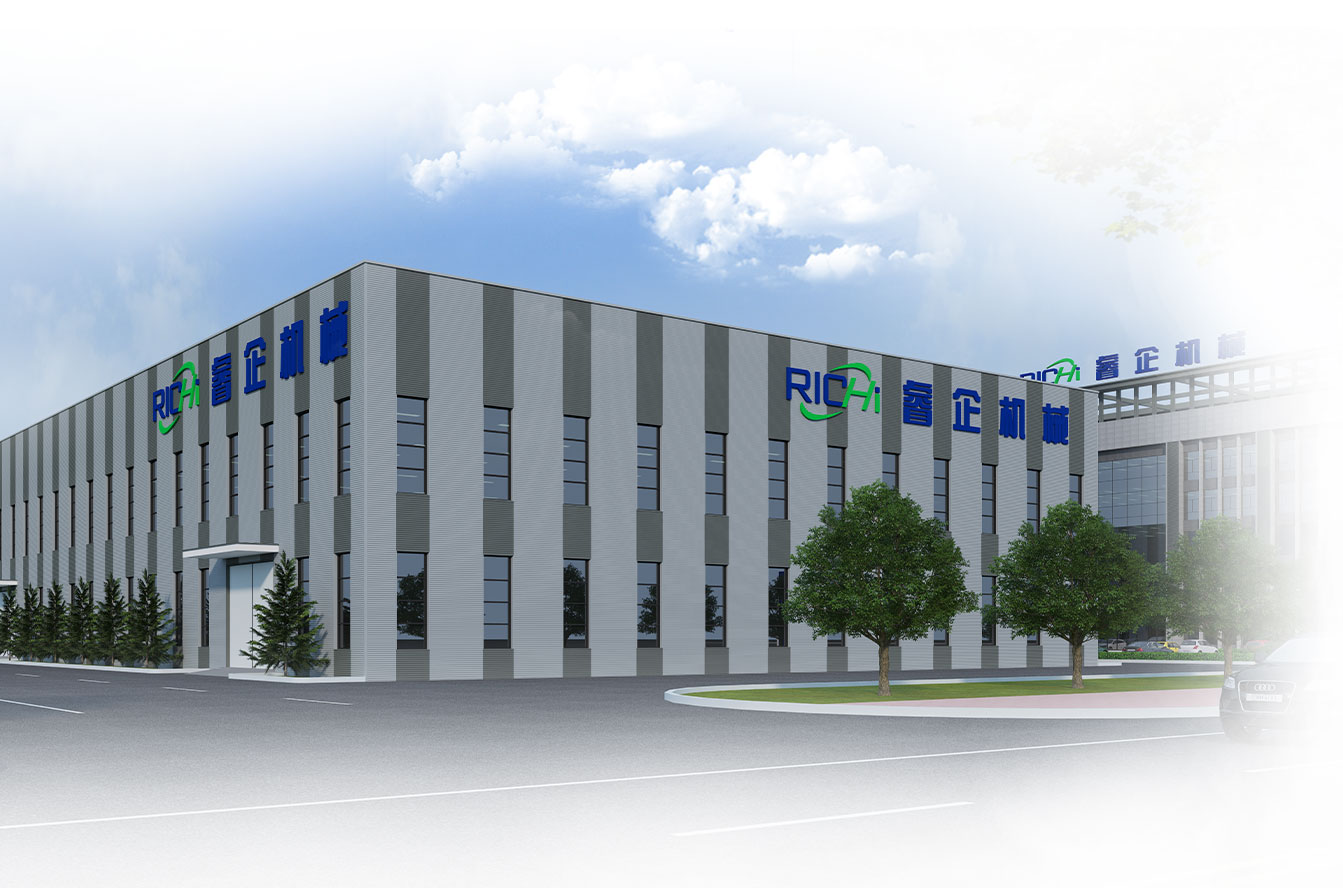
Who we are
RICHI Machinery is one of the world’s leading suppliers of technology and services for the animal feed, aqua feed and pet food industries, also the largest pellet production line manufacturer in China.
Since 1995, RICHI’s vision to build a first-class enterprise, to foster first-class employees, and to make first-class contributions to society has never wavered.
In the past three decades, we have expanded our business to a wide range of areas, including animal feed mill equipment, aqua feed equipment, pet feed equipment, biomass pellet equipment, fertilizer equipment, cat litter equipment, municipal solid waste pellets equipment, etc.

1995
RICHI Established

2000+
Serving More Than 2000 Customers

120+
RICHI Employees

140+
Exported To 140 Countries